




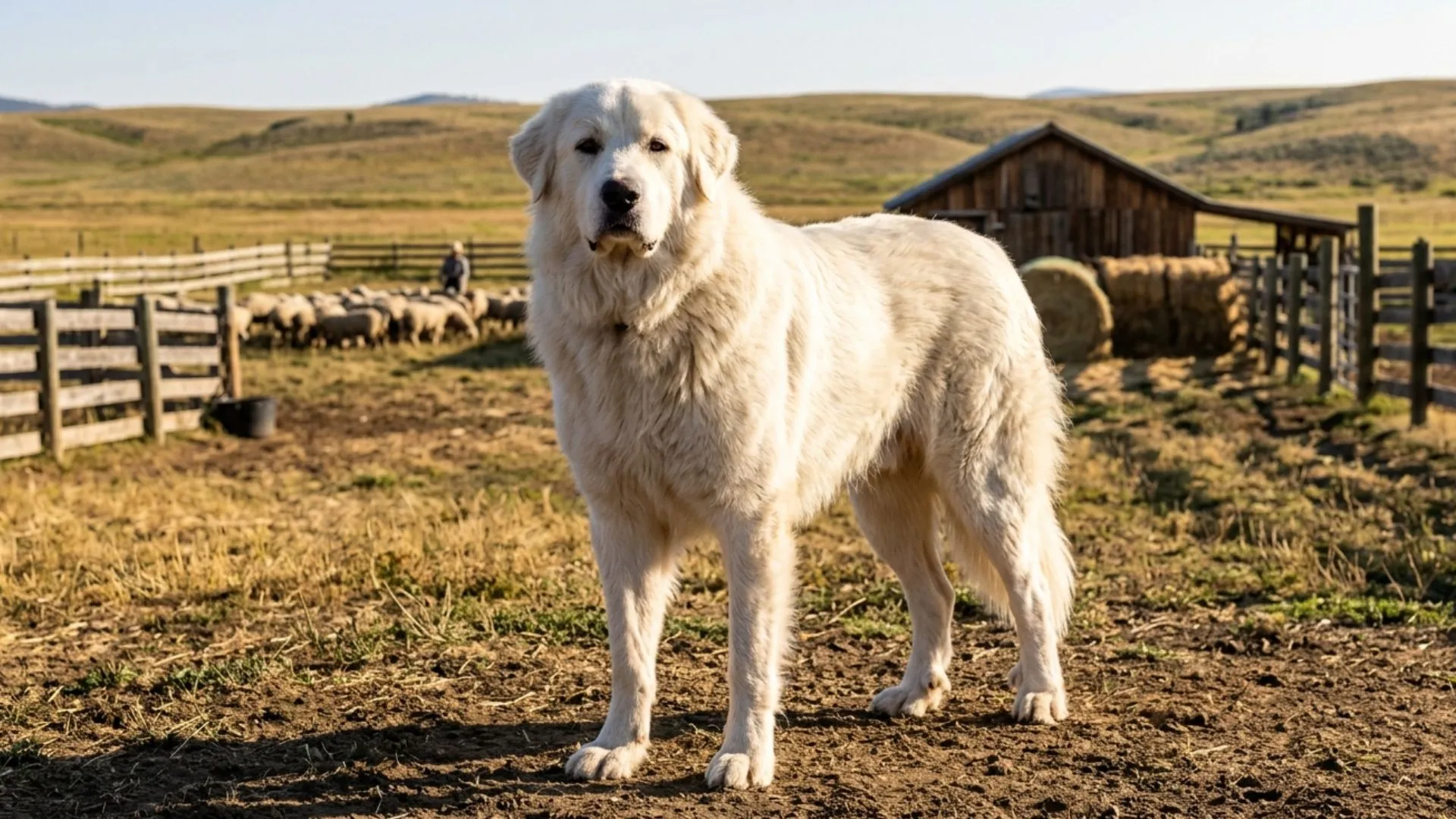
The sun had barely cleared the horizon when the dog was already moving across the property. Livestock needed attention, fences required checking, and the day’s work was only beginning.
Hours later, after covering ground that would leave many dogs exhausted, it was still working with the same steady determination. That kind of endurance is not uncommon among dogs developed for farm and ranch life. For generations, rural communities have depended on dogs capable of handling physically demanding responsibilities without losing focus or momentum.
Strength matters, but strength alone is rarely enough. These environments reward dogs that combine muscle with resilience, allowing them to remain dependable through changing weather, rough terrain, and long working days. Their ability to perform consistently has made them valuable partners rather than simple companions.
Coming up are the breeds that have repeatedly proven they can meet those demands and excel where toughness and endurance are put to the test.
Key Takeaways
A working dog on a farm needs more than muscle because the job demands focus that lasts through long and tiring days.
Anatolian Shepherd and Great Pyrenees stand out for guarding livestock with calm control, often making decisions on their own in wide rural spaces
Bernese Mountain Dog and Catahoula Leopard Dog bring a mix of muscle and stamina, handling heavy tasks or fast-paced herding with steady focus
Keep reading to see which breeds truly earn their place on farms and ranches where endurance matters every single day
Resilient Muscular Dog Breeds Ideal for Farm and Ranch Work
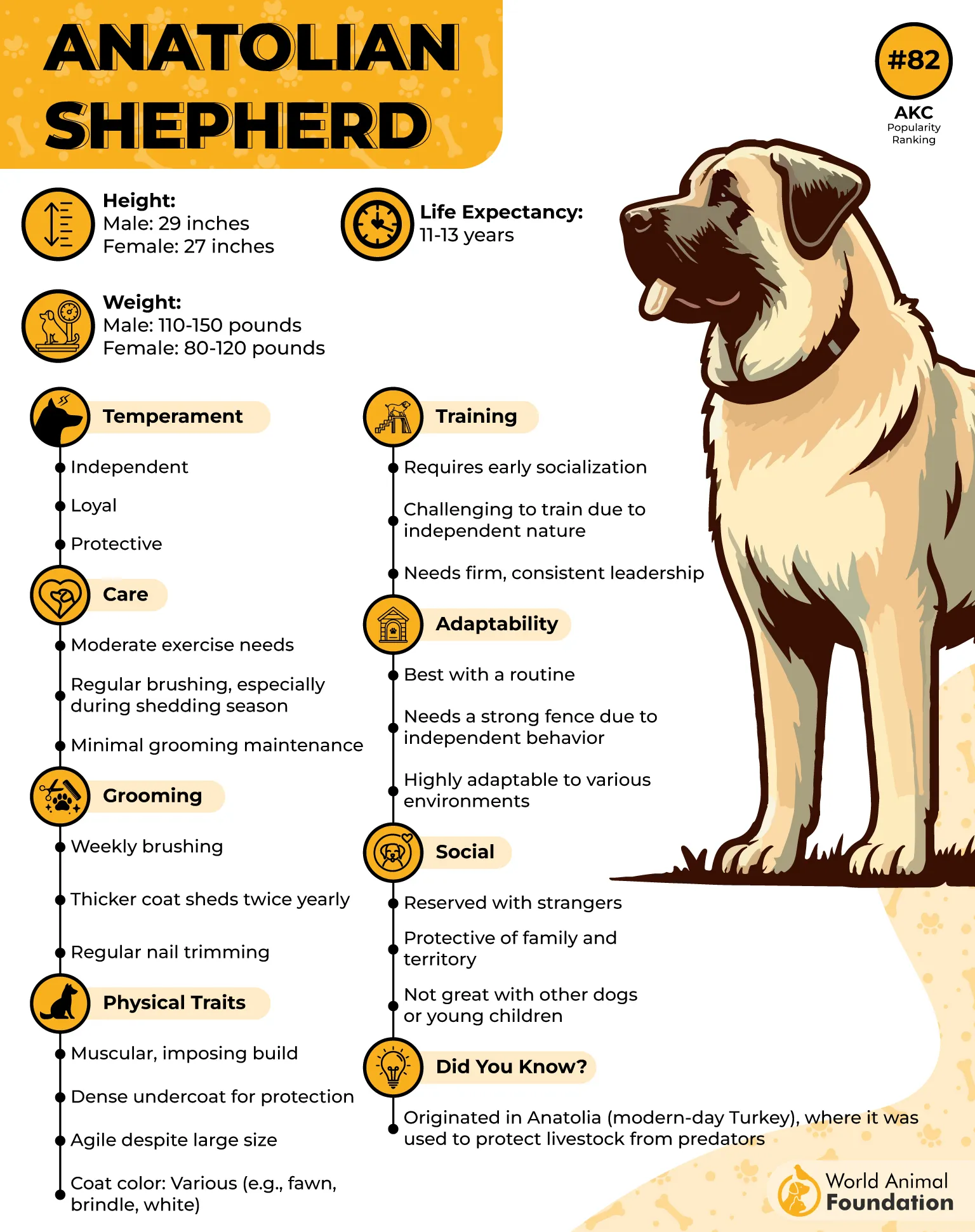
1. Anatolian Shepherd
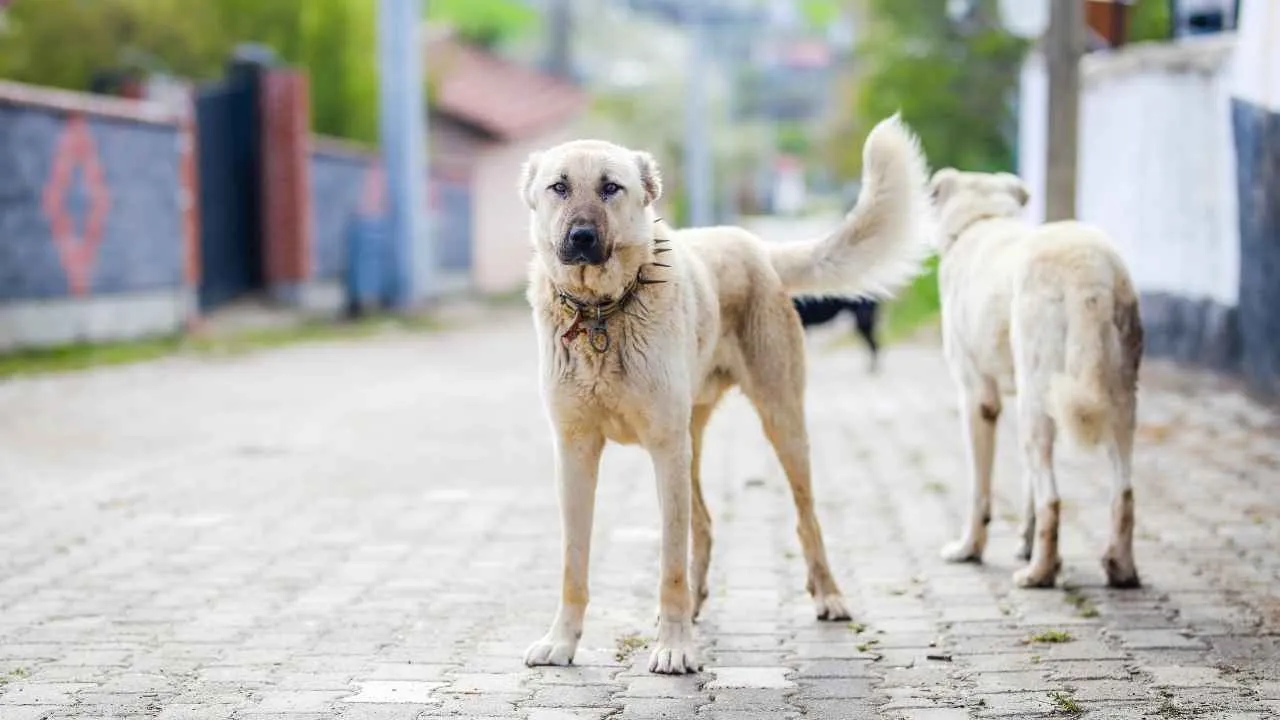
The Anatolian Shepherd comes from one of the oldest canine lineages linked to livestock guarding traditions in Turkey. Over centuries, its role centered on protecting herds from large predators across wide, open terrain. That long working role shaped a powerful, alert guardian built for independence.
Independent Livestock Protector
While working, this dog breed relies on self-directed decision-making rather than constant guidance, as PetMD noted. Its size alone often discourages threats, while its awareness stays focused on surroundings and flock protection.
Their working behavior is reflected here:
Live among their flock
Use their escalation-based protection style
Proactively establish perimeter boundaries
Calm Field Presence
The Anatolian Shepherd remains composed during long hours of livestock supervision, conserving energy while staying alert. Around familiar animals and handlers, it maintains steady control without unnecessary movement. Its reserved nature helps it function effectively in wide, open working spaces.
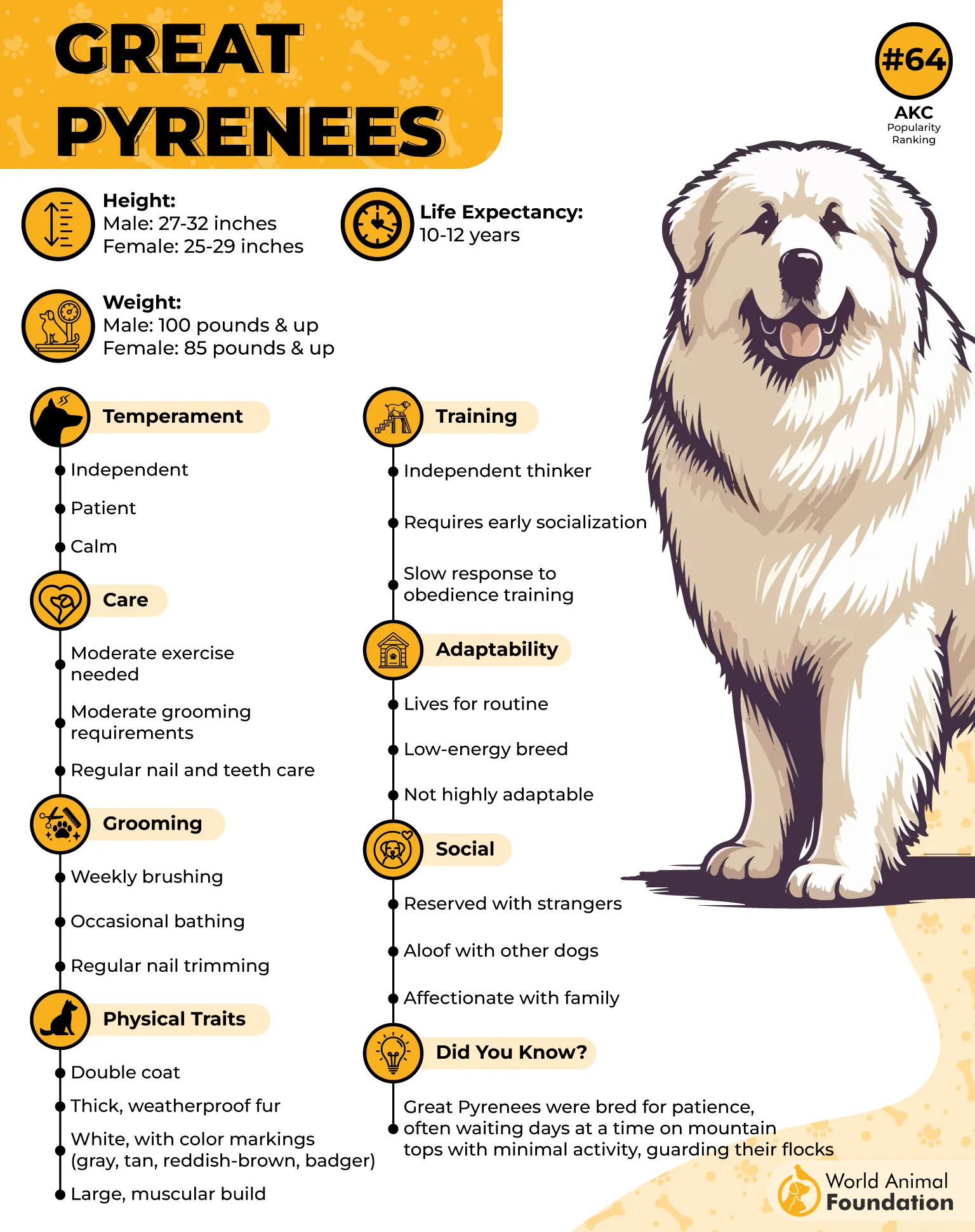
2. Great Pyrenees
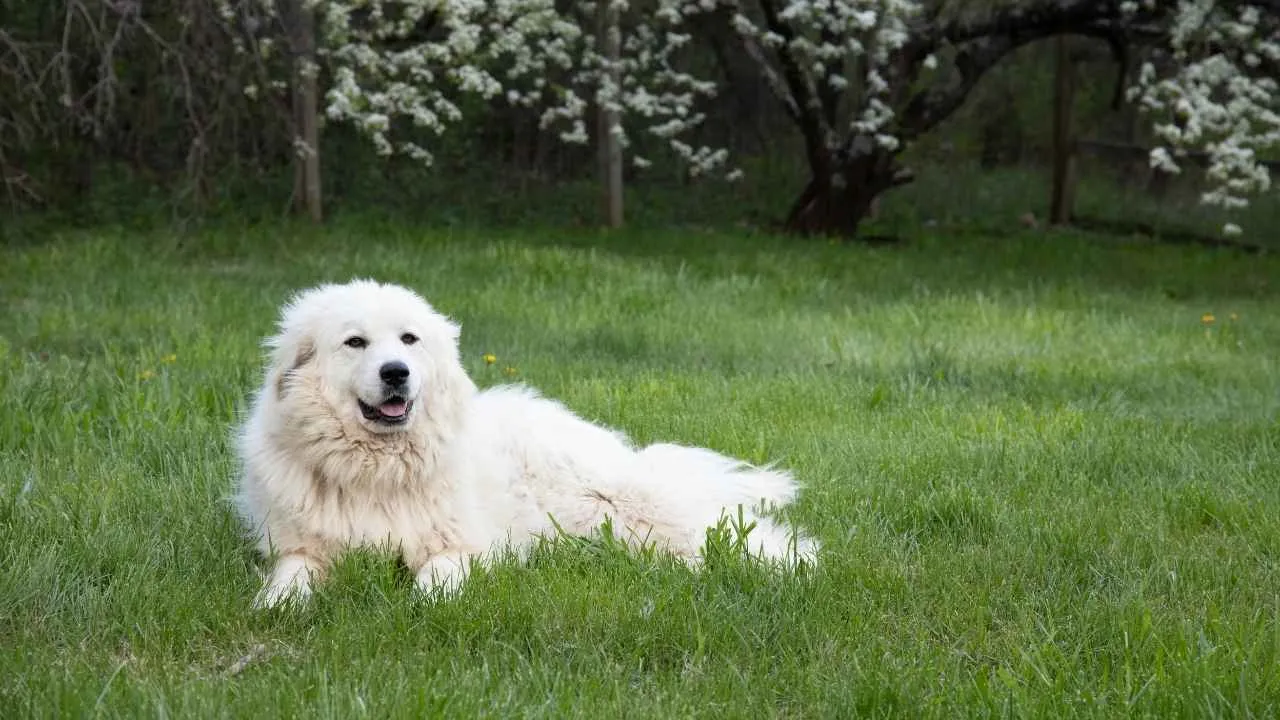
The Great Pyrenees dog carries a commanding build paired with a dense white coat that once blended into snowy mountain terrain, as mentioned by WebMD.
Their physical presence is paired with a calm, watchful nature shaped for long hours of oversight. Strength and patience define its role around livestock in open landscapes.
Independent Field Guardian
Working alone for extended periods shaped a decision-making style that relies on their own judgment. The breed conserves energy, stepping in only when situations demand action.
This is how they perform in open-range conditions:
Less eager to please
Nocturnal by nature
Strong alert barking behavior
Space-Aware Living Style
This farm dog breed functions best when it has room to move and periods of quiet retreat away from constant stimulation. Its tendency to roam makes secure boundaries important in open environments. Even with minimal activity needs, it continues to monitor its surroundings with quiet consistency.
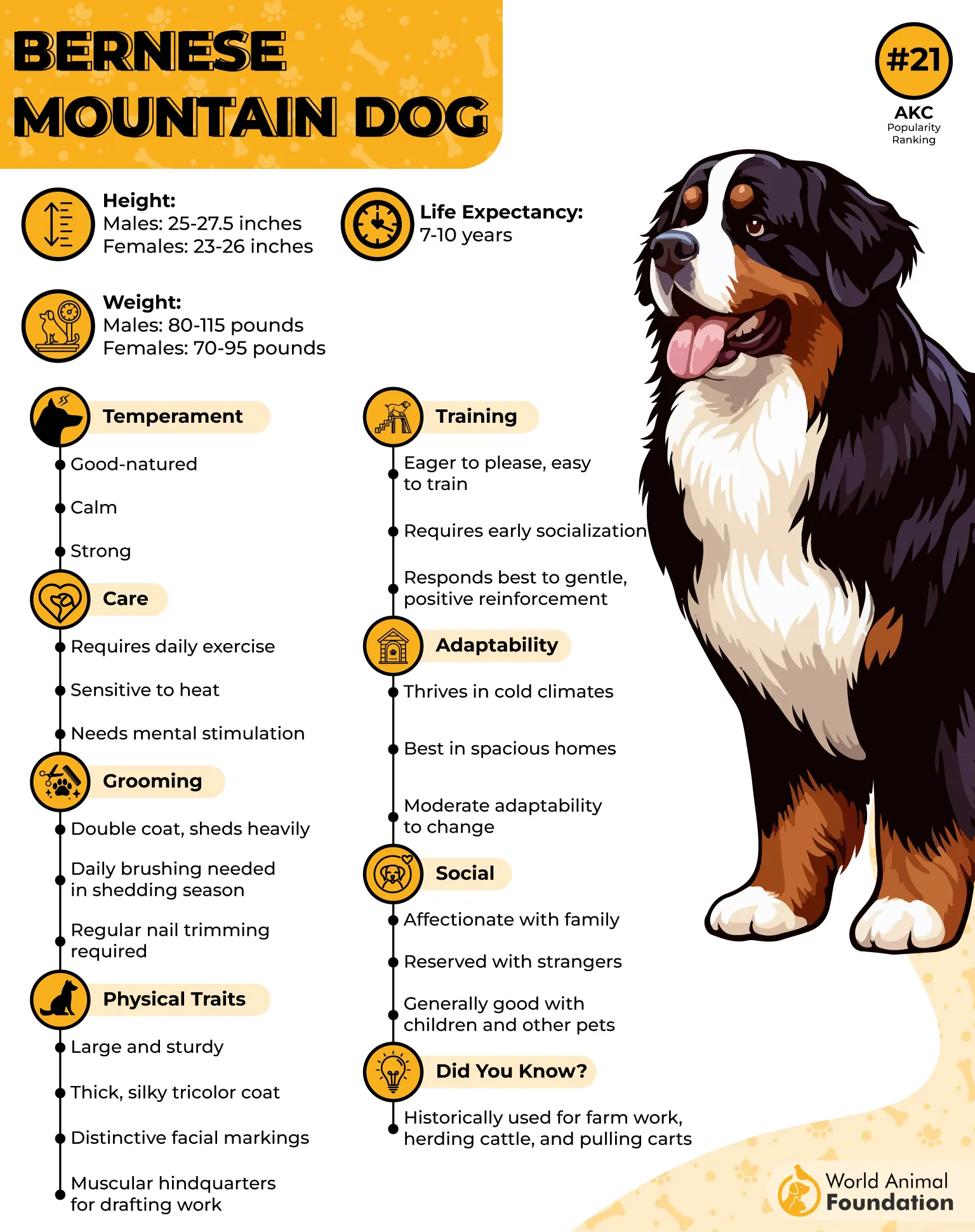
3. Bernese Mountain Dog
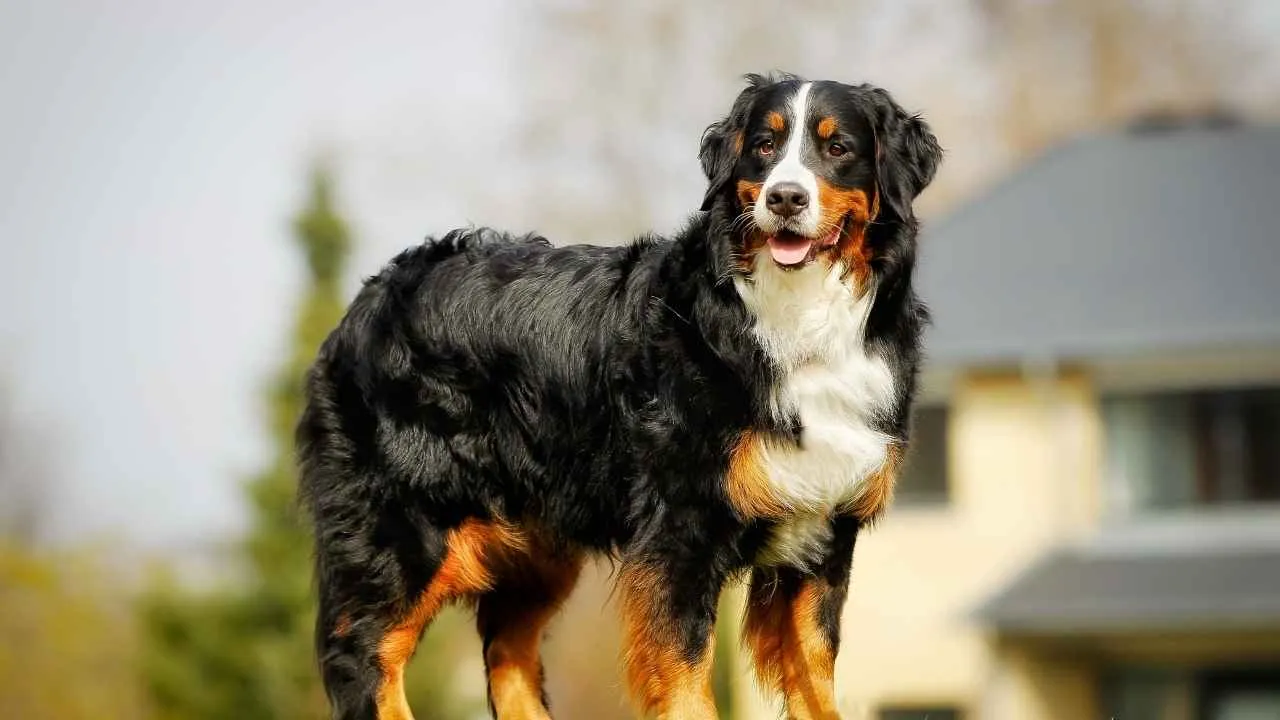
The Bernese Mountain Dog was originally bred in the Swiss Alps, where its large frame supported demanding farm tasks across rugged terrain.
Its strong build and steady presence made it useful around rural work environments. Over time, along with its working ability, it became better known for its calm and people-focused temperament.
Steady Working Style
In daily work settings, the Bernese Mountain Dog takes on structured tasks like cart pulling, walking routes, and guided, proper training activities, as per the AKC. Its calm nature supports patience during repetitive duties, while physical strength handles heavier work.
These functional traits highlight this working style:
Use their physical presence to push and guide cattle
Calm response in training
Work as drovers rather than boundary patrollers
Home and Routine Balance
The Berner adapts best to environments where interaction is frequent and isolation is limited. It responds well to steady routines that include walking and structured activity. Without enough engagement, its attachment to people becomes a key part of its daily behavior pattern.
4. Catahoula Leopard Dog
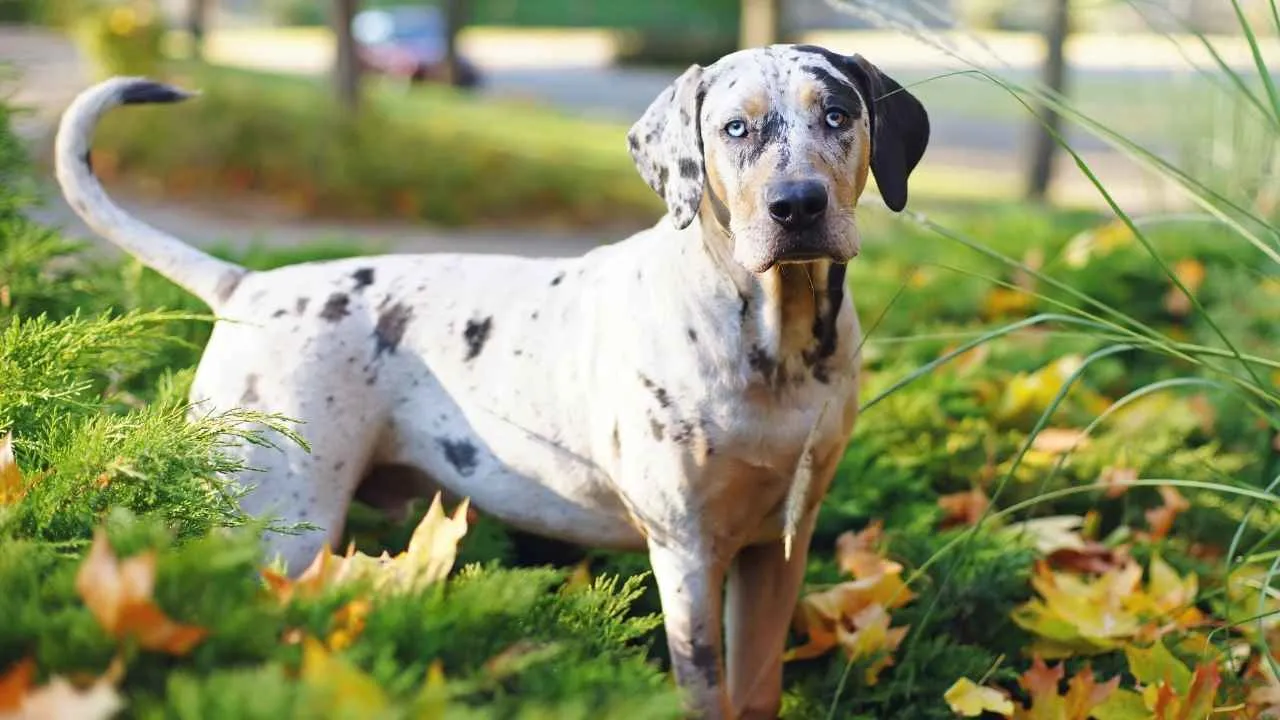
The Catahoula Leopard Dog is tied to Louisiana’s Catahoula Lake region, where its name comes from a Choctaw term meaning “sacred lake.”
Built for rugged hog and cattle work in swampy terrain, it earned a reputation as a tireless field partner. Muscular structure and alert expression reflect that demanding role.
High-Energy Field Performer
In working conditions, this working farm dog relies on sustained drive and independent decision-making, especially during long tracking and herding tasks. Its stamina demands structured activity that goes beyond simple walking routines.
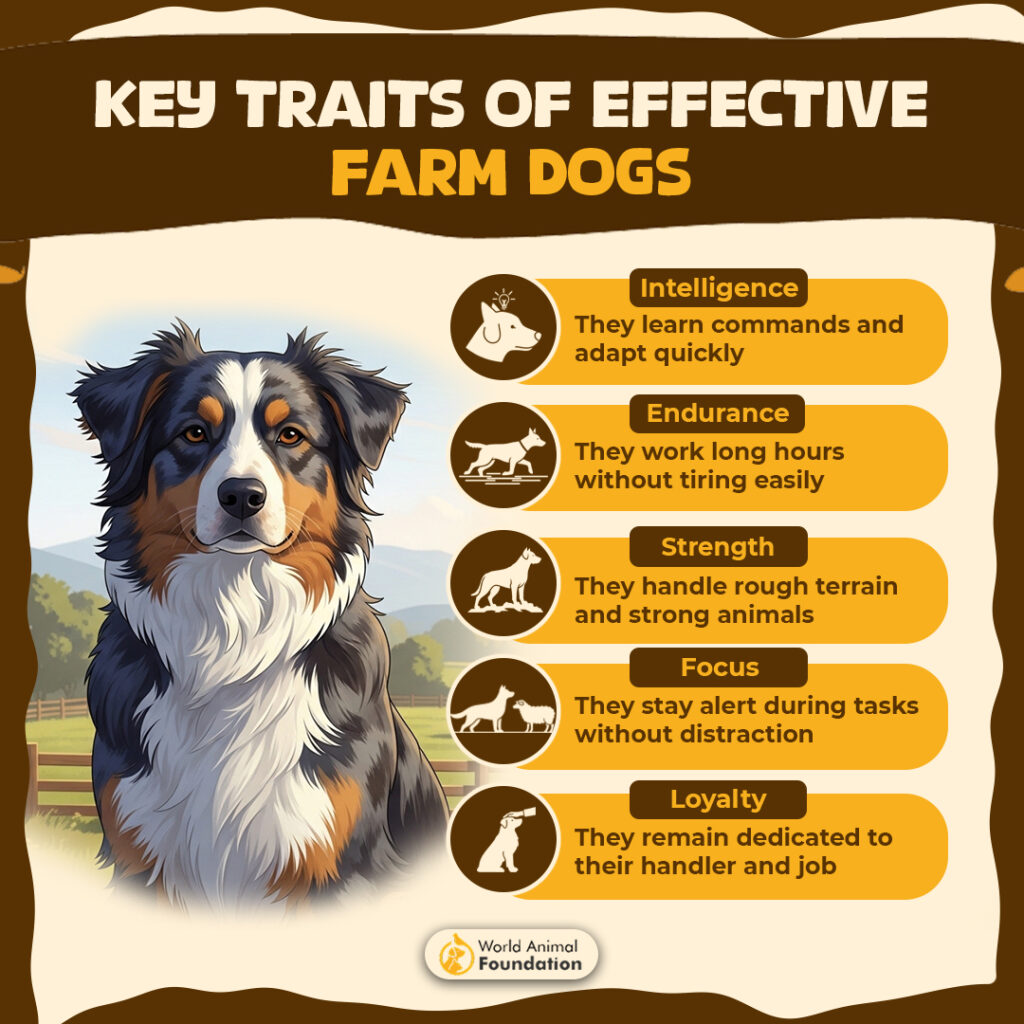
Their working patterns define their performance style:
Works face-to-face with animals
Use wide circling to bring livestock together
Have a loud, intimidating bark
Active and Task-Focused
The Catahoula Leopard Dog channels its energy into movement-heavy activities like running, fetching, and structured field work. Without clear tasks, that intensity can turn into restless behavior at home. Engagement in organized activity helps keep focus steady during daily interaction.
5. Bouvier Des Flandres
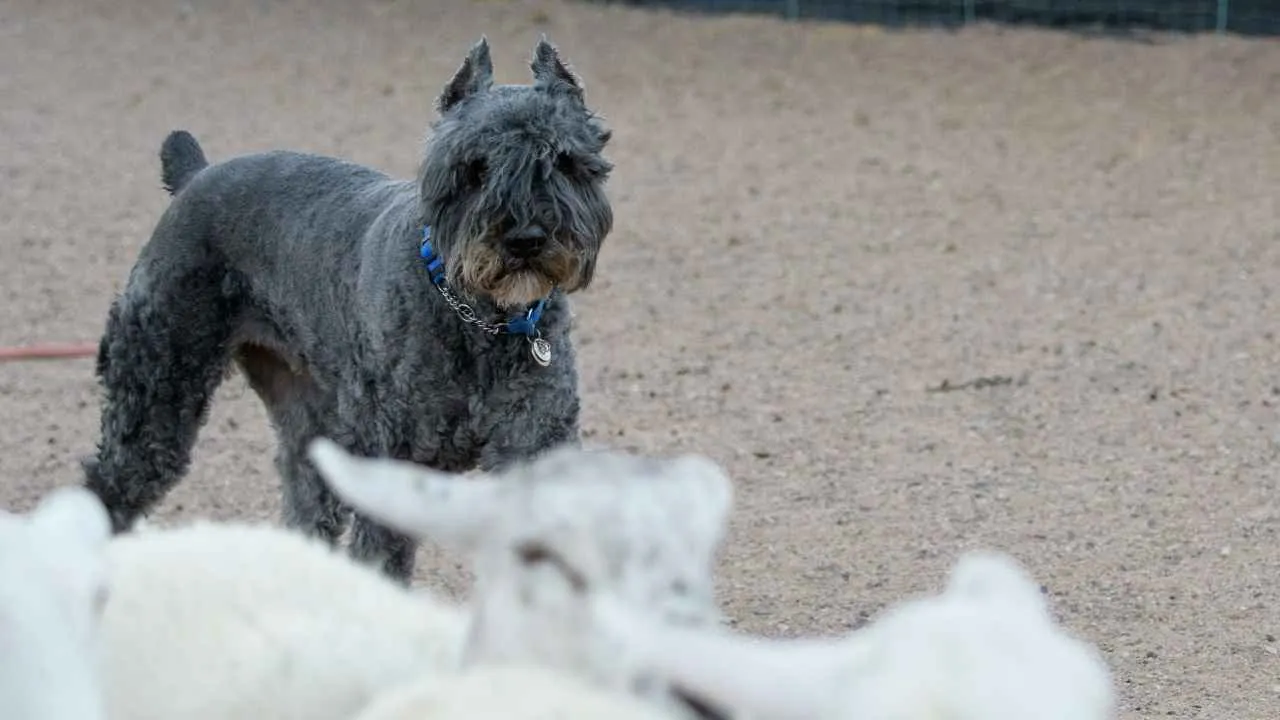
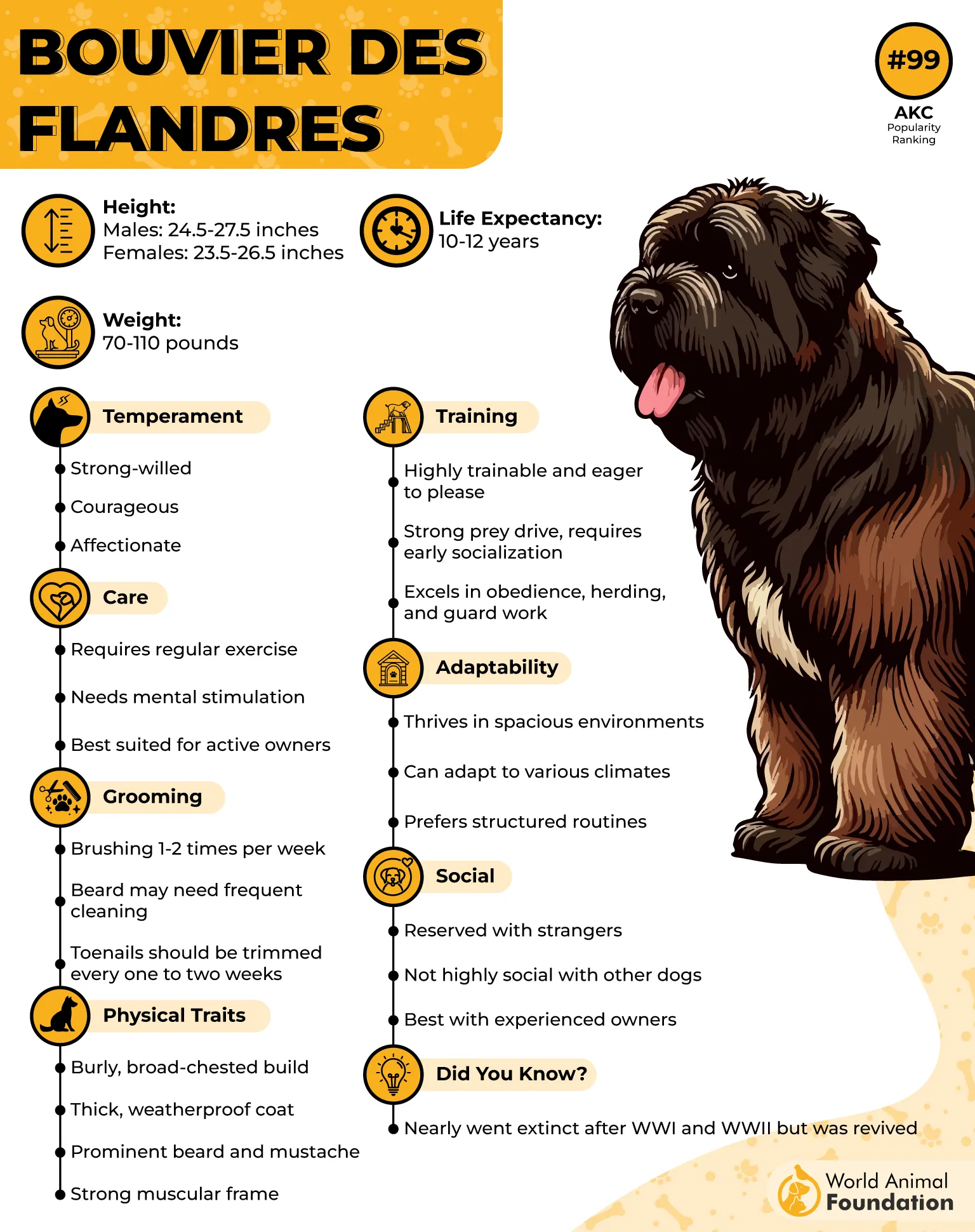
The Bouvier des Flandres is recognized for a powerful build that once supported demanding farm tasks like herding cattle and pulling heavy milk carts. Its dense frame reflects a working life shaped by endurance and control. This physical strength pairs with a steady, task-focused mindset.
Driven Working Partner
In active farm environments, they depend on controlled energy and consistent mental engagement to stay effective. Long working hours feel natural when tasks involve movement, guidance, or structured activity. Without direction, its energy builds quickly, making purposeful work essential.
A few traits guide its working style:
Calm and deliberate
Use their build to bump and guide livestock
Serve globally as defense dogs
Balanced Around Family
This intelligent dog develops close bonds within the household and often behaves gently with familiar people, including children. Its protective awareness stays present without overwhelming interaction. Early guidance shapes how comfortably it fits into mixed environments with other animals.
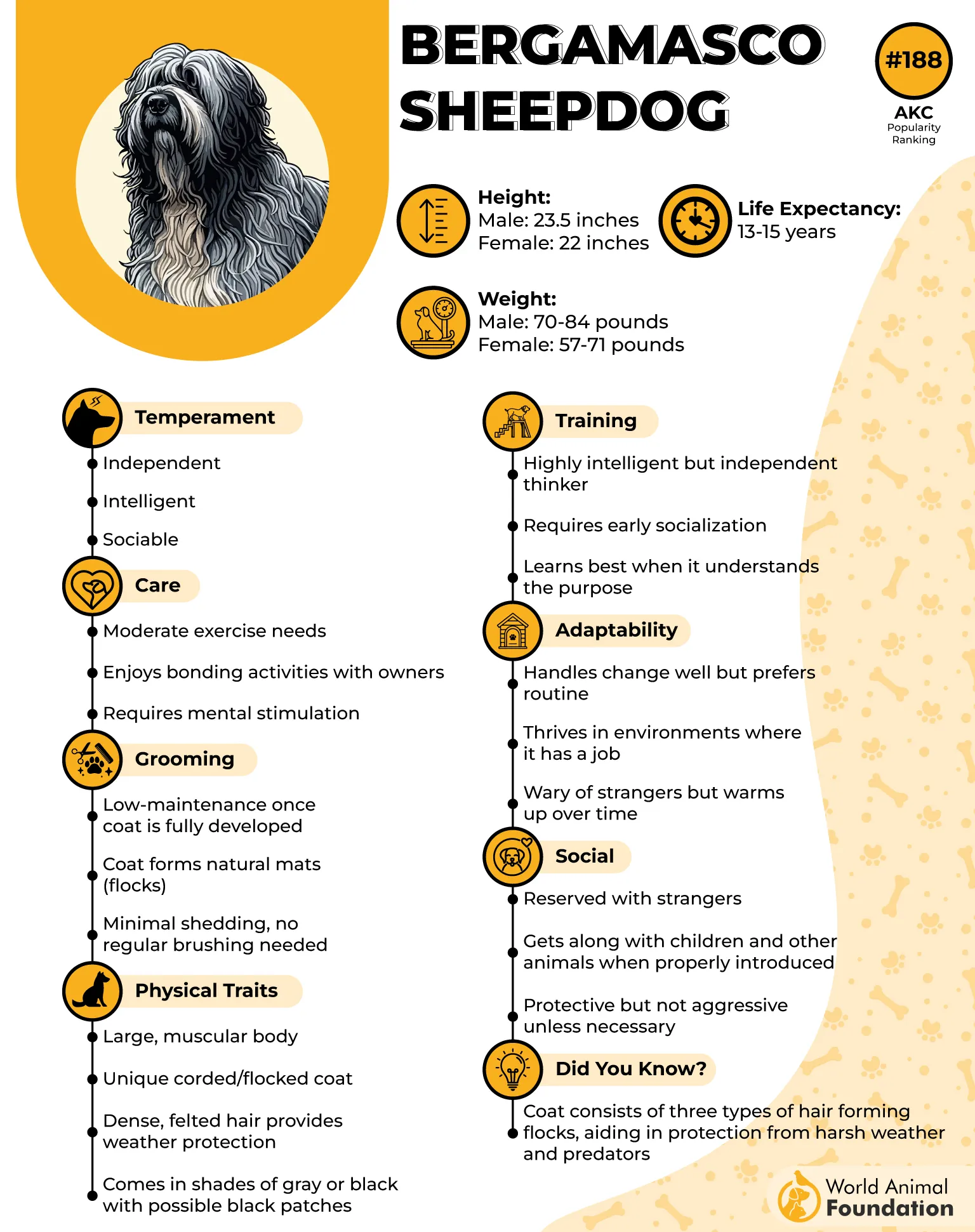
6. Bergamasco Sheepdog
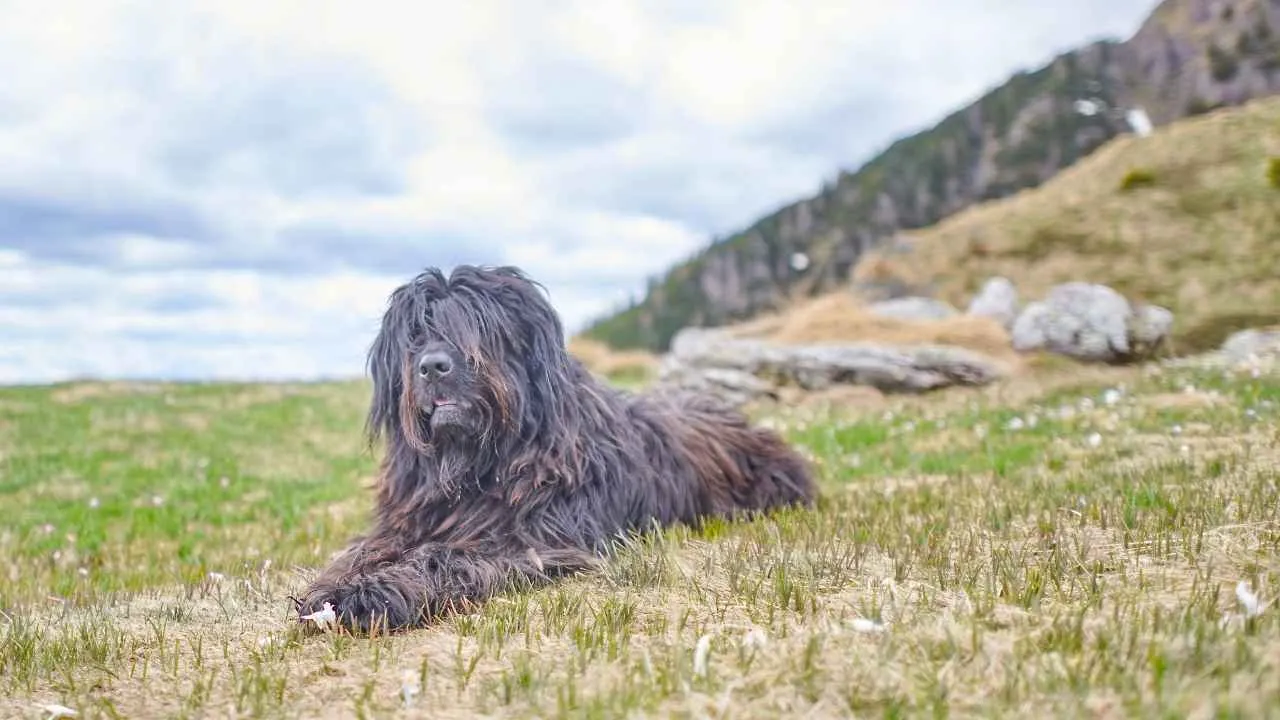
The Bergamasco Sheepdog is known for its ancient lineage and self-directed herding style, often working with minimal human input once released into the field.
Thick, corded coat and steady movement support long hours in rugged pasture conditions. Its role has long centered around guiding livestock with patience and control.
Independent Field Worker
The Bergamasco Sheepdog relies on instinct-driven decision-making, especially when managing sheep or cattle across open terrain. Its ability to operate without constant instruction makes it effective in wide grazing environments.
A few working traits define its field behavior:
Self-guided herding control
Strong livestock focus
Reliable terrain adaptability
Family-Focused Guardian
As a family dog, it builds a close attachment with its household and often stays physically and emotionally close to family members. It responds calmly around children and naturally adjusts its behavior to avoid roughness during interaction. This steady awareness shapes daily household dynamics.
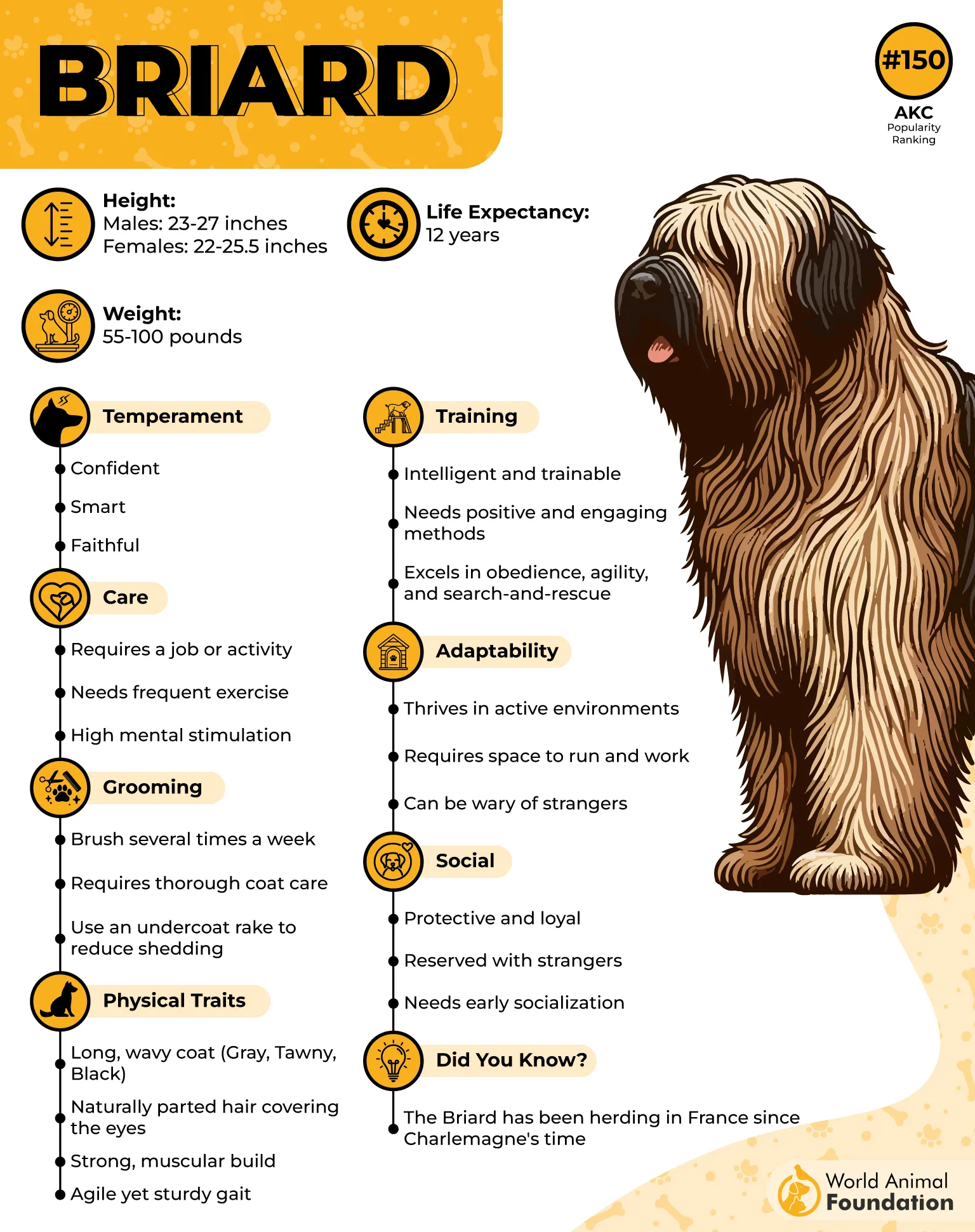
7. Briard
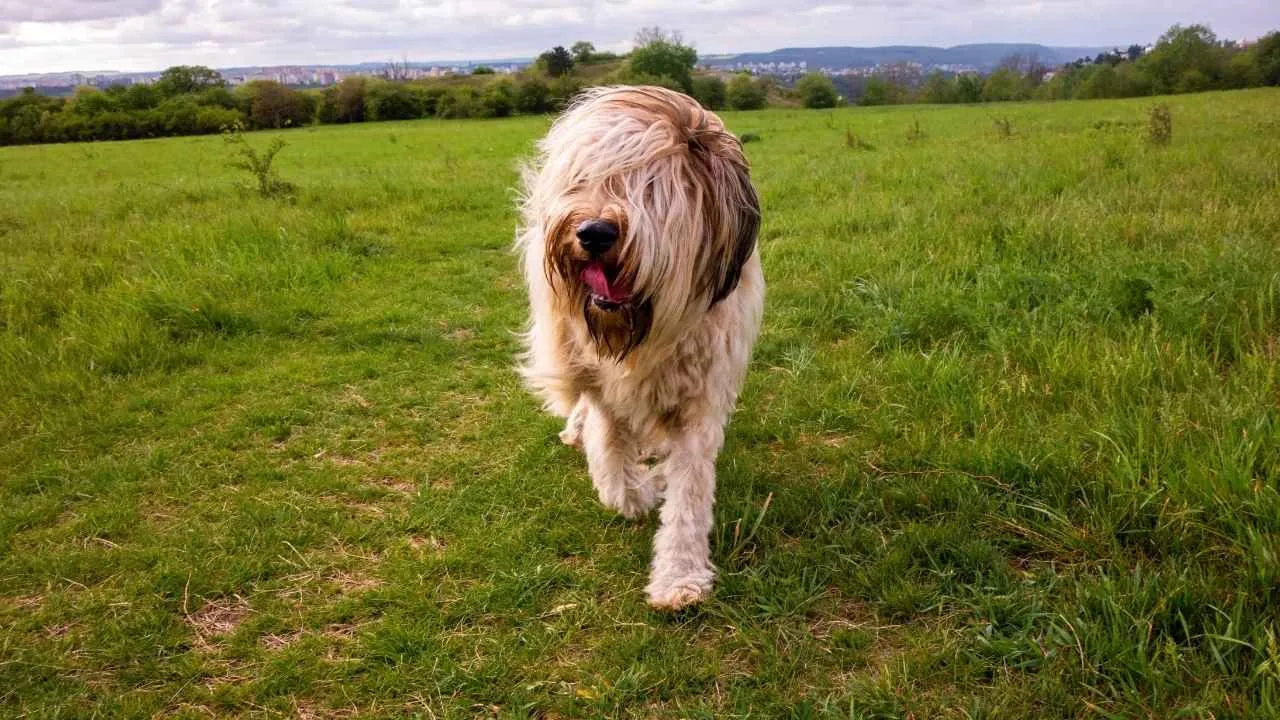
The Briard is an old French herding breed recognized for a rugged frame and a long record in European working life. References to it appear in early tapestries linked with Emperor Charlemagne, placing it deep in medieval working culture.
Centuries later, it remained valued by figures such as Napoleon Bonaparte and even reached Thomas Jefferson as a diplomatic gift.
Purpose-Driven Worker
It approaches tasks with strong independence, shaped by generations of decision-making while managing herds without constant direction. Its energy is best directed into structured physical and mental activity that gives a clear purpose.
These working traits highlight its field behavior:
Guards grazing zones by keeping sheep within fixed boundaries
Make split-second decisions
Bumps, shoulders, or nips stock when necessary
Controlled Herding Behavior
The Briard often brings its herding instinct into family life, sometimes guiding movement around children or other animals. Careful introductions help it adjust to new pets or unfamiliar environments. Its alert nature keeps it observant without constant external prompting.
Conclusion
The realities of farm life quickly reveal which dogs are truly suited for demanding work. Physical strength certainly matters, but resilience often proves just as important. The breeds explored here have spent generations developing the stamina, awareness, and determination needed to work around farm animals, whether herding livestock or handling other daily responsibilities.
Some prefer quiet observation, while others thrive through constant movement and activity. Despite those differences, each has shown an ability to adapt and perform when needed most. Their lasting reputation comes from reliability, proving why a perfect farm dog stands apart from other herding breeds when challenges arise.
