




Leaving a dog alone sounds simple until it becomes part of your everyday routine. The first few times, you check the clock more often than usual.
You wonder whether the dog is pacing around the house, waiting by the door, or finding creative ways to entertain itself while nobody is home. That concern is one reason many people hesitate before bringing a dog into their lives. They want companionship, but they also know they cannot be present every hour of every day.
The good news is that some dogs handle those quiet stretches surprisingly well. They settle into their surroundings, occupy themselves, and approach alone time with far less difficulty than many people expect. Their ability to stay steady without constant attention can make ownership feel considerably less stressful.
Ahead are resilient dog breeds known for handling independence with confidence, proving that loyalty and self-sufficiency can comfortably exist together.
Key Takeaways
A quiet house can reveal a lot about how different dogs handle time when no one is around.
Great Danes and Alaskan Malamutes show how even massive working breeds can settle into calm routines when early training builds confidence in solitude.
The Pyrenean Mastiff and Akita add another layer with quiet independence that helps them stay composed during long stretches at home.
Keep reading till the end to see which breeds turn alone time into something surprisingly steady and manageable.
Resilient Dog Breeds That Shine When Left Alone
1. Great Dane
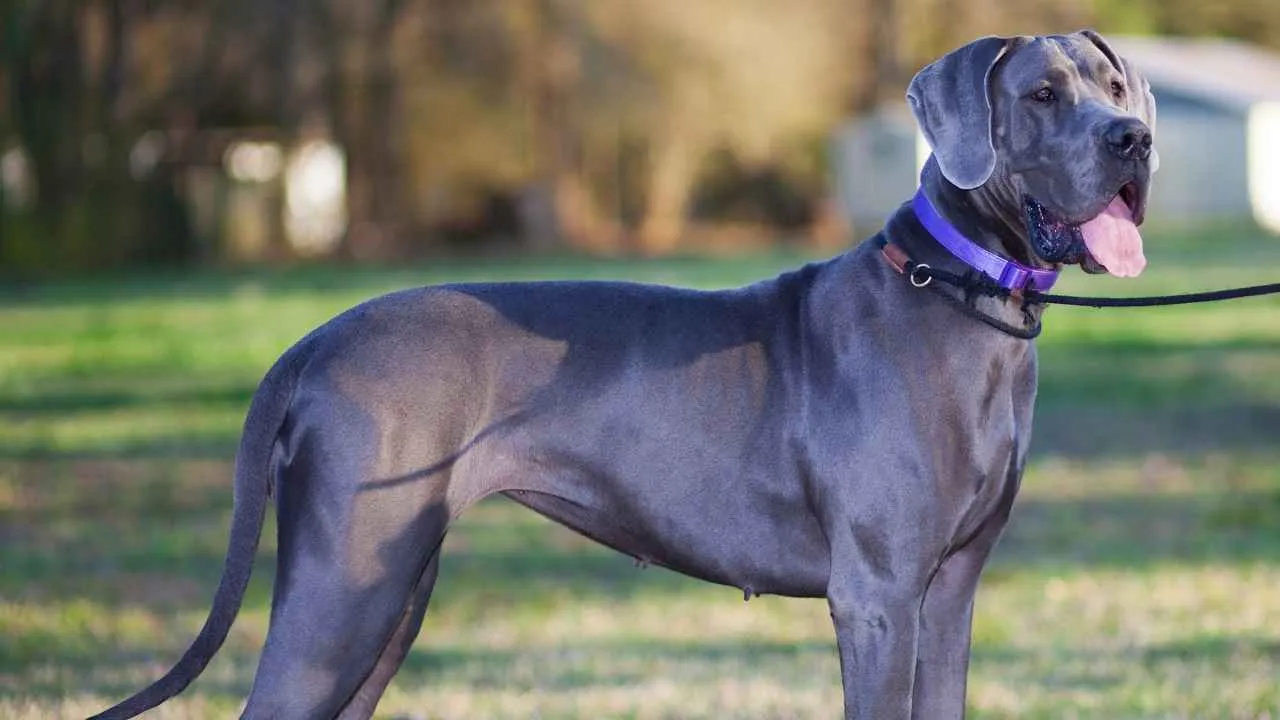
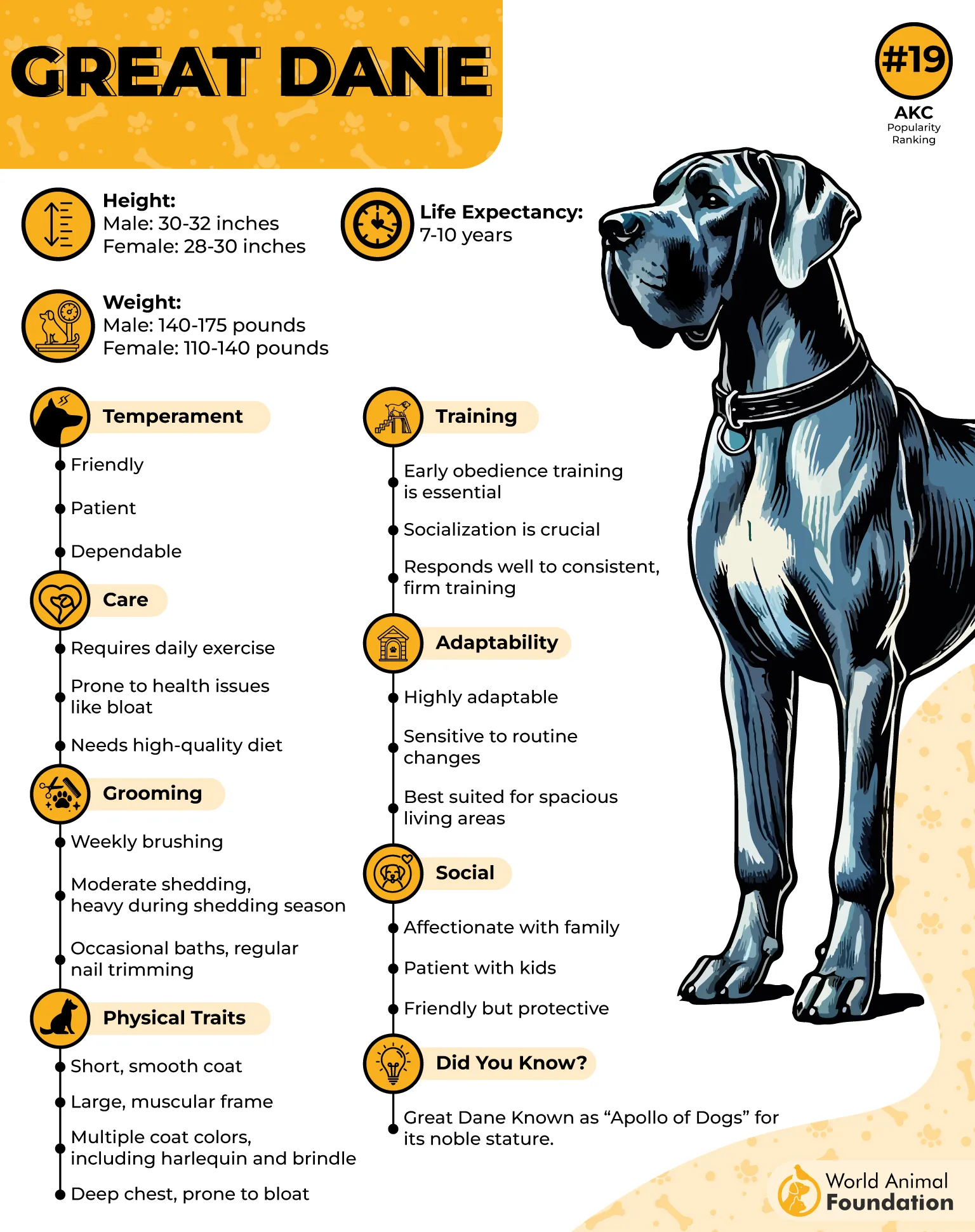
Great Danes have a towering build that stands among the tallest working breeds, originally developed in the 1800s in Germany for boar hunting and estate protection, as PetMD stated. Despite its scale, the overall impression leans toward calm presence rather than constant intensity.
Physical scale and handling factors
This large breed requires space that matches its size, with movement best supported through steady walks and open areas for light activity. Its build allows moderate play, though its weight and height demand careful handling in shared environments.
These points influence their behavior:
Avoid heavy activity until the age of 2
Friendly and eager to please
Respond well to consistent training methods
Behavioral stability and alone time limits
Great Danes handle solitude for more than 4-6 hours, with extended separation increasing stress responses if not conditioned early.
Its emotional balance improves through consistent exposure to new situations and positive reinforcement. Social familiarity plays a direct role in shaping its comfort level over time.
2. Alaskan Malamute
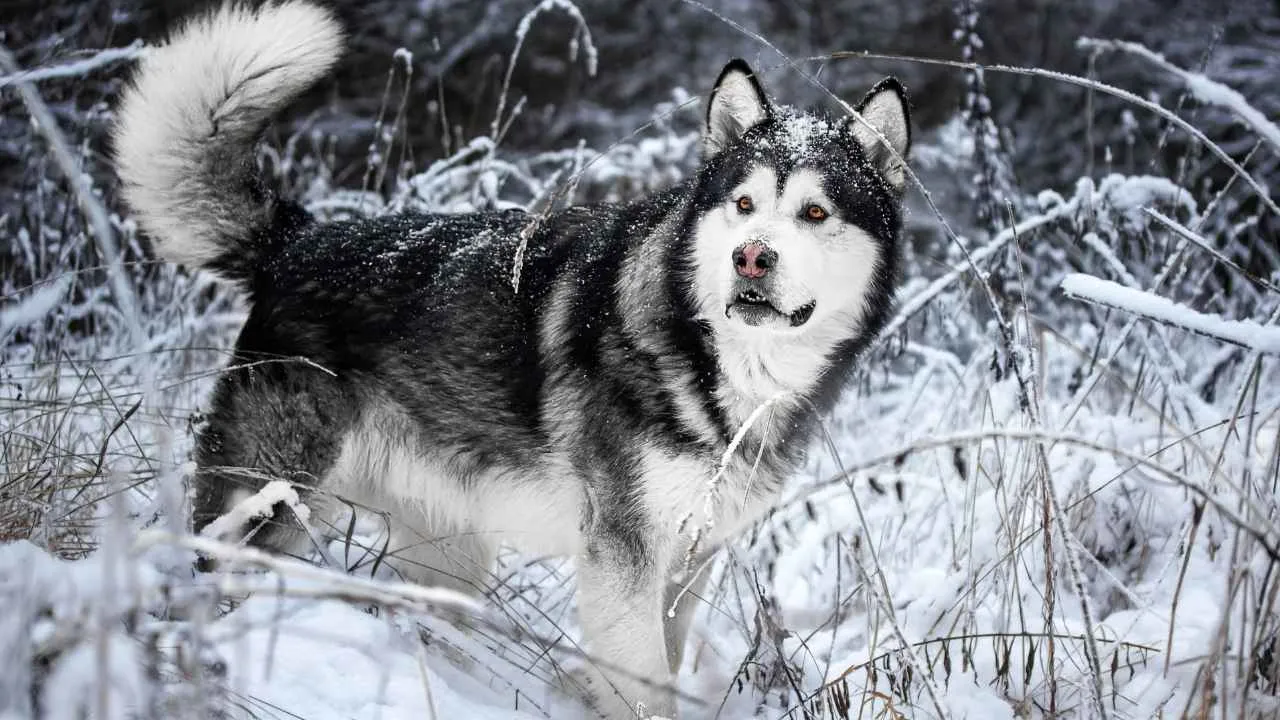
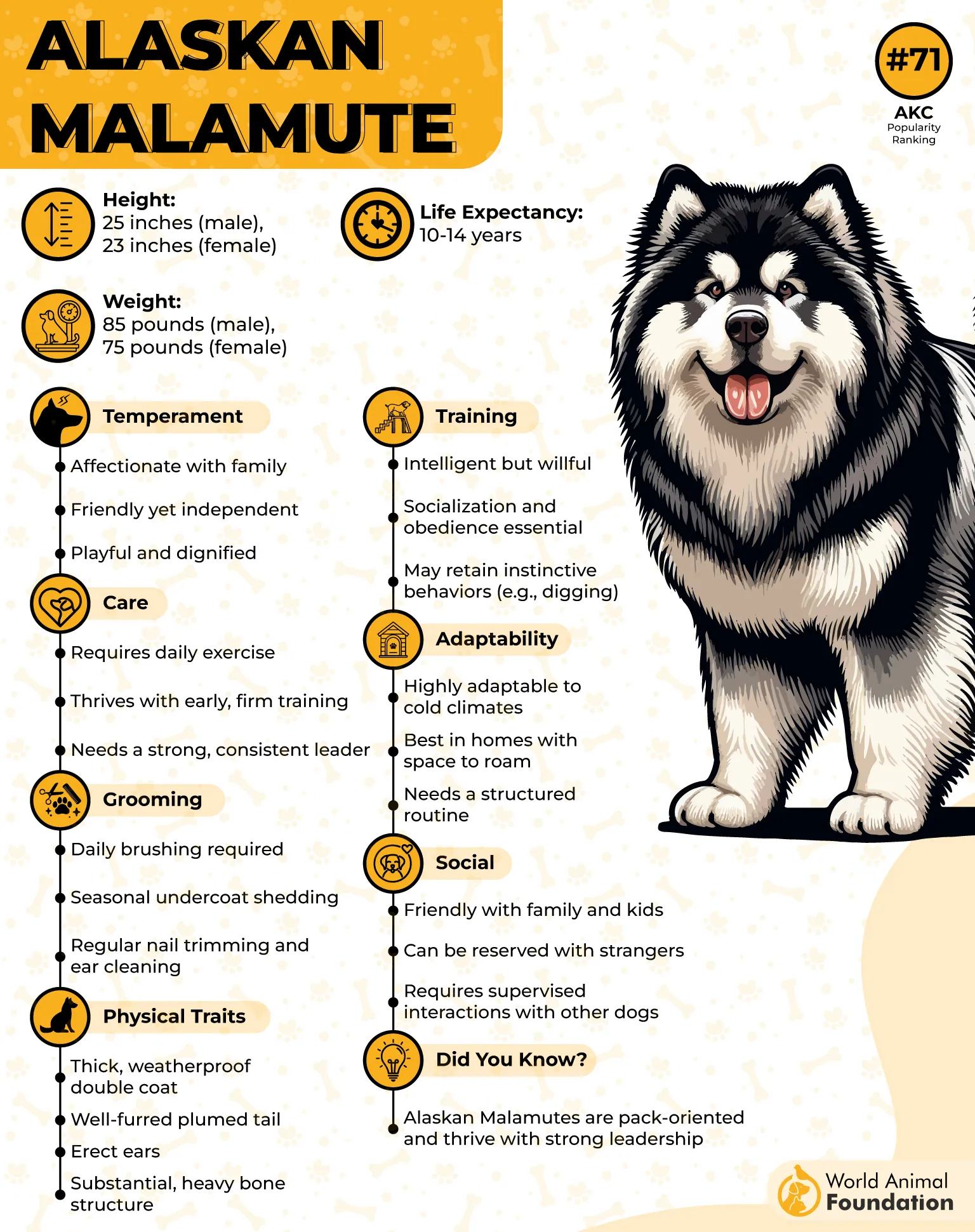
Alaskan Malamute carries a heavy-boned, deep-chested frame built for pulling weight across frozen terrain, paired with a dense coat that blocks harsh weather. Its plumed tail and upright ears complete a form shaped for endurance work in cold environments.
Pack behavior and response patterns
This independent dog breed reacts through a strong pack-oriented mindset, often testing leadership before accepting direction within a household, as per the AKC. Its behavior becomes easier to guide when consistency is established early, especially during puppy stages.
This social structure appears through clear traits:
Loyal, playful, and dignified
Exceptional athletic ability
Bonds closely when respect is established
Endurance is linked to physical drive
Alaskan Malamute handles long periods of activity, built for hauling loads rather than short bursts of effort. Its stamina supports hiking, running, and swimming when given structured outlets. Even in confined spaces like fenced yards, it channels energy through repeated movement.
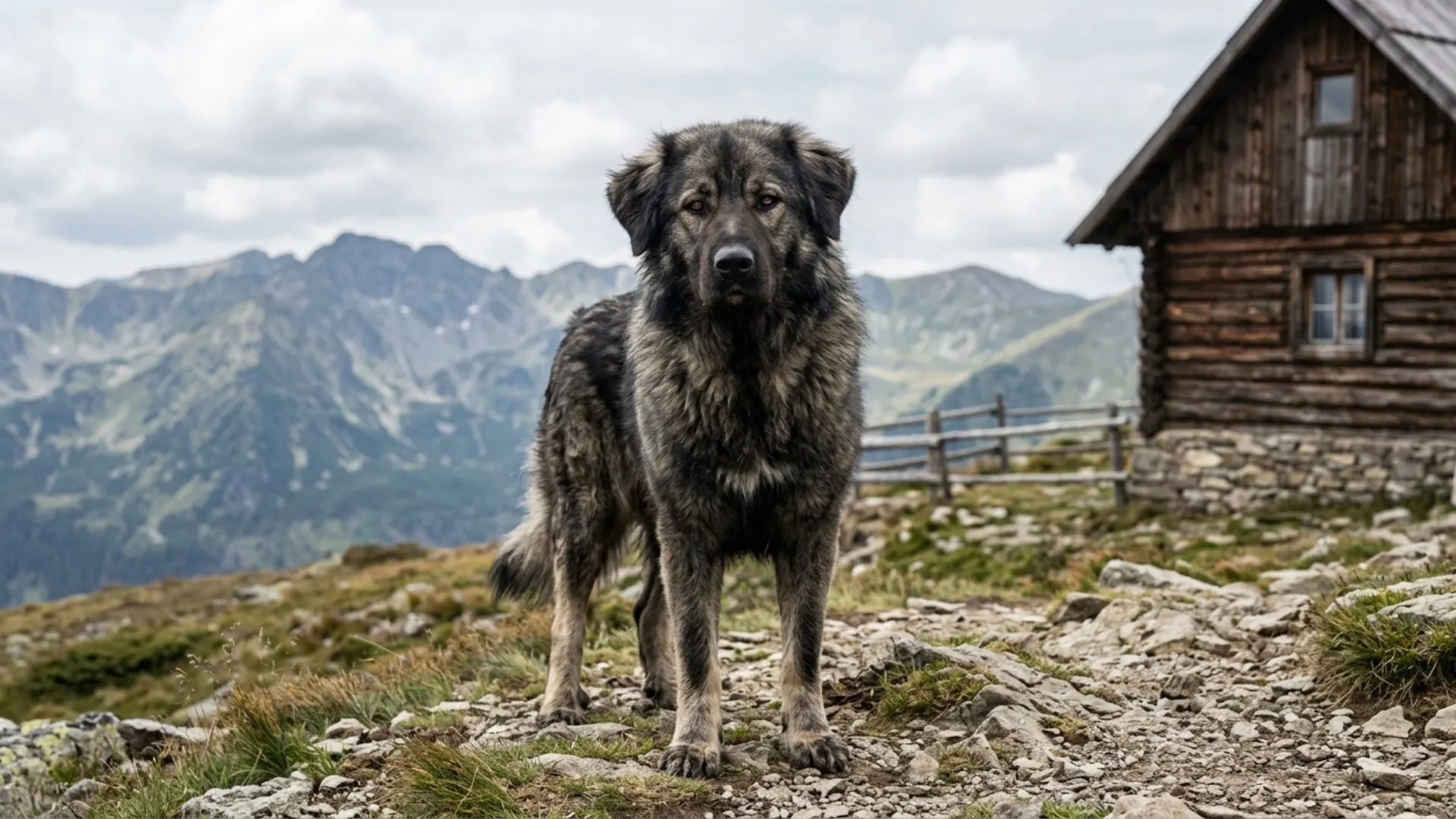
3. Romanian Carpathian Shepherd
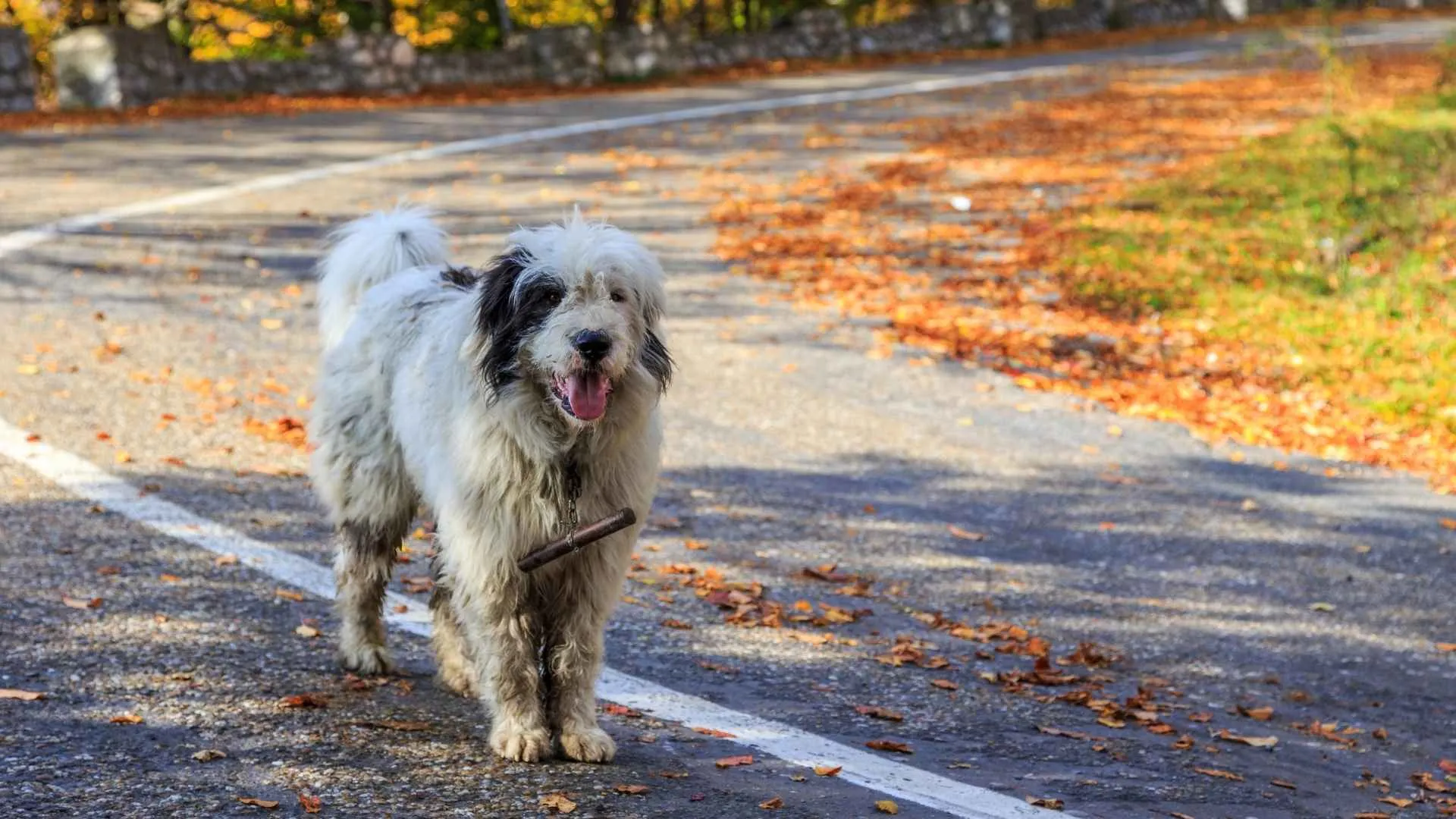
Romanian Carpathian Shepherd operates as a natural protector in rugged mountain terrain, where its role revolves around guarding flocks against predators. Its powerful and agile build supports movement across uneven landscapes while preserving energy for long vigilance.
Protection response built on awareness
This guard dog reacts to its environment with careful judgment, choosing when to intervene rather than acting without reason. Its focus remains tied to territory and group safety, guided by instinct shaped through constant exposure to mountain threats.
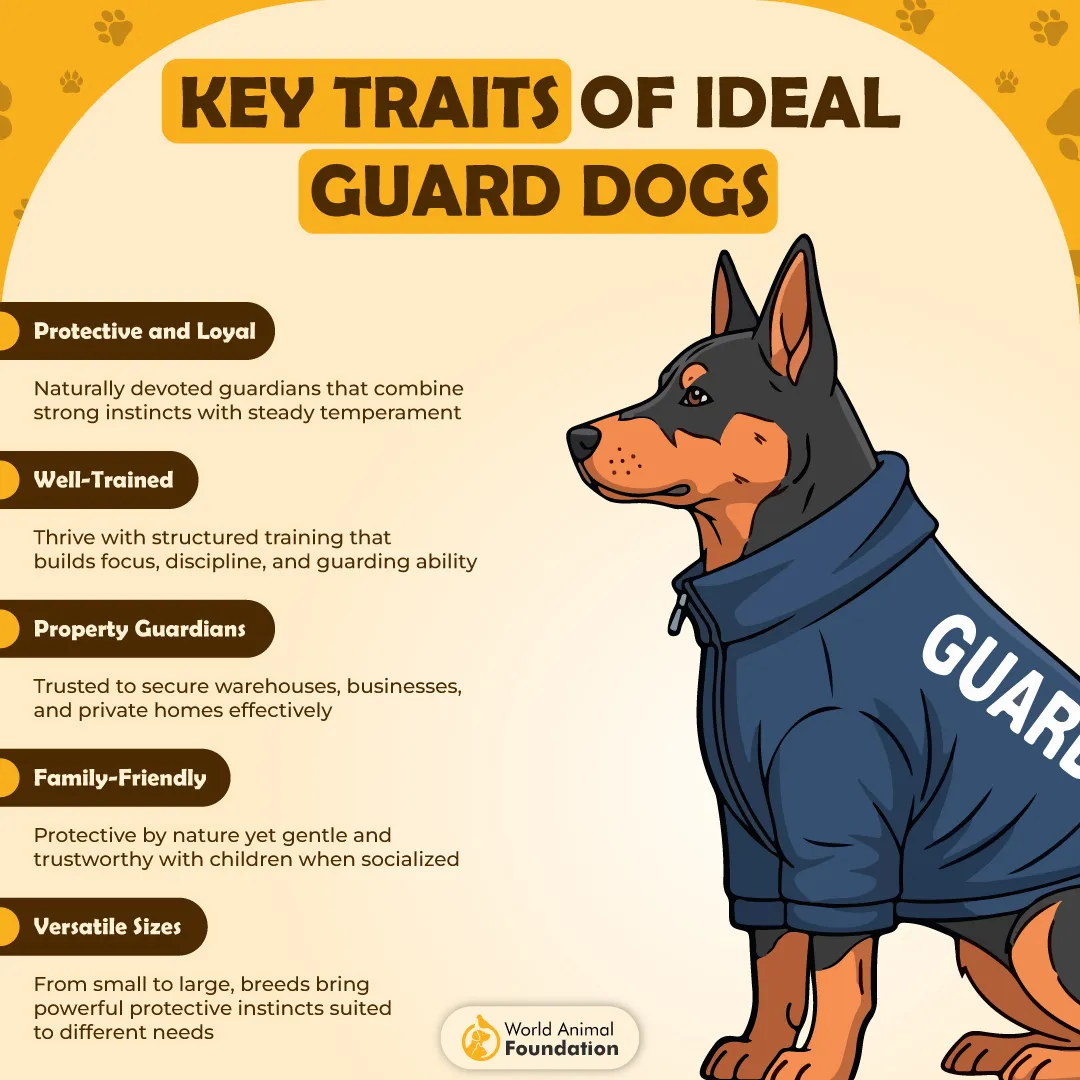
This guarding pattern is visible through core working traits:
Positions itself around herd boundaries during patrols
Responds to predator presence with controlled force
Prioritizes group safety over isolated distraction
Temperament shaped by hierarchy and trust
They form a strong attachment to their group while recognizing a single primary leader within the household. Its behavior reflects dignity and calm balance, yet shifts into alert readiness when needed. This mix of independence and loyalty influences how it responds to structured living environments.
4. Pyrenean Mastiff
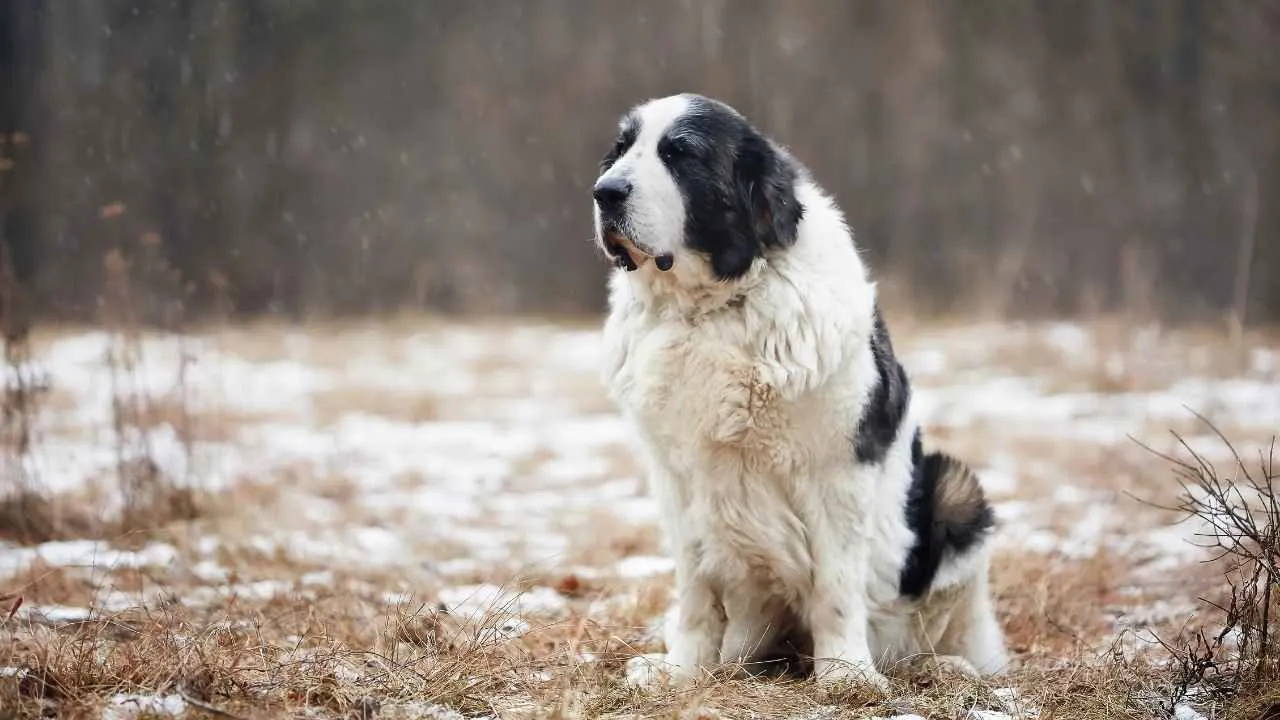
Pyrenean Mastiff originates from the Aragonese region of the Pyrenees in Spain, bred from large livestock-guarding dogs that worked across mountain terrain.
Its structure reflects size and calm control rather than speed-based action. Recognition as a distinct breed only came in the 1970s after long confusion with similar mountain dogs.
Protective response shaped by social awareness
These nocturnal workers observe any unknown presence closely before deciding how to act. Inside familiar spaces, it behaves calmly with family members and other animals, but remains attentive to anything unusual, as noted in Omlet.
That behavior becomes clearer through key actions:
Alerts the household when someone approaches
Observes unknown people with steady focus
Steps in when perceived risk increases
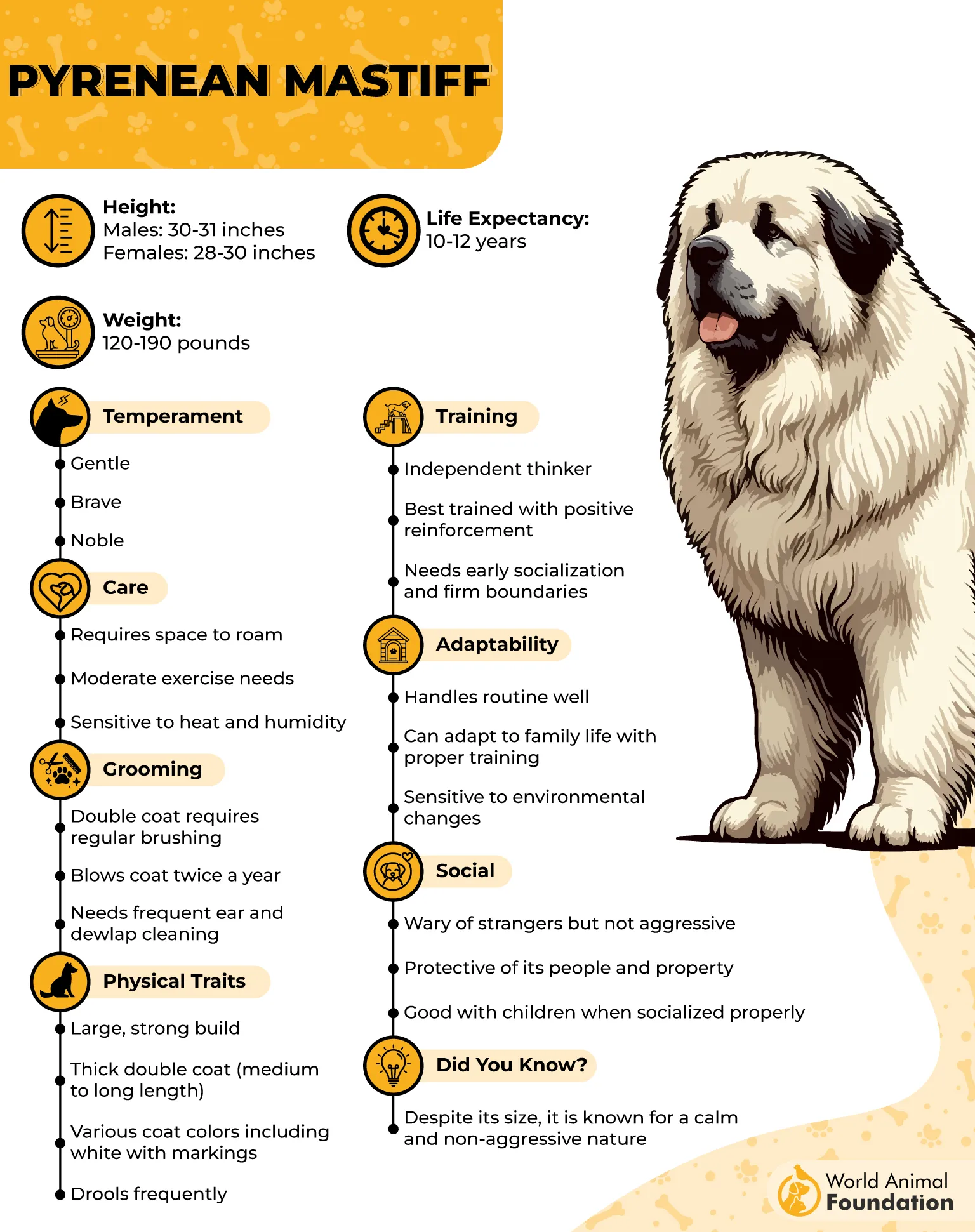
Adjustment to time alone and routine
Pyrenean Mastiff adapts to short periods of separation when introduced early, though extended boredom can lead to unwanted behavior indoors. Crate training is often used where space allows, helping structure alone time. Its calm nature supports long rest periods when the environment feels stable.
5. Akita
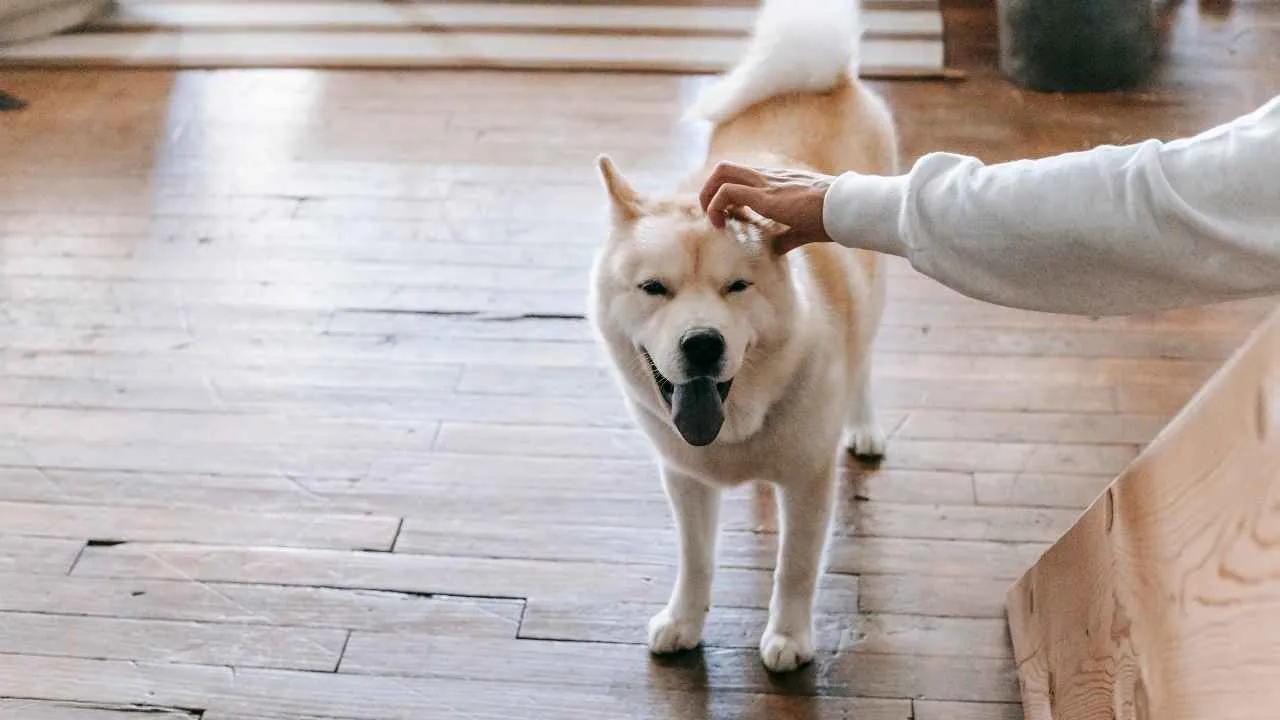
Akita originates from Japan, where it was first used for hunting and later became a cultural symbol linked with protection and well-being. In Japanese tradition, it is often associated with good fortune, with statues gifted during family milestones or recovery periods.
Independent thinking in daily behavior
This wonderful companion approaches situations with a self-directed mindset, often deciding its response after careful observation rather than immediate reaction. It forms strong bonds within its circle and is not comfortable around new faces until properly socialized.
This behavior is reflected in clear tendencies:
Chooses interaction on its own terms
Avoids quick engagement with strangers
Reacts strongly to smaller animals in motion
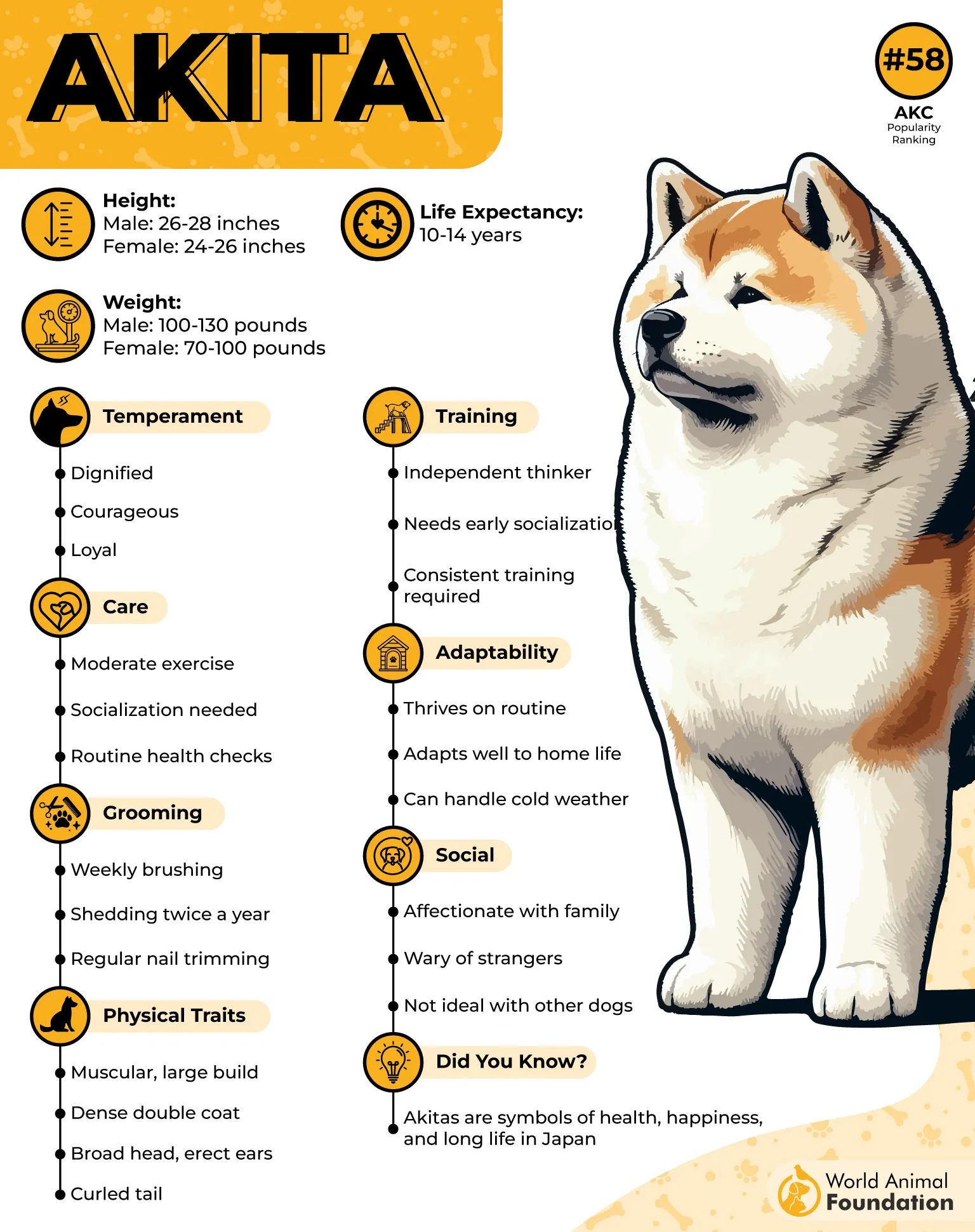
Learning response and handling needs
Akita understands commands with intelligence but responds best when guidance is consistent and reward-based. Early exposure to different environments helps shape comfort in unfamiliar settings. Handling requires steady direction to channel its independent decision-making into structured behavior.
6. Great Pyrenees
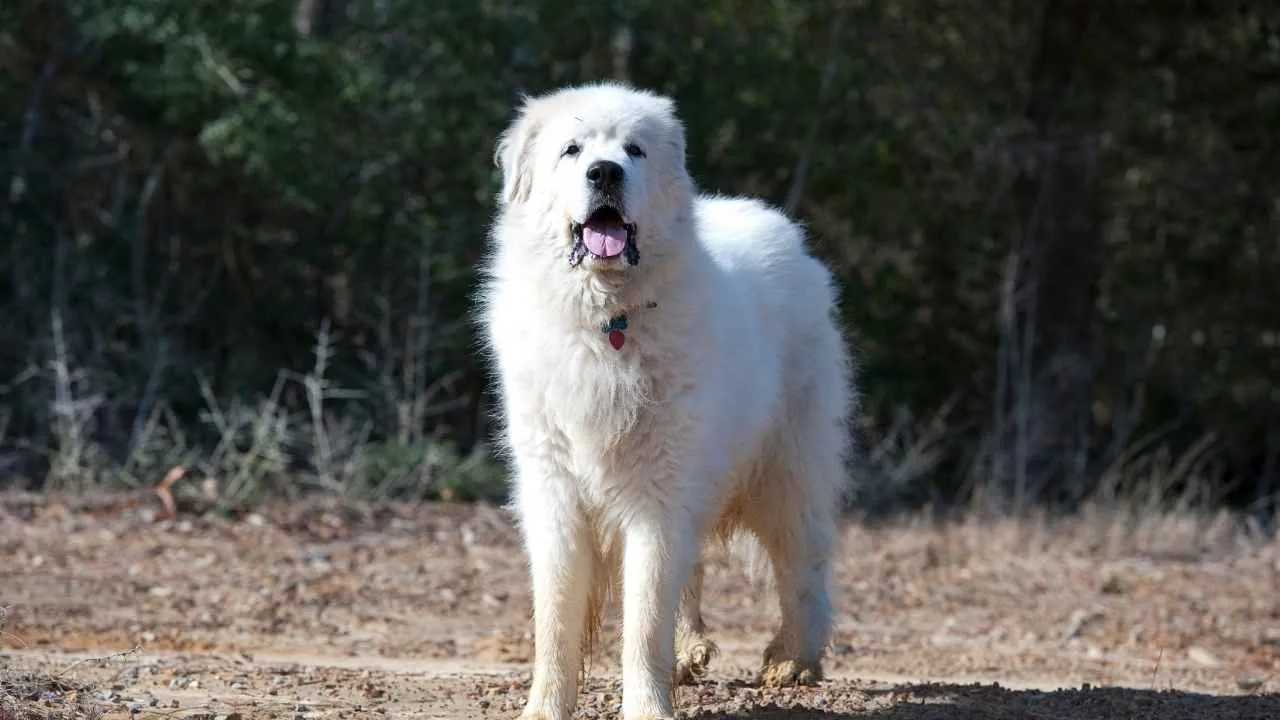
Great Pyrenees is a large livestock guardian dog shaped for work in the Pyrenees Mountains between Spain and France, where snowy terrain required both strength and patience. Its thick white coat blends into mountain landscapes, helping it monitor flocks without drawing attention.
Working logic in open terrain
They handle their guarding role with steady positioning rather than constant movement, conserving energy for real threats like wolves or bears. Its responses are measured, relying on distance awareness instead of close confrontation.
This working pattern reflects clear field behavior:
Patrols wide areas without constant movement
Intervenes only when the threat is direct
Relies on endurance rather than speed bursts
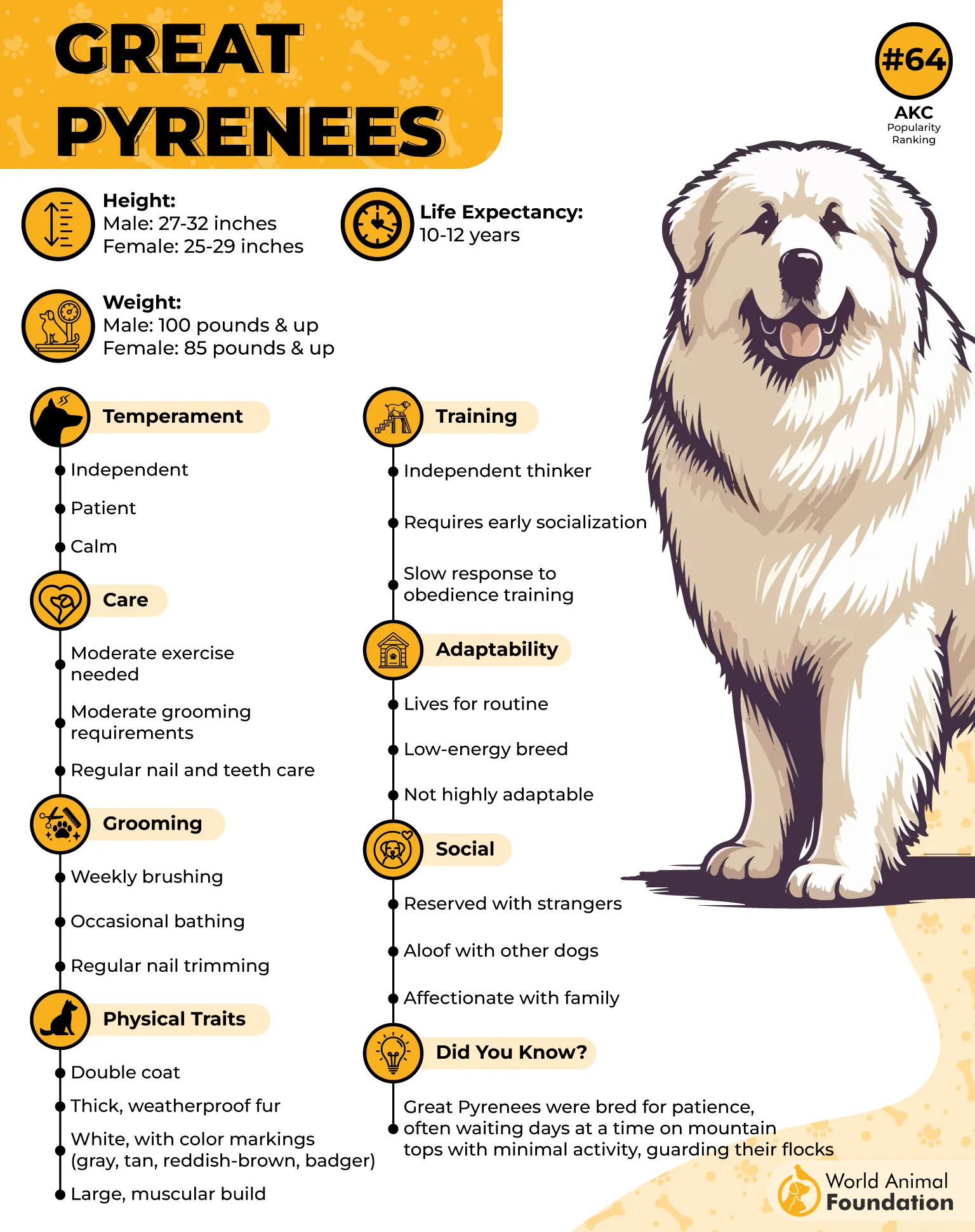
Independent thinking and training style
Great Pyrenees was shaped for autonomy, allowing it to function without constant human direction in mountain settings. This independence can translate into strong-willed responses during training, requiring patience and consistency. It shows a style shaped by working alone for long periods
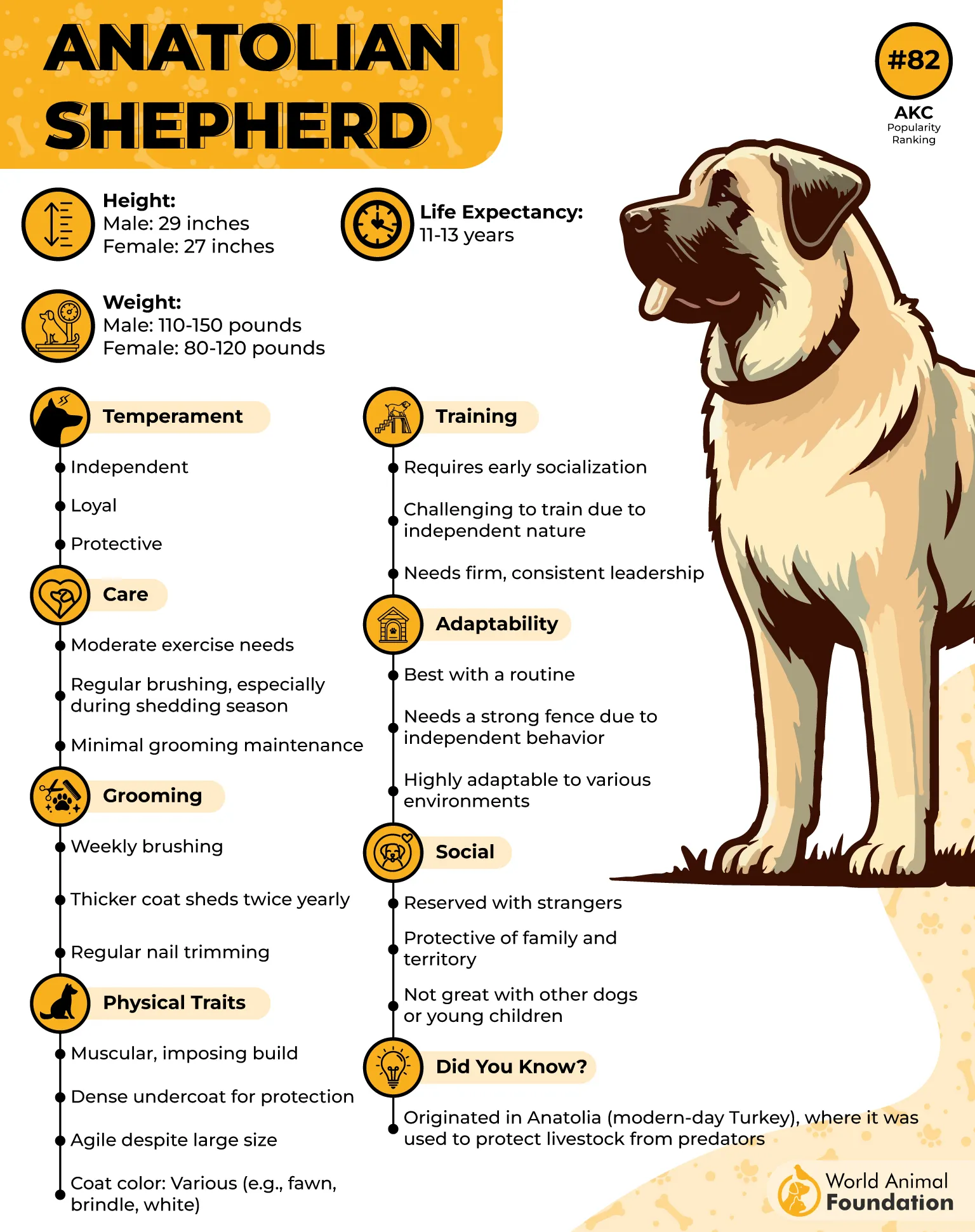
7. Anatolian Shepherd Dog
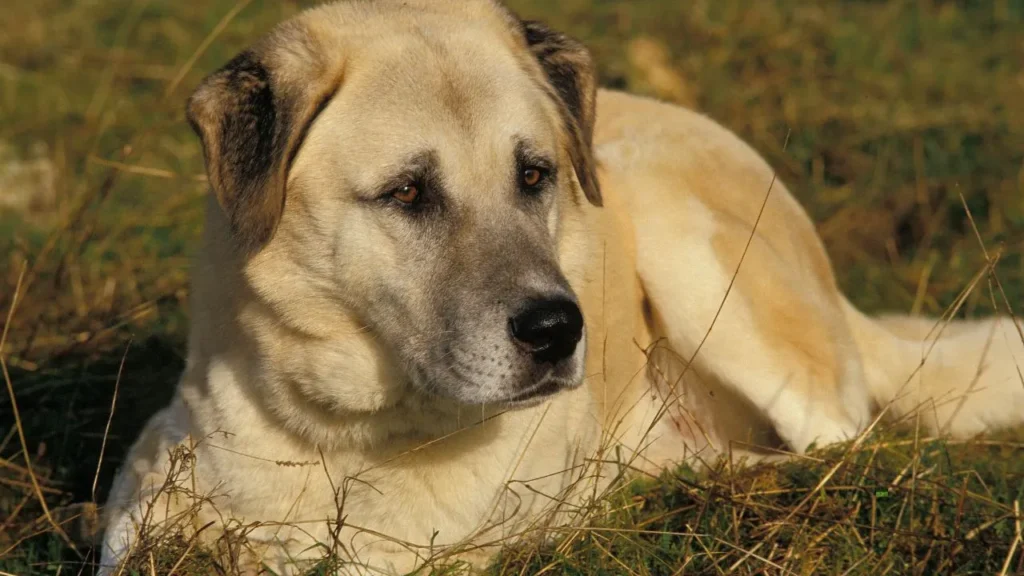
Anatolian Shepherd Dog was originally bred from the oldest guardian lineages known, shaped over thousands of years in Turkey’s livestock regions.
Its large frame and steady presence were relied on to deter threats through sheer intimidation and awareness. Loyalty to both flock and family defines its working nature.
Independent working style
This dignified breed handles protection duties with minimal direction, relying on its own judgment in wide, open spaces. This independence makes it effective in roles where constant human guidance is not practical.
Their working style in real environments is shown here:
Strong, independent guarding behavior
React to threats entirely on their own intuition
Comfortable with limited supervision
Behavior in daily settings
Anatolian Shepherd Dog tends to remain watchful rather than reactive, and uses their imposing presence and bark to warn of a threat. Training requires patience since its decision-making style leans toward independence. In familiar environments, it builds a quiet but firm attachment with its household.
8. Tibetan Mastiff
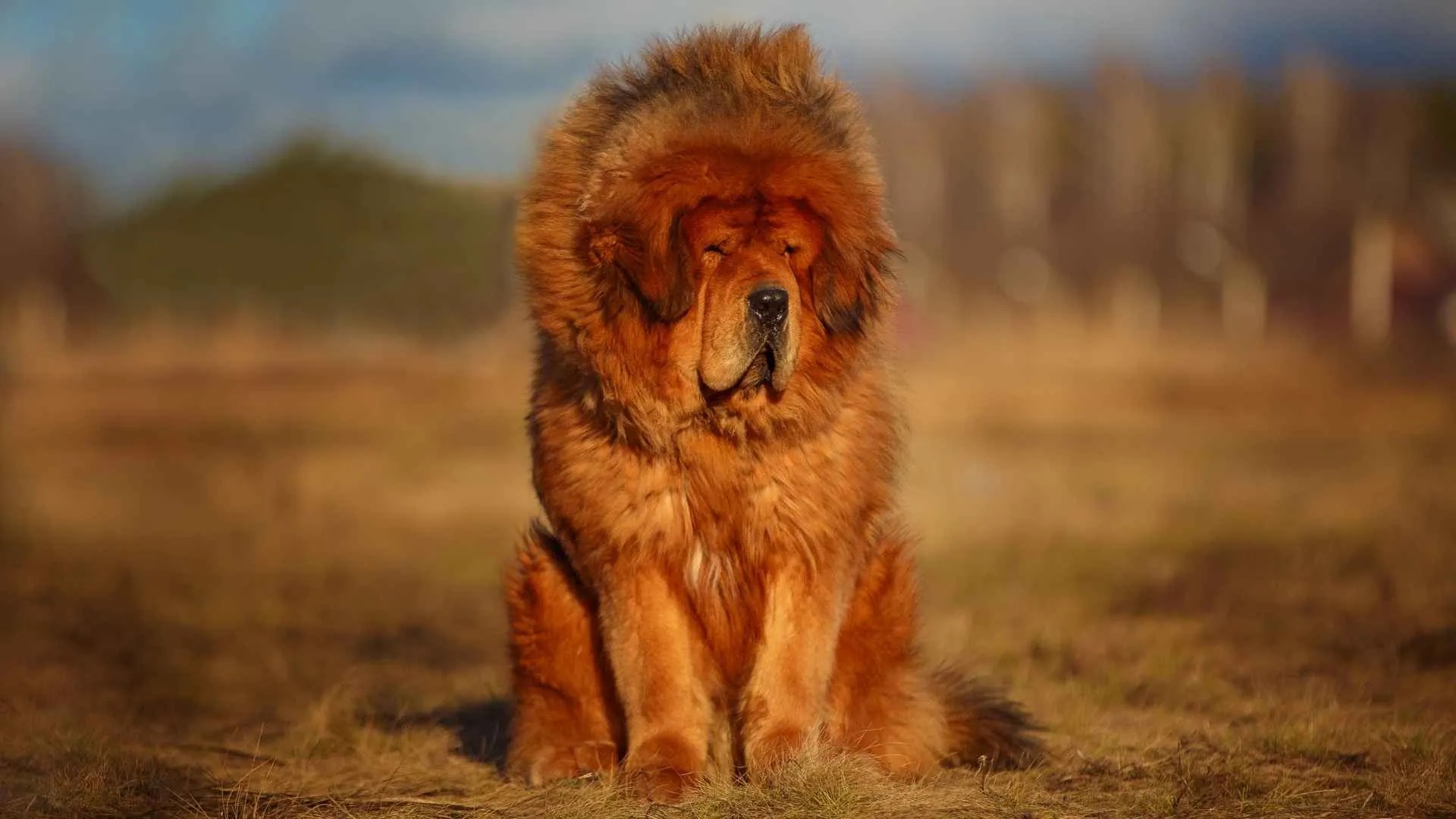
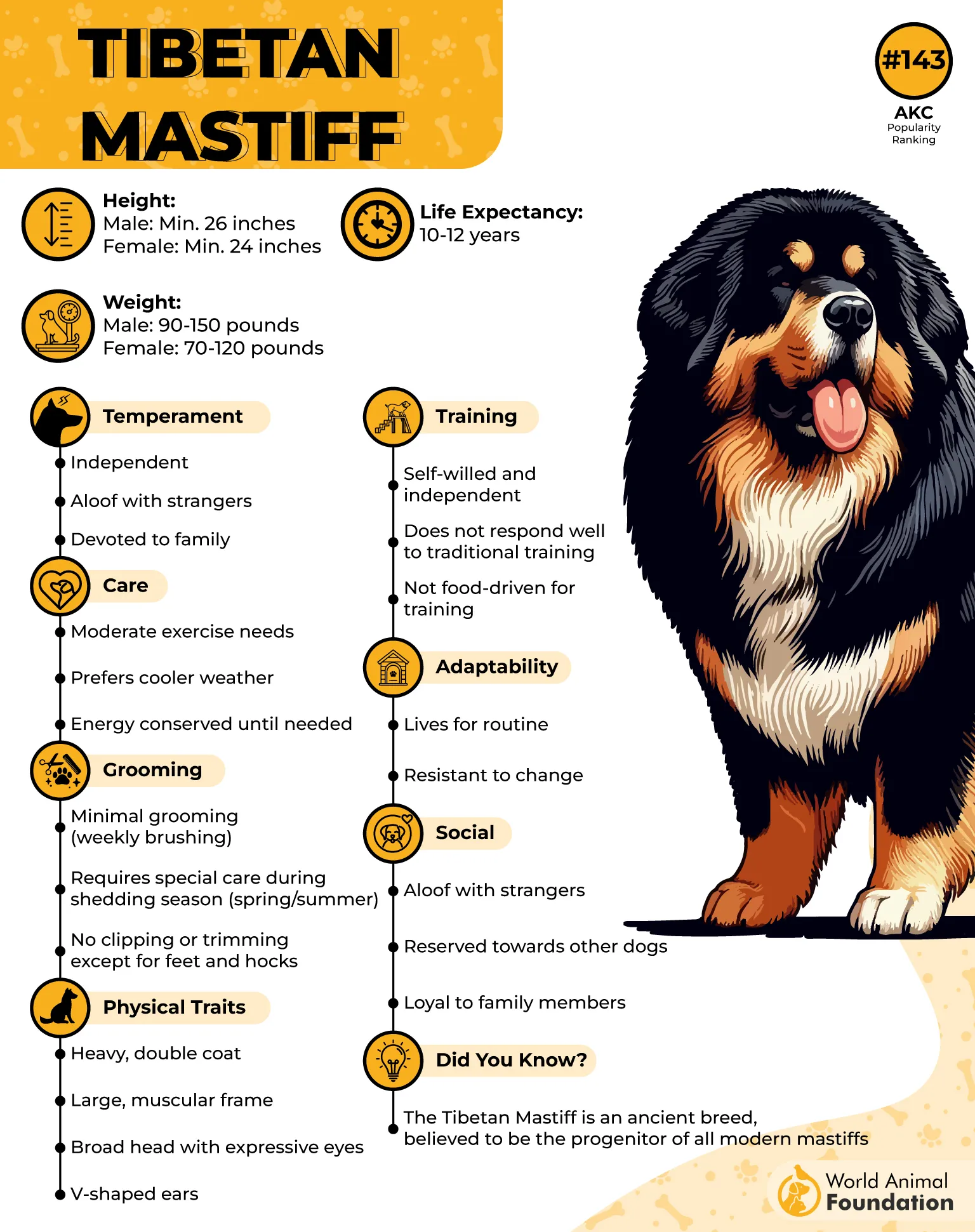
Tibetan Mastiff comes from the high regions of East Asia, where ancient records place it among some of the earliest large guardians known. Its lion-like frame and heavy build reflect a dog shaped for guarding vast, open land rather than confined spaces.
Behavior shaped by independence and alertness
They respond to their environment with quiet observation, often choosing when to act rather than reacting quickly. It remains calm indoors during the day but becomes more active during night hours, scanning its surroundings with steady awareness.
This pattern becomes clearer in practical traits:
Has a controlled alerting bark
Needs proper training to guide independent decision-making
Requires mental stimulation to avoid restless behavior
Behavioral balance and care focus
Tibetan Mastiff learns through consistency rather than repetition alone, responding better when guidance is structured early in life.
Lack of engagement or direction may lead to destructive behavior, especially when boredom sets in. Tools like puzzle toys help channel focus and reduce unwanted restlessness.
9. Komondor
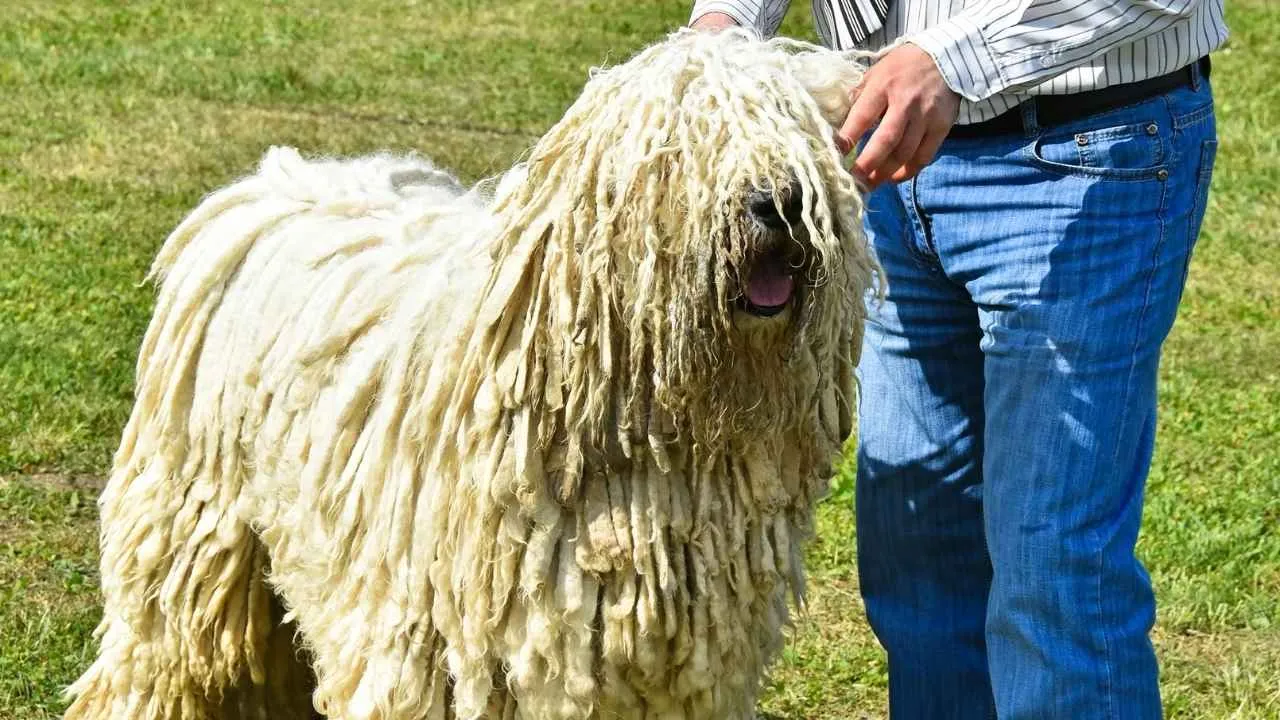
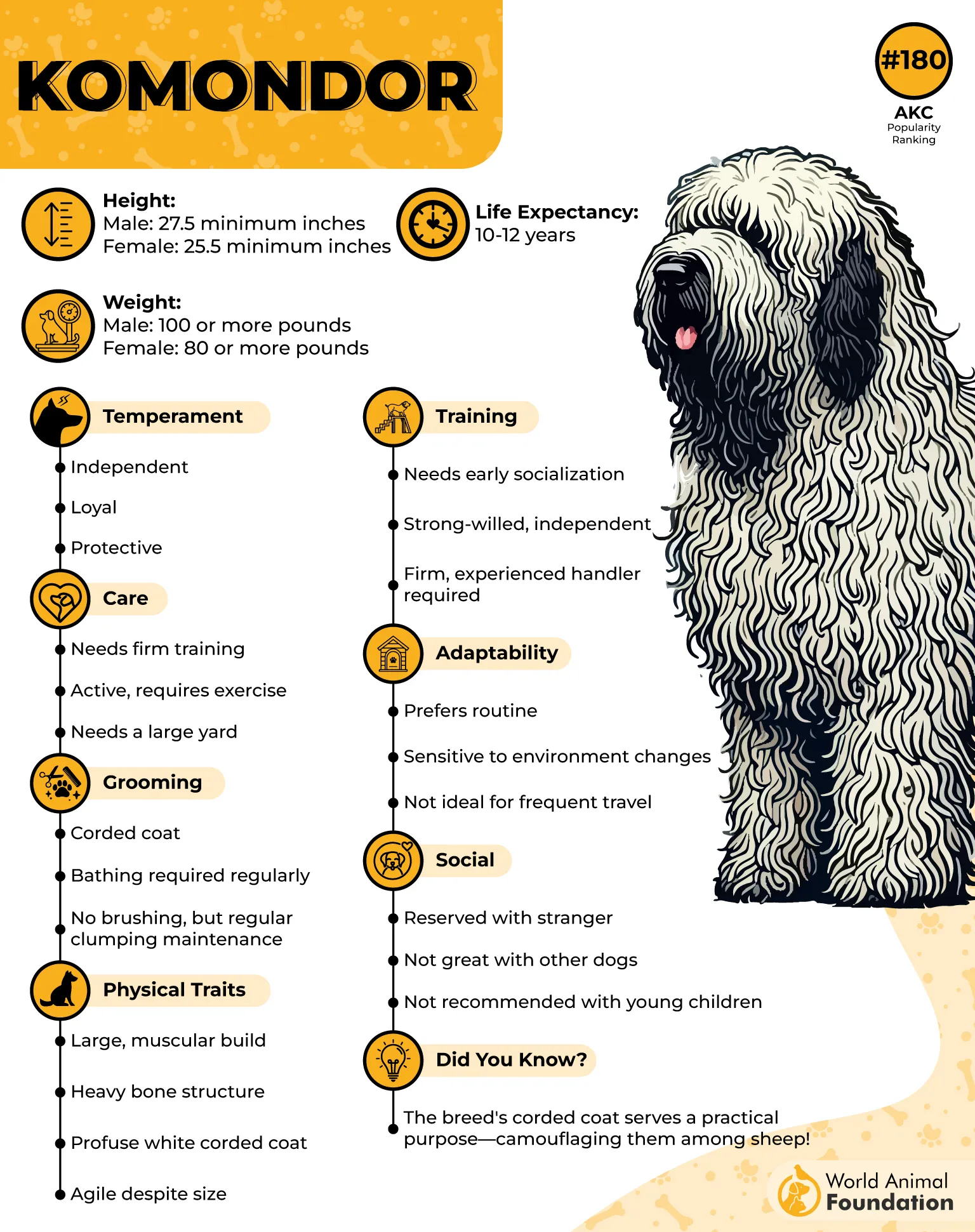
Komondor is instantly defined by its heavy white corded coat, forming a dense covering that separates it visually from most working dogs. This structure is tied to its role guarding sheep in open Hungarian lands where visibility and protection mattered together.
Independent guarding behavior
Komondor reacts to its environment through self-directed decision-making, often choosing when to act without constant input. They are vigilant about guarding property and family members.
This working behavior is reflected in clear patterns:
Positions itself near livestock or family areas
Reacts strongly to stranger dogs
Uses a vocal warning when attention is required
Learning style and mental drive
Komondor responds best to varied and short training sessions, often losing interest when repetition continues for too long.
Its intelligence leans toward independent thinking, requiring engagement that changes pace and task style. Puzzle-based tasks and activity shifts help sustain focus and interest.
Conclusion
Quiet hours at home reveal a side of canine behavior that many prospective owners overlook. Some dogs require near-constant engagement, while others handle a few hours alone with patience and composure. That difference can have a significant impact on long-term satisfaction, particularly when choosing the right breed.
A dog that remains relaxed during temporary separation often supports a more balanced household routine. Consistency, training, and enrichment still matter, but natural resilience can help prevent separation anxiety and reduce the chance that a good dog will develop destructive behaviors. When temperament aligns with daily life, the partnership feels more comfortable and sustainable.
