




Scrolling through TikTok or Instagram, you’ve probably seen a giant dog steal the show. Whether it’s a St. Bernard lounging like a living sofa or a Newfoundland heroically rescuing someone from a river, giant dogs have an instant wow factor.
But while the classics get all the hype, there are lesser-known giant breeds that are just as impressive, if not more fascinating.
These dogs with a protective nature are not only massive but also packed with history, personality, and quirks that will make you rethink what a dog can be. From medieval hunters navigating icy rivers to desert guardians sprinting across dunes, these breeds are rare treasures.
They require care, space, and experience, but for those who understand them, giant dogs are more than pets—they’re family, protectors, and sometimes, gentle clowns.
Remarkable Giant Dog Breeds You Probably Haven’t Heard Of
1. Otterhound
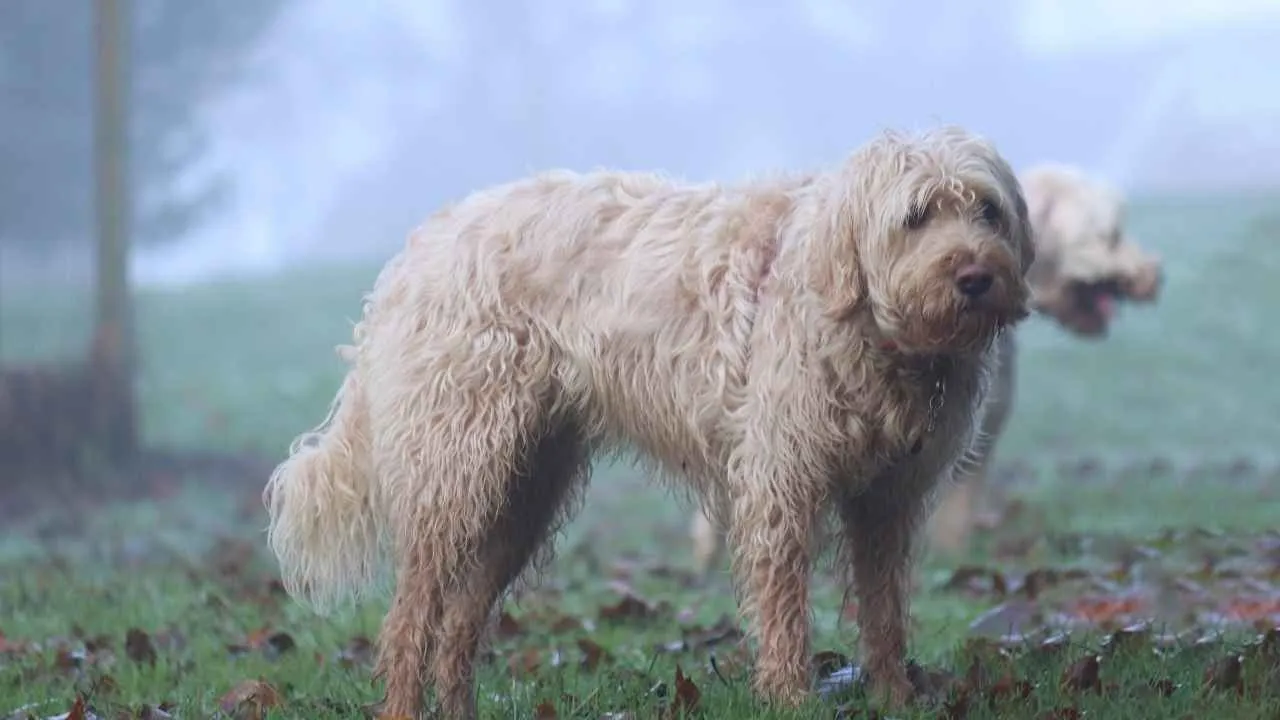
The Otterhound is basically a superhero with fur. Originating in medieval England, this breed was developed to hunt otters, which were considered serious threats to fish stocks.
They needed to swim long distances, withstand icy waters, and track elusive prey for hours on end. Enter the Otterhound, equipped with webbed feet, an oily water-resistant coat, and a nose so keen it can follow a scent up to 72 hours old.
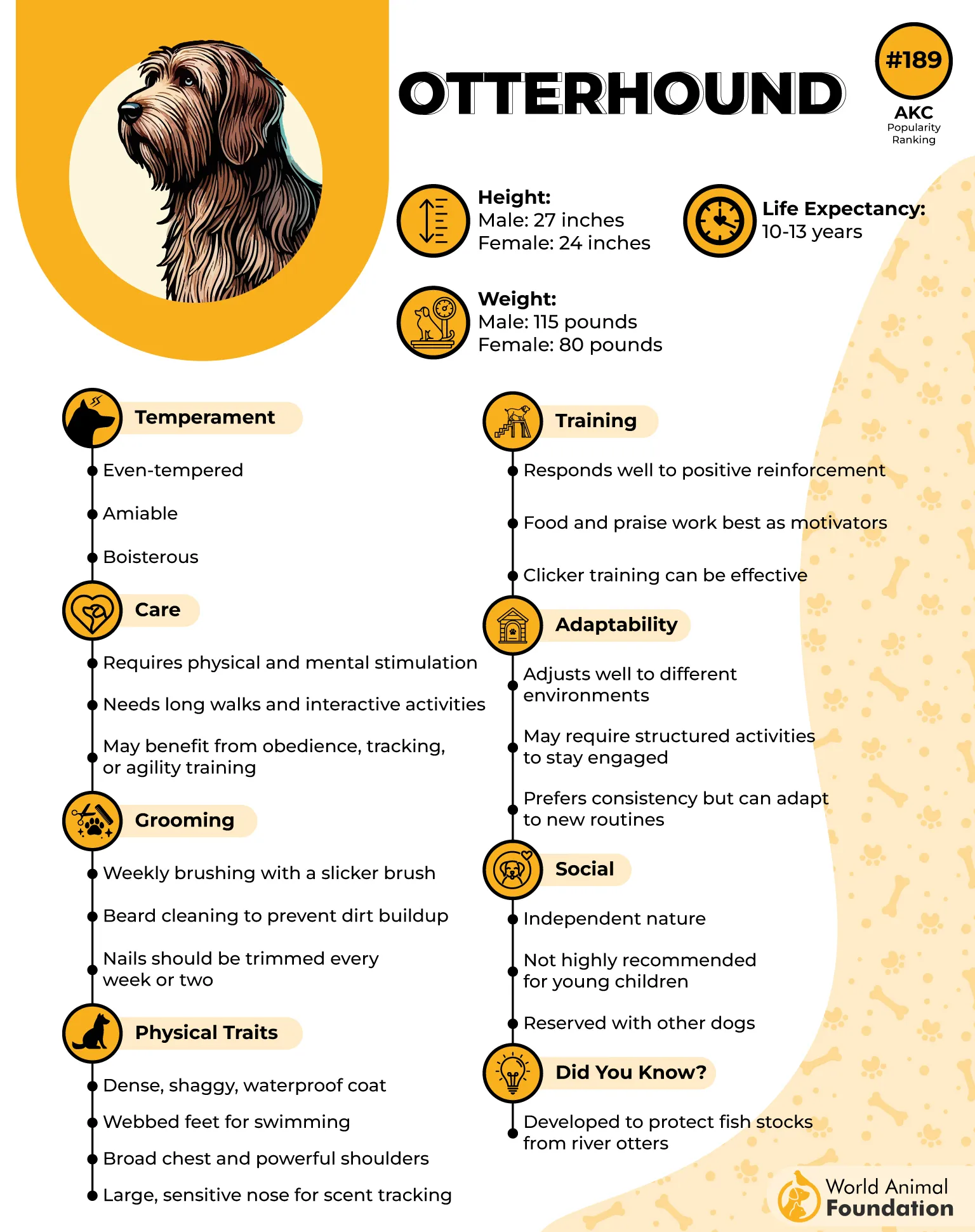
Purina describes these dogs as instantly recognizable for their shaggy, bearded faces and rough coats in colors such as black-and-tan, liver-and-tan, or red grizzle. But their personality is where they truly shine. Otterhounds are friendly, amiable, and surprisingly gentle for their size.
They can be boisterous as puppies, clumsily knocking over small children with their enthusiastic love, but they mellow with age and proper socialization.
Feeding an Otterhound requires careful attention. These dogs can gain weight if not properly exercised, so a balanced diet and controlled treats are essential. They thrive on high-quality dog food and plenty of physical activity.
2. Leonberger
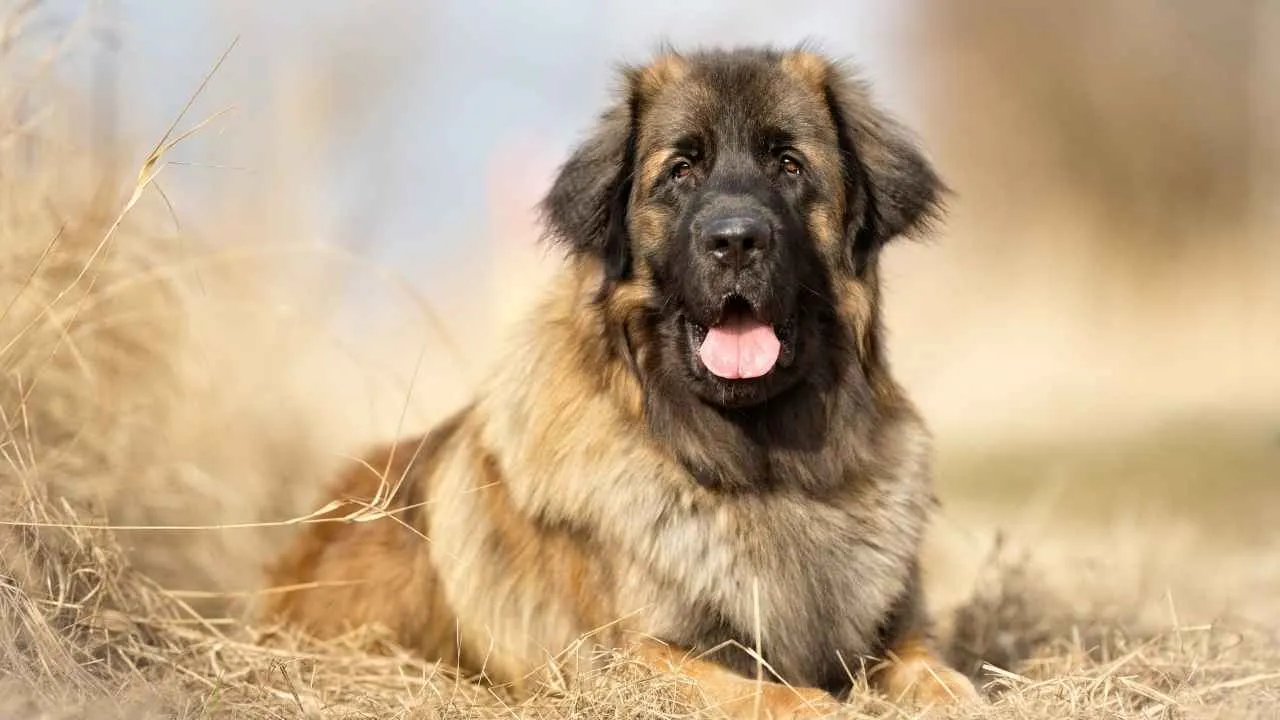
The Leonberger is like the canine version of Simba. This German breed, officially recognized in 1846, was historically used as a farm dog capable of pulling carts and guarding property.
The origin story is a bit hazy, with crossbreeding among Newfoundlands, St. Bernards, and Pyrenean Mountain Dogs. Still, the result is a dog with a lion-like mane, a gentle temperament, and an enormous heart.
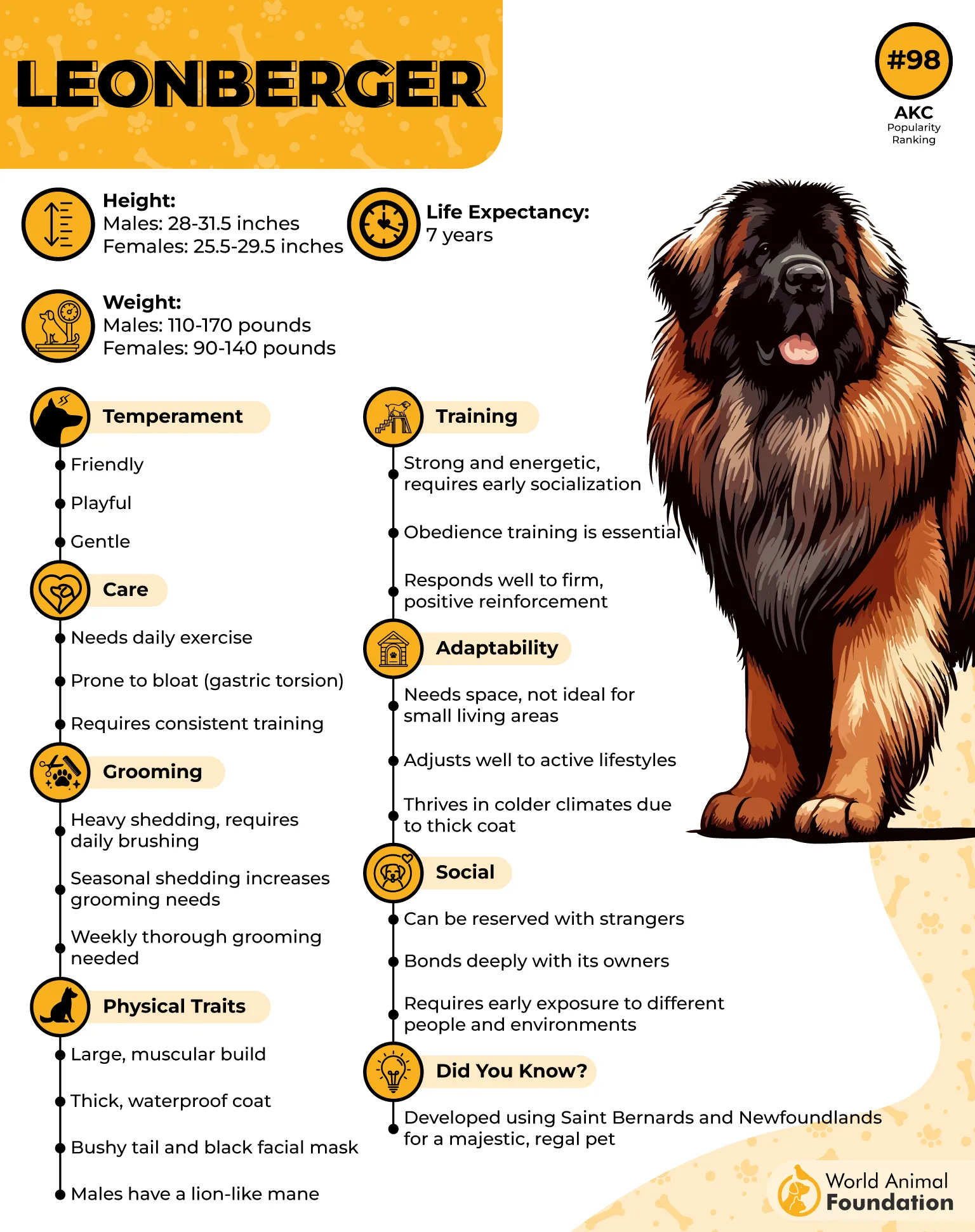
They are incredibly family-oriented. They thrive on companionship and are happiest when surrounded by people. Unlike some giant breeds that can be intimidating, Leonbergers have a calm, patient demeanor and are excellent with children.
Their size, however, means that early training and supervision are important—especially around toddlers who could easily be knocked over during an enthusiastic greeting.
Leonbergers have webbed feet and a love for water, making them natural swimmers. Their intelligence means they pick up training quickly, but their stubborn streak requires consistent, positive reinforcement.
These dogs are loyal, confident, and rarely spooked, making them excellent family companions for those who have space and time to devote to them.
3. Komondor
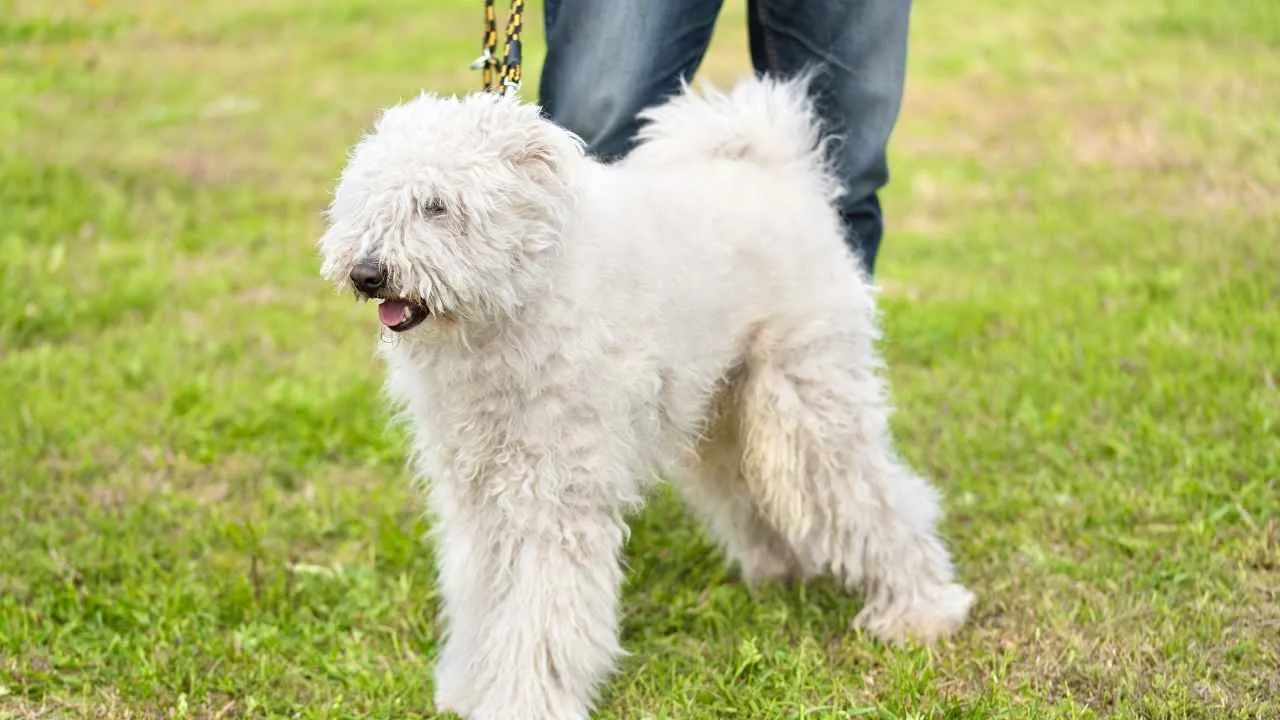
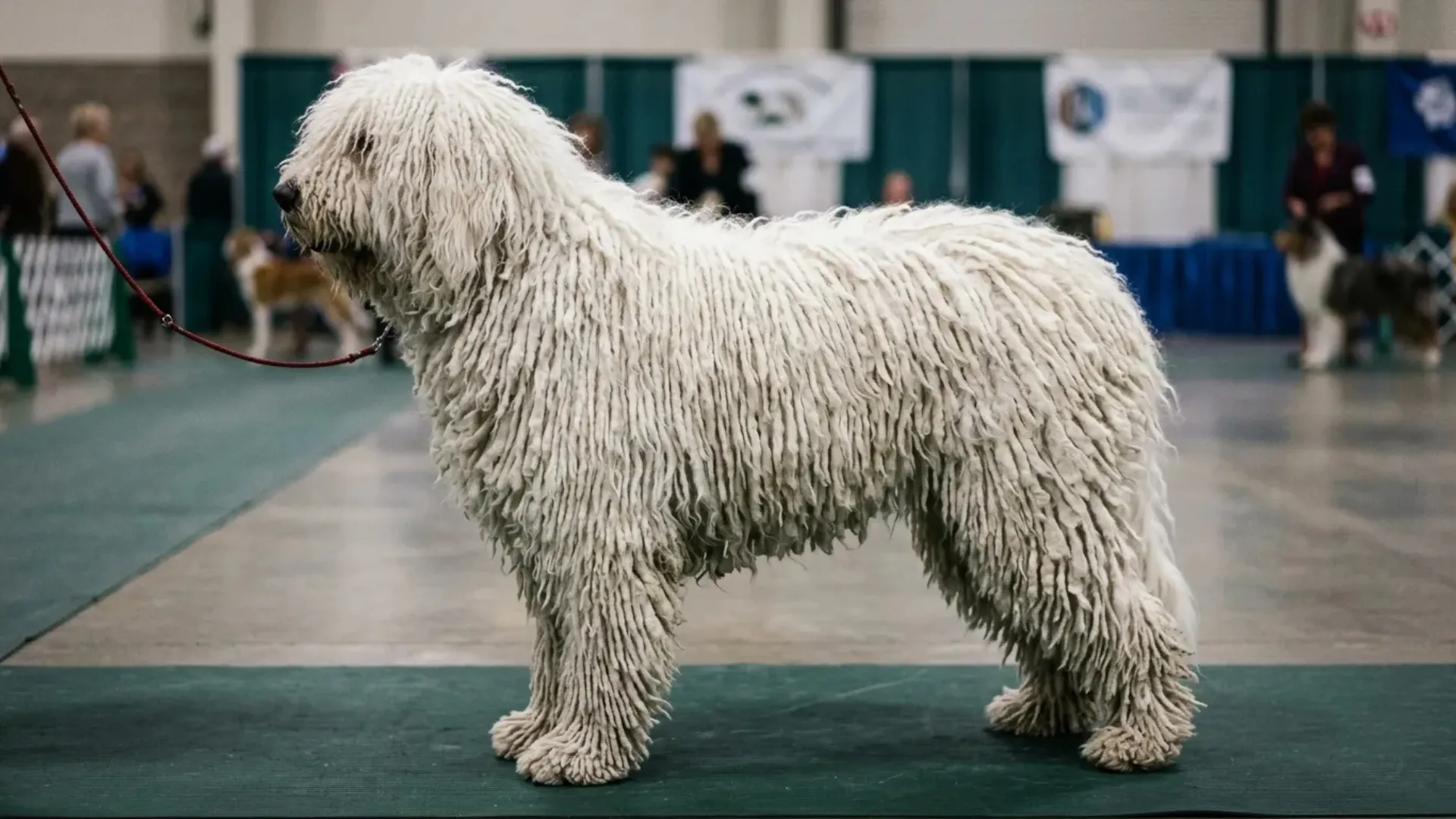
If you’ve ever seen a giant white dog resembling a walking mop, you’ve met the Komondor. This Hungarian breed is a livestock guardian, originally bred to protect sheep and other animals from predators.
Their signature corded coat isn’t just for show—it helped them blend in with the flock while keeping predators at bay.
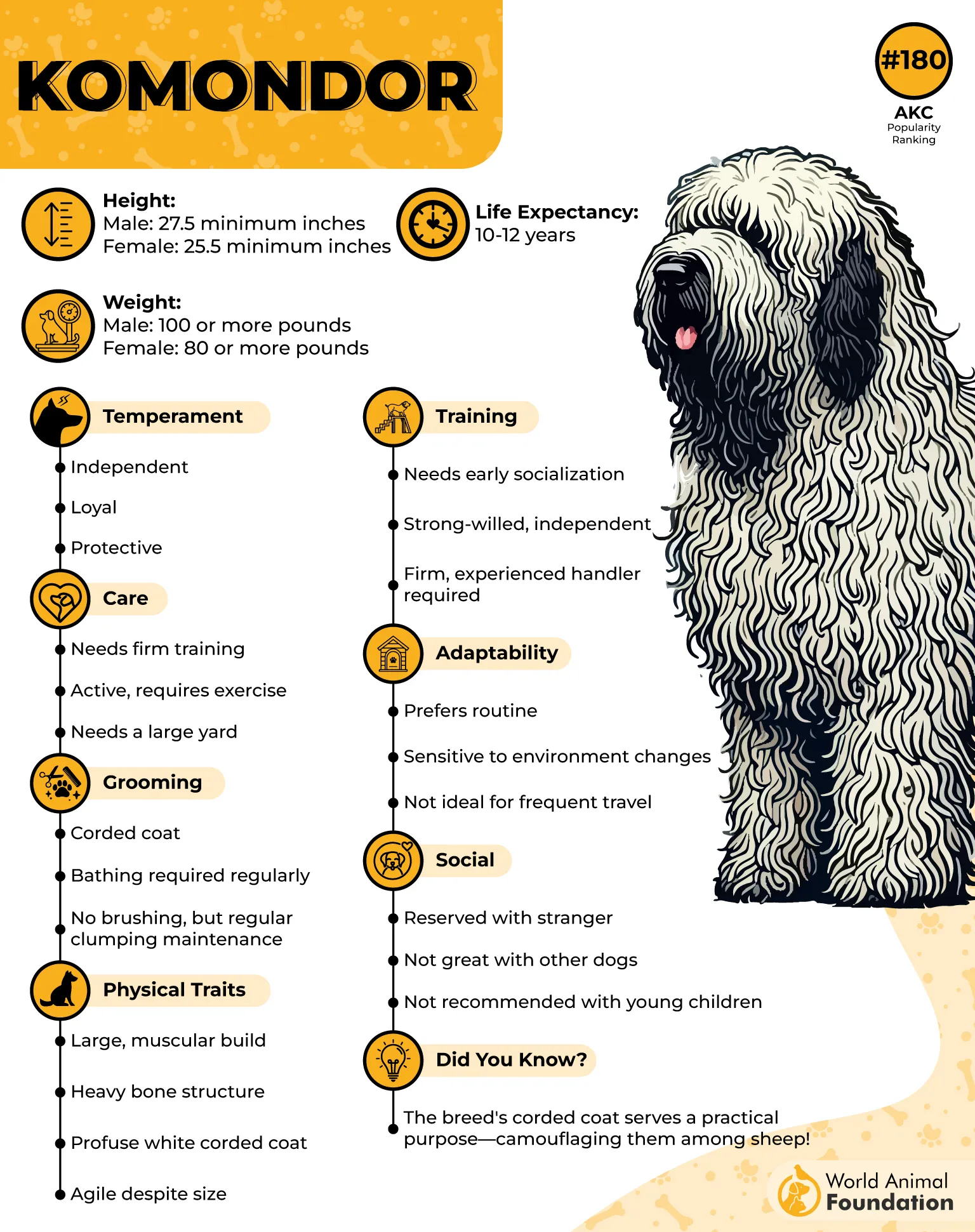
They are powerful, agile, and independent. A male can weigh over 100 pounds and stand more than 27 inches tall. Despite their size, they move with long, graceful strides, giving them a commanding presence without being clumsy.
PetMD claims that these dogs require experienced handling because their guarding instincts are strong, and they don’t naturally tolerate off-leash dogs or crowds.
Komondors require early socialization and structured training. Their corded coat needs maintenance to prevent matting, and they thrive on exercise that allows them to run freely.
For those who understand their unique needs, Komondors are loyal, vigilant, and fascinating companions who double as living works of art.
4. Neapolitan Mastiff
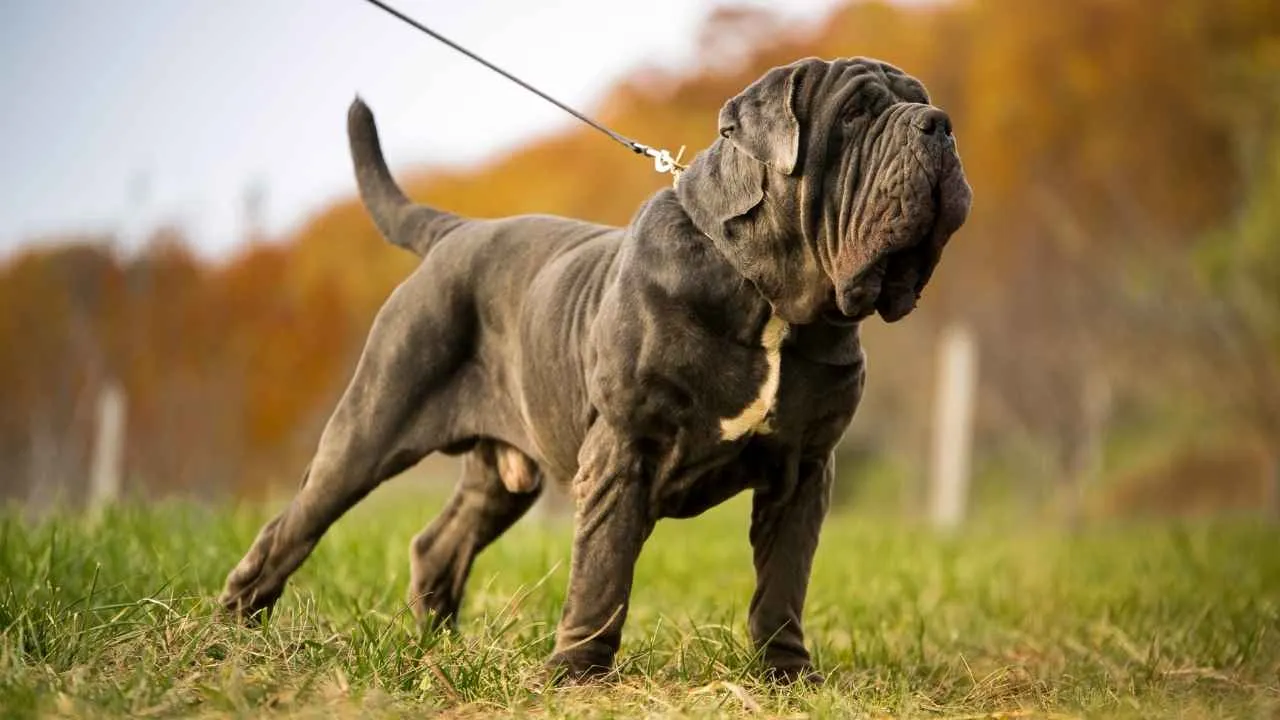
The Neapolitan Mastiff is one of the most imposing dogs you’ll ever meet. With loose, wrinkled skin, a massive chest, and a slow, rolling gait, these dogs look intimidating—but they’re deeply loyal to their families.
Historically, Neapolitan Mastiffs were used as war dogs and guards, often accompanying Roman legions into battle. Their fearsome appearance alone was enough to scare opponents.
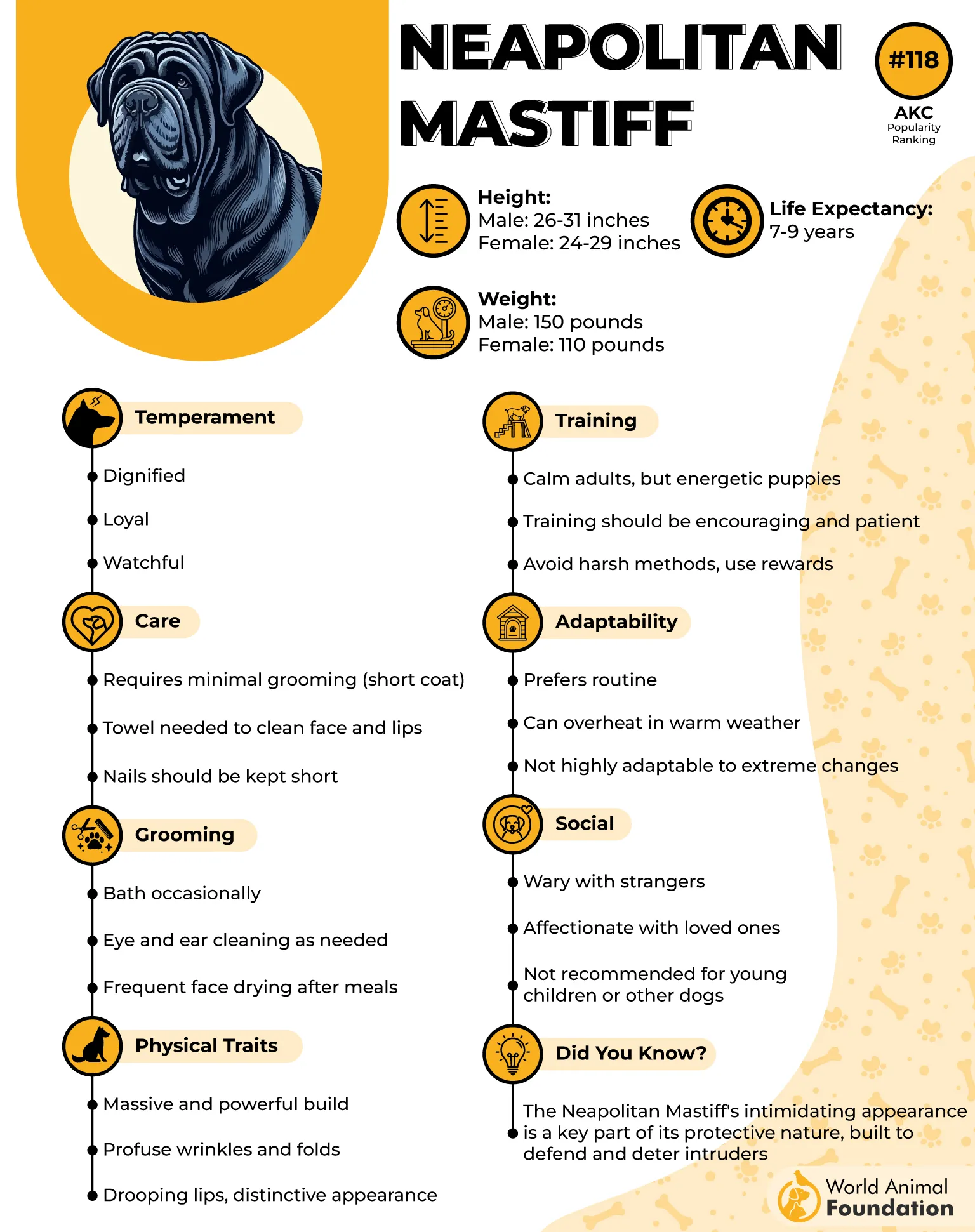
Modern Neapolitan Mastiffs are incredibly loyal and gentler, but still require strong leadership. Owners often say their dog is a couch potato at home but instantly becomes a vigilant protector when a stranger approaches.
Despite heavy drooling and the need for careful maintenance of skin folds, these Mastiff dogs are affectionate toward family members and surprisingly calm indoors.
Health and care are essential. These family pets are prone to joint issues, bloat, and skin infections in the folds, so supportive bedding, controlled weight, and regular vet check-ups are crucial. Neapolitan Mastiffs are perfect for owners who can provide stability, structure, and plenty of space for these calm giants to roam.
5. Tibetan Mastiff
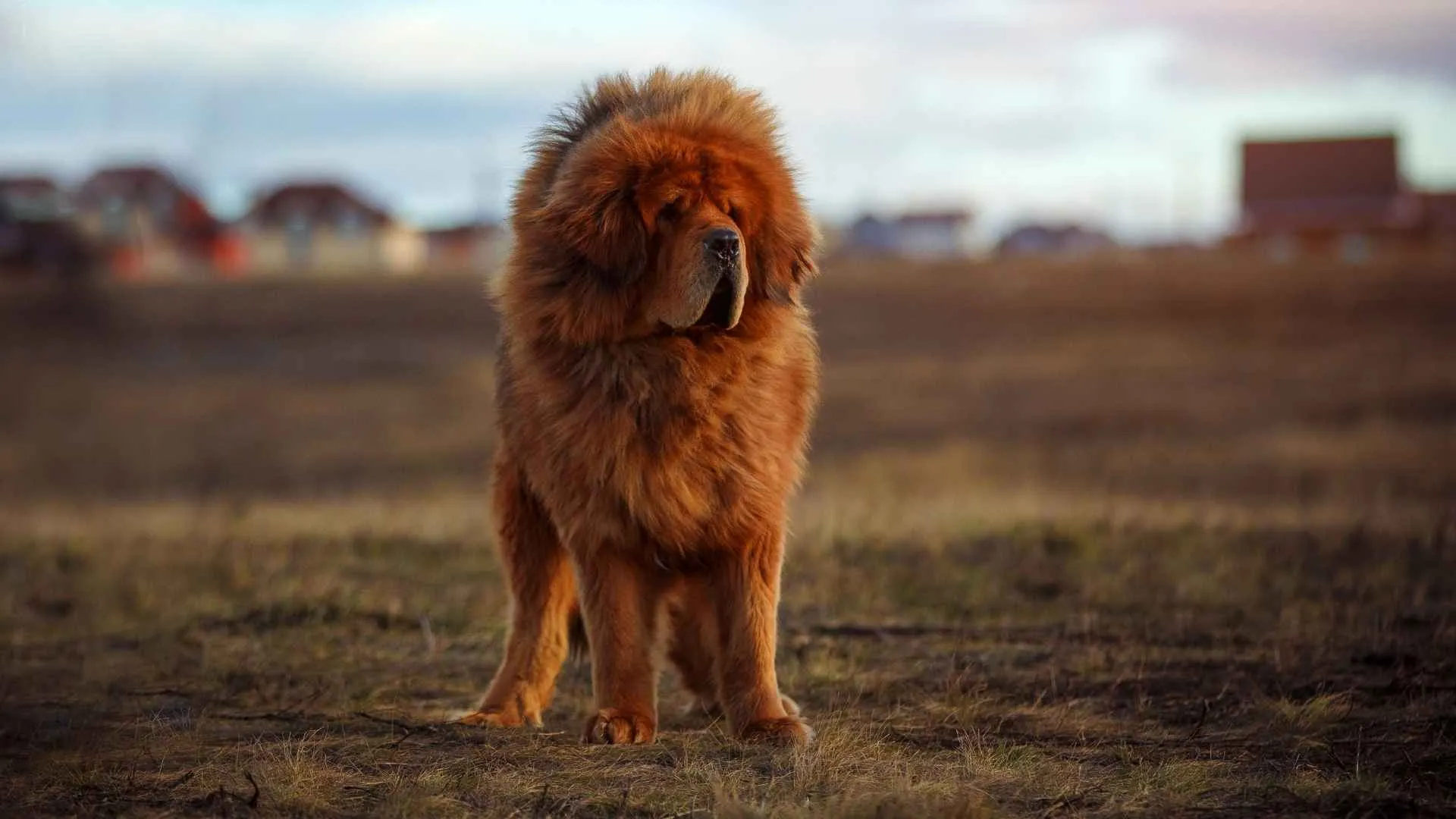
The Tibetan Mastiff is one of the rarest giant breeds. With a flowing mane reminiscent of a lion, these dogs were bred for thousands of years in the Himalayas to protect livestock and property.
Their natural wariness of strangers, combined with independent thinking, makes them exceptional guardians but challenging pets for first-time dog owners.
It is incredibly bonded to the pet parents but doesn’t take orders lightly. Training requires patience, consistency, and a secure environment.
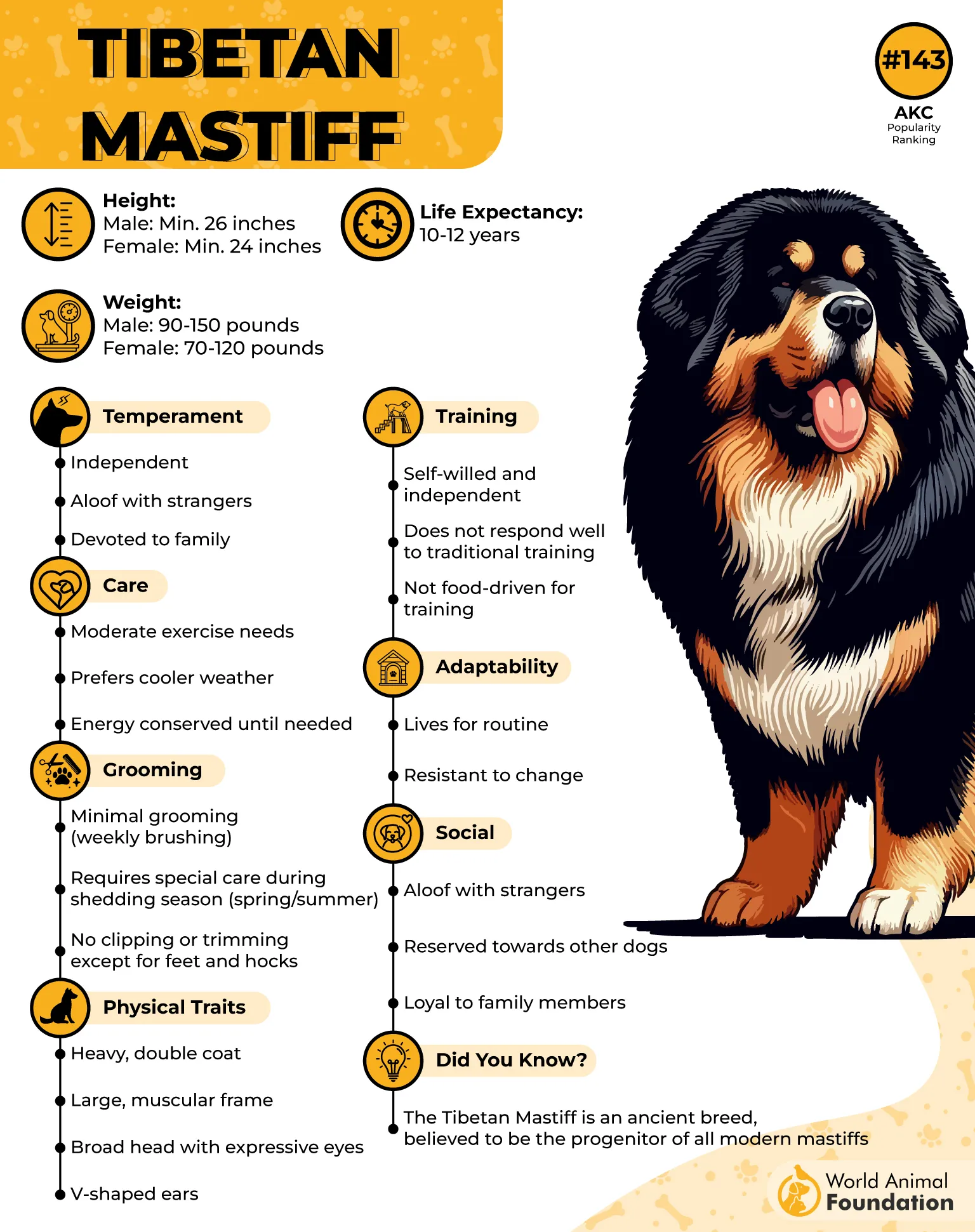
Some of the biggest dog breeds out there are calm yet alert, with a tendency to bark at night due to heightened guarding instincts. Their thick coats make them suited for cold weather, and while grooming isn’t intense, regular brushing helps manage shedding.
According to PDSA, proper socialization from a young age is crucial for helping these dogs adapt to modern family life while retaining their natural protective instincts.
6. Azawakh
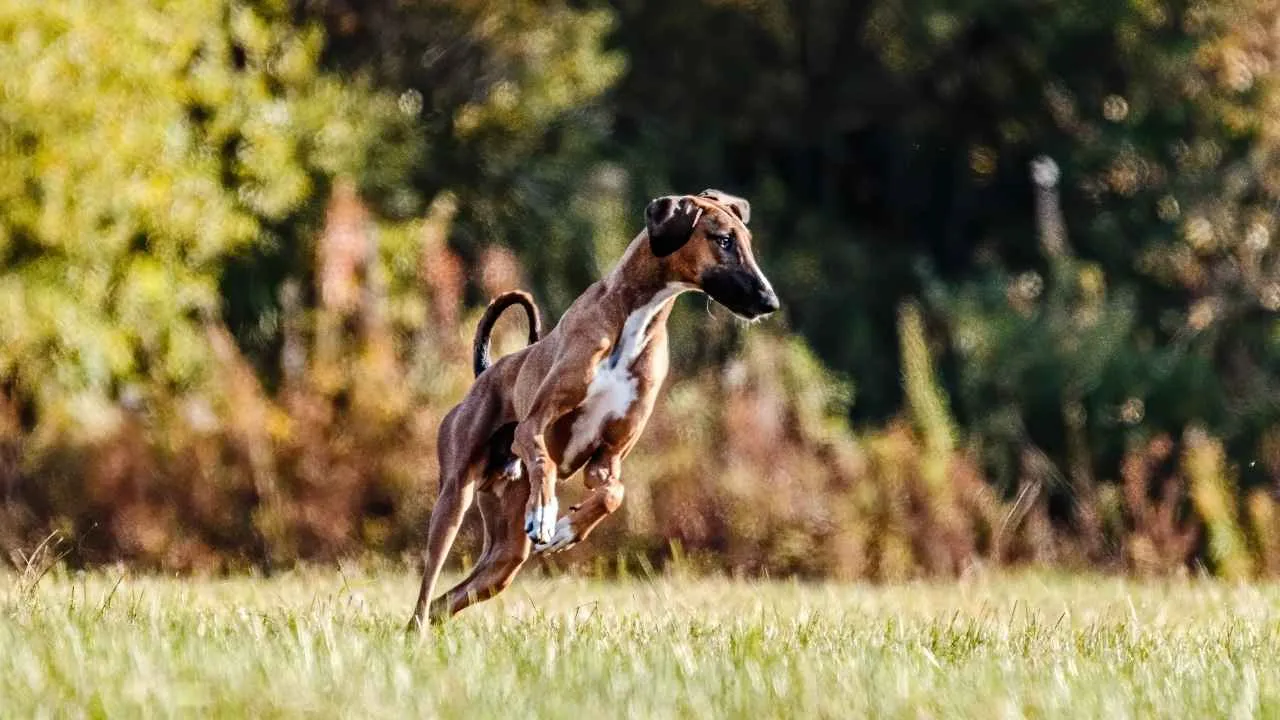
Azawakhs are elegant, sculpted sighthounds originating from the Sahel region of Africa.
Nomadic tribes bred them to hunt gazelles and protect camps, making them fast, alert, and fiercely independent. With lean, athletic bodies, they are more like running sculptures than typical pets.
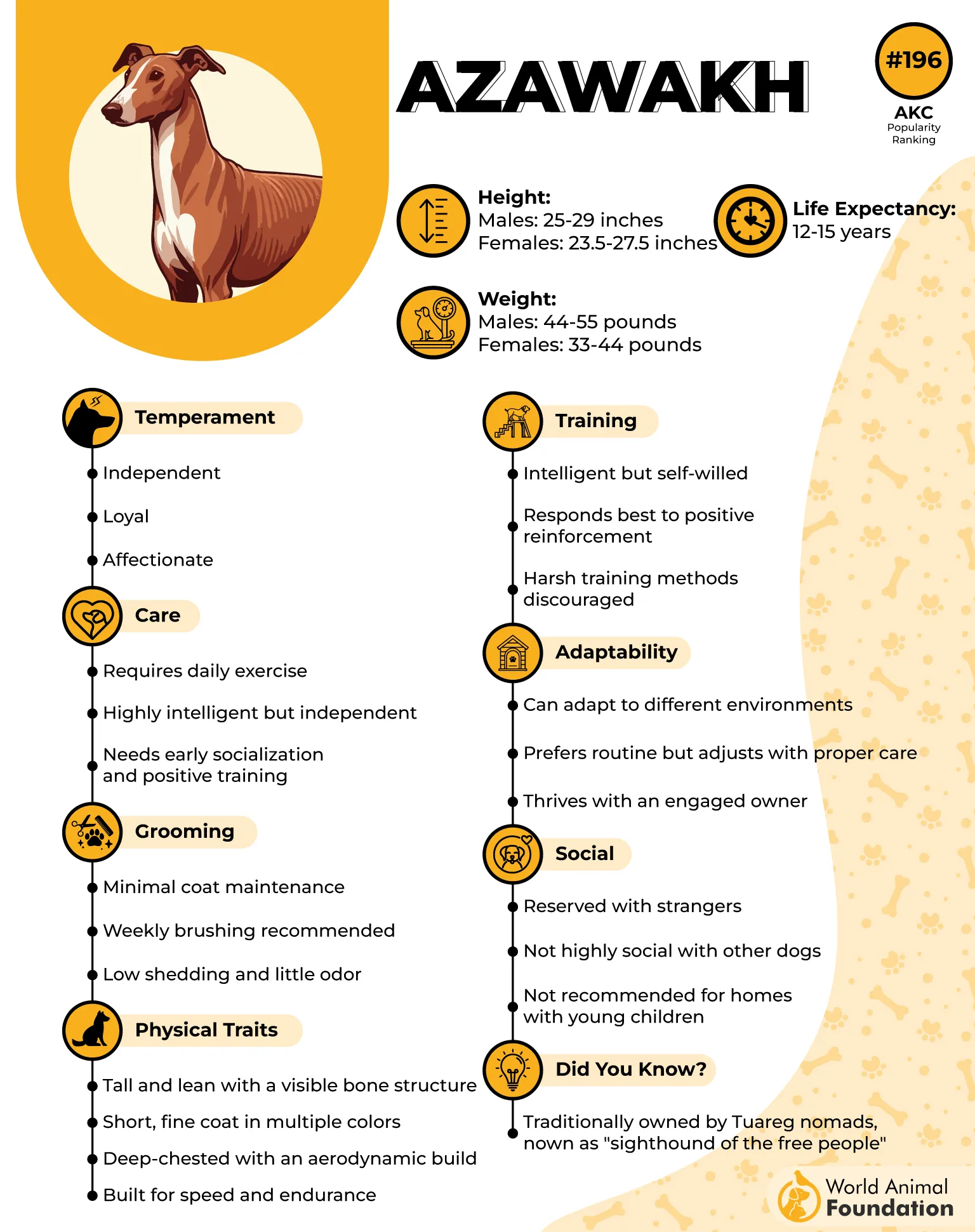
This dog is basically a supermodel with paws—graceful, fast, and completely aloof until it decides you’re trustworthy. It doesn’t play fetch endlessly like other dogs; it moves with purpose and poise.”
These large-breed dogs are loyal to their families but can be aloof with strangers, says the AKC. They require daily exercise that allows for sprinting and mental engagement. Despite their delicate appearance, they are tough, resilient, and built for stamina.
For owners who can handle an independent, athletic dog, the Azawakh offers unmatched beauty and loyalty.
7. Spanish Mastiff
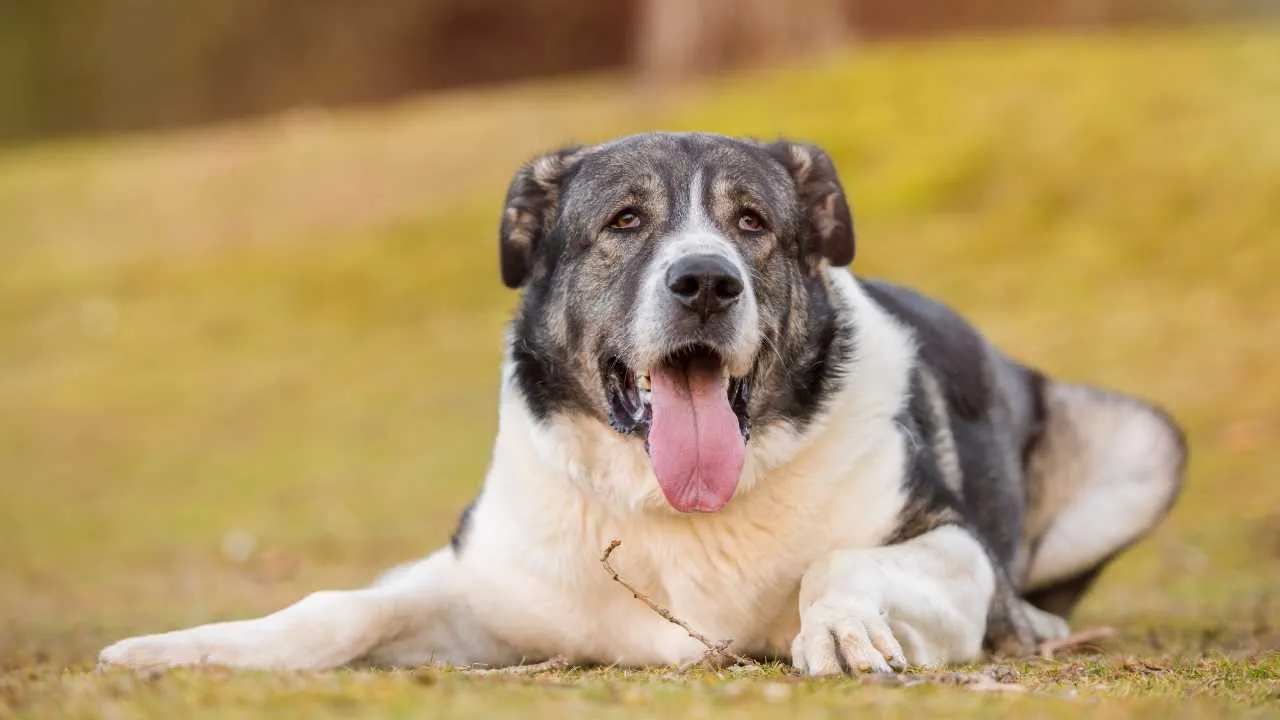
The Spanish Mastiff isn’t just big—it’s a living legend. This breed, dating back more than 2,000 years, was created to guard livestock across the rugged landscapes of Spain.
Shepherds relied on them to fend off wolves, bears, and other predators, which meant these dogs had to be independent thinkers, brave, and physically powerful.
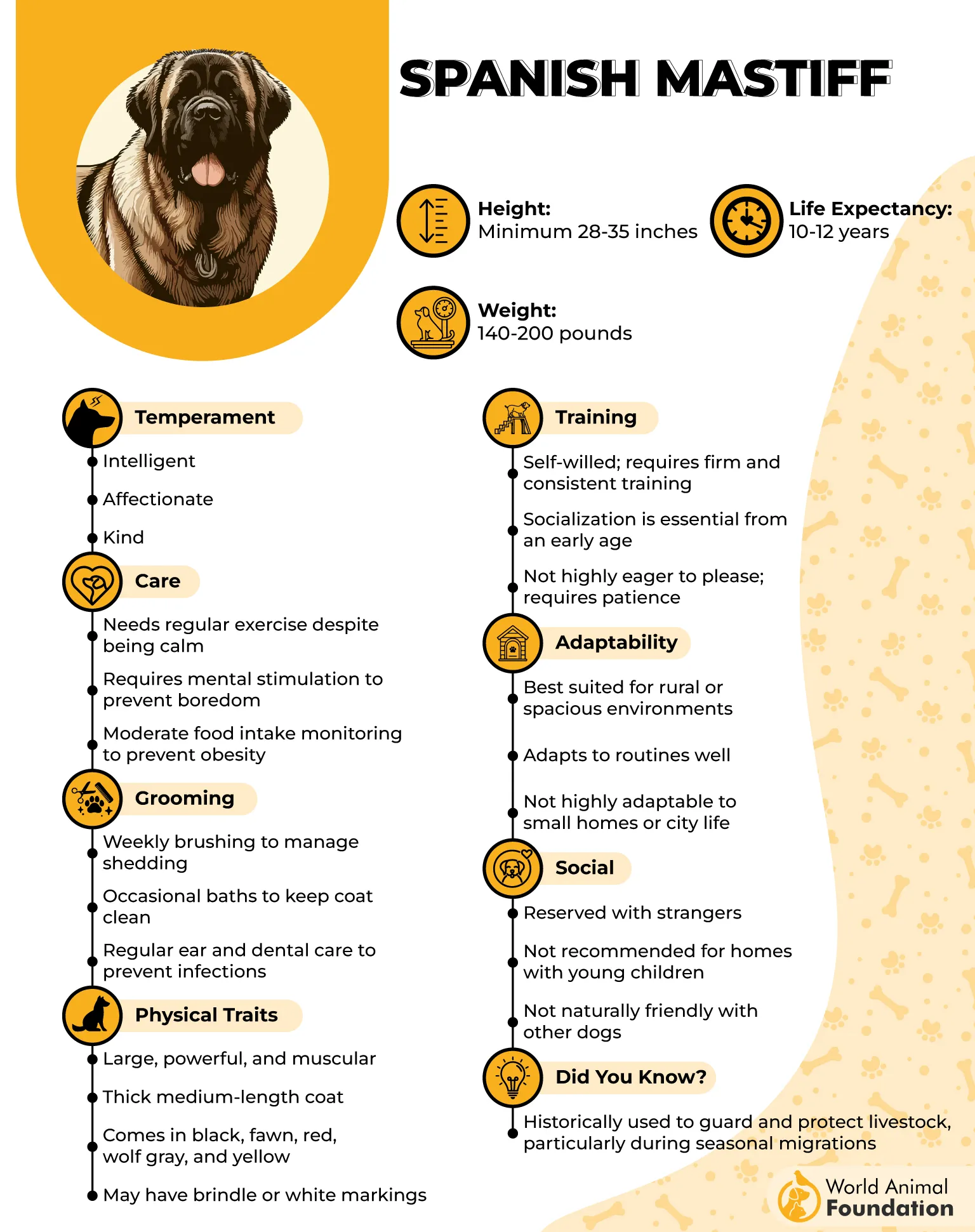
Unlike some modern breeds that rely heavily on human guidance, Spanish Mastiffs were trusted to make split-second decisions in life-or-death situations. That instinct remains deeply embedded in their DNA.
These dogs are enormous, with muscular frames, broad chests, and large heads that command respect. Their thick coat, short or medium in length, comes in a variety of colors, helping them blend into fields and mountains while on patrol.
This large dog breed is calm and noble, with a strong sense of loyalty.
Families report that their Spanish Mastiffs are incredibly affectionate with children, often acting as gentle giants who will sit quietly while the kids play nearby.
Owners need to invest in early socialization and consistent training to make sure that independence doesn’t turn into overprotectiveness. This would make them excellent companions for all the family members.
Conclusion
Giant dog breeds are more than just big fluffballs or Instagram sensations—they are living pieces of history, each with its own story, skills, and quirks. From the water-loving Otterhound to the desert-sprinting Azawakh, these dogs were bred for specific purposes: hunting, guarding, rescuing, and protecting.
Their enormous size comes with responsibilities, from proper socialization and training to diet and exercise, but the bond you get in return is unmatched.
Bernese Mountain Dog, Greater Swiss Mountain Dog, Italian Mastiff, Saint Bernard, Great Pyrenees, Irish Wolfhound, Anatolian Shepherd, and French Mastiff also make some great guard dogs owing to their giant sizes!
If you have the space, time, and experience to care for a giant breed, these dogs offer a once-in-a-lifetime companionship that combines history, heart, and personality in a way no smaller dog can match. They teach patience, responsibility, and, most importantly, the joy of sharing your life with a gentle giant who sees you as family.
