




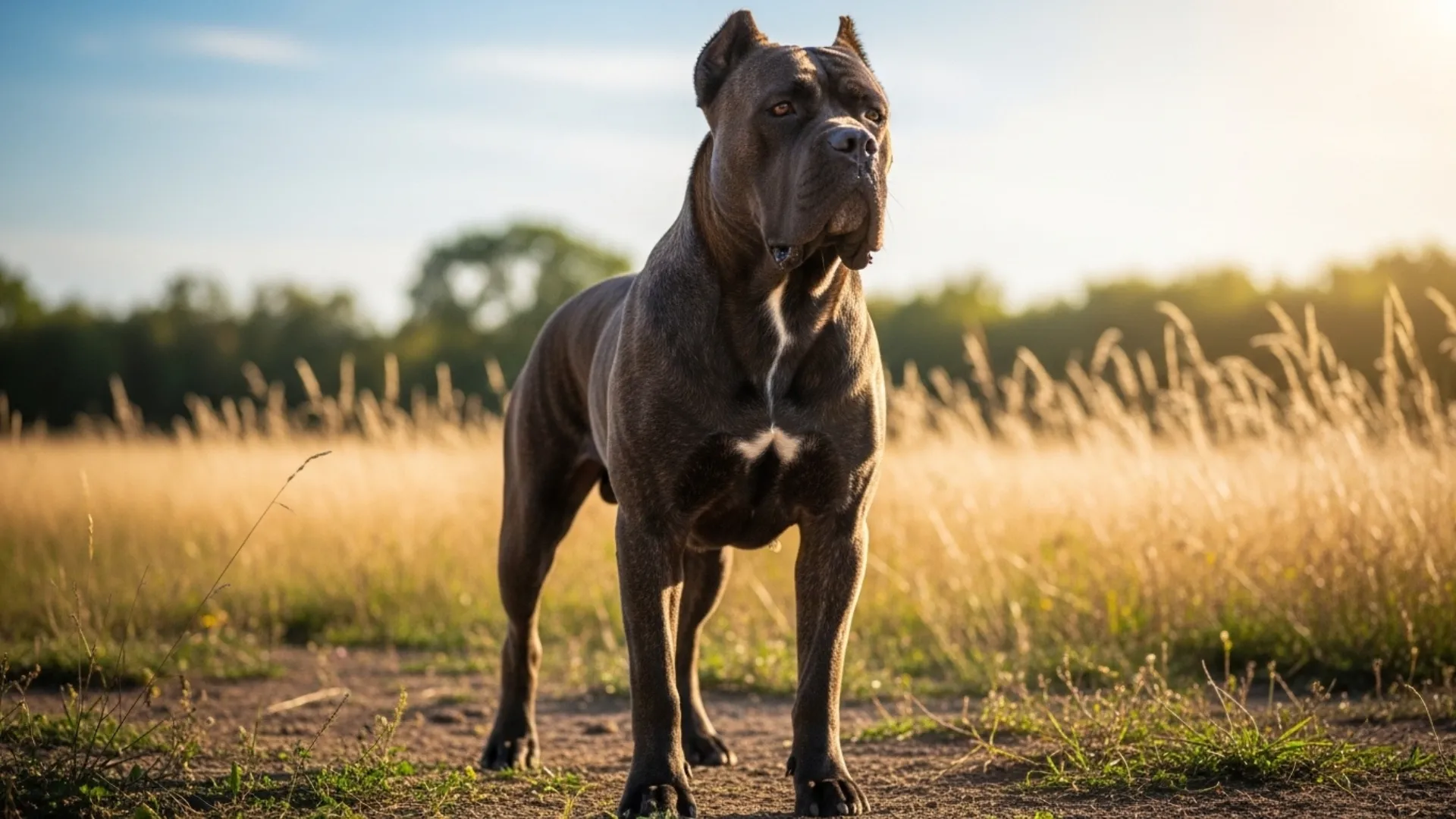
Living with a powerful dog breed is not something you fully understand until you experience it yourself. Strength shows up in simple moments, from a firm pull on the leash to the way the dog carries itself through your home.
Many people are drawn to dogs with a strong build, but they often overlook what that presence actually means in daily life. Space, control, and consistency all become more important when dealing with a physically capable companion.
It is not just about size, but about how that size translates into real-world situations. Some dogs manage their strength with calm balance, while others require more awareness and handling. Knowing the difference early makes everything easier.
The breeds ahead reflect that balance between power and control, showing what it truly means to live with a dog that carries both strength and structure in every movement.
Key Takeaways
You start to understand a powerful dog the moment it walks beside you, steady, aware, and fully in control of its space.
The Cane Corso carries that presence with calm control, while the Rottweiler shows it through watchful awareness that never really switches off.
Then comes the Dogo Argentino and Boxer, where power shifts into movement, quick reactions, and energy that needs direction.
As you move through each breed, the difference between raw strength and controlled presence starts to feel much clearer.
Remarkable Dog Breeds With a Mighty Physique
1. Cane Corso
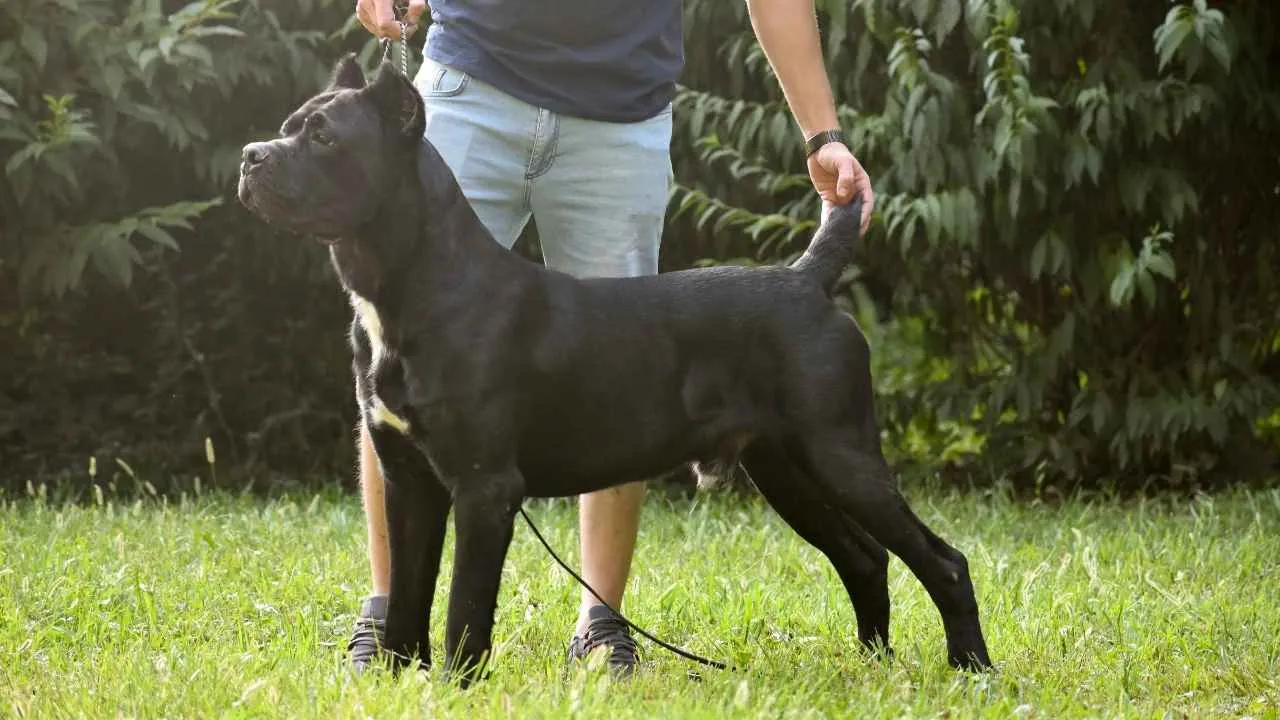
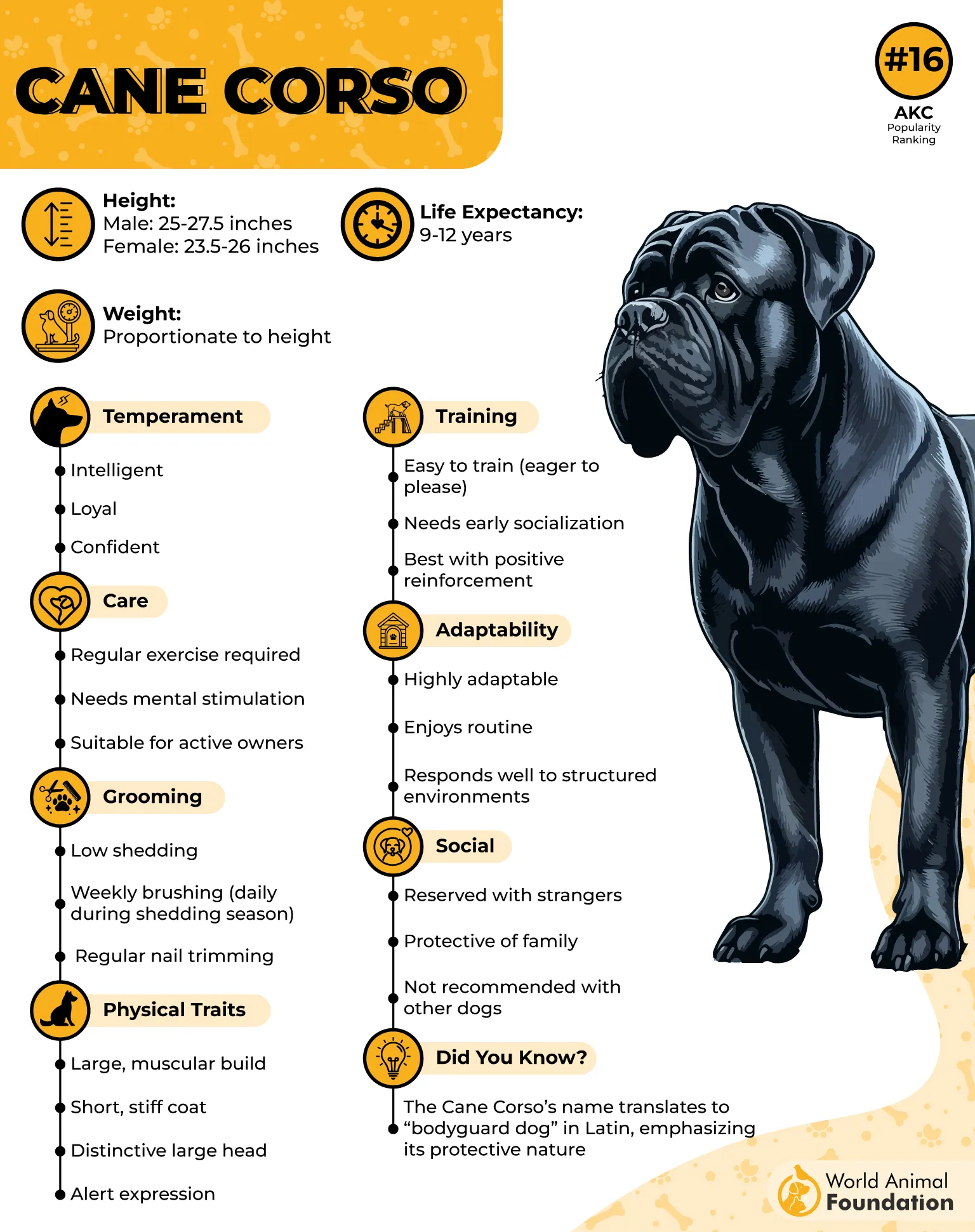
Cane Corso shows a powerful structure with a broad head, deep musculature, and a frame that often crosses the 100-pound range, as PetMD noted.
Its expression stays alert, shaped by a working history tied to guarding and farm duties. The overall build reflects strength designed for steady control rather than sudden bursts.
Instinct shaped by responsibility
This muscular dog breed responds to unfamiliar surroundings with careful observation, a trait linked to its role as a property and family guardian. Its behavior blends intelligence with a strong sense of direction, especially when interacting with people or other dogs.
That balance becomes clearer through these cues:
Large frame built for sustained strength
Alert response in unfamiliar environments
Natural tendency to monitor surroundings
Household presence and behavior shift
It shows a noticeably softer side within familiar spaces, often forming close bonds with its family circle. As a guard dog, its protective instinct stays active, yet it blends with calm interaction when its surroundings feel secure. It shifts between watchful silence and steady companionship.
2. Rottweiler
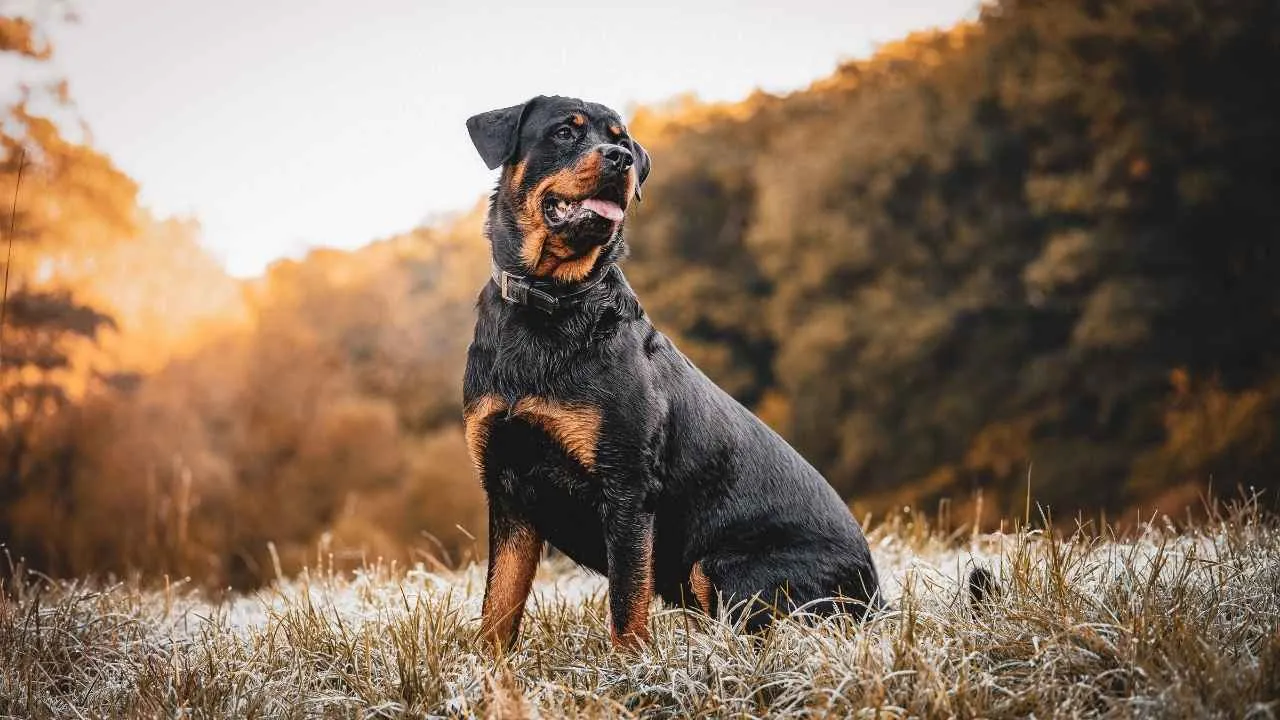
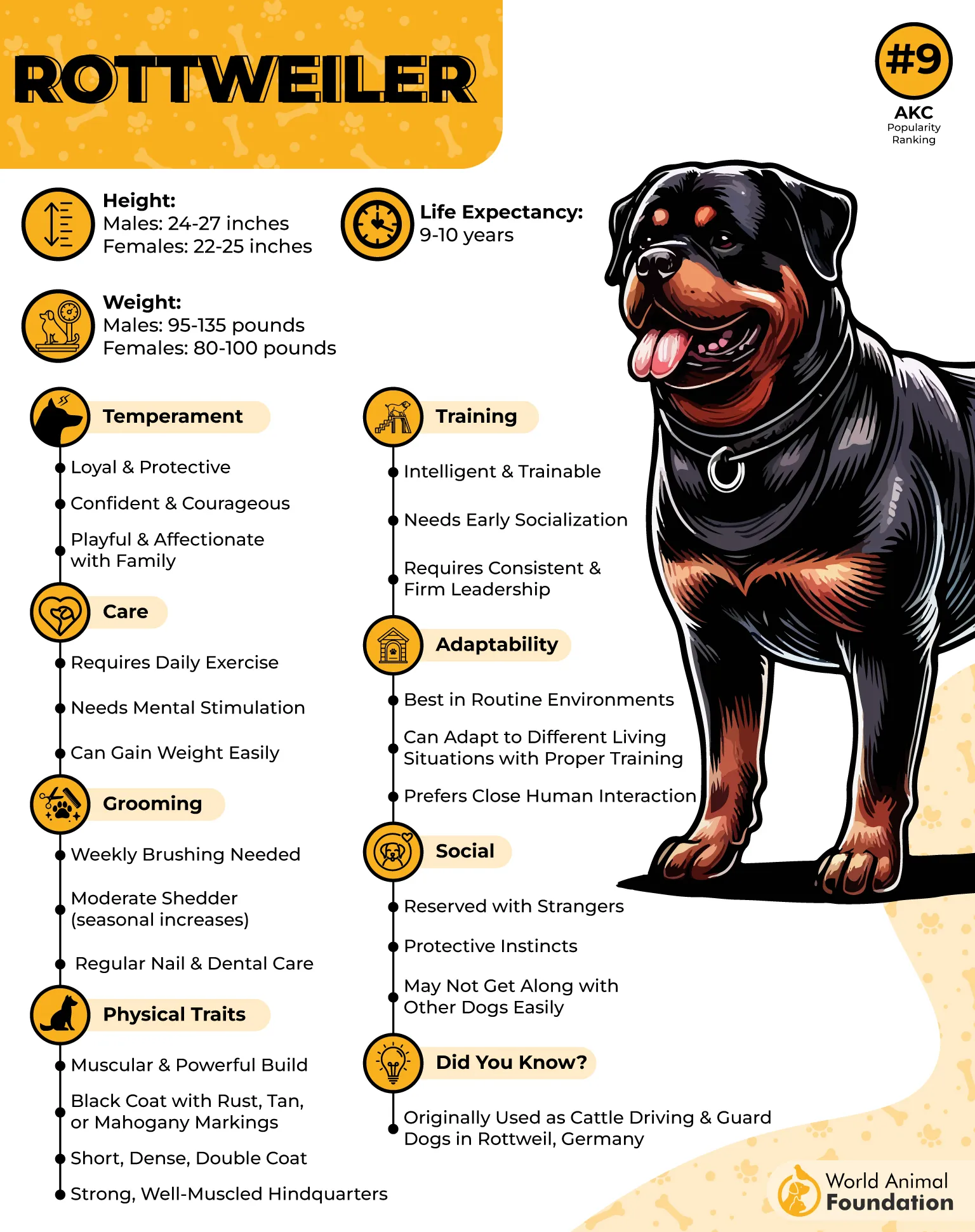
Rottweiler is recognized for a solid, broad-headed frame and dense muscle structure shaped through its working background linked to ancient Roman mastiff lines.
Its strong, muscular body reflects weight and control rather than speed-based agility. The overall structure supports a steady presence in active environments.
Behavior shaped through awareness
Rotties react to unfamiliar settings with careful observation, often signaling unease through selective barking when encountering new people or places. Its temperament can range from playful familiarity within trusted circles to a reserved, one-person attachment style.
That behavioral range appears through clear patterns:
Alerts through barking in new situations
Forms selective, strong personal bonds
Engages differently with familiar vs unfamiliar faces
Daily balance and energy demand
As a large dog breed, they need consistent physical engagement through walks, structured activity, or interactive play to prevent restlessness.
Without this outlet, mental stagnation can lead to undesirable habits linked to boredom. Its routine responds best when activity remains part of the daily rhythm and is best suited for experienced dog owners.
3. Dogo Argentino
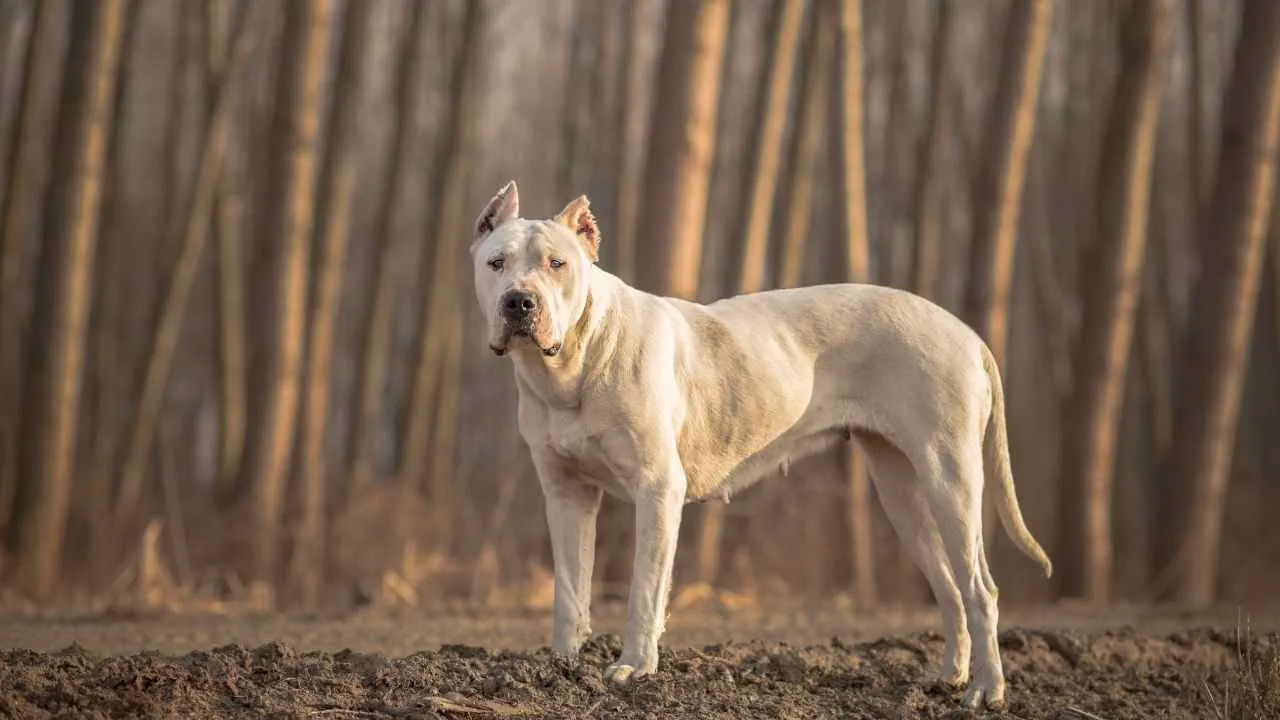
Dogo Argentino was originally bred in Argentina through the selective pairing of large working dogs for hunting large game under Dr. Antonio Nores Martinez.
This origin shaped a dog built for physical confrontation rather than passive strength. Its size and weight reflect a body meant for demanding field conditions.
Structure designed for impact
This strong dog breed features a thick, muscular frame, a broad, boxy head, and heavy jowls that contribute to its physical presence. The body is compact yet powerful, reflecting endurance rather than decorative form.
Key physical markers make this clear:
Dense muscle across the shoulders and torso
Boxy head with strong jaw structure
Noticeable drooling due to heavy jowls
Independence in learning patterns
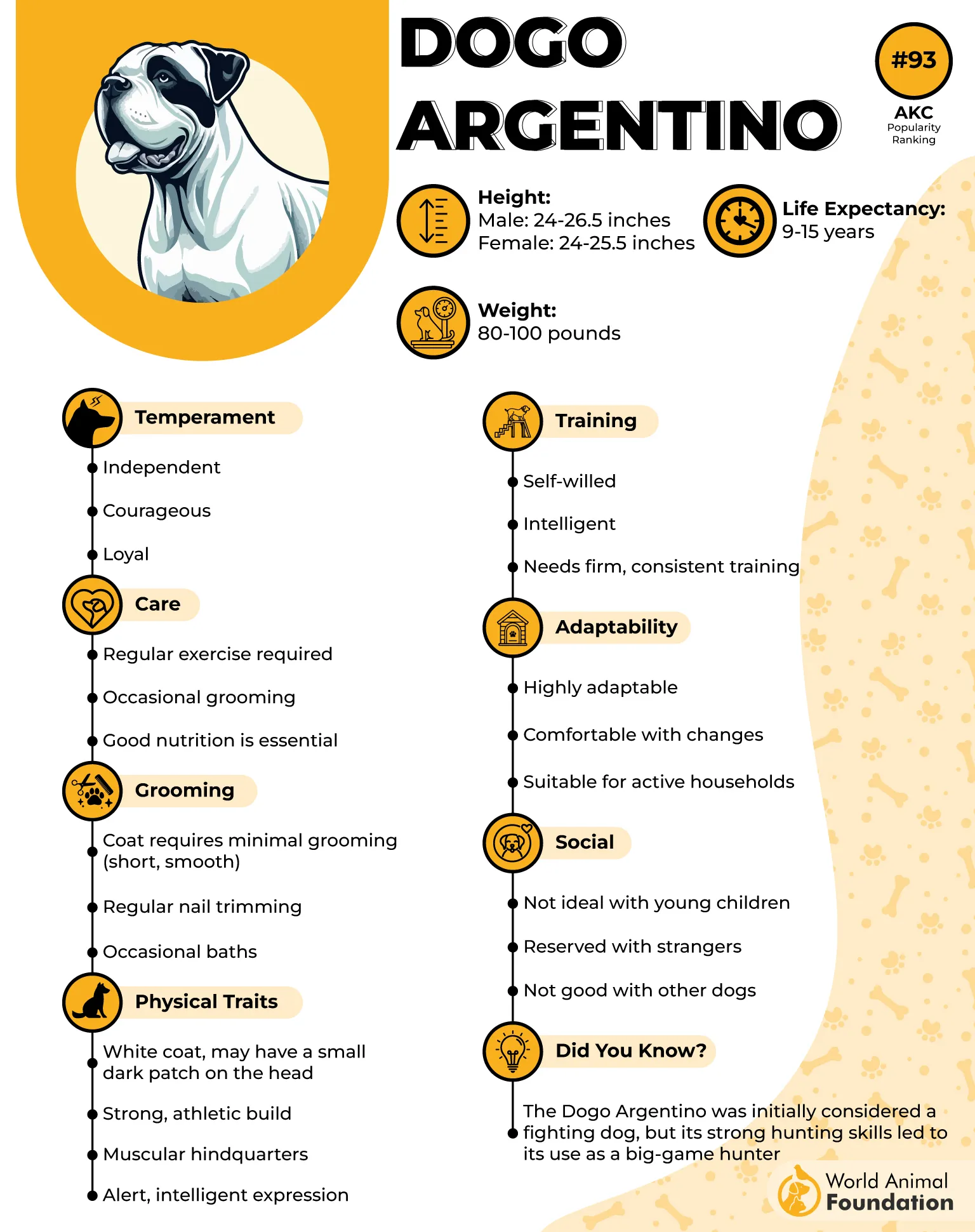
As a hunting dog, it approaches training with an independent mindset, often testing boundaries rather than following blindly, as per the AKC. This requires structured handling from someone experienced with firm and consistent guidance. Its intelligence shows through decision-making rather than immediate compliance.
4. Boxer
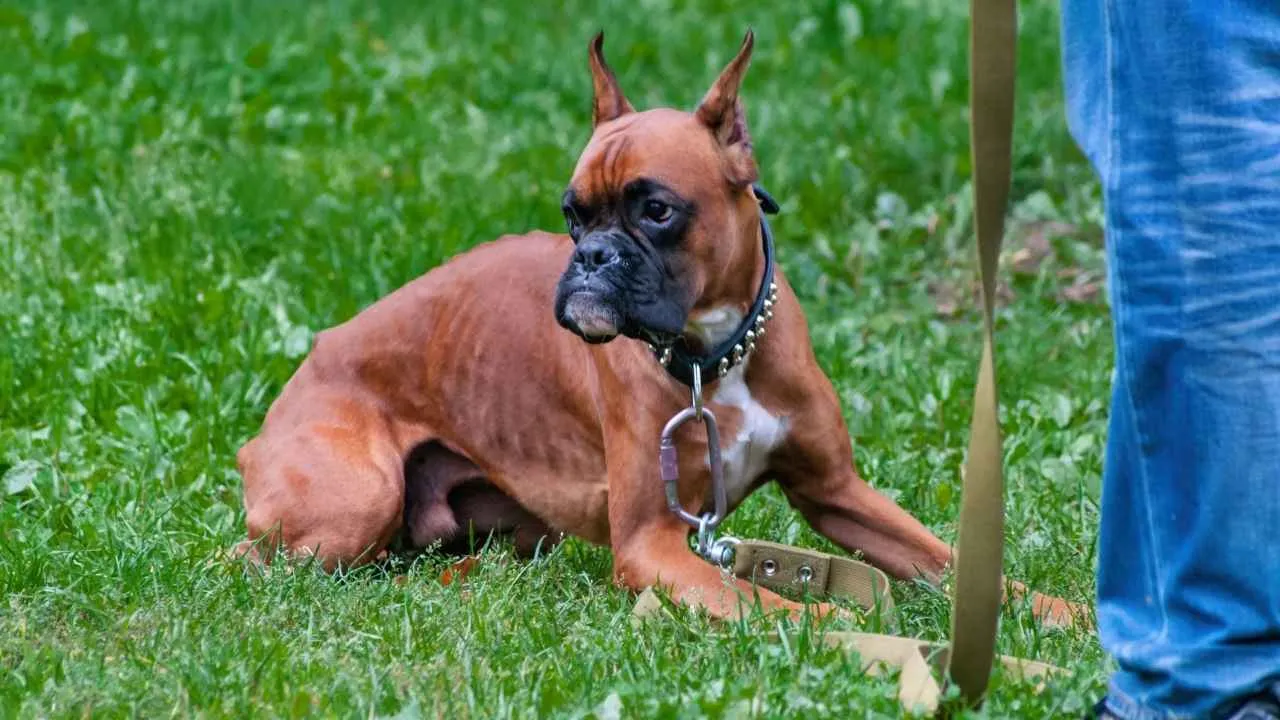
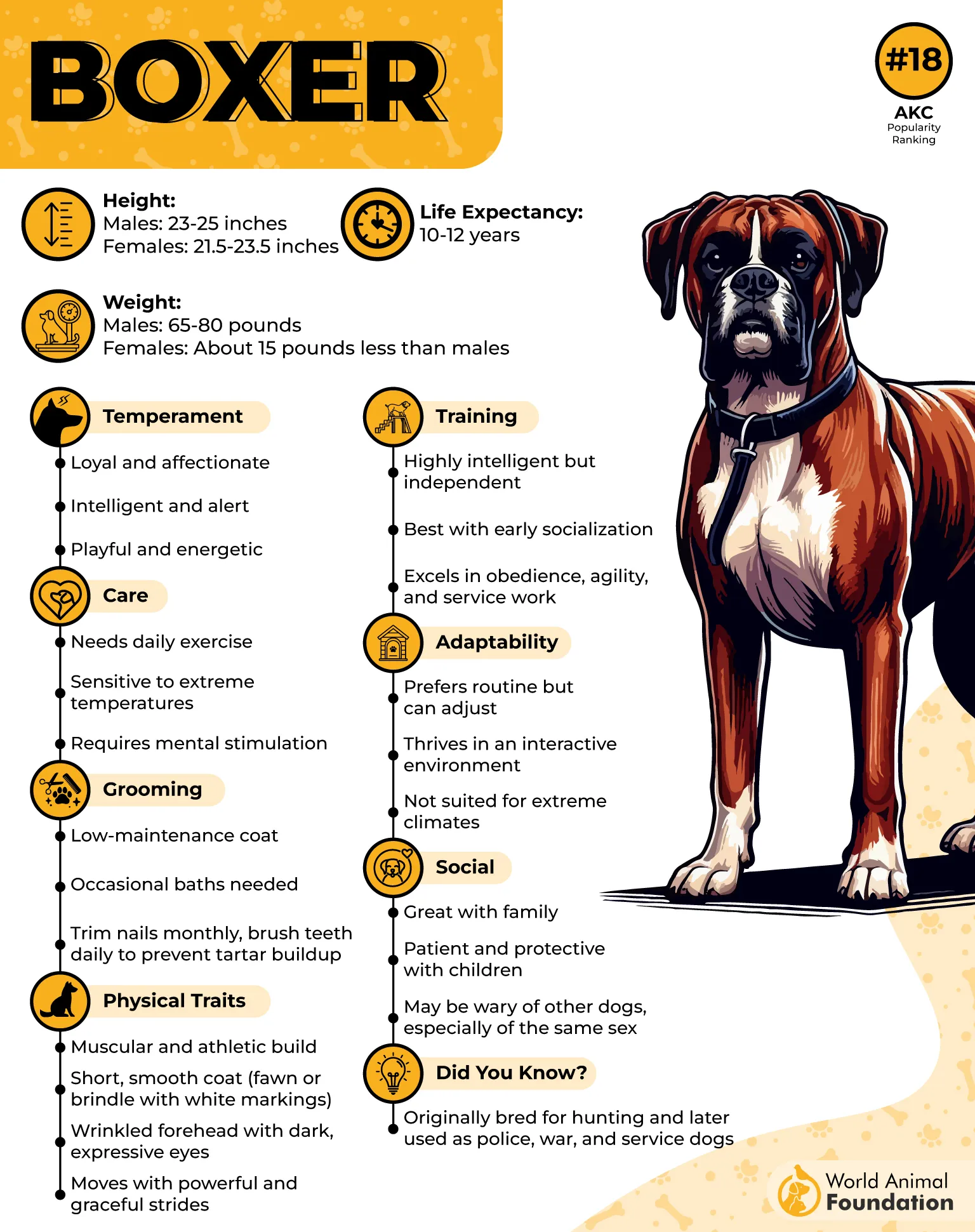
Boxers show their incredible strength through a deep chest and well-defined muscles beneath a smooth coat. Its background in hunting shaped a dog that relies on quick bursts of speed and powerful jumps. This structure reflects energy directed into action rather than stillness.
Play style with physical expression
These gentle giants interact through movement, often using their front paws and jumping behavior during play. This creates a lively and hands-on interaction style that needs early boundaries in shared spaces.
That physical approach shows up clearly:
Jumps up during play or excitement
Uses front paws while engaging
Turns play into full-body action
Energy tied to daily output
As a medium-sized dog, it maintains a high level of energy that connects directly to its need for structured physical outlets. Activities like agility, lure coursing, and running align with its natural movement patterns. Without enough engagement, this energy often redirects into restless behavior.
5. American Pit Bull Terrier
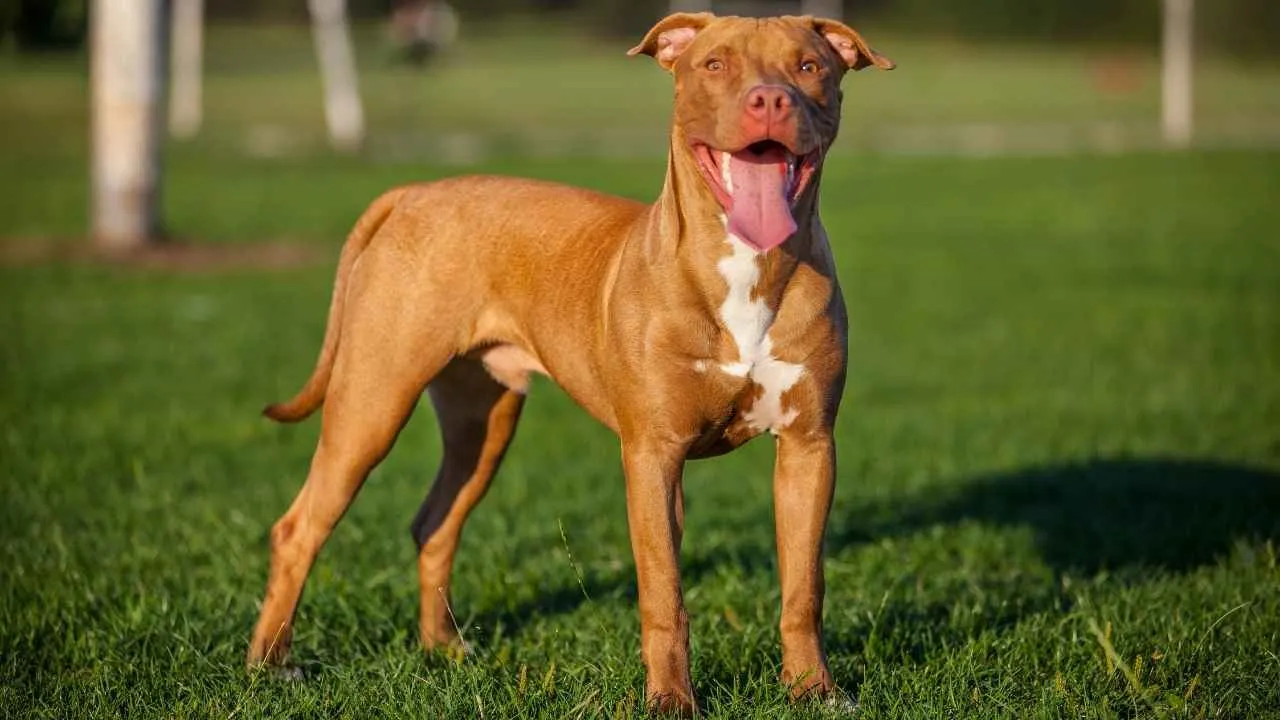
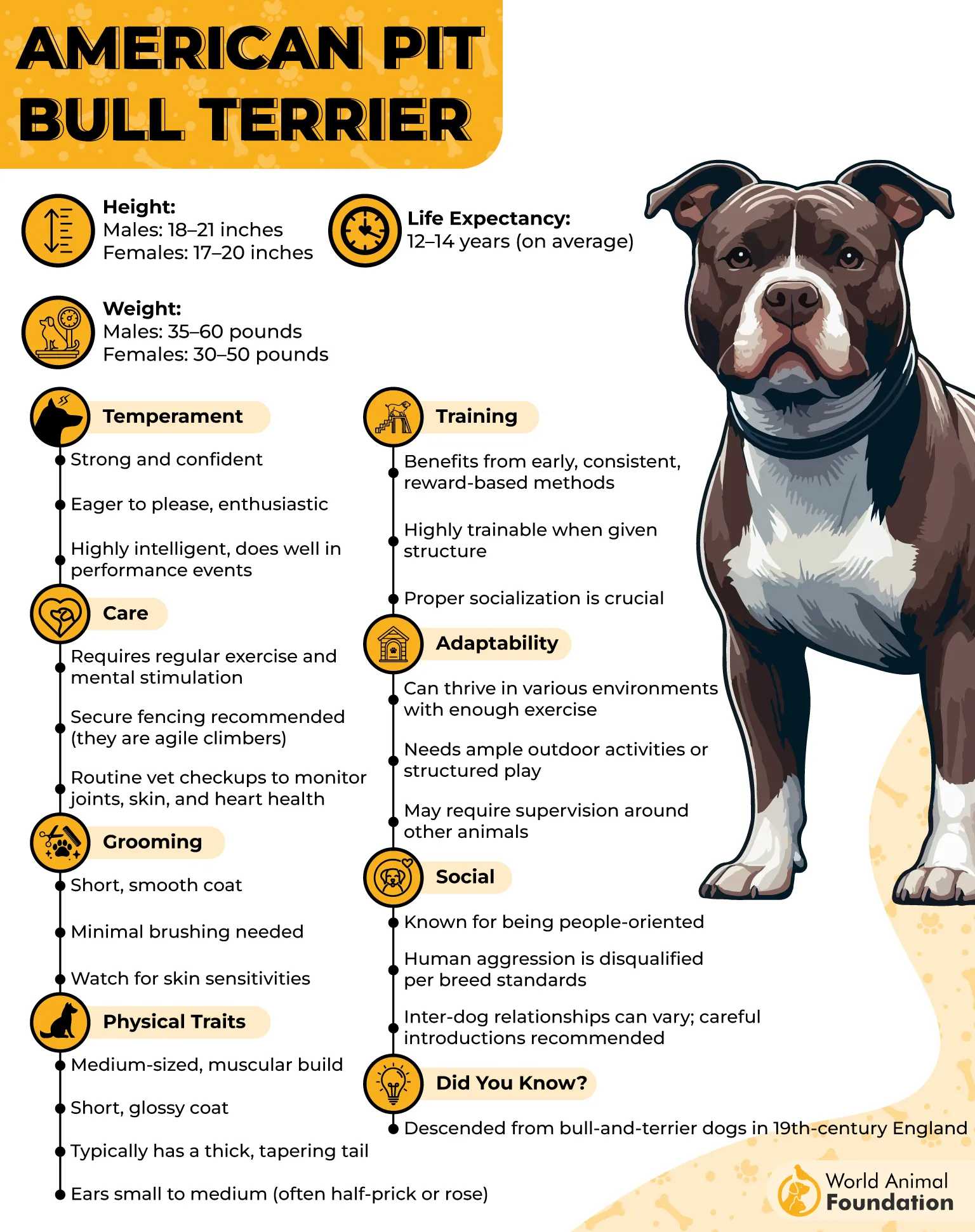
American Pit Bull Terrier reflects a history tied to intense working roles, which shaped both its physical strength and mental resilience. That background contributes to a compact, muscular build designed for control and endurance. Its presence feels solid, with energy held rather than scattered.
Interaction driven by connection
These terriers build strong bonds through direct engagement, often seeking closeness and shared activity with people. Its affectionate nature shows through consistent interaction rather than distance.
That connection appears in simple, repeatable patterns:
Stays closely involved during daily activity
Responds eagerly during shared play
Maintains attention during interaction
Energy expressed through activity
This strongest breed channels its high energy into structured outlets like walks, fetch, and agility-based tasks. Its physical ability becomes more noticeable when given consistent opportunities to stay active. Regular engagement helps direct this intensity into controlled movement.
6. Bullmastiff
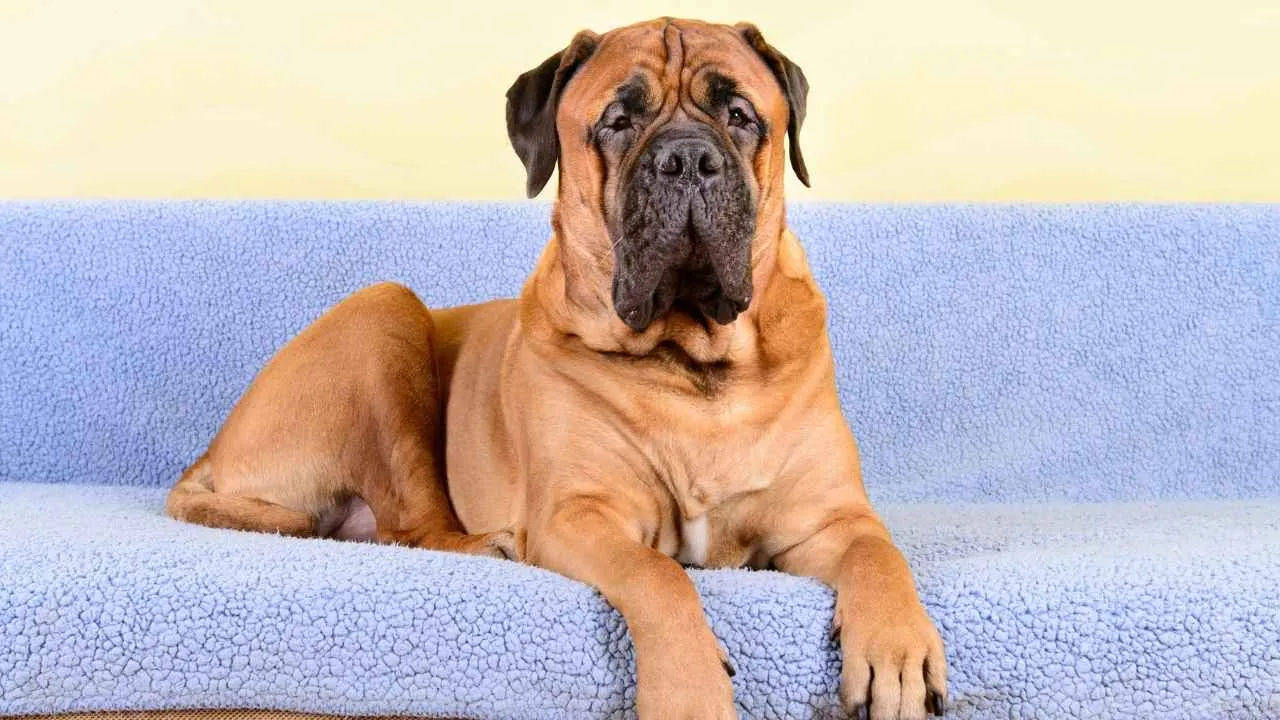
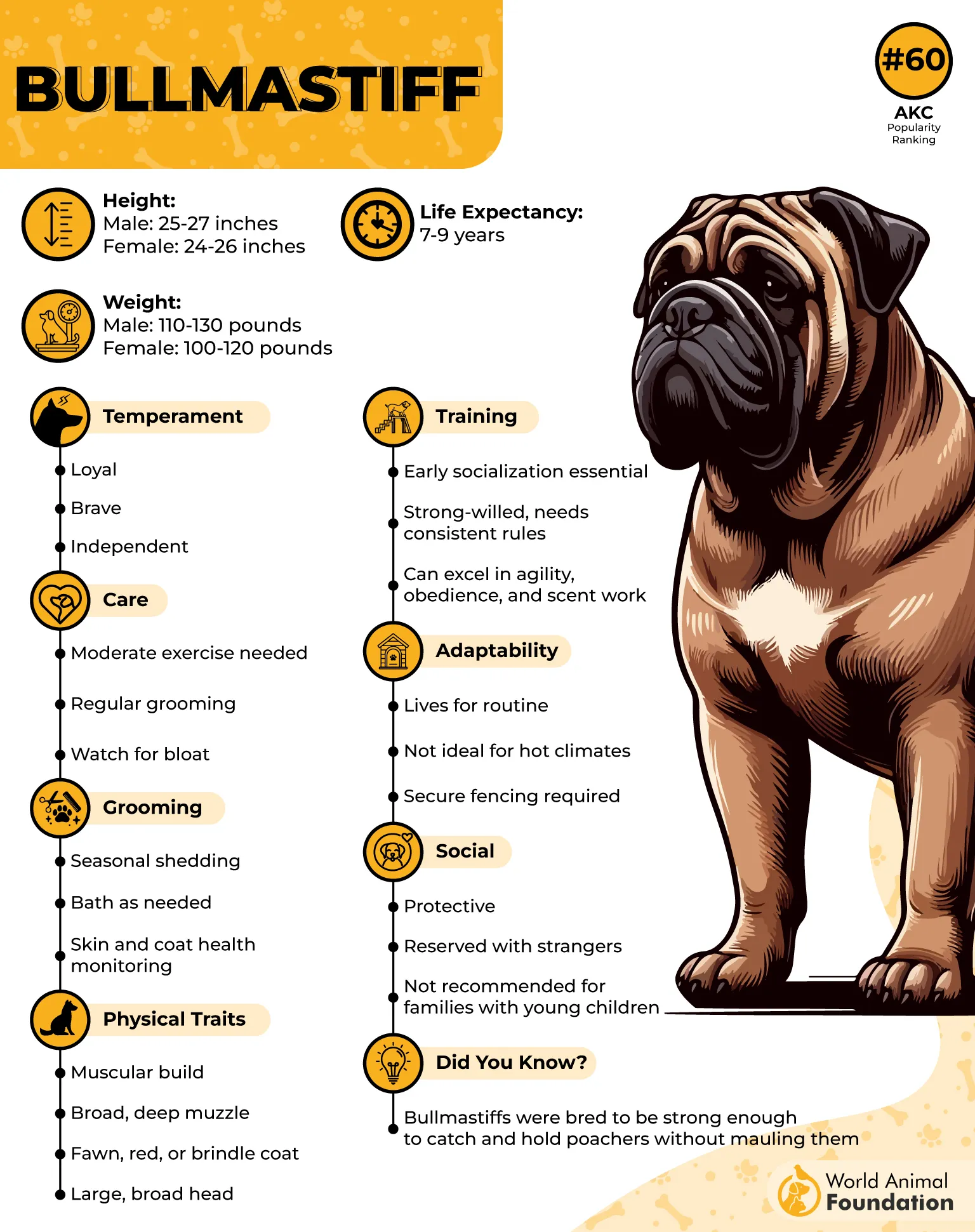
Bullmastiff presents a dense, heavy frame shaped through Bulldog and Mastiff lineage, originally selected for guarding against poachers.
Its size alone creates impact, often crossing into the 100–130 pound range. This physical presence reflects strength that is meant to act with direction rather than excess motion.
Early structure shapes behavior
Bullmastiff responds well to instruction, showing quick learning ability when guidance begins early in life. Its strength at a young age requires control before habits settle, especially in shared spaces.
That early phase centers around clear expectations:
Learns sit, stay, and down through repetition
Adjusts to leash control during walks
Builds calm responses around people and dogs
Power balanced with restraint
These affectionate and loyal companions maintain a relaxed presence around family members. Its interaction style remains steady, though it may take time to accept unfamiliar faces. This balance reflects a dog that does not rush into engagement.
7. Rhodesian Ridgeback
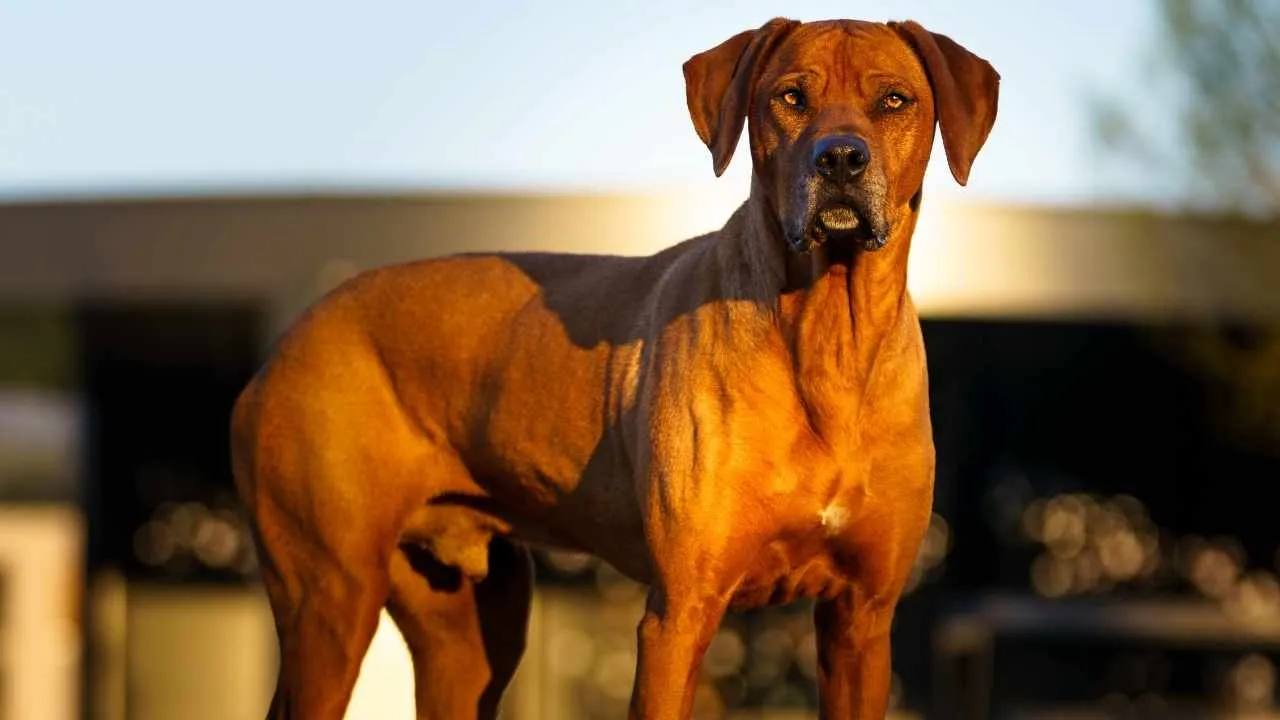
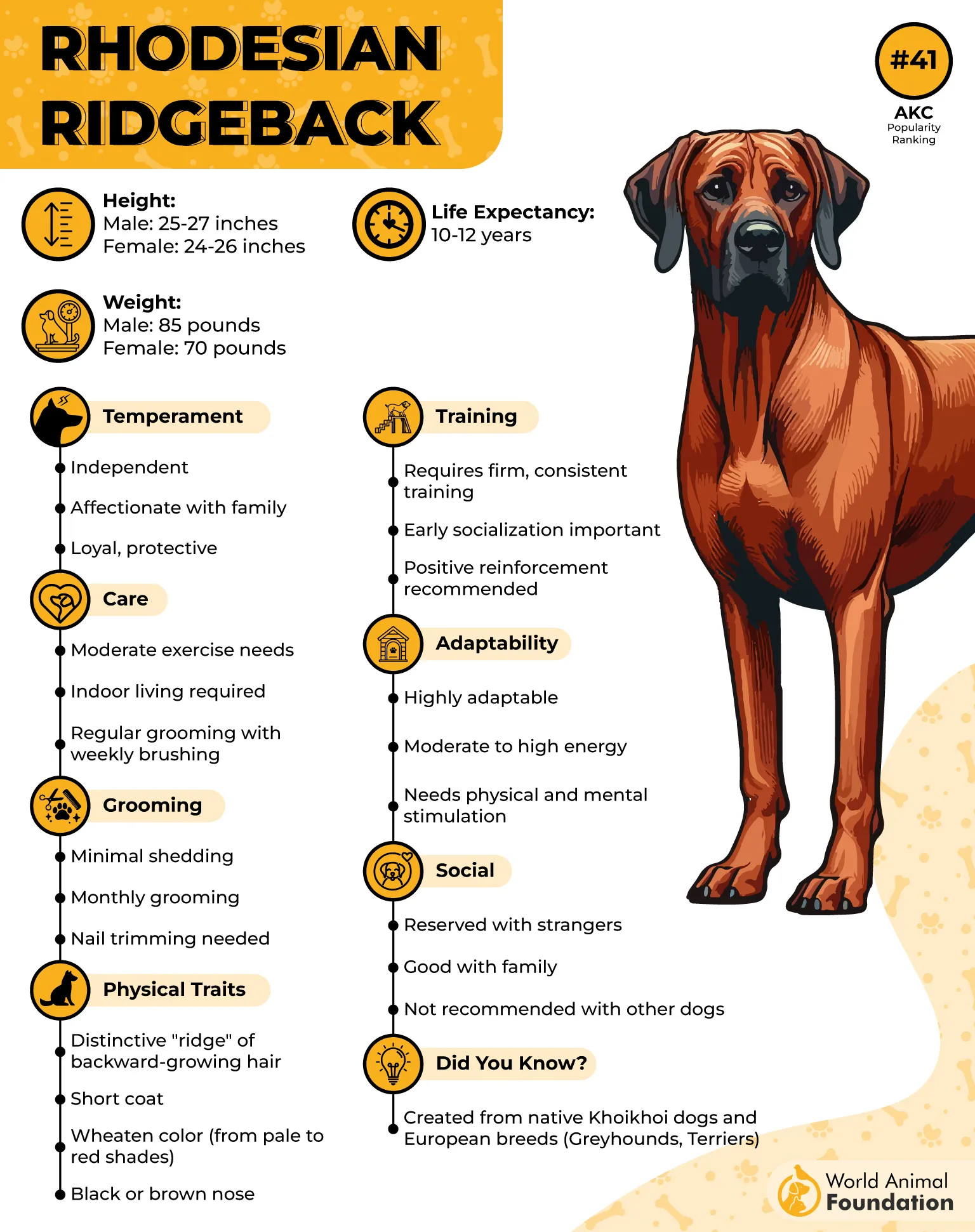
Rhodesian Ridgeback is identified by the distinct line of hair along its back that grows in the opposite direction, giving the breed its name, as noted by Orvis. This feature connects to a dog built with an athletic and muscular physique. Its structure reflects a body shaped for strength and sustained physical effort.
Built for pursuit and endurance
They worked as hunting dogs capable of tracking and confronting large predators, including lions. Its athletic ability shows in how it maintains stamina over extended periods rather than short bursts.
That physical design becomes clearer through key traits:
Strong muscular build for sustained pursuit
Endurance suited for long tracking tasks
Athletic frame built for controlled power
Social behavior shaped by familiarity
These devoted dogs form strong connections with their family and respond well to structured and proper training with positive reinforcement.
Its interaction with children remains stable when properly introduced and guided early. Around unfamiliar people, its behavior stays more reserved and observant.
Conclusion
Strength feels different once it becomes part of your space. It shows in small moments, in the way a dog stands still, watches, or moves without rushing. The most muscular dog breed of the canine world discussed here carries that kind of presence, where power does not need to be displayed to be understood.
With time, that presence either settles naturally or starts to feel like something you have to manage. The difference comes from how well it fits your routine. When it does, nothing feels forced. The dog moves through the day with you, not against you, and that quiet control becomes the part you rely on most.
