




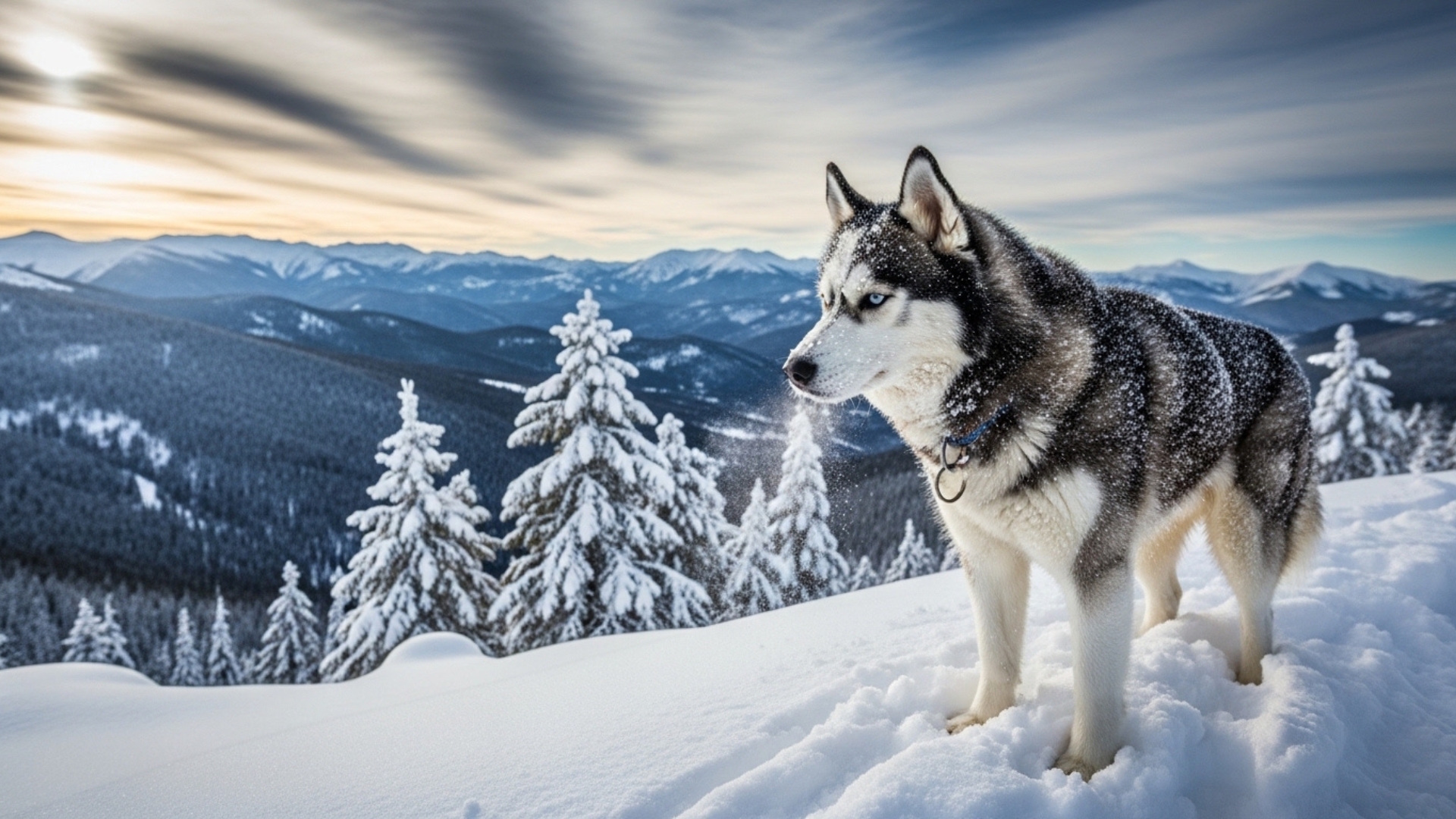
Dog breeds that thrive in snowy regions are uniquely built to handle some of the harshest climates on Earth. Many of these dogs trace their origins to Arctic or northern environments where freezing temperatures, heavy snowfall, and icy terrain are part of everyday life.
Over generations, they developed physical traits and instincts that allow them to remain active, comfortable, and resilient even in extreme winter conditions. Thick double coats help trap body heat and protect the skin from freezing winds, while strong bodies and sturdy paws allow these dogs to move easily across snow-covered landscapes.
Their endurance and strength enable them to perform demanding tasks such as pulling sleds, guarding property, and traveling long distances in rugged terrain.
Beyond their impressive physical traits, these dogs have historically supported human life in cold regions. From assisting hunters and herders to transporting supplies across frozen ground, their reliability and resilience make them invaluable partners in harsh winter environments where few other animals could endure.
Remarkable Dog Breeds Thriving in Snowy Regions
1. Bernese Mountain Dog
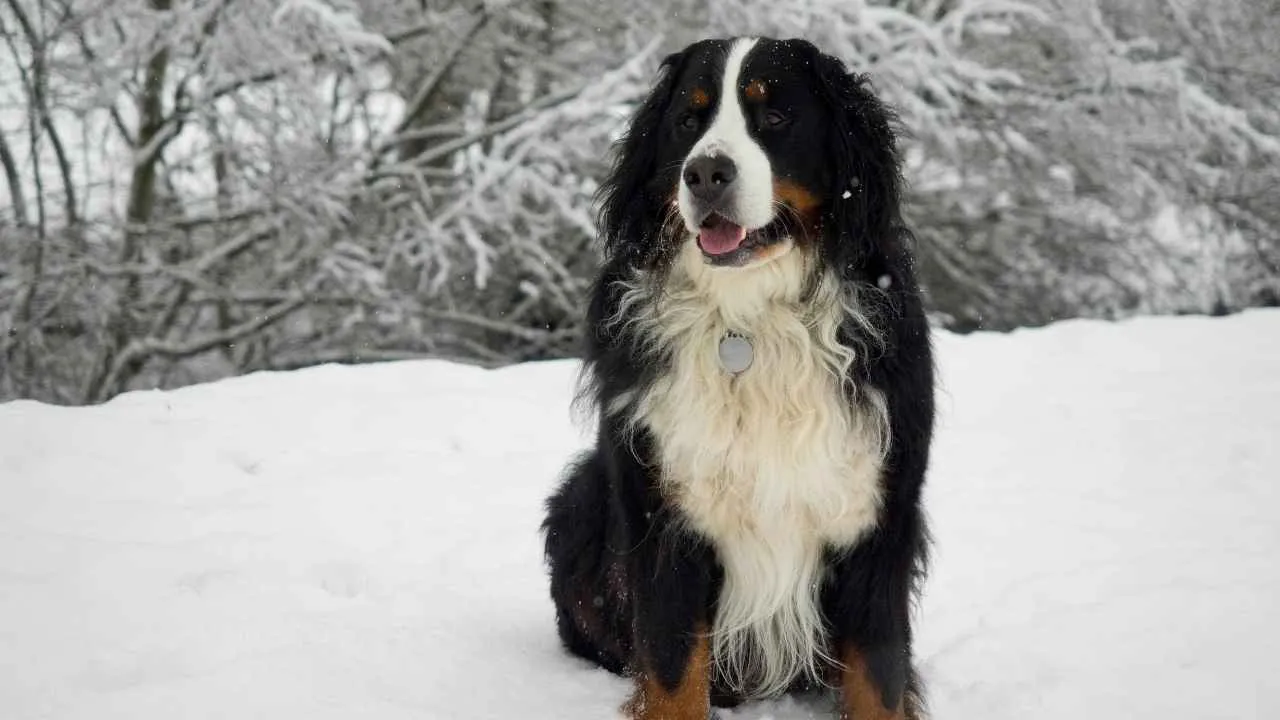
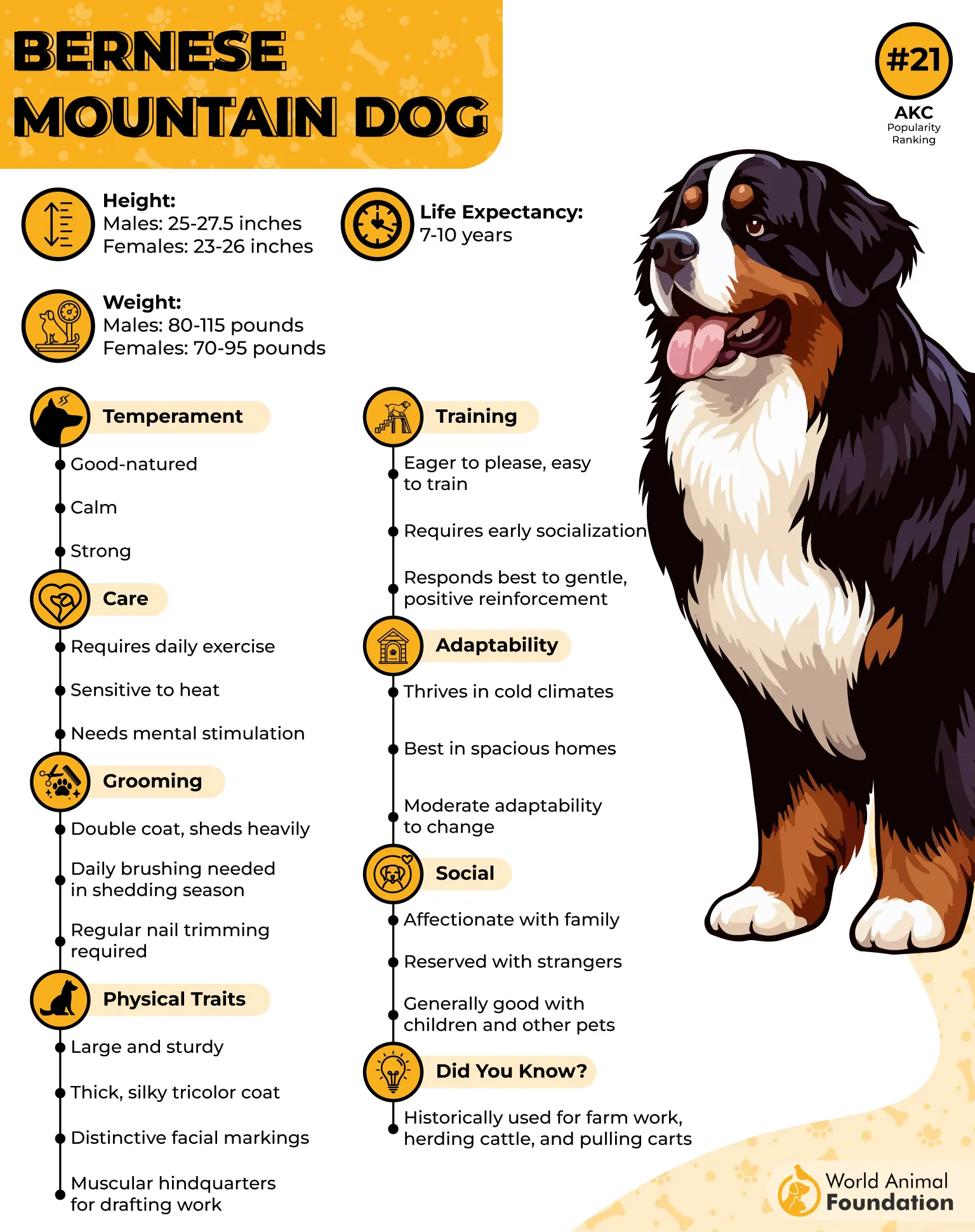
The Bernese Mountain Dog, often called the Berner, is one of the four Swiss mountain dog breeds that originated near the city of Berne in Switzerland. Recognized for its silky tri-colored coat and powerful frame, this hardworking dog was historically used on farms in mountainous and valley regions.
Purina notes that the Bernese Mountain Dog is calm and confident, thriving around family members. They are affectionate with adults and patient with children, making them excellent family dogs.
The Powerful Snow Runner Built for Cold Terrain
Bernese Mountain Dogs are naturally suited for cold environments thanks to their thick double coat. A dense undercoat combined with a longer outer layer helps insulate the body and repel dirt while protecting the dog from snowy winds.
Their strength and sturdy build allow them to move confidently across rugged terrain. Originally working in mountainous landscapes, these dogs developed the endurance needed to travel through snowy hills and valleys.
In addition to physical strength, Berners are intelligent and eager to please. This trait makes them easier to train for tasks or obedience, which is especially important for such a large and powerful breed.
2. Siberian Husky
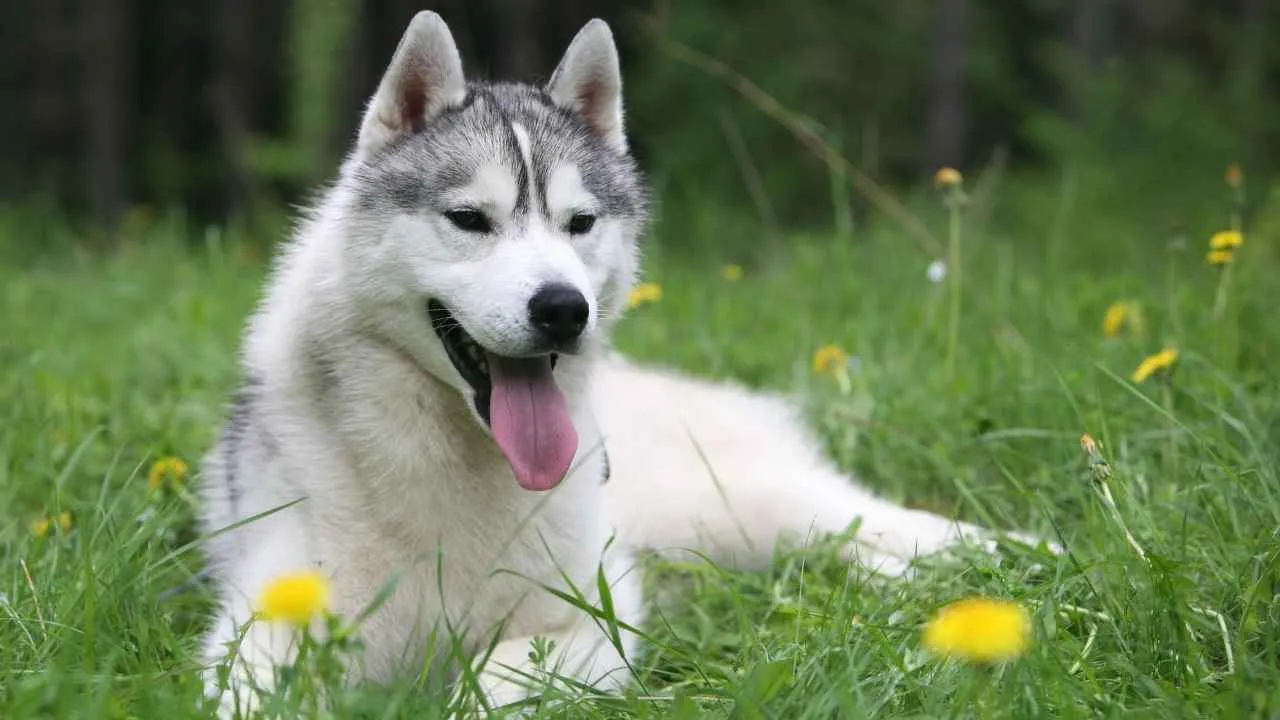
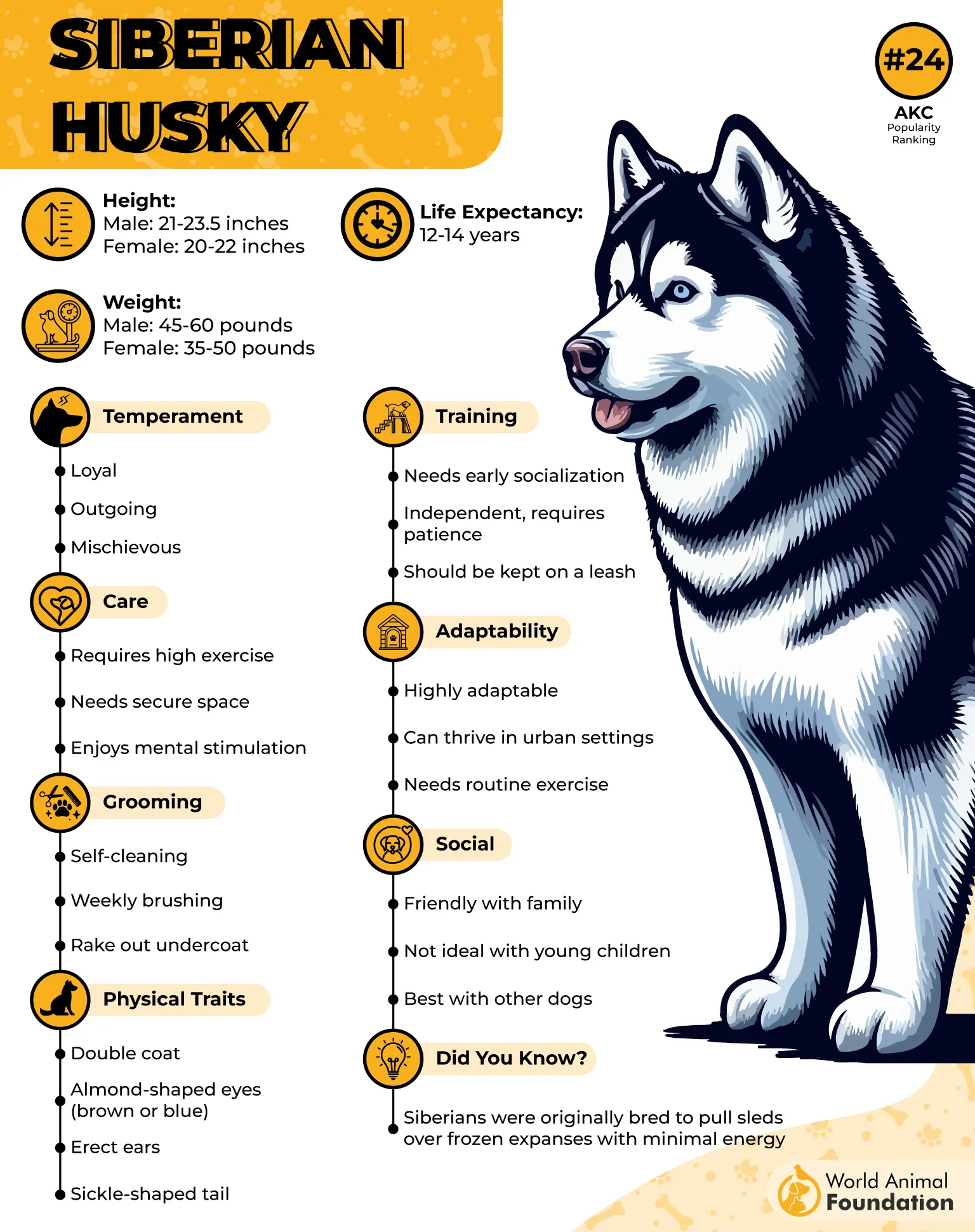
The Siberian Husky, sometimes simply called the Husky, is a striking northern breed known for its wolf-like appearance, athletic build, and piercing blue or multi-colored eyes. Originally bred by the Chukchi people of northeastern Asia, this resilient dog was bred to work and travel across harsh Arctic landscapes.
PetMD notes that Siberian Huskies are known for their talkative nature and high energy, and they thrive with active, experienced pet owners.
A Hardy Northern Companion with Exceptional Endurance
Siberian Huskies are perfectly suited for snowy environments due to their remarkable stamina and cold-weather resilience. Their thick double coat helps insulate the body against freezing temperatures, allowing them to stay active even in extreme winter conditions.
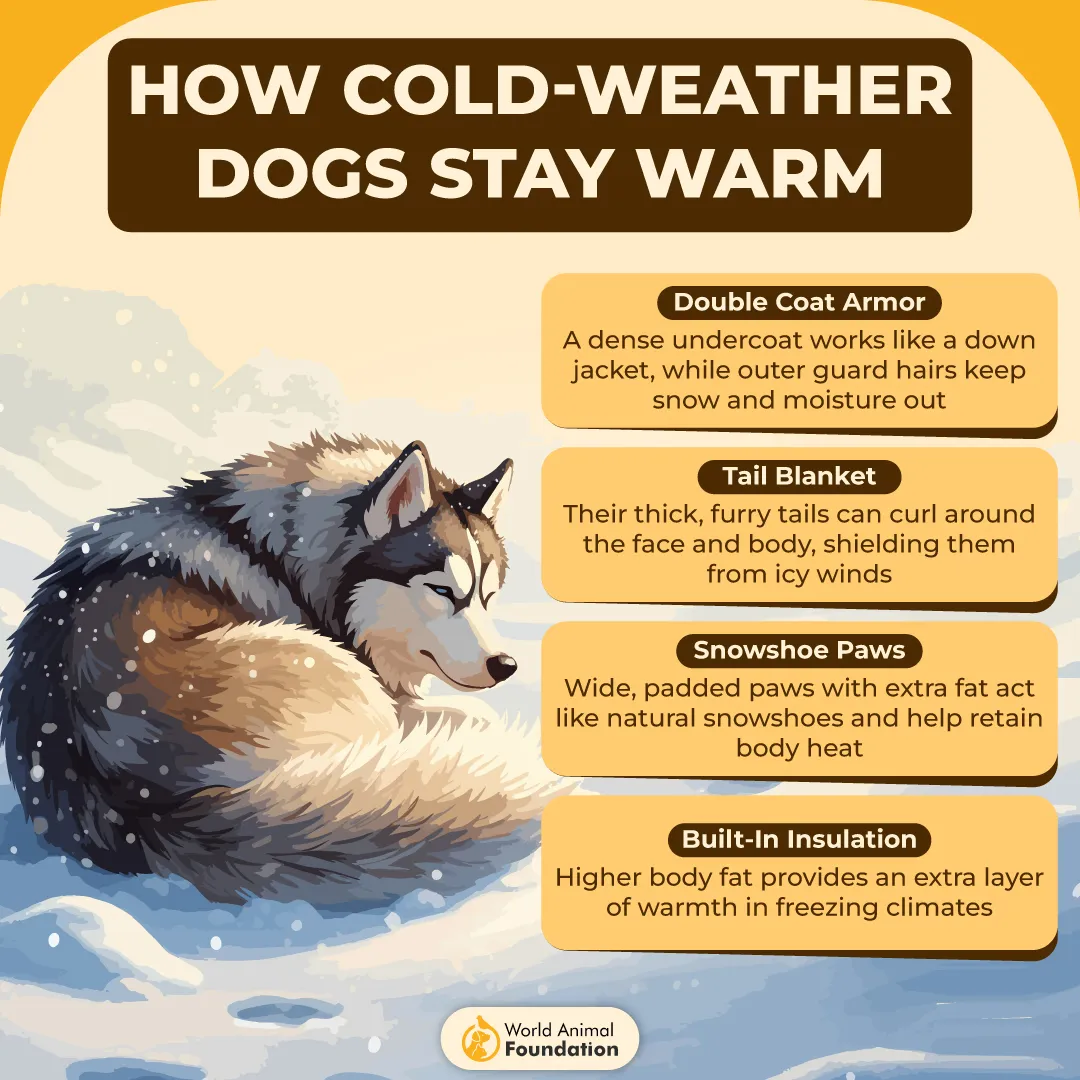
These dogs are also famous for their endurance and speed across icy terrain. Historically used to pull sleds over long distances, Huskies developed the ability to run for hours while conserving energy in freezing climates.
Beyond their working ability, Huskies are affectionate and social companions. Their energetic nature and friendly temperament make them popular not only for sledding but also for active households that appreciate their adventurous spirit.
3. Alaskan Malamute
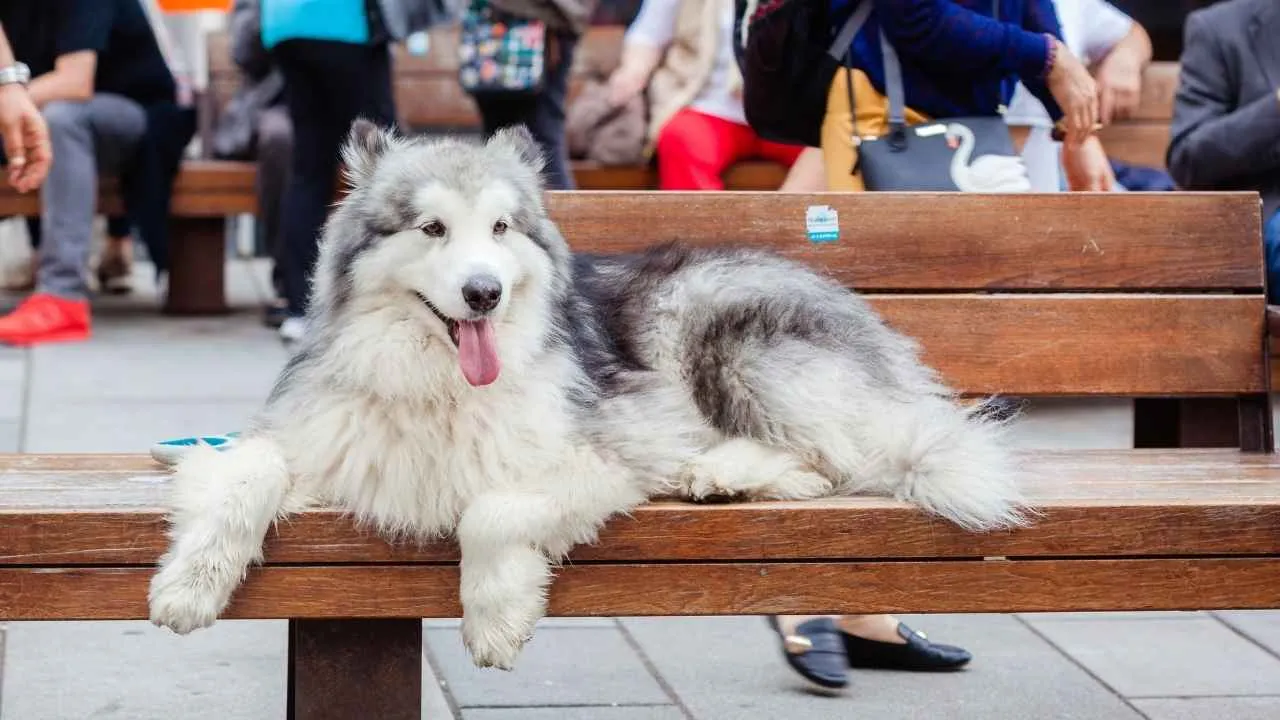
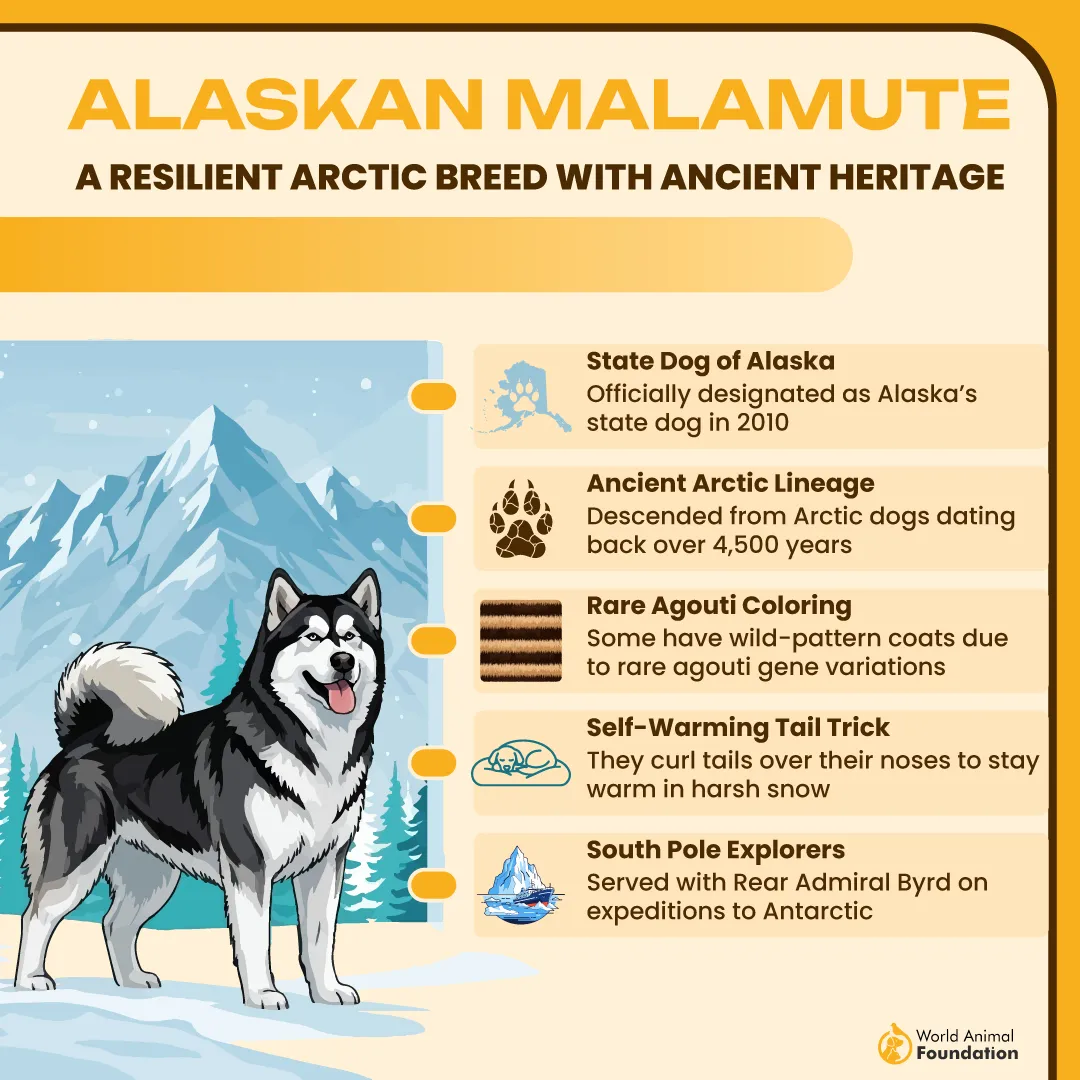
The Alaskan Malamute, sometimes simply called the Malamute, is a powerful Arctic working breed developed by native Inuit communities along Alaska’s northern coast.
Known for its large frame, thick fur, and wolf-like appearance, this dog was historically valued for strength and endurance in harsh winter environments. WebMD states that if you want a large, loyal, and playful dog, the Alaskan Malamute could be an ideal pet.
The Thick-Coated Worker Adapted to Freezing Temperatures
Alaskan Malamutes are built for extreme cold thanks to their dense double coat. A coarse outer layer protects against wind and snow, while the woolly undercoat helps trap body heat and keep the dog warm in freezing climates.
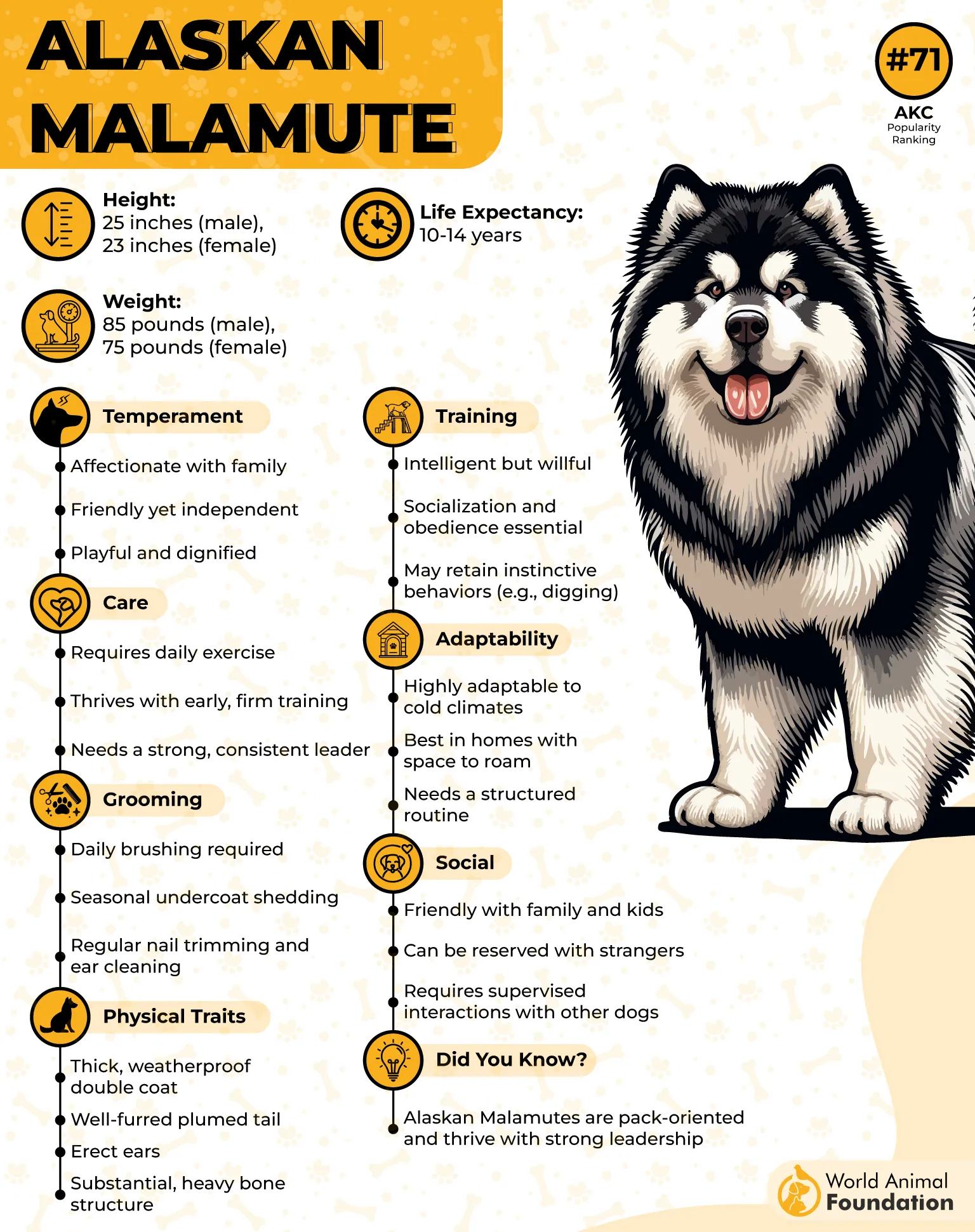
Their sturdy bodies and broad feet allow them to move efficiently across deep snow. These traits made them excellent sled dogs capable of pulling heavy loads through icy terrain and remote northern regions.
The breed’s remarkable stamina also contributed to its role as a dependable working dog. Historically, Malamutes helped hunters transport large prey such as seals or bears, proving their strength and resilience in demanding Arctic conditions.
4. Saint Bernard
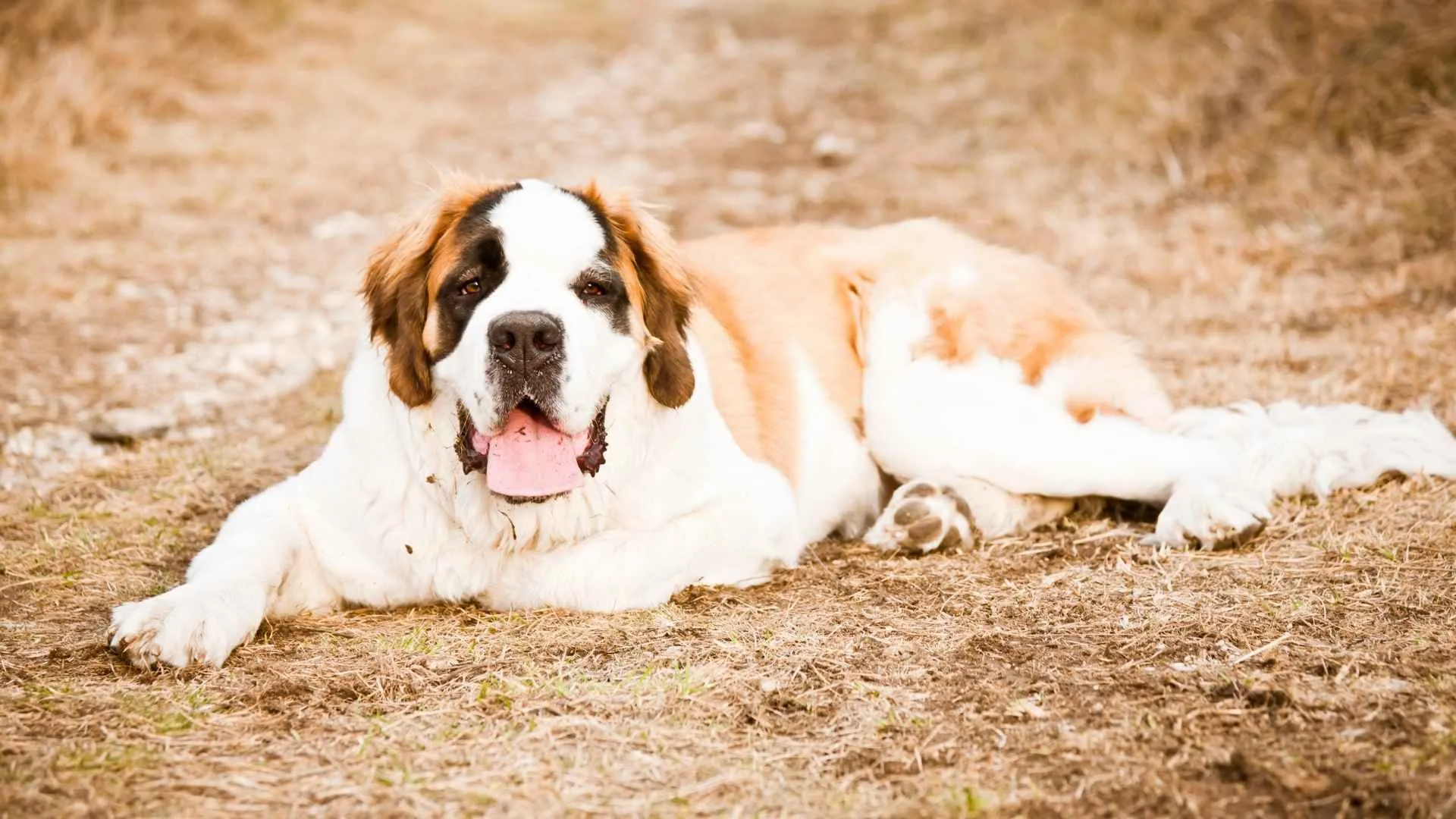
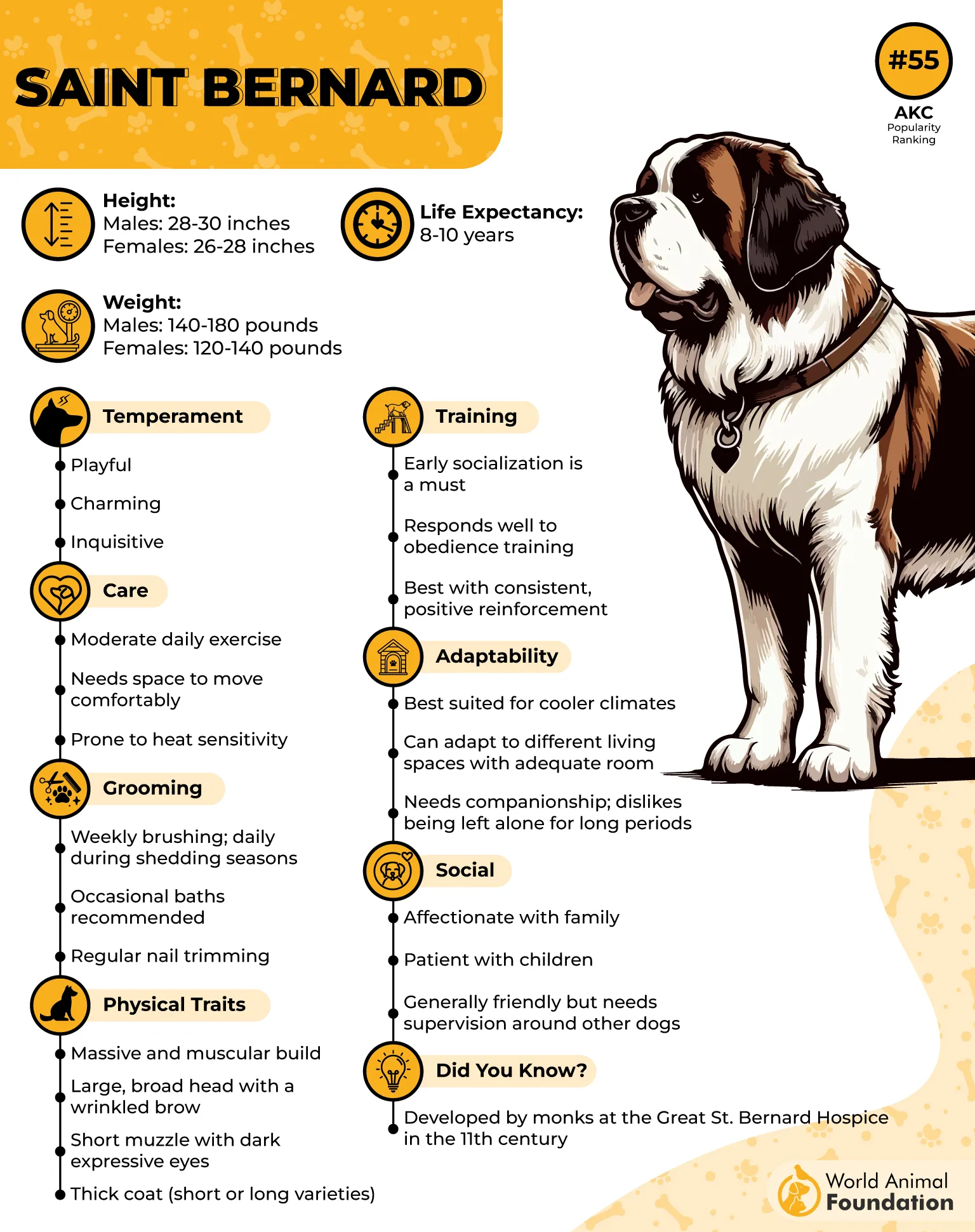
The Saint Bernard, sometimes written as St. Bernard, is a massive Swiss mountain dog famous for its gentle temperament and heroic rescue history. Recognized for its large head, powerful body, and kind expression, this gentle giant has long been associated with snowy Alpine landscapes.
A Resilient Breed Known for Strength in Snowy Landscapes
Saint Bernards are naturally suited for cold mountain environments where strength and endurance are essential. Their sturdy bodies and thick coats help them withstand harsh winter conditions in snowy Alpine terrain.
Historically, these snow country dogs became legendary for assisting travelers lost in snow-covered mountain passes. Their powerful build and remarkable stamina allowed them to navigate deep snow while searching for people stranded during severe storms.
Despite their imposing size, Saint Bernards are known for their calm and affectionate nature. When properly trained, their strength becomes a valuable asset, enabling them to become avalanche rescue dogs and perform demanding tasks in cold environments.
5. Tibetan Mastiff
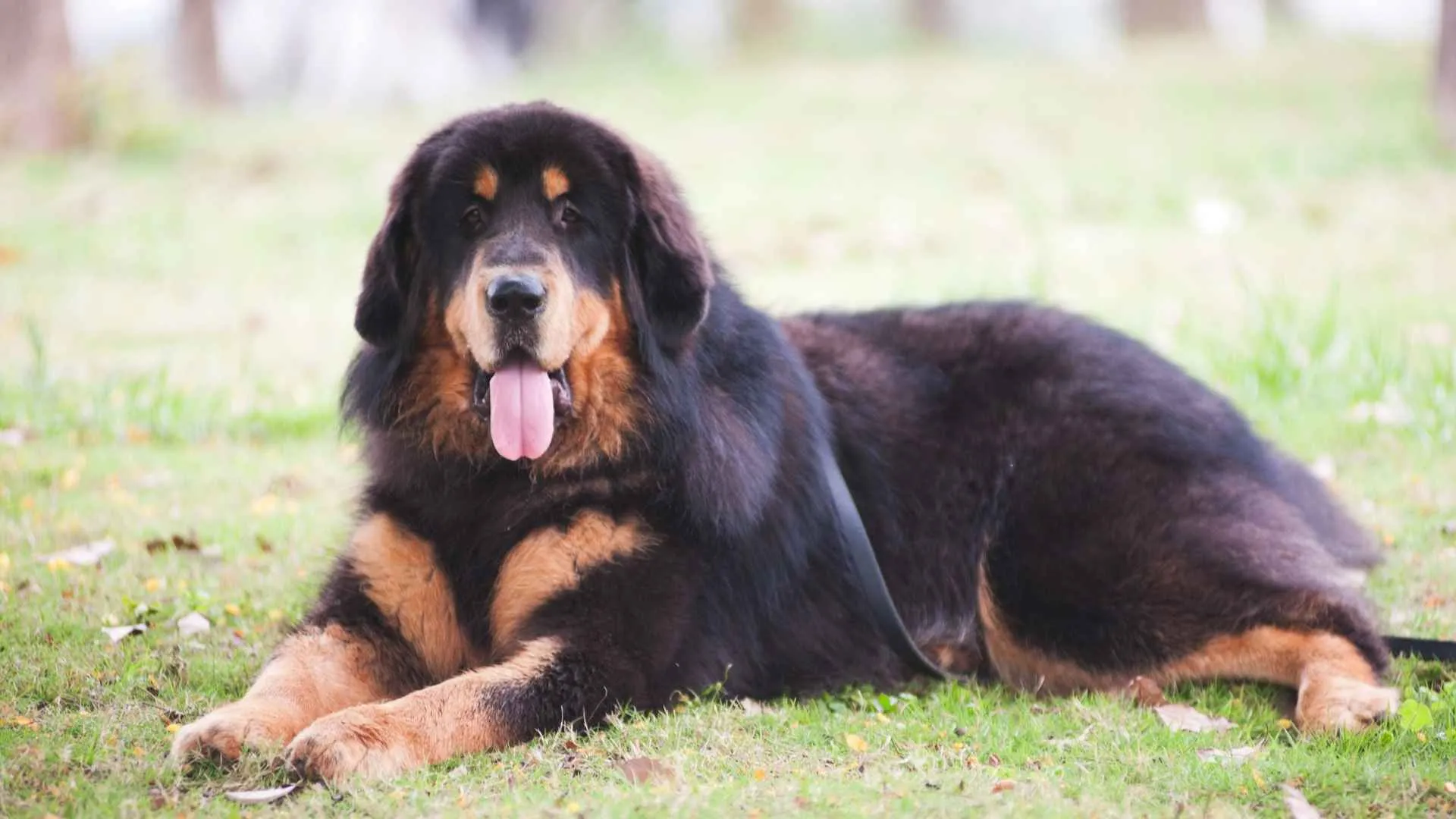
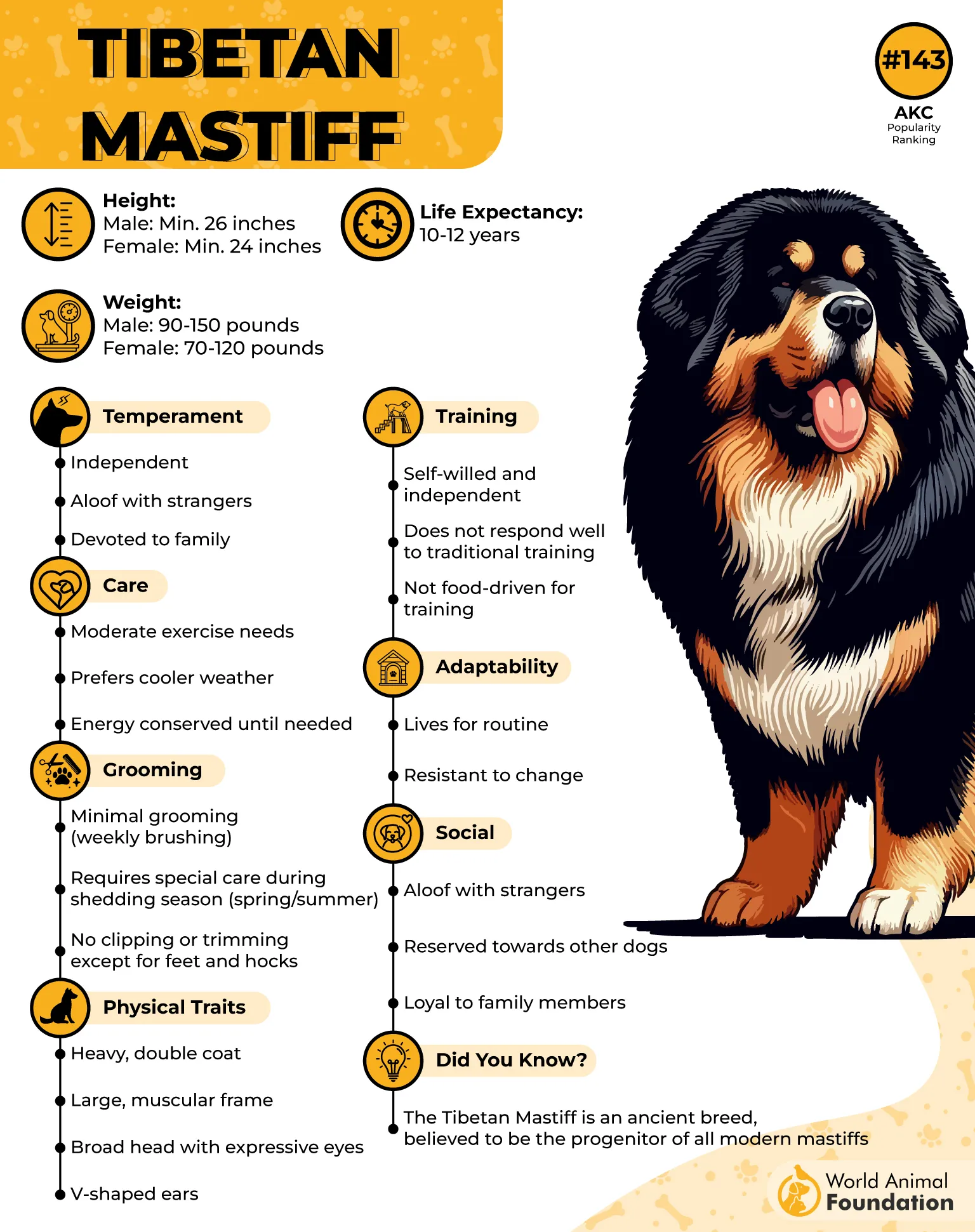
The Tibetan Mastiff, sometimes called the Himalayan Mastiff, is an ancient mountain breed that originated in the rugged Himalayan region. Known for its massive build, thick coat, and lion-like mane around the neck, this powerful dog was traditionally used to guard livestock and homes in cold, high-altitude environments.
The Tireless Sled Companion with Arctic Stamina
Tibetan Mastiffs are well adapted to harsh winter adventures thanks to their dense coat and strong frame. These features help them withstand cold weather and windy mountain conditions common in snowy regions.
Their natural endurance and resilience allowed them to thrive in remote Himalayan landscapes. While not primarily bred as sled dogs, their stamina and ability to patrol large territories made them reliable guardians in cold environments.
This breed is also known for its independence and strong protective instincts. Tibetan Mastiffs tend to conserve energy and remain alert, ready to respond quickly if they sense a threat to their territory or family.
6. Akita
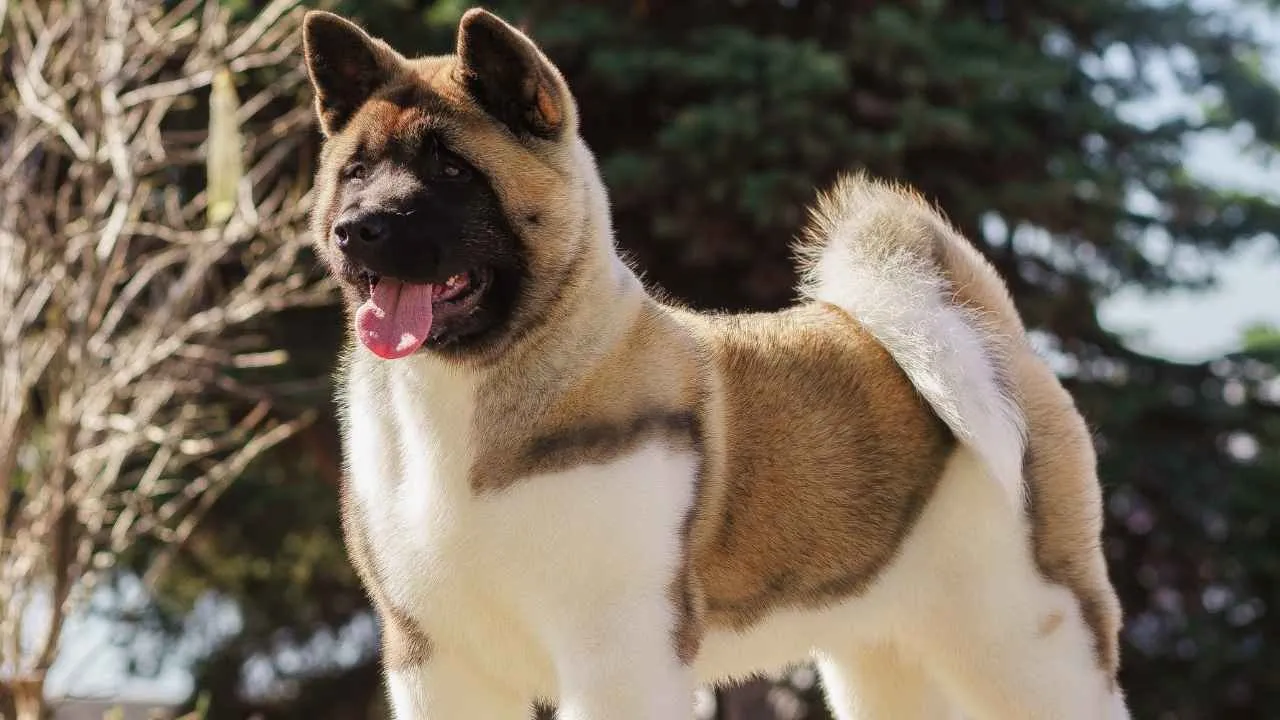
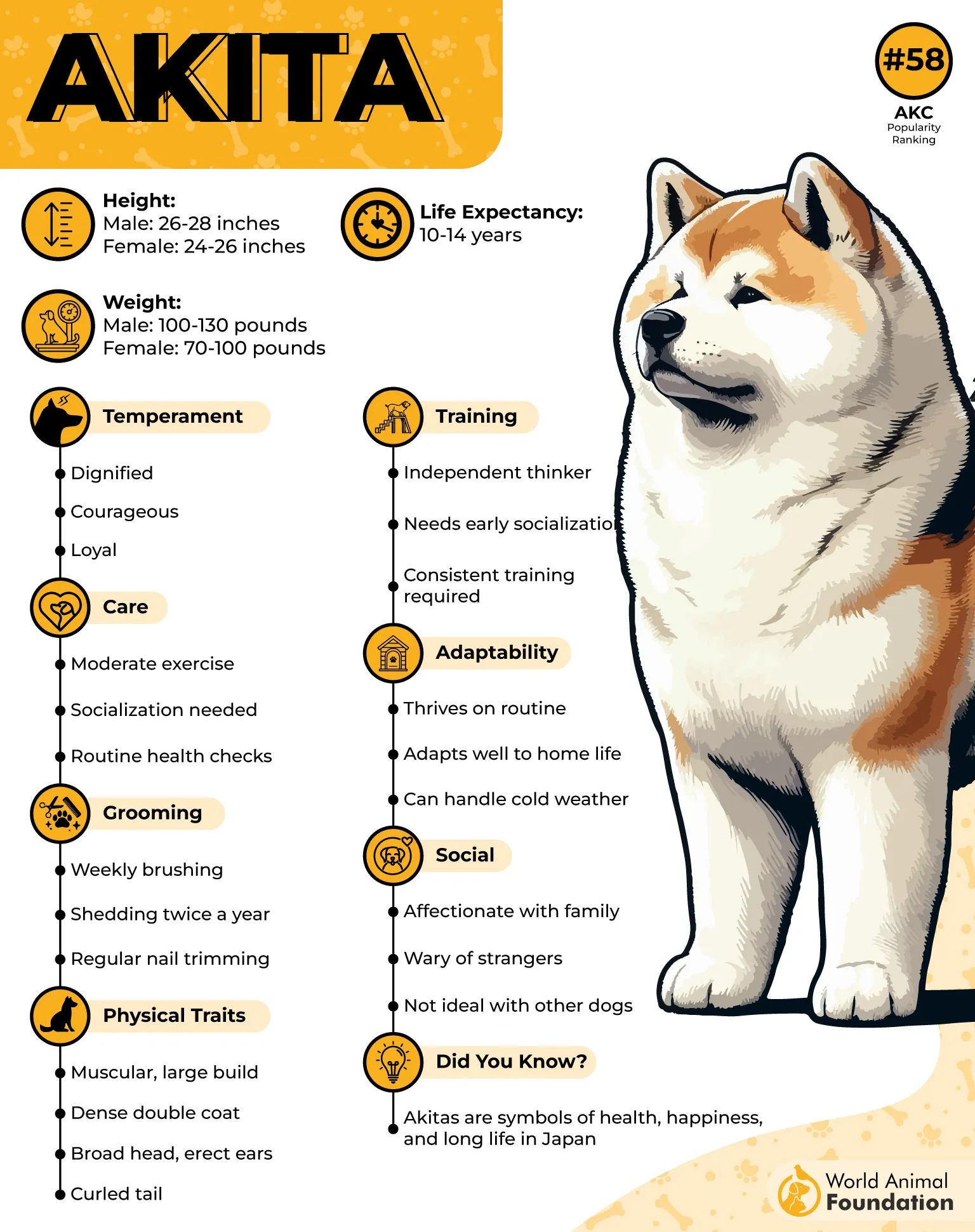
The Akita, sometimes known as the Akita Inu, is a powerful spitz-type dog that originated in the snowy regions of Japan. Recognized for its curled tail, compact ears, and strong frame, this ancient breed was developed in northern climates where resilience and strength were essential.
A Rugged Dog Built to Withstand Harsh Winters
Akitas are naturally equipped to handle cold environments thanks to their thick double coat. A coarse outer layer protects against wind and snow, while the dense undercoat provides insulation during freezing temperatures.
Their physical structure also supports life in rugged winter terrain. Compact ears and a curled tail reduce heat loss, while sturdy legs help the dog move steadily across uneven or snow-covered ground.
Seasonal shedding helps maintain the coat’s insulating ability. As the undercoat renews itself, Akitas remain well prepared for changing temperatures while continuing to enjoy outdoor adventures, especially during snowy weather.
7. Great Pyrenees
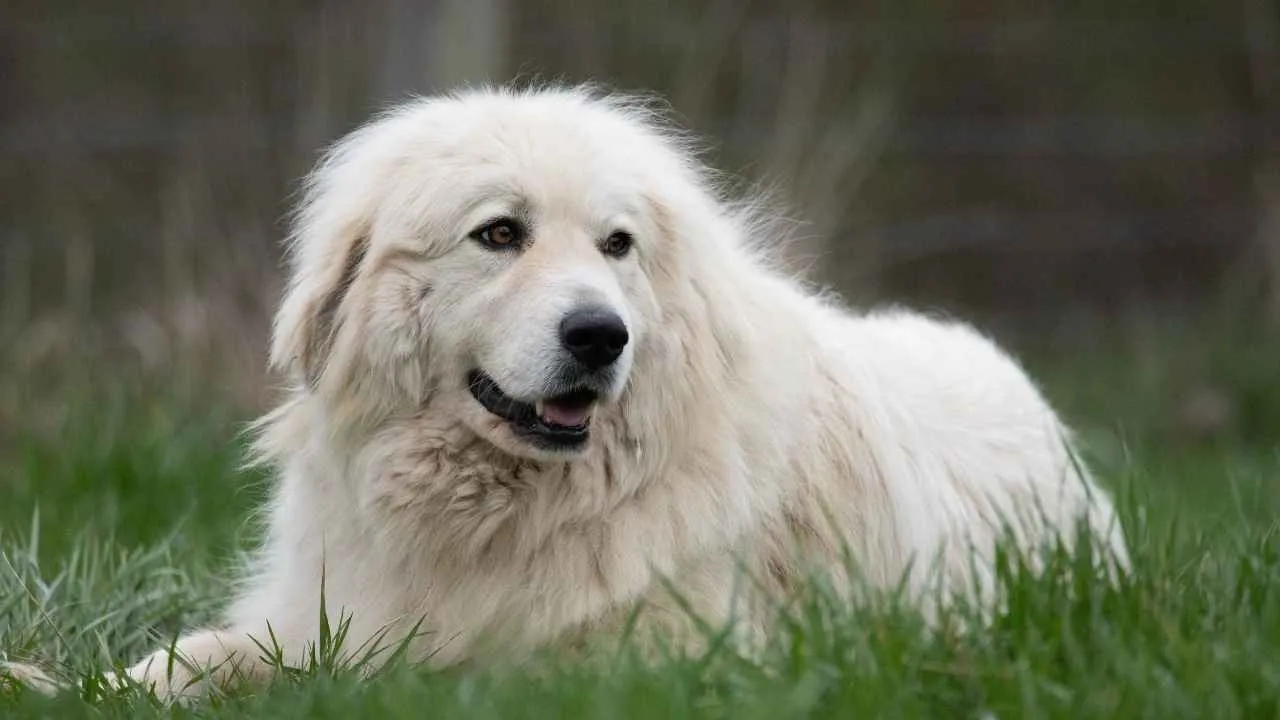
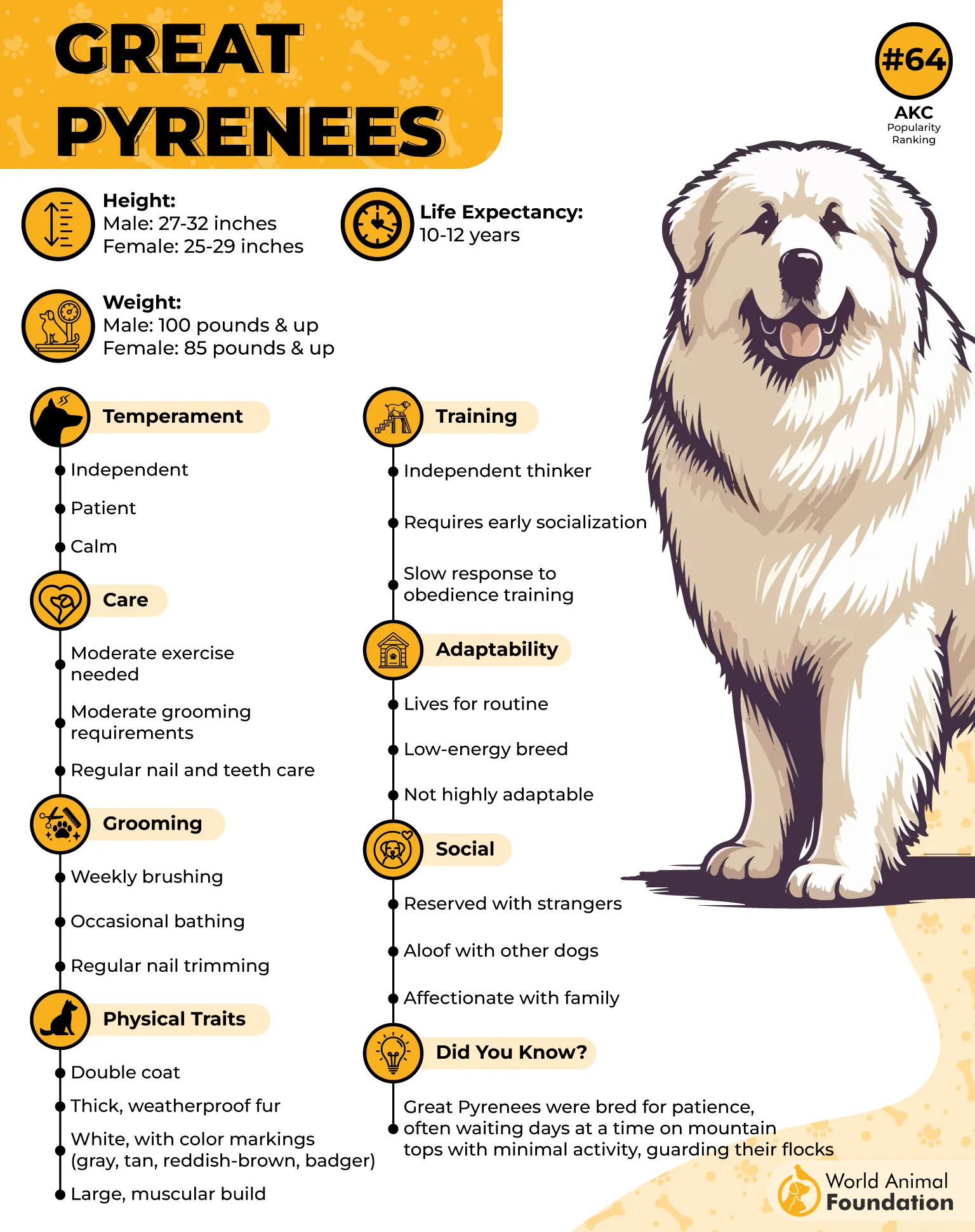
The Great Pyrenees, sometimes called the Pyrenean Mountain Dog, is a majestic working breed with deep roots in the snowy mountain regions between France and Spain. Recognized for its thick white coat, powerful frame, and calm confidence, this dog has long been valued for guarding livestock in harsh alpine environments.
The Snow-Loving Explorer with Boundless Energy
Great Pyrenees dogs are naturally comfortable in cold climates thanks to their heavy double coat. A coarse outer layer shields them from wind and snow, while the dense undercoat helps trap warmth during freezing weather.
Their mountain heritage also contributes to their ability to travel through rugged terrain. Strong legs and a sturdy build allow them to move confidently across snowy slopes and uneven landscapes.
These cold-weather dogs often enjoy spending time outdoors in cold conditions. When snow begins to fall, many Great Pyrenees become especially active, happily exploring their surroundings while maintaining the alert presence that once made them reliable livestock guardians.
8. Norwegian Elkhound
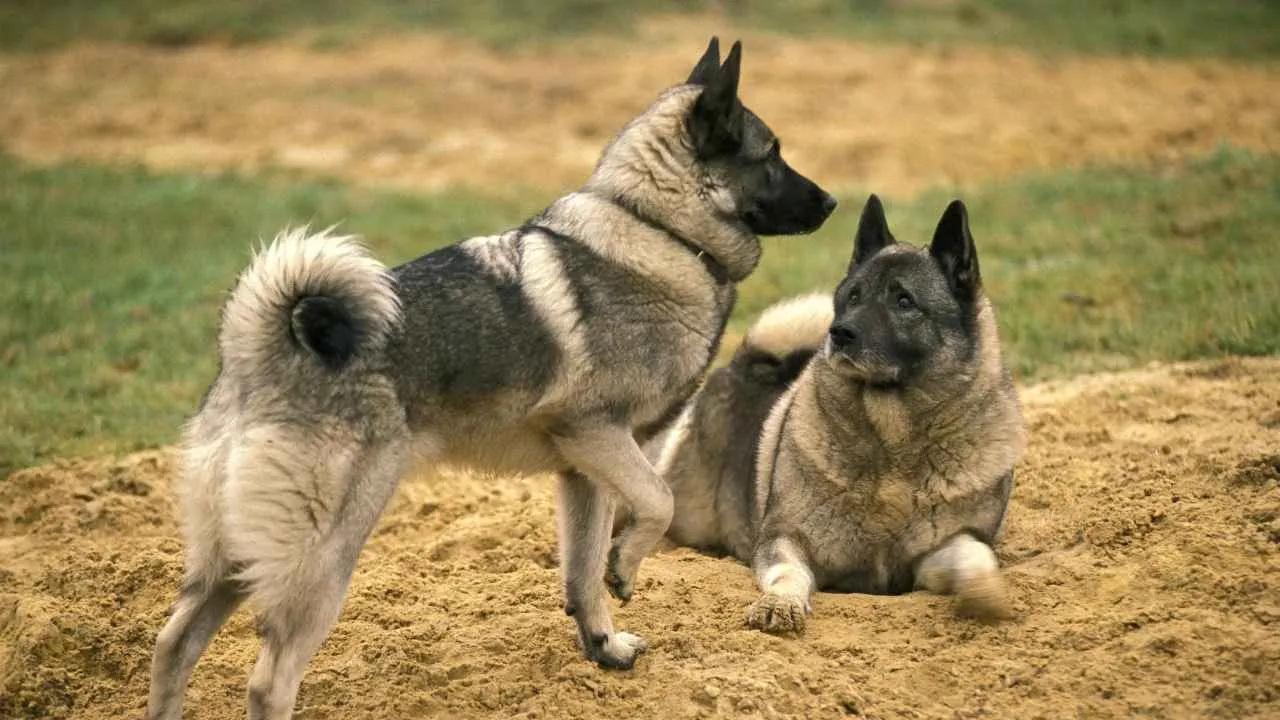
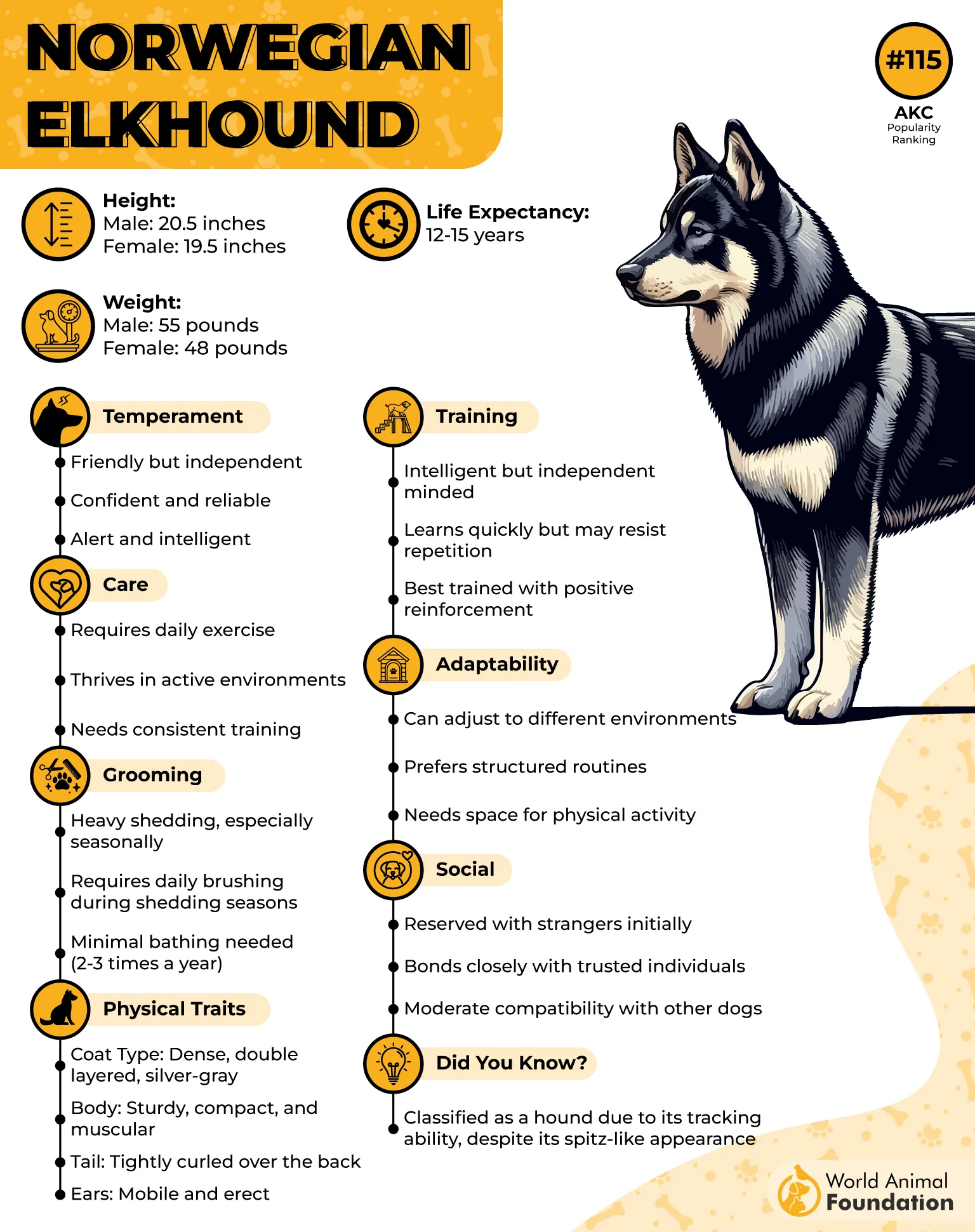
The Norwegian Elkhound, sometimes affectionately called the “Elkie,” is a sturdy Nordic breed with deep roots in Scandinavian history. Known for its curled tail, wolf-like appearance, and thick gray coat, this dog has long served as a hunter, guardian, and loyal working companion in northern climates.
A Strong Northern Guardian with Weather Resistance
Norwegian Elkhounds are naturally suited for cold environments due to their dense double coat. A woolly undercoat traps body heat, while the coarse outer layer shields them from wind, snow, and wet weather.
These traits helped the breed work efficiently in Norway’s rugged terrain. Whether hunting large game, guarding livestock, or traveling through snowy forests, Elkhounds developed the resilience needed to handle harsh conditions.
Their adaptable nature and strong work ethic also contribute to their reputation as dependable companions. Loyal and energetic, they thrive in outdoor activities and remain alert protectors in cold northern environments.
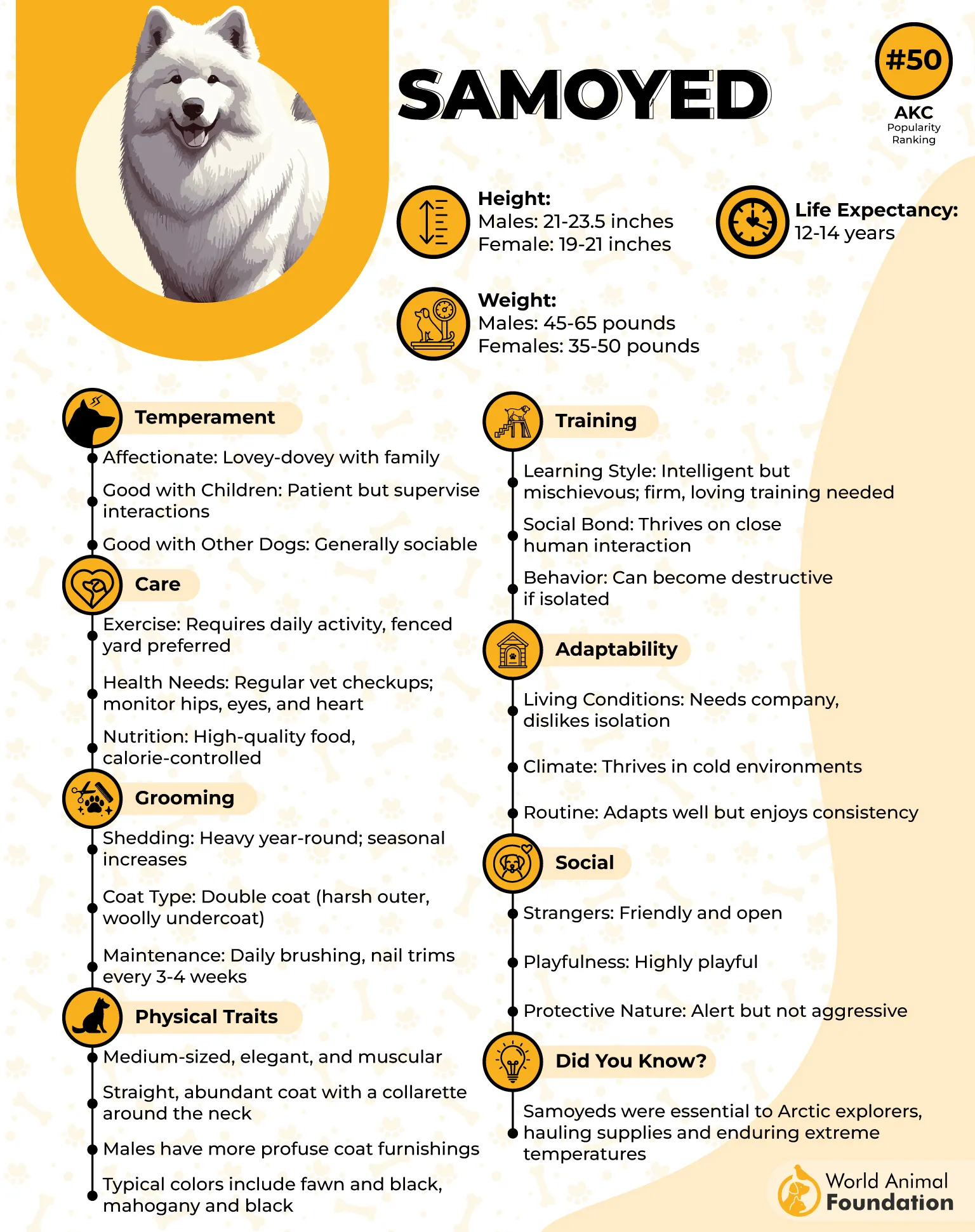
9. Samoyed
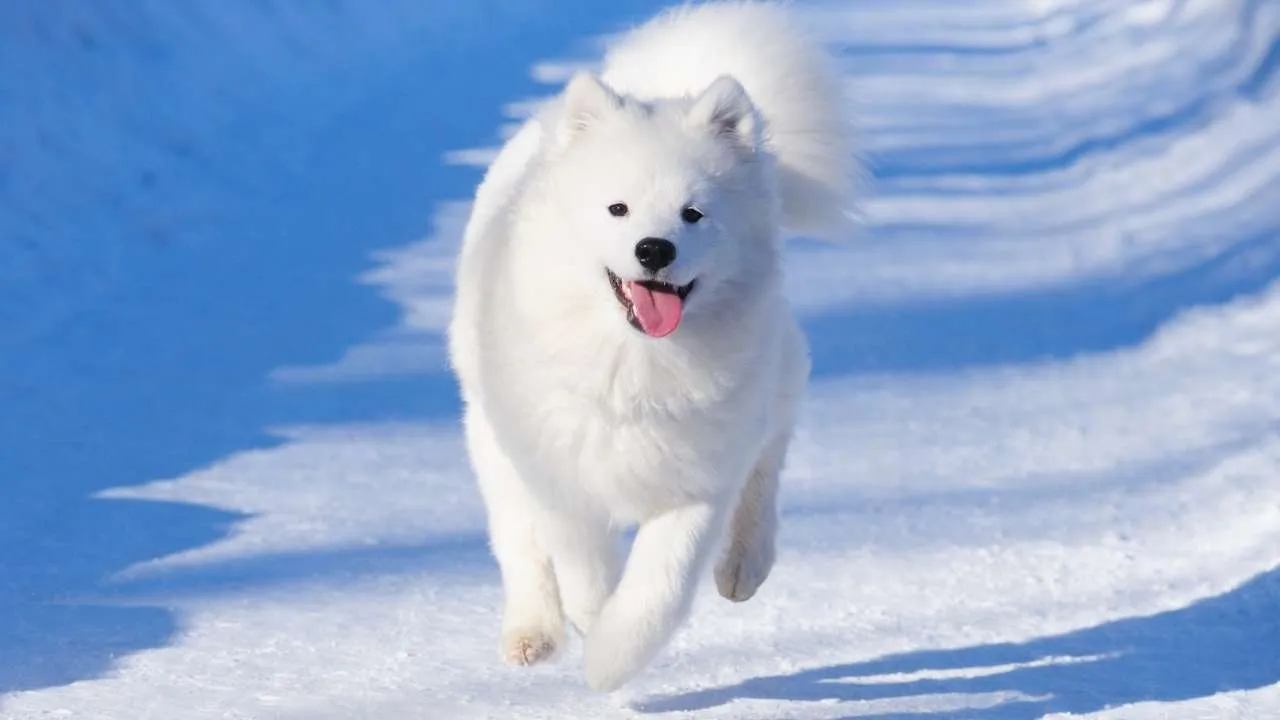
The Samoyed, often affectionately called the “Sammy,” is a striking Arctic breed known for its bright white coat and friendly expression. Originating from the icy plains of Siberia, this hardworking dog was closely connected to the Samoyedic people, who relied on it for herding, hunting, and sled pulling.
The Endurance Champion Thriving in Icy Conditions
Samoyeds are perfectly suited for freezing climates thanks to their thick insulating coat. The fluffy double layer protects them from extreme cold while also helping regulate body temperature during changing seasonal conditions.
Their balanced build contributes greatly to their endurance in snowy landscapes. With strong bones, a deep chest for lung capacity, and a powerful back, Samoyeds can travel long distances while pulling sleds across icy terrain.
Beyond their physical strength, these snow dog breeds were valued for their cooperative nature. Working closely with humans in Siberia, Samoyeds developed the stamina and teamwork needed to herd reindeer and transport supplies through harsh winter environments.
Conclusion
Dogs that thrive in snowy regions share remarkable adaptations that allow them to live and work comfortably in harsh winter climates. Some breeds demonstrate how thick coats, strong bodies, and impressive endurance help them navigate freezing temperatures and rugged terrain.
Many of these dogs were historically relied upon for tasks like sled pulling, guarding livestock, and assisting people in mountainous or Arctic environments.
While each breed has unique characteristics, they all highlight how generations of adaptation have produced dogs capable of thriving in snowy conditions.
