




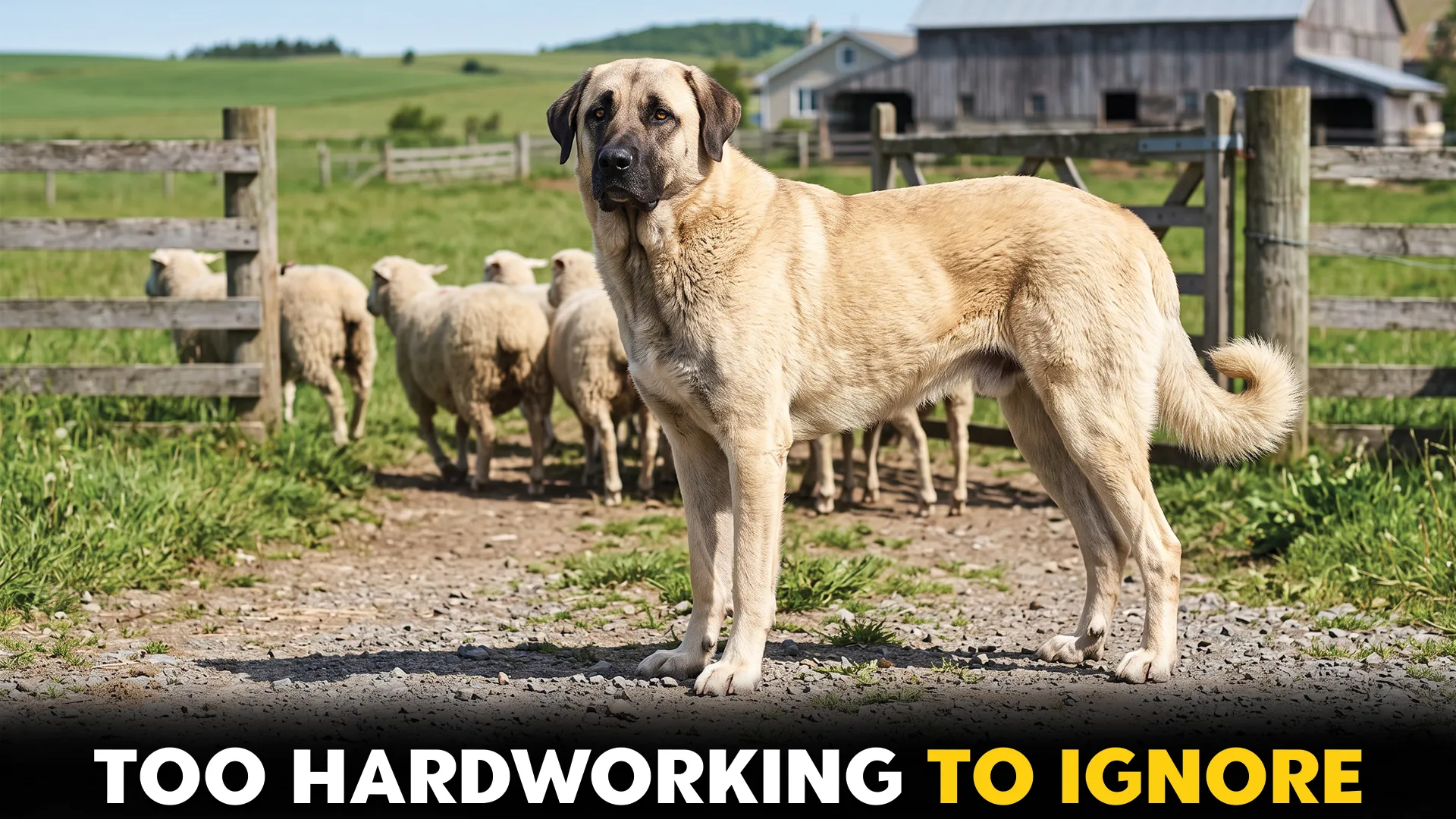
A dependable farm dog is not simply a fluffy employee who clocks in, barks at a tractor, and spends the afternoon napping beside the feed shed. Herding dogs control the movement of livestock, while guardian breeds stay near animals, monitor territory, and discourage predators from approaching.
True herders use position, movement, voice, eye contact, or physical pressure to gather and drive sheep, cattle, horses, and other stock. The American Kennel Club says that putting the wrong dog in the wrong role can turn an organized pasture into a chaotic group project where nobody reads the instructions.
The seven breeds below include specialized flock guardians, active drovers, vocal mountain herders, and multipurpose ranch workers.
Reliable Dog Breeds That Excel at Herding and Guarding
1. Great Pyrenees
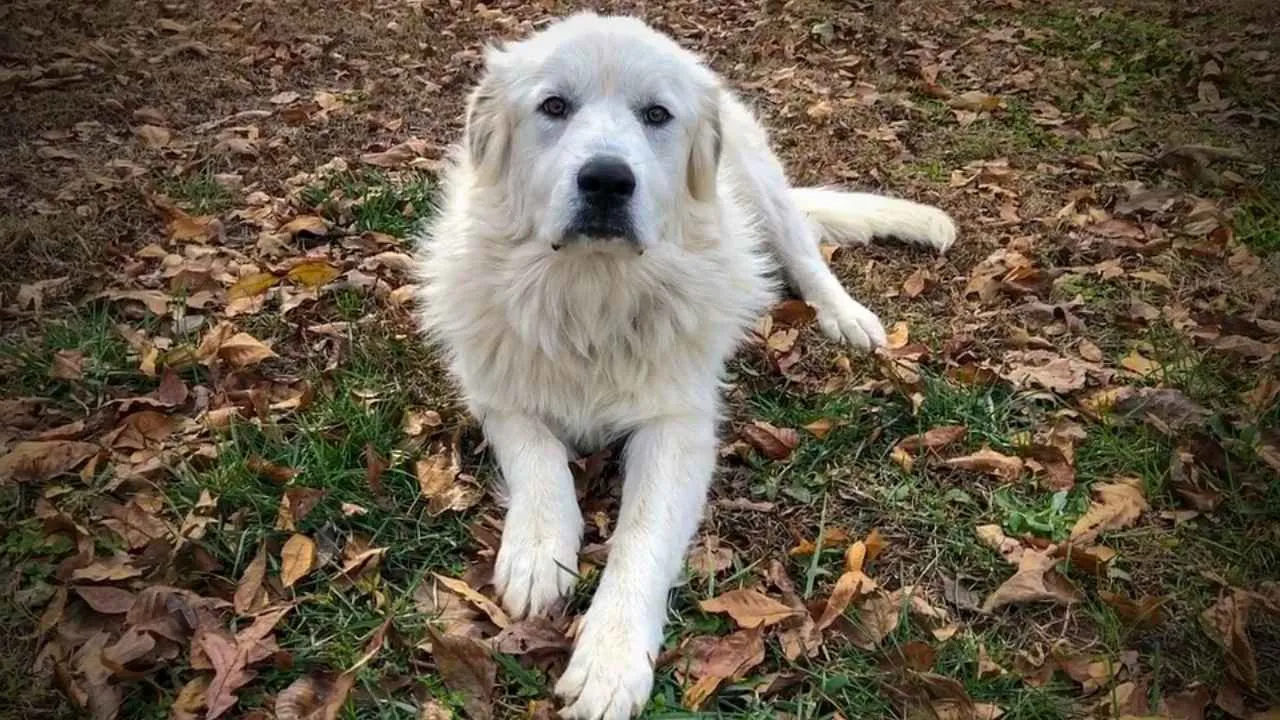
The Great Pyrenees is first and foremost a livestock guardian rather than a dog that gathers or drives animals. It developed in the Pyrenees Mountains between France and Spain, where shepherds relied on these powerful white dogs to protect their flocks from wolves, bears, and other predators, according to the Great Pyrenees Club of America.
A working Great Pyrenees patrols its territory, checks unusual scents, watches distant movement, and chooses resting positions with useful views of the flock. Its size, scent marking, deep bark, and composed presence can discourage predators before a physical encounter becomes necessary.
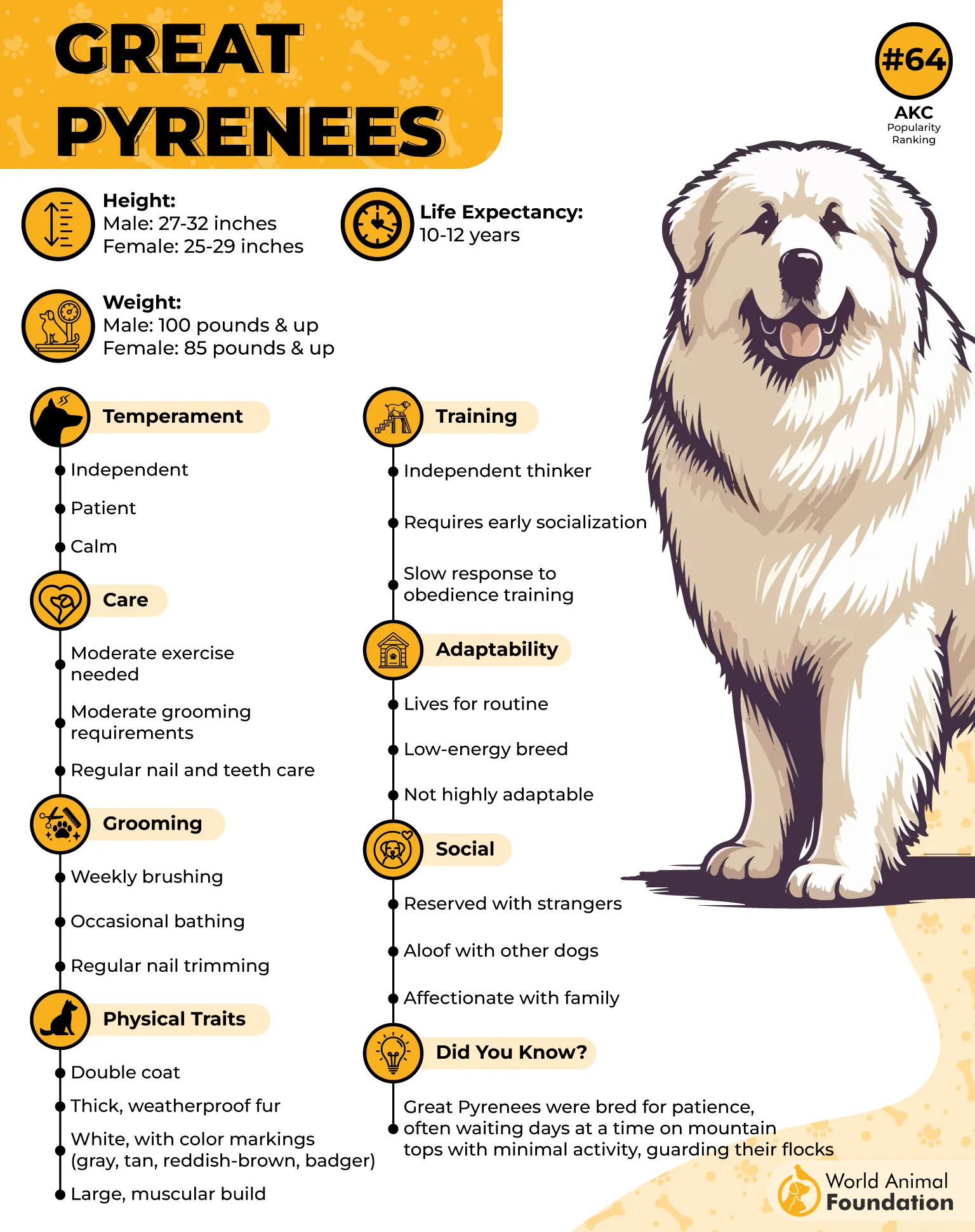
These quick learners are generally patient with livestock and may show remarkable gentleness toward young, vulnerable, or sick animals. Puppies still need supervision because adolescent play, chasing, and poor impulse control can frighten or accidentally injure lambs, kids, poultry, and other small stock.
Guarding activity often increases after sunset, when coyotes and other predators are more likely to move. That means it may spend the quietest part of the human night delivering loud security announcements about animals, vehicles, distant sounds, and suspicious leaves.
2. Catahoula Leopard Dog
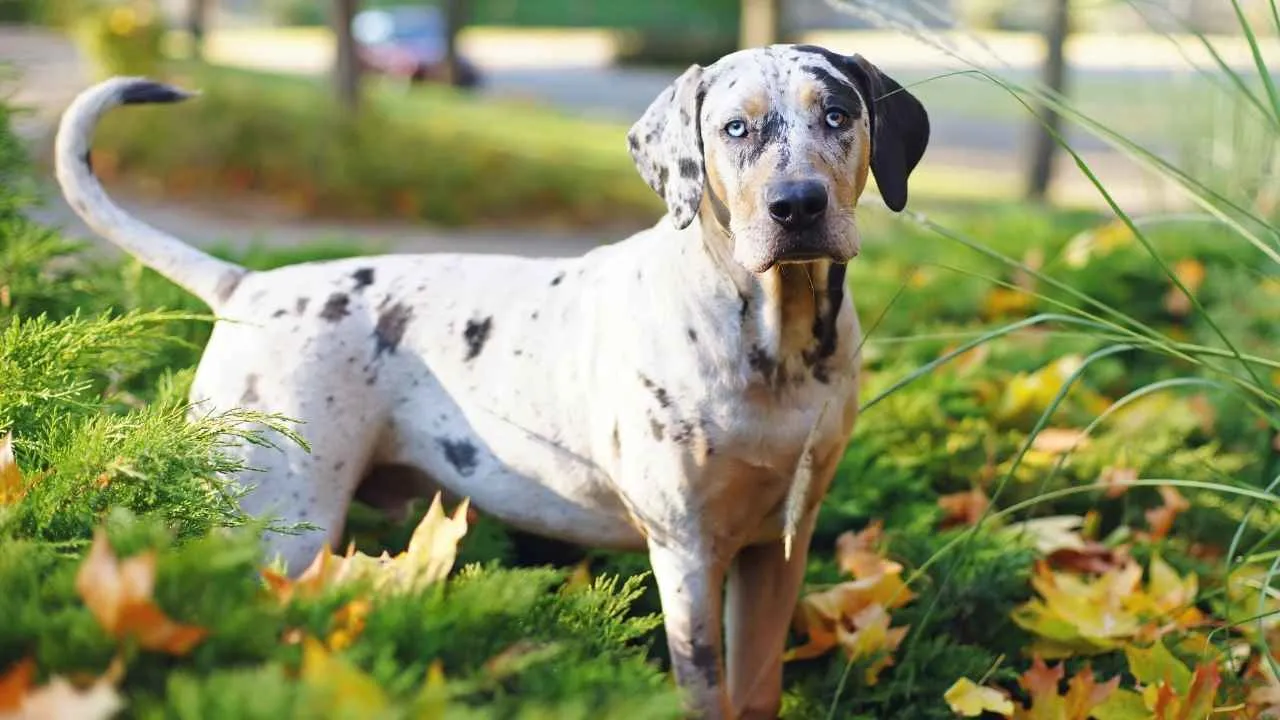
The Catahoula Leopard Dog is a muscular, agile, multipurpose worker associated closely with Louisiana ranching and hunting culture.
Catahoulas were historically valued for locating, baying, and herding free-ranging cattle and feral hogs, as mentioned by UKC Dogs. Their job required endurance, courage, agility, and enough independent judgment to manage animals that were not remotely interested in cooperating.
On a ranch, the breed may search rough country, locate scattered animals, hold their attention, and help handlers move them toward pens or safer ground. It works with greater physical confidence than many gentle sheep herders, making it particularly relevant when cattle or hogs challenge a dog rather than politely following the itinerary.
These highly intelligent dogs are loyal and watchful, so many also alert owners to unfamiliar people, vehicles, or activity around the property. Their territorial confidence can make them incredible farm watchdogs, but they are not traditional livestock guardians designed to live passively among sheep around the clock.
3. Anatolian Shepherd Dog
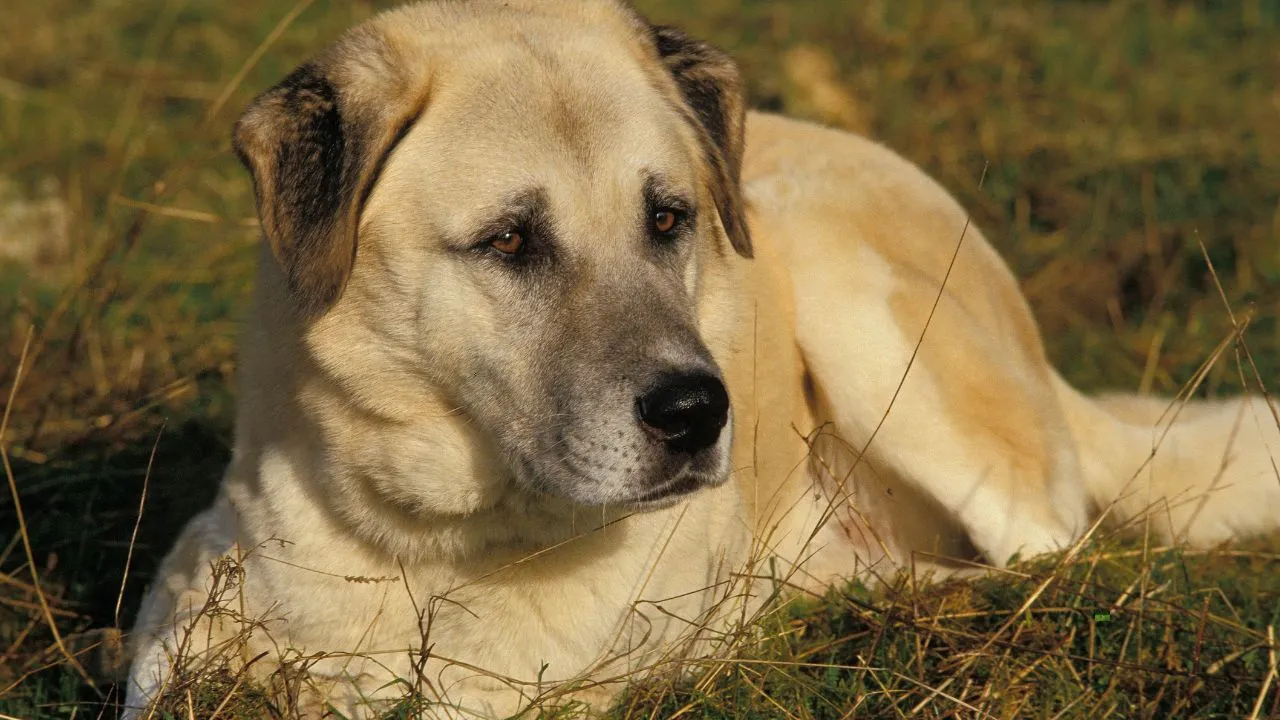
The Anatolian Shepherd Dog was developed specifically to guard livestock, and Purina emphasizes that it does not herd animals. For thousands of years, dogs of this type protected pastoral stock in Turkey while working with minimal supervision across demanding landscapes.
These Shepherd dogs monitor the flock, patrol the surrounding area, and position themselves so that approaching threats can be detected early. Their territorial confidence, size, speed, and powerful warning behavior allow them to challenge predators before the predators reach them.
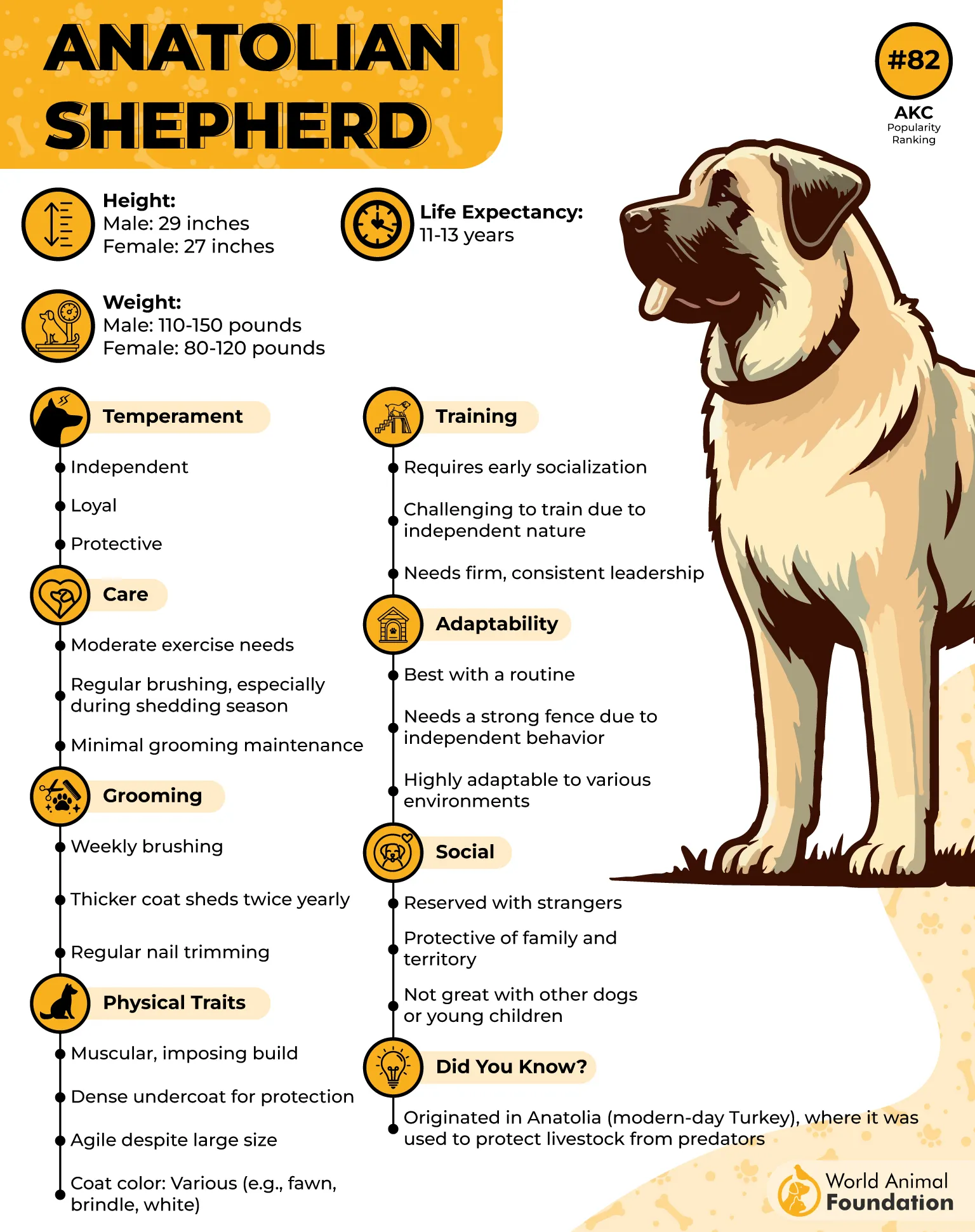
Independent decision-making is central to the breed’s working style. This intelligent dog cannot wait for a shepherd’s command when a predator appears hundreds of metres away, so it evaluates movement and responds according to its own judgment.
The breed can work alongside a separate herding dog because the two animals perform different tasks. The Anatolian accompanies or watches the group for threats without constantly disturbing it.
4. Maremma Sheepdog
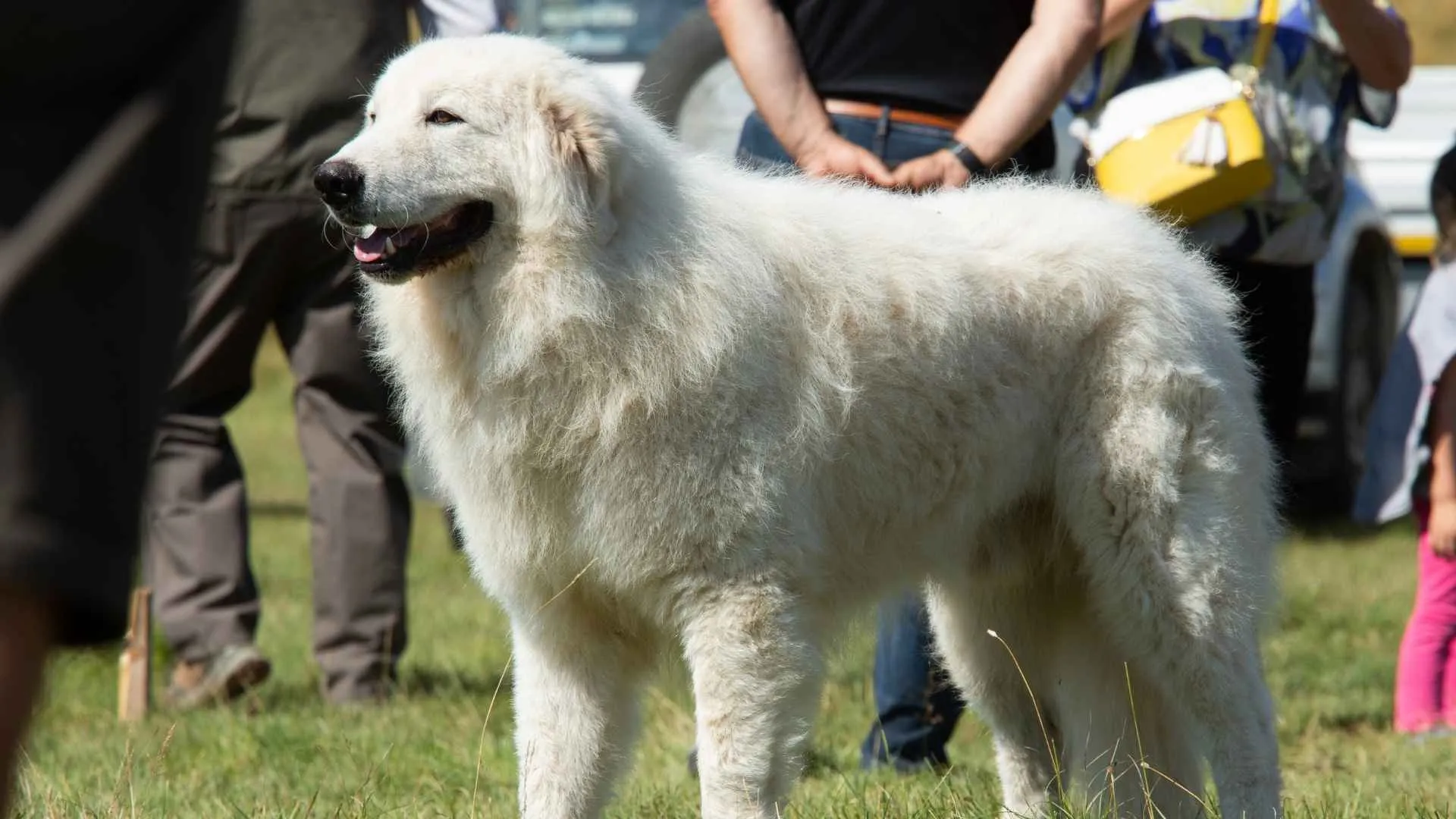
The Maremma Sheepdog was originally bred in Italy as a livestock guardian, developed over centuries to protect sheep and goats rather than drive them. Its white coat helps it blend in among sheep, while its calm posture allows the animals to accept it as part of their social environment.
A properly raised Maremma forms a close bond with livestock and can display an almost parental attitude toward its charges. It rests near the animals, studies the surrounding countryside, and places itself between the flock and anything it considers threatening.
The breed generally begins with deterrence through scent, barking, posture, and confident forward movement. Physical defence is the backup plan rather than the opening scene, and the official standard describes the Maremma as courageous without being needlessly aggressive.
These agile herding dogs accept human leadership, but they do not respond like submissive servants. They were selected to protect animals without continuous instruction, so they may ignore a command when they believe it conflicts with the flock’s safety.
5. Old English Sheepdog
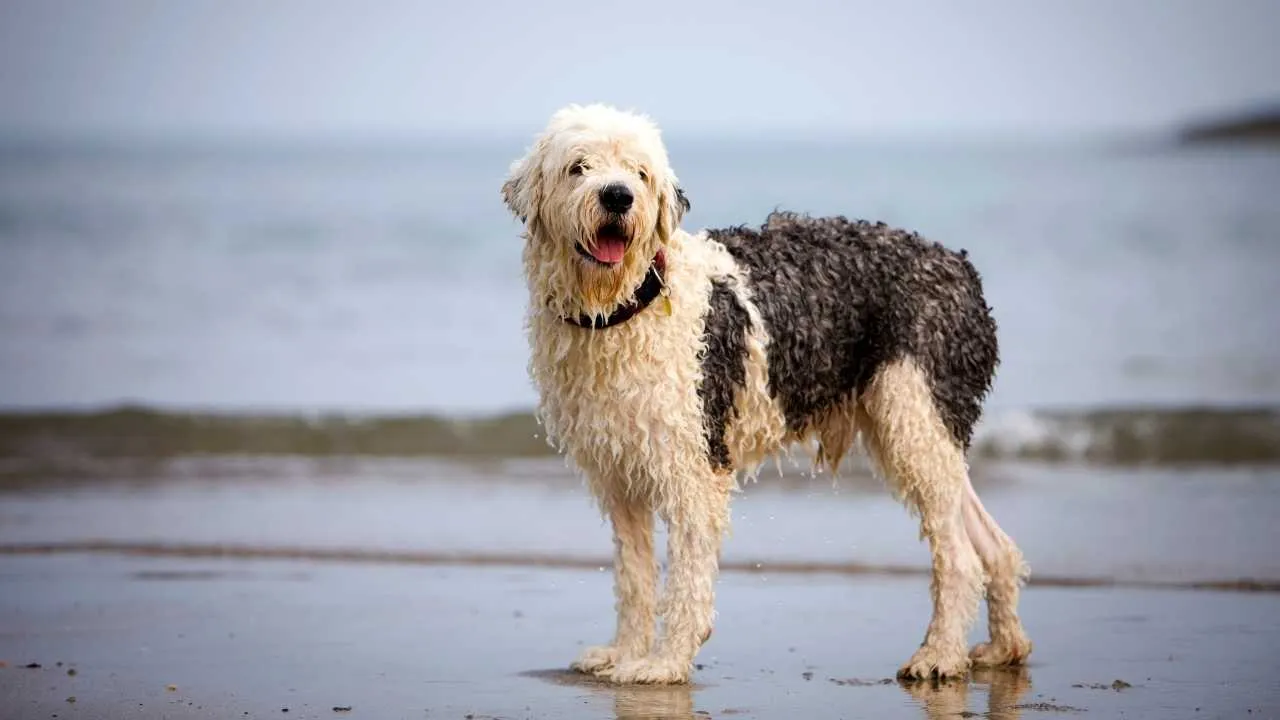
The Old English Sheepdog began primarily as a drover used to move sheep and cattle toward markets in Britain.
Droving differs from delicate close-control gathering in that the dog often works behind the stock, keeping the group travelling in the required direction. It uses body position, movement, persistence, and controlled pressure to prevent animals from stopping, scattering, or taking the wrong route.
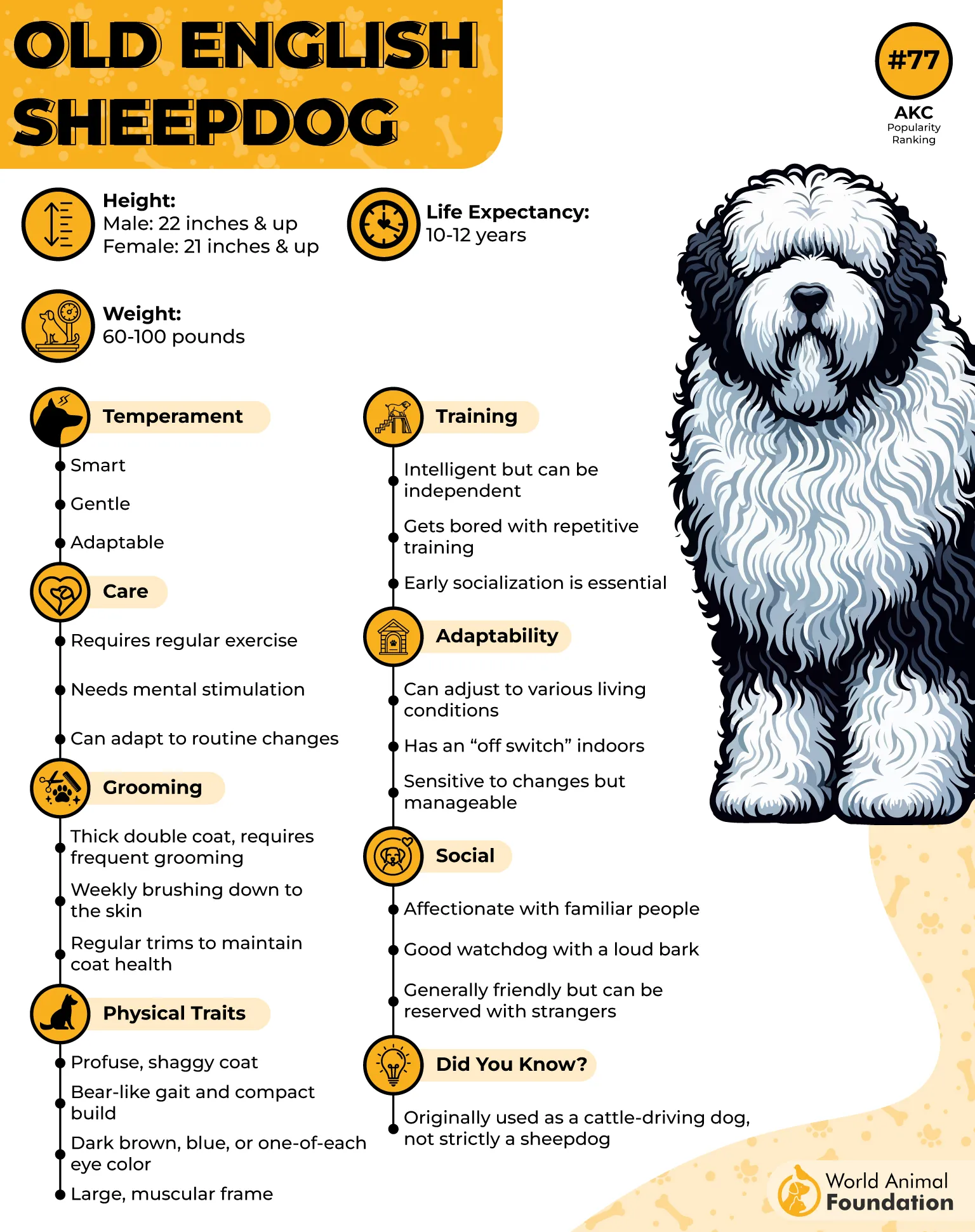
The breed is intelligent and adaptable, yet it can bring humour and stubbornness to the training process. Clear cues and positive reinforcement help turn its natural movement instincts into organised stock handling rather than enthusiastic improvisation.
Old English Sheepdogs are also watchful and possess a loud, ringing bark. They can alert farmers to approaching visitors, unusual activity, or disturbances around the yard, but they are sensible watchdogs rather than specialized predator-fighting guardians.
6. Icelandic Sheepdog
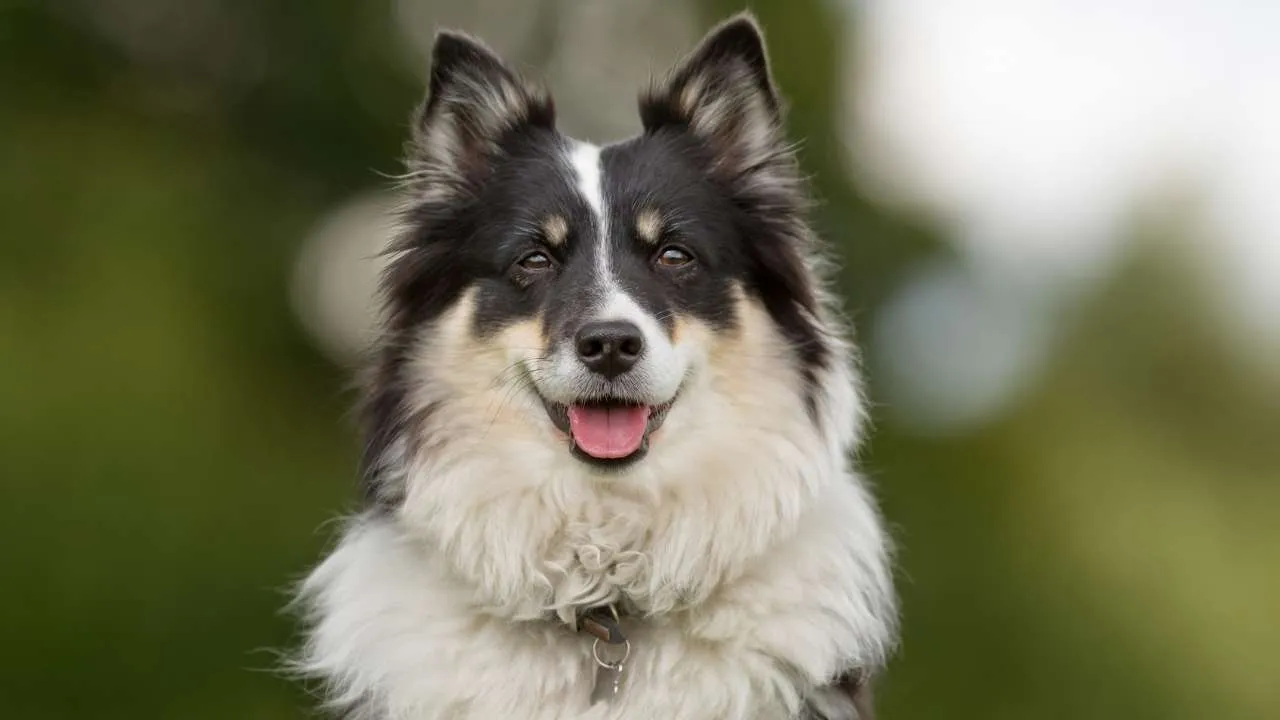
The Icelandic Sheepdog is Iceland’s only native dog breed and a compact all-purpose herder developed for difficult northern farming conditions. Its agility, endurance, and enthusiastic work ethic allow it to cover rough pasture and mountain terrain efficiently.
While protecting livestock, they typically work behind livestock as upright drivers, rather than crouching and controlling movement with an intense stare. They use voice, position, quick movement, and responsiveness to signals when bringing sheep down from mountains or moving cattle and horses.
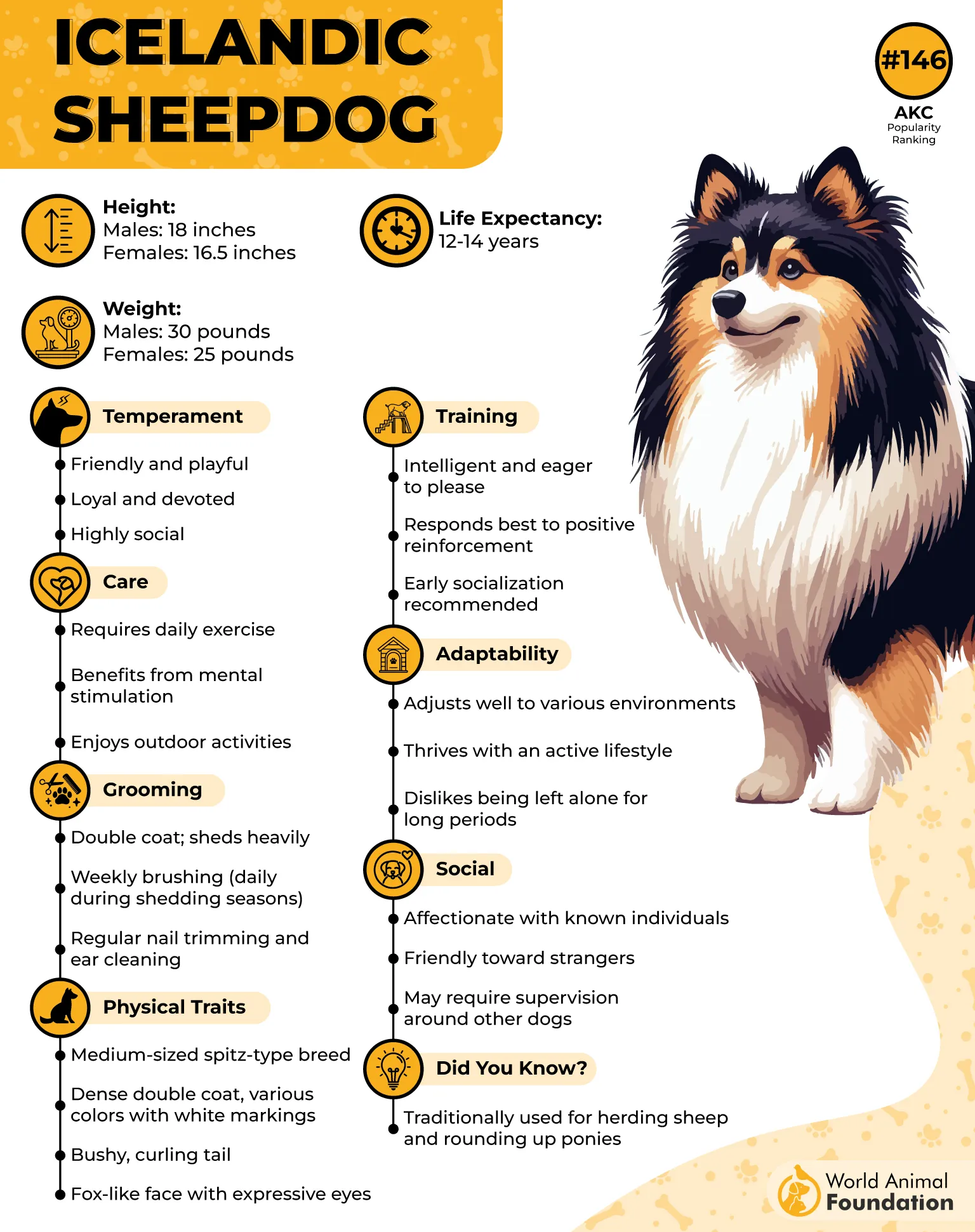
The breed can search for scattered sheep in challenging weather and terrain. Its nose may help locate animals hidden by snow or poor visibility, while its compact build allows it to cross brush, water, and uneven ground without carrying unnecessary weight.
These energetic dogs are highly alert and may also bark at birds of prey above young livestock. Their friendly temperament makes them well-suited to family farms, where dogs regularly interact with people and other animals.
7. Bergamasco Sheepdog
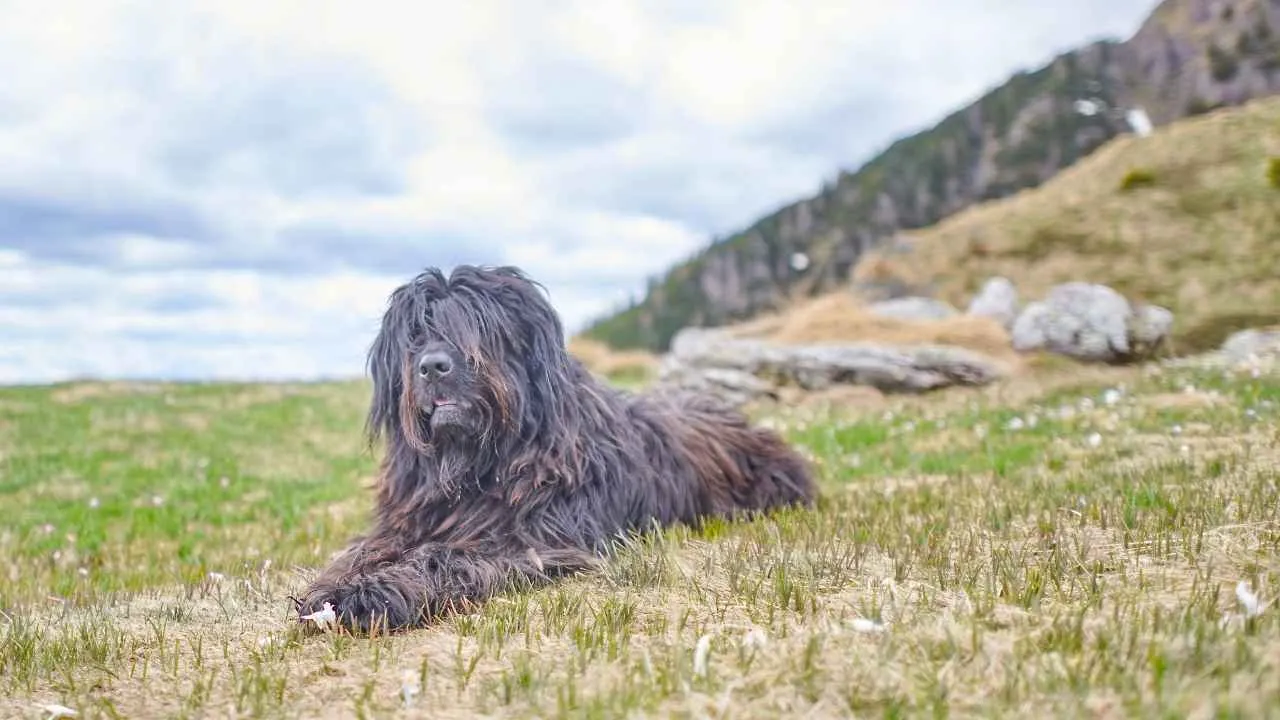
The Bergamasco Sheepdog is an ancient Italian pastoral breed developed to guide and guard livestock. Its official standard identifies it as both a drover and a guardian, making it one of the clearest examples of a dual-purpose worker in this group.
That medium-large frame gives the dog enough physical authority to manage livestock and discourage intruders without sacrificing mobility in mountainous terrain. This herding dog breed historically guided herds, demanding endurance, balance, and independent thought.
While herding, this excellent companion watches the entire group and adjusts its movements to suit the animals and the landscape. It can apply enough pressure to move livestock while remaining patient and controlled rather than creating panic.
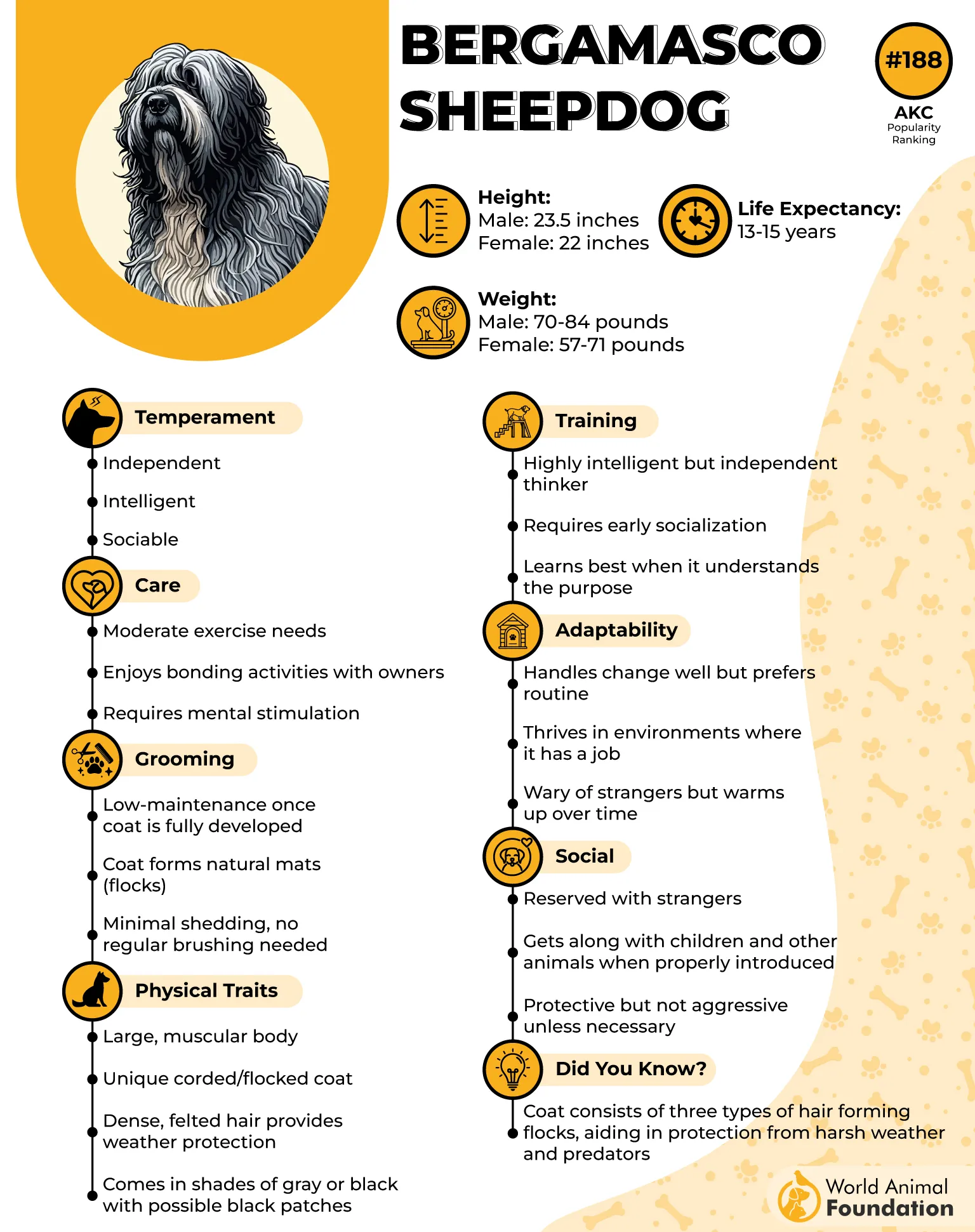
The National Bergamasco Sheepdog Alliance says its guarding style is alert and thoughtful rather than recklessly confrontational. Bergamascos are often reserved with strangers, notice changes around their territory, and evaluate people before deciding how to respond.
Conclusion
No single breed is ideal for every type of farm work. Protecting sheep from predators demands different abilities than moving semi-wild cattle. On the other hand, a family farm open to the public may prefer a dog that is friendly, well-mannered, and alert without being overly reactive.
Australian Cattle Dog, Australian Shepherd, Border Collie, German Shepherd, Belgian Malinois, Great Pyrenees Dog, Pembroke Welsh Corgi, Belgian Sheepdog, and Bouvier des Flandres are also great at herding sheep.
The best working dogs make difficult rural jobs look almost effortless. They guide animals through gates, locate missing stock, alert farmers to unusual activity, and prevent predators from turning the pasture into an all-you-can-eat situation.
