




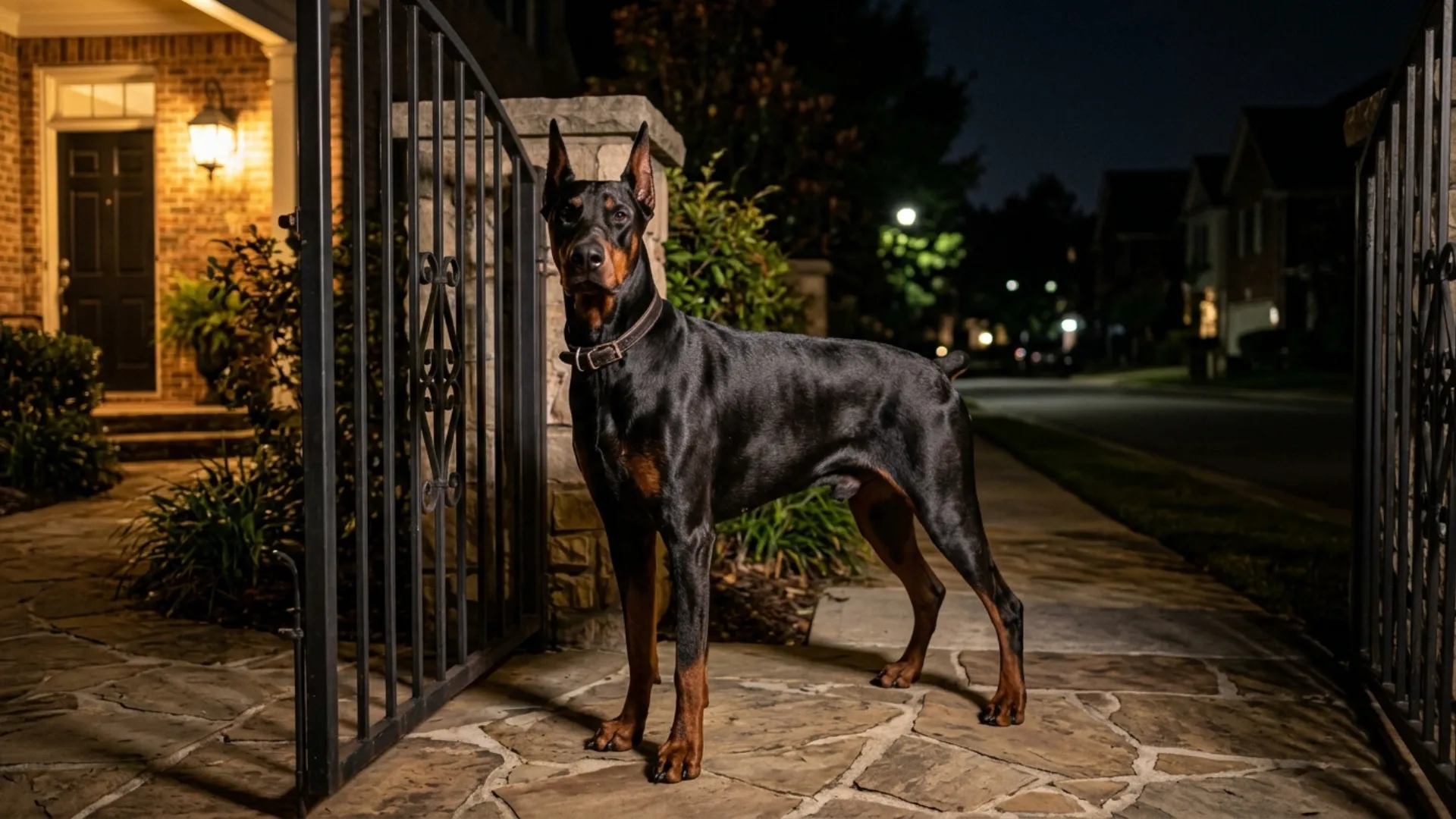
Your alarm system has a battery. Your dog does not.
While smart locks and security cameras serve a purpose, nothing makes a burglar reconsider their life choices faster than a 110-pound Rottweiler making eye contact through the front gate. A landmark study from the University of North Carolina found that 34% of convicted burglars changed their targets specifically because a dog was present.
That stat hits harder than any sales pick ever could. Whether you are a solo homeowner, a parent with kids to protect, or just someone who sleeps more lightly after midnight, the right dog breed is the most loyal, most dedicated security upgrade money can buy. These are not just pets. They are partners with a heartbeat.
Reliable Dog Breeds for Serious Home Defense
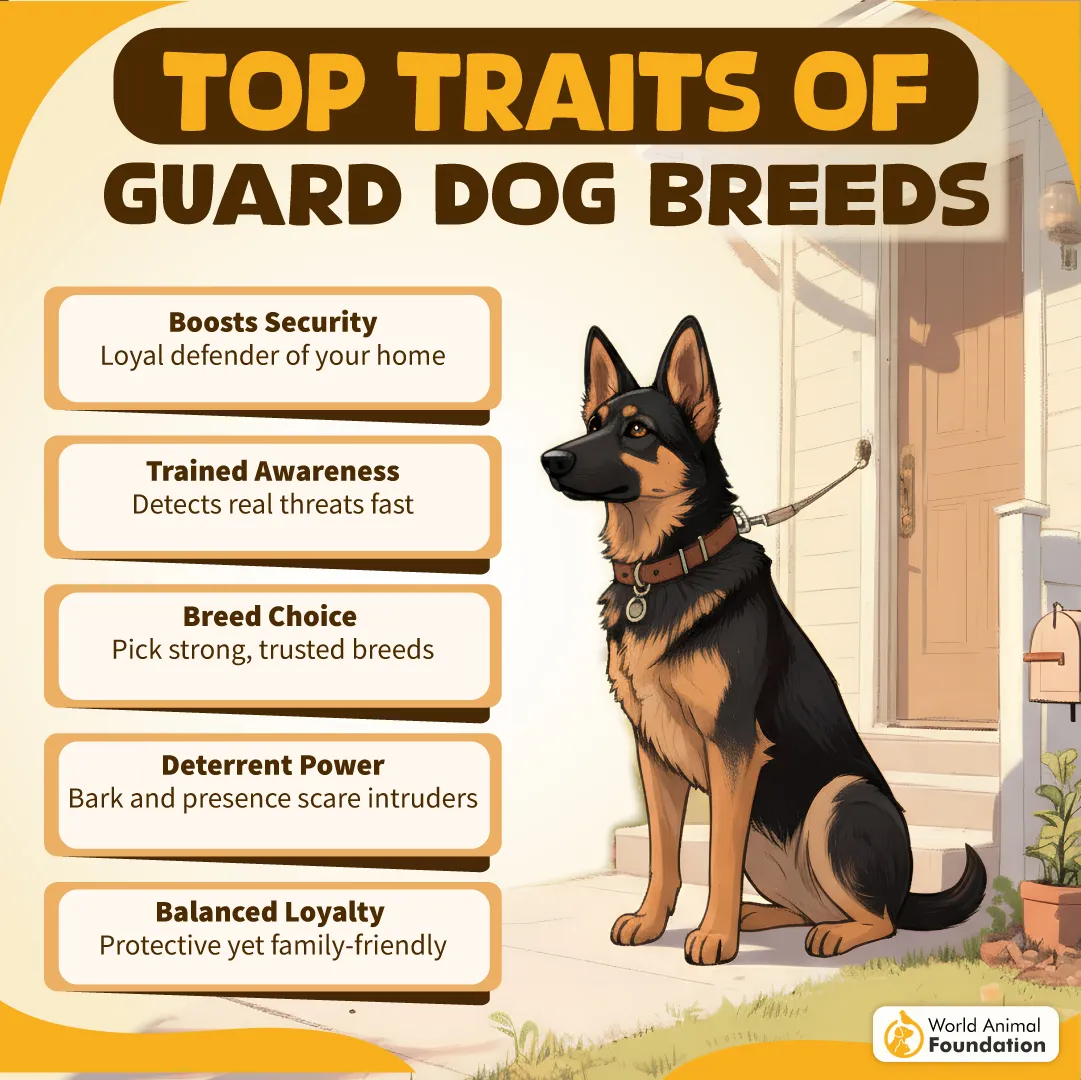
1. German Shepherd
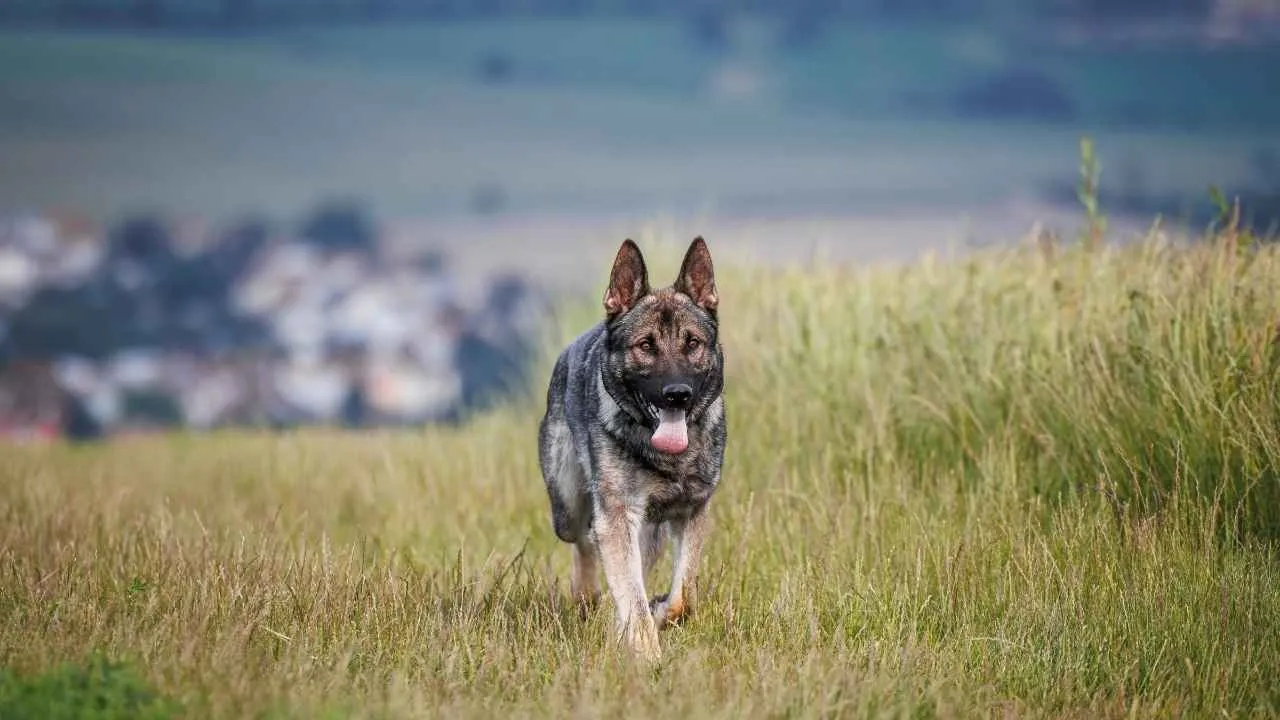
Originally bred by Max von Stephanitz in 1899 as a herding dog in Germany, the German Shepherd is the third smartest breed in the world. Despite its herding capabilities, it has also been used as a war dog, assistive dog, guard dog, and SAR dog, according to Wikipedia.
Since the breed can easily cope with traumatic events like wars, it is an excellent guard dog. The radar-like ears swivel to pinpoint distant noises before humans. It has a developed olfactory bulb that detects human pheromones and then responds accordingly.
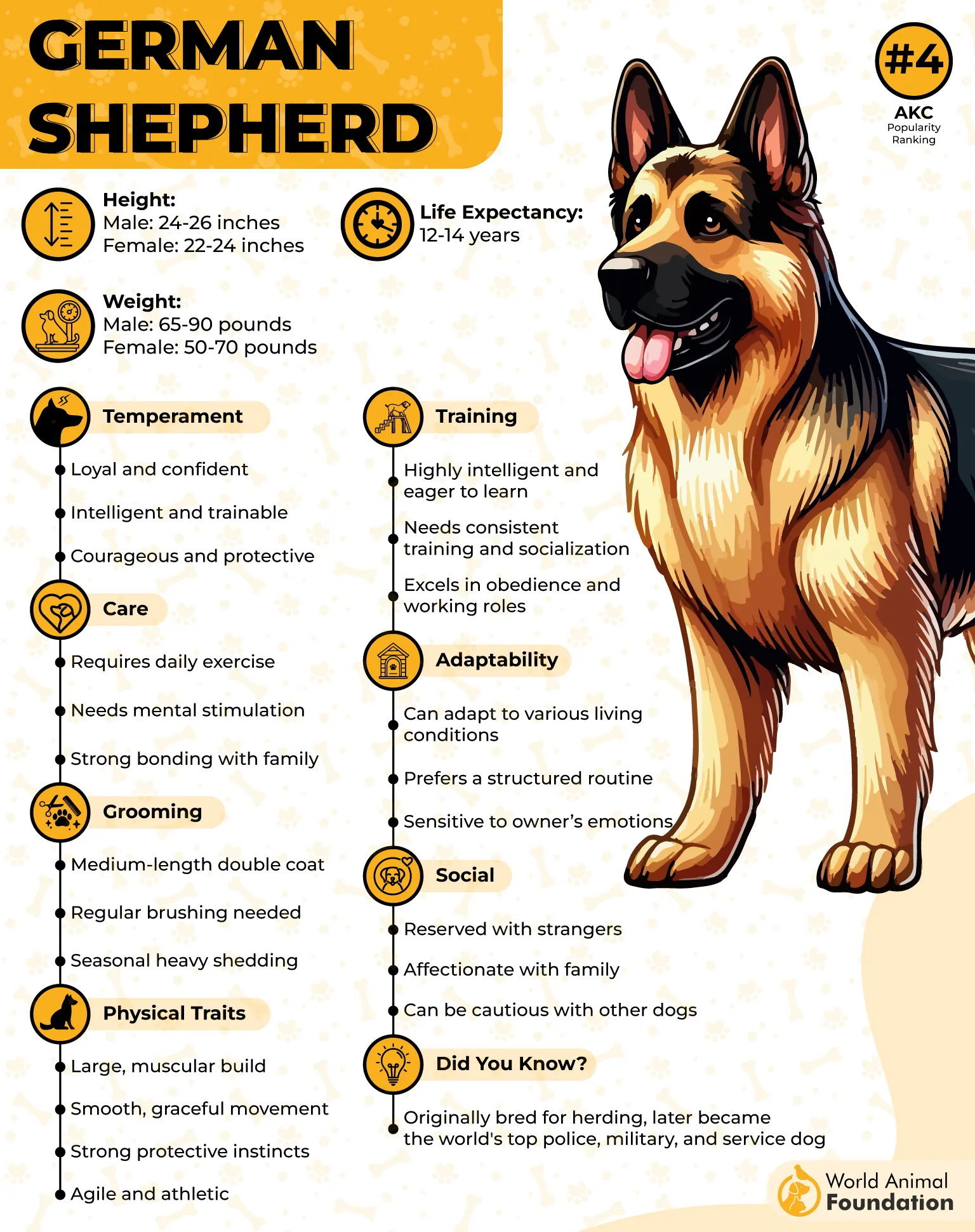
With a bite force of 238 PSI, it can tear the muscles and break the bones. It sees its family members as a ‘pack,’ forming strong bonds with them. The natural protective instincts come into action as soon as they identify an intruder. It positions itself between the owner and the attacker and barks to physically intimidate them first.
2. Rottweiler
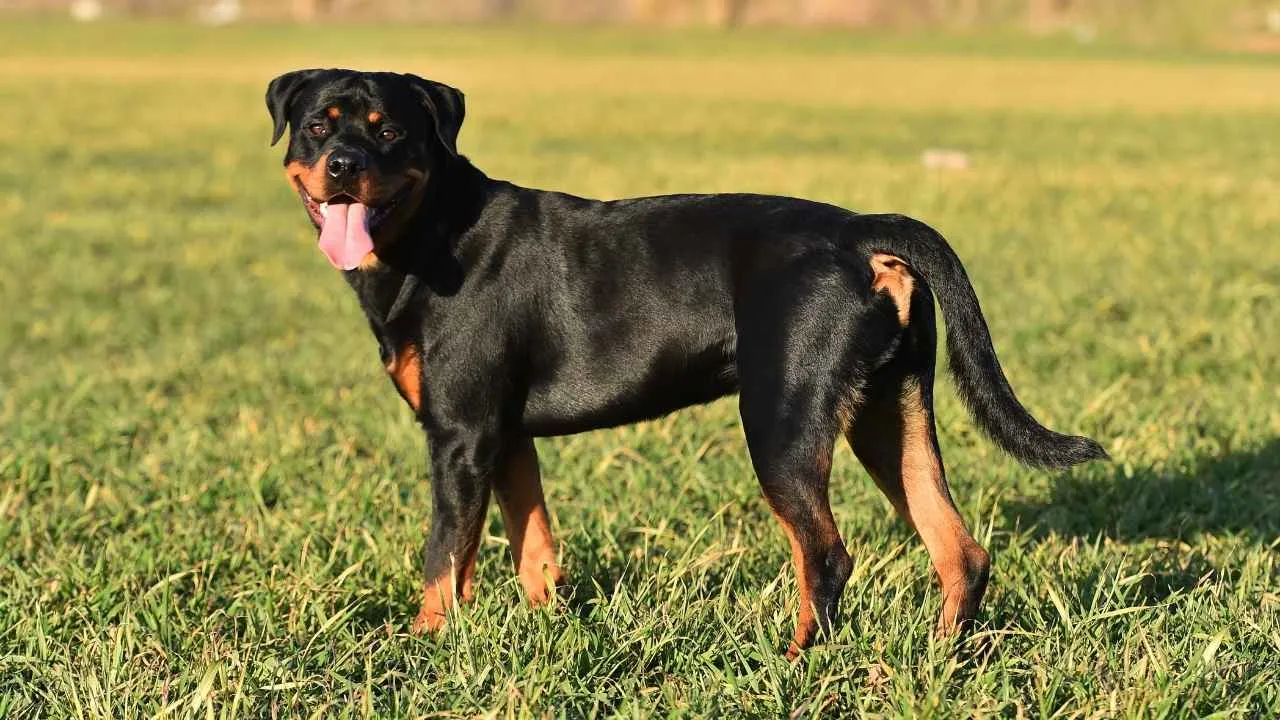
The Rottweiler was originally bred to herd cattle, but the purpose shifted to participating in wars alongside the Romans. After the Roman Empire collapsed, the breed was used by butchers to pull heavy loads to the markets before the invention of the railways.
The breed weighs around 110-130 pounds, creating an intimidating impression to deter intruders. The deep chest has maximum lung capacity to emit a low and vibrating growl. It watches quietly over the surroundings and barks only when it senses a threat.
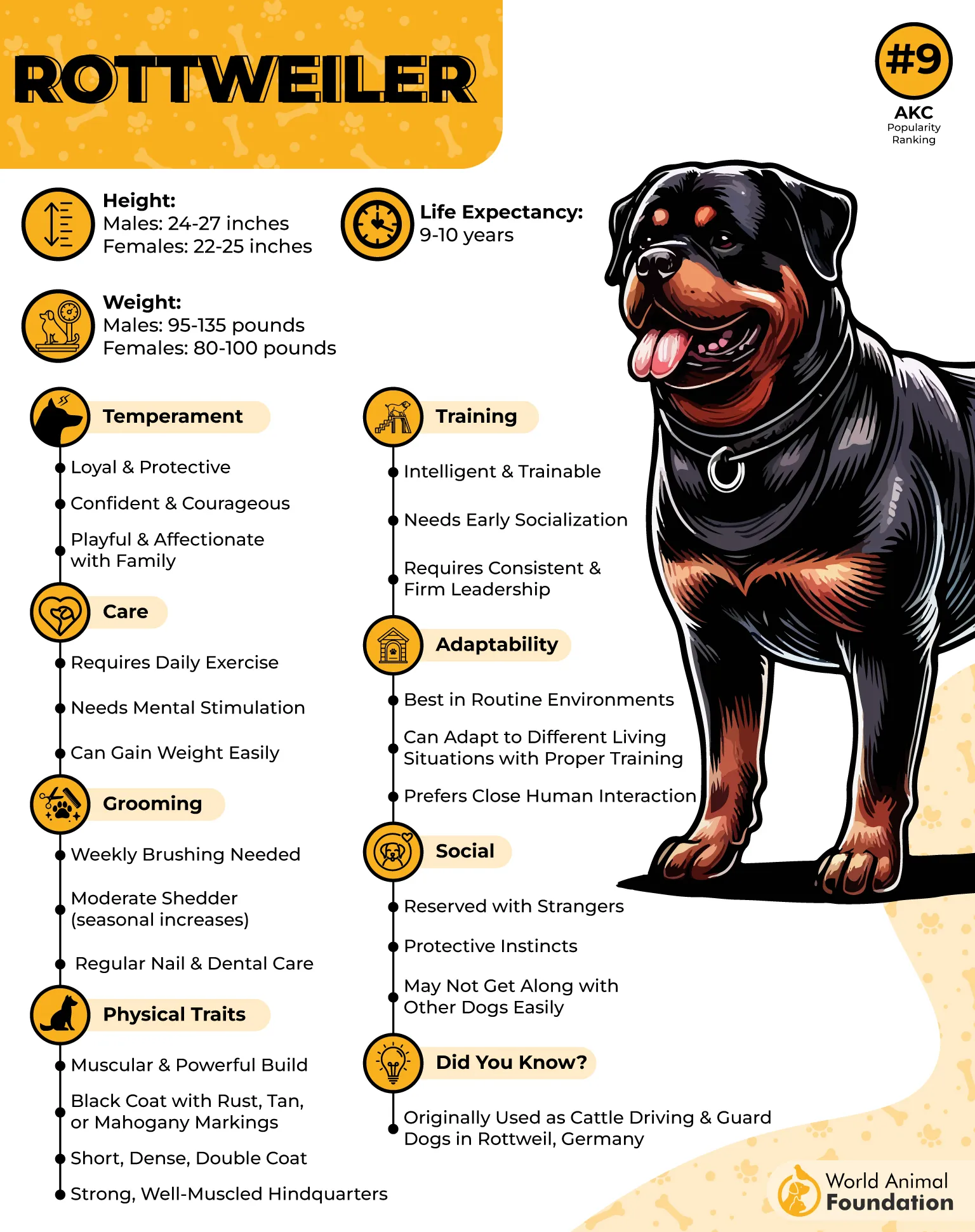
The ‘Rottweil Lean’ is a tactical move where it leans its heavy back against the owner to know where the owner is currently positioned while constantly looking into the eyes of the intruder. The large dog has moderate-to-high exercise needs: brisk walking, jogging, fetching, and puzzle toys for physical exercise and mental stimulation. All with positive reinforcement.
3. Doberman Pinscher
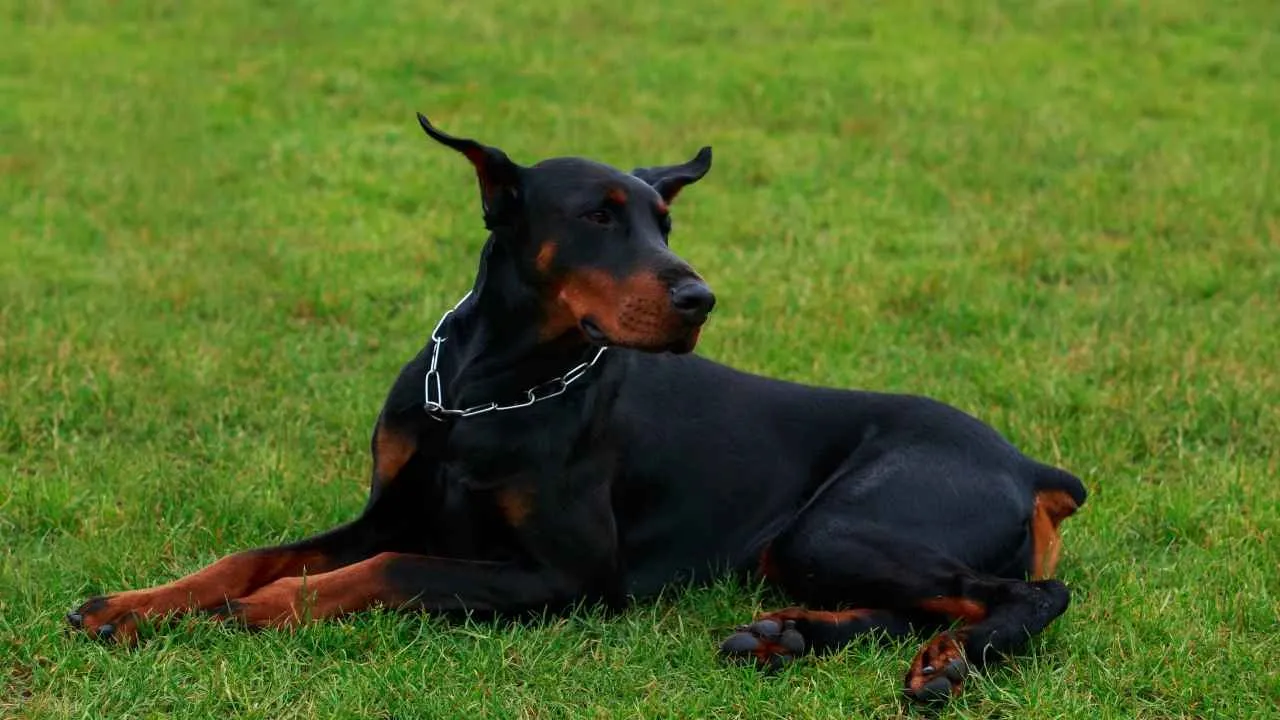
This energetic breed was originally developed by a German tax collector, Louis Dobermann, for personal protection. It has immense speed (35 mph) and agility. It is believed the protection dog was developed by crossing a Rottweiler, a German Pinscher, an Old Shorthaired Shepherd, and Black and Tan Terrier, as per Orvis.
It has a deep chest, long legs, lean muscle, and a fast ‘switch-off’ mode, which enables it to quickly shift from a calm behavior to an alert position. It has a ‘scissor bite,’ where the upper teeth are aligned closely with the lower teeth, helping with gripping. It makes strategic strikes in quick succession to make the defense effective.
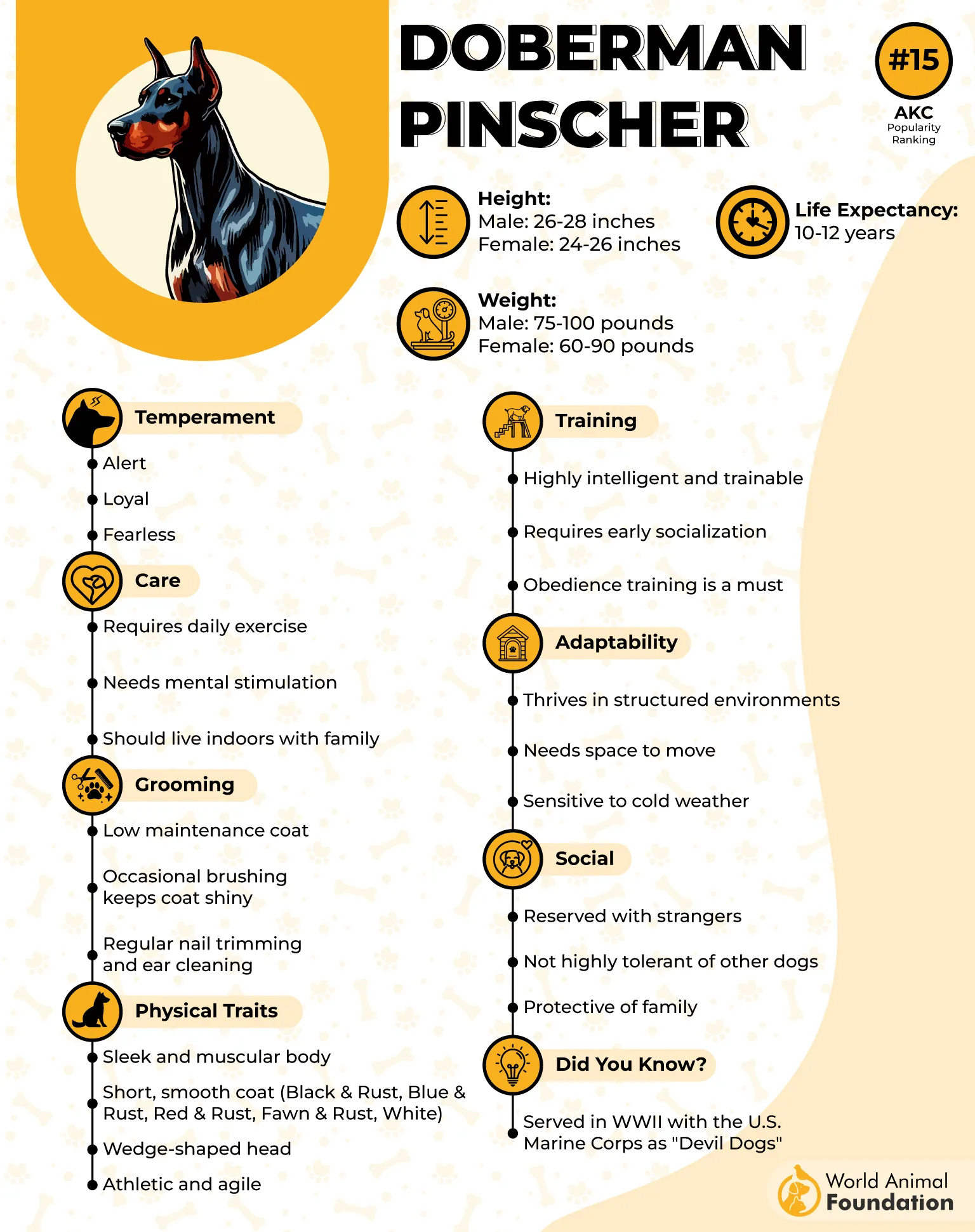
It is the 5th most intelligent breed, making it highly trainable, but it can be stubborn sometimes. Hence, consistent training and proper socialization are non-negotiable. This great guard dog makes an ‘invisible safety zone’ around the home and then patrols the territory.
It needs a daily 30-45 minutes of leashed walk and 45 minutes of scent work and other mind games.
4. Belgian Malinois
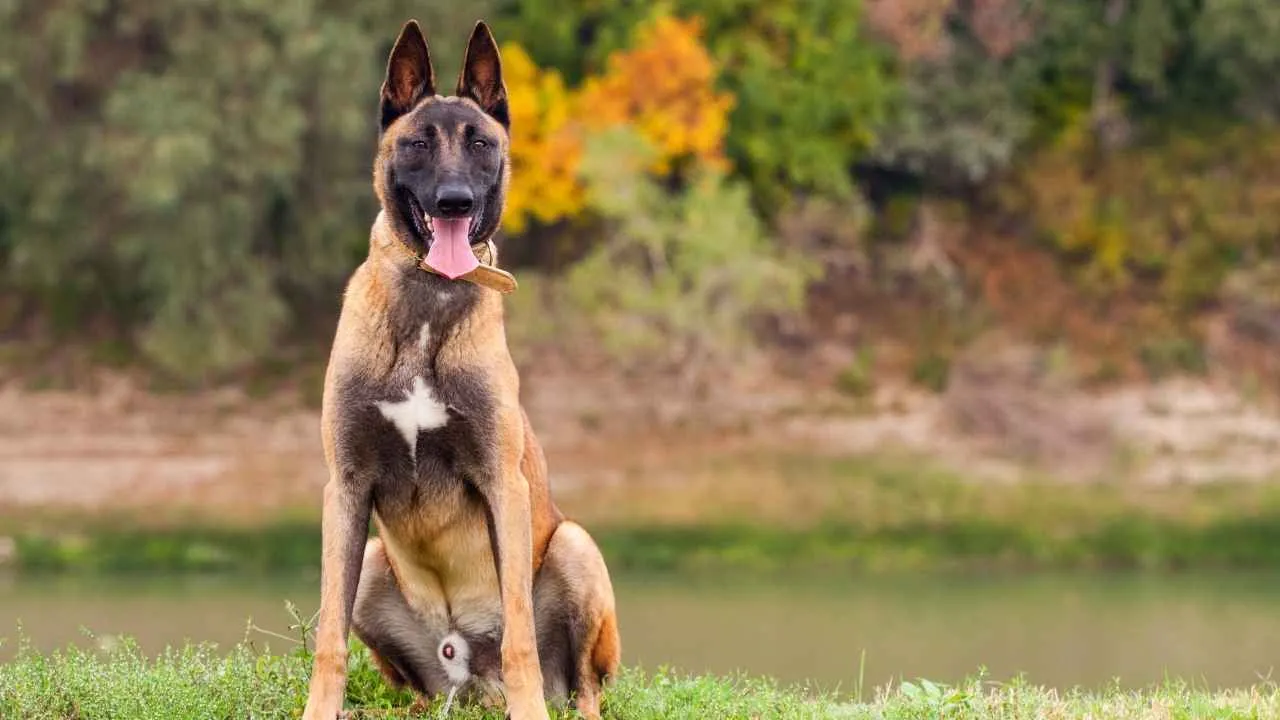
This is one of the four Belgian Shepherd Dogs, categorized by a professor at the Belgian School of Veterinary Sciences in the 1890s, based on the coat type, behavior, and work type. The Belgian Malinois was the first Belgian breed to be used in police and military work and to patrol the borders.
This extremely intelligent, gentle companion can jump over 6 ft and bite with the force of 195 PSI. It makes calculated decisions and does not bark unnecessarily. It has low-light capability and dichromatic vision (yellow and blue), making it the best dog for protection at night. It runs at a speed of 30 mph.
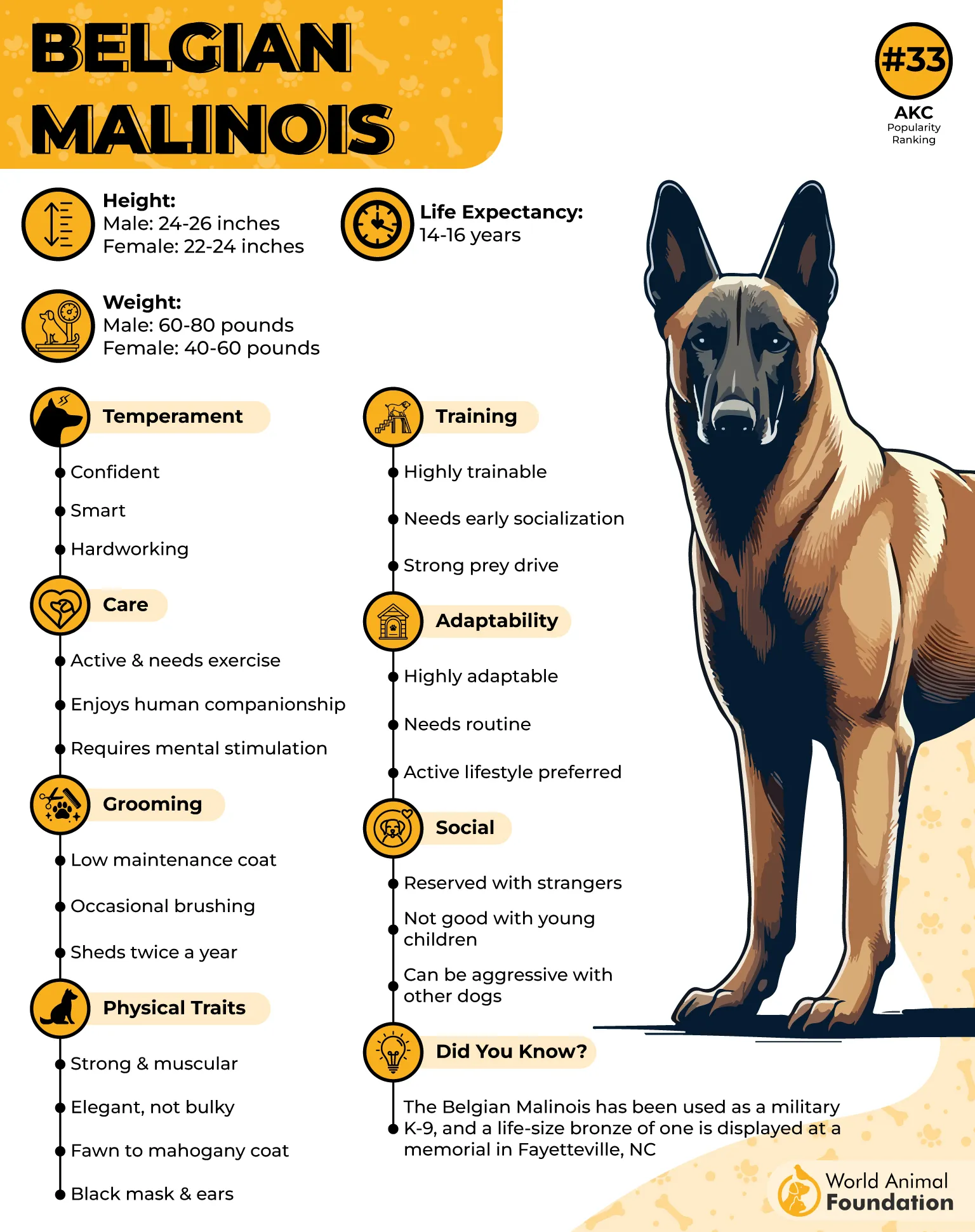
This deeply loyal breed has scored high in navigating complex environments and finding solutions in many cognitive studies. The brain filters out distractions once it locks its eyes on the prey. The breed anticipates threatening situations by sensing the owner’s pheromones and reacts appropriately.
5. Bullmastiff
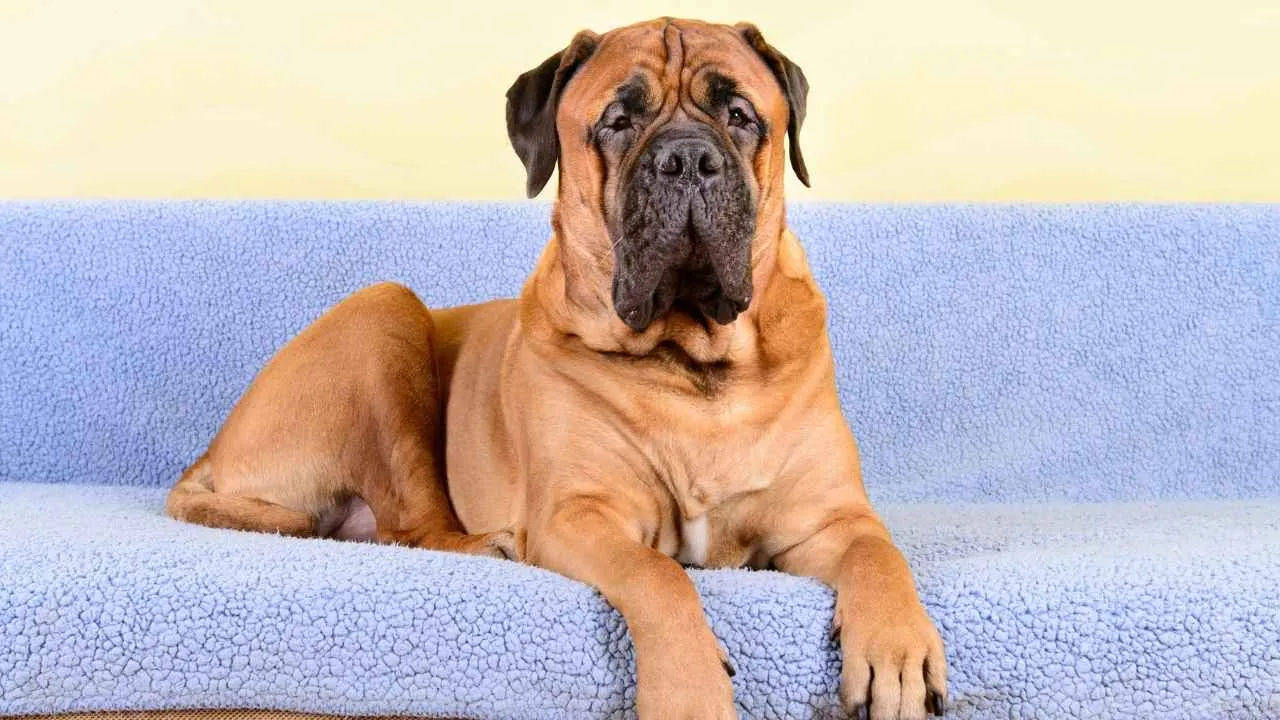
The breed was developed in the 1800s in England as a ‘Gamekeeper’s Night Dog’ to catch poachers. Since poaching used to be a grave crime back then, gamekeepers needed a fast breed with strong territorial instincts and a strong sense of sight to catch poachers at night, according to Purina. This breed is a mix of Mastiff and Bulldog.
It has a slow-to-arouse amygdala response; it does not bark at normal sounds. It usually relies on its sheer size to pin and hold the intruder, sitting on the chest, and then barks until the owner arrives. It can differentiate between a normal and a threatening situation with proper training.
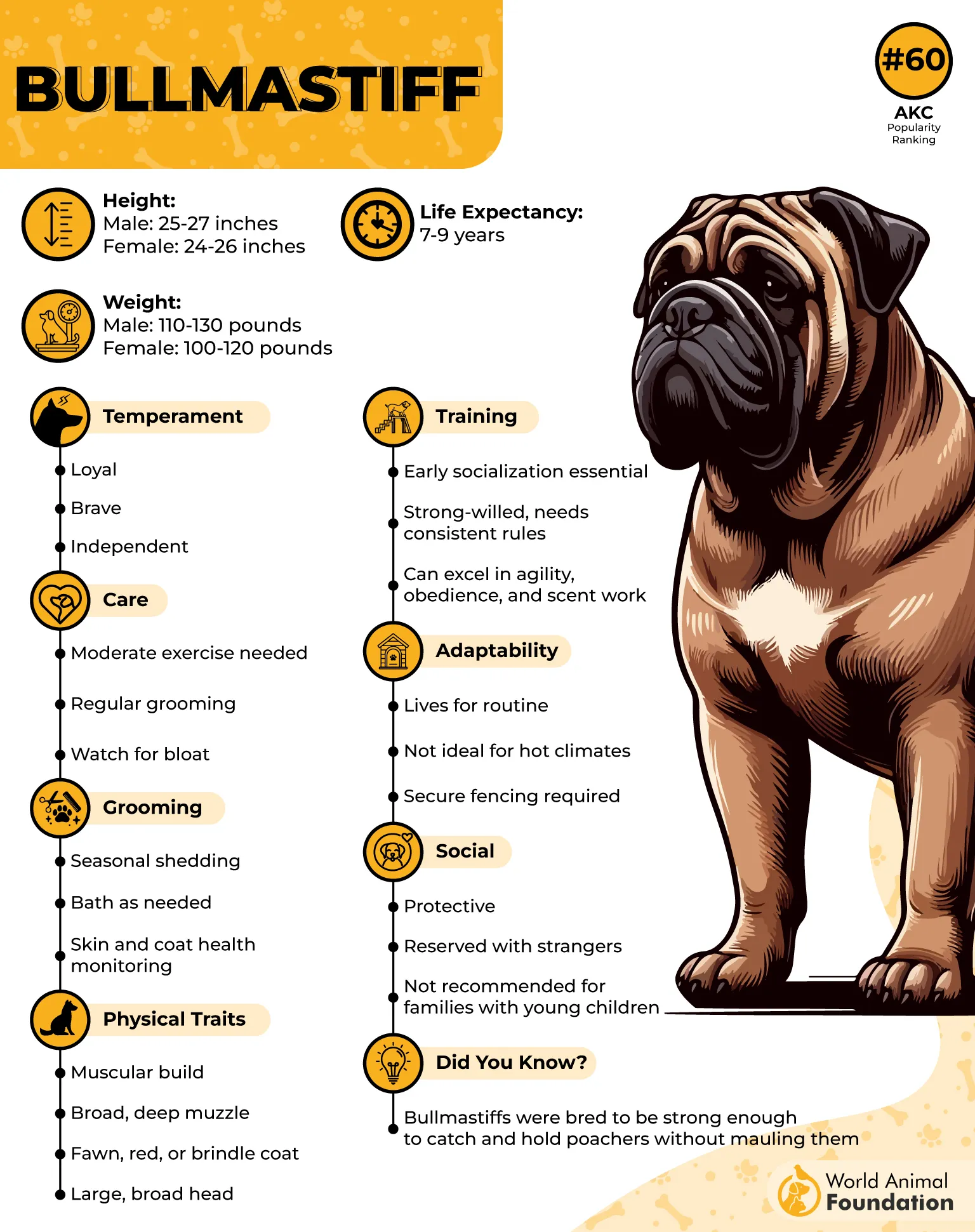
It requires 30-50 minutes of regular exercise before it gets back to lounging on the sofa. The walk should be divided into two sessions; scent work and obedience training are highly recommended. However, high-impact activities (stair climbing and jumping) should be avoided to prevent joint issues.
6. Akita
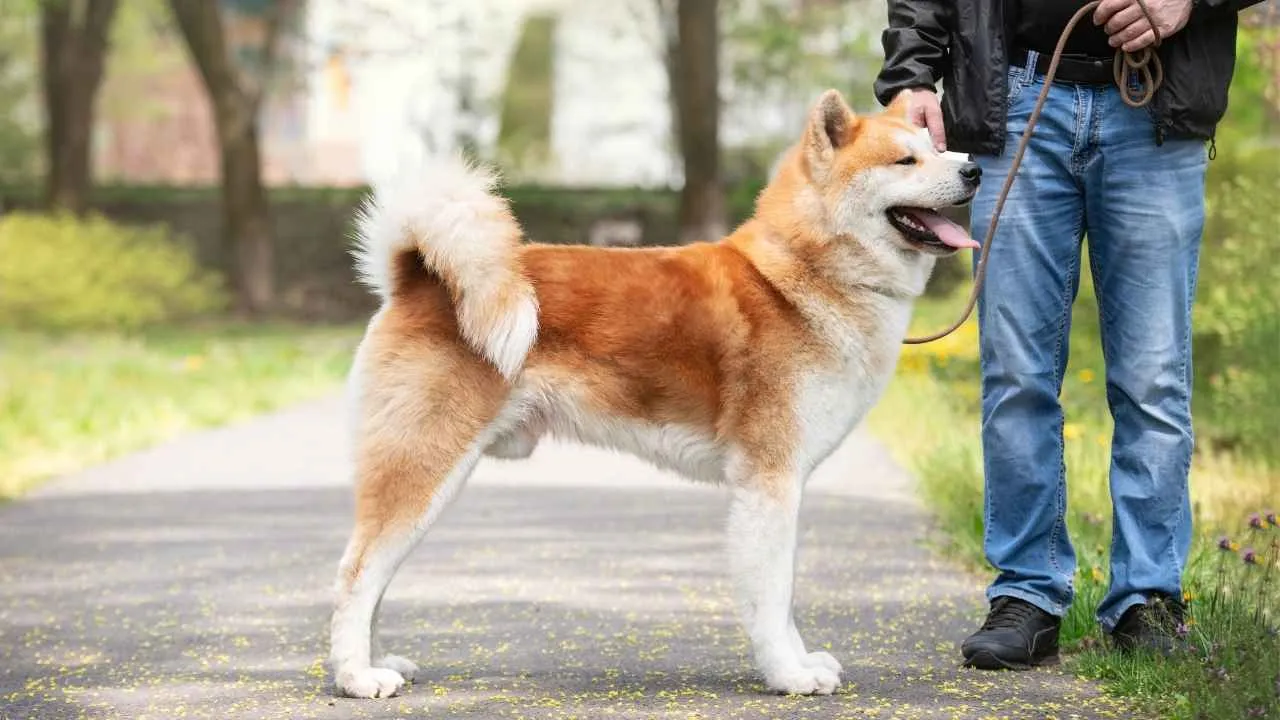
This fiercely loyal breed was developed in the northern mountains of Japan and is believed to be a fighting dog that used to fight alongside Samurai centuries ago. The breed is considered a symbol of wealth and good luck in Japanese culture. The breed has webbed feet and a thick coat that helps it swim in freezing water and bear the cold winds of the icy mountains.
The breed has a massive bite force of 350-400 PSI, capable of neutralizing a threat if physical deterrence is not working out. It is a Velcro dog and forms a deep connection with family and small children. It tends to make independent decisions despite being emotionally attuned to the owner.
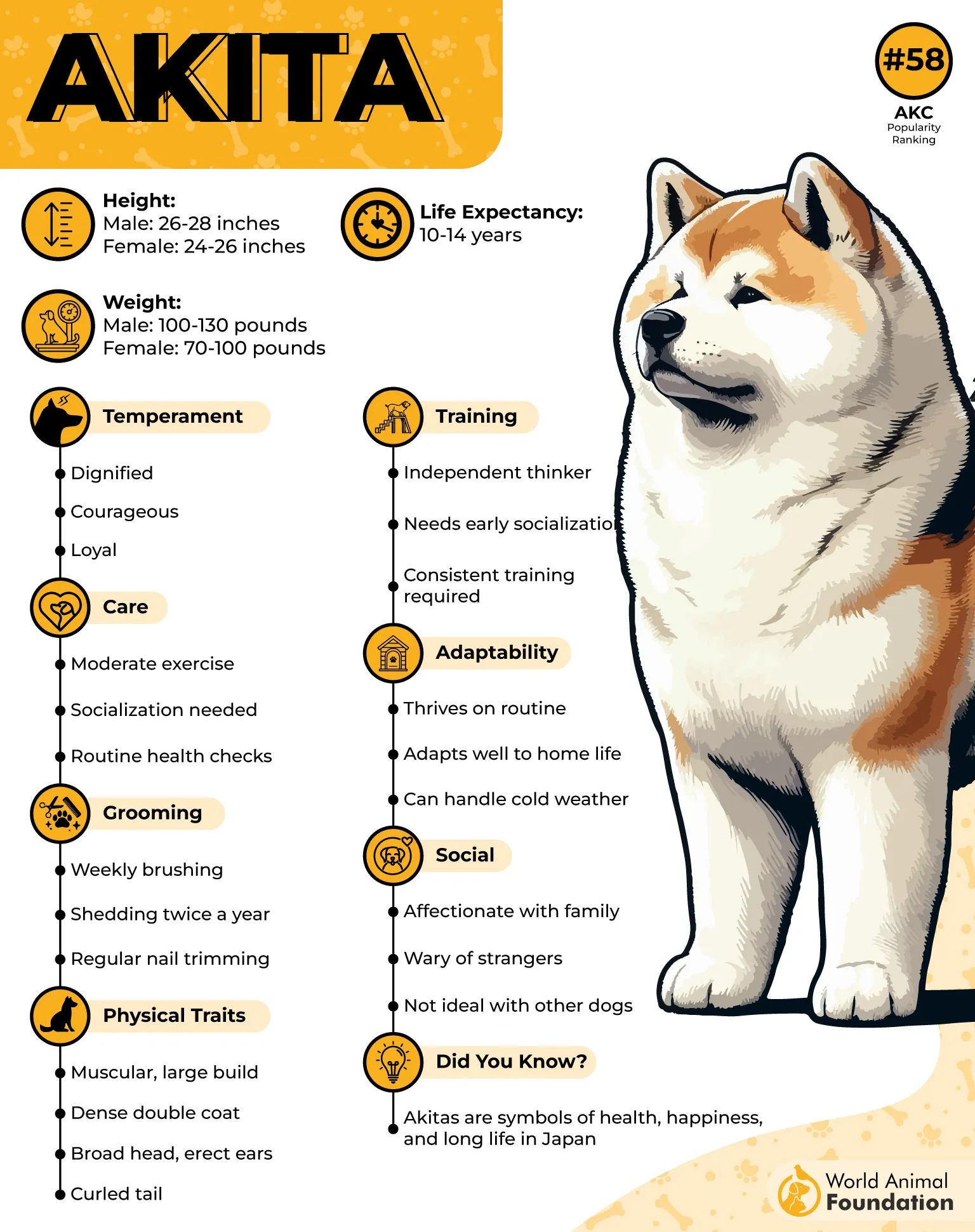
An Akita named Hachikō was famous for being so loyal that it waited for its owner to return at the Tokyo railway station for 10 years, not knowing he was already dead. It needs almost 2 hours of daily exercise: brisk walks, on-leash training, swimming, hide-and-seek, and dog sports.
7. Cane Corso
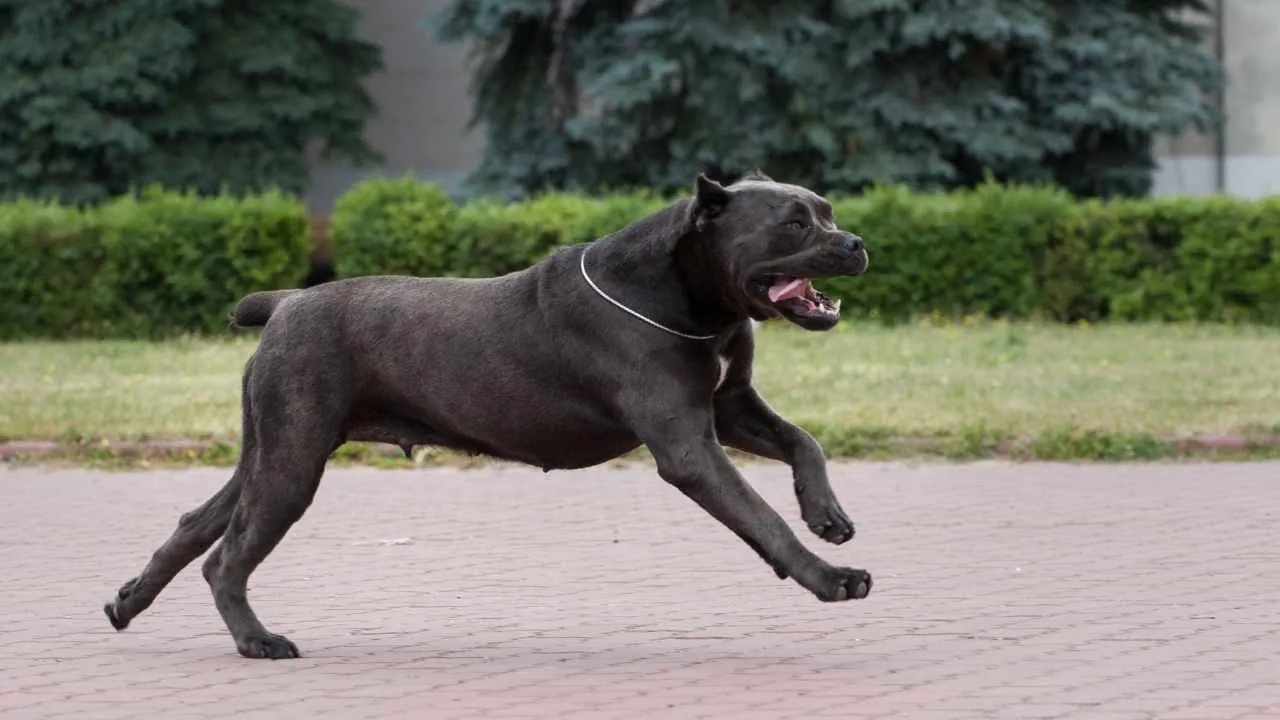
This Italian dog originated as a guard or companion dog and is also used as a livestock guardian. It was also used as a hunting dog in the past as well. With a bite force of 700 PSI, this dog breed is capable of fighting with a lion, and a pack of this fierce breed can even knock a lion down.
It has a strong memory: it studies its territory, maps out the entry points, and positions itself between the attacker and the owners in case of any threatening situation. The breed stands 23.5-27.5 inches tall and weighs around 90-140 pounds, and the glossy, short, and black coat already scares the potential threat.
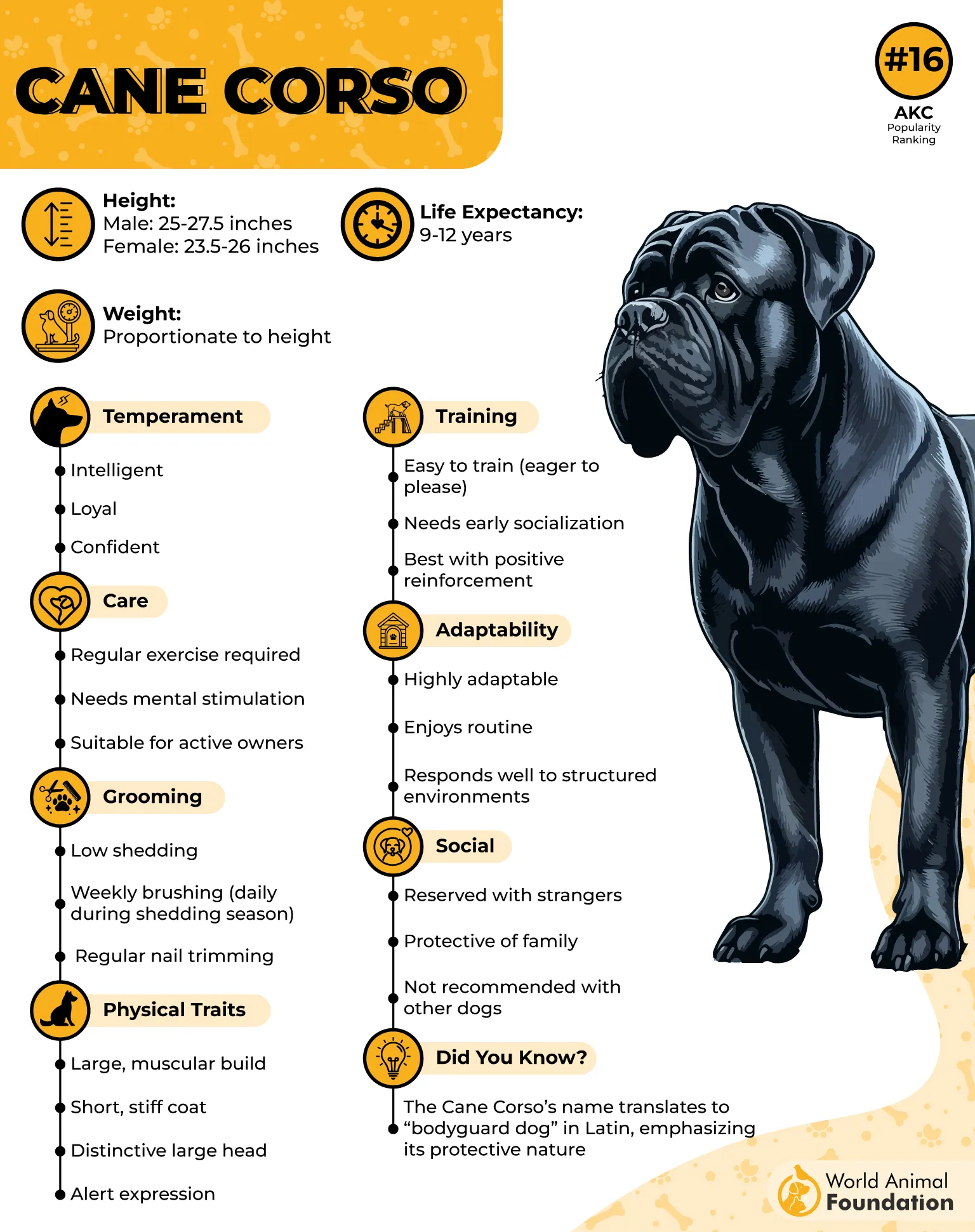
It requires 1-2 hours of daily exercise: hiking, long walks, off-leash play, puzzle games, obedience training, agility, and fetching. Because of its heavy boned structure, high-impact exercise must be avoided before 18-24 months of age to prevent joint issues.
8. Giant Schnauzer
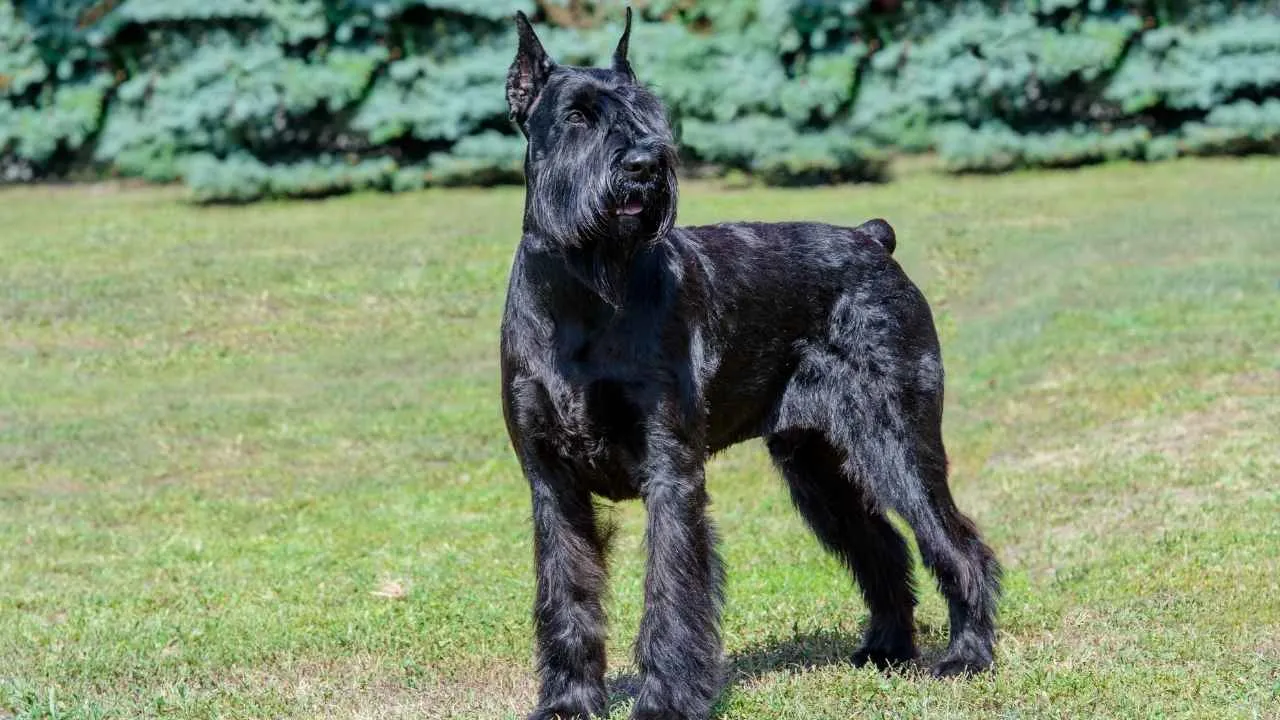
Originating in Germany, the Giant Schnauzer is the biggest of all three Schnauzer breeds. Its primary goal was to assist farmers in protecting livestock and guarding farmers’ property. Later, it moved to the urban societies, where it started working as a guard dog for stockyards, butcher’s shops, and breweries.
It has an imposing size of 60-140 pounds, and with a bite force of 400-450 PSI, it can easily get you hospitalized. It has a facial beard to protect the jaw joints and face from cattle bites. The wiry, dense double coat is water-resistant and acts as a physical barrier against thorns and predators’ bites.
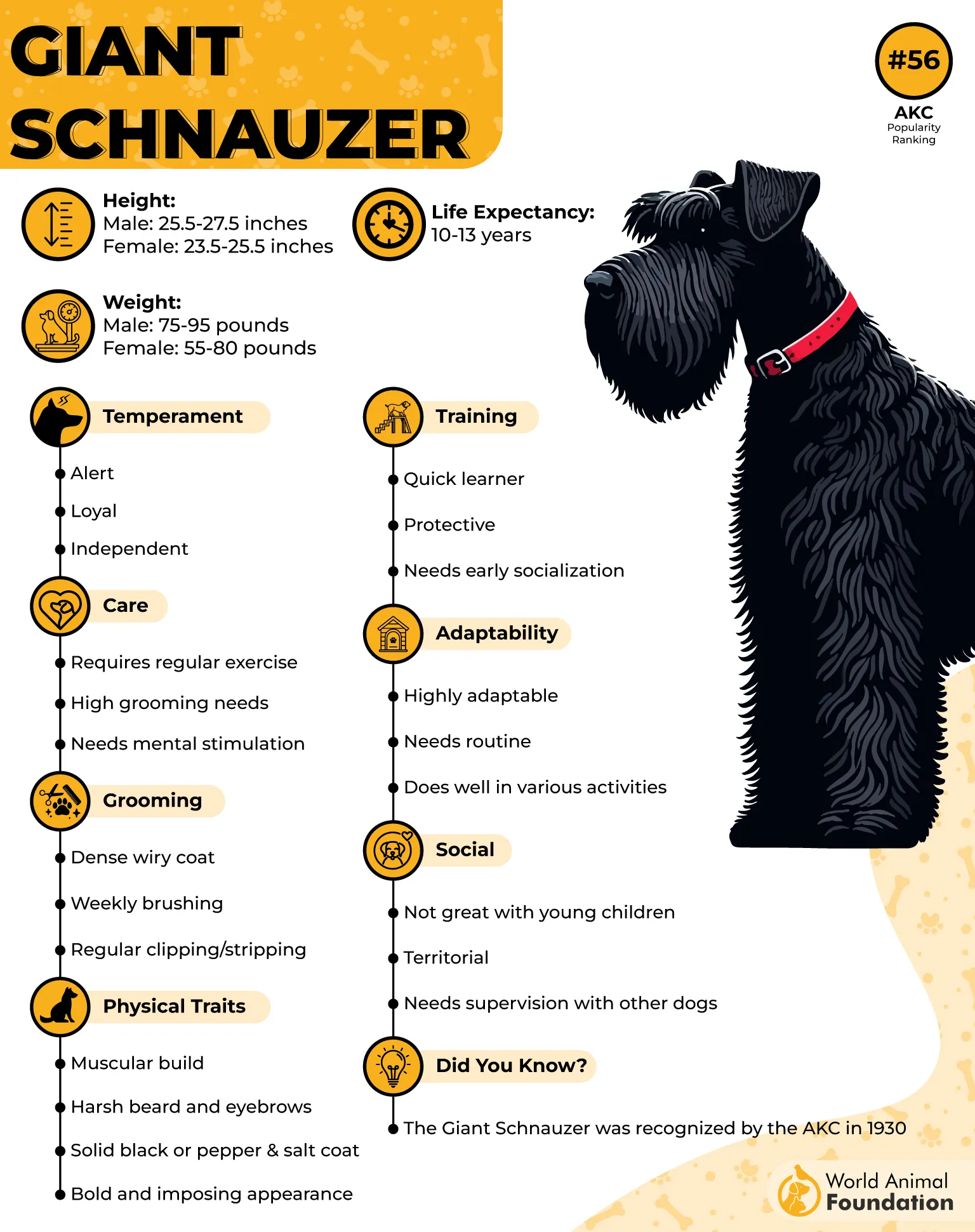
It has a spatial memory where it stores the routine sounds and maps the territory. Whenever a deviation occurs, it activates its alert mode and prepares itself to protect the territory and the family first. This dog has high exercise needs (90-120 minutes daily).
9. Rhodesian Ridgeback
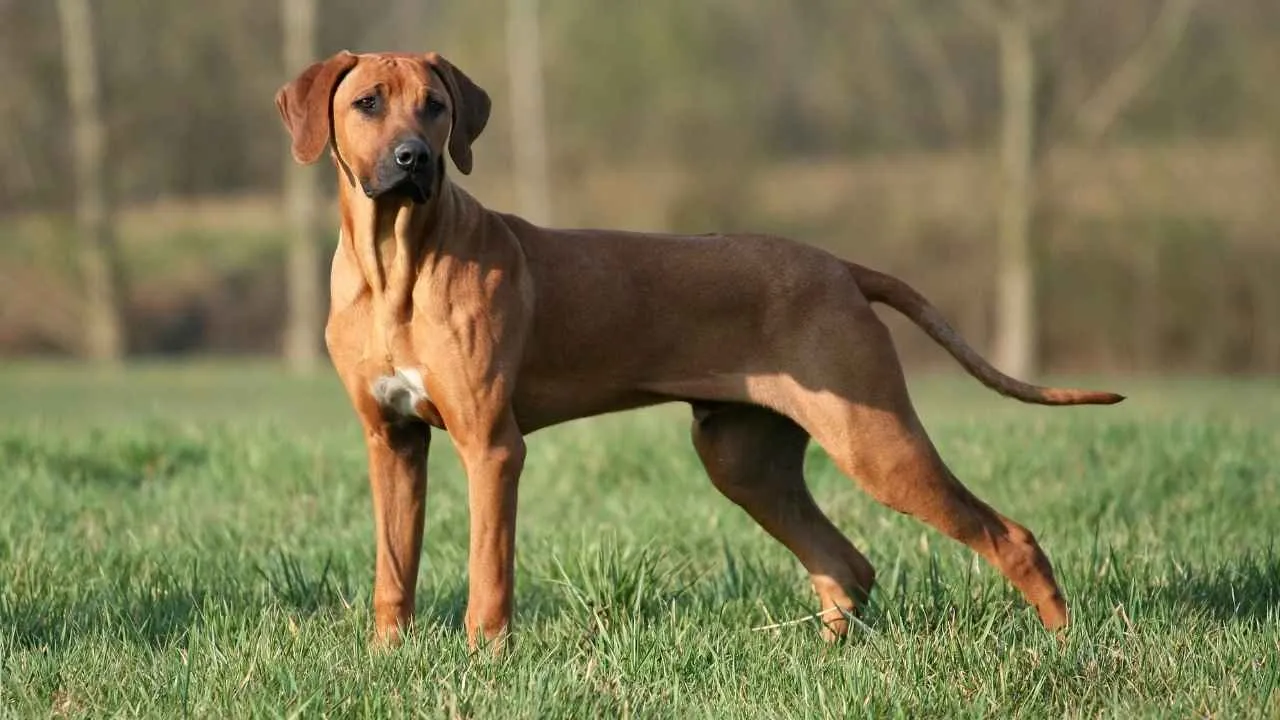
This large dog was originally bred in Southern Africa and was further refined by F.R. Barnes in Southern Rhodesia. It was primarily used as a guard dog and for hunting, but then crossed with some European dogs to hunt large game, such as lions.
This powerful family pet has a deep and broad chest, up to 300 million olfactory receptors, and a keen sense of sight. All these attributes collectively make it a perfect match for family and personal protection.
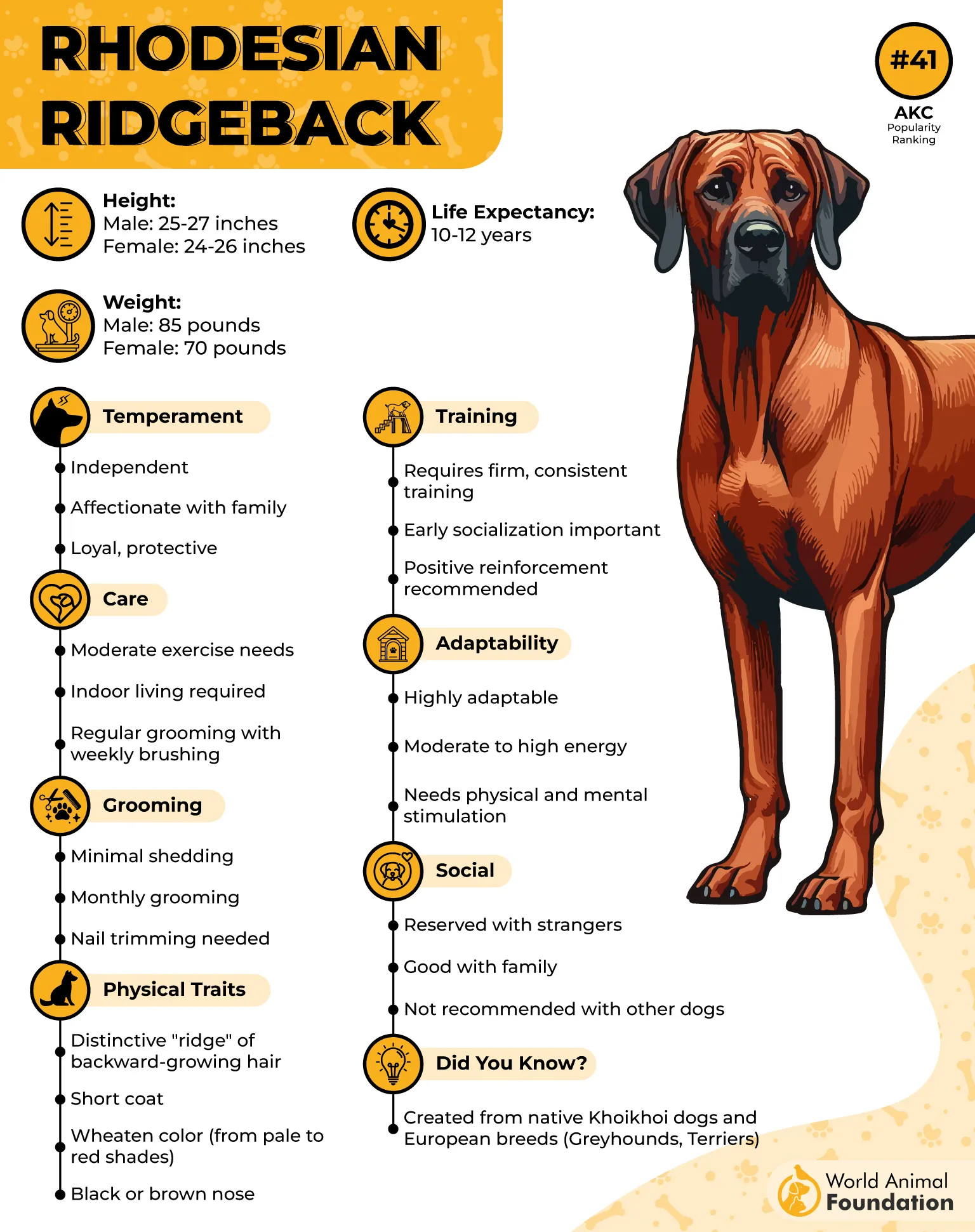
The fearless disposition allows it to face off with much larger animals, and it remains calm during stressful situations. This protective dog breed is not suitable for first-time dog owners since it can think of itself as the pack leader and may try to take charge of everything. Early socialization and proper training are non-negotiable.
10. Tibetan Mastiff
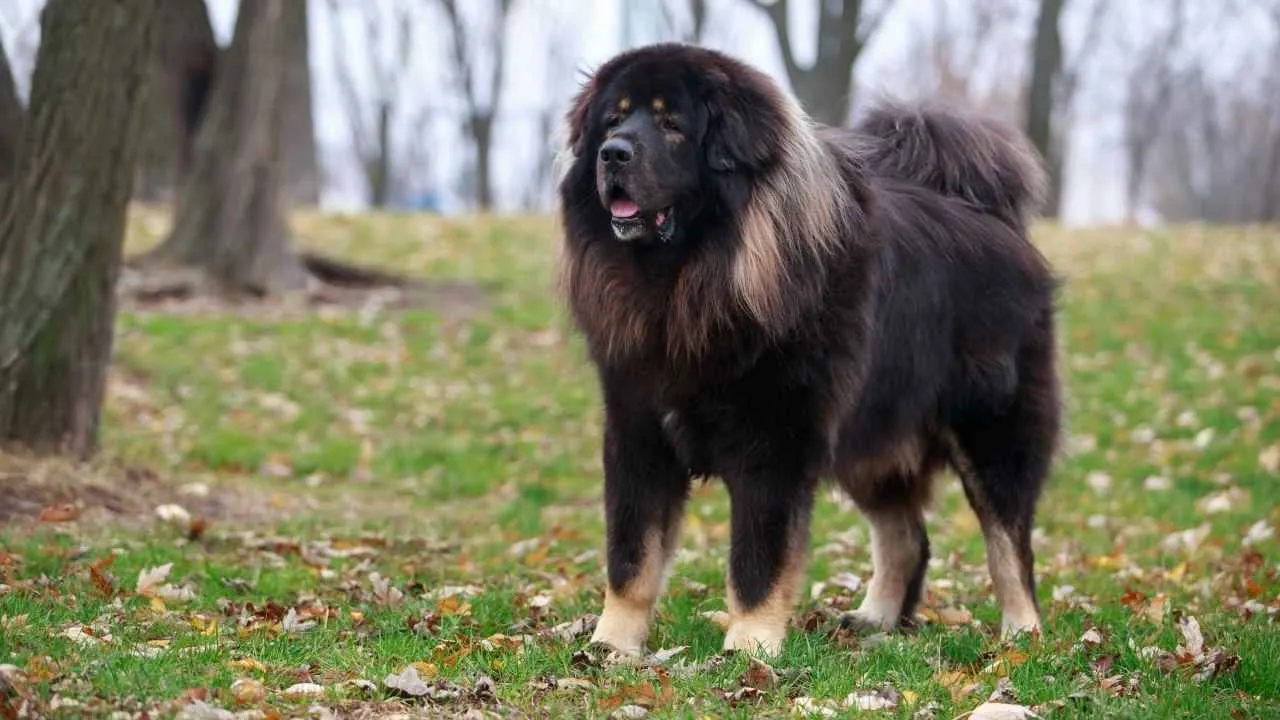
This is one of the ancient dog breeds, originating in China, dating back 3,000 years. It was initially used to protect properties and even an entire village and its livestock. It has a lion-like mane that protects it during a fight.
It produces a low-frequency bark that covers long distances. Since it is a nocturnal breed and works efficiently at night, it has a strong sense of smell and hearing. It relies on conserving its energy during the day (sleeping 14-16 hours during the day) and becomes active at night.
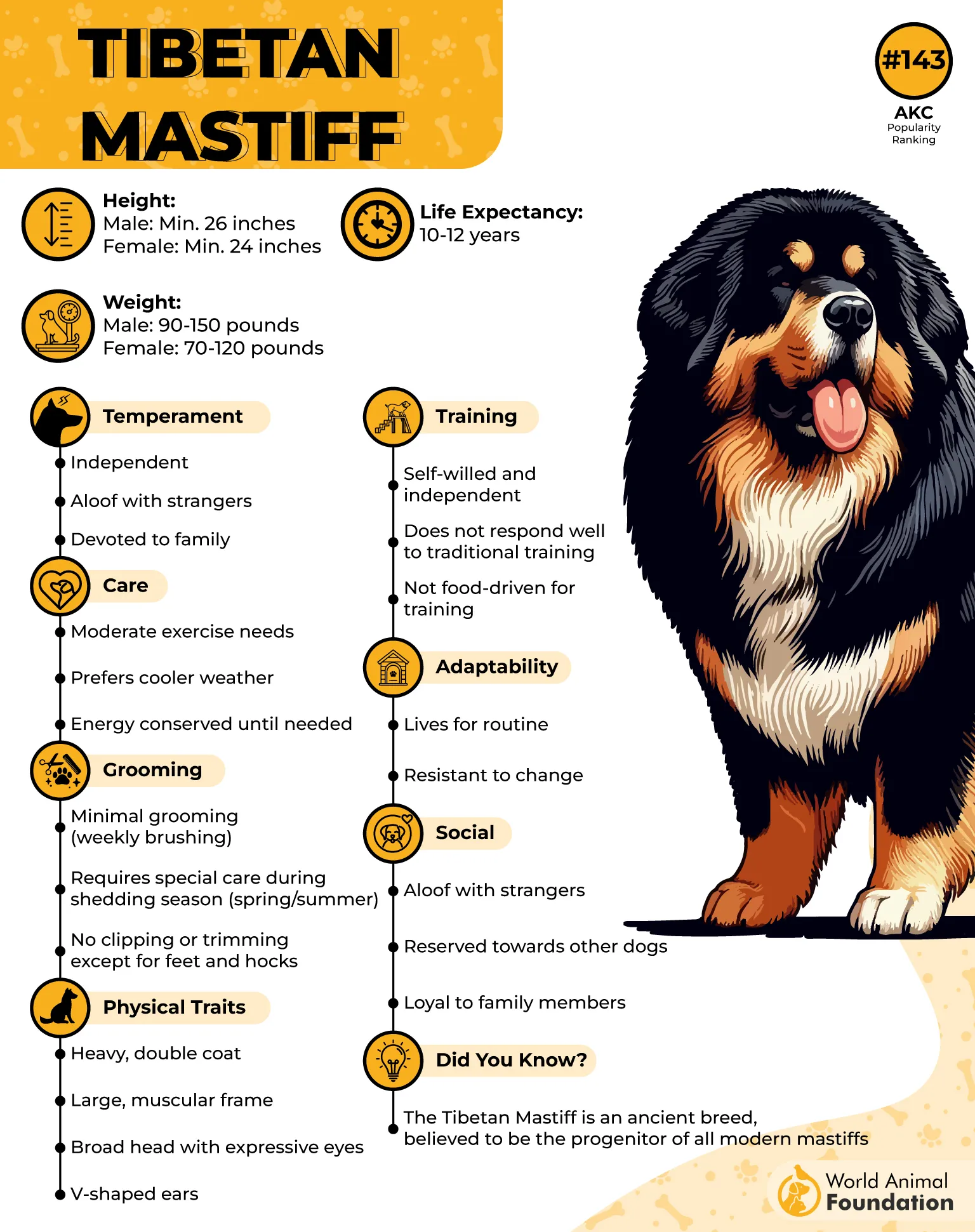
It is naturally affectionate and aloof with strangers, categorizing everything into two distinctive groups: ‘them’ (the strangers) and ‘us’ (the pack). It is naturally territorial and can guard your property without any formal training.
Conclusion
Picking the right guard dog is not just about grabbing the biggest, most intimidating breed and calling it done. It is matching the right dog to your lifestyle, your home layout, your experience level, and the people, especially children, already living in your space.
Train consistently. Socialize early. Treat them as family, because that is exactly how they will treat you in return. Do that, and you will have a protector that does not clock out, never calls in sick, and would genuinely put itself between you and danger without a second thought.
