





Bringing home your first dog is the beginning of a heartwarming adventure, but choosing the right companion can feel overwhelming. You want a loyal friend who fits naturally into your home, routine, and experience level.
The best first dog is not simply the cutest one you meet. Temperament, energy level, trainability, grooming needs, and size can all influence how comfortably a dog fits into your lifestyle and how confidently you handle your new responsibilities.
With the right match, first-time ownership can feel less daunting and more rewarding as you learn, grow, and build a lasting bond together.
FACT: Dogs with adaptable temperaments and manageable care needs can help first-time owners adjust more confidently to daily pet parenting responsibilities.
Reliable Dog Breeds for First-Time Dog Ownership
1. Labrador Retriever

The Labrador Retriever is a friendly all-rounder that enjoys being involved in everyday life. Whether joining the family on an outing, relaxing beside an outdoor café, or accompanying someone on a run, this sociable breed loves feeling included. According to the AKC, the Labrador Retriever is an enthusiastic and energetic dog.
Its eagerness to please, affectionate nature, and ability to learn can make training more manageable for first-time owners. Labs also tend to form strong family bonds and generally adapt well to homes with children.
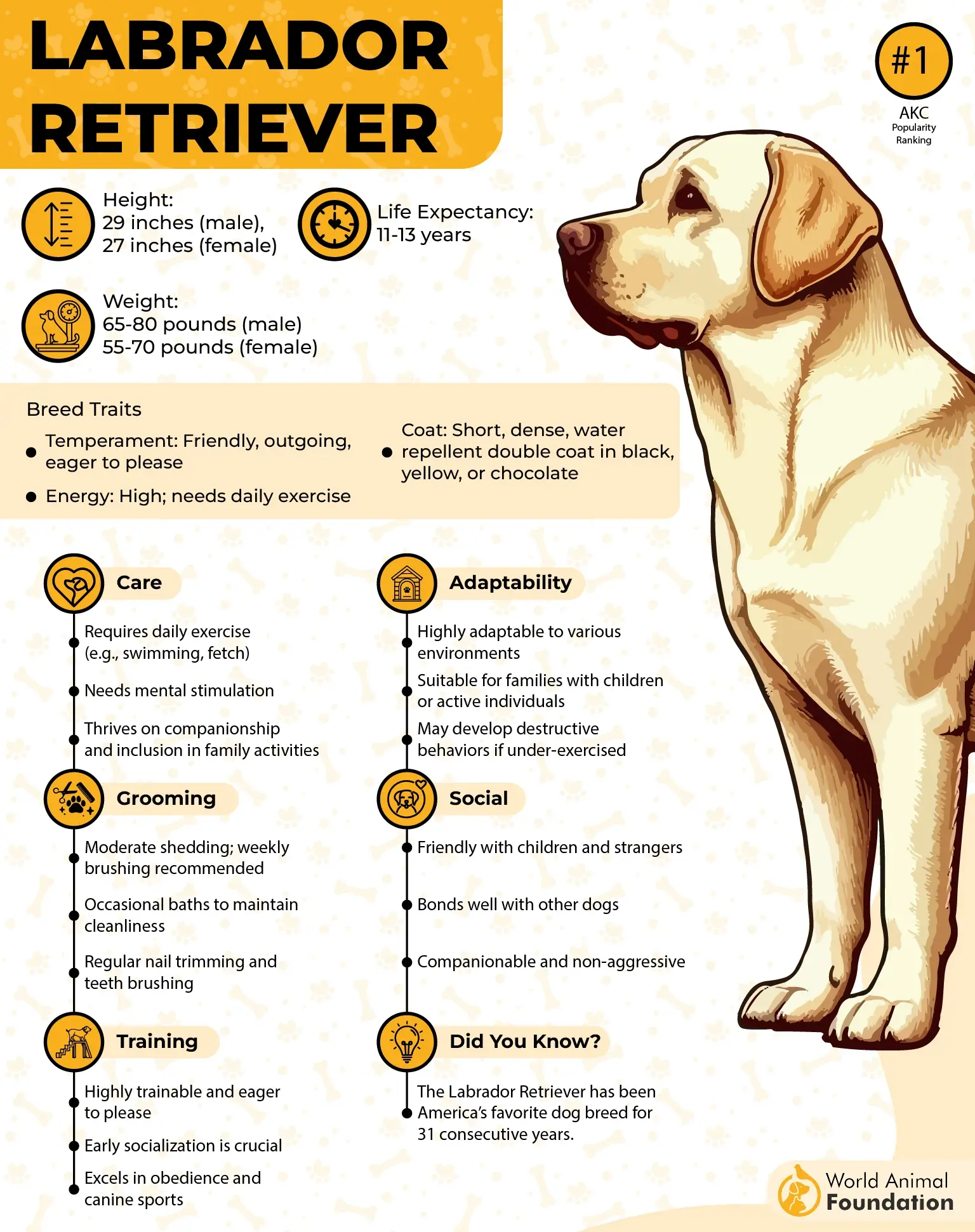
An active lifestyle suits this intelligent, playful dog best. Regular walks, games of fetch, runs, and other mentally engaging activities help keep a Labrador happy while giving new owners plenty of ways to build a routine together.
Prospective owners should be prepared to manage a Lab’s strong appetite, as overeating can lead to weight gain. Without enough exercise and stimulation, boredom may also result in unwanted behavior, while routine care should account for potential joint concerns such as hip and elbow dysplasia.
2. Golden Retriever
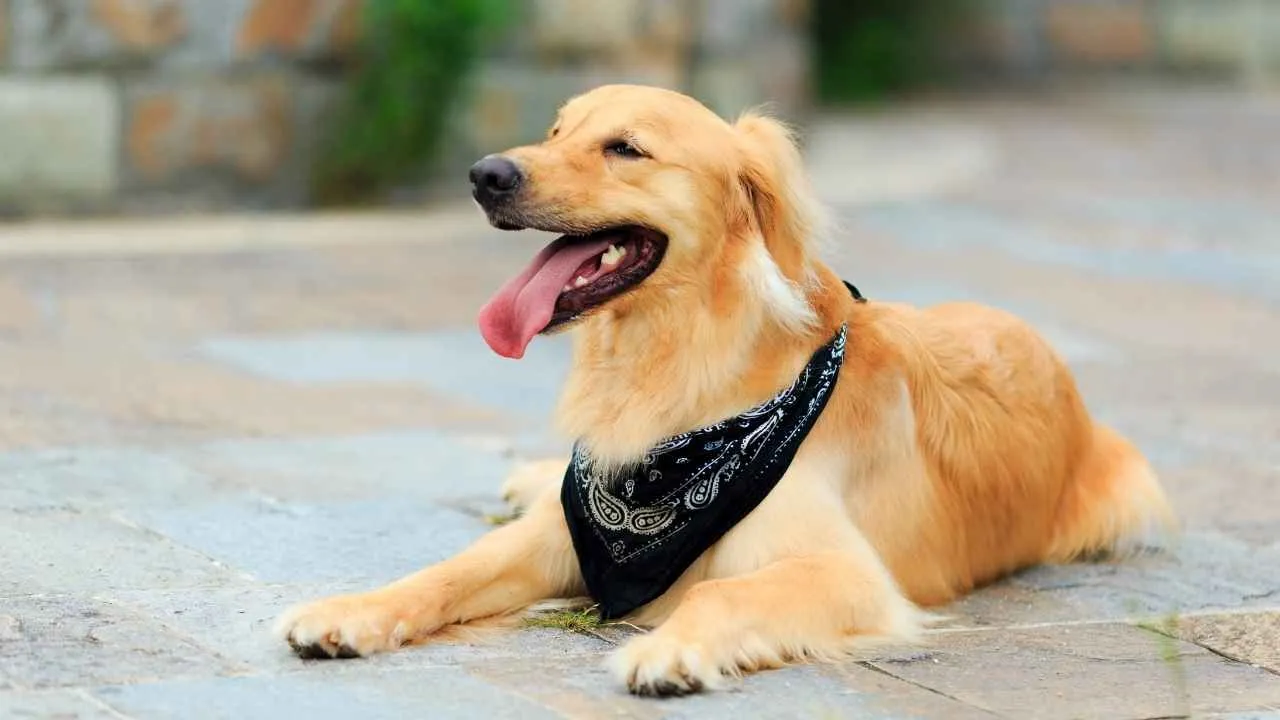
Golden Retrievers are eager-to-learn companions whose intelligence and strong desire to please can make the learning process especially rewarding for first-time owners. They respond well to consistent guidance and enjoy building new skills alongside their people.
Their patient, affectionate, and even-tempered nature also helps them fit comfortably into family life. They generally get along well with children, other dogs, and even cats, while their loyalty and adaptability make them dependable companions in many households.
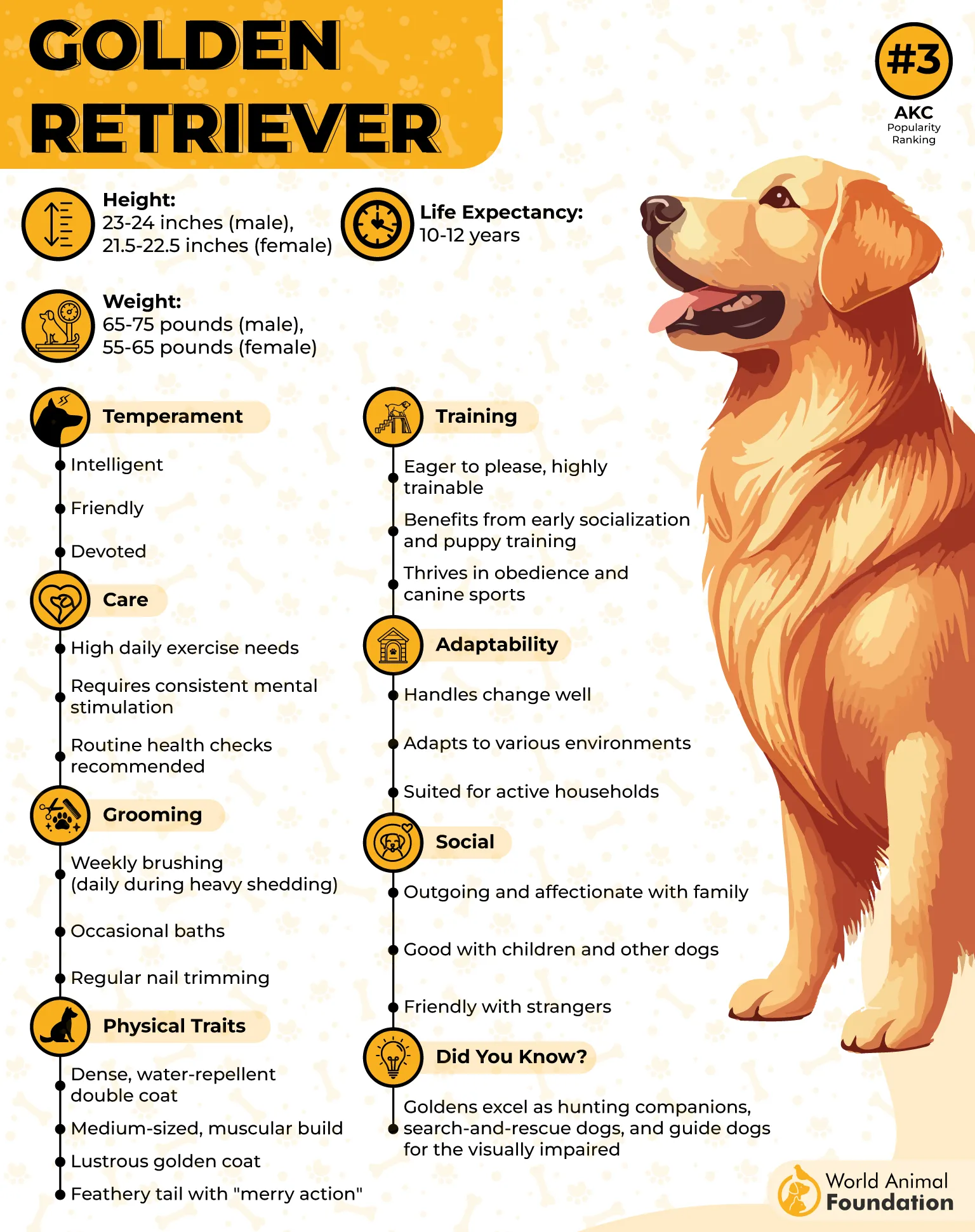
New owners should be prepared for an active dog that needs plenty of daily exercise, play, and mental stimulation. Without enough engagement, a bored Golden may develop unwanted behaviors, so regular training and interactive activities are important.
Their thick coat requires frequent brushing to control shedding and prevent tangles. According to PetMD, Golden Retrievers lose a significant amount of fur. Prospective owners should also consider the breed’s potential for joint, heart, vision, and dental problems, particularly as the dog ages.
3. Cavalier King Charles Spaniel
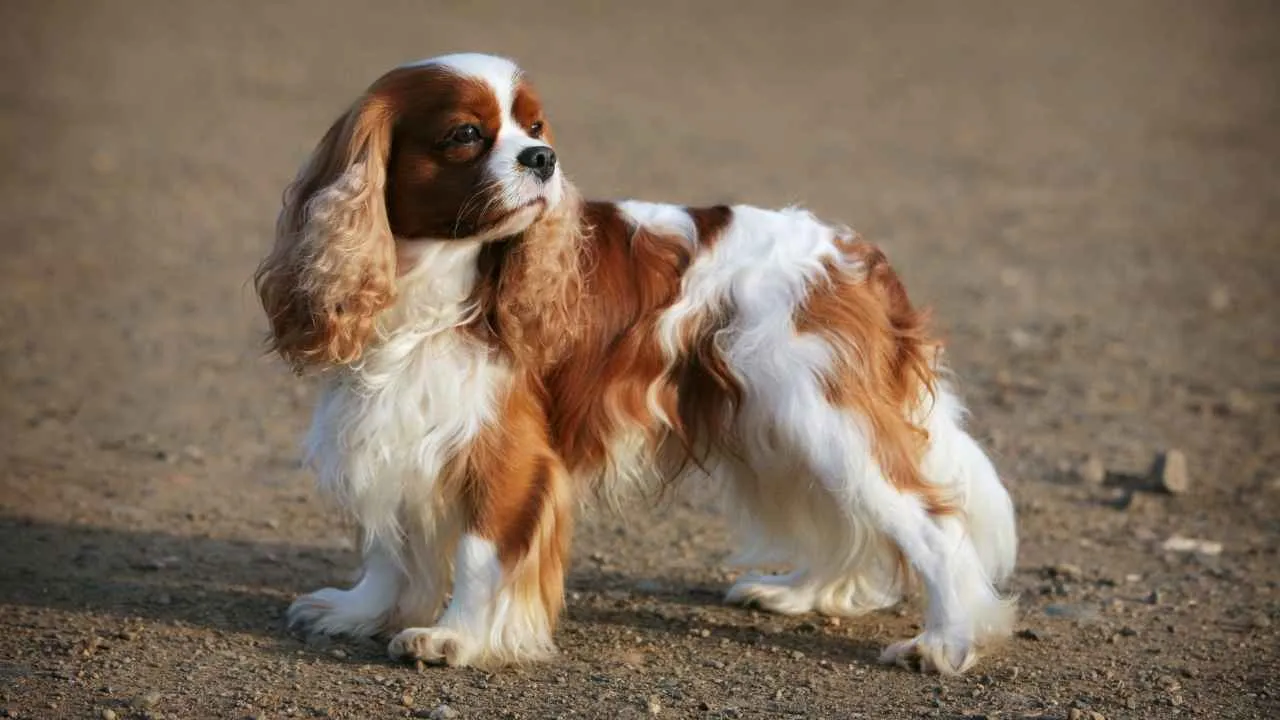
The Cavalier King Charles Spaniel has a heartwarming way of making companionship feel natural. With its puppy-like appearance, gentle expression, and affectionate personality, this small dog often forms close bonds with its family.
For a first-time owner, its adaptable and calm nature can make daily life feel less overwhelming. Cavaliers usually get along well with children and other pets, while their friendly disposition also helps make socialization and training easier.
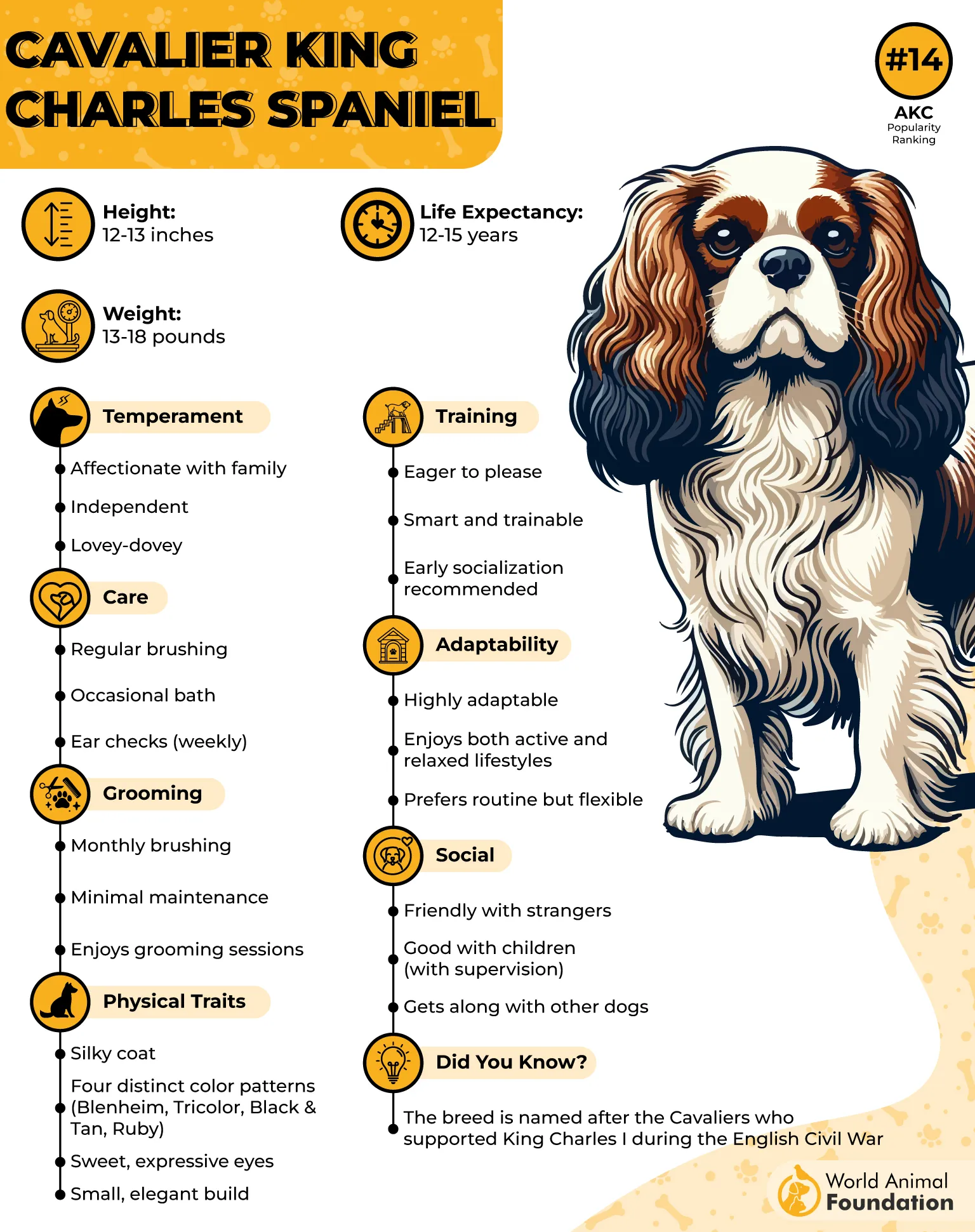
They enjoy relaxing beside their favorite people but still need gentle daily walks or playtime to stay active. Regular brushing is important for keeping their silky, medium-length coat free from tangles, though their overall grooming routine is fairly manageable.
One important consideration is that Cavaliers dislike being left alone for extended periods and can be prone to certain health problems, including heart disease and syringomyelia. They are therefore better suited to homes where they can receive plenty of attention and companionship.
4. Shih Tzu
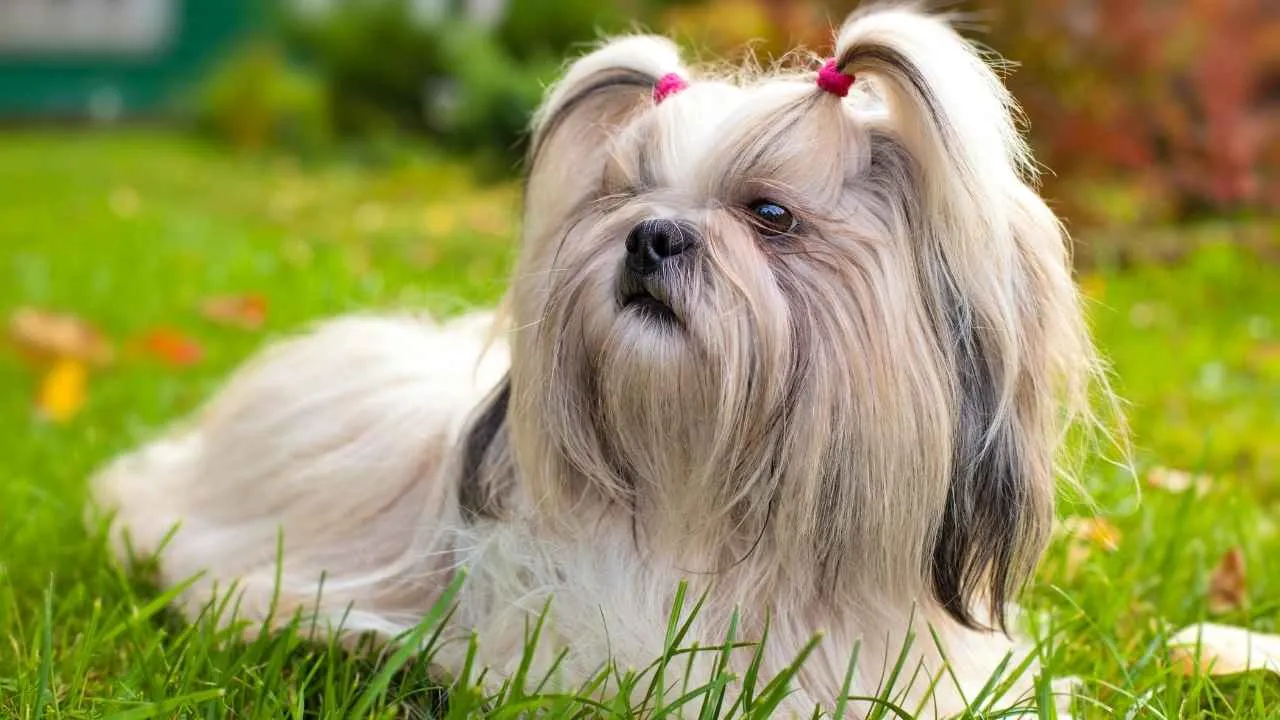
The Shih Tzu may be small, but this charming house companion brings plenty of personality into a home. Originally bred for companionship, it typically has little interest in herding or hunting, making it a naturally people-focused choice.
For first-time owners, its gentle playfulness and affectionate nature can be especially appealing. Shih Tzus enjoy family time, whether playing with children or happily settling beside their favorite person on the couch.
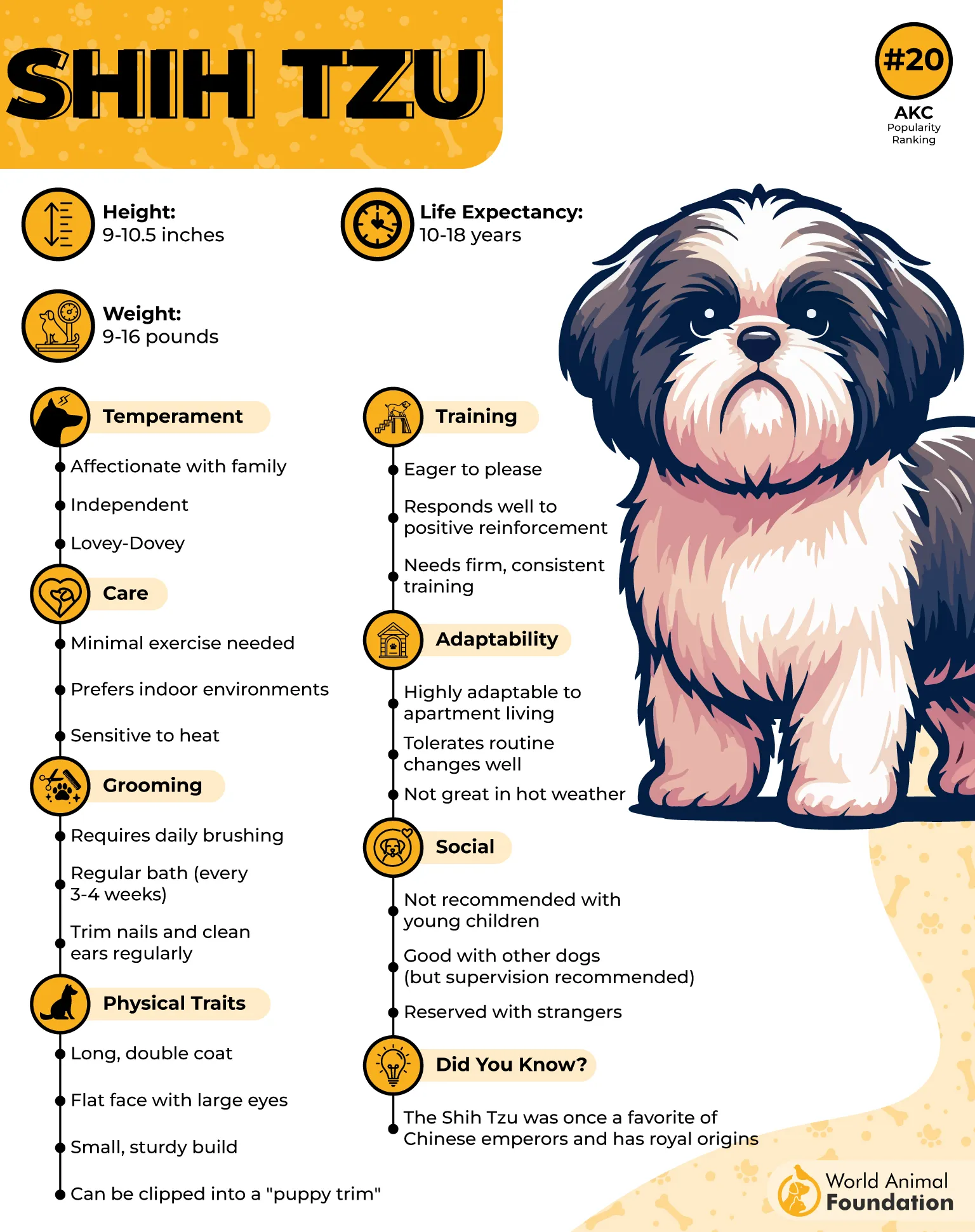
They also adapt well to apartments and generally have modest exercise needs, so daily life with one is usually manageable. Their low tendency to shed is another bonus, although their silky coat needs regular brushing to prevent tangles.
There is a slightly independent side behind that adorable face, so avoid excessive pampering and establish consistent boundaries early. They also crave close companionship and may struggle when left alone too often, while grooming and potential short-snouted health concerns require consideration.
5. Bichon Frise
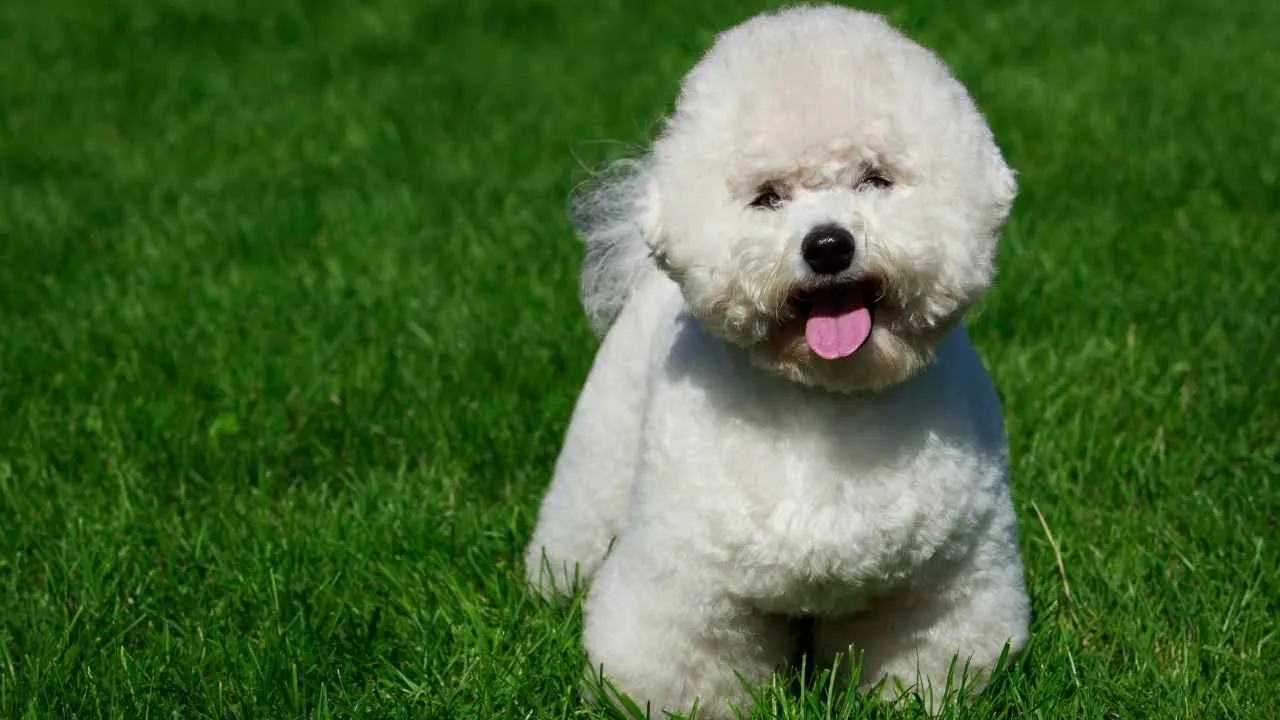
The Bichon Frise is a cheerful, fluffy companion that brings plenty of personality without demanding an overly active lifestyle. Its playful, confident nature can brighten daily life, while moderate walks and park visits are usually enough to keep it content.
For first-time owners, this intelligent little dog is relatively easy to train and adapts well to different homes, including apartments. Bichons also tend to get along well with children and enjoy joining family activities, making them a flexible companion for various lifestyles.
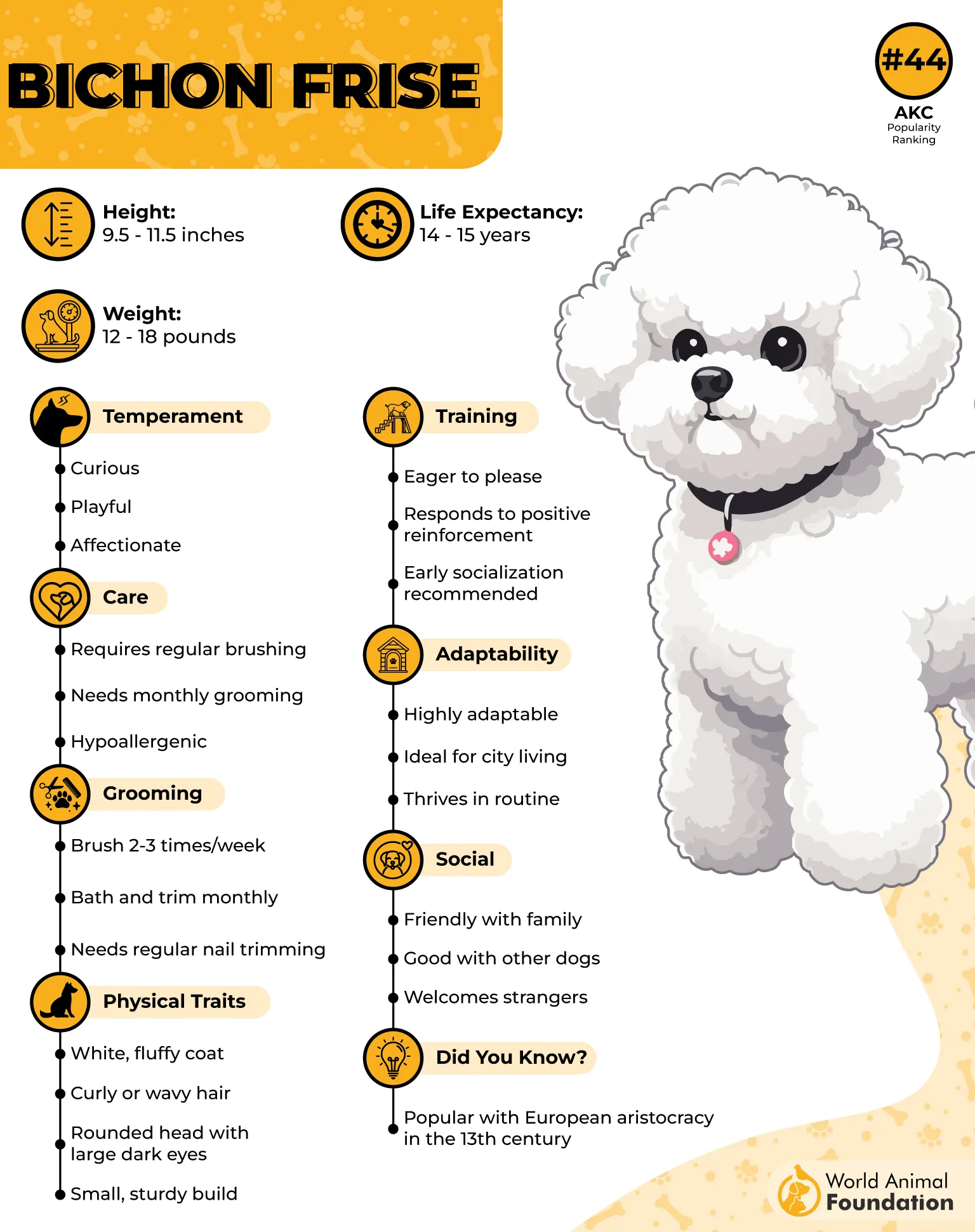
Their affectionate nature means they thrive on regular company and interaction. Early socialization can help a Bichon become more comfortable around unfamiliar people, while households where someone is home often are especially suitable because the breed may struggle with being left alone. According to Purina, this dog barks to alert its family to visitors or anything unusual.
The fluffy, low-shedding coat requires regular brushing, trimming, and professional grooming, so owners should be prepared for the time and expense involved. Mental stimulation and consistent attention also help this lively companion stay happy and well-adjusted.
6. Pug
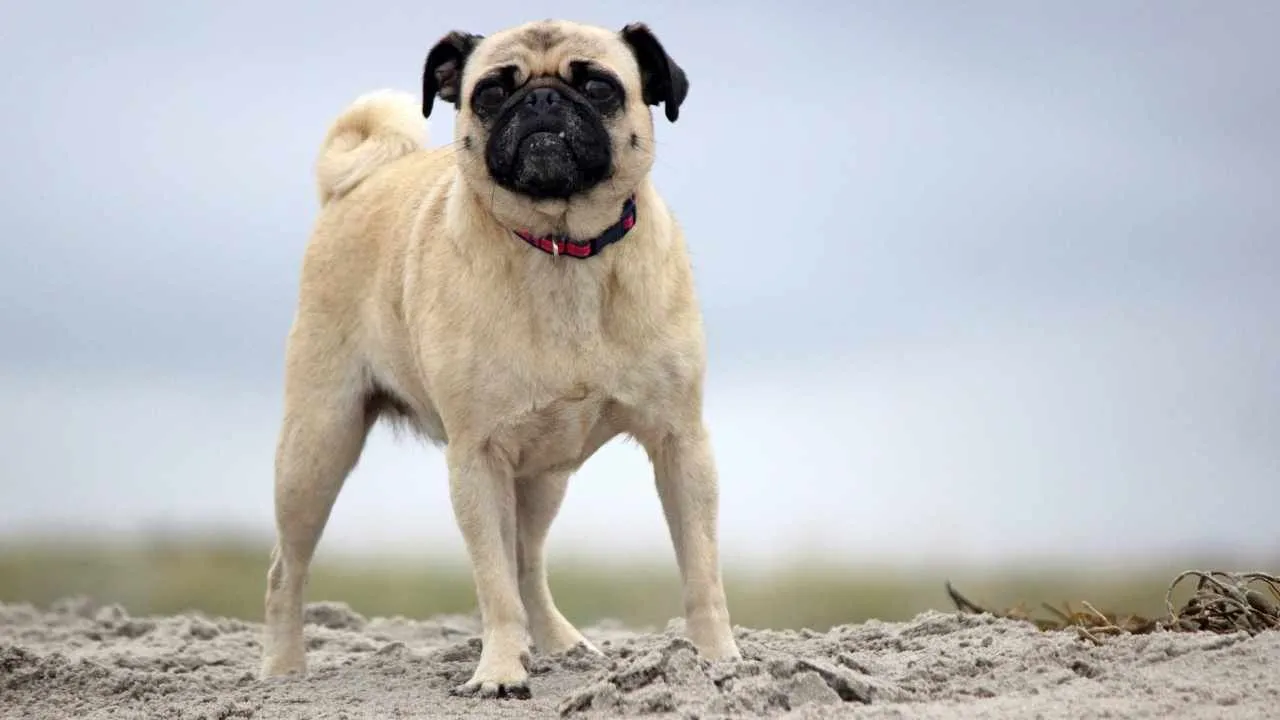
With their round, flat faces, large dark eyes, and expressive wrinkles, Pugs bring plenty of character into a home. Their naturally comical expressions and playful behavior make everyday interactions entertaining, especially for families looking for an affectionate companion.
Standing about ten to twelve inches tall and weighing roughly thirteen to twenty pounds, Pugs are easy to manage physically. Their modest exercise needs and compact build also suit apartment living and owners without highly active lifestyles.
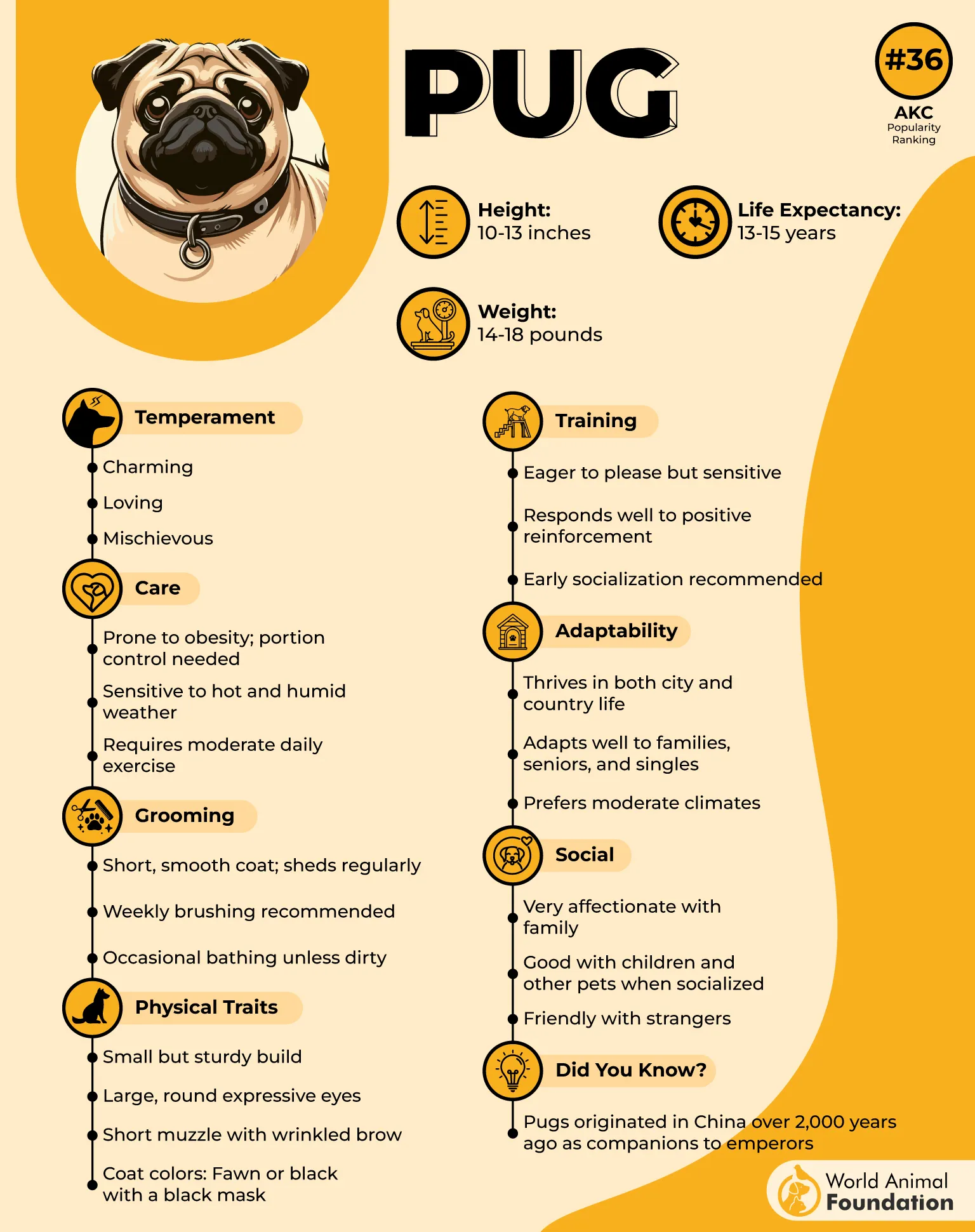
Pugs are sociable, even-tempered dogs that usually enjoy being around people and participating in family activities. They can adapt well to both calm homes and busier households, while their playful, people-oriented nature helps them form close bonds with their families.
First-time owners should still be prepared for regular wrinkle cleaning, careful weight management, and potential breathing issues linked to their flat facial structure. A balanced diet and appropriate daily activity are particularly important for keeping this cheerful companion comfortable.
7. Toy Poodle
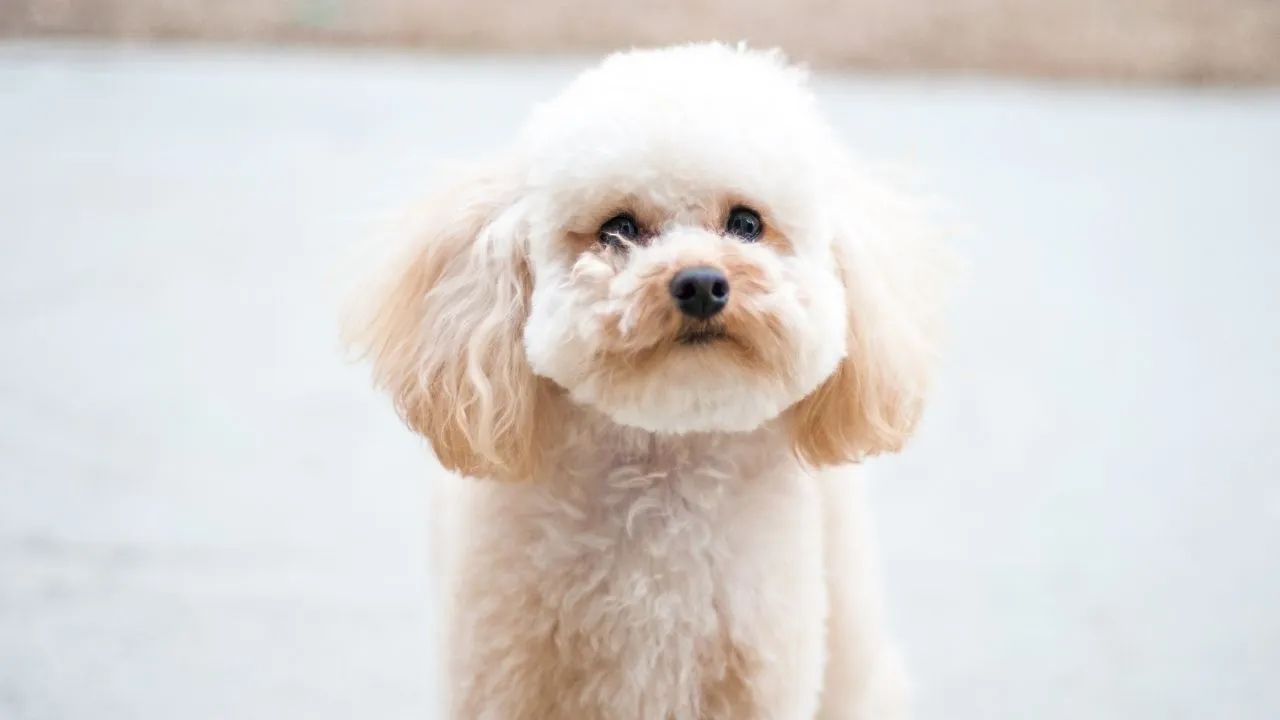
The Toy Poodle is a tiny thinker with an impressive ability to learn, making training feel more like a fun game than a difficult task.
Its intelligence helps first-time owners teach household rules, basic commands, and tricks with consistency and positive reinforcement. Playful and affectionate, this little dog also enjoys interactive games that keep its busy mind engaged.
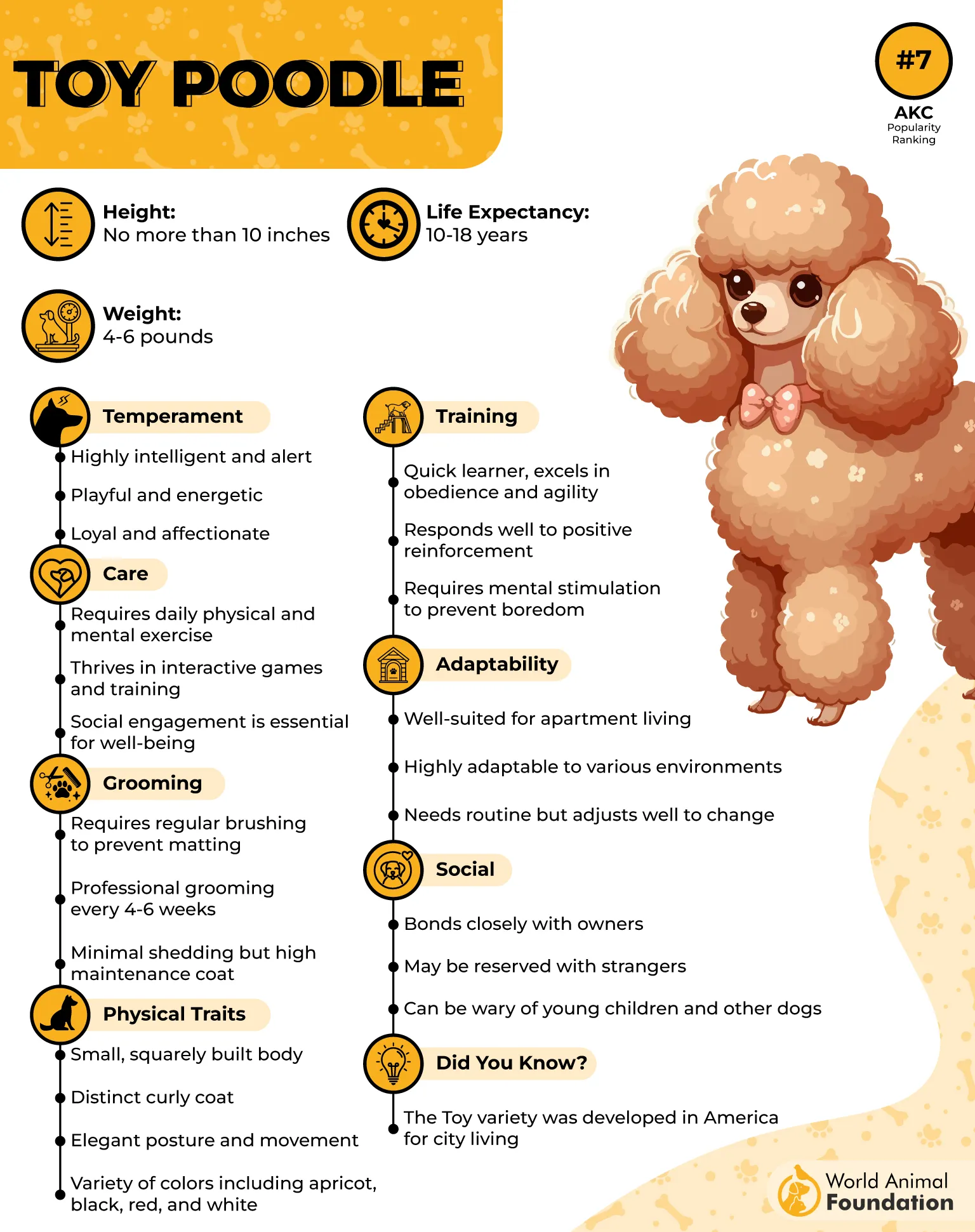
Toy Poodles adapt well to different living situations and can become loving companions for individuals or families. Their low-shedding coats may also appeal to owners concerned about dog hair, although no breed is completely hypoallergenic.
However, this bright breed needs regular mental stimulation, daily activity, and creative play to avoid boredom. Its continuously growing curly coat also requires frequent brushing and professional grooming to prevent mats and keep it in good condition.
Conclusion
Choosing a first dog becomes much easier when you focus on breeds that combine adaptability, trainability, and a dependable temperament. The right companion can make the learning process enjoyable for both you and your dog.
Reliable breeds often respond well to consistent training and thrive when their owners provide attention, exercise, and mental engagement. Their willingness to learn can help new owners build confidence while developing a strong bond.
However, every dog has individual needs, from grooming and activity to social interaction and mental stimulation. Understanding these responsibilities before bringing a dog home is essential for a successful relationship.
With patience, preparation, and proper care, first-time owners can find a loyal companion that suits their lifestyle. A well-matched dog can bring affection, fun, and lasting companionship while making the journey into dog ownership truly rewarding.
