




Want a calm guardian who also melts into cuddles at home?
Some dogs can guard your place and still feel like a soft hoodie. They stay steady when life gets noisy. They stay kind when the kids get wild. And they can still flip the switch when something feels “off.”
This blog is for people who want safety without stress. Here you will meet protective dog breeds that are known for a calm vibe, strong hearts, and big loyalty. Some are gentle giants. Some are small, but bold. All are about balance.
One quick truth: the best guard is not just about size. It is about the right dog, the right breed, and what you do next. Early training, proper socialization, and regular exercise matter a lot. And yes, mental stimulation matters too, or things get weird fast.
Relaxed Guard Dog Breeds: Loyal and Gentle Protectors
1. Boerboel
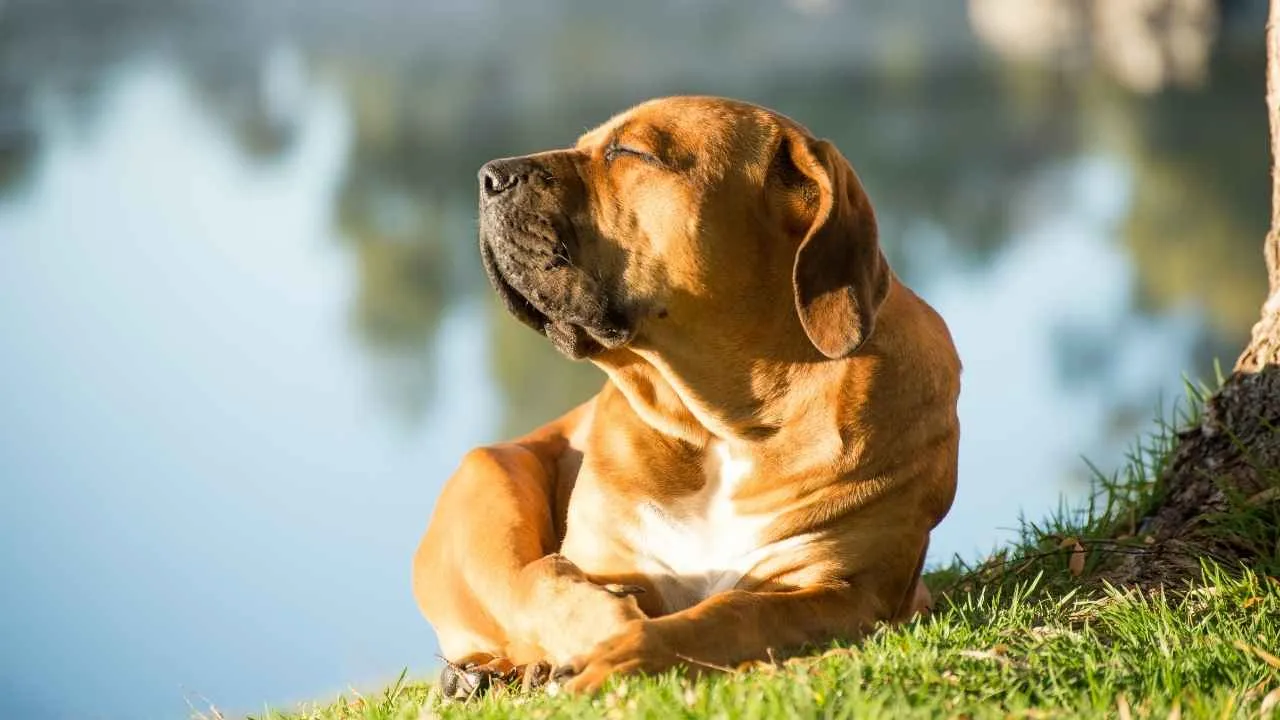
A calm powerhouse with a serious “family first” brain
According to the AKC, Boerboels were originally bred to protect homesteads, and you can still feel that instinct in how they move through a home. They tend to scan first, then relax. Around their people, many act like oversized shadows that follow you from room to room.
That strong bond can be amazing in family life, because they often settle best when they feel included, not parked outside like yard furniture.
But wait, there’s more! A Boerboel can be loving and still be naturally wary of new faces. That mix is why they can be effective guard dogs in the right home.
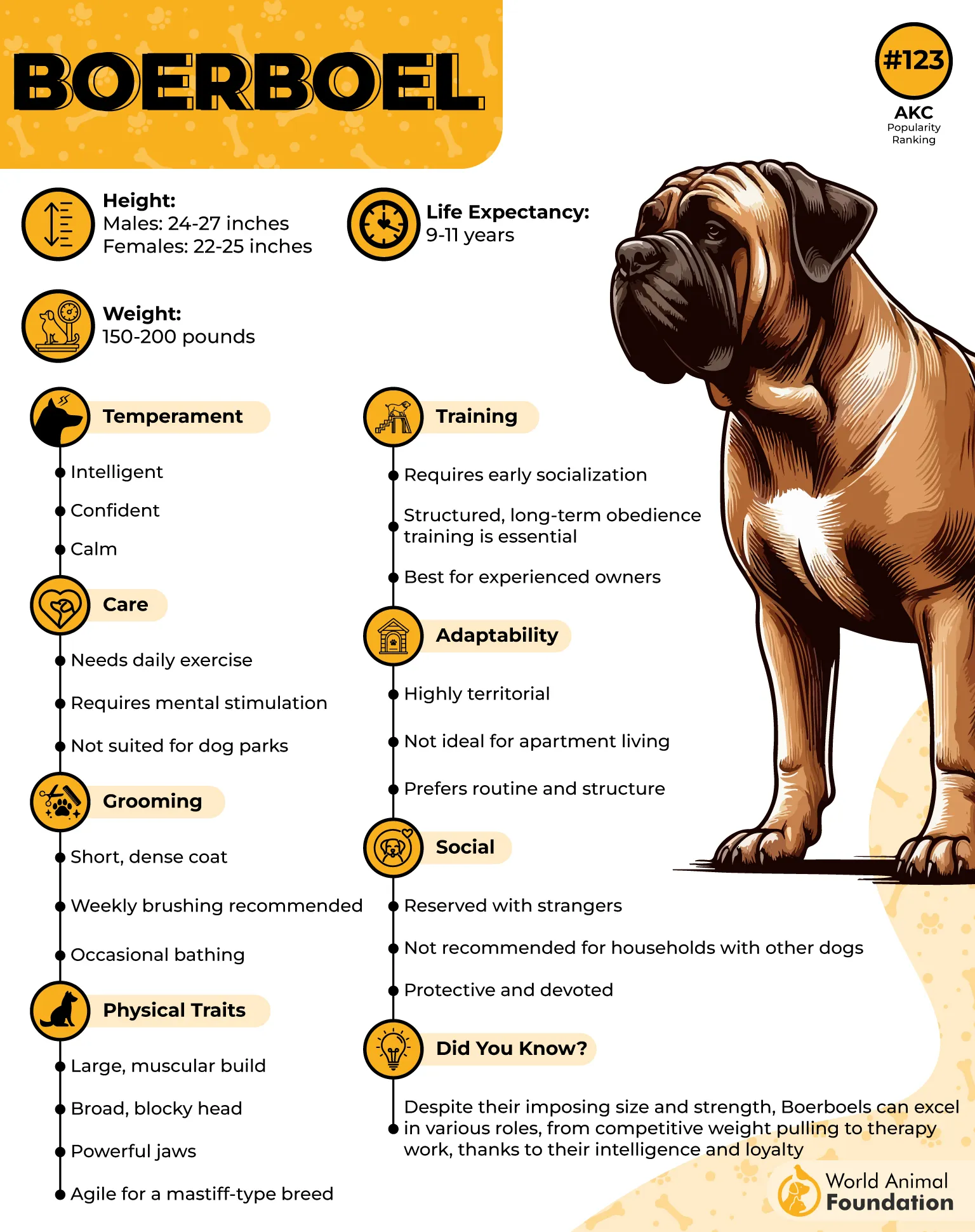
They are smart, confident, and often pick up patterns fast. This is also why early training is not optional. If you skip it, the dog may start making choices you did not ask for. Sounds crazy, right?
Boerboels can be calm with children, but size changes everything. Even a friendly lean can knock someone over. Proper training and proper socialization help them stay polite, even when excited.
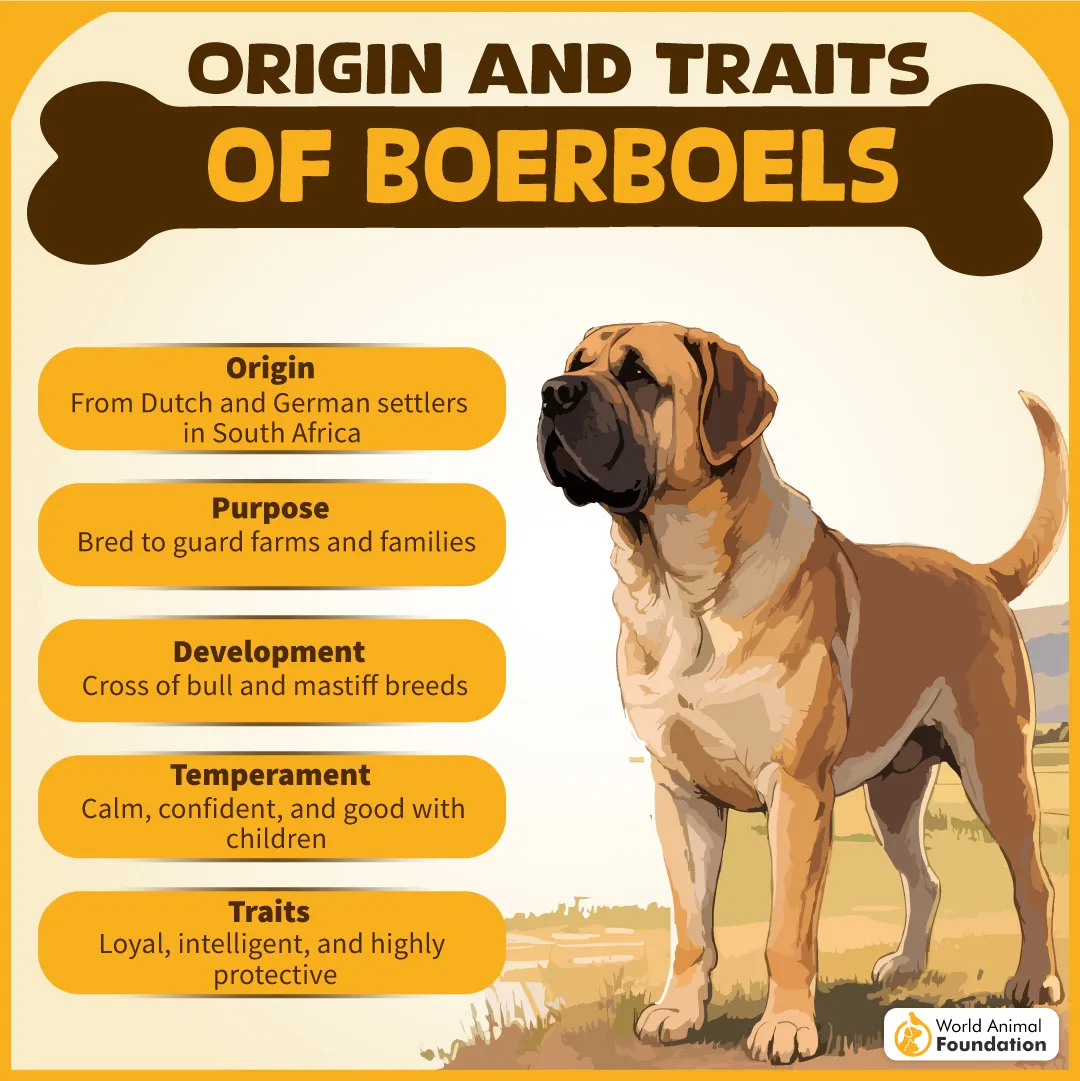
If you have other pets, go slow and steady. Many do fine with other dogs and other animals when the introductions are patient and planned.
Best fit for: Confident owners who enjoy training and structure
Needs: Consistent training, regular exercise, and clear rules
Important note: Start early training at a young age for smoother manners
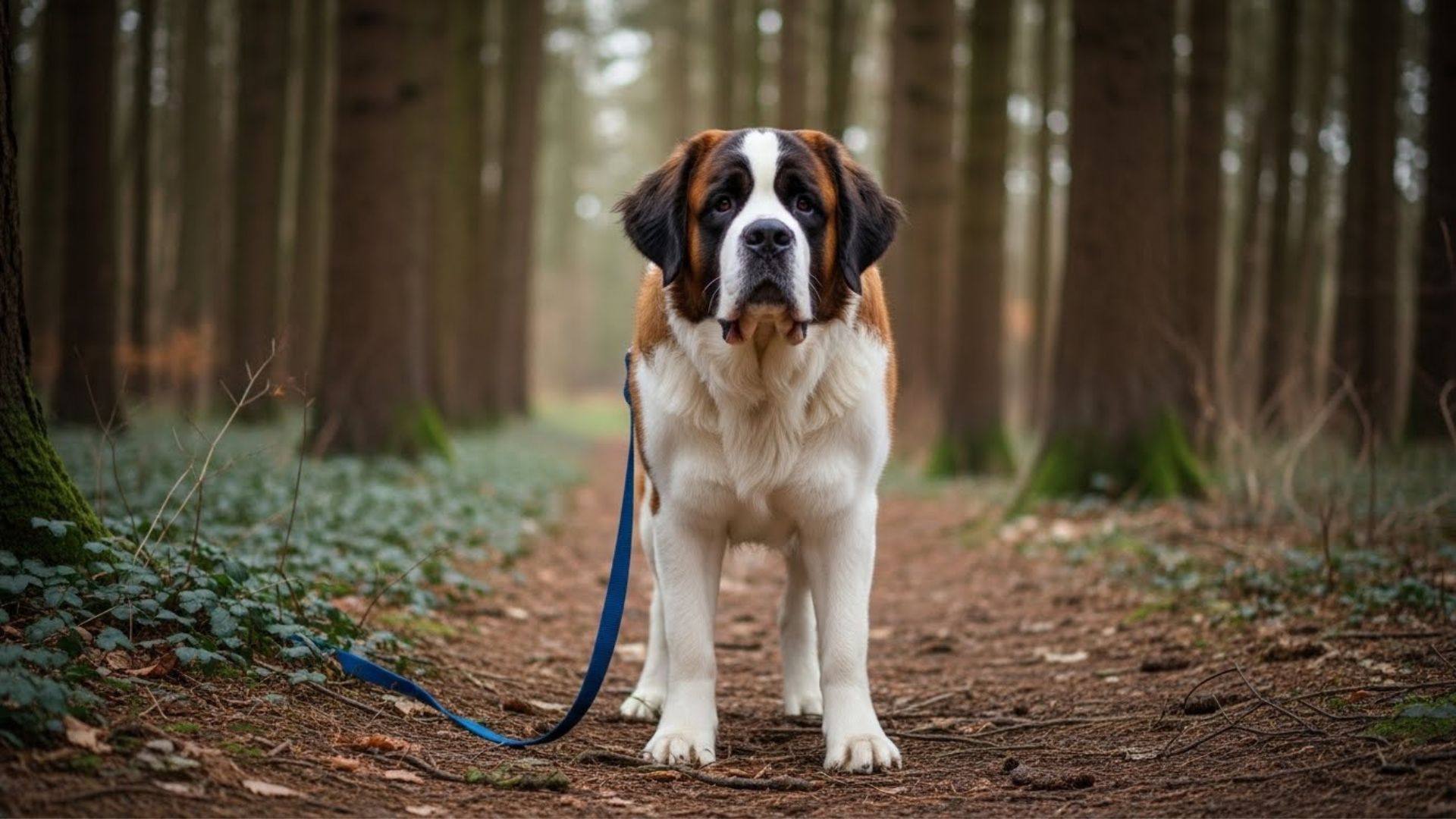
2. Saint Bernard
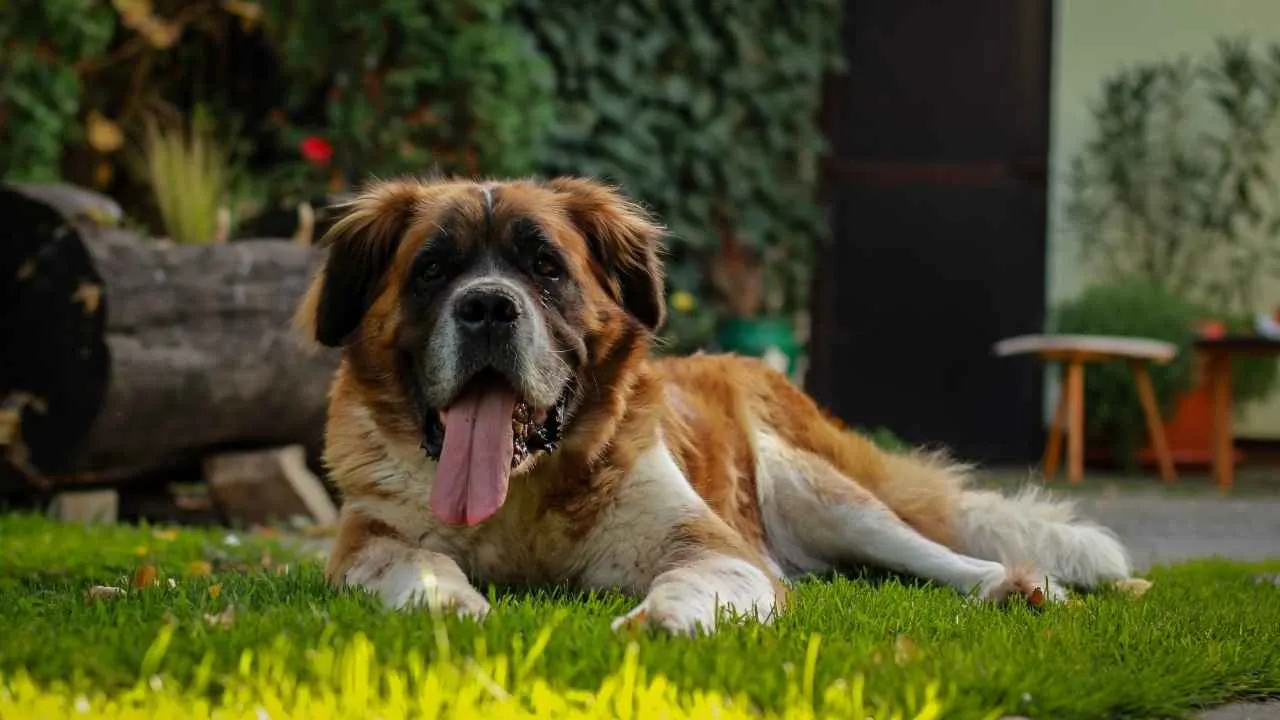
The classic gentle giant with a soft heart and a watchful eye
PetMD notes that Saint Bernards were originally bred for rescue work in harsh mountain areas, and that history shows up as steady nerves and a people-focused nature.
They often look like a walking couch with a face that says, “You okay?” That calm temperament is a big reason many families call them excellent family pets. They are not usually jumpy or twitchy. They tend to be slow to anger and quick to forgive.
Here’s the good part: even though they are huge, many Saints are naturally sweet with kids. That is why you will hear “gentle giants” used for them a lot. They often enjoy being near family members and can be incredibly gentle in daily life.
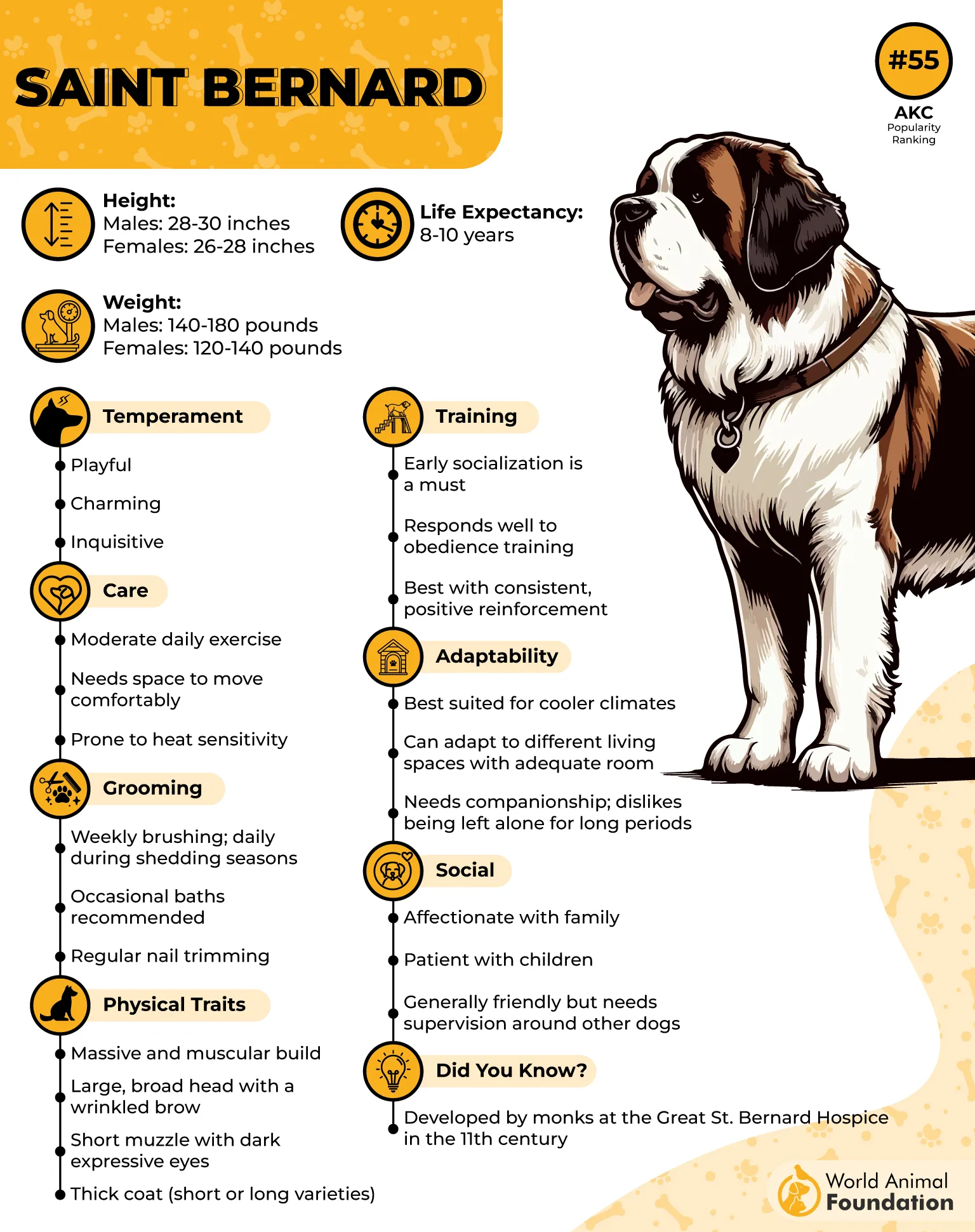
Still, they are big. Like, “accidentally sit on your foot and not notice” big. So early training and socialization help a lot, especially for greetings, leash manners, and not bowling over guests.
Saint Bernards can be protective in a calm way. Think “I will stand between you and the weird noise” more than “I will lose my mind.”
Their bark can be deep bark material when they feel the need to speak up, but many are not nonstop barkers. With other pets, many Saints do well when raised with them, but slow intros are still the smart move.
Best guard trait: Calm presence that discourages trouble
Needs: Early training, proper training, and regular exercise that matches their pace
Fun fact: Their wrinkled brows can look like a constant friendly smile
3. Pekingese
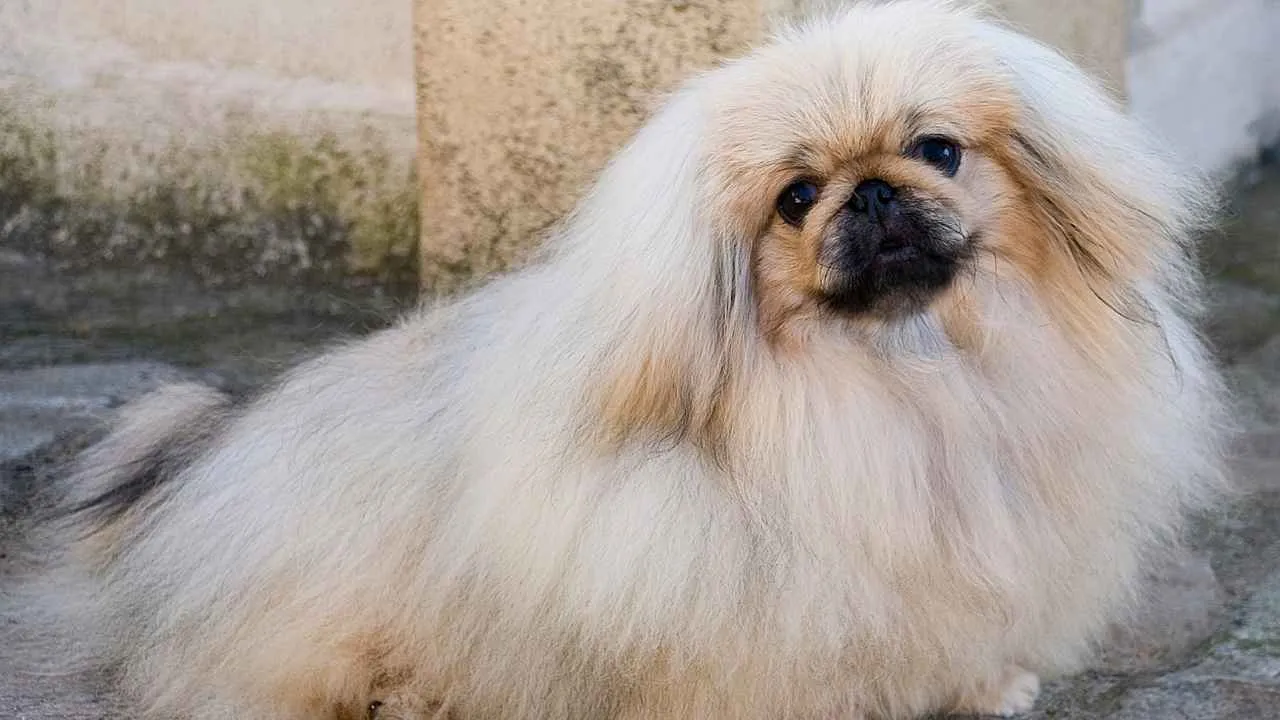
Tiny body, big guard energy, royal attitude.
Okay, this one surprises people. Pekingese are small, but they were originally bred as palace companions, and they often act like they still run the place. They can be affectionate with their people, but also proudly independent.
They like comfort, routine, and a quiet spot to observe the world. That “watch from the throne” habit can make them decent little alert dogs, even if they are not protection dogs in the big-body sense.
And here’s the best part! They often bond hard with their loved ones and can be incredibly loyal. Many become loving family pets for calmer homes. They do not always love rough handling, so teach kids to be gentle and respectful.
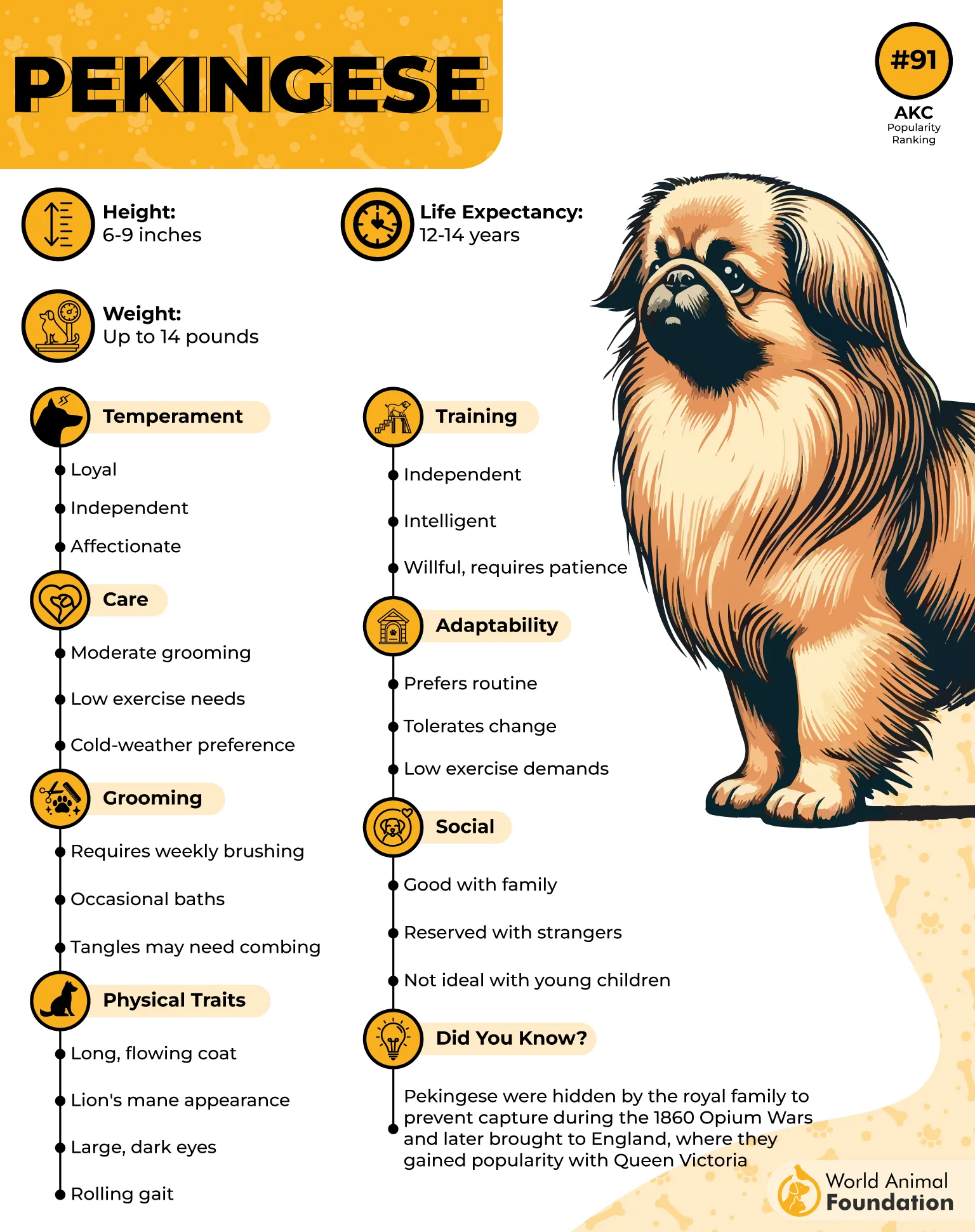
With other pets, many can do fine, but they may want their personal space honored. If you have other dogs, a slow intro helps keep things peaceful.
Because of their flat face, they do best with shorter walks and cooler weather plans. You still want regular exercise, just not intense marathons.
Also, that coat is a whole lifestyle. Their thick coat needs steady care, or it turns into a tangle festival. Training can be a little stubborn at times, so keep sessions short, kind, and consistent, and training focused.
Best guard trait: Bold watchdog vibe and strong loyalty to family members
Needs: Gentle training, mental stimulation, and calm handling
Important note: Avoid overheating and keep exercise sensible
4. Tibetan Spaniel
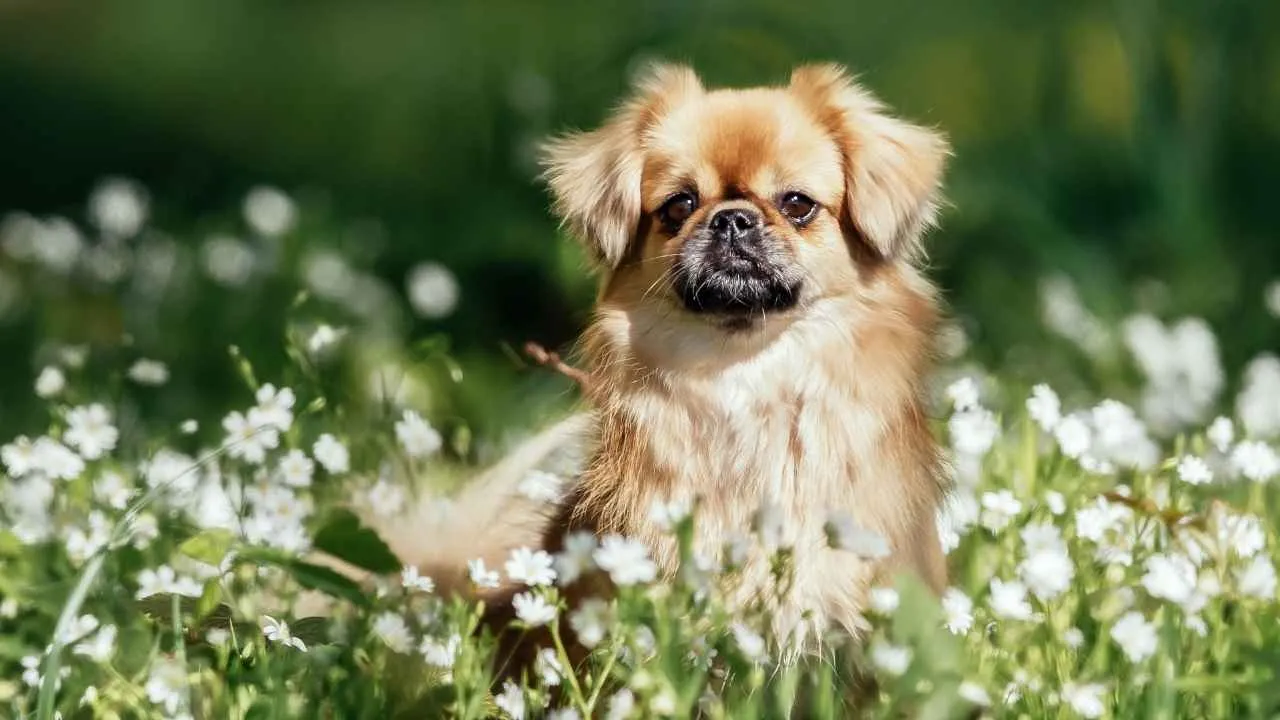
The “Little Lion” watches calmly from the best seat.
Tibetan Spaniels were originally bred to live with monks and keep watch from high places. That is why they often climb onto the back of the couch like a tiny security camera with fur.
They tend to be alert without being chaotic, which is a sweet spot for people who want calm and protective instincts in a smaller package.
They are affectionate with their people and can form deep bonds, but they can also be reserved around strangers. That naturally wary edge is not a problem when it is guided well.
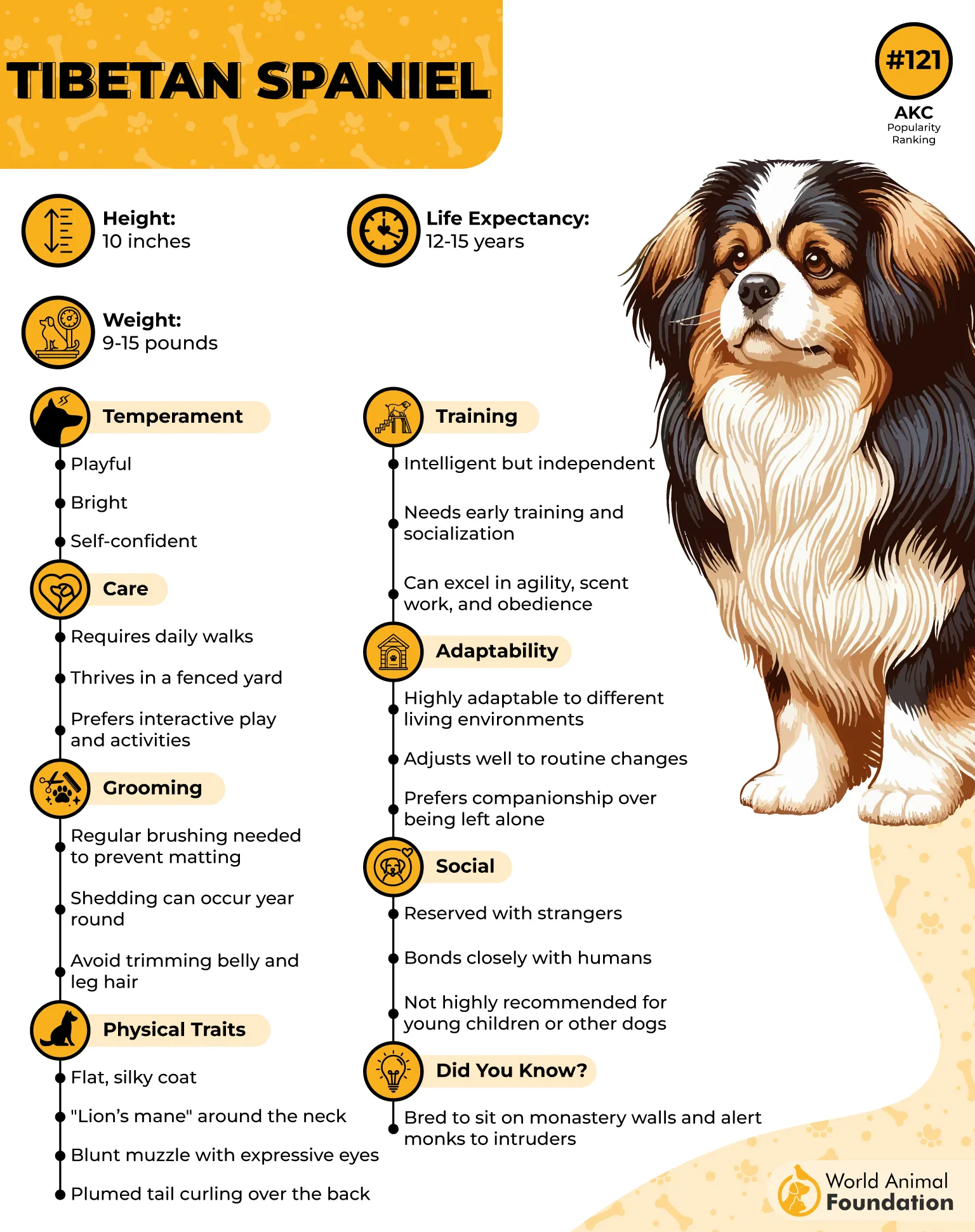
Training works best when it is positive and varied, because they are smart and can get bored fast. That is where mental stimulation becomes your best friend. A bored Tibbie can turn into a tiny drama manager.
Their grooming is often easier than it looks. Many have a silky coat that does not mat as easily as some long-haired breeds. Weekly brushing is often enough, with a bit more help during shedding.
If you have other pets, gentle introductions matter. They can do well, but slow and polite is the vibe. Early socialization helps them stay calm when meeting new people, other dogs, and new places.
Best guard trait: Alert companion who notices changes fast
Needs: Early training, proper socialization, and mental stimulation
Fun fact: Many love high spots, just like their monastery days
5. Irish Wolfhound
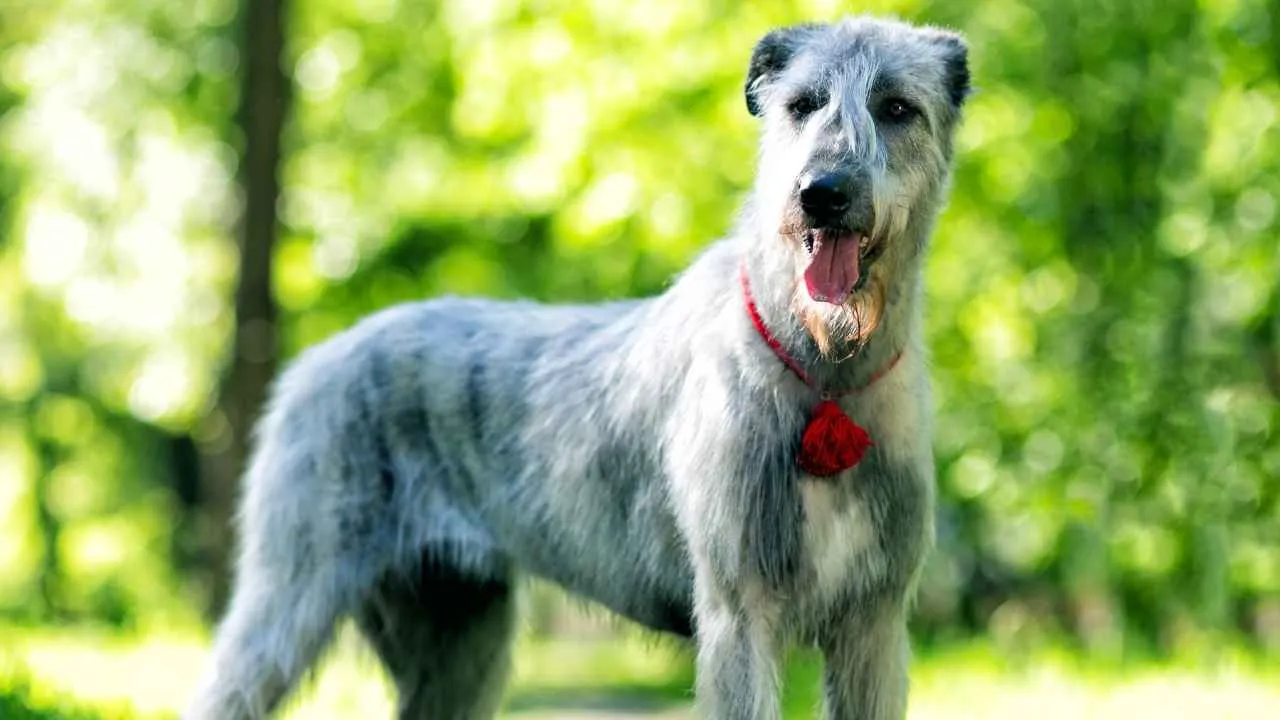
Tall, tender, and quietly protective.
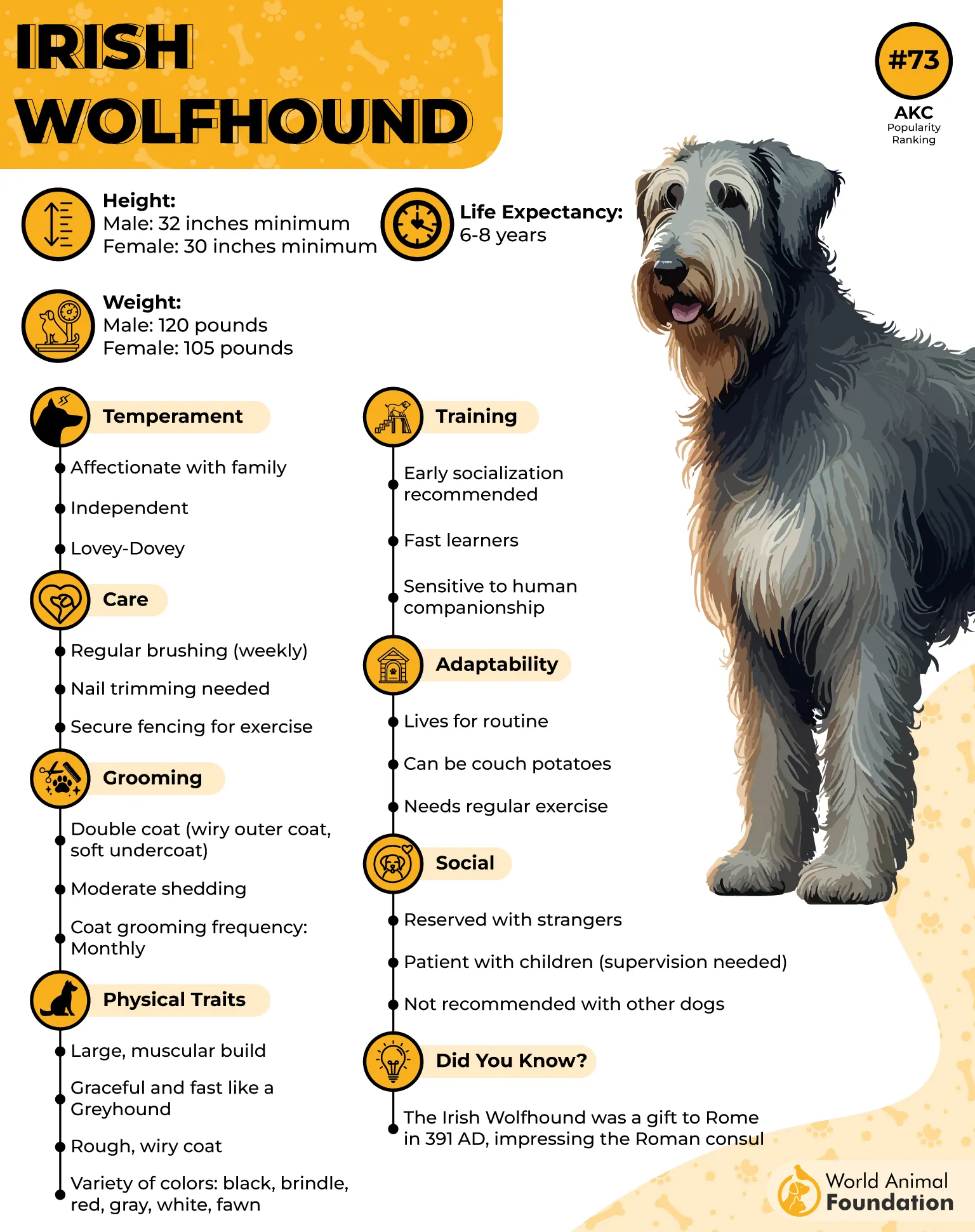
Britannica says that Irish Wolfhounds were originally bred for hunting wolves, and that history alone makes people go, “Wait, THAT dog is calm?” Yep. Many are sweet, sensitive, and surprisingly gentle at home.
They often carry themselves like they know they are huge, so they do not need to prove anything. That calm demeanor is a big reason they can fit as good family dogs in the right setup.
But why bother with that? Because calm does not mean careless. Their size means you need manners early. Early training helps with leash walking, greetings, and safe movement around kids. They can be incredibly gentle, but a happy tail can clear a coffee table.
It gets even worse, though, if you skip training and then try to fix it later with a giant adult dog. Start at a young age. Future you will thank you.
Irish Wolfhounds can be loving family pets and loyal companion types, but they often do best in homes that respect their gentle temperament. Many do well with other dogs, especially when raised together, but always watch introductions.
With other animals, be thoughtful, because some may still have chase instincts. Keep regular exercise steady but not extreme, and keep it consistent.
Best guard trait: Imposing presence without being loud
Needs: Early training, regular exercise, and calm routines
Important note: Better with older kids due to size and accidental bumps
6. Newfoundland
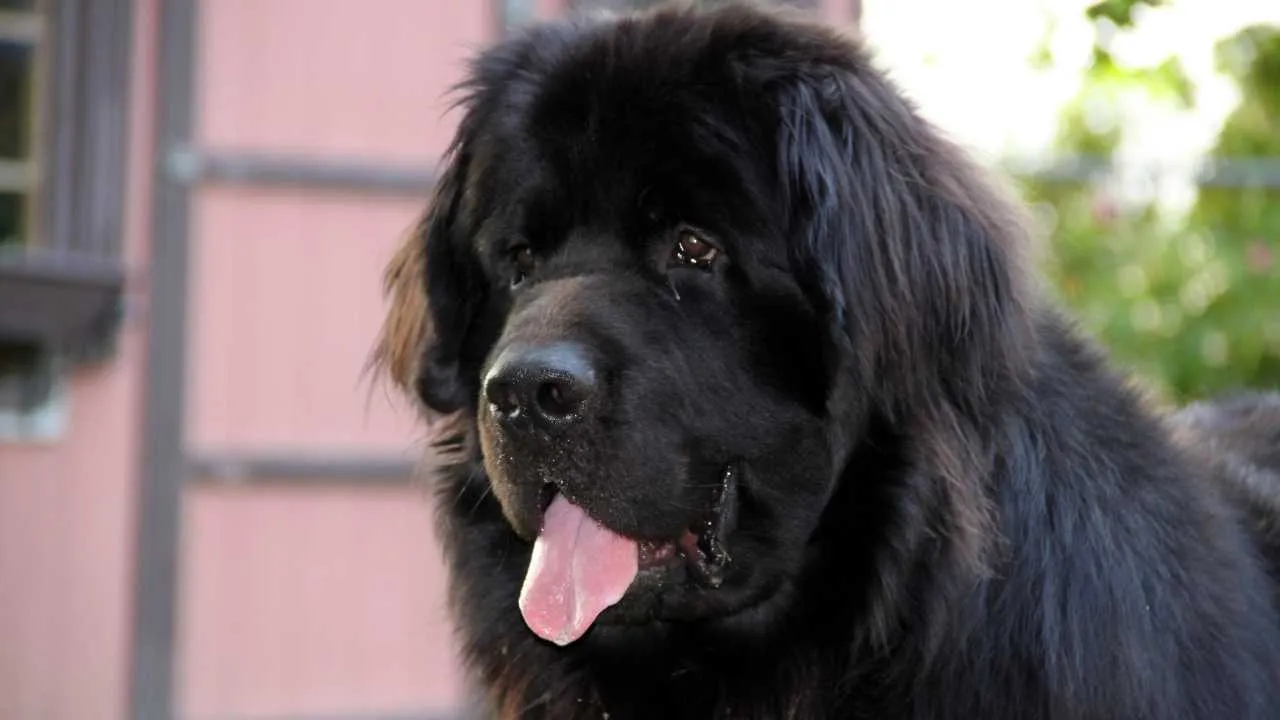
The nanny-style guardian with a sweet, steady soul.
Newfoundlands are famous for being patient, watchful, and kind with children. People often call them “nanny” type family pets because they tend to be gentle and tuned in. They are working dogs at heart, but many act like warm, calm protectors in the home.
They can be excellent guard dogs in a low-key way, because their size alone can make strangers rethink bad ideas.
Here’s the good part: Newfies often love people and can be affectionate in a quiet, steady way. They often build a strong bond with family members and can be extremely loyal.
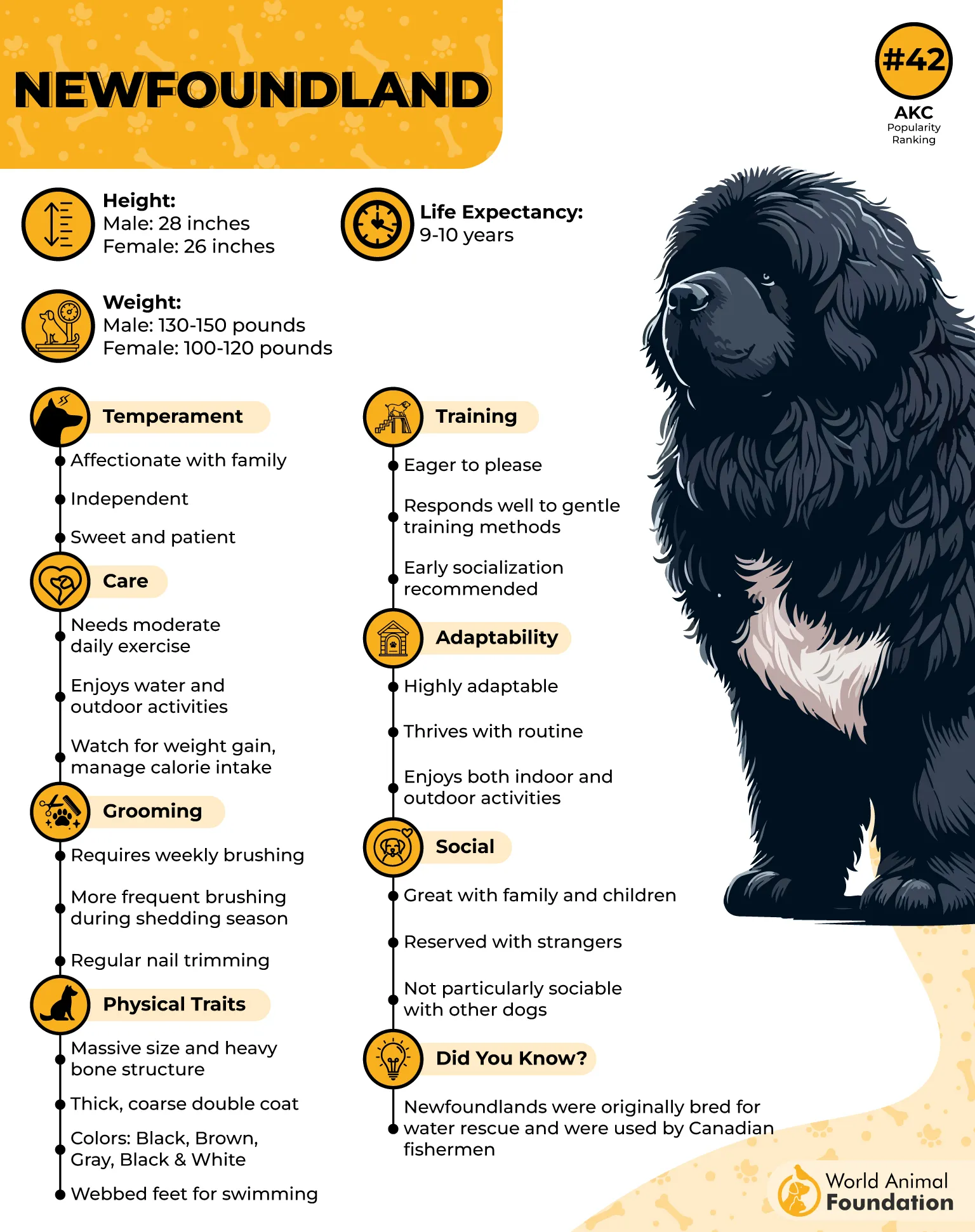
They also tend to be highly trainable, especially when you keep training fun and kind. Proper training helps them stay polite, because a huge dog that drags you down the street is not the dream.
That coat is serious. A thick coat needs routine brushing, and some seasons can feel like you are living inside a snow globe of fur. Regular exercise matters, but many are not hyper. They like steady walks and time with their people.
If you have other pets, many Newfoundlands are easygoing and do well, especially with proper socialization.
Best guard trait: Calm, watchful protector with a big hear
Needs: Proper training, grooming time, and regular exercise
Fun fact: Many were valued for strength and water work, and they still love a job
7. Great Pyrenees
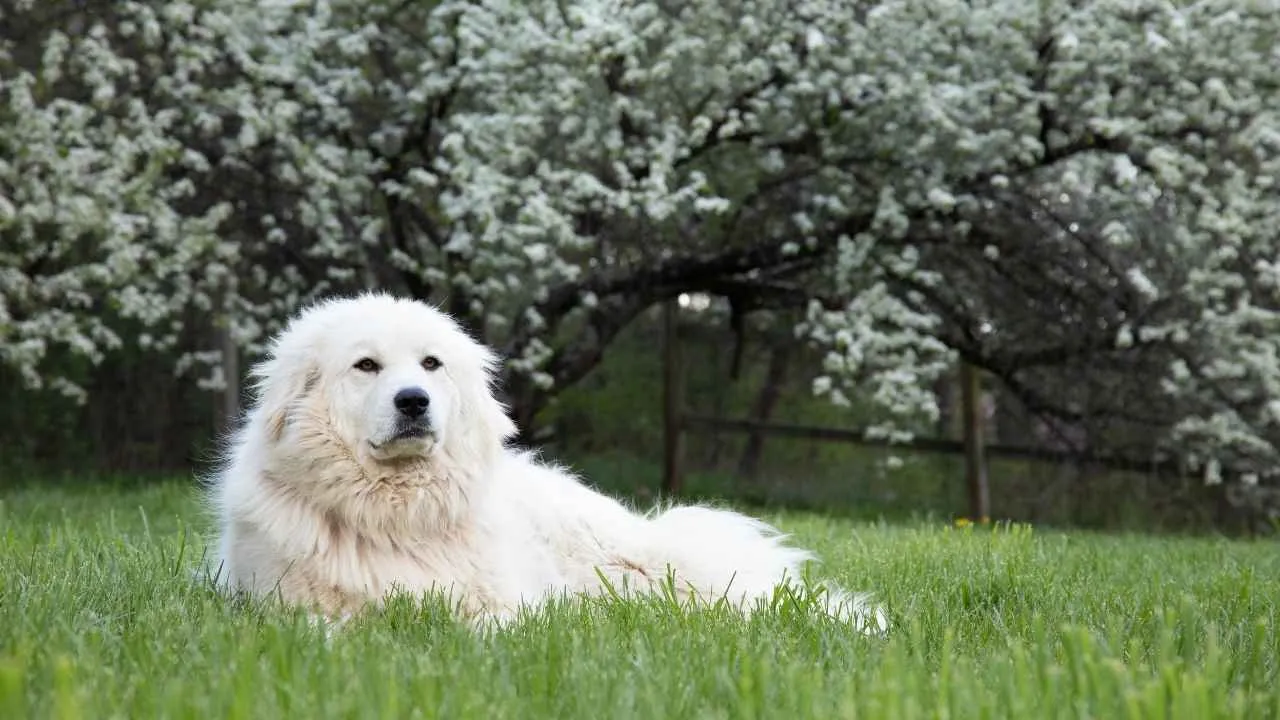
The calm flock guardian who takes night duty seriously.
The Great Pyrenees were originally bred as a flock guardian, protecting animals from predators in tough mountain areas. That job shaped them into mellow but vigilant guardians.
They can look relaxed, then suddenly stand up like, “Nope, not today,” when something feels wrong. That protective nature is real, and it often comes with a calm, steady style instead of frantic energy.
Sounds crazy, right? The calm part can fool people. Great Pyrenees are independent thinkers. They often prefer to decide first, then listen second. That means training and socialization are a must, and early training is where you win.
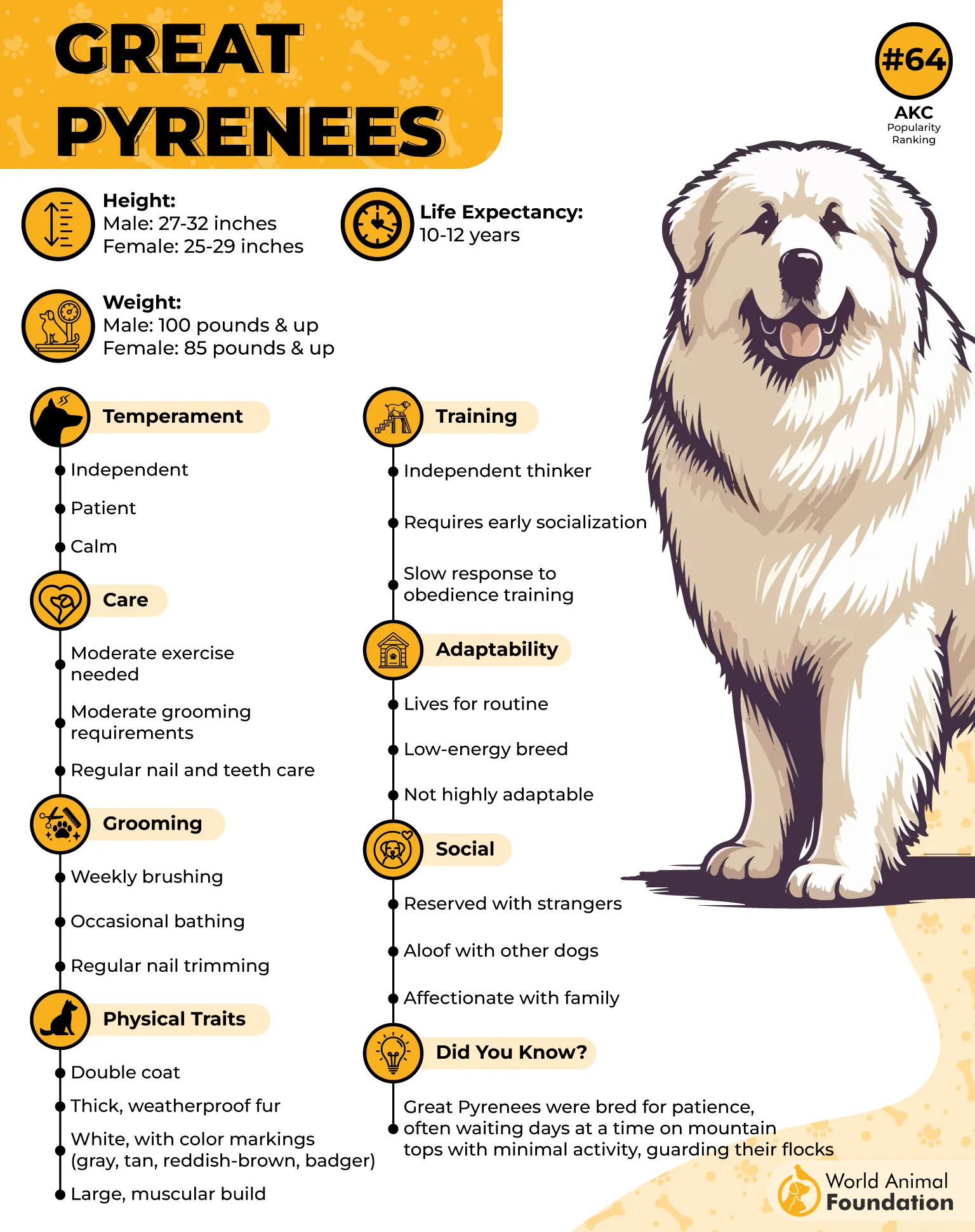
Proper socialization helps them stay confident around visitors, other dogs, and daily life stuff like delivery people and loud cars.
They usually have a thick coat and shed like they are paid per hair. Grooming helps, and so does accepting that lint rollers are now part of your identity. With other pets, many do well, especially if raised together.
They can be gentle giants with the right handling, but they may be naturally wary of strange animals entering their space. If you want the right guard dog for a home that values calm strength, this breed often fits.
Best guard trait: Steady guardian mindset and strong protective instincts
Needs: Early training, proper socialization, and patience with independence
Important note: Many are more active at night and may use a loud bark to warn
8. Bergamasco Sheepdog
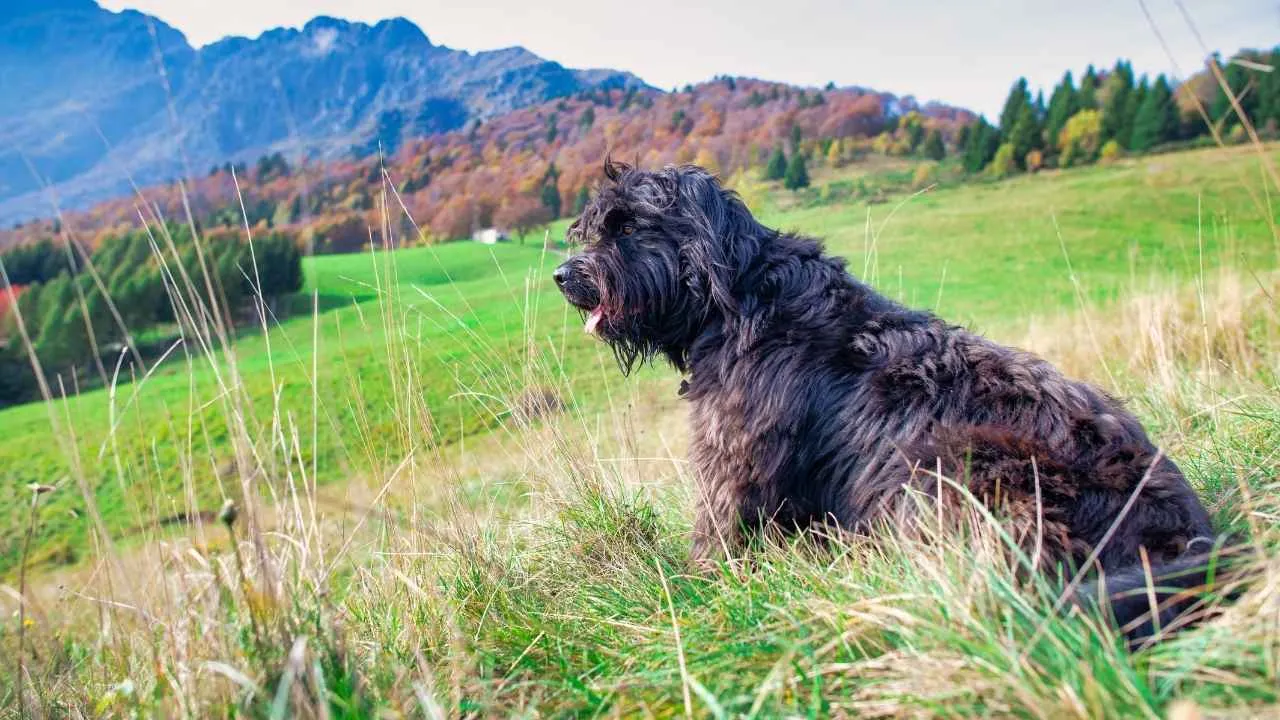
The calm thinker with a wild coat and a loyal heart.
Bergamascos are easy to spot because of their flocked coat, which forms mats that act like natural armor. They were originally bred to work in harsh mountain areas, and that history shows in their steady attitude.
They can be loyal, affectionate, and devoted, but also a bit cautious with strangers. That mix can create one of those “relaxed but ready” protective dogs that many families love.
But wait, there’s more! Their coat looks like high-maintenance chaos, but it is not always as intense as it seems. The coat forms in sections, and once it is set up, it can be easier than daily brushing routines.
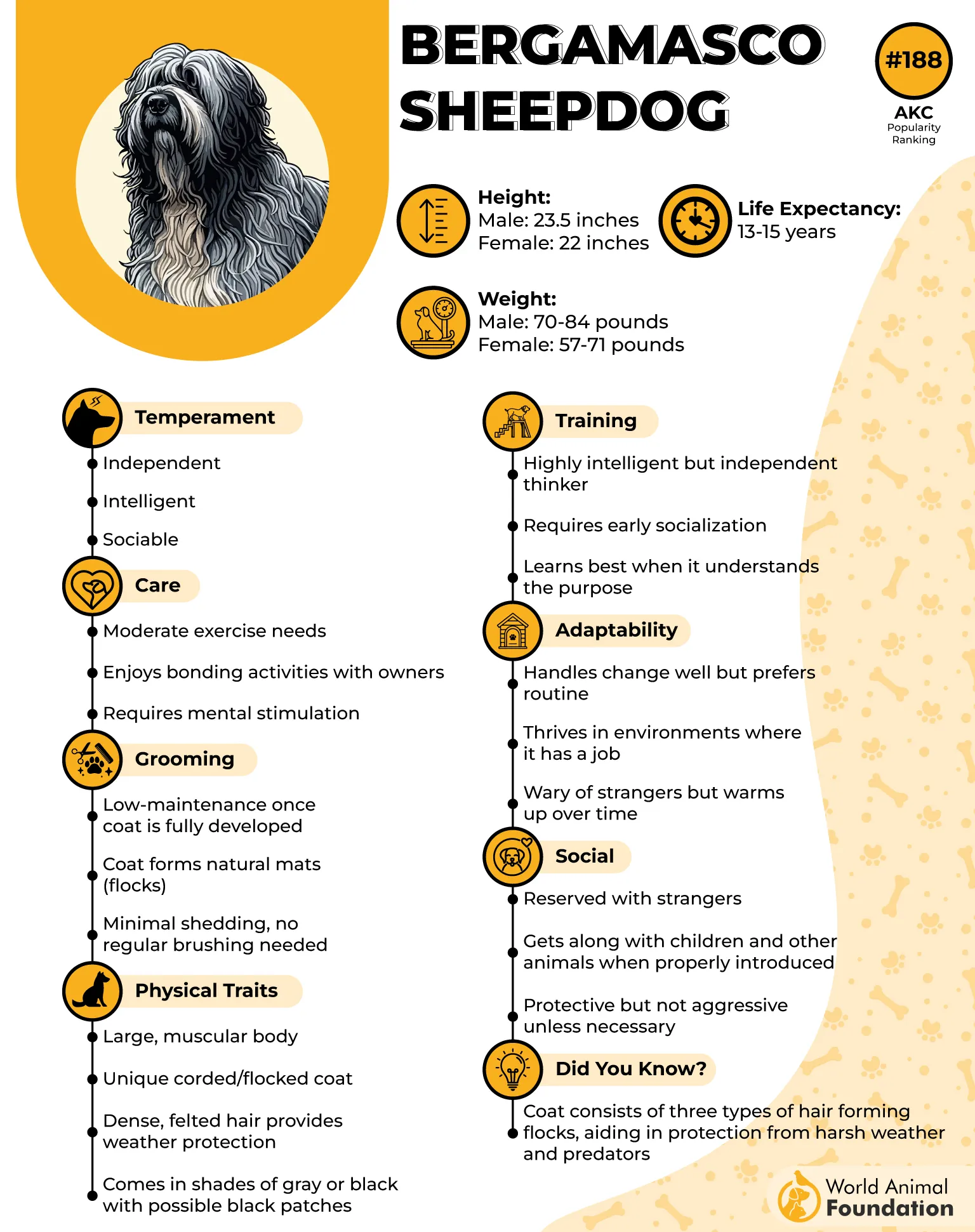
You still need basic care and cleanliness, but it is not always the grooming nightmare people imagine. The coat was meant to protect, and it still does.
They are smart and tend to like understanding the “why.” So, keep training clear, kind, and consistent. Early socialization matters here, too, because they can be naturally wary.
With other pets and other dogs, many do well when raised with them. They often form a strong bond with their people and can make excellent family pets in homes that enjoy a thoughtful, steady dog.
Best guard trait: Calm, loyal guardian energy with a serious brain
Needs: Early training, consistent training, and mental stimulation
Fun fact: Their coat was designed to handle rough mountain weather and help protect them
9. Great Dane
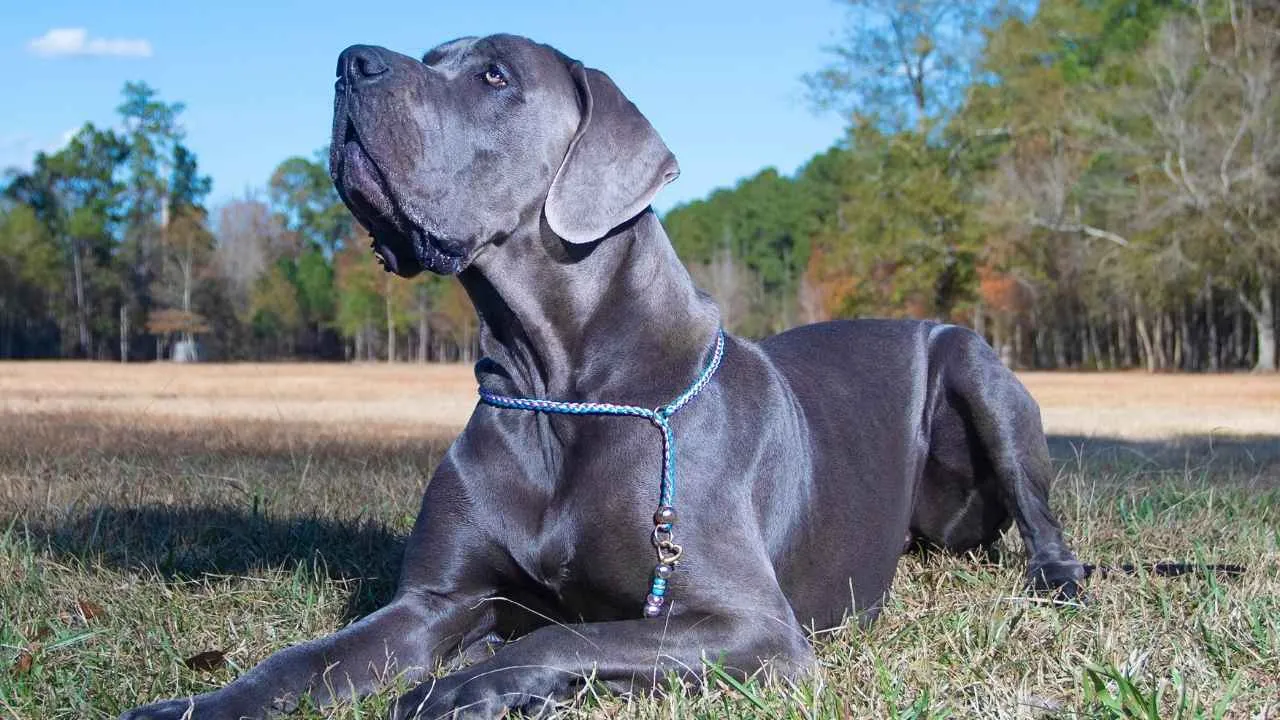
The “Apollo of Dogs” who guards with size and chills with style.
Great Danes look like they should be intense. Then you meet one, and it is basically a tall couch friend who wants head scratches.
Many are gentle giants with an easygoing attitude, and they can be great family guard dog choices because their imposing presence does half the work. They can be excellent guard dogs without acting like a constant alarm siren.
Here’s the best part! They often fit family life when trained well, because many are affectionate and steady. They do need space to move, though. Not fancy space, just enough room to turn around without taking out a lamp.
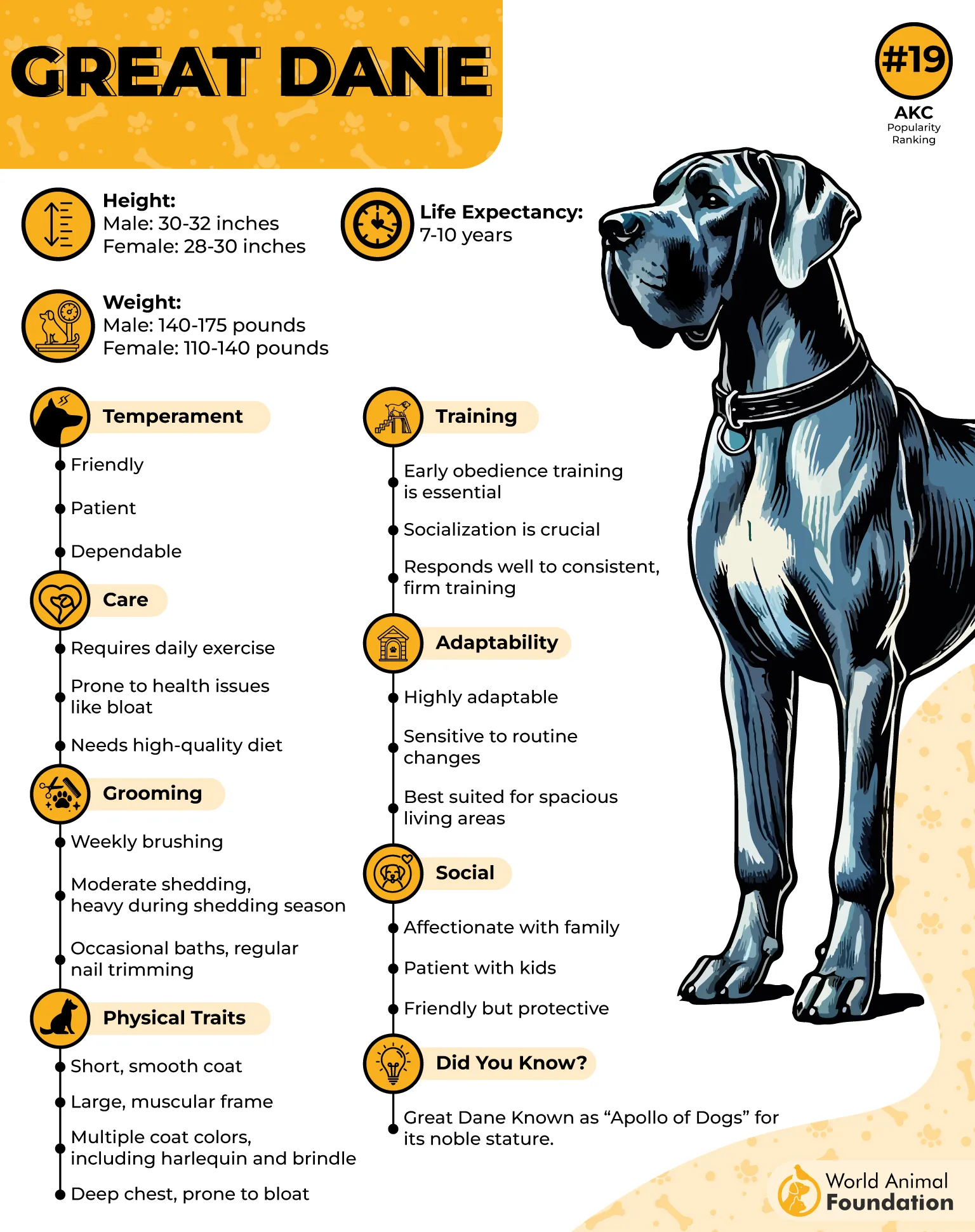
They also need regular exercise, usually daily walks and light play. Too little movement can turn a calm dog into a restless mess.
Great Danes do best with early training because they grow fast. One day, it is a goofy puppy. Next week, it is a giant dog that can reach your counter like it is nothing. Proper training helps with polite greetings and calm leash walking.
Proper socialization helps them stay relaxed around other dogs, visitors, and new places. With other pets, many do well when introduced young and gently.
Best guard trait: Big presence and calm vibe
Needs: Early training, proper training, and regular exercise
Important note: Good manners are non-negotiable with a dog this big
10. Mastiff
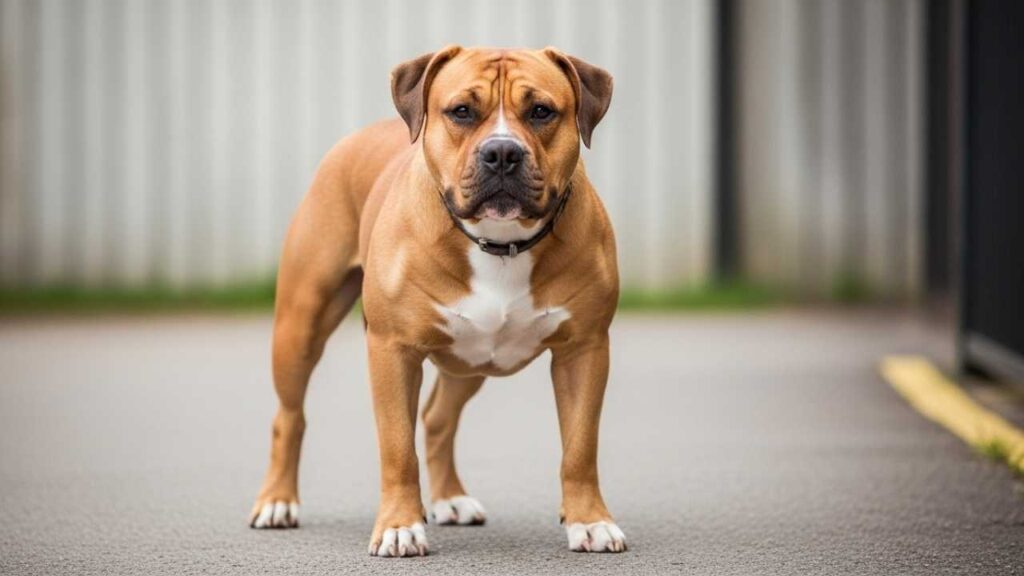
The quiet protector who bonds hard and loves harder.
Mastiffs were originally bred for guarding, and you can still see it in their calm watchfulness. Many do not waste energy. They post up near the family and keep an eye on things. They can be protective without being frantic, and that is a huge win for people who want relaxed guard dogs.
They are often affectionate with their people, and many become loving family pets that want to be close. Their strong bond can feel almost goofy, because a massive dog trying to be a lap dog is both sweet and ridiculous.
But why bother with that? Because that closeness also means you must guide them. Without early training, a Mastiff can develop habits that are hard to change later.
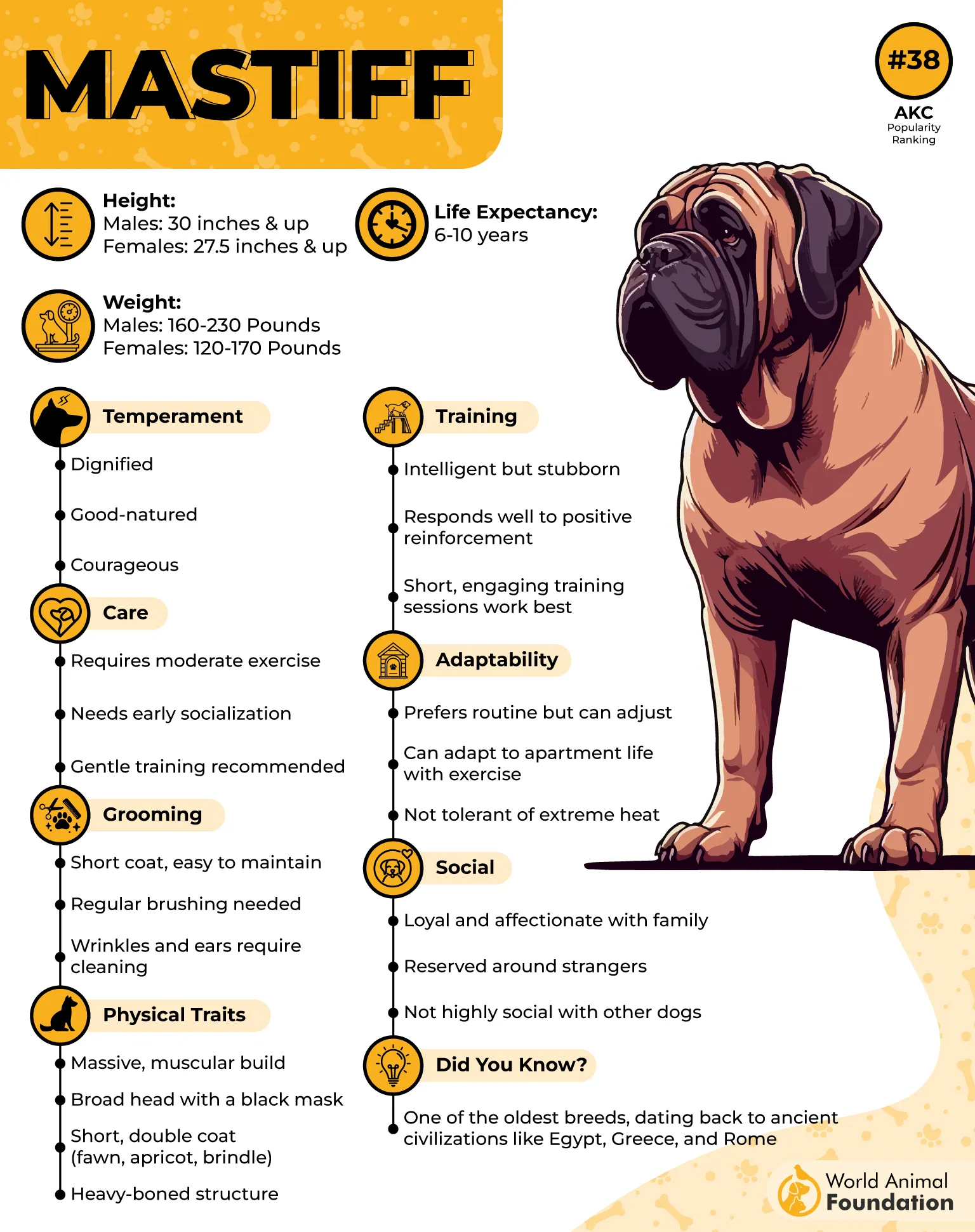
Training and socialization should start early training style, with calm confidence and clear rules. Keep it steady. Keep it kind. Keep it consistent, training focused on simple basics.
With other pets, many Mastiffs can do well, but slow introductions are smart since some can be possessive of space or food. With proper socialization, they often become excellent family pets that also happen to be solid protectors.
Best guard trait: Calm, formidable protector energy
Needs: Early training, proper training, and socialization
Important note: Teach gentle greetings and polite leash walking from the start
Conclusion
Relaxed guard dogs are not a myth. The best guard dogs can be calm, affectionate, and still protective when it counts. The trick is picking the right breed for your home, your energy, and your daily rhythm.
Some families want gentle giants like the Bernese Mountain Dog, Doberman Pinscher, or Golden Retriever. Others want a steady guardian like the Giant Schnauzer or Staffordshire Bull Terrier. And some want smaller companions like the Cavalier King Charles Spaniel or Chow Chows that still guard with attitude.
Now do the part that matters most: early training, proper socialization, and regular exercise. Add mental stimulation, too. Then you get the best guard, not just a big dog. You get a loyal companion who protects your peace, not your stress.
