




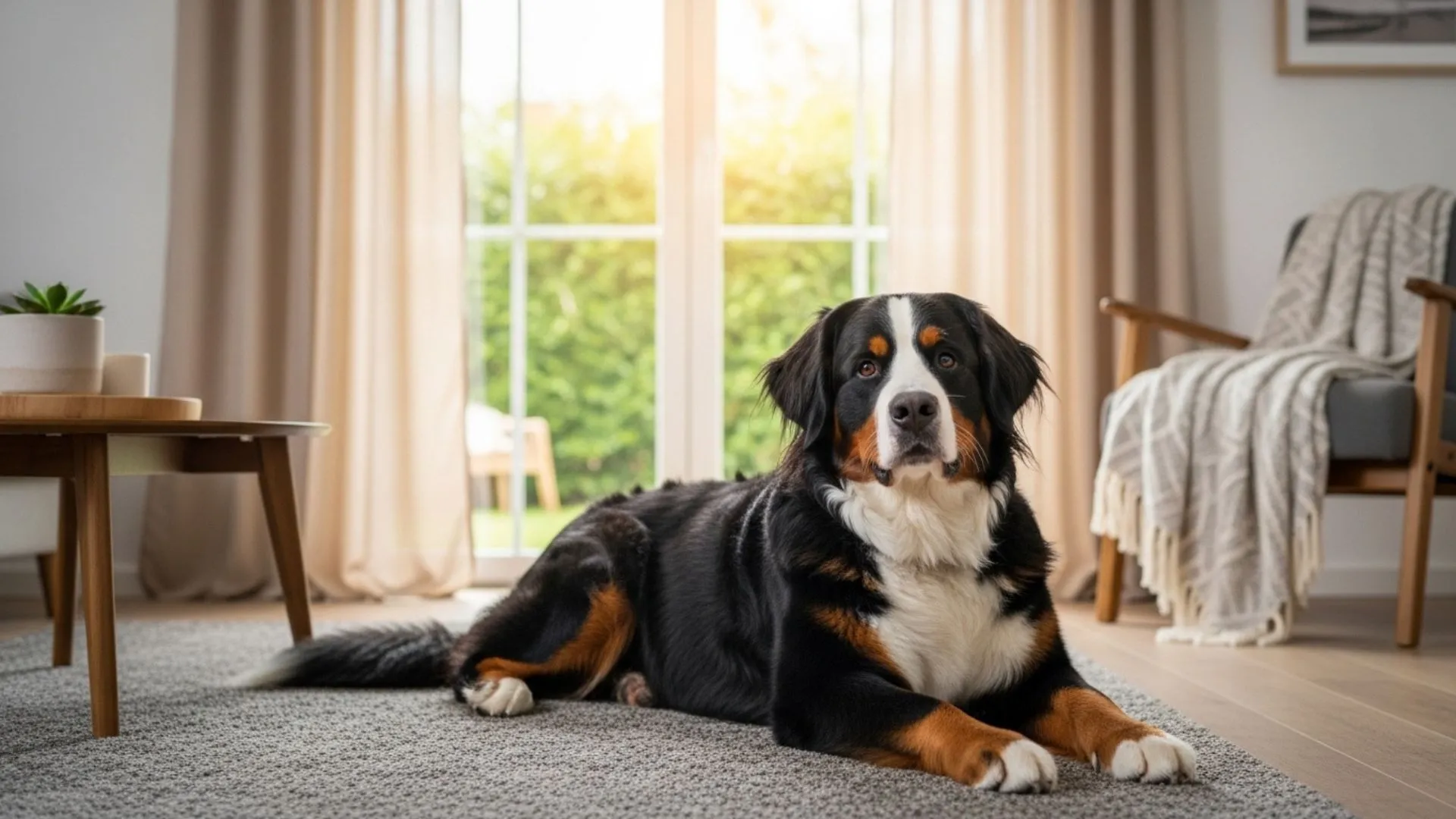
You want a dog that can protect your home, but you also want peace inside it. That balance is harder to find than it sounds.
Many guard dogs bring constant movement, sharp reactions, and a level of tension that slowly affects the entire atmosphere of your space. At first, it feels like security. Over time, it can start to feel like pressure. Not every home needs that kind of intensity to feel safe.
Some households work better with a quieter presence, something steady that doesn’t react to every small change. A relaxed guard dog fits into that space differently. It stays aware without creating noise or stress around it. That difference becomes clear in everyday moments, not just in situations that require protection.
In this article, you will come across dogs that offer that same sense of calm while still holding a reliable presence when needed.
Key Takeaways
The idea of a guard dog often feels intense, yet a few breeds carry that role in a much calmer, steadier way.
Newfoundland and Saint Bernard carry a quiet strength, staying aware of their surroundings while keeping the atmosphere steady and calm.
Tibetan Mastiff and Great Dane rely more on presence than noise, watching closely without reacting to every small shift around them.
As you move through these breeds, you start to notice how protection can exist without disturbing the peace inside your home.
Relaxed Guard Dog Breeds for Serene Home Security
1. Newfoundland
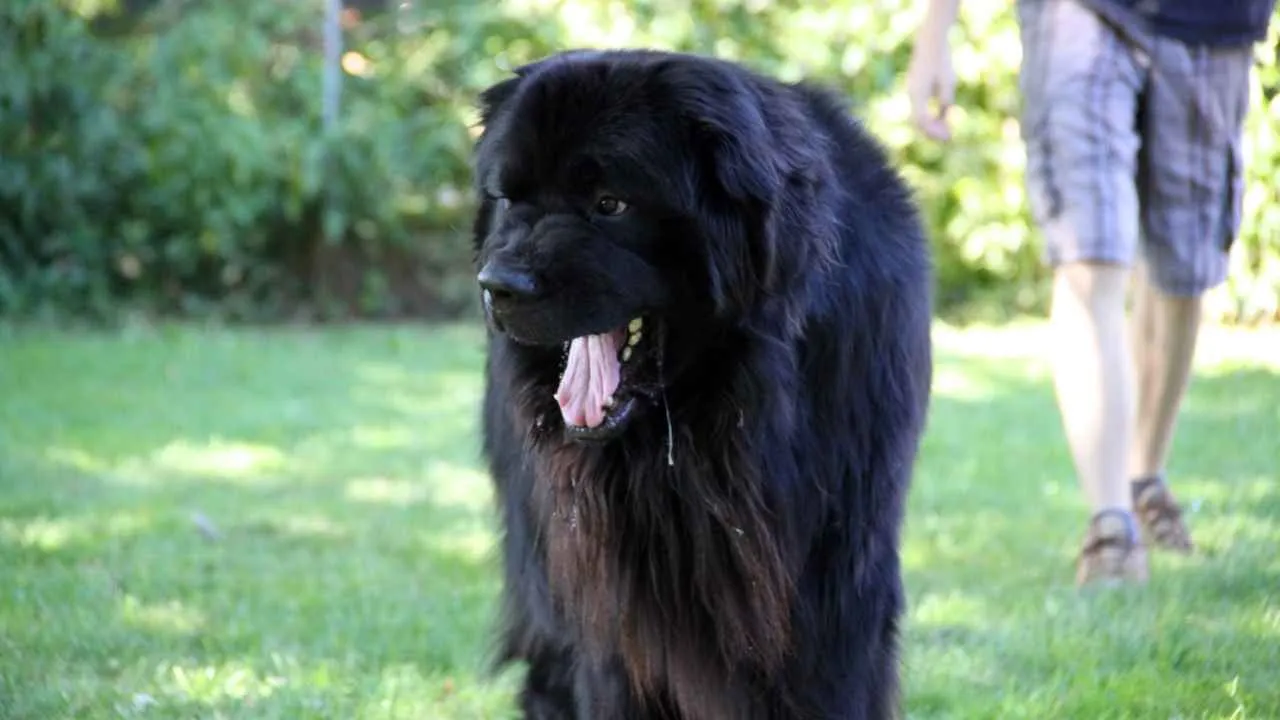
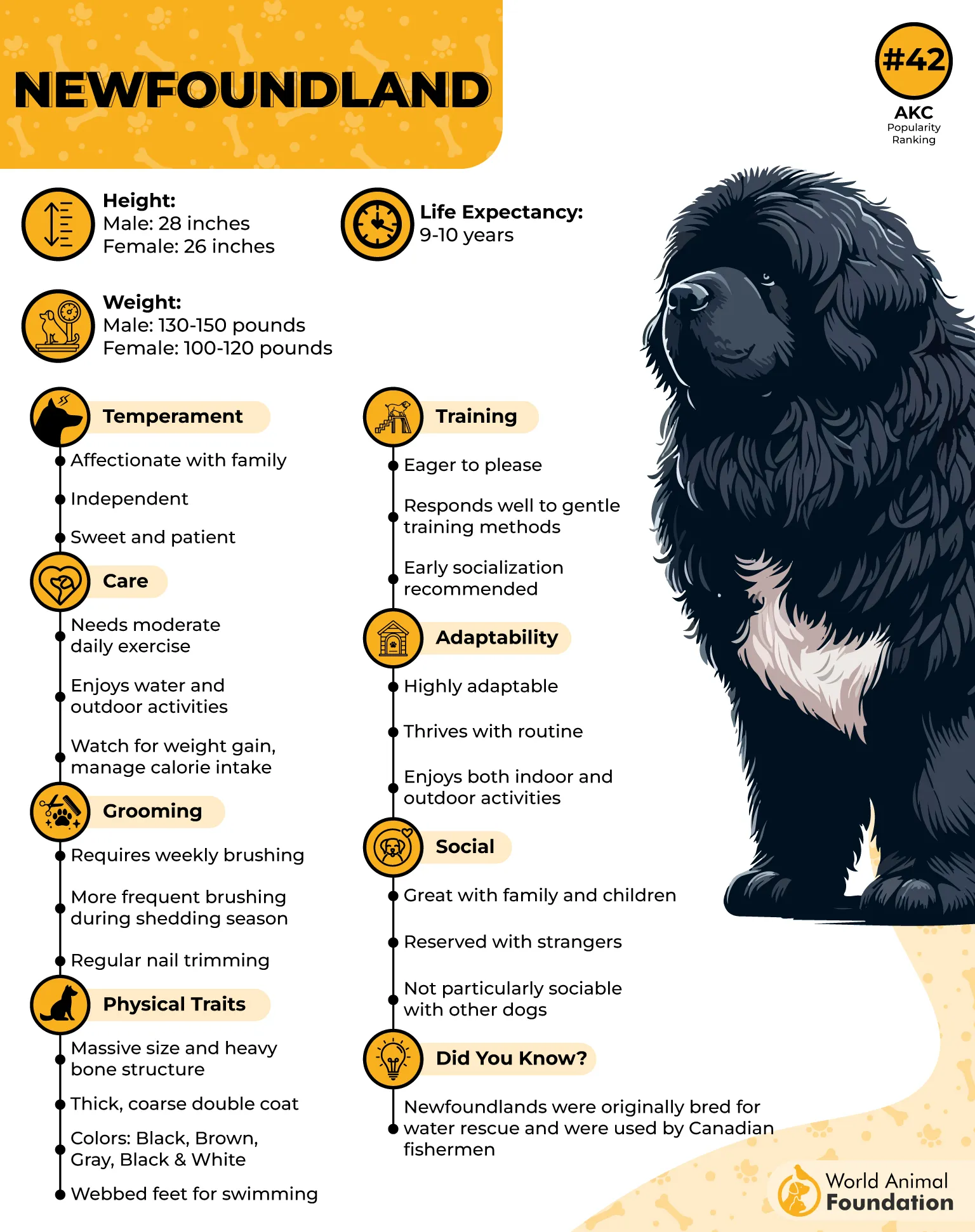
Newfoundland is known for its heavy bone structure and large, powerful build that gives it a strong presence in both land and water work. Its soft expression contrasts with its size, creating a calm visual tone. The outer coat sits flat and coarse, suited for demanding conditions.
Gentle control in everyday behavior
Newfies show a calm temperament that stays steady even in active or busy environments, especially around children, where patience becomes a defining trait. Their response to handling is trusting and shaped by a gentle and affectionate nature rather than force.
This behavior appears through clear patterns:
Shows steady patience around children
Responds best to soft, consistent guidance
Maintains calm presence in close family spaces
Work ability beyond companionship
Even though they are reliable guard dogs, they perform multiple physical roles, including draft work and water-based rescue actions that highlight their strength and control, as per the AKC.
It enjoys activities like swimming and pulling, which align with its natural physical structure. These abilities reflect a dog built for functional tasks rather than passive living.
2. Leonberger
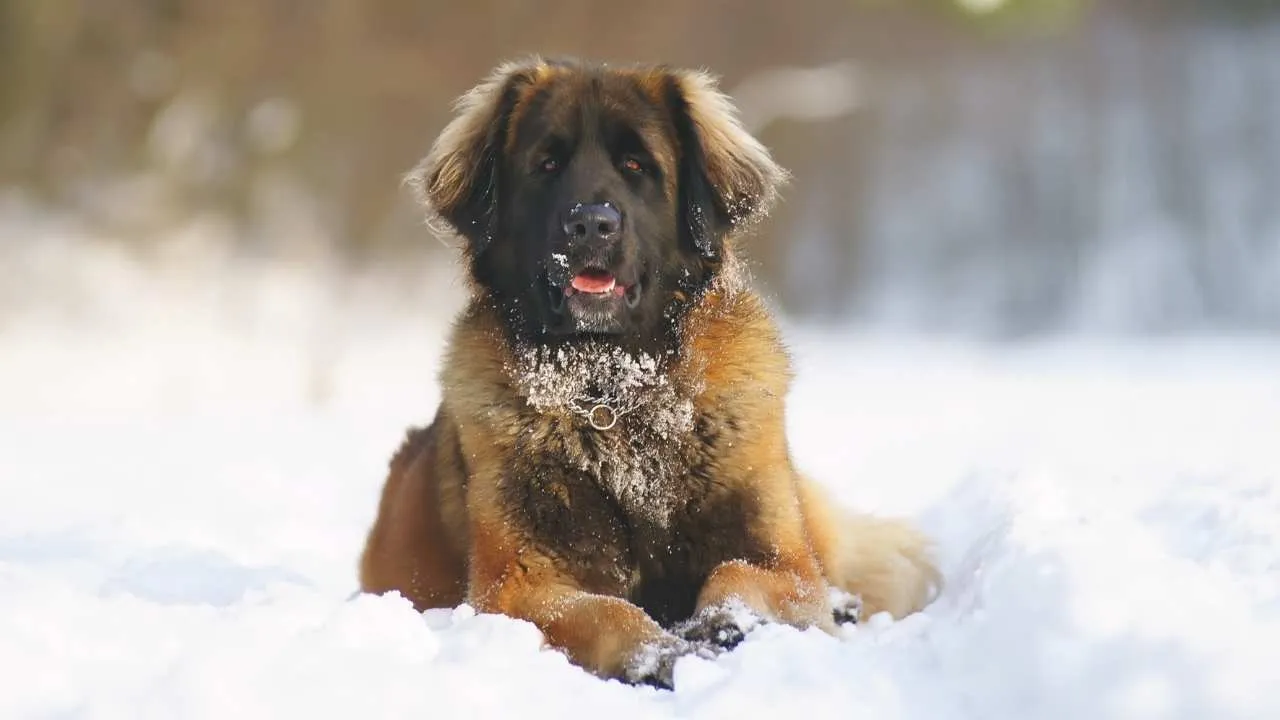
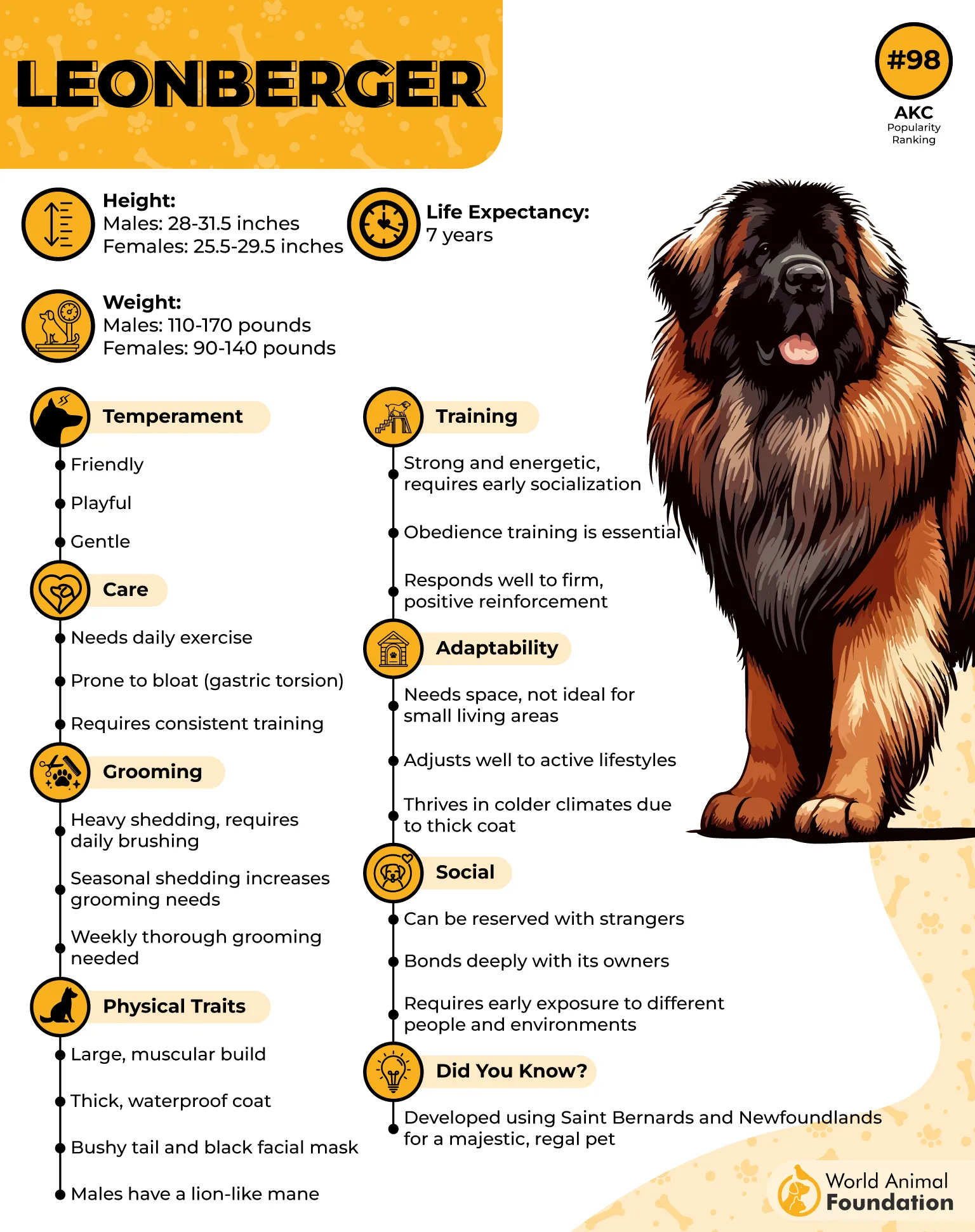
The Leonberger is a giant breed linked to Leonberg in Germany, with a reddish-gold coat that was once bred to resemble the lions on the town’s coat of arms. Its massive frame reflects strength balanced with calm movement. The overall impression is one of size softened by control and composure.
Balanced capability across roles
As guard dogs, they combine physical power with a steady, cooperative nature, once valued in farms and later seen in search and rescue work. They develop protective instincts as they grow up. Their behavior responds best when given purpose and clear guidance.
That role is visible through practical traits:
Strong muscular build suited for heavy tasks
Calm response in structured environments
Cooperative nature in guided work situations
Temperament shaped by human connection
They show a steady, patient nature that stays gentle around children and family members with proper training and early socialization.
They are composed and loyal companions, often preferring proximity to people over isolation. Its interaction style reflects comfort in shared household spaces.
3. Bernese Mountain Dog
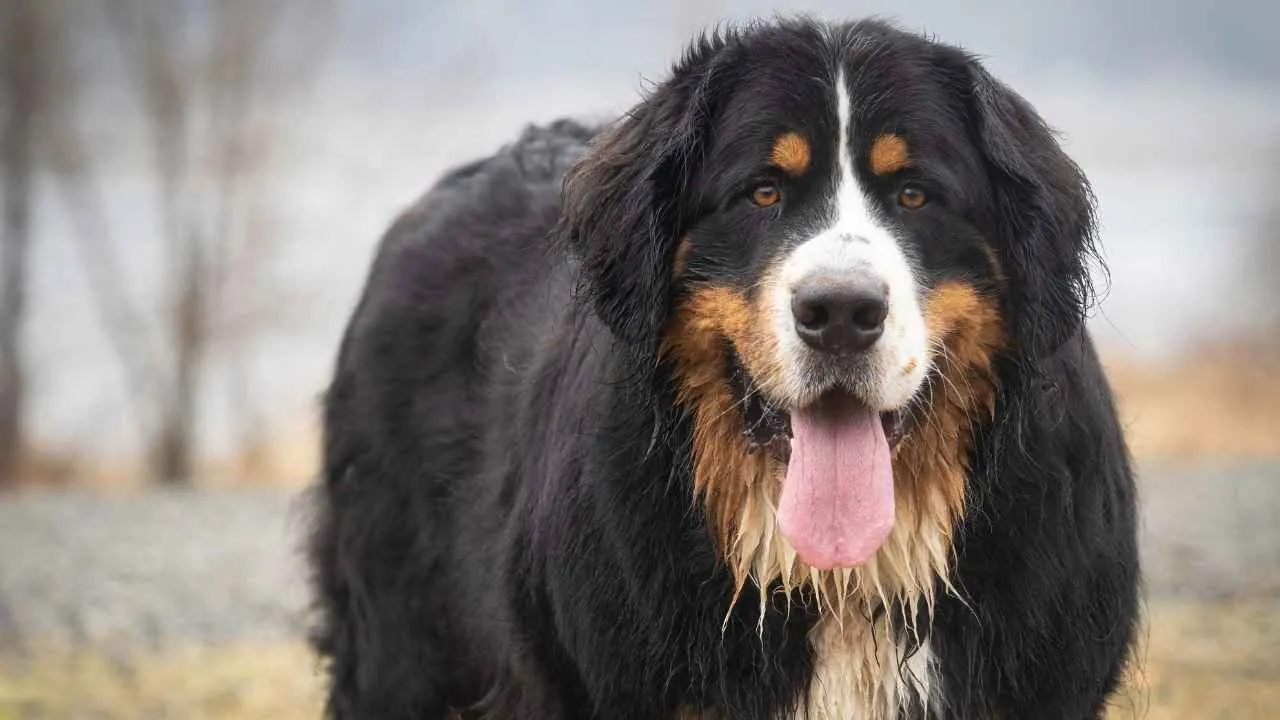
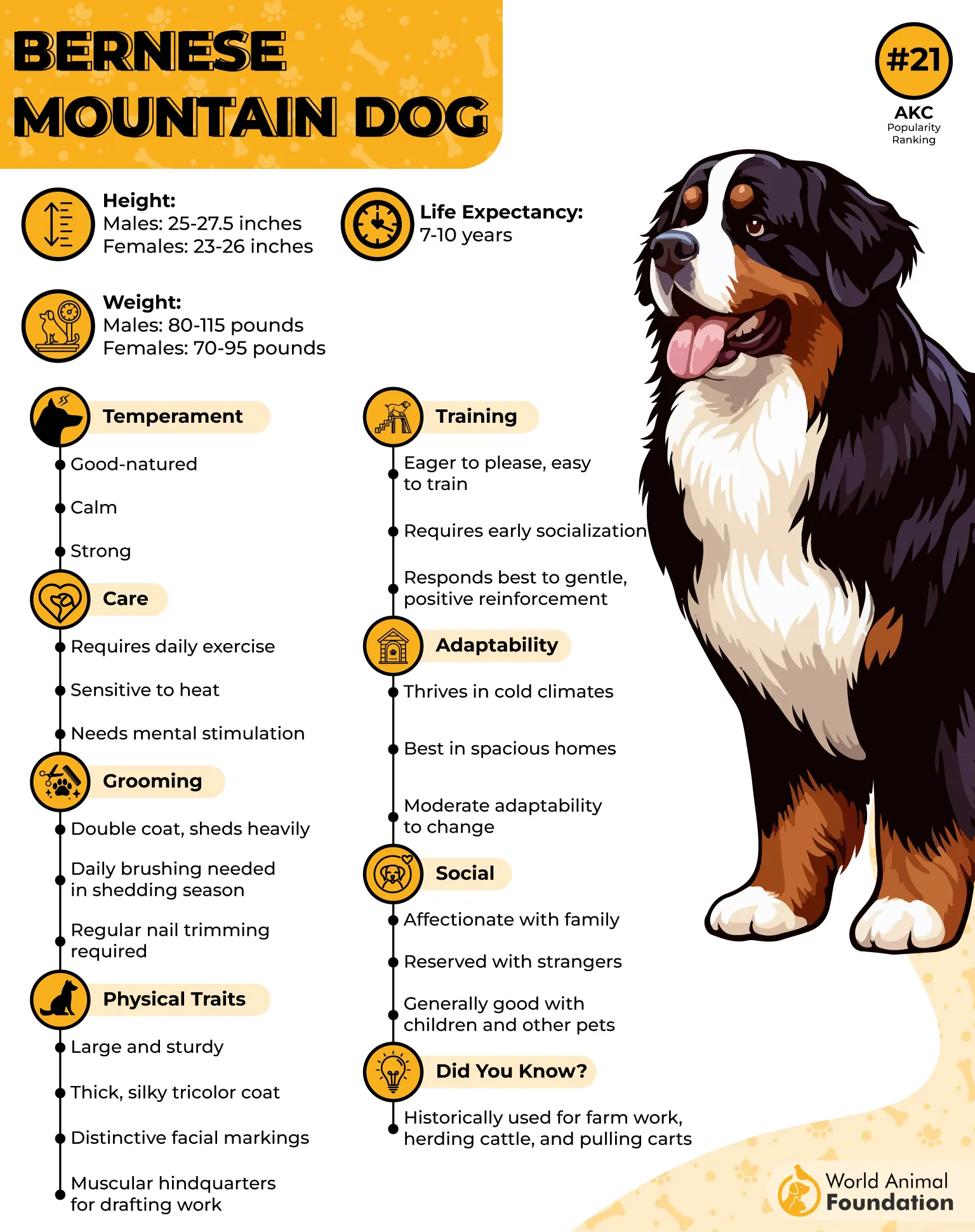
The Bernese Mountain Dog was used for herding livestock and pulling carts loaded with goods across Swiss farmland, reflecting steady physical strength.
Its build supports heavy, controlled work rather than speed-focused tasks. This foundation created a calm but capable working presence around open land.
Protective role within farm life
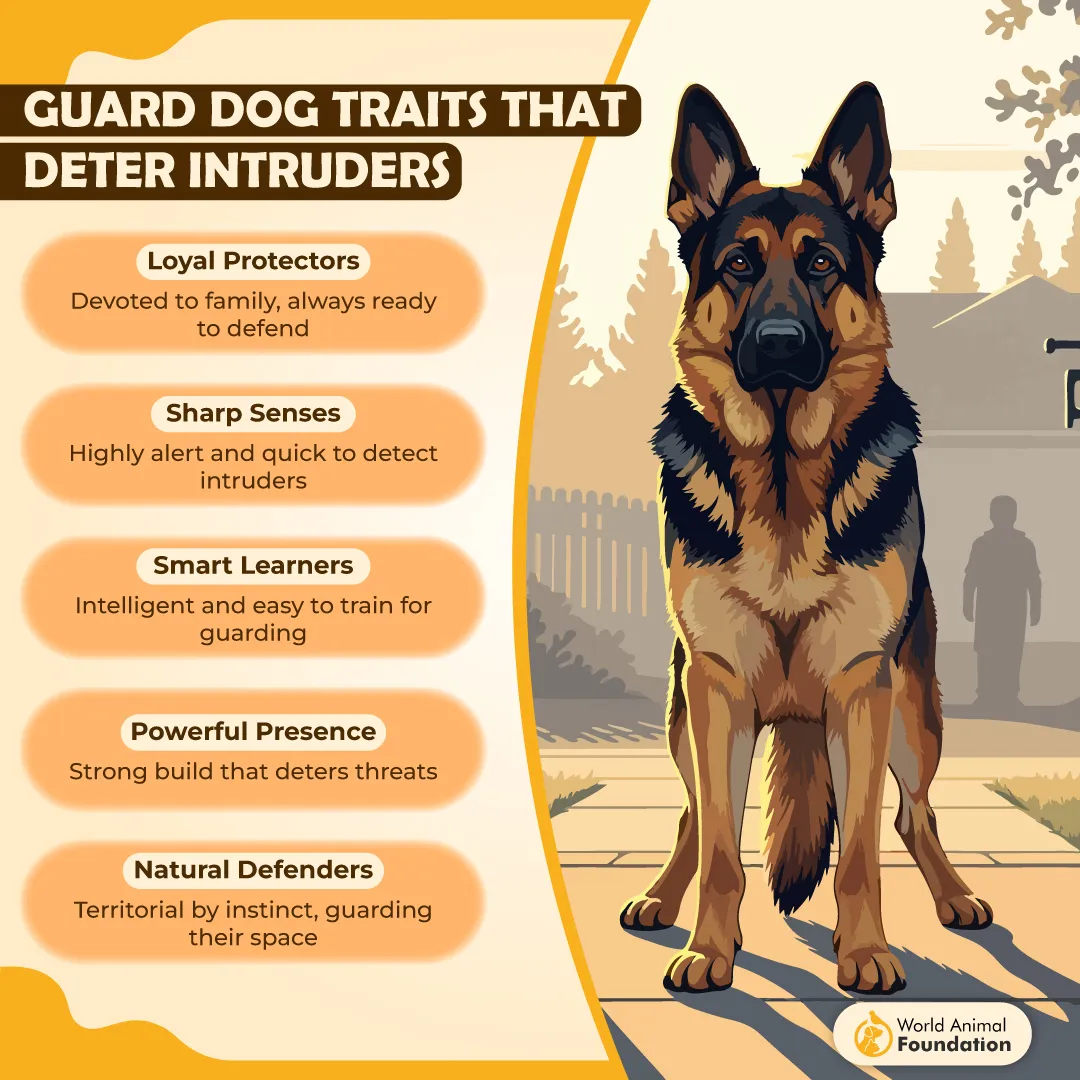
This breed functioned as an excellent watchdog across farms and pastures, alerting to intruders without showing unnecessary aggression. Its behavior combines territorial awareness with a calm response once reassurance comes from its handler.
This working pattern appears clearly in the daily structure:
Alerts through barking when an unfamiliar presence appears
Accepts strangers after owner reassurance
Maintains a calm presence in known surroundings
Activity suited for steady routines
These mountain dogs perform best with moderate exercise and mental stimulation, combining short outdoor activity with long periods of indoor rest. It enjoys walking, hiking, and outdoor companionship, especially in cooler climates. Some individuals also take part in carting and structured dog sports.
4. Saint Bernard
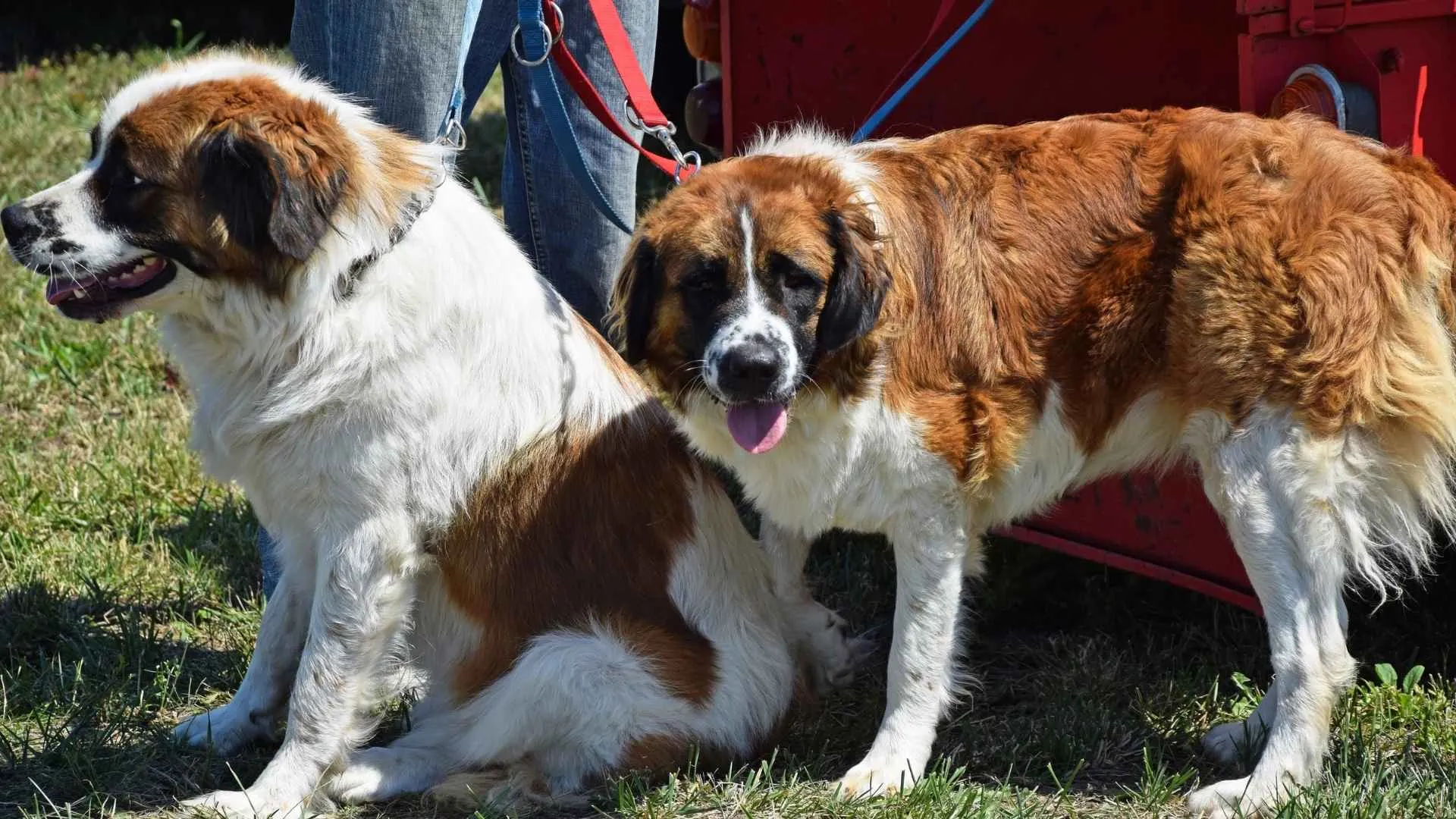
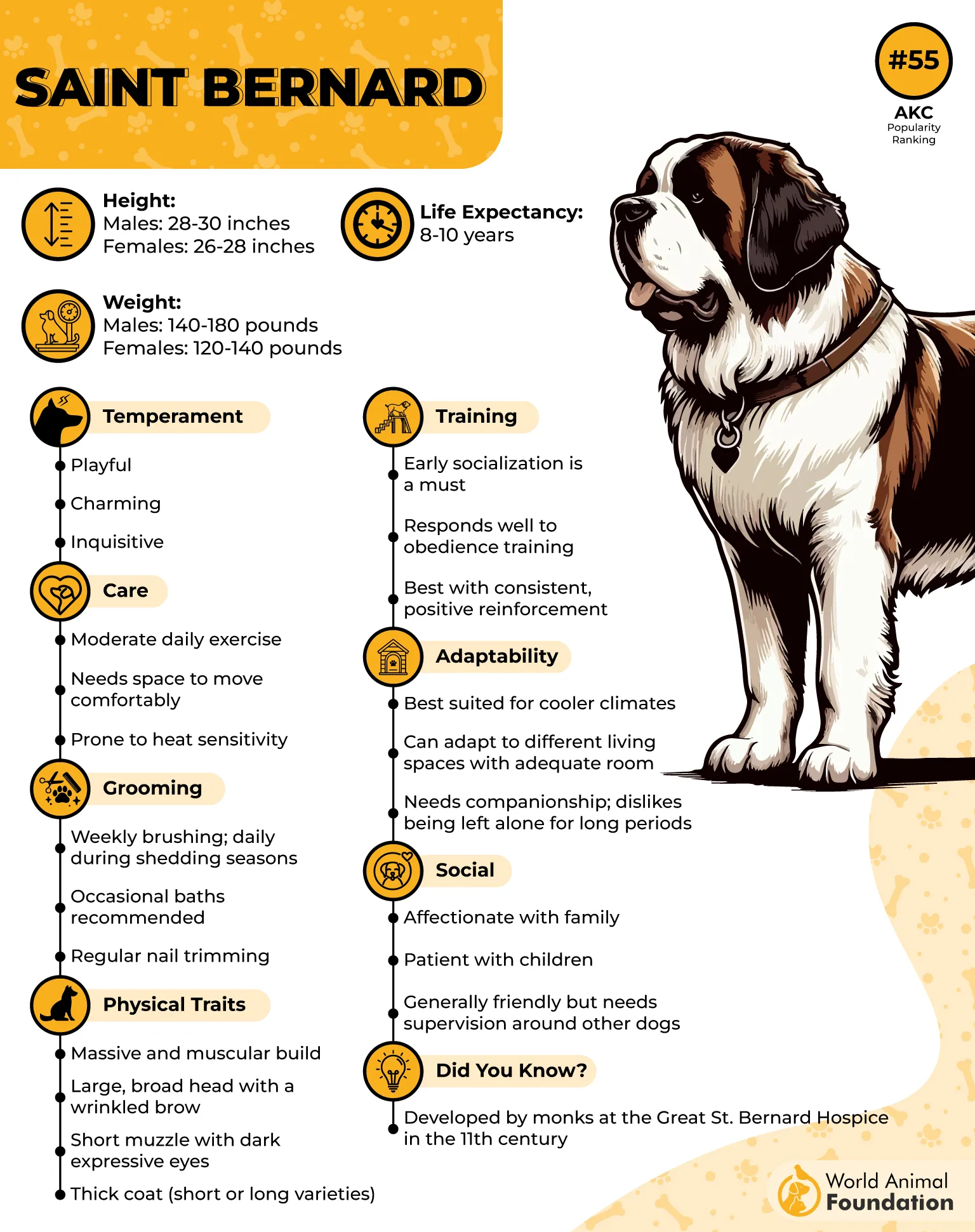
Saint Bernard served alongside monks in a remote alpine hospice, where presence mattered as much as action. Its massive frame, broad head, and steady gaze created a reassuring figure in isolated surroundings. That same calm watchfulness translates into a composed presence within the home.
Physical presence with quiet awareness
This protective dog breed holds a powerful, muscular structure paired with an attentive yet friendly expression. Its alertness shows through observation rather than constant reaction, keeping the environment under quiet notice.
This balance appears through defining traits:
Large frame with strong muscle build
Wrinkled brow and focused dark eyes
Calm stance during new situations
Daily rhythm shaped by moderation
This breed follows a slower daily pace, staying content with a single long walk or a short play session. It participates willingly in longer outings like hiking or carting, especially when shared with its person. Its activity level stays measured rather than demanding.
5. Rhodesian Ridgeback
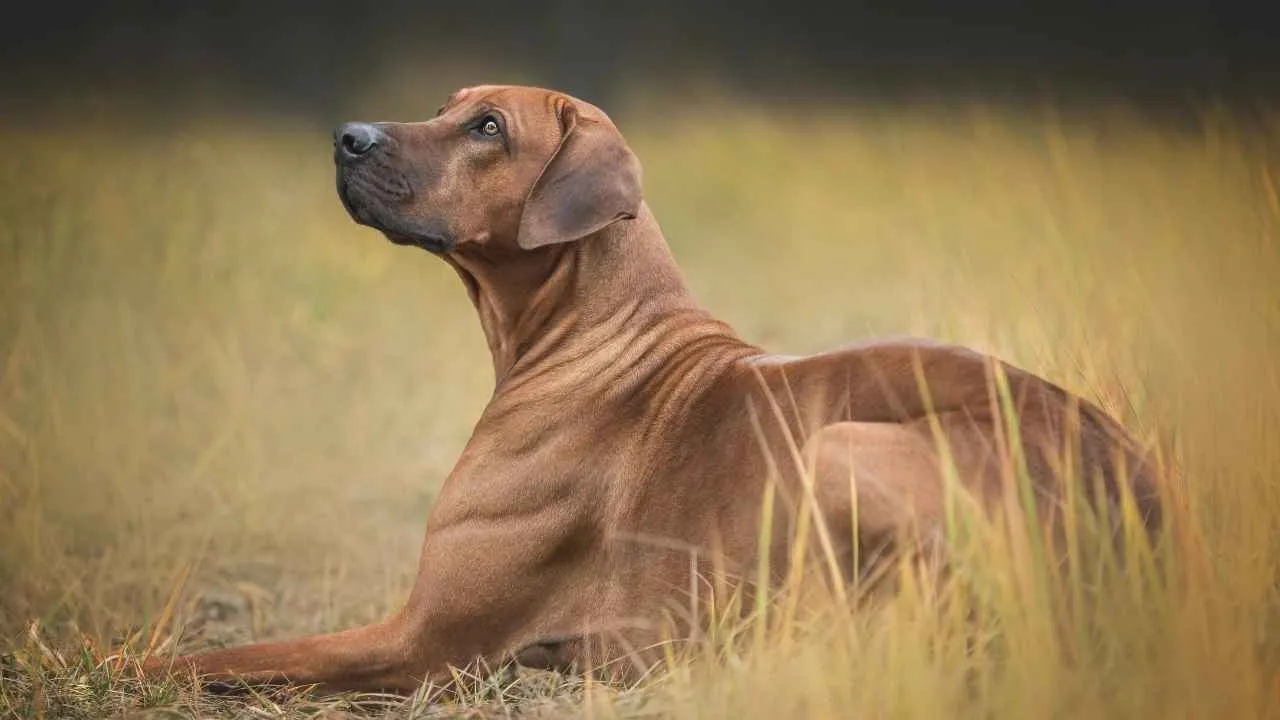
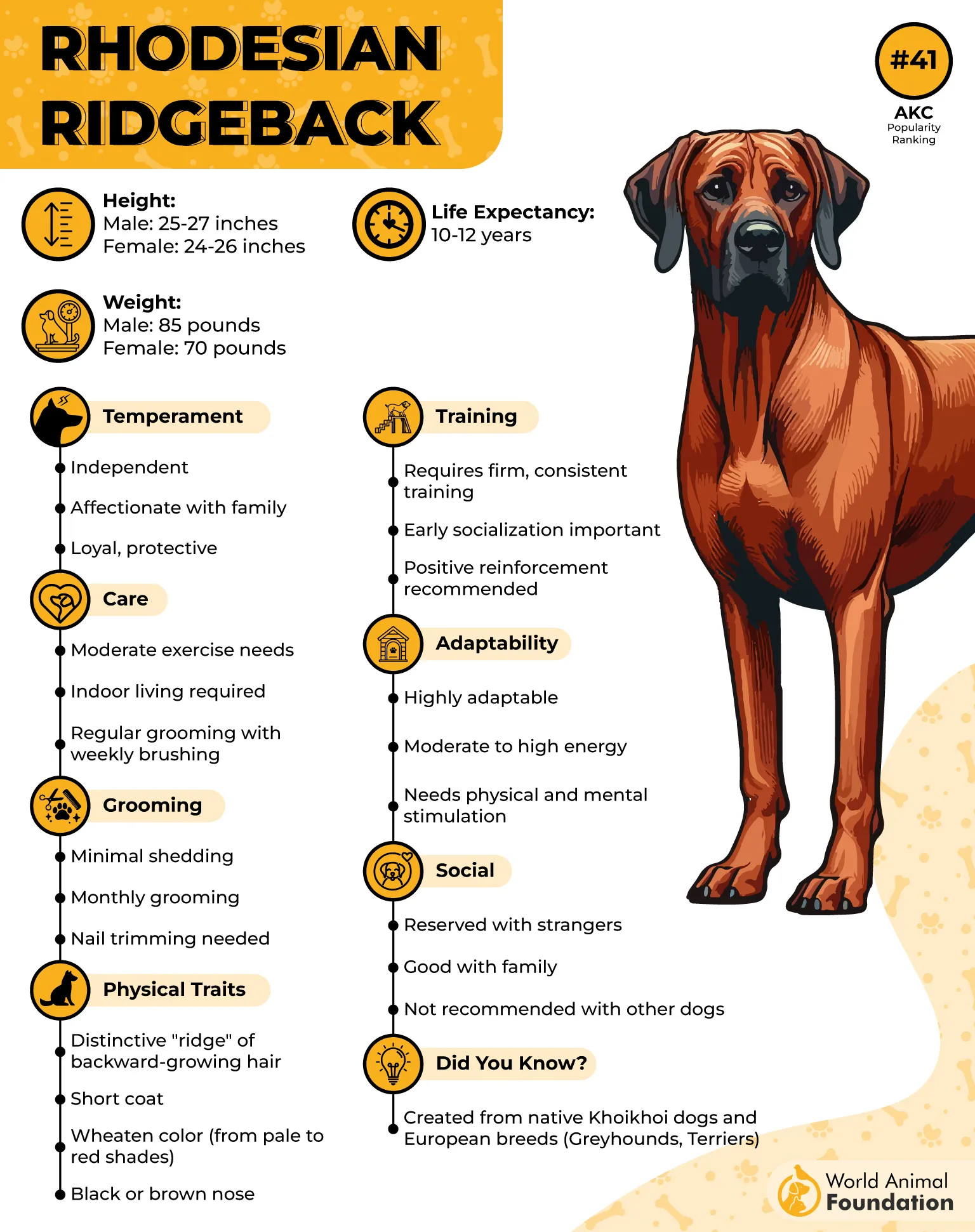
Rhodesian Ridgeback is recognized by the distinct ridge of backward-growing hair along its spine, a feature tied closely to its identity.
Its physical presence feels balanced, neither restless nor overly reactive in everyday surroundings. This calm exterior often masks a highly aware and self-directed nature.
Tracking instinct with controlled restraint
This great guard dog gained recognition for tracking and holding large game at bay rather than engaging directly. Its approach relies on control, positioning, and timing rather than reckless pursuit.
This working style appears through clear behavioral patterns:
Tracks targets without immediate attack
Holds position during high-pressure encounters
Uses presence to manage rather than overwhelm
Guidance shapes its protective role
They are incredibly loyal and respond best to firm and fair handling introduced early, helping channel their natural guarding instinct into controlled behavior, as Hills Pet noted.
Its strong prey drive requires awareness, especially in open or unsecured spaces. They need consistent training along with proper socialization and are better recommended for experienced owners.
6. Tibetan Mastiff
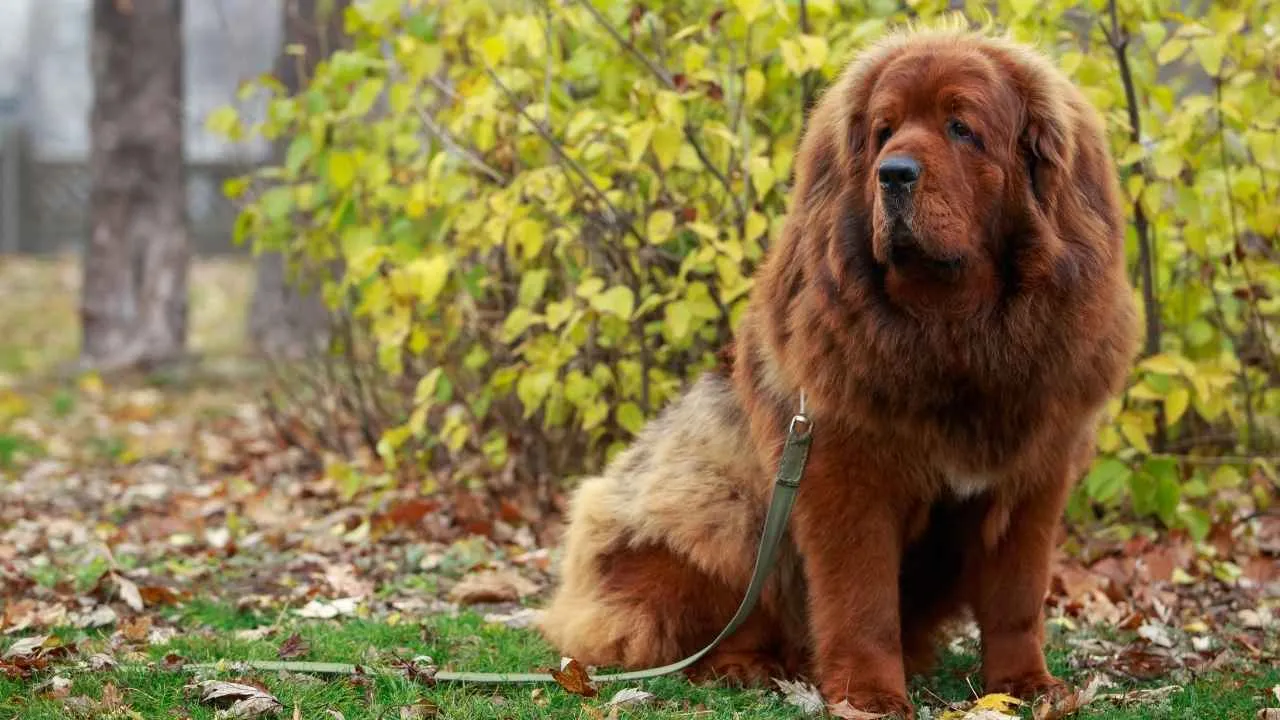
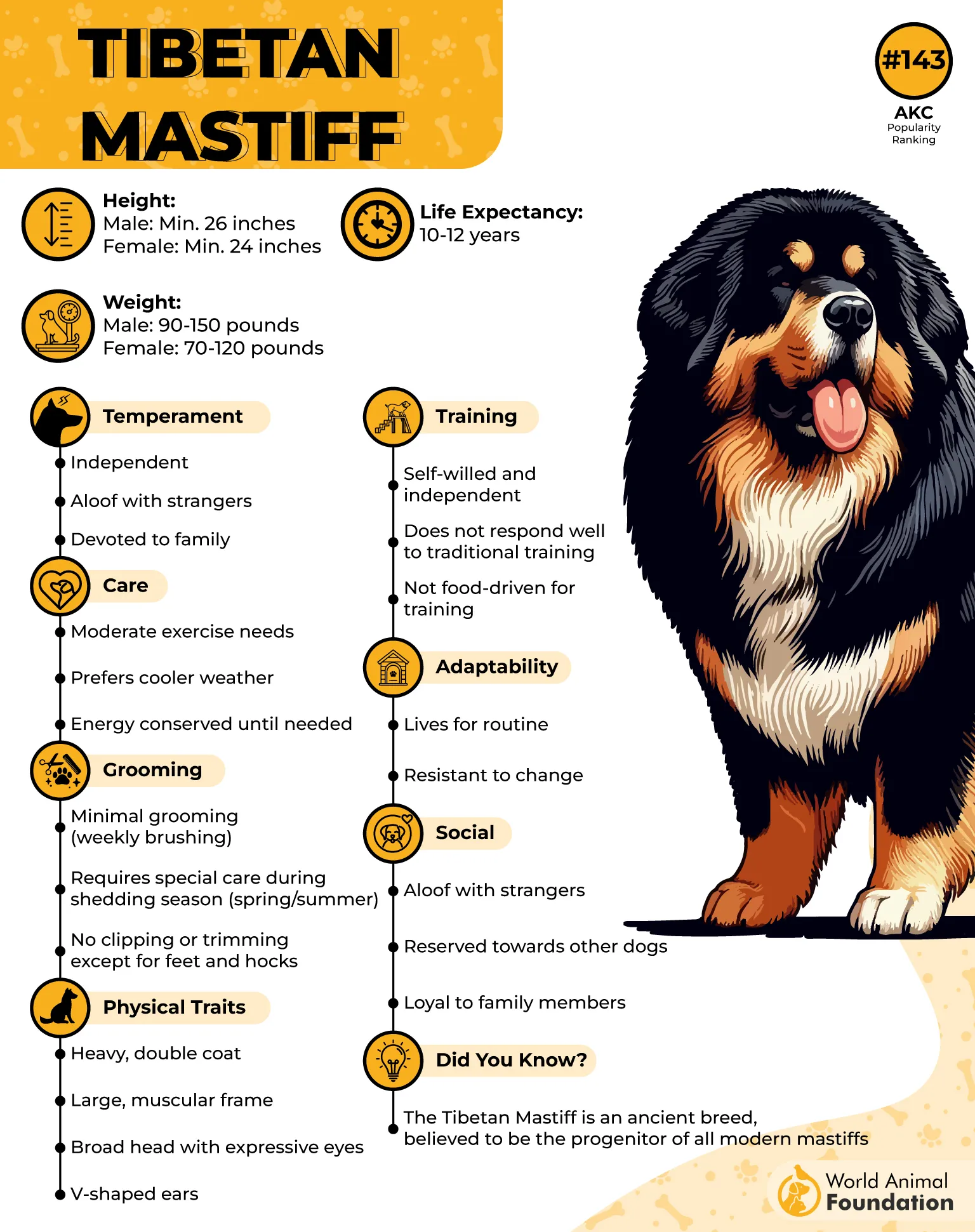
Tibetan Mastiff presents a massive, muscular frame paired with a broad head and deeply set expression that feels observant rather than reactive. Its dense coat adds to a heavy outline that naturally discourages intrusion. The overall presence feels still, yet aware of every shift nearby.
Territorial instinct with selective response
This excellent guard dog stays calm within familiar surroundings and is naturally wary of strangers and unfamiliar faces. Its role centers around watching and holding ground instead of constant motion or display.
That instinct becomes clear through natural patterns:
Holds position while observing surroundings
Reacts when boundaries feel crossed
Maintains distance from unfamiliar individuals
Activity shaped by purpose
According to PetMD, they prefer purposeful tasks like patrolling defined areas over structured games or repetitive play. Its energy appears in short bursts, often conserving strength until a situation demands action. Cooler weather tends to bring out more visible activity compared to warmer conditions.
7. Great Dane
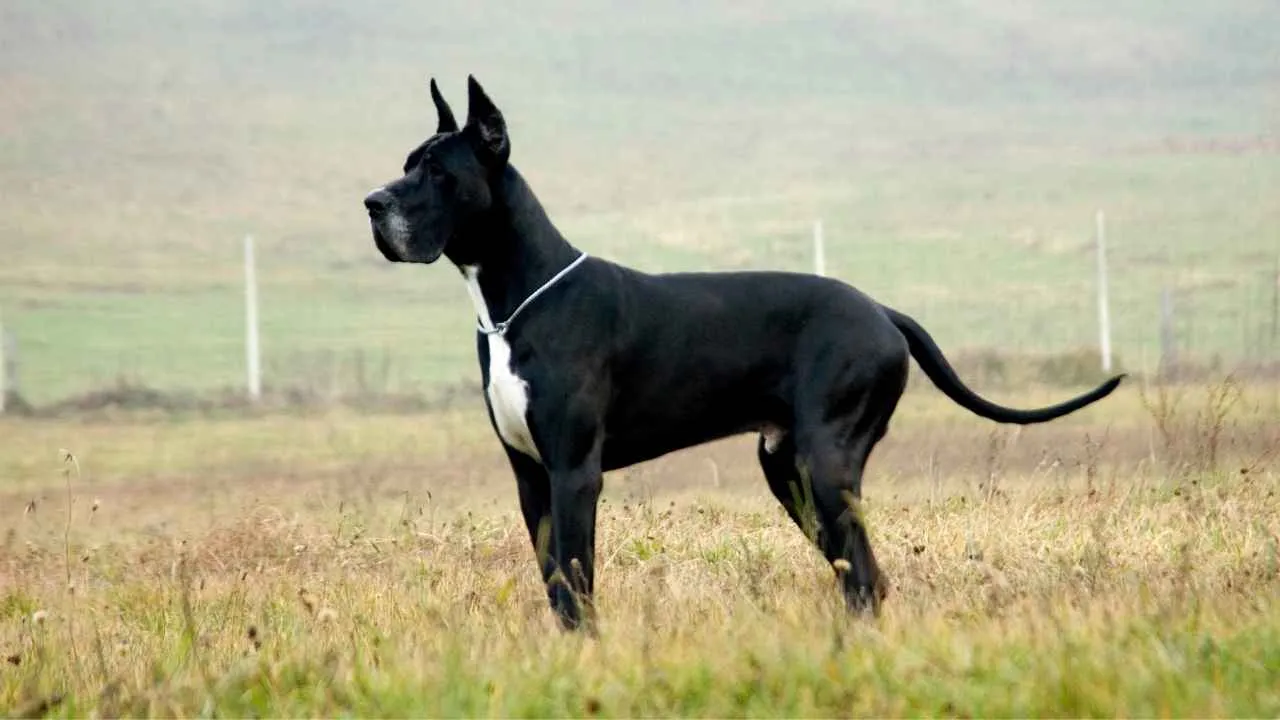
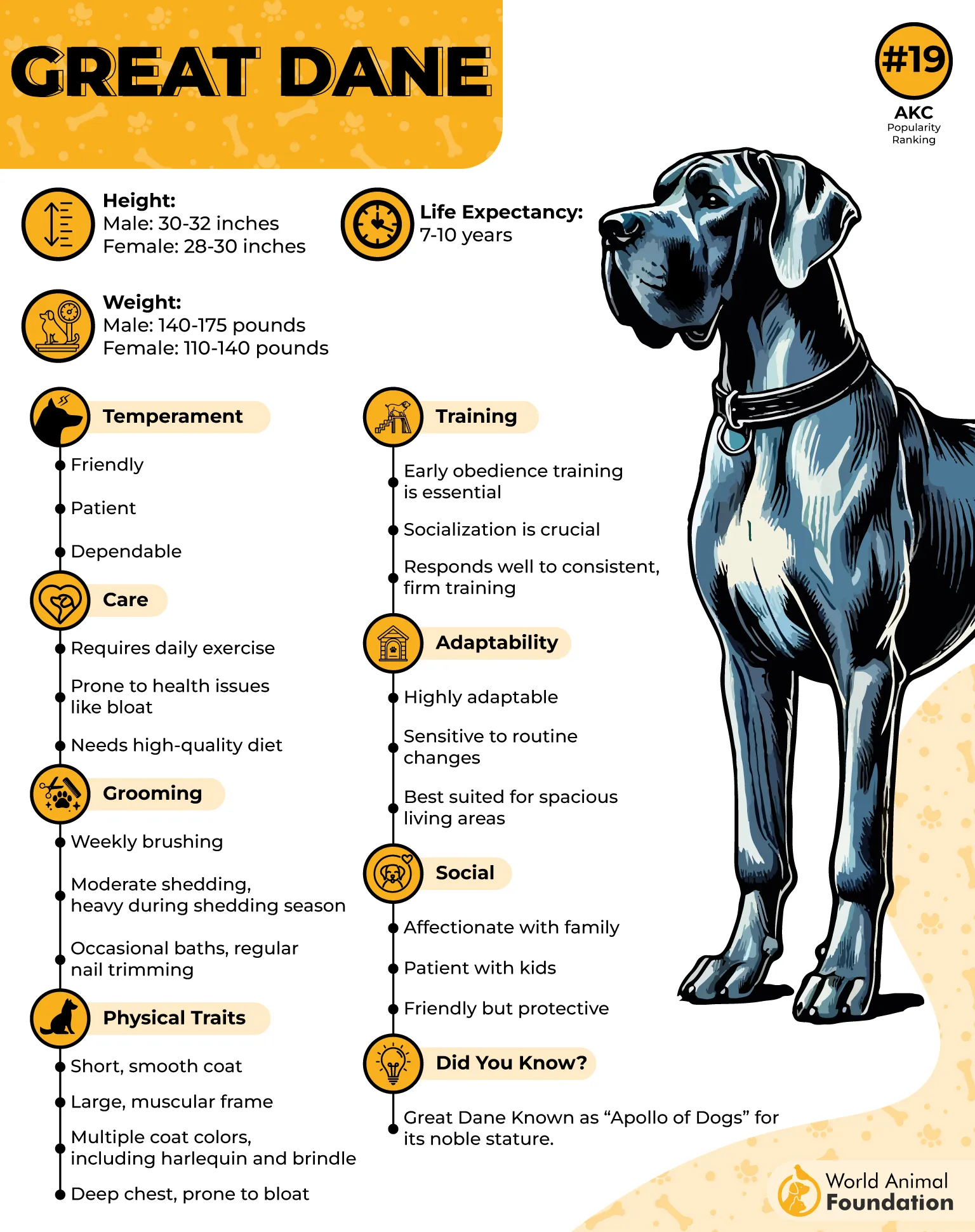
The Great Dane fills a room through sheer height and balanced structure, often described as the “Apollo of Dogs” for its elegance. Its smooth stride and upright posture reflect a dog built with both power and control. This physical presence alone creates a quiet sense of authority inside the home.
Calm guard with measured response
They observe their surroundings without unnecessary noise, reacting only when something feels out of place. Its alert nature works quietly, relying more on presence than constant action.
That calm control shows through simple patterns:
Rarely barks without a clear reason
Watches unfamiliar activity before reacting
Uses size as a natural deterrent
Handling and daily structure
These gentle giants require thoughtful handling due to their size and strength, especially in shared living spaces. It responds to training but takes time to process commands, making consistency important. A secure outdoor area and regular activity help maintain balance in its daily routine.
Conclusion
A calm guard dog changes how security feels inside a home. The right guard dog in this list shows that awareness and protection can exist without constant movement or pressure.
Each one holds a steady presence, guided by sharp instincts, responding when needed but staying composed the rest of the time.
Some maintain distance through observation, while others stay close and connected to daily life as naturally protective companions. These differences become clearer with experience.
When placed in the right setting, they do not disturb the environment. Instead, they blend into it, often becoming loving family pets. That balance allows a home to feel both protected and peaceful without adding unnecessary tension to everyday moments.
