




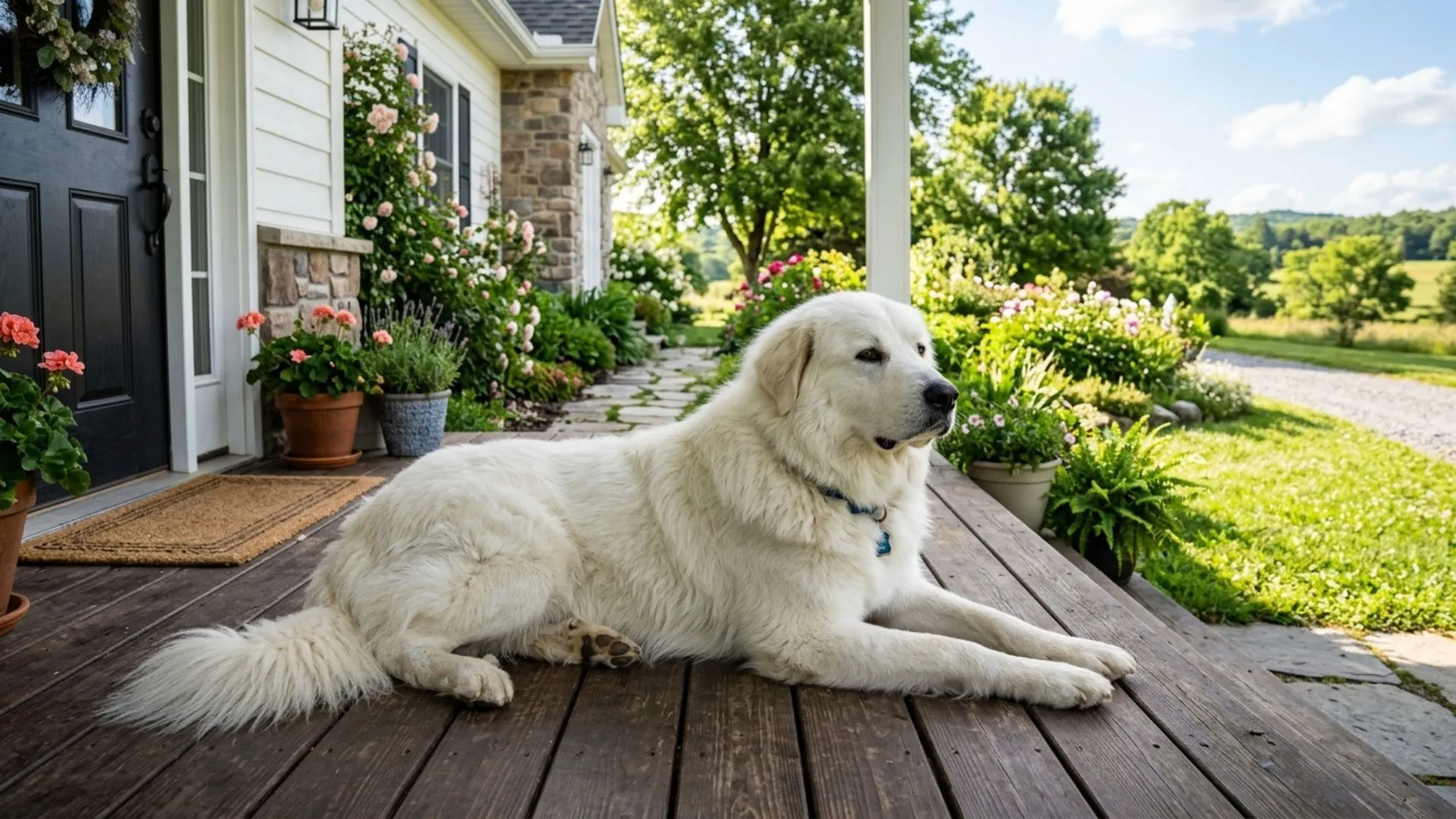
Ever felt it…?
That moment when a dog walks into a room and everything just feels… calmer.
Strange, right?
Because we’re taught something very different.
Guard dogs are supposed to be loud. Intense. Always on edge.
That’s the expectation.
But here’s the truth…
Some of the best protectors are the quiet ones.
Steady.
Composed.
Almost… peaceful.
They don’t turn your home into chaos. They don’t demand attention every second. And they don’t make everyday life feel like a storm waiting to happen.
Instead, they watch. They wait. They understand.
And when it matters most… they step in.
It’s a different kind of protection. Not loud power… but controlled calm.
Not fear… but balance.
So, if you’ve ever wanted safety without stress… protection without pressure… and a home that still feels like HOME…
This changes everything.
Let’s explore the relaxed guard dog breeds that bring real security into a truly tranquil home.
Relaxed Guard Dog Breeds for a Tranquil Home
1. Doberman Pinscher
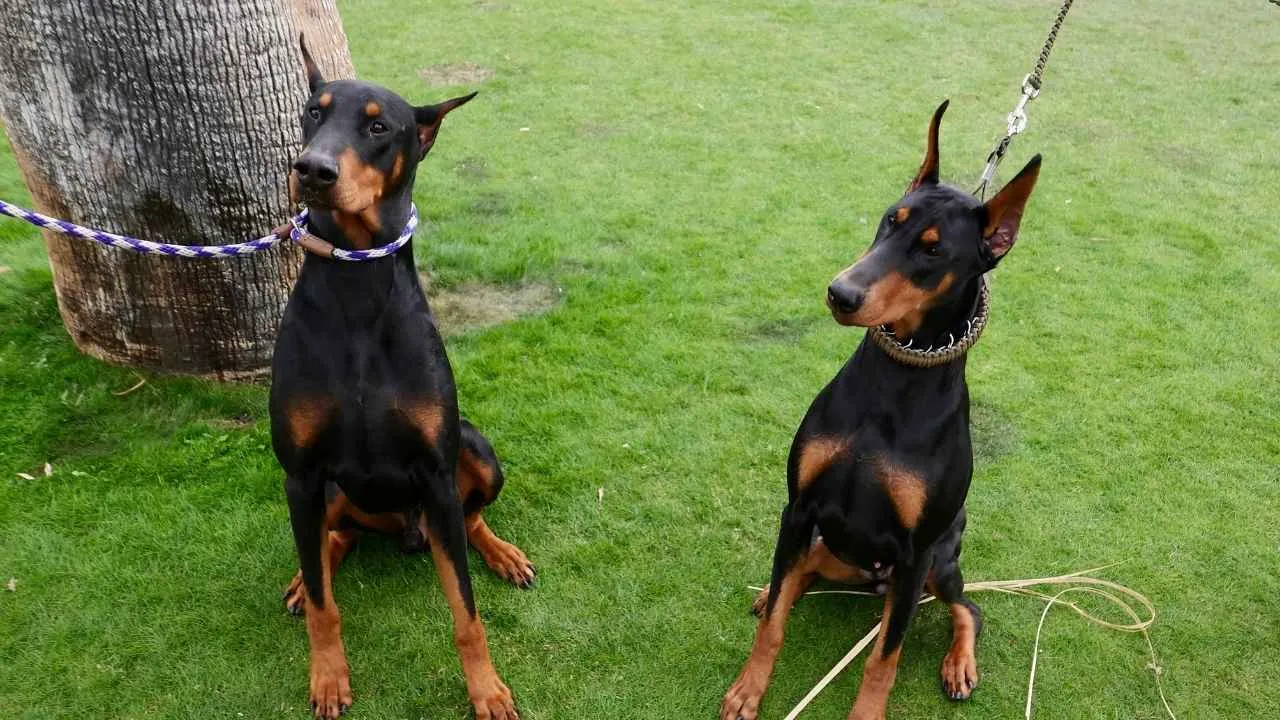
The Doberman Pinscher often surprises people with its balance of calm demeanor and strong guarding instinct.
At home, it can settle into a quiet rhythm, staying close to its family and observing everything with steady focus rather than unnecessary noise or agitation.
This breed is highly aware of its surroundings, which means it often responds to situations with thoughtful alertness instead of chaos.
In everyday life, it fits well into structured households where routines are clear, and energy is guided through walks, proper training, and simple mental tasks.
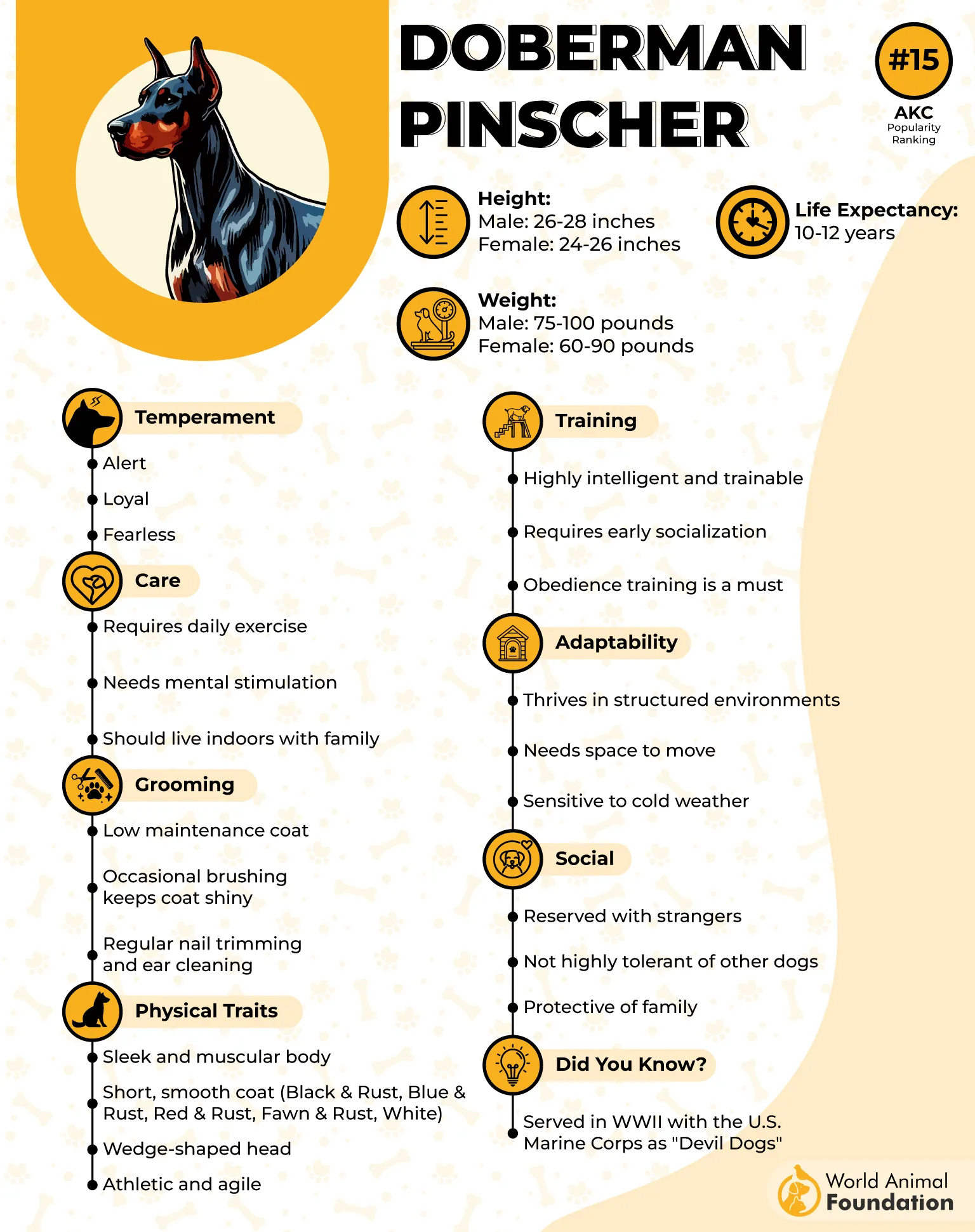
When properly guided, it learns to switch off indoors, lying calmly while remaining attentive to anything unusual. That steady awareness alone can discourage unwanted approaches without constant barking or disturbance, helping maintain a peaceful environment.
In family life, this loving family pet often becomes a dependable presence—calm during rest, focused when needed, and deeply connected to its people.
With consistent handling and early social learning, it adapts well to balanced homes that value both tranquility and security. The result is a composed, confident companion that supports a quiet atmosphere while quietly standing watch over the home.
2. German Shepherd
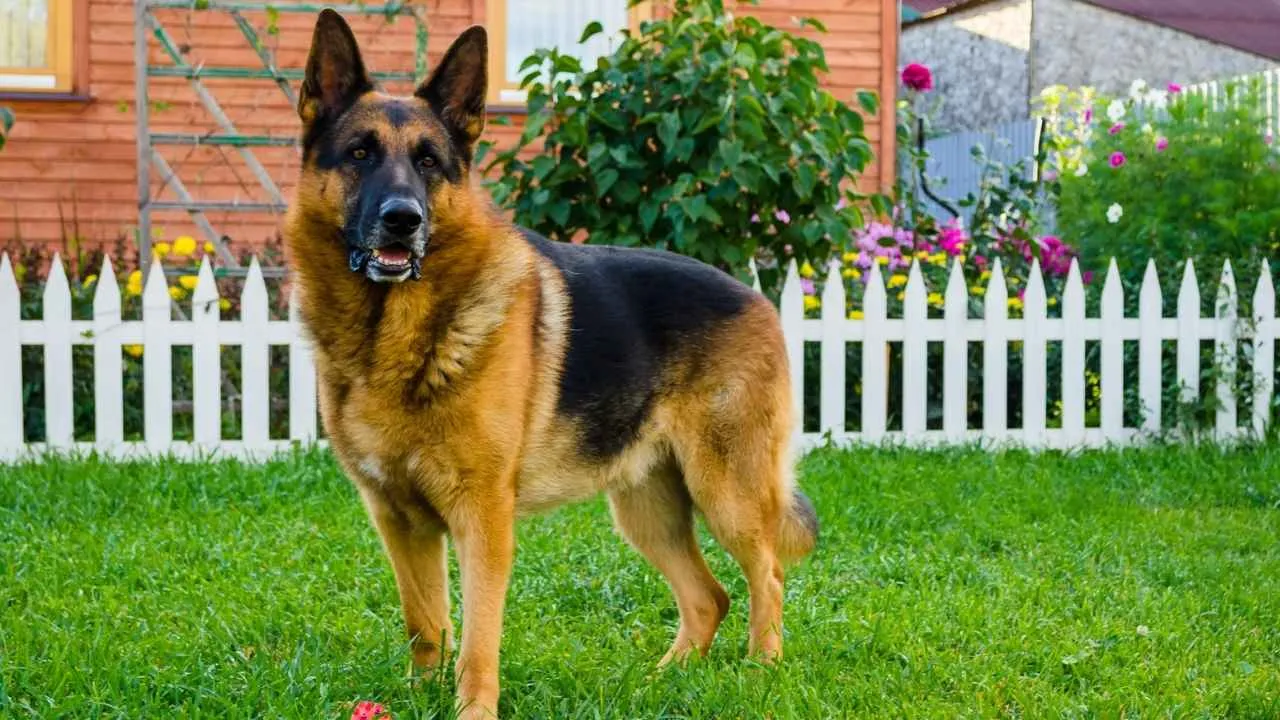
The German Shepherd is known for its balanced nature, combining calm companionship with a strong sense of responsibility toward its family.
When introduced early to children and guided with consistent social training, it often grows into a steady and reliable household presence.
In daily life, it can be extremely calm, affectionate, and patient with familiar people, especially in homes where routines are clear and expectations are consistent.
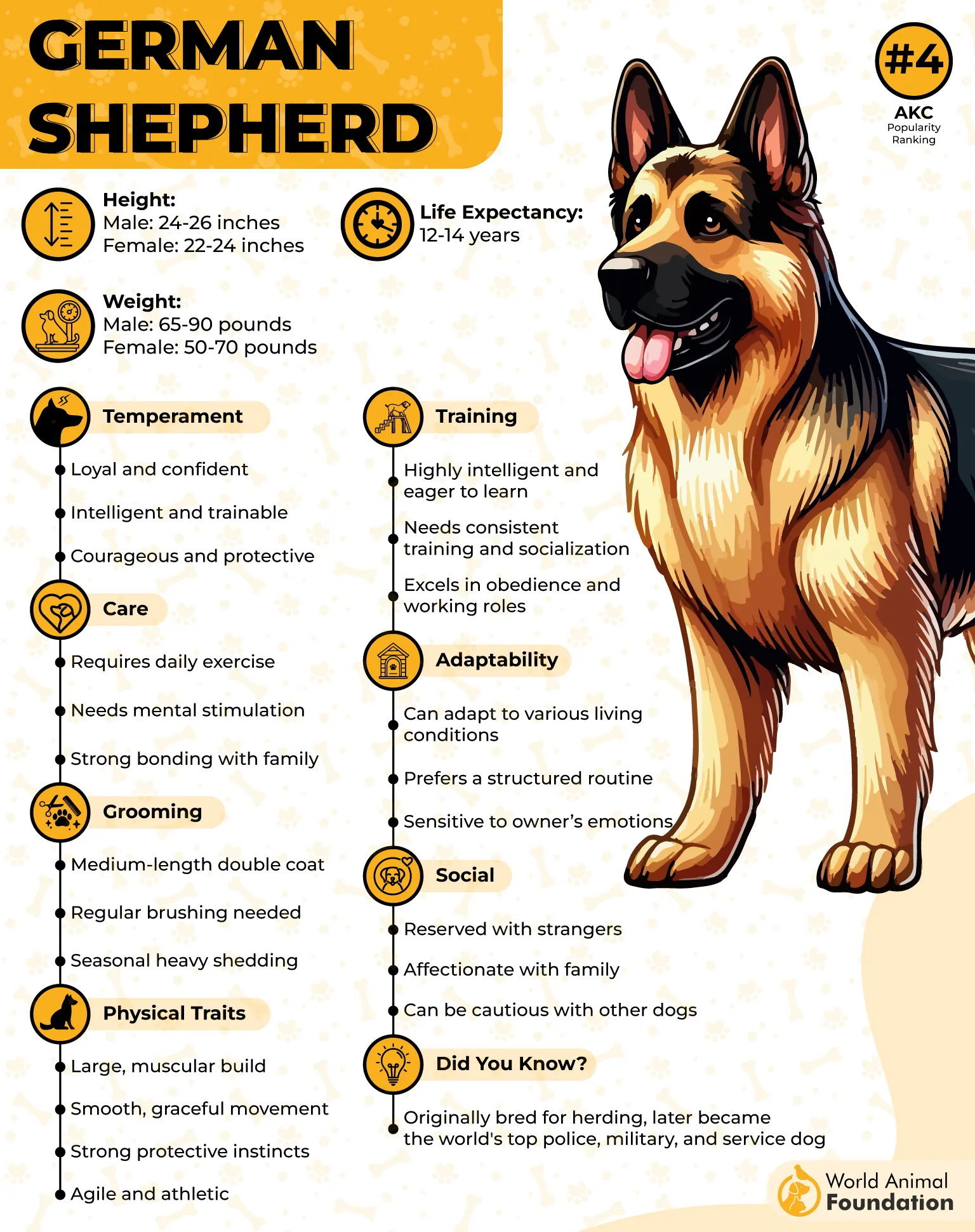
At the same time, its natural alertness makes it highly attentive to movement and changes in its environment, making it well-suited to focused working roles.
In a home setting, this awareness translates into quiet attentiveness rather than constant agitation, helping maintain a peaceful atmosphere while still offering a sense of security.
However, its strength and enthusiasm mean interactions with small children should always be supervised to prevent accidental bumps during play.
With structure, exercise, and mental engagement, it settles well indoors, becoming a great family pet and a dependable guardian that supports a safe, tranquil home.
3. Bernese Mountain Dog
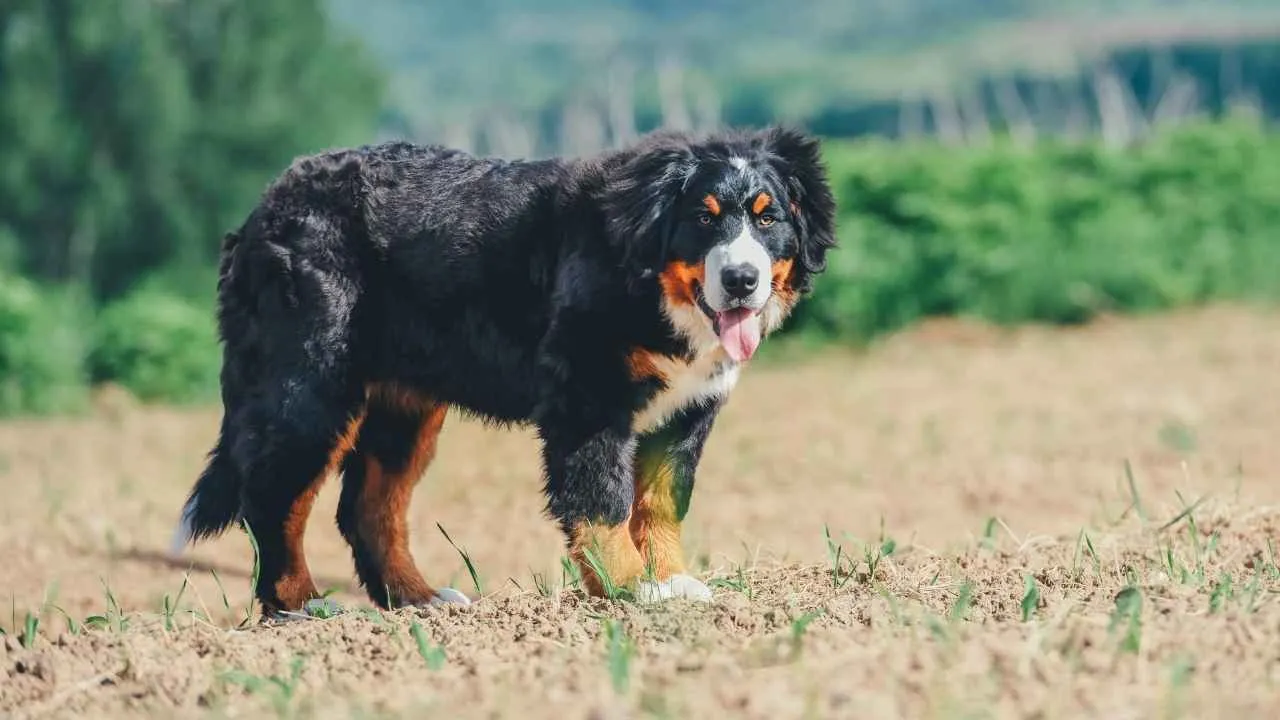
The Bernese Mountain Dog brings a calm, grounded energy into the home, paired with a naturally protective awareness of its surroundings, as mentioned by the AKC.
Despite its strong working background, it tends to move through daily life with a steady, easygoing temperament. At home, it often enjoys quiet time near family members, showing affection in a gentle and patient way rather than demanding attention.
This breed adapts well to family routines and is known for being especially soft and careful with children, often treating them with a calm tolerance during play and daily interaction.
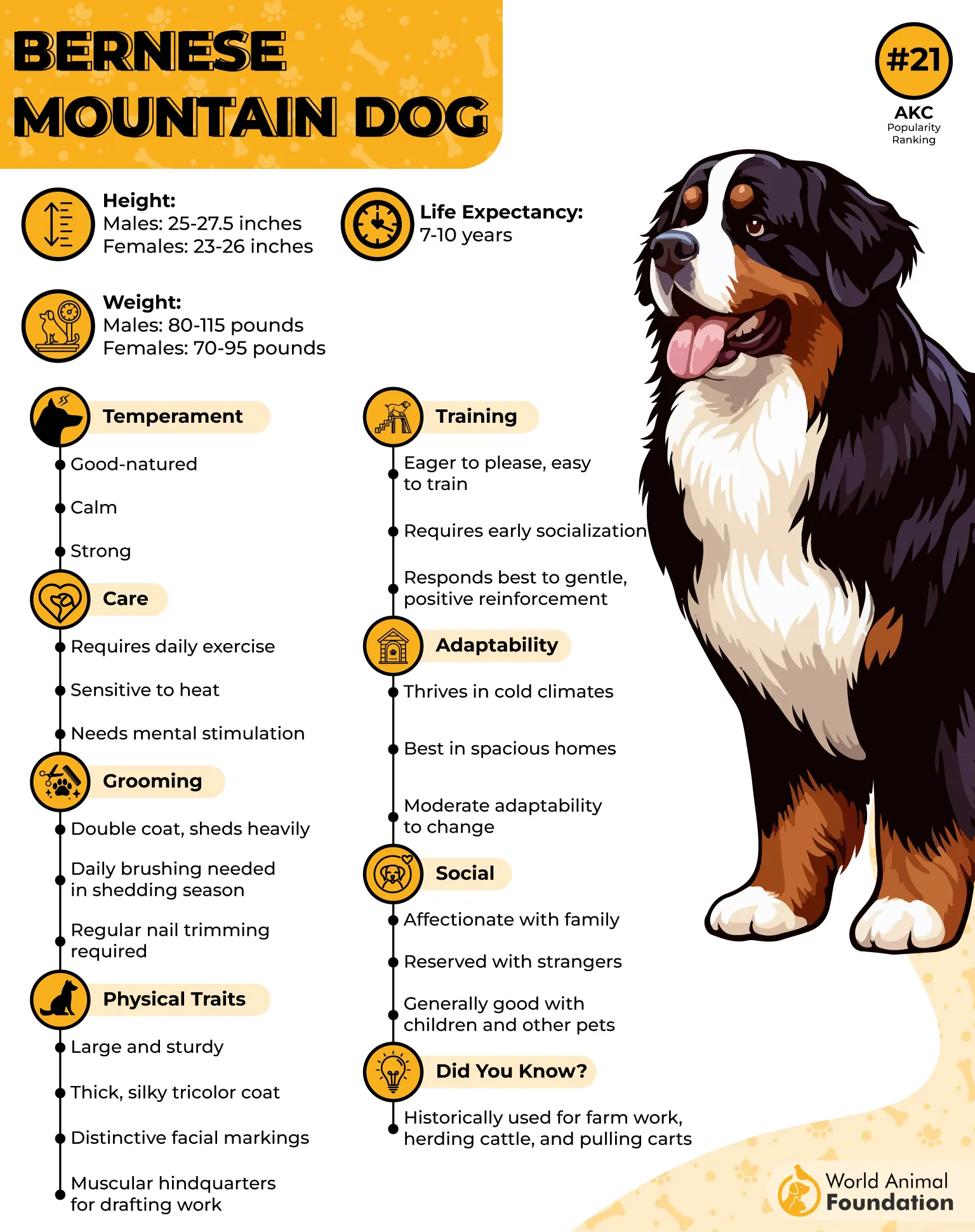
While friendly with familiar people, these protection dogs may remain reserved with strangers, observing quietly before deciding how to respond, which adds a subtle sense of security without creating tension in the home.
It enjoys outdoor activity and simple tasks that give it purpose, but indoors, it typically settles into a relaxed presence.
With consistent care and companionship, it becomes a loyal, steady family member—offering warmth, stability, and quiet watchfulness that helps maintain a peaceful and balanced home environment.
4. Cane corso
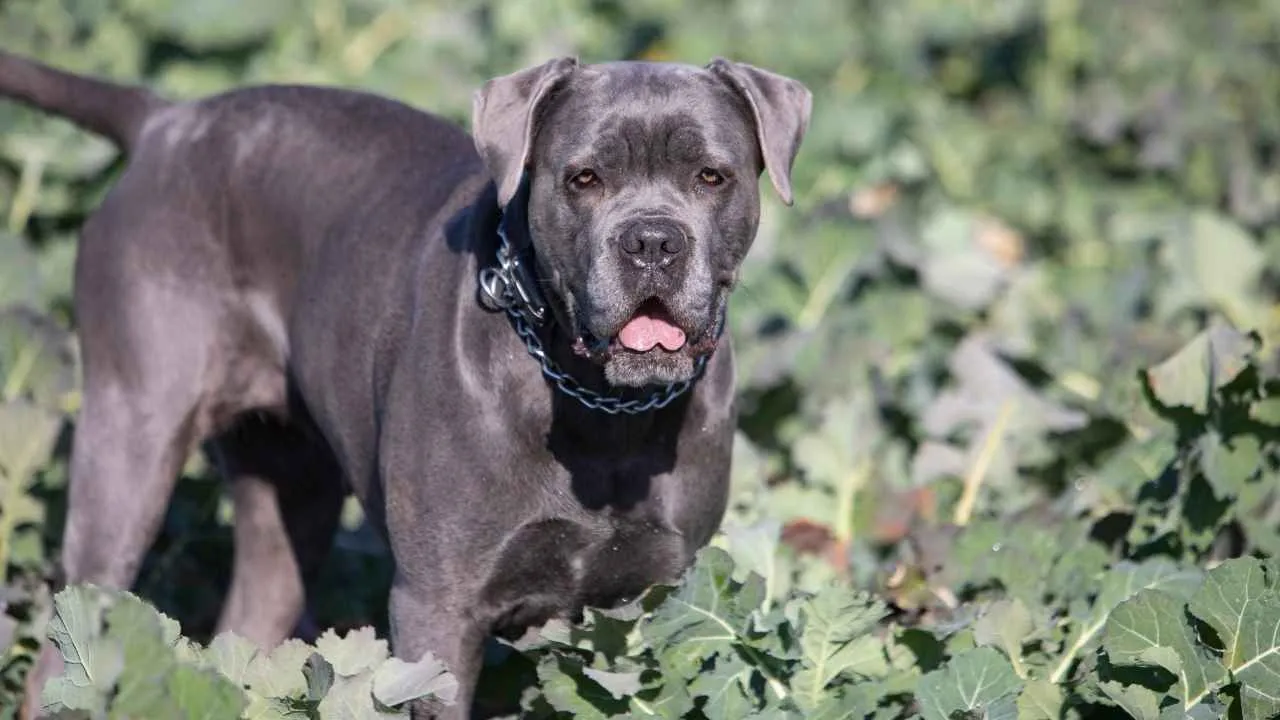
The Cane Corso is often described as a calm yet powerful protective dog breed that carries itself with quiet confidence in the home.
In everyday life, it tends to stay composed and observant, watching its surroundings with steady focus rather than reacting without reason.
This natural awareness gives it a strong protective presence, often discouraging unwanted attention simply through its calm posture and controlled energy.
At home, it forms deep bonds with its family and responds well to structure, clear guidance, and consistent routines.
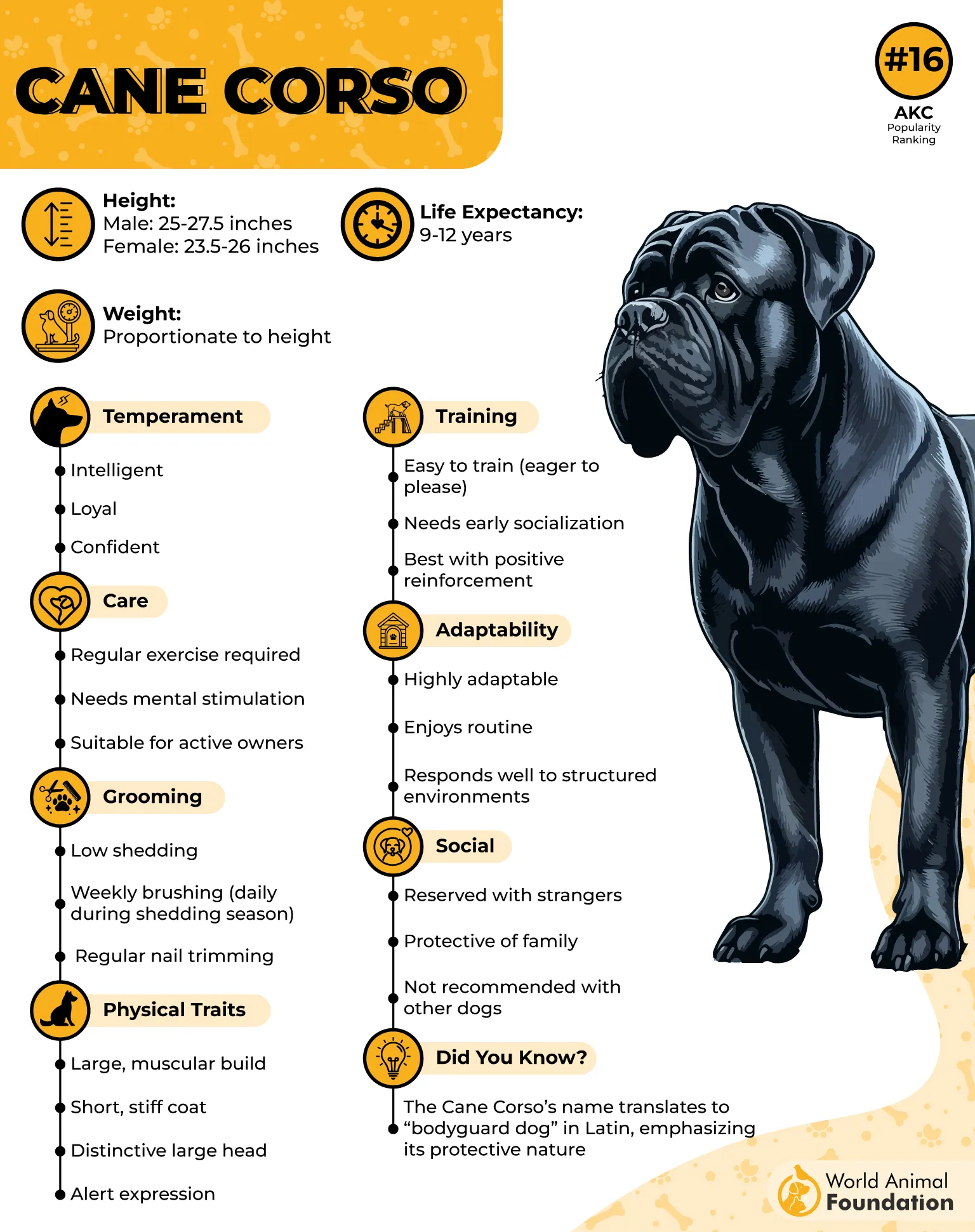
When properly socialized from an early age, it learns to balance its protective instincts with a more relaxed, stable temperament indoors. It can be affectionate and loyal with familiar people, while remaining reserved and cautious around strangers.
However, it is a strong-willed breed that needs confident handling, as inconsistent guidance can make it harder to manage over time.
With responsible training and early exposure to different environments, it becomes a dependable, loyal companion—steady, attentive, and quietly protective.
In the right home, it offers a sense of security without constant noise, contributing to a calm and controlled living space.
5. Bullmastiff
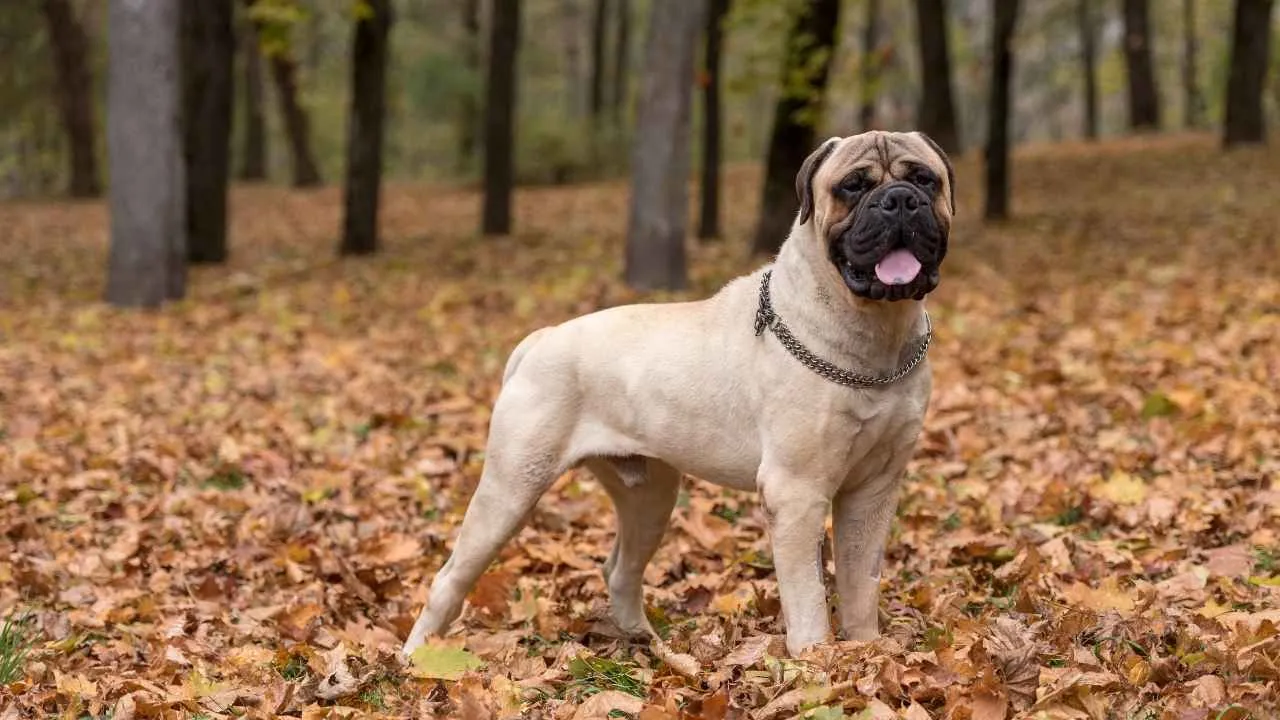
The Bullmastiff is often seen as a calm and steady presence in the home, carrying a quiet confidence that fits well into peaceful living spaces. In daily routines, it tends to stay relaxed and observant, not easily disturbed by normal household activity.
Rather than reacting constantly, it usually watches and waits, stepping in only when something feels out of place, which can create a reassuring sense of balance indoors, as mentioned by PetMD.
With early guidance, it responds well to structured training and clear communication, gradually learning household rules and expectations.
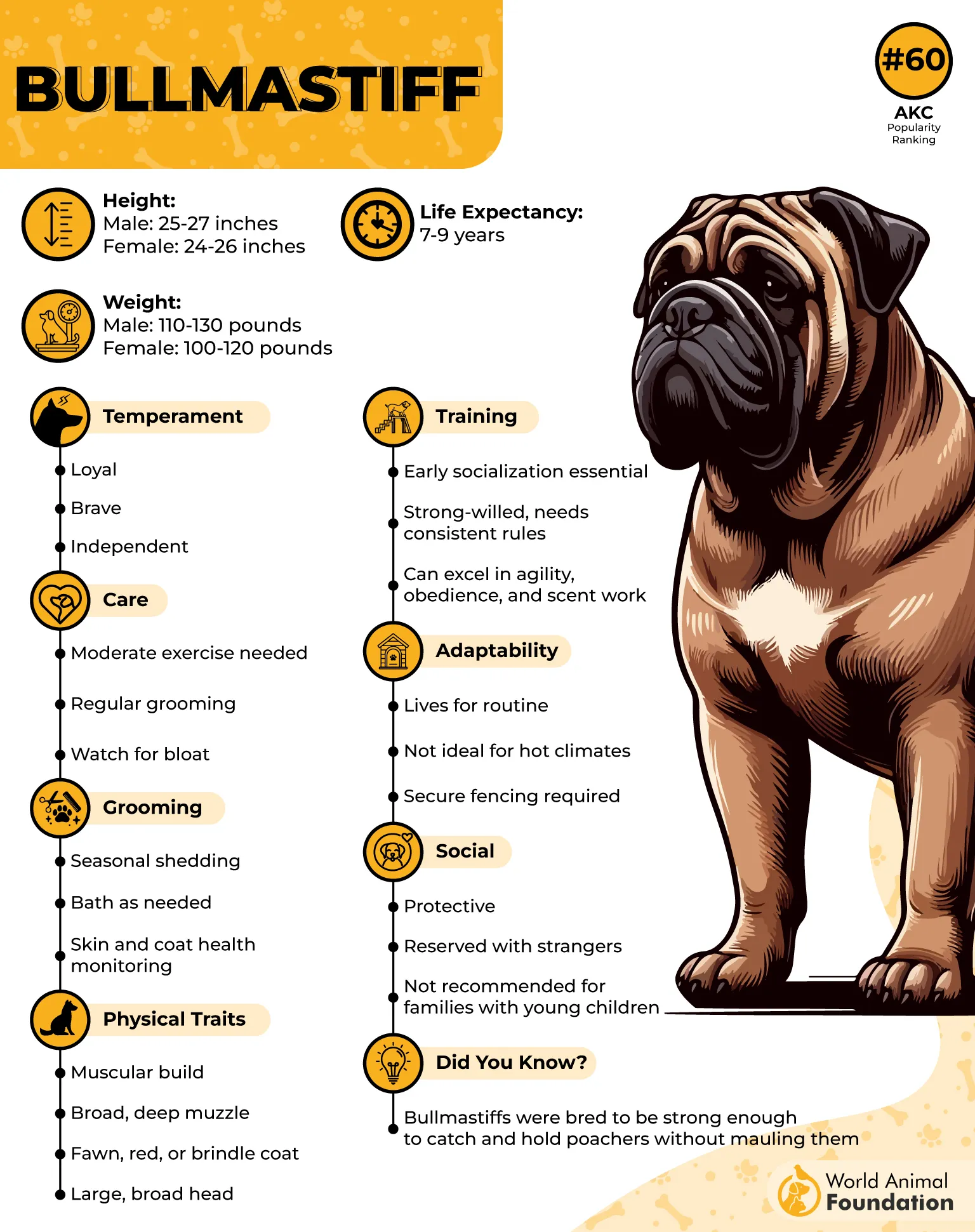
When raised with consistency from a young age, it develops into a composed and well-mannered companion. Without that early direction, its strong will can become harder to manage as it matures, making steady training especially important.
In familiar environments, it is affectionate and loyal, often forming strong bonds with its family while remaining reserved around unfamiliar people.
Its natural guarding instinct is expressed through quiet awareness rather than constant noise, contributing to a calm home atmosphere.
With patient handling, it becomes an excellent guard dog and a gentle companion, offering both emotional steadiness and quiet protection in everyday life.
6. Great Pyrenees
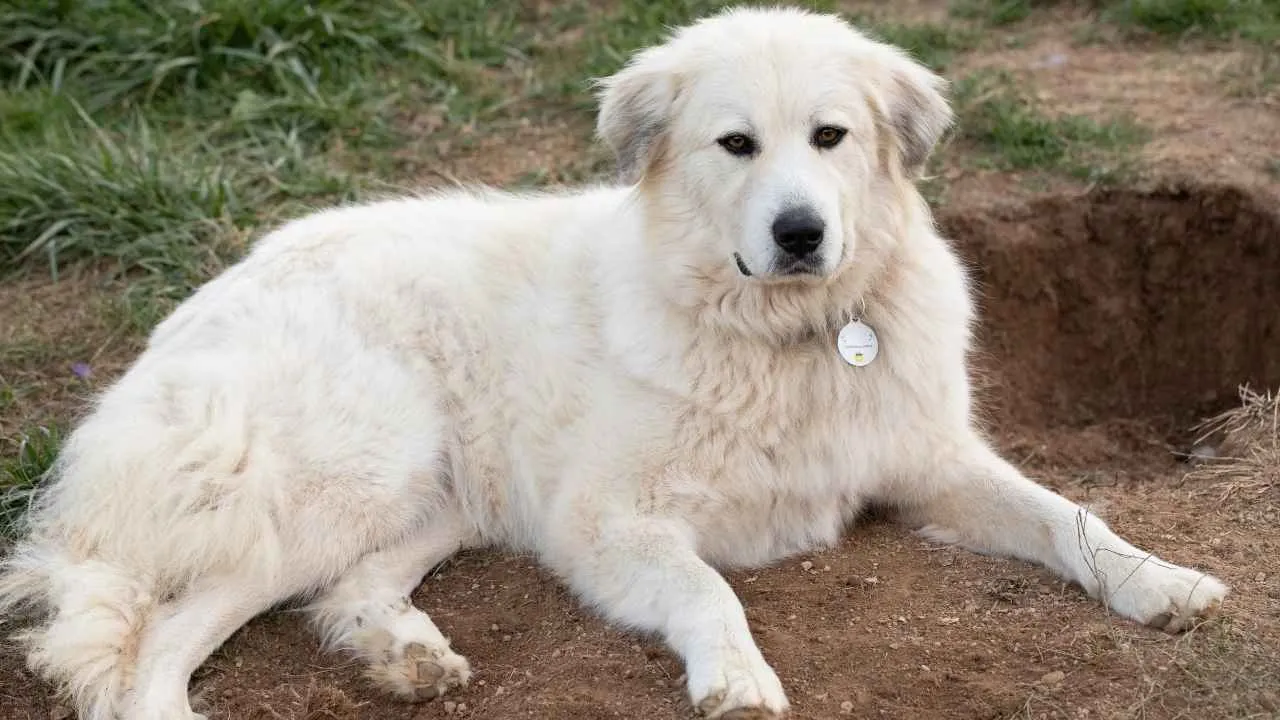
The Great Pyrenees carries a quiet, watchful presence that fits naturally into a peaceful home. In daily life, this breed often moves with calm confidence, preferring to observe its surroundings rather than react quickly or loudly.
It was originally developed to stay with flocks for long hours, making decisions independently while keeping threats at a distance, and that same steady mindset shows up in home environments today.
Inside the house, it usually settles into a relaxed rhythm, enjoying calm spaces and close contact with family members. It tends to be gentle and patient, especially in familiar settings, where it becomes deeply loyal and dependable.
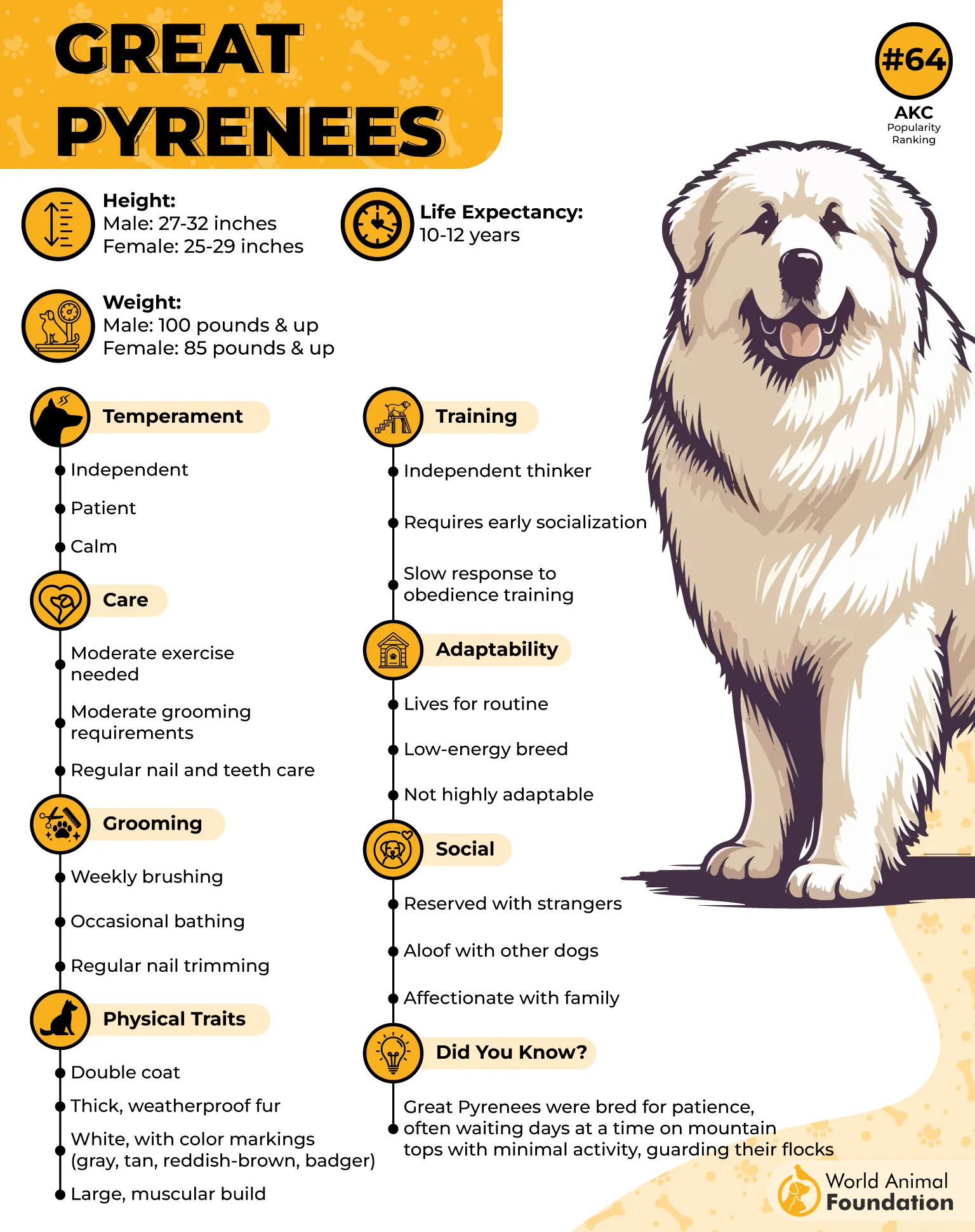
Instead of constant activity, it prefers slow movement and quiet monitoring of its surroundings, which can create a reassuring sense of stability.
At the same time, it remains naturally alert, stepping forward only when something feels unusual or out of place. In warm conditions, it may seek cooler spots to rest, showing a practical awareness of comfort.
With consistent guidance, it becomes a composed and thoughtful best guard dog—calm in everyday life, yet quietly protective when its home and family need attention.
7. Great Dane
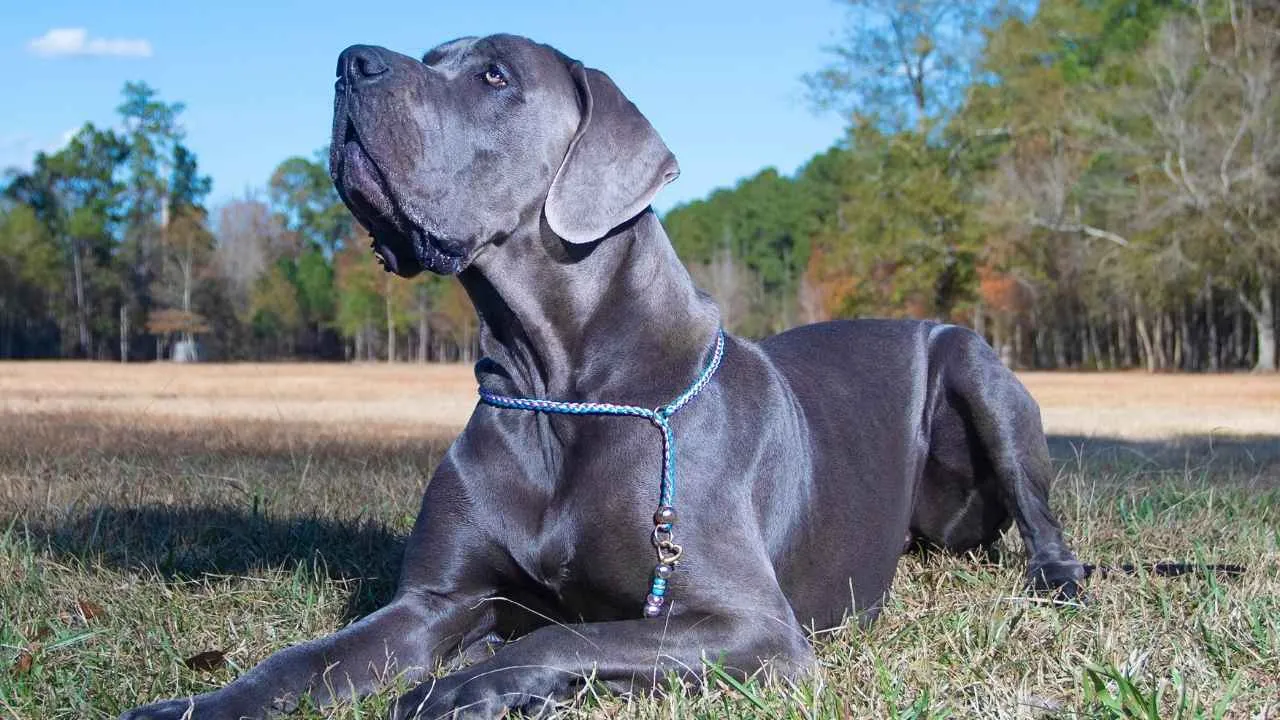
The Great Dane is often described as a calm guardian with a naturally steady and composed presence in the home, as mentioned by Greencross Vets.
Despite its impressive size, it is typically gentle in daily life, moving slowly through living spaces and settling comfortably near family members. In a peaceful household, it tends to stay relaxed indoors, preferring quiet companionship over constant activity.
This breed is highly people-oriented and usually forms strong bonds with its family, often following them from room to room just to stay close. Around visitors, it is generally welcoming and composed, observing first before reacting.

However, in situations that feel unfamiliar or suspicious, it can shift into a protective mindset, using its presence alone as a quiet form of deterrence without unnecessary noise or aggression.
Well-suited to homes that value calm structure, it responds best to consistent routines and gentle guidance.
In return, it offers affection, patience, and a surprisingly soft nature for its size. With proper care, it becomes a balanced companion—calm indoors, attentive when needed, and deeply loyal to the people it lives with every day.
Conclusion
Choosing a calm yet protective companion is about finding balance, not intensity. The best dogs for a peaceful home are those that blend steady awareness with gentle behavior, offering security without constant noise or stress.
With the right training, early social exposure, and consistent care, they become reliable family members who adapt smoothly to daily routines. They observe more than they react, creating a quiet sense of safety indoors.
For first-time owners, this combination of patience, loyalty, and controlled protectiveness makes life easier, calmer, and far more comforting overall.
