




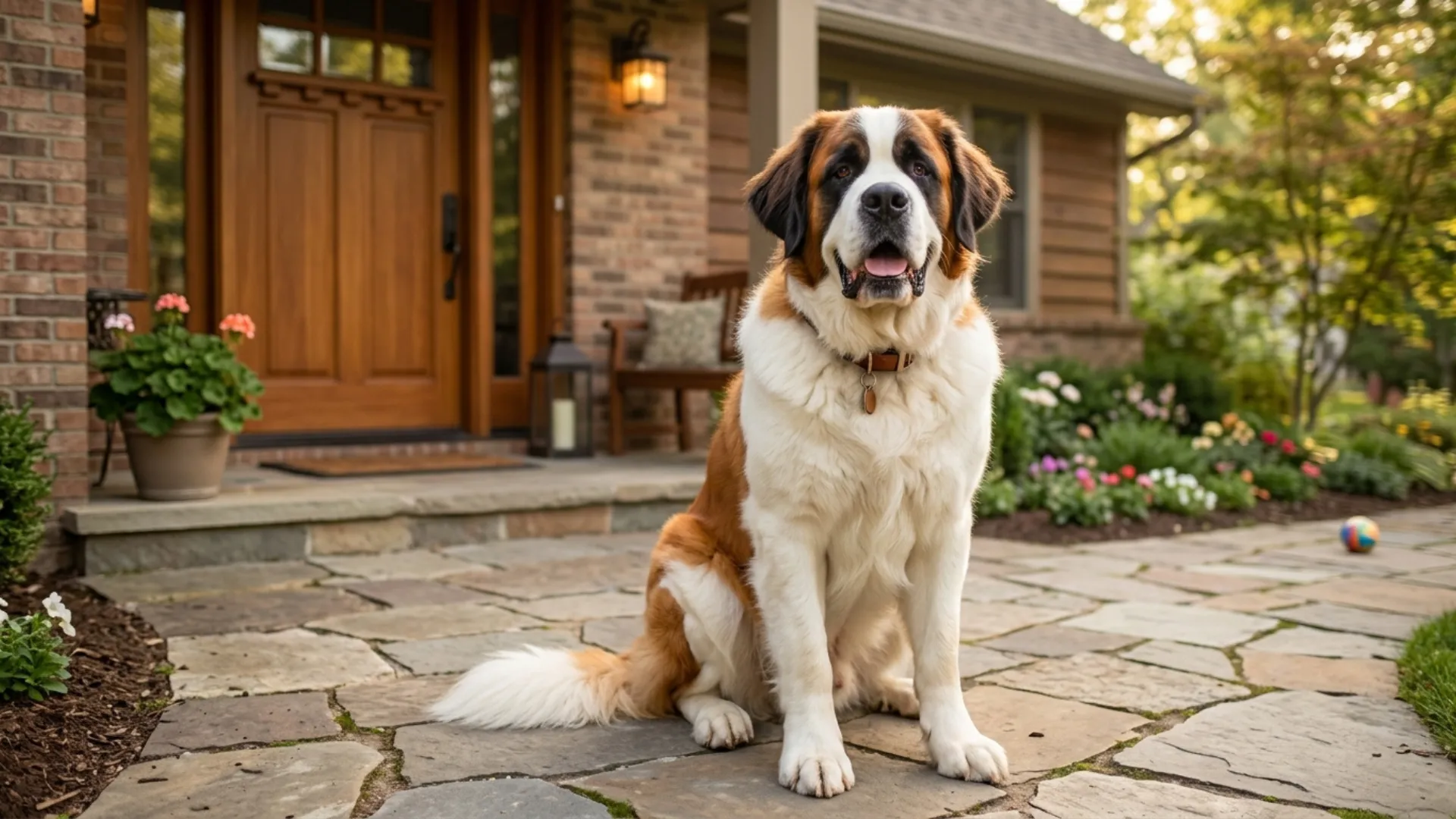
A guard dog does not always have to be intense, intimidating, or constantly on alert. For many households, the ideal protector is a dog that can notice something unusual, stay close to its family, and respond when needed, while still being calm and easy to live with.
Relaxed guard dogs can bring a different kind of security to the household. They may be naturally watchful and protective, but they can also enjoy quiet time with their people, settle down after activity, and fit comfortably into family life.
So, if you want a loyal companion that can keep an eye on things without bringing unnecessary tension into the home, let’s take a look at some of the best family guard dogs!
Key Takeaways
Meet calm protectors that know when to watch and when to relax.
See why Great Pyrenees, Kuvasz, and Leonbergers bring loyalty without constant tension.
Compare the Boerboel, Newfoundland, Saint Bernard, and Mastiff for peaceful family living.
Discover the training, exercise, and daily care these gentle guardians need.
Relaxed Guard Dog Breeds for a Peaceful Household
1. Newfoundland
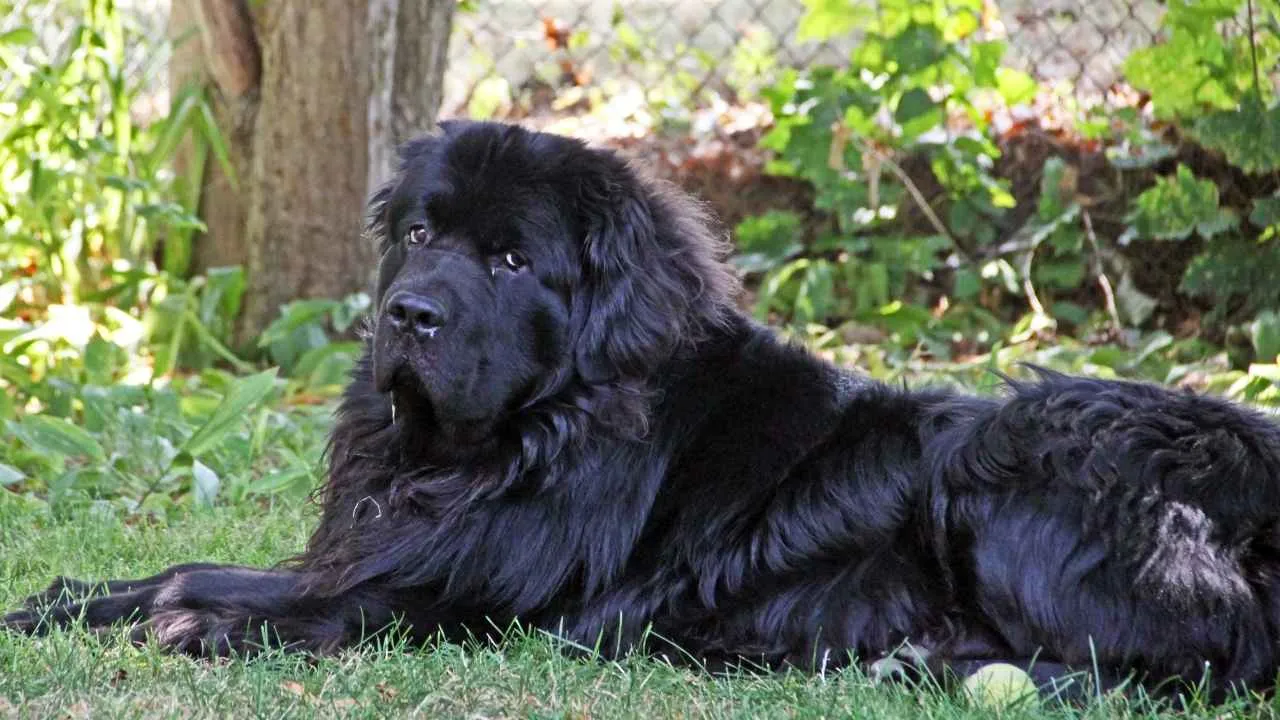
Newfoundlands, often called Newfies, are gentle, friendly dogs with a natural watchful nature. They were developed on the island of Newfoundland, Canada, where they worked with fishermen and became famous for water rescue. Their history also includes serving as watchdogs, ship dogs, and draft animals.
Calm and Protective Companions
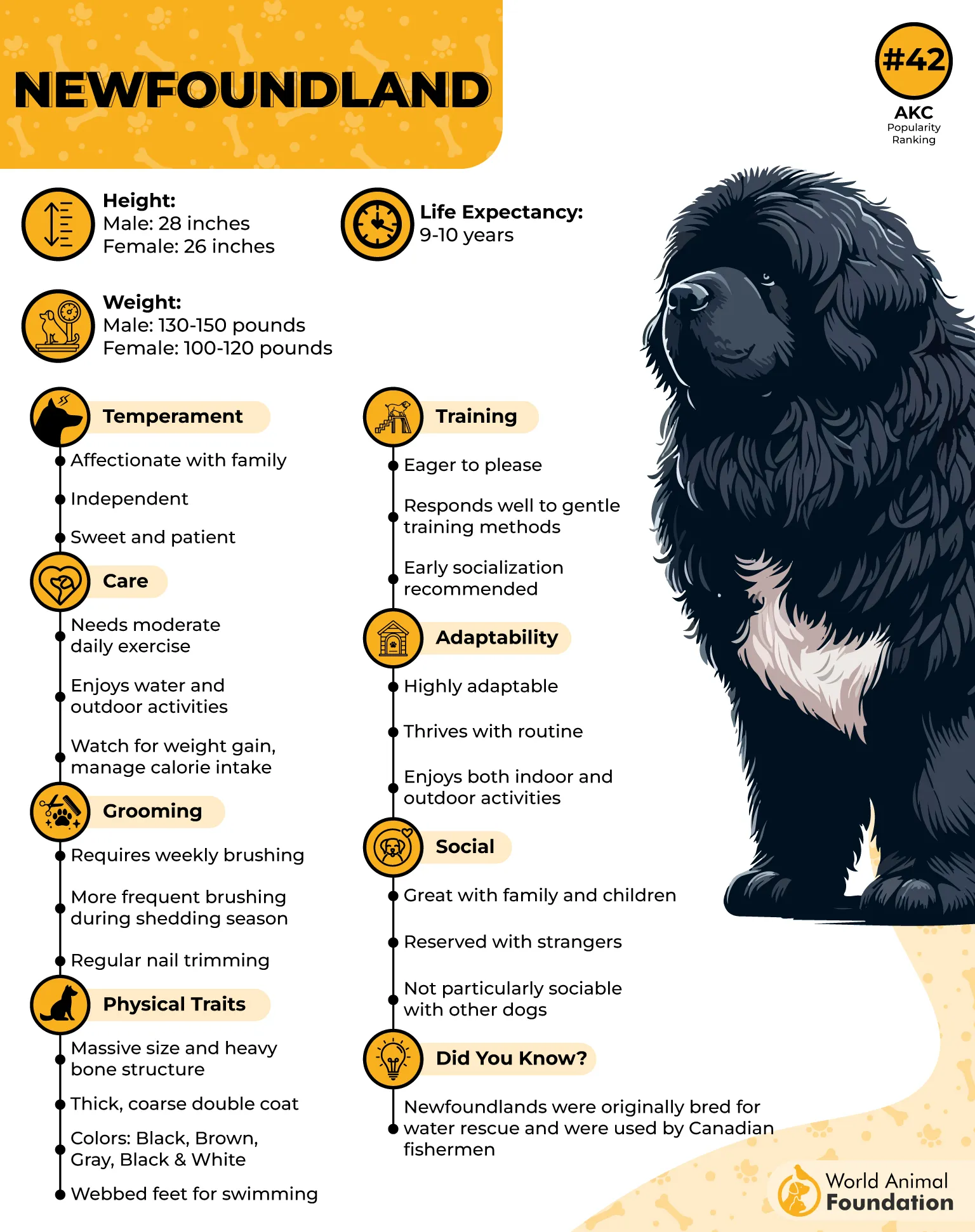
Newfoundlands are known for being calm, patient, and affectionate at home. They usually get along well with children, other dogs, and small pets, as mentioned by PetMD. Despite their gentle nature, they can still protect their families.
They may place themselves between their loved ones and a stranger rather than reacting with unnecessary aggression. They also do not have a reputation for excessive barking, making them a good fit for peaceful homes.
Care and Daily Life
Newfoundlands have a moderate energy level and do not need excessive exercise. Daily walks, short play sessions, hikes, or swimming can keep them active and mentally stimulated.
Their thick double coat needs regular brushing, while shedding can become heavier during seasonal coat changes. They also drool quite a lot. Early training and socialization are important because of their strength and size.
2. Saint Bernard
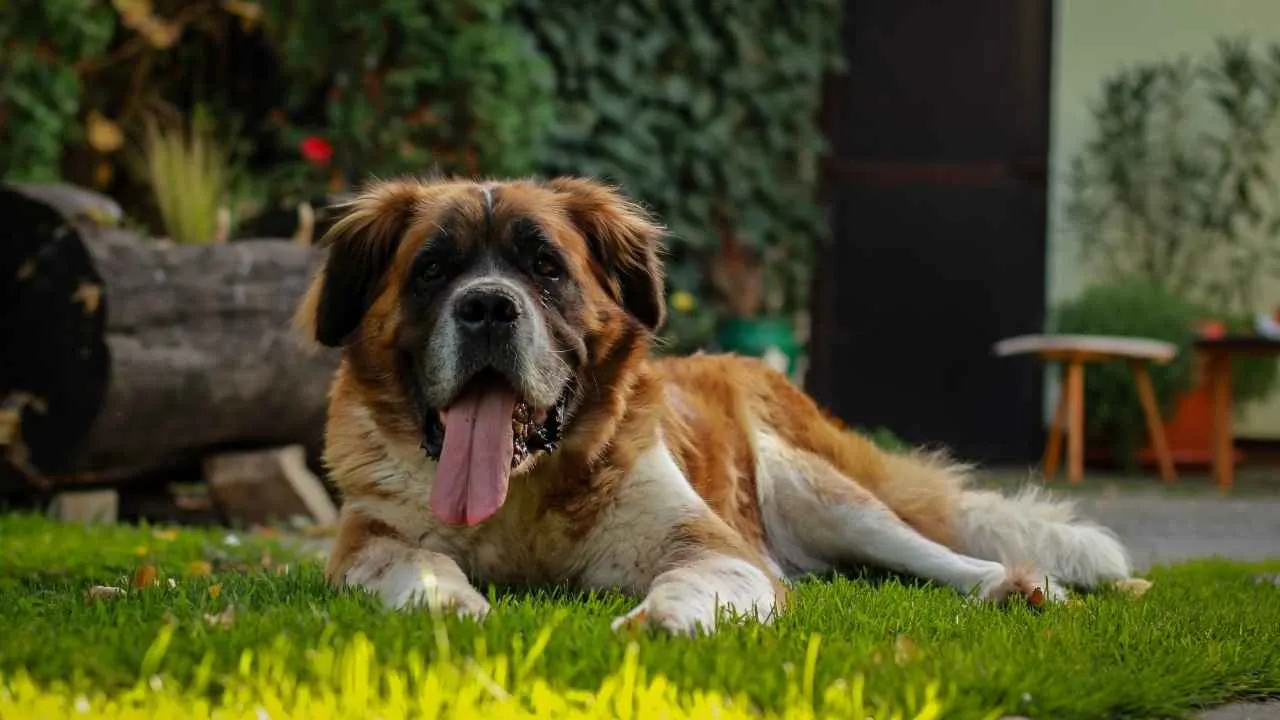
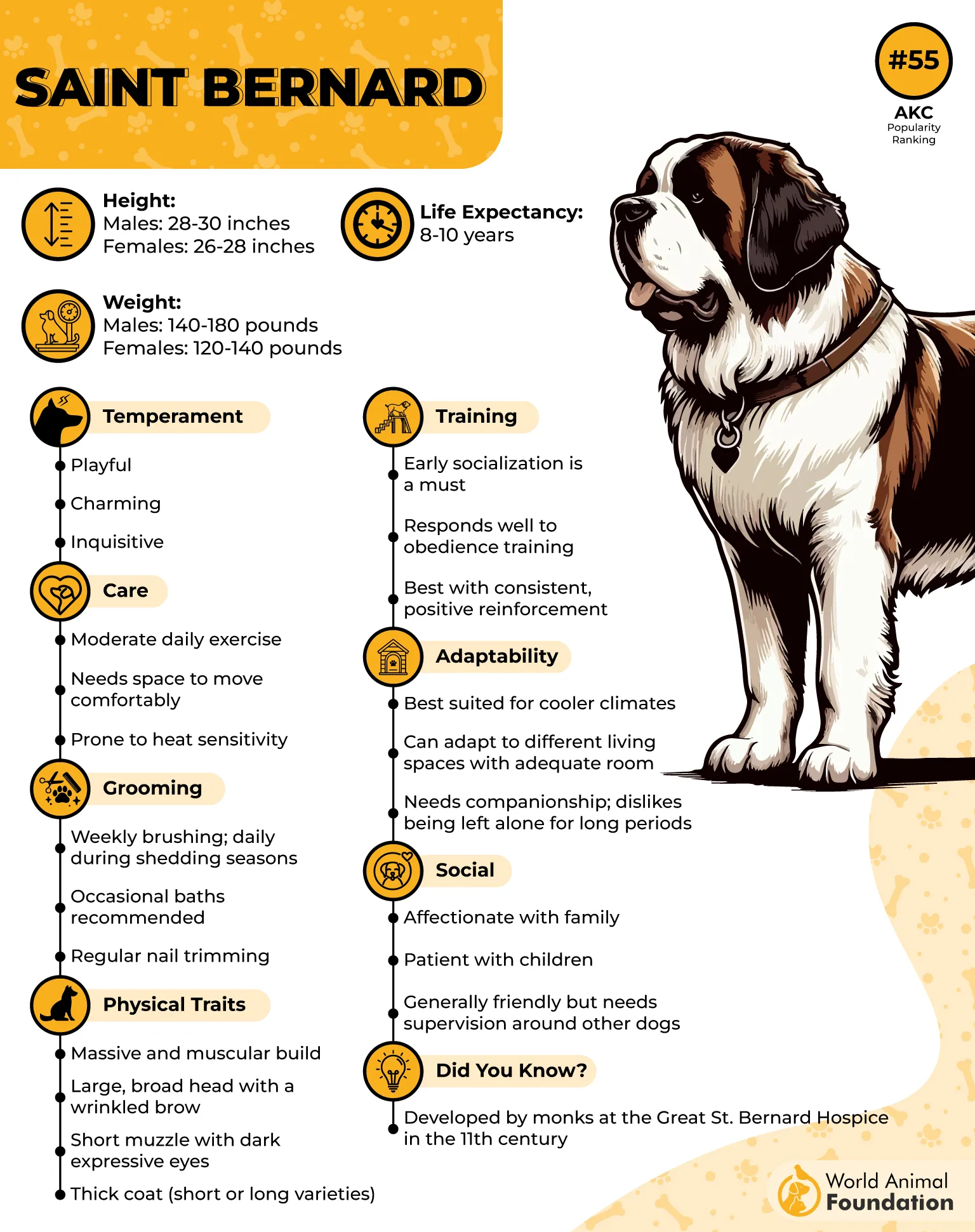
Saint Bernards are giant dogs with a mellow and friendly nature. They have a long history as rescue dogs in the Swiss Alps, where they were trained to find and help people caught in avalanches.
Today, their gentle personality makes them popular family companions, while their protective instincts can still help keep loved ones safe.
Gentle Around Families
Saint Bernards are social dogs that enjoy being part of family life. They are patient, tolerant, and usually good with children, other dogs, and household pets when properly socialized.
Although they are friendly toward strangers, they can quickly step in when they believe a family member is in danger. They are not known for excessive barking, which can suit a peaceful household.
Easygoing but Still Need Training
These dogs have moderate exercise needs and generally enjoy relaxed walks, play, hikes, and time with their families. They can be eager to please and learn well with positive reinforcement, although they may sometimes be stubborn.
Early training is important because of their size and strength. Saint Bernards also shed more heavily twice a year and can drool quite a bit, so regular brushing and some extra cleanup are part of living with these gentle giants.
3. Mastiff
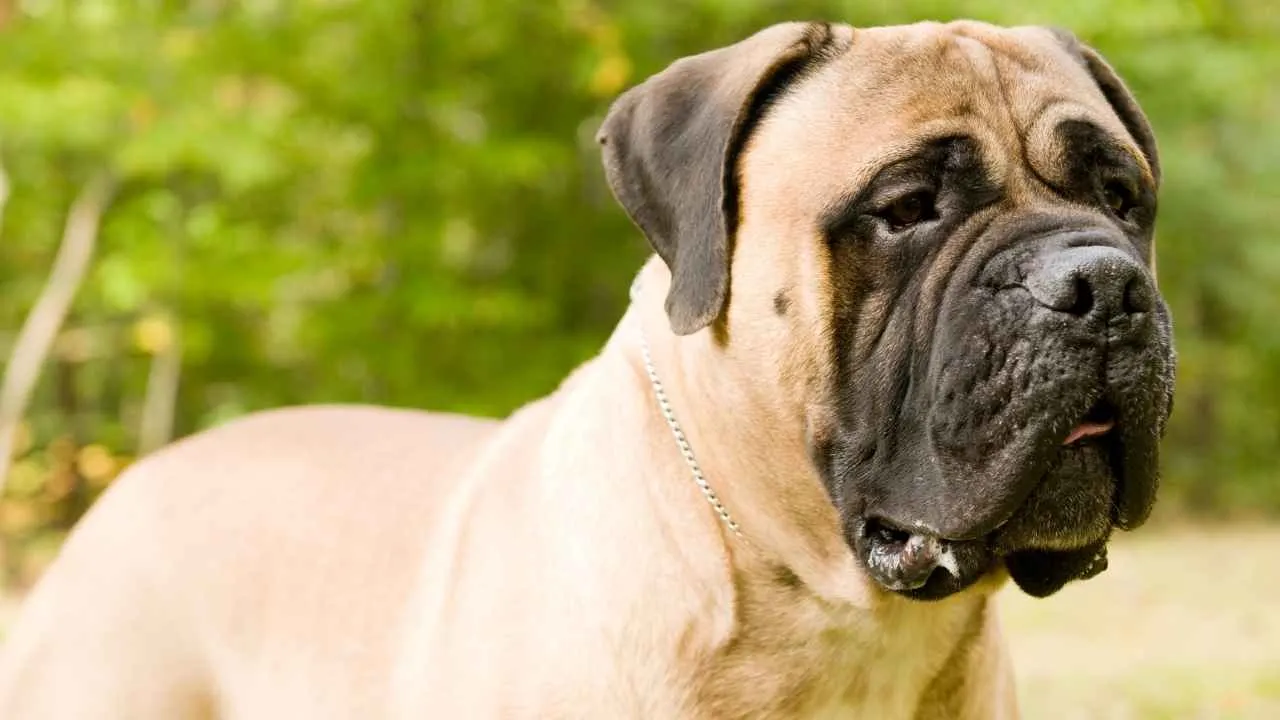
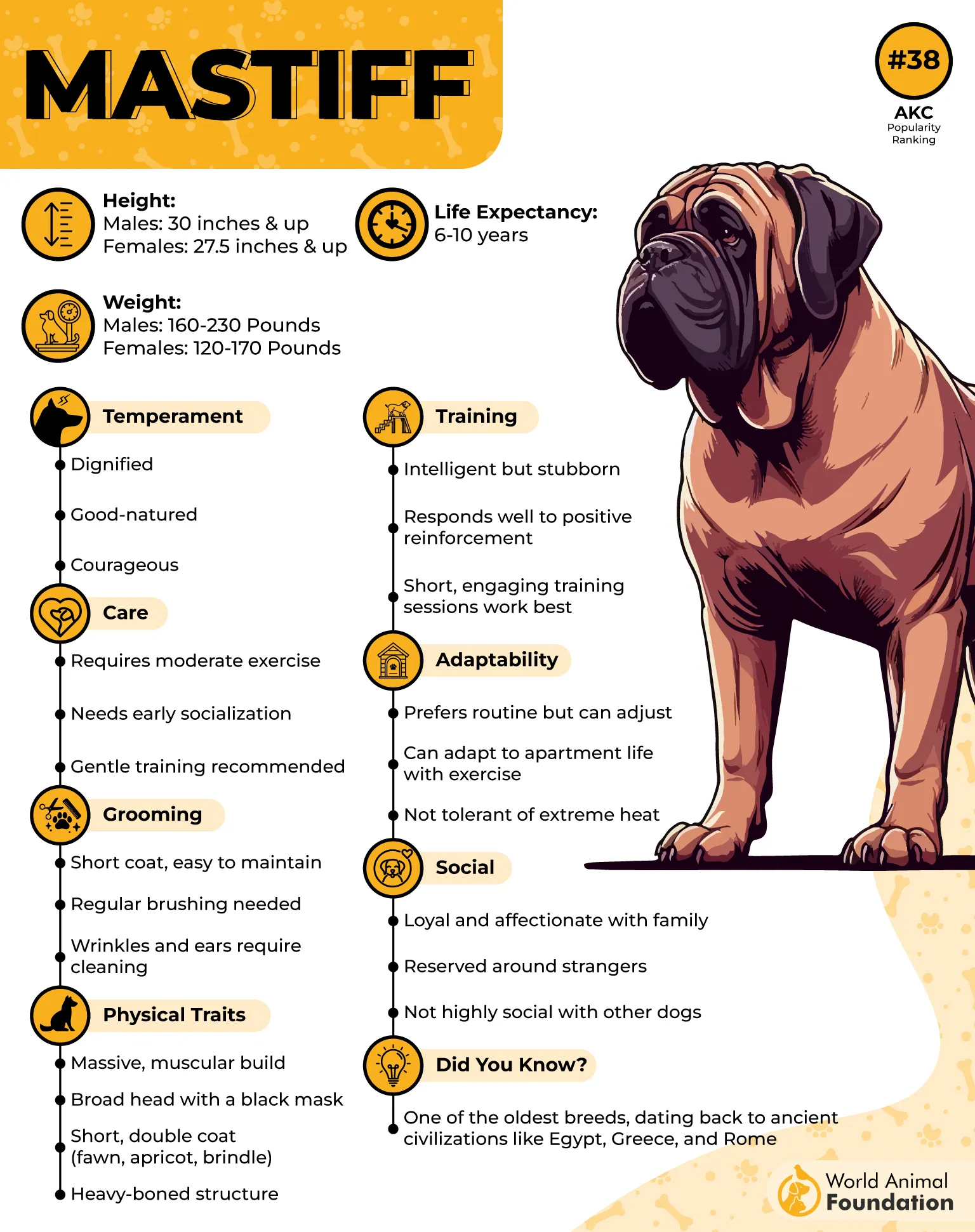
Mastiffs are powerful dogs with a surprisingly gentle and peaceful nature. Originating in England, they have a history stretching back more than 2,000 years and were once used as workers and watchdogs.
While their past included fighting roles, modern Mastiffs are known for their calm, loyal, and affectionate temperament.
Calm and Protective Companions
Mastiffs are affectionate with their families and can be friendly toward the people they know while remaining suspicious around strangers, as Orvis notes. Their natural protectiveness makes them effective guardians, but they do not usually bark without reason.
Their loud bark can be intimidating when they do alert, yet their generally low energy and calm nature help them settle comfortably at home. They can also get along with other pets, including cats and dogs.
Training and Daily Routines
Mastiffs have relatively low exercise needs and can adapt well to indoor living, including apartments. Daily walks and free play help keep them fit, while short and varied training sessions work better than repetitive drills.
Early training and socialization are important for balancing their protective instincts and helping them remain comfortable around visitors. Their short coat needs only weekly brushing and occasional bathing, although drooling can be a regular part of life with these gentle guardians.
4. Great Pyrenees
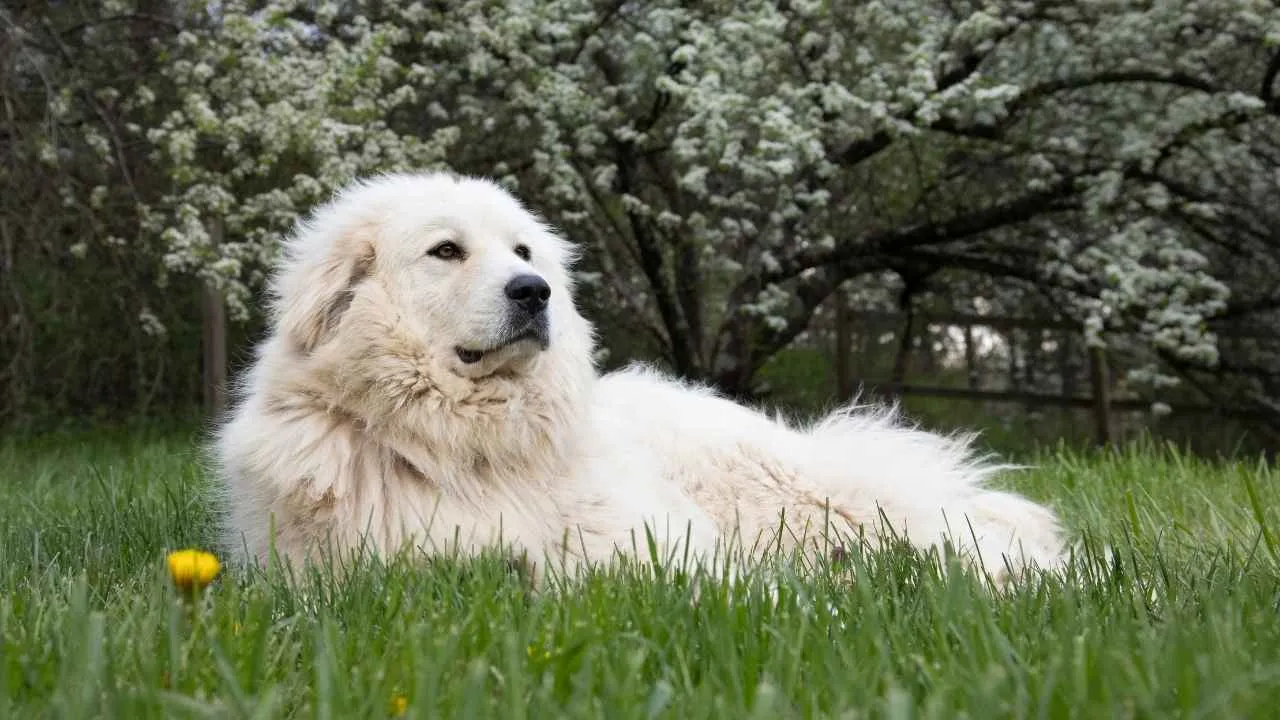
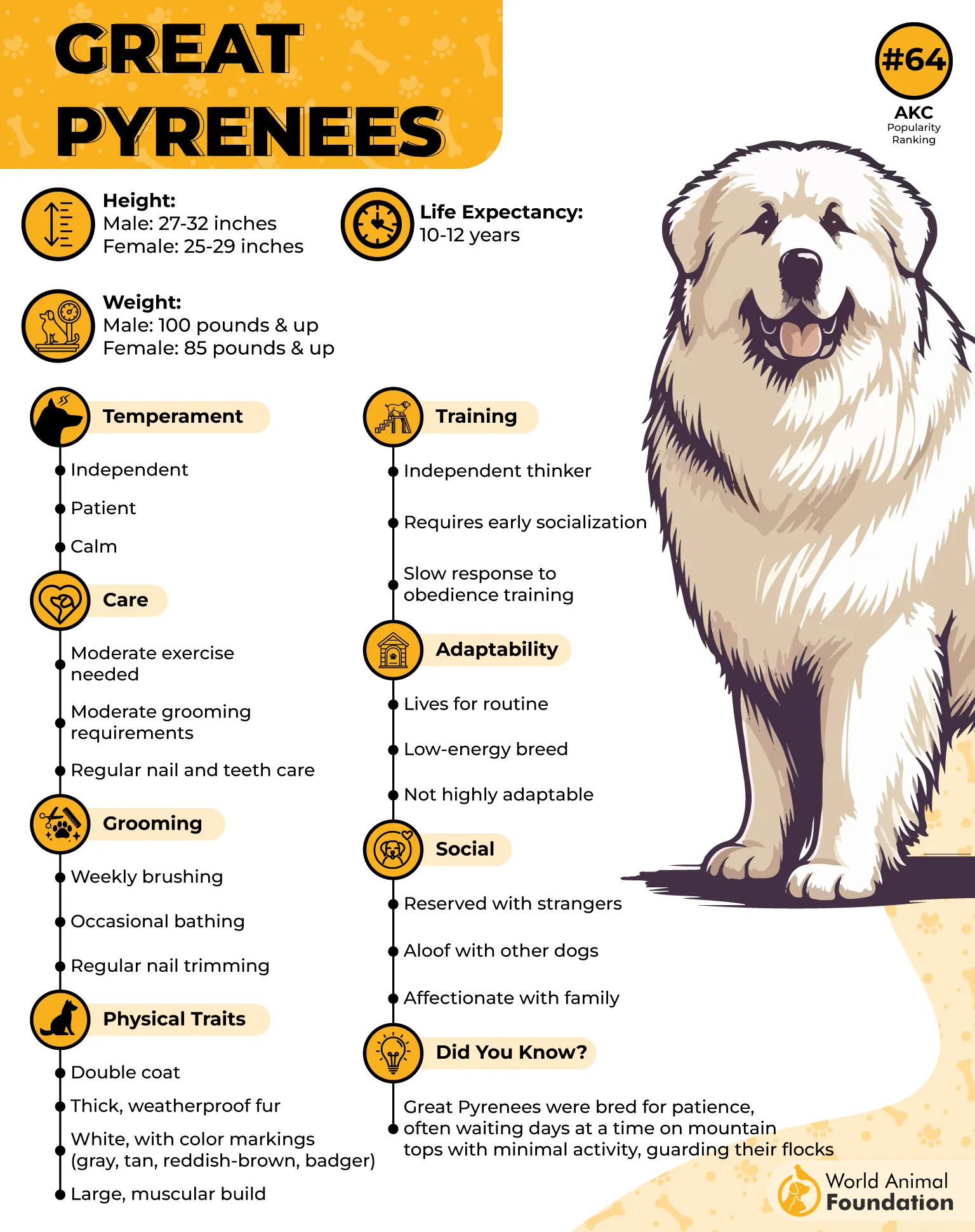
Great Pyrenees are gentle, devoted mountain dogs known for their calm and confident nature. Their history traces back nearly 3,000 years to large guardian dogs that protected livestock in the Pyrenees Mountains from predators such as wolves and bears, according to the AKC.
That guardian instinct remains strong today, but it comes with the patient and peaceful temperament that makes them devoted family companions and excellent guard dogs.
Calm and Protective Companions
Great Pyrenees are affectionate with their families and generally patient around small children. They can also live well with cats, dogs, and other animals when properly trained and socialized. With strangers, they tend to stay reserved and observe before deciding how to respond.
They are natural watchdogs and will bark to alert their families when they notice something unusual, but they are not highly active or easily excitable. Their calm presence makes them well-suited to quiet homes where they can relax while keeping an eye on their surroundings.
Training and Daily Life
Their independent nature comes from their history as flock guardians, so early training and socialization are important. Consistent routines and positive reinforcement can help them become well-mannered and comfortable around different people and animals.
Great Pyrenees enjoy walks, hiking, roaming in a securely fenced area, and farm work, while also appreciating quiet time at home. Their thick coat needs regular brushing, and they are heavy shedders, so their beautiful white coat does require some upkeep.
5. Kuvasz
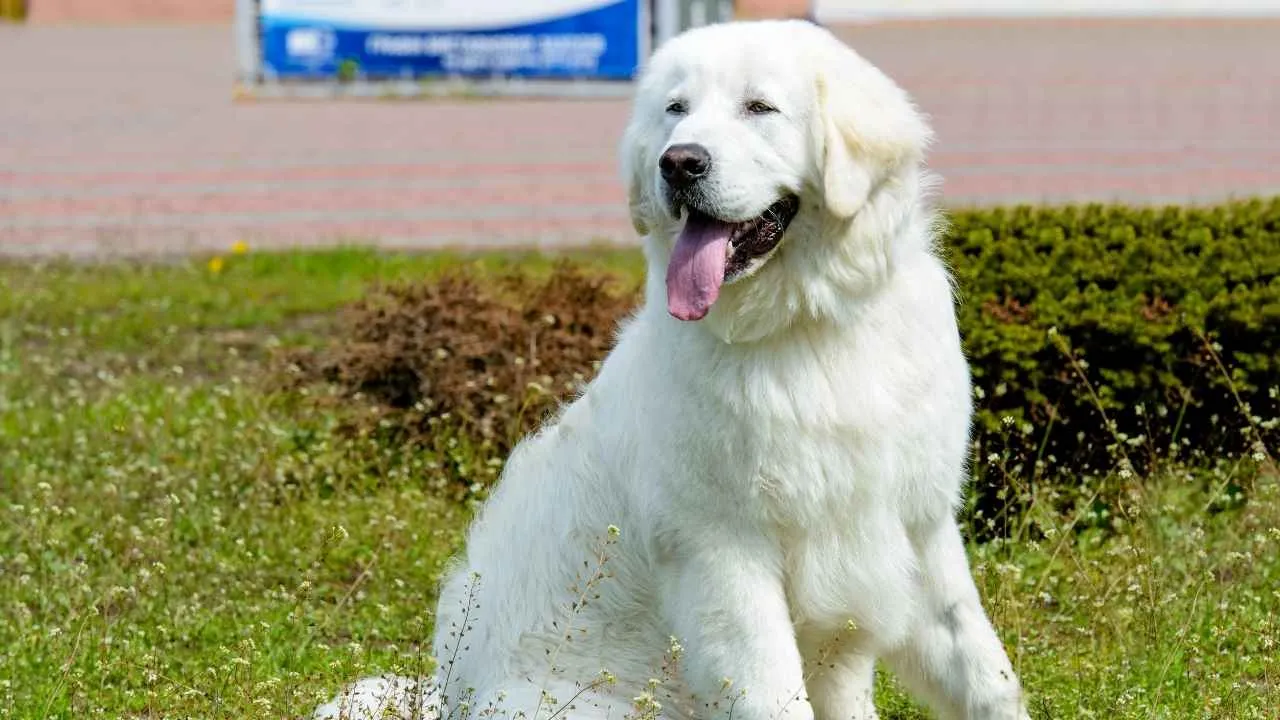
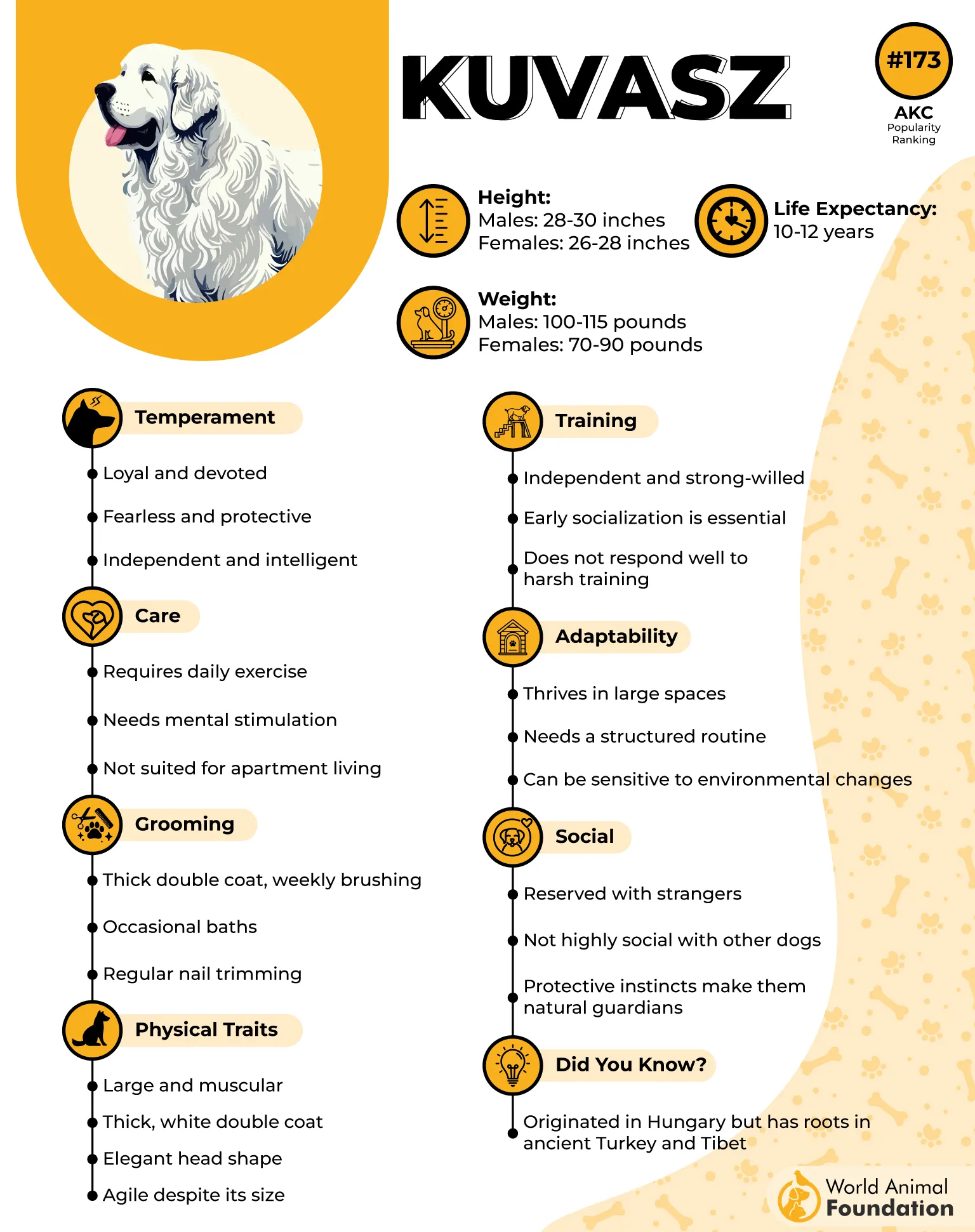
The Kuvasz is a brave, intelligent, and incredibly loyal guardian breed with deep roots in Hungary. These dogs were developed to guard sheep, cattle, and households, using their ability to watch, reason, and act independently when danger appeared. Today, they still make great family guard dogs.
Calm and Protective Companions
Kuvaszok have a calm demeanor and stay attentive to their family and surroundings. They are often reserved with strangers and may bark when something feels unusual, but proper socialization can help them learn the difference between a friend and a threat.
They can also do well with children and familiar animals when introduced and socialized properly. Despite their strong guarding instincts, they can become relaxed and affectionate with people they trust.
Training and Daily Life
Their independent nature means they need an experienced dog owner who can provide consistent training, socialization, exercise, and room to roam. Positive reinforcement works best because they are sensitive dogs, while harsh training can damage their bond with their owner.
Kuvaszok need regular physical and mental activity and can enjoy walks, nose work, agility, hunting, and other activities. Their thick white double coat needs regular brushing and can shed significantly, especially as summer approaches.
6. Leonberger
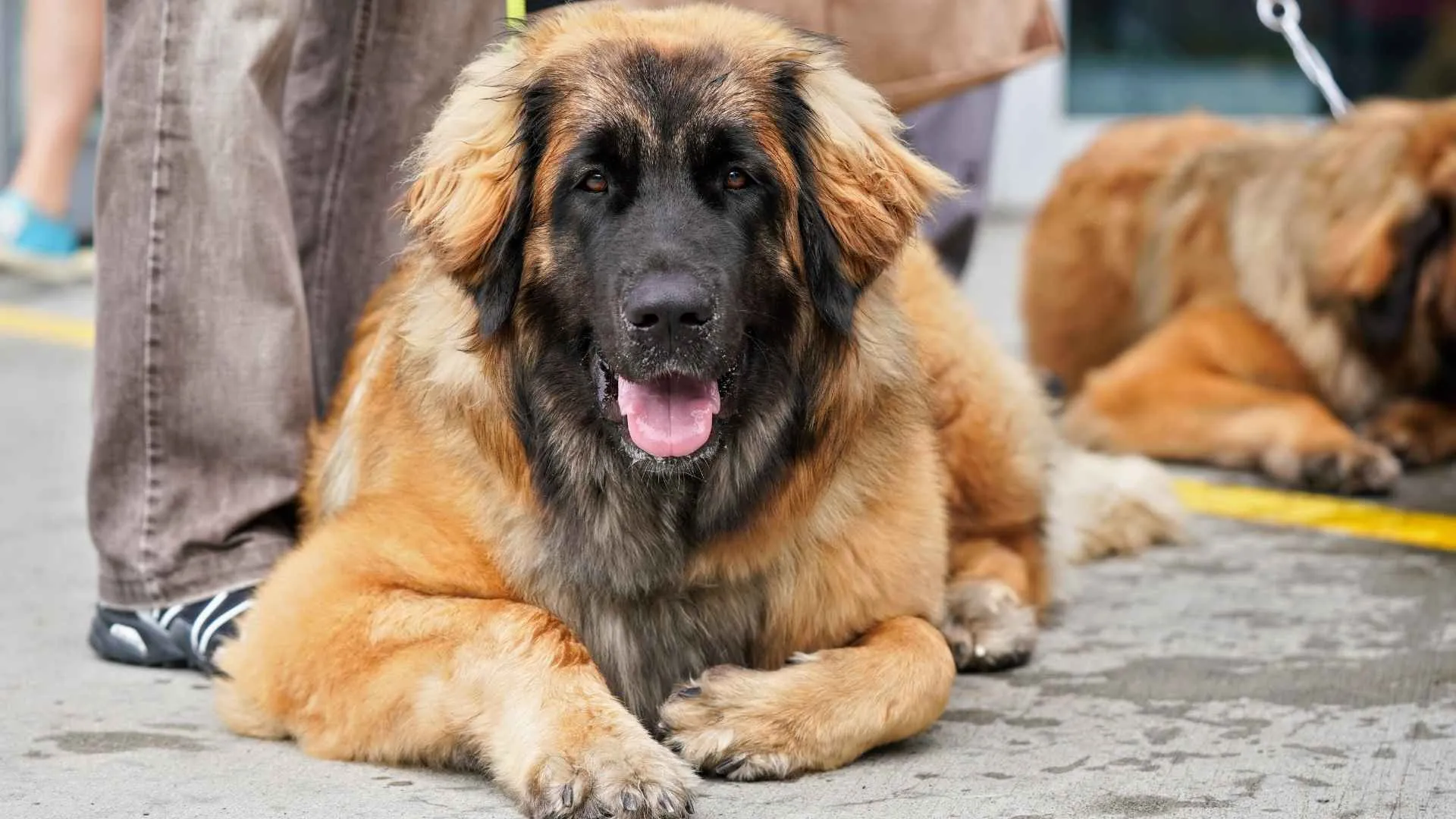
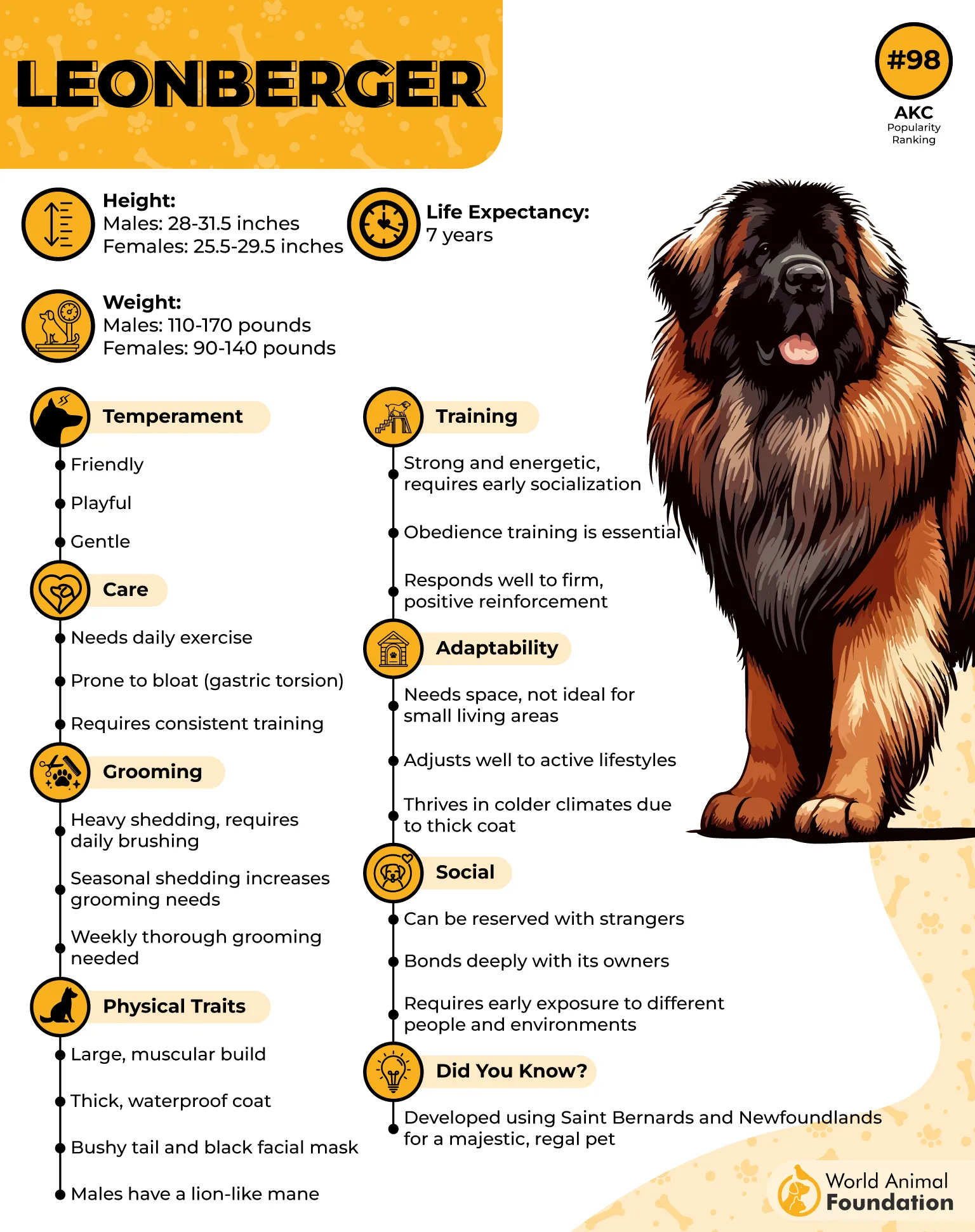
The Leonberger is a giant German breed known for its calm nature, loyalty, and protective instincts. The breed originated in Leonberg, Germany, in the mid-19th century and was developed from large working dogs.
Although Leonbergers were originally bred to protect, they are also known for being gentle, affectionate family companions and can bring a peaceful presence to the home.
Calm and Protective Companions
Leonbergers are even-tempered, patient, and confident dogs that enjoy staying close to their families. They are generally calm and quiet and can be friendly with children, other dogs, and trusted strangers when properly socialized.
Their protective nature often shows through quiet observation or by blocking a door rather than unnecessary aggression. They also enjoy affection and human interaction and can happily relax at home when they are given enough attention.
Training and Daily Life
These large dogs need consistent training, structure, and plenty of socialization from an early age. They are extremely intelligent and trainable, with short, positive sessions and repetition working well for them.
Daily activities such as brisk walks, hiking, swimming, structured play, scent games, and obedience work can give them the exercise and purpose they need.
7. Boerboel
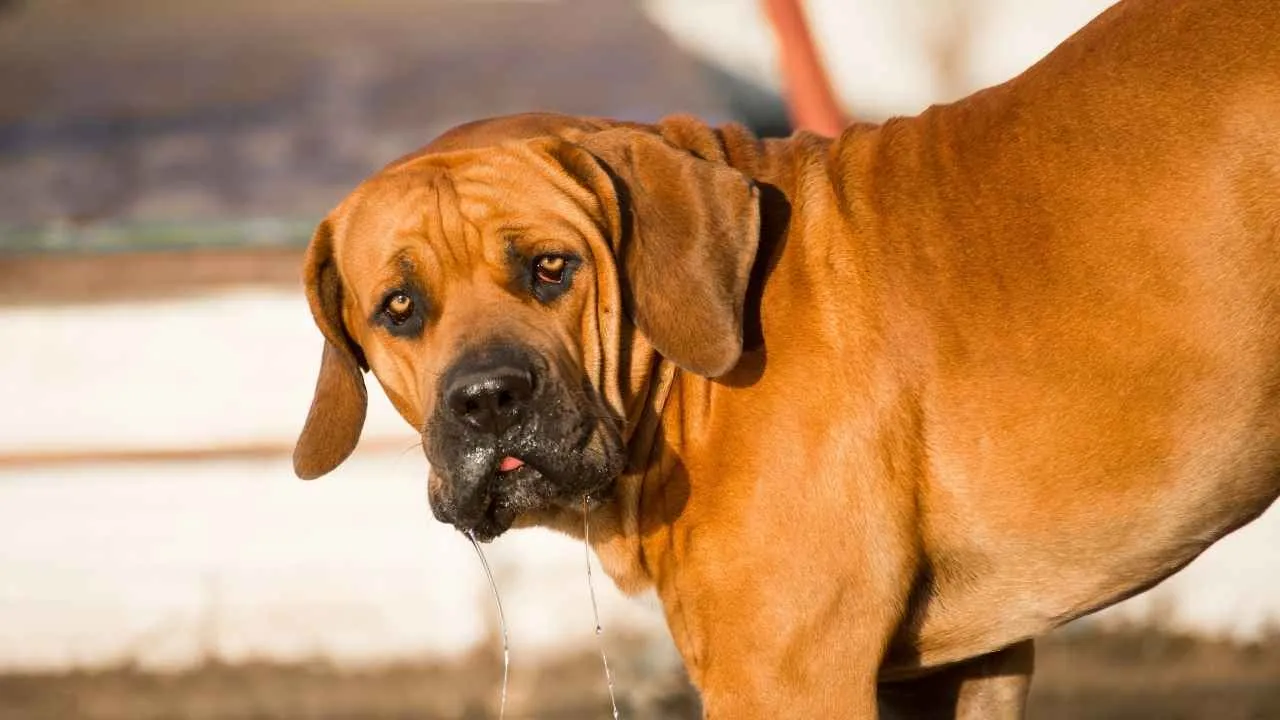
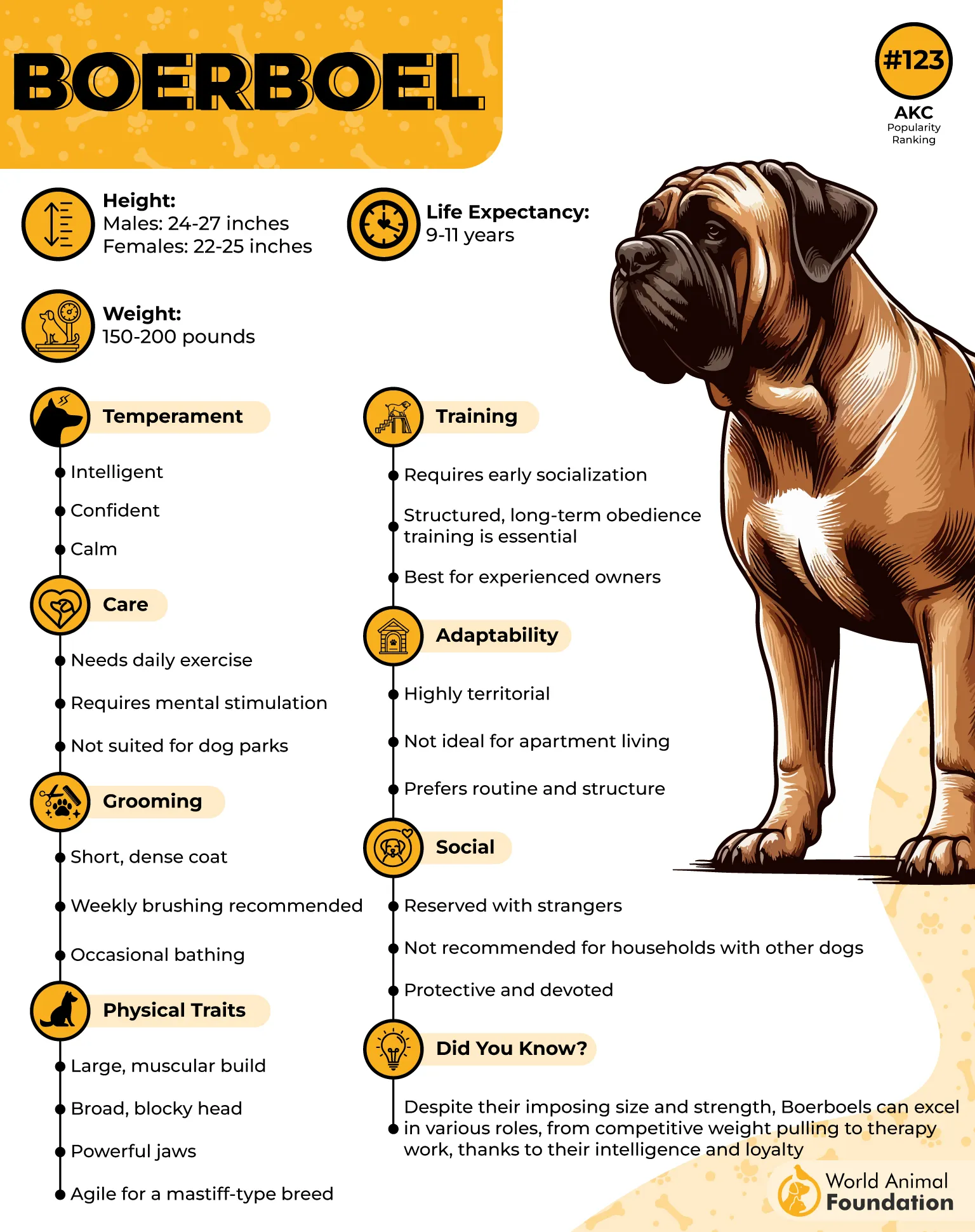
The Boerboel is a powerful South African working dog originally developed to guard homesteads. Its history goes back to the 1600s, when European settlers brought mastiff-type and bulldog-type dogs to South Africa.
These dogs were expected to protect property from serious threats, and the Boerboel still carries that courageous and protective nature today.
Calm and Protective Companions
Despite its strong guarding background, the Boerboel is affectionate and devoted to its family. It can be good with children and has a confident, steady personality at home.
However, the breed is often wary of strangers and other dogs, so early socialization is important for helping it respond appropriately to unfamiliar people and situations. Its medium energy level and moderate tendency to bark can also make it a calmer companion when its needs are properly met.
Training and Daily Life
Boerboels need plenty of space and regular physical and mental stimulation. Long walks, hiking, jogging, vigorous play, and puzzle toys can help keep them active, while off-leash time should be limited to a securely fenced area.
Early, consistent training and socialization are essential because they can be intelligent yet stubborn and independent. Their short coat is fairly easy to maintain with weekly brushing, with more brushing needed during heavier shedding periods.
Conclusion
Relaxed protective dog breeds can offer a great balance of personal protection and peace at home. Good protection dog breeds like those mentioned above can be extremely loyal and watchful while still enjoying a calm family life.
Their temperaments differ, but proper training, socialization, exercise, and attention can help bring out their best qualities.
The right guard dog comes down to finding a furry friend whose protective nature and daily needs fit your household. A peaceful home does not mean giving up security; sometimes, the best guard dog is the one that knows when to watch, when to act, and when to simply settle down beside the people it loves.
