




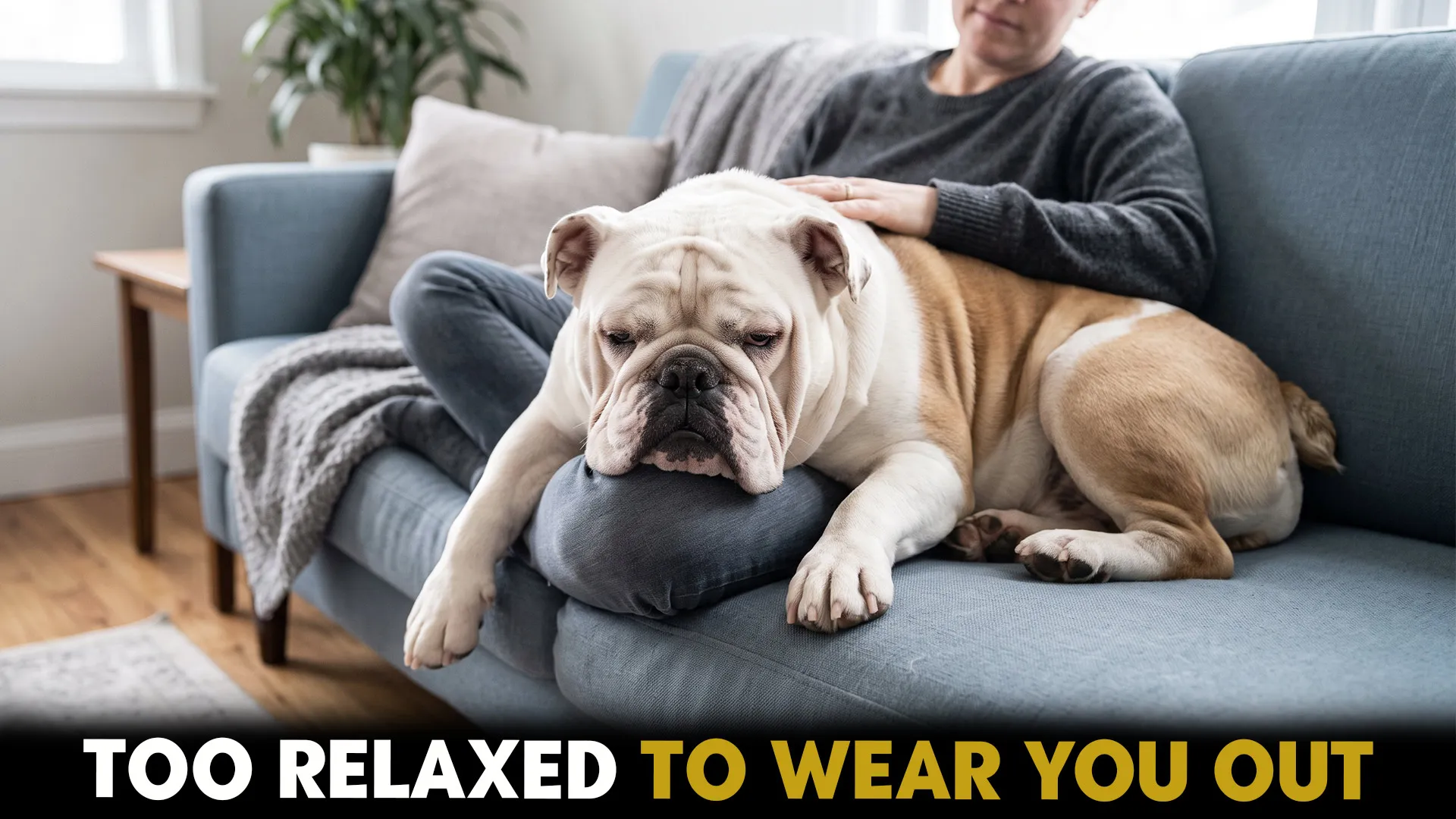
Not everyone dreams of spending their weekends running marathons, climbing mountains, or playing fetch until their arms give up. Some of us want a cozy blanket, our favorite Netflix show, a delicious snack, and a dog that is equally committed to doing absolutely nothing.
And guess what? Some dog breeds are totally on board with that lifestyle.
While some dogs wake up ready to conquer the world, others prefer slow walks, peaceful afternoons, and uninterrupted cuddle sessions. These naturally relaxed companions tend to have calmer temperaments, manageable exercise requirements, and a serious appreciation for comfortable furniture.
We’ve rounded up seven wonderfully lazy dog breeds that know how to enjoy life’s quieter moments. From affectionate lapdogs to surprisingly mellow giants, these furry homebodies might be your perfect partners in relaxation.
Relaxed Dog Breeds Perfect for Couch-Potato Owners
1. Bulldog
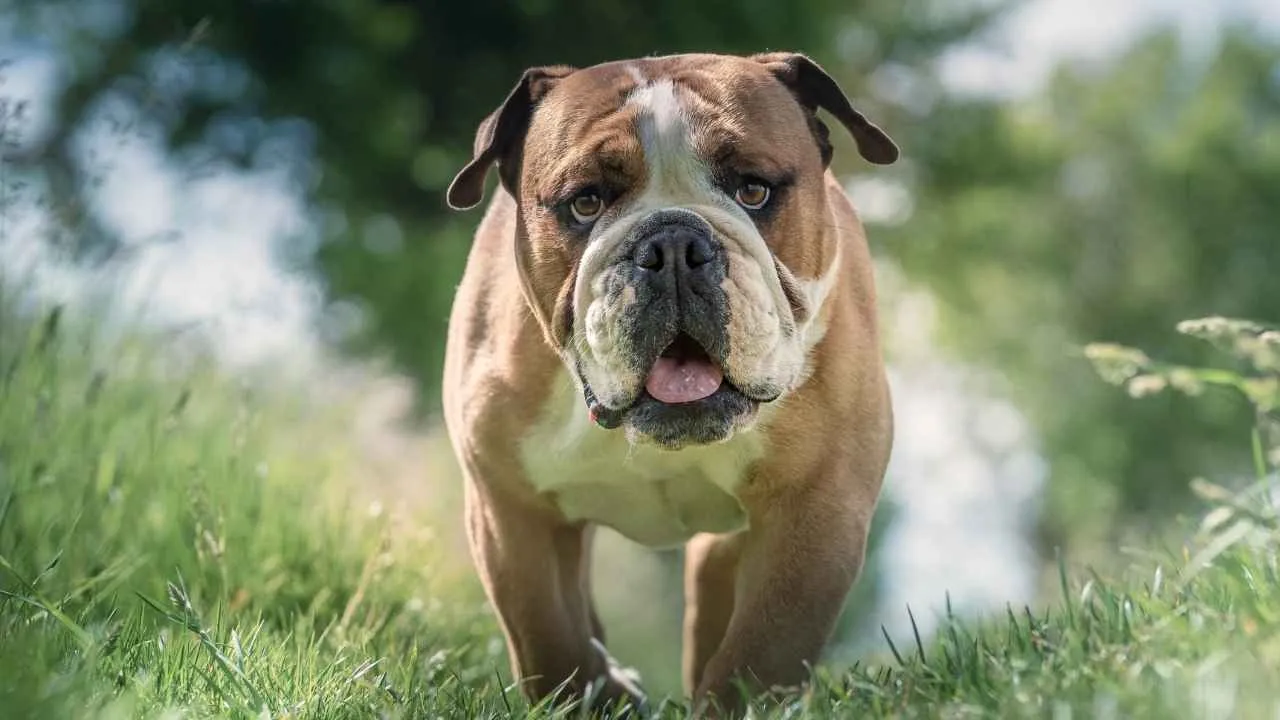
Despite its tough-looking appearance, the English Bulldog is generally affectionate, gentle, and much more interested in hanging out with family than participating in intense outdoor adventures.
Its relaxed personality especially appeals to pet parents who prefer peaceful evenings over nonstop physical activity. Purina says that these dogs are typically content to spend hours resting near their favorite humans, occasionally relocating from the sofa to a cooler spot on the floor when the mood strikes.
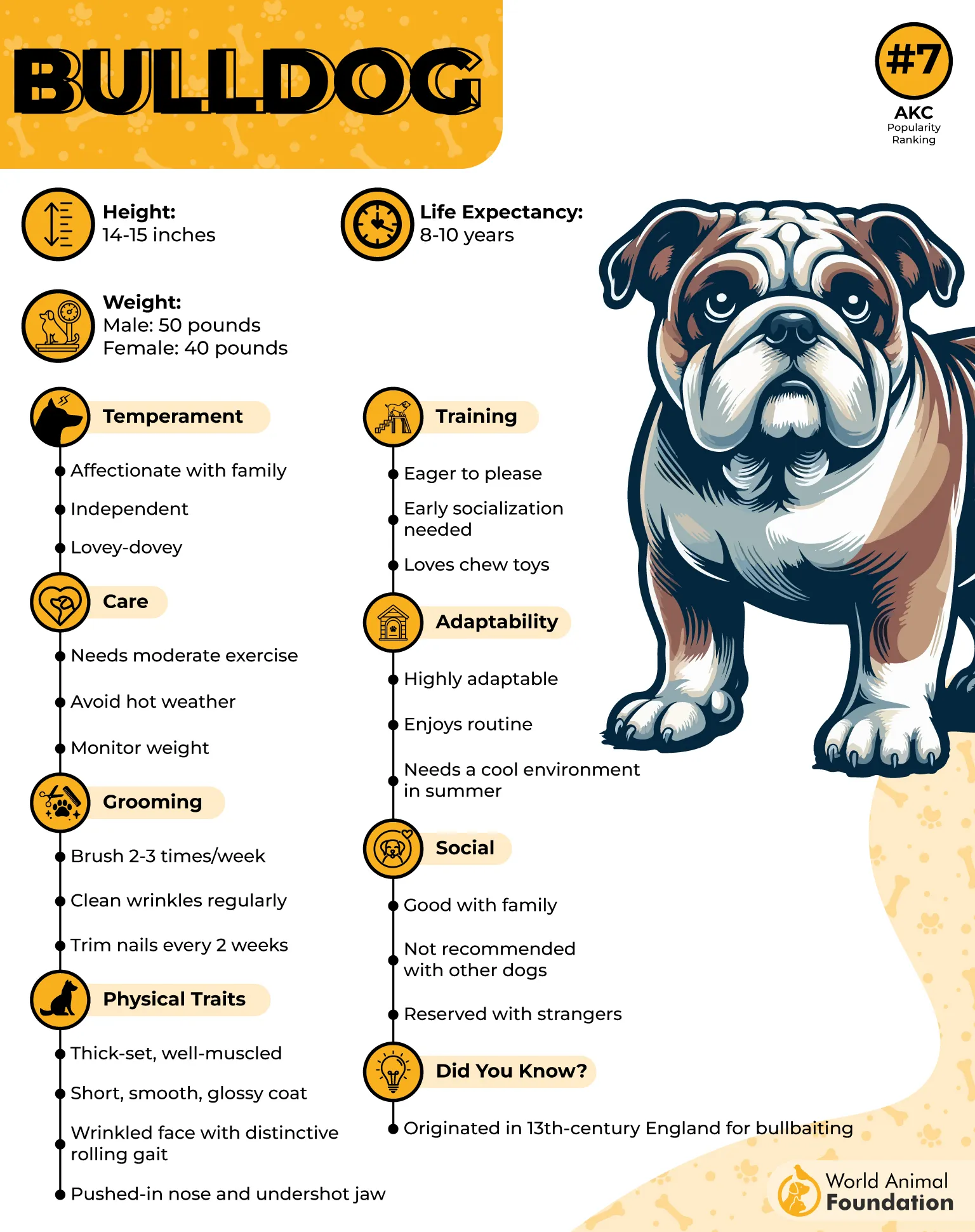
Another reason Bulldogs fit comfortably into laid-back households is their generally adaptable attitude toward indoor living. They can do well in apartments and smaller homes because they don’t need enormous yards or constant entertainment, although their sturdy bodies still require daily walks and appropriate playtime.
However, their low-energy reputation comes with an important health consideration that potential owners shouldn’t overlook. Bulldogs are brachycephalic, meaning their shortened muzzles can cause breathing difficulties, heat intolerance, and limited exercise, so their apparent laziness may reflect physical discomfort rather than pure relaxation.
2. Basset Hound
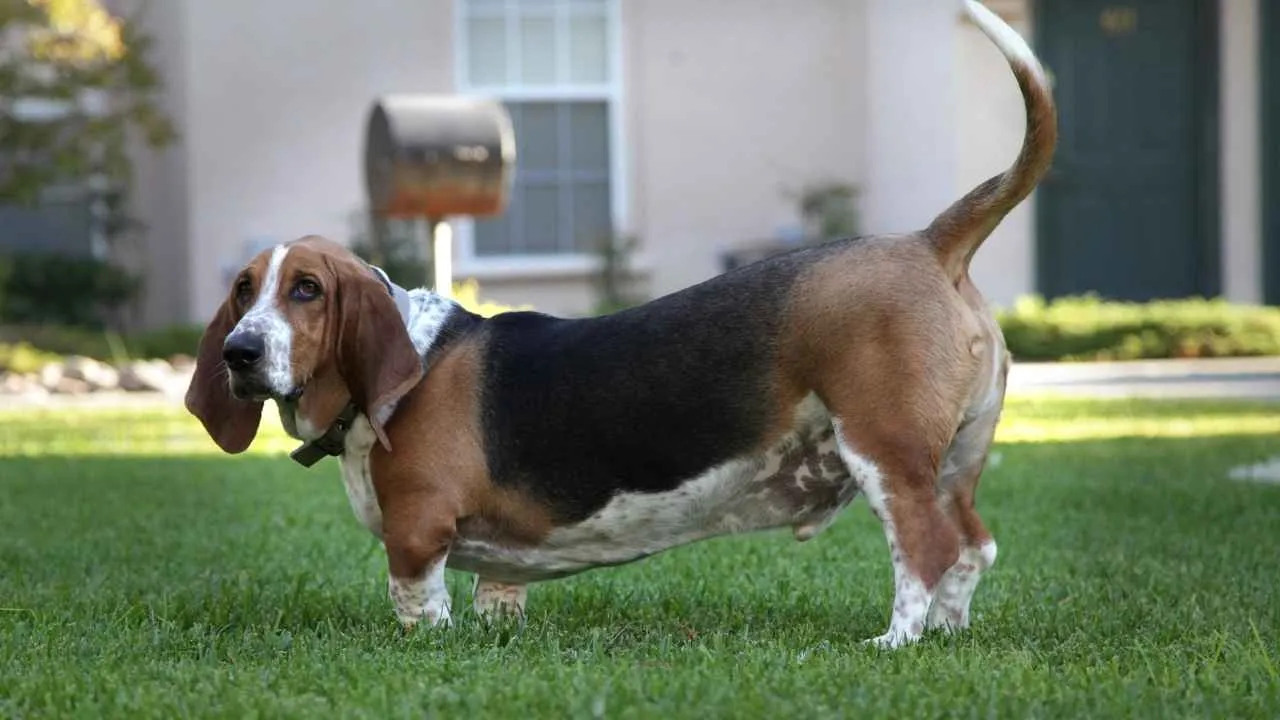
The Basset Hound looks like it just woke up from the world’s longest nap and is already considering another one. With its droopy ears, soulful eyes, short legs, and famously unhurried walk, this breed practically invented the sleepy-dog aesthetic.
One of the Basset Hound’s most appealing qualities is its calm, good-natured temperament, which makes it a lovely companion for households that prefer a slower daily rhythm. These dogs are generally patient with children, sociable with other dogs, and happy to settle down after their daily activities.
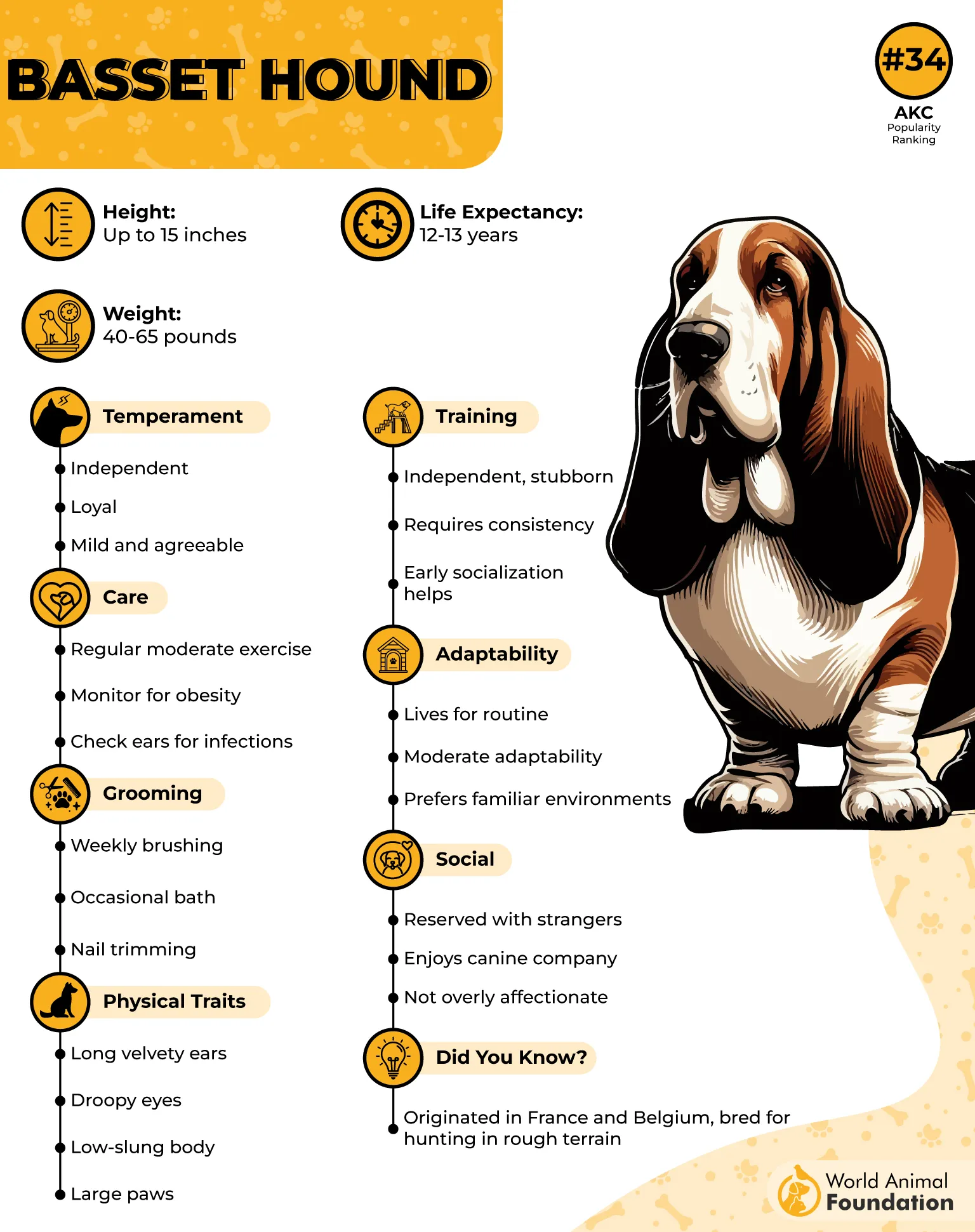
Life with a Basset Hound also comes with some hilarious personality quirks that owners quickly learn to appreciate. These dogs can be wonderfully stubborn when an interesting smell catches their attention, and their surprisingly loud voices may emerge whenever they’re excited, frustrated, or determined to communicate something important.
Their relaxed nature also makes them appealing family companions, but keeping them healthy takes more attention than their casual attitude suggests. The AKC says that Basset Hounds can gain weight easily, and extra pounds strain their relatively short legs and long backs, so portion control and regular movement are especially important.
3. Greyhound
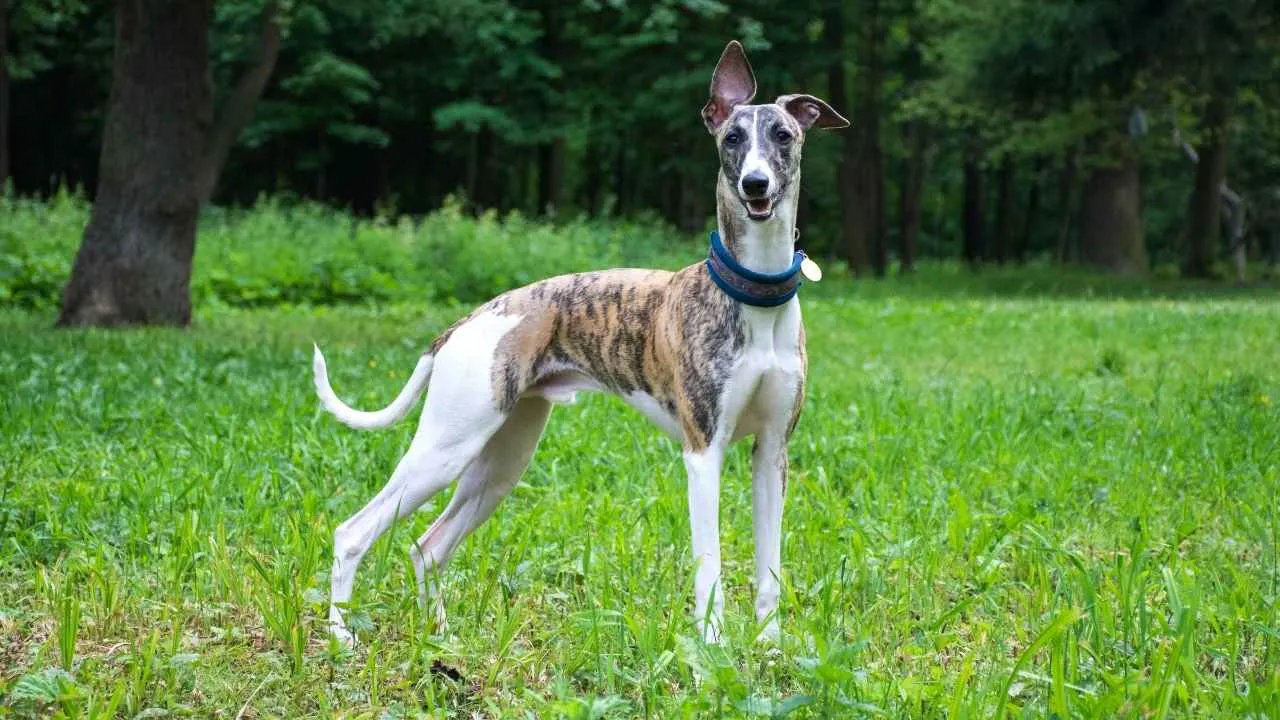
Greyhounds are among the fastest dog breeds in the world, yet many adult Greyhounds are remarkably calm, quiet, and surprisingly enthusiastic about spending their afternoons asleep.
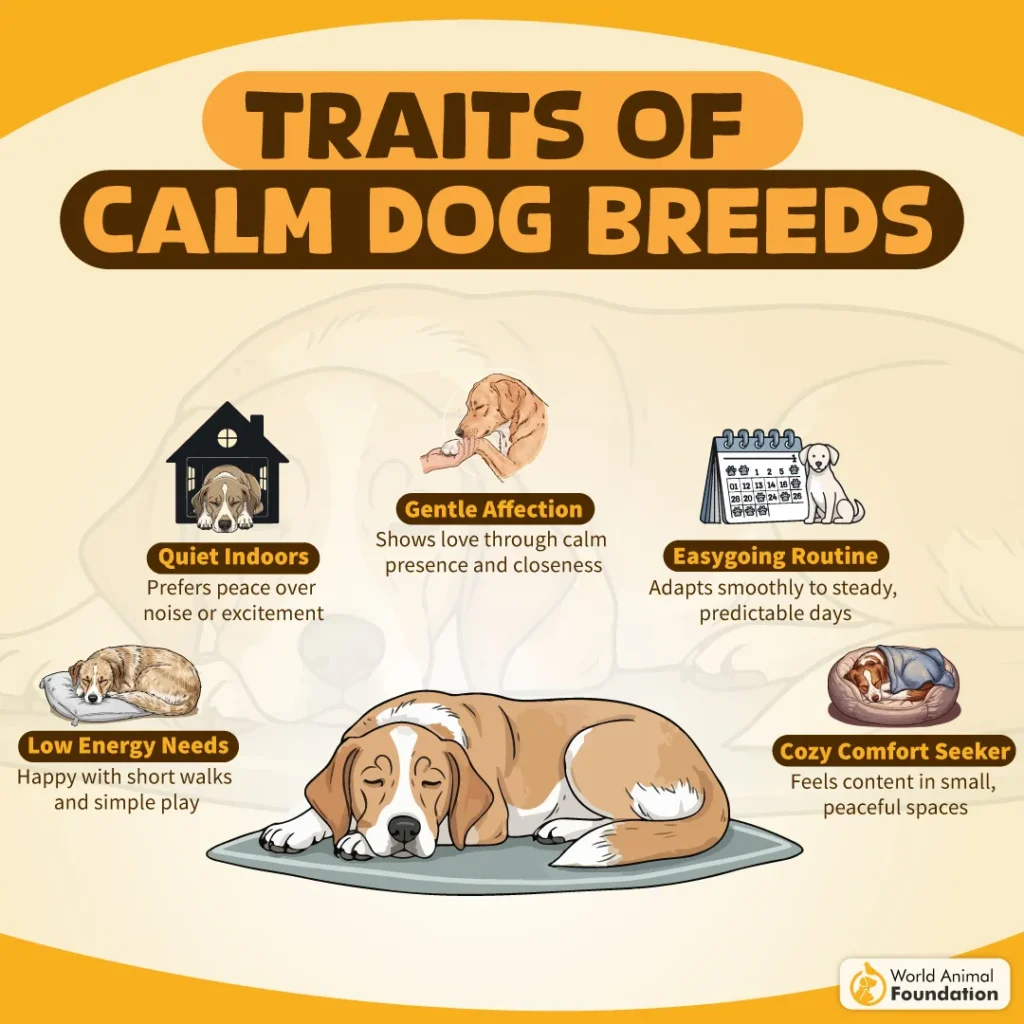
Unlike high-energy working breeds that constantly seek tasks and challenges, many mature Greyhounds have a gentle, undemanding presence around the house. They often enjoy lounging on soft bedding, quietly following household routines, and spending time near their owners without requiring nonstop interaction.
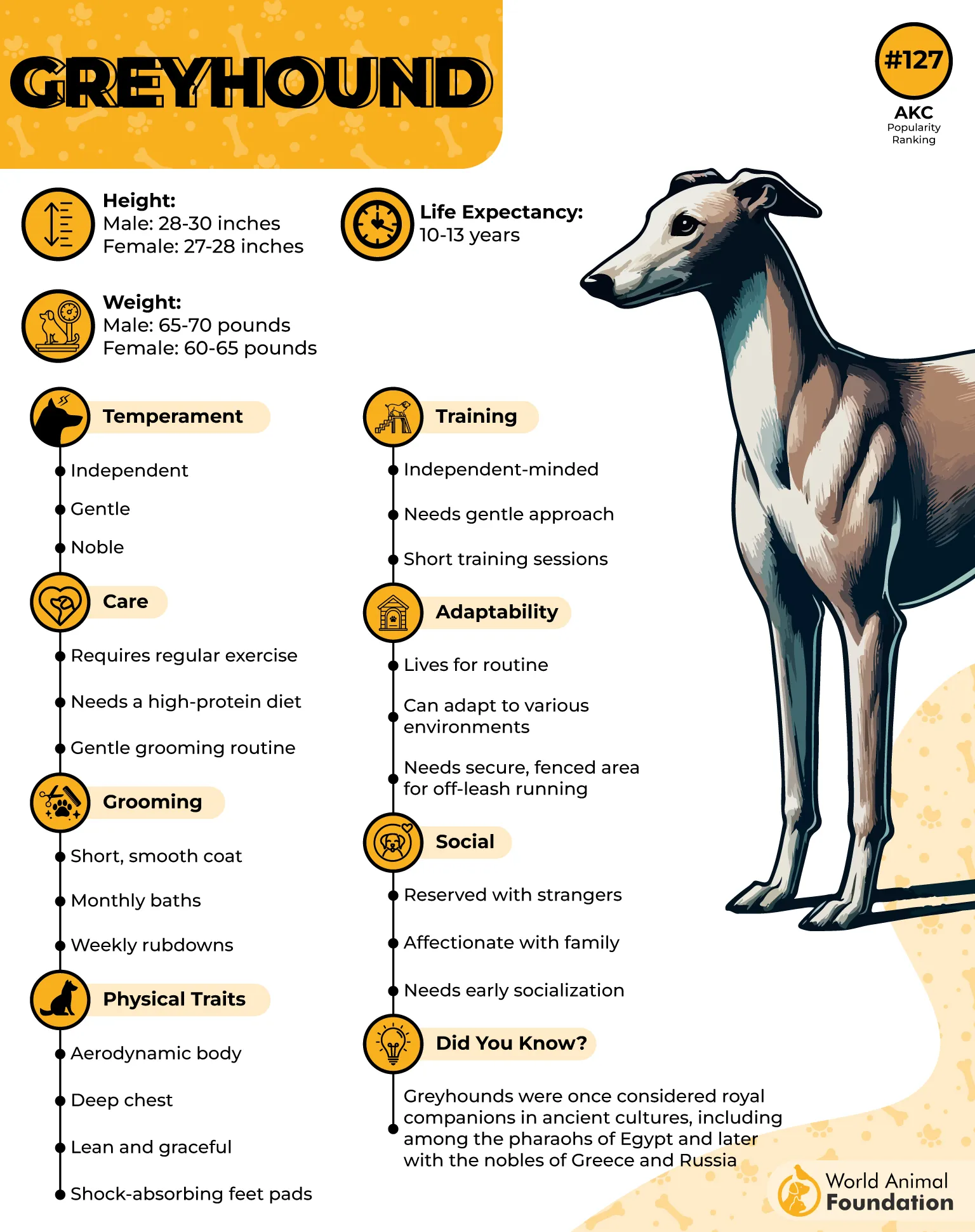
Their reputation as relaxed companions is especially true of retired racing Greyhounds, many of which adapt beautifully to comfortable domestic routines. Owners often describe these dogs as affectionate homebodies who alternate between energetic outdoor moments and long indoor naps, though individual personalities and adjustment needs vary widely.
Another unexpected advantage is that Greyhounds can adapt to apartment living despite their impressive height and long legs. Their relatively quiet indoor behavior and tendency to rest between activities mean they don’t necessarily need enormous houses. However, they still need daily walks, enrichment, and safe opportunities for physical exercise.
4. Cavalier King Charles Spaniel
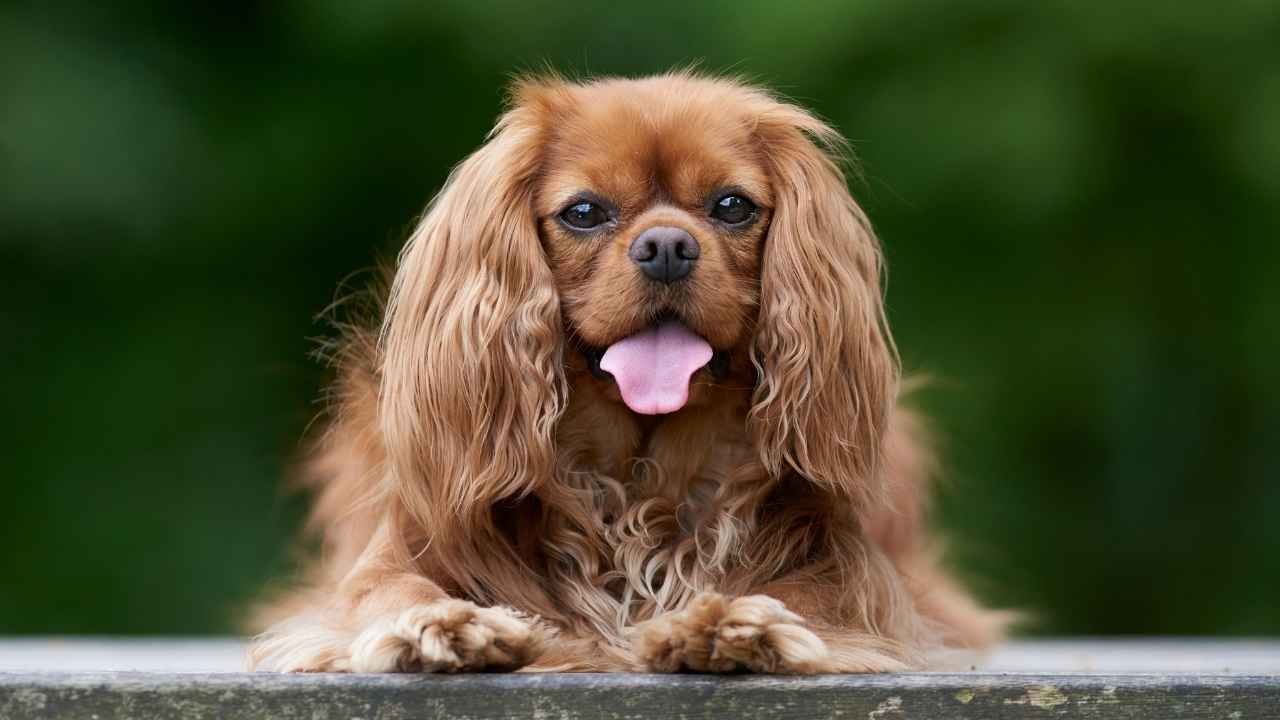
Originally associated with British royalty, Cavaliers were developed primarily as companion dogs, and their modern personalities still reflect that deep-rooted love of staying close to their favorite humans.
One of the biggest reasons Cavaliers appeal to relaxed homeowners is their remarkable ability to match the household’s atmosphere. They’re usually happy to accompany their owners on gentle neighborhood walks, enjoy playful moments in the garden, and then curl up on someone’s lap for an extended cuddle session.
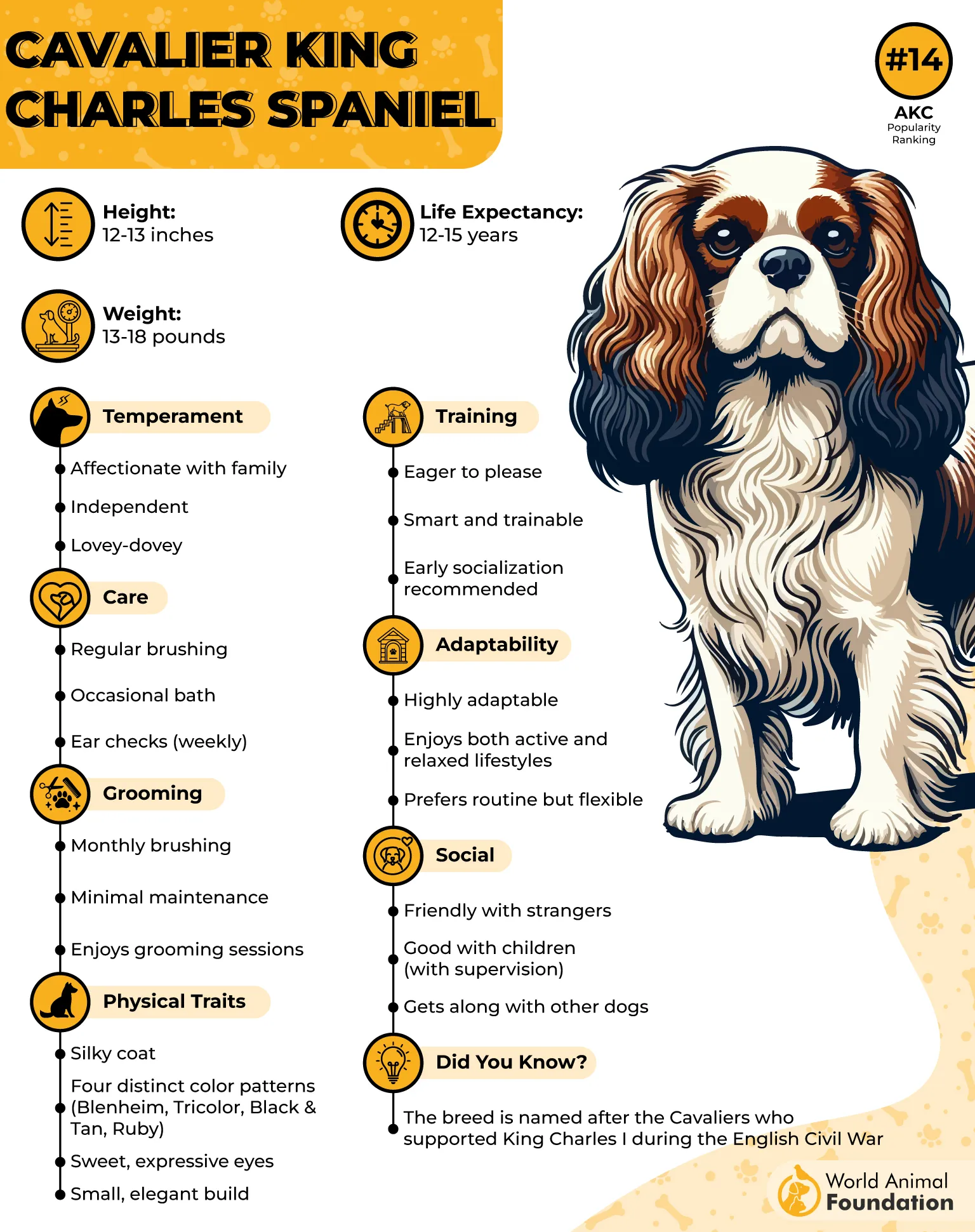
Their easygoing personalities also make them a good fit for first-time dog owners who want a loving pet without the intensity of a highly driven working breed. According to the Royal Kennel Club, they are typically friendly toward visitors, tolerant of other animals when properly socialized, and responsive to reward-based training, making everyday household interactions relatively pleasant.
But here’s where things get extra adorable: Cavaliers are often described as Velcro dogs because they love staying physically close to their people. Many follow their owners from room to room, settle beside them while they work, and eagerly claim an available lap the moment someone sits down.
5. Pug
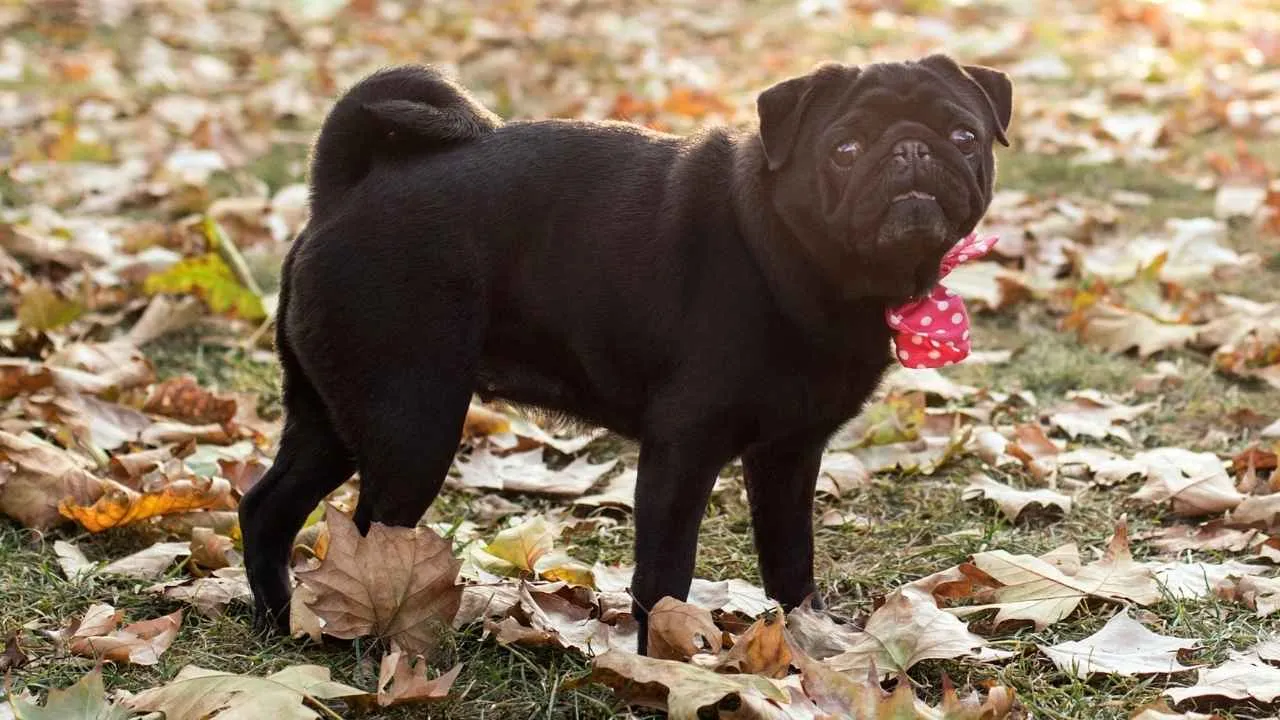
The Pug is a tiny dog that believes every piece of furniture is its own property. With its wrinkled forehead, curly tail, expressive eyes, and famously charming personality, this compact companion knows exactly how to win people over without performing impressive athletic tricks.
Their affectionate, easygoing personalities make them especially appealing to people who enjoy spending plenty of time indoors. Many Pugs enjoy relaxing beside their owners during movie nights, settling into familiar household routines, and engaging in gentle play without demanding hours of intense exercise.
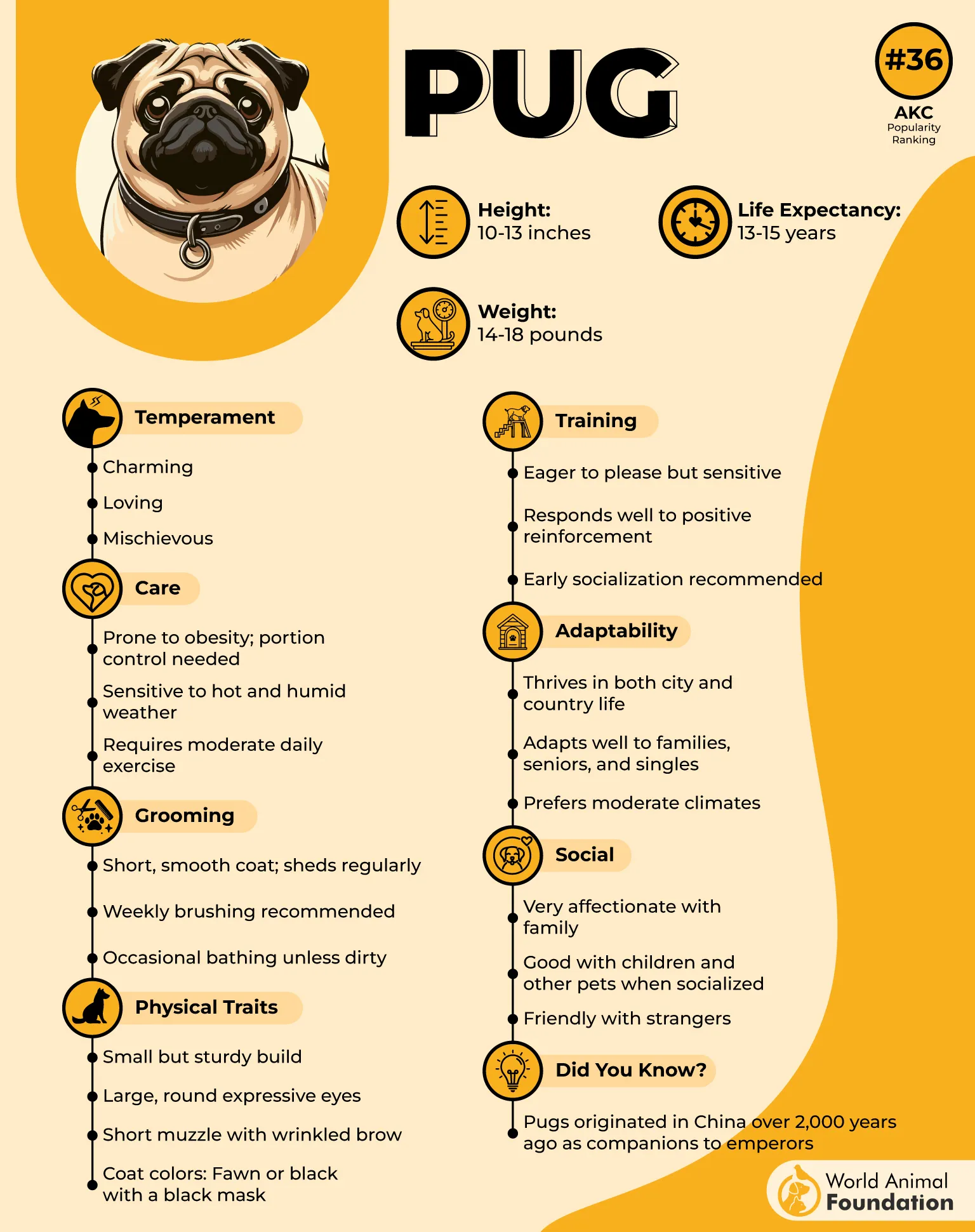
Although they are generally sociable and friendly, they have enough personality to keep everyday life entertaining. They often enjoy greeting visitors, interacting with respectful children, and joining family activities.
Positive reinforcement, food rewards, and consistent routines usually work well because Pugs respond better to patient encouragement than harsh corrections.
Their small size and relatively modest activity requirements can make apartment living practical, especially for owners who prefer a slower lifestyle. However, they are highly people-oriented and may struggle when left alone for long periods, so prospective owners should consider whether they can provide enough companionship throughout the day.
6. Pekingese
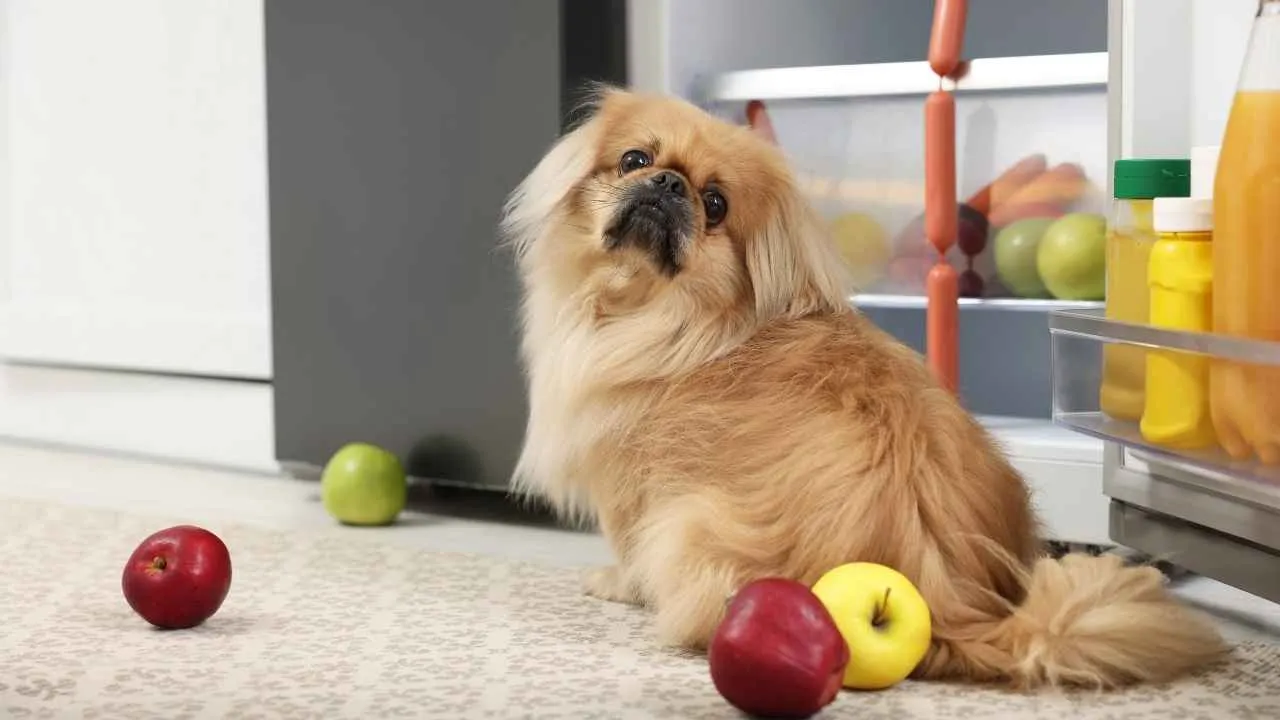
Originally treasured in imperial Chinese households, the Pekingese is a small companion breed that carries itself with unmistakable dignity, with a flowing coat, confident expression, and surprisingly independent personality.
Their naturally calm demeanor appeals to owners who want quiet companionship without constant demands for energetic play. These calm companions often lounge near their favorite humans, enjoy gentle affection, and keep the household running smoothly. However, they may be selective about when and how they accept attention.
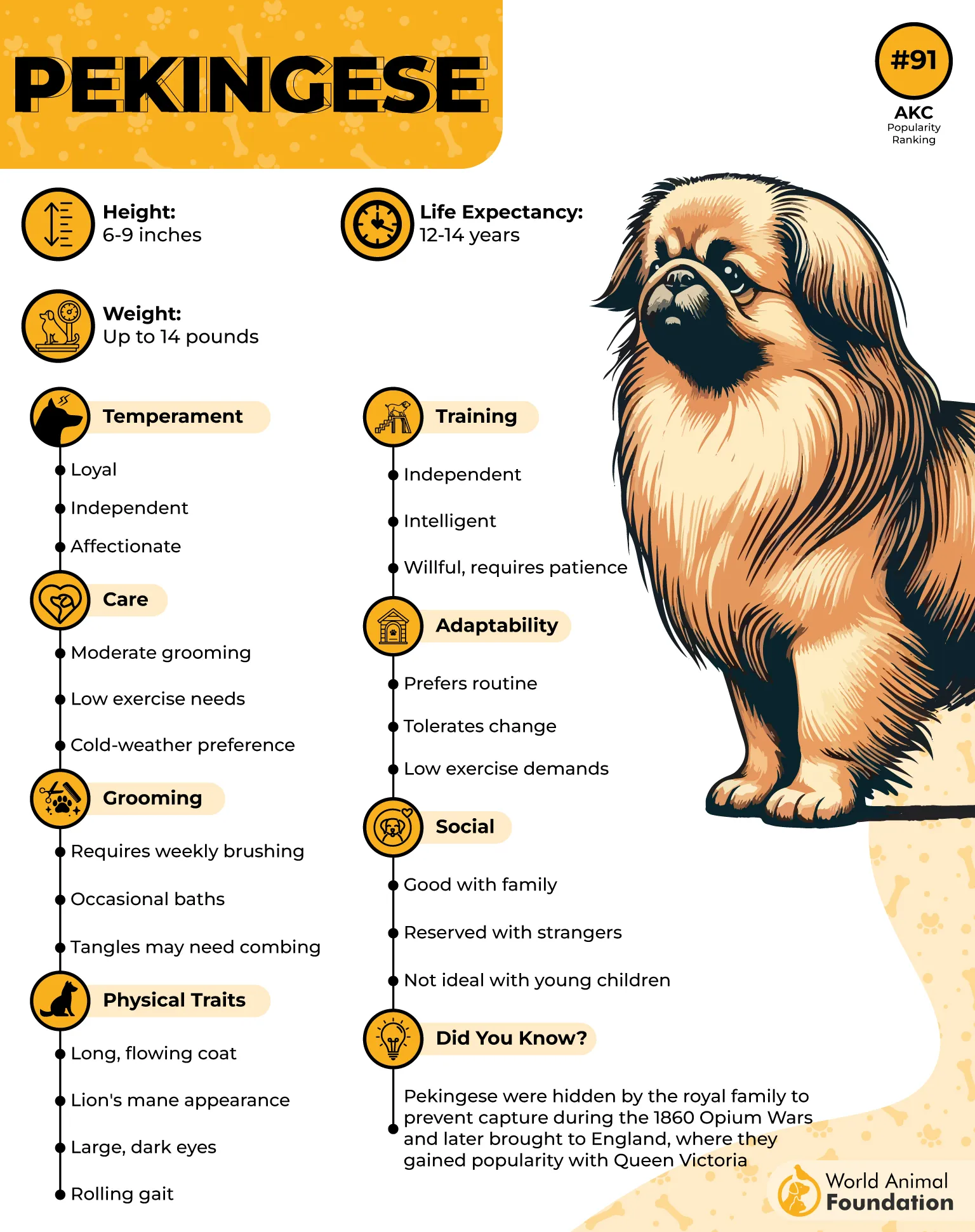
Unlike some companion breeds that enthusiastically welcome everyone through the front door, Pekingese can be more reserved around unfamiliar people. They form strong attachments to their families while staying watchful with strangers, occasionally announcing visitors with a surprisingly confident bark.
Experienced Pekingese owners quickly learn that this breed has no intention of being treated like a pushover. Their confident personalities can translate into stubborn training behavior, making gentle boundaries, positive reinforcement, and early socialization essential to creating a well-mannered companion.
7. Mastiff
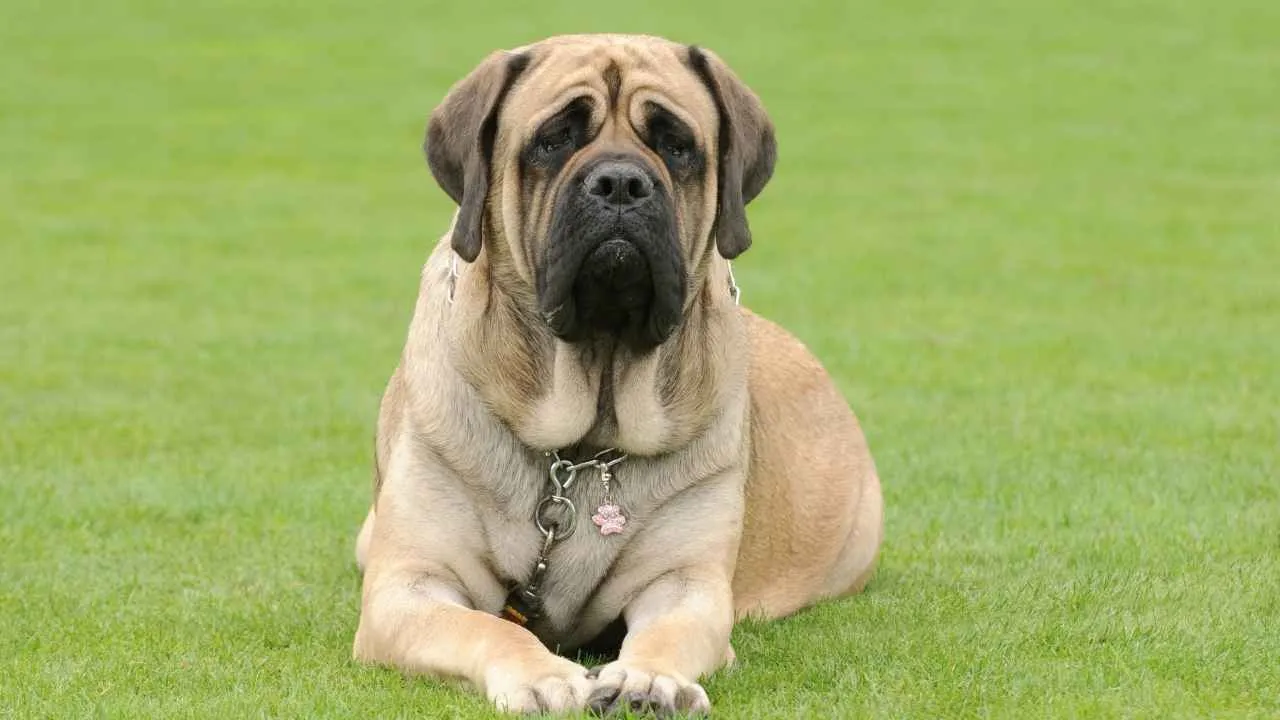
Imagine sharing your home with a low-energy dog that weighs as much as a grown adult but behaves like a sleepy, oversized teddy bear. That’s the Mastiff experience: an enormous, muscular guardian that somehow becomes one of the household’s most laid-back members.
These enormous companions typically prefer spending time near their families rather than constantly running around the yard, especially once they’ve reached maturity.
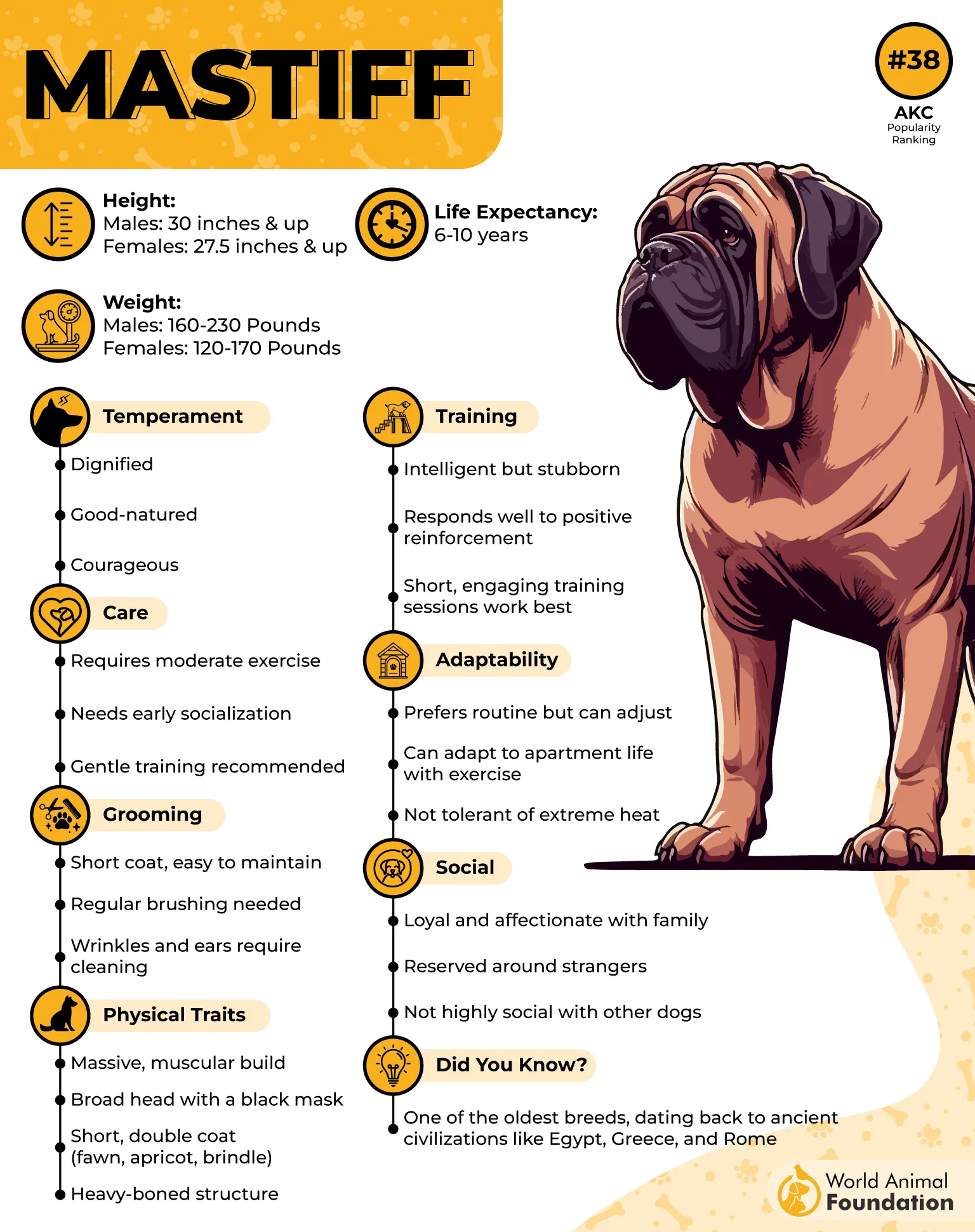
Their relaxed behavior is closely connected to their history as powerful guardians rather than endurance-focused athletes. These gentle giants were developed to protect and show strength when needed, so they generally don’t have the same relentless activity needs as breeds bred for long-distance herding or continuous fieldwork.
Another quality that makes Mastiffs appealing to relaxed households is their deep loyalty and affectionate attachment to familiar people. They often enjoy resting near family members, quietly observing household activities, and providing a reassuring presence without constantly demanding entertainment.
Conclusion
Who says being a dog owner means signing up for endless hiking trips, marathon training, and exhausting games of fetch?
These seven relaxed dog breeds prove that some of the most lovable companions are perfectly happy enjoying life’s slower moments, whether that means sharing a cozy sofa, taking leisurely walks, or simply keeping you company while you unwind.
Bernese Mountain Dog, Shih Tzu, Golden Retriever, Great Dane, Tibetan Spaniel, Bichon Frise, and Japanese Chin are also some lap dogs with somewhat low exercise needs.
The bottom line? If your dream weekend involves comfortable clothes, a favorite TV show, and a furry companion who genuinely appreciates doing less, one of these seven breeds might be your perfect match.
