




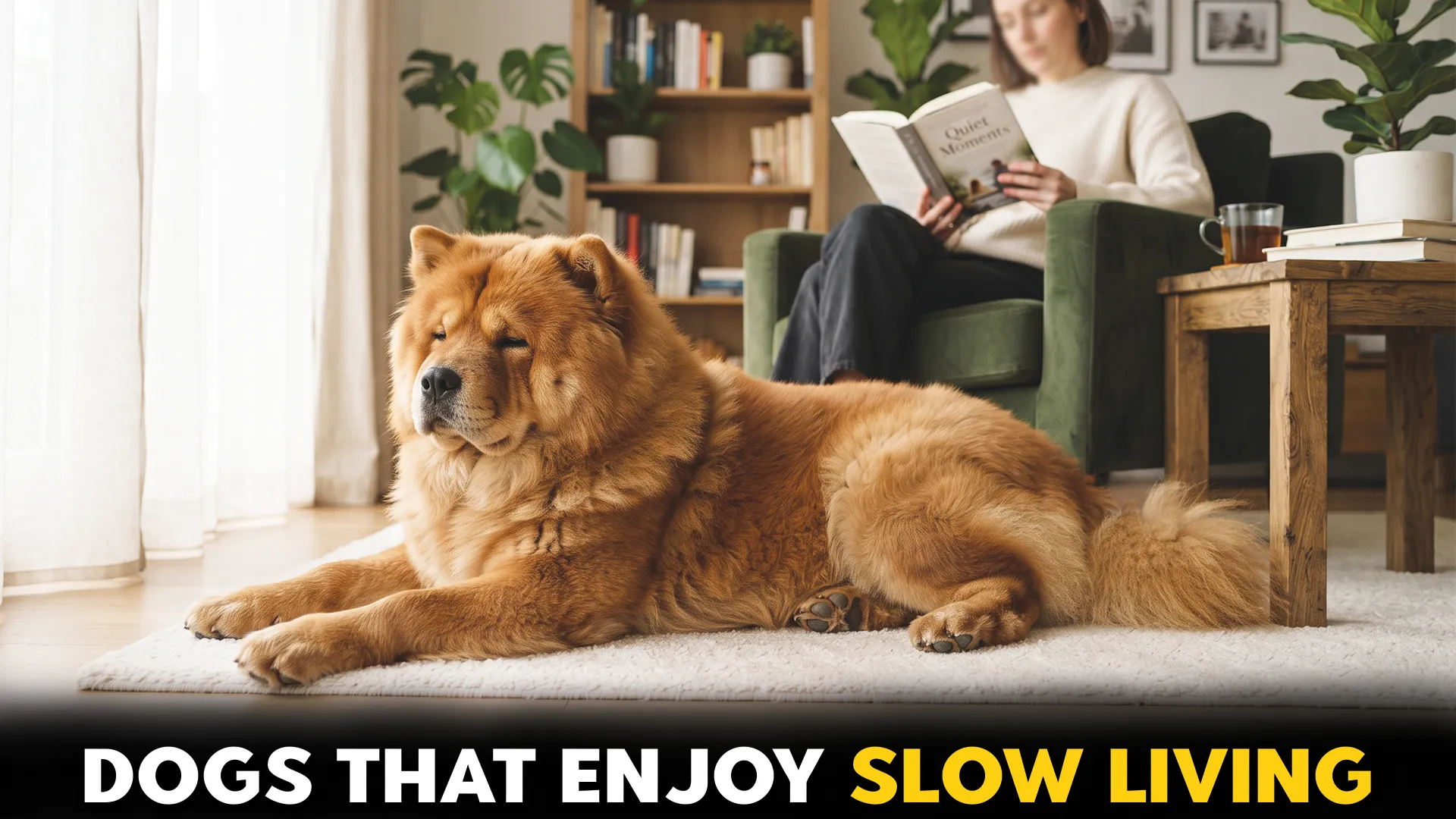
Some people hear “perfect weekend” and imagine a packed social calendar, loud music, and brunch with seventeen acquaintances. Introverts are more likely to picture a quiet room, comfortable clothes, a favourite show, and a phone placed face down so it cannot create new obligations. Add a relaxed dog quietly snoozing nearby, and the cosy atmosphere reaches its final form.
The right dog can provide companionship without making every moment feel like an organised group activity. Many calmer breeds enjoy predictable routines, peaceful walks, and simply sharing space with their favourite human.
They may not need constant conversation, but they still offer affection, security, humour, and the occasional dramatic sigh when dinner is three minutes late.
Let’s talk about the ten relaxed dog breeds that introvert owners love having around them.
Relaxed Dog Breeds That Thrive With Introverted Owners
1. Greyhound
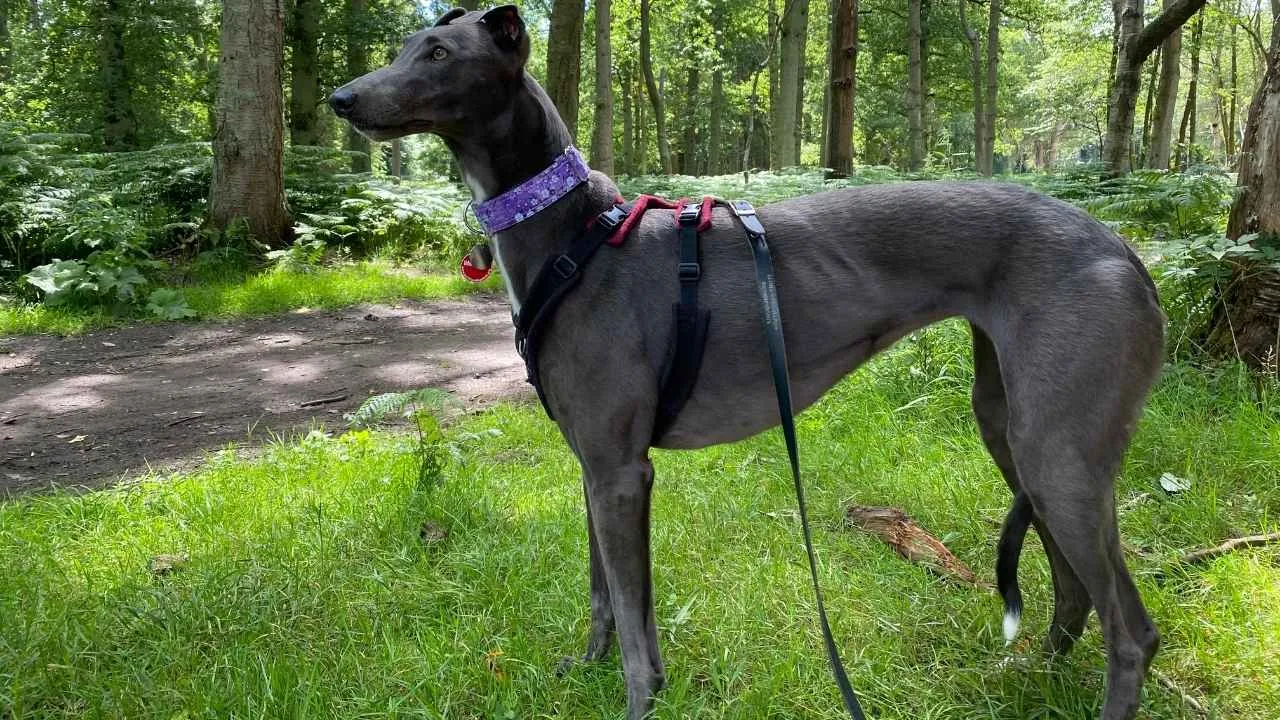
The Greyhound is built like a professional athlete but frequently lives like someone recovering from a very long weekend. After suitable exercise, greyhounds enjoy stretching across the softest available surface and remaining there with impressive commitment.
The American Kennel Club describes the breed as gentle, noble, sweet-tempered, and independent, making it an appealing companion for owners who appreciate quiet affection rather than nonstop demands.
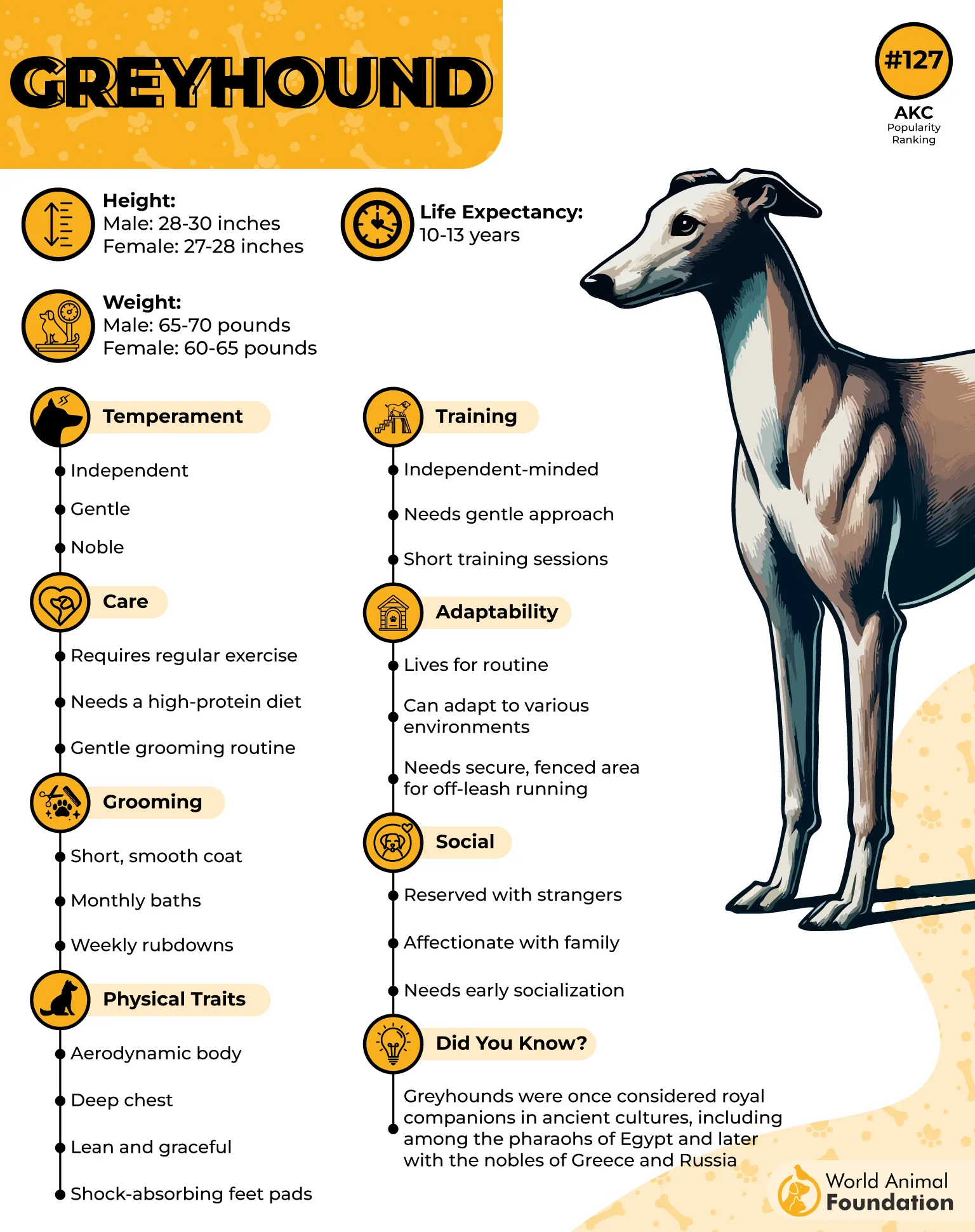
These gentle giants were developed as sighthounds, meaning they pursued moving game visually and made decisions without waiting for constant human instructions. That independent history can produce a dog that remains affectionate while respecting a little personal space.
Their sensitive nature responds better to rewards and patient guidance than harsh correction, while early exposure to children and smaller animals deserves particular care.
2. Whippet
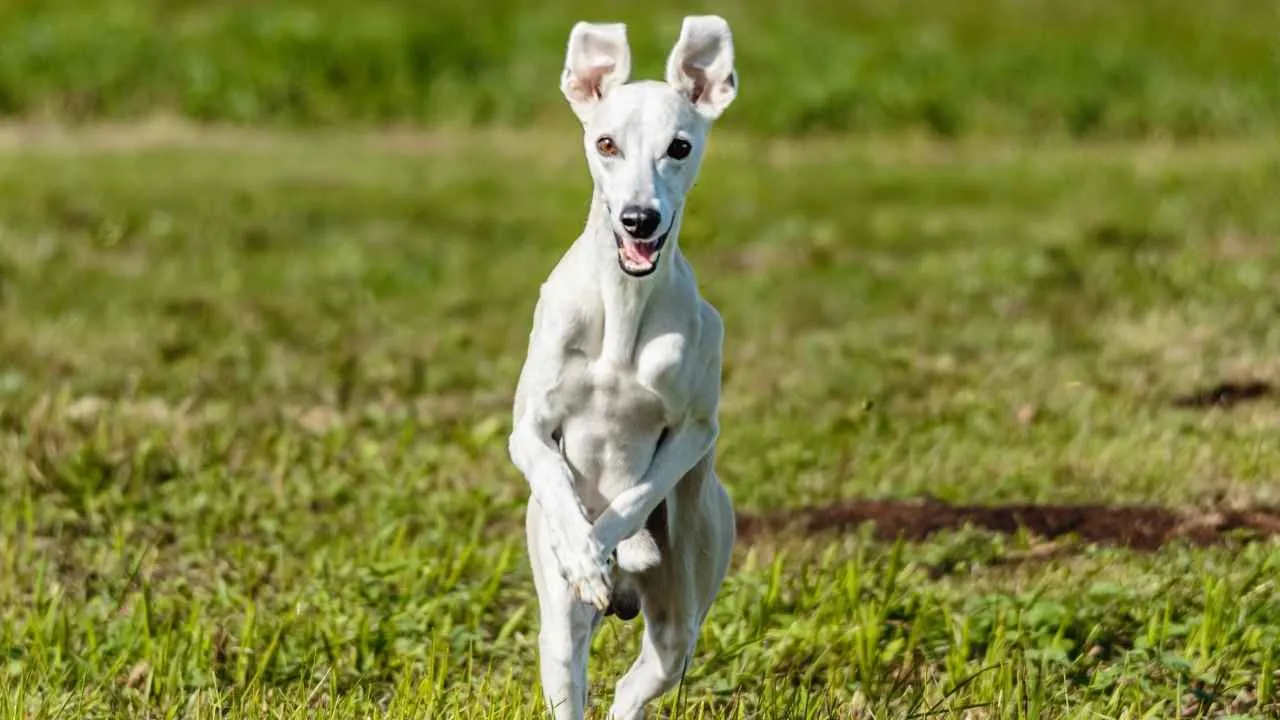
The Whippet is a graceful dog that may race around a secure space with astonishing power before returning indoors, where it transforms into a neatly folded blanket ornament.
They can adapt well to flats when their exercise needs are met and are generally not known for excessive barking. That combination can be especially attractive to quiet owners who want a capable walking companion without receiving hourly neighbourhood announcements.
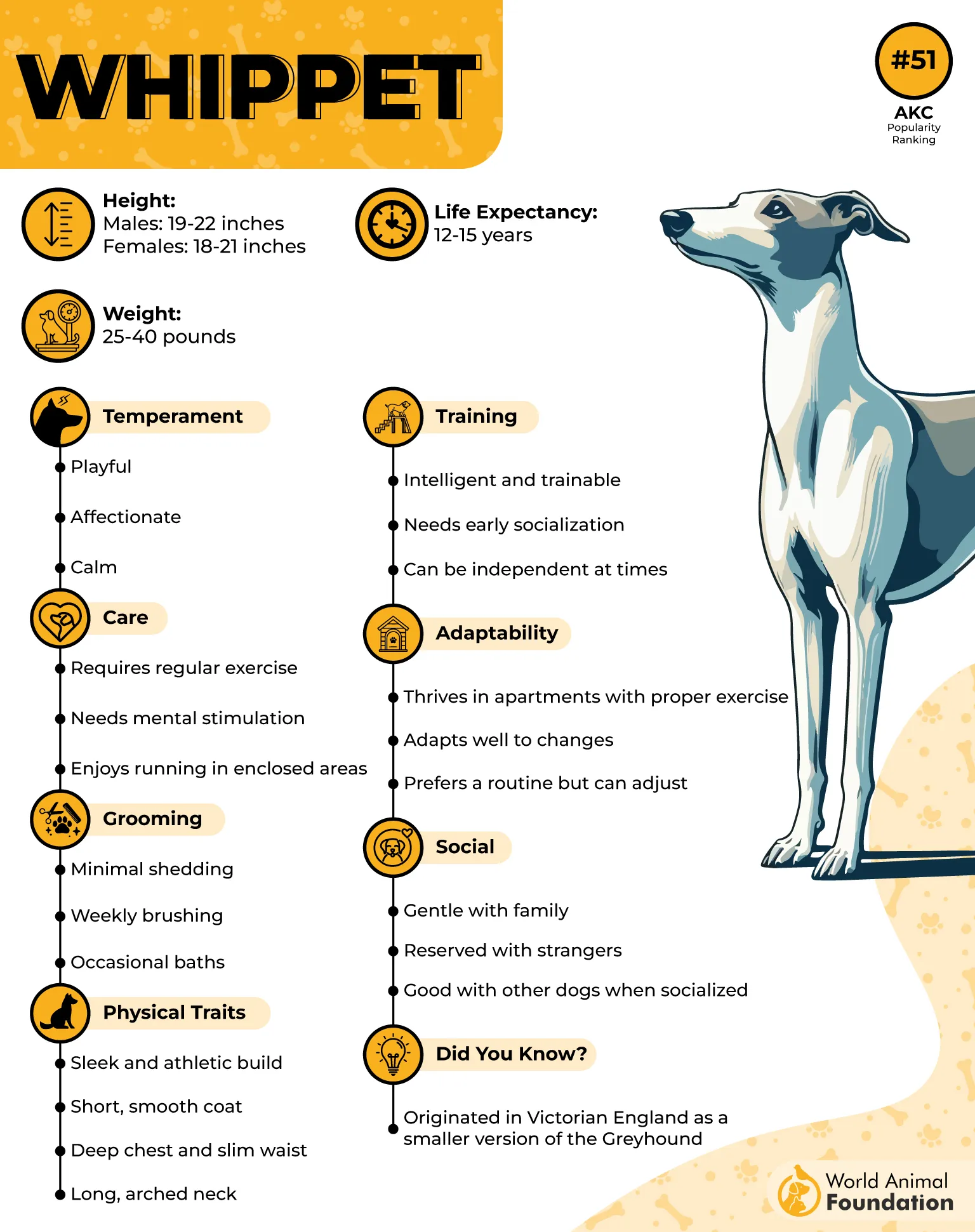
These dogs need more than a slow trip around the block, even though their indoor setting often appears permanently stuck on energy-saving mode. Brisk walks, sniffing opportunities, playful training, and occasional runs within secure fencing help satisfy their bodies and minds.
The smooth coat is easy to maintain, although these lean dogs often seek warmth during chilly season. A jumper, warm bed, and strategic blanket placement may become everyday necessities in colder conditions.
3. Chow Chow
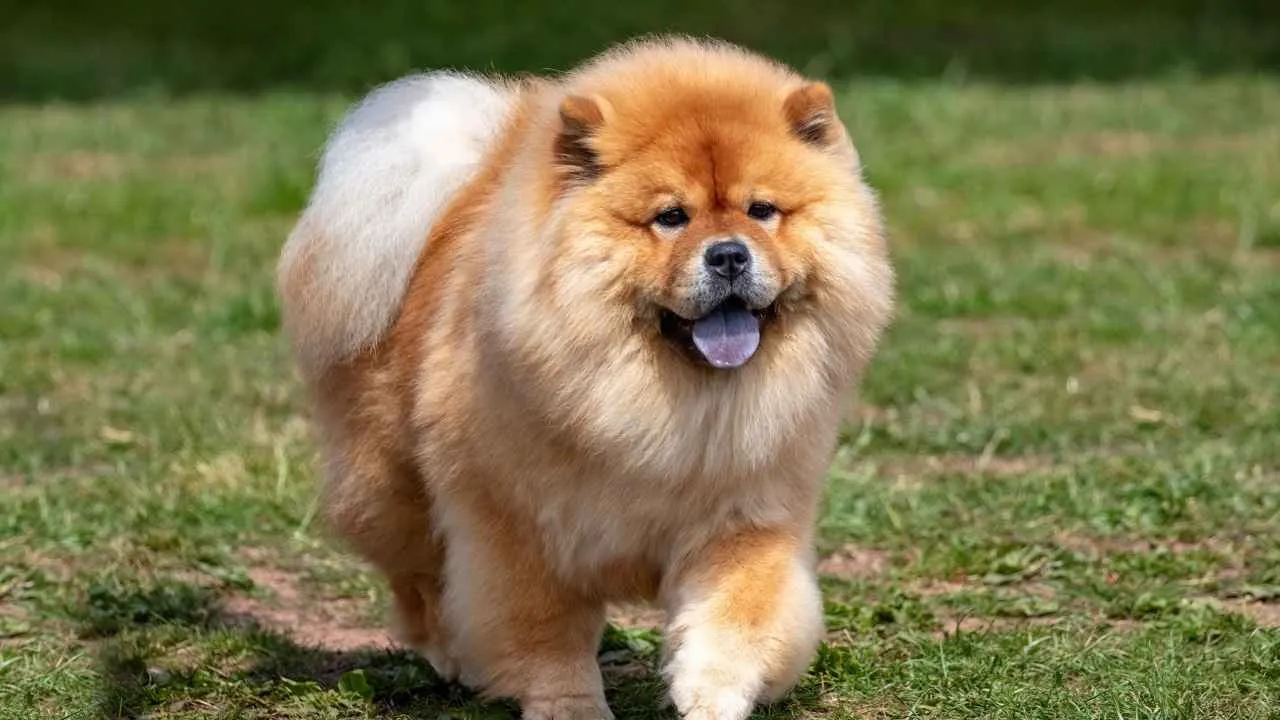
The Chow Chow carries itself like an ancient philosopher who has already considered your invitation and decided to stay home. Dignified, serious-minded, and reserved, it generally has little interest in greeting every stranger as a future best friend.
The Royal Kennel Club says that they often form strong attachments to their household while remaining aloof with unfamiliar people. Their devotion may appear through quiet proximity, watchful behaviour, and selective affection rather than constant physical contact.
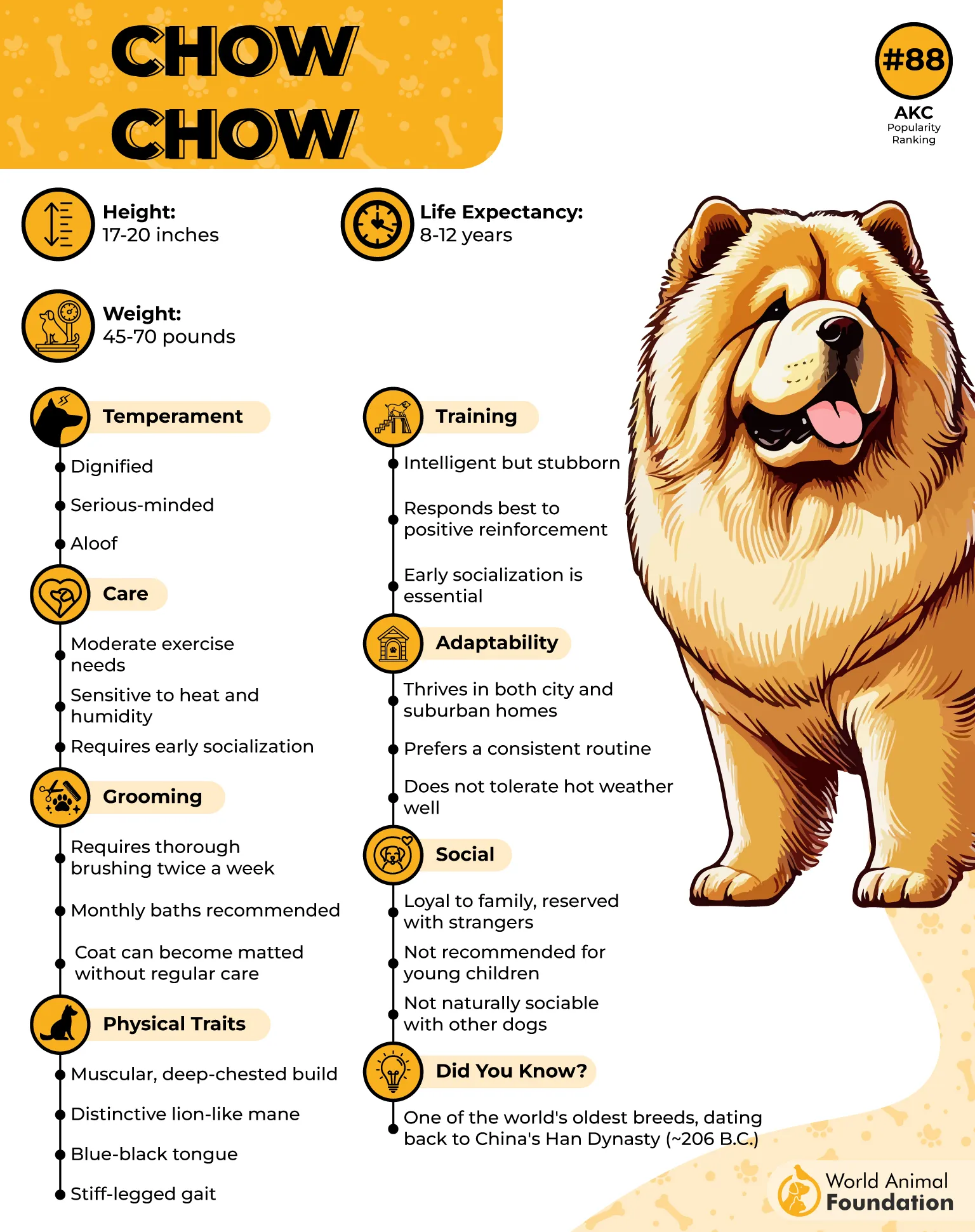
Independence should never be confused with effortless ownership. Chows need extensive early socialisation so that natural reserve does not develop into fear, territorial overreaction, or unsafe behaviour around people and animals.
Exercise requirements are moderate, with regular walks and controlled exploration usually better suited than exhausting endurance sessions. Their dense double coats make hot conditions uncomfortable and potentially dangerous, so activity should be scheduled during cooler periods.
4. Basset Hound
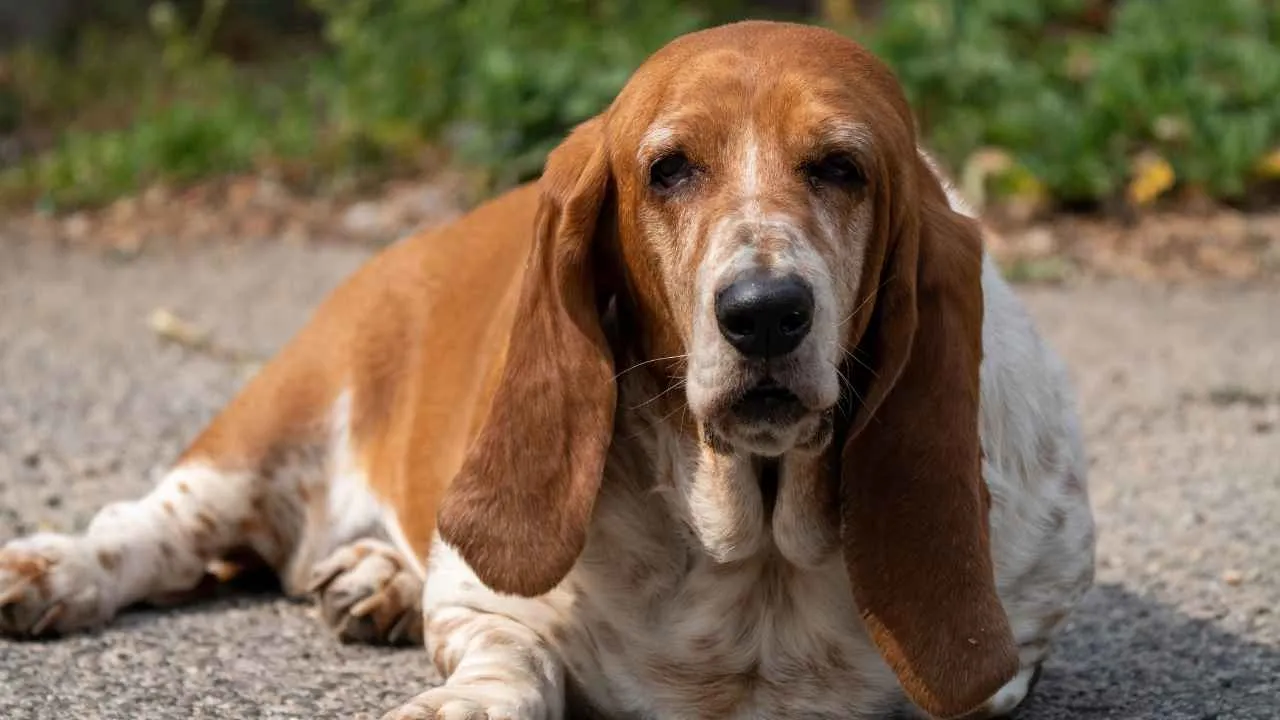
The Basset Hound looks like it woke up tired, received disappointing news, and decided to return immediately to the nearest rug.
They were built for endurance rather than speed, claims Omlet, following scent trails steadily enough for hunters to keep pace on foot. Today, that same construction produces an excellent companion for someone who prefers leisurely investigation to high-speed outdoor chaos.
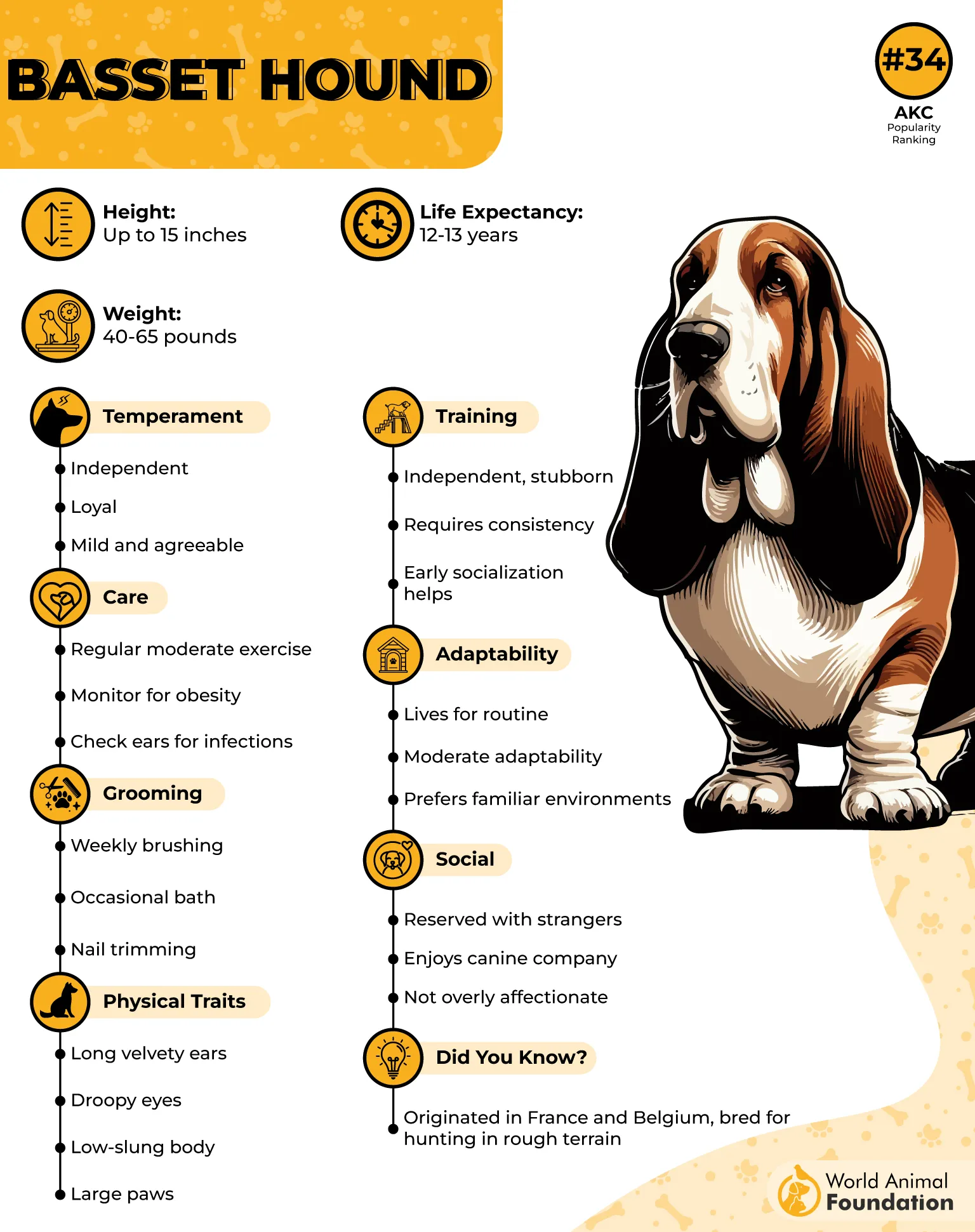
Their scenting ability is considered second only to that of the Bloodhound, so every walk may become a detailed forensic examination of the pavement. Secure leads and fencing are essential because a fascinating smell can temporarily delete the dog’s awareness of schedules, directions, and human opinions.
These hounds are not unintelligent, but their history has encouraged independent decision-making rather than immediate obedience to every instruction. Short, positive sessions generally work better than repeating the same command until both dog and owner reconsider the entire relationship.
5. Chinese Shar-Pei
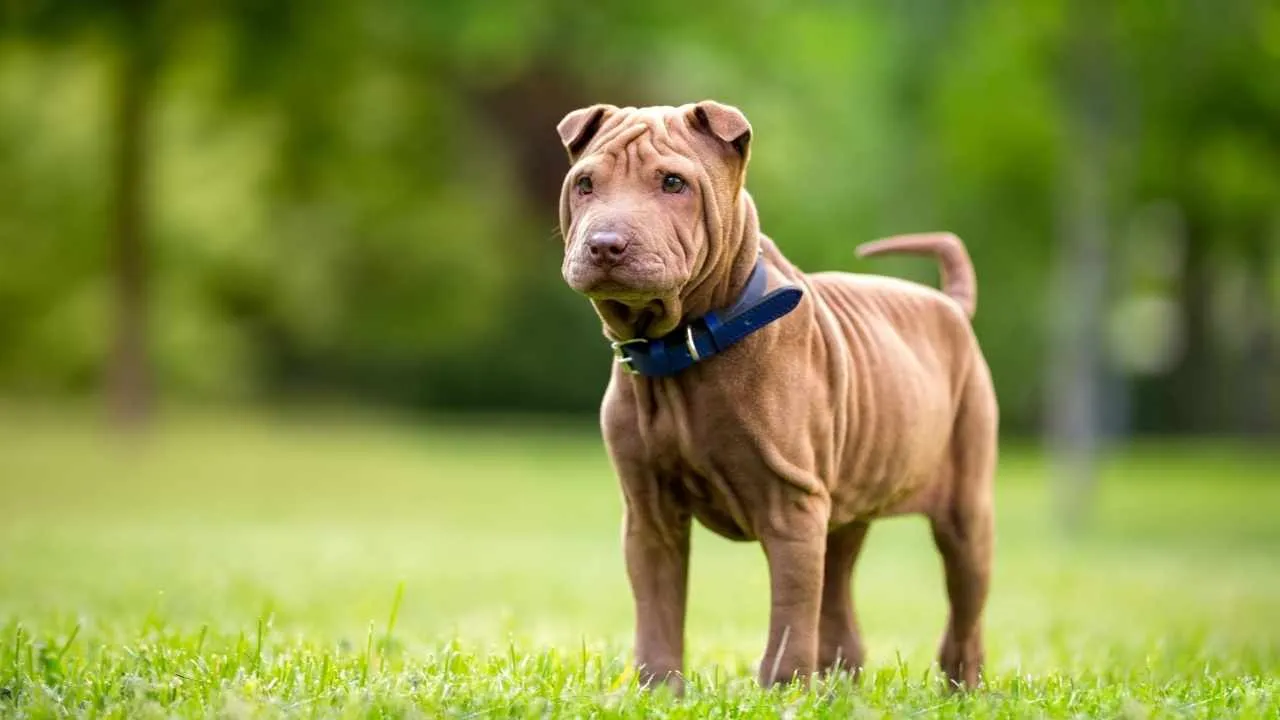
The Chinese Shar-Pei has the expression of someone who knows office gossip but has chosen not to participate. Calm, independent, and deeply loyal to family, this distinctive dog often remains reserved around strangers.
Their recognisable features include a broad muzzle, tiny triangular ears, small eyes, a high-set tail, and a harsh coat whose name translates to “sand skin.”
These dogs were developed as versatile guardians, so natural suspicion and territorial behaviour require careful management. Comprehensive socialisation should introduce them gradually to different people, dogs, environments, sounds, and handling experiences.
Their exercise needs are generally moderate, making controlled walks and enrichment more suitable than nonstop high-intensity activity. Food puzzles, scent games, calm training, and opportunities to investigate new environments can prevent boredom without creating a permanently chaotic household.
6. Pekingese
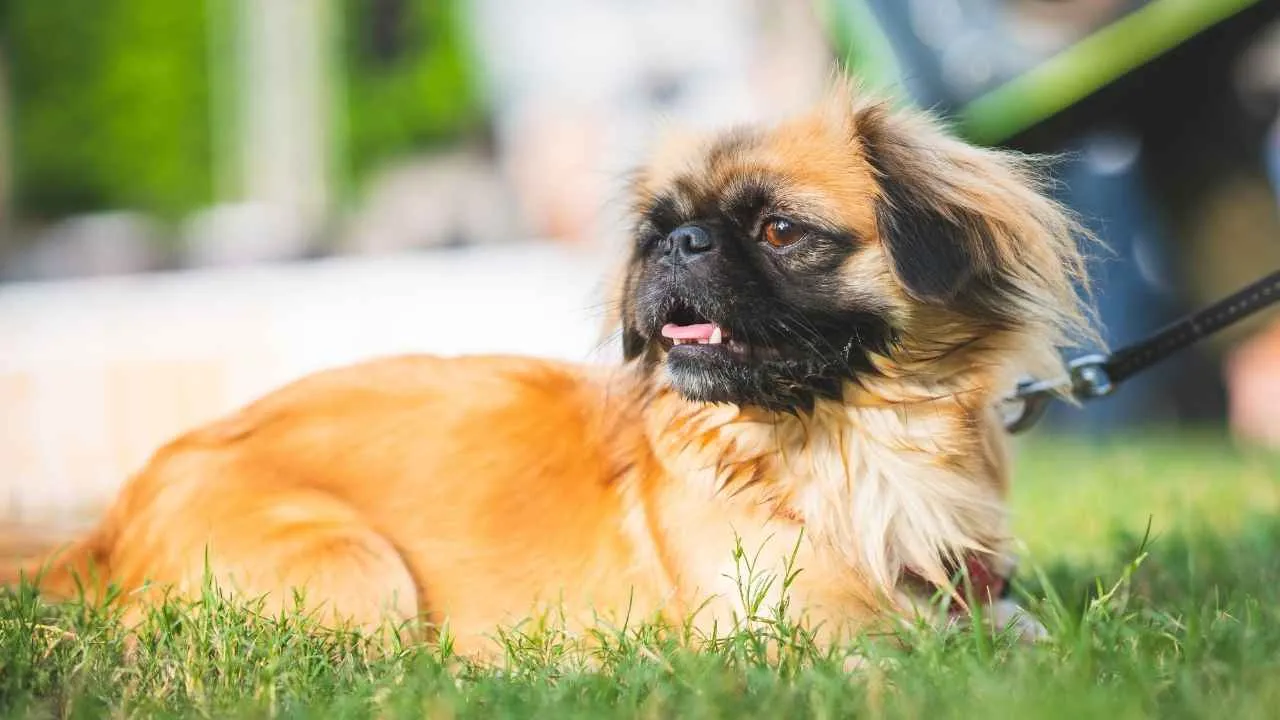
The Pekingese does not simply sit on a cushion; it occupies a throne temporarily disguised as household furniture. Developed as a companion for the ruling classes of ancient China, this compact dog still carries itself with remarkable confidence and dignity.
Its long coat forms a lion-like mane around the neck and shoulders, while the distinctive rolling gait contributes to its regal appearance.
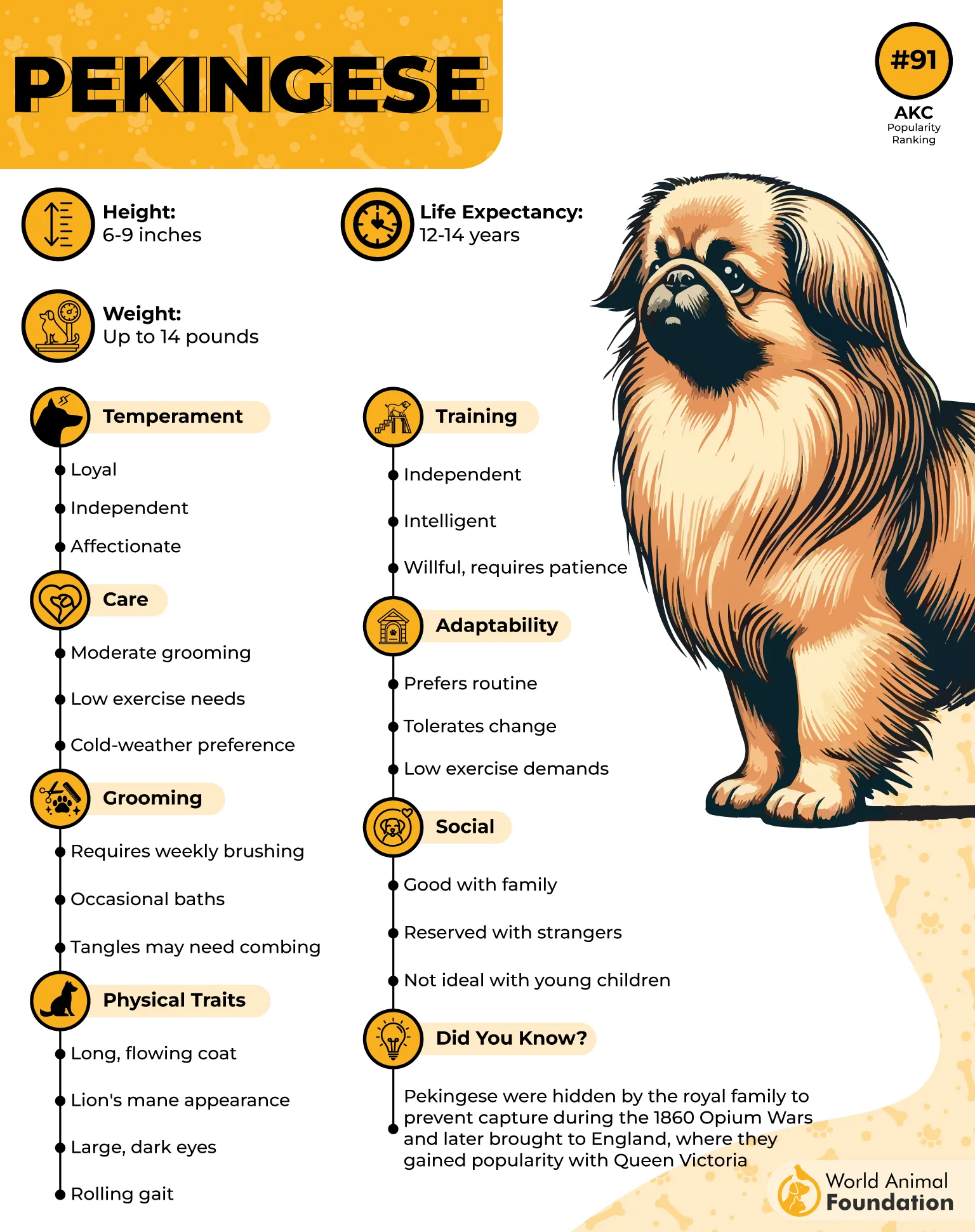
Moderate indoor play and short walks may satisfy much of its daily activity requirement. Because the breed has a shortened muzzle, strenuous exercise and hot weather must be approached with caution to reduce the risk of breathing difficulties and overheating.
Pekingese can be alert watchdogs and may announce visitors despite their otherwise relaxed routines. Socialisation helps them distinguish ordinary household activities from events that require an official security response.
7. Tibetan Mastiff
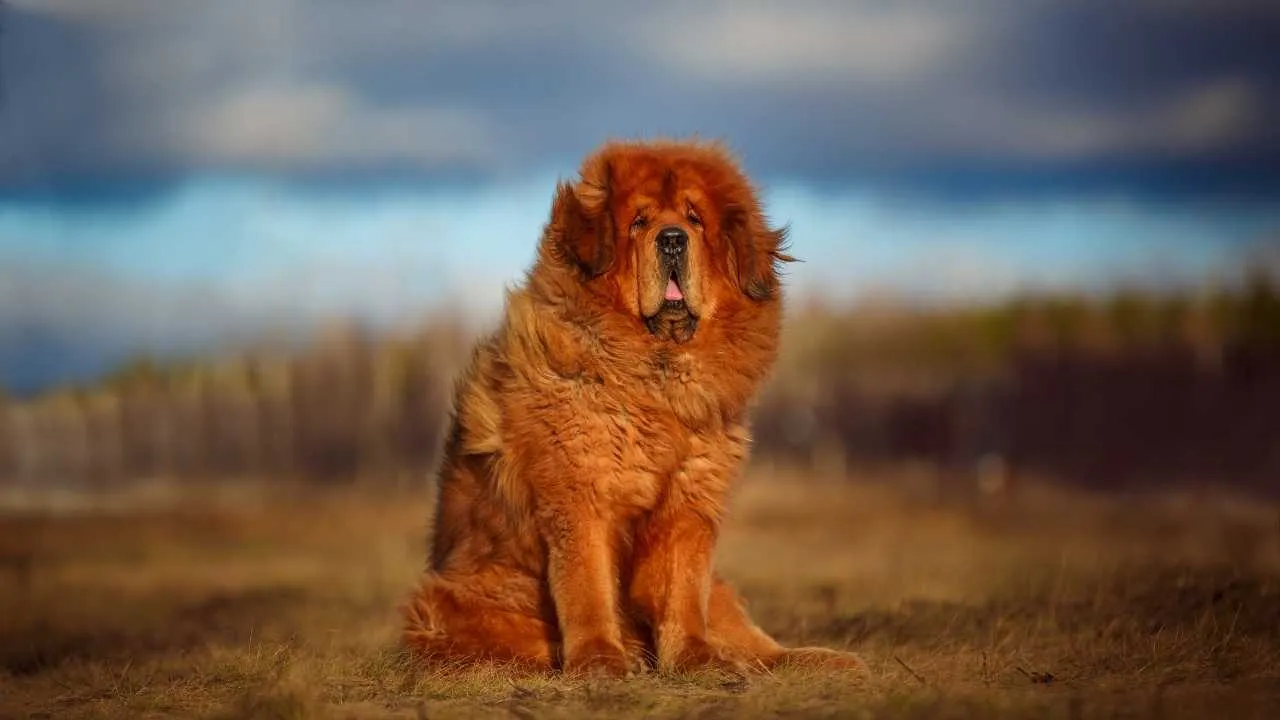
The Tibetan Mastiff is relaxed, like a security guard, while still noticing absolutely everything. These enormous dogs are generally mellow and devoted at home, but they remain watchful, territorial, and reserved toward strangers.
Their substantial frames and dense coats reflect a history of guarding people and livestock in the harsh Himalayan environment. Despite their size, they can move with surprising agility when they believe a genuine threat has entered their territory.
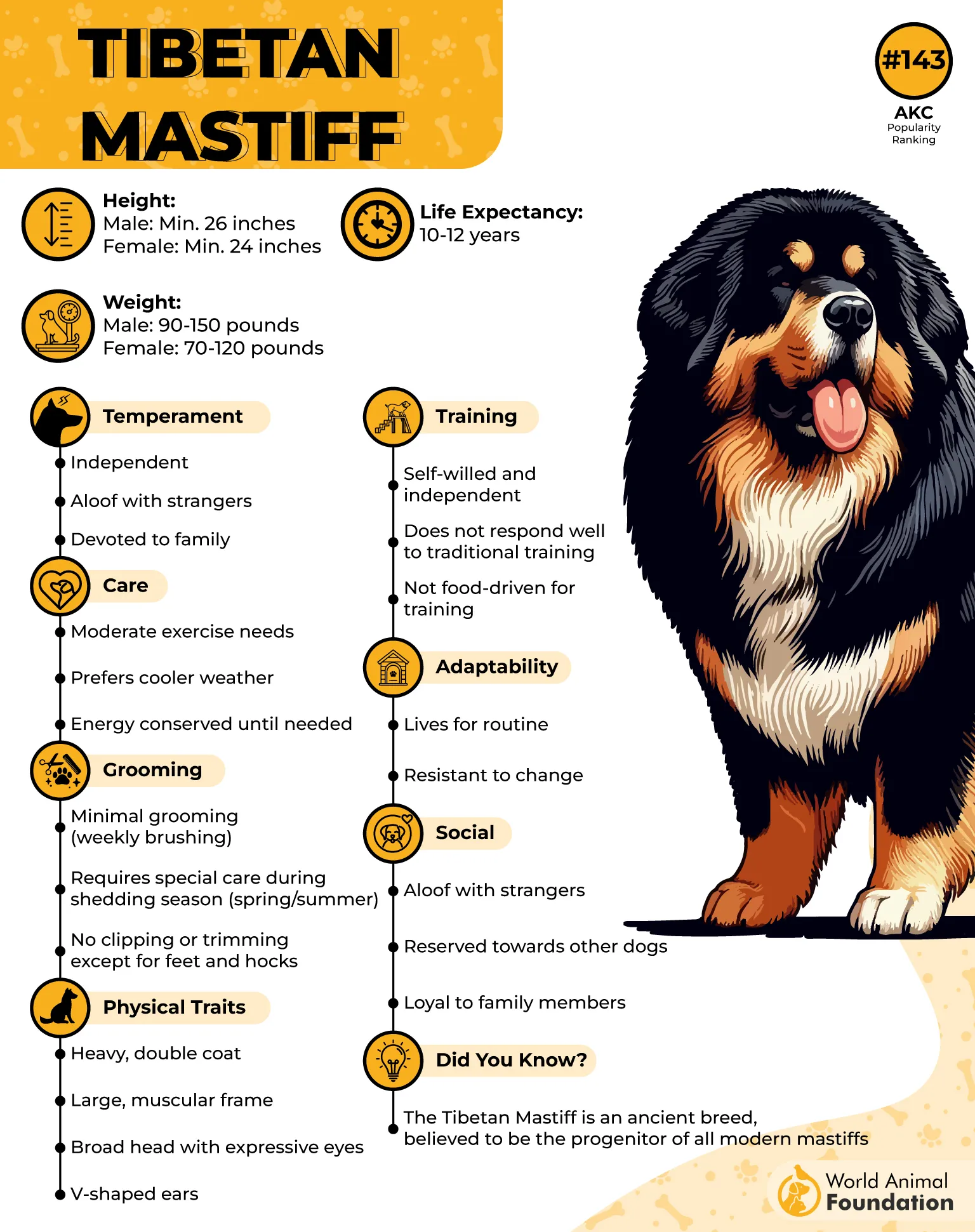
They need daily moderate exercise but often prefer purposeful movement, such as patrolling a secure property, over repetitive retrieving games. Orvis says that they tend to conserve energy until something deserves their attention, creating long stretches of calm interrupted by powerful action.
Training this independent guardian requires advanced handling skills, mutual trust, and firm-but-fair boundaries. The breed learns quickly yet may follow instinct over a command when it disagrees with the handler’s assessment, and reliable off-lead recall cannot be assumed.
8. Irish Wolfhound
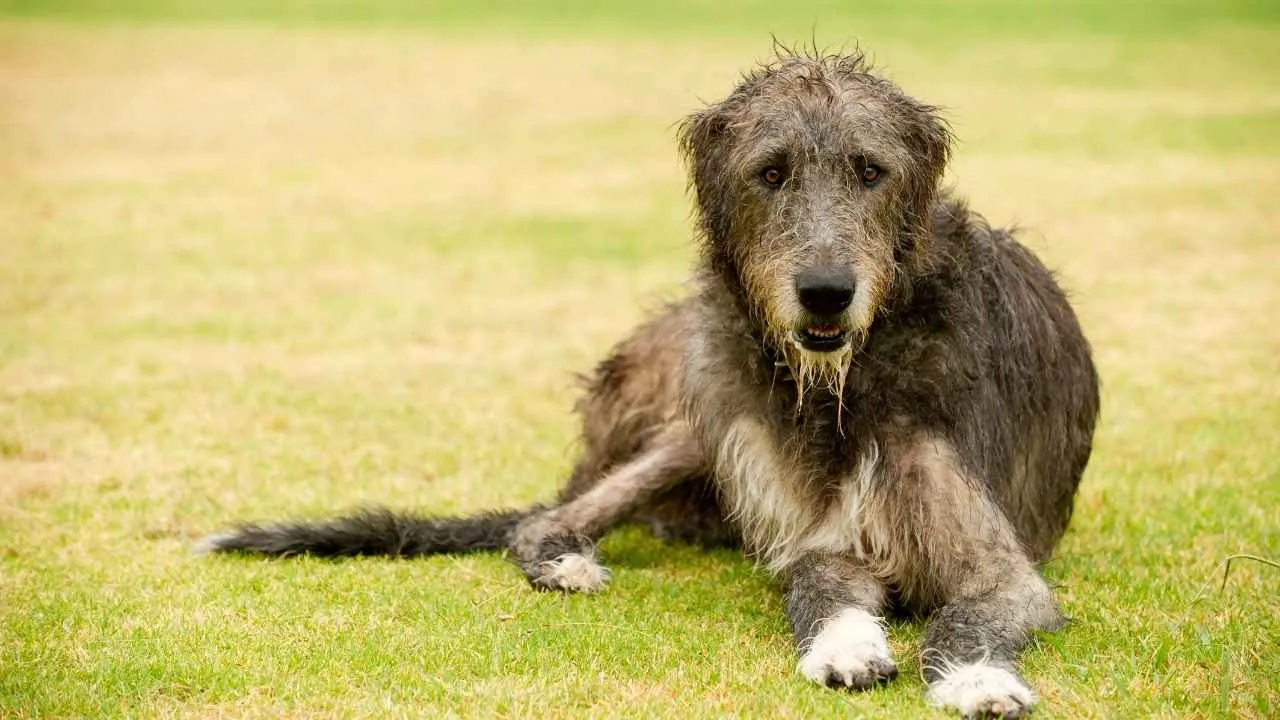
The Irish Wolfhound appears capable of guarding an ancient castle, but many modern wolfhounds would rather gently lean against their person, blocking the entire hallway. Calm, dignified, kindly, and agreeable, the breed is known for a temperament far softer than its enormous silhouette suggests.
These hounds were once formidable hunters of wolves and other large game, combining strength with impressive galloping speed. Modern Wolfhounds retain athletic ability but are generally too serene and unsuspicious to function as reliable guard dogs.
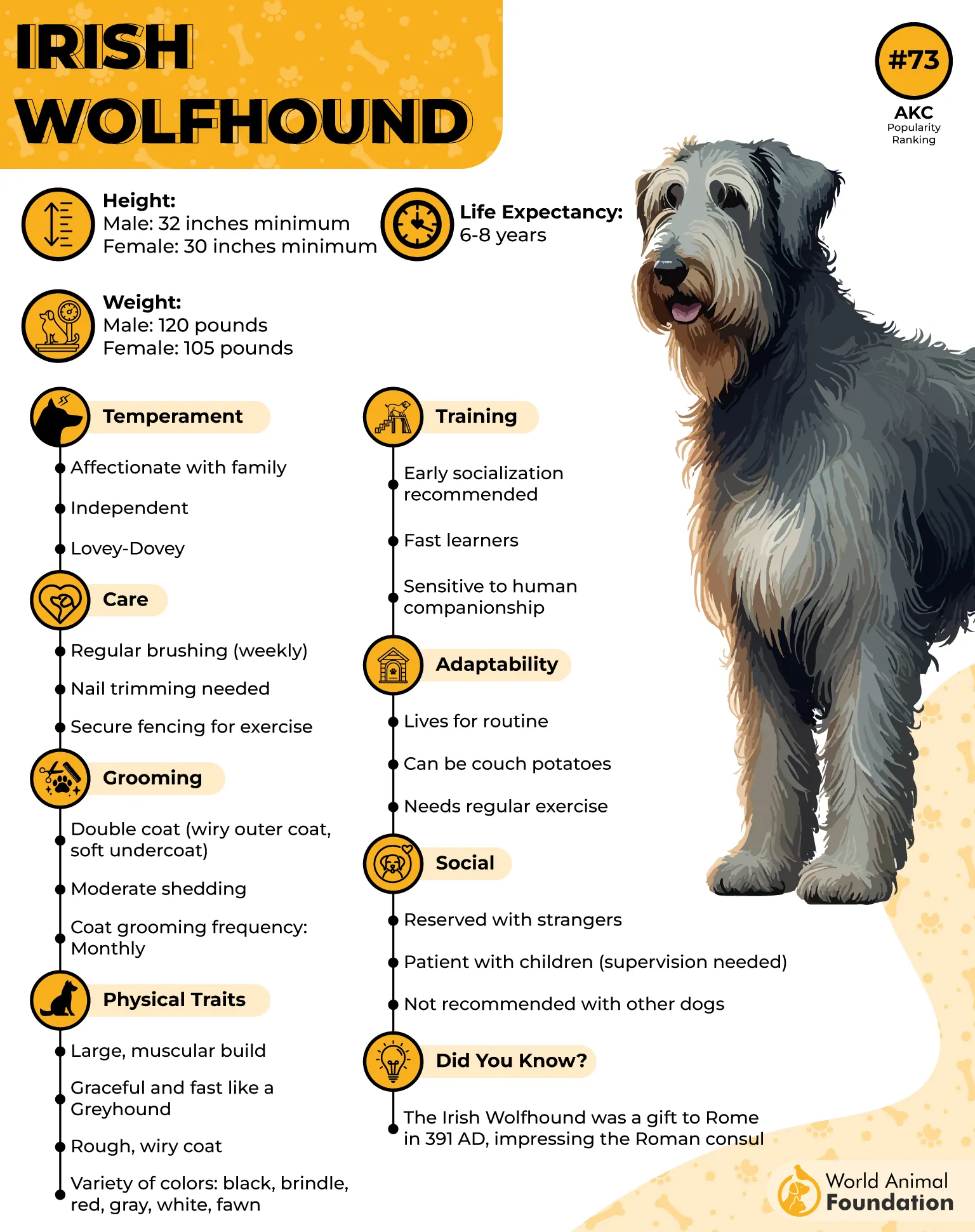
One of the fastest dog breeds, they often relax calmly indoors after receiving appropriate daily exercise. Walks, safe exploration, and controlled free movement support physical and emotional health, while forced exercise should be avoided during the long growth period.
Training should start early because basic manners become significantly more complicated once the student can casually inspect the kitchen counter without standing up. Positive methods suit their sensitive, people-oriented temperament, and many Wolfhounds enjoy close involvement in family life.
9. Tibetan Spaniel
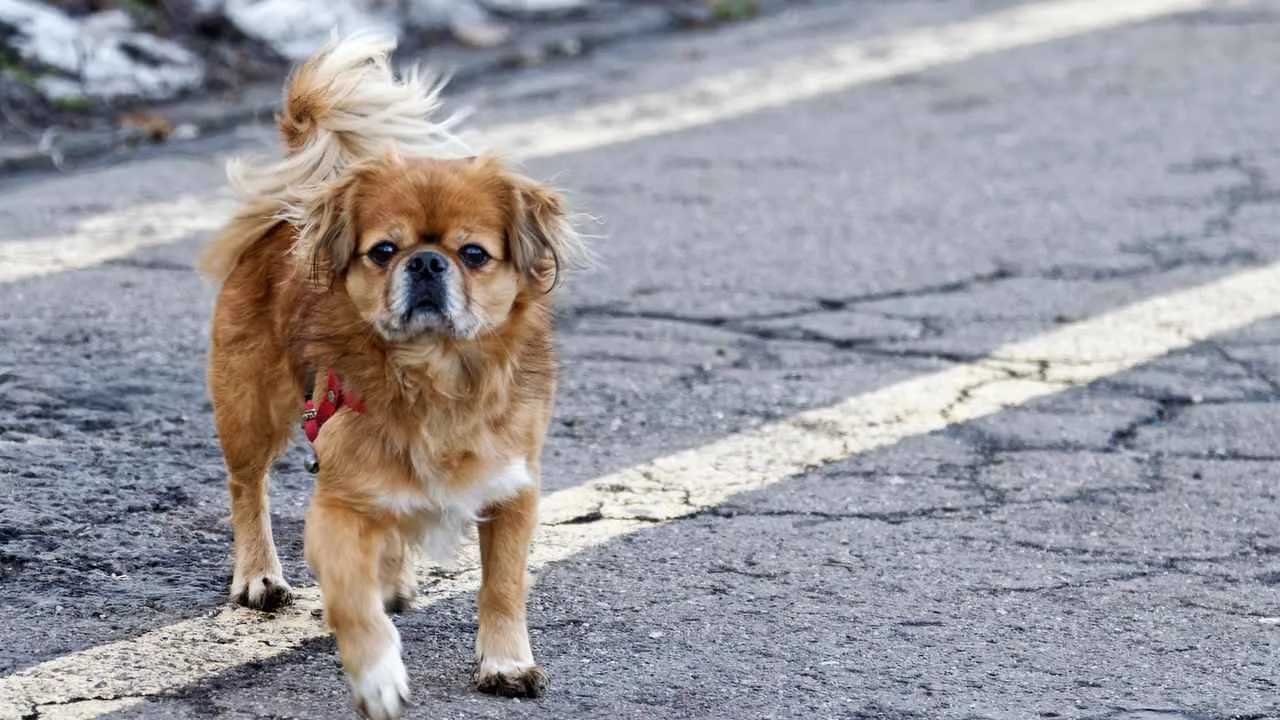
The Tibetan Spaniel is an excellent option for someone who wants a small companion with the observational skills of a neighbourhood watch committee.
Often called “Tibbies” by enthusiasts, they form close and devoted bonds with their humans. They may be affectionate without becoming overwhelmingly needy, although many prefer remaining within sight of their favourite person.
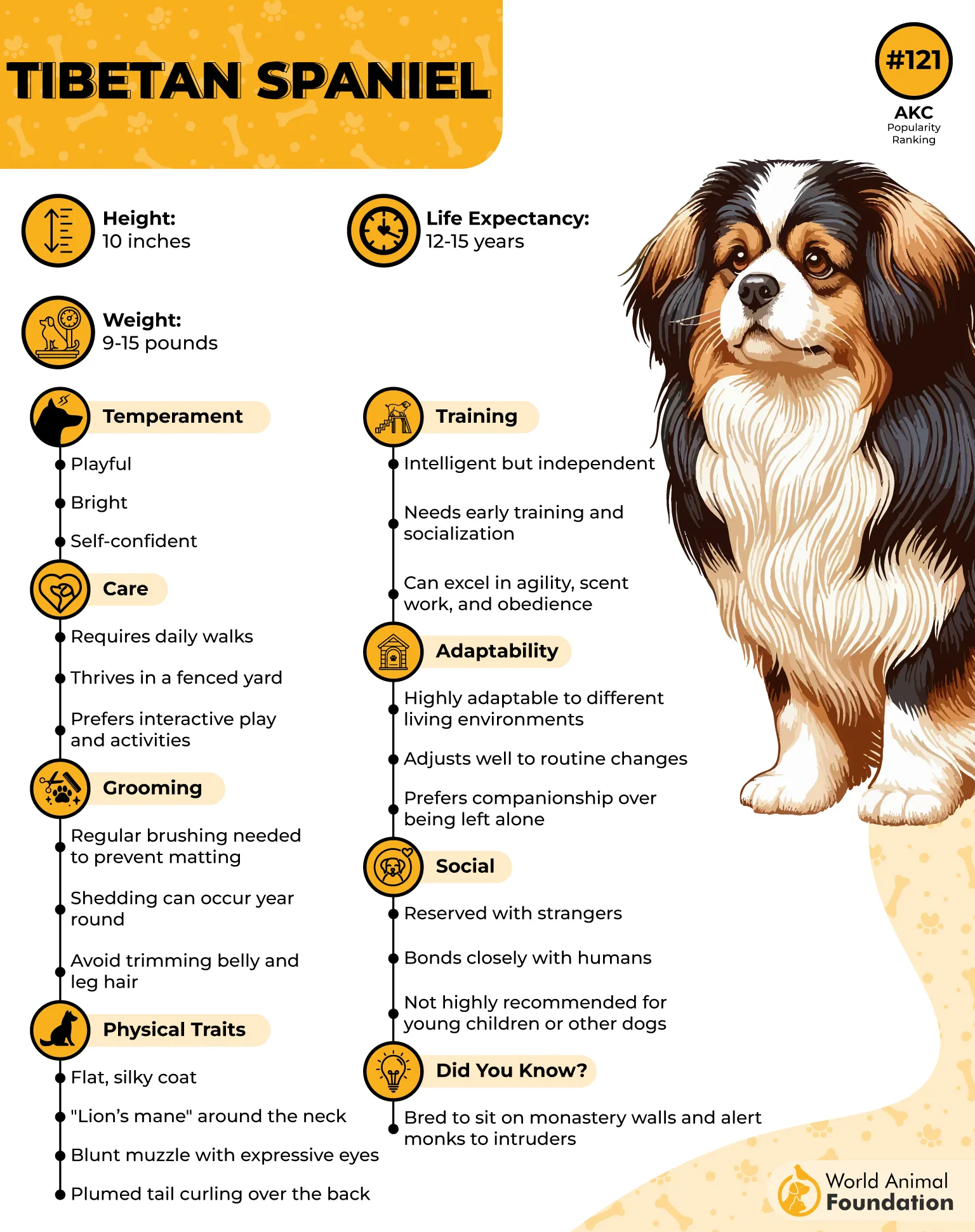
Tibetan Spaniels are curious and moderately playful rather than permanently hyperactive. Daily walks, indoor games, puzzle toys, and short training sessions can satisfy their physical and mental needs.
Their sentinel background means they may bark when people approach or unusual sounds occur. Early socialisation and positive reinforcement can reduce unnecessary alarms, although expecting total silence ignores an important part of the breed’s heritage.
10. Great Pyrenees
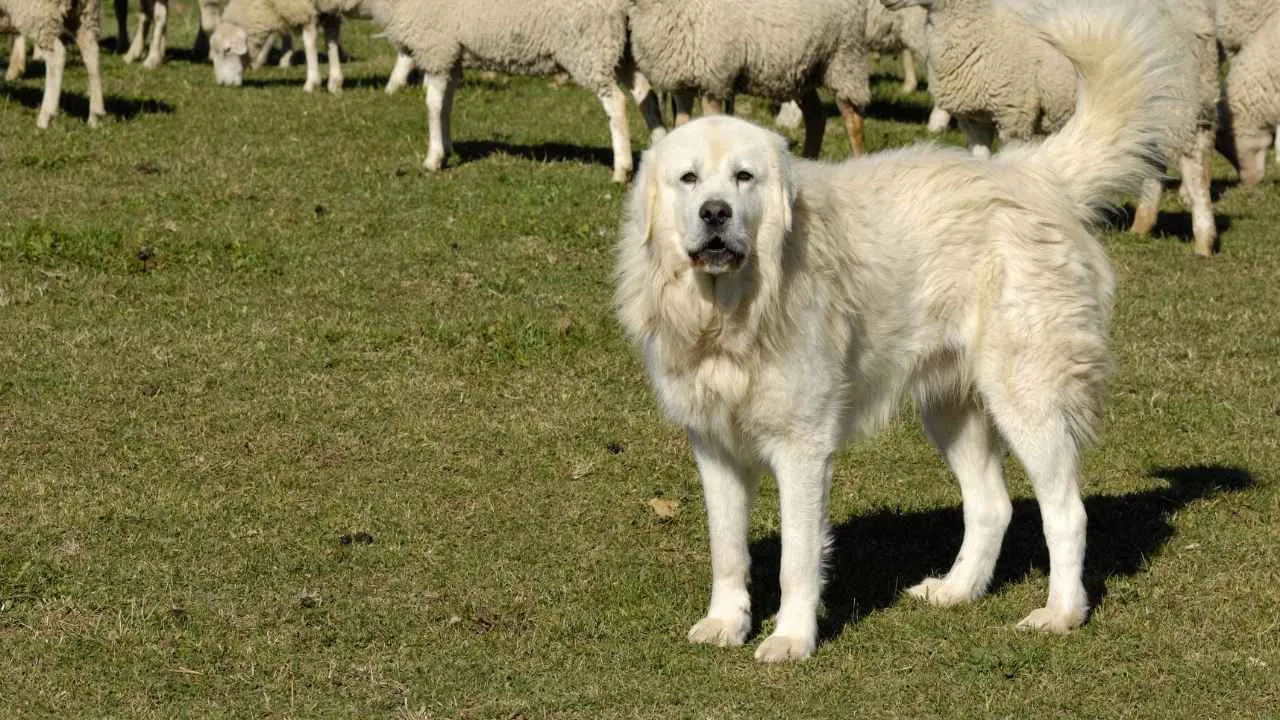
The Great Pyrenees can spend hours looking like a majestic white cloud that has decided to rest beside the door. Beneath that peaceful exterior is a powerful livestock guardian bred to protect flocks from wolves and other predators in mountainous environments.
These perfect dogs were developed to work independently without waiting for a shepherd to approve every decision. That heritage contributes to a calm, thoughtful temperament but can also produce stubbornness when a human request conflicts with the dog’s judgement.
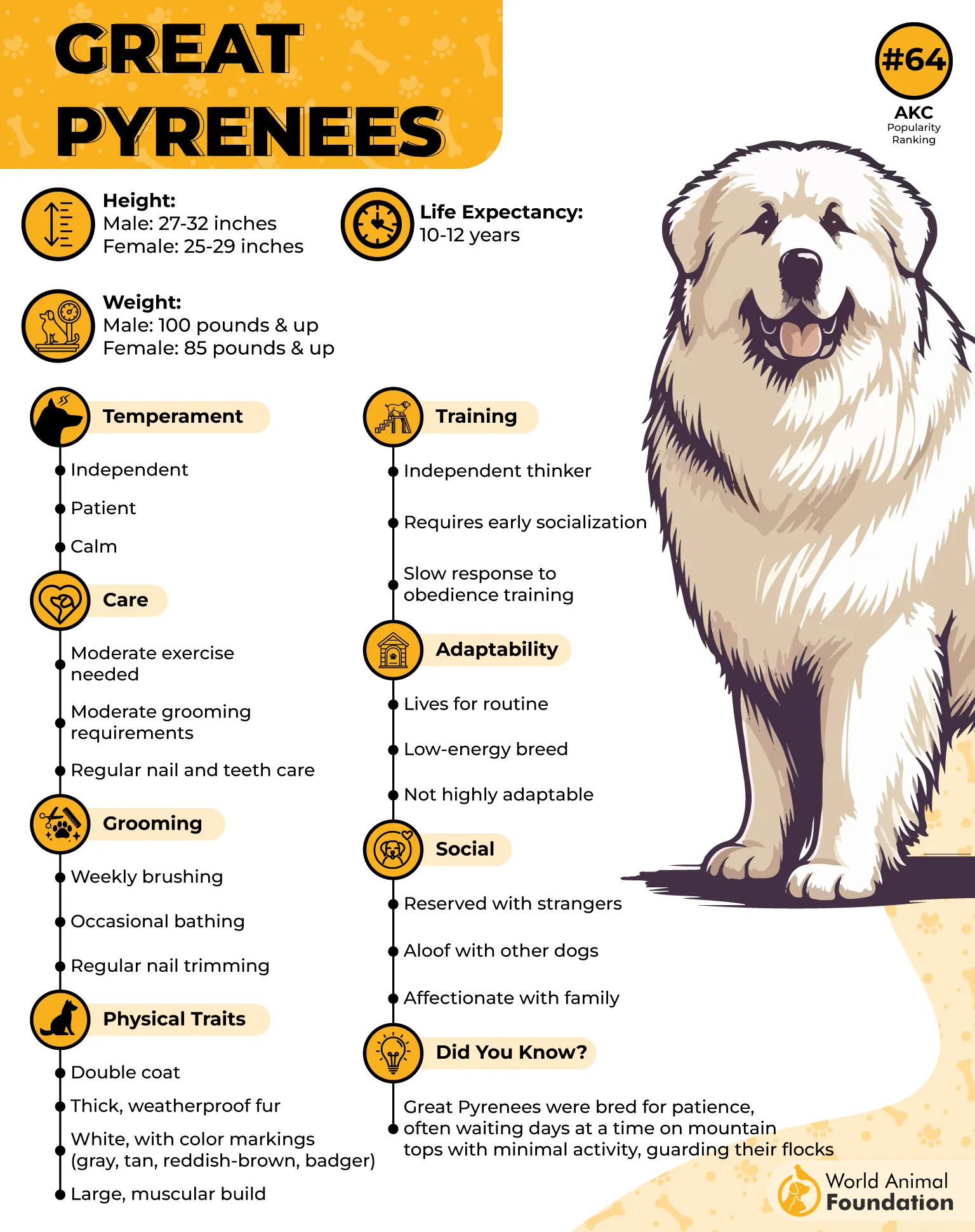
Daily walks and secure outdoor exploration help maintain physical fitness, but the breed generally does not require endless high-speed exercise. Mental satisfaction often comes from watching territory, investigating scents, and carrying out meaningful guardian-style routines.
Night-time barking is one of the biggest considerations for prospective owners. Livestock guardians historically warned predators away after dark, so a Pyr may announce wildlife, vehicles, neighbours, and distant sounds that no ordinary human noticed.
Conclusion
Relaxed dog breeds can be wonderful partners for introverts, but they achieve calmness in very different ways. Potential pet parents should evaluate noise, grooming, exercise, housing, training experience, veterinary expenses, and tolerance for shedding before making a decision.
A relaxed dog can still bark, chase, guard, resist commands, or become destructive when its needs are ignored. The best match is the dog whose complete lifestyle fits yours, not simply the one photographed sleeping most attractively on a sofa.
