




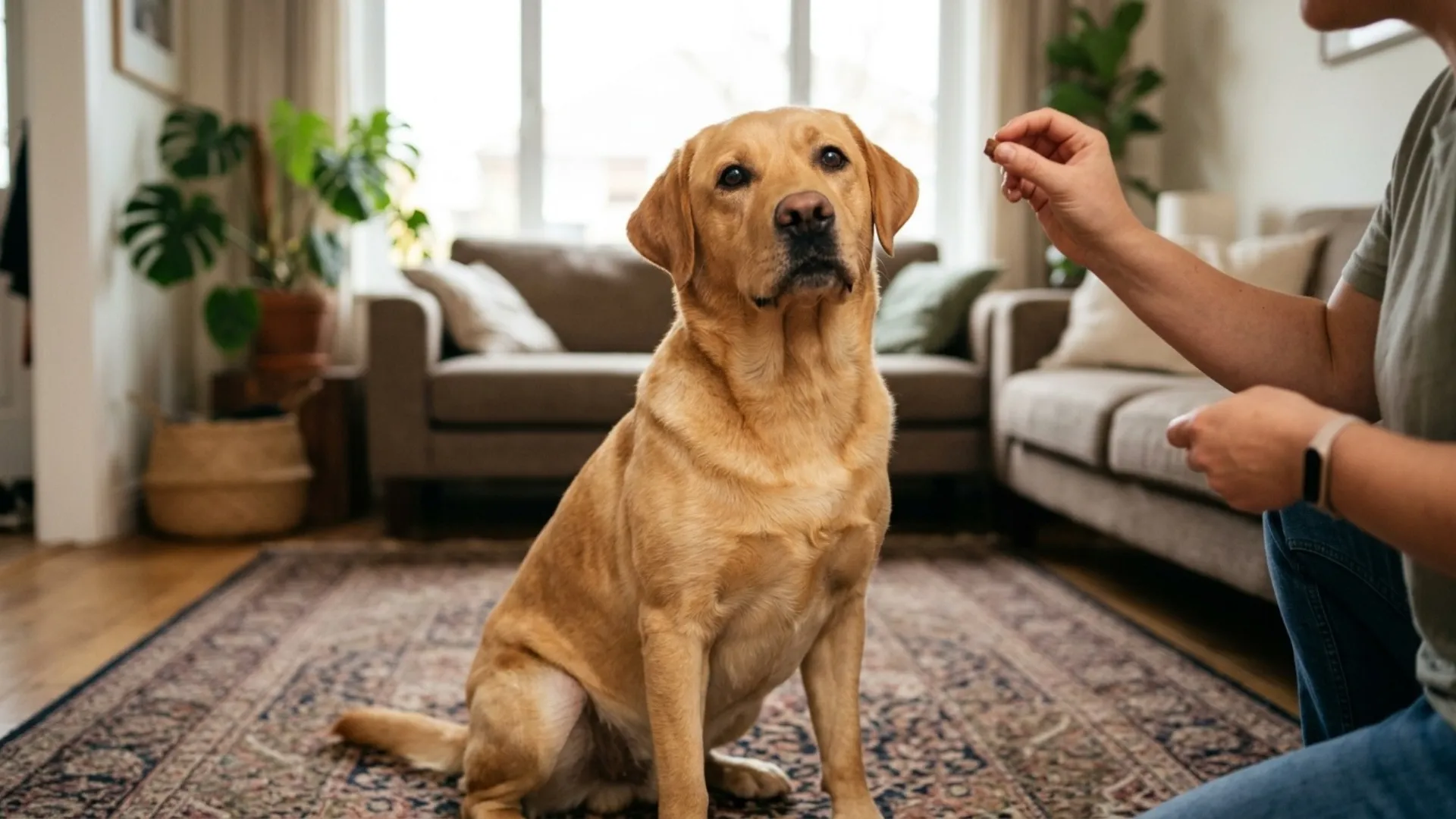
An obedient dog does not have to be highly energetic, constantly busy, or involved in demanding training activities.
Some of the most pleasant companions are relaxed dogs that enjoy a steady routine and respond readily to everyday instruction. People sometimes associate trainability with intelligence alone, but a dog’s willingness to cooperate, attention span, and motivation also influence its progress. A clever dog can quickly learn a command and still ignore it when something more interesting catches its attention.
Meanwhile, an easygoing companion may approach lessons with patience and respond consistently to familiar cues. Reward-based training makes a difference here, as treats, praise, and play can encourage desirable behavior without harsh corrections. With regular practice, basic skills such as sitting, waiting, coming when called, and walking politely on a leash are achievable.
The breeds featured in this article offer an appealing combination of calm personalities and learning potential, making them excellent candidates for a more manageable training experience.
Key Takeaways
Teaching a dog to sit, stay, or walk politely sounds simple, until your furry friend finds something more interesting to do.
Luckily, breeds like Labradors and Newfoundlands enjoy learning, and even the biggest dogs can respond beautifully to gentle guidance.
Golden Retrievers love rewards, Bernese Mountain Dogs enjoy pleasing their families, and one fluffy little performer has a history of entertaining audiences.
Read till the end to find out which of these seven companions might make training your next dog a little easier.
Top Relaxed Dog Breeds Anyone Can Train with Ease
1. Labrador Retriever
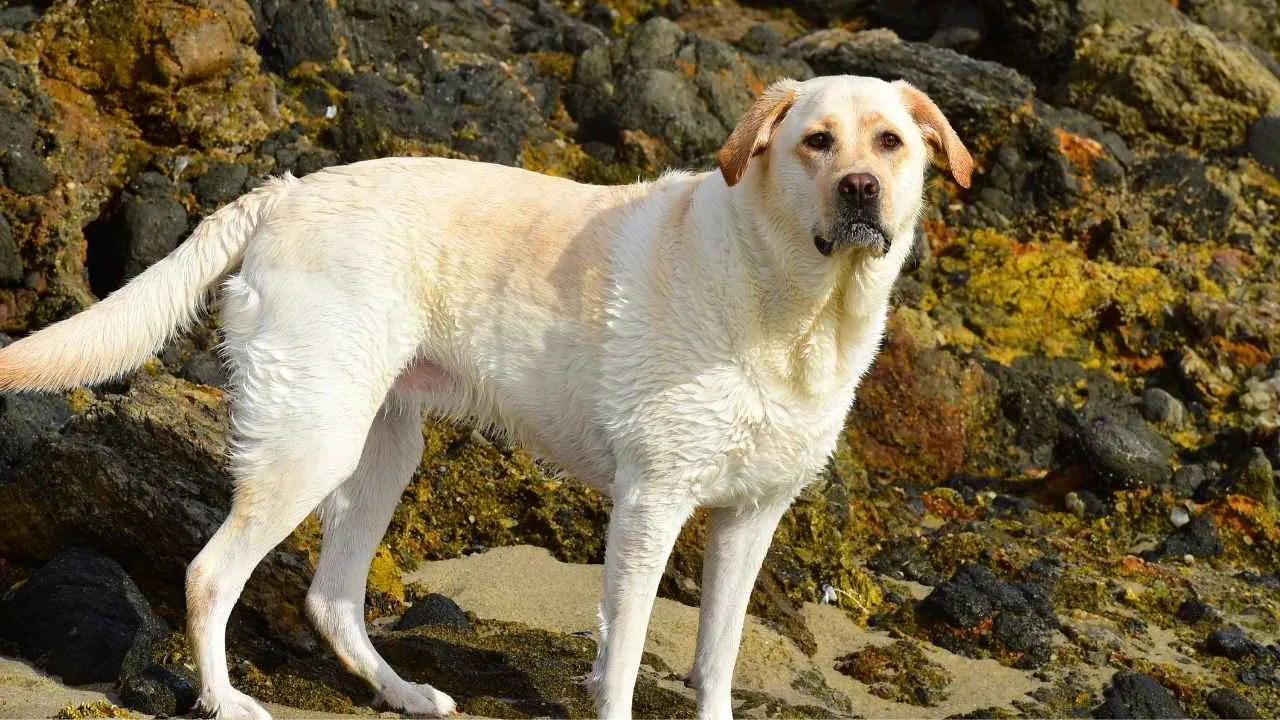
The Labrador Retriever’s early ancestry began in Newfoundland, where smaller black working dogs helped fishermen swim, retrieve game, and pull boats across the water.
Although that original type eventually disappeared from Newfoundland, some dogs reached England in the early 1800s, where a breeding program began.
A Willing Student
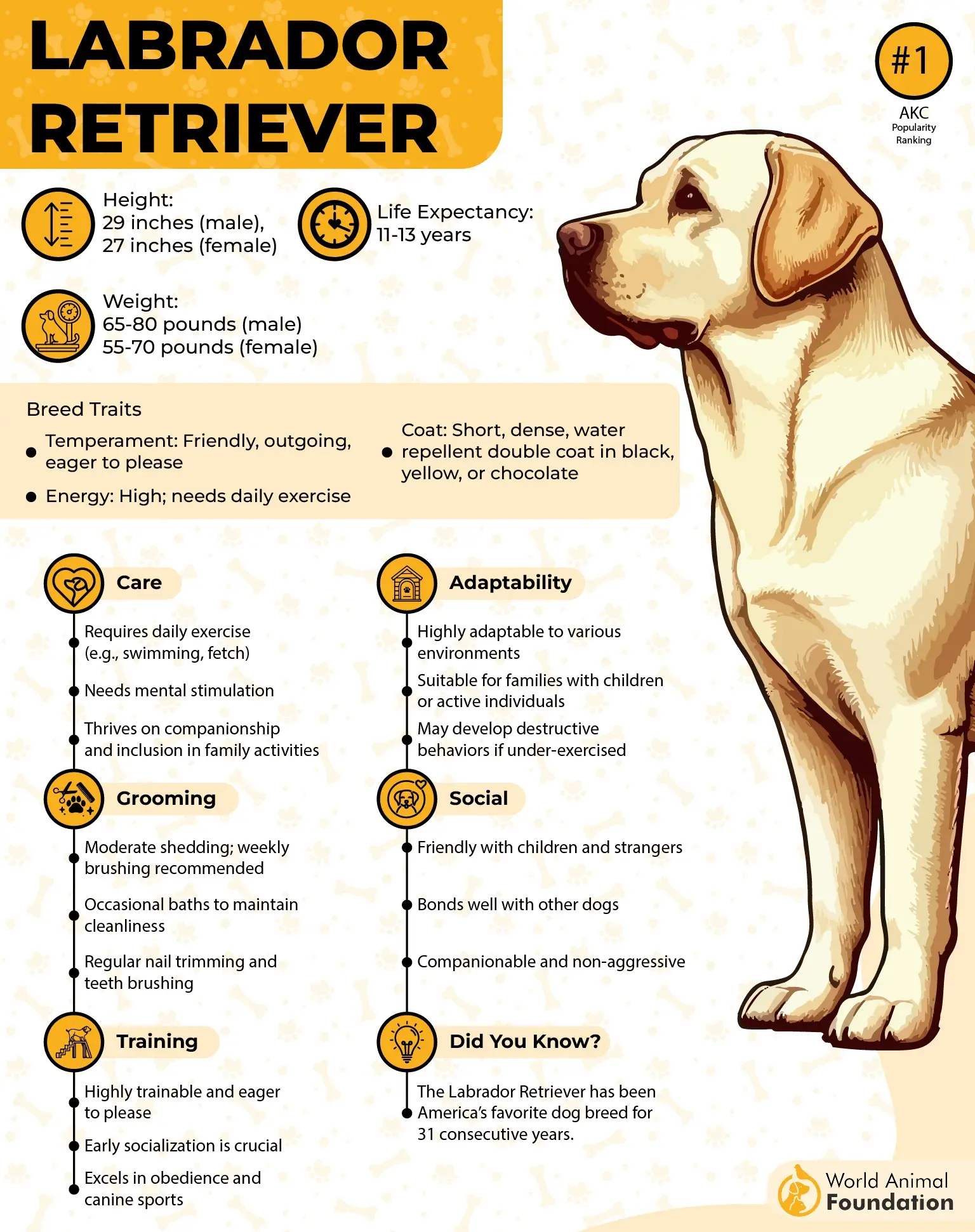
A Labrador’s eagerness to please makes teaching new skills much easier. These intelligent dogs enjoy human interaction and respond well to clear guidance, making everyday lessons such as basic obedience and household manners a rewarding part of their routine.
The following training details are especially useful:
Basic lessons can begin between 7 weeks and 4 months.
Praise, treats, and toys work well as rewards.
Adult and senior Labradors can learn new skills too.
Skills Beyond the Home
This hunting dog often takes on specialized roles that require concentration and reliable responses to instruction. Their intelligence makes them suitable for guide-dog work, therapy assistance, and search-and-rescue duties, while sporting activities such as dock diving and agility also give them purposeful challenges, as WebMD notes.
2. Newfoundland
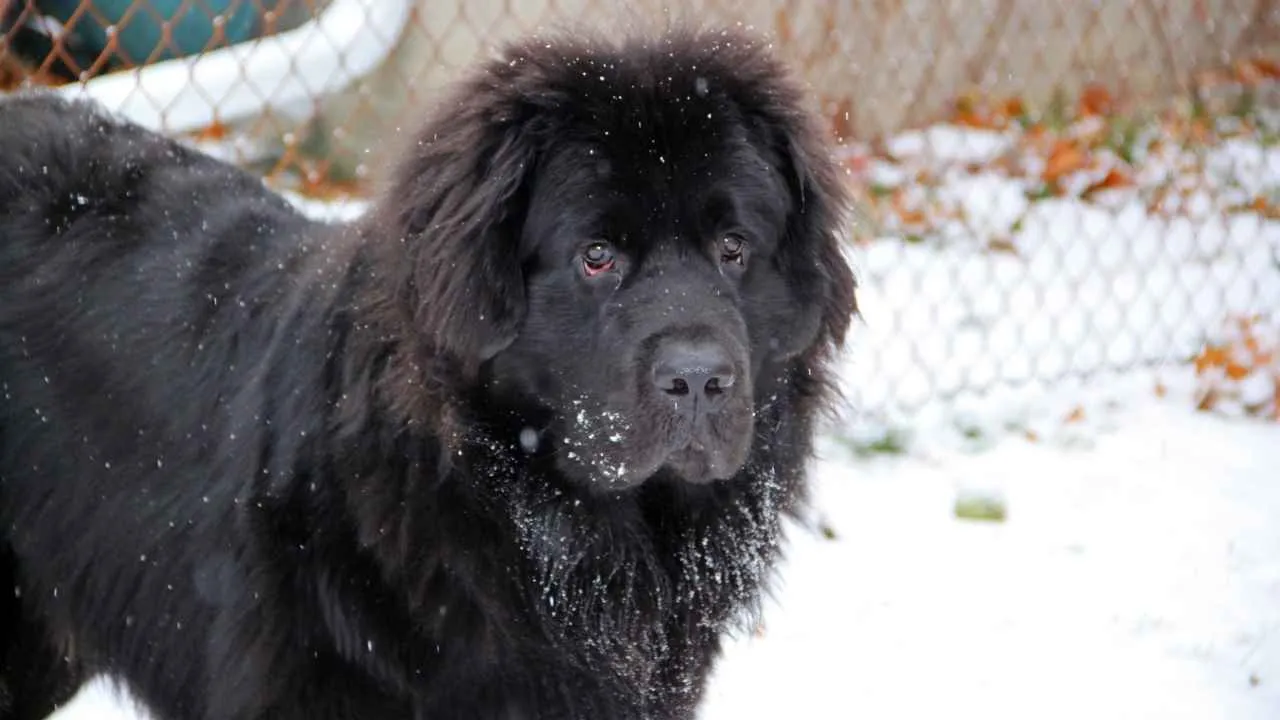
The Newfoundland developed on the Canadian island of the same name, where early examples were more lightly built than today’s dogs. Its ancestry is believed to include Portuguese fishermen’s Mastiffs, with breeding efforts beginning during the 16th century.
A Patient and Willing Learner
This calm dog breed has a gentle, curious nature and enjoys spending time with people. Their intelligence makes lessons easier to introduce, and they can pick up new instructions quickly when given consistent, patient guidance, as claimed by Chewy.

Their response to different teaching methods makes training particularly interesting:
Learns basic commands from around eight weeks old.
Responds well to treats, toys, and praise.
Often enjoys clicker-based training sessions.
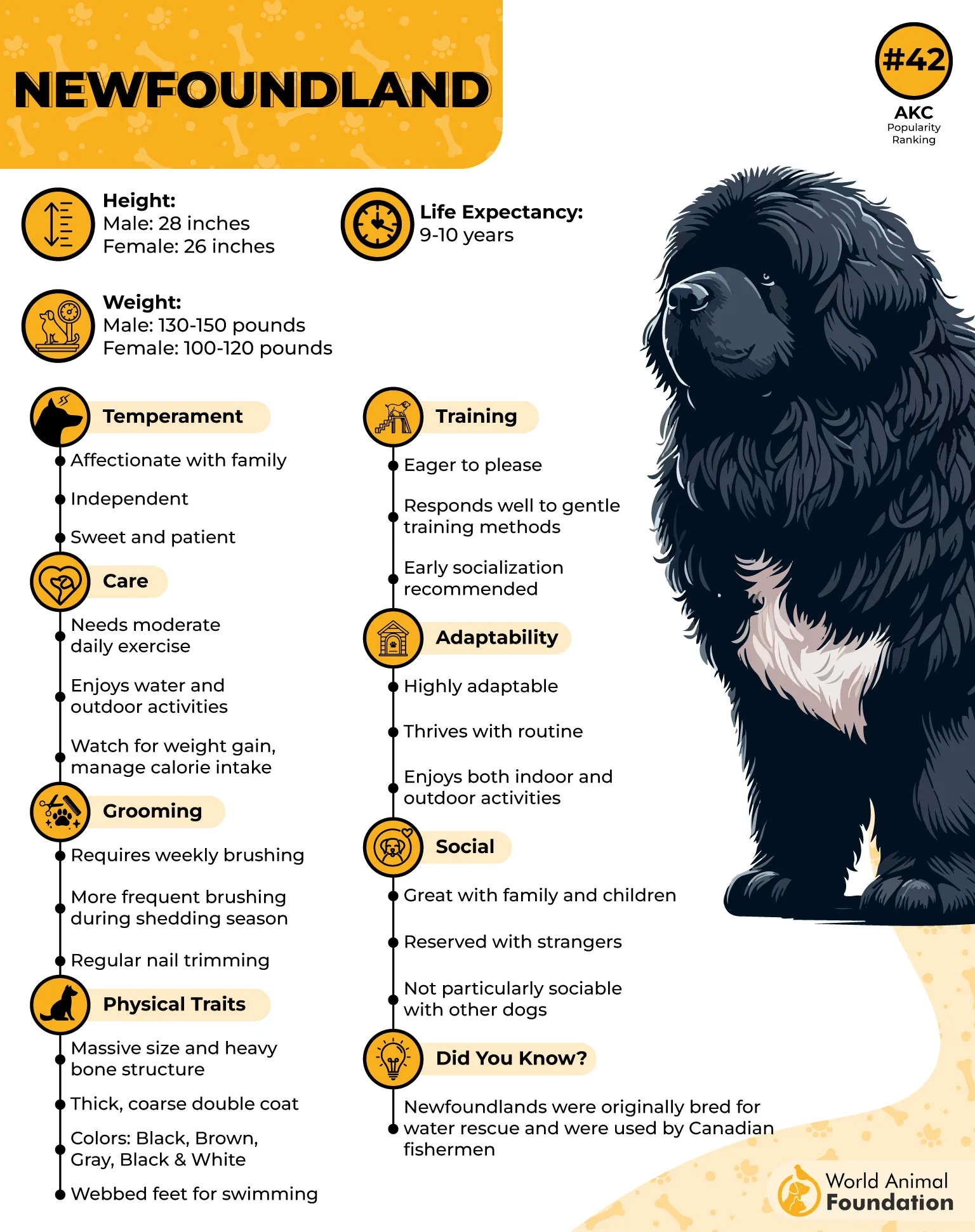
Gentle, Even at 150 Pounds
An adult Newfoundland can weigh up to 150 pounds, so teaching good manners early is especially important. These patient dogs are generally good with children, but supervised play and early socialization help them interact safely with smaller family members and other pets.
3. Golden Retriever
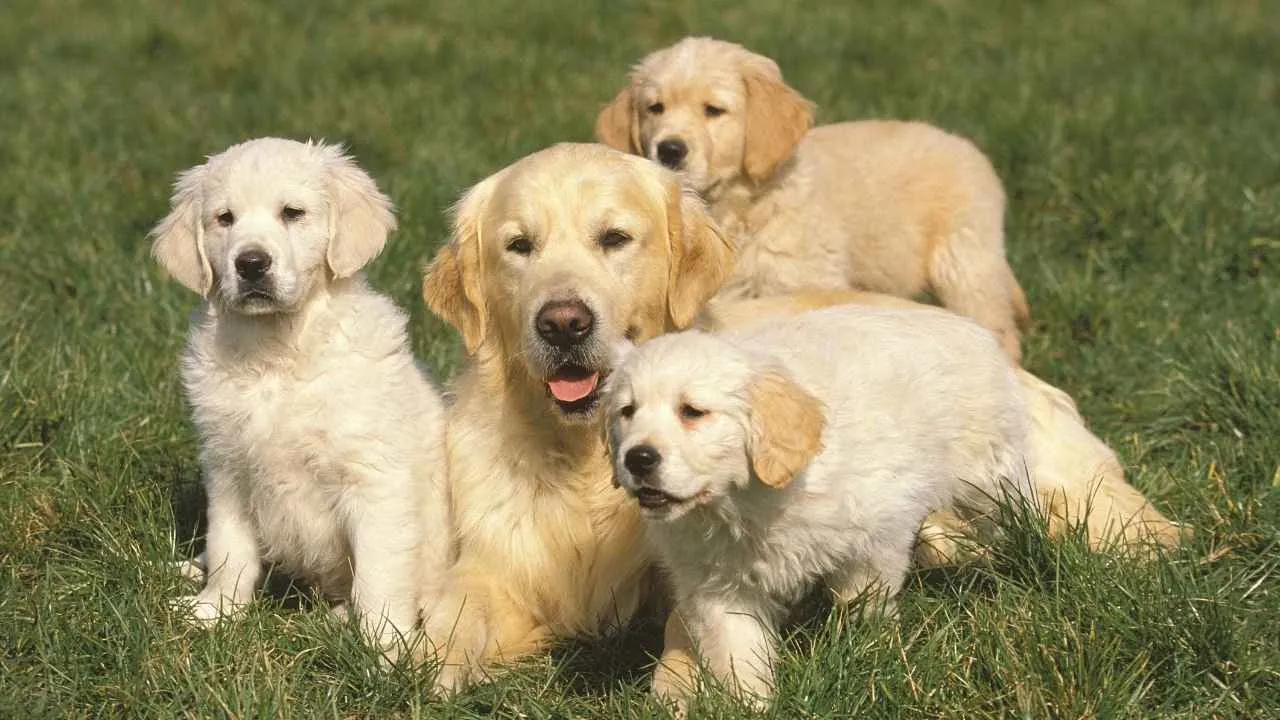
The Golden Retriever originated in Scotland during the mid-19th century, when Lord Tweedmouth wanted a capable hunting companion for retrieving game through dense undergrowth.
He crossed a Newfoundland with a Labrador and a Water Spaniel mix, later introducing Setter blood to the breeding line.
Easygoing and People-Oriented
This trainable dog has a cheerful, good-natured temperament and enjoys being around people. Their adaptable personality and eagerness to please make everyday interactions easier, while their enthusiasm suits households that enjoy an active social routine.
The following personality traits come through in some familiar habits:
Tennis balls make irresistible fetch toys.
Laundry baskets can spark curious retrieving attempts.
Sudden zoomies often bring comic moments at home.
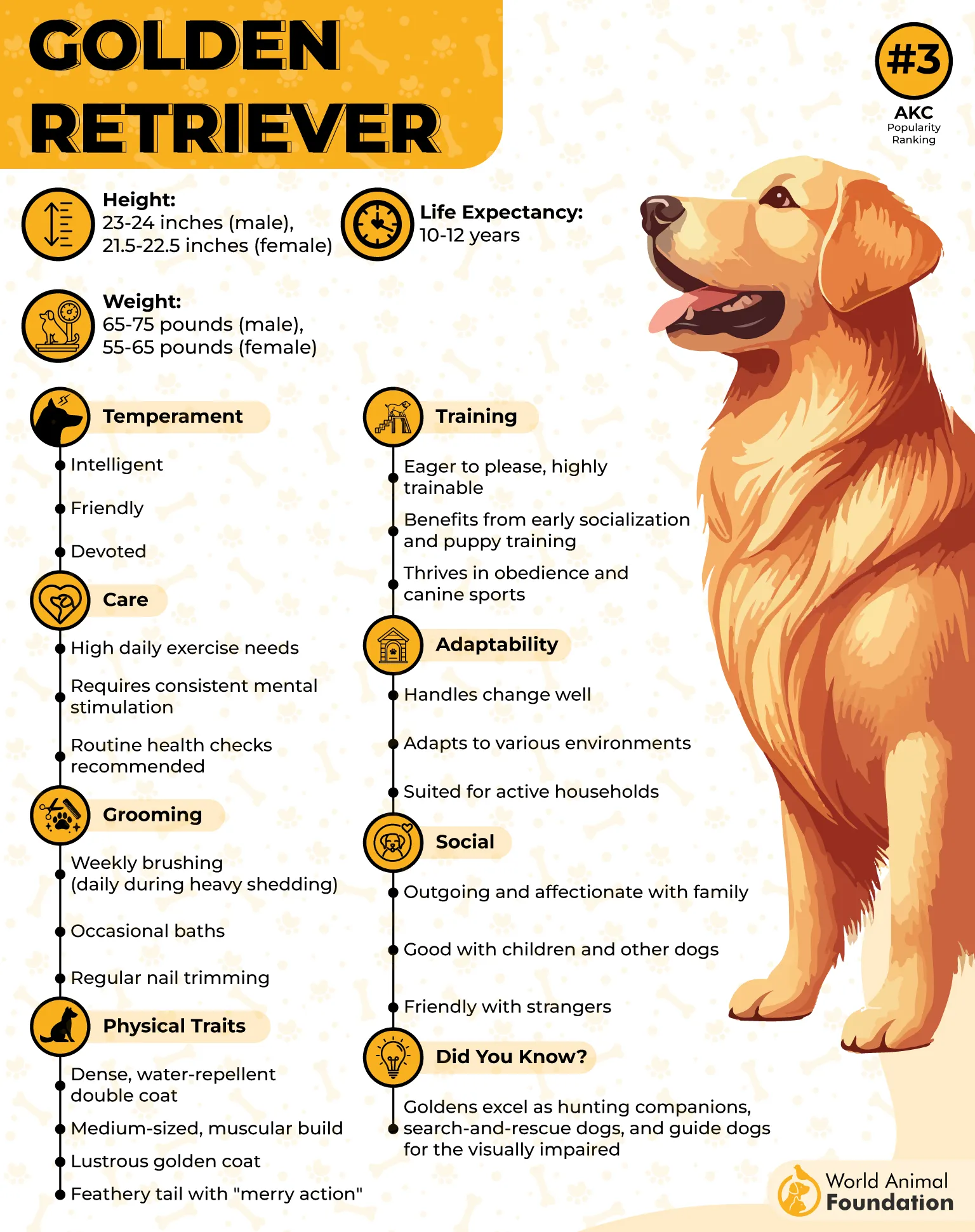
Quick to Pick Up New Lessons
Teaching a Golden Retriever basic commands such as sit and stay is generally straightforward because it enjoys learning and responding to rewards. Short training sessions using treats, toys, and praise help reinforce good behavior while keeping lessons enjoyable.
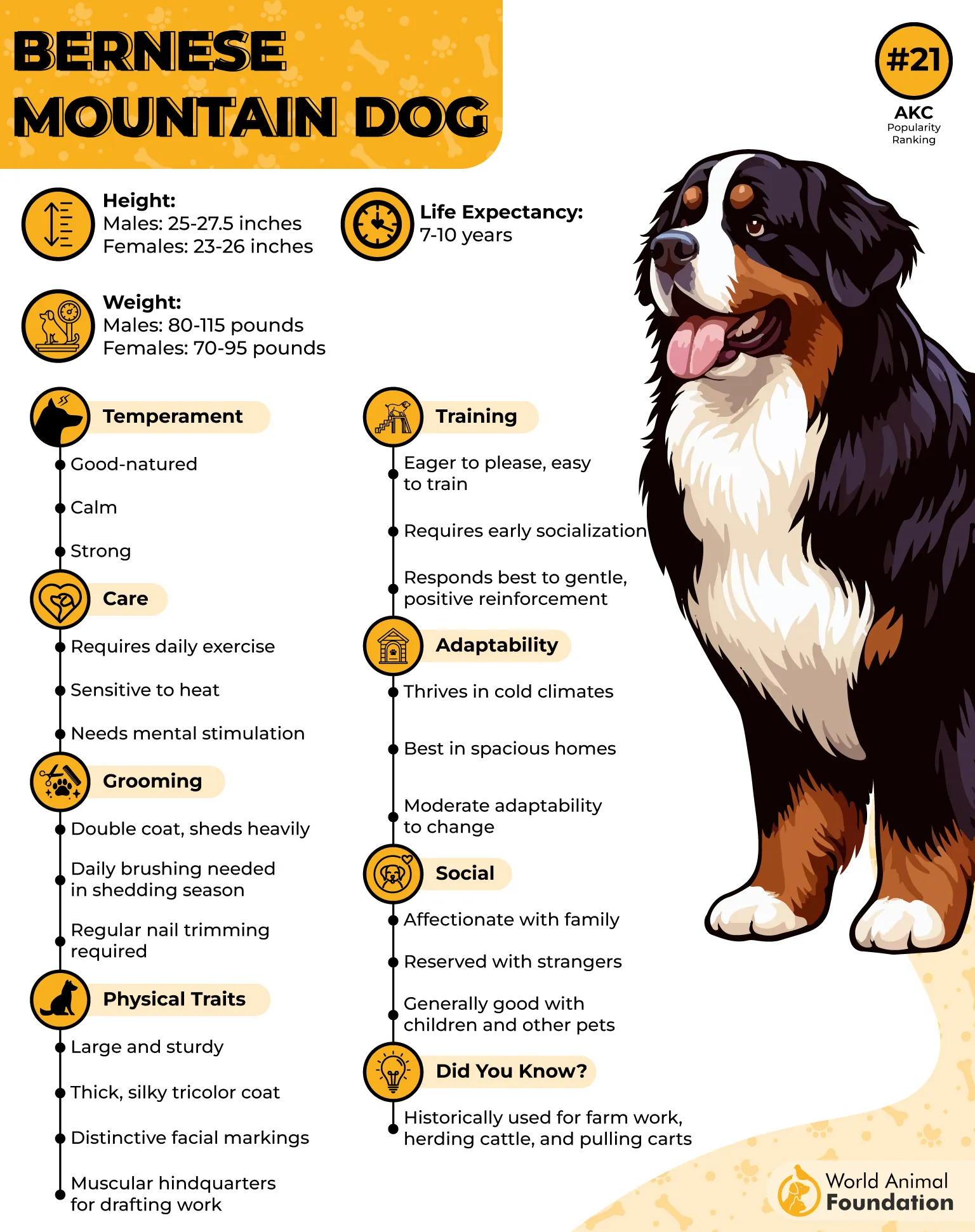
4. Bernese Mountain Dog
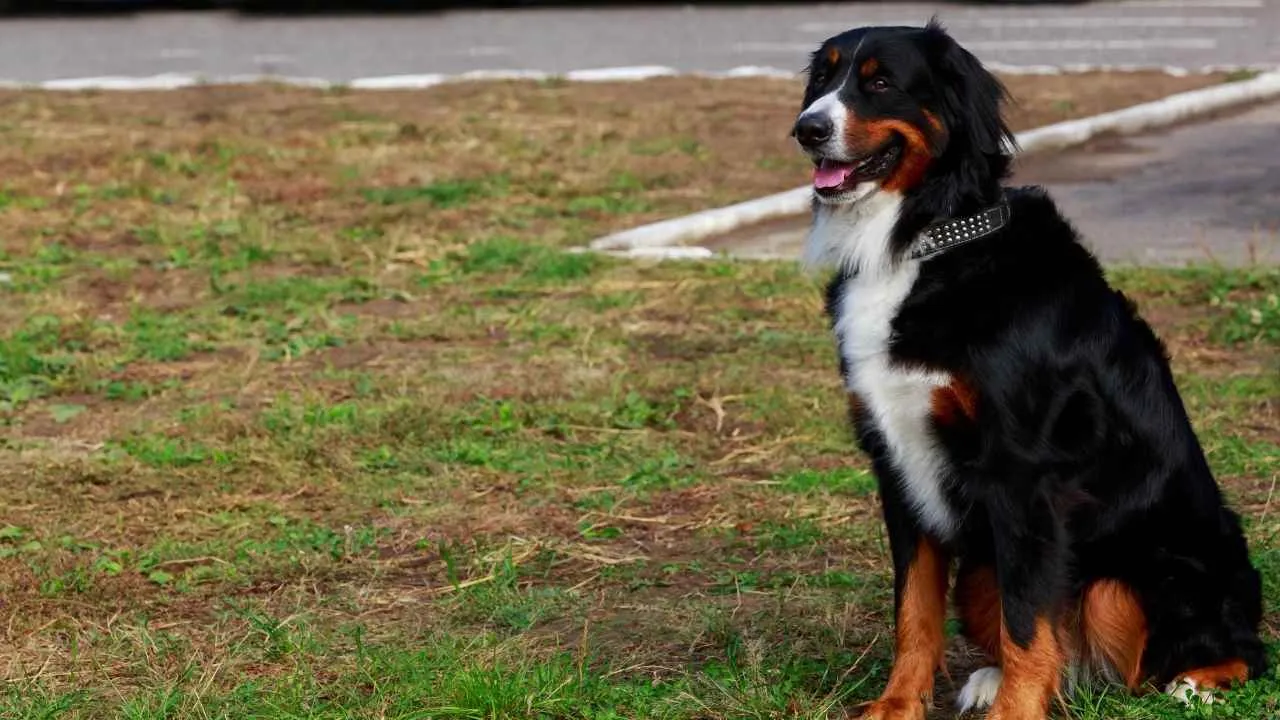
The Bernese Mountain Dog was bred specifically to work on farms in the Swiss Alps, where it helped drive dairy herds and pull carts. Originally called the Durrbachler after the Durrbach area, the breed faced declining numbers until preservation efforts began in the late 1800s.
Gentle Nature, Willing Learner
Bernese Mountain Dogs have an easygoing temperament and a strong desire to please their people. They are intelligent and generally responsive to training, making positive, consistent teaching a good match for their cooperative nature.
These training approaches suit this breed particularly well:
Enjoys clicker training and learning new commands.
Responds well to treats, toys, and praise.
Benefits from early puppy classes and socialization.
A Patient Family Companion
Despite their impressive size and powerful build, this chill dog breed is gentle and affectionate with their families, as per the American Kennel Club (AKC).
Their naturally patient temperament can make them a gentle breed for children, provided youngsters learn to interact respectfully with such a large dog.
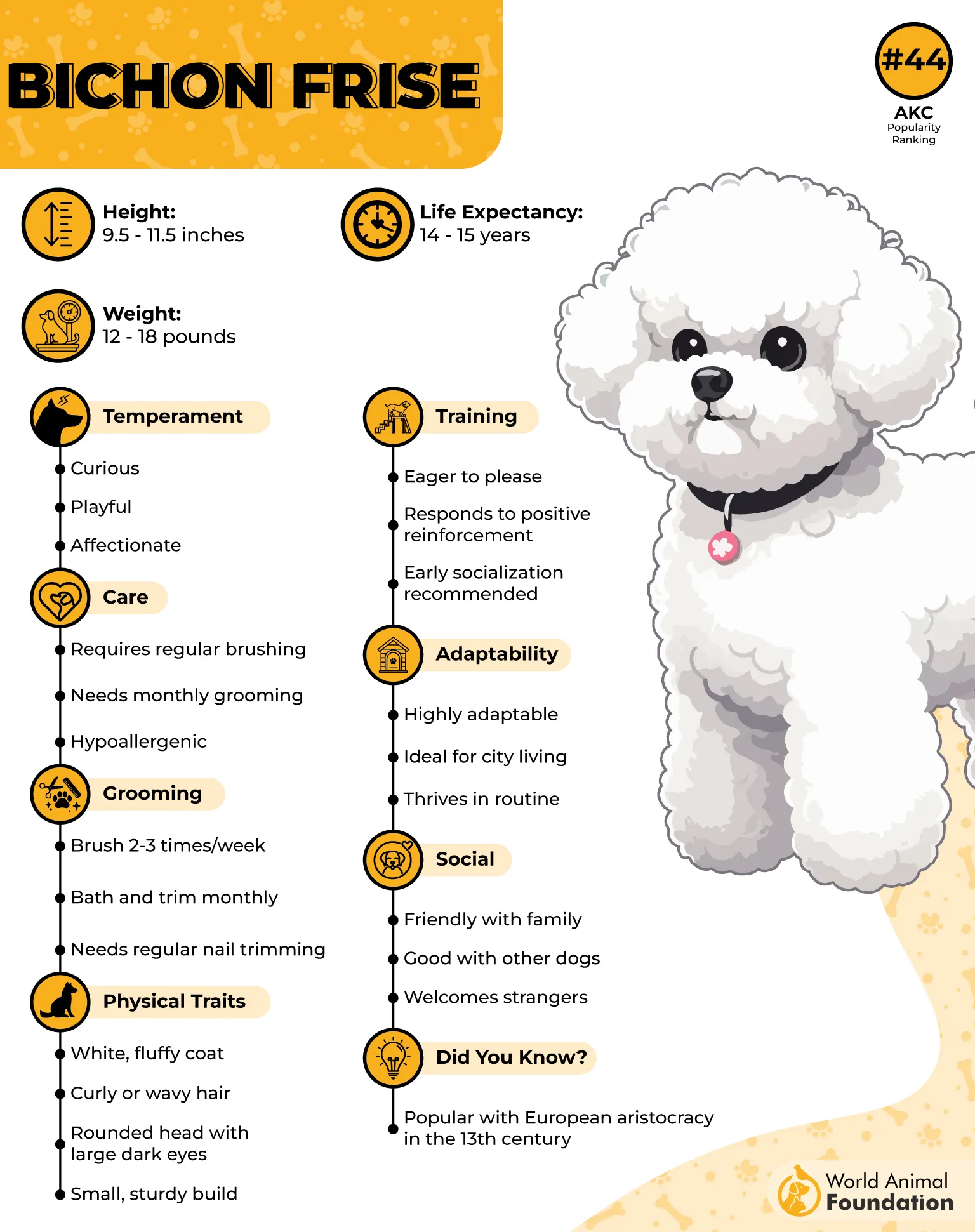
5. Bichon Frise
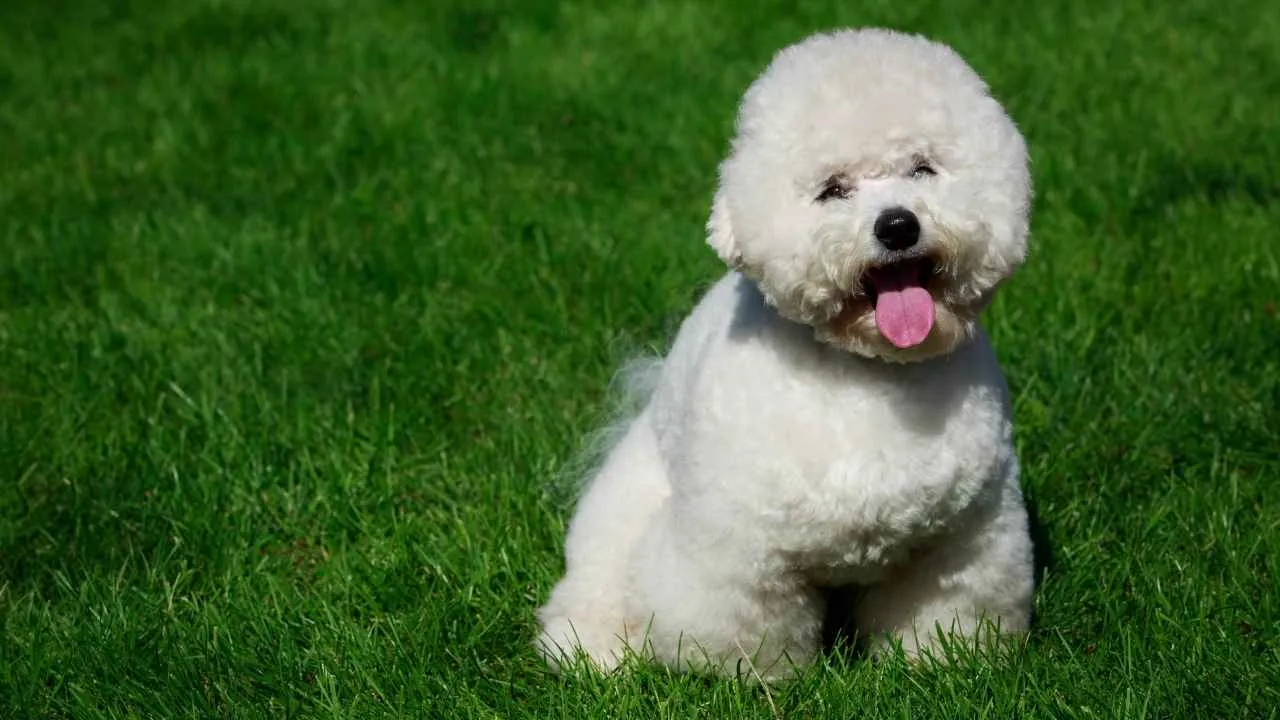
The Bichon Frise belongs to a family of small white companion dogs originating in the Mediterranean. Its ancestry is linked to the Tenerife type of Bichon, which became popular among Italian upper-class families before these little dogs found a different audience as talented performers in street shows.
A Clever Pup That Enjoys Learning
The intelligence of this small dog makes teaching new tricks enjoyable, especially when lessons include praise, affection, and play. Basic commands may become repetitive for this independent-minded dog, so keeping training varied helps hold its attention.
These training details are particularly useful:
Responds well to reward-based teaching.
Enjoys performing tricks for an appreciative audience.
Can lose interest in repetitive obedience drills.
Small Bladders, Frequent Breaks
House-training can take extra patience because of the Bichon’s tiny bladder. A consistent bathroom schedule and frequent outdoor breaks help puppies learn where to go, while indoor pee pads can offer another practical option. Crate training can also support toilet routines and help with separation-related difficulties.
6. Saint Bernard
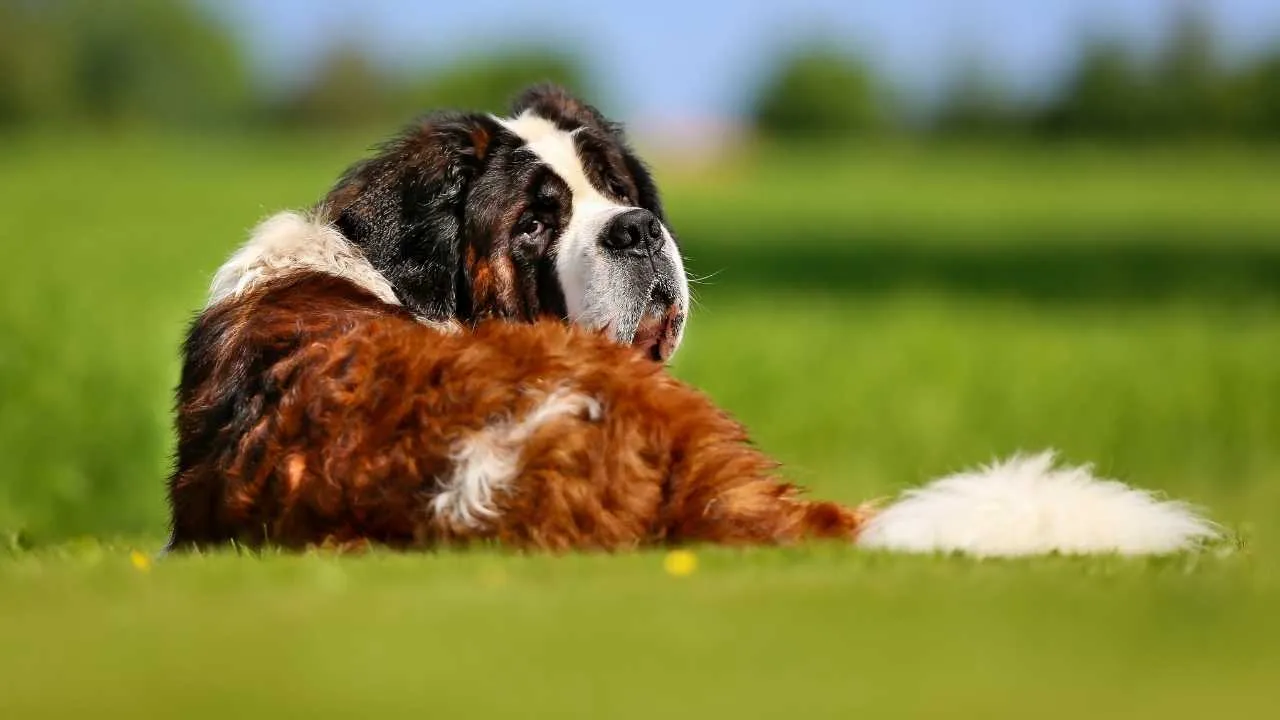
The Saint Bernard’s story began at a hospice on the Great St. Bernard Pass between Switzerland and Italy, where records of the breed date to 1707. Monks first used these dogs for practical work, then discovered their remarkable ability to locate paths through deep snow and find stranded travellers.
A Patient Learner With a Gentle Nature
Saint Bernards are mellow, people-oriented dogs that enjoy being included in everyday activities. Their eagerness to please makes them receptive to guidance, while their easygoing temperament helps create a relaxed atmosphere during training and daily routines.
Here are some training habits that are especially useful with such a large dog:
Reward good responses with treats and praise.
Begin basic obedience lessons while they are young.
Practise reliable recall and loose-leash walking.
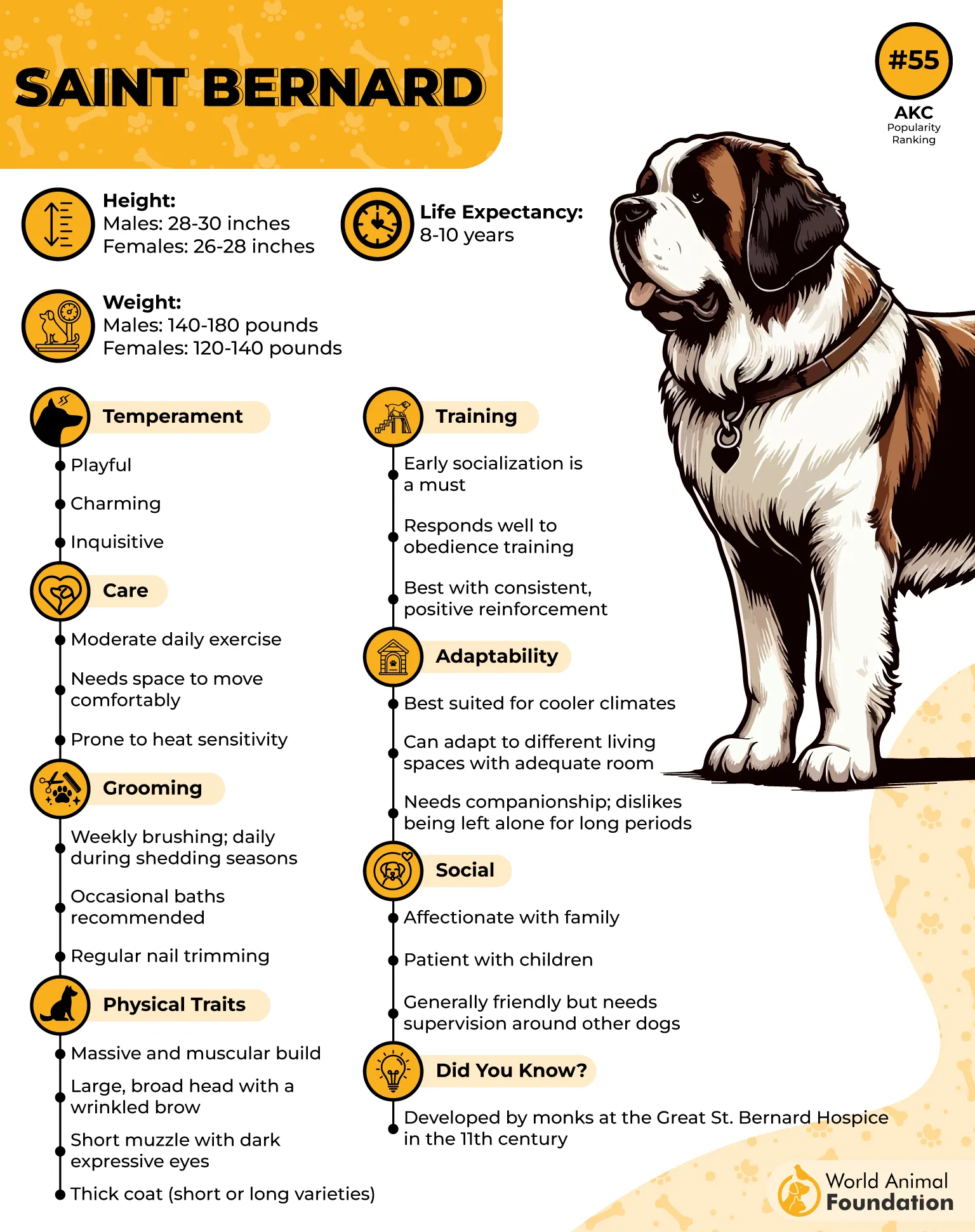
Gentle Around the Household
Their gentle demeanor generally makes Saint Bernards suitable for homes with children, other dogs, and cats. Their enormous size does require supervision around little children, as an enthusiastic tail wag or accidental bump can easily knock a small child off balance.
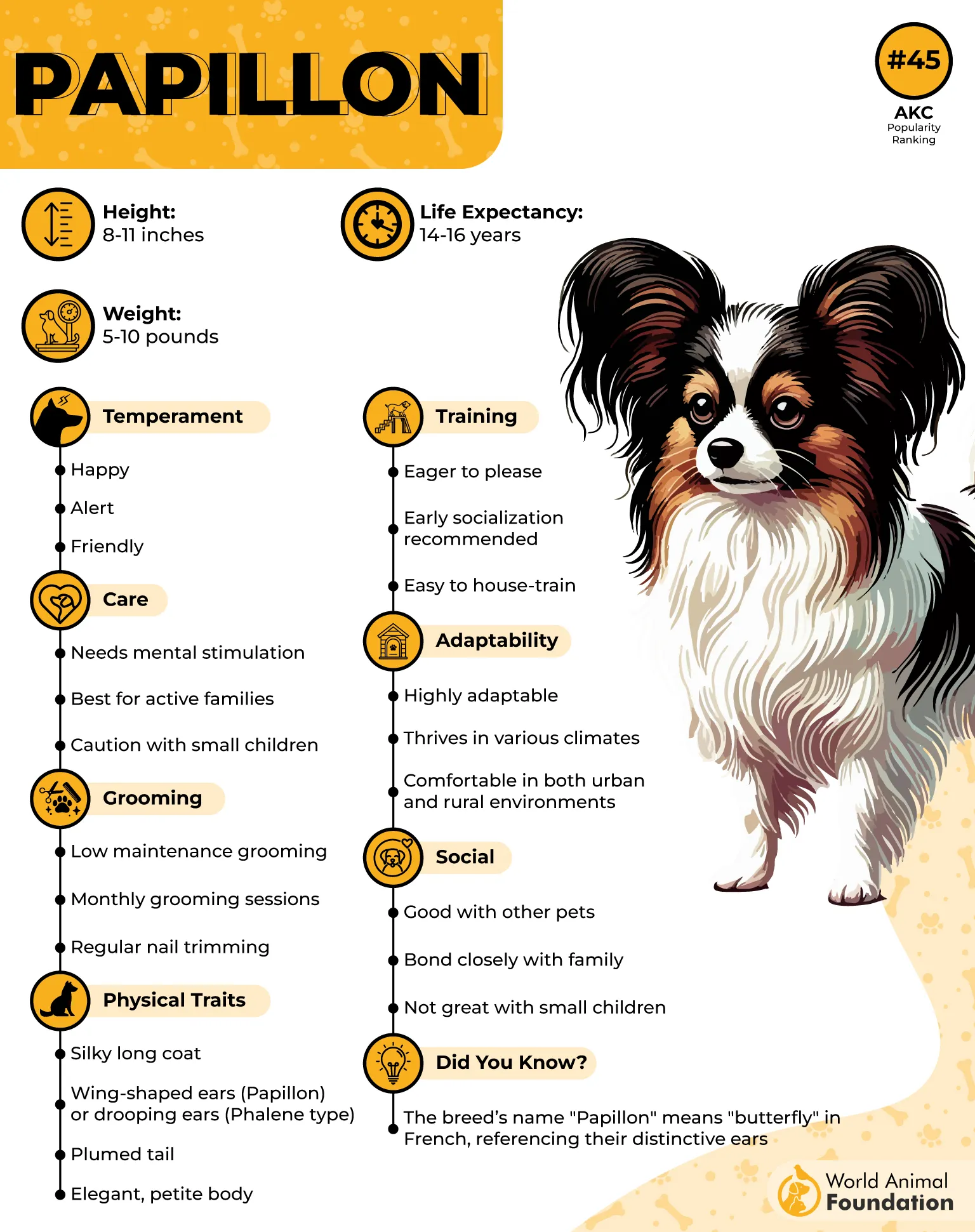
7. Papillon
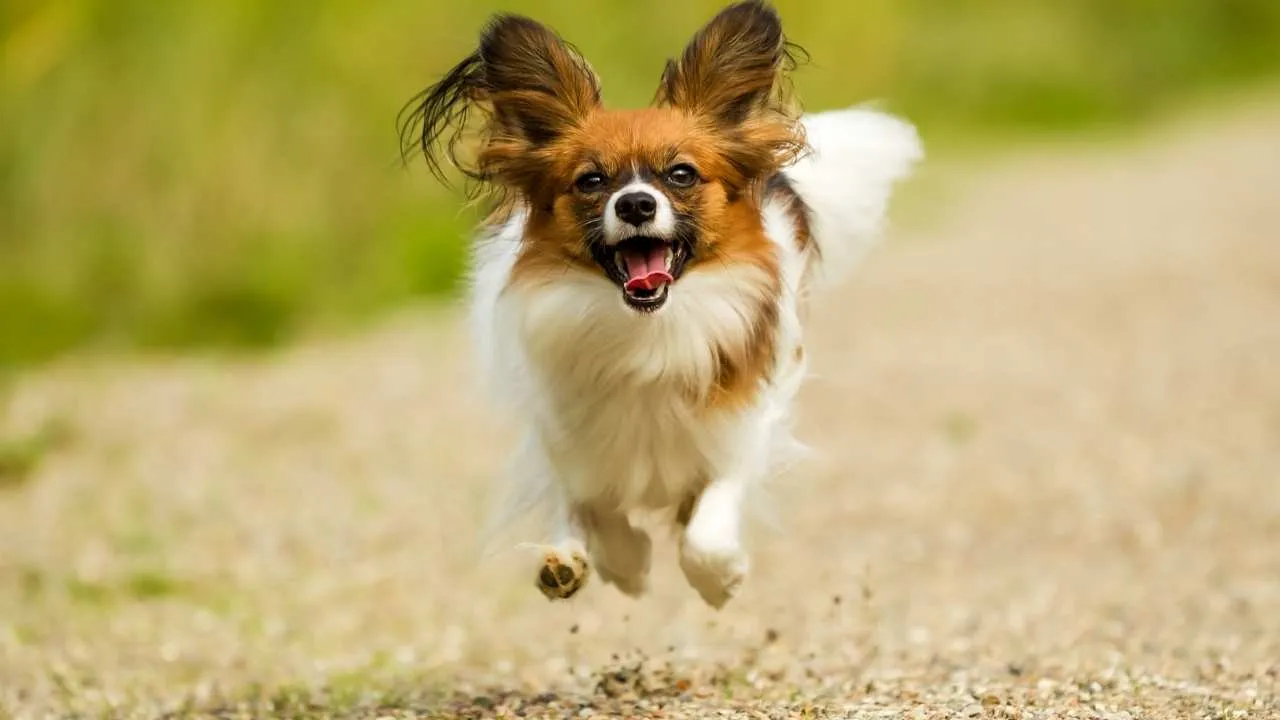
The Papillon has French origins and a history stretching back centuries. This small Toy Spaniel was favored by aristocratic women as a companion, and paintings dating to the 13th century provide a glimpse of its place in fashionable households.
An Eager Student
Papillons are bright, attentive dogs that enjoy learning and pleasing their people. Their enthusiasm for interaction makes training enjoyable, especially when lessons include praise, rewards, and plenty of encouragement.
Here’s what’s important for them in training:
Quick to pick up fun tricks.
Responds well to positive reinforcement.
Needs frequent potty breaks because of its small bladder.
Confidence Needs Early Guidance
This small breed is outgoing with people and generally gets along with other small dogs and cats. Early socialization helps prevent excessive dependence on familiar people and builds confidence around new environments. Their delicate size also calls for supervision around larger dogs and boisterous children.
Conclusion
A dog that enjoys human company and responds well to guidance can make basic training easier for pet parents. Sit, wait, recall, and polite leash walking are useful skills that improve everyday routines. Treats, praise, toys, and clicker practice provide mental stimulation and help keep lessons engaging, although each dog may respond differently.
Some dogs need extra time with toilet training, while larger dogs benefit from learning good manners early. Even a couch potato needs regular practice and socialization throughout life. Consistency helps the whole household adjust. Consider the care and activity a dog needs before deciding whether its temperament suits a more relaxed lifestyle.
