




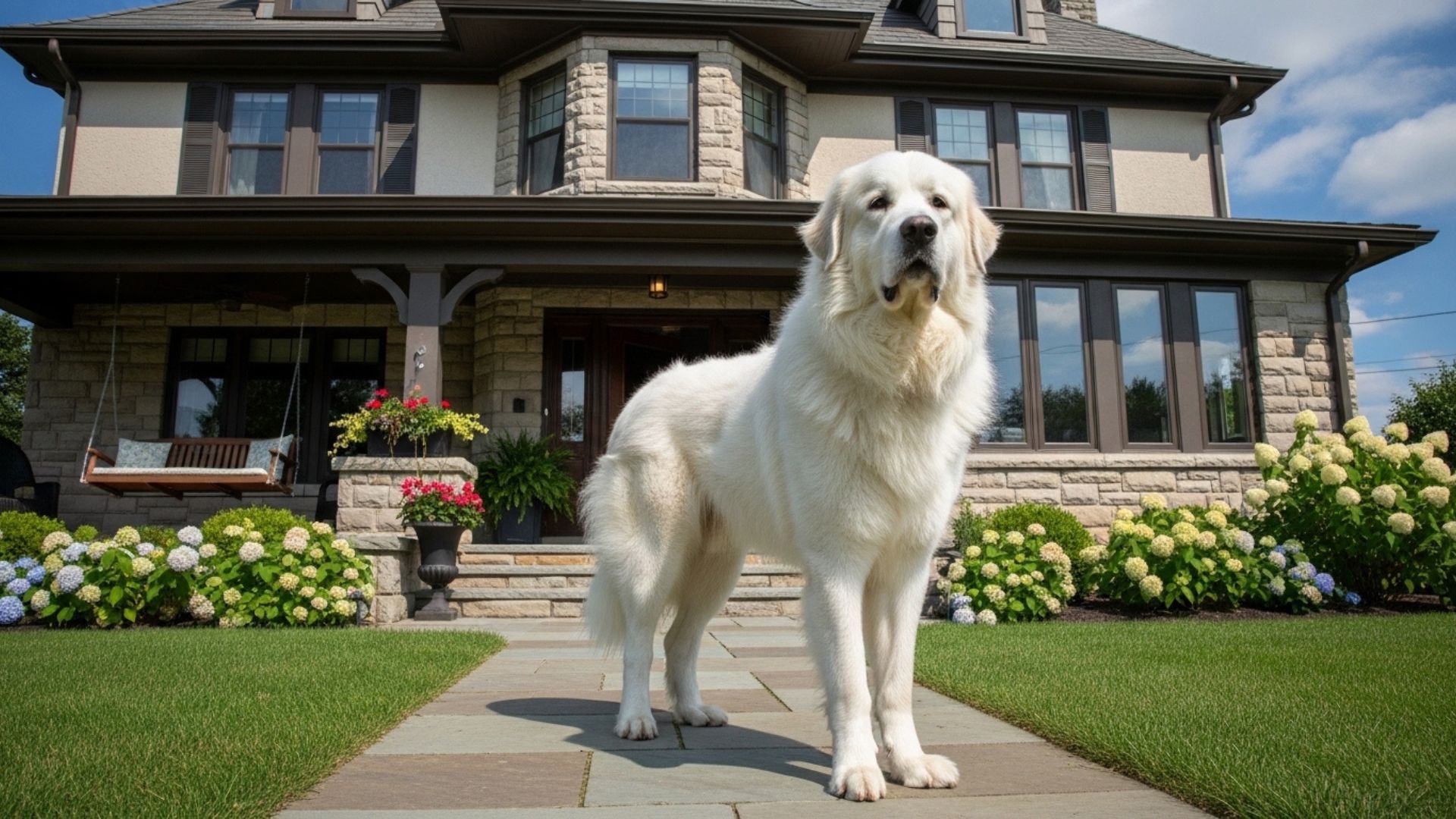
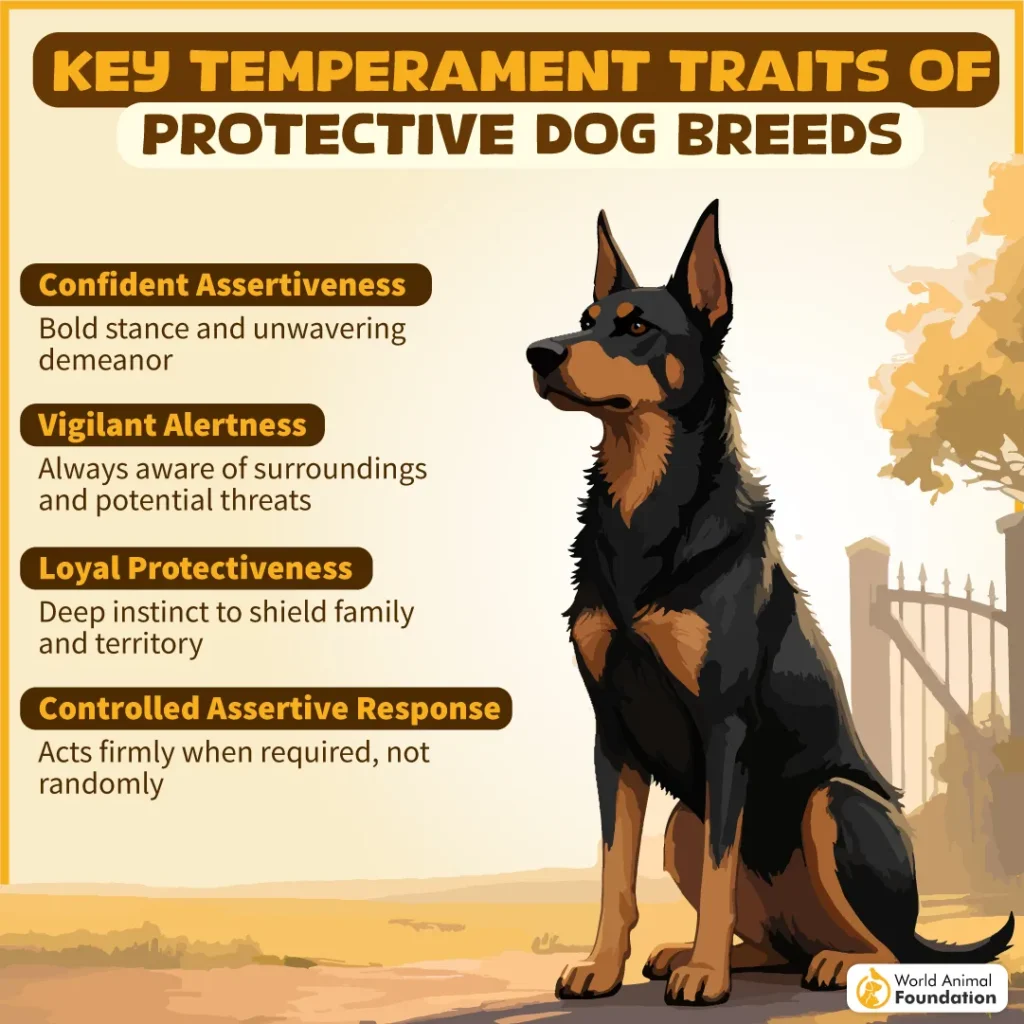
Some dogs bring comfort and calm, then flip a switch when something feels off. That mix feels like a warm blanket and a locked door at the same time. Sounds crazy, right?.
Many dog owners want protection dogs that fit real family life. Not everyone wants a loud, edgy house vibe.
The good news is that several guard dog breeds can stay relaxed, bond hard with family members, and still take potential threats seriously. The key is steady routines, early socialization, and proper obedience training that sets clear rules.
But why bother with that? Because calm protection only works when a dog can respond appropriately, not explode at every sound.
This blog will walk you through 7 protective dog breeds that can help deter intruders while still being friendly, steady, and easy to live with.
Relaxed and Loyal Dog Breeds That Provide Protection
1. Doberman Pinscher
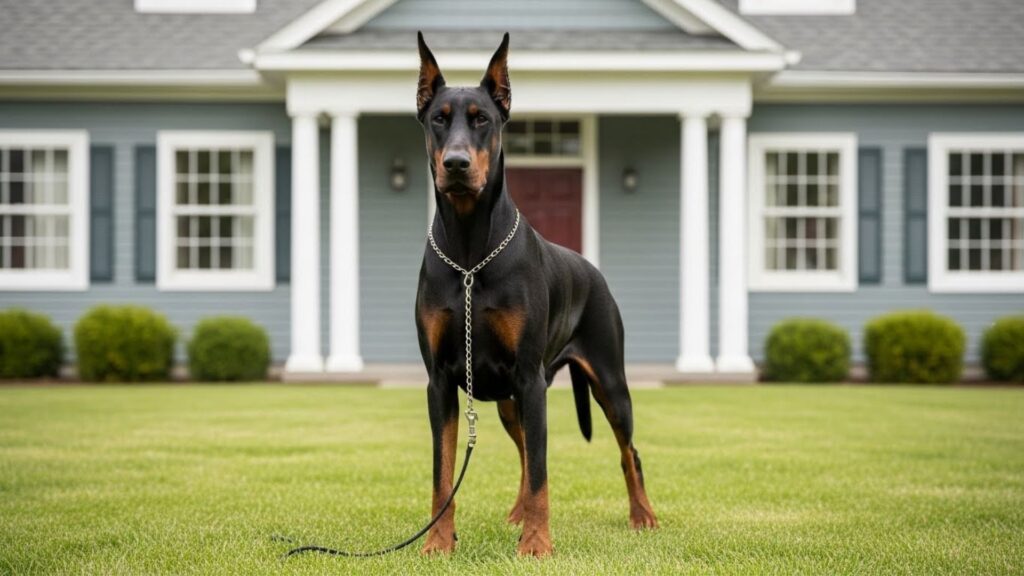
The Doberman Pinscher has that famous alert stance that makes strangers pause. This dog breed looks intense, but the real magic is in the brain. Many Dobermans learn quickly and watch everything. That natural instinct, plus a fearless nature, can make them excellent guard dogs when raised with structure.
And here’s the best part! With proper training, they can stay polite at home and serious when it counts. They tend to form strong bonds with their people, which helps the protective instincts show up in the right moments.
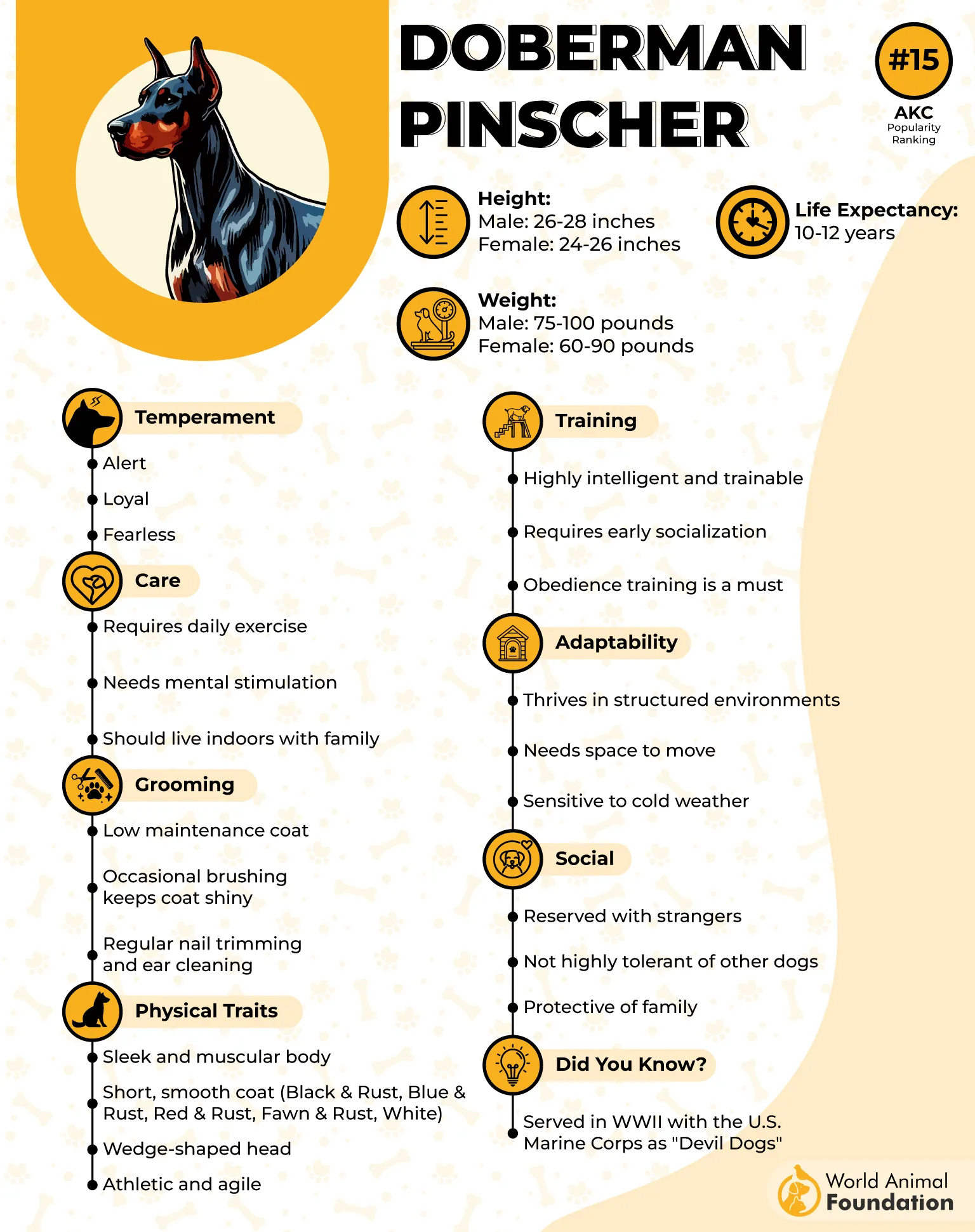
This breed needs movement, no shortcuts. These guard dogs are athletic and often act like they have a built-in engine. Daily activity matters, or boredom can turn into chewed furniture and shredded cushions. It gets even worse, though, if rules change every day.
Consistent training keeps the mind busy and the home peaceful. Add mental stimulation through games, scent work, and simple tasks. Many dog owners also use personal protection routines like controlled door manners, calm greetings, and place training to reduce drama.
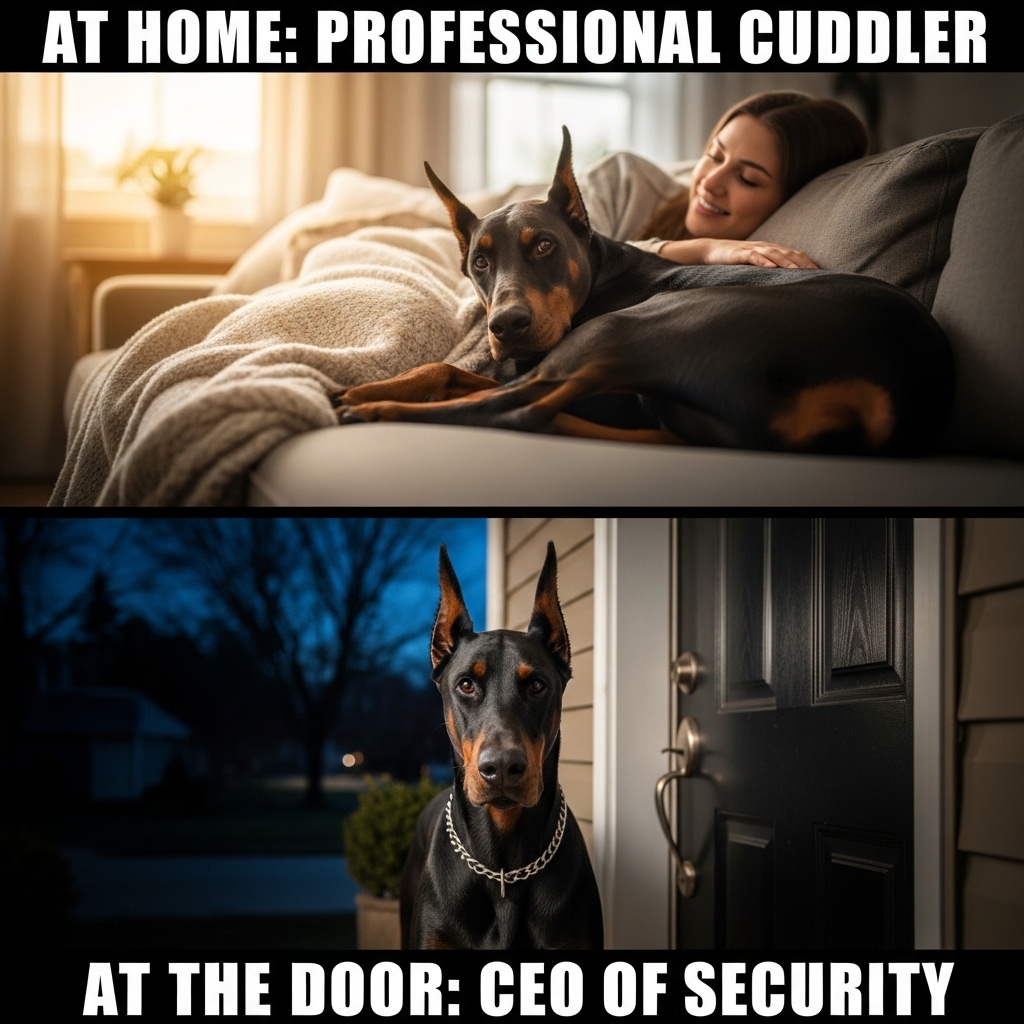
Family homes can work well, especially when the dog grows up with the household from a young age. A Doberman Pinscher can live gently with small children when boundaries are clear and the dog is properly socialized.
Proper socialization helps prevent unnecessary aggression because the goal is controlled confidence, not a dog that becomes overly aggressive. Some families also bring in professional trainers for a clean start, which can help an individual dog learn faster and stay balanced.
2. German Shepherd
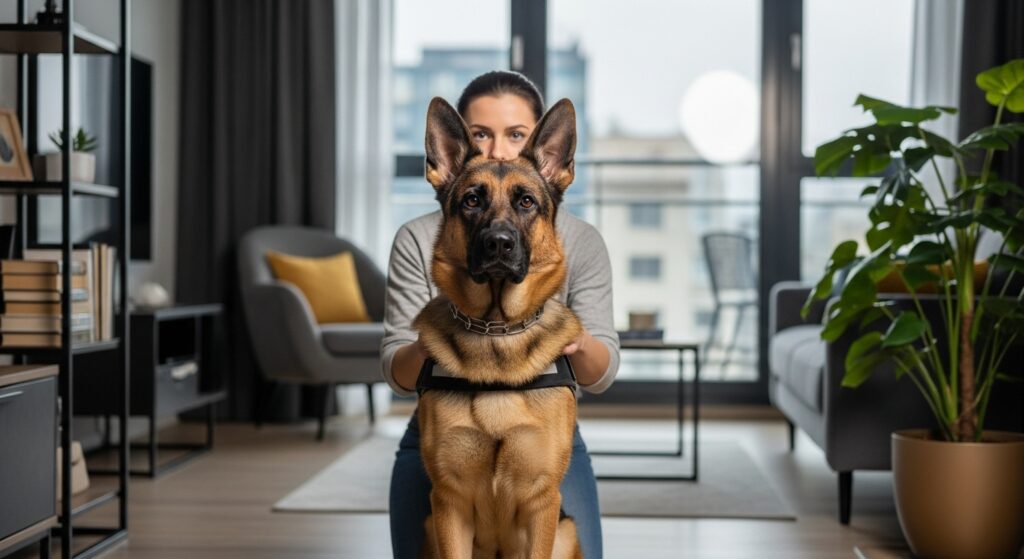
German Shepherds have earned their reputation the hard way. This dog breed shows up with brains, courage, and a deeply loyal streak that feels almost personal. Many people choose German Shepherds because they are protection dogs that can also be affectionate family pets.
They stay alert, scan the space, and notice changes fast. That natural guarding instincts vibe often shows up without being taught. Still, the safest results come from proper training that builds calm control, not constant edge.
German shepherds were originally bred for herding work, so focus comes naturally. They often excel with proper obedience training, and many handlers describe them as highly trainable with the right plan.
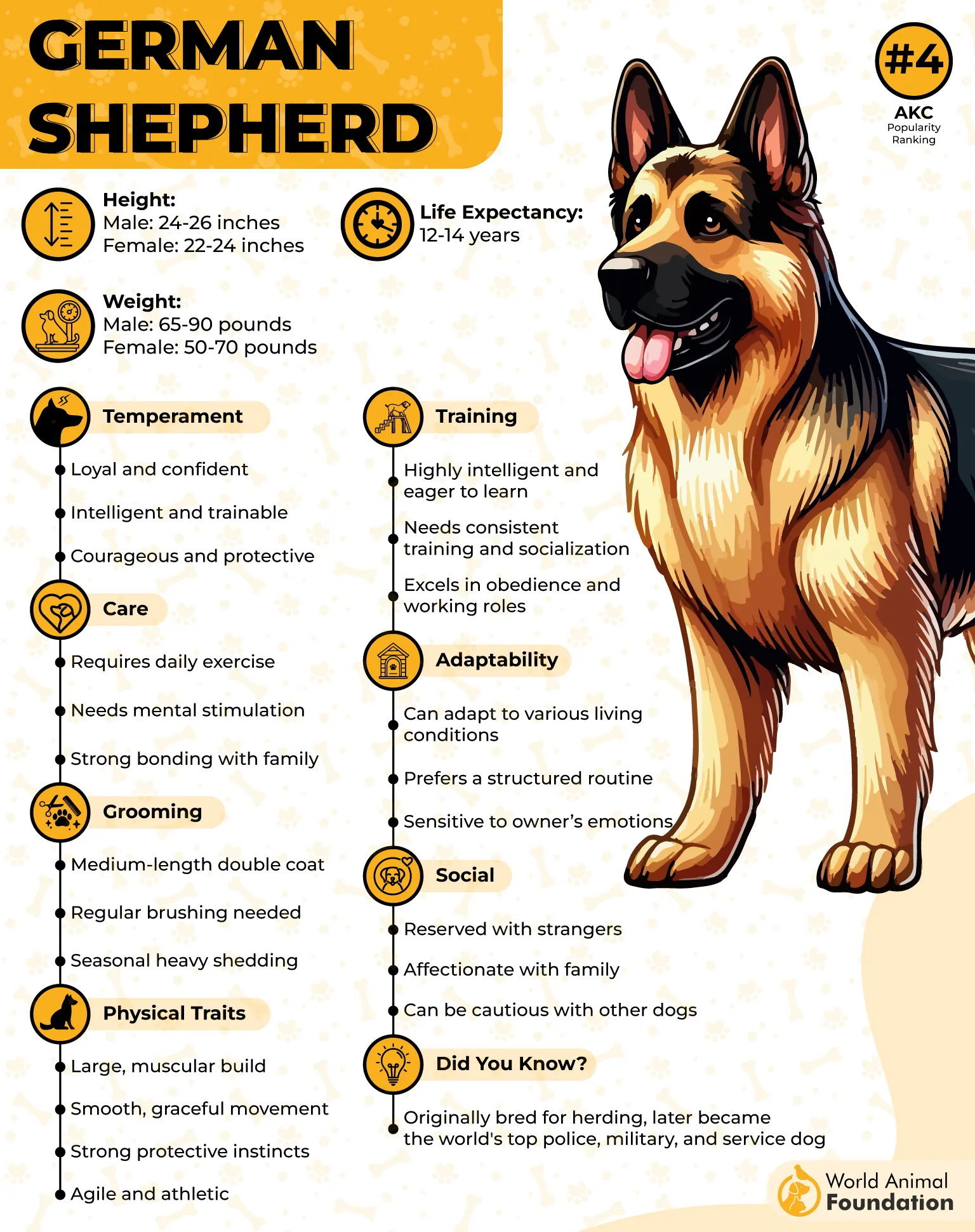
That is why German Shepherds appear in military and police work and in police work units across the world.
But wait, there’s more! They can also support personal protection at home with routines like calm door checks, controlled yard time, and reliable recall. Some are even used as search and rescue dogs, because their drive and nose can be incredible when guided well.
The soft side matters as much. In family life, German Shepherds can build a deep bond with their people and stay gentle with kids when properly socialized. Early socialization helps them read normal life sounds and normal visitors without panic.
That reduces the risk of becoming overly aggressive or reactive. They do best when the home offers exercise and mental stimulation, plus calm leadership. With that balance, German Shepherds become protective dogs that still feel like great family pets.
🎧 Dogcast
Episode 33 — If Dogs Could Talk — “How Dogs Say No”
If you don't hear sound, tap the button above to enable audio.
3. Bernese Mountain Dog
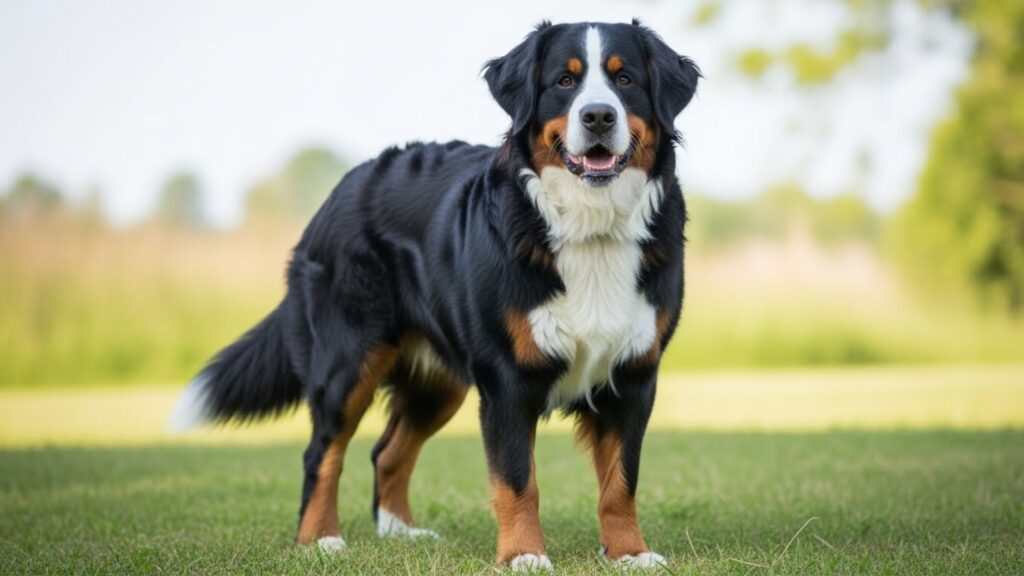
The Bernese Mountain Dog often surprises people. This breed looks like a walking teddy bear, but it still pays attention. As a dog breed, it can act as a watchdog that warns the home with a deep bark when something feels wrong, as per PetMD.
Many families love that, because the dog can deter intruders without pushing into risky behavior. This is one of those guard dog breeds that leans toward caution, not chaos. The calm demeanor shows up in everyday moments, like relaxing near the family while still tracking who is at the door.
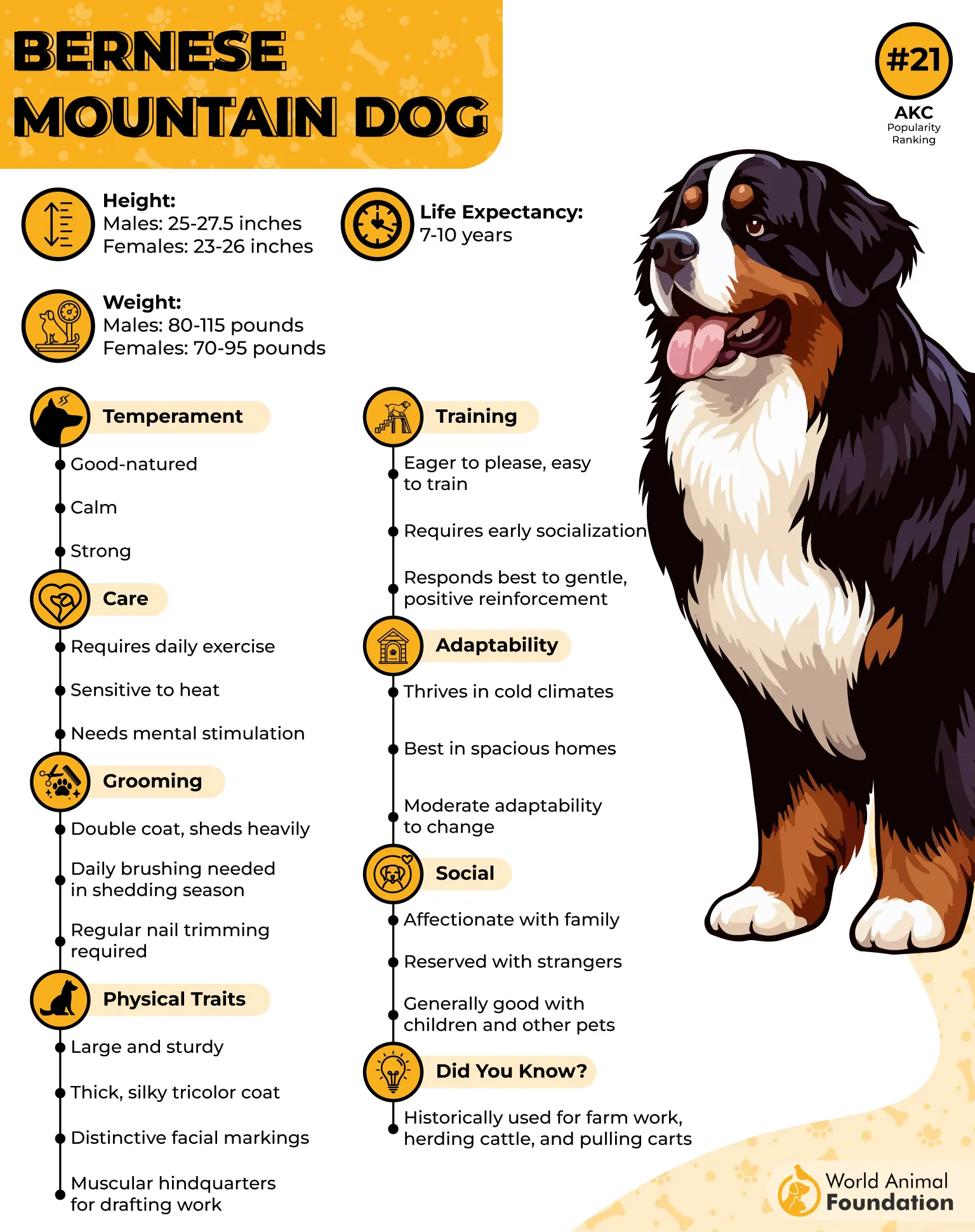
This breed fits nicely into family life because it often stays playful and gentle with kids. Many dog owners say the dog seems happiest when included, like a true family member. That social nature can also help when other pets live in the home, as long as introductions stay slow and safe.
Proper socialization helps the dog stay confident around visitors, delivery sounds, and daily noise. The goal is a dog that feels naturally protective without turning tense or jumpy.
The coat is gorgeous, but it demands care. The thick coat can mat if brushing is skipped. Grooming also helps the dog stay comfortable and reduces shedding tumbleweeds. This breed often does best with moderate exercise, like steady walks and playtime, not endless high-speed running.
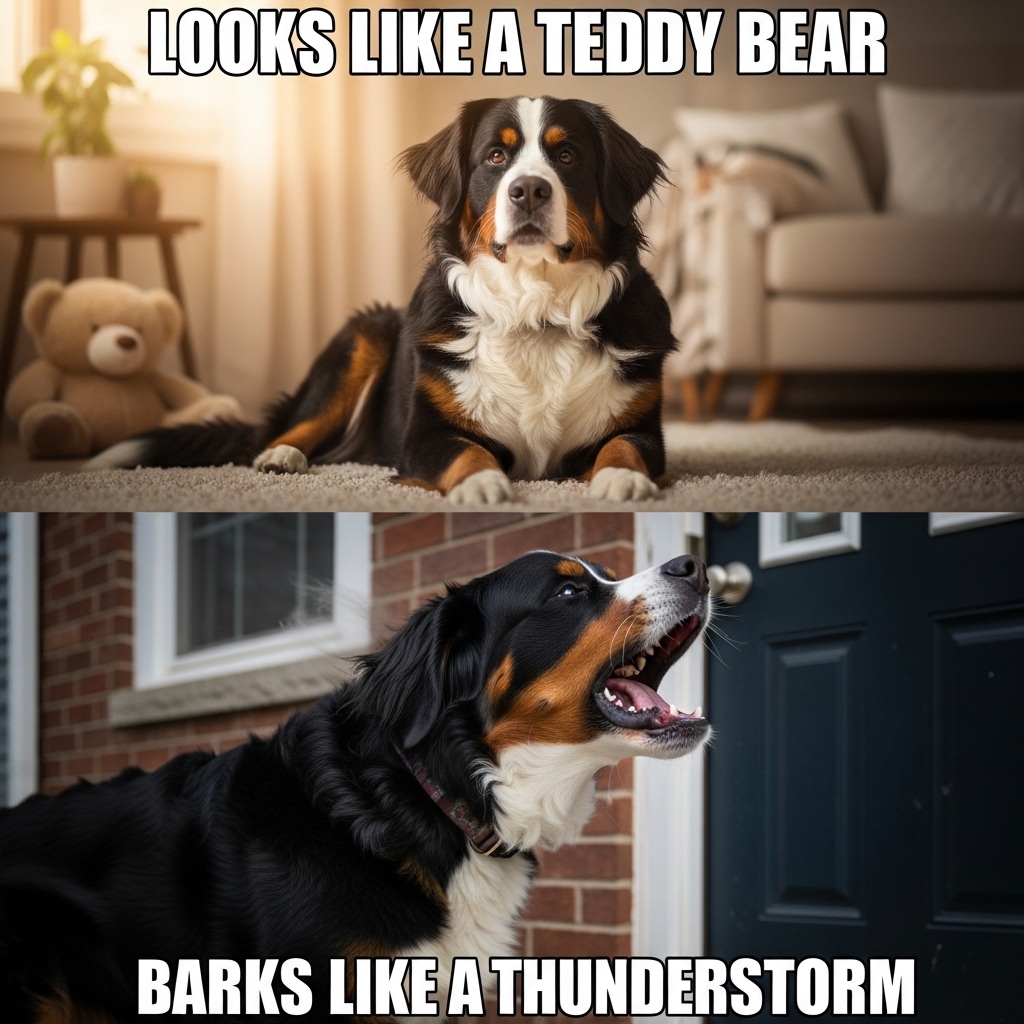
Consistent training still matters because size alone can cause trouble if manners are missing. With routine, this breed becomes one of the best guard dogs for homes that want calm comfort plus a reliable alert system.
4. Bullmastiff
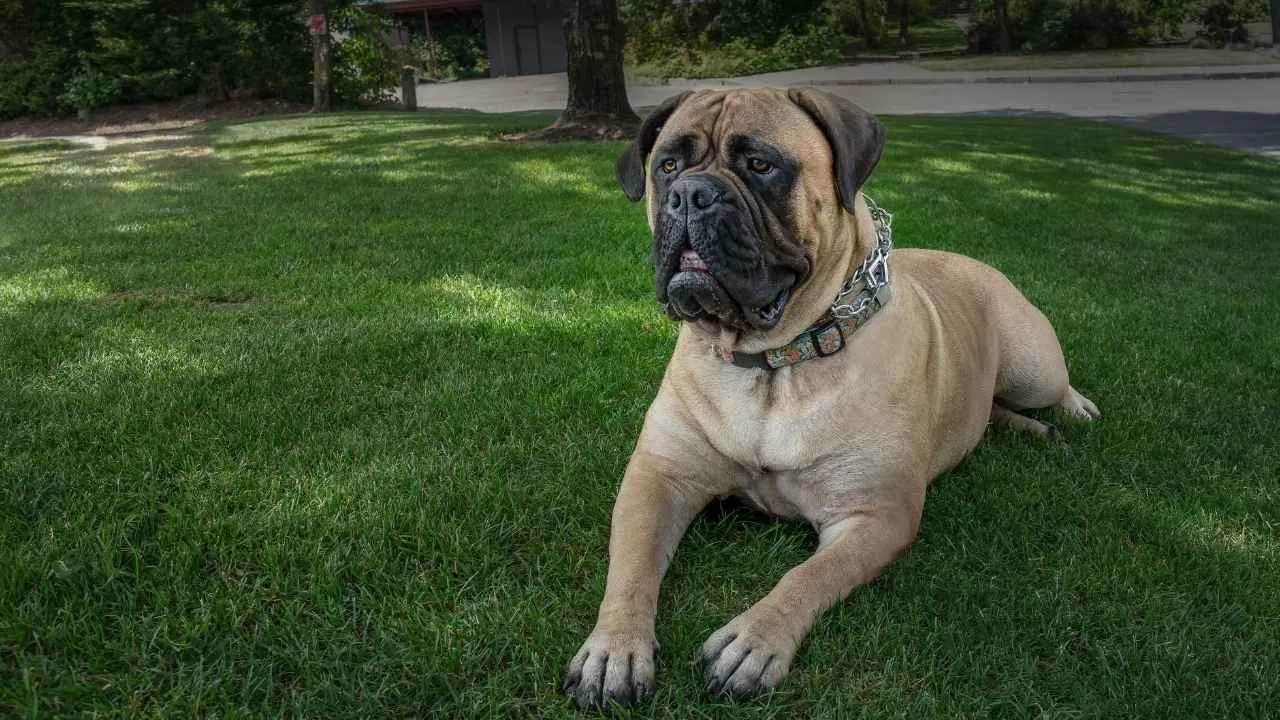
The Bullmastiff has a presence that feels like a locked gate. This dog can move from relaxed to ready in a heartbeat. Many people pick this breed because it can become a great guard dog with the right foundation.
Their protective instincts can be intense, and they often stay aware of what is happening around the home. That watchfulness can help guard estates and larger properties where strangers may approach without warning.
But why bother with careful rules? Because power without control becomes a problem fast.
This breed can be loving with family members, especially when raised in the home from early days. Many bullmastiffs form strong bonds and act deeply devoted to their people. They often stay calm indoors, then stand up fast when something feels wrong.
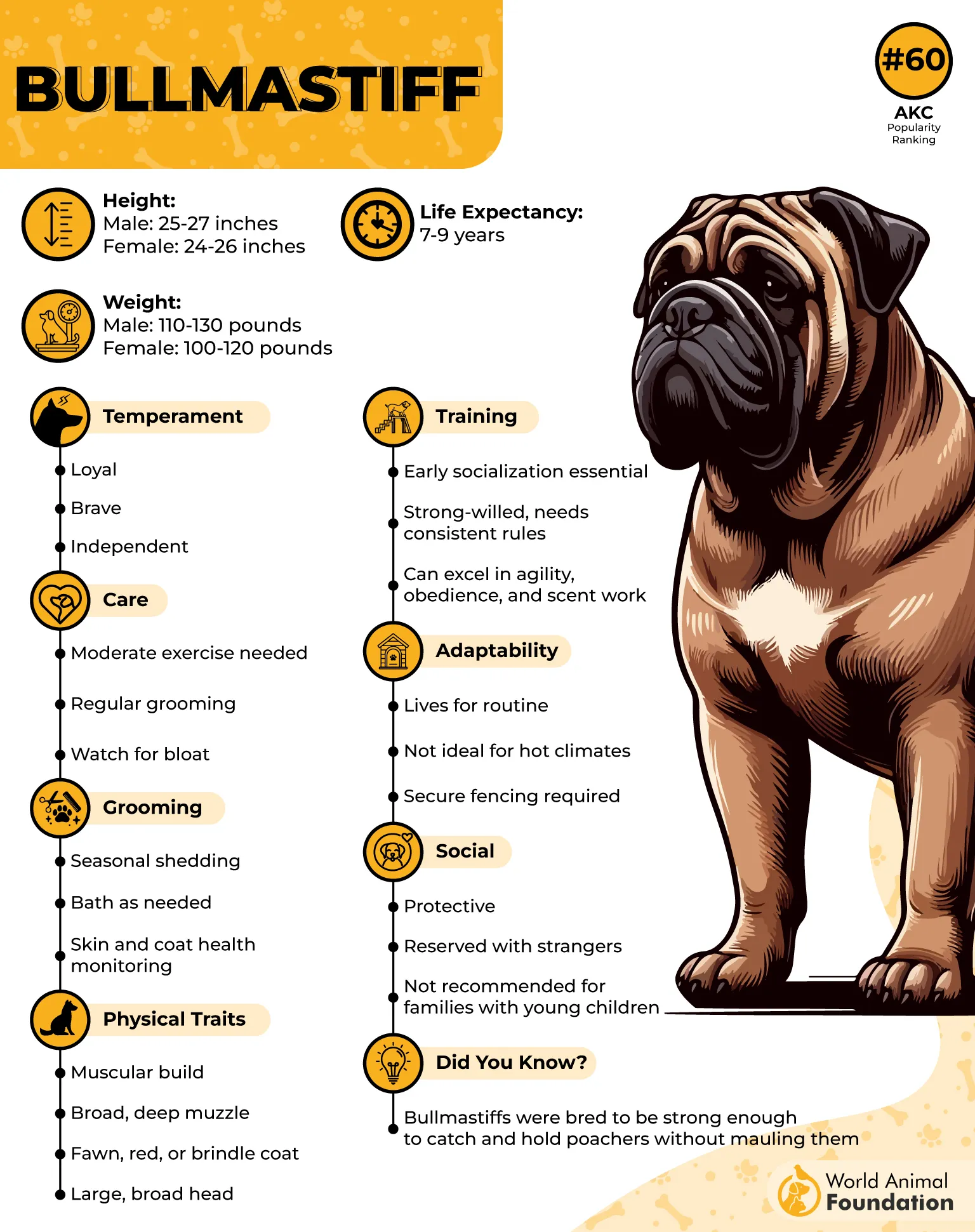
That protective nature can help deter intruders, but only when the dog learns clear boundaries. Proper training needs to start early, and consistent training must continue. If the dog misses structure, behavior can slide into rude pushing, and in the worst cases, overly aggressive responses.
Exercise matters too. These guard dogs need daily activity to stay balanced, even if they do not act hyper. They benefit from mental stimulation as well, like short drills and food puzzles.
Proper obedience training keeps leash manners clean and helps the dog respond appropriately around guests.
The goal is protection, not unnecessary aggression. When raised with calm routines and clear rules, the bullmastiff becomes one of the protective dog breeds that can protect without putting family peace at risk.
5. Great Dane
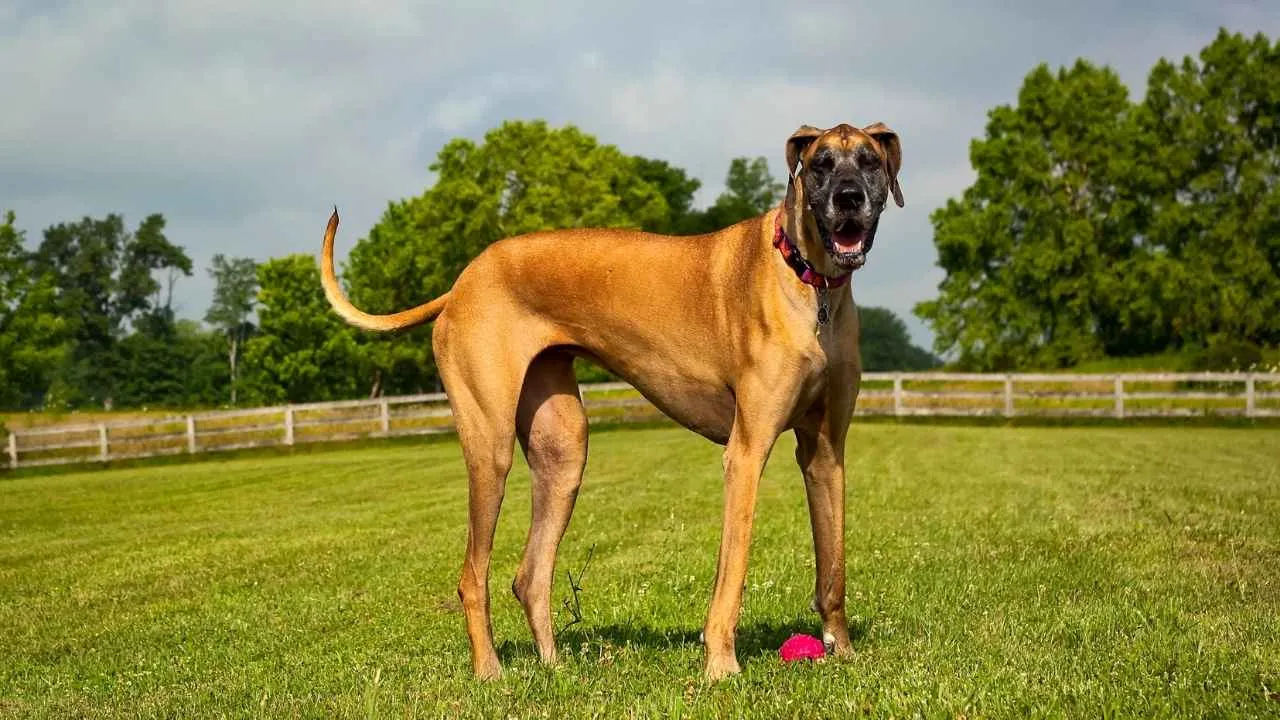
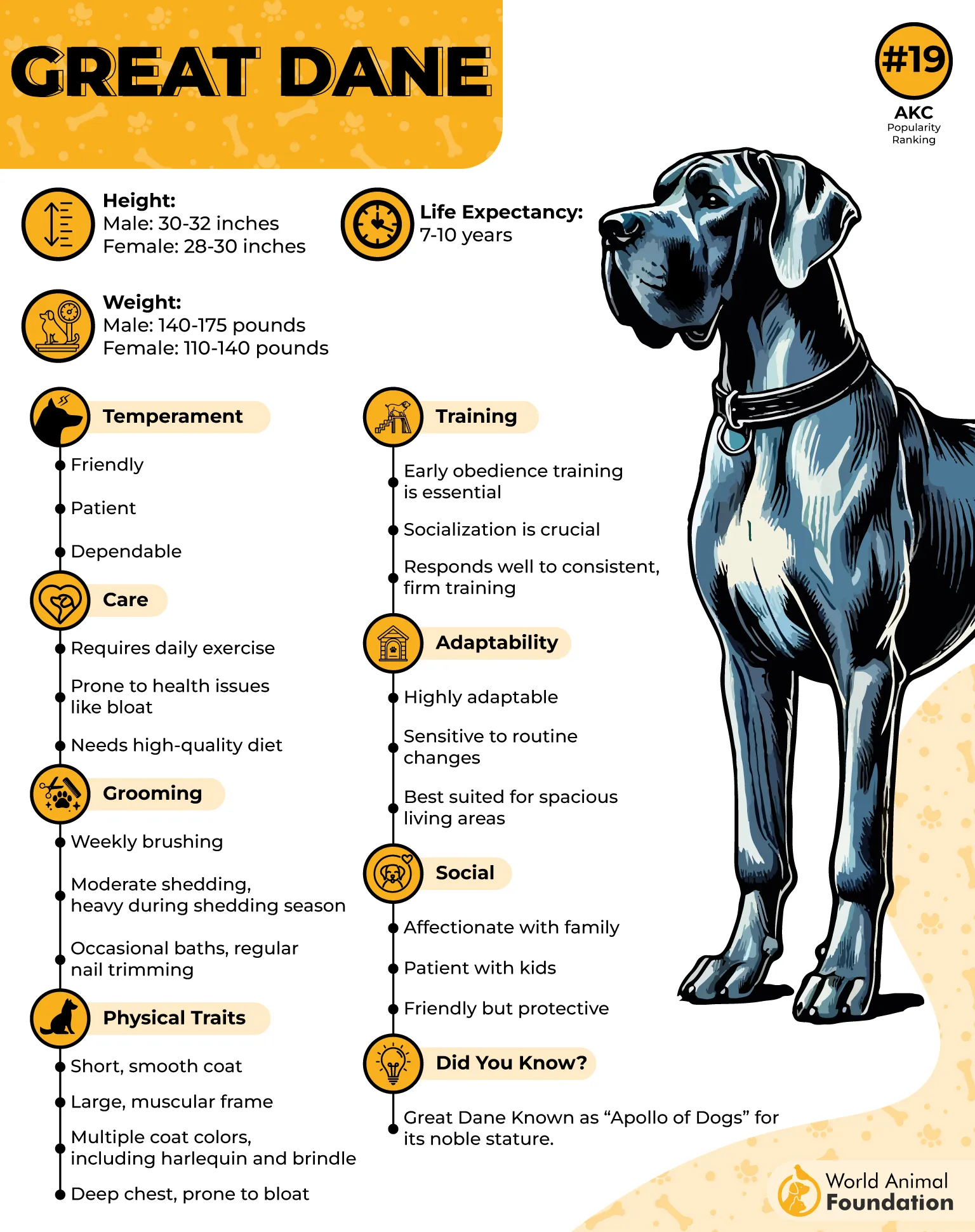
The Great Dane is hard to ignore. According to AKC, this dog often ranks among the largest dog breeds, and that size alone can stop trouble before it starts. Many great danes have a deep bark that makes people think twice, which helps deter intruders even when the dog stays friendly.
Here’s the good part. This gentle giant often shows a calm demeanor around the home and can act sweetly with visitors once introduced. That mix can make the Great Dane feel like a great family dog in many homes.
Great Danes often do best as watchdog-style protection dogs, not intense protection dogs that chase conflict. Their kind nature means they may not rush to bite, but their body size and voice can still create a strong safety signal.
Many dog owners like that balance. It gives a sense of security without a tense household. Still, proper training matters from day one. Without manners, large dogs can knock people over by accident, especially during excited greetings.
Daily routine helps this breed settle. A Great Dane needs walks, playful time, and a calm home rhythm. Moderate exercise works well, along with proper obedience training that uses praise and rewards. Early socialization helps the dog stay relaxed around strangers and normal city sounds.
With time, the dog can become properly socialized and steady, which keeps the home safe and peaceful. This is one of the guard dog breeds that protects by presence, not by acting wild.
6. Great Pyrenees
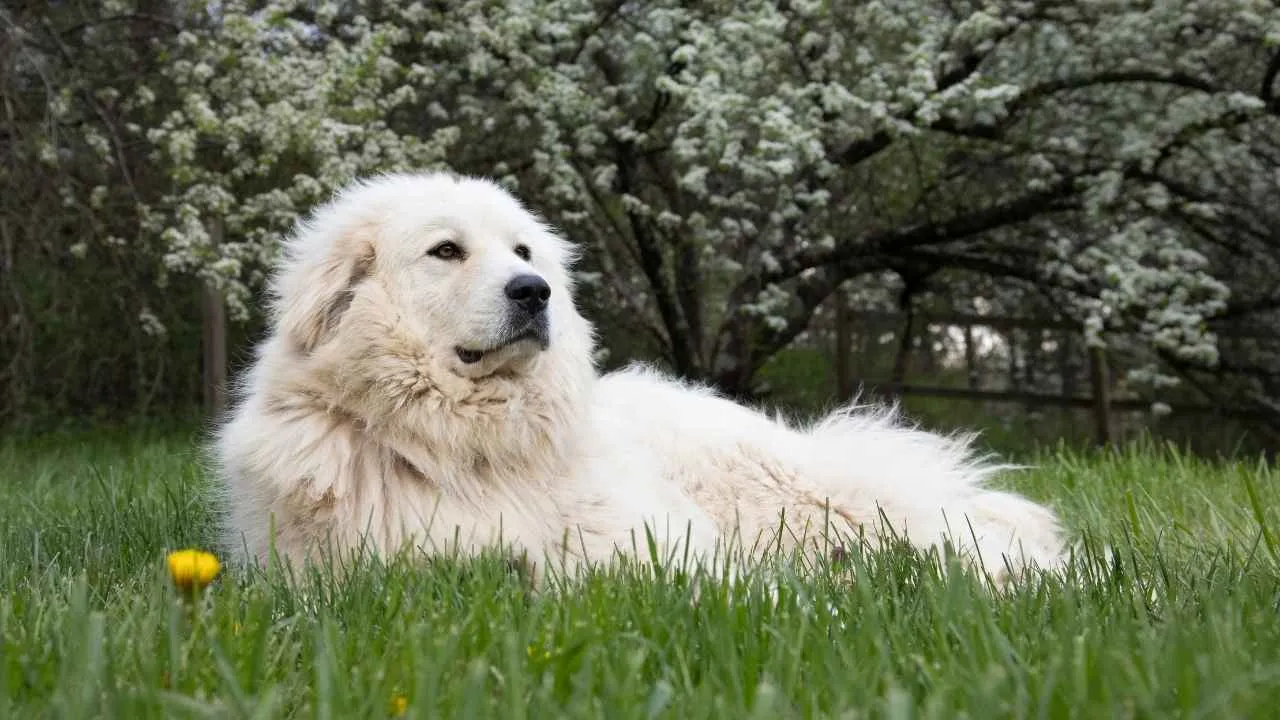
According to Hills Pet, the Great Pyrenees has a history tied to guarding livestock, and that shows in the mindset. This dog often acts like a calm patrol officer, checking the space and listening closely. Many families love that it can be naturally protective while still gentle with the household.
The Great Pyrenees can become one of the best guard dogs for people who want a peaceful home vibe, because it often rests quietly until it senses trouble. That protective instincts switch can feel very real when someone unfamiliar approaches.
This breed can be tricky, though. It gets even worse, though, if training starts late or rules stay fuzzy. Great Pyrenees dogs can act like independent dogs, and they may test limits. That does not mean they are “bad.” It means the training approach must stay patient and steady.
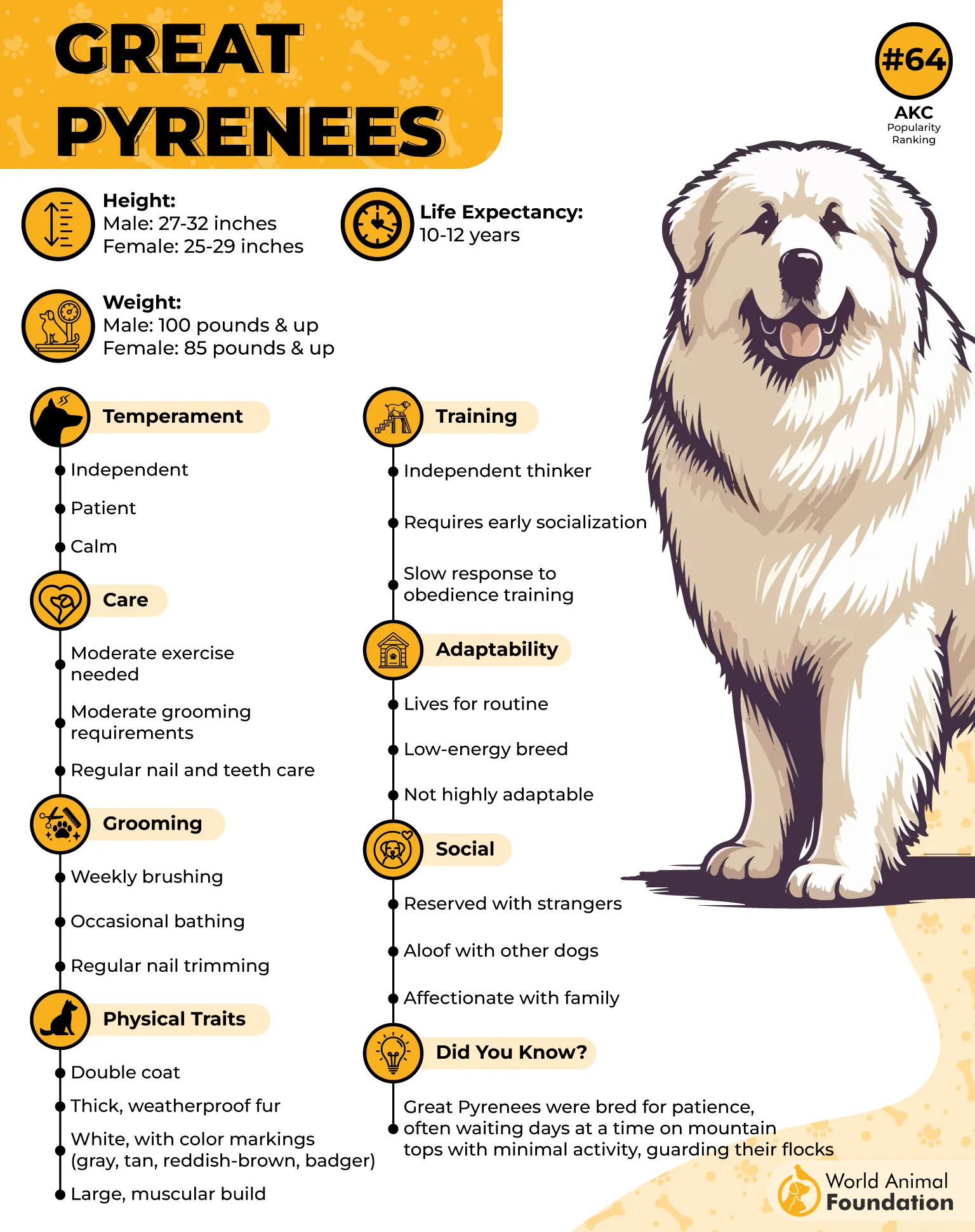
Proper training should begin at a young age, with short lessons and calm praise. Early socialization helps them accept guests without constant barking. Proper socialization also helps them share space with other dogs and other pets when introductions stay slow.
The coat is beautiful and thick, but it needs care. Regular brushing keeps the thick coat healthy and reduces mats. This breed also benefits from exercise and mental stimulation, even if it looks lazy at times.
Personal protection at home often comes from routine, clear boundaries, and a dog that can respond appropriately to potential threats. With consistent training, the great pyrenees can grow into a loyal dog with a steady protective nature and a calm presence that feels safe at night.
7. Newfoundland
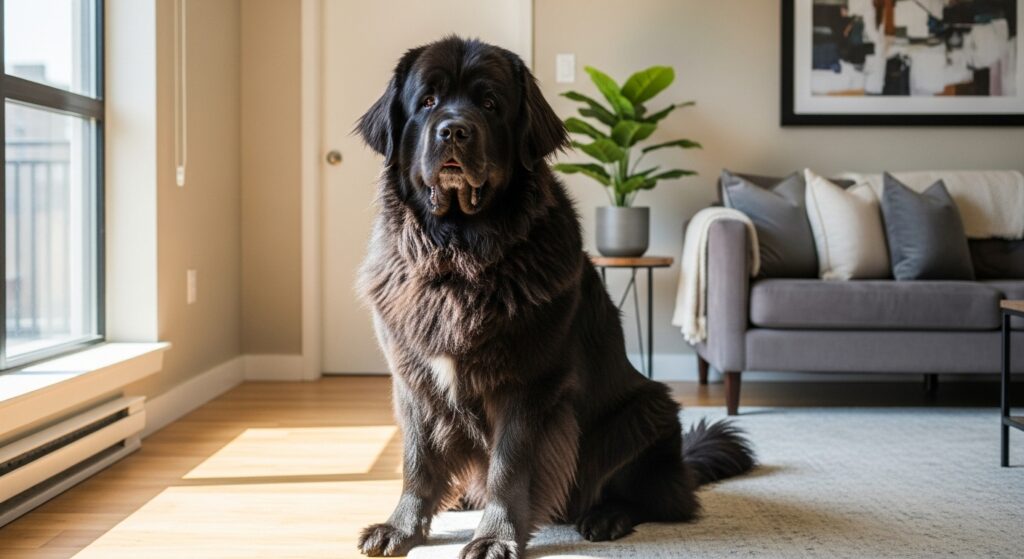
The Newfoundland is the kind of dog that makes people smile first, then think twice. This dog is famous for being gentle with kids and friendly in the home. Many call it a gentle giant, and that fits.
Still, the size alone can make strangers hesitate, which supports personal protection without constant tension. That is why many dog owners see Newfoundlands as protective dogs in a quiet, steady way. A calm giant sitting in the hallway can be a very clear message to unwanted visitors.
Newfoundlands also come from a background of working dogs, and that strength shows. Some were used to haul loads and help with hard outdoor jobs. Many also have a natural comfort level around water, and some are trained for water rescue work, which connects well with the idea of search and rescue dogs in certain roles.
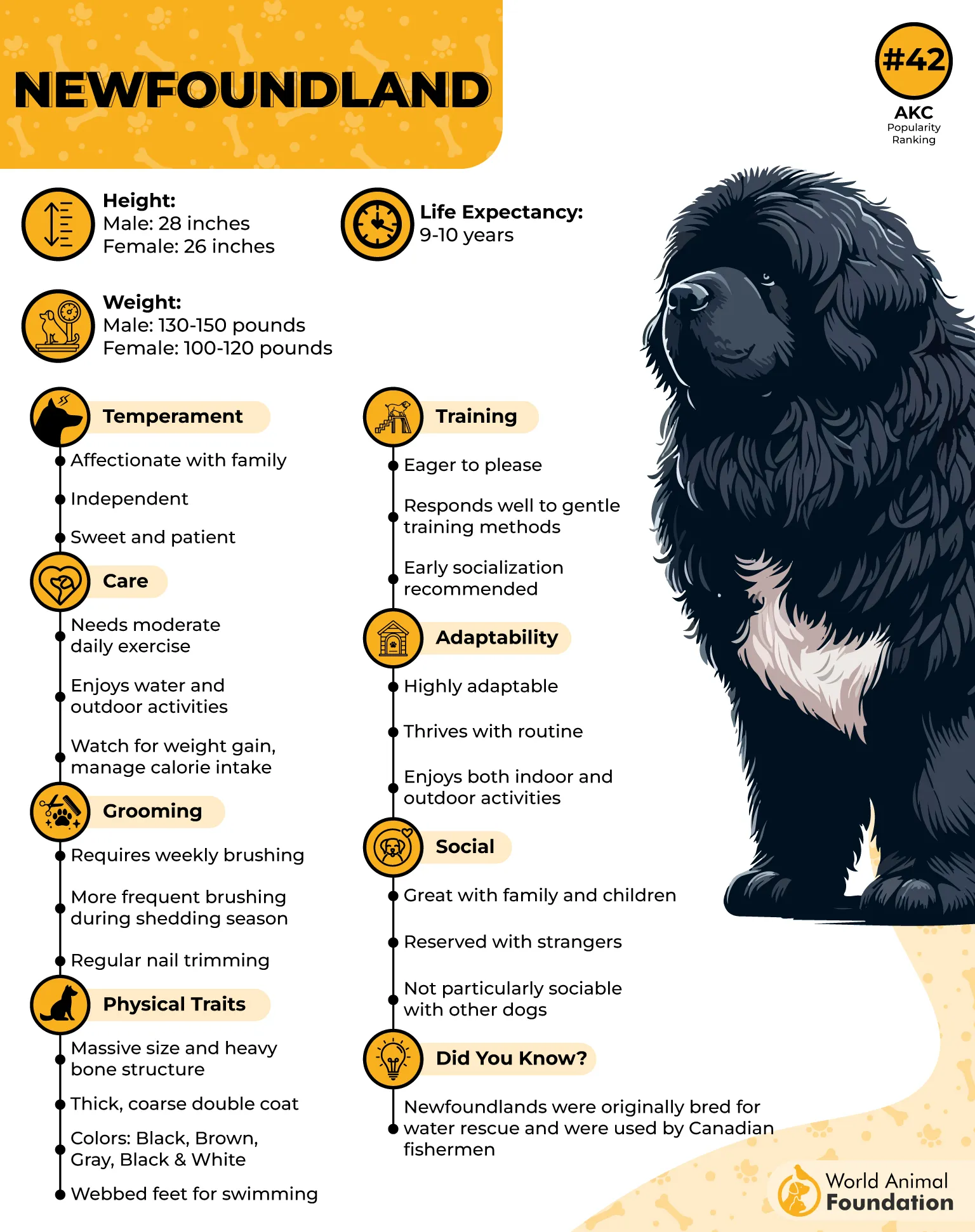
But wait, there’s more! This breed often learns well and is highly trainable, especially when training feels fun and kind. Proper obedience training matters here because a strong dog needs clean manners to stay safe around people.
Coat care is part of the deal. The medium-length double coat can hold dirt and tangles if brushing gets skipped, and the thick coat needs regular care to stay comfortable. The breed also needs regular activity.
Moderate exercise, plus exercise and mental stimulation, can prevent boredom and keep behavior balanced. With proper socialization, the Newfoundland can live calmly with other pets and still act as one of the protective dog breeds that offers safety through size, heart, and a steady presence.
Conclusion
Choosing guard dogs does not have to mean choosing stress. Some guard dog breeds stay relaxed, love family members, and still protect the home when it matters.
The secret is not “toughness.” It is clear that rules, early socialization, and proper obedience training that teaches control. Here’s the good part. When dog owners pick the right breed and commit to consistent training, protective dogs can fit into real family life, even with kids and visitors.
Want results that feel safe, not scary? Start with calm routines, daily movement, and fair boundaries. Then stick with them.
Over time, guard dogs become trusted family pets, and the home feels warmer, safer, and a whole lot more peaceful.
