




What makes some dogs harder to live with than others?
While every pup has its charm, certain rare breeds stand out not just for their scarcity but also for their stubborn, independent, or mischievous behavior. For dog lovers, this mix of rarity and difficult temperament can make them both fascinating and frustrating.
Here’s a surprising fact: the FCI officially recognizes 359 dog breeds worldwide, yet some of the rarest among them are also the ones that challenge their owners the most.
They may ignore commands, outsmart training, or stir up chaos with boundless energy. But these same traits also highlight their history, resilience, and unique personalities.
Would you be ready to handle a dog that refuses to listen, no matter how patient you are?
In this article, we’ll explore some of the rarest, worst-behaved dog breeds among us all—dogs that test limits but leave unforgettable paw prints on the lives they touch.
Rarest Worst Behaved Dog Breeds Among Us All
Let’s look at seven of these rare canine companions and see what makes them difficult yet unforgettable.
1. Otterhound
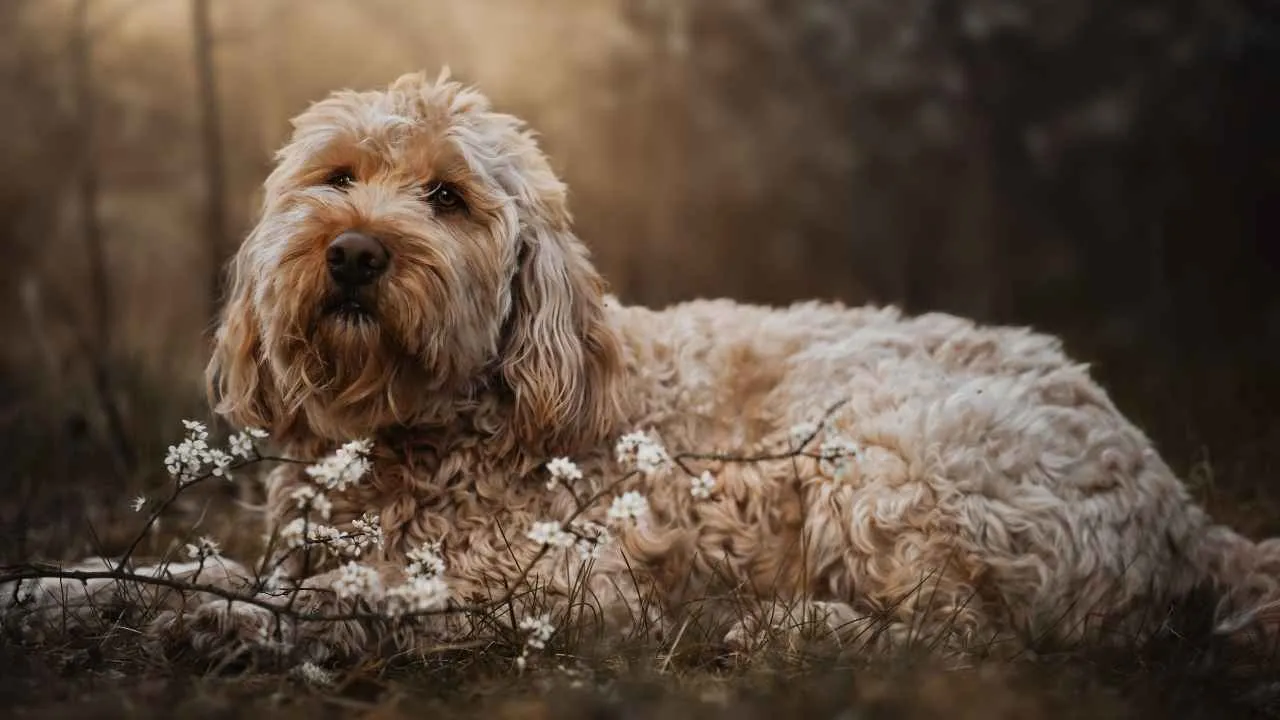
Big nose, bigger personality—this hound follows scent first.
The Otterhound is a large scent hound developed in medieval England. It was originally bred to track otters in rivers, a practice banned in the 20th century.
Despite losing its original job, the breed’s powerful nose remains unmatched. It can follow a scent across land and water for hours. That focus often leads to stubborn behavior, as the dog listens more to its instincts than to commands.
They can be great family pets because of their friendly and affectionate nature. However, they are not ideal for apartment life or first-time owners.
Otterhounds demand daily exercise, mental stimulation, and secure fences. Left alone, they can become destructive, barking loudly or digging holes while trying to entertain themselves.
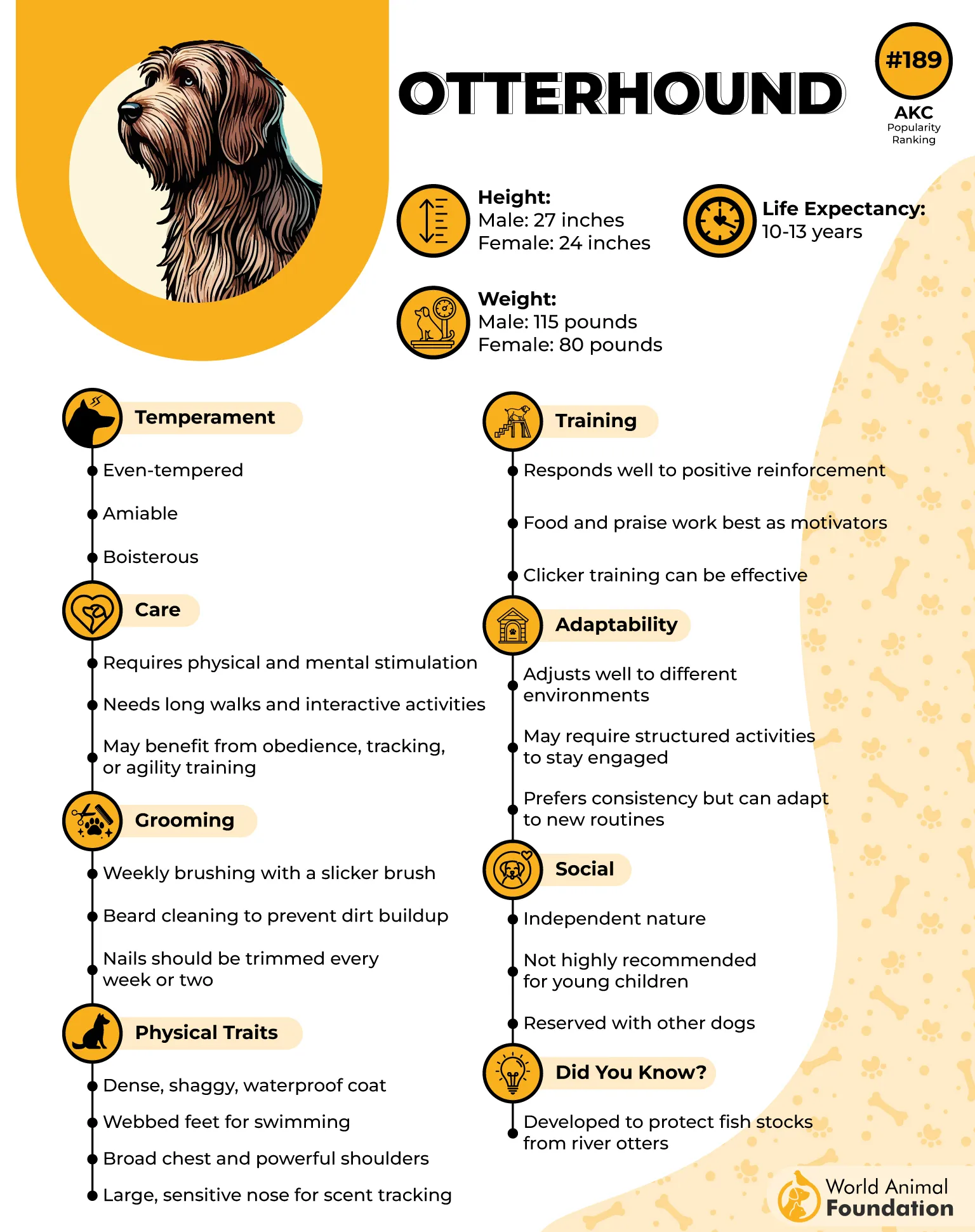
Grooming is easier than you might think, but brushing is still needed to prevent mats. They behave gently with kids, though their size can knock over small children.
They have a thick, oily, waterproof double coat, perfect for swimming in chilly streams. The Otterhound has webbed feet that act like paddles, making them an expert swimmer.
2. Polish Lowland Sheepdog
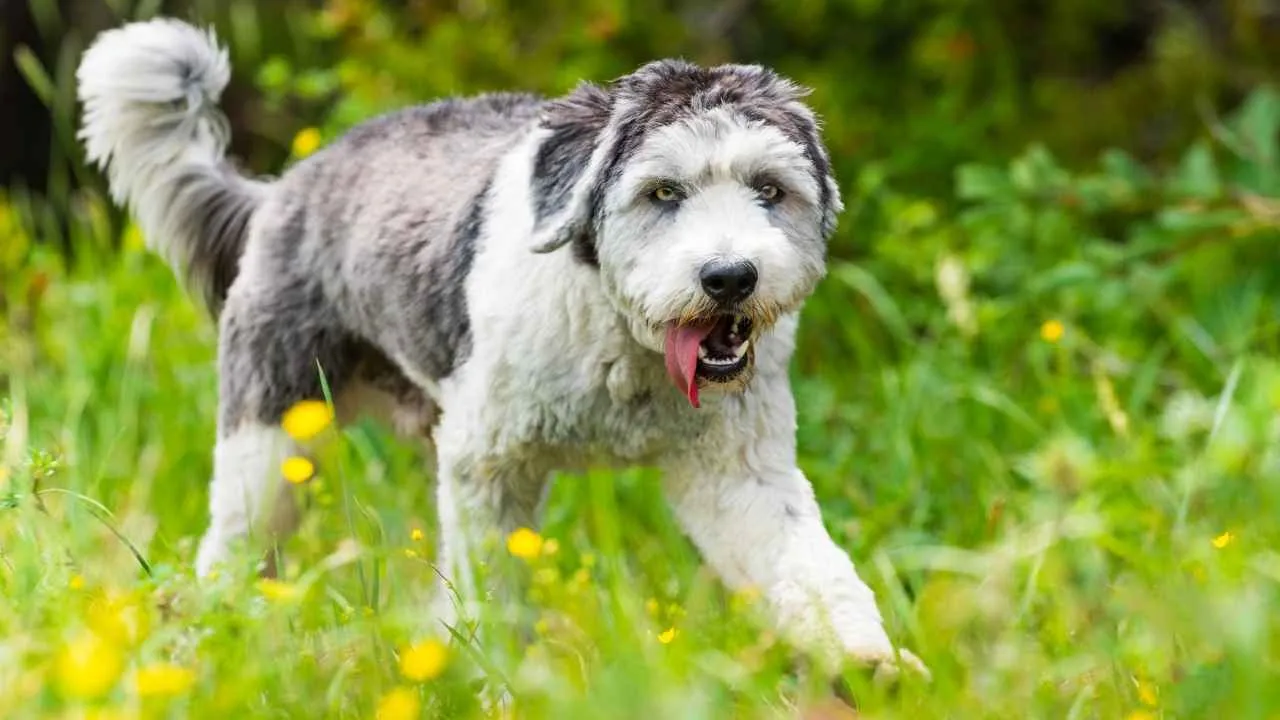
Fluffy guardian with a mind of its own.
The Polish Lowland Sheepdog, also known as the PON, is a working dog with deep herding roots. Initially bred to manage flocks in Poland, the breed has sharp instincts for control.
This intelligence makes them quick learners but also strong-willed. Owners often find themselves in power struggles with a PON that insists on being the boss.
They have a thick, shaggy double coat that needs routine brushing. Without care, mats form quickly, hiding skin problems. Grooming takes effort, and shedding can be heavy in seasonal changes.
Despite their fluffy look, PONs are no teddy bears. They guard property, bark at strangers, and sometimes try to herd children or other pets.
These intelligent dogs thrive with tasks such as agility, obedience, or herding trials. But without outlets, they become noisy, bossy, or destructive. PONs are better suited for experienced dog owners who can provide both mental and physical work.
A memory so sharp that trainers say “they never forget”—good or bad.
3. Skye Terrier
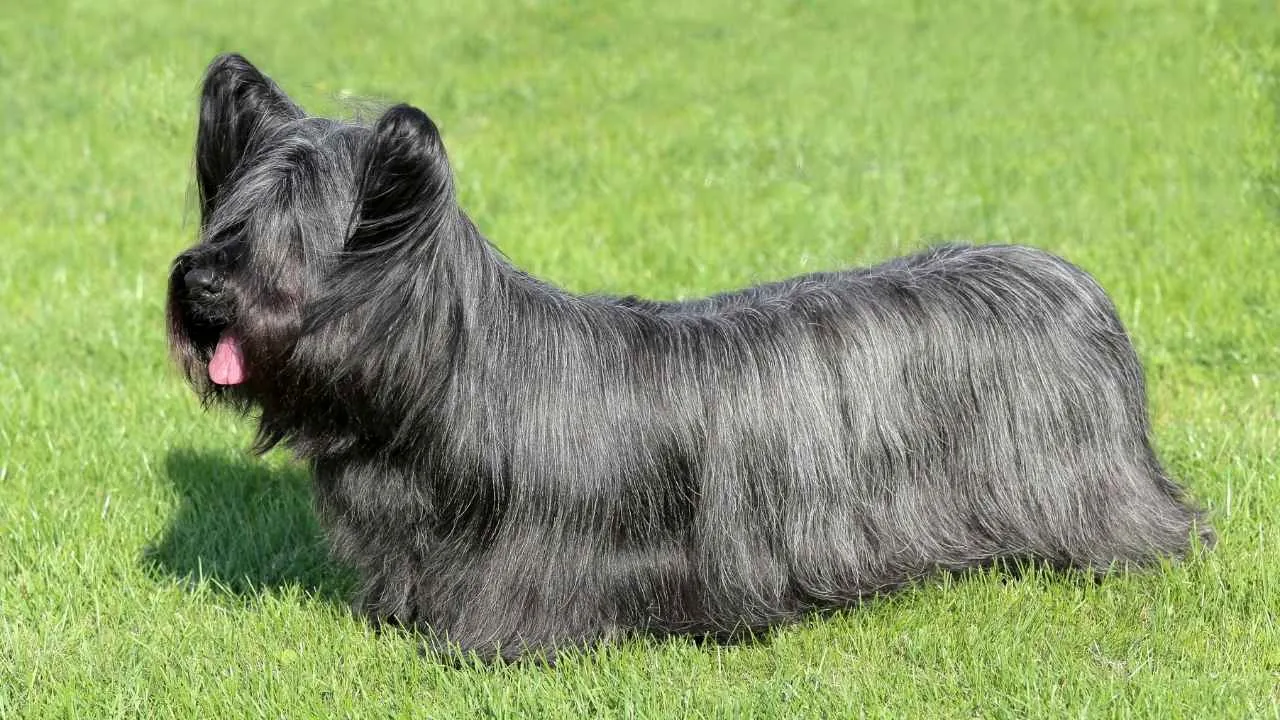
Low to the ground, high on attitude.
The Skye Terrier is one of the oldest terrier breeds from Scotland, initially bred to hunt foxes and badgers. Their long, low body allowed them to enter dens, and their determination meant they rarely backed down. That determination survives today, often seen as stubbornness when they refuse commands.
Skyes form deep bonds with their family, often attaching themselves to one person above all. While loyal, they are wary of strangers and can be aloof in public. Their independence means they do not always aim to please, unlike more obedient breeds. They will decide what to do on their own terms.
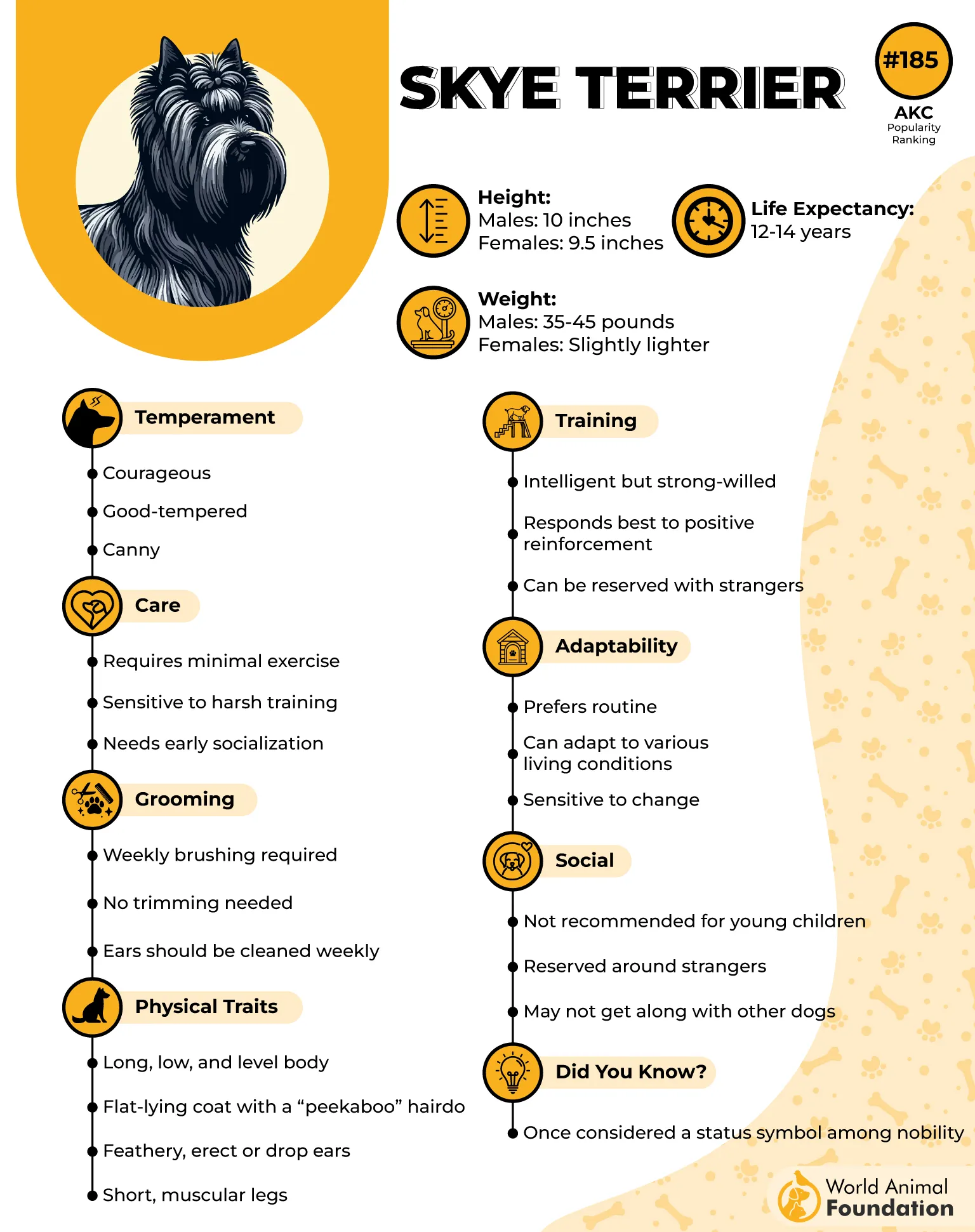
Their coat is another challenge. Long, silky hair drapes to the ground, requiring regular brushing to avoid tangles. Without grooming, they quickly look messy and neglected. Though they can live in apartments, their barking and protective streak require proper training.
According to the AKC, Queen Victoria adored Skye Terriers, helping popularize the breed in the 1800s.
4. American English Coonhound
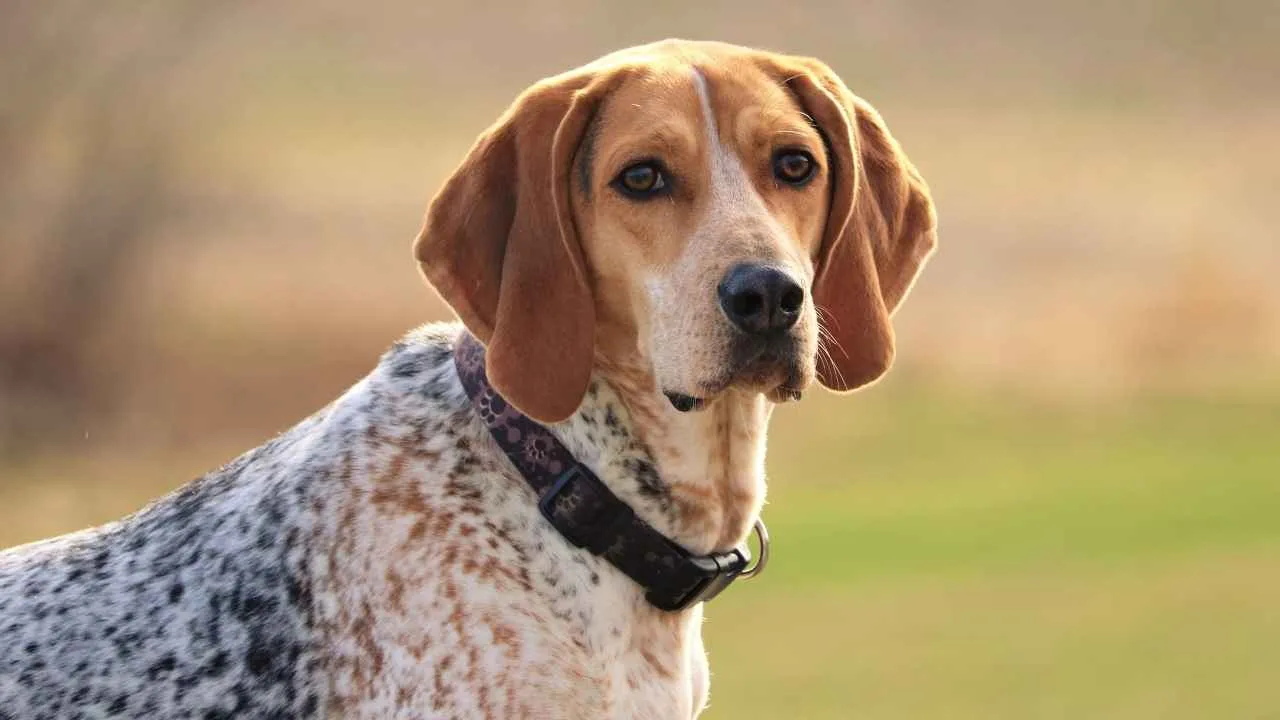
First scent hunter who sings while tracking. They have an incredible endurance that lets them track prey all night long.
The American English Coonhound is a true hound through and through. Developed in the United States from Foxhounds, this breed was initially bred to hunt foxes and later raccoons. They are athletic dogs with boundless energy, needing long runs and outdoor activity to stay balanced.
Owners often struggle with their loud baying. These hounds “sing” while on a scent, and the sound can carry for miles. While hunters appreciate it, neighbors often do not. Combined with their stubborn streak, training can feel like a constant battle. They often ignore recall commands if they catch a scent.
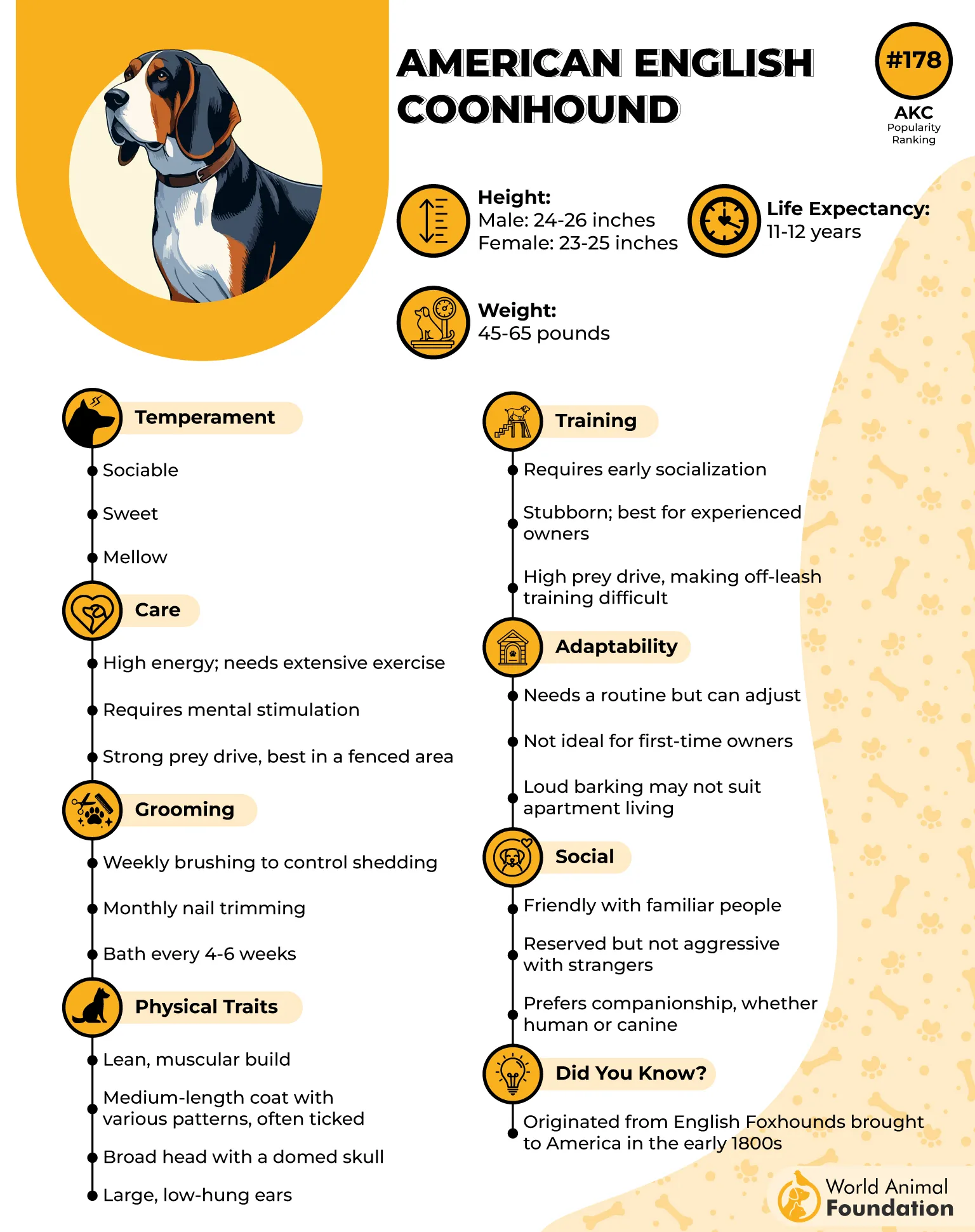
Coonhounds are affectionate with family and surprisingly gentle companions. But without exercise, they become destructive, chewing or digging out of boredom. They are better suited for rural homes with plenty of land.
Their melodic baying is so distinct that hunters can identify their dog by sound alone.
5. Azawakh
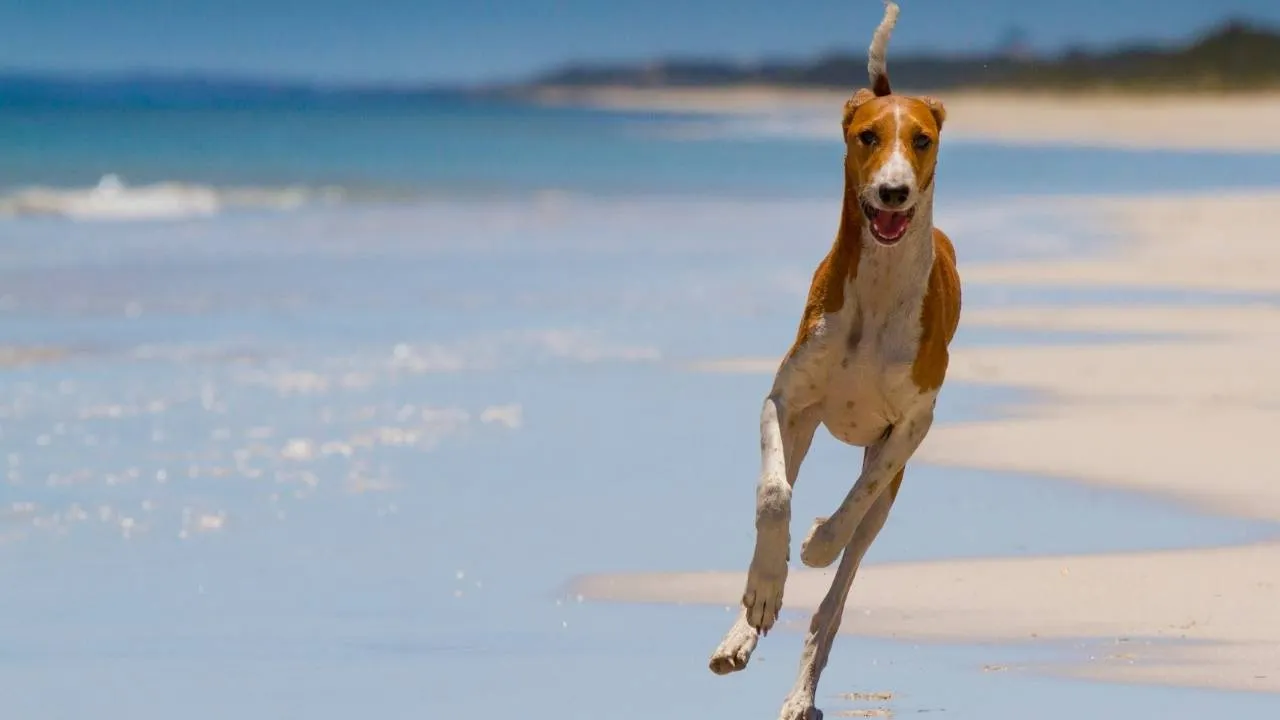
Desert speedster with quiet loyalty.
The Azawakh comes from the Sahel region of West Africa. Nomadic tribes used them as both hunting and guard dogs. They are tall, slim, and built for speed, able to sprint very fast. Yet despite their athleticism, they are very reserved indoors.
Azawakhs bond deeply with their family but often remain aloof with strangers. This makes them excellent watchdogs but challenging for social situations. Their independence and sensitivity make training tricky. They respond poorly to harsh methods, requiring patience and calm leadership.
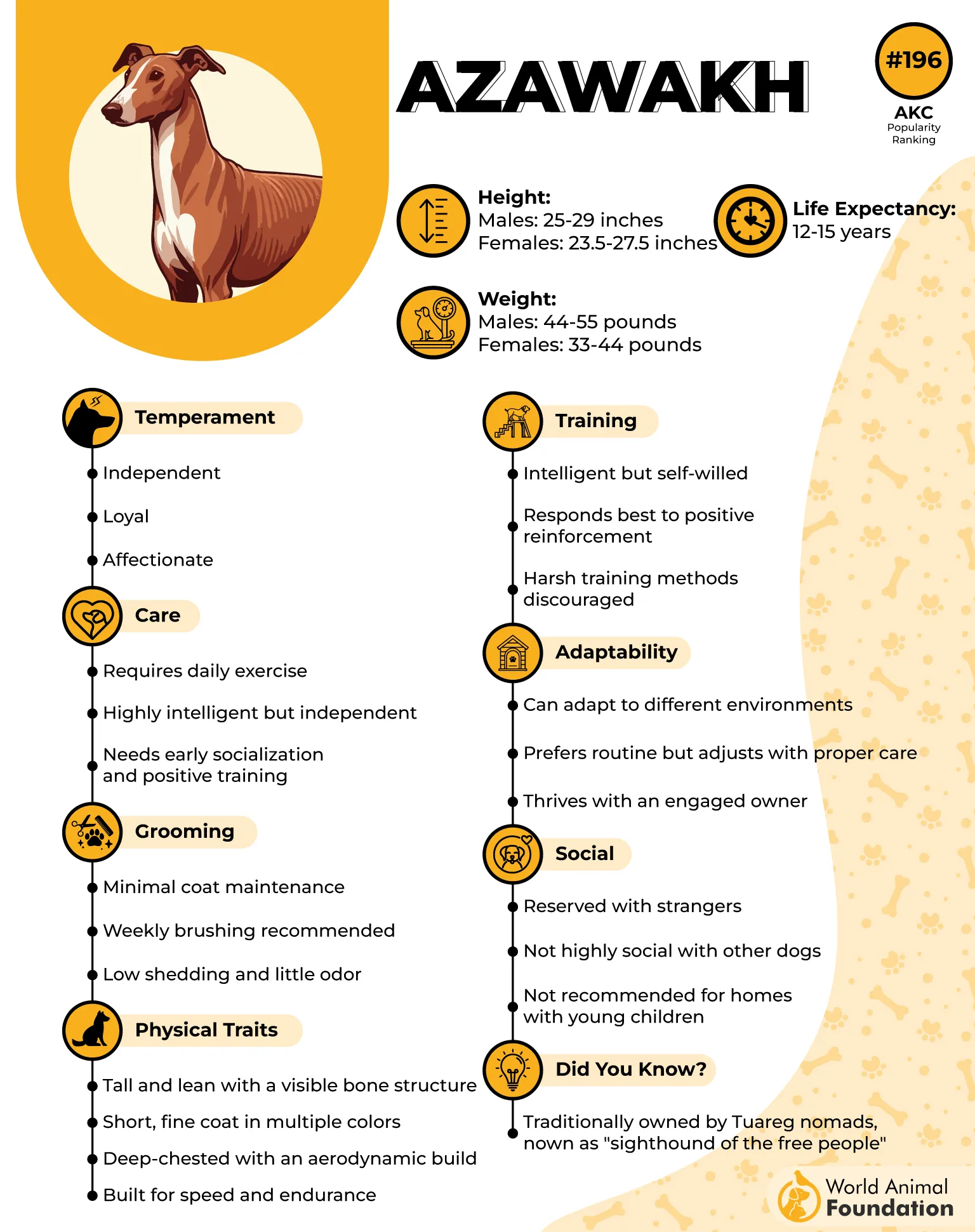
This breed’s energy requires a safe space to run. Without it, they may become restless or destructive. They are also prone to chasing small games due to their prey drive. That makes fenced yards essential.
Azawakhs can sprint at speeds close to 40 miles per hour, making them as fast as some racehorses. A natural combination of speed and elegance unmatched by most other breeds.
6. Grand Basset Griffon Vendéen
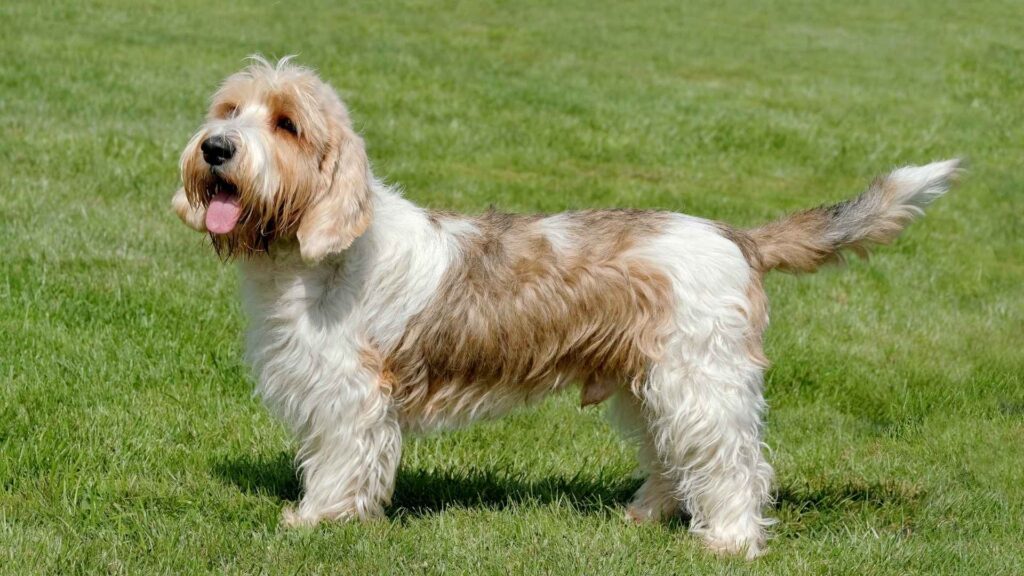
Joyful hunter with a stubborn streak.
The Grand Basset Griffon Vendéen, or GBGV, comes from France and was developed to hunt rabbits and hares. These hounds are cheerful and social but also highly independent. They were bred to work in packs, which means they expect company and can become vocal or destructive when left alone.
Their stubborn streak frustrates owners who expect instant obedience. Training requires consistency and patience. While playful, GBGVs are not couch potatoes. They need active walks, playtime, and mental challenges. Without them, they will find their own fun—usually by howling or digging.
Their wiry coat needs occasional grooming, but it is easier than a Skye Terrier’s. Families often love their clownish nature, but managing their hound instincts can be a challenge. The AKC mentions that they hunt in packs, and because of their hunting skills, they’re known to track their game.
7. Sloughi
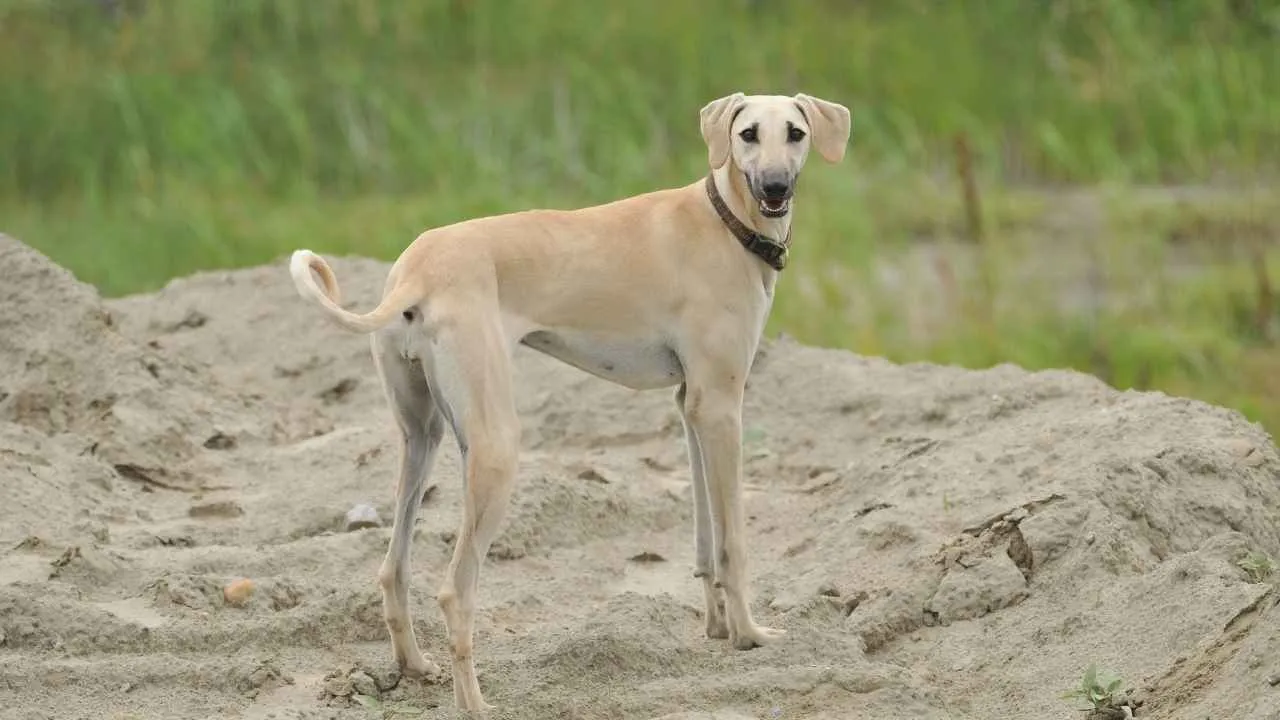
Elegant hunter from old desert trails.
The Sloughi, also called the Arabian Greyhound, comes from North Africa. It was prized by nomads as both a hunting and guarding dog. They rely on sight rather than scent, scanning landscapes for movement.
With the right approach, they can become great companions for experienced owners who appreciate their quiet devotion.
Training a Sloughi takes a calm hand. They dislike loud voices or harsh corrections, responding best to trust-based methods. They are also sensitive to household stress, thriving in peaceful homes. Because of their prey drive, they must always run in secure areas.
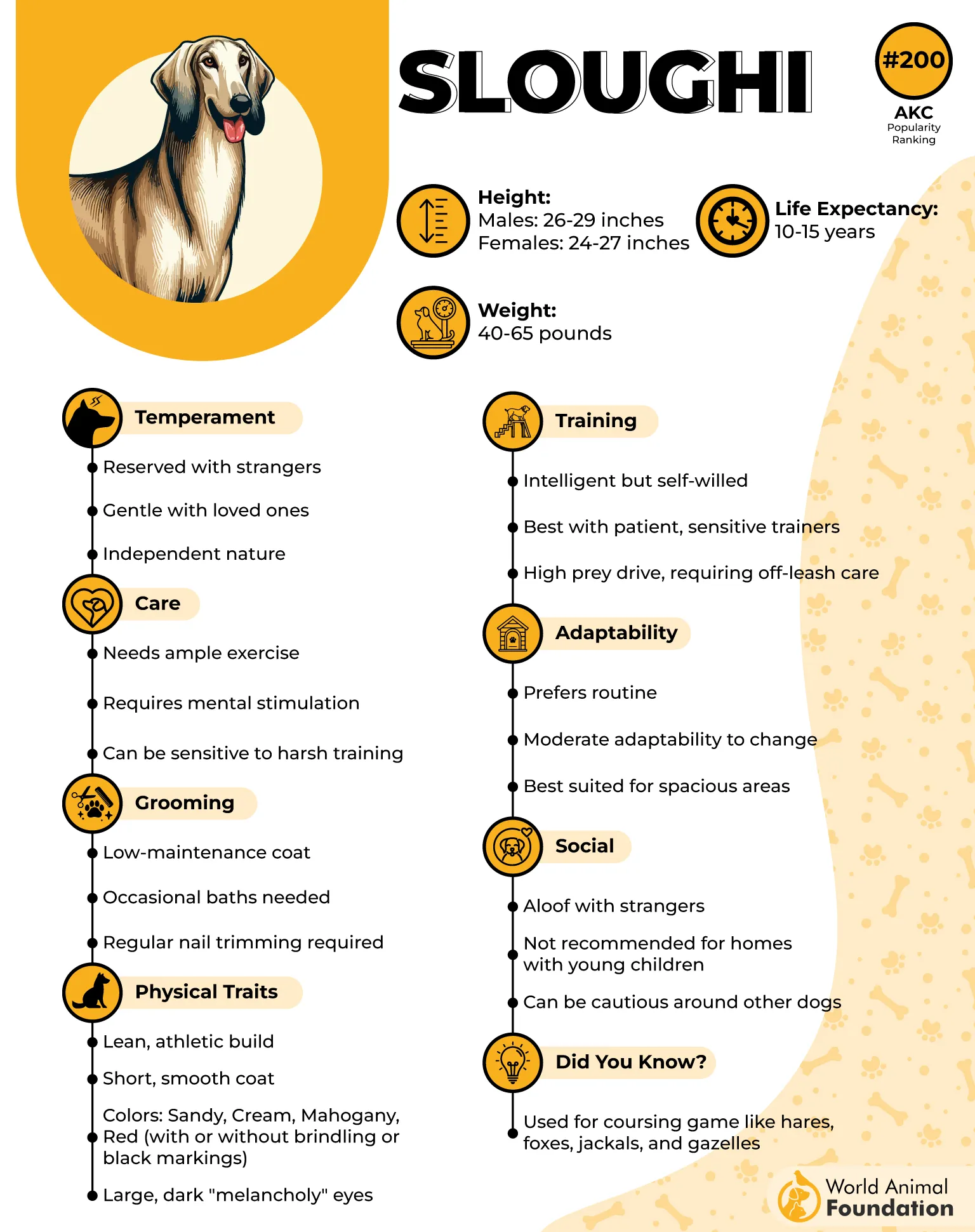
Their short coat makes grooming simple, but their athletic body needs space to stretch. Without enough activity, they become restless and may chase after anything that moves.
This dog is one of the lesser-known breeds in the list of the American Kennel Club.
Conclusion
These dogs are not inherently bad. But their strong instincts and independence make them some of the hardest to handle. From the scent-driven Otterhound to the elegant Sloughi, each of these breeds has a long history shaping their behavior.
With time, training, and understanding, many can make great family pets for the right owners. They are smart dogs with unique quirks, but they require more effort than popular dog breeds like the Golden Retriever or German Shepherd.
If you dream of owning one, do your homework. Work with a reputable breeder, understand the breed’s work ethic, and plan for a life of training and patience. With that, you’ll not just own a dog—you’ll share life with a piece of living history.
