




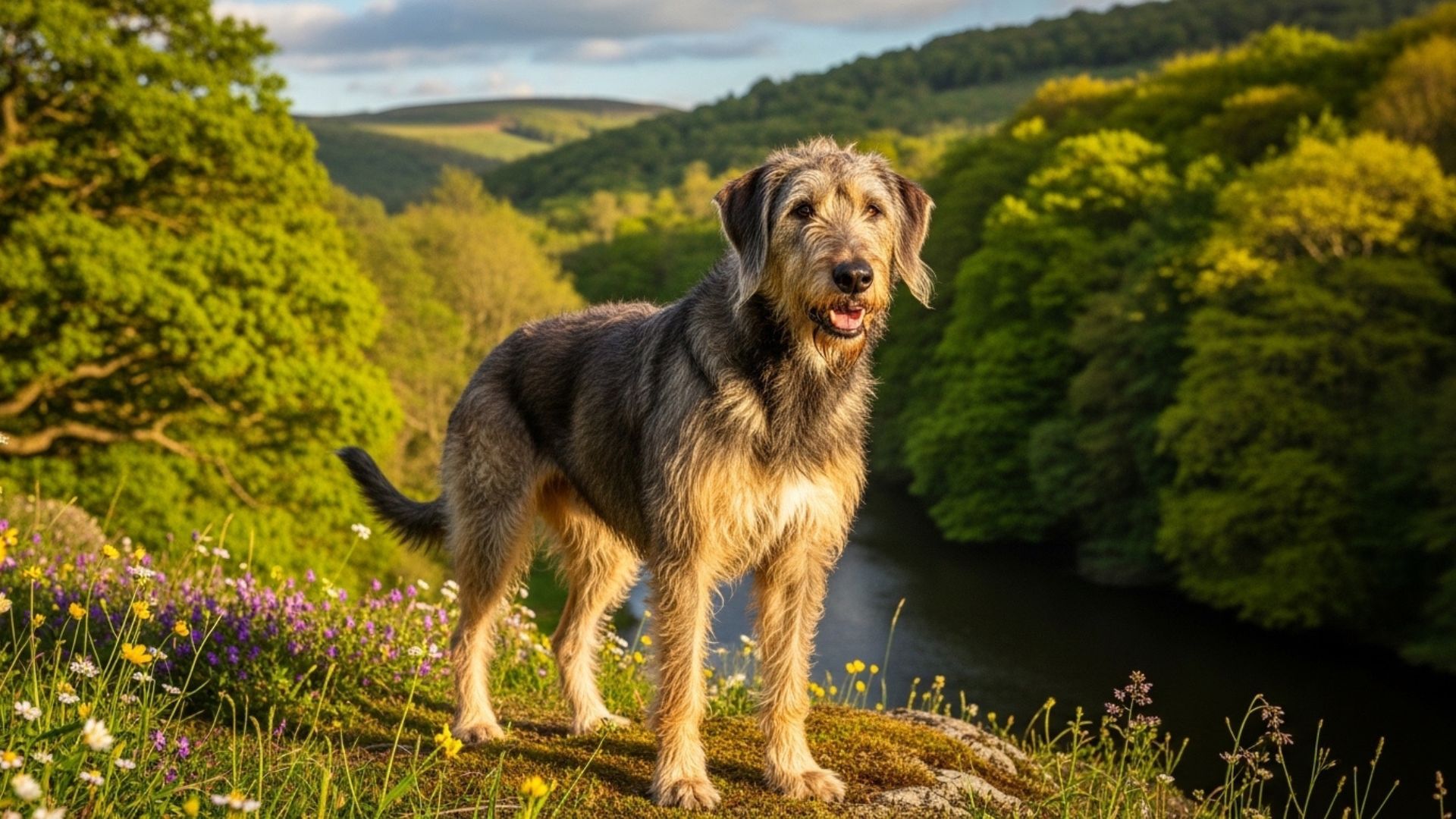
Luxury pet shopping is no longer about owning a dog. It is about selecting a presence that reflects refinement, privacy, and personal taste.
Rare dog breeds appeal to buyers who value distinction over visibility and intention over trends. These dogs are chosen carefully, often quietly, and always with purpose. Their rarity adds emotional weight to ownership, creating a deeper sense of connection and responsibility.
For luxury buyers, the appeal lies in access, lineage, and the feeling of living with something genuinely uncommon. This choice reflects patience, discernment, and respect for heritage rather than impulse.
Rare dog ownership signals confidence, not display. It suits individuals who prefer meaningful decisions that last. The emotional reward comes from living alongside a companion few others will ever experience, selected thoughtfully and integrated seamlessly into a refined lifestyle.
In this article, you will find a curated look at rare dog breeds, what defines their exclusivity, and how luxury buyers can approach ownership with clarity, responsibility, and confidence.
Key Takeaways
Luxury dog ownership is about subtlety, intention, and the rare thrill of having a companion few others will ever meet.
Azawakh and Lagotto Romagnolo bring purpose to ownership, combining endurance, intelligence, and striking appearance that reflects centuries of selective breeding.
Xoloitzcuintli and Norwegian Lundehund add cultural heritage and precision to the mix, offering companions that are as unique as they are attentive.
Reading through all nine breeds reveals the rare companions that turn ownership into an experience of exclusivity and connection.
Rare Dog Breeds to Consider if You’re a Luxury Pet Shopper
1. Azawakh
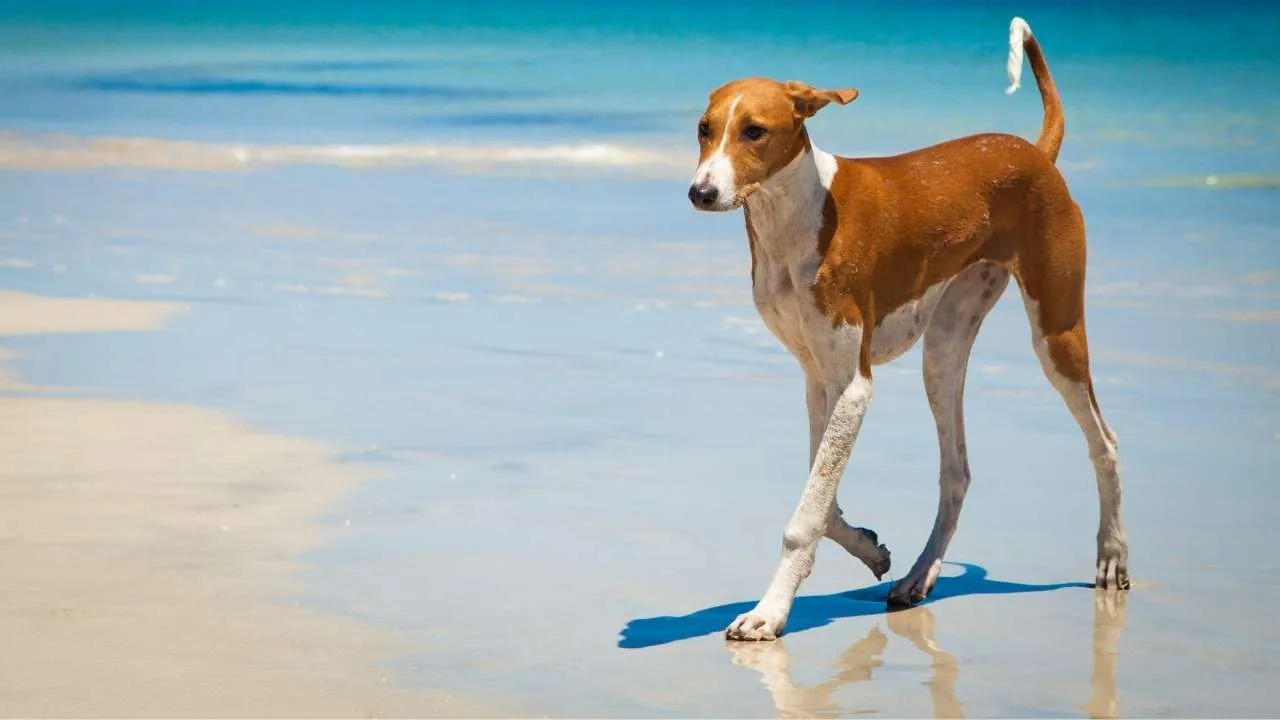
Azawakh originates from the Saharan Sahel, where nomadic tribes such as the Tuareg relied on it for guarding livestock and coursing game.
That background shaped a dog attuned to open terrain, distance awareness, and selective engagement. The breed’s identity is closely tied to function rather than ornament.
Spatial Intelligence
Azawakh moves with a light, efficient gait that reflects centuries of endurance-based work in harsh climates. Indoors, this translates into controlled movement and alert positioning rather than constant motion.
A few details help explain that precision:
Strong visual tracking at a distance
Defined personal space awareness
Fast response to unfamiliar movement
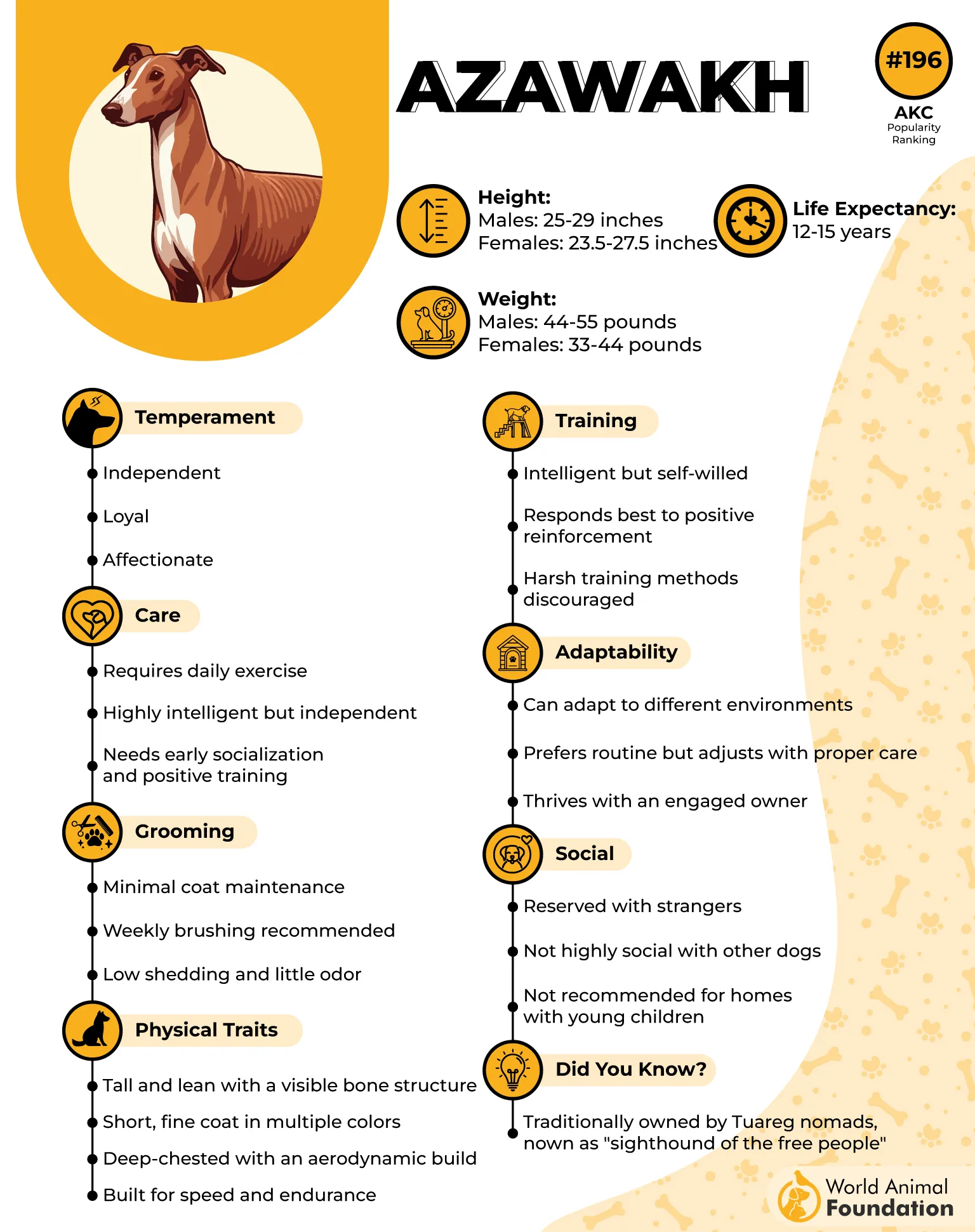
Reserved Social Pattern
Azawakh forms a tight bond with its household while maintaining clear emotional distance from outsiders. This aloofness is not accidental but rooted in its historical role as a guardian in sparsely populated regions. Socialization refines how that reserve is expressed around guests.
2. Lagotto Romagnolo
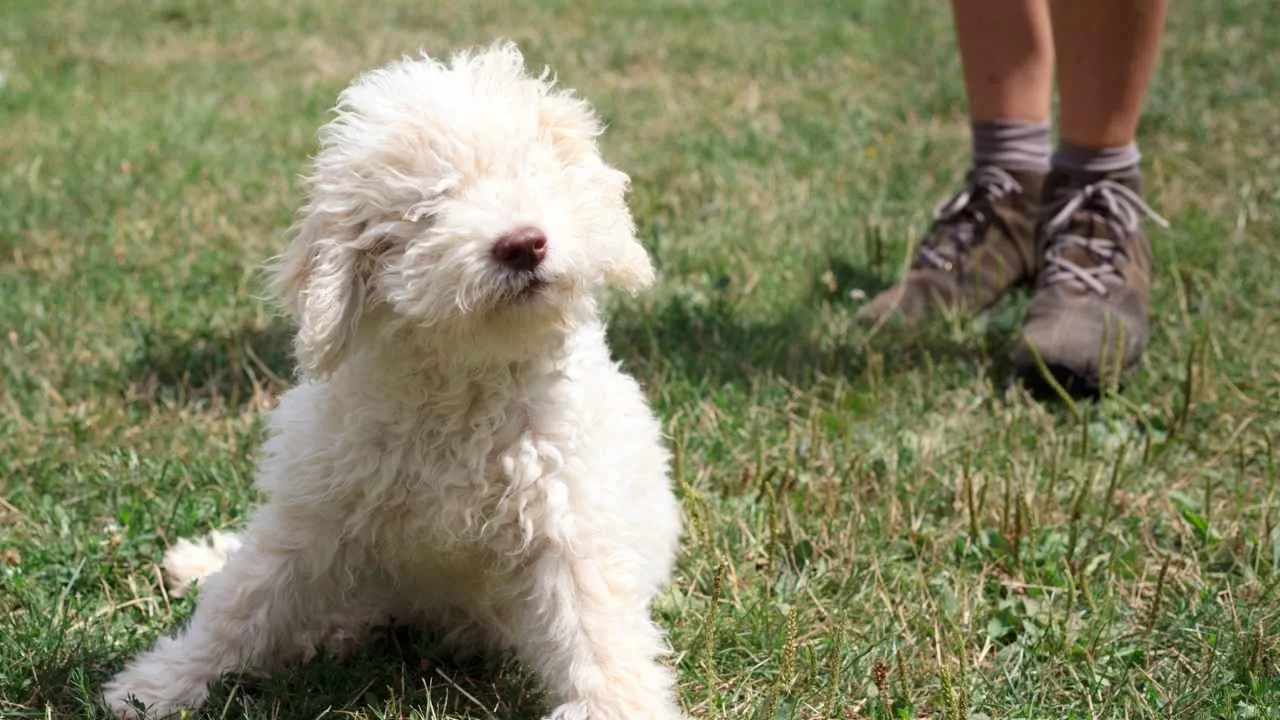
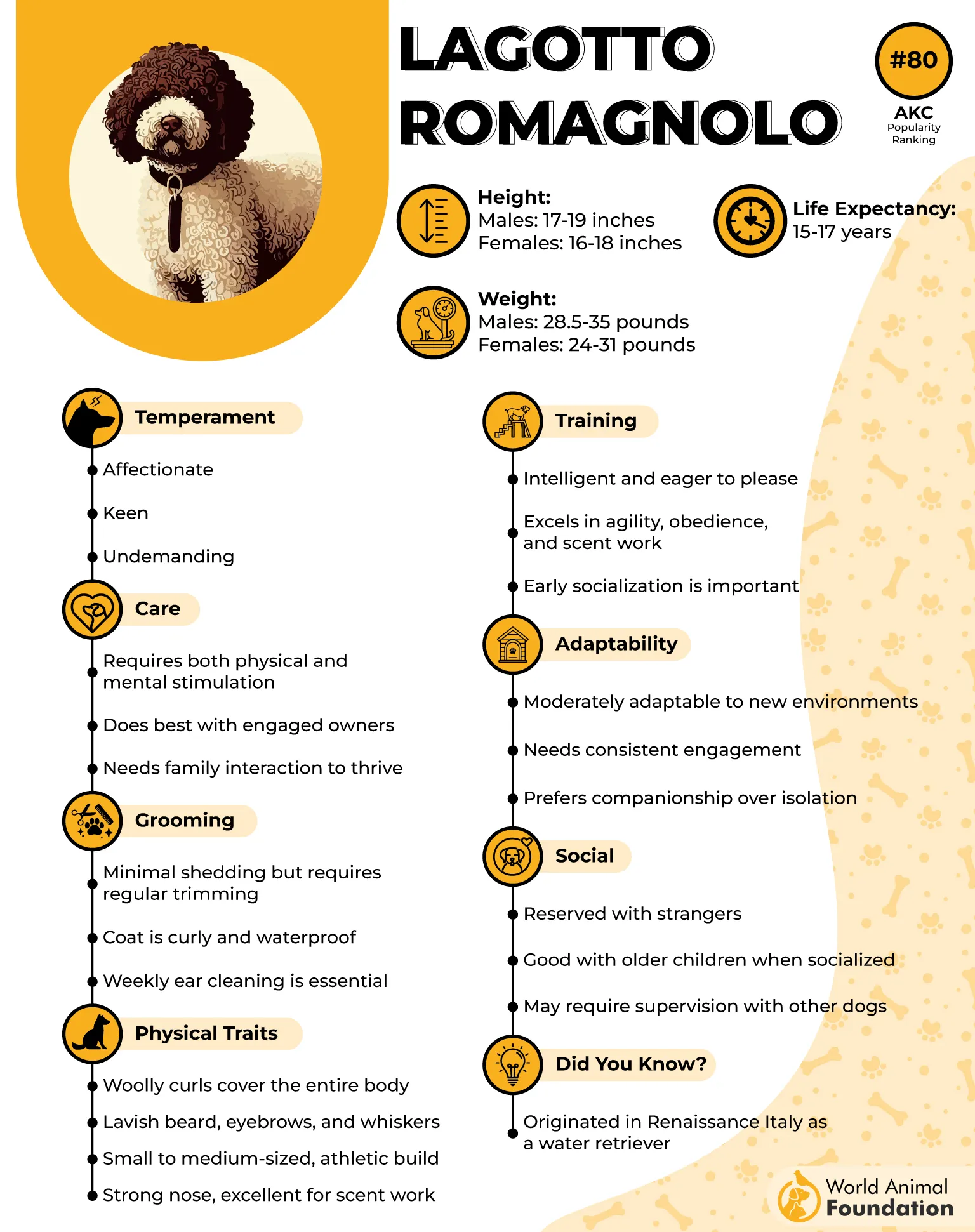
Lagotto Romagnolo is best known for its historic role as a specialist truffle-hunting dog from the Romagna region. This rare breed developed an unusually precise scenting ability tied to marshland and woodland work. That functional background adds depth beyond surface-level companionship.
Distinctive Coat and Function
Its dense, woolly coat is naturally waterproof and non-shedding, a trait shaped by centuries of wet terrain work. The texture and curl pattern are part of the breed’s working identity rather than decoration.
That practicality shows up in subtle but meaningful ways:
Naturally hypoallergenic coat structure
Strong scent discrimination
Purpose-driven trainability
Rarity and Appeal
Lagotto Romagnolo remains one of the rarest purebred dogs today, with fewer than 500 individuals recorded in the United States. That scarcity has drawn attention from collectors seeking authenticity rather than trend-driven breeds. Ownership often reflects intention rather than impulse.
3. Norwegian Lundehund
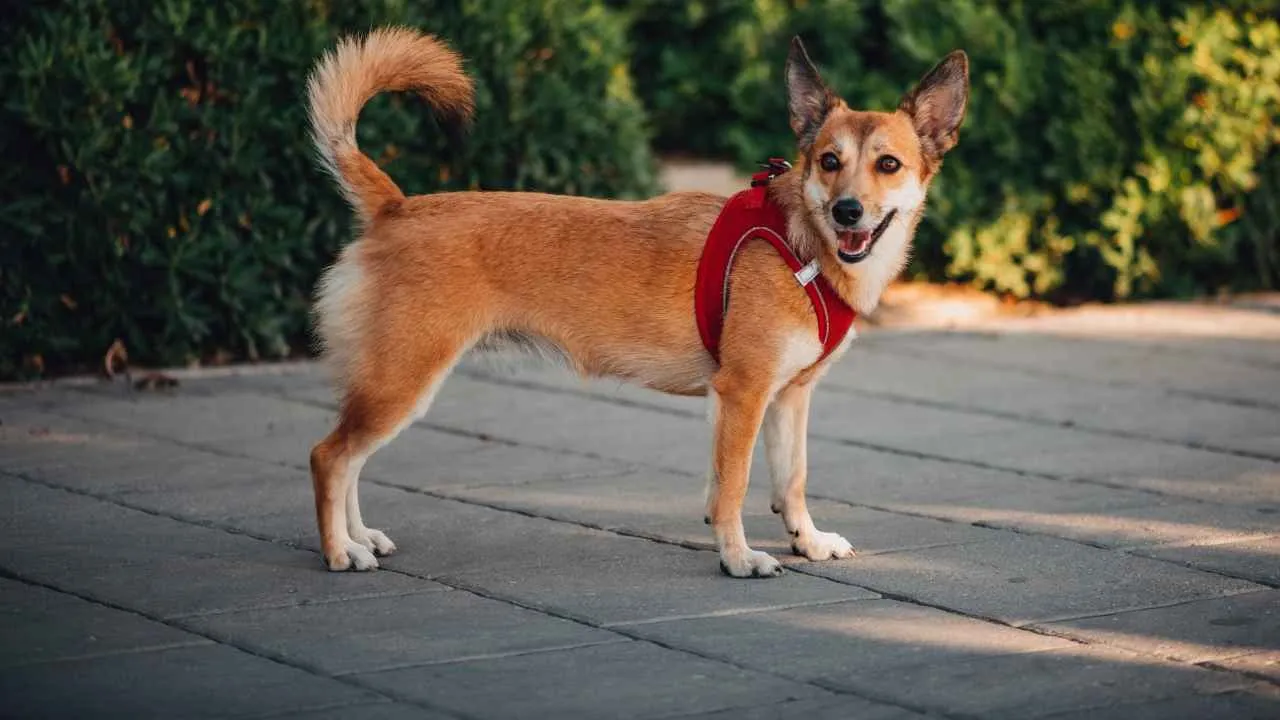
The Norwegian Lundehund was developed in coastal Norway during the 1600s for puffin hunting in narrow cliff crevices. This role shaped a dog built for precision movement and spatial problem-solving. Today, the breed’s scarcity adds to its appeal among collectors seeking uncommon lineage.
Built for Precision
Centuries of specialized work left a physical design rarely seen in modern breeds. That background explains why the Lundehund feels engineered rather than ornamental.
A closer look reveals how that design sets it apart:
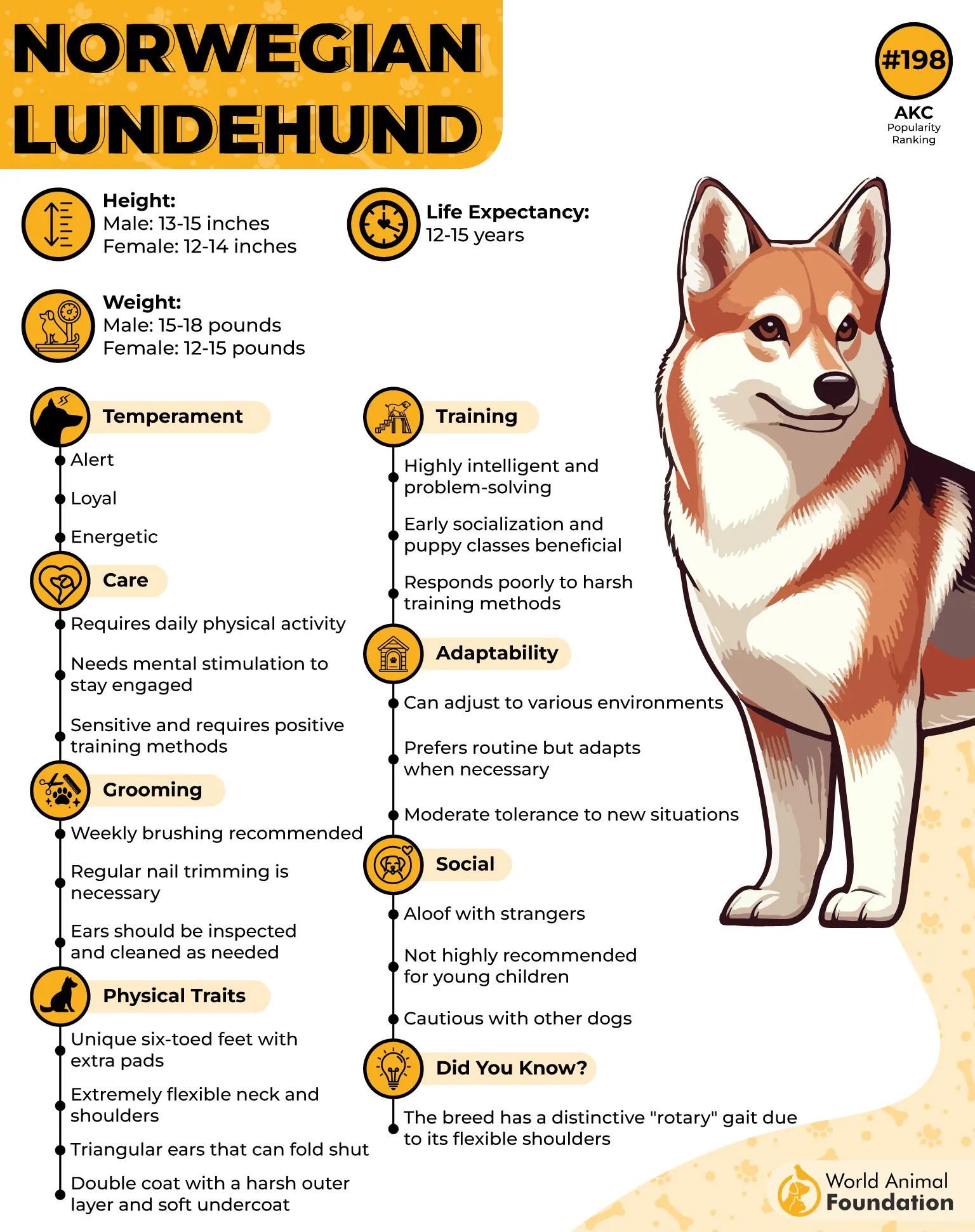
Extra toes on each foot for grip
Fully rotating ears that close shut
Joints with unusually wide flexibility
Rarity and Presence
Population decline followed changes in hunting methods and a historic dog tax that nearly erased the breed. Current estimates suggest that only a few Lundehunds live in the United States, as mentioned in PetMD. That level of rarity places the breed firmly in the luxury acquisition category.
4. Thai Ridgeback
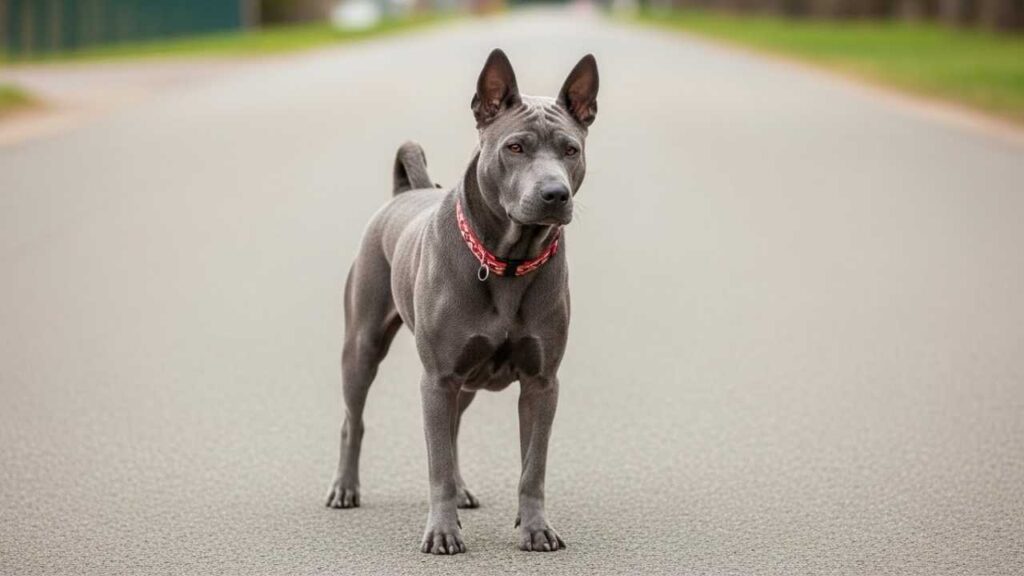
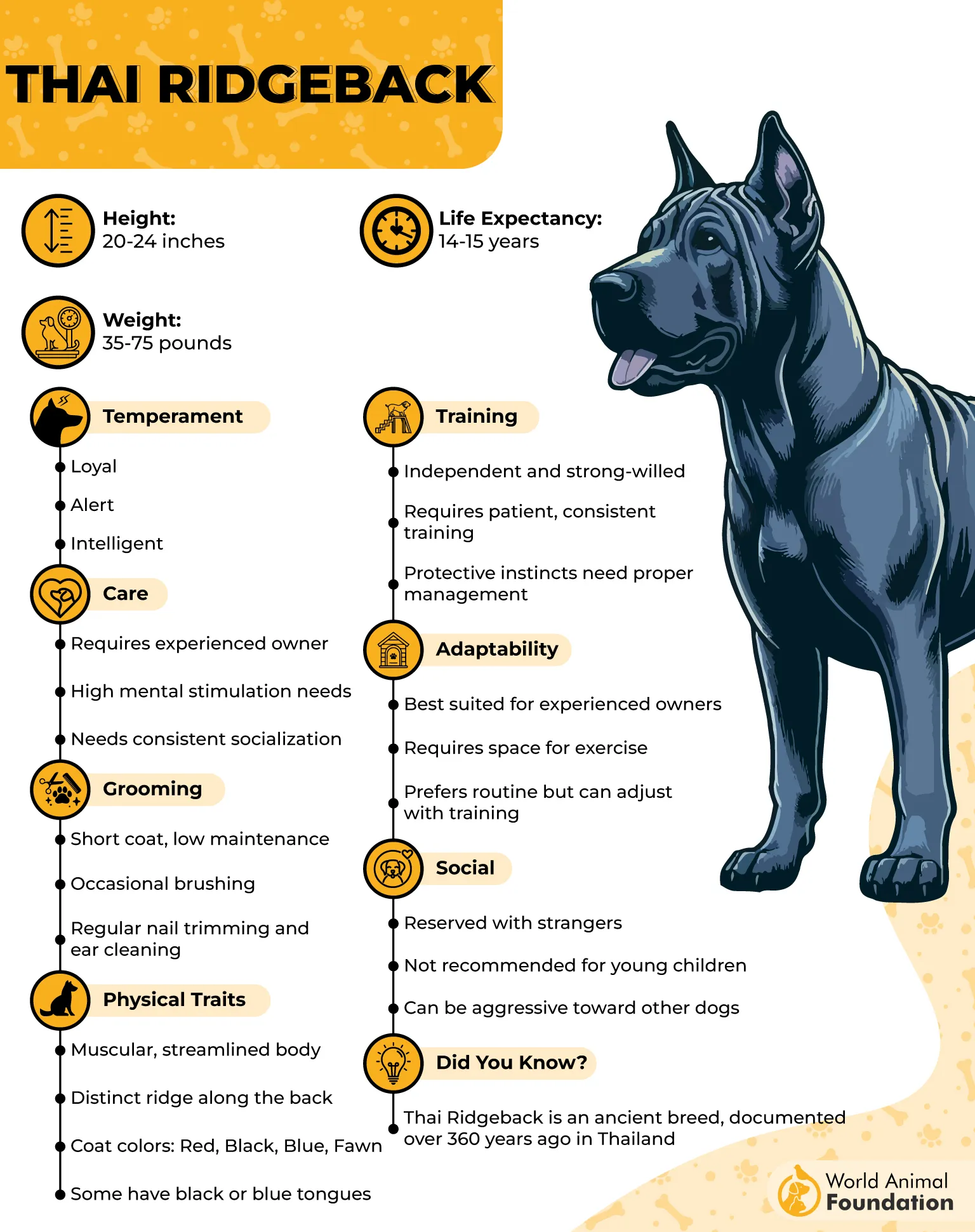
Thai Ridgeback is an ancient landrace dog first documented in eastern Thailand, with written references dating back to the seventeenth century. The breed developed in geographic isolation, which preserved its distinctive ridge and self-reliant nature.
Built for Independence
This athletic dog has a muscular frame, a wedge-shaped head, and a smooth, solid coat that appears in black, red, blue, or fawn. The breed is known for being exceptionally clean and low shedding, traits that quietly appeal to collectors seeking refinement.
That reputation rests on a few defining characteristics:
Naturally protective toward its people
Strong prey-driven awareness
High tolerance for solitude
Selective Loyalty
Thai Ridgeback forms deep bonds with its household and tends to be openly wary of unfamiliar dogs. This guarded social stance is well documented and contributes to its reputation as a one-circle breed. Such selectivity often appeals to those seeking a dog that does not offer easy familiarity.
5. Chinook
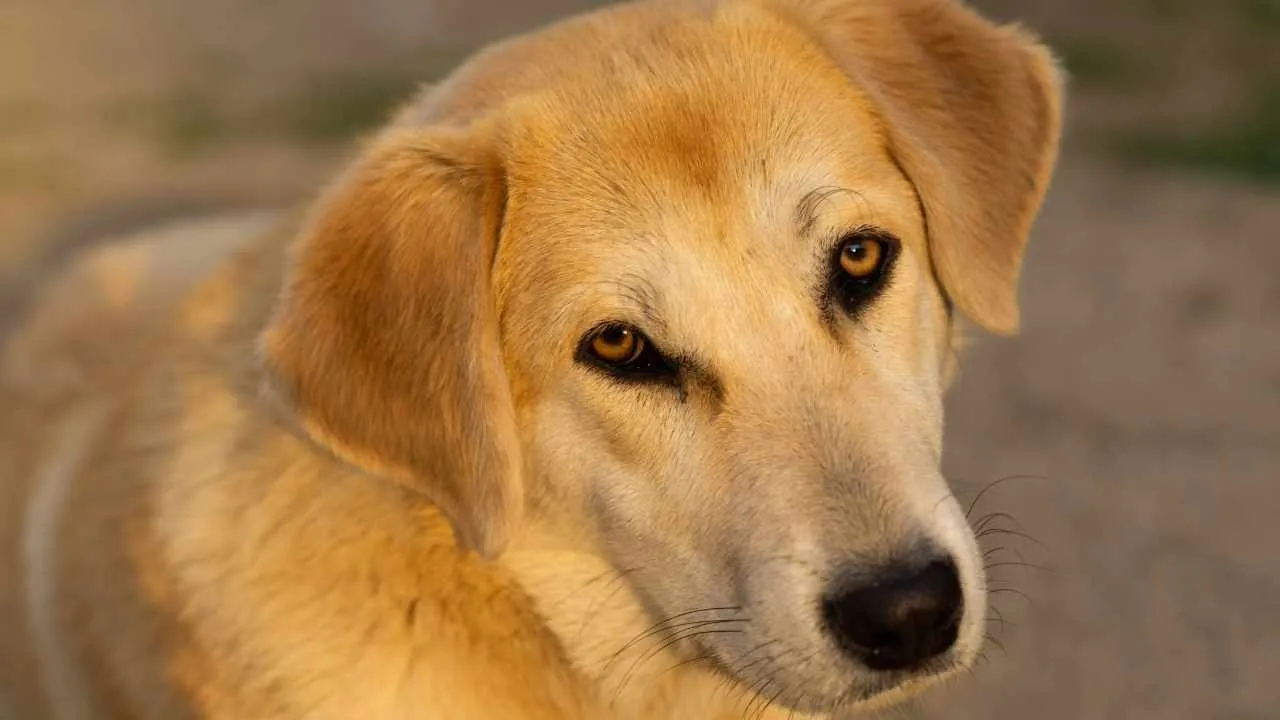
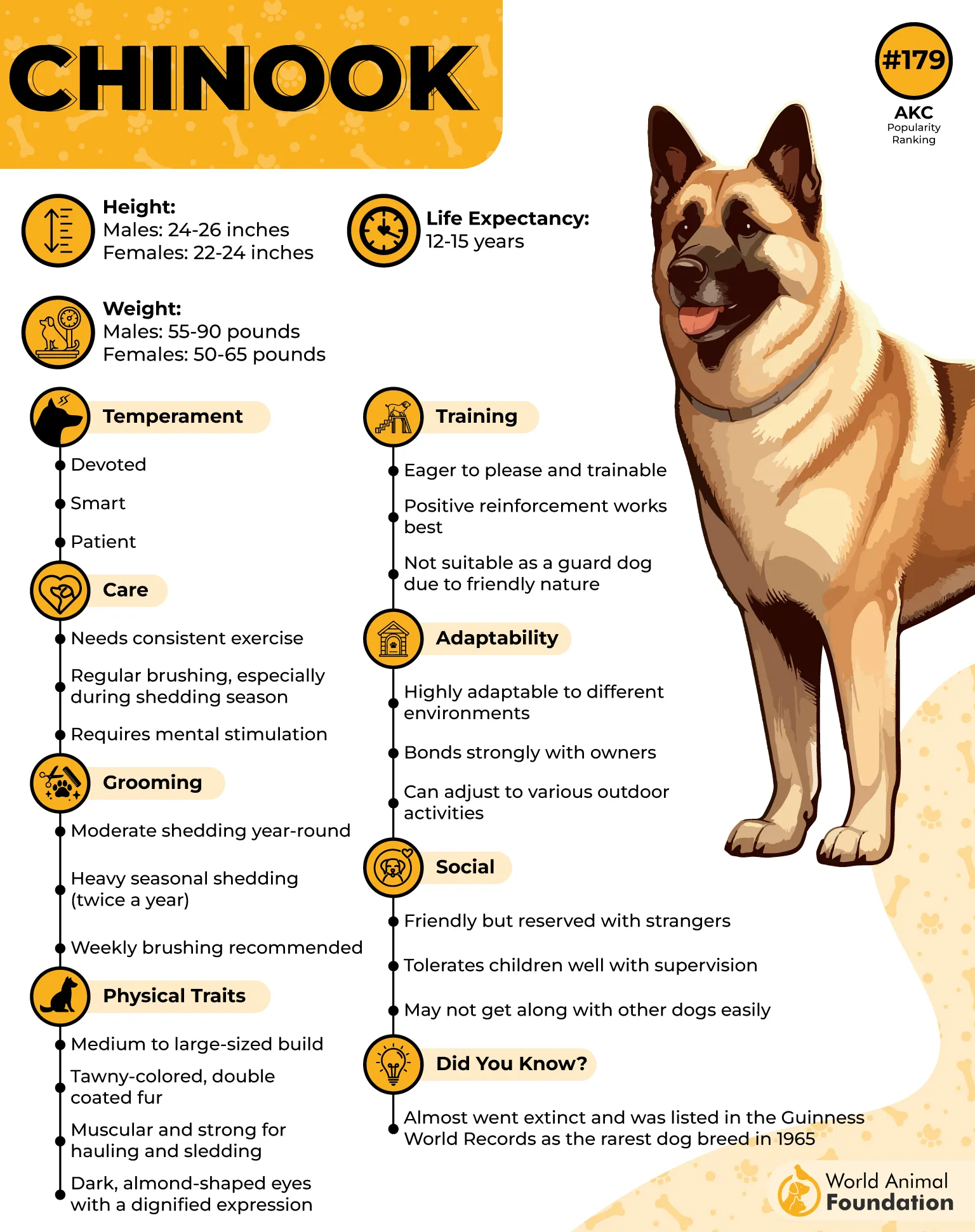
Chinook developed in cold climates where endurance and physical efficiency determined usefulness rather than appearance. Dense double coats and muscular frames allowed steady performance in harsh environments. That functional build aligns with luxury buyers who value purpose-driven breeding.
Rarity With Range
Global numbers remain low, with the Chinook Owner’s Association estimating roughly 1200 living dogs worldwide. That scarcity alone places the breed in a very small circle of ownership.
Beyond rarity, their working range adds practical value:
Proven sledding abilit
Strong learning capacity
Reliable task focus
Work Beyond the Trail
Chinook has earned recognition in search and rescue, herding, obedience, and agility disciplines. Such adaptability reflects a dog comfortable shifting roles without losing structure. For discerning owners, that flexibility supports a refined yet capable household presence.
6. Swedish Vallhund

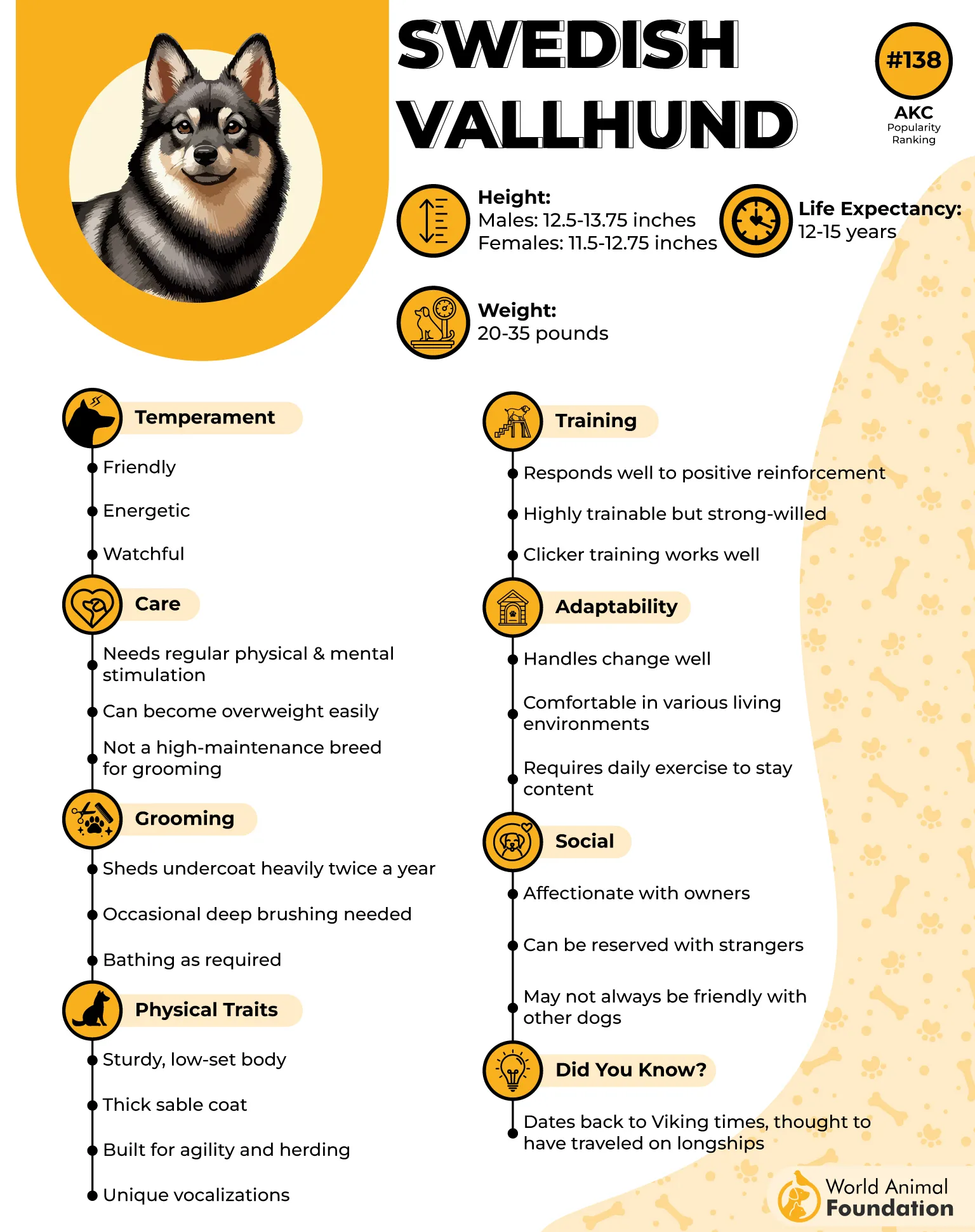
The Swedish Vallhund is an ancient breed from the time of Scandinavian Vikings, originally bred to herd cattle across Swedish farmlands. Its alertness and quick decision-making helped manage livestock with efficiency. Nowadays, these instincts translate into a dog that observes and reacts intelligently in home environments.
Energy and Focus
This breed’s working nature means it thrives when challenged mentally and physically, even in smaller living spaces. That drive shows in daily interactions, where the dog remains engaged and attentive.
Traits that define its reliability include:
Sharp responsiveness to commands
Keen awareness of surroundings
Ability to anticipate movement and changes
Versatility in Roles
The breed’s compact but sturdy frame allows it to move with energy without losing control or precision. Swedish Vallhunds adapt quickly to structured tasks, making them excellent partners for consistent routines. Their natural herding drive can be channeled into productive indoor or yard activities.
7. Xoloitzcuintli
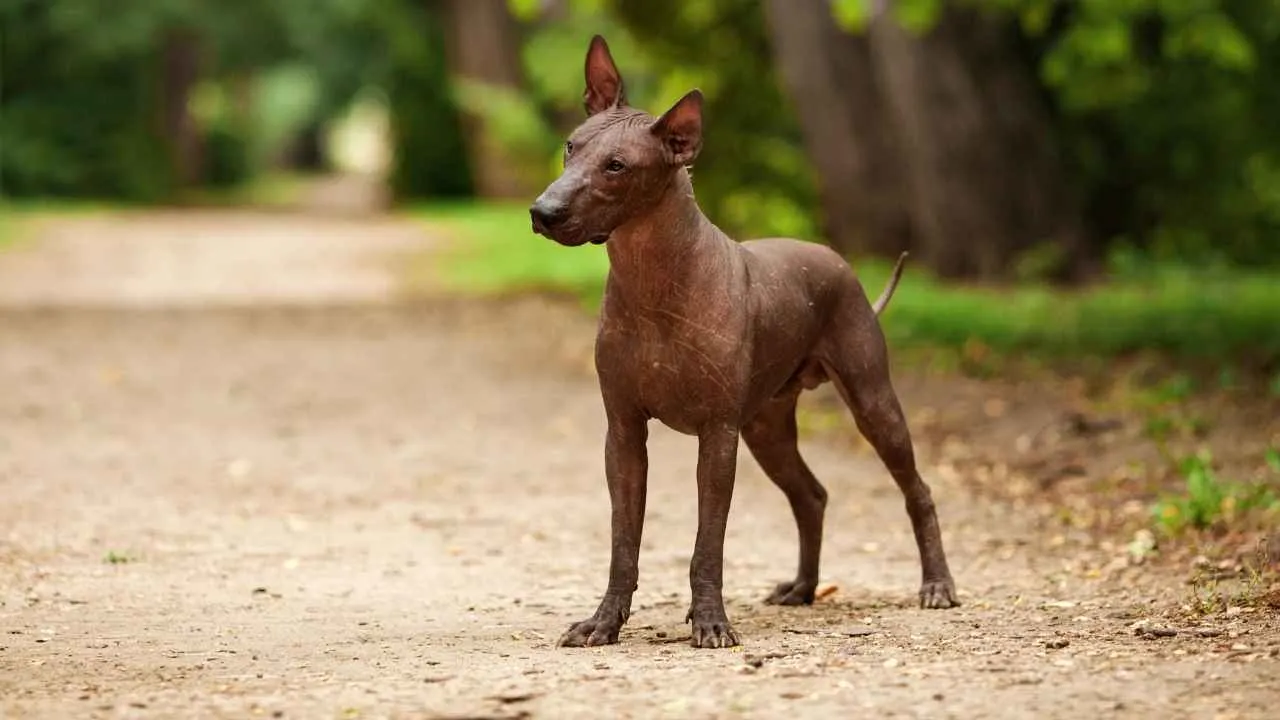
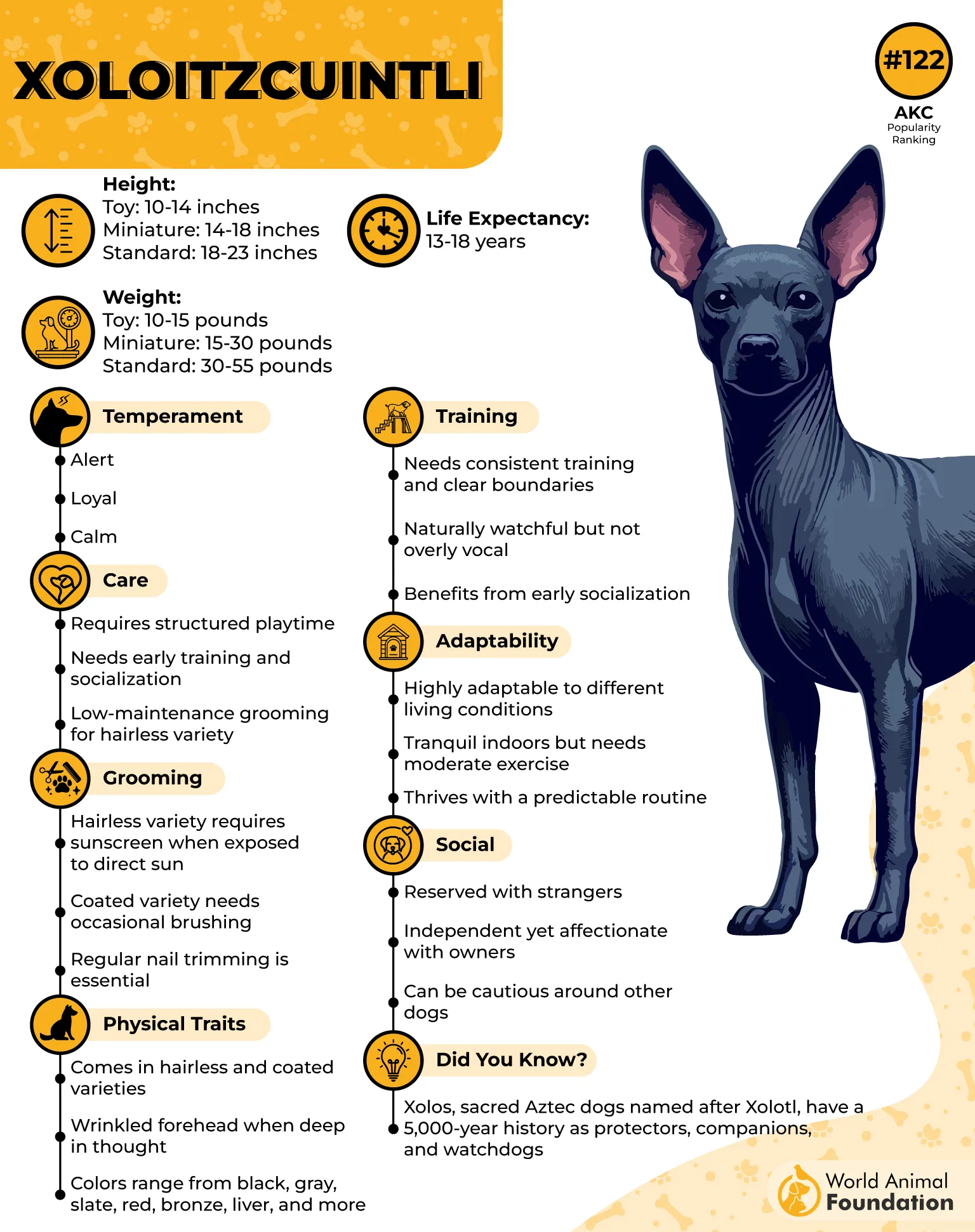
Xoloitzcuintli is named after the Aztec god Xolotl, reflecting its deep cultural roots and historic significance. The breed is prized for its distinctive hairless physiology and role in Aztec, Mayan, and Toltec societies. Its presence in homes today carries a sense of heritage and rarity.
Sensitive Physiology
These hairless dogs are highly sensitive to heat and cold, making indoor life essential for their comfort and health, according to WebMD. Their skin requires careful protection from sunlight and minor abrasions, which shape daily routines in sophisticated homes.
These features highlight specialized traits for attentive owners:
Sweats through skin rather than panting
Needs regular skin care, such as lotions or sunscreen
Highly alert to environmental temperature changes
Calm Companionship
Xoloitzcuintli forms strong bonds with its household, maintaining gentle awareness around children and adults alike. Its quiet demeanor fits a controlled, luxurious living space where subtle presence matters. The dog naturally observes activity without demanding attention, blending companionship with elegance.
8. Otterhound
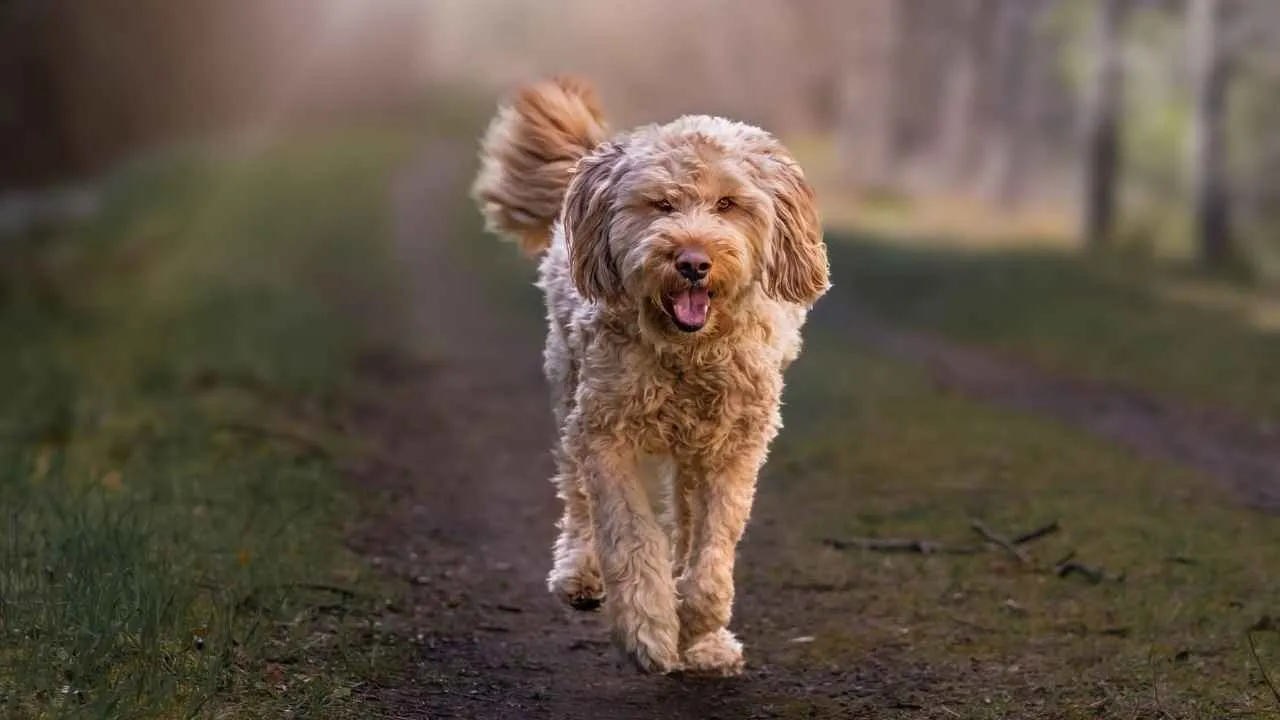
Otterhound is one of the rarest scenthounds, with fewer than 60 puppies registered annually. The breed was originally kept by King John to track otters that were affecting local fish populations. Their tousled coat and hardy frame reflect a history built for outdoor stamina and water work.
Did You Know: Otterhounds were originally bred to hunt otters in streams, which made them proficient swimmers and highly adaptable to varied terrains.
Hunting Instincts and Skills
These dogs are driven by scent and thrive when following a trail, whether on land or in water. Their determination and intelligence make them highly engaged in tracking and dog sports.
Their reliability is shaped by several traits:
Strong focus when following a scent
Resilient in cold or wet conditions
Friendly coordination with other pack dogs

Energy and Engagement Needs
The breed requires daily exercise in secure areas and benefits from activities that channel its high energy and scenting drive. Long coats need consistent weekly brushing to maintain health and manage shedding. Structured tasks and trails keep the Otterhound mentally sharp and physically satisfied.
9. Kooikerhondje
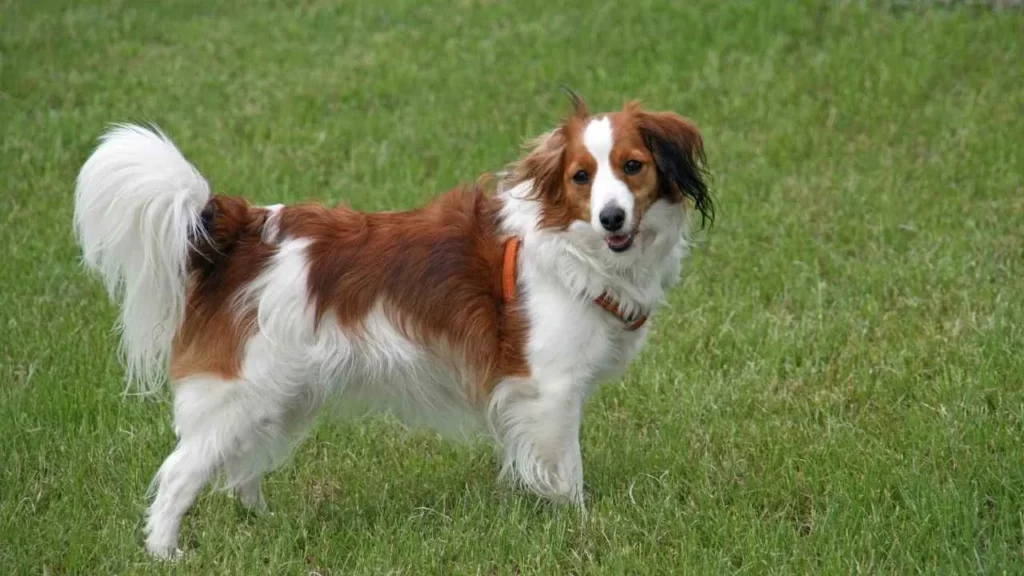
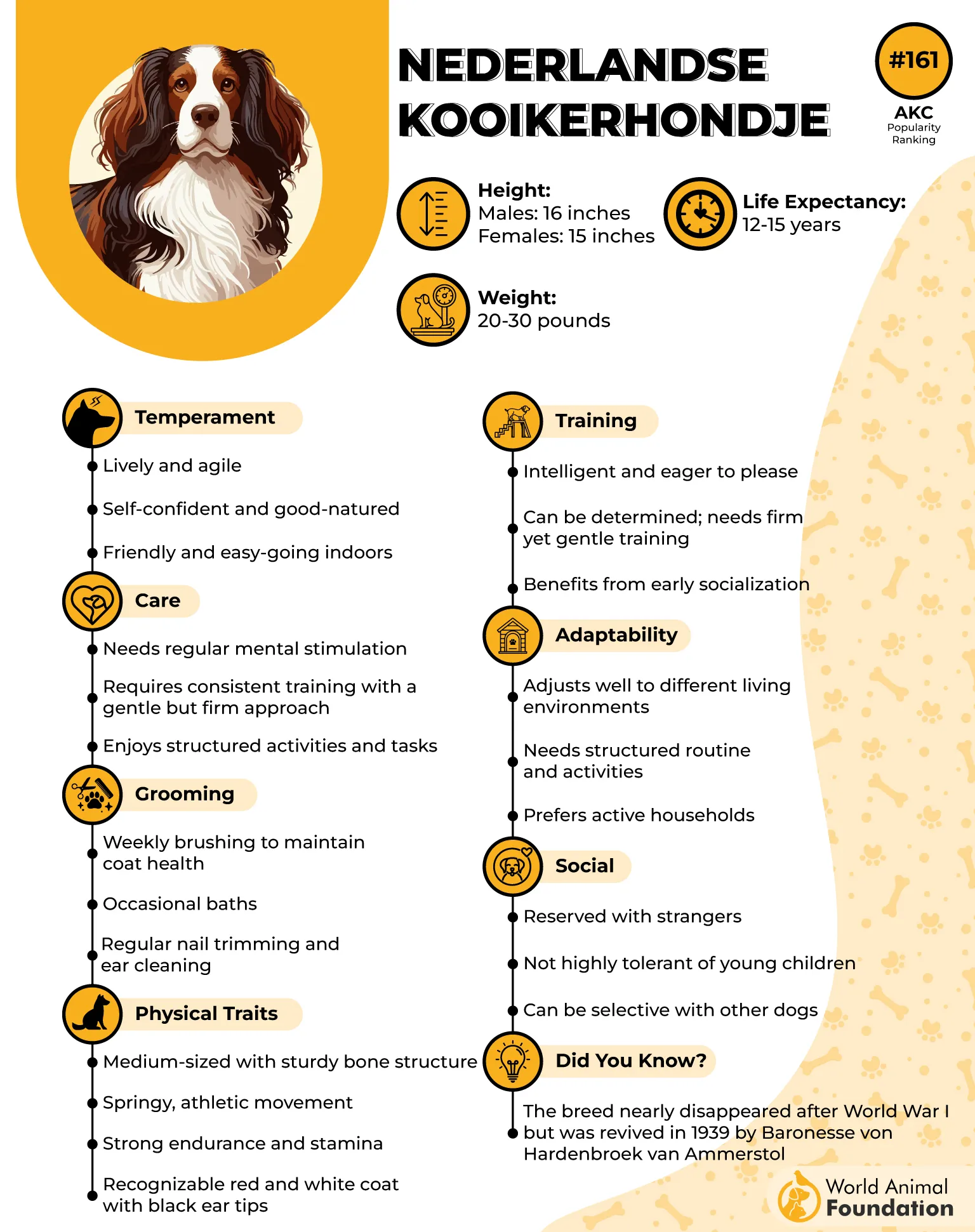
Kooikerhondje is a small, agile breed originating in the Netherlands in the 16th century. Its white coat with striking red patches makes it instantly recognizable in any setting. The breed combines alertness with a gentle nature, suited for attentive companionship in home environments.
Intelligent and Trainable
These dogs display high intelligence and learn commands quickly, which allows them to adapt to different household routines. Structured activities help maintain focus while keeping their instincts engaged.
Their abilities include:
Quick response to verbal and visual cues
Attentiveness to small movements or unusual sounds
Ability to follow multi-step instructions
Rare but Active Companions
Once nearly extinct, Dutch enthusiasts revived the breed after World War II, preserving its unique skills. Kooikerhondje thrives when given purposeful tasks or interactive play. Regular engagement keeps it mentally sharp while expressing its natural alertness and charm.
Conclusion
Luxury dog ownership often begins with rarity, but it lasts through purpose, temperament, and fit. These breeds stand apart from other breeds because they were shaped by function, isolation, and selective survival rather than popularity.
Some carry the instincts of a herding dog, others the quiet confidence of ancient guardians, yet each reflects deliberate breeding. An intelligent dog with a history brings depth beyond appearance.
For active families or those seeking a refined family pet, the appeal lies in balance. Registration through a national breed club preserves lineage, while an affectionate nature turns exclusivity into genuine companionship.
