




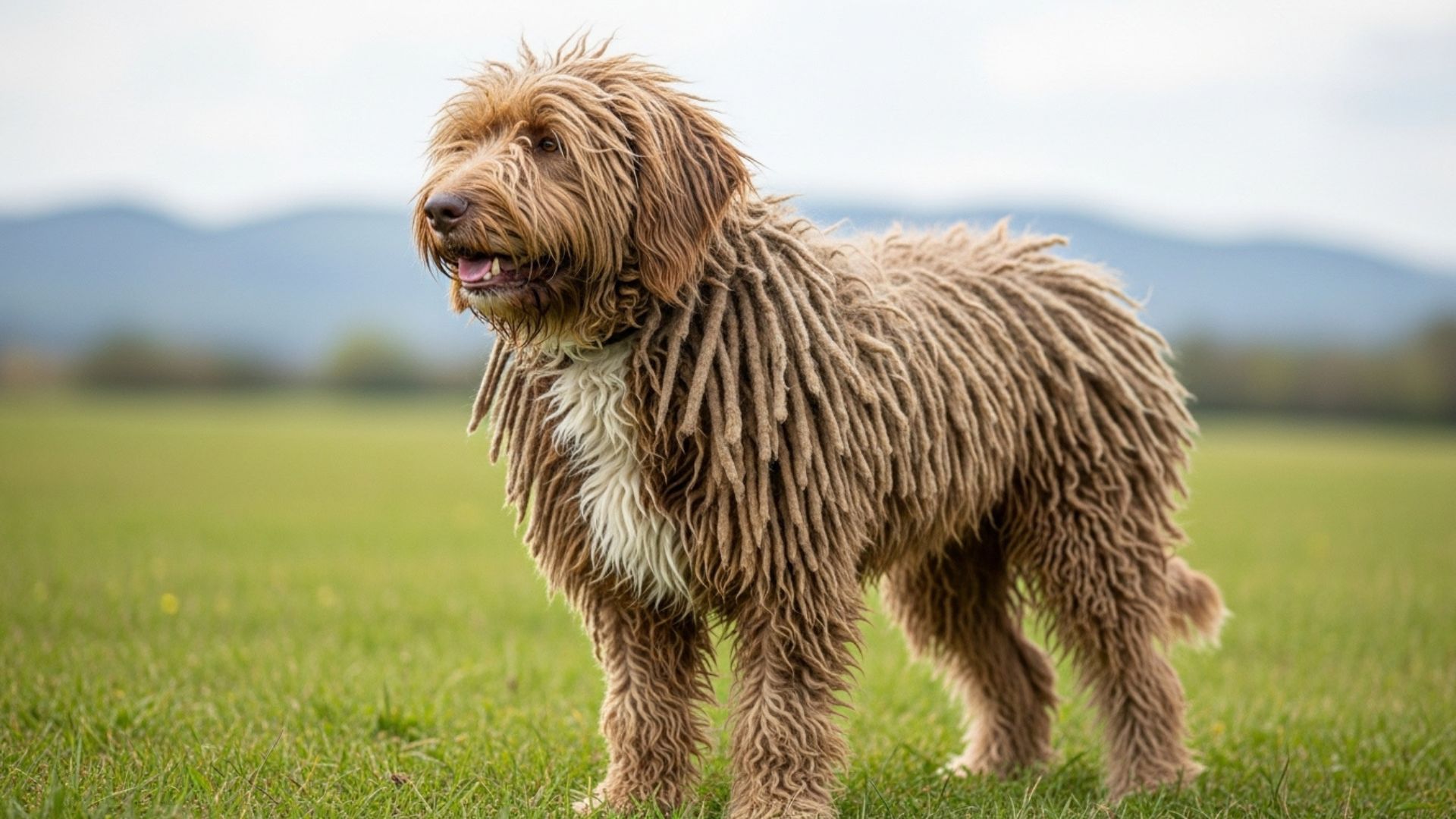
If you love dogs and enjoy discovering unique companions, rare dog breeds offer a fascinating window into the diversity of the canine world. These breeds are not commonly seen on every street, and many have unusual looks, fascinating histories, or very specific care needs that set them apart from more familiar pups.
Because they are uncommon, they often require extra attention, special environments, or owners who are ready to learn something new.
Whether you are a seasoned dog lover or dreaming of your first special companion, exploring rare breeds can be exciting, eye-opening, and deeply rewarding.
Rare Dog Breeds that Need Unparalleled Attention
1. Azawakh
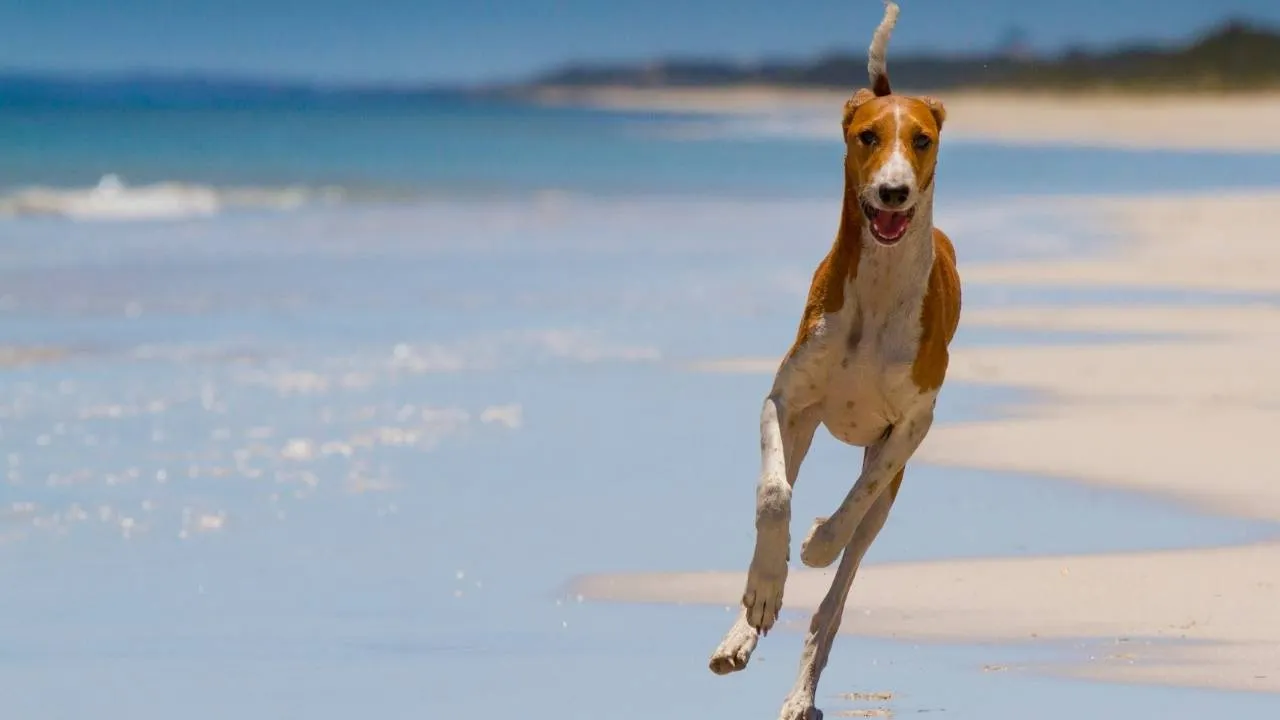
The Azawakh is a tall, slender sighthound originating from West Africa, where it lived alongside nomadic people as both a guardian and hunter. Its lean frame, long legs, and light build give it a striking appearance that often surprises first-time viewers. This breed is known for speed and stamina rather than bulk.

According to the AKC, Azawakhs tend to be reserved and deeply loyal, forming close bonds with their families while remaining aloof with strangers. They are sensitive dogs that respond best to calm, consistent handling and clear routines. Loud environments or chaotic households can be overwhelming for them.
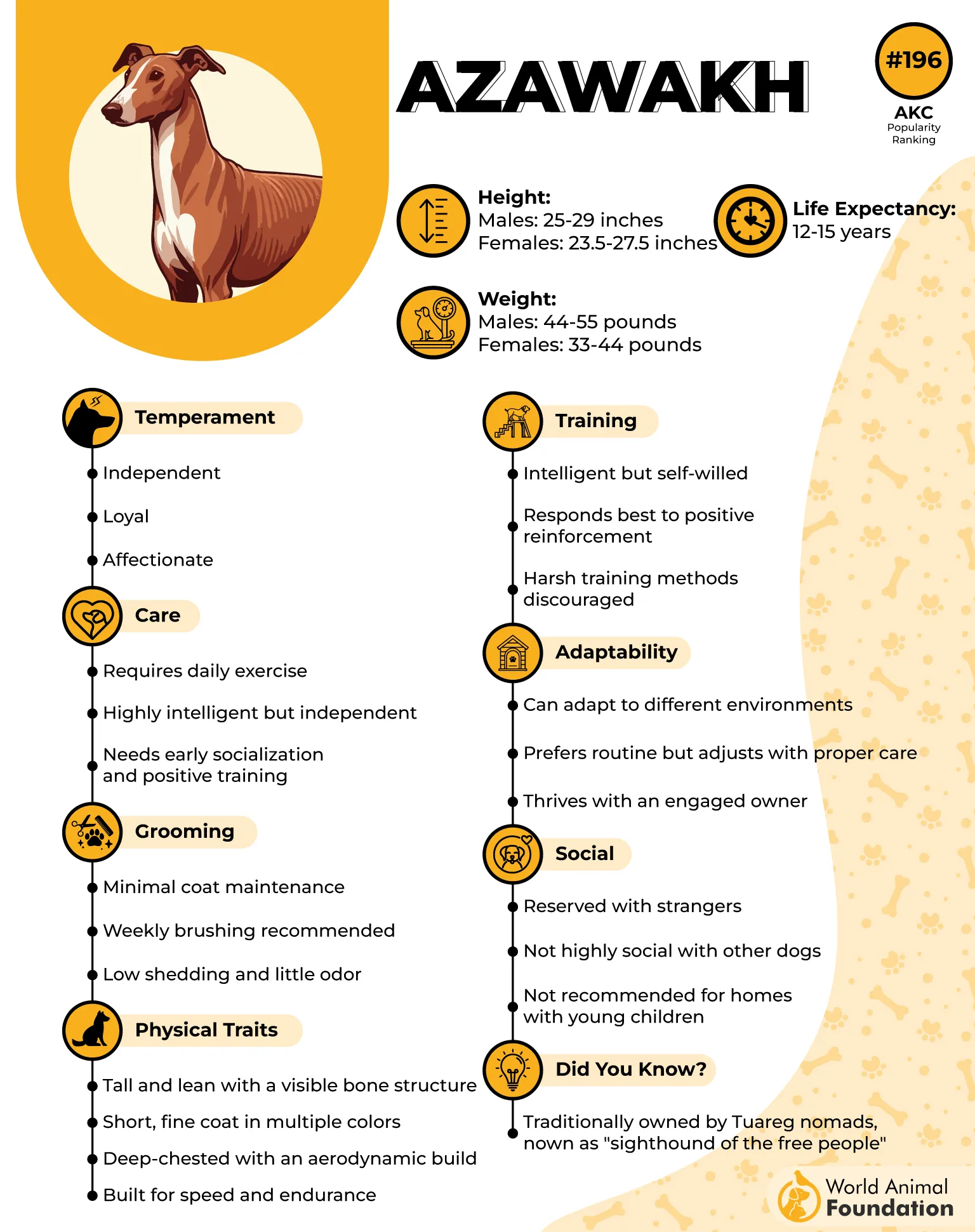
Daily exercise is important, but emotional attention matters just as much for this breed. They appreciate quiet companionship, predictable schedules, and safe spaces to relax after activity. Owners who respect their independent streak often earn a devoted and watchful companion.
Breed Considerations
Thrives with owners who value calm, focused interaction
Needs thoughtful handling rather than constant stimulation
Best suited for people who enjoy building trust slowly
2. Thai Ridgeback
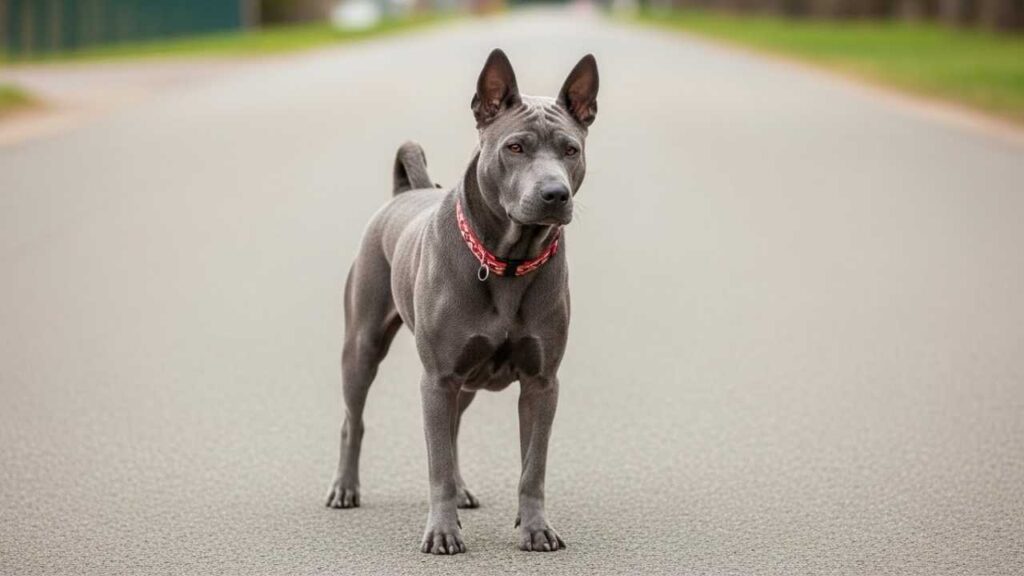
The Thai Ridgeback is a muscular, medium-sized dog known for the distinctive ridge of hair running along its back, as per Royal Canin. Developed in Thailand, this ancient breed was historically used for guarding property and assisting with hunting tasks. Its short coat and alert posture give it a bold, confident look.
This is an independent and intelligent breed, often thinking for itself rather than waiting for direction. Thai Ridgebacks can be wary of strangers and are naturally protective, which makes early training and social exposure especially important. They tend to bond strongly with one or two people.
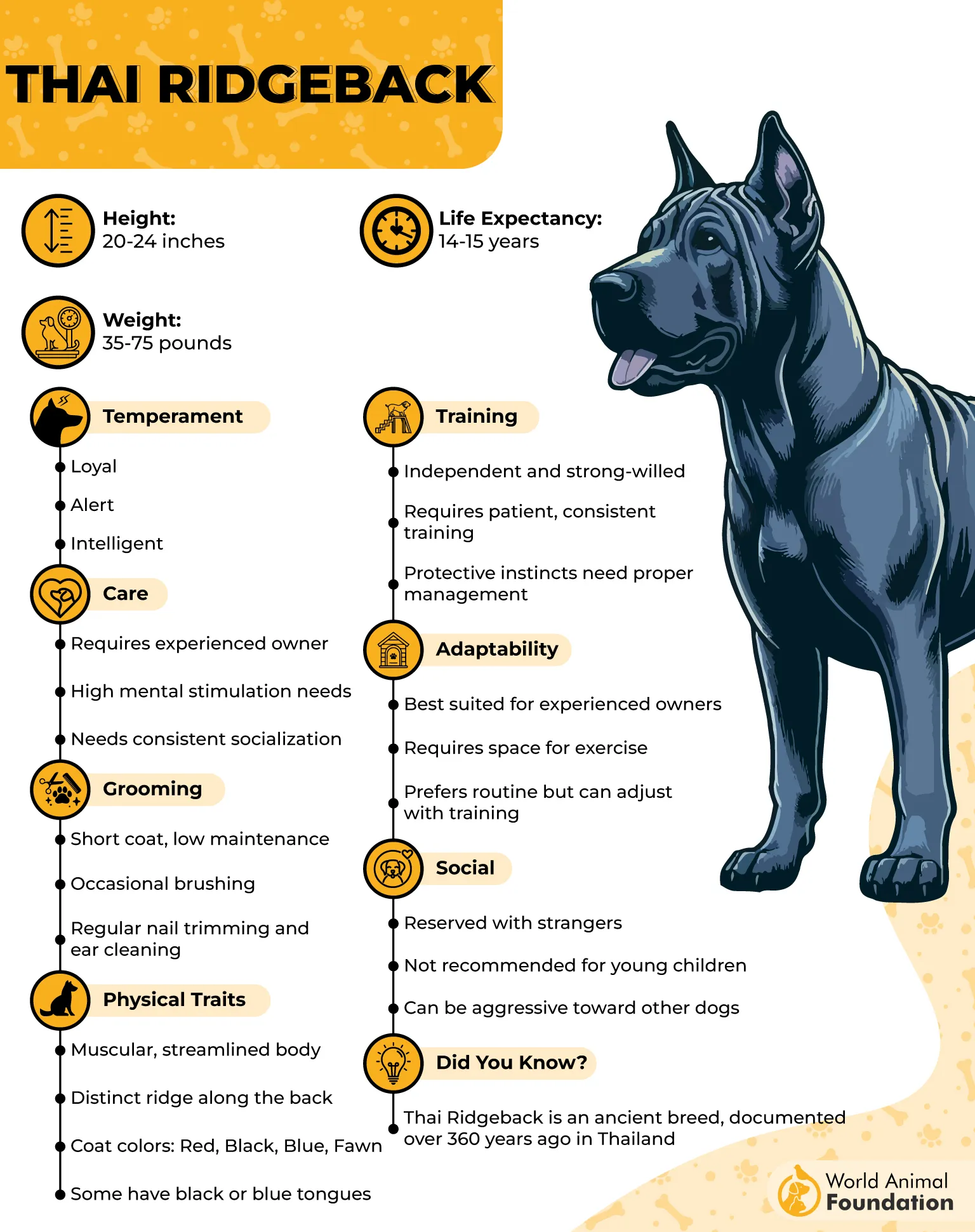
Because of their strong will, they do best with experienced owners who enjoy training as an ongoing process. Being athletic, mental challenges, clear boundaries, and regular physical activity help keep them balanced. When respected, they are loyal companions with plenty of personality.
Breed Considerations
Appeals to owners who enjoy confident, self-directed dogs
Requires hands-on guidance and steady attention
Rewards are consistent with deep loyalty
3. Lagotto Romagnolo
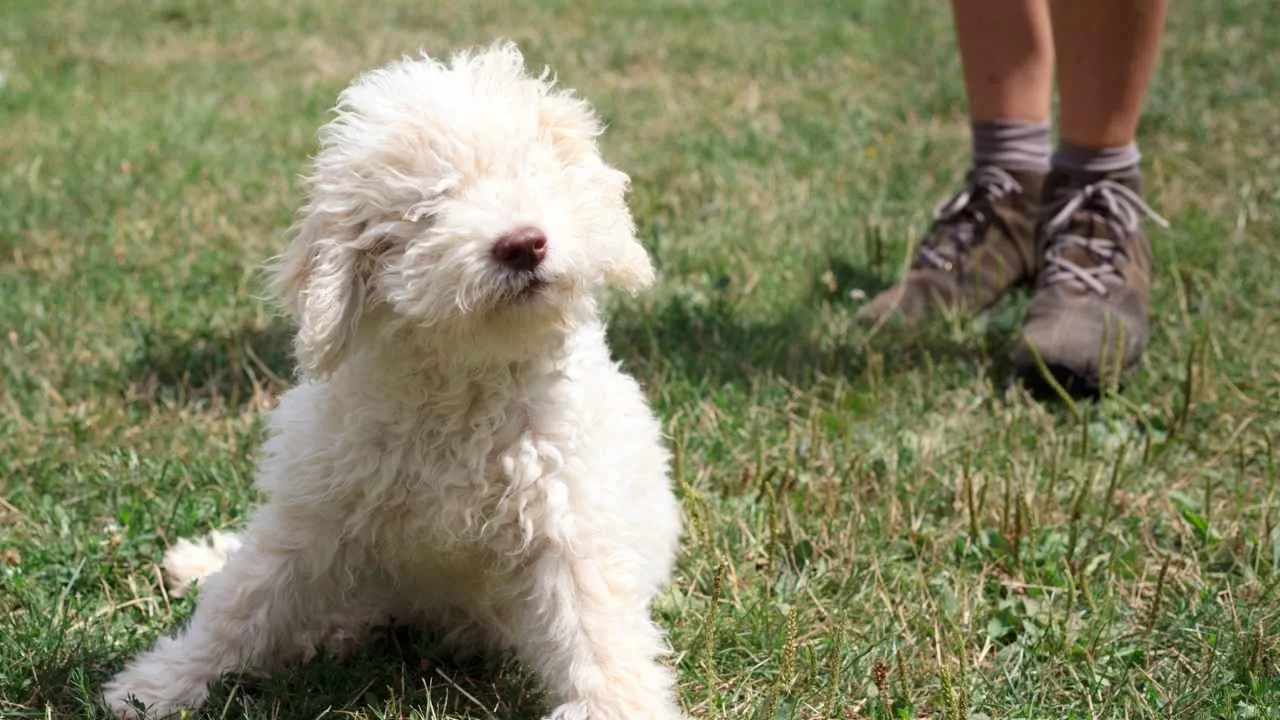
The Lagotto Romagnolo is a small to medium-sized breed with a dense, curly coat and expressive eyes. Originating in Italy, it was traditionally used for water work and later for scent-based tasks. Its rustic look hides a sharp and curious mind.
As per PetMD, Lagottos are affectionate pets and people-oriented, often preferring to stay close to their families. This Italian breed enjoys learning new things and tends to approach tasks with enthusiasm rather than intensity. Boredom can lead to unwanted habits if their minds are left idle.
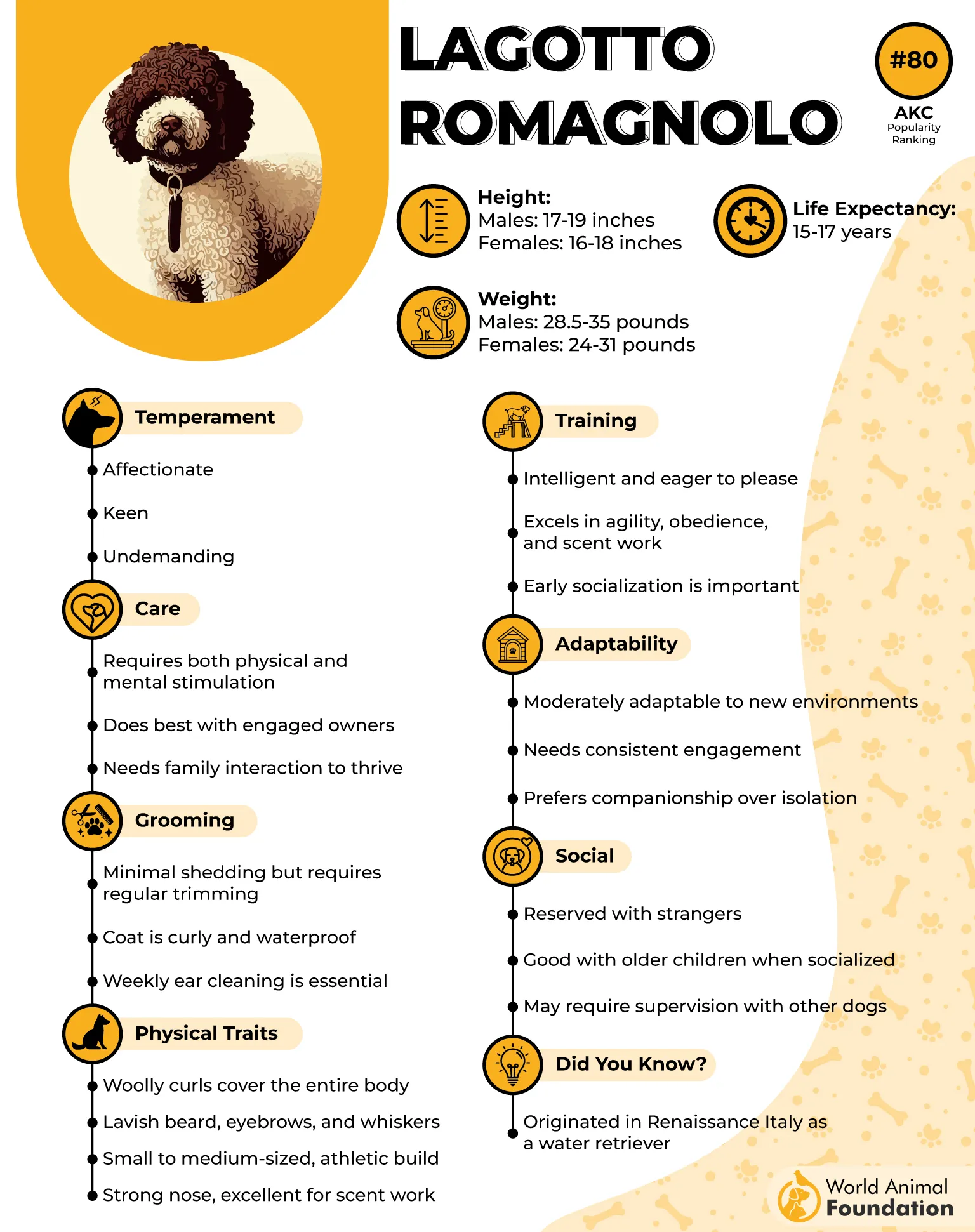
Regular mental stimulation is just as important as physical activity for this breed. Training games, puzzle toys, and structured routines help them feel secure and satisfied. With enough attention, they bring warmth and cheer into everyday life.
Breed Considerations
Needs frequent interaction and mental engagement
Thrives in homes that enjoy daily involvement
Offers steady affection in exchange for attention
4. Otterhound
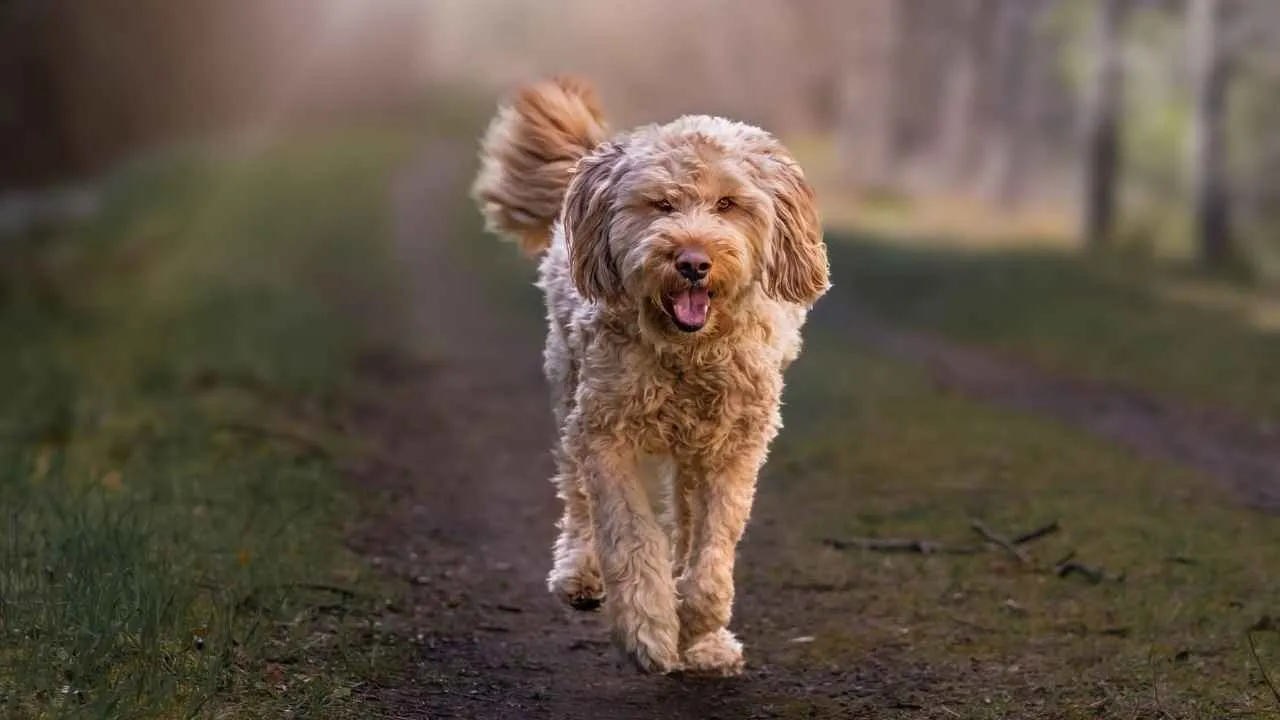
The Otterhound is a large, shaggy scent hound with a strong nose and a relaxed attitude. Originally developed in England, it was bred to work in water and on land for long periods, often for hunting otters. Its rough coat and webbed feet reflect that working background.
This breed is friendly and good-natured, often getting along well with people and other dogs. Otterhounds are known for their independent thinking and love of exploring smells, which can make recall training a challenge. Patience goes a long way with this breed.
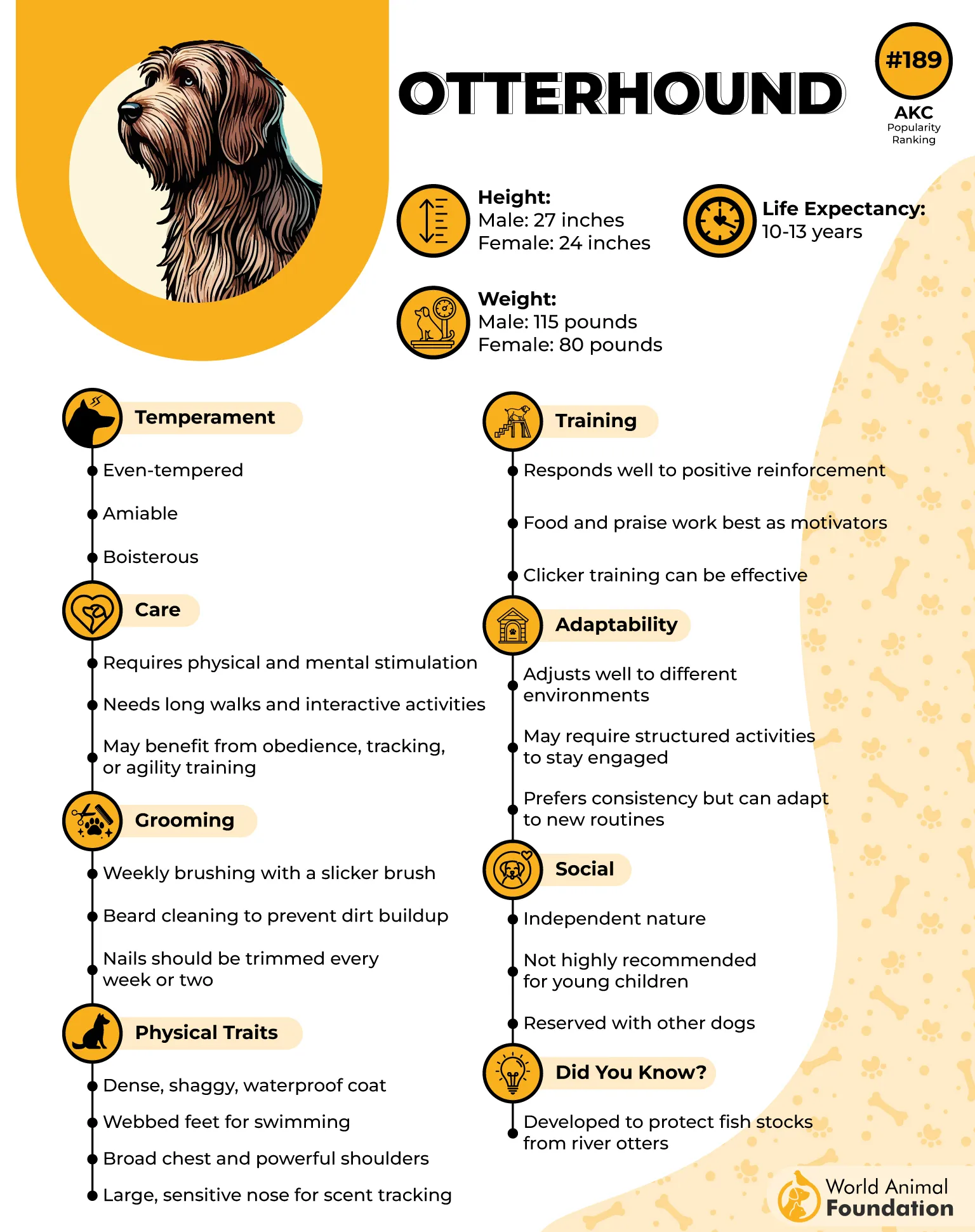
They need plenty of space and time to move at their own pace. Long walks, scent-based games, and access to water activities suit them well. Owners who embrace their slower, curious style often find them charming companions.
Breed Considerations
Suit owners who enjoy unhurried outdoor activities
Needs space and time rather than a strict structure
Thrives with attention that matches its easygoing nature
5. Norwegian Lundehund
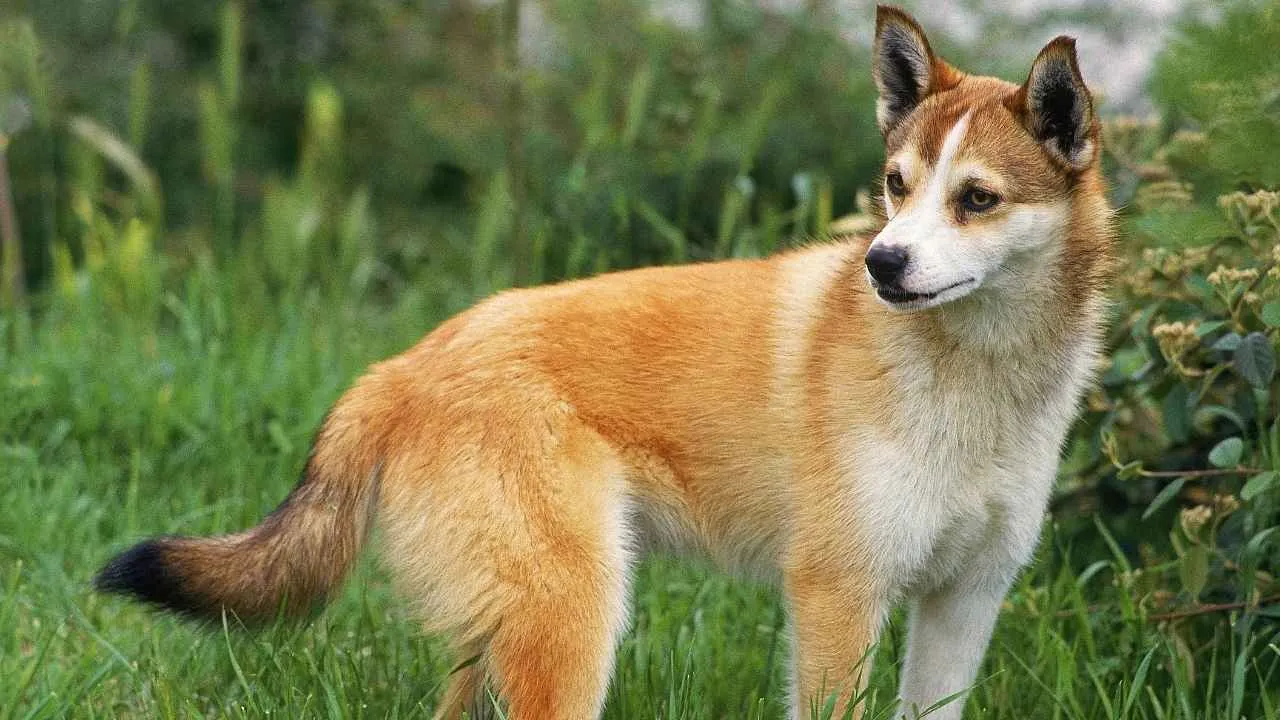
The Norwegian Lundehund is a small, lightweight dog with an unusual build developed along Norway’s rocky coast. It is known for unique physical traits, including extra toes and flexible joints that allow it to move in ways most dogs cannot. These features once helped it navigate cliffs and narrow spaces during its original working role.
Lundehunds are alert and curious, often approaching the world with a mix of caution and enthusiasm. They tend to be loyal to their families but may act reserved around strangers. This breed prefers calm environments and can become stressed by too much noise or unpredictability.
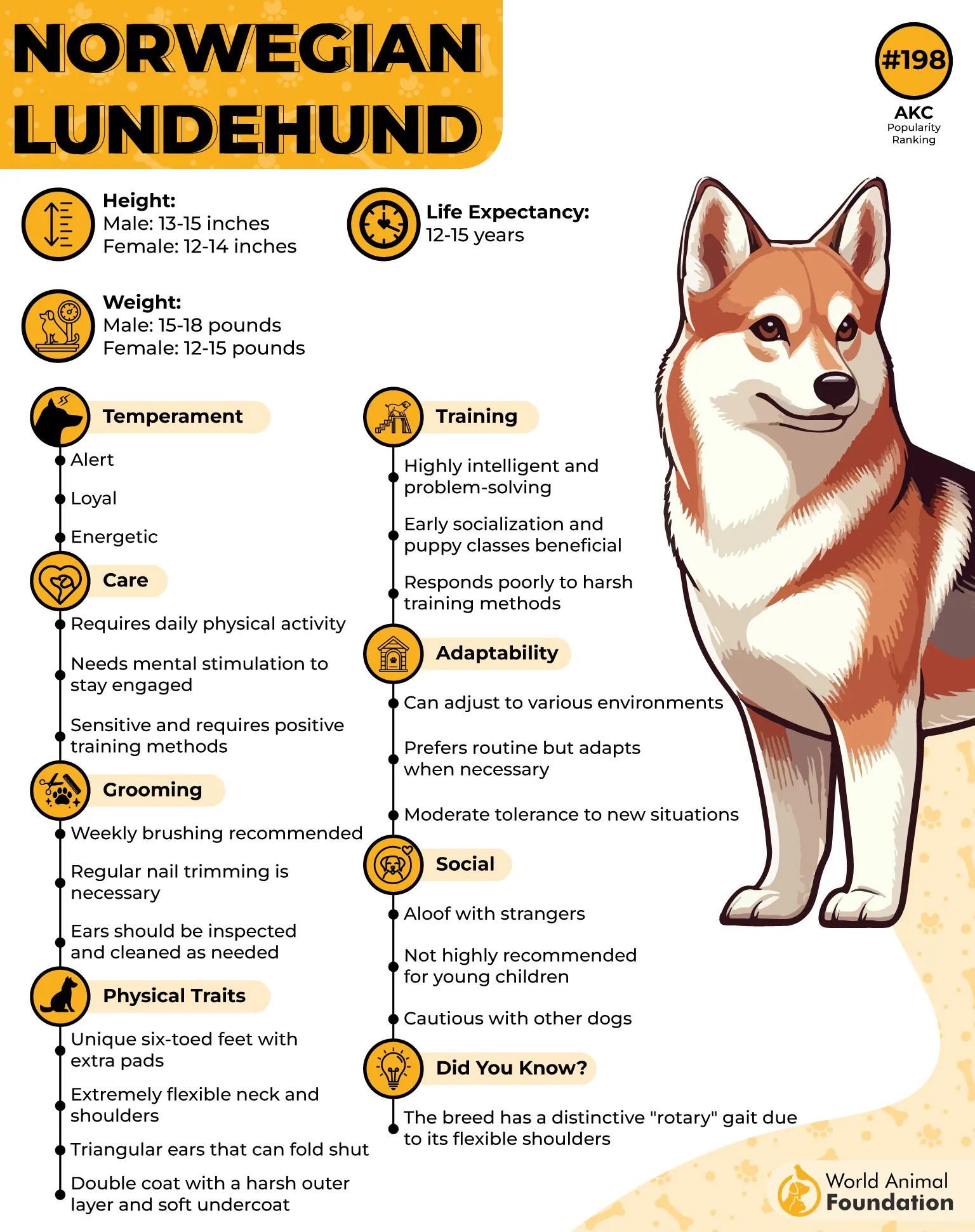
Their care requires close attention, especially when it comes to routine and well-being. Owners often need to monitor diet and behavior carefully while providing gentle training and mental stimulation. With patience and understanding, the Lundehund becomes a devoted and entertaining companion.
Breed Considerations
Needs owners who pay close attention to daily care
Thrives with gentle handling and consistency
Rewards patience with quirky charm
6. Sloughi
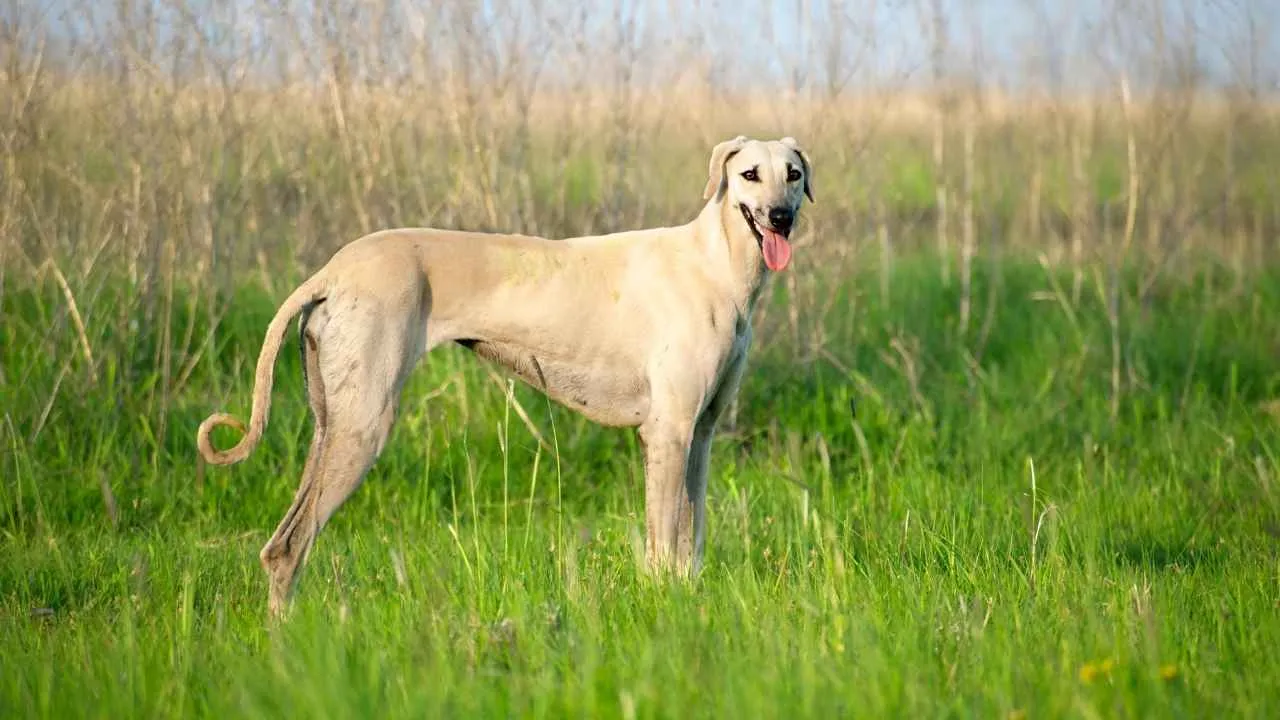
The Sloughi is a graceful sighthound with deep roots in North Africa, where it lived alongside nomadic cultures. Its lean body, long legs, and smooth coat reflect a breed designed for speed and endurance rather than flashiness. The overall impression is calm elegance paired with quiet strength.
Sloughis are typically reserved and dignified, often forming strong attachments to their families. They can be sensitive to harsh handling and respond best to calm voices and respectful training. While they have an affectionate nature, they are not overly demonstrative and appreciate personal space.

Regular exercise helps maintain both physical and emotional balance for this breed. They enjoy room to run and time to decompress afterward. Owners who value a peaceful home and thoughtful companionship often connect deeply with the Sloughi.
Breed Considerations
Ideal for calm households with steady routines
Needs attentive, respectful interaction
Thrives with owners who appreciate subtle affection
7. Belgian Laekenois
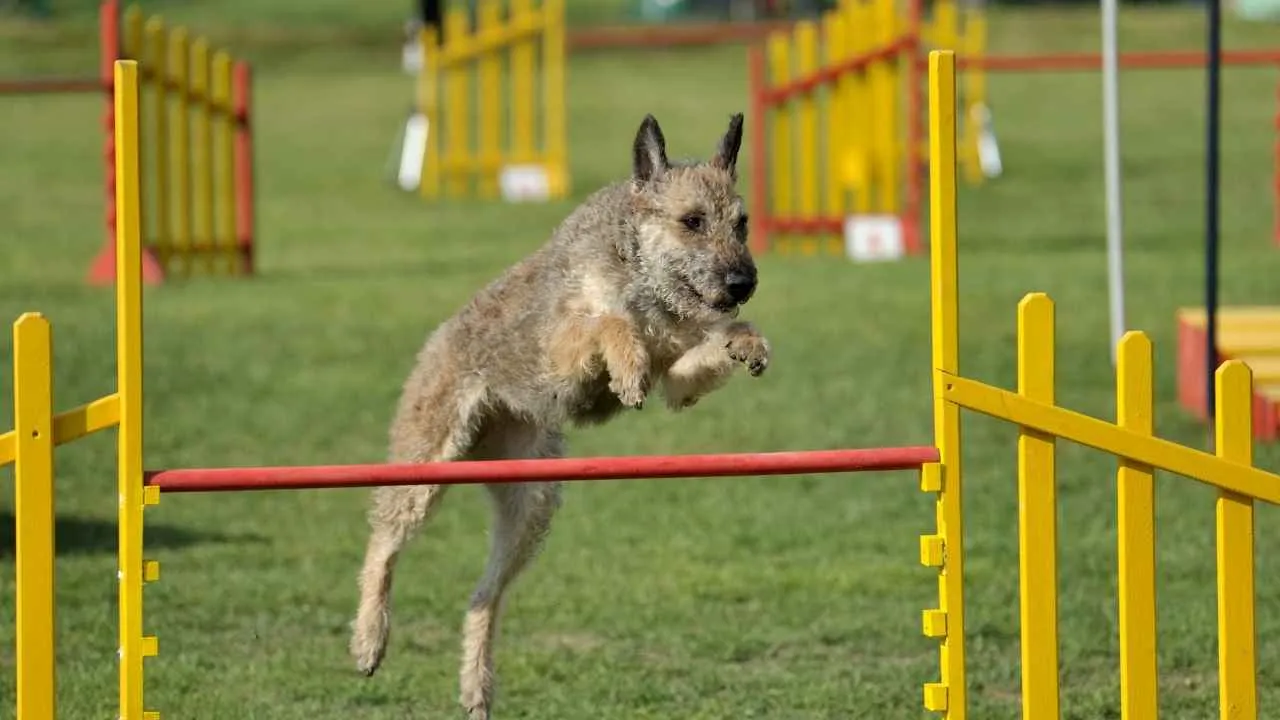
The Belgian Laekenois is a medium-sized herding dog recognized by its rough, wiry coat and alert expression. It was originally bred in Belgium and was historically used for guarding property and herding livestock. Compared to other Belgian breeds, it remains less common and more understated in appearance.
They are hardworking and intelligent dogs, often happiest when given structure and responsibility. Belgian Laekenois dogs are known for their loyalty and protective instincts, forming close bonds with their families. They may be cautious with unfamiliar people, especially without early social exposure.
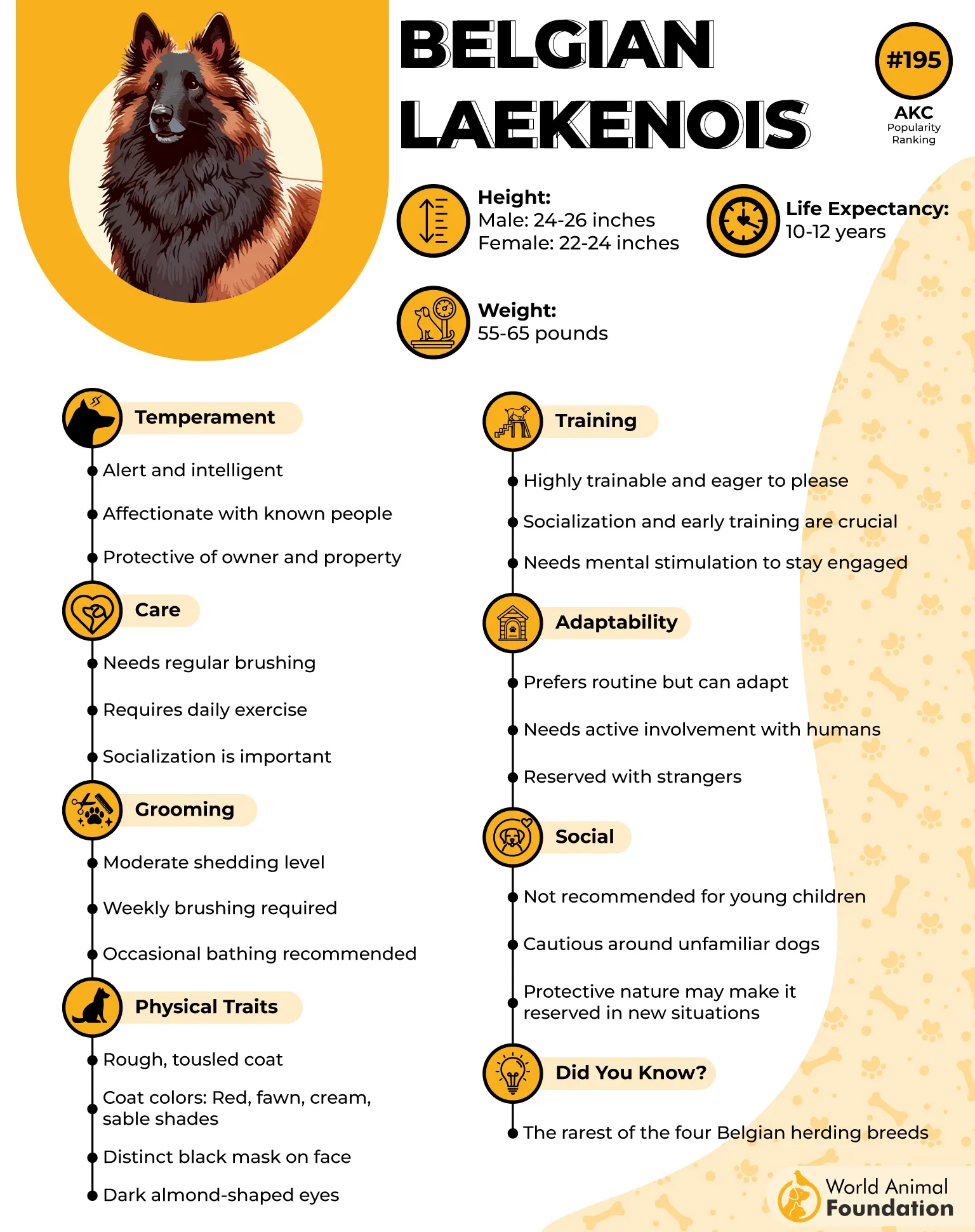
Consistent training and regular activity are essential for this breed. They do best with owners who enjoy hands-on involvement and clear leadership. When their needs are met, they offer dedication and focus that few breeds can match.
Breed Considerations
Requires engaged and active owners who enjoy proper training
Thrives on structure and purposeful routines
Offers strong loyalty in return for attention
Conclusion
Rare and unique breeds offer something truly special, but they also ask more from the people who choose them. Many of these dogs were shaped by unique histories, environments, and working roles, which means their needs do not always fit a typical household routine.
They often require extra patience, focused training, and owners who are willing to learn and adapt. When given the right care and attention, these uncommon furry friends can form deep bonds, be affectionate companions, and show remarkable personality.
If one of these rare dogs caught your interest, take time to research responsibly, connect with breed experts, and make sure your lifestyle is ready for the commitment before bringing one home.
