




Some rare dogs feel like secrets the world almost lost. And yeah, that hits the heart a bit.
A rare breed is not “better” than a common one. It’s just less seen. Sometimes that’s because the breed stayed local. Sometimes it’s because the care is intense. Sometimes the gene pool gets small. It gets even worse, though, because a small population can also mean bigger health risks.
So this blog is a heartfelt look at dog breeds with limited time and limited numbers.
If you’re curious, awesome. If you’re thinking of getting one, even better. You’ll want the full picture: temperament, daily life, grooming, training, and what makes each one truly special.
Rare dog breeds often require regular exercise to stay healthy and happy, have specific grooming needs to keep their coats in top condition, and benefit greatly from training to ensure they are well-behaved and socialized.
And here’s the best part! You don’t have to memorize anything. Just read like we’re chatting on the couch, with a dog hogging the best seat.
Rare and Remarkable Dog Breeds: A Comprehensive Guide
1. Norwegian Lundehund
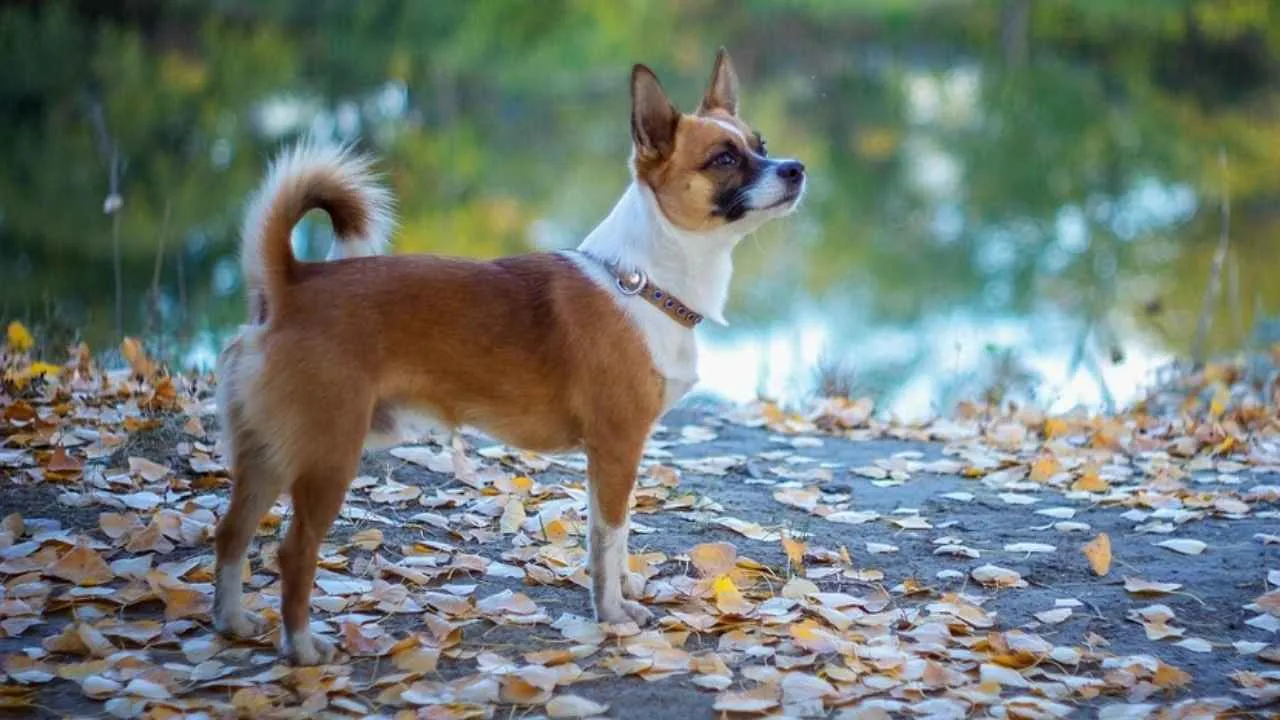
The Norwegian Lundehund is basically the cliff-climber of the dog world. It was originally bred to hunt puffins on steep rocks, in places where most dogs would take one look and say, “Nope.”
The Norwegian Lundehund was bred in Norway to specifically hunt puffins in rugged coastal terrain. Sounds crazy, right? But this breed was built for that exact job.
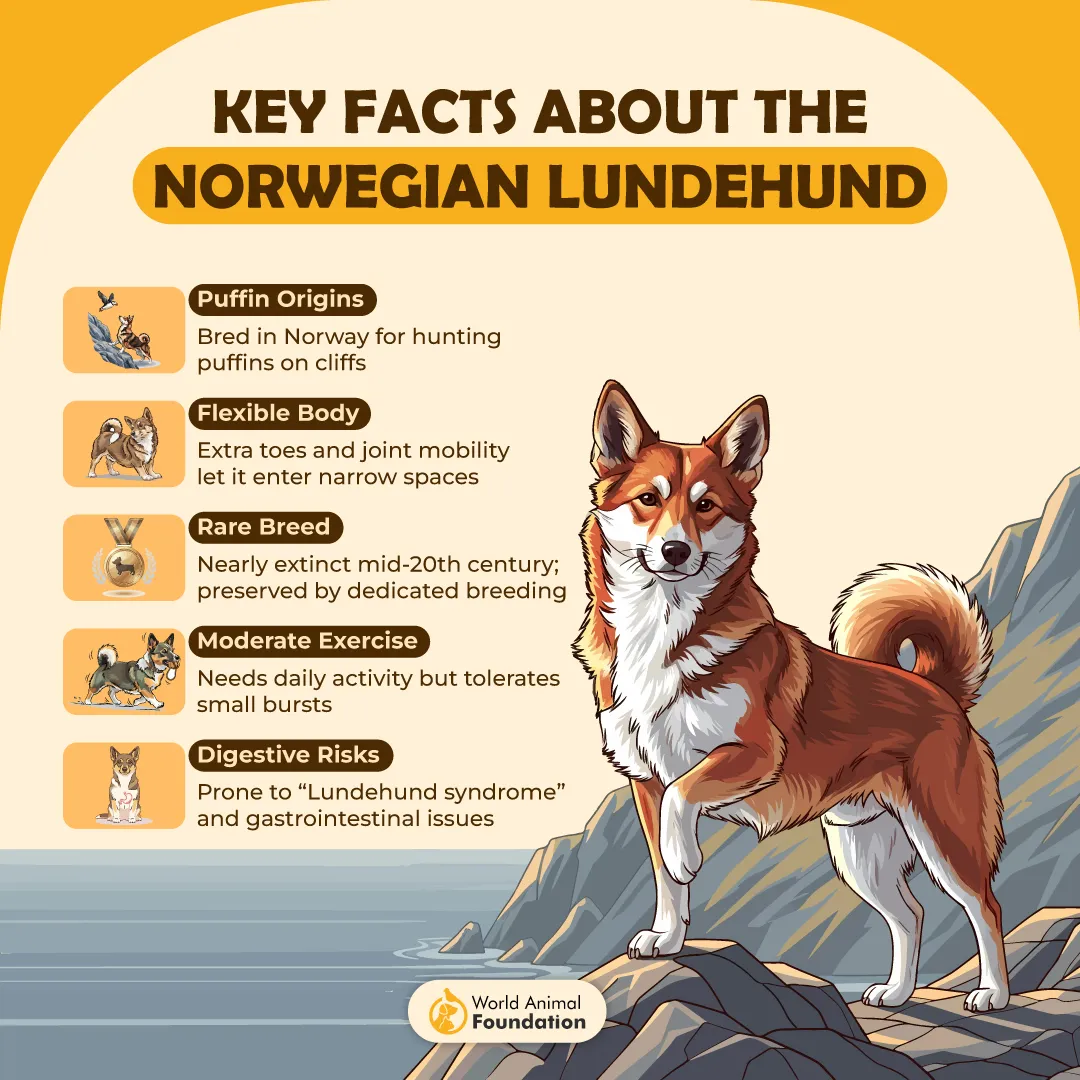
Its body is full of odd, useful features. Extra toes. Super flexible joints. A build made for squeezing, climbing, and turning in tight spaces. That’s not just “cool trivia.” It changes how this dog moves, plays, and explores your home.
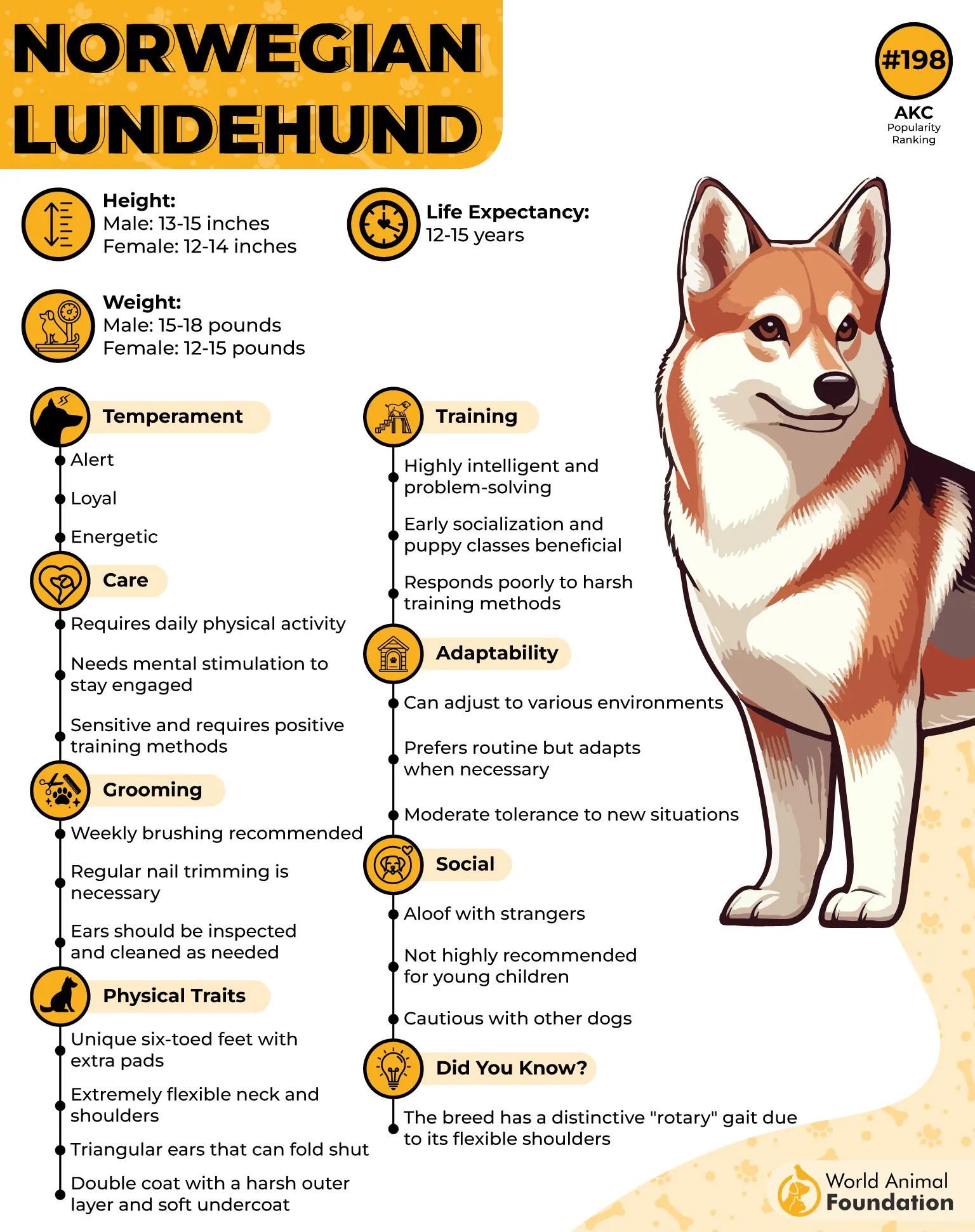
But wait, there’s more! AKC notes that this athletic dog can come with a very real health watch-out: a known set of tummy and digestion problems often grouped under “Lundehund syndrome.” That means owners need to stay alert to stomach upset and take vet advice seriously.
It’s also a sensitive, loyal dog that bonds closely and does best with gentle, positive training. Early socialization is important to help the Norwegian Lundehund become a well-adjusted companion.
Little note that matters
Needs daily activity and brain games, not just a quick potty walk
Can be wary of strangers, so early socialization helps a lot
Coat is moderate care, but health monitoring is a big deal
2. Catalburun Dog
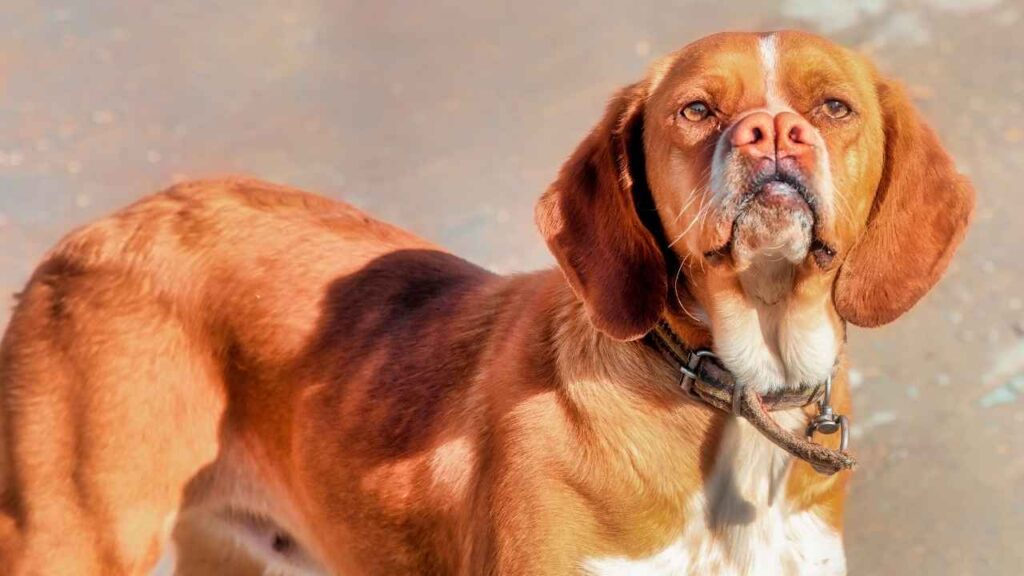
The Catalburun, also called the Turkish Pointer, is rare in a way that feels almost unreal. Reports often put the number around a couple of hundred dogs worldwide. That’s not “uncommon.” That’s “you might never meet one in your whole life.”
The standout feature is the split nose, sometimes called a forked nose or double nose. It’s one of the few breeds known for it. And yes, you will stare at it the first time you see one. Everyone does. But the bigger story is how this dog acts.
This is a strong hunting type with serious protective instincts. Like, not “barks at the mailman” protective. More like “takes guarding very personally.”
With the right training and a confident owner, it can be loyal and steady at home. Without good training, it can be too much dog for a casual household. But why bother with that? Because for the right person, this is a once-in-a-lifetime bond.
Important note before you fall in love
Best for experienced owners who enjoy training and structure
Needs secure fencing and smart handling around strangers
Can have health concerns tied to a tiny gene pool
3. Lowchen
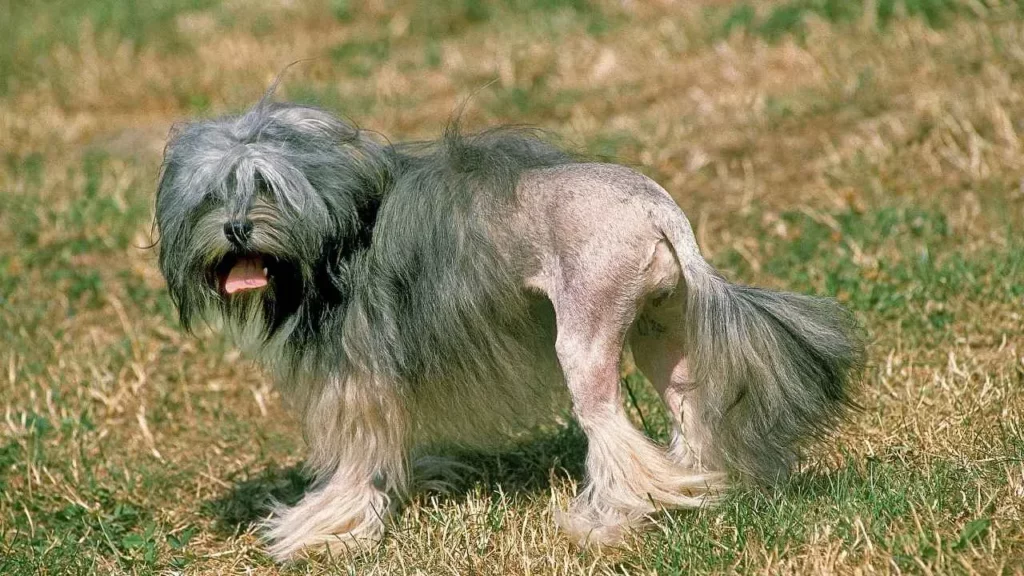
Lowchen means “little lion,” and honestly, the name fits. The Lowchen is a small, rare dog breed, originally from Europe, known for its distinctive lion-like haircut and lively personality.
It’s small, cute, and carries itself like it owns the place. But don’t confuse tiny with fragile. This breed tends to be bright, social, and surprisingly bold in a fun way.
What makes it rare is not that it can’t be a great pet. It’s more than it never became super popular, even though it has the kind of personality people usually love. It’s outgoing, affectionate, and often a solid companion for homes that want a friendly little shadow.
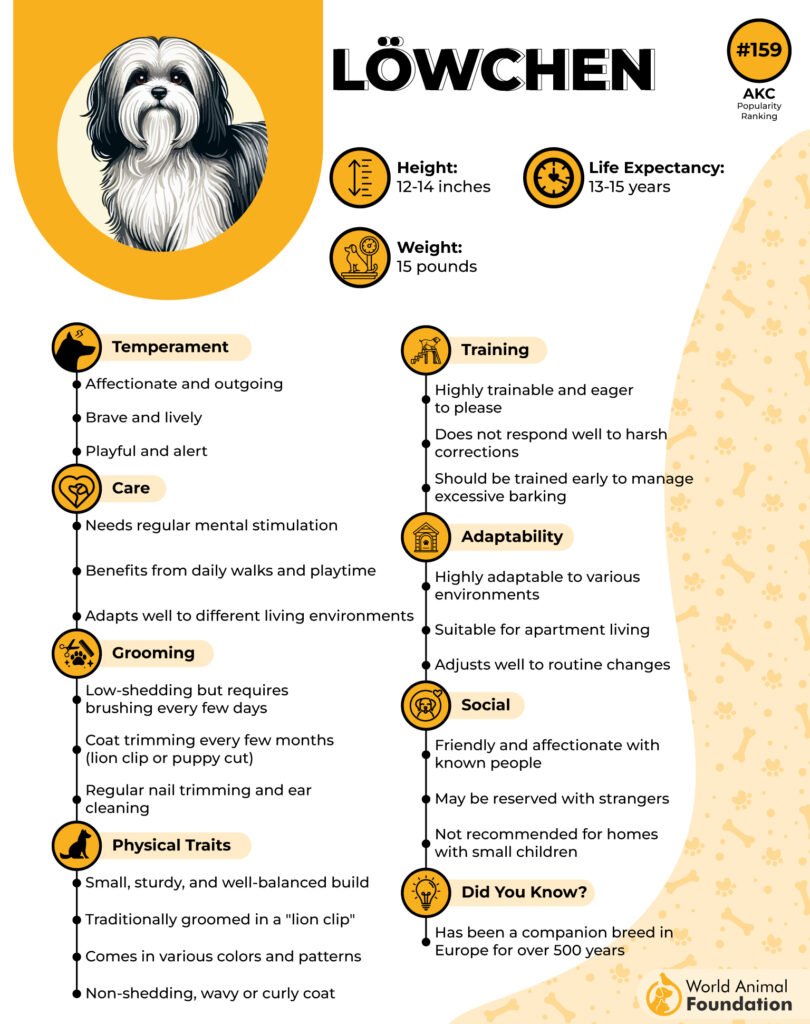
The coat is a big part of the Lowchen story. It keeps growing and sheds very little. That sounds amazing, right?
Here’s the good part: less shedding. Here’s the not-so-fun part: you still have to brush and trim, or the coat can get messy fast. A Lowchen is not “high effort,” but it does ask you to show up.
Quick care reality check
Regular brushing and trims keep the coat comfy and clean
Loves attention and can get bored if ignored
Small size, big personality, very people-focused
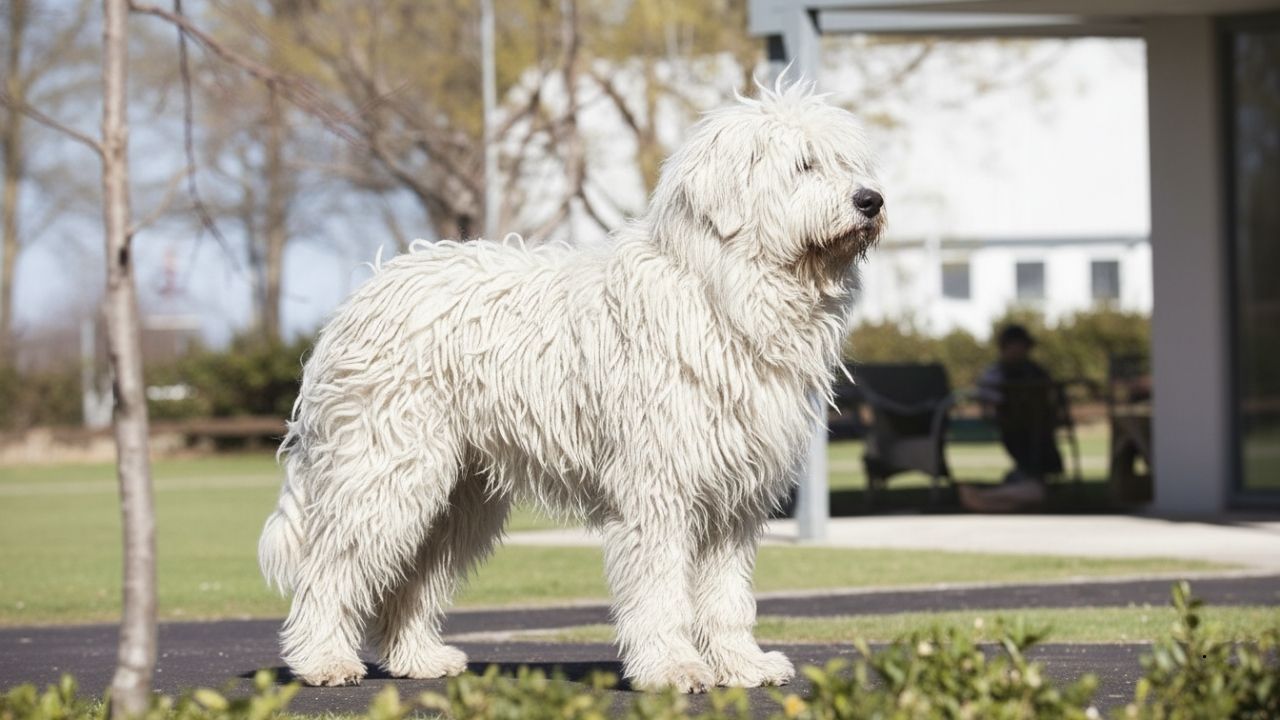
4. Komondor
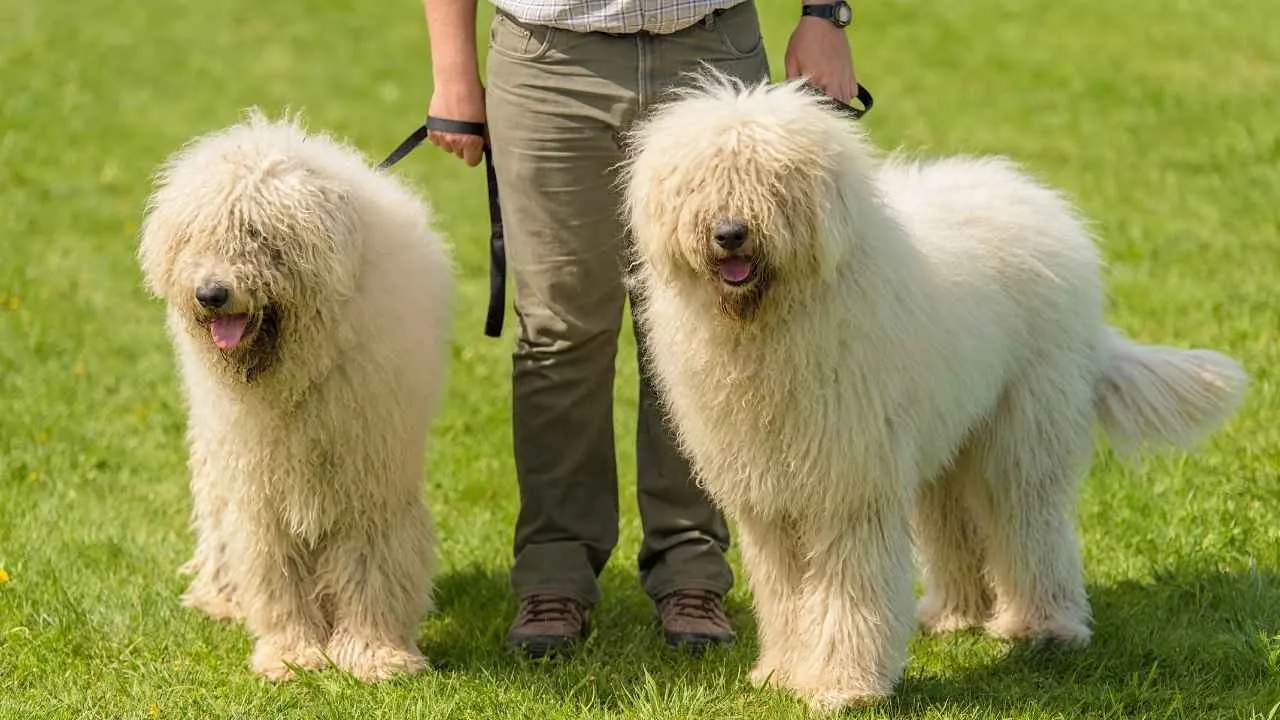
The Komondor is the dog that looks like a walking mop, and it knows you’re thinking it. As one of the most distinctive breeds, the Komondor stands out for its unique appearance, as per PetMD.
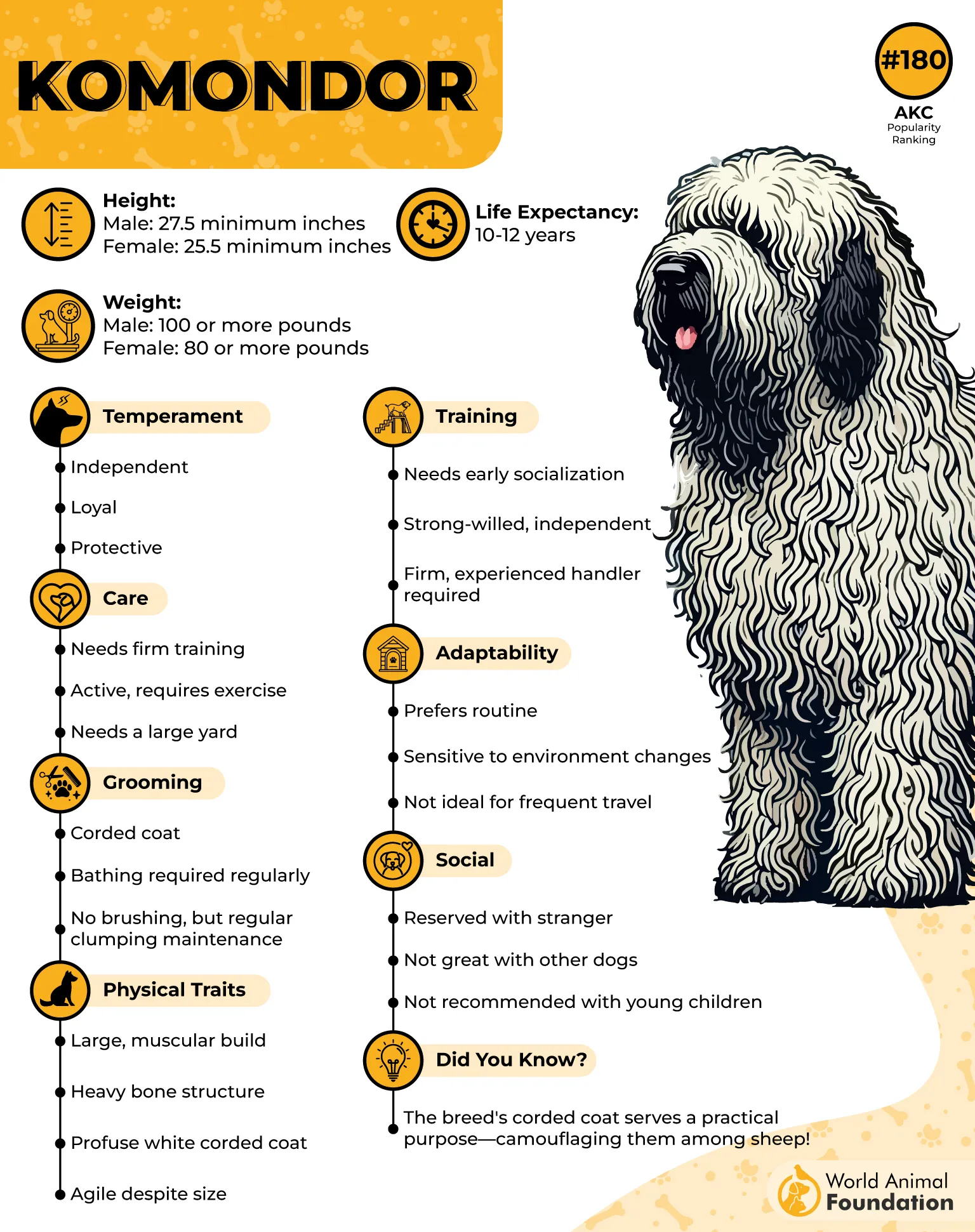
The iconic white cords make it a member of the most distinctive breeds, not just for looks, but as part of the job. This breed worked as a livestock guardian, and the coat helped it blend with a flock while also handling rough weather.
Personality-wise, this is a calm power. Steady. Independent. Protective. It’s often quiet until it thinks something is wrong, and then it flips the switch fast. That “guardian brain” is the whole point of the breed. It’s loyal, but it’s not a people-pleaser in the usual way.
And here’s the good part: with a confident, kind leader and early social time, the Komondor can be a devoted family dog.
But wait, there’s more! Grooming is not casual. Those cords take real work to keep clean and healthy. This is also a large dog that does best with space, routine, and clear rules.
The coat is a lifestyle
Corded coat needs steady care, not “once in a while” care
Early training and calm leadership are non-negotiable
Best for people who respect protective working breeds
5. Peruvian Inca Orchid
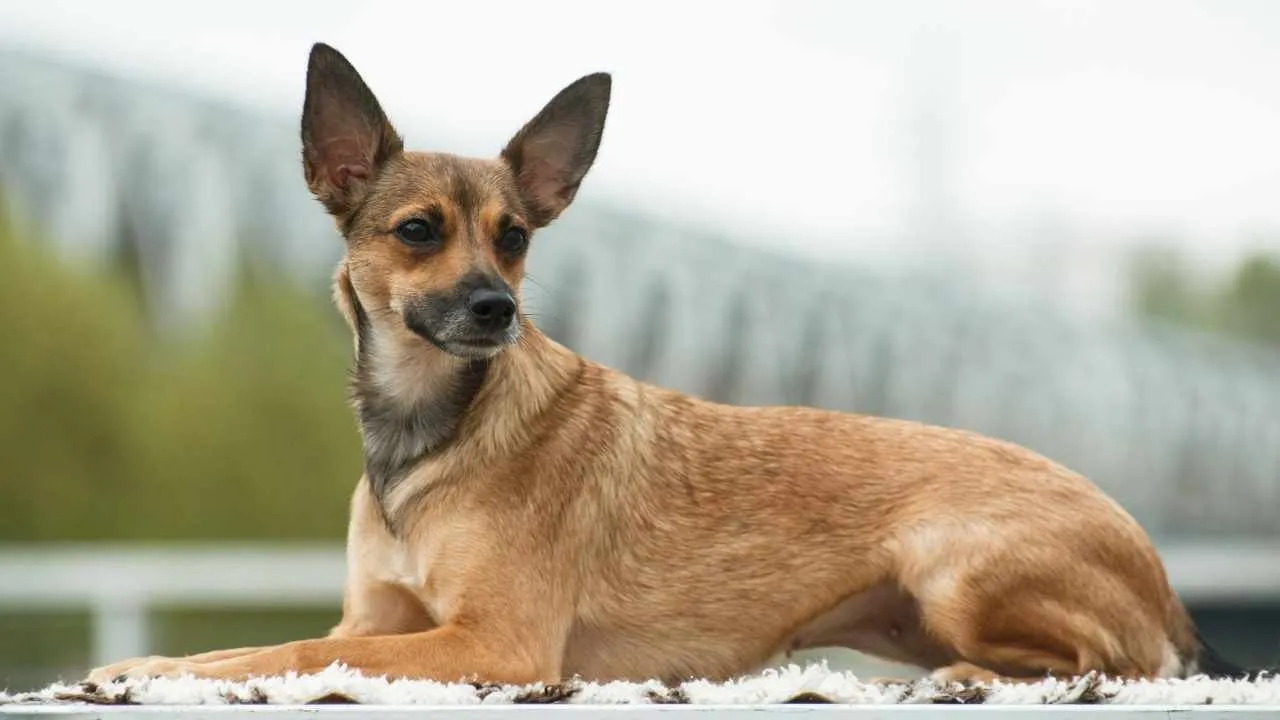
The Peruvian Inca Orchid is one of those breeds that stops you mid-scroll. Many are hairless, and it gives them a striking, almost mythical look. This breed is also tied closely to Peru’s culture and history, with art and stories reaching far back.
A big reason this dog is rare is the hairless trait itself. It’s linked to a gene change, and not every dog shows the same look. Some have coats, too.
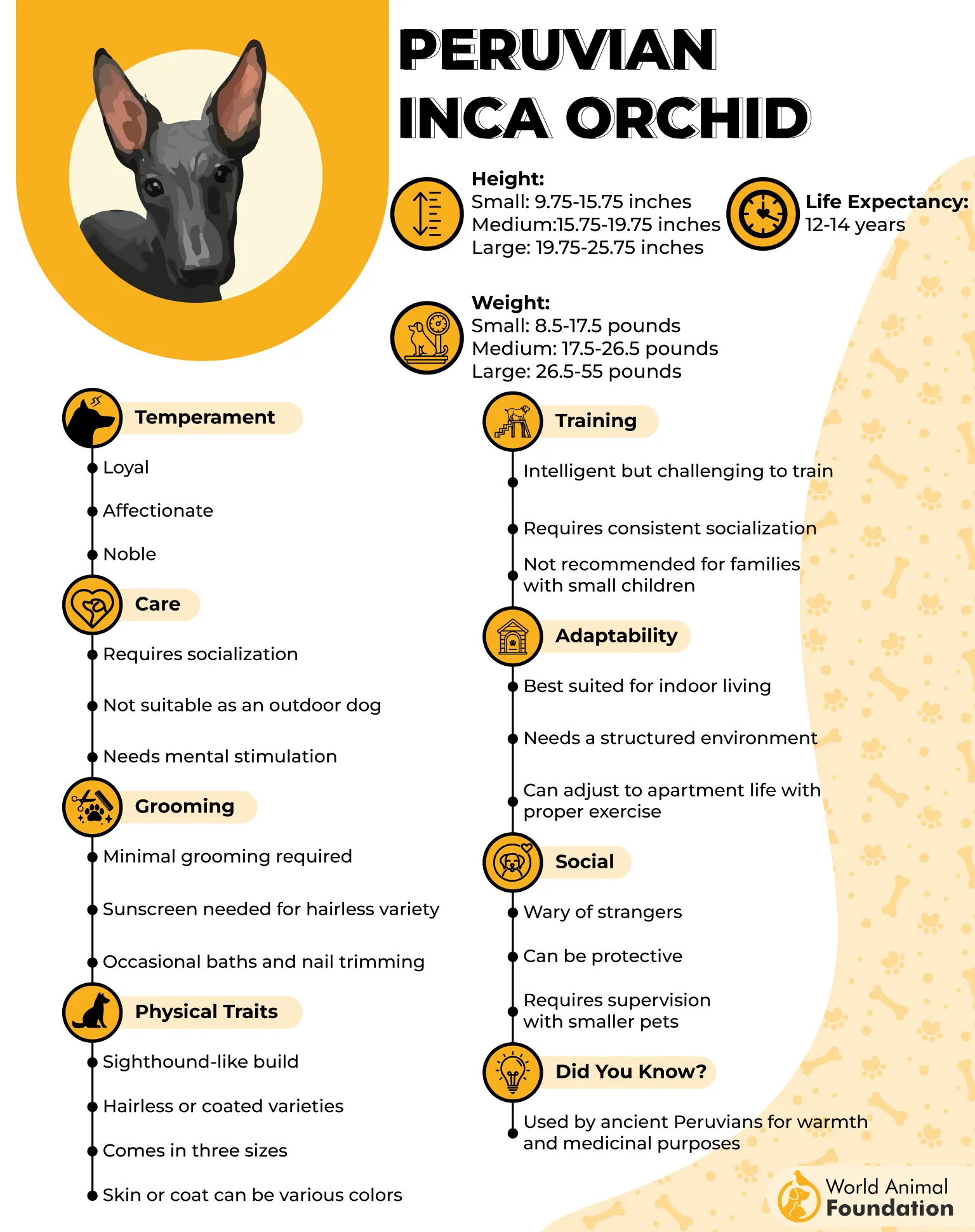
The breed also comes in different sizes, which is pretty unusual and, honestly, kind of convenient for different homes.
Now for the real-life part. Hairless dogs need skin care. Sunshine can be harsh, so protection matters on bright days. Extreme cold can also be tough.
But the payoff is huge for the right owner: affectionate energy, a watchful nature, and a dog that wants both movement and mental play. Repetitive drills can bore them fast, so training should stay fresh and fun.
Skin care is the secret sauce
Needs help with sun and temperature swings
Smart and lively, so mix training with games
Often protective and makes a solid watchdog
6. Azawakh
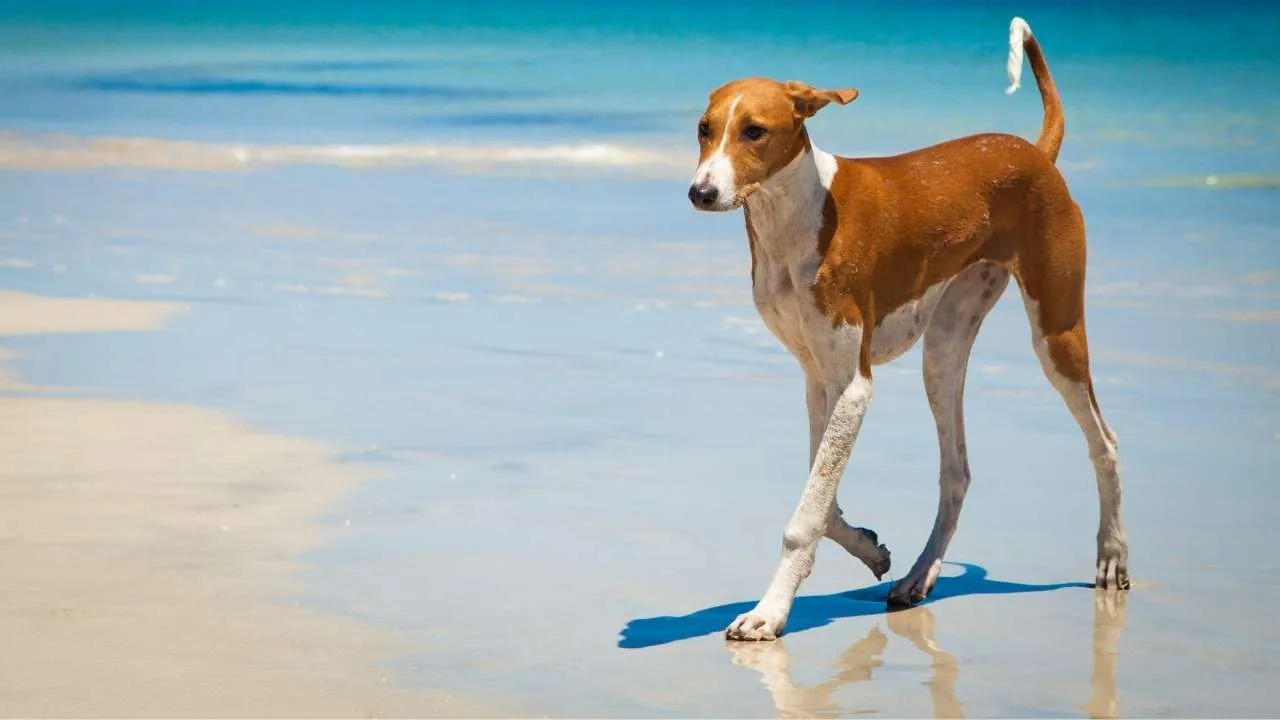
The Azawakh is elegant in a way that almost feels unreal. Long legs. Lean body. Deep chest. This is a West African sighthound shaped by desert life and fast hunting. It’s been used for chasing game over harsh land for a very long time.
According to WebMD, this breed is often described as loyal but not overly clingy with everyone. Think “devoted to my people” more than “best friends with strangers.”
Many Azawakhs are reserved at first and warm up with time, patience, and trust. Early social time matters a lot here because it helps the dog feel safe in a busy human world.
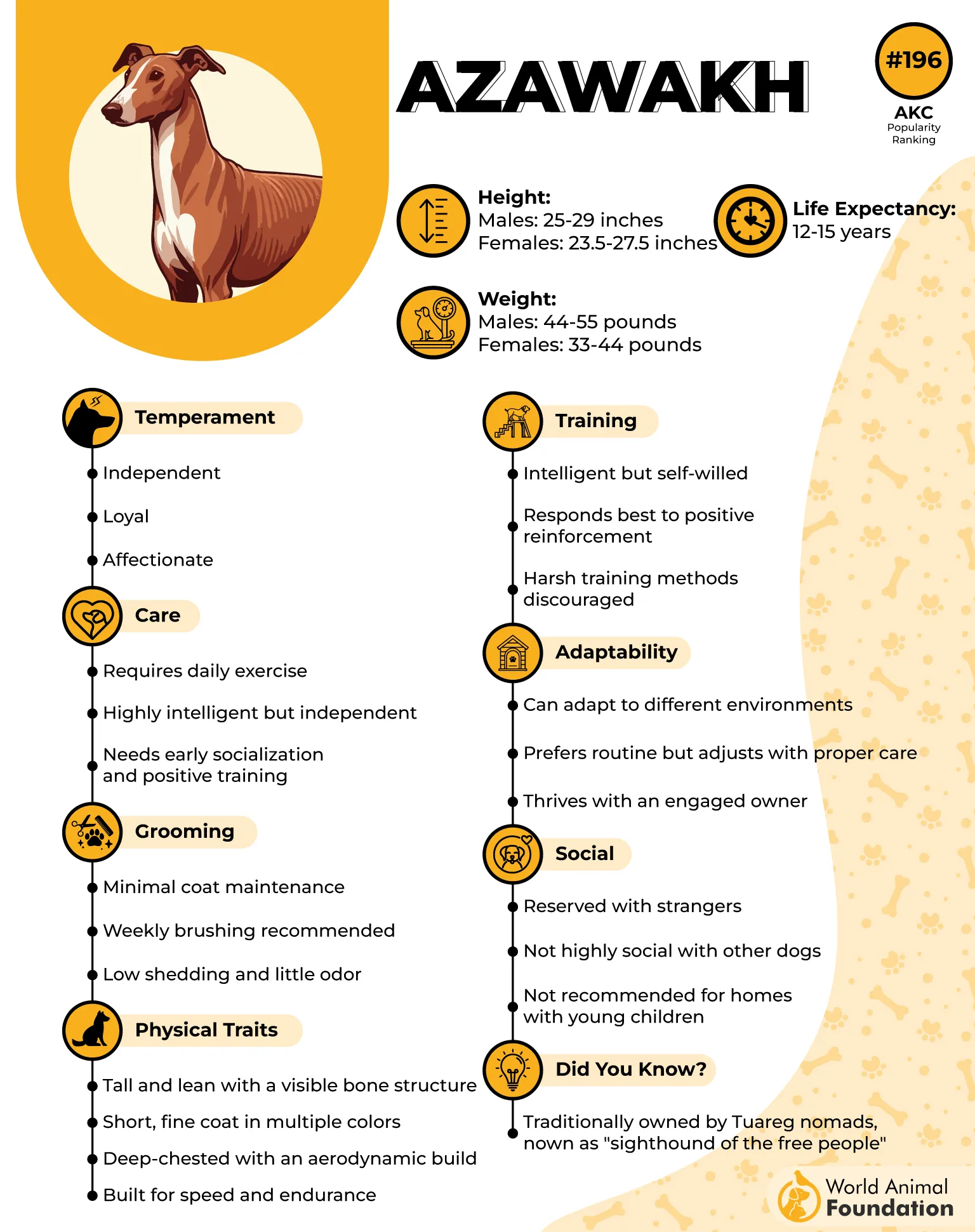
Azawakhs also need daily exercise. Not a lazy loop around the block. They shine with running, long walks, and a safe space to stretch their legs.
Grooming is simple because the coat is short, but cold weather can be rough on their fine coat and thin skin. If you live in a chilly place, you’ll need to plan for comfort.
What makes them truly special
Built for speed and endurance, needs real daily movement
Loyal and watchful, often reserved with strangers
Low grooming, but sensitive to cold and harsh weather
7. Thai Ridgeback
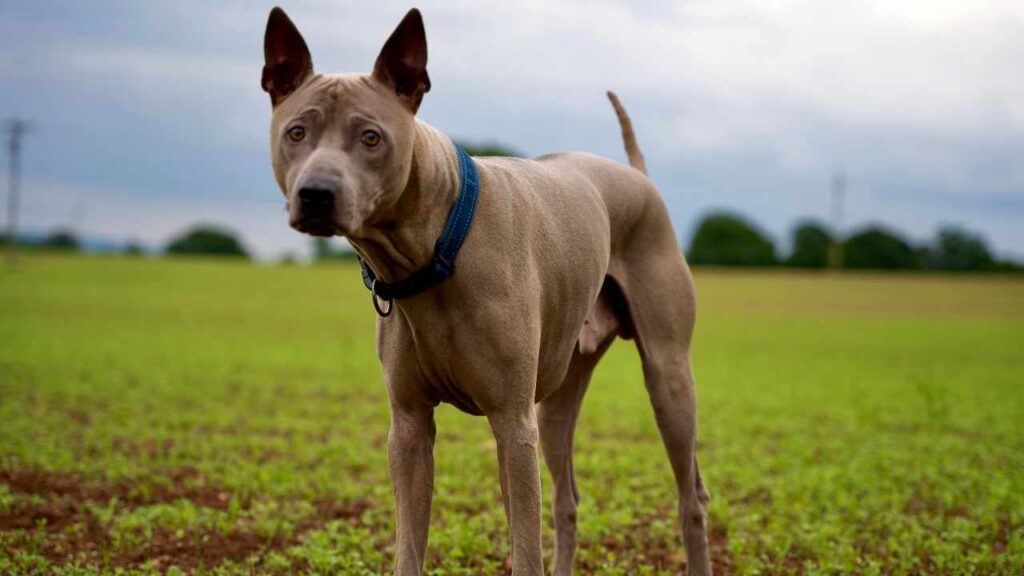
The Thai Ridgeback is known for the ridge of hair along its back that grows in the opposite direction. It’s one of those features people remember instantly.
This breed is also described as “primitive,” meaning it stayed closer to its old type for a long time, without heavy modern mixing.
This dog is deeply loyal and protective. It’s also smart and independent. So training needs to be firm but kind, not harsh. If you try to “dominate” this breed, it can backfire. If you build trust and keep rules clear, you can get an amazing partner.
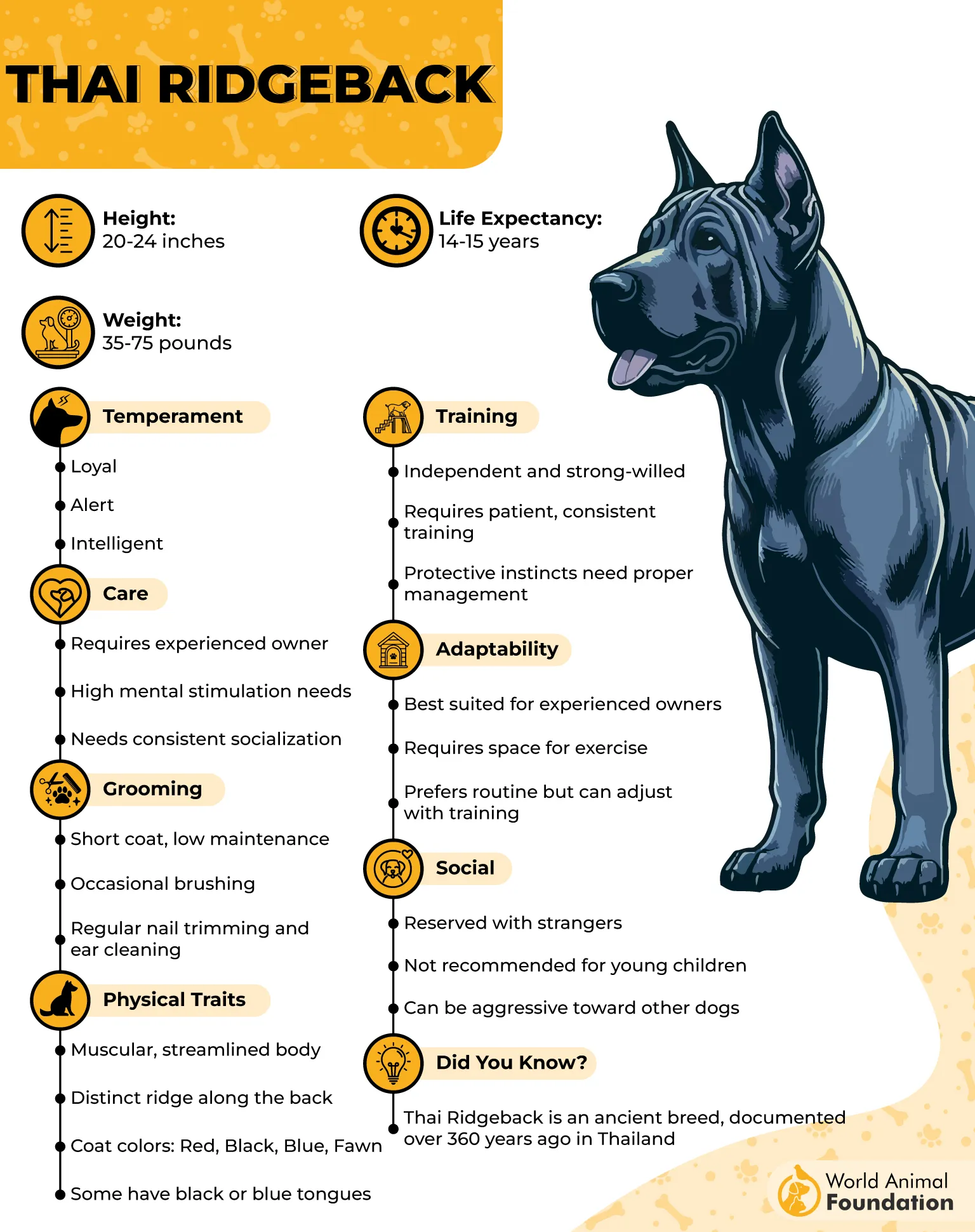
Here’s the good part: grooming is usually easy because the coat is short. But wait, there’s more! This breed often does best in moderate to warm climates. Cold weather is not its favorite.
Also, these dogs can be athletic and energetic, so a bored Thai Ridgeback can turn your living room into a personal obstacle course. Funny later. Not funny in the moment.
Best-fit home vibes
Needs training that is calm, steady, and consistent
Active breed, loves movement and a job to do
A short coat is easy, but cold climates need extra planning
Conclusion
In the end, chasing the world’s rarest dog breeds is not about bragging rights. It’s about respect. A rare dog can be a unique dog breed with fragile population numbers, shaped by real work and real history, like World War II.
Some were built for big jobs, like the Norwegian Lundehund and its wild puffin hunting roots, plus odd traits like webbed feet and extra toes. Others come from far-off places, like the New Guinea singing dog with a voice that makes every dog lover stop and listen.
Whether it’s a tough herding dog like the Bergamasco Sheepdog, a strong Tibetan Mastiff with large bones, loose skin, and a thick double coat, or sleek runners like Ibizan Hounds made for lure coursing, each unique breed has a story worth protecting.
Some shine in calm family activities as great companions, while others still carry working drives, from truffle hunting to hunting small game and small game work, even hunt foxes, hunt otters, and old tales of otter hunting.
Still, don’t forget that the best choice can be rescue dogs too. However you choose, pick the dog that truly fits your life, and you’ll earn a loyal furry friend for years.
