




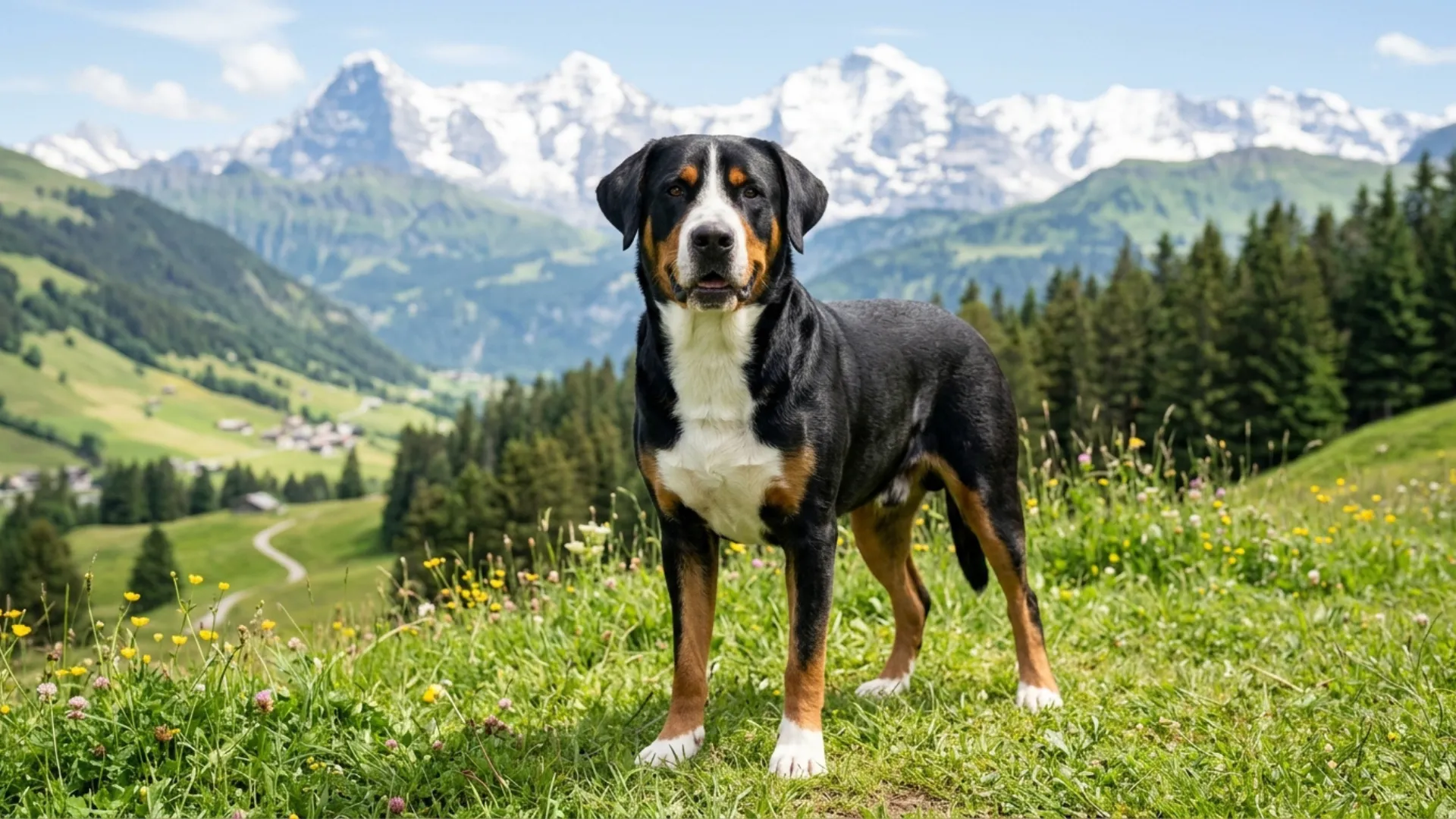
Large dogs can bring an unmistakable sense of character to a household. Some are admired for their towering height, while others stand out because of unusual coats, historic working roles, or distinctive personalities. Although many large breeds are familiar to dog lovers, several remain comparatively uncommon despite their fascinating backgrounds.
Living with a large and rare breed requires thoughtful preparation. Adequate nutrition, appropriate exercise, grooming, training, and veterinary care become especially important when a giant dog has a substantial frame. Owners should also consider whether their home, transportation arrangements, and daily routine are suitable for a bigger companion.
The rare dog breeds featured here represent several different types of large dogs. Some were developed to guard livestock, others assisted farmers or hunters, and some were bred primarily as companions. Their differences make them particularly interesting for anyone exploring the less familiar side of the canine world.
Rare and Magnificent Large Dog Breeds: Worth Exploring
1. Leonberger
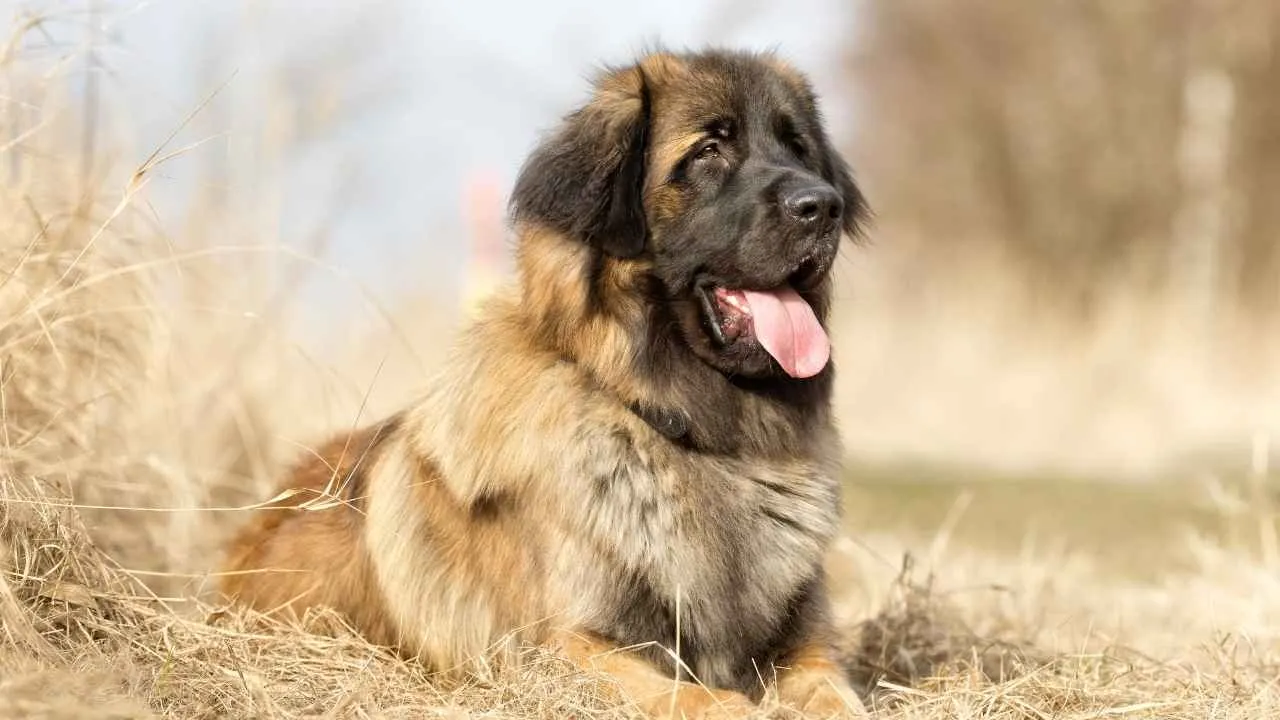
The Leonberger originated in Germany during the nineteenth century and was named after Leonberg, a city in the state of Baden-Württemberg. Breeders sought to create an impressive dog with a lion-like appearance while retaining qualities suitable for companionship and practical work.
The resulting breed became known for its imposing stature, flowing coat, strength, and generally affectionate personality. Leonbergers have also been involved in activities such as cart pulling and water rescue.
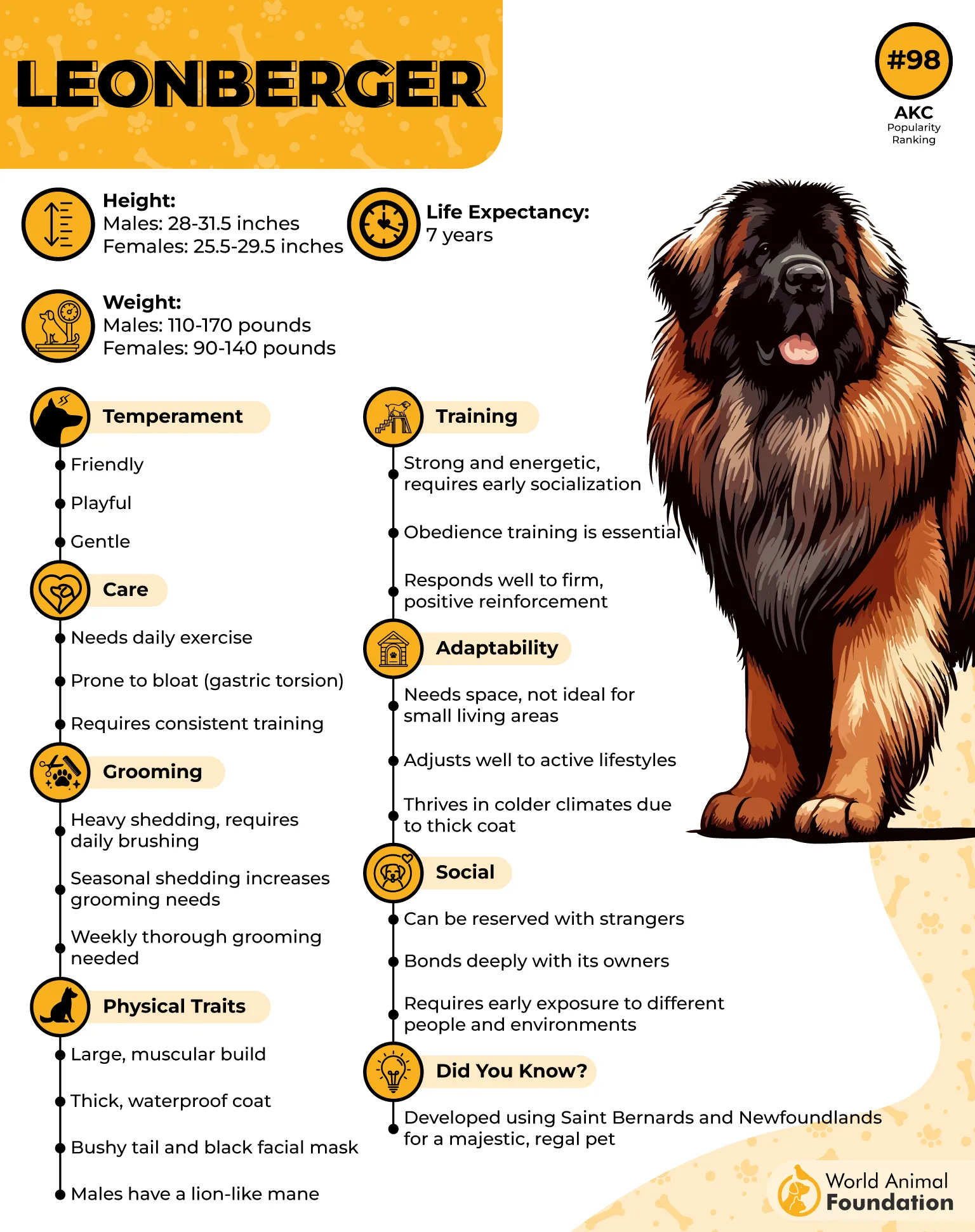
Care for Their Flowing Coat and Substantial Frame
Leonbergers have long double coats that require frequent brushing to reduce tangles and remove loose hair. Their seasonal shedding can be particularly heavy, making a consistent grooming routine important.
As with other large breeds, maintaining a healthy weight can help reduce unnecessary stress on the joints. Owners should provide age-appropriate exercise and regular veterinary examinations to support mobility and overall wellness.
A Majestic Dog With a Warm Personality
Despite their impressive appearance, Leonbergers are often loving and closely connected to their families. They generally enjoy participating in household life rather than being isolated from their people.
Their intelligence and affectionate nature can make training enjoyable. Early lessons are especially valuable because teaching polite behavior is much easier before a large puppy develops its full adult strength.
2. Komondor
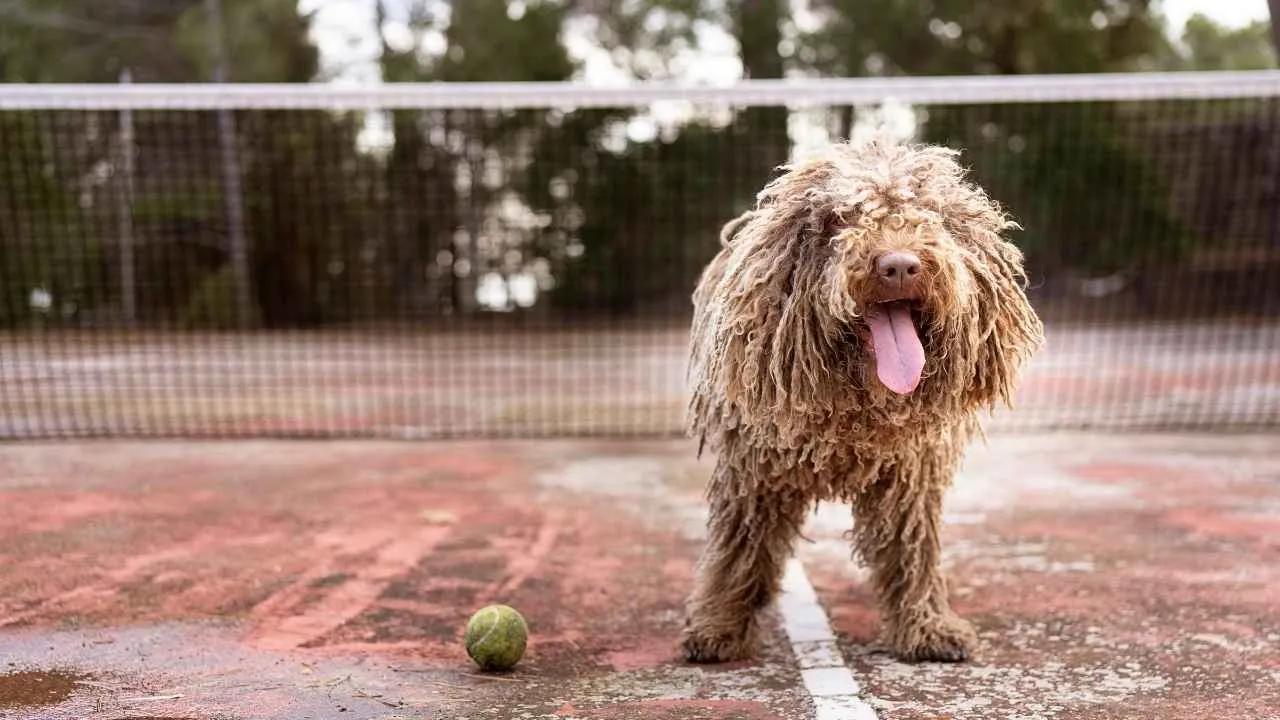
The Komondor is a distinctive Hungarian livestock guardian recognized for its remarkable corded coat. Its ancestors were brought into the region centuries ago and were used to protect flocks from predators and other threats.
The breed’s unusual appearance served a practical purpose as well as making it visually memorable. Its dense coat helped provide protection from weather and could offer a degree of defense against encounters with predators.
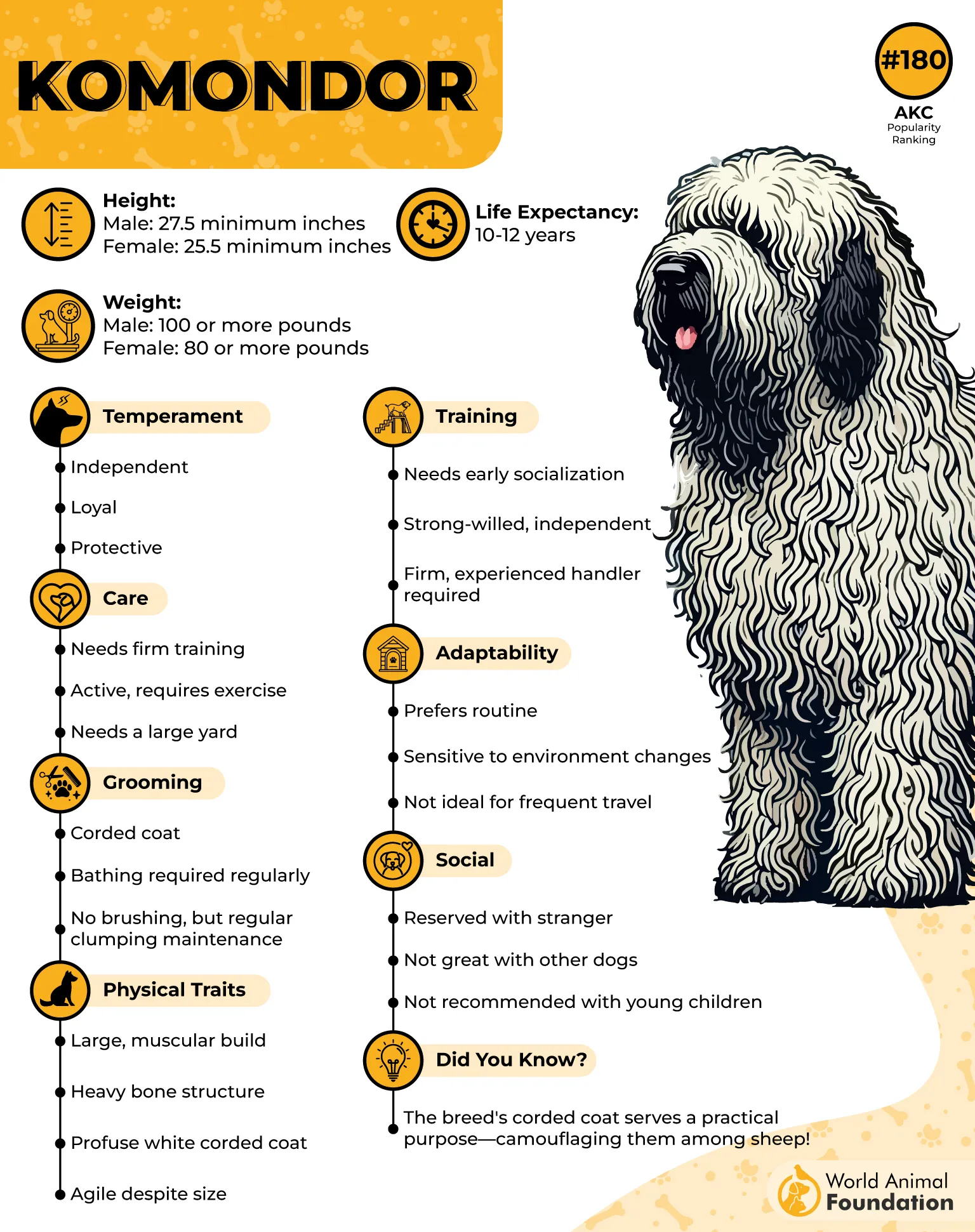
Their Corded Coat Demands Specialized Attention
Komondors do not have an ordinary brushing routine because their coat naturally forms cords as the dog matures. Owners need to separate and maintain these cords carefully to prevent unwanted matting and ensure adequate airflow around the skin.
Bathing can also be more time-consuming because the dense coat takes a long time to dry. Regular veterinary care, healthy weight management, and attention to skin condition are equally important for this powerful breed.
A Serious Guardian Beneath the Cords
Komondors tend to take their guardian responsibilities seriously. Their independent heritage means they may be naturally cautious around unfamiliar people and attentive to activity near their territory.
Early socialization can help them distinguish ordinary visitors and everyday situations from genuine threats. A well-managed Komondor can be deeply loyal to its family while remaining a formidable guard dog when necessary.
3. Irish Wolfhound
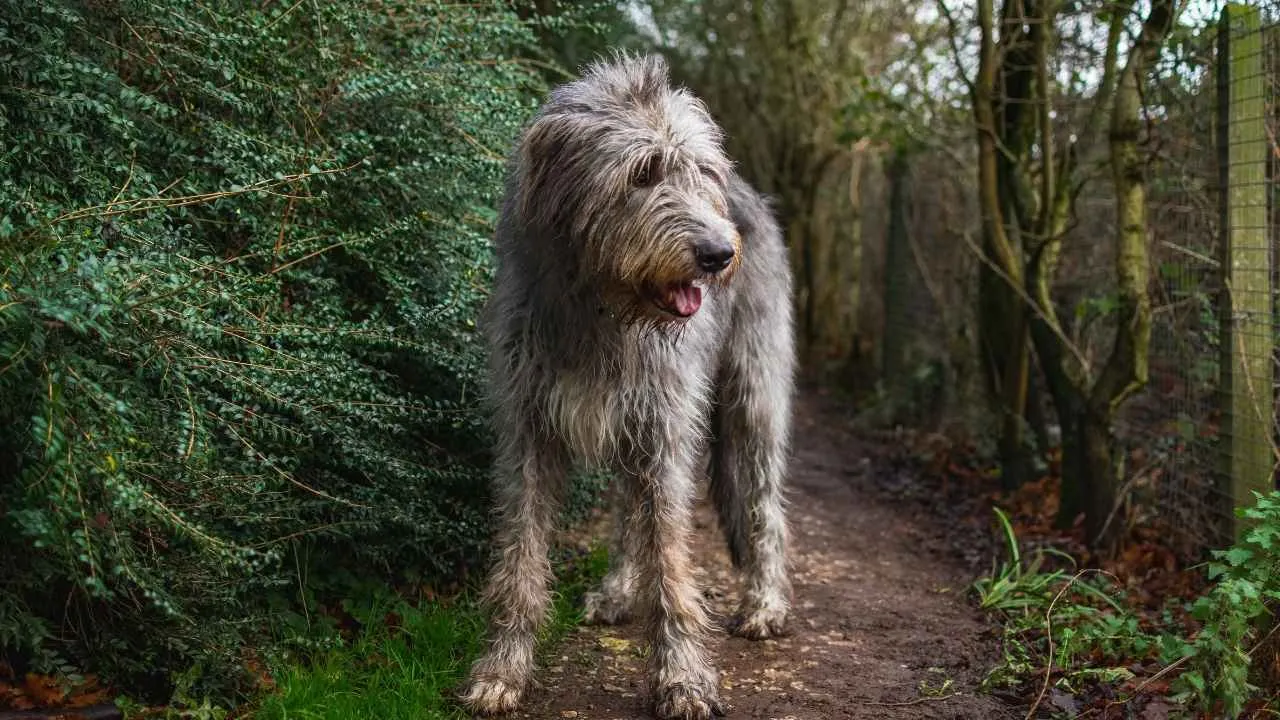
The Irish Wolfhound has an ancient history in Ireland, where large sighthounds were used to hunt wolves, deer, and other substantial quarry. Their extraordinary size and speed made them valuable hunting companions for centuries.
The breed eventually became associated with nobility and later transitioned primarily into the role of companion. Despite being among the tallest dog breeds, Irish Wolfhounds are often known for their gentle and dignified nature.
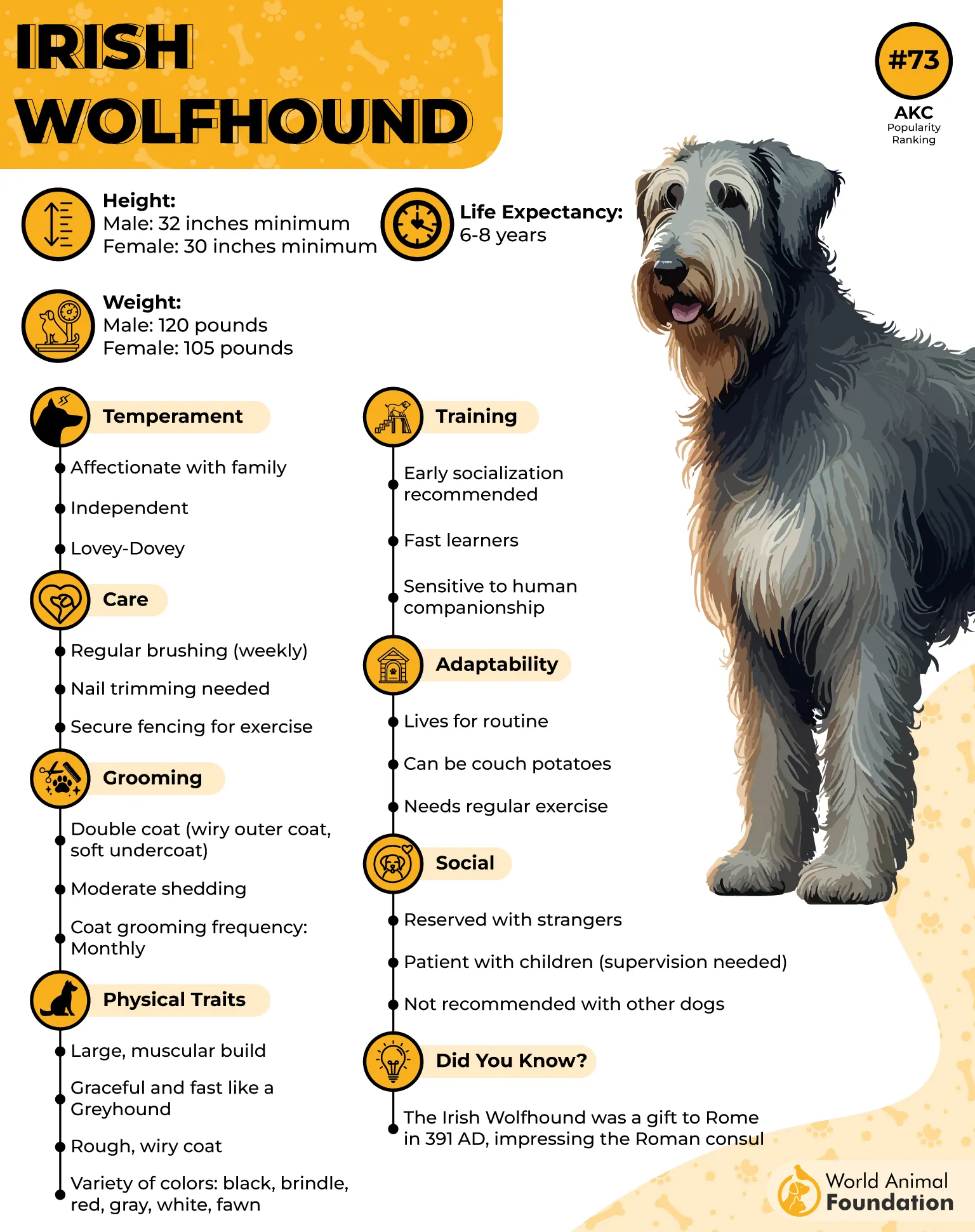
Maintain Their Rough Coat and Monitor Their Health
Irish Wolfhounds have a rough, wiry coat that benefits from regular brushing and occasional trimming to maintain a neat appearance. Their ears, nails, teeth, and skin should also form part of a routine grooming schedule.
Their enormous bodies require careful attention to nutrition and exercise, particularly while they are growing. Regular veterinary visits are important because giant breeds can be susceptible to certain orthopedic and cardiac conditions.
Towering Height With a Gentle Disposition
Irish Wolfhounds can be surprisingly calm and affectionate in family environments. They often enjoy spending time near their owners and may behave more like relaxed household companions than energetic working dogs once their exercise requirements are satisfied.
Their size still demands practical consideration. A playful young Wolfhound can unintentionally knock over furniture or people, so early manners and controlled interaction are essential.
4. Neapolitan Mastiff
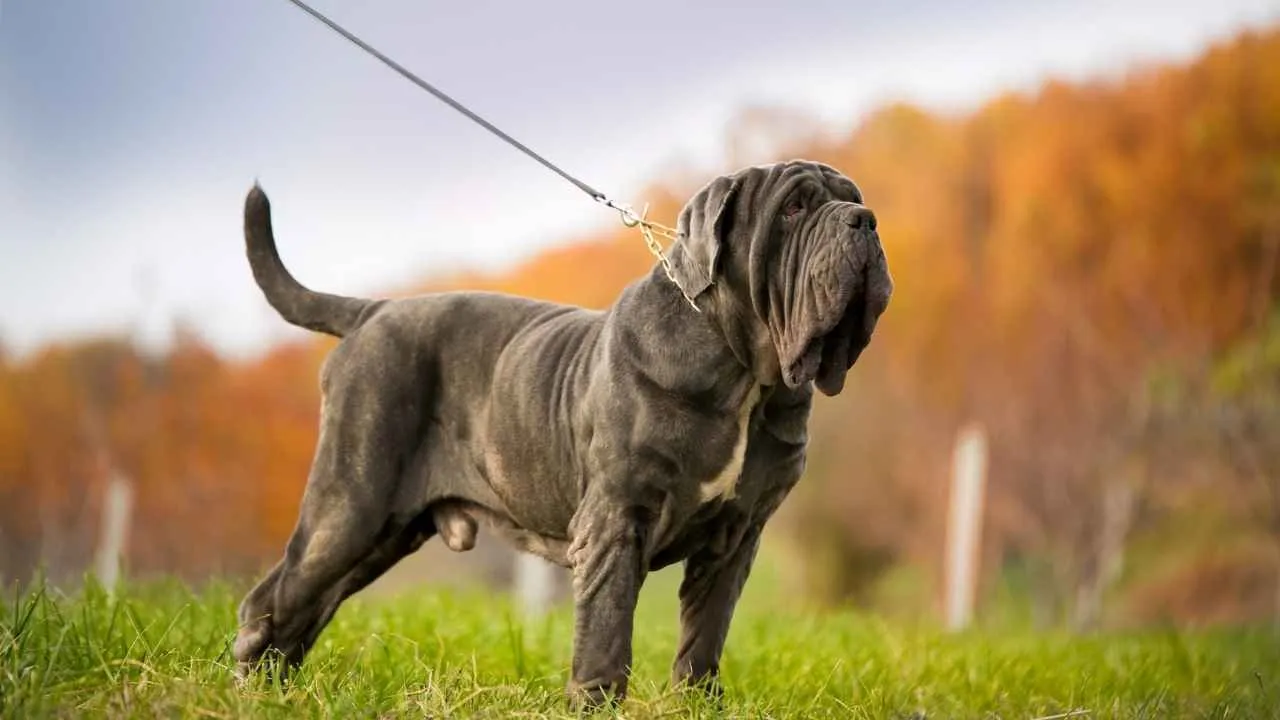
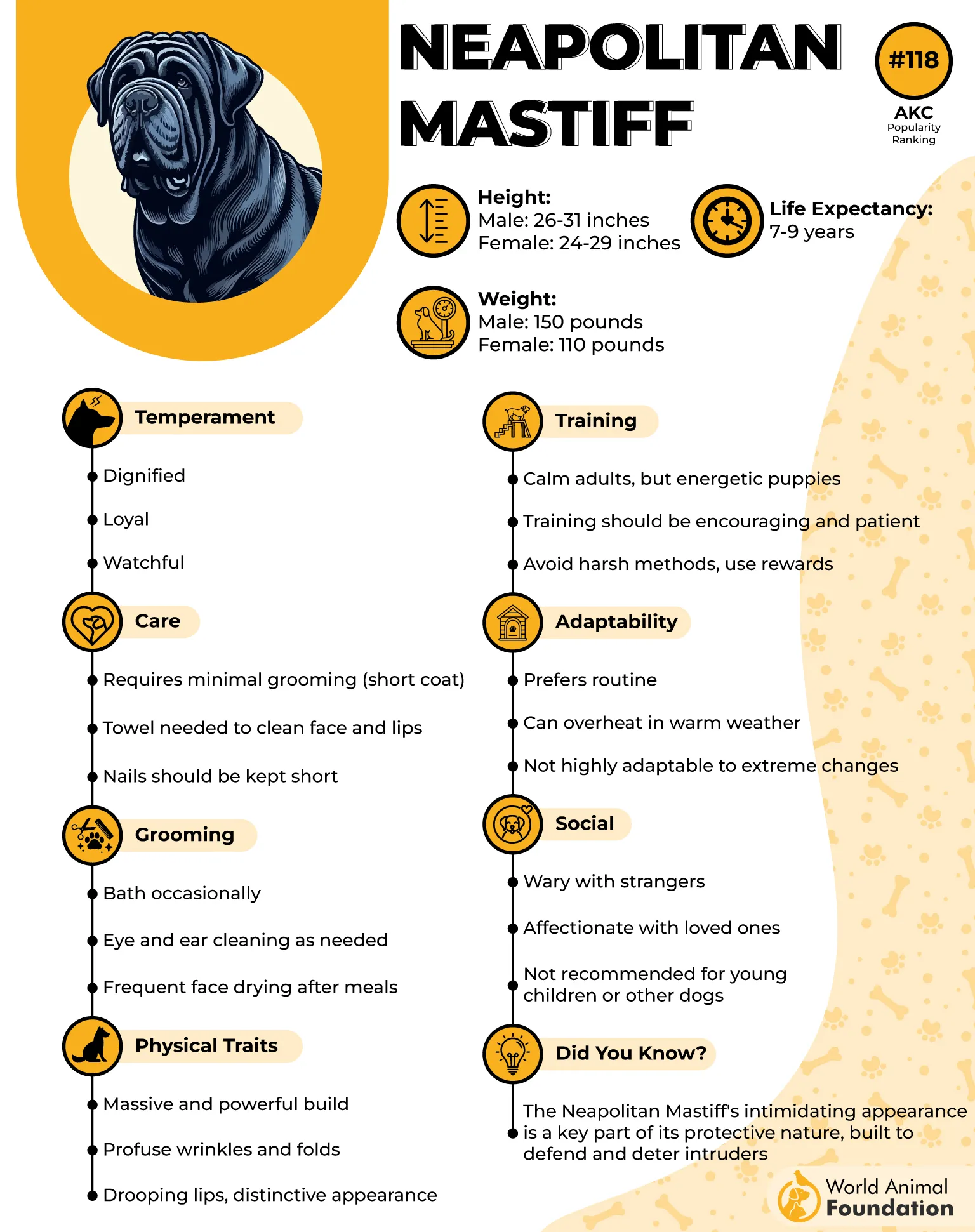
The Neapolitan Mastiff developed in Italy from ancient mastiff-type dogs that were used for guarding and protection. Its massive body, broad head, and loose skin give it one of the most distinctive appearances among large dog breeds.
Over generations, breeders maintained the qualities associated with a serious guard dog while also developing the strong family attachment seen in modern examples of the breed.
Keep Their Skin Folds Clean and Their Weight Healthy
The Neapolitan Mastiff has a short coat that is relatively simple to groom, but its loose facial and body skin requires more attention. Owners should routinely inspect folds for moisture, irritation, debris, or other signs of skin trouble.
Because these dogs carry considerable body weight, excessive weight can place additional pressure on their joints. Appropriate nutrition, moderate exercise, and regular veterinary monitoring can support healthier mobility and general condition.
A Devoted Guardian With a Formidable Appearance
The Neapolitan Mastiff may look intimidating, but it can form an exceptionally close bond with its family. Many individuals prefer remaining near their trusted people and observing household activity from a comfortable position.
Its protective instincts should never be underestimated. Socialization and obedience training are important for teaching such a powerful dog how to behave appropriately around guests, other animals, and unfamiliar environments.
5. Scottish Deerhound
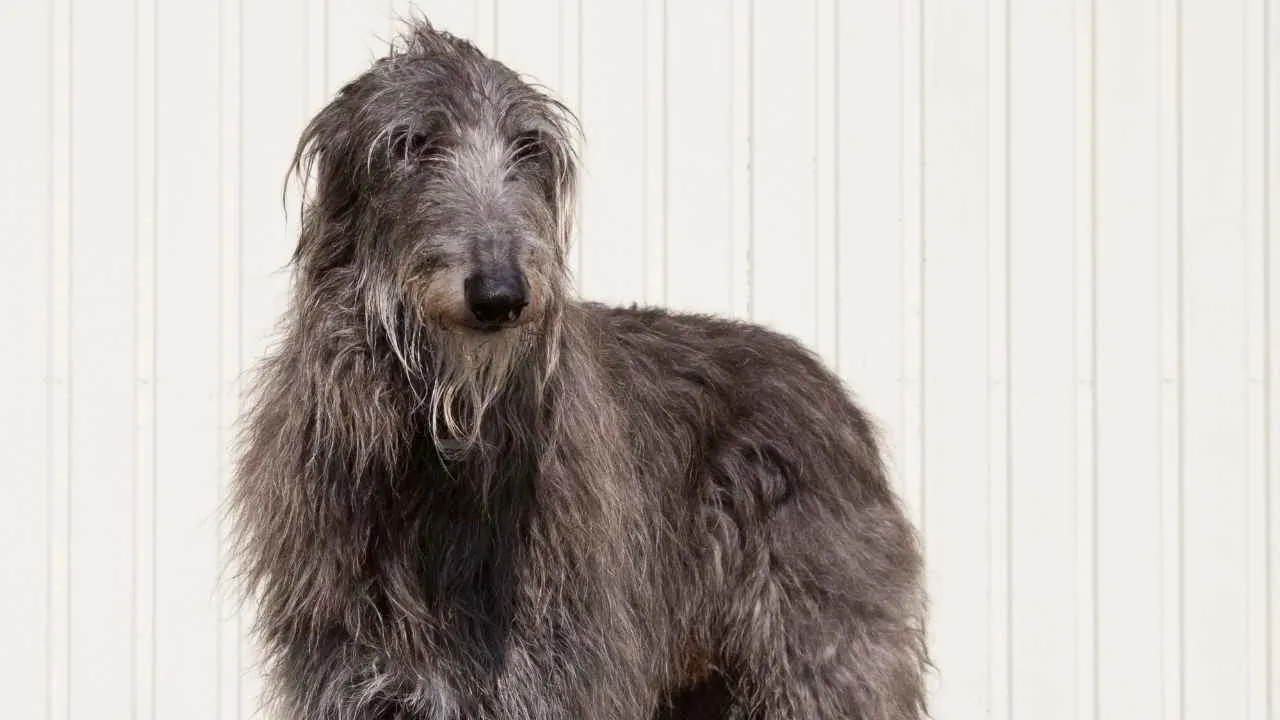
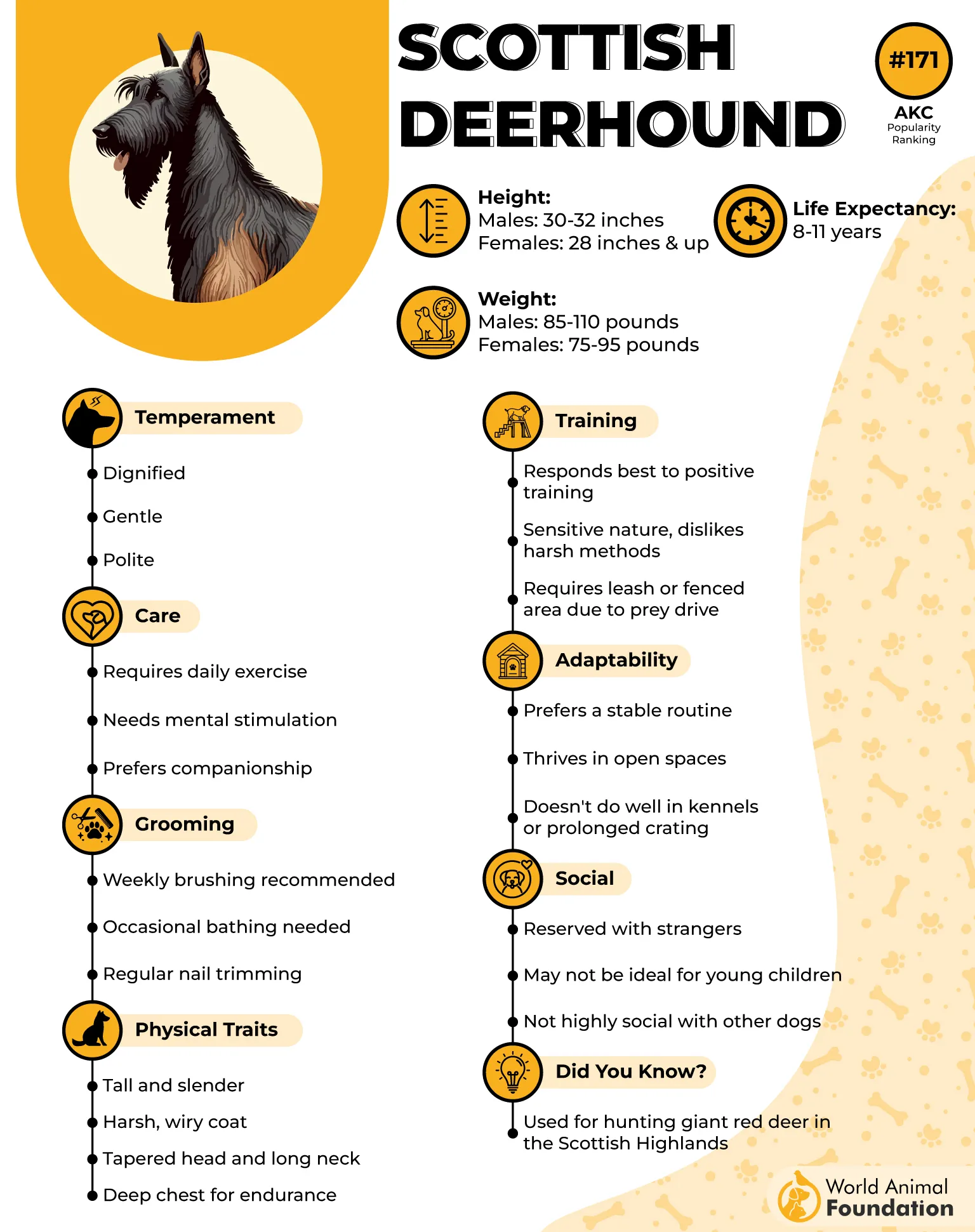
The Scottish Deerhound developed in Scotland as a coursing hound used to pursue red deer, according to Hill’s Pet. Its long legs, deep chest, rough coat, and athletic construction reflect a history centered on speed and endurance.
Once closely associated with Scottish nobility, the breed became less common as hunting practices changed. Today, it remains admired for its elegant appearance and gentle personality.
Protect Their Wiry Coat and Athletic Condition
Scottish Deerhounds have a coarse coat that generally benefits from regular brushing to remove loose hair and keep it tidy. Their long limbs and lean bodies should also be checked after vigorous activity for injuries or irritation.
These ancient dogs need enough exercise to maintain their athletic condition, but young dogs should not be pushed into excessive impact while their bodies are developing. Regular veterinary care can help monitor heart, joint, and general health concerns.
An Elegant Athlete With a Peaceful Side
Despite their history as hunting dogs, Scottish Deerhounds can be remarkably quiet and relaxed indoors. After suitable exercise, many are content to stretch out near their families.
Their instinct to chase moving animals remains important to remember. Owners should use secure areas for off-leash activity and provide appropriate opportunities for running without exposing the dog to traffic or unsafe environments.
6. Greater Swiss Mountain Dog
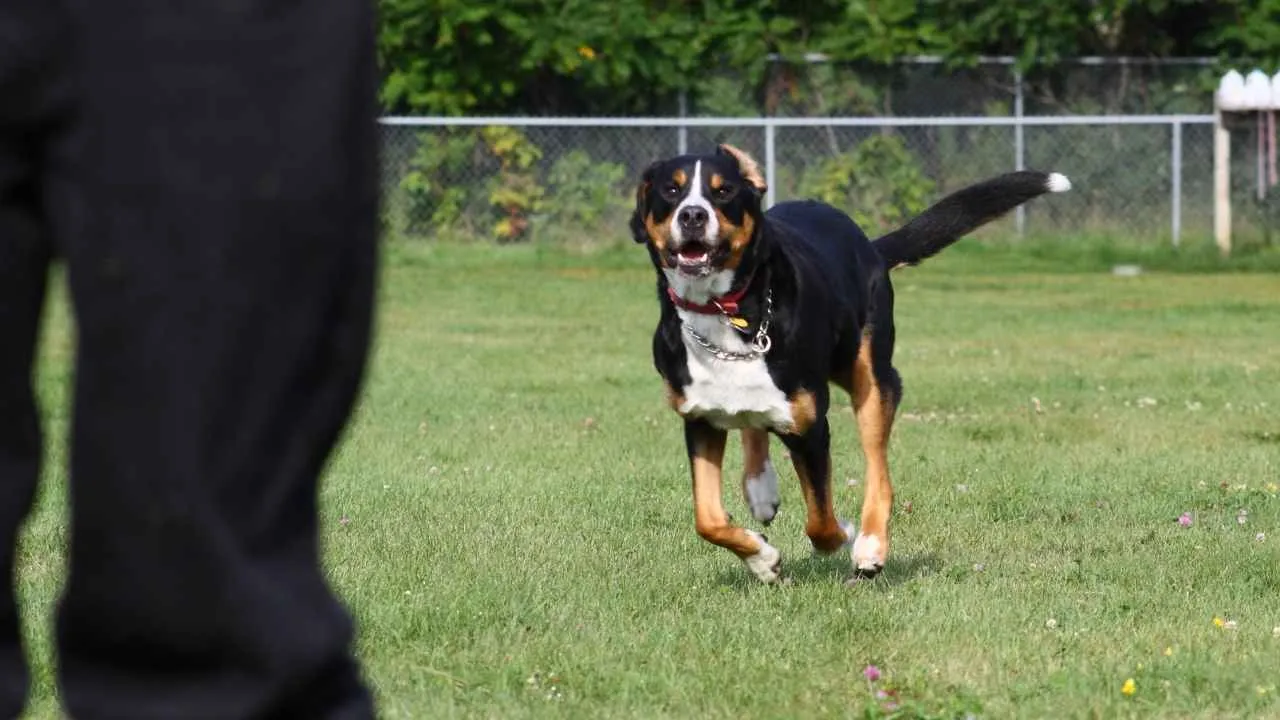
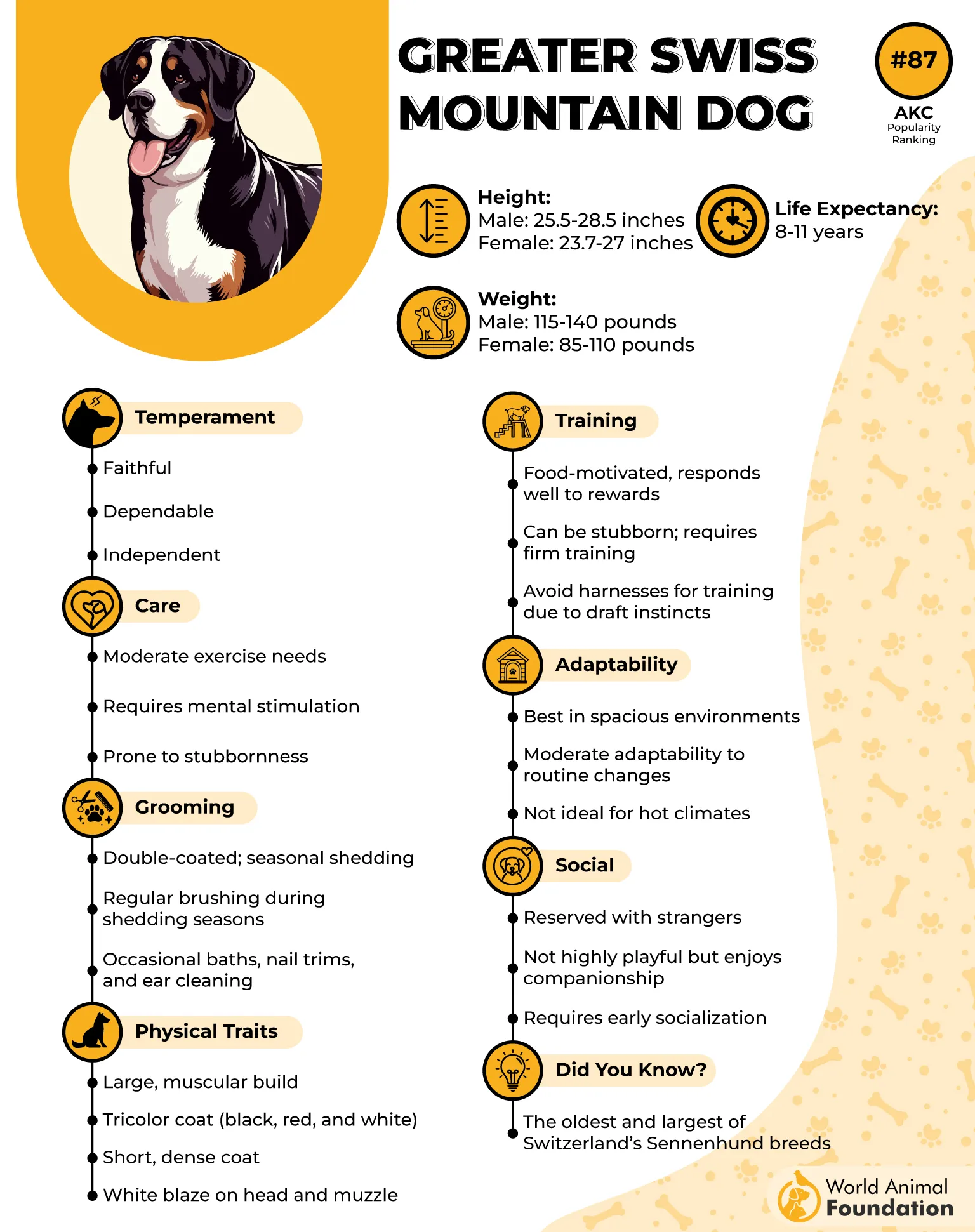
The Greater Swiss Mountain Dog originated in Switzerland and belongs to the group of working mountain dogs traditionally used for farm duties, as per Orvis. These sturdy dogs helped with livestock, pulling carts, and other tasks requiring strength and endurance.
Their substantial bodies and confident personalities reflect their working heritage. Today, they can make affectionate family companions for households capable of meeting their exercise and training requirements.
Maintain Their Short Coat and Strong Body
Greater Swiss Mountain Dogs have relatively short coats that generally need only routine brushing, with additional grooming during periods of heavier shedding. Regular nail care, dental hygiene, and ear checks should also be part of their maintenance routine.
Their muscular build benefits from regular exercise and sensible weight control. Puppies need carefully managed activity while growing, while adult dogs can enjoy walks, hiking, and other moderate physical pursuits.
A Dependable Working Dog at Heart
Greater Swiss Mountain Dogs can be devoted, confident, and eager to participate in family activities. Their working background often gives them a desire to have a purpose, whether that involves training, outdoor adventures, or simply being involved with their owners.
Their size and strength make early obedience particularly useful. Teaching them not to pull, jump, or crowd people can prevent everyday interactions from becoming difficult as they mature.
7. Estrela Mountain Dog
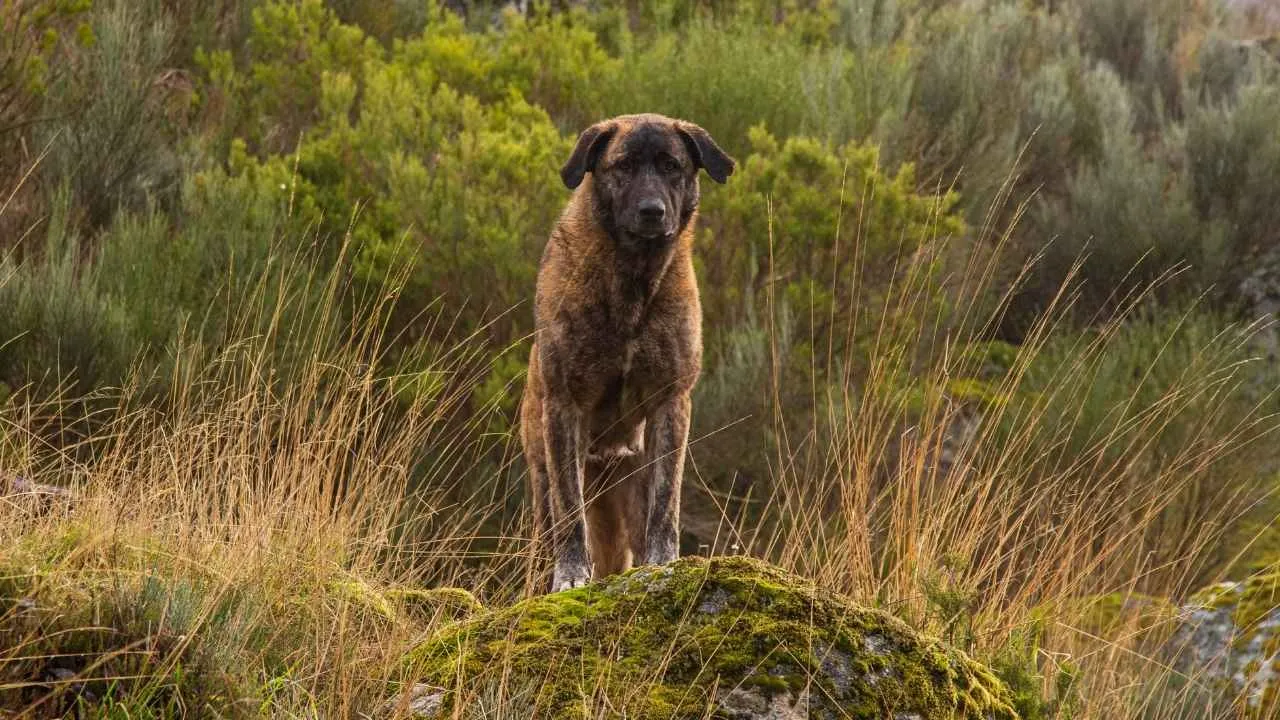
The Estrela Mountain Dog originated in Portugal’s Serra da Estrela, where it was developed to guard livestock in mountainous terrain, as per Purina. Its work demanded endurance, independence, courage, and the ability to remain attentive for long periods.
The breed became an important guardian of flocks and rural properties. Its imposing appearance and strong family loyalty continue to distinguish it today.
Brush Their Coat and Support Healthy Development
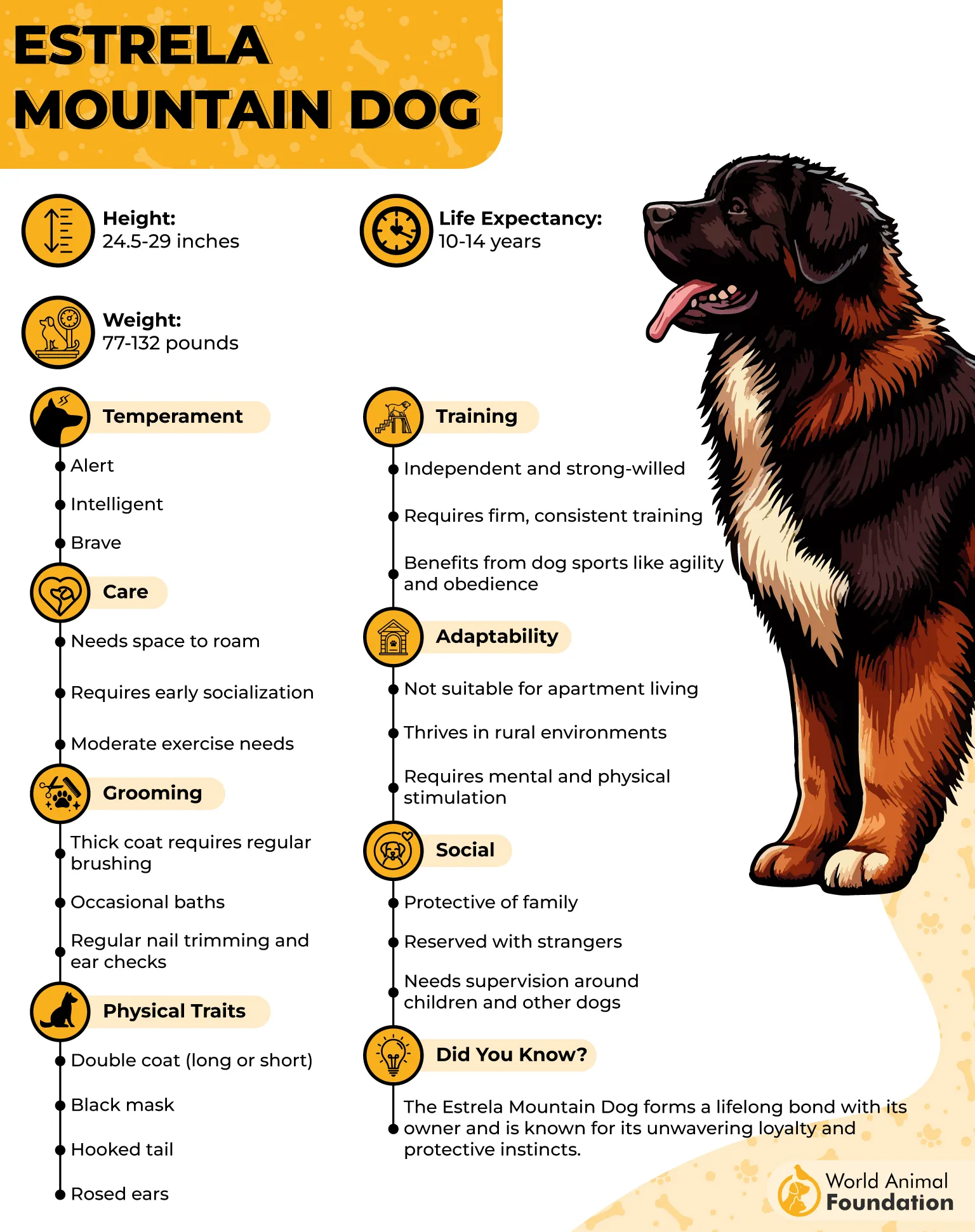
Estrela Mountain Dogs can have either a long or short coat, with grooming needs varying accordingly. Long-coated individuals generally require more frequent brushing to prevent tangles and remove loose hair.
Their substantial structure makes appropriate nutrition and weight management important throughout life. Regular exercise should support fitness without becoming excessive, particularly while a young dog is still developing. Routine veterinary care can help monitor joints and general health.
A Confident Protector With a Loyal Heart
Estrelas can form powerful bonds with their families while remaining cautious about unfamiliar people. Their livestock-guardian heritage encourages them to monitor their surroundings and take potential threats seriously.
They are often best suited to owners who appreciate an independent dog rather than expecting constant obedience without question. Early socialization, secure boundaries, and consistent training can help transform their natural guarding ability into dependable household behavior.
Conclusion
Leonbergers, Komondors, Irish Wolfhounds, Neapolitan Mastiffs, Scottish Deerhounds, Greater Swiss Mountain Dogs, and Estrela Mountain Dogs demonstrate how varied large dog breeds can be. Their histories range from livestock guardians and farm workers to aristocratic hunting companions and dedicated household protectors.
Their size can be captivating, but prospective owners should look beyond appearance. Grooming demands, exercise requirements, temperament, training needs, living arrangements, and potential health concerns all deserve consideration before choosing a large breed.
For the right household, these dogs can be extraordinary companions. Some offer quiet elegance, others bring powerful guardian instincts, and a few stand out primarily because of their unusual appearance. Their shared appeal lies in the combination of impressive physical presence and the individual qualities that have been shaped by generations of purposeful breeding.
