




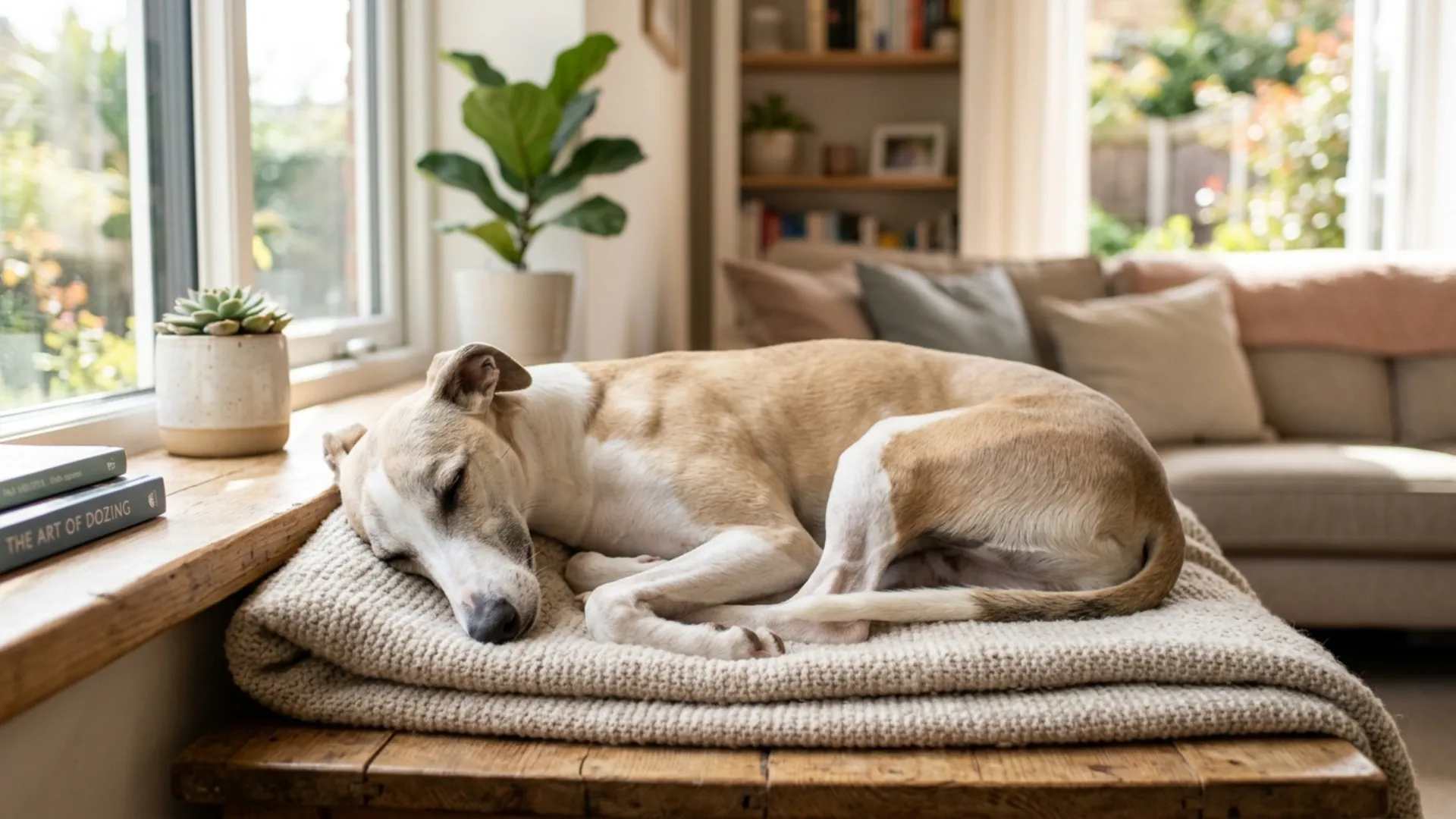
Ever shared your home with a four-legged roommate who thinks 3 AM is the perfect time to announce every passing leaf outside the window? Yeah… not exactly ideal when you’re trying to enjoy peace, Netflix, or just basic human silence.
Now imagine the opposite: a companion that prefers soft naps over constant noise, quietly observing the world like it’s on a slow-motion replay. That’s exactly why so many people are searching for the quietest dog breeds—because not every home needs a built-in alarm system with paws.
From busy apartment dwellers craving calm evenings to families who simply want a chill presence in the background, the appeal of a naturally quiet dog breed is growing fast. These dogs aren’t about drama or endless barking sessions; they’re more about comfort, calm energy, and effortless companionship.
Some are famously gentle, others are surprisingly independent, but all of them share one underrated talent—knowing when to simply… be quiet and enjoy the moment.
Quietest Dog Breeds That Master the Art of Dozing
1. Basenji
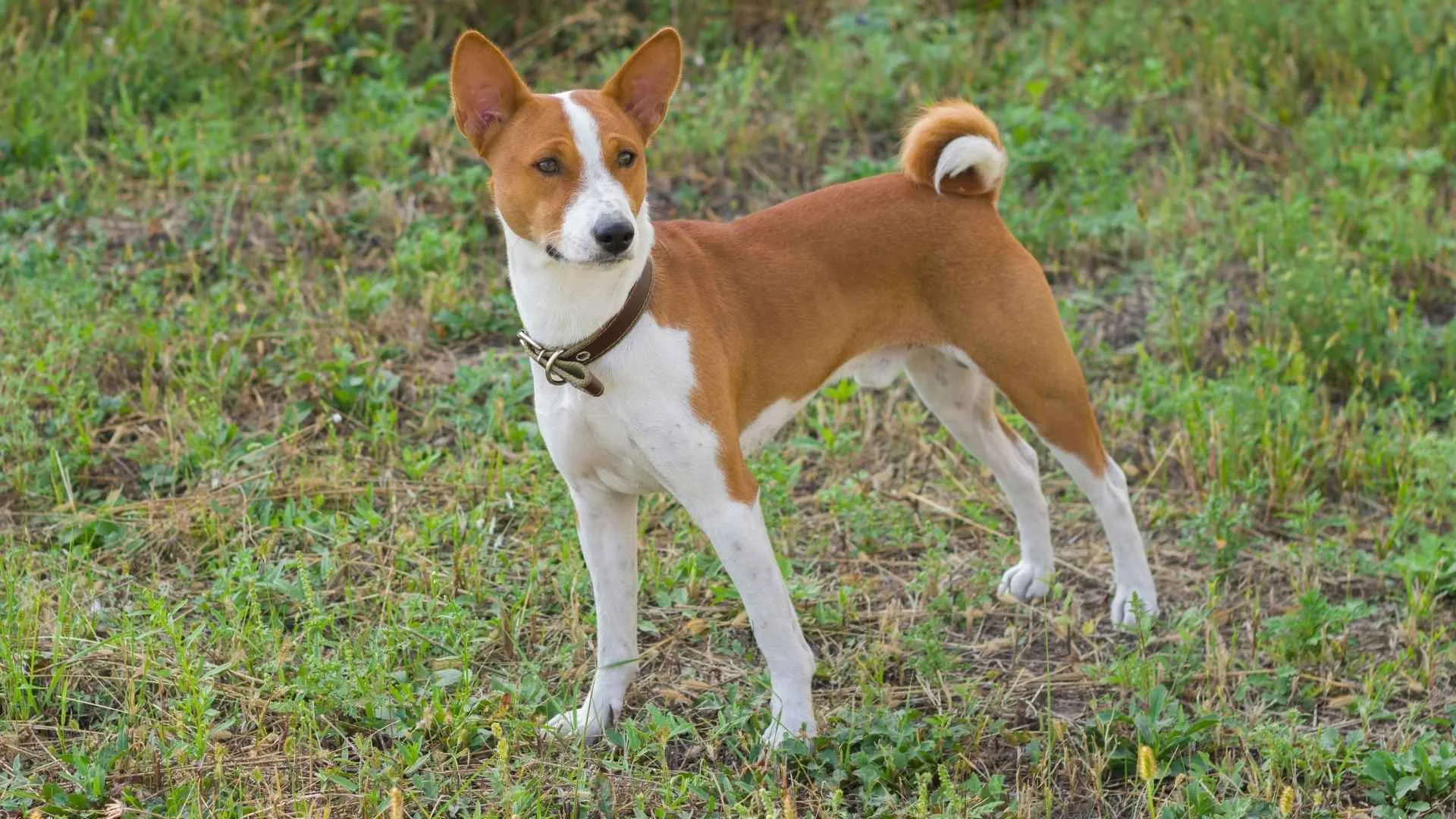
Ever heard of a dog that seems to prefer silence and naps over nonstop noise? That’s exactly the quiet charm here.
This unique hound, often called the African barkless dog, is one of the most unusual dog breeds, known for its calm presence and minimal barking. Originally bred in Africa as a hunting dog, it developed an alert but composed nature, making it observant rather than noisy, as per WebMD. Even though it has an independent streak, it can still adapt well to family life when its needs are met.
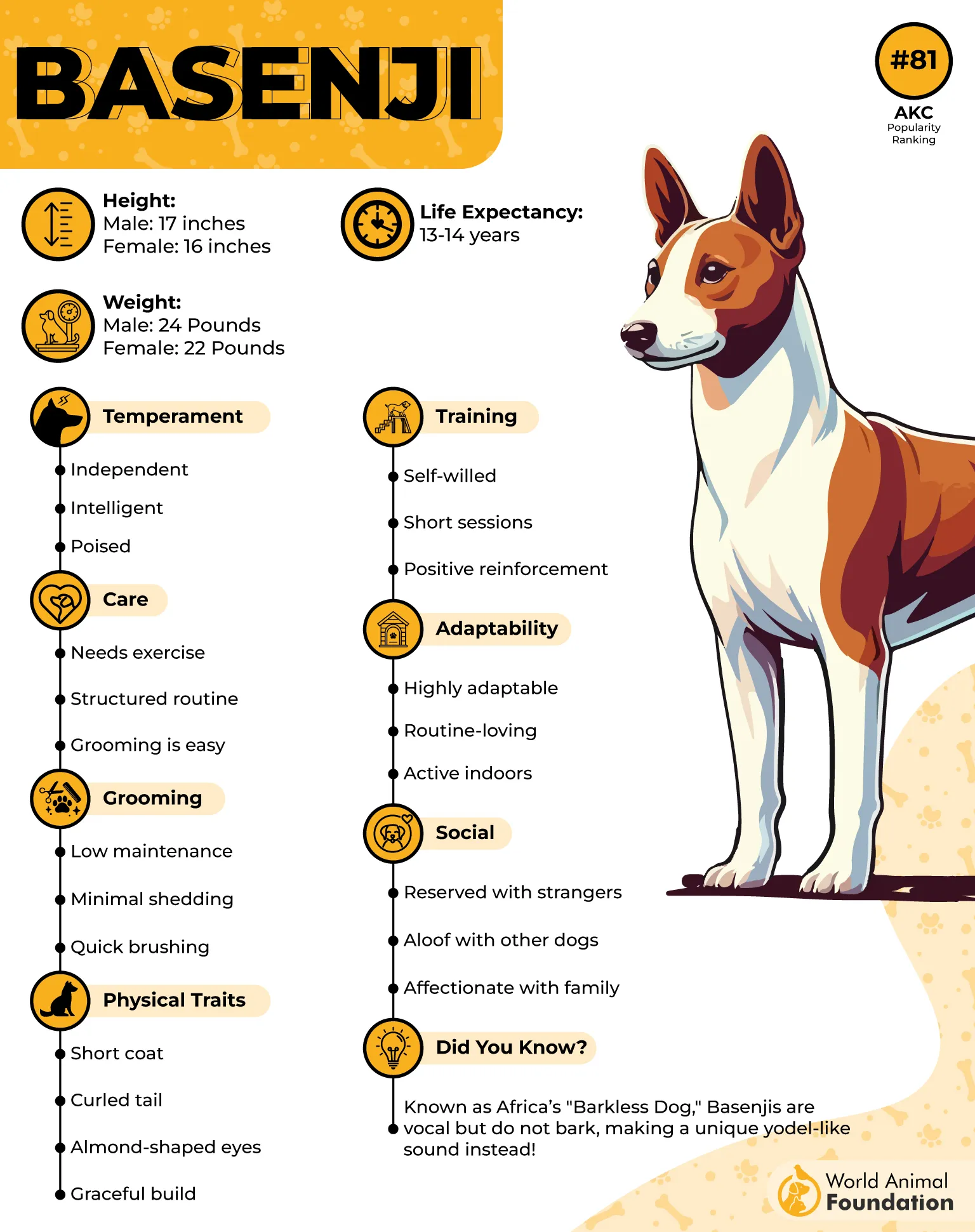
Basenjis are generally quiet, low-key companions that bring a peaceful energy to the home. They are affectionate in subtle ways and enjoy a balanced routine of activity and rest.
A healthy adult Basenji typically sleeps for 12-14 hours a day, although this can vary based on age, activity level, and individual temperament. Understanding how many hours a day a Basenji sleeps is crucial for responsible ownership.
2. Whippet
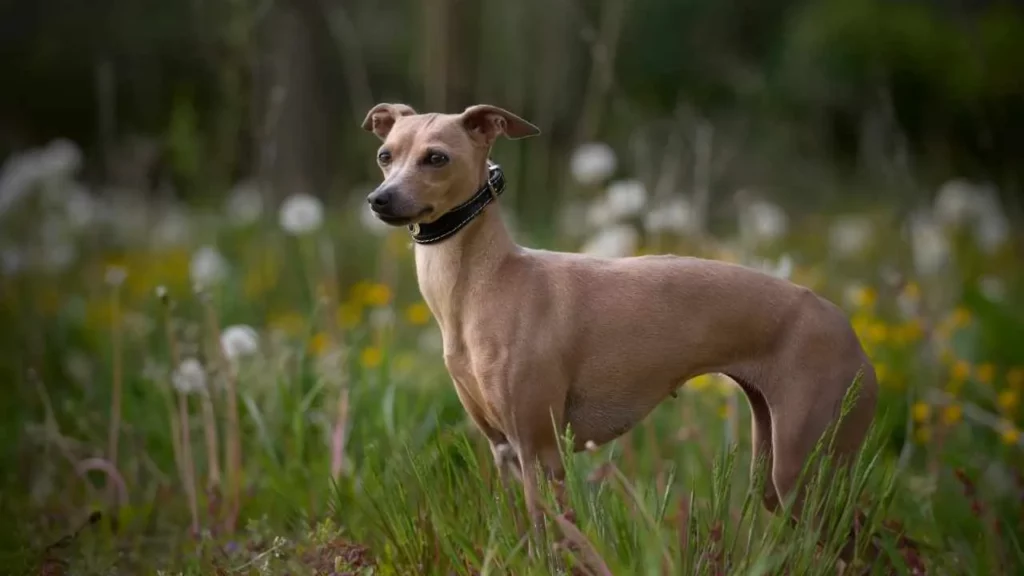
Not every dog is interested in turning your living room into a stadium—some are far more committed to the art of lounging in style.
This elegant sighthound is built like a speed specialist, with a slim, aerodynamic frame designed for short bursts of explosive running. Yet once the excitement fades, it quickly returns to a calm, relaxed state, often stretching out for long periods of rest.
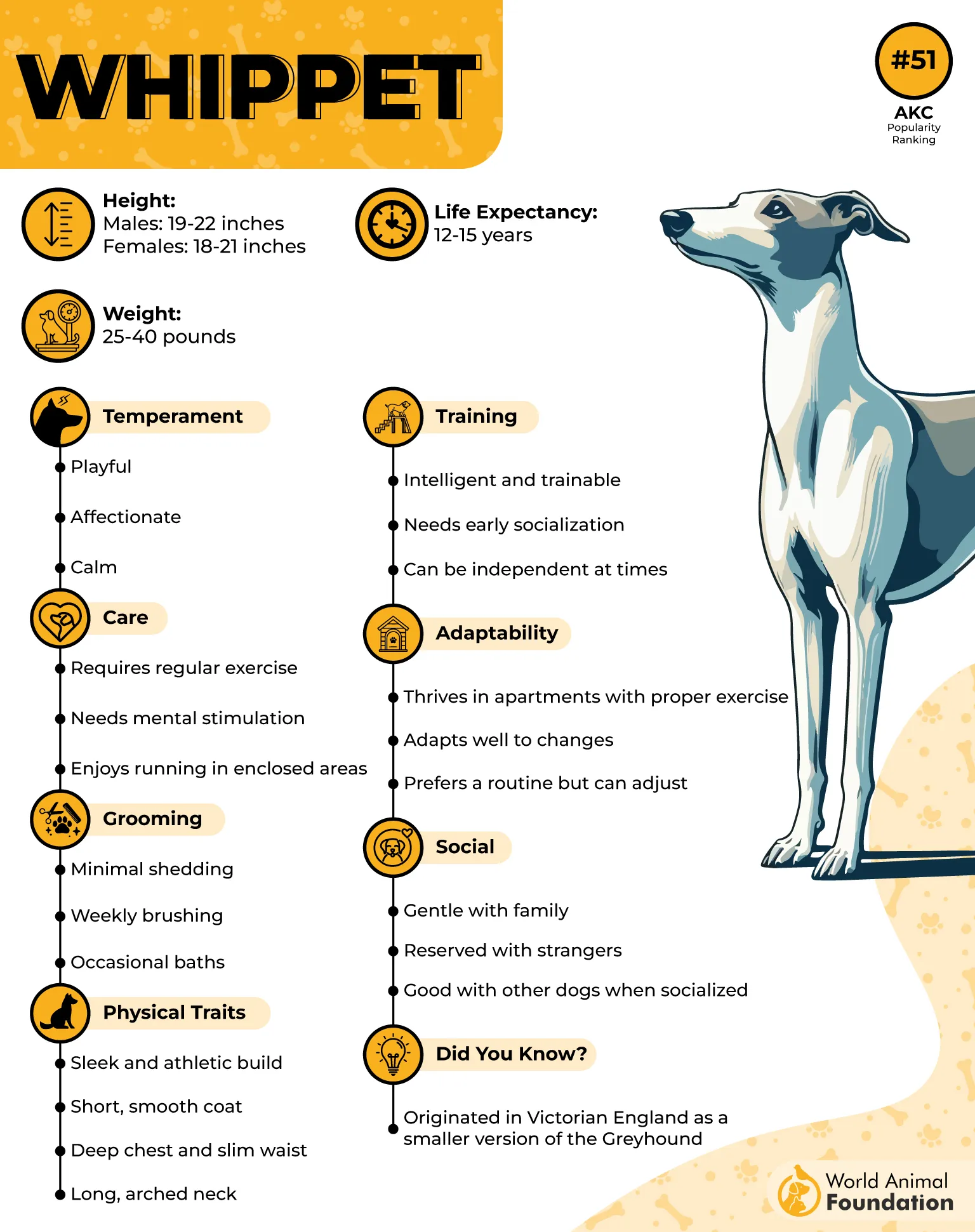
As per the AKC, despite its athletic nature, it is generally quiet and adapts well to apartment living when given proper daily exercise. Its gentle and easygoing temperament makes it a popular choice for those who prefer peaceful companionship over constant activity.
Sleep plays a major role in its lifestyle. Whippet puppies may sleep up to 18–20 hours a day, adults typically rest around 12–14 hours, and seniors often require even more downtime as their energy naturally slows.
3. Cavalier King Charles Spaniel
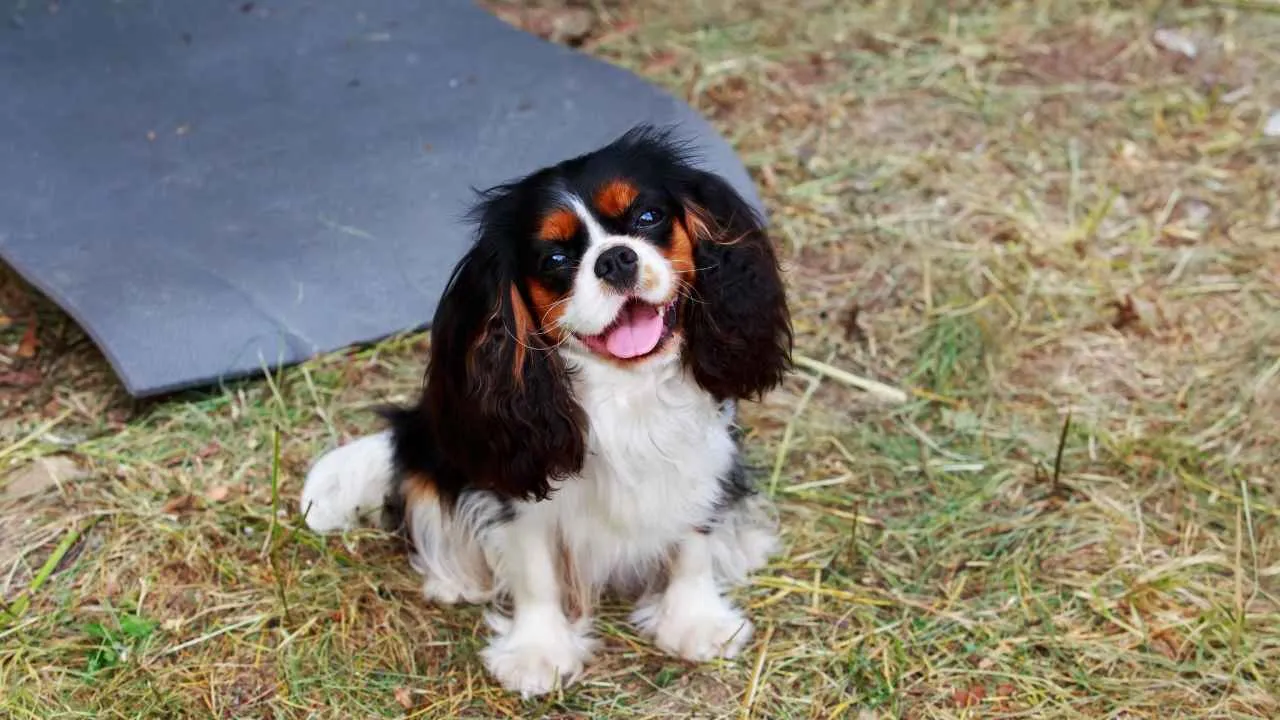
Some dogs don’t just live in your home—they quietly orbit your entire life, always one step away like a soft little shadow with a heartbeat.
The Cavalier King Charles Spaniel is a small, affectionate companion dog breed known for its strong bond with humans and gentle personality. Originally bred as a lap dog, they thrive on constant companionship and doesn’t enjoy being left alone for long periods.
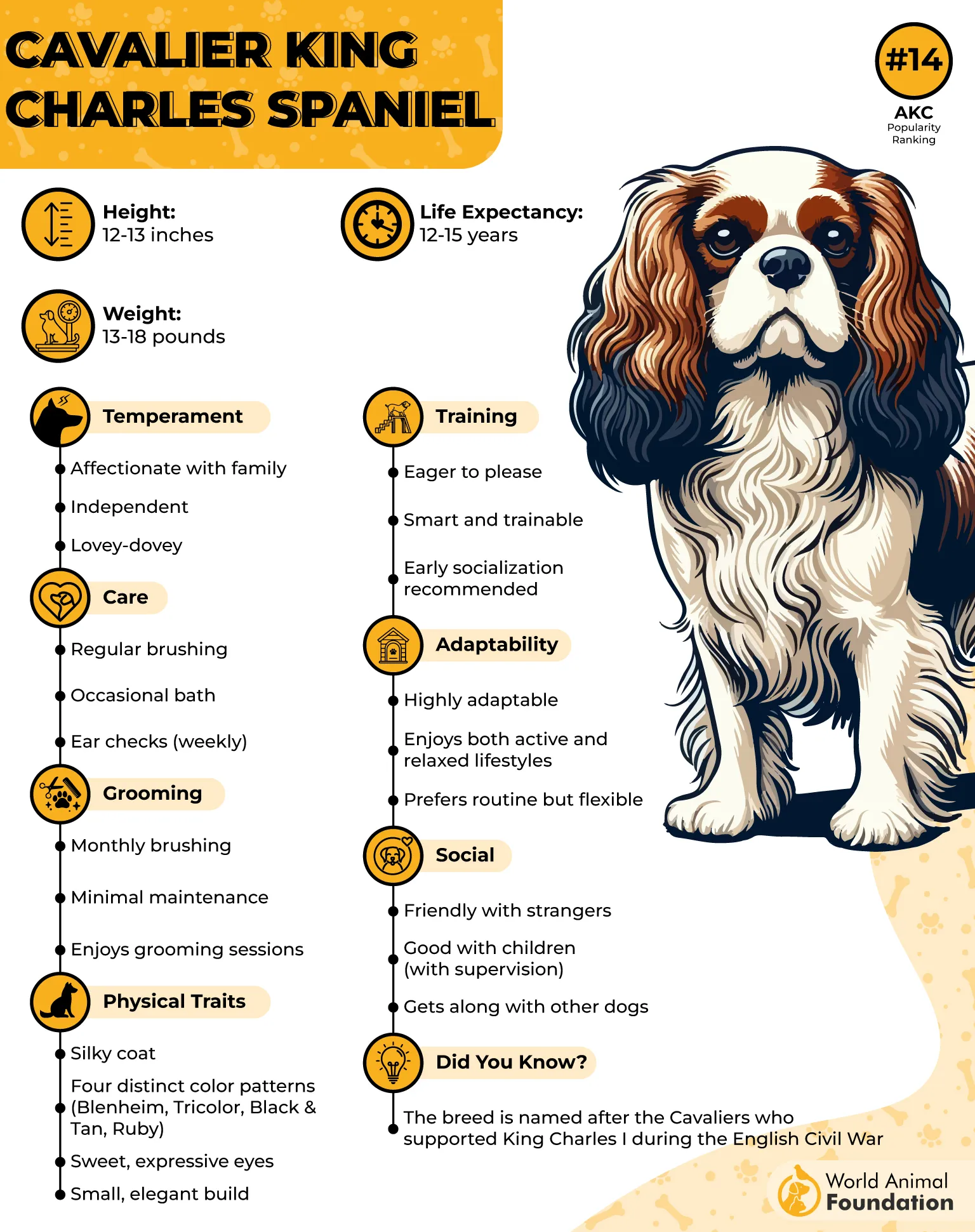
As per PDSA, it is friendly, adaptable, and well-suited for both city and country living as long as it receives enough attention, exercise, and mental stimulation. This breed is especially known for being great with families and children, thanks to its loving and eager-to-please nature.
Sleep is essential for the Cavalier King Charles Spaniel’s well-being. Adult Cavalier King Charles Spaniels typically sleep around 12–15 hours per day, while puppies may need up to 18–20 hours to support healthy growth and development.
4. Pug
Ever met a dog that acts like every room it enters is a stage—and every human is part of the audience?
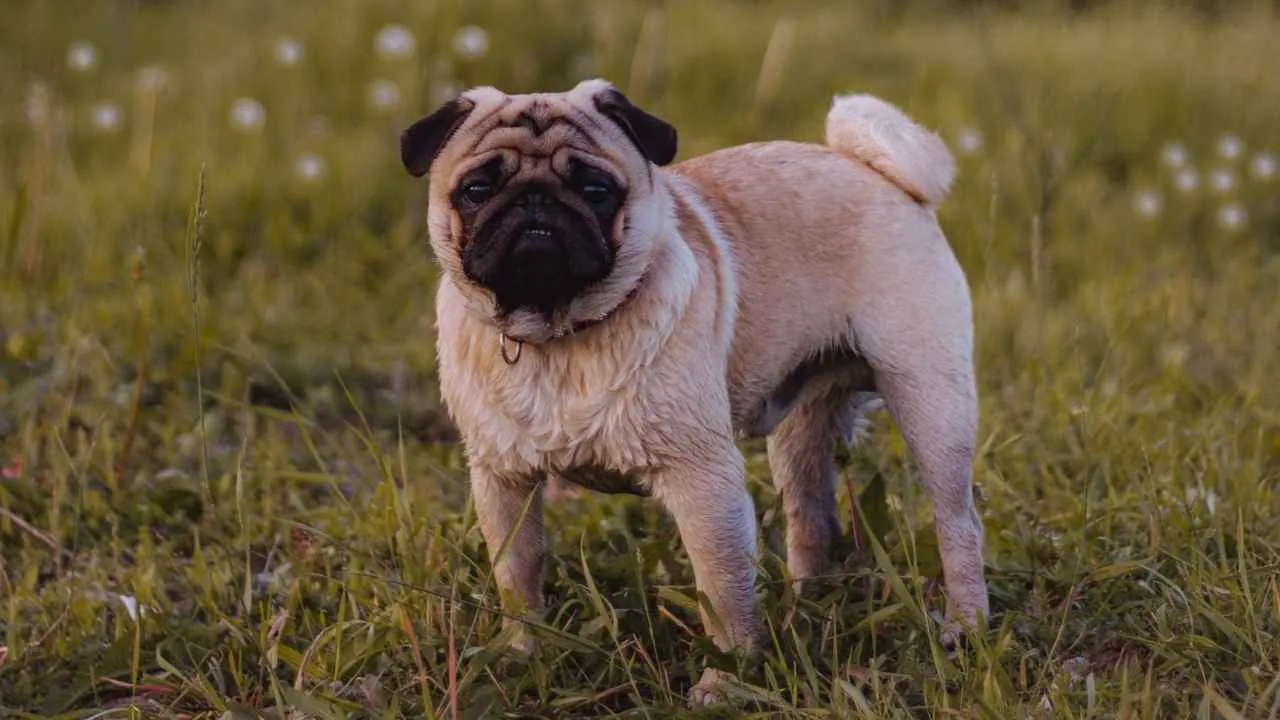
The Pug is a small, sturdy companion dog breed known for its playful personality, adaptability, and big character packed into a compact body. Originally one of the oldest toy-type dogs, the Pug has a long history tracing back to ancient China, where it was bred as a companion for royalty.
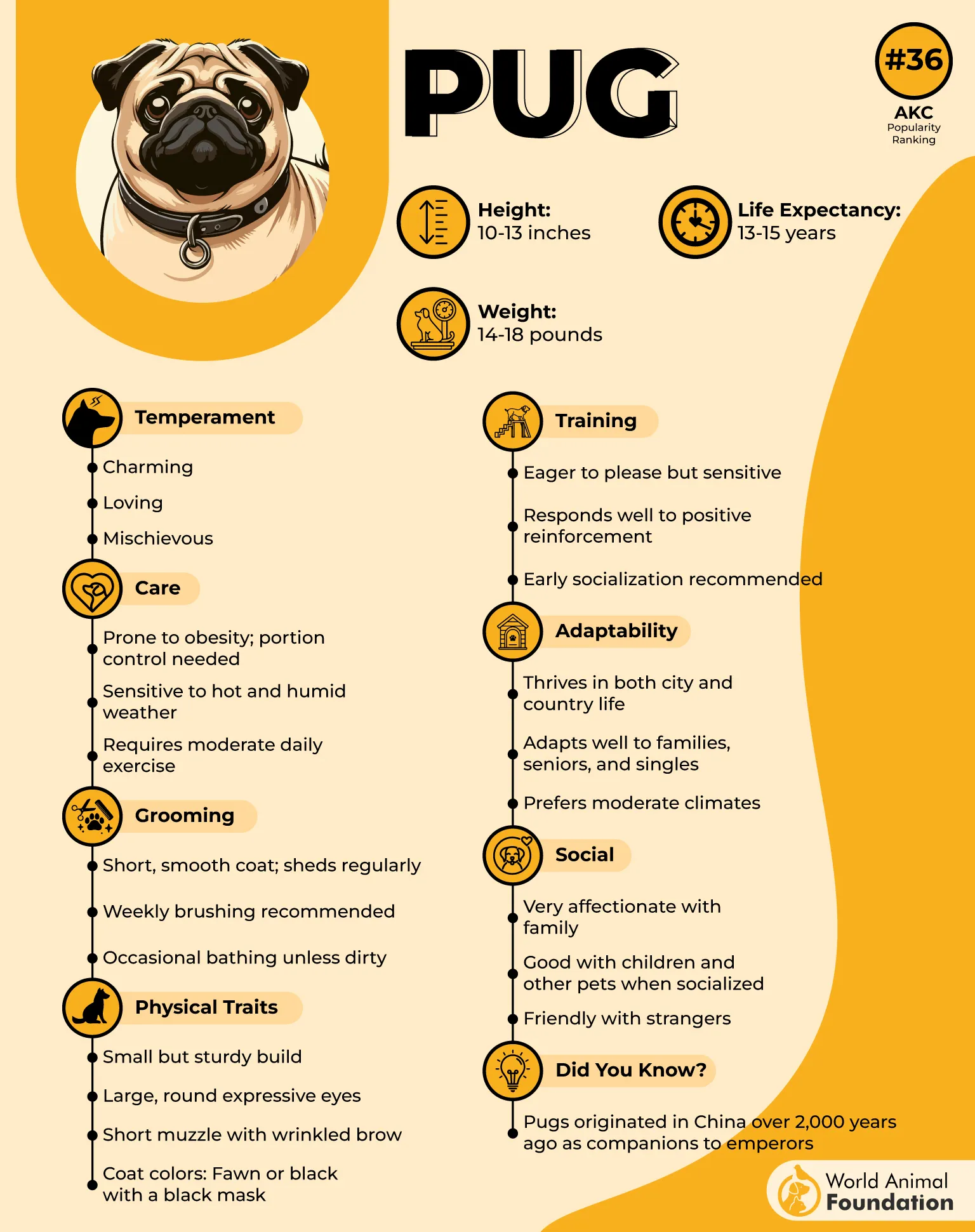
Today, the Pug is loved for its friendly, social nature and ability to fit into almost any living environment, from busy family homes to quiet apartments. It enjoys being around people and often becomes the centre of attention without even trying.
Despite its playful bursts of energy, the Pug is also a well-known couch potato that enjoys long rest periods. It does need regular daily exercise to maintain a healthy weight and overall well-being, especially since it can be prone to laziness and overeating, as per PetPlan.
Sleep is a major part of a Pug’s routine, with adults typically resting around 12–14 hours a day, while puppies may sleep up to 20 hours and seniors around 15 hours.
5. Newfoundland
Some dogs are built for speed, some for agility—but then there are dogs that feel like they were designed to quietly hold your world together.
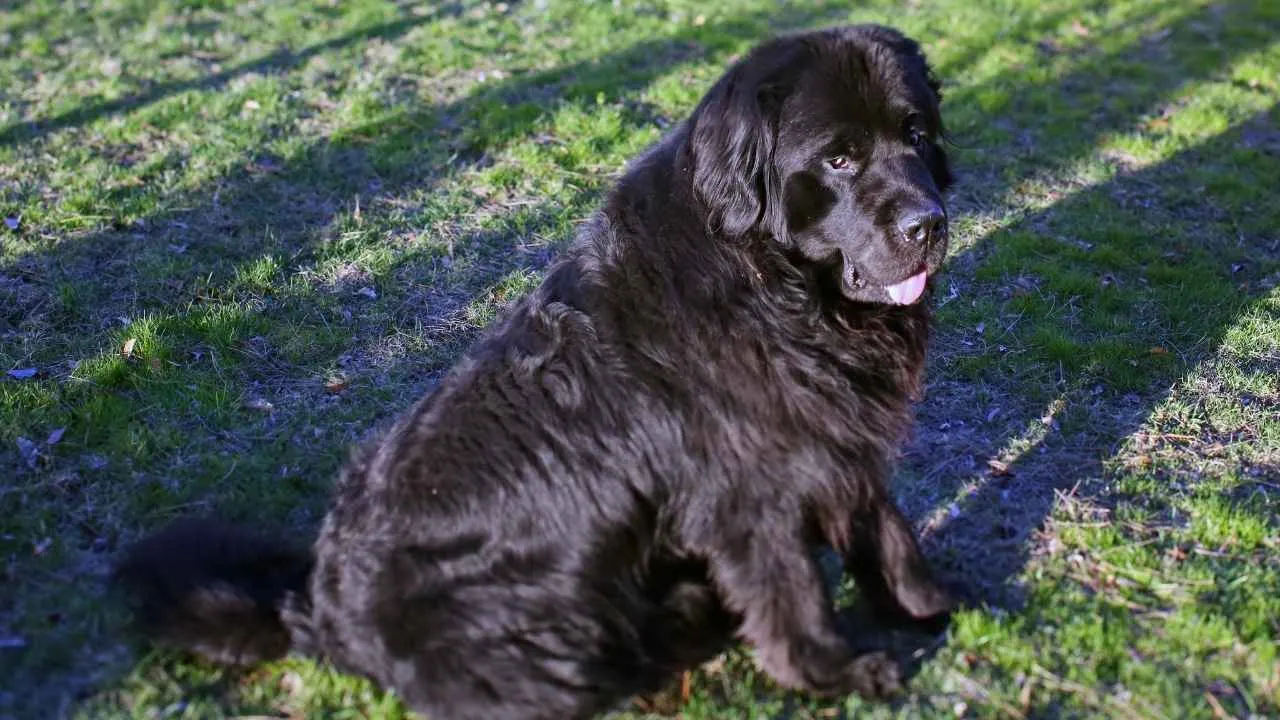
The Newfoundland is a giant working dog breed known for its calm strength, gentle temperament, and fiercely loyal nature. Despite its massive build and powerful frame, the Newfoundland is famously soft-natured and often referred to as a natural “nanny dog” because of its patience and protective behavior around children.
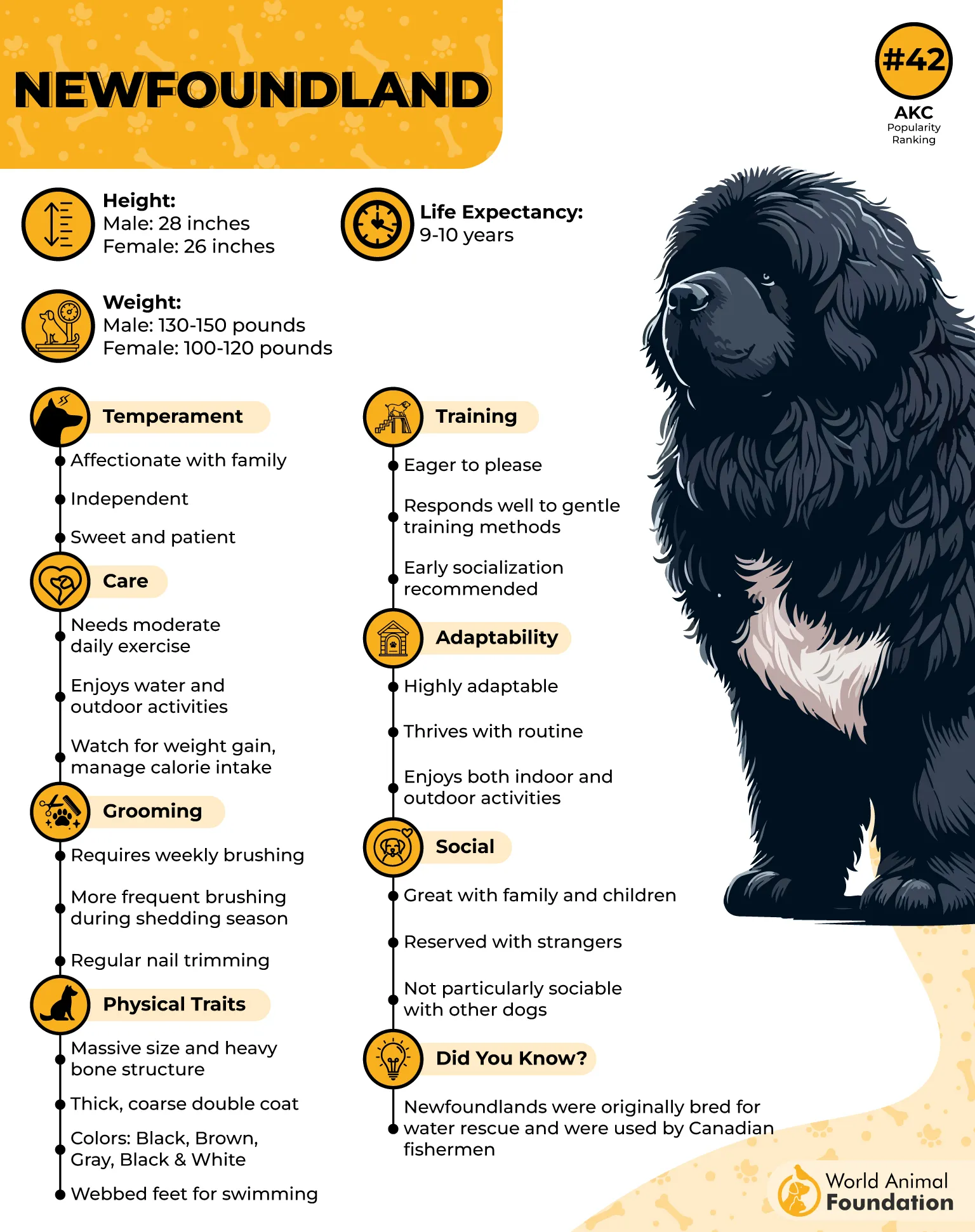
Originally bred for water rescue and heavy labor, this breed is both dependable and highly trainable when handled with calm, consistent guidance. It thrives on being close to its family and enjoys a peaceful indoor lifestyle paired with regular moderate exercise like walking or swimming.
Even with its working background, the Newfoundland is relaxed at home and enjoys long restorative rest periods that help maintain its health and balance.
Newfoundlands typically sleep around 12–14 hours a day, while puppies and senior dogs may rest even longer depending on their activity levels and overall condition.
6. Irish Wolfhound
Some dogs don’t ask for attention—they quietly occupy space with such calm dignity that you remember them long after they’ve gone.
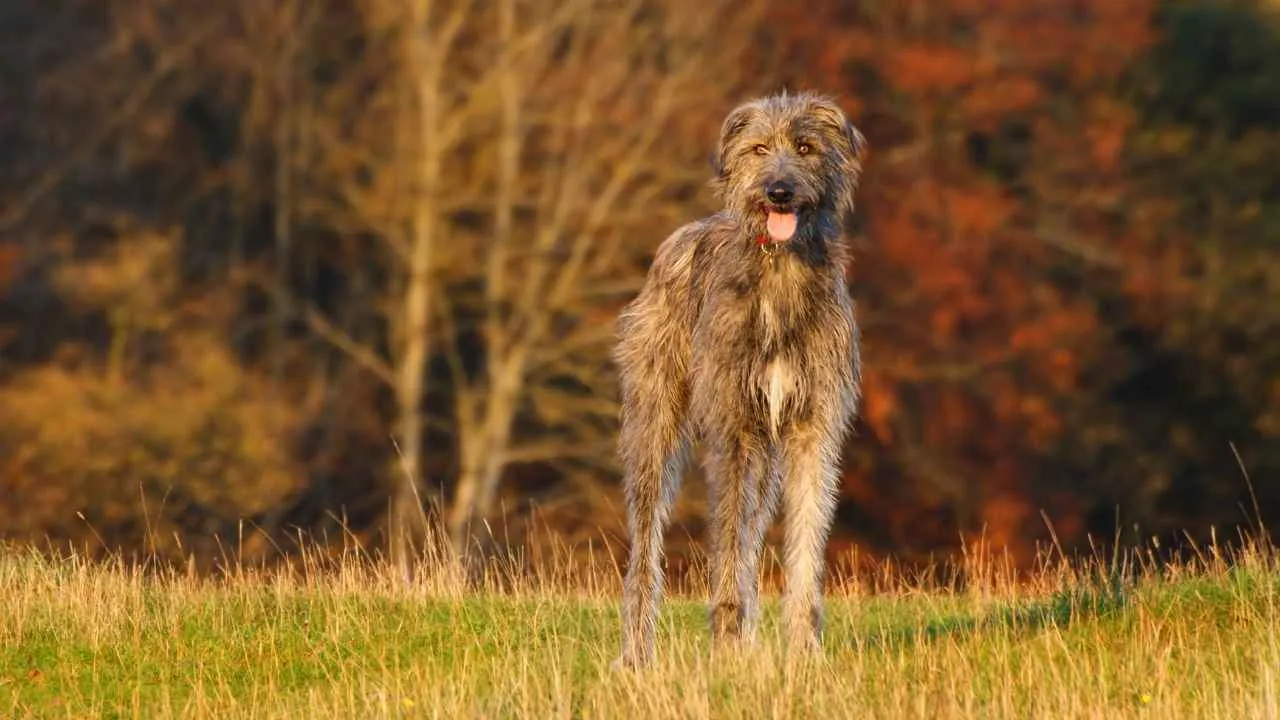
As per Wikipedia, the Irish Wolfhound is a giant sighthound breed recognized for its towering size, composed temperament, and historic background in hunting and companionship. Despite its powerful physique, the Irish Wolfhound is typically calm, gentle, and introverted indoors. It prefers pretty quiet setting and is not usually destructive or overly energetic inside the home.
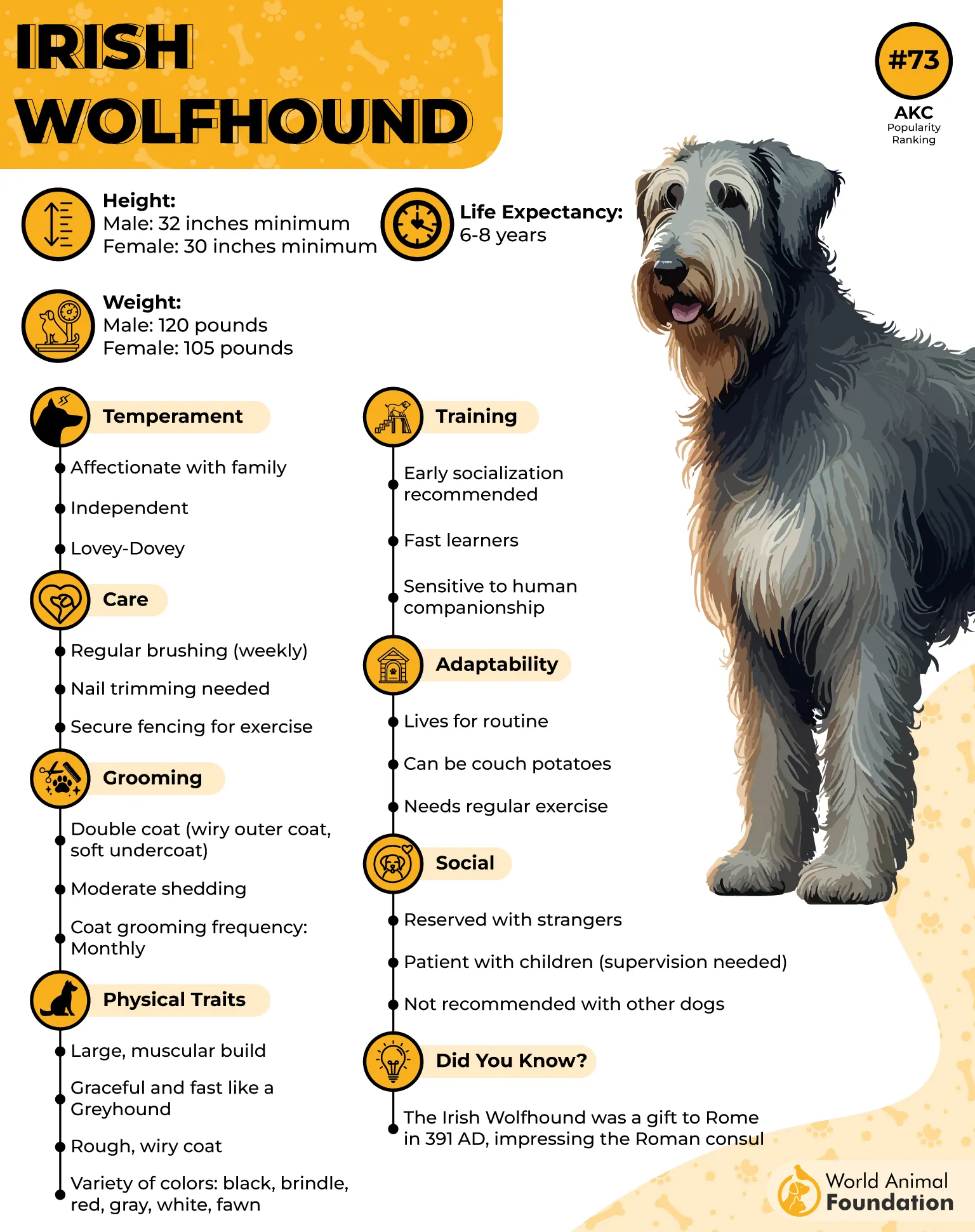
Once used in hunting, this breed is now more appreciated for its loyalty, patience, and affectionate demeanor with its human family. It develops deep emotional connections and may become withdrawn if left alone for extended periods, so regular companionship is important for its emotional balance.
Sleep is vital for this breed, with Irish Wolfhounds typically resting around 12–14 hours a day to maintain physical and mental balance.
7. Clumber Spaniel
Some dogs don’t rush through life—they move at a slower, softer rhythm, as if they’ve mastered the art of taking things easy.
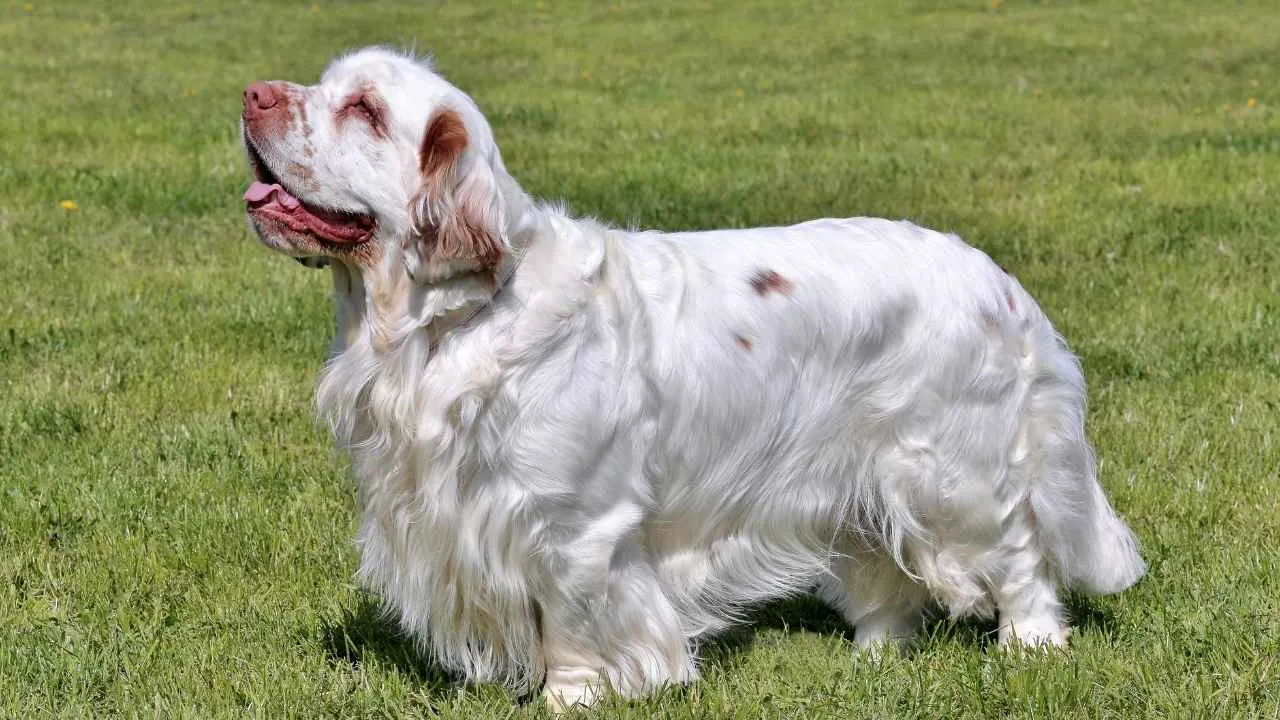
The Clumber Spaniel is a long, low-built sporting dog breed known for its calm temperament, sturdy frame, and quietly affectionate nature. Despite its solid and heavy appearance, the Clumber Spaniel is gentle, loyal, and deeply people-oriented.
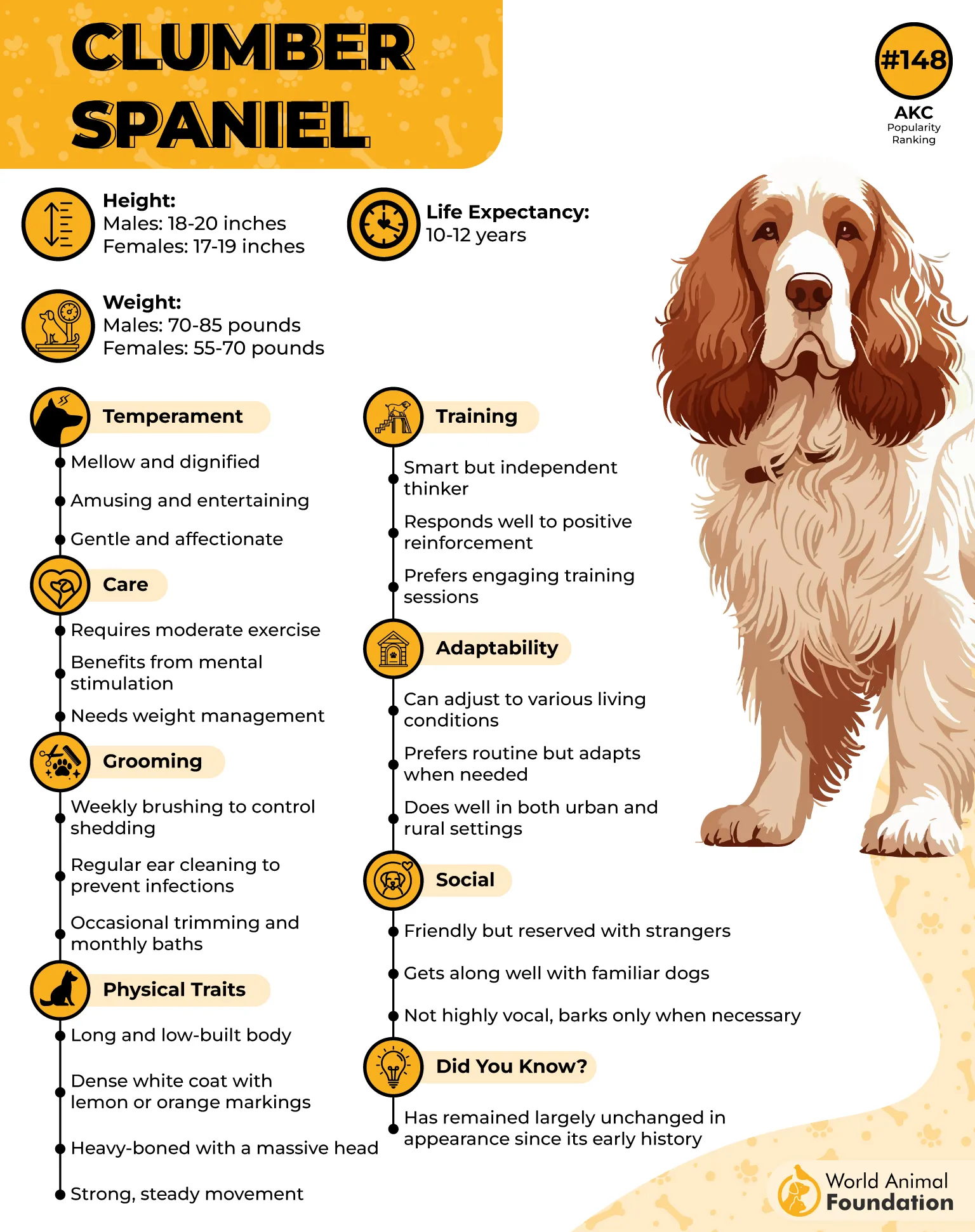
The Clumber Spaniel can be playful and enjoys activities like swimming and relaxed walks, but it also adapts well to a peaceful home routine. While it is not a big barker, it may produce soft sounds or occasional “yodel-like” vocalizations for communication rather than frequent barking. Regular exercise is important to prevent weight gain and keep it healthy and active.
Clumber Spaniels typically sleep around 12–14 hours a day, balancing rest with moderate daily activity and companionship needs.
8. Japanese Chin
Some dogs don’t demand attention—they politely exist in your space like a tiny aristocrat who also enjoys a good comedy routine.
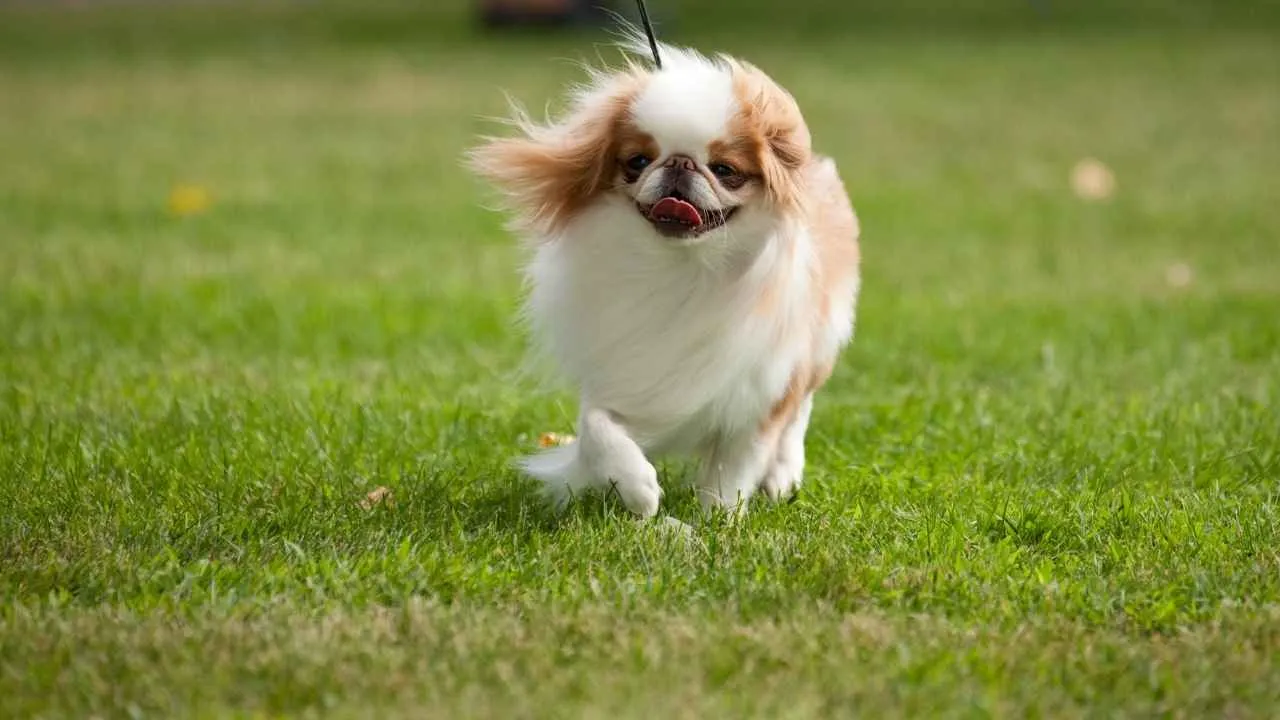
The Japanese Chin is a toy companion dog breed known for its elegant appearance, calm nature, and surprisingly playful personality. Once cherished by Japanese nobility, this breed carries a refined, graceful presence, yet it also has a mischievous, almost clown-like side that surprises many owners, as per Orvis.
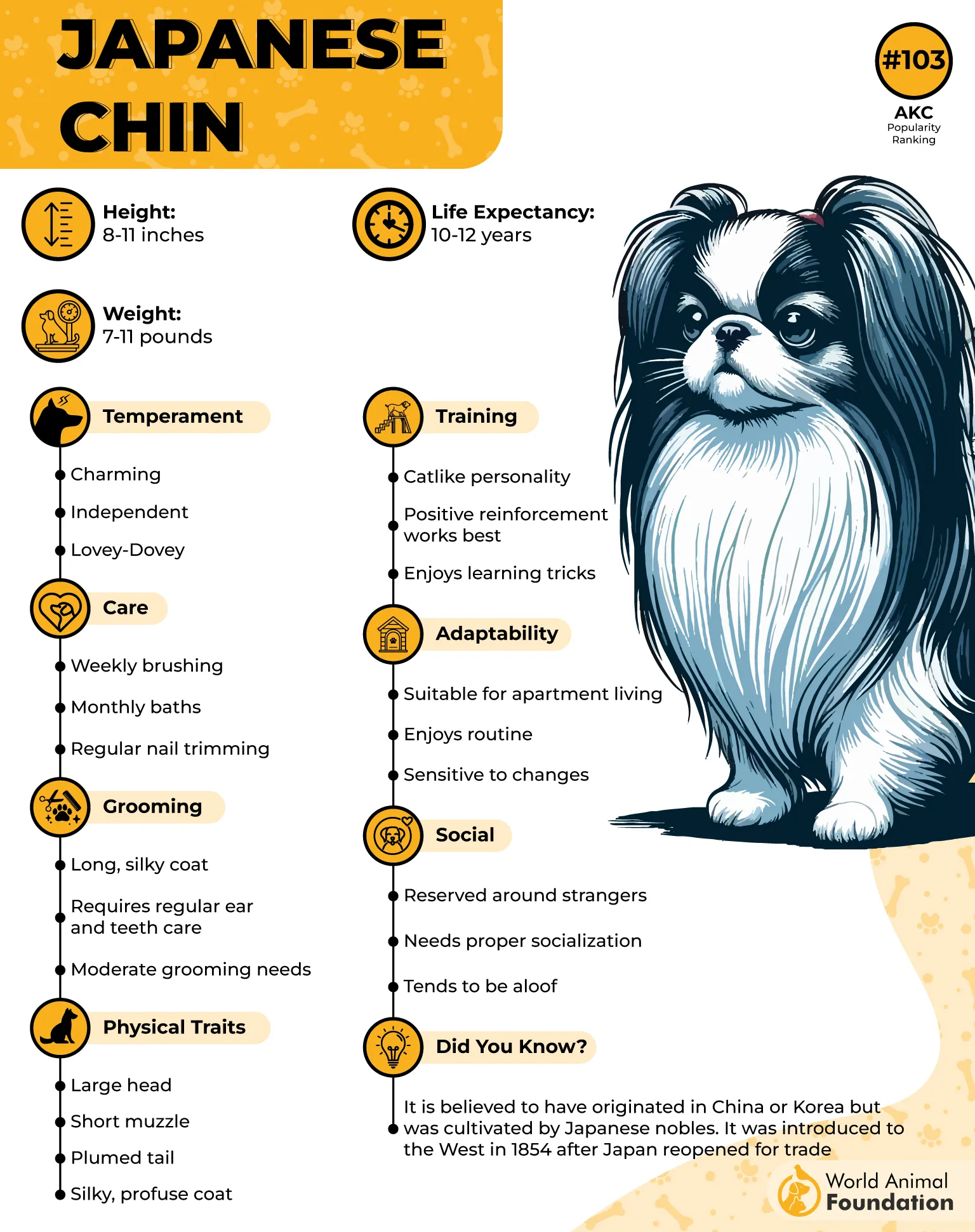
The Japanese Chin is often described as “cat-like” because of its clean habits, love of high perches, and quiet independence. It is generally a gentle, affectionate dog preferring to stay close to its family while remaining polite with strangers.
It is usually quiet, producing soft yips or gentle vocal sounds rather than loud barking, making it well-suited for calm living environments. It forms strong bonds with its family while maintaining a composed and adaptable temperament.
This small breed typically sleeps around 12–14 hours a day, with puppies and seniors often resting even longer depending on their needs.
9. Pyrenean Mountain Dog
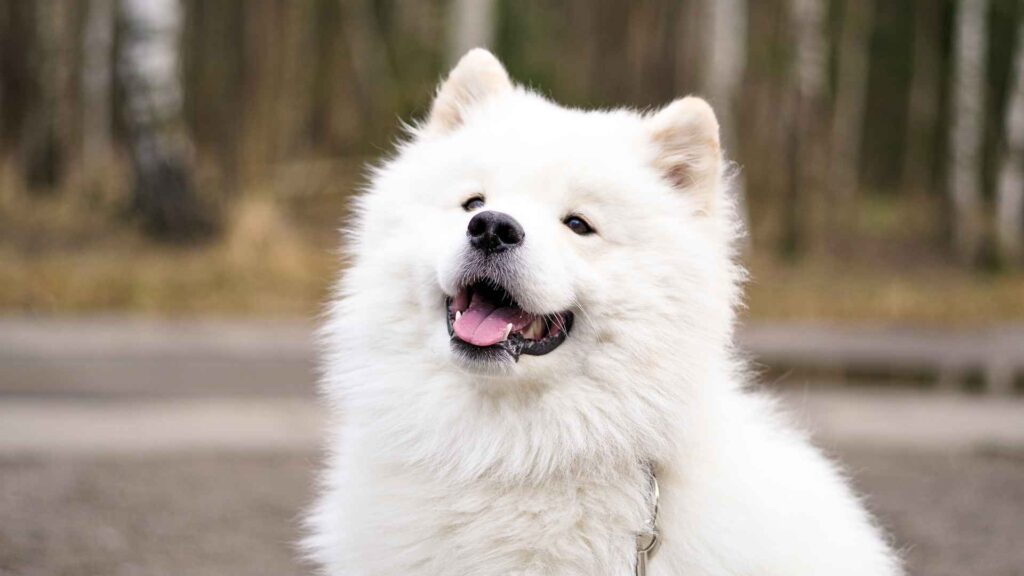
Some dogs don’t rush into your life—they settle in like a calm, snowy presence that quietly makes everything feel safer.
The Pyrenean Mountain Dog is a giant guard dog breed known for its majestic build, gentle temperament, and strong protective instincts. Originally bred in the Pyrenees mountains to guard sheep, this breed developed independence, intelligence, and the ability to think on its own.
Despite its size, the Pyrenean Mountain Dog is affectionate with family, patient with children, and often calm and soothing indoors. It may be reserved with strangers due to its guarding nature but is not aggressive without reason.
As per Omlet, this breed is generally low-energy at home, enjoying slow walks and quiet companionship. Training requires patience and consistency, as it learns at its own steady pace.
Pyrenean Mountain Dogs typically sleep around 12–14 hours a day, using rest to stay balanced and healthy.
10. Great Dane
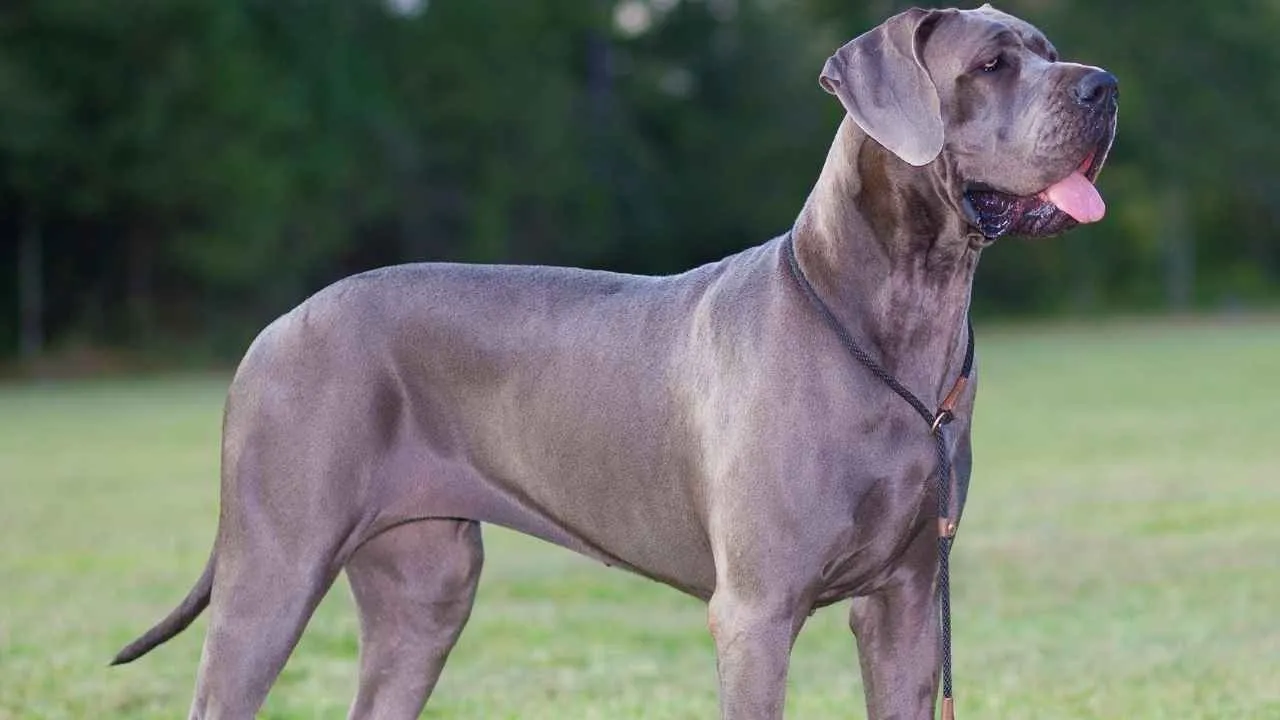
Some dogs don’t just walk into a room—they arrive like a quiet presence that somehow takes up all the space without even trying.
The Great Dane is a giant working dog breed originally developed in Germany in the 1800s for hunting wild boar and guarding estates. Despite its powerful history and impressive stature, often called the “Apollo of dogs,” the modern Great Dane is known for its gentle and affectionate nature.
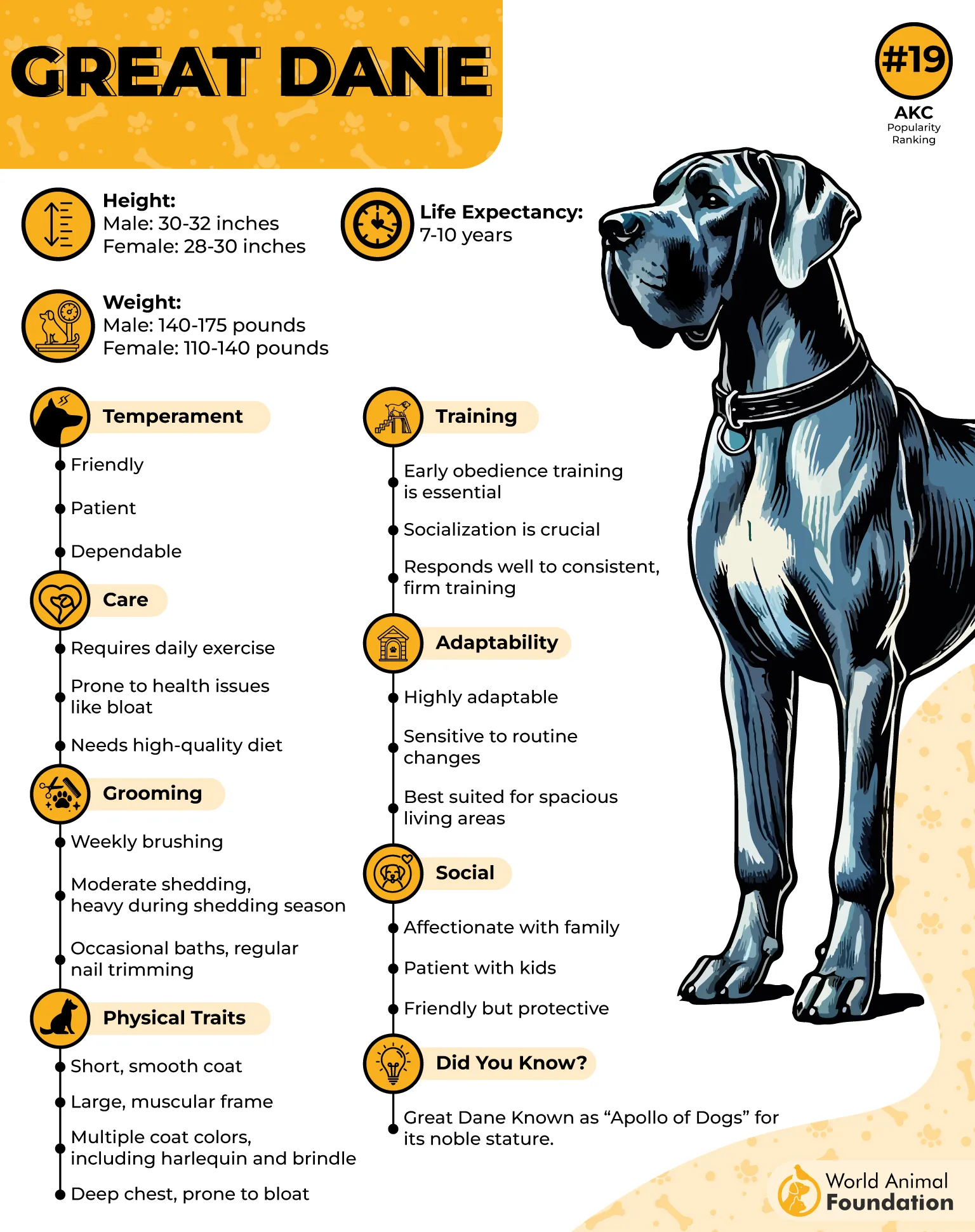
It is one of the tallest dog breeds in existence, yet it tends to be surprisingly soft in temperament and enjoys being close to its family. With proper training and early socialization, it grows into a well-mannered and confident companion.
As per PetMD, although the Great Dane is not overly energetic, it still needs regular exercise, including long daily walks and space to stretch and play. Early exposure to different people, pets, and environments is important to prevent fearfulness or anxiety later in life.
Great Danes typically sleep around 12–14 hours a day, using rest to support their large bodies and maintain overall balance.
Conclusion
From tiny lap companions to towering gentle giants, one thing becomes clear—quiet dogs don’t mean boring dogs. They simply bring a calmer rhythm to life, filling homes with presence instead of noise, and companionship instead of chaos.
Whether it’s the soft-natured cuddle lover, the independent observer, or the slow-moving guardian with a heart of gold, each of these breeds shows that peace and personality can go hand in hand. The right quiet dog doesn’t just fit into your home—it blends into your lifestyle and makes everyday moments feel a little more grounded.
If you’re drawn to calmer energy, take time to explore these breeds further, meet them in person if possible, and see which temperament truly matches your world. The best companion isn’t always the loudest one—it’s the one that feels right when everything else gets quiet.
Sometimes, the loudest thing missing in life is actually silence shared with the right dog beside you.
