




Living in an apartment doesn’t mean you have to give up the joy of having a dog. While some breeds are known for their loud barking, others are naturally quieter and more comfortable in smaller living spaces. Teacup dogs, with their tiny size and adorable personalities, can be lovely companions for apartment dwellers.
However, a small body doesn’t always mean a quiet personality. Some tiny dogs are surprisingly vocal, while others are more relaxed and less likely to disturb the neighbors.
Finding a breed with a calmer nature can make apartment living much more enjoyable for both you and your furry companion.
If you’re hoping to welcome a little dog into your home without too much barking, there are several breeds worth considering. Here are nine quiet teacup dog breeds that bring plenty of companionship and charm to apartment living.
Top Quiet Teacup Dog Breeds for Apartment Living
1. Cavalier King Charles Spaniel
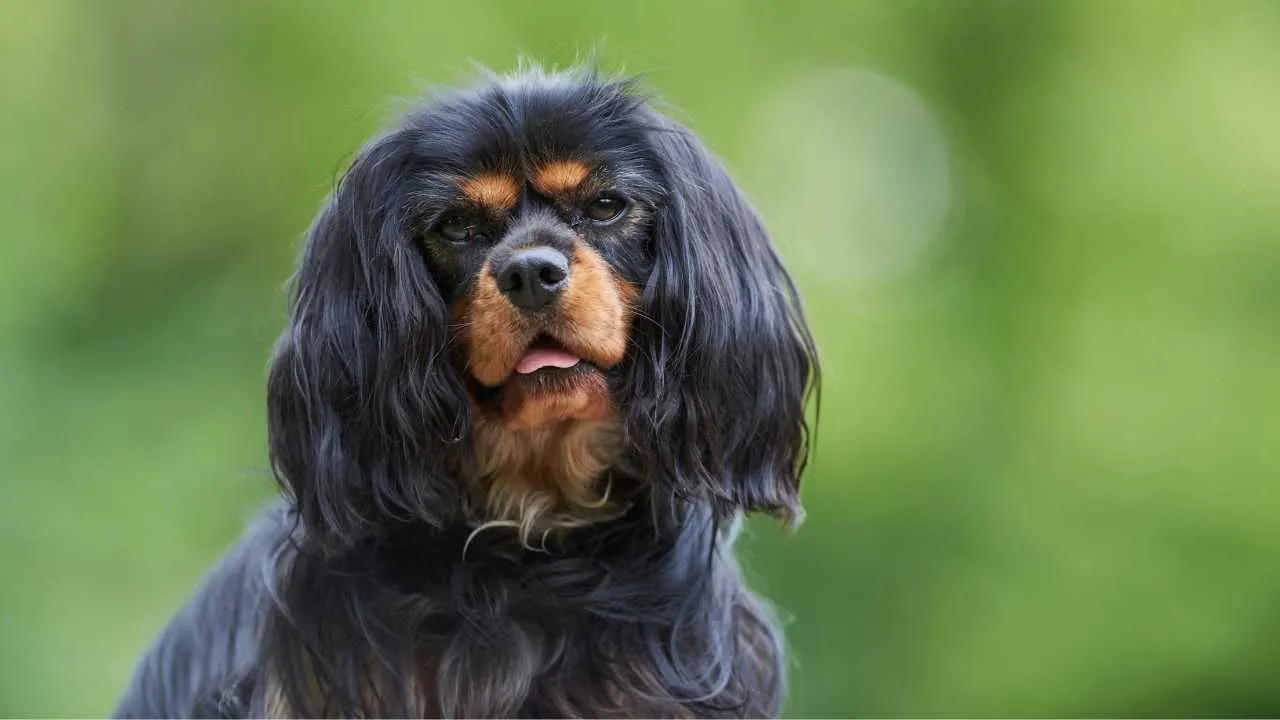
With their royal British history and sweet expressions, Cavalier King Charles Spaniels are charming little companions.
Originally bred to warm laps in chilly castles and on carriage rides, these dogs have a long history as devoted pets. Their silky coats, large round eyes, and gentle expressions make them instantly recognizable.
Temperament and Personality
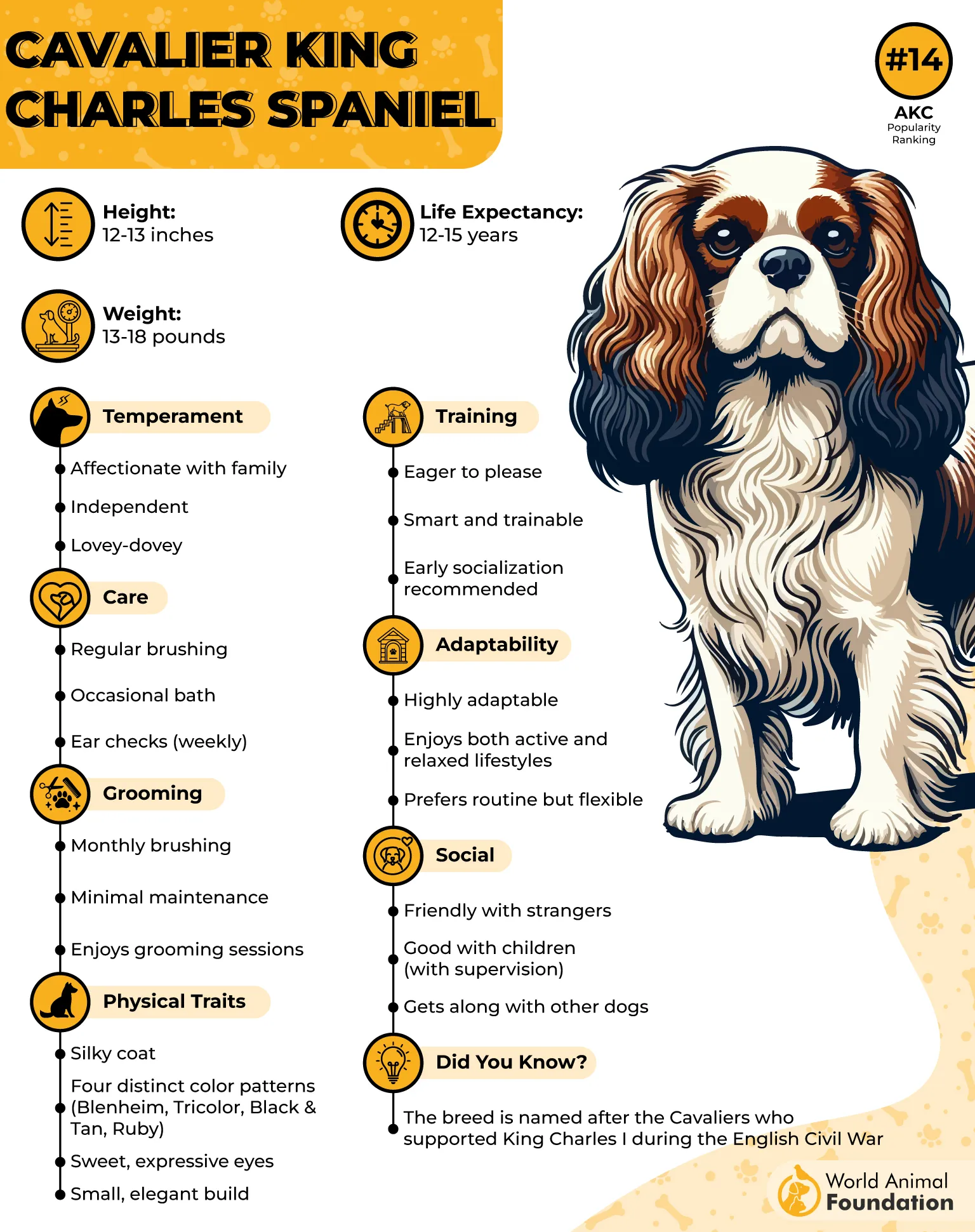
Cavaliers are known for their affectionate, friendly, and easygoing personalities. They enjoy cuddling with their families but also love playtime, walks, and outdoor activities. Their adaptable nature allows them to fit into different lifestyles, including apartment living.
They are generally friendly with children, strangers, cats, and other dogs. However, they thrive on human companionship and can become distressed when left alone for long periods.
Apartment Living and Care
Cavaliers can be lovely apartment companions because they are generally calm once their exercise needs are met. According to PetMD, two daily walks of 20–30 minutes, along with playtime, help keep them happy.
They are relatively easy to train and respond well to affection and positive reinforcement. Their coats need regular brushing to manage loose hair, while weekly ear and eye checks help maintain their health.
2. Tibetan Spaniel
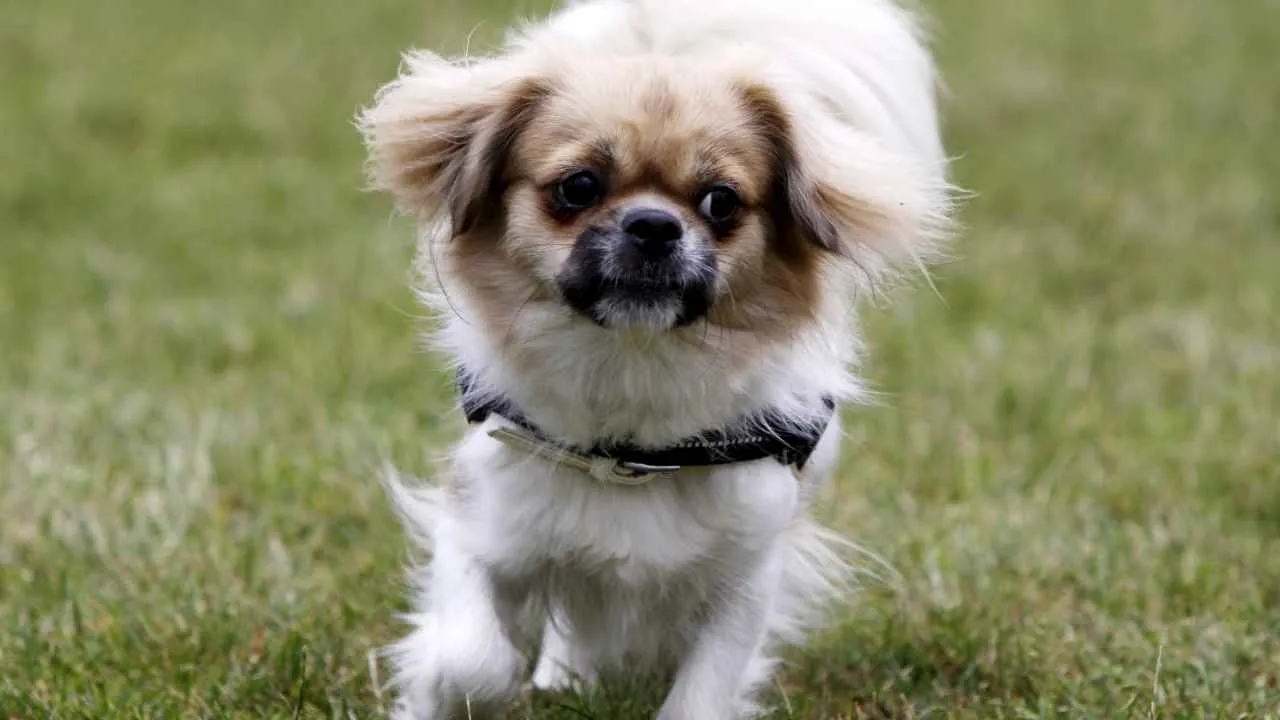
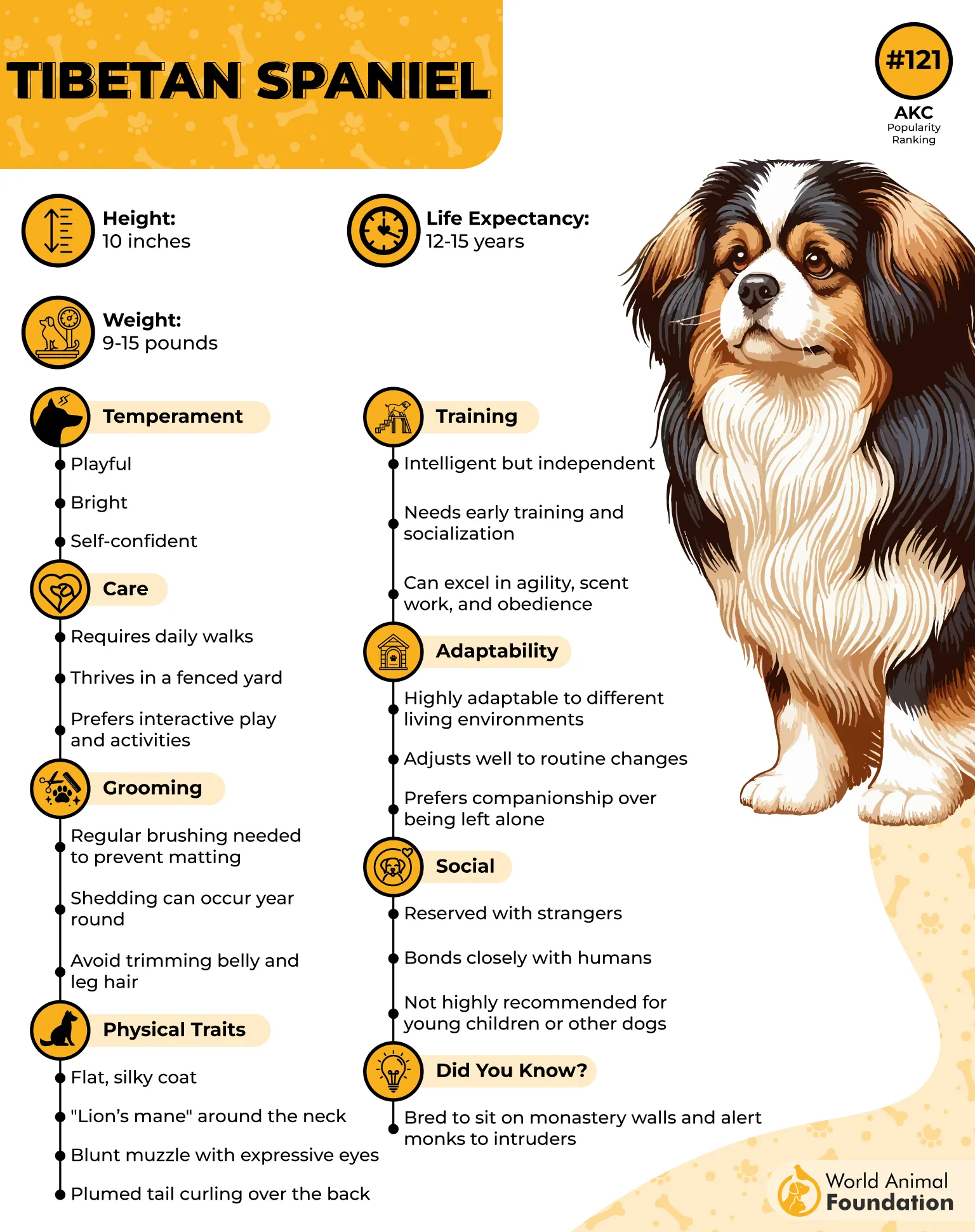
Tibetan Spaniels, also called Tibbies, have a history dating back more than 2,000 years. They originated in Tibet, where Buddhist monks kept them as watchdogs in monasteries.
They would sit on high monastery walls and alert the monks to approaching strangers or wolves. These small dogs have a distinctive appearance, with a flat, silky coat, expressive eyes, a blunt muzzle, and a plumed tail that curves over their back.
Temperament and Personality
Tibbies are affectionate, curious, and loyal companions. They form close bonds with their families but also have an independent streak.
Although they can be reserved around strangers, they are naturally alert and quick to notice unusual activity. They also enjoy attention and may struggle when separated from their families for long periods.
Apartment Living and Care
Their small size makes Tibetan Spaniels suitable for apartment living, provided they have enough daily activity and mental stimulation. They need around an hour of exercise each day, along with training and puzzle games to keep them occupied.

They are quick learners and respond well to positive reinforcement. Their excellent climbing skills and tendency to dig also make secure outdoor spaces important.
3. Italian Greyhound
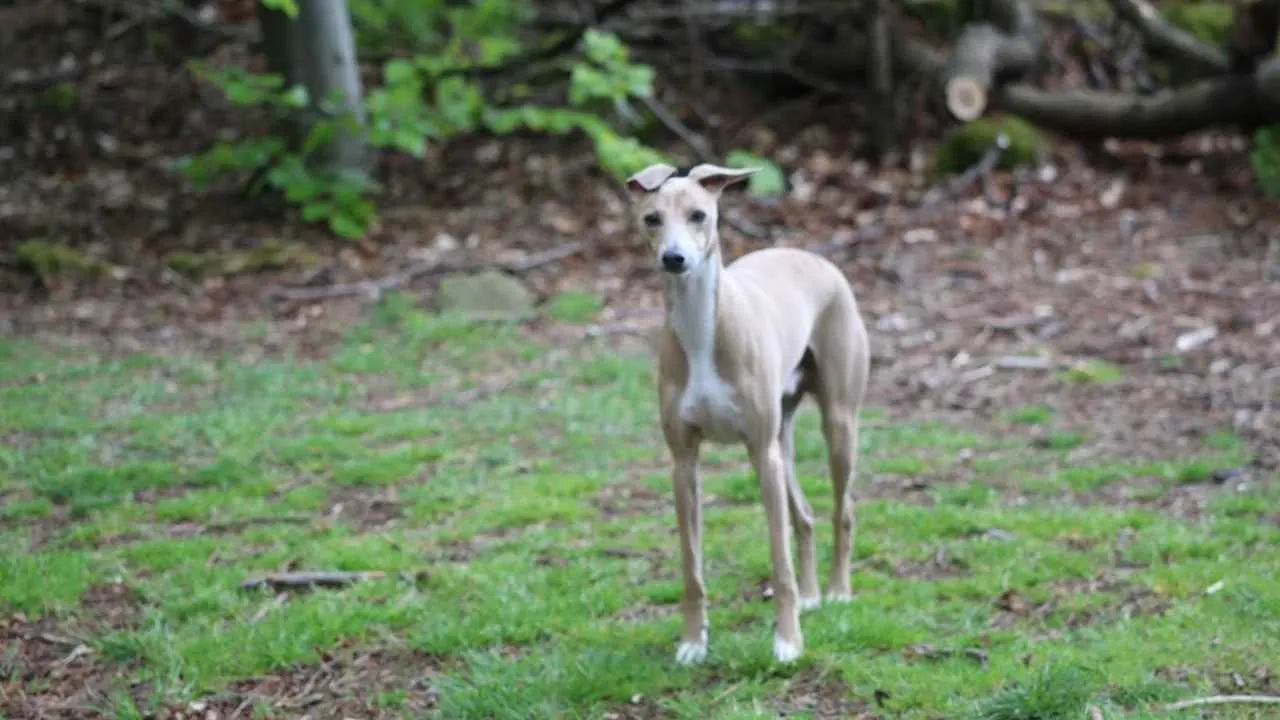
Italian Greyhounds are miniature versions of their larger Greyhound relatives. Originally from Italy, these elegant dogs were popular companions in royal households and appeared in paintings by several famous artists.
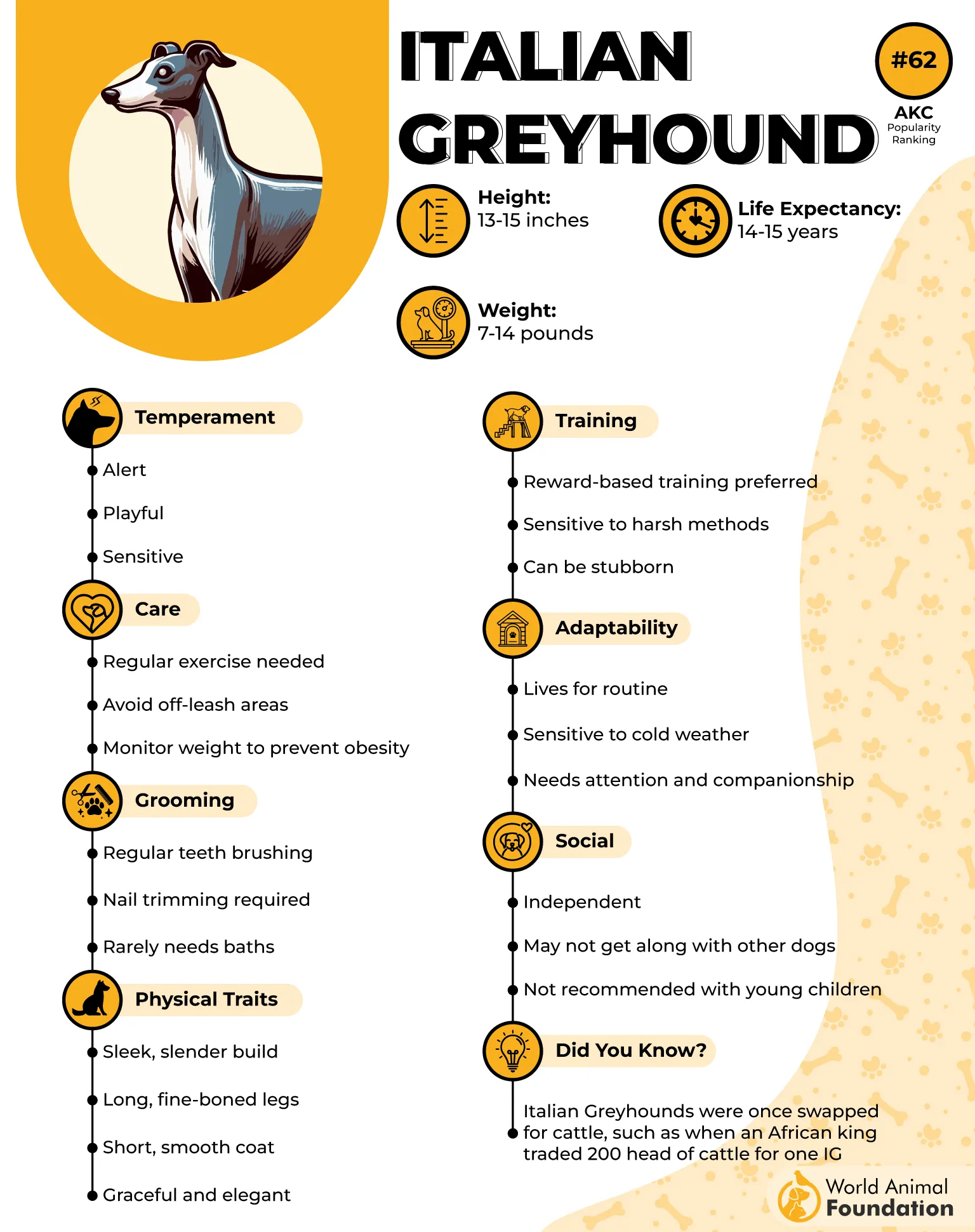
They have a slender body, long fine-boned legs, and a short, thin coat. Despite their delicate appearance, they are true sighthounds with a natural instinct to chase moving objects.
Temperament and Personality
Italian Greyhounds are affectionate, gentle, and playful companions. They love snuggling on their owners’ laps and often form very close bonds with one person.
They are generally sociable with children, strangers, and other animals, although their sensitive nature can make them shy or easily intimidated. They learn quickly but can become bored with training, so food rewards and play work best.
Apartment Living and Care
VCA says Italian Greyhounds make very quiet house dogs when their exercise needs are met, making them suitable for apartment living. They need daily walks and opportunities to sprint in a secure, enclosed area. Games and tricks also provide mental stimulation.
Their thin coats offer little protection against cold, so warm clothing may be needed in cooler weather. Weekly brushing is enough to maintain their coats.
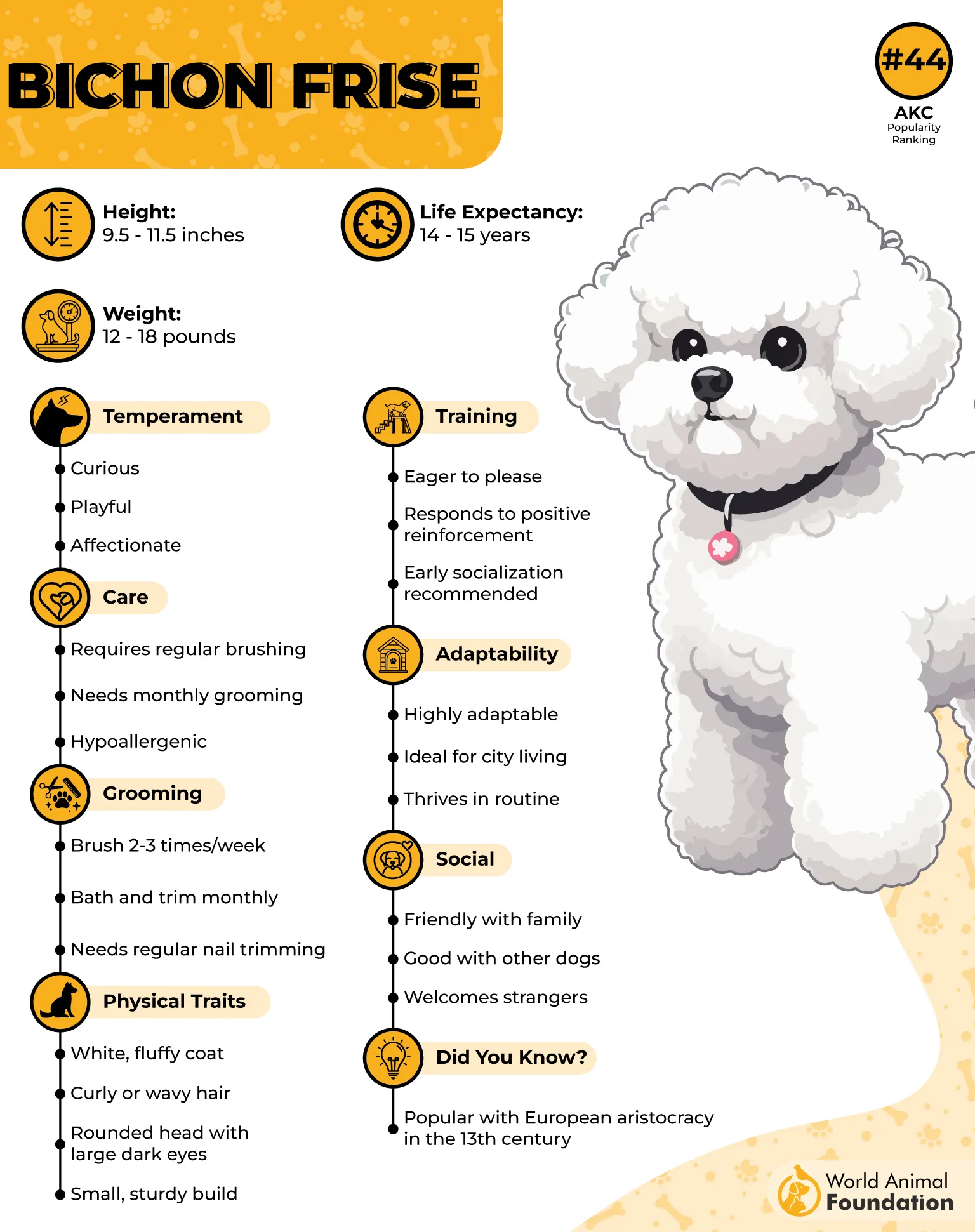
4. Bichon Frise
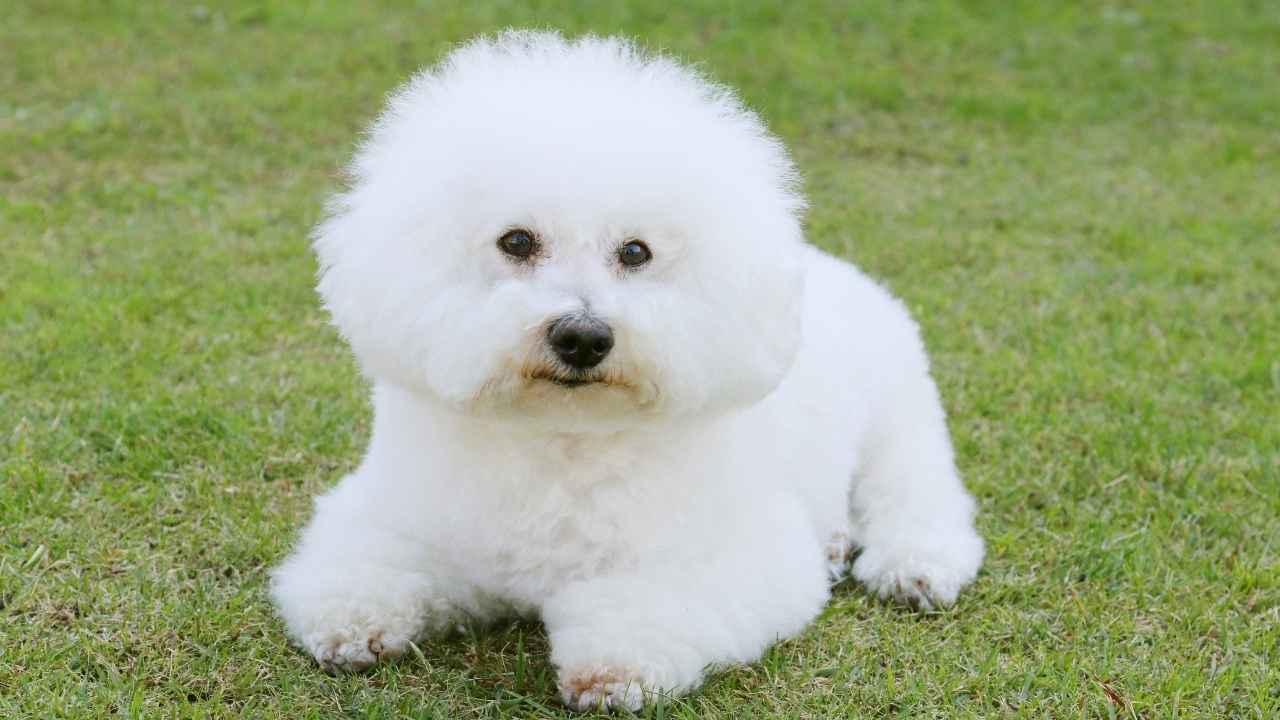
Bichon Frises are cheerful little dogs known for their charm, intelligence, and playful personalities. They have a long history and belong to the Barbichon family, which also includes the Maltese, Havanese, and Bolognese.
They shed less than many other breeds and are often considered a good option for people with dog allergies, although no dog is completely hypoallergenic.
Temperament and Personality
Bichon Frises are affectionate, friendly, and full of energy. They enjoy meeting new people and usually get along well with children, cats, and other dogs.
These social dogs love being around their families and enjoy learning tricks and performing for attention. They are eager to please and respond well to reward-based training.
Apartment Living and Care
Their compact size and adaptable nature make Bichon Frises well-suited to apartment living. They enjoy playtime and learning new tricks but are also happy to relax with their families once their activity needs are met.
Although they are generally easy to train, house training can take a little longer. They also prefer homes where someone is around most of the day, as they do not enjoy being left alone for long periods.
5. Havanese

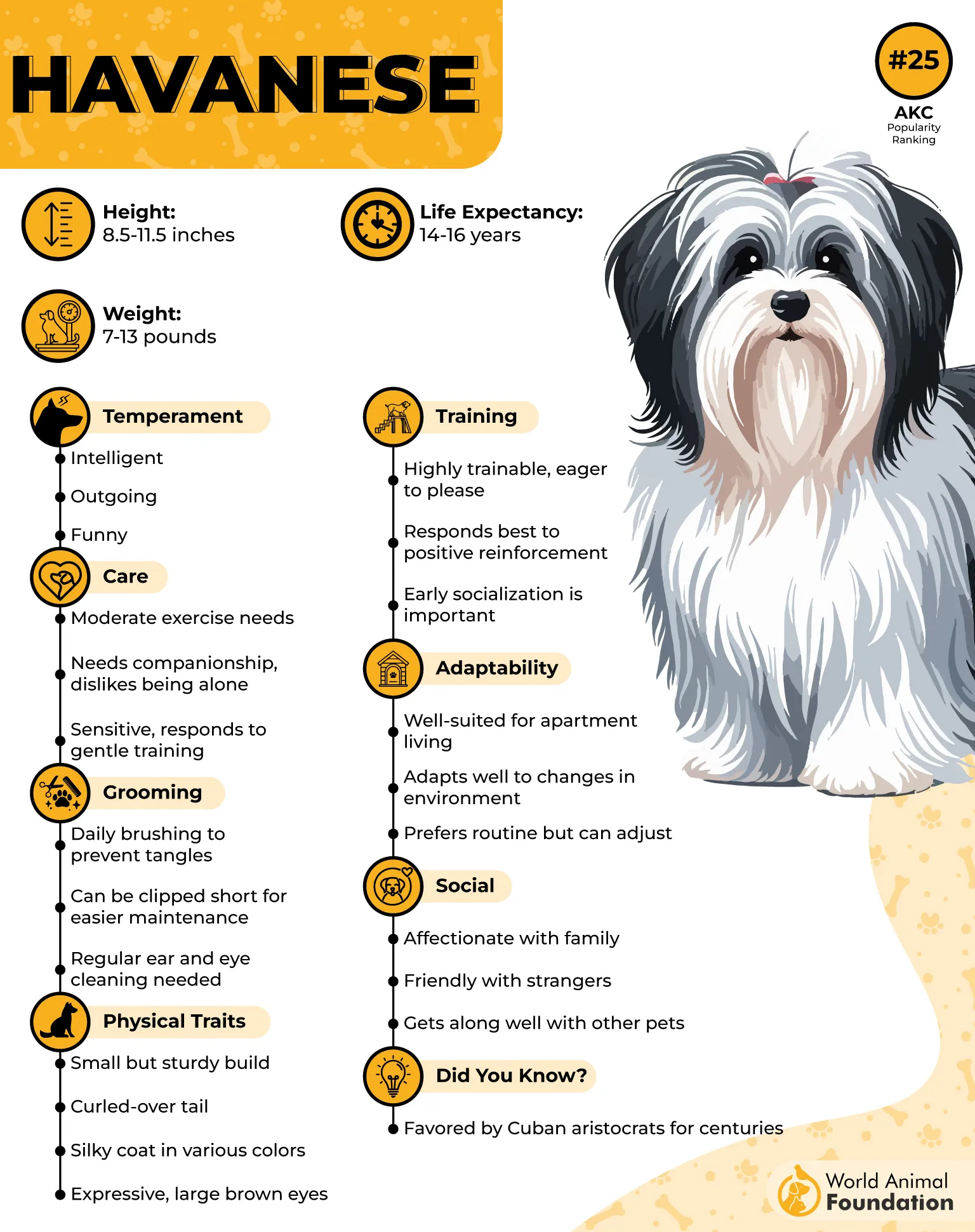
The Havanese is the only dog breed native to Cuba. These cheerful little dogs are known for their playful nature, expressive brown eyes, and silky coats.
Their coats come in a variety of colors and can be kept long, clipped short, or styled into cords. They have small but sturdy bodies and a curled-over tail.
Temperament and Personality
Havanese are affectionate, sociable, and intelligent dogs that love being around people. Often called “velcro dogs,” they enjoy following their owners and cuddling on the sofa. They get along well with children, strangers, cats, and other dogs.
These natural performers are quick learners and enjoy picking up new tricks. They also make good watchdogs and usually keep barking to a minimum, although some may bark to get attention.
Apartment Living and Care
Their small size, gentle nature, and low tendency to bark make Havanese well-suited to apartment living. However, they are active dogs and need a couple of good walks each day to stay physically fit.
Games and training activities also help keep them occupied. They respond well to firm, consistent training and can excel in agility activities.
6. Toy Poodle
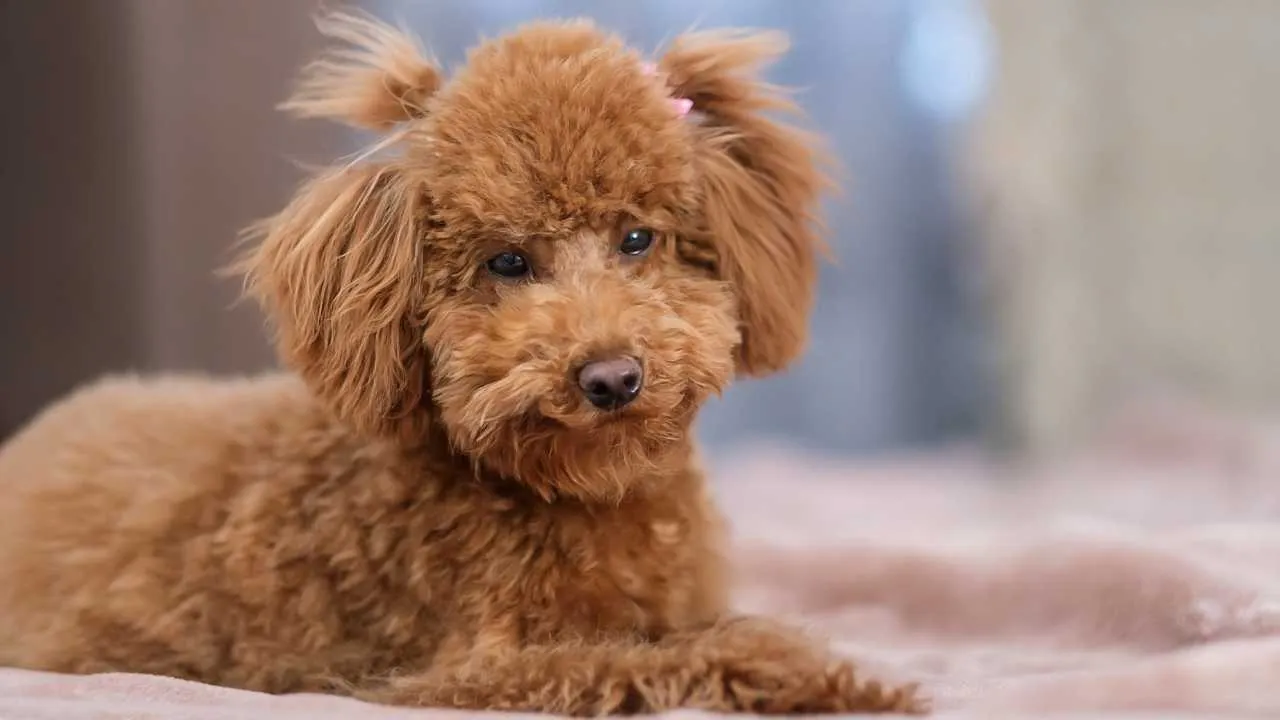
Toy Poodles are tiny, intelligent dogs with playful personalities and a natural love for entertaining their families. The breed originated in Germany, where Standard Poodles were first developed as water-retrieving dogs.
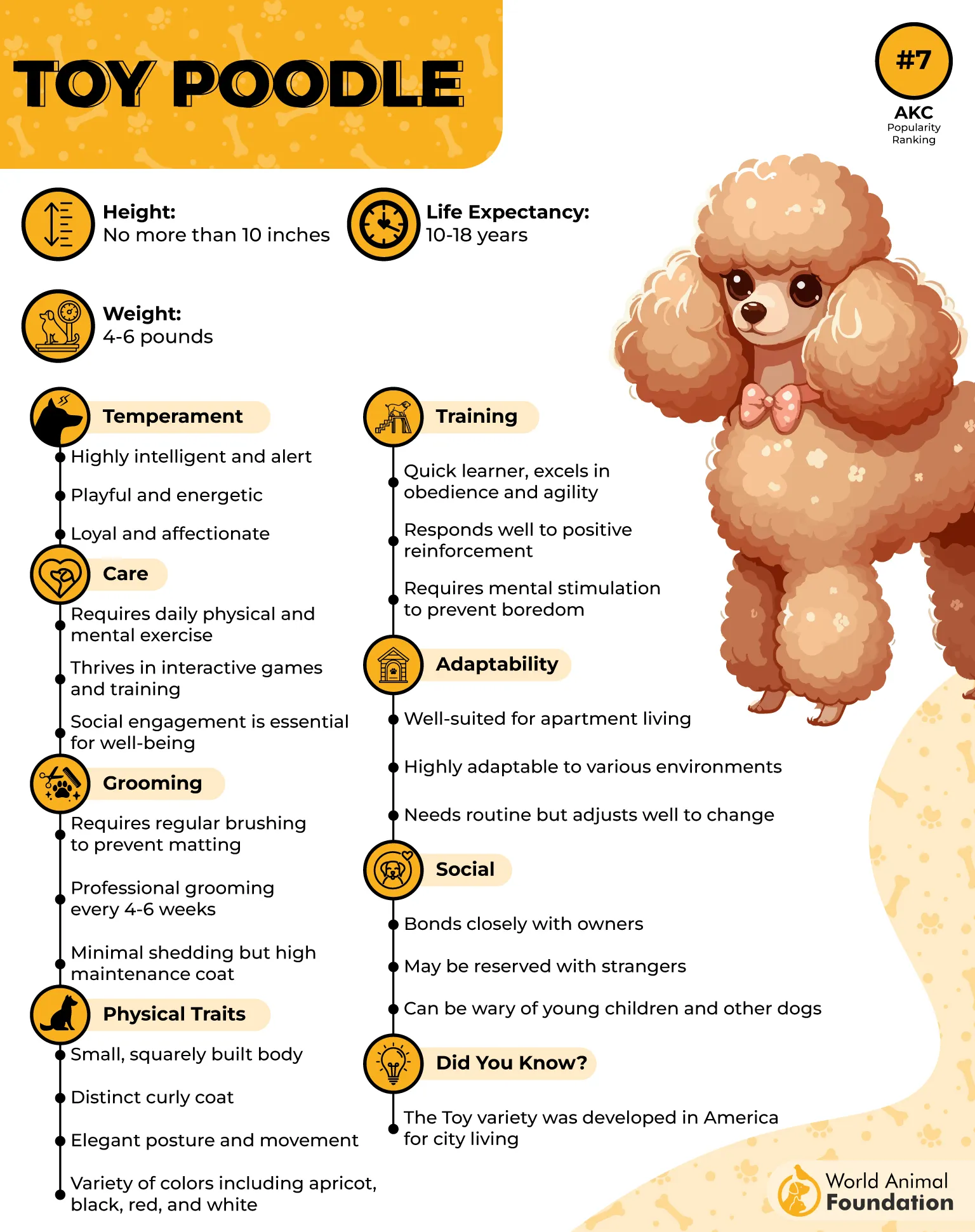
Toy Poodles were later bred as smaller versions for people who loved the breed but preferred a more compact companion. They have curly coats that grow continuously and shed very little.
Temperament and Personality
Toy Poodles are affectionate, cheerful, and eager to please. They enjoy being involved in family activities and form close bonds with their owners.
Their intelligence makes them quick learners, and they love performing tricks and showing off their skills. However, they need plenty of attention and can develop separation anxiety if left alone for long periods.
Apartment Living and Care
Toy Poodles can adapt well to apartment living as long as they get enough daily exercise and outdoor time. They need around an hour of activity each day, which can include walks, games, and training sessions.
Puzzle toys and interactive activities also help keep their minds busy. Although they shed very little, they are not completely hypoallergenic.
7. Pug
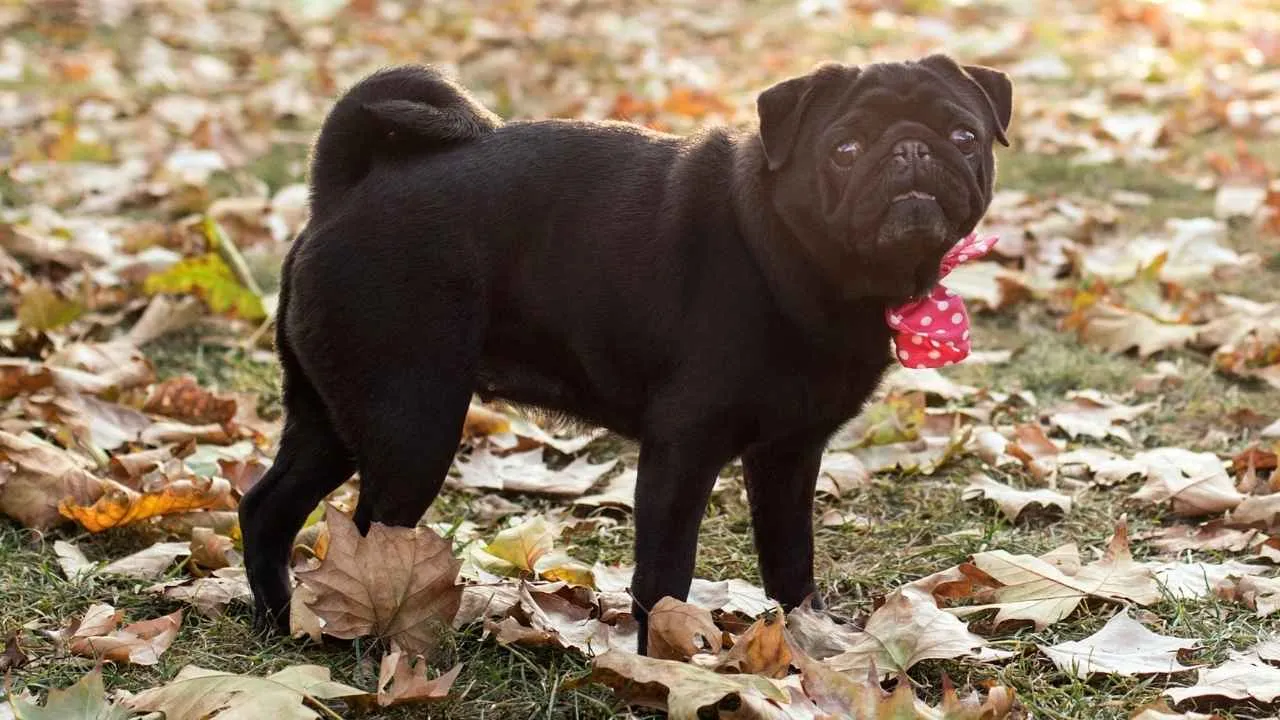
Once favored by Chinese emperors and later kept by Holland’s royal House of Orange, Pugs have a long history as beloved companion dogs.
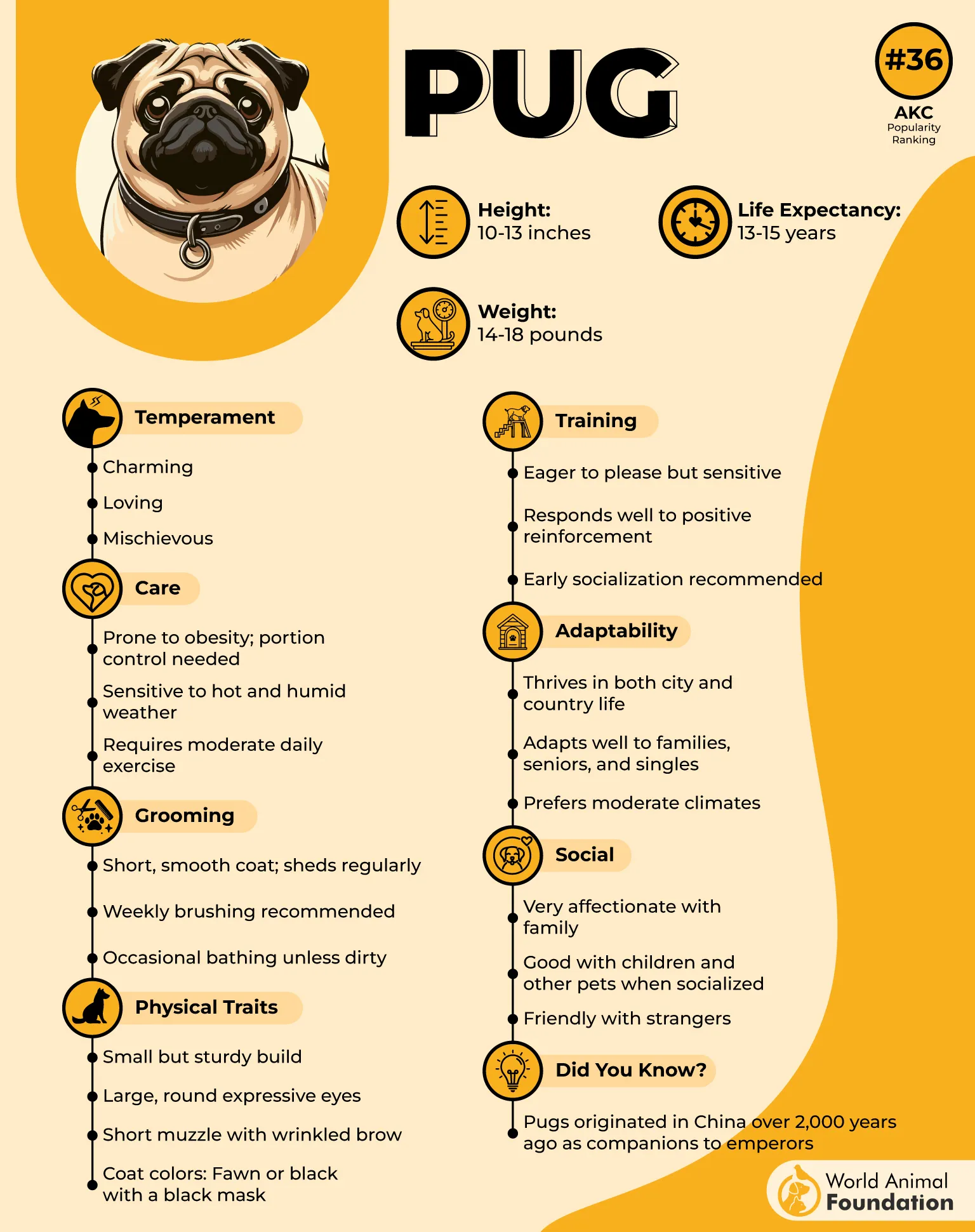
Their motto, multum in parvo, means “a lot in a little,” which perfectly describes their big personalities. They have compact, muscular bodies, large round heads, sparkling eyes, and wrinkled brows that give them expressive faces.
Temperament and Personality
Pugs are affectionate, friendly, and playful dogs that love being around people. They enjoy attention and want to be part of whatever their families are doing. Their cheerful personalities make them great companions for children, older adults, and other pets.
Pugs are not particularly noisy and usually make more sounds through their snorting and snoring than barking. They make good watchdogs but are known to be “yappy,” as Greencross Vets notes.
Apartment Living and Care
Pugs make excellent apartment companions because they are generally quiet, adaptable, and comfortable in smaller living spaces. They are not highly athletic and do well with short daily walks and gentle indoor play.
Their flat faces can cause breathing difficulties, so strenuous exercise should be avoided. They also need protection from extreme heat and cold.
8. Shih Tzu
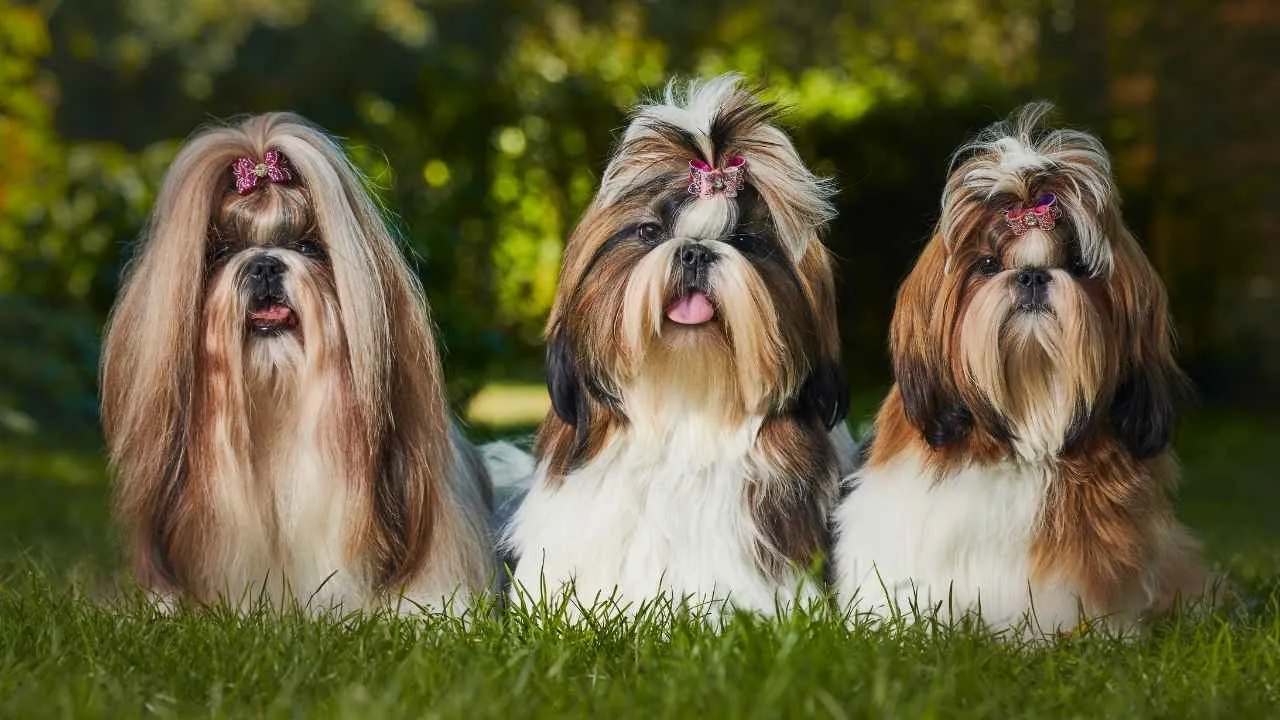
Shih Tzus, often called “Lion Dogs,” are an ancient toy breed from Tibet. They were bred as companions for Chinese imperial families and were once kept inside royal palaces.
These little dogs are known for their round faces, large expressive eyes, short muzzles, and long, luxurious coats.
Temperament and Personality
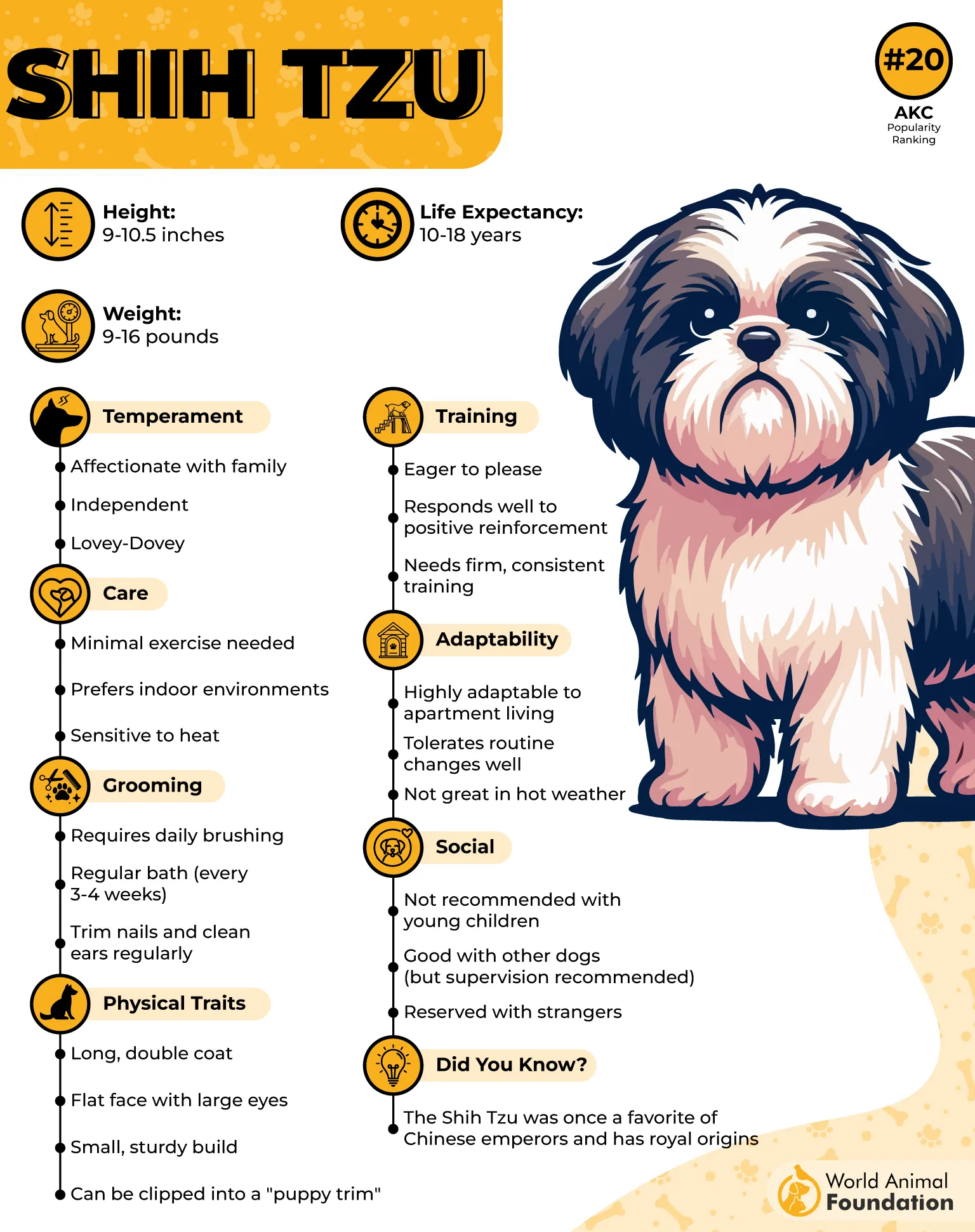
Shih Tzus are affectionate, playful, and outgoing companions who enjoy spending time with their families. They are especially fond of children and can get along well with other dogs and pets when properly socialized.
These dogs love human company and are happiest when close to their owners. They can also be wary of strangers, making early socialization important.
Apartment Living and Care
Shih Tzus are well-suited to apartment living because they were bred to be indoor companions and do not need a large backyard. They are usually happy with a 30-minute daily walk and some indoor playtime.
They generally do not shed much, although no dog is completely hypoallergenic. A harness is recommended for walks because of their body structure.
9. Japanese Chin
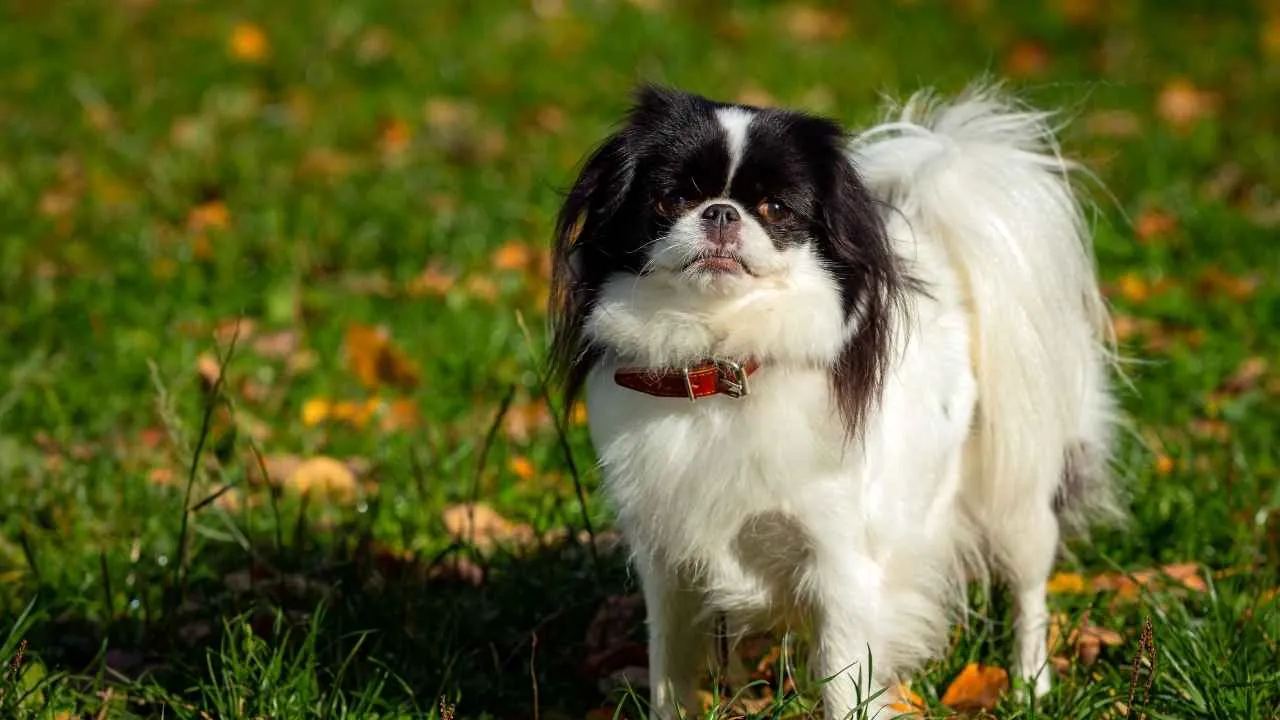
Japanese Chins are elegant toy companions known for their silky coats and royal appearance. Although their name suggests Japanese origins, their early history is unclear, and the breed is often believed to have originated in China.
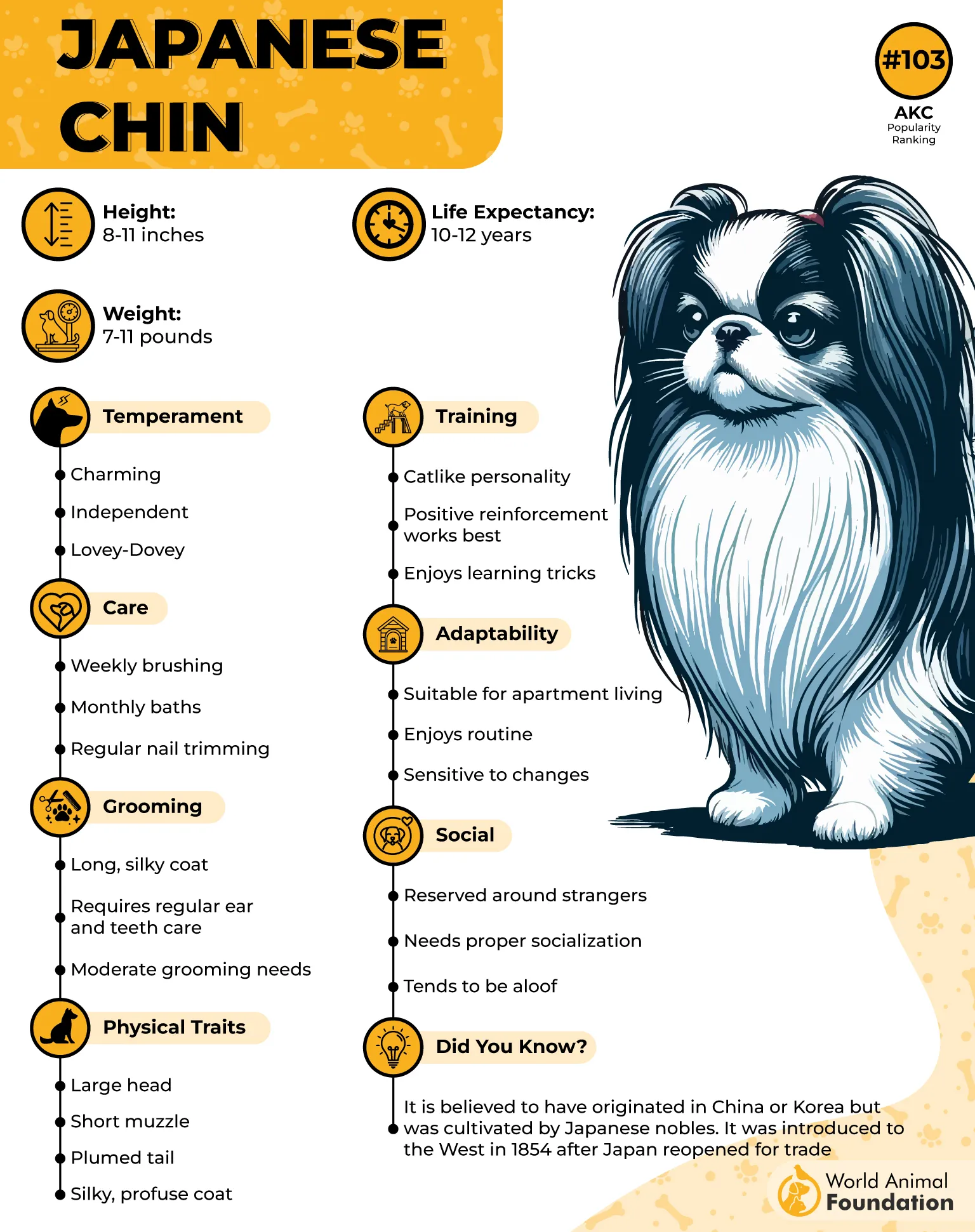
They were kept by Buddhist monks and later gifted to nobility, becoming popular in imperial palaces. Their distinctive features include a broad head, short muzzle, large round eyes, a silky mane around the neck, and a plumed tail that arches over the back.
Temperament and Personality
Japanese Chins are affectionate, playful, and generally quiet companions. They are often described as cat-like because they groom themselves, enjoy climbing, and love sitting on high spots such as sofas and chairs.
These little dogs are devoted to their families and enjoy being the center of attention. They are intelligent but can be stubborn and easily bored during training. They may also make singing sounds to communicate with their owners rather than barking frequently.
Apartment Living and Care
Japanese Chins are well-suited to apartment living because they have low exercise needs and enjoy indoor companionship. A short daily walk or an active play session is usually enough to keep them happy.
They enjoy learning tricks, but short, fun training sessions with plenty of praise work best. They also need regular human company and early socialization, especially around larger dogs, to help them feel comfortable and confident.
Conclusion
Choosing a quiet teacup dog for apartment living means looking beyond size and considering each breed’s personality, energy levels, and barking habits.
While some are naturally calmer than others, every dog needs companionship, attention, and enough daily activity to stay happy.
Take time to learn about each breed before making your decision. The right little companion can bring plenty of affection and joy to your home without making every neighbor part of the conversation.
