




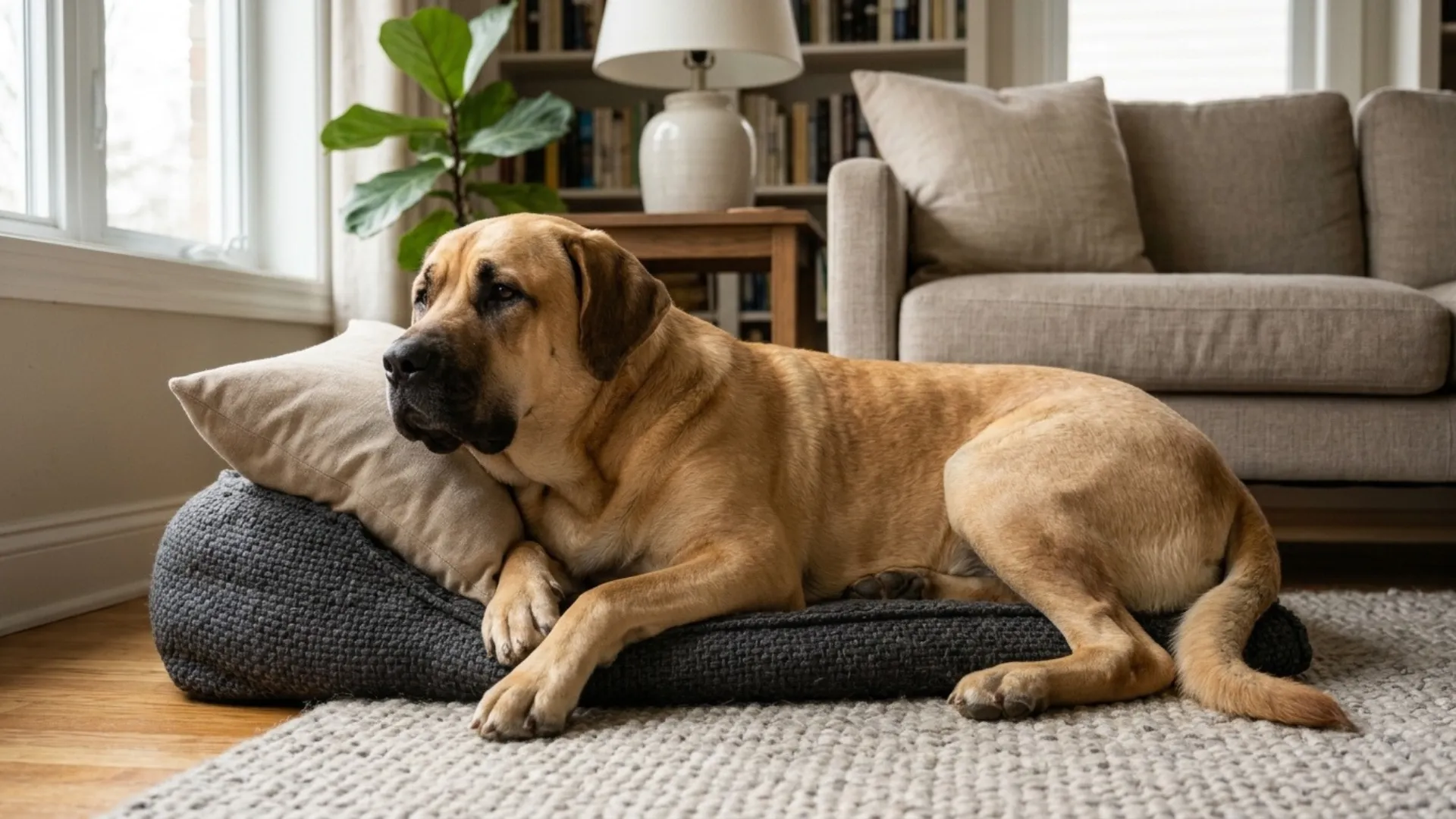
A big dog can change the whole feel of a house pretty quickly. People often expect giant breeds to bring loud, rough energy, but a lot of them really just want to hang out with their people.
They tend to enjoy easy walks, quiet time indoors, and a comfy spot to settle into once the day winds down. If you prefer a slower pace of life, a calm giant breed could be a great match for you.
These dogs often show steady affection and deep loyalty. They can become a comforting presence around the house, even when nothing much is happening. That said, large breeds still come with real needs. They need room to move, daily exercise, proper training, and genuine attention from the people they live with.
Fun Fact: Back in the day, many giant breeds took on some seriously tough jobs. Some worked water rescue, others helped with mountain rescue, and plenty were used for hunting or guarding. That history doesn’t mean today’s giant dogs are all go, go, go, though.
Many of them have settled comfortably into a calm family rhythm. Their size might stand out, but their temperament is often soft and gentle, which is exactly what makes them such kind, easygoing companions.
Quiet Giant Dog Breeds Perfect for Calm Households
1. Newfoundland
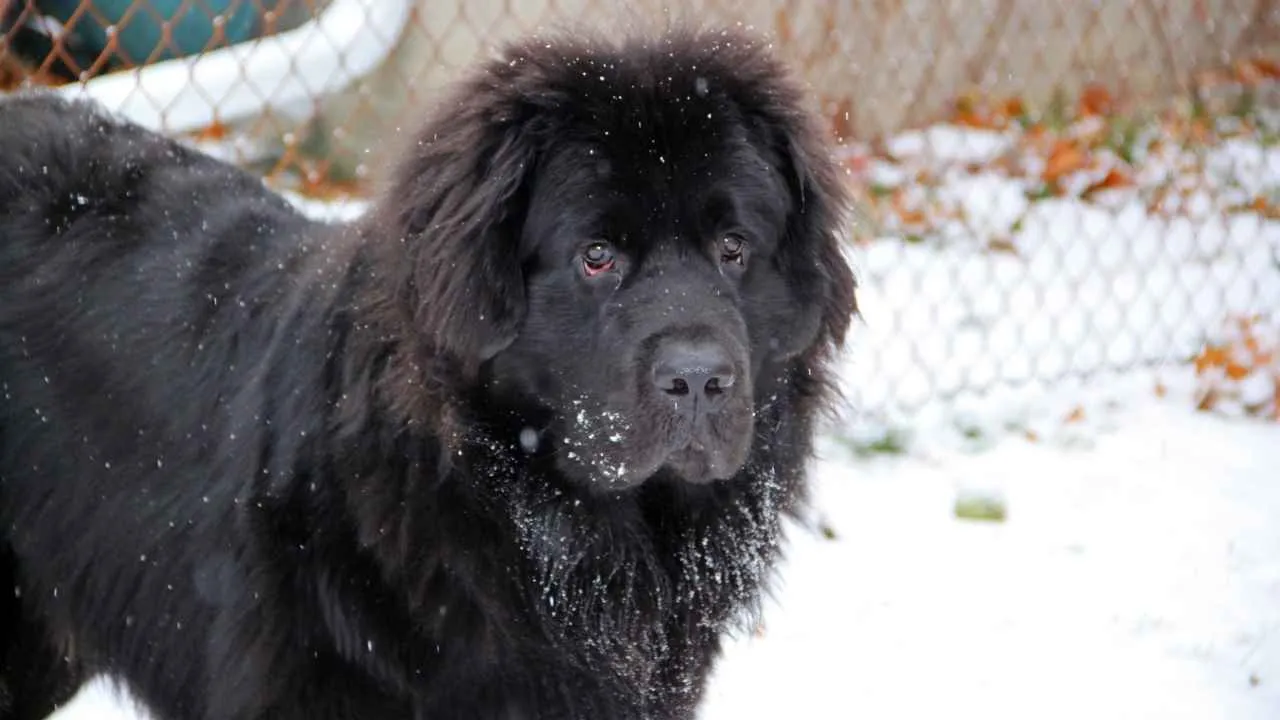
The Newfoundland is a large dog breed that tends to stay gentle no matter the situation, which makes its personality a great fit for a calm household. The breed originally grew up working alongside fishermen, and over time became known for its strong build, powerful swimming, and natural rescue instincts. Their webbed toes and wide feet make moving through water look almost effortless.
Even with such a heavy, powerful build, Newfoundlands tend to stay patient around family. They like to keep an eye on what’s happening around them, but they’re not known for barking all day long.
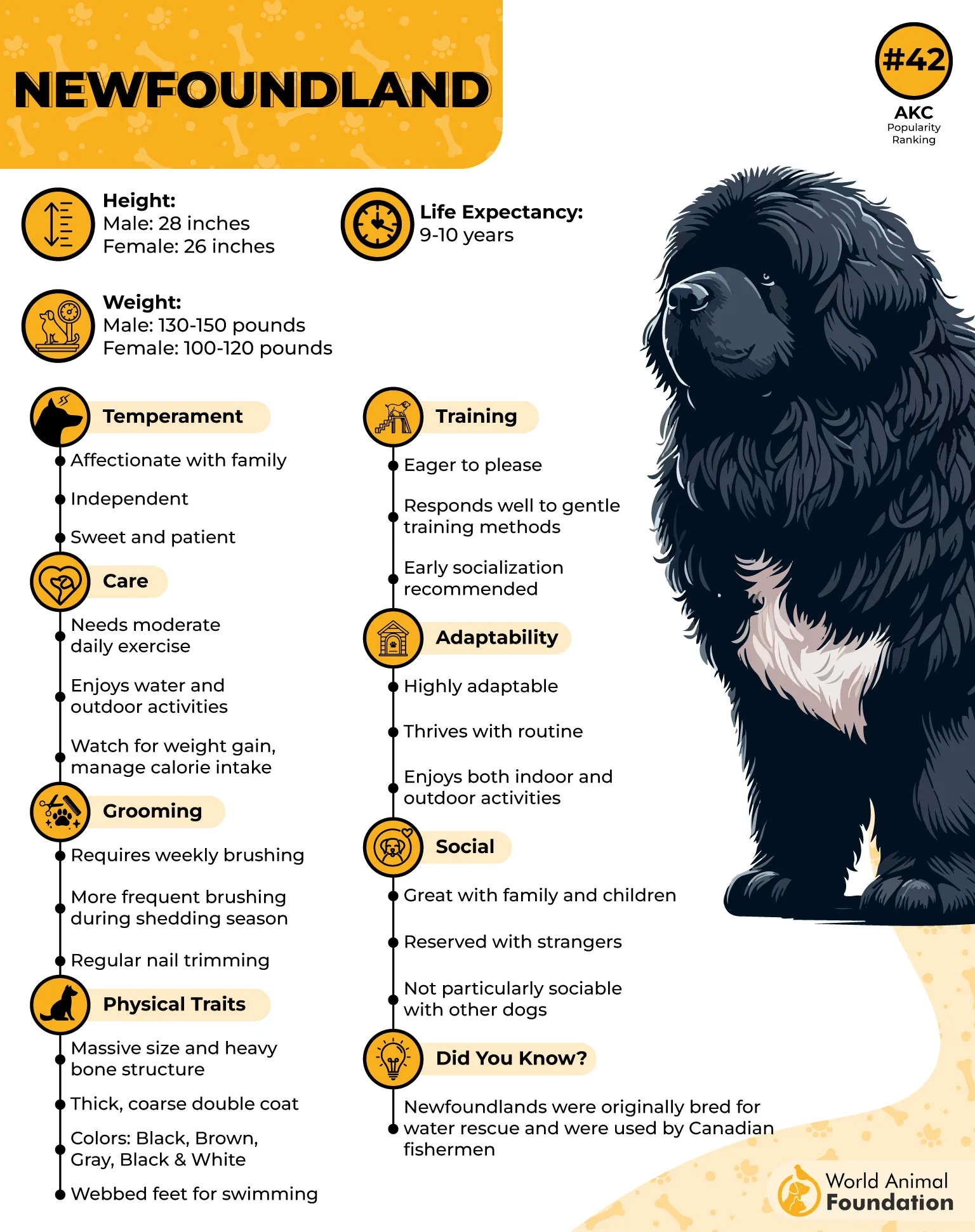
A yard with some room to roam, steady daily movement, and easy access to safe water can go a long way in making everyday life easier for them.
Hill’s Pet also points out that the breed is trustworthy and often shows protective instincts toward family members. Newfoundlands tend to form deep bonds with the people in their lives and genuinely prefer staying close to family. Thanks to their calm, steady nature, they usually do well in homes with kids too.
2. Saint Bernard
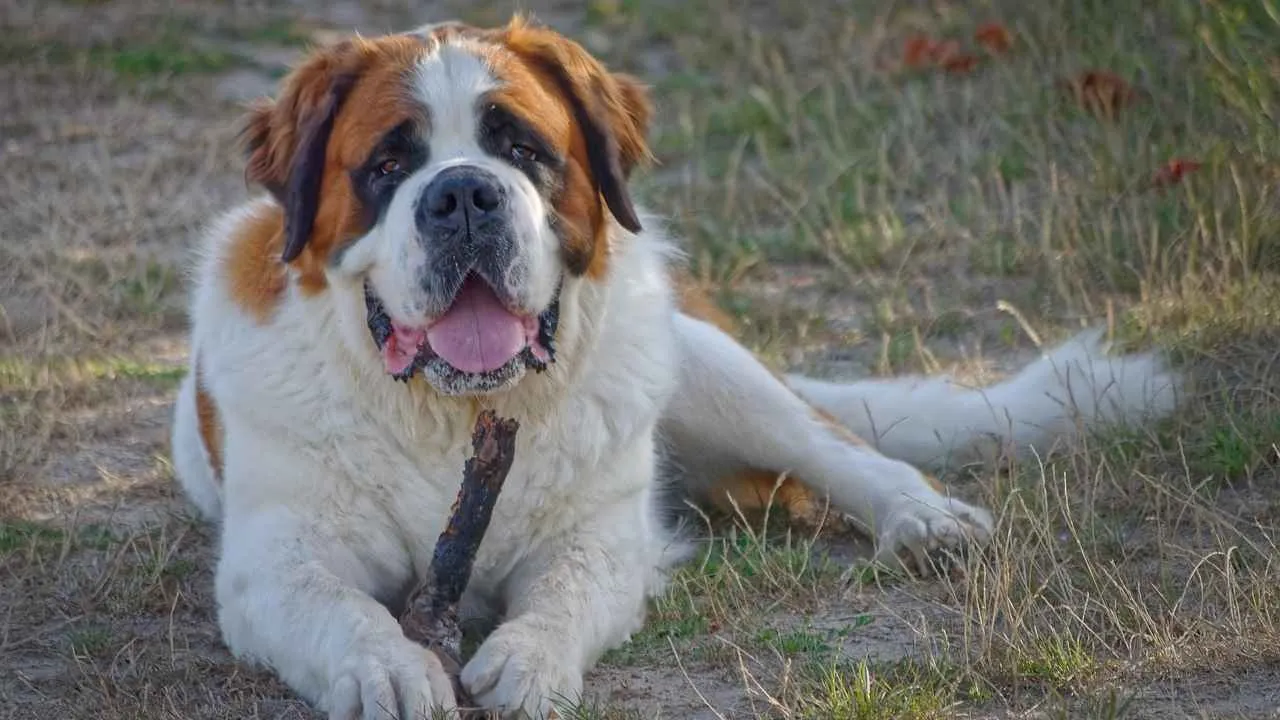
The Saint Bernard is a well-known large breed with deep roots in the Swiss Alps. Years ago, its powerful build helped it work through brutal mountain weather, where endurance really was a matter of life and death. Today, many Saint Bernards still carry that same big, sturdy frame, but with a much more laid-back side and plenty of warmth toward people.
A Saint Bernard fits into everyday family life pretty easily and doesn’t need nonstop activity to be happy. The breed tends to be alert, patient, and especially gentle with children. Sure, that wide head and solid frame can give them a serious look, but underneath it, their mood is usually kind and easygoing.
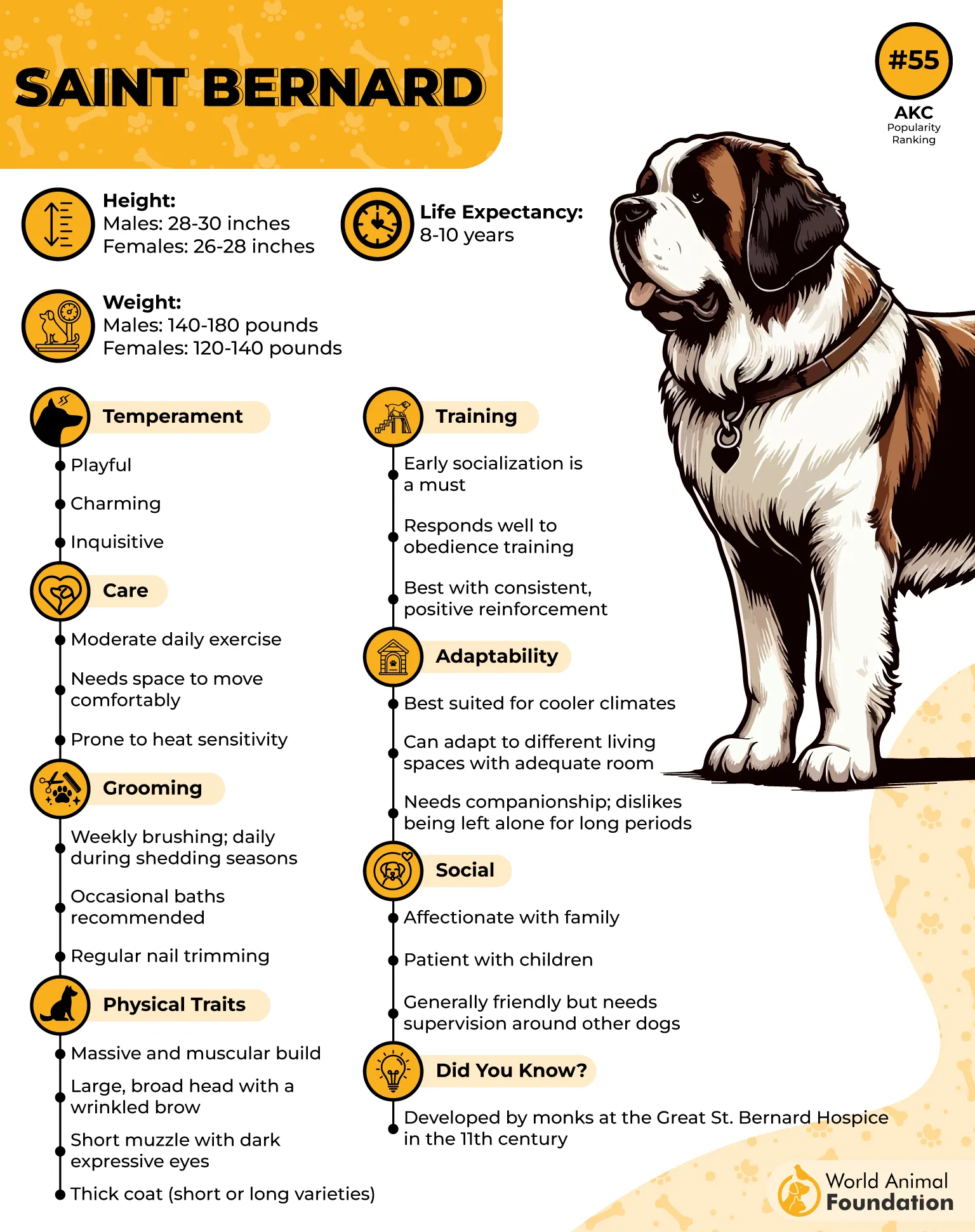
The American Kennel Club describes the Saint Bernard as a genial giant known for its patience. Even so, being big and calm doesn’t mean this gentle dog breed can skip the basics.
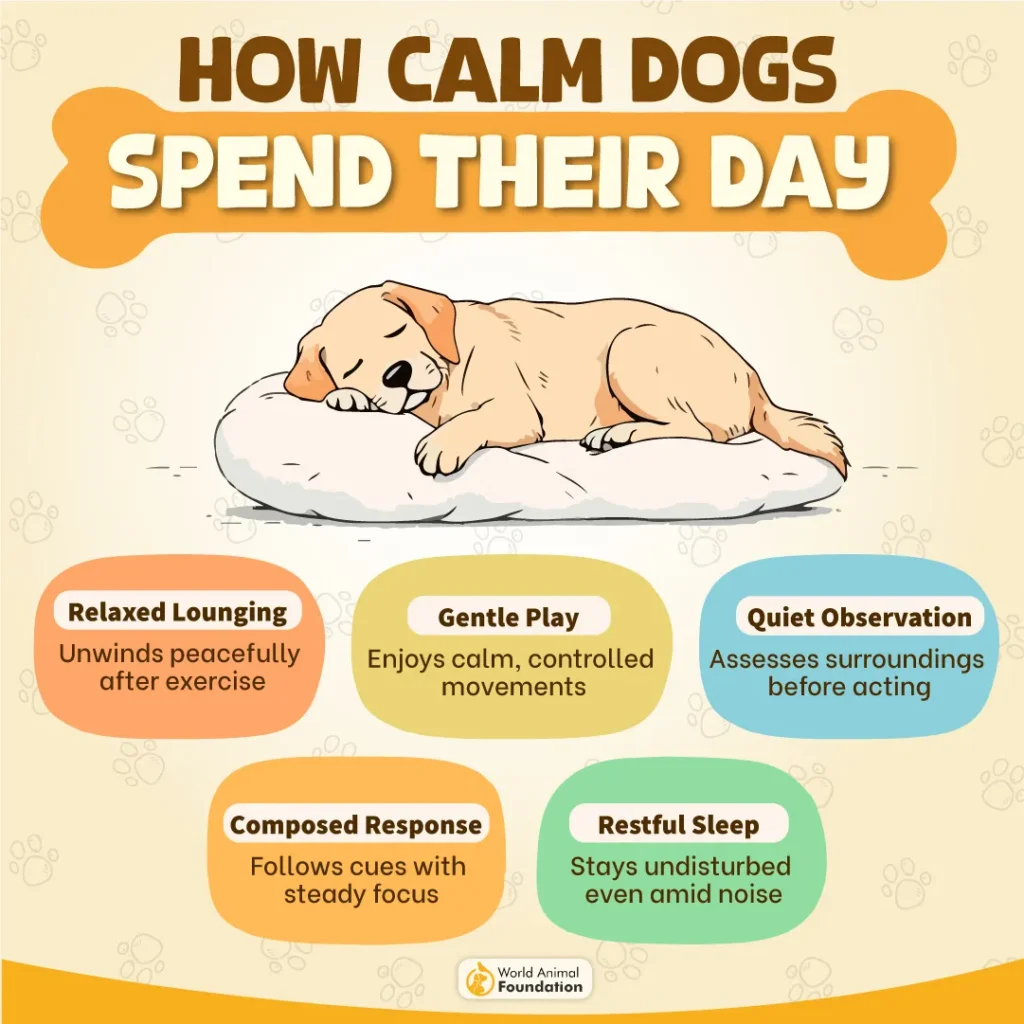
They still need regular walks and a good amount of outdoor space, along with early training. Without those basic manners in place, all that impressive strength can quickly become hard to manage.
3. Mastiff
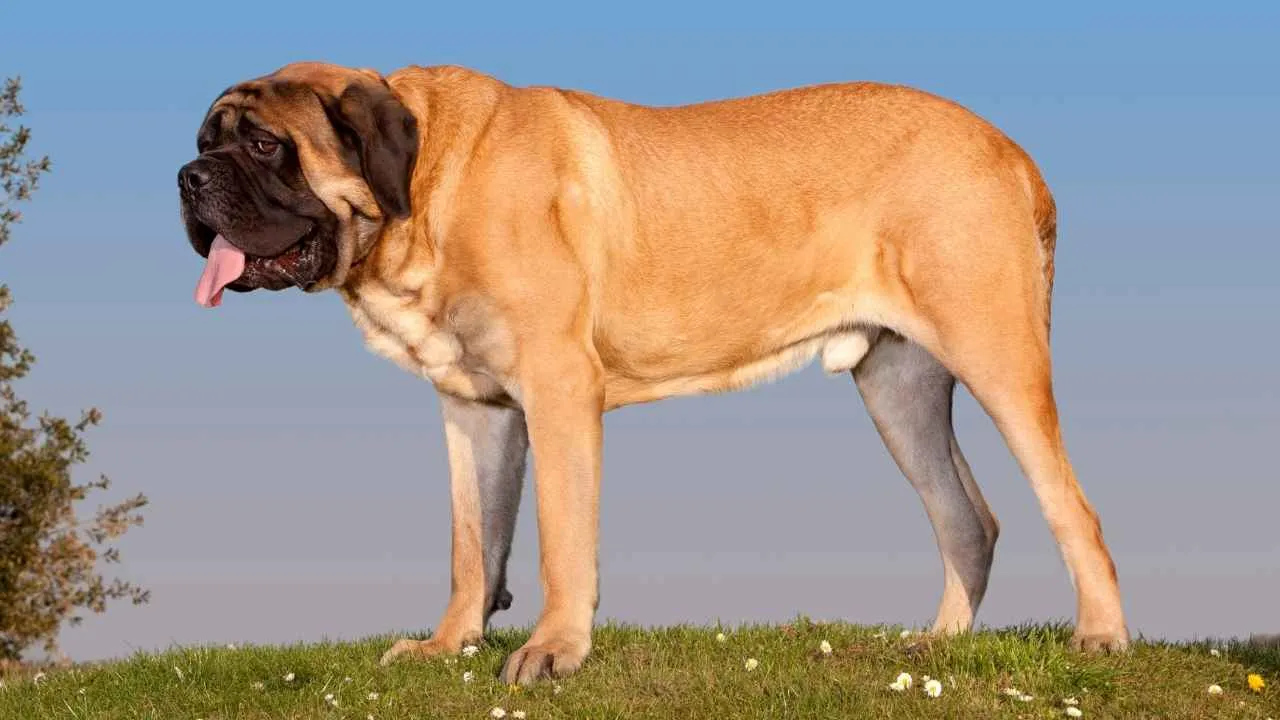
The Mastiff is one of the biggest dog breeds out there, and honestly, its sheer size alone is enough to draw people in. At first glance, that serious expression can look pretty stern, but the day-to-day mood is usually much milder than you’d expect.
Many Mastiffs are described as gentle, steady, devoted, and patient, which is exactly why they’ve earned the nickname “gentle giants.”
A Mastiff tends to stick close to the people it knows and forms strong bonds with family over time. And don’t worry, that massive body doesn’t mean nonstop heavy workouts are required. Short daily movement is usually enough, as long as they’re comfortable at home and have a bit of space to move around in.
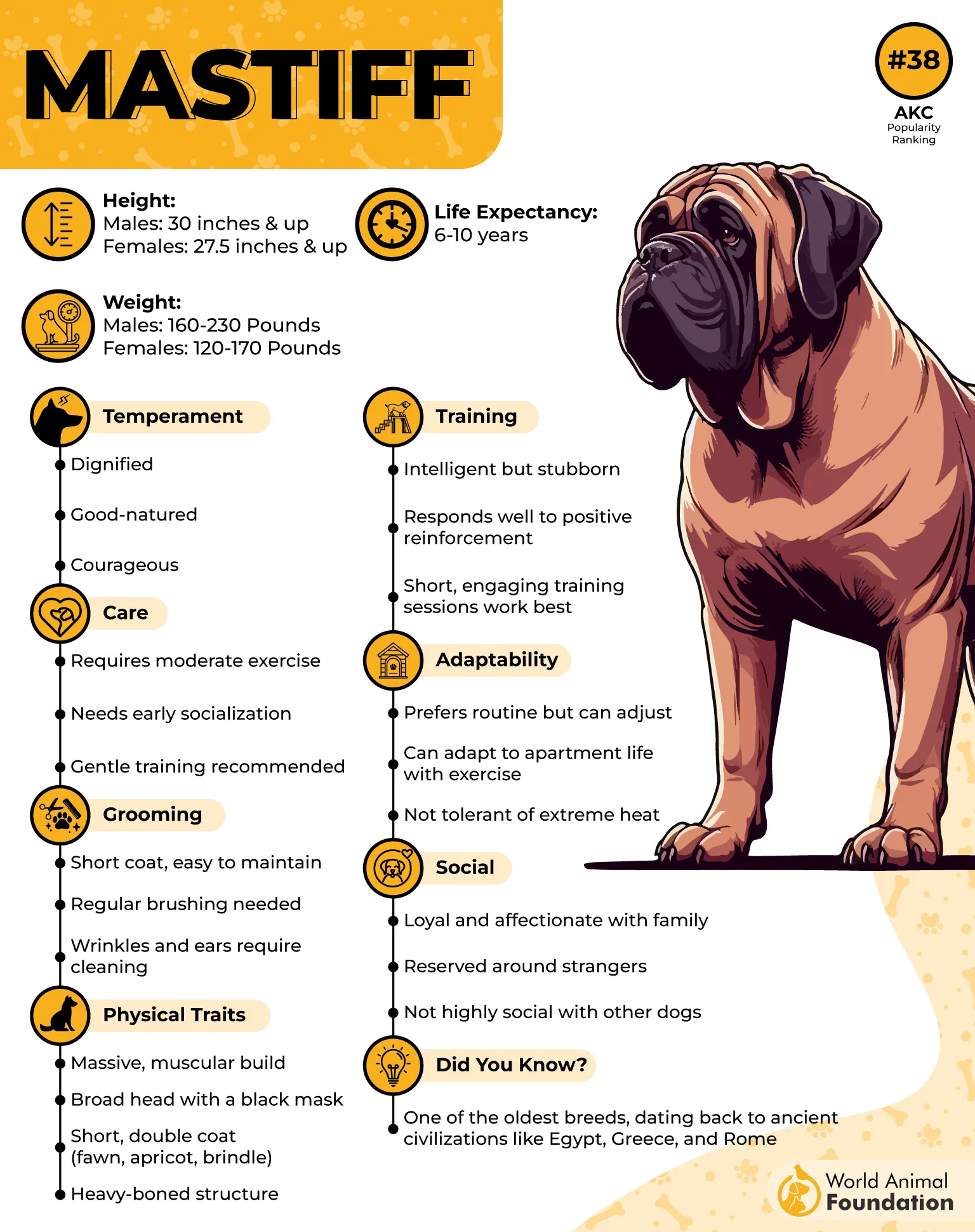
Of course, owning a Mastiff does mean planning around its size. You’ll want to think through meals, daily activity, and everyday care. You don’t need a huge house, but having some open room definitely makes routine life easier and helps everyone feel a little less crowded during quiet moments at home.
4. Broholmer
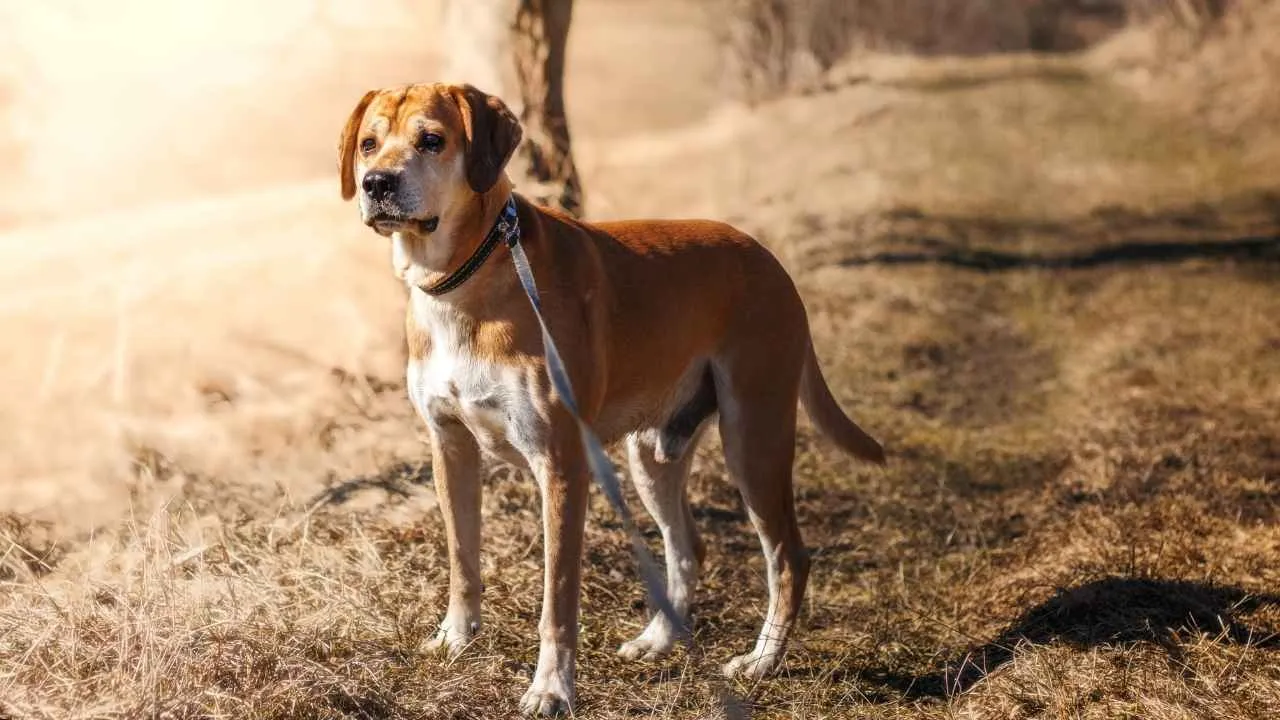
The Broholmer comes from Denmark and belongs to the mastiff type, though it’s still far less known than some of the other gentle giant breeds. Historically, it worked as a guard dog and protector, and it also helped herd cattle, jobs that called for real alertness paired with self-control.
In a home setting, the Broholmer tends to be peaceful and kind. It stays watchful, but it doesn’t feel the need to react to every little noise with loud excitement. The calm dog breed is often described as calm, steady, friendly, confident, and watchful, a temperament that ties back nicely to its roots on farms and large estates.
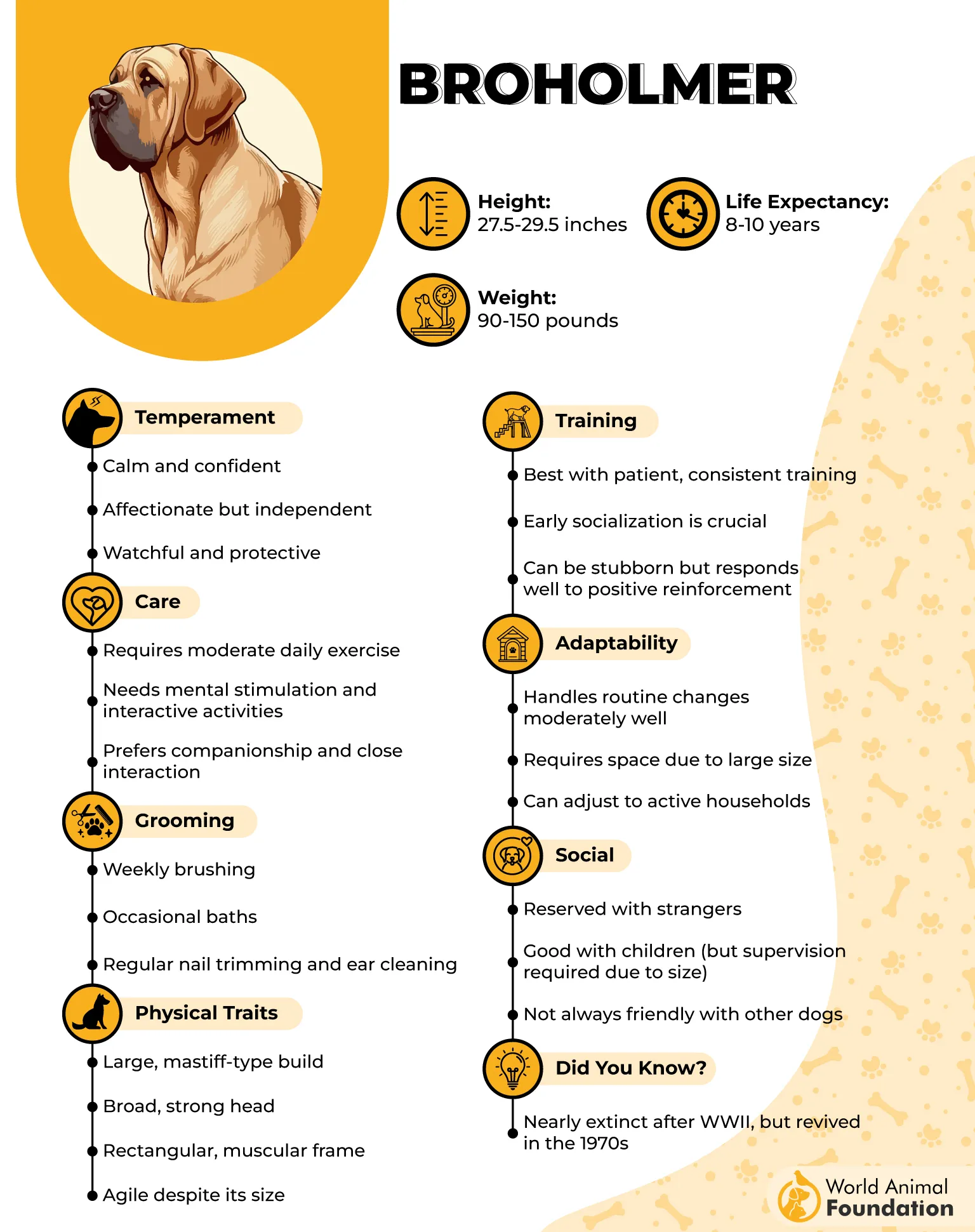
A Broholmer usually enjoys being around family and going out for short or longer outings. Despite its thick, heavy build, the dog actually moves quite well. Because of that, hiking, regular walks, or playtime in a safe yard can be genuinely fun for both the dog and the people around it.
5. Irish Wolfhound
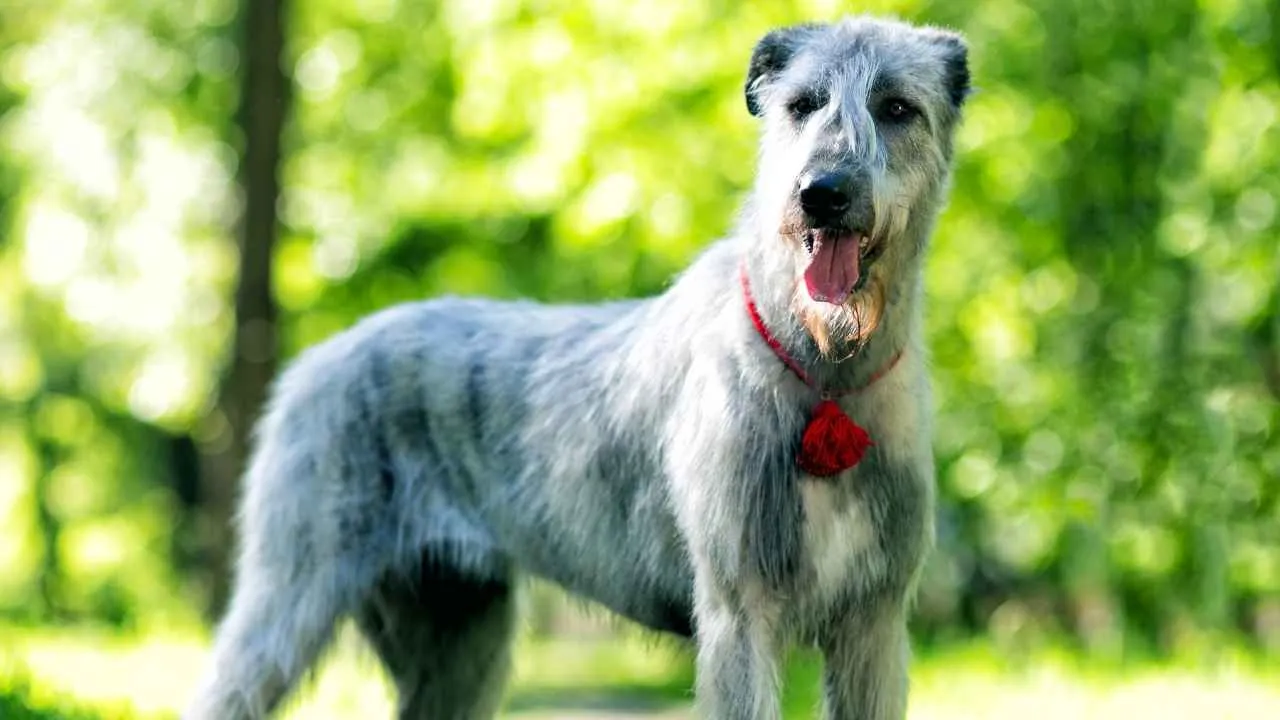
The Irish Wolfhound is a truly massive dog, and it often carries itself with real elegance. Many have a calm, relaxed manner about them despite their size. Historically bred for hunting, today’s Irish Wolfhounds tend to be gentle and steady around their families.
At first glance, that huge size can look a little intimidating. In reality, though, most people find their temperament is much softer than expected.
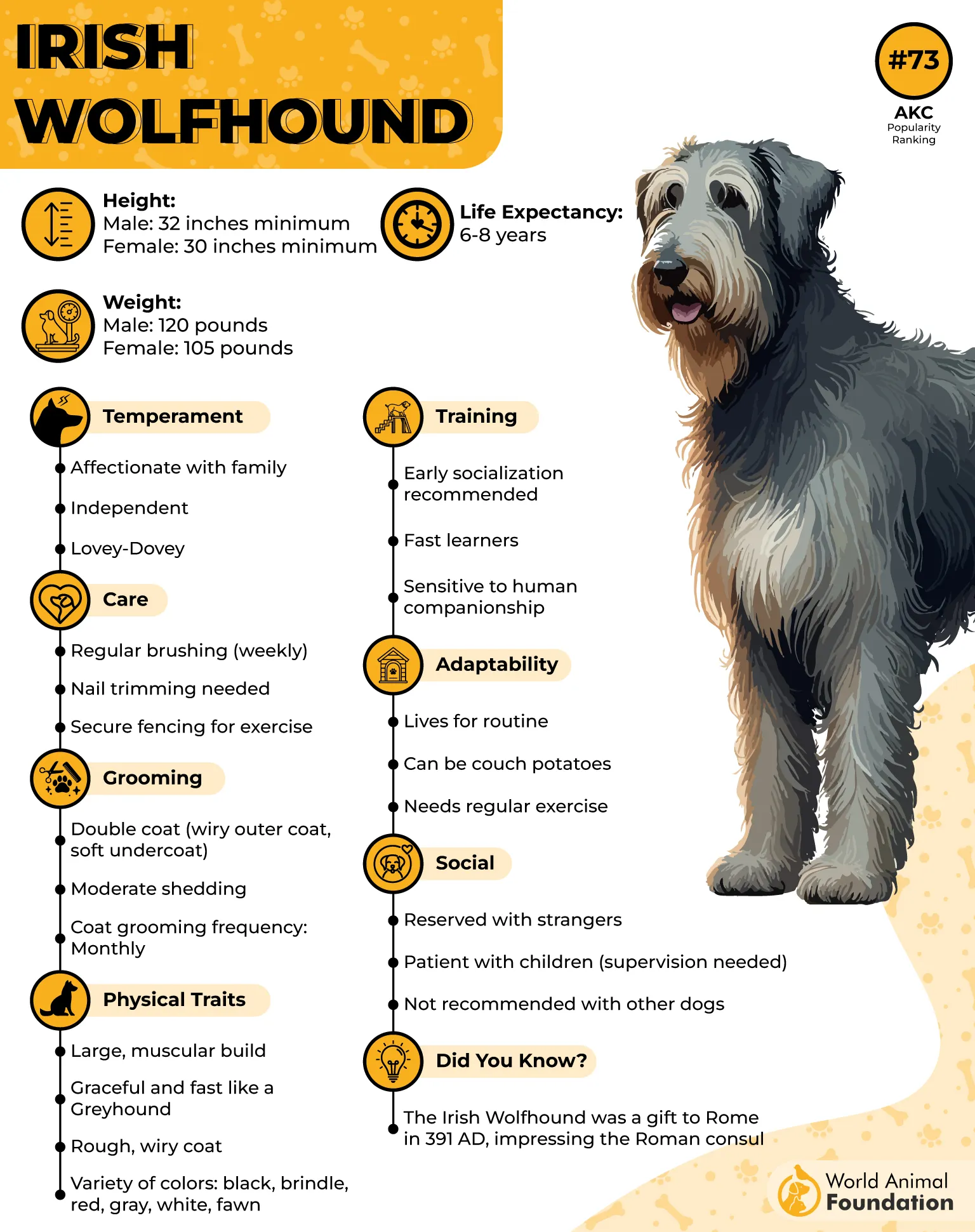
They generally adapt well to different daily routines, as long as they’re still getting exercise most days. With early training and proper introductions, they can do quite well with kids and other dogs too.
PetMD points to their calm, kind nature, while also noting a strong urge to chase smaller animals. That instinct can show up around cats, squirrels, and other small pets, so a fenced yard really helps here.
Since the tall breed comes from a hunting background, that chase instinct around small animals can still pop up now and then.
6. Bullmastiff
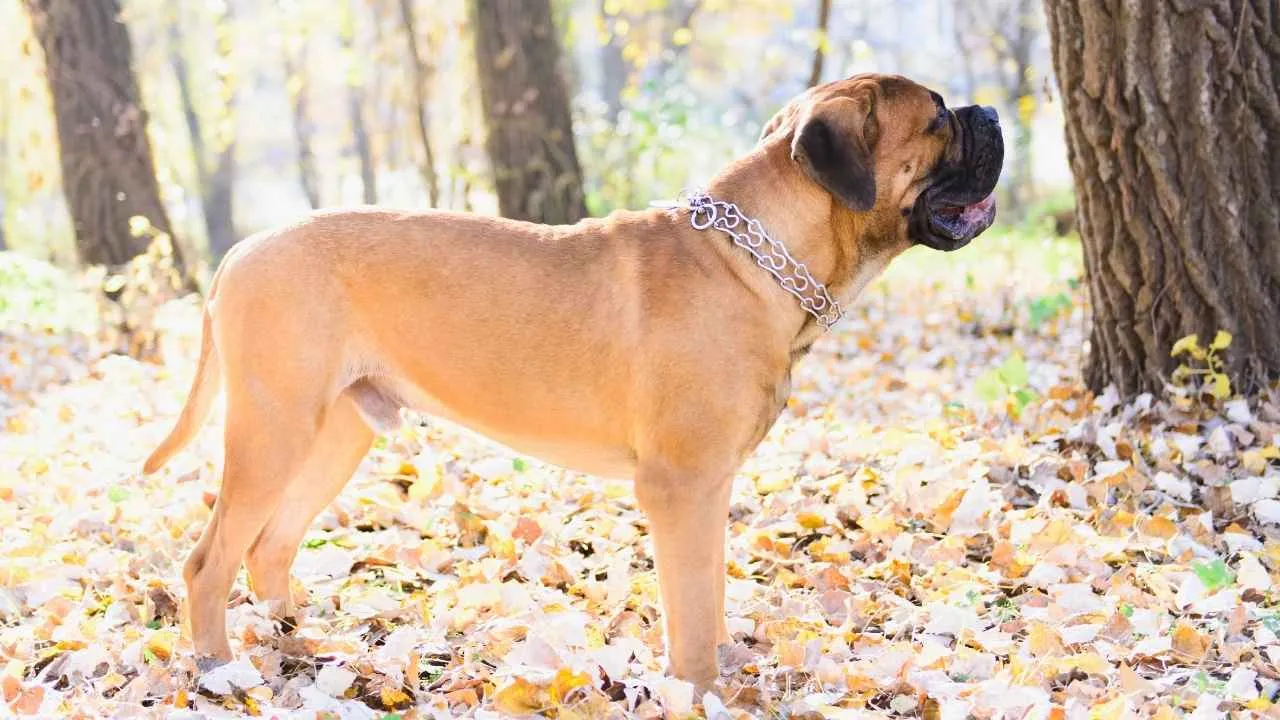
A Bullmastiff might look like a big warning sign at first glance, but its behavior often says something completely different. That heavy, powerful build tends to read as threatening to strangers, but with the people it knows, the dog can be surprisingly soft and warm. Years ago, Bullmastiffs served as guard dogs, and that protective role still quietly shows up in their everyday habits.
Most Bullmastiffs like to stick close to their families and thrive on routine, especially being near familiar faces. Puppies tend to have plenty of energy and love a good game, while older dogs naturally slow down and settle into a calmer rhythm.
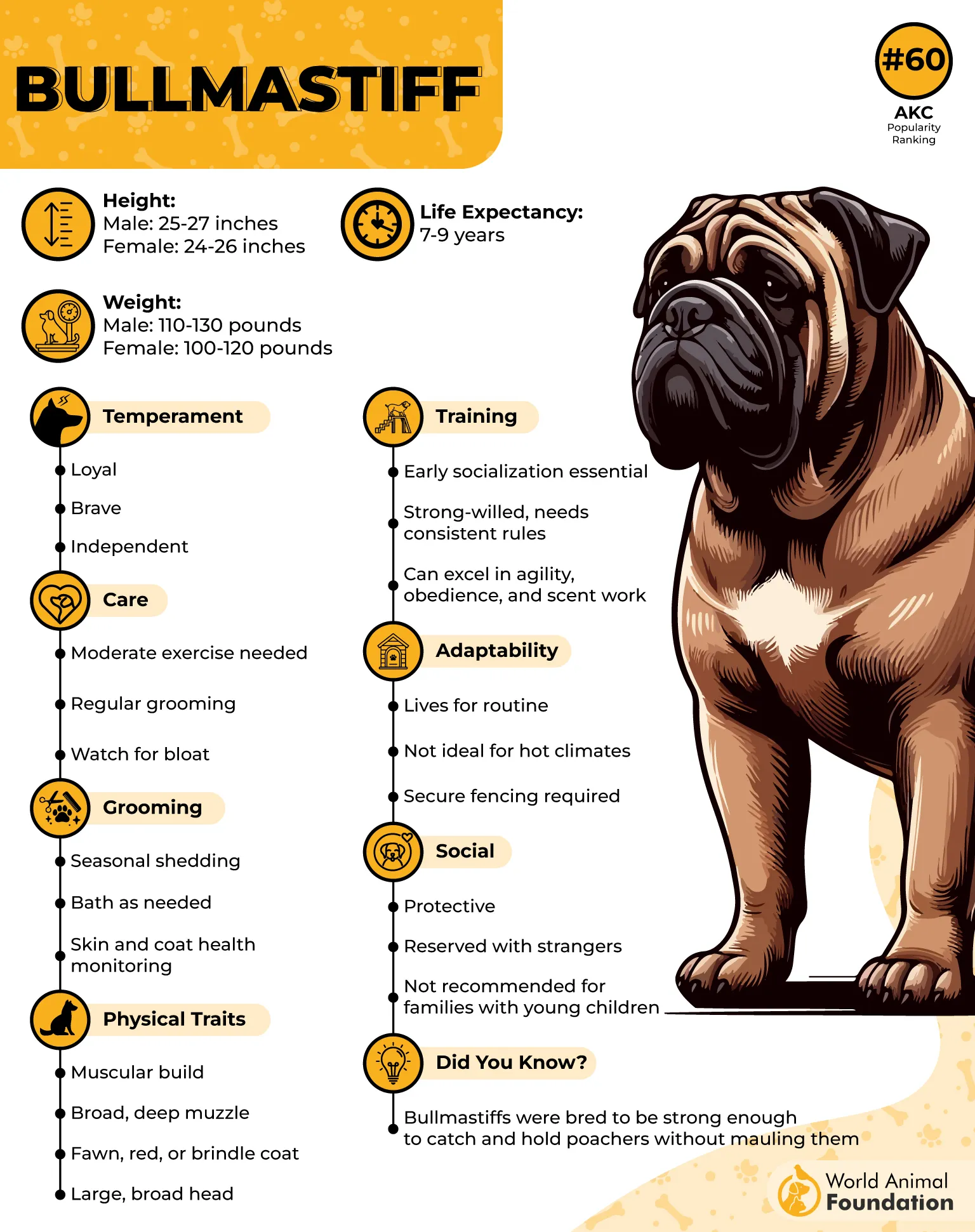
PDSA notes that Bullmastiffs are devoted and watchful, and they’re not known for excessive barking, though of course every dog has its own personality.
Early socialization really helps here. New people, unfamiliar animals, or unusual places can make a Bullmastiff a bit uneasy, so training built around kind, positive rewards goes a long way in building their confidence.
7. Scottish Deerhound
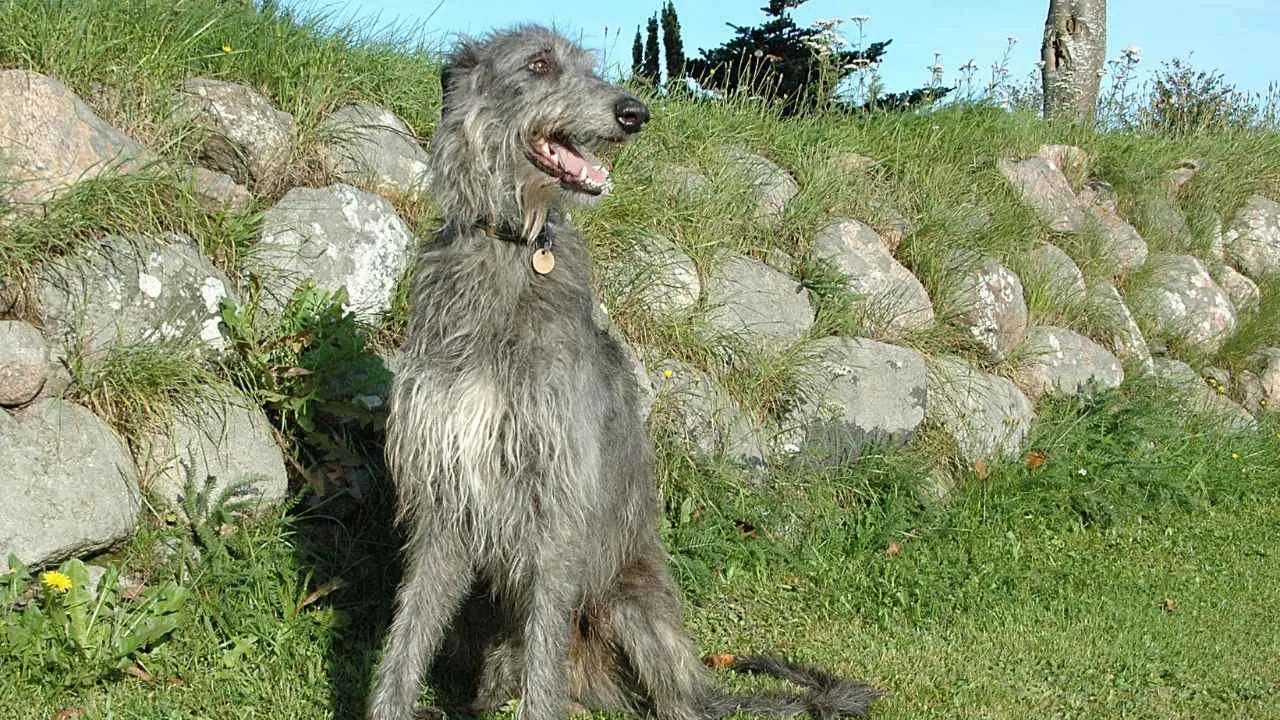
The Scottish Deerhound brings an elegant edge to the world of large dogs. Its shaggy fur, long legs, and lean, athletic frame give it a refined look overall. Despite that active appearance, the dog can actually be calm, quiet, and a bit reserved with strangers. Long ago, it supported hunters by helping chase deer across open ground.
The Scottish Deerhound may look built for action, but it makes a surprisingly steady housemate. It tends to show affection in a low-key way toward family and close friends. Purina notes that the Deerhound tends to stay calm, keeps a reserved feel, and enjoys easy walks. Around people it knows well, though, it can warm up and become noticeably friendlier.
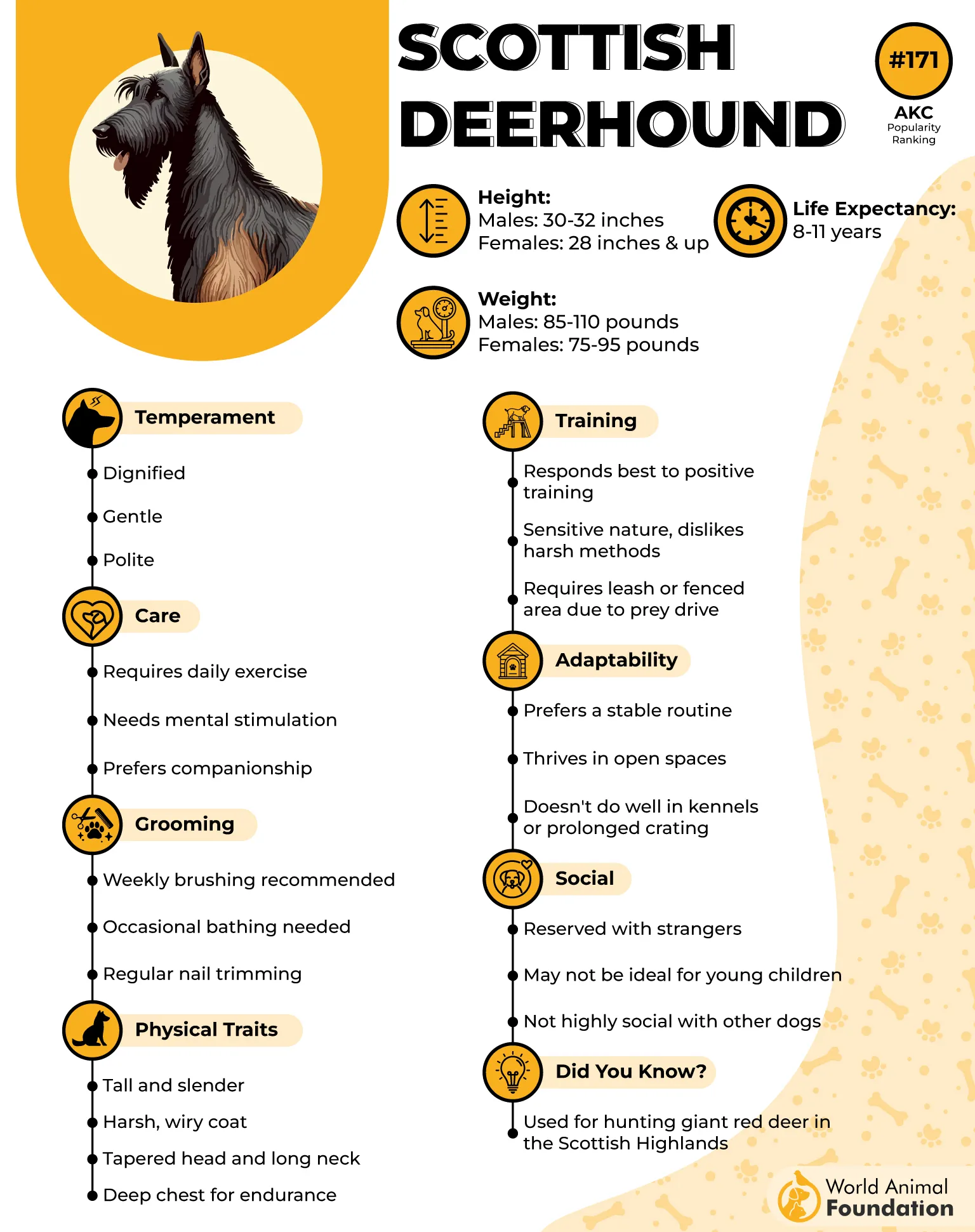
For this breed, daily movement really matters. Regular walks along with some safe time outdoors help cover its activity needs, and a fenced yard can make a big difference too. Given its hunting background, the Deerhound may still chase after smaller animals if given the chance.
Conclusion
Owning a big dog isn’t just about having a larger pet. It takes real effort across the board: space, daily exercise, basic training, coat care, and tuning into the dog’s emotional needs. Large companions still need attention that goes well beyond food and toys.
The Newfoundland tends to be patient and kind, while the Saint Bernard is known for playing a gentle role in many homes. The Mastiff and Bullmastiff often bring steady loyalty paired with a protective instinct, and the Broholmer usually shows a calm, sure temperament. The Irish Wolfhound and Scottish Deerhound add a quieter side to the mix, often sensitive dogs that show affection in a softer, more subtle way.
At the end of the day, choosing the right fit comes down to your home first, not just the size of the dog.
