





There’s something special about coming home to a dog that’s happy to curl up beside you instead of barking at every little sound outside. While all dogs communicate through barking now and then, some are naturally much quieter than others.
Many people assume every dog is noisy, but that’s far from the truth. Some dogs are naturally more reserved and only bark when there’s a real reason, such as alerting you to something unusual.
Of course, even the quietest dogs need regular exercise, mental stimulation, and proper training to stay happy and well-behaved. A bored or anxious dog of any breed is much more likely to become vocal.
If you’re looking for a four-legged companion who’ll happily join you for cozy movie nights, afternoon naps, or slow morning walks without filling the house with constant barking, you’re in the right place.
In this article, we’ll introduce quiet dog breeds that are known for their calm personalities, gentle temperament, and peaceful presence, making every lazy day and cozy night even more enjoyable.
Key Takeaways
Meet 9 lazy dog breeds, from the cuddly Cavalier King Charles Spaniel to the majestic Irish Wolfhound, that bring peace instead of constant barking.
Discover why breeds like the Great Dane, Newfoundland, and Great Pyrenees are gentle companions perfect for calm homes and cozy evenings.
Learn the grooming, exercise, training, and health needs you should know before bringing one of these quiet pups home.
Find the calm canine companion that best matches your lifestyle, living space, and idea of the perfect relaxing day.
Quiet Dog Breeds That Make Cozy Nights and Lazy Days Delightful
1. Cavalier King Charles Spaniel

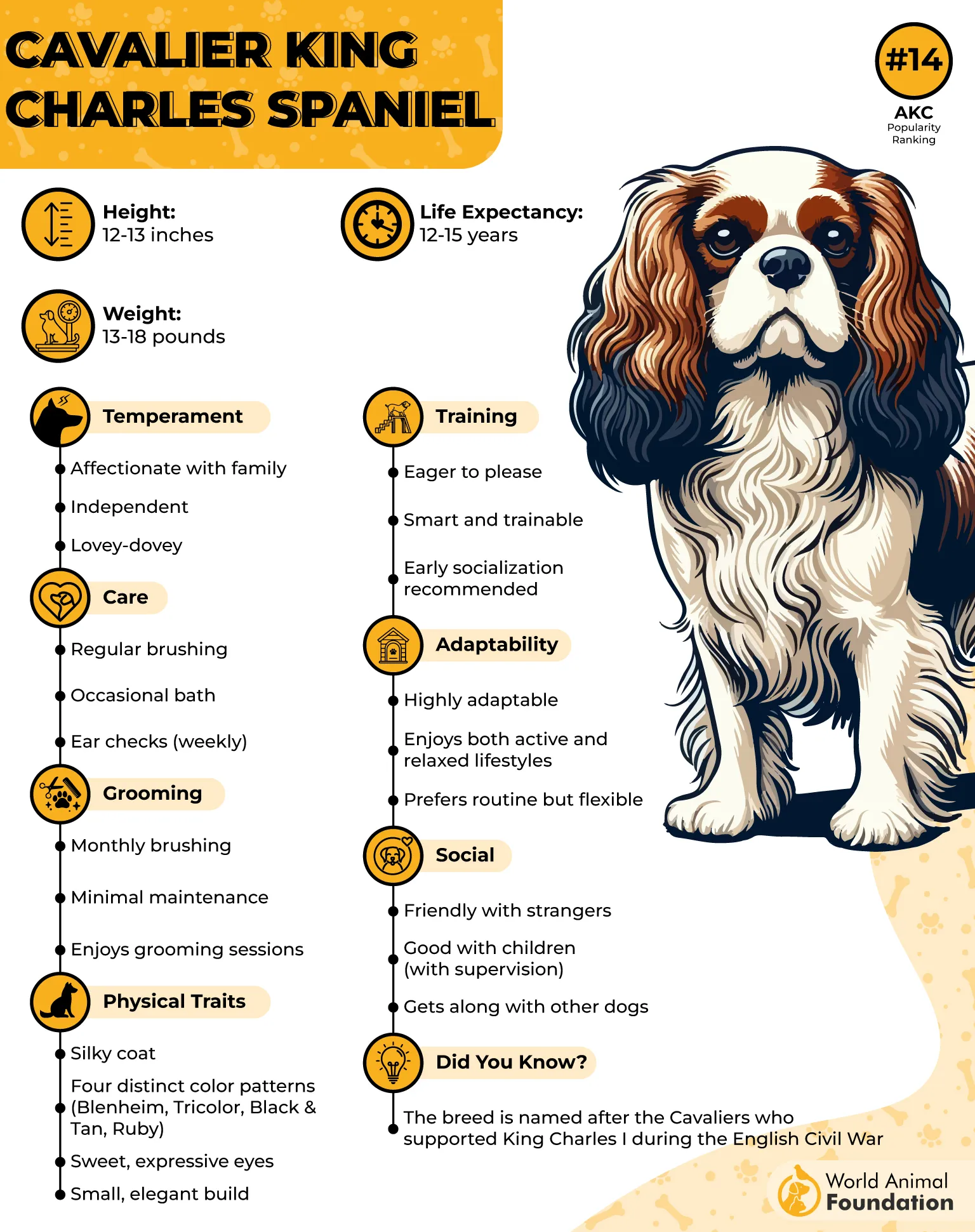
Bred to be loving companions, Cavalier King Charles Spaniels are happiest when they’re close to their favorite people. Their history dates back to 17th-century England, where they were treasured by British royalty and often kept on laps during chilly carriage rides and in drafty castles.
Even today, they remain one of the most popular companion dogs thanks to their gentle nature, affectionate personality, and relatively quiet temperament.
Why They’re Perfect for Cozy Nights and Lazy Days
These little dogs are calm, friendly, and not known for excessive barking. They usually speak up only when there’s a reason, making them a great choice for peaceful homes.
Cavaliers enjoy a couple of daily walks and some playtime, but once their exercise needs are met, they’re more than happy to relax on the couch beside their family. PetMD says they also get along well with children, strangers, other dogs, and even cats, making them easy companions for many households.
What to Know Before Bringing Them Home
Their silky coat needs regular brushing and occasional baths to stay healthy.
They thrive on human companionship and don’t enjoy being left alone for long periods.
Positive reinforcement works well because they’re eager to please and easy to train.
They enjoy activities like obedience, agility, nose work, and neighborhood walks.
Regular health screenings are important, as they can be prone to heart disease, syringomyelia, eye problems, hip dysplasia, and ear infections.
2. Pug

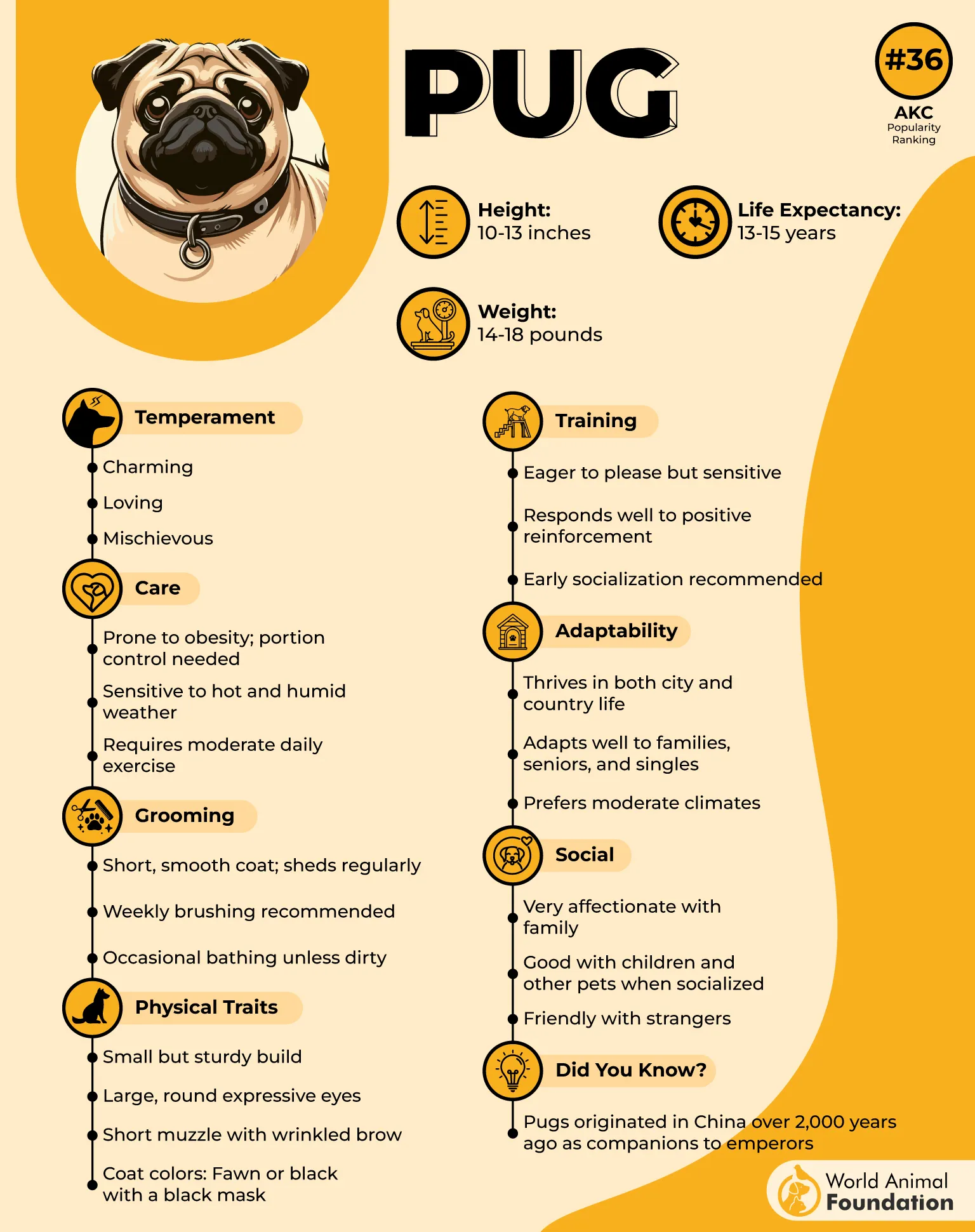
With their wrinkled faces and playful personalities, Pugs have been winning hearts for centuries. Originally bred in ancient China as companion dogs for royalty, they later became favorites in European royal families as well.
Despite their regal history, Pugs are down-to-earth, affectionate, and happiest when they’re spending time with their favorite people, making them good family dogs.
Why They’re Perfect for Cozy Nights and Lazy Days
These small dogs are friendly, calm, and don’t bark excessively. They’re more likely to entertain you with adorable snorts and snores than with constant barking.
They enjoy short walks and play sessions, but they’re just as happy curling up beside you on the couch. Their loving nature also makes them wonderful companions for families, children, visitors, and other pets.
What to Know Before Bringing Them Home
Their short, smooth coat needs weekly brushing, and their facial wrinkles should be cleaned regularly.
They need moderate daily exercise, but care should be taken to prevent overheating because of their short muzzle.
They can be prone to weight gain, so a balanced diet and portion control are important.
Their prominent eyes need extra care, as they’re more vulnerable to injury.
Regular veterinary checkups are recommended since they can be prone to breathing problems, hip dysplasia, and other health issues common in flat-faced breeds.
3. Japanese Chin

Elegant and affectionate, Japanese Chins were bred to be companion dogs for nobles and were often seen in imperial palaces. Although their exact origins are unclear, they’re believed to have ancient roots in China before becoming closely associated with Japan.
These charming little dogs are happiest indoors, where they can stay close to their family and enjoy a comfortable, relaxed lifestyle.

Why They’re Perfect for Cozy Nights and Lazy Days
Japanese Chins are gentle, playful, and naturally quiet. They usually bark only to alert their family about strangers or unfamiliar sounds. Often described as cat-like, they love lounging on the back of a couch, climbing onto high spots, and curling up with their favorite people.
A short daily walk and some playtime are enough to keep them happy, making them excellent companions for apartment living and peaceful homes.
What to Know Before Bringing Them Home
Their silky coat needs brushing once or twice a week, along with occasional baths to prevent tangles.
They thrive on human companionship and may develop separation anxiety if left alone for long periods.
Early socialization and positive reinforcement training help them grow into confident, well-mannered companions.
They usually get along well with children, cats, and other dogs when introduced properly, though young children should be supervised because of their small size.
Regular eye and ear care is important, and routine veterinary checkups can help monitor breed-related health concerns.
4. Clumber Spaniel
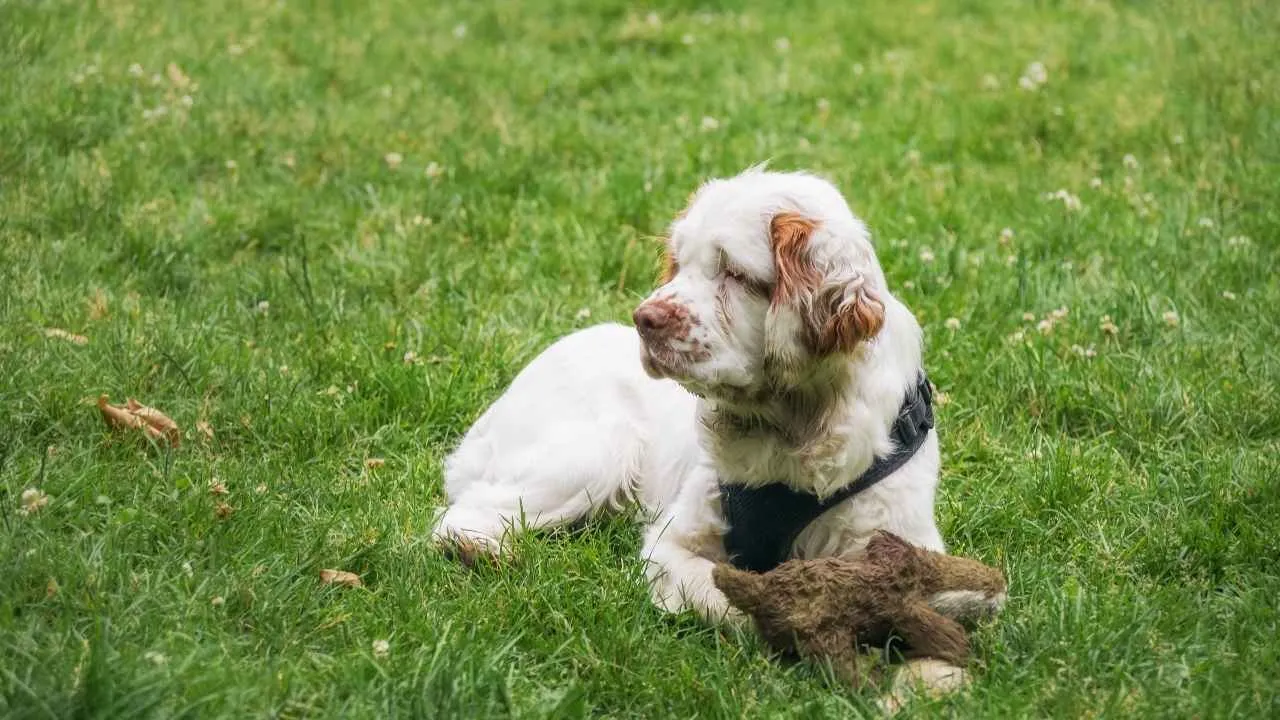
Clumber Spaniels are gentle, loyal dogs with a calm nature that makes them wonderful companions. Originally developed in England and named after Clumber Park, they were once favored by British nobility for hunting and retrieving game.
Although they’re strong working dogs with an excellent sense of smell, they’re just as happy relaxing at home with their family after a day outdoors.
Why They’re Perfect for Cozy Nights and Lazy Days
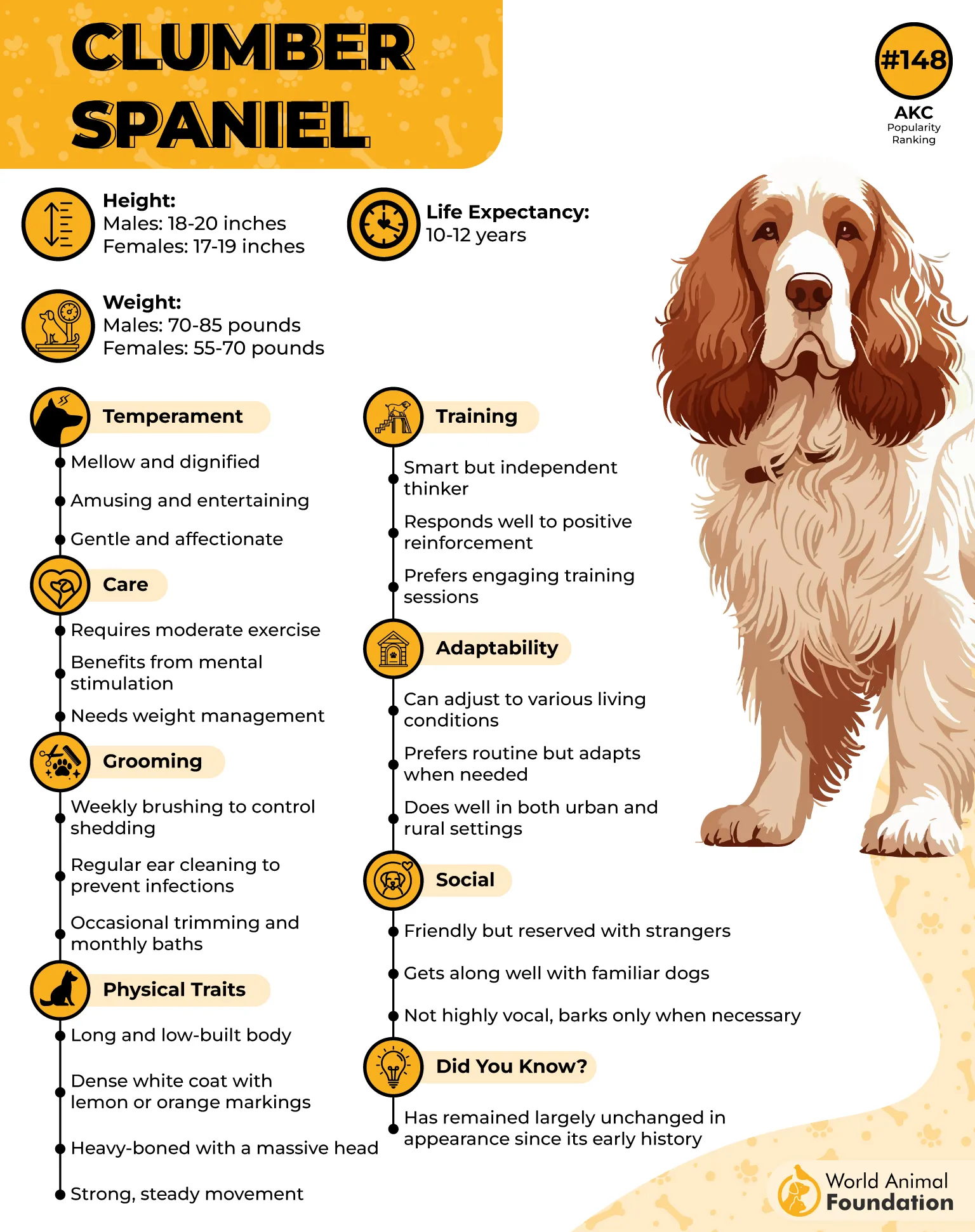
Unlike many energetic sporting breeds, Clumber Spaniels have a laid-back personality and aren’t known for excessive barking. They usually bark only to alert their family to something unusual before settling down again.
They enjoy daily walks, games, and scent-based activities, but they’re equally content stretching out on the sofa for a quiet evening. Their affectionate and patient nature also makes them great companions for families and first-time pet parents.
What to Know Before Bringing Them Home
Their dense coat needs brushing several times a week and regular baths to stay clean and healthy.
They benefit from positive reinforcement training, short sessions, and mental challenges like puzzle toys or nose work.
Early socialization helps them grow into confident and well-mannered adults.
They need regular outdoor exercise and generally do best in homes with access to larger outdoor spaces.
Routine veterinary care is important, as they can be prone to hip dysplasia, spinal problems, thyroid disease, eye conditions, ear infections, and weight gain.
5. Newfoundland
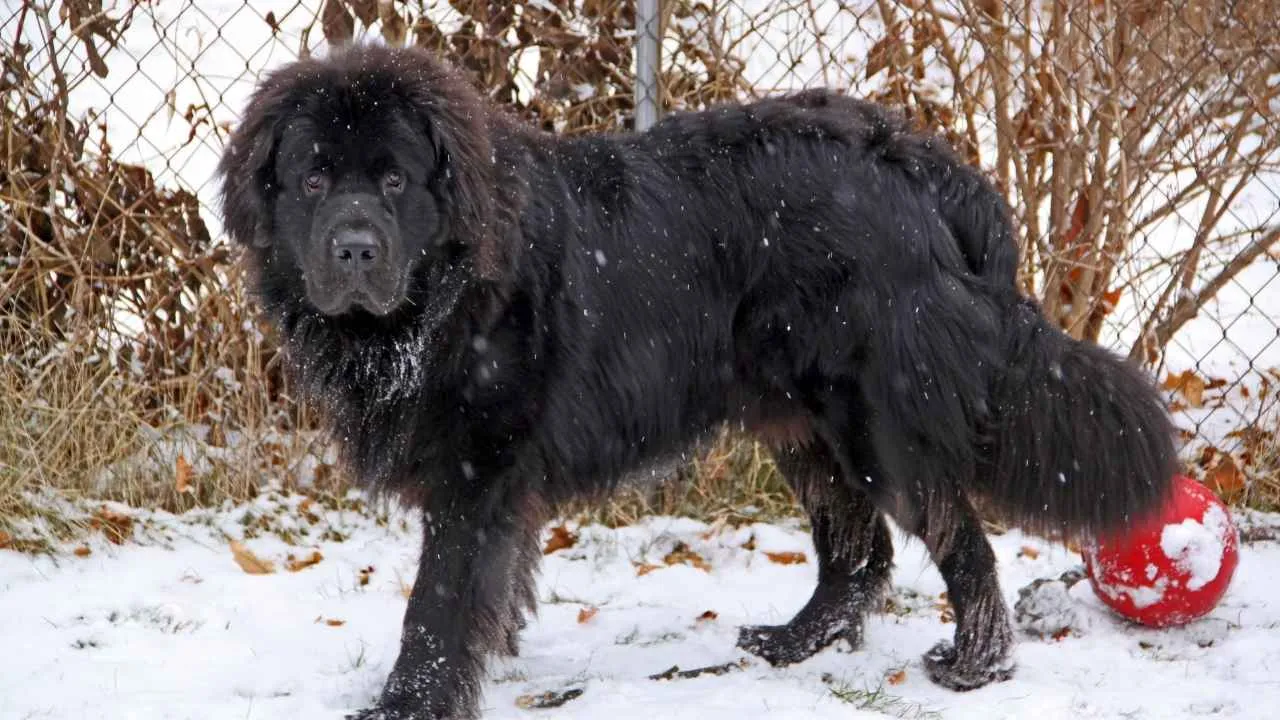
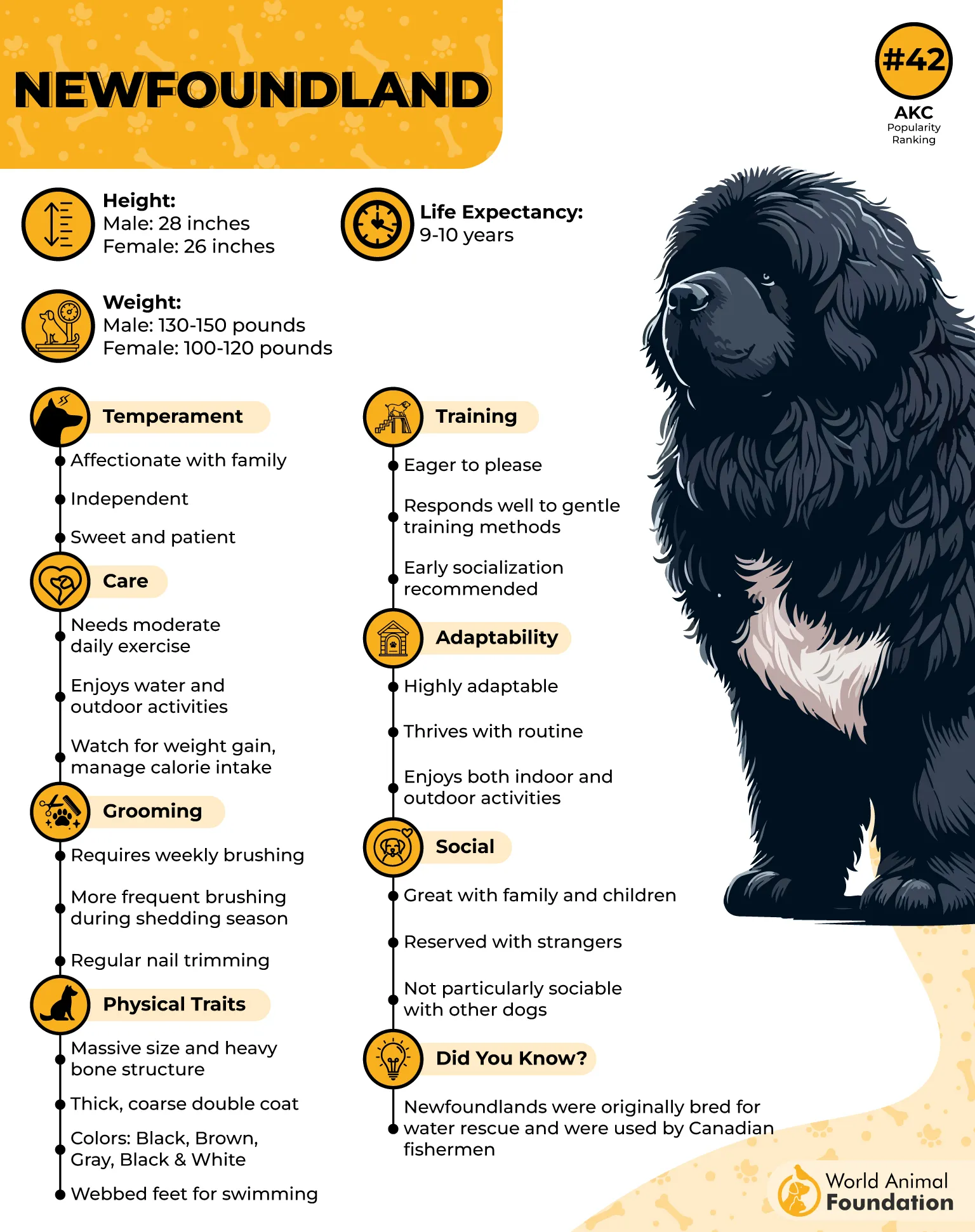
Newfoundlands are gentle giants with a long history of helping people. Originally developed on Canada’s Newfoundland Island, they worked alongside fishermen, rescued people from the water, and even pulled heavy loads.
Their webbed feet, powerful build, and thick water-resistant coat make them excellent swimmers, but at home they’re best known for their calm, patient, and affectionate nature.
Why They’re Perfect for Cozy Nights and Lazy Days
Despite their impressive size, Newfoundlands are quiet, easygoing, and not known for excessive barking. They usually bark only to alert their family when something seems unusual. After a daily walk or a swim, they’re happy to relax indoors with their loved ones.
Britannica mentions their gentle personality has even earned them the nickname “nanny dog” because they’re known to be patient and caring around children.
What to Know Before Bringing Them Home
Their thick double coat needs regular brushing, especially during heavy seasonal shedding, and they tend to drool quite a bit.
They enjoy moderate exercise, with swimming, walks, and pulling activities being some of their favorites.
Early socialization and positive reinforcement training are important, as their large size can make pulling and jumping difficult to manage.
They thrive on companionship and may develop separation anxiety if left alone for long periods.
Regular veterinary care is essential, as they can be prone to hip dysplasia, bloat (gastric torsion), and other health issues common in giant breeds.
6. Tibetan Spaniel

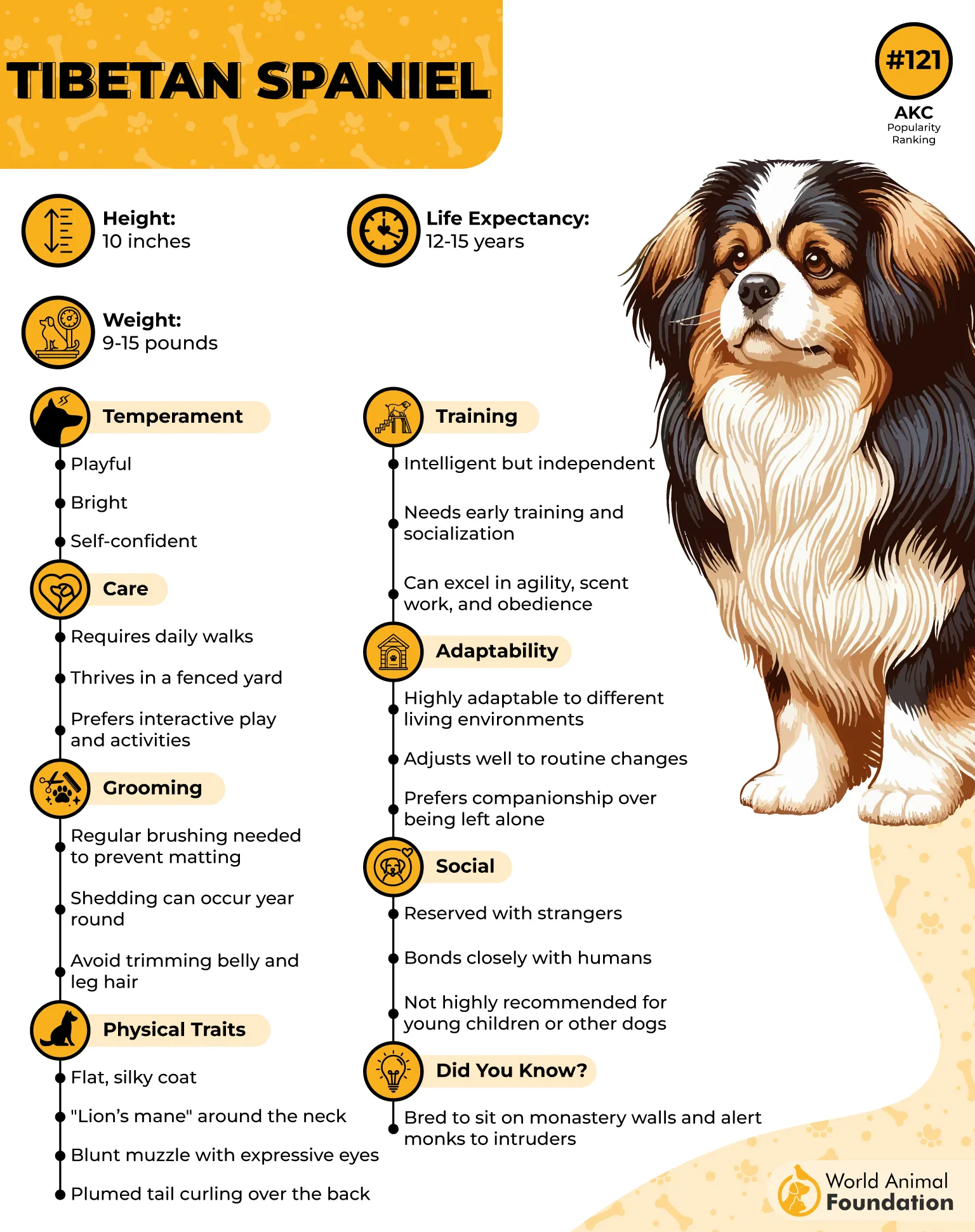
Tibetan Spaniels are charming little companions that have been loved for thousands of years. Bred by Buddhist monks in the Himalayan monasteries, these dogs were treasured as loyal companions and alert watchdogs.
They were often gifted to honored visitors rather than sold. Despite their small size, they’re sturdy, adaptable, and happy living in apartments or larger homes as long as they’re close to their family.
Why They’re Perfect for Cozy Nights and Lazy Days
Tibetan Spaniels are affectionate, calm, and enjoy relaxing with their favorite people. They aren’t excessive barkers, but they will alert their family if someone approaches or something unusual catches their attention.
A short daily walk and indoor play are usually enough to keep them content. They’re also known for their cat-like habits, often choosing high spots like the back of a sofa to quietly watch everything happening around them.
What to Know Before Bringing Them Home
Their silky double coat needs brushing a few times a week, with extra grooming during seasonal shedding.
They thrive on companionship and may struggle if left alone for long periods.
Early socialization and positive, reward-based training help manage their independent streak and natural alertness.
They adapt well to city apartments or larger homes and enjoy gentle daily exercise.
Regular veterinary checkups are important, as they can be prone to eye conditions, patellar luxation, epilepsy, and hearing problems.
7. Great Dane

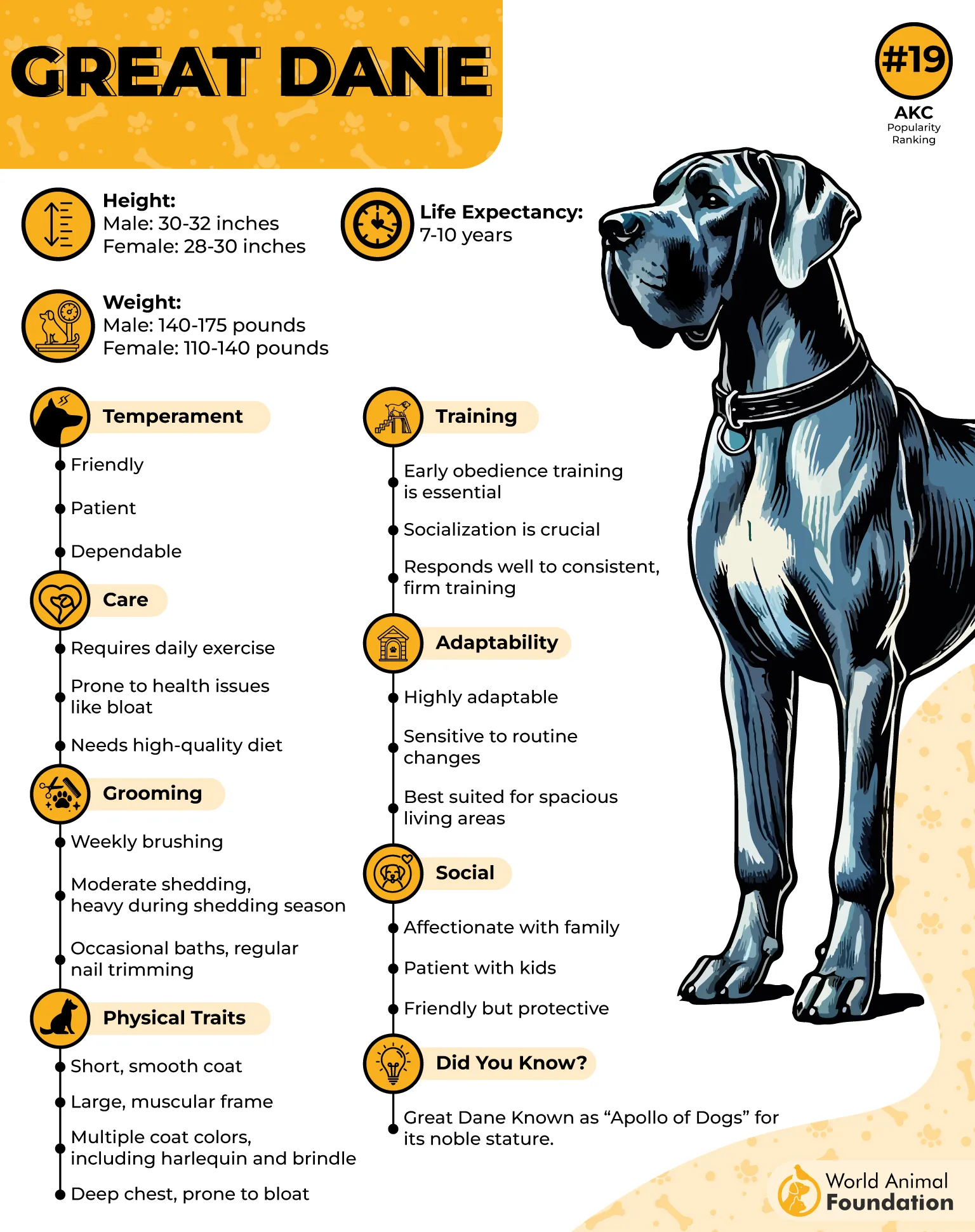
Great Danes are gentle giants that were originally bred in Germany to hunt wild boar and guard large estates. Despite their massive size and powerful appearance, they’re known for their calm, affectionate nature and strong bond with their families.
Often called the “Apollo of Dogs,” Great Danes are one of the tallest dog breeds in the world and thrive in homes where they have plenty of space and companionship.
Why They’re Perfect for Families and Gentle Companionship
Great Danes are patient, friendly, and surprisingly laid-back for such a giant breed. They enjoy spending time with their family and are generally good with children and other pets when properly socialized, as mentioned by WebMD.
While they don’t need endless exercise, they do benefit from daily walks, playtime, and opportunities to stretch their long legs. Their quiet temperament also means they aren’t known for excessive barking, though they’ll alert you if something seems unusual.
What to Know Before Bringing Them Home
Their short coat is easy to maintain with weekly brushing, but they do shed moderately and are known to drool.
Early socialization and obedience training are essential, as they grow very quickly into powerful adult dogs.
They need daily walks and moderate exercise, but strenuous running should be avoided until they’re fully grown.
Their giant size means higher costs for food, veterinary care, medications, bedding, and transportation.
Regular veterinary care is important, as Great Danes are prone to bloat (gastric dilatation-volvulus), hip dysplasia, cardiomyopathy, and other joint-related health conditions.
8. Great Pyrenees
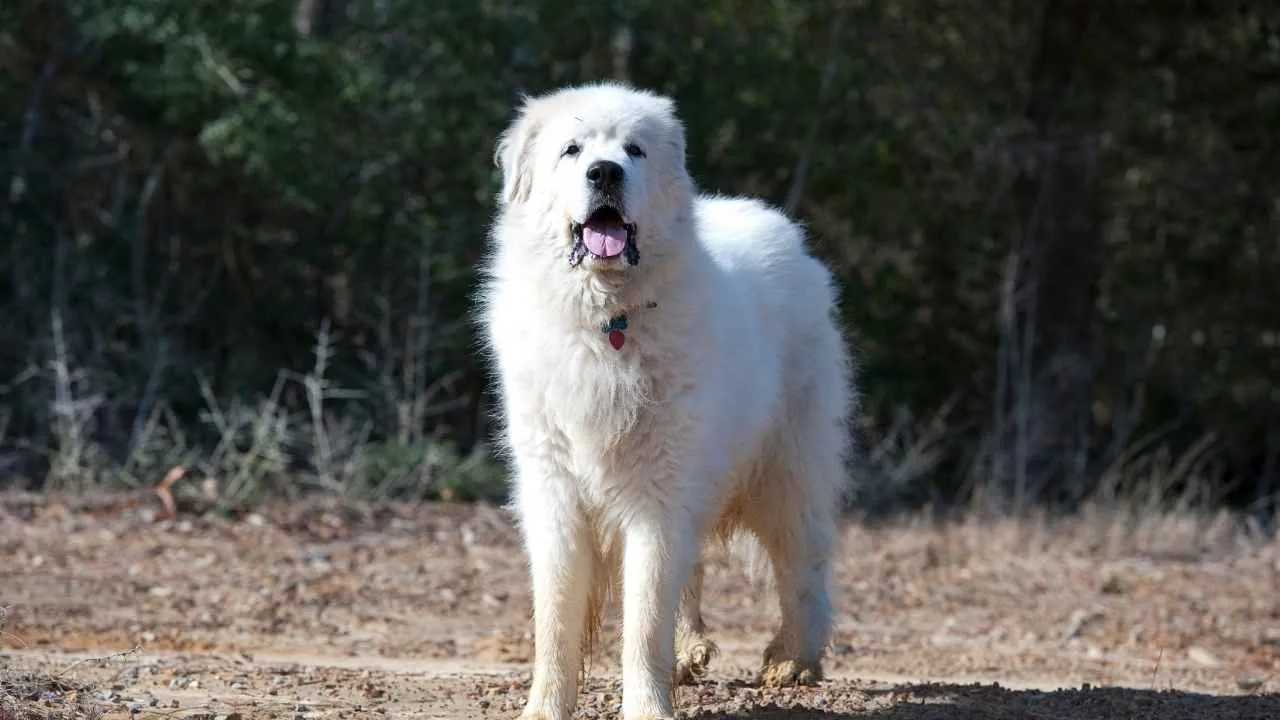
Great Pyrenees are majestic guardian dogs that were originally bred to protect livestock in the rugged Pyrenees Mountains between France and Spain. Known for their thick white coat, calm temperaments, and unwavering loyalty, these gentle giants have watched over flocks for thousands of years.
Today, they make devoted family companions who are happiest in spacious homes where they can keep a watchful eye on the people they love.
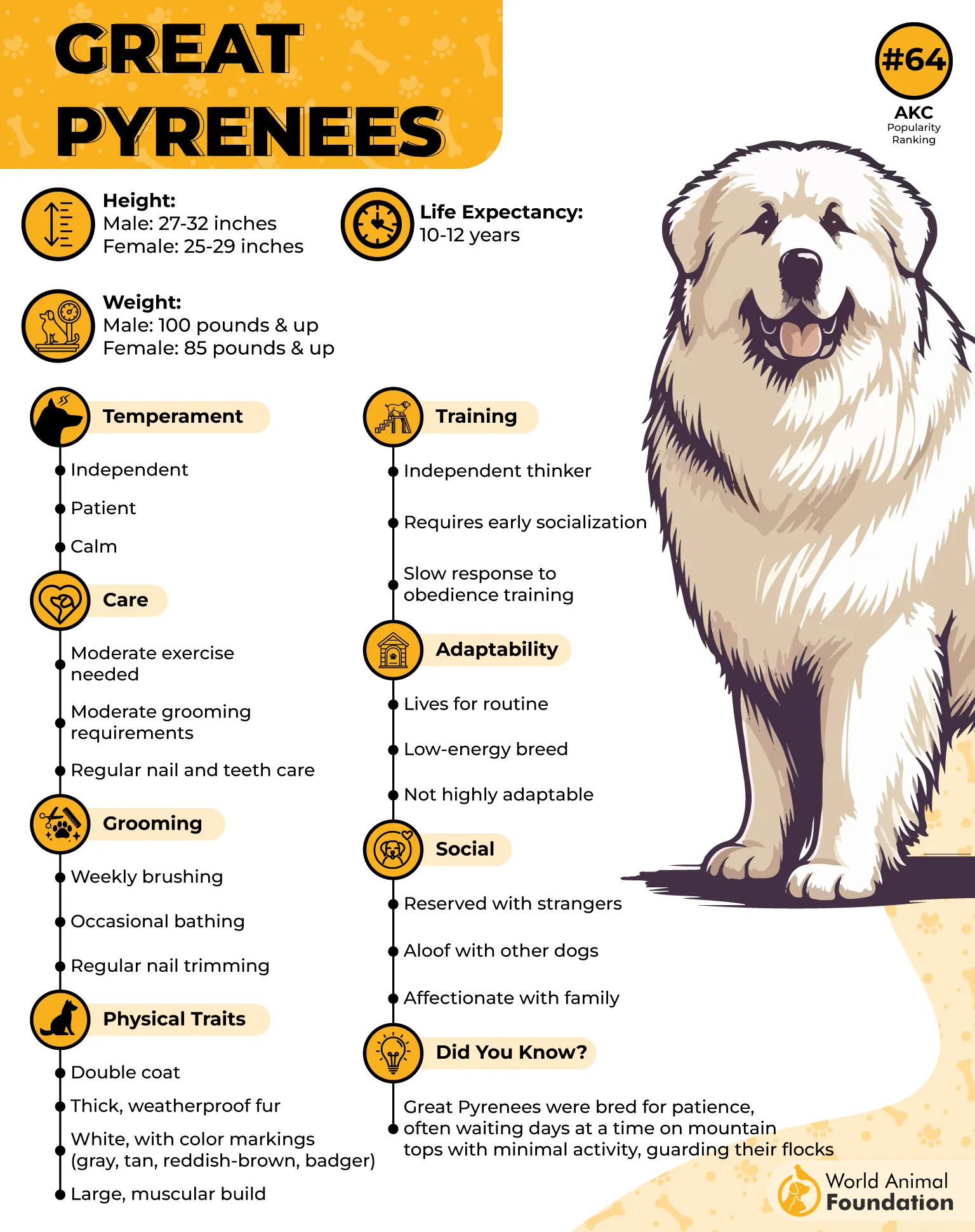
Why They’re Perfect for Calm Homes and Loyal Companionship
Great Pyrenees are patient, affectionate, and naturally protective without being overly demanding. They enjoy spending quiet time with their family and are especially gentle with children and other pets when properly socialized.
While they have a relaxed nature indoors, they still need daily walks and room to explore. Their strong guardian instincts also make them excellent watchdogs, as they’ll confidently alert their family if they sense anything unusual.
What to Know Before Bringing Them Home
Their thick double coat requires brushing several times a week, with daily grooming during heavy seasonal shedding.
They thrive in cooler climates and need plenty of space, making them better suited to homes with large yards than small apartments.
Early socialization and patient, positive training are essential, as they can be independent thinkers due to their livestock guardian background.
They need regular daily exercise and mental stimulation but are generally calm and low-energy indoors.
Routine veterinary care is important, as Great Pyrenees can be prone to hip dysplasia, elbow dysplasia, bloat (gastric dilatation-volvulus), patellar luxation, and certain eye and joint conditions.
9. Irish Wolfhound
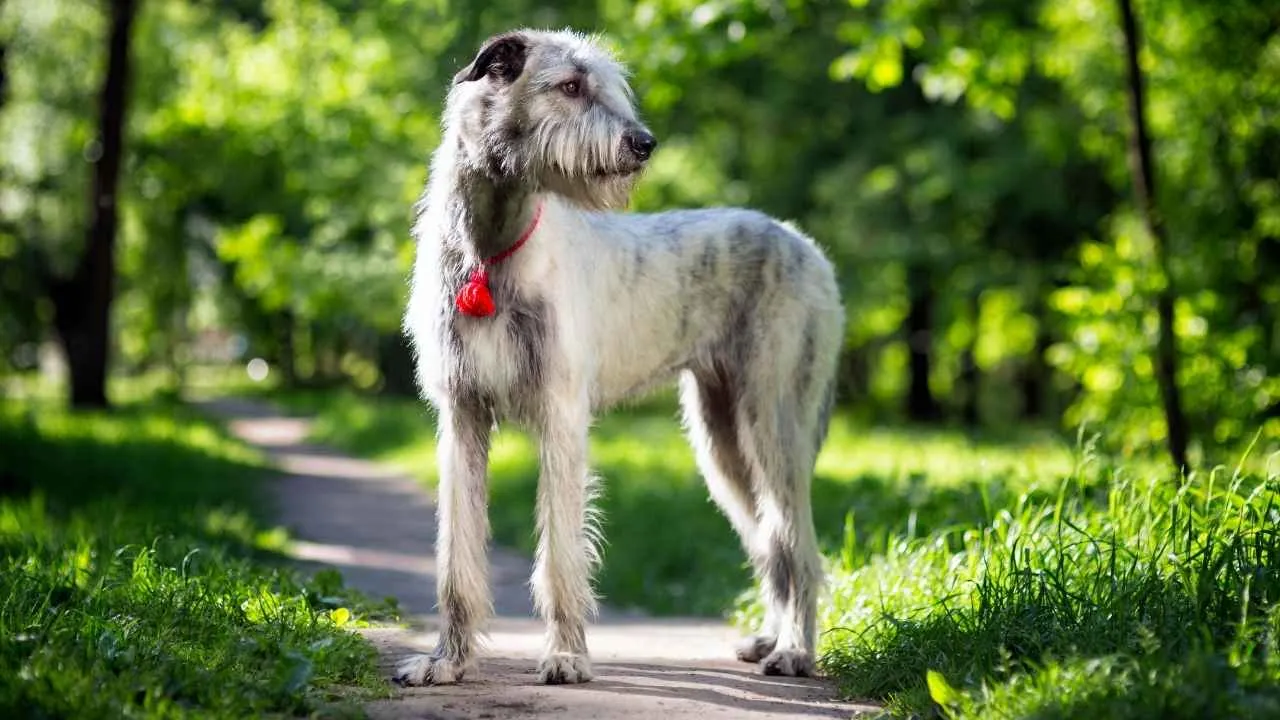
Irish Wolfhounds are gentle giants with an ancient history that stretches back to the time of the Celts. Originally bred in Ireland to hunt wolves, wild boar, and even the massive Irish elk, these towering dogs later became loyal companions admired for their courage and noble appearance.
Today, they’re best known for their calm demeanor, sweet temperament and impressive size, making them loving family pets for homes with enough space.
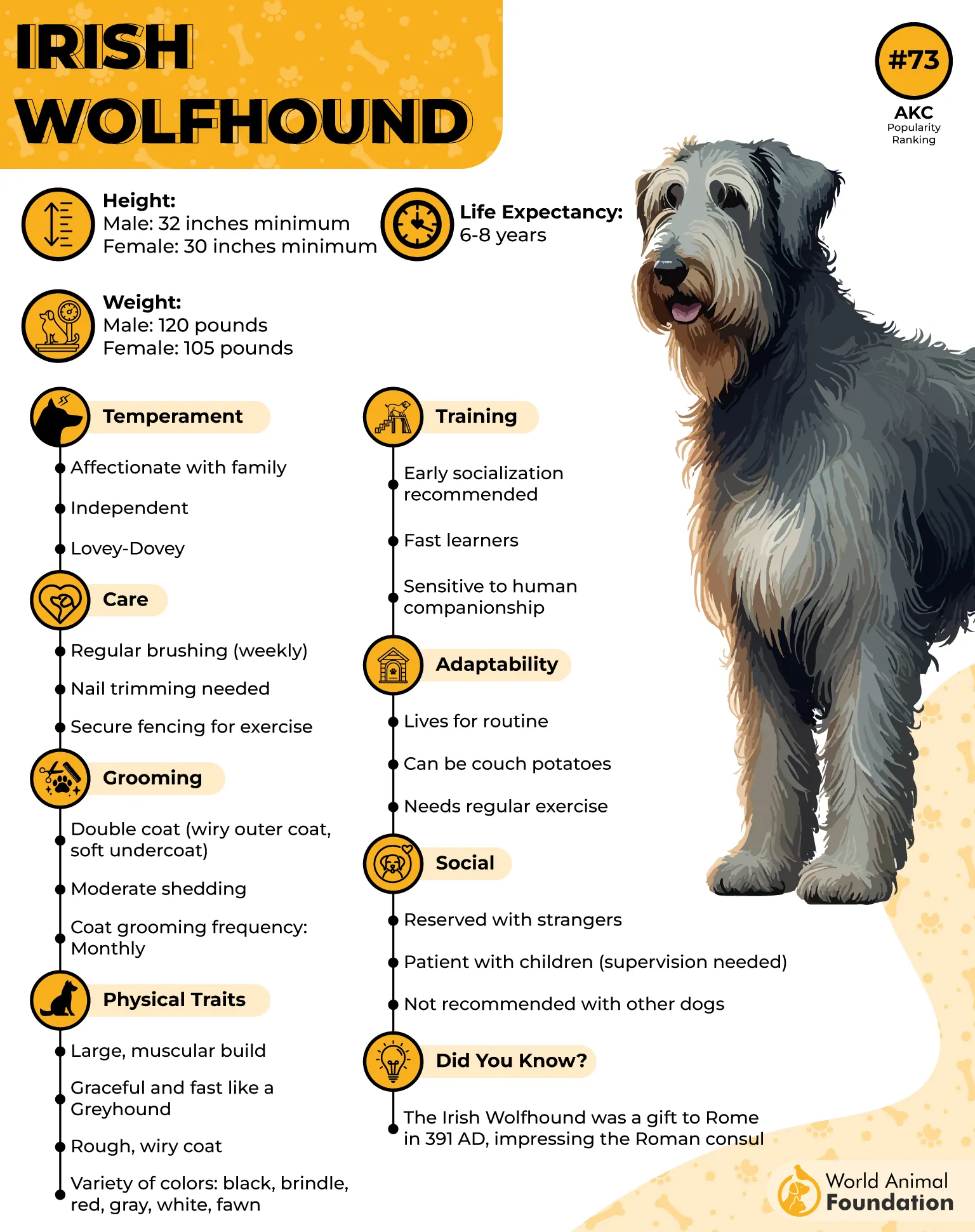
Why They’re Perfect for Calm Homes and Gentle Companionship
Despite being one of the tallest dog breeds in the world, Irish Wolfhounds are incredibly gentle, patient, and affectionate. They form deep bonds with their families, are usually friendly with children, and prefer peaceful home life over constant activity.
While they enjoy daily walks and outdoor adventures, they’re equally happy relaxing beside their favorite people. They rarely bark without reason and are known for their quiet, dignified nature.
What to Know Before Bringing Them Home
Their rough, wiry coat requires weekly brushing and occasional hand-stripping to remove dead hair.
They need daily physical activity and a securely fenced yard, as their natural prey drive may lead them to chase wildlife.
Early socialization and gentle, positive training help shape their confident and well-mannered personality.
Giant size means they need plenty of indoor space, sturdy bedding, and higher food and veterinary costs.
Regular veterinary care is essential, as they’re prone to bloat (GDV), heart disease, bone and joint problems, and have a relatively short lifespan of 6–8 years.
Conclusion
Finding the right giant dog is about more than choosing the biggest breed—it’s about matching their personality, care needs, and lifestyle with your own.
From calm family companions and loyal guardians to gentle giants with rich histories, each breed offers something unique. While their impressive size may capture attention, it’s their affectionate nature, loyalty, and lifelong companionship that truly make them special.
Before bringing home a giant breed, take the time to research their exercise, grooming, health, and space requirements to ensure you can provide the care they deserve.
With proper training, regular veterinary care, and plenty of love, these remarkable dogs will reward you with years of unwavering friendship, unforgettable moments, and a bond that’s every bit as big as they are.
