




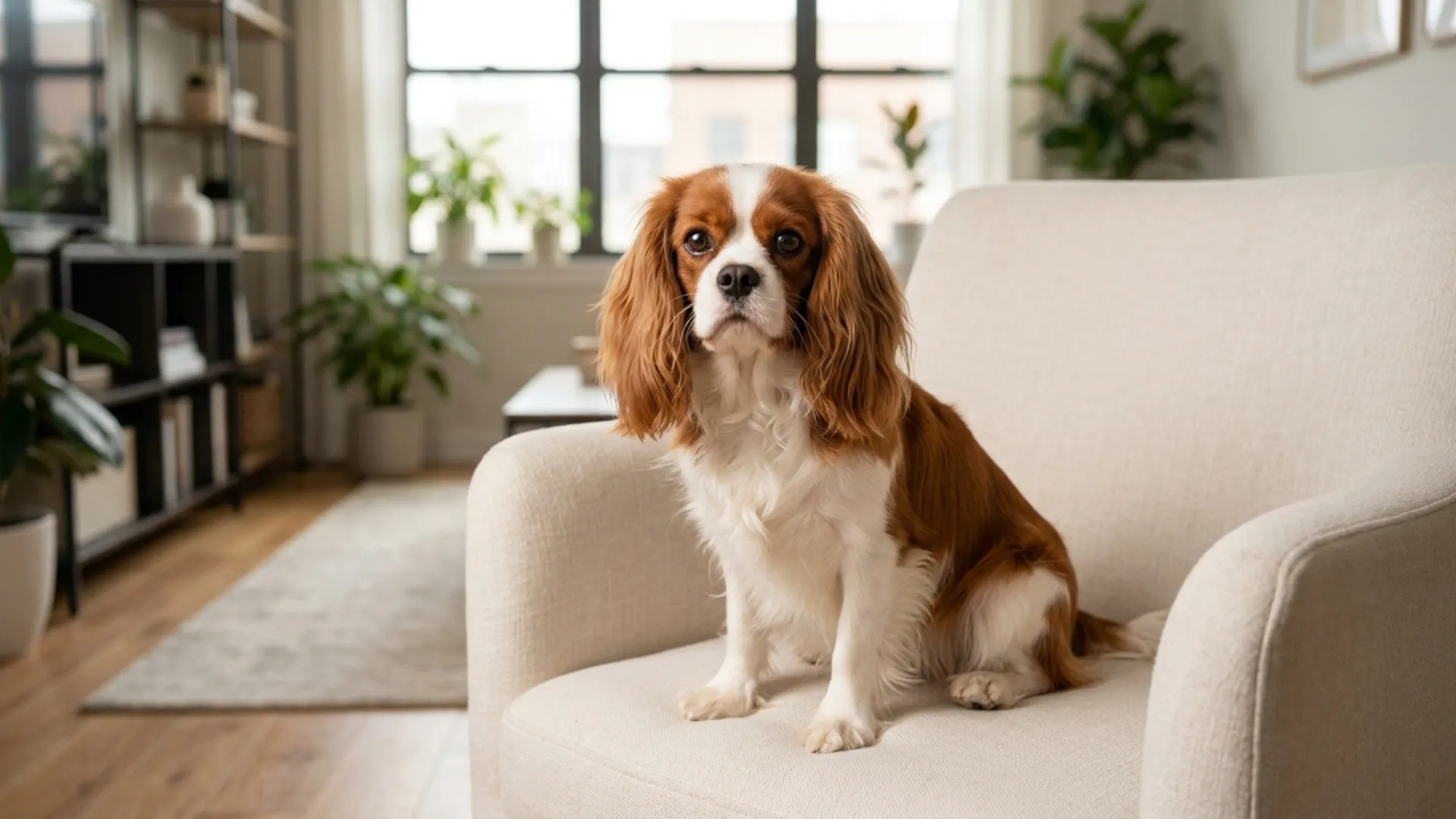
Apartment living with a dog can be rewarding, but constant barking can quickly disturb neighbors and turn a cozy home into a noisy one. Choosing a breed naturally inclined toward quieter behavior can make shared living much easier.
Some dogs communicate with fewer vocal outbursts, while others are more likely to bark, howl, or whine. Although training and individual personality matter, starting with a breed known for calmer vocal habits can reduce the chances of frequent noise.
From gentle companions to adaptable breeds, these quiet dogs offer different personalities and activity levels while remaining better suited to close-quarters living. The right choice can help keep your apartment peaceful without sacrificing canine companionship.
Quiet Dog Breeds That Won’t Rattle Apartments
1. Cavalier King Charles Spaniel

Sweet-natured and gentle, the Cavalier King Charles Spaniel is well suited to apartment living where a peaceful temperament matters. This affectionate breed is generally quiet and unlikely to create unnecessary noise, making it a comfortable companion for close-quarters homes.
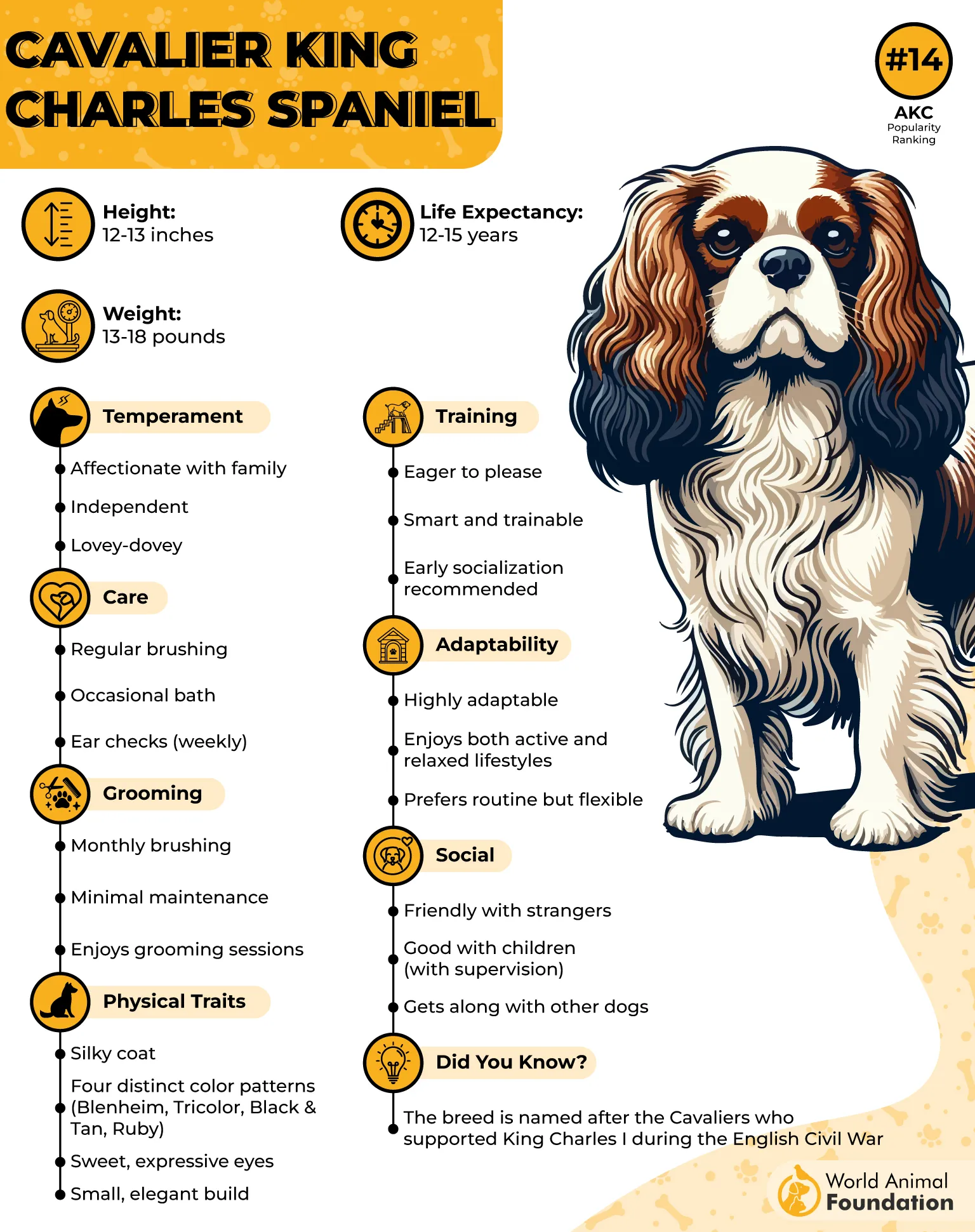
Cavaliers enjoy daily walks and leisurely outings but are equally happy settling beside their owners indoors. Their adaptable nature, compact size, and low prey drive also make them less likely to bark at small animals encountered during walks.
According to PDSA, they were originally bred as companion dogs and thrive on spending plenty of time with their families.
How This Breed Stands Out
Soft, gentle presence: Its calm and affectionate temperament brings a soothing presence to shared living spaces.
Content with indoor companionship: After daily activity, Cavaliers are typically happy relaxing indoors and staying close to their people.
2. Great Dane

Despite its towering stature, the Great Dane is known for a calm, gentle temperament and surprisingly quiet behavior indoors. Rather than barking constantly, it often prefers relaxing near its family and only vocalizes when there is a reason to do so.

According to the AKC, Great Danes are watchful home guardians whose imposing appearance can be enough to deter potential intruders.
Its peaceful nature can work well in apartment living, provided there is enough room for its enormous frame. Early socialization is especially valuable for households with children, helping this large companion become a well-mannered presence in shared spaces.
How This Breed Stands Out
Surprisingly quiet indoors: Great Danes typically remain calm and reserved at home, with barking often limited to specific situations.
Towering yet laid-back demeanor: Their impressive size contrasts with a gentle, relaxed personality that favors companionship over constant activity.
3. Whippet

Whippets are naturally quiet, reserved sighthounds that often prefer relaxing indoors rather than making unnecessary noise. Their gentle temperament and moderate size can suit apartment living, especially when they have enough room to settle comfortably.
According to Orvis, Whippets enjoy running and playing but lack the stamina for prolonged exercise. After about an hour of activity, they are usually ready to relax and nap.

Although calm at home, Whippets enjoy energetic bursts through running and play. Regular walks and opportunities to stretch their legs help satisfy their athletic side, after which they are often content to curl up beside their owners.
How This Breed Stands Out
Naturally reserved at home: Whippets tend to be peaceful indoors and are not known for excessive barking.
Sprinting bursts, then deep rest: They can switch from lively running and play to extended periods of comfortable relaxation.
4. Chow Chow

The Chow Chow is known for its dignified, independent temperament and generally quiet nature. Rather than barking frequently, it tends to become vocal when something seems threatening, making it a relatively unobtrusive companion for apartment buildings.
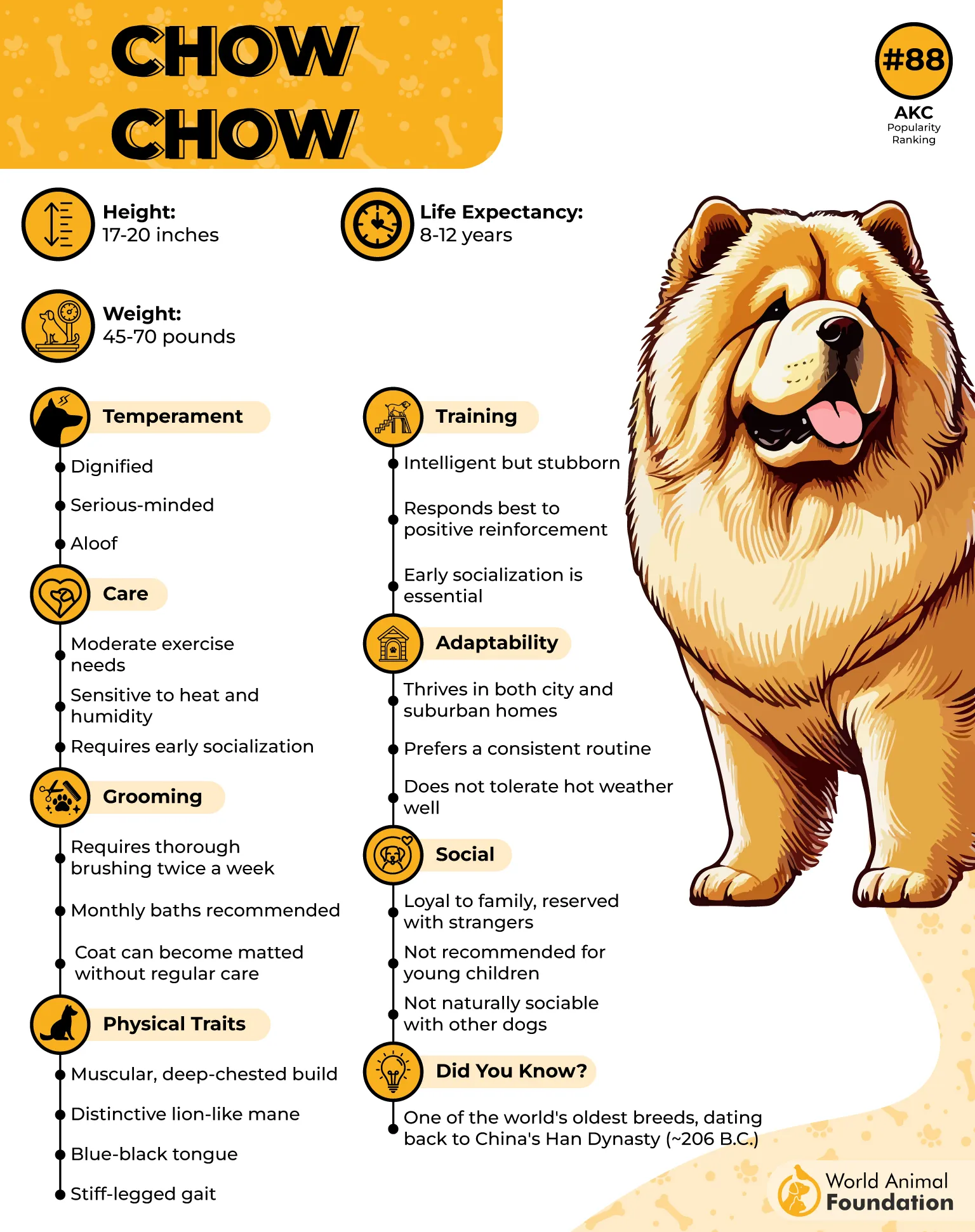
Reserved around unfamiliar people, these fluffy dogs often prefer keeping their distance until they become comfortable. Their independent streak can make training more demanding, while consistent socialization and regular grooming are important for managing their thick double coat.
How This Breed Stands Out
Independent, dignified temperament: Chows are self-contained and composed, often enjoying their own space while remaining devoted to their families.
Reserved around unfamiliar people: Their naturally cautious attitude can make them less immediately welcoming toward strangers.
5. Akita
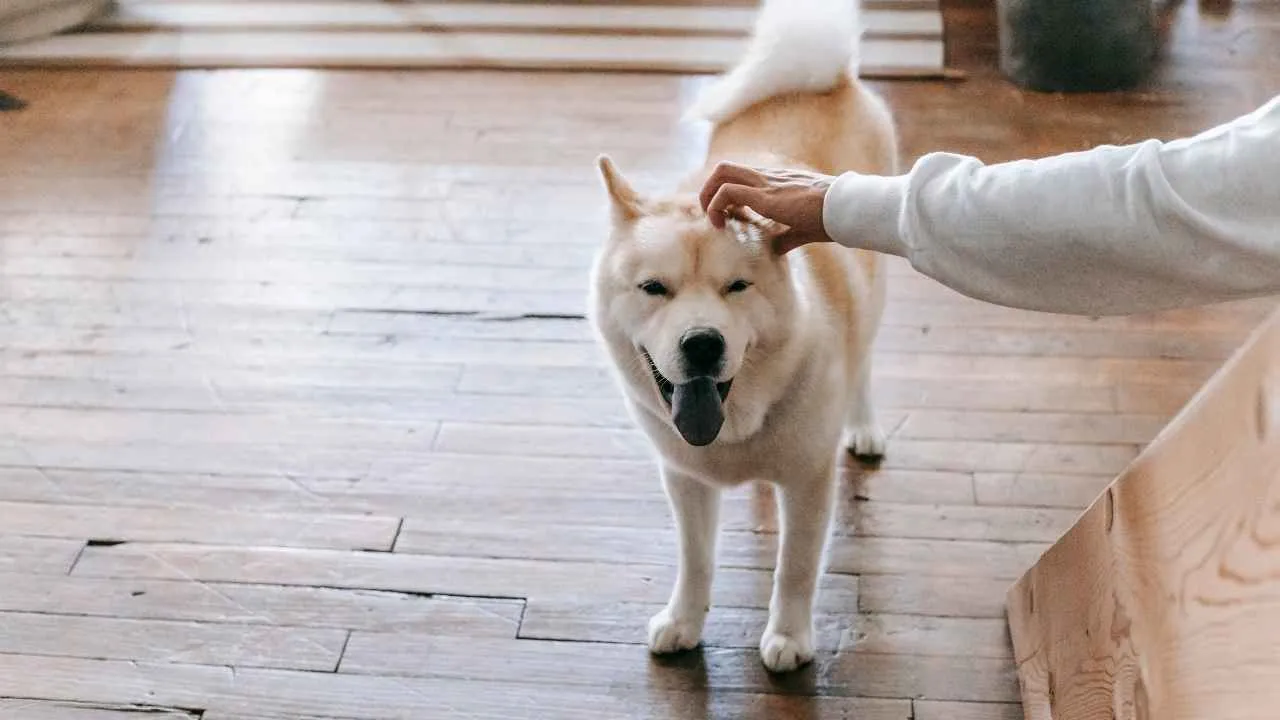
The Akita has a naturally quiet, observant temperament and tends to bark only when something genuinely catches its attention. Its alertness and territorial instincts can make it an effective watchdog without constant vocalization throughout the home.
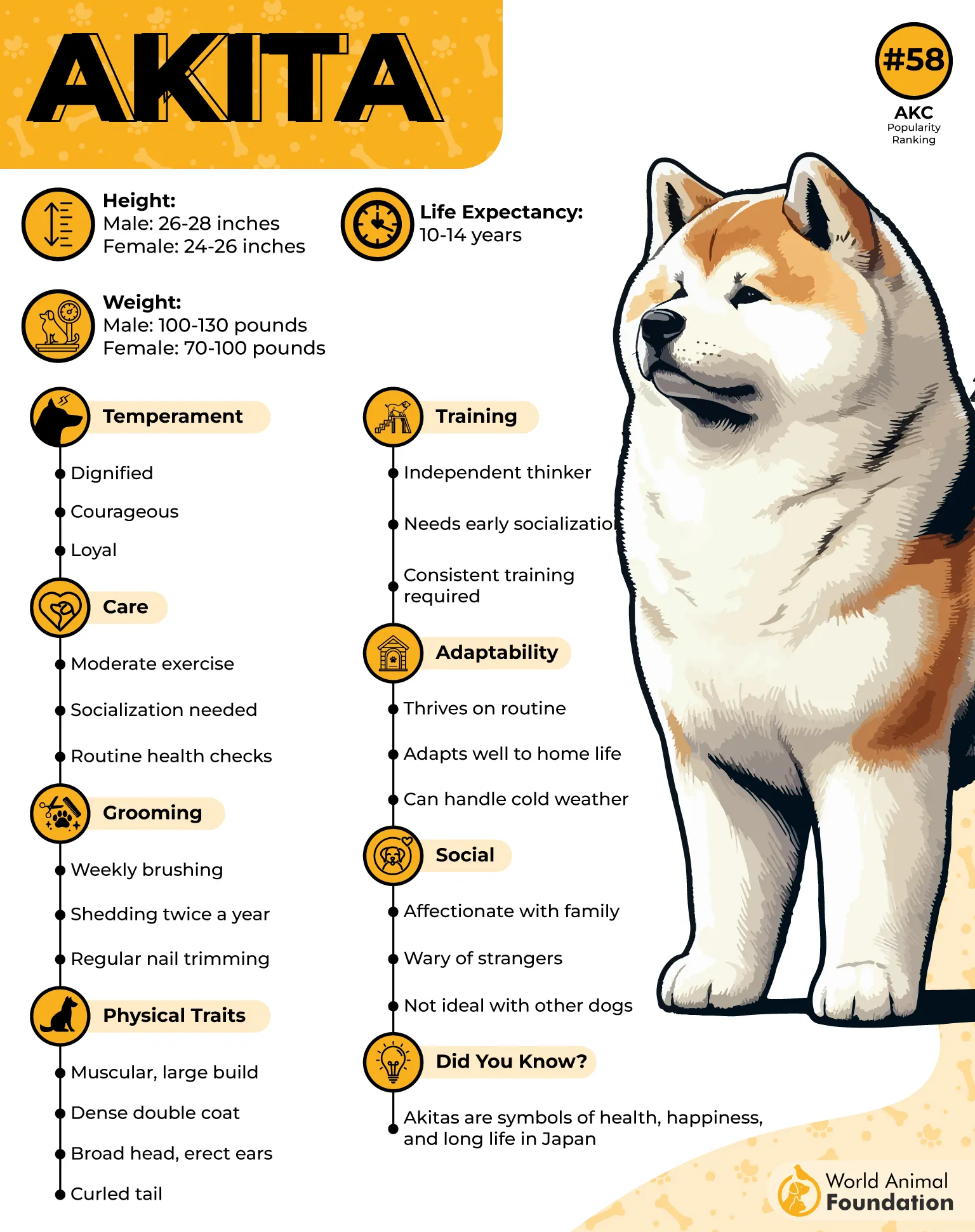
Deeply loyal to its family, the Akita often forms strong bonds with a select group of people. It can remain aloof toward unfamiliar individuals, while its independent nature means consistent training and early socialization are important for apartment households.
How This Breed Stands Out
Quiet, watchful nature: The Akita typically uses its voice purposefully, often alerting its family when it detects something unusual.
Strongly devoted to its family: It develops deep attachments to its people and can be highly protective of those it considers family.
6. Japanese Chin

The Japanese Chin is a peaceful companion breed known for its gentle, affectionate personality and naturally quiet behavior. Its small size makes it particularly suitable for apartments where a calm presence is appreciated.

Often described as cat-like, the Japanese Chin enjoys lounging in comfortable spots and curling up beside its favorite people. It generally gets along well with children and prefers relaxed household environments.
This breed is among the calmest dog breeds, although it may become anxious or bark when left alone for too long. Regular companionship and attention can help it remain content and settled in an apartment setting.
How This Breed Stands Out
Cat-like household behavior: The Japanese Chin often lounges, cuddles, and observes its surroundings with a distinctly feline-style personality.
Delicate, graceful movements: Its refined appearance and gentle movements complement its quiet and easygoing nature.
7. Bulldog

Bulldogs are generally quiet companions that rarely bark for extended periods. They may have brief bursts of vocalization when reacting to another dog, but their overall communication tends to remain fairly low-key.
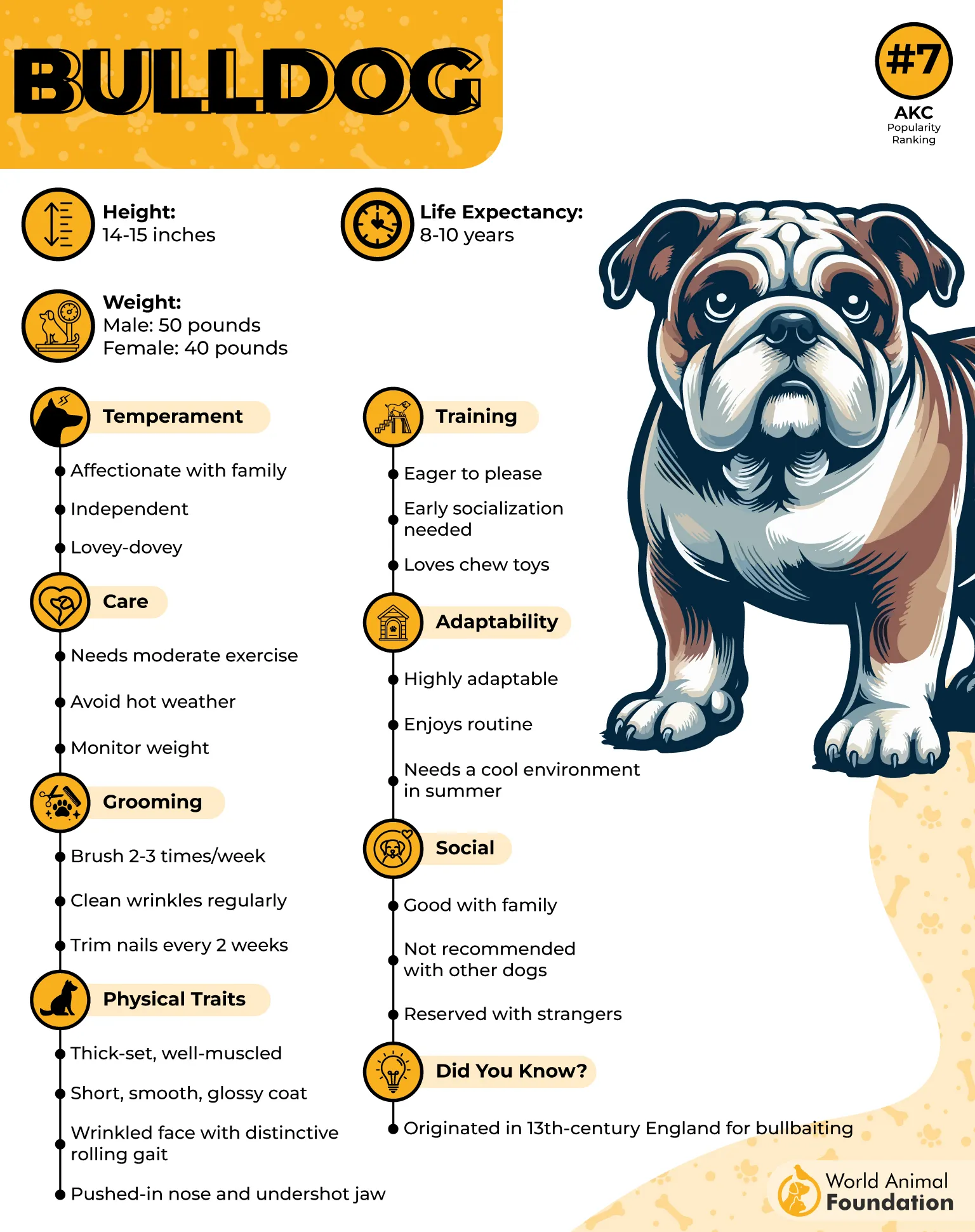
Their relaxed nature makes them comfortable with an indoor lifestyle and moderate activity. Because of their short-muzzled structure, strenuous exercise and hot weather should be avoided, while their facial folds require regular cleaning and care.
Bulldogs may also produce snorts, snores, and other distinctive breathing sounds rather than frequent barking. Their easygoing temperament suits peaceful homes, provided owners stay attentive to their grooming and health needs.
How This Breed Stands Out
Relaxed indoor lifestyle: Bulldogs are generally content spending much of their time indoors without demanding constant activity.
Low-key, easygoing personality: Their calm temperament and limited barking can make them a relatively peaceful presence in apartment living.
Conclusion
Living in an apartment does not mean giving up the companionship of a dog. Choosing a naturally quiet breed can help create a more peaceful home while still providing affection and companionship.
Breeds such as the Cavalier King Charles Spaniel and Japanese Chin offer gentle, relaxed personalities, while Whippets combine quiet indoor behavior with bursts of outdoor activity. Great Danes and Bulldogs can also be surprisingly peaceful despite their size or distinctive sounds.
The Chow Chow and Akita bring a more reserved presence, often staying quiet unless something catches their attention. Each breed has its own temperament, exercise needs, and care requirements.
Ultimately, the best apartment companion depends on your available space, lifestyle, and ability to meet the breed’s needs. Proper socialization, exercise, and attentive care can help any quiet dog thrive in shared living spaces.
