




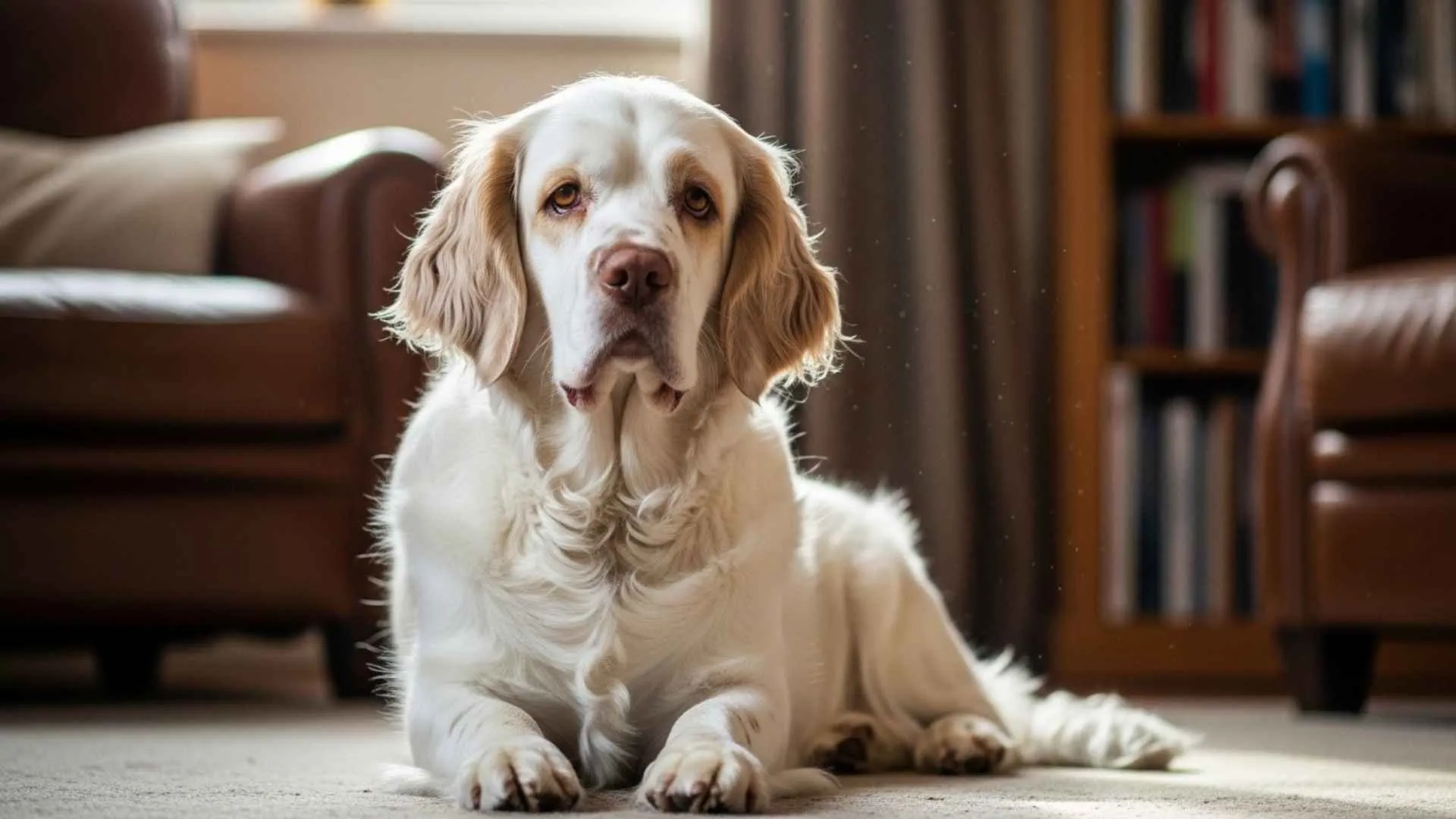
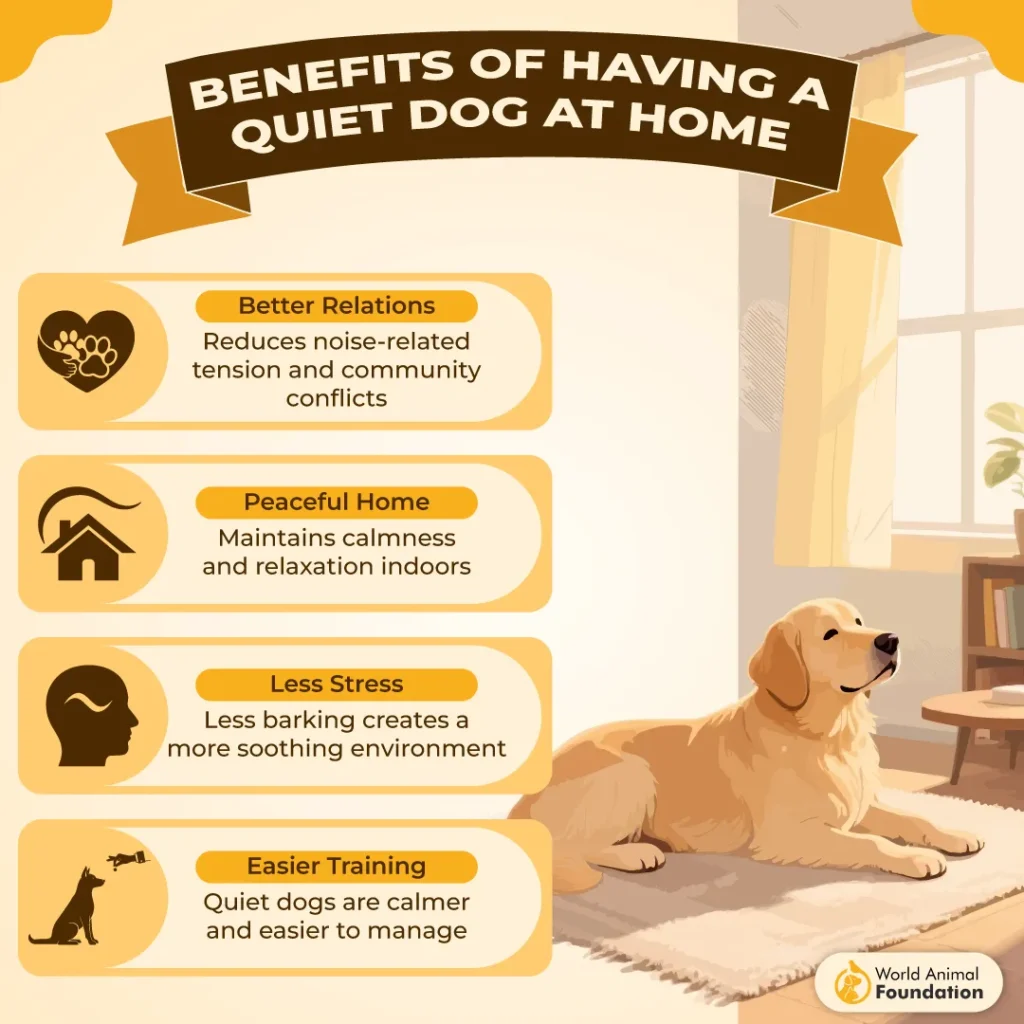
Many people imagine life with a dog as lively, noisy, and full of constant motion. That image holds true for some breeds, but it does not define them all.
There is another side to canine companionship, one built on quiet behavior and controlled energy. These dogs do not fill every silence or react to every passing sound. They approach life with calm awareness, choosing when to engage and when to remain still.
For households that value peace, this difference is significant. It turns daily living into something more balanced, where noise does not dominate the atmosphere. A quieter dog does not take away from companionship. It refines it, making it more thoughtful and less overwhelming.
The sections ahead focus on dogs that embody this quieter nature, offering a presence that supports a tranquil home without disrupting its rhythm.
Key Takeaways:
A smooth trot that never breaks can decide everything in harness racing, and only a few breeds are built to deliver it every time.
The Standardbred stands at the center of it all, shaped over generations to deliver steadyperformance with calm focus on the track.
French Trotters and Orlov Trotters bring their own style, combining controlled power with a smooth, ground-covering motion that defines the sport.
As you move through the list, each breed reveals how precision and endurance come together in ways most people rarely notice.
Quiet Dog Breeds That Will Keep Your Home Tranquil
1. Clumber Spaniel
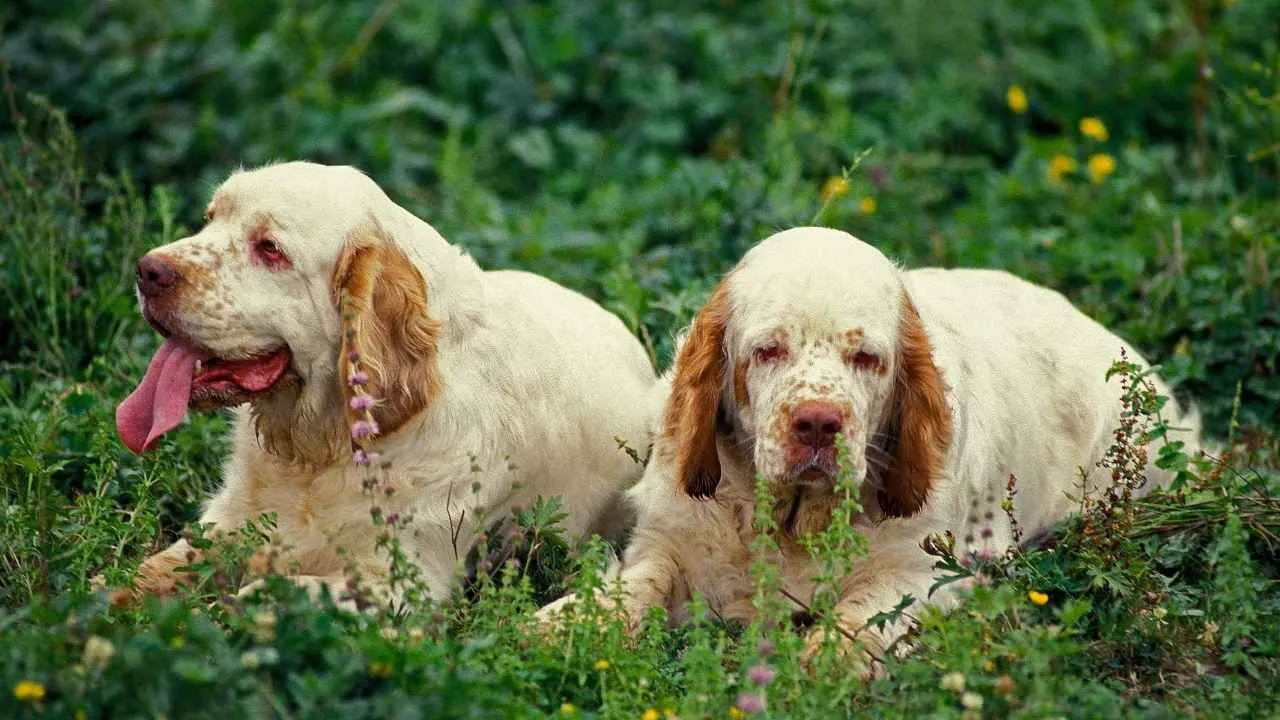
Clumber Spaniel is known for its heavy, sturdy build paired with a slow, composed way of moving indoors. Originally bred as a scent-driven hunting spaniel for English nobility, it worked through dense terrain while staying focused on retrieval, as Omlet noted.
Gentle Nature and Home Comfort
Its relaxed attitude makes it well-suited for calm households where energy levels stay balanced. The breed often prefers resting indoors and responds better when gently encouraged into activity.
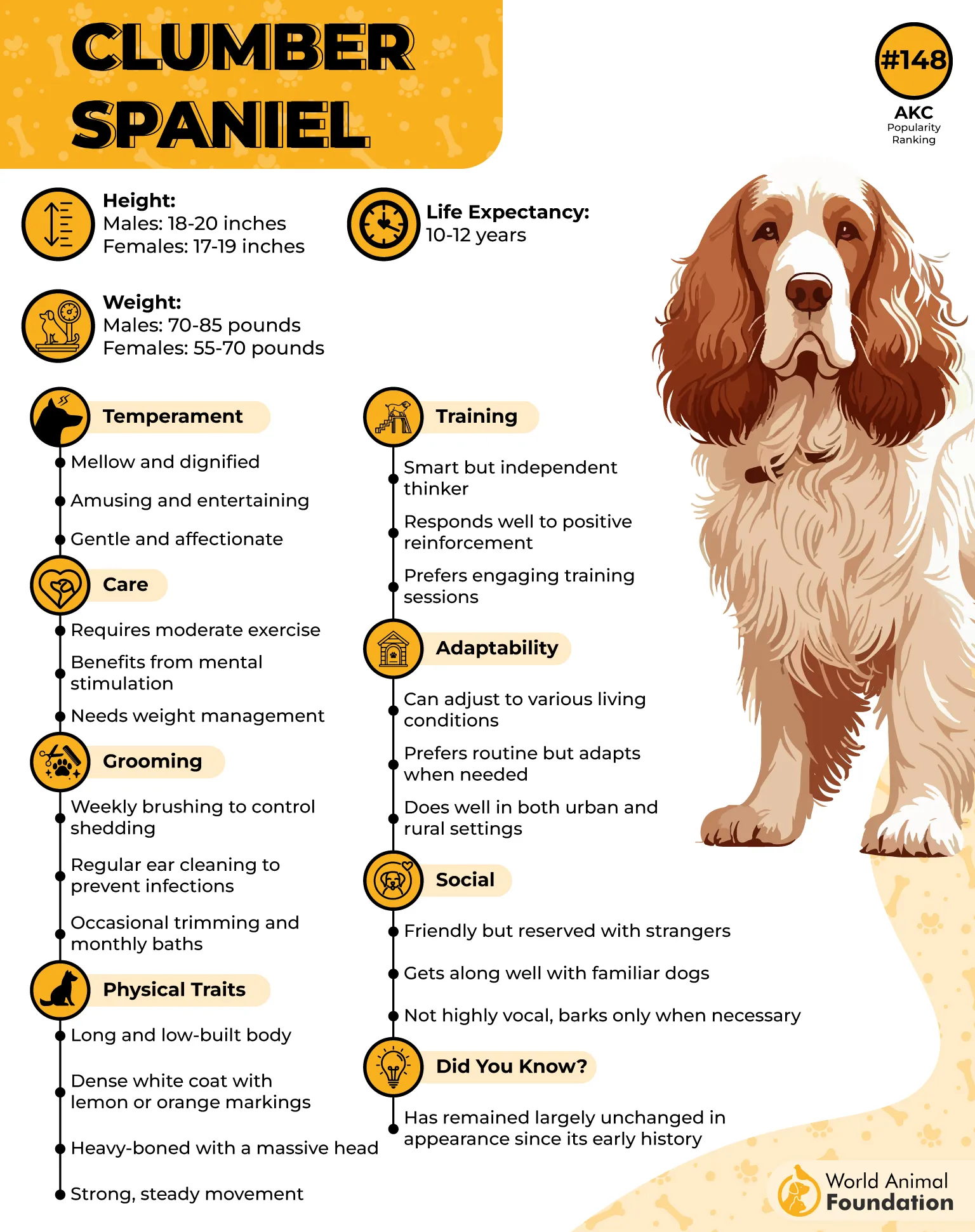
A closer look reveals what shapes its quiet lifestyle:
Soft, non-reactive temperament around people
Moderate exercise needs despite a hunting background
Strong preference for companionship over solitude
Outdoor Instincts and Play Style
This calm dog breed also shows bursts of enthusiasm outdoors, especially when following scents or retrieving objects. Its hunting instincts surface in short, focused activity rather than constant movement. At home, the contrast appears in how quickly it returns to stillness after play.
2. Newfoundland
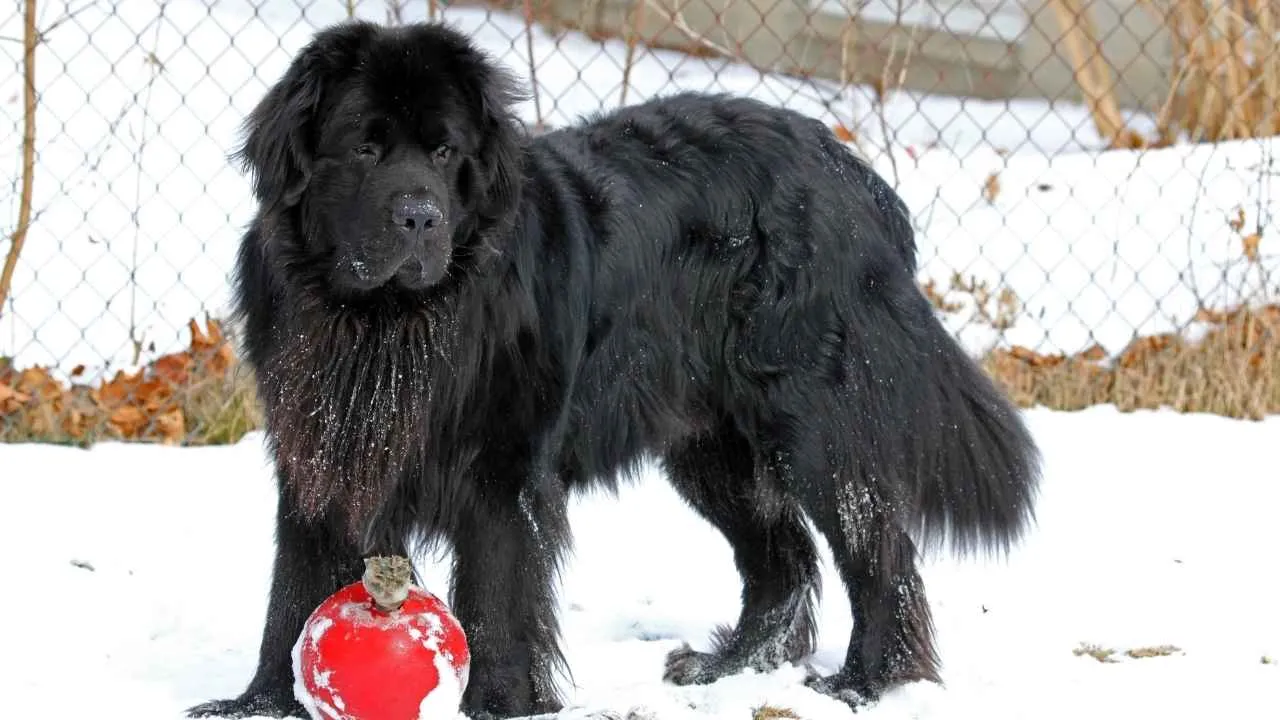
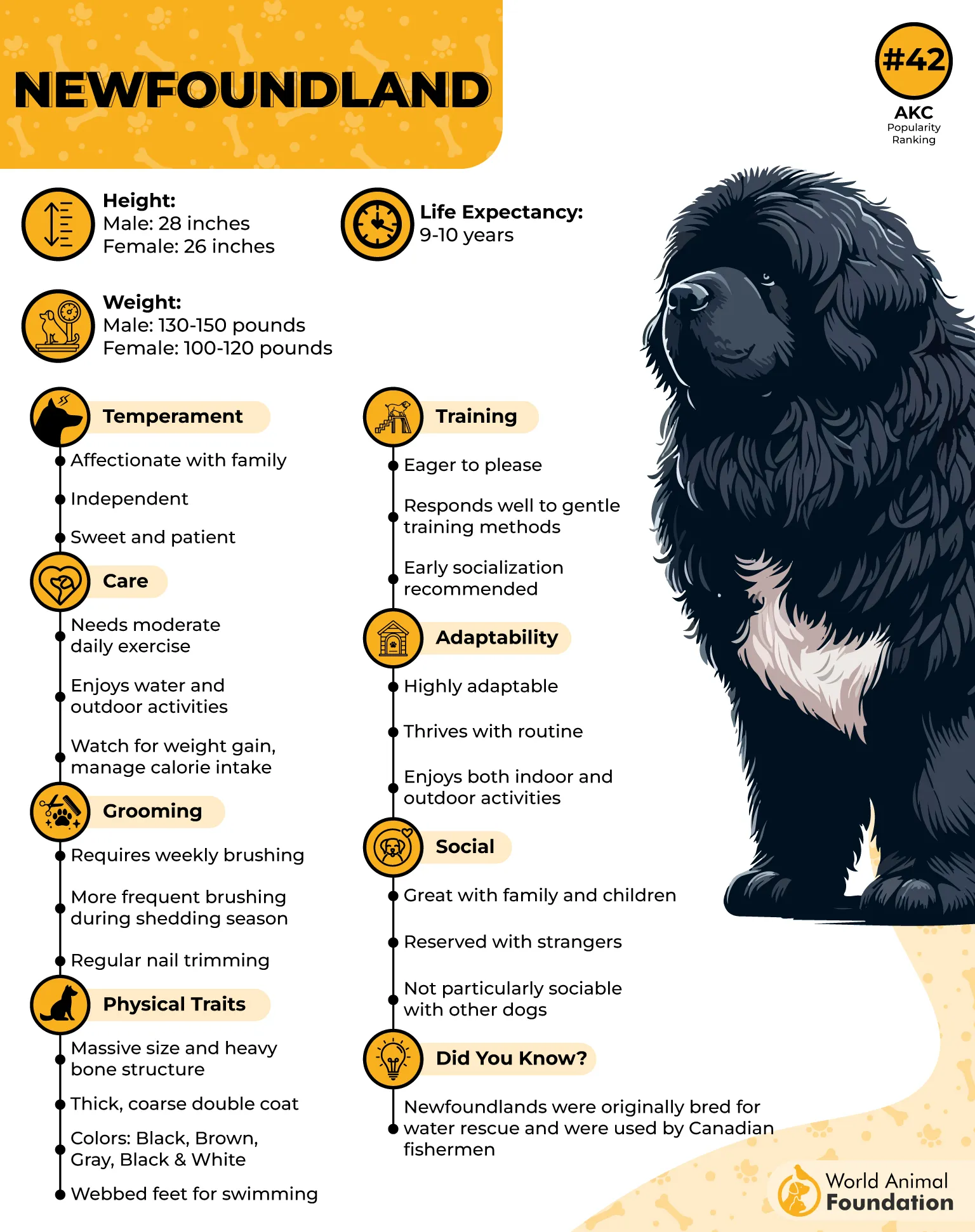
Newfoundland is known for its steady strength paired with an unusually calm presence, shaped by generations of work around cold coastal waters in Canada. Its powerful build and webbed feet reflect a natural ease in swimming and rescue-oriented instincts.
Family Connection and Gentle Traits
This gentle giant connects closely with people and responds with quiet patience in everyday life, as Royal Canin reports. Its nature supports a peaceful home environment while still being attentive in situations that require awareness.
These points reflect this balance in simple form:
Strong swimming ability with water confidence
Calm response around people and children
Naturally drawn to companionship and attention
Everyday Behavior and Presence
They move through daily life with a slow, steady rhythm that avoids unnecessary noise or restlessness. Its gentle temperament makes shared spaces feel more settled, especially in family settings. The breed’s loyalty shows through constant closeness rather than demanding behavior.
3. Scottish Deerhound
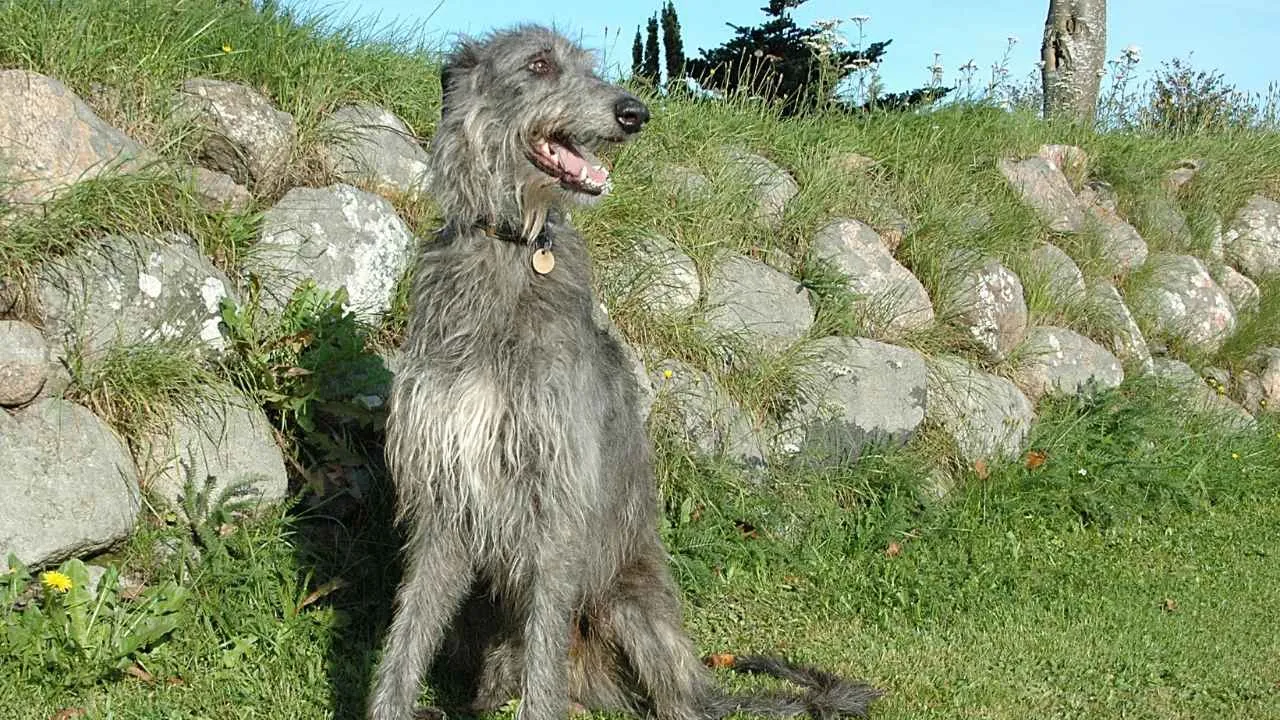
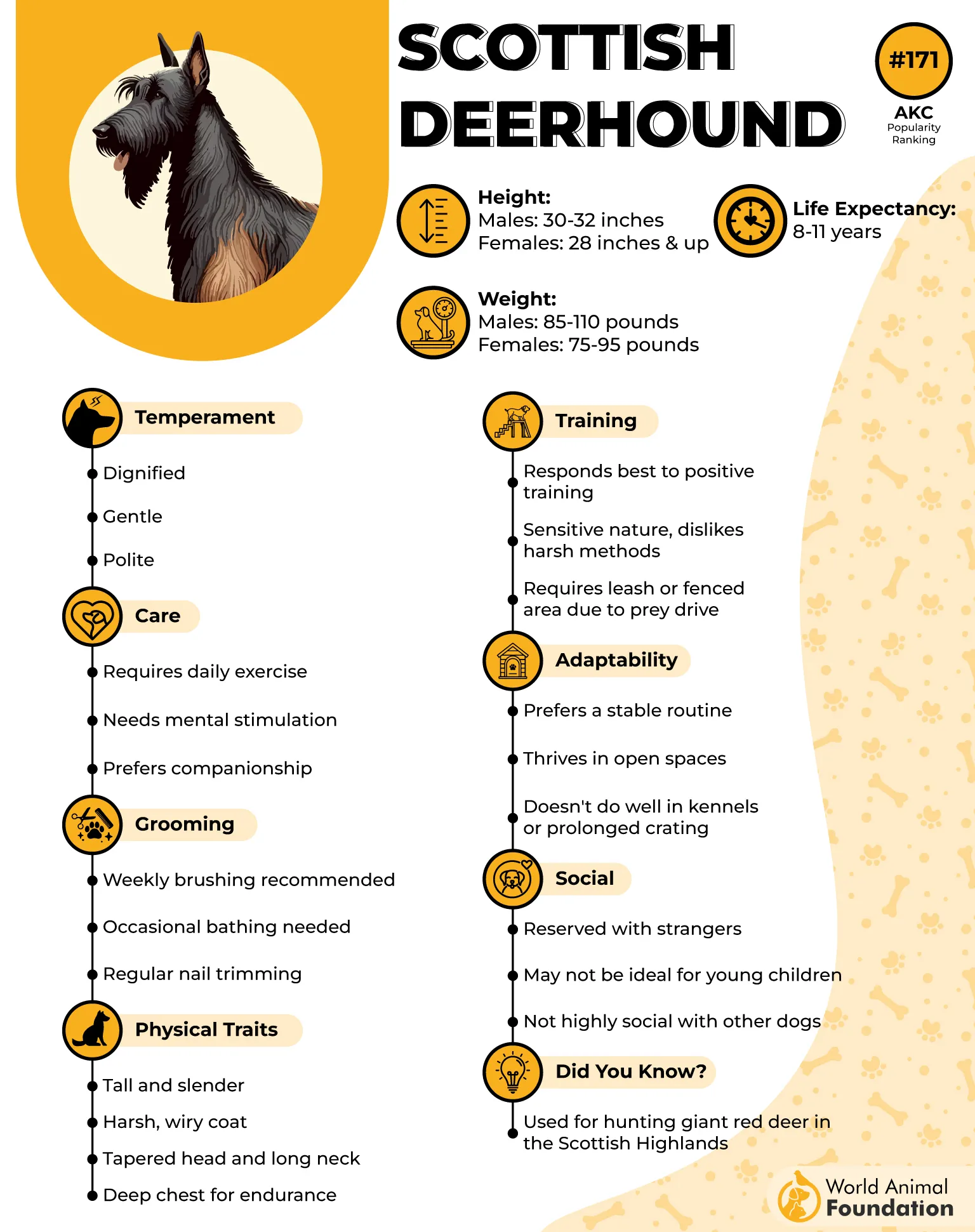
Scottish Deerhound moves with a quiet elegance shaped in medieval Scotland, once prized by nobility for deer hunting, where only high-ranking lords could keep them. Despite their size, their demeanor stays soft, affectionate, and deeply people-oriented.
Gentle Nature in Quiet Homes
This breed adapts to tranquil living through its low-bark behavior and calm interaction style, making shared spaces feel less hectic. Its sensitivity to tone and energy makes it responsive to gentle guidance, especially in relaxed households.
These traits highlight their balance in daily life:
Low tendency to bark or create noise
Calm with children and other dogs
Sensitive response to gentle training
Energy Outside, Calm Indoors
Scottish Deerhound shows bursts of speed and enthusiasm outdoors, yet returns to stillness once inside familiar surroundings, as per Showsight Magazine.
Its comfort-seeking habit leads it toward soft resting spots where it settles for long, quiet hours. This shift between activity and calm defines its everyday rhythm.
4. Cavalier King Charles Spaniel
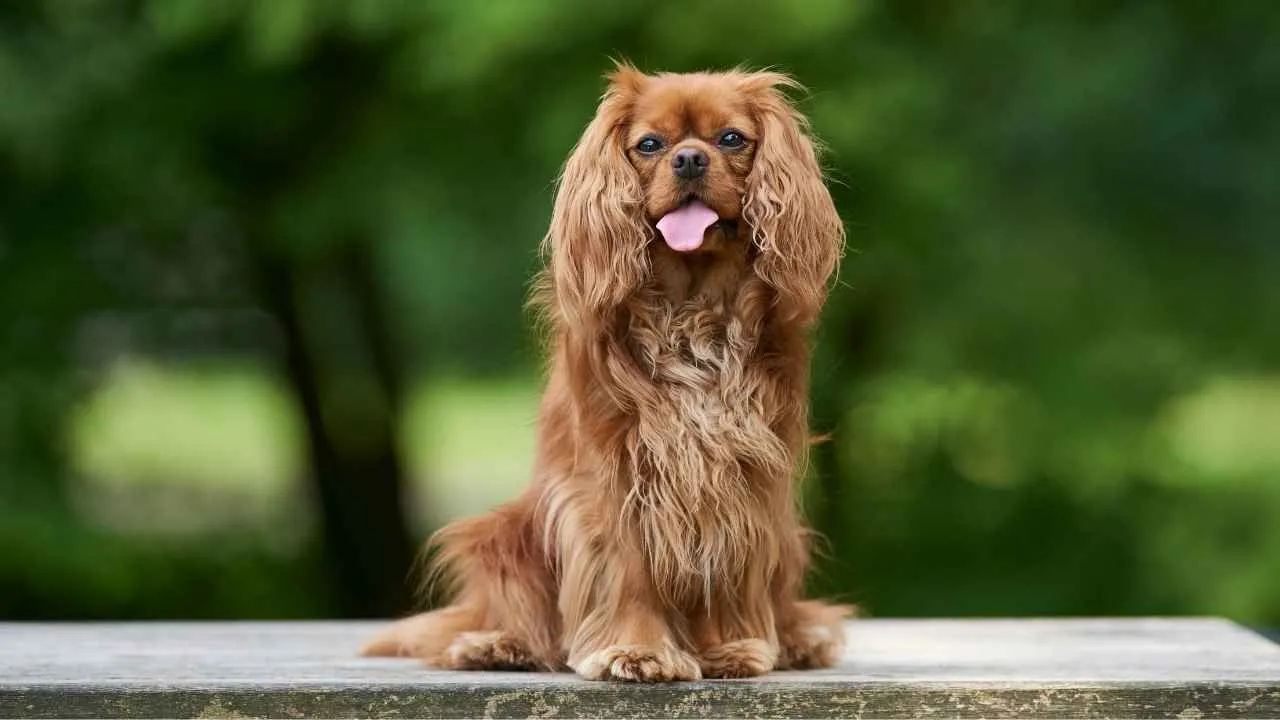
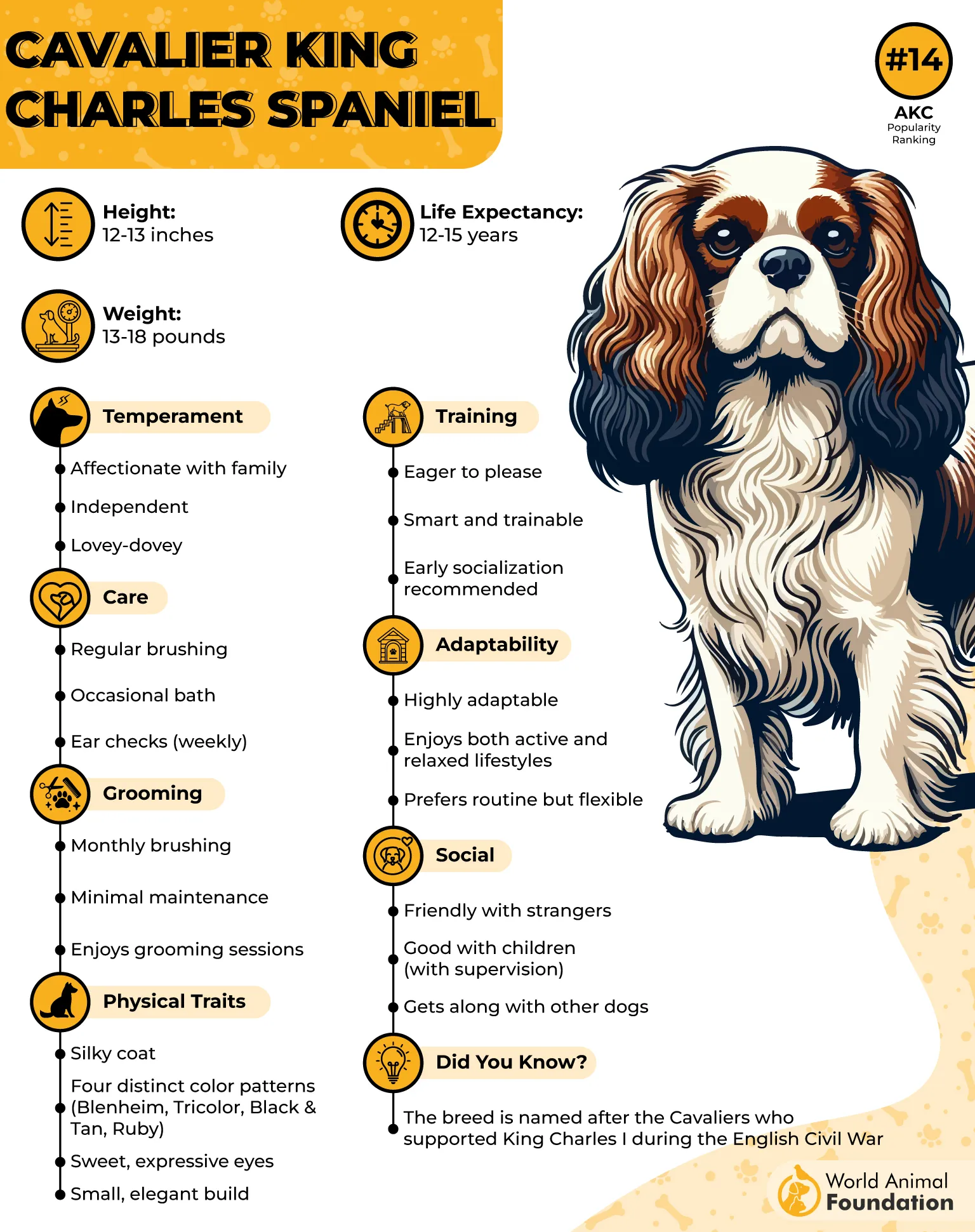
Cavalier King Charles Spaniel is known for a soft, expressive face and a calm closeness that made it a favored lap companion in Tudor courts, even serving as a warmth source in colder halls. Its association with King Charles II shaped its identity as a cherished comfort dog across generations.
Calm Companionship and Home Harmony
Its quiet attachment to humans makes it a strong match for homes seeking low-noise companionship without constant restlessness. The breed’s steady temperament supports a peaceful indoor atmosphere while still enjoying light, playful moments.
Their everyday charm is reflected in these points:
Affectionate and people-focused
Responds well to gentle training
Comfortable with relaxed, quiet indoors
Adaptability and Living Ease
The breed adjusts well to routine companionship but prefers not being left alone for long stretches, showing a strong preference for constant human presence. Its learning ability is quick, though curiosity can sometimes interrupt focus during training or walks.
5. Pug
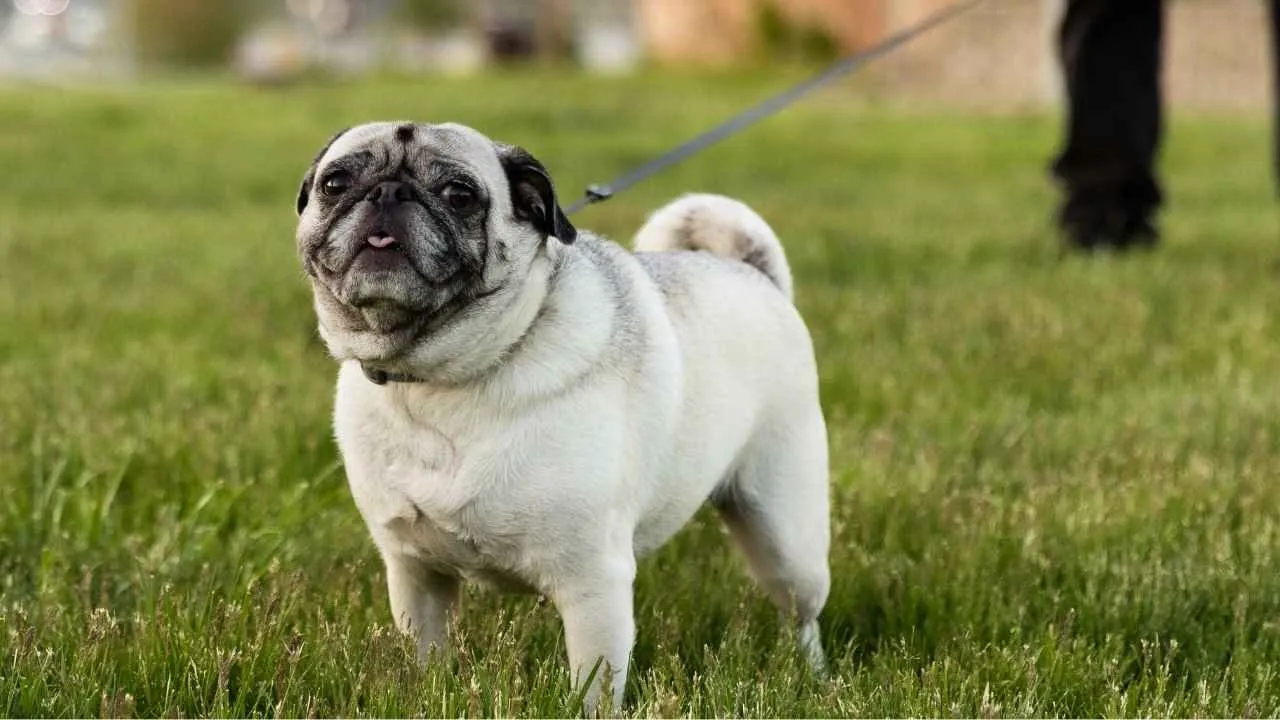
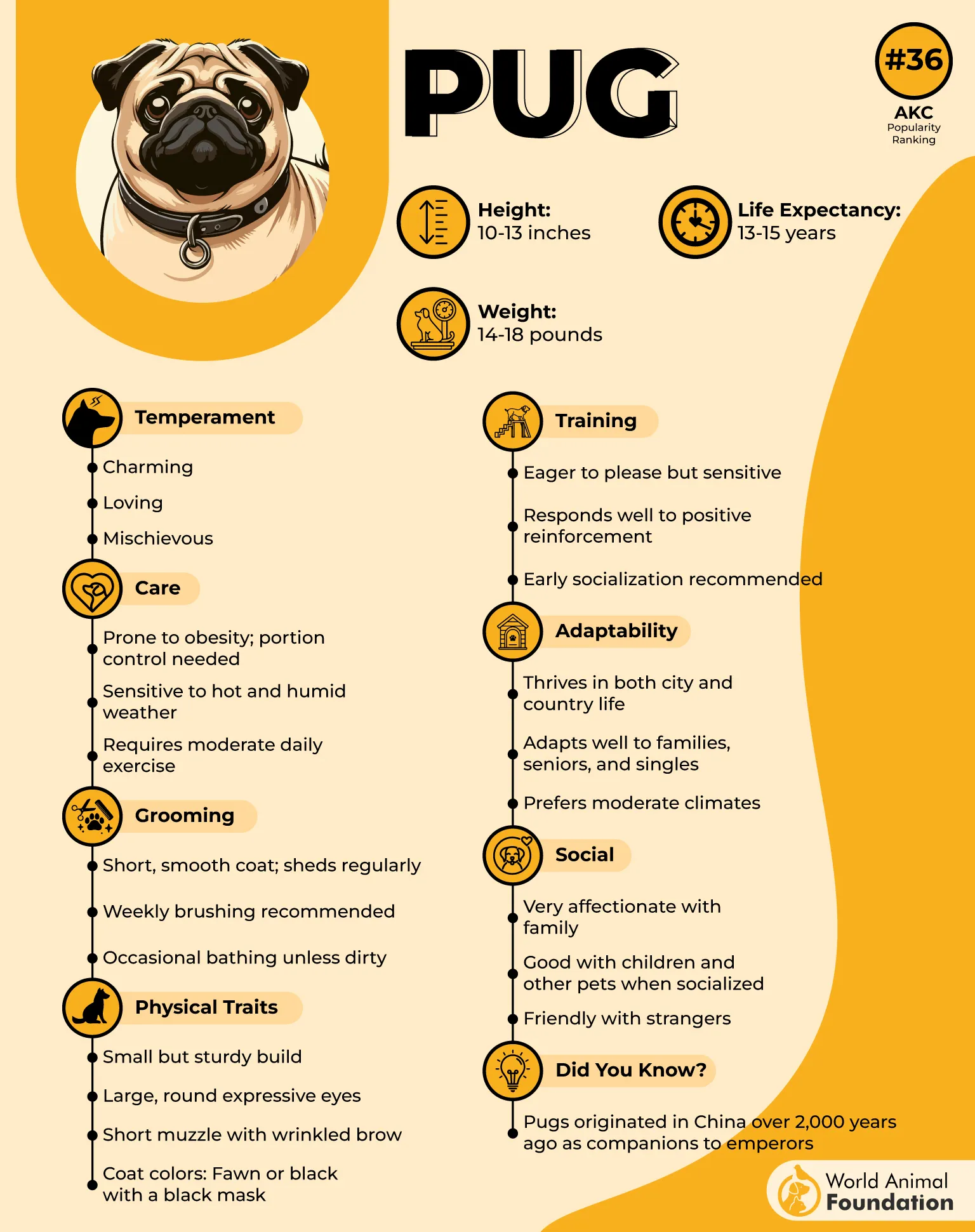
Pugs are instantly recognizable for their compact frame and expressive face that often reflects curiosity and mischief. Centuries ago, it moved from Eastern origins through trade routes into European courts, becoming closely tied to companionship living.
Gentle Presence in Quiet Homes
They align well with calm indoor environments where companionship matters more than activity levels. Its relaxed rhythm supports peaceful living spaces when guided properly.
These behaviors often define their home life:
Prefers staying close to people indoors
Low-energy bursts followed by long rest periods
Responds best to simple, patient guidance
Daily Rhythm of Comfort and Rest
In everyday settings, Pug shifts between brief playful energy and long resting phases that keep the household atmosphere steady. It often chooses comfort over activity, staying near familiar spots rather than exploring restlessly. Its calm and quiet nature makes it easy to adapt to quiet routines.
6. Japanese Chin
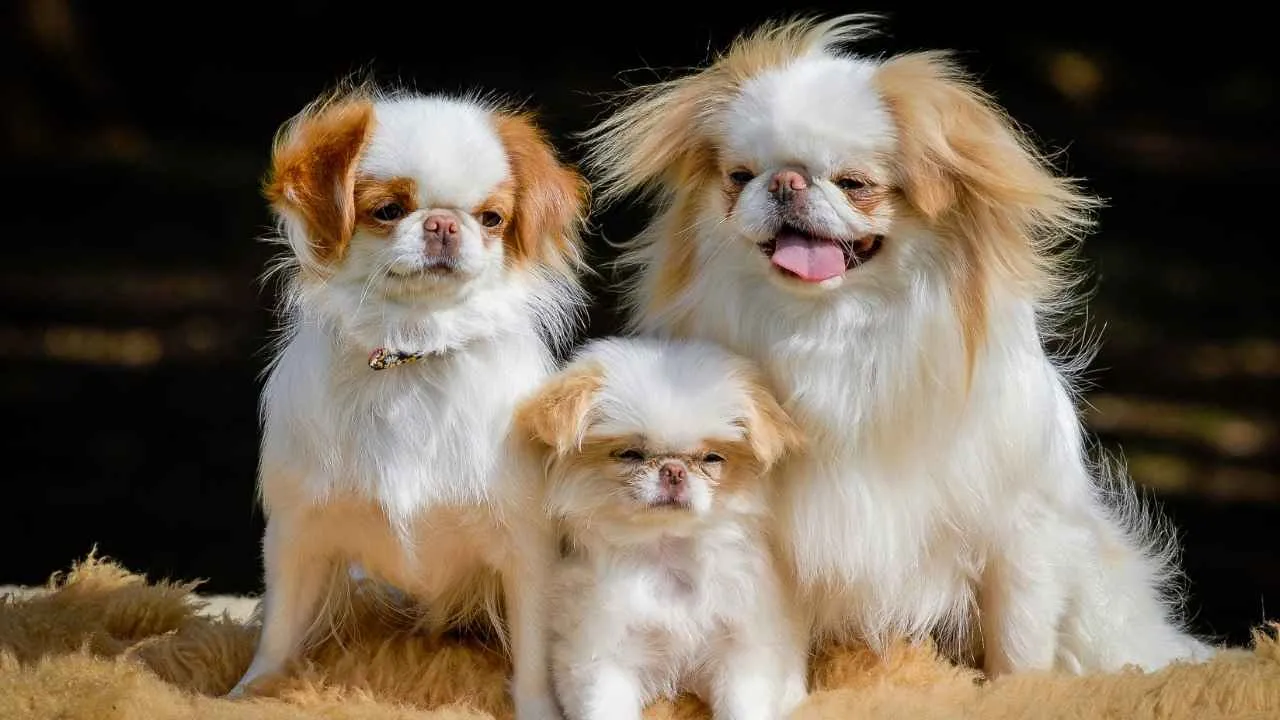
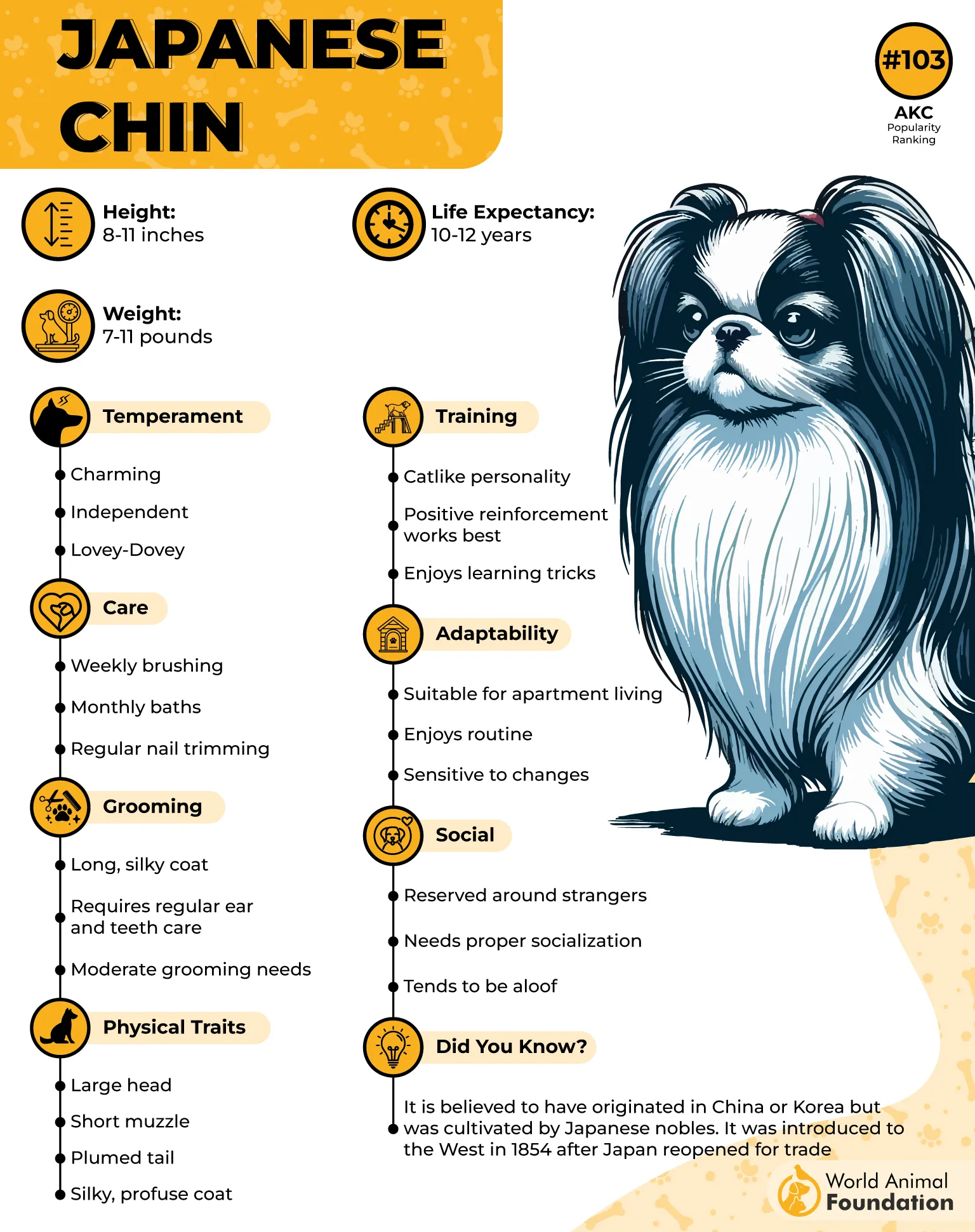
Japanese Chin often shows a delicate, almost feline way of moving, pausing on elevated spots to observe its surroundings with calm curiosity. Its roots trace back to ancient Asia, later becoming a prized companion in Japanese noble circles before reaching the West in the 1800s.
Quiet Home Harmony
These affectionate dogs align closely with calm indoor living, where their gentle nature supports a peaceful household atmosphere. Its behavior and social ease make it a quiet companion in daily routines.
The following points reflect its steady role in tranquil spaces:
Calm greeting style with guests
Prefers soft interaction over noise
Enjoys gentle companionship indoors
Playful Social Ease
They move through social moments with ease, often showing friendly interest in both people and other animals they grow up with. Its expressive behavior sometimes includes light vocal sounds and playful attention-seeking habits. This creates a lively but controlled presence inside the home.
7. Shih Tzu
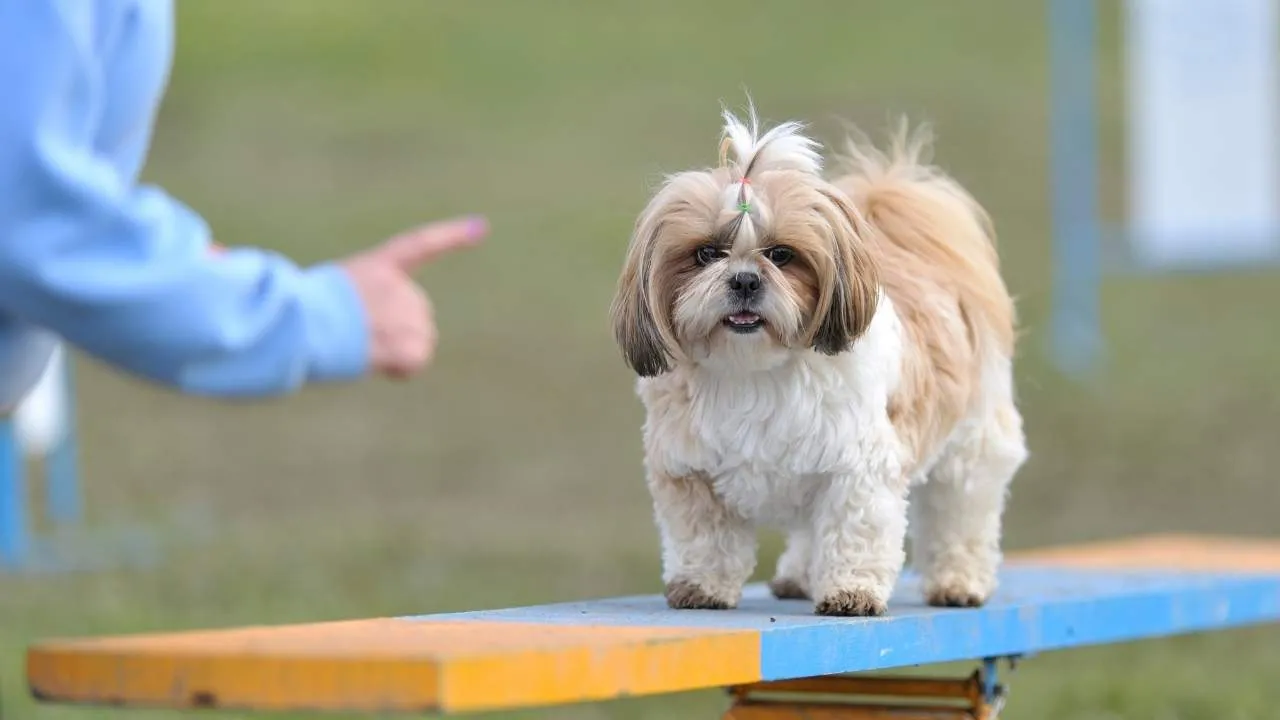
Shih Tzu often draws attention with its lively expression wrapped in a compact, flowing coat that feels almost ornamental in motion.
Its early association with Chinese royalty and Tibetan influence shaped a dog once regarded with high cultural value. The name “lion dog” reflects this symbolic connection rather than any fierce nature.
Calm Companion Behavior
A naturally affectionate nature makes the Shih Tzu comfortable in close human presence, often preferring relaxed indoor settings over constant activity. Its quiet alertness comes more from curiosity than guarding instinct.
A few traits help explain this quiet-home personality:
Enjoys close human companionship
Responds best to patient repetition
Comfortable in small living spaces

Social and Easygoing Presence
This gentle breed interacts with people and other pets in a friendly, open manner, often enjoying attention without demanding intense activity. Its playful side appears in short bursts before it returns to resting spots like cushions or laps. Gentle interaction defines most of its daily behavior.
8. Maltese
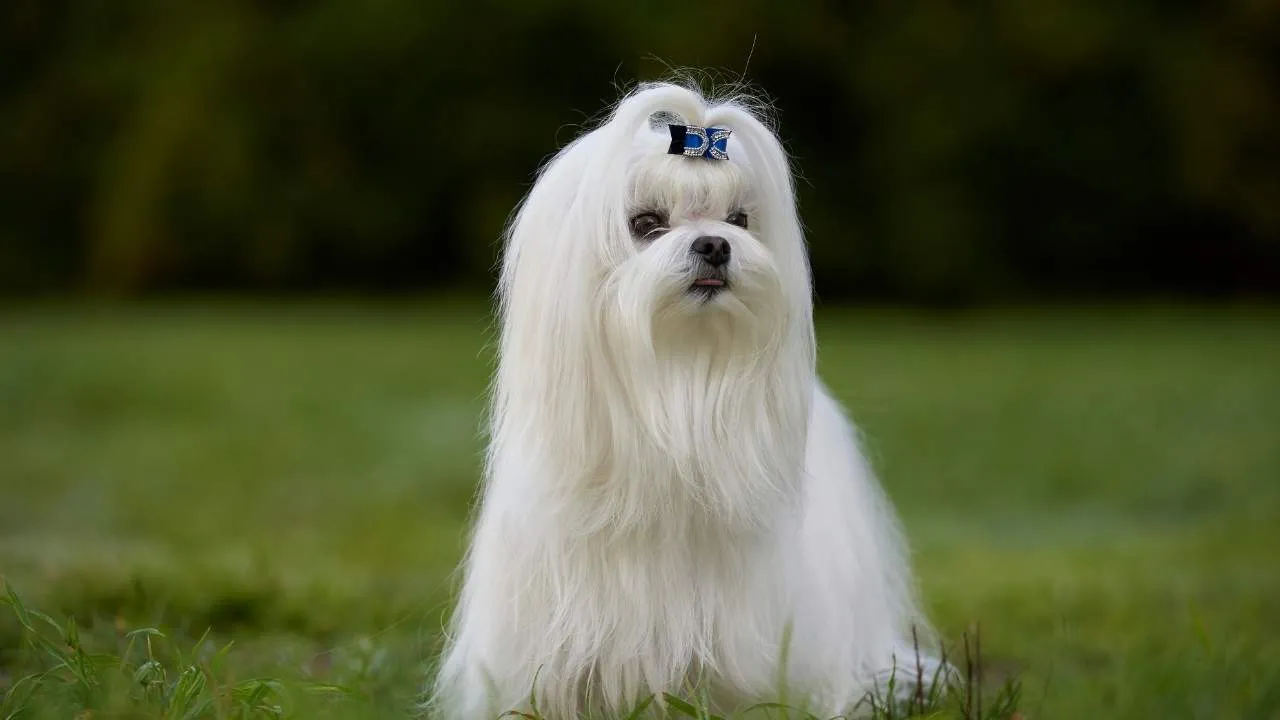
Maltese is instantly recognized for its soft, flowing coat and lively yet gentle presence in close human spaces. Its history traces back to ancient trade routes into Central Europe, with links often tied to early Mediterranean and possibly Tibetan lineages.
Indoor Ease and Quiet Home Compatibility
Its calm indoor behavior and strong attachment to people make it well-suited for peaceful living environments. The breed adjusts easily to relaxed home routines with minimal physical demands.
These practical traits highlight this balance:
Low daily activity needs
Strong human attachment focus
Responsive to early guidance
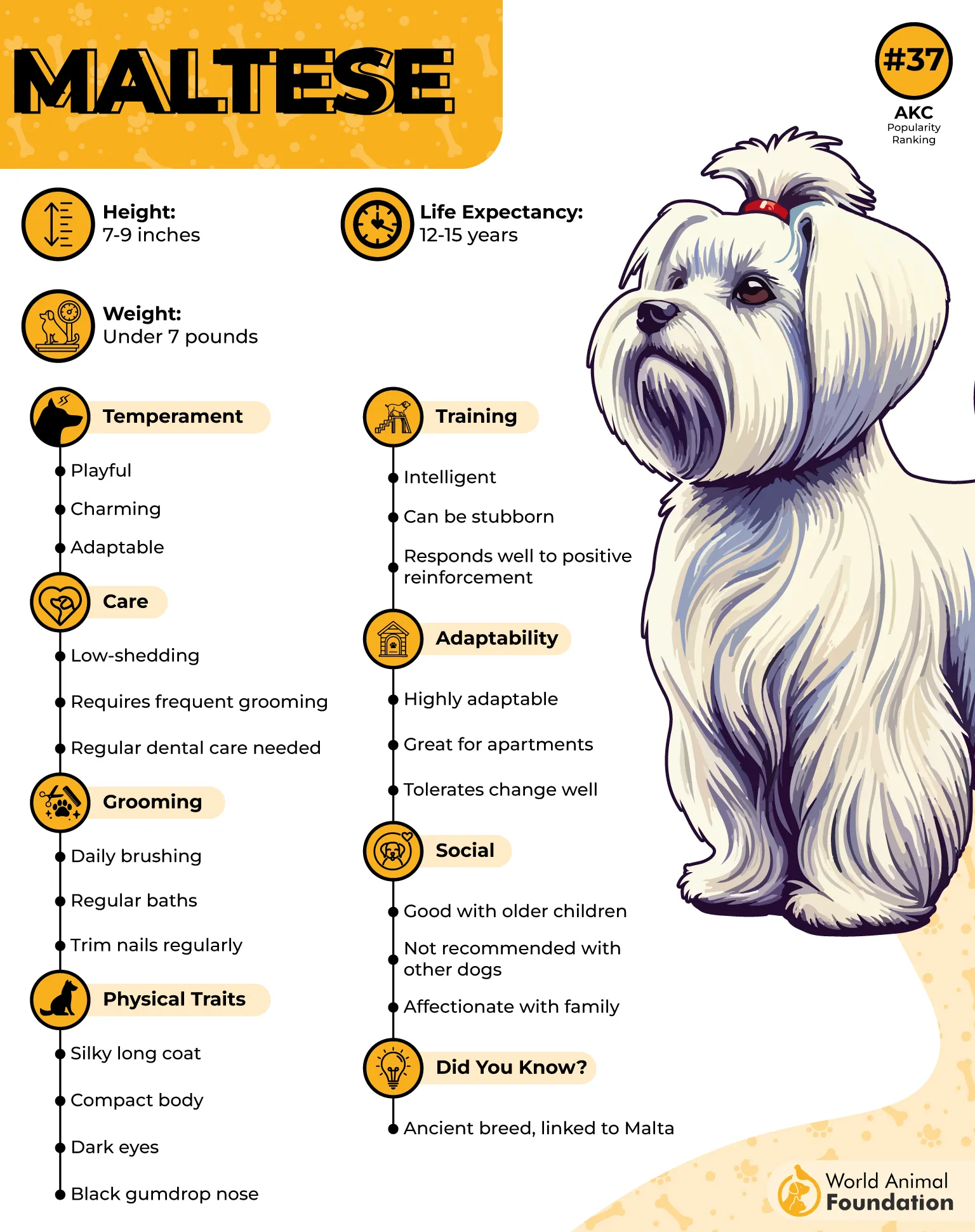
Playful Yet Controlled Energy at Home
They often bring a light, playful energy indoors without disrupting household calm. It enjoys short bursts of interaction and settles quickly into resting periods beside familiar people. Its behavior stays centered around close contact rather than constant movement.
9. Pekingese
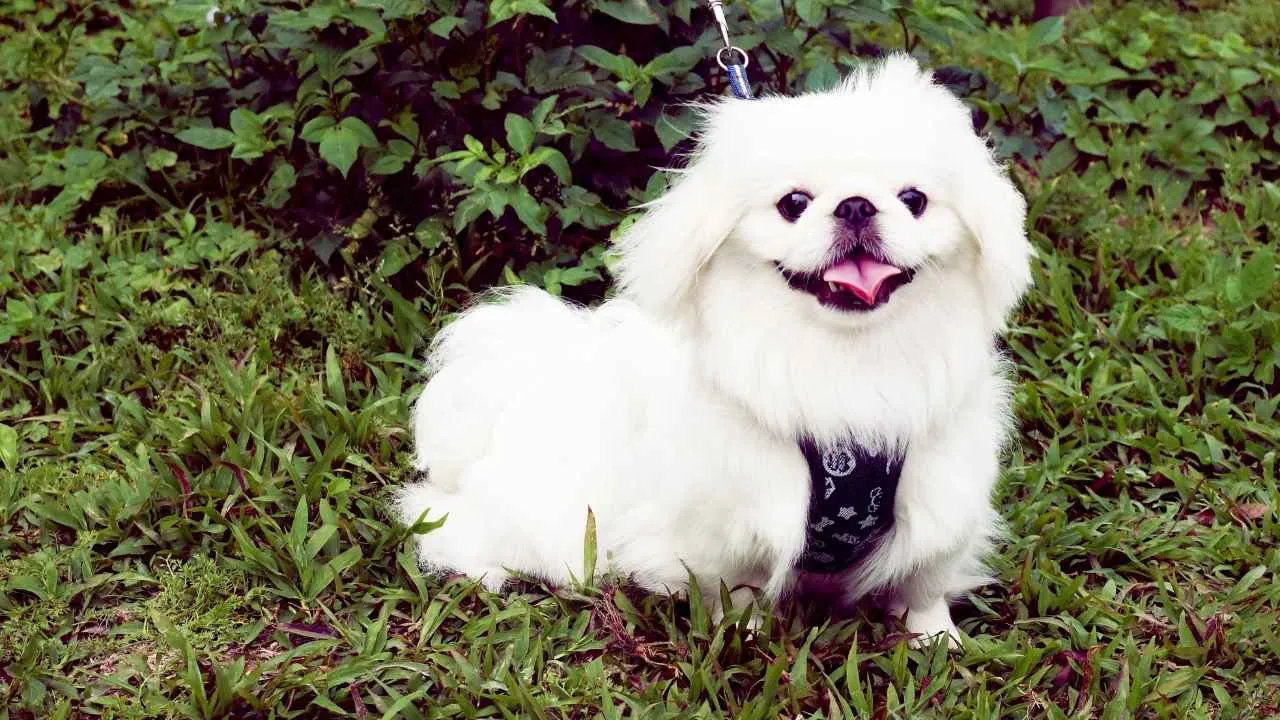
Pekingese carries a self-assured presence shaped in ancient China, once kept by Buddhist monks as a lion-inspired companion admired for its dignified look. Its personality leans toward independence, often choosing when to engage rather than seeking constant attention.
Home Harmony and Quiet Presence
Its steady temperament and low-demand nature connect well with peaceful indoor environments where excessive activity is not expected. Pekingese brings personality into the home without disrupting its calm rhythm.
A closer look at its behavior highlights:
Independent yet attentive indoors
Comfortable with light daily activity
Selective in social interaction
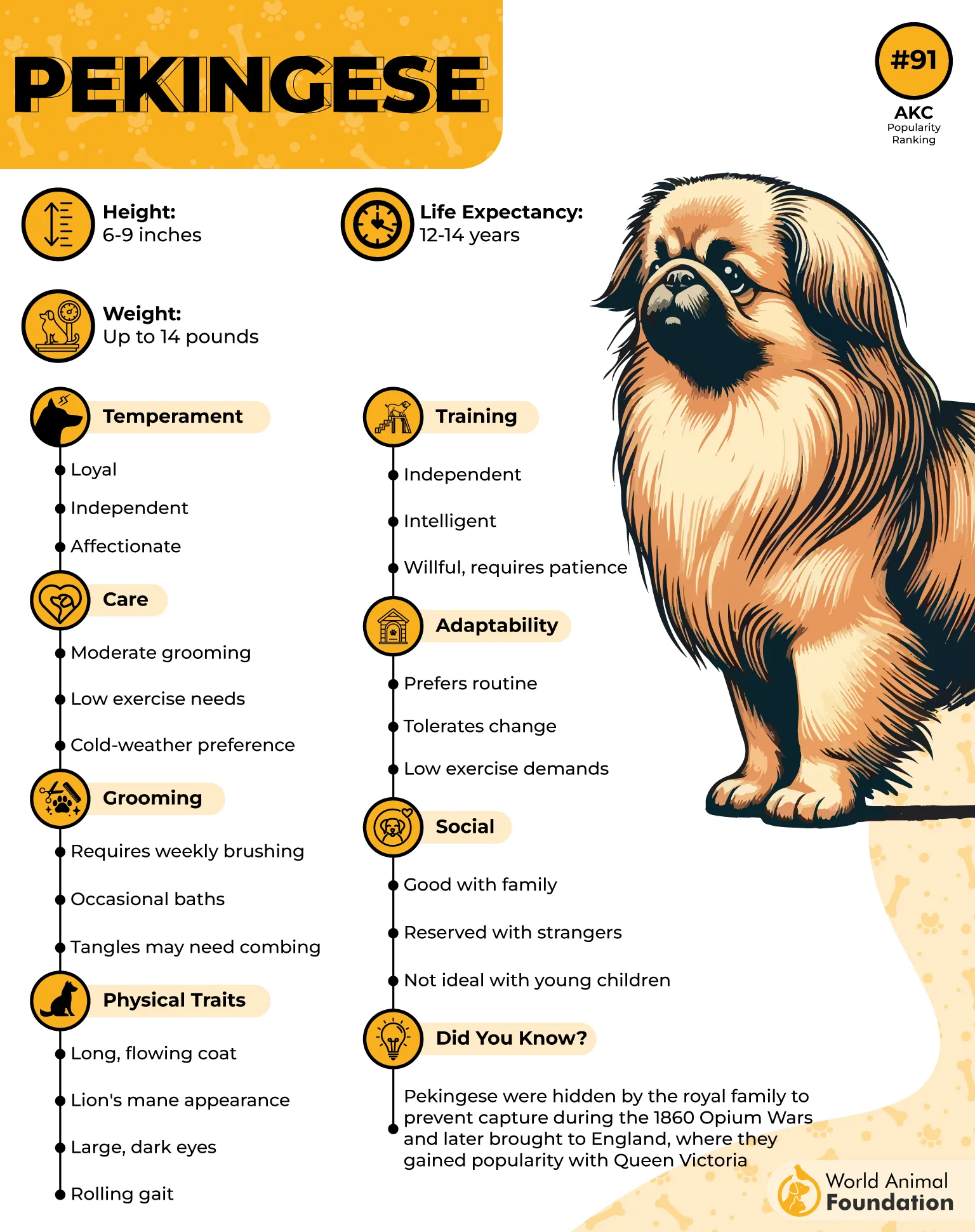
Daily Behavior and Interaction Style
Inside a home setting, it often alternates between playful bursts and long resting periods, preferring familiar surroundings over constant change. The small dog shows strong personal preferences in interaction, engaging when it chooses and stepping back when it does not.
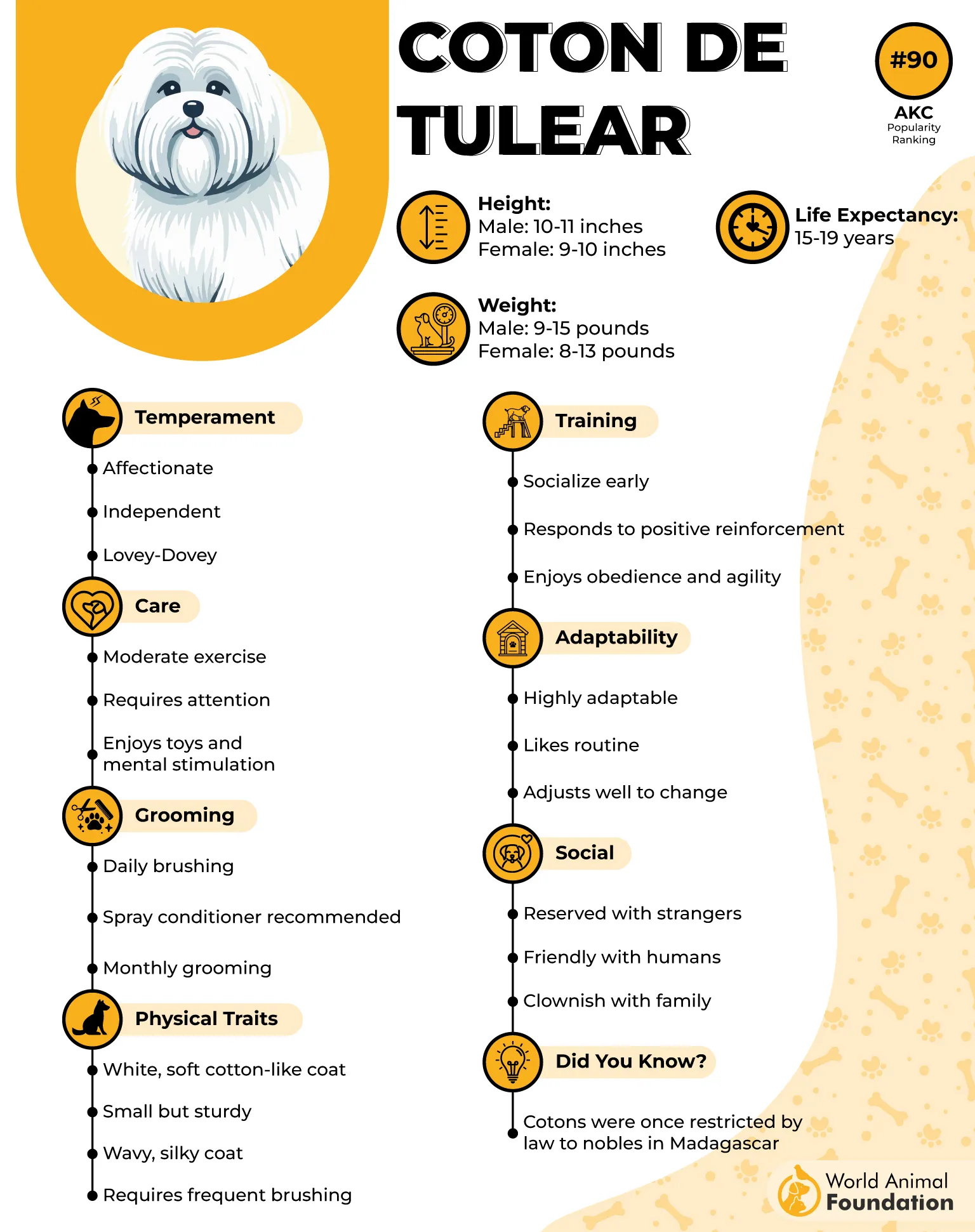
10. Coton De Tulear
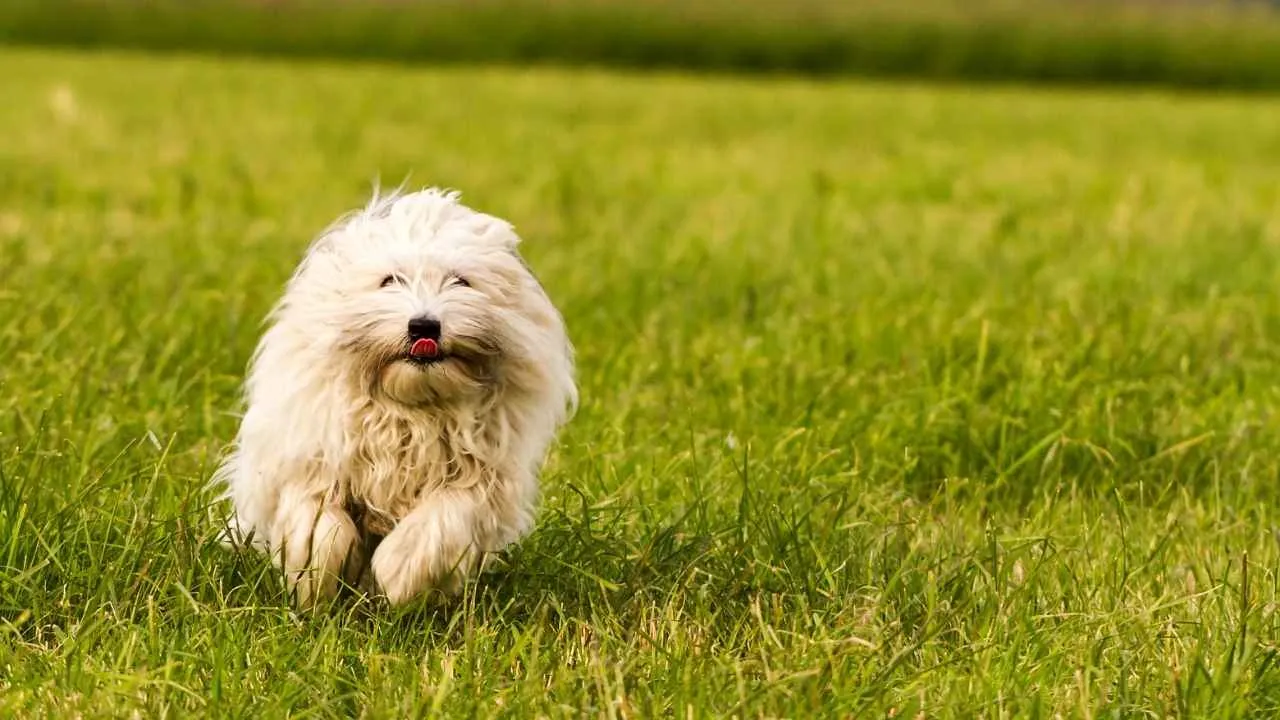
Coton De Tulear brings a lively charm shaped by its long presence in Madagascar, where it likely arrived through visiting ships carrying companion dogs of travelers. Its cotton-soft coat and cheerful behavior quickly made it a favorite among coastal households.
Calm Home Presence
They form strong bonds and prefer human company throughout the day. Its calm and friendly nature often reflects a strong desire for interaction, which shapes its comfort in calm indoor spaces.
A few points highlight its behavior in everyday life:
Enjoys close human contact and gentle interaction
Responds well to early social exposure
Sensitive to long periods of solitude
Behavior in Daily Living Spaces
These great dogs often show a cheerful, attention-seeking side inside the home, using playful actions to engage with their surroundings. Its tendency to form strong emotional ties makes companionship a central part of its comfort. Small gestures of interaction keep its behavior steady in indoor settings.
Conclusion
A quiet home often depends less on space and more on the temperament of the dog within it. The breeds in this list show how calm behavior, steady energy, and low reactivity can shape everyday living. Some settle into long hours of rest, while others balance light activity with peaceful companionship.
What matters most is how naturally they adapt to routine without adding tension or noise. Over time, that consistency creates an environment that feels stable and easy to maintain. With the right match, daily life becomes more relaxed, where comfort grows quietly, and the home holds a steady, reassuring rhythm.
