





You only start thinking about noise when it becomes part of your daily routine. A dog that barks at every sound, reacts to every movement, or struggles to settle can slowly turn a calm space into something harder to manage.
At first, it feels manageable, and you assume it will improve with time. But constant noise, high demands for attention, and a restless presence can wear you down more than expected. This is why quiet dog breeds that are friendly, loyal, and low maintenance stand out in a very practical way.
They do not interrupt your space, they adapt to your pace, and they stay present without demanding constant energy from you. Living with a dog like this feels balanced instead of overwhelming. The difference shows up in small, everyday moments that make your routine easier rather than more complicated.
Here, in this article, you will see which low-maintenance breeds offer this balance and how they fit naturally into daily life.
Key Takeaways
Peace at home often comes down to one thing: how a dog carries itself through your daily space.
Breeds like the Japanese Chin and Boston Terrier settle into your space with calm, moving lightly and staying present without constant interruption.
French Bulldogs and Pugs stay close without being demanding, turning everyday moments into something easy and steady.
As you move through the list, the difference between living with noise and living with quiet balance becomes clearer.
Quiet Dog Breeds That Are Friendly, Loyal, and Low‑Maintenance
1. Japanese Chin

Japanese Chin presents itself with a refined, almost cat-like demeanor, reflected in its careful movements and composed behavior indoors, as WebMD writes. Its aristocratic bearing and expressive face create a dog that communicates through subtle actions rather than noise.
Behavior shaped by indoor living
This small dog stays closely tied to indoor routines, preferring familiar spaces where it can observe and interact on its own terms. Its quiet nature blends with a playful side that appears in short bursts of activity.
That balance shows in everyday habits:
Moves lightly through indoor spaces
Engages in short, playful interactions
Settles quickly after brief activity

A coat that looks demanding but isn’t
They have a long, silky coat that gives an impression of heavy upkeep, yet its grooming needs remain manageable with weekly brushing.
Occasional bathing keeps the coat in good condition without requiring constant effort. This balance reduces the usual maintenance concerns linked with similar-looking breeds.
🎧 Dogcast
Episode 37 — Why Dogs Stay Close without Touching
If you don’t hear sound, tap the button above to enable audio.
2. Boston Terrier
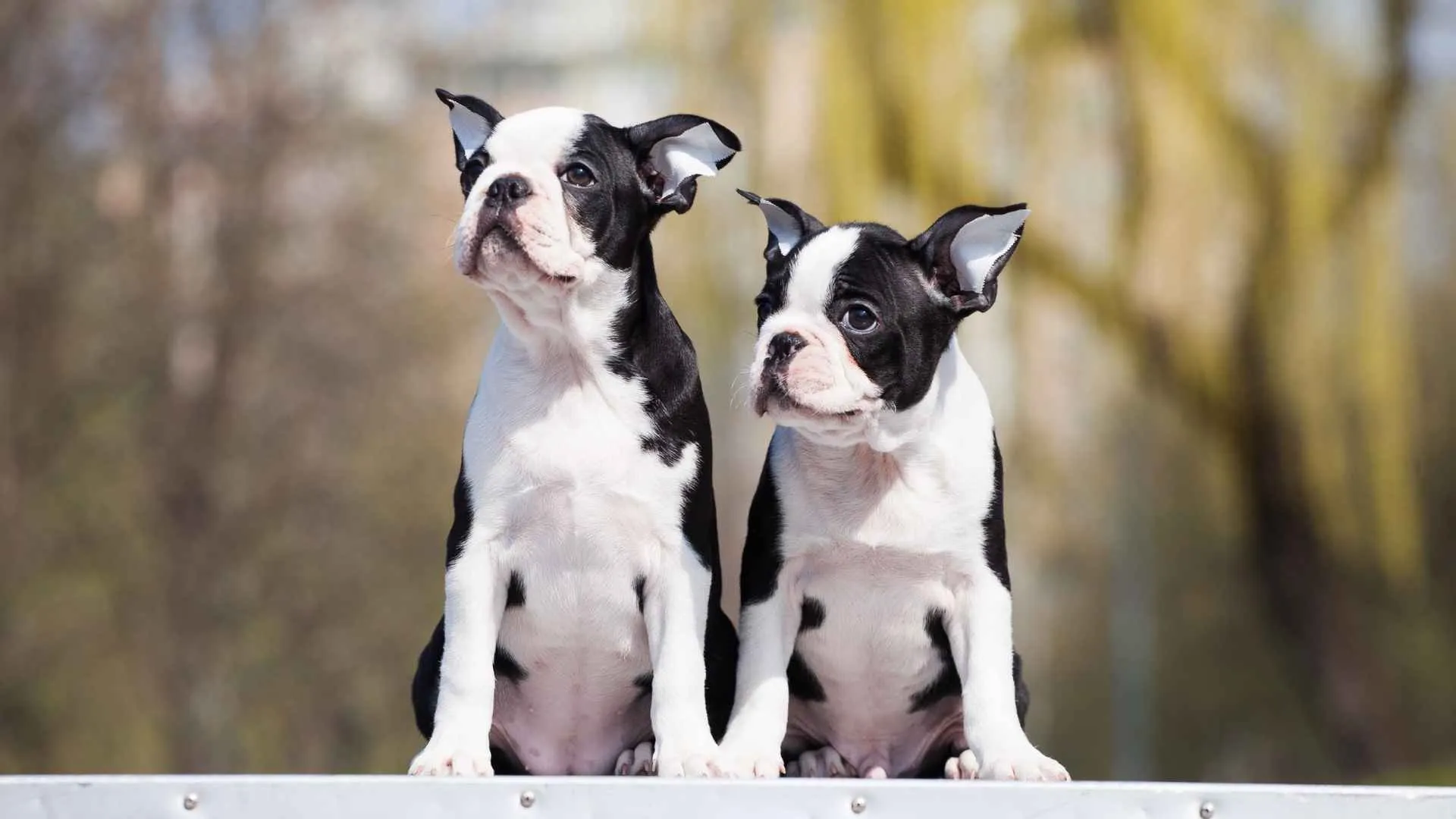
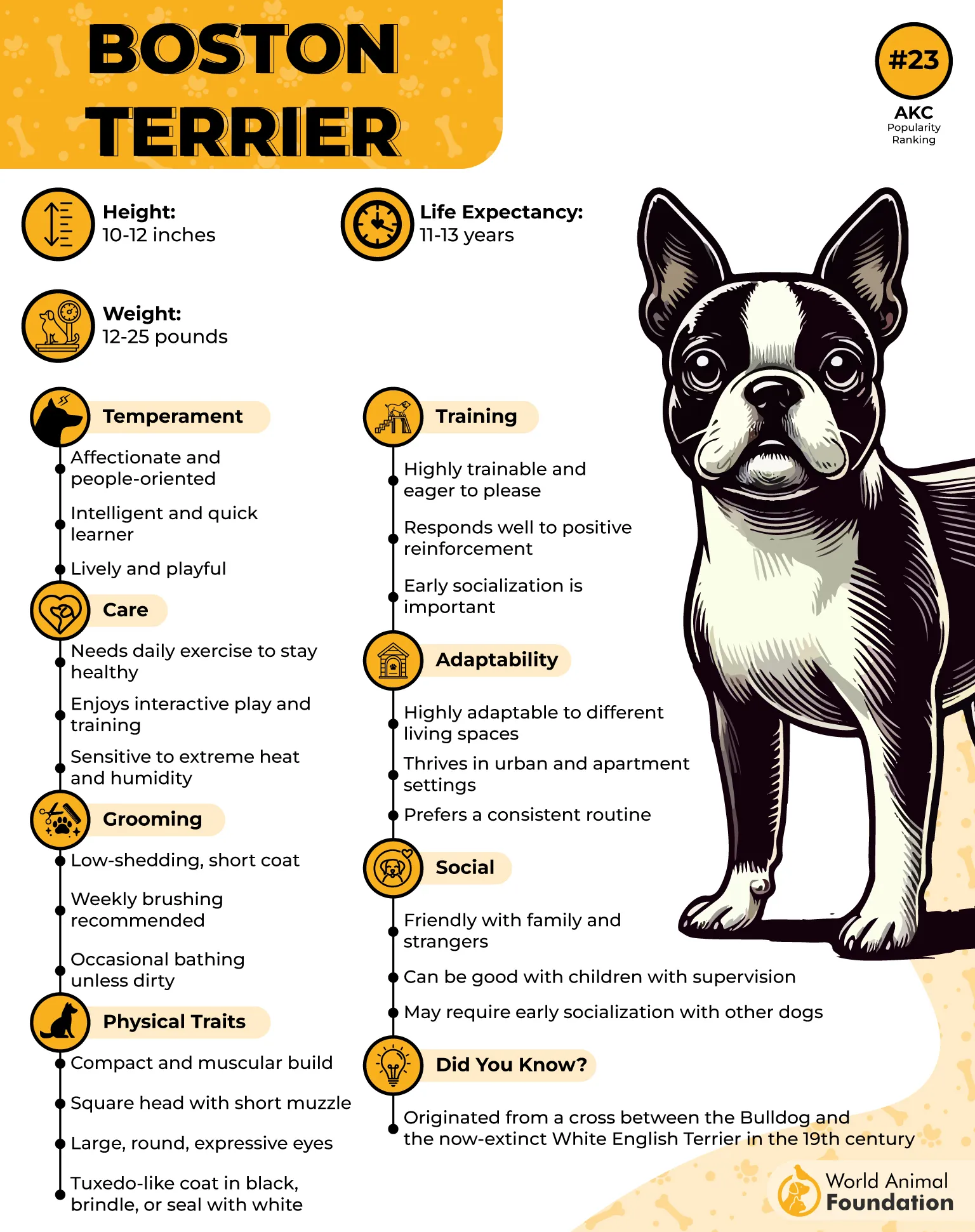
Boston Terrier draws attention through its square head, short muzzle, and wide, round eyes that reflect shifting expressions from curiosity to mischief.
The tuxedo-like coat adds to its polished appearance, giving it a neat and composed look indoors. This visual clarity often mirrors its calm, people-focused nature.
Urban-friendly presence
This calm dog fits naturally into apartment living, supported by its sturdy yet portable build. It handles short outings like park visits or casual walks without requiring extended routines.
Here’s the interaction style of this low-maintenance dog breed:
Keeps attention on nearby movement
Responds with expressive facial cues
Engages without constant noise

Maintenance that stays simple
Boston Terrier has a sleek, fine coat that sheds lightly and needs minimal grooming, with basic weekly care, as per the AKC. Tools like a soft-bristle brush or grooming mitt help keep loose hair under control. Its overall upkeep remains straightforward without demanding complex routines.
3. French Bulldog

The French Bulldog is recognized by its upright bat ears, square head, and deeply set wrinkles that frame a short nose. Its expressions shift quickly, giving it a human-like way of reacting without constant sound. This breed communicates more through presence than voice.
Social behavior without noise
Frenchies stay engaged with people and other dogs while keeping their vocal output low, making interaction feel calm rather than disruptive, as Petplan claims. Its alertness shows through awareness rather than barking.
That balance appears in everyday behavior:
Notices activity without constant noise
Engages easily with new people
Adjusts smoothly around other animals
Built for compact living
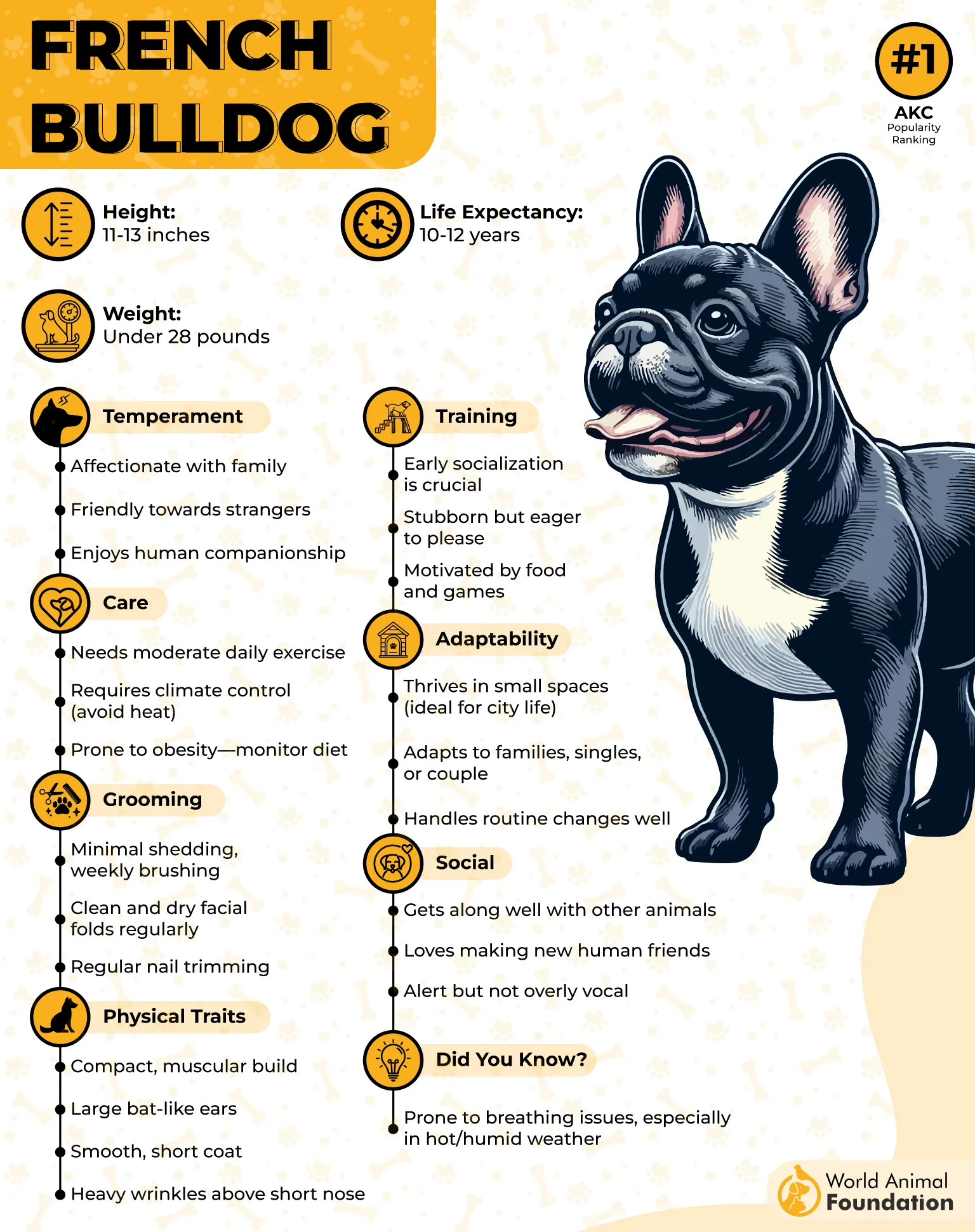
This low-energy dog fits naturally into smaller spaces, supported by a muscular but compact body and low outdoor demands. Its routine often centers indoors, where short bursts of play replace long activity sessions. The smooth coat adds to the ease of upkeep with minimal shedding.
4. Pug

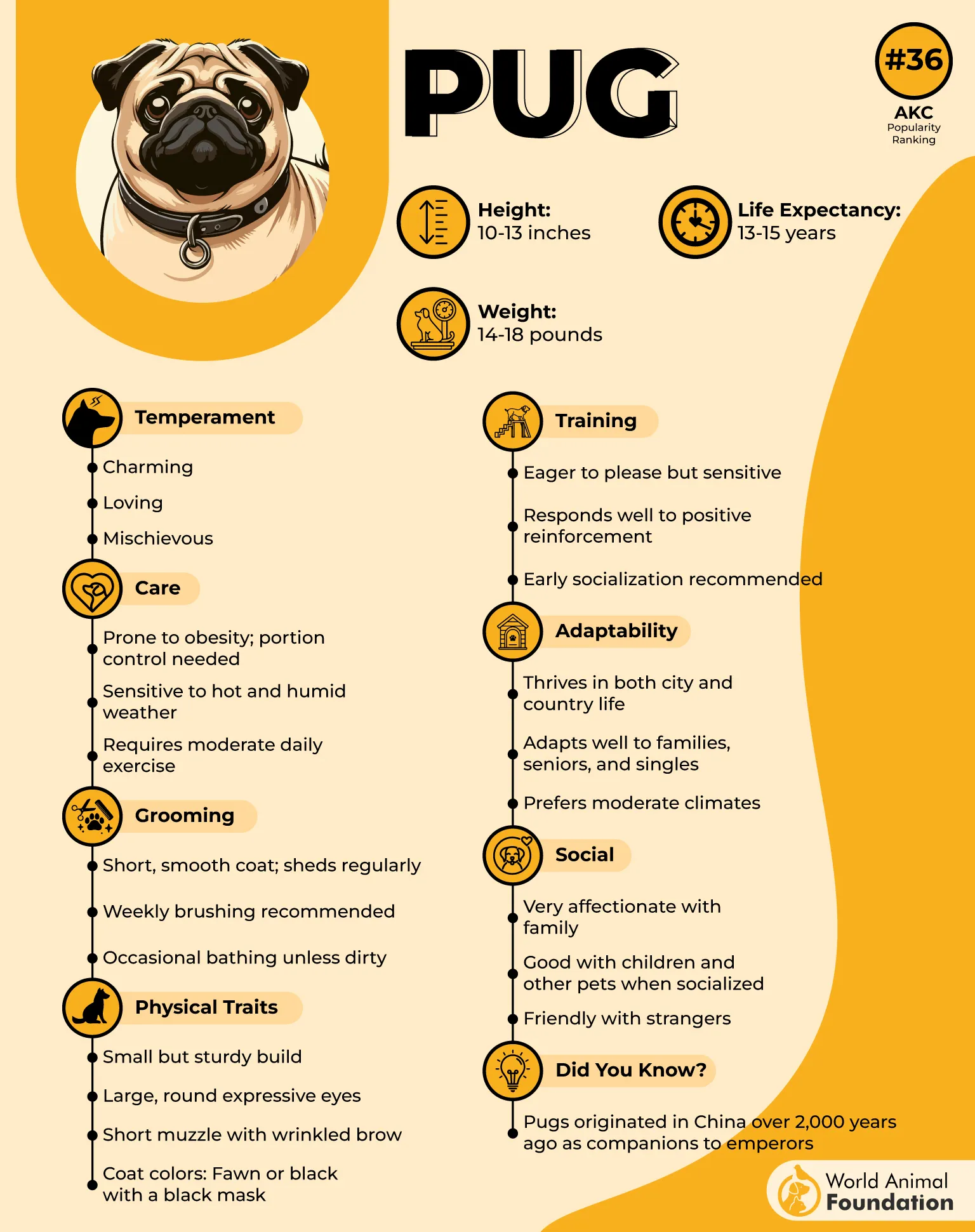
Pugs are known for their round head, deep wrinkles, and bright eyes that reflect shifting emotions like curiosity and excitement. This expressive face has been part of its appeal since royal households in China and Europe kept it close. The small yet sturdy frame reflects the idea of “a lot in a little.”
Quiet presence with constant closeness
Pug prefers staying near people, often settling into shared spaces where interaction is easy and uninterrupted. Its behavior leans toward companionship rather than independence, making silence feel natural rather than forced.
That closeness shows in simple habits:
Settles beside people for long periods
Responds to attention with visible expressions
Stays comfortable in shared living spaces
Comfort shaped by routine and setting
Pugs adjust easily across different homes, whether in compact city spaces or quieter surroundings, as long as daily interaction remains steady.
Its comfort level depends more on moderate temperatures than on location. Pet parents should be careful, as extreme heat or cold can affect their ease indoors and outdoors.
5. Whippet
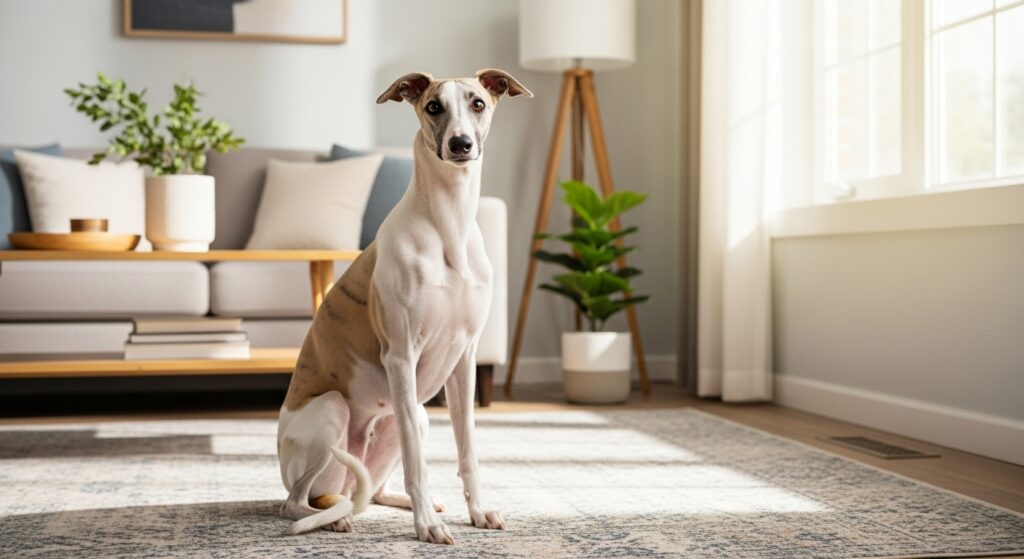
Whippets present a sleek outline defined by the classic sighthound curve, with a deep chest, narrow waist, and long arched neck. Its body reflects precision, built for short bursts of speed rather than constant motion. This physical design pairs athletic ability with long periods of calm rest.
Behavior shifts between chase and calm
Whippets show a clear switch in behavior, staying relaxed indoors while becoming fully focused when something triggers their chase instinct. Its gentle temperament remains consistent in quiet settings.
That contrast appears in simple, visible ways:
Locks attention instantly when movement appears
Settles into long, uninterrupted rest indoors
Keeps noise levels low in everyday settings

Care that stays uncomplicated
Whippets require minimal grooming due to their short, smooth coat, needing only basic brushing and occasional bathing. Its overall maintenance stays low compared to many other breeds with similar athletic ability. This simplicity aligns well with routines that do not involve extensive grooming.
6. Basenji
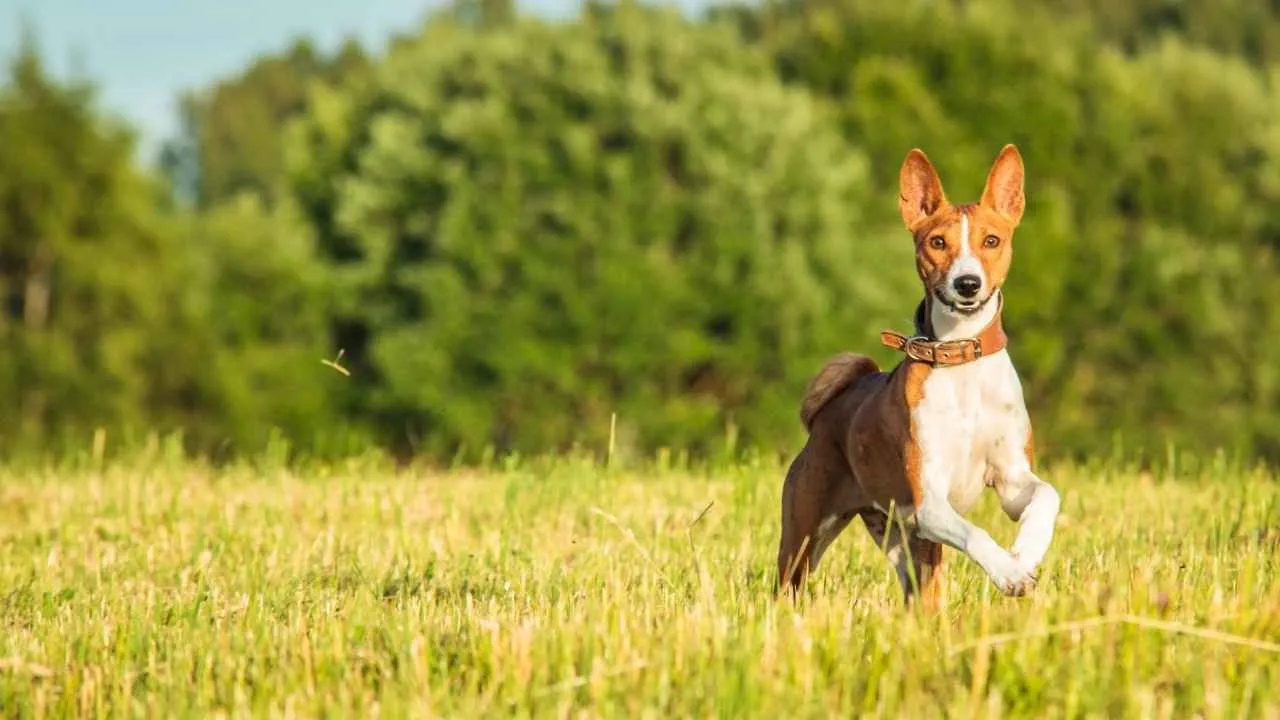
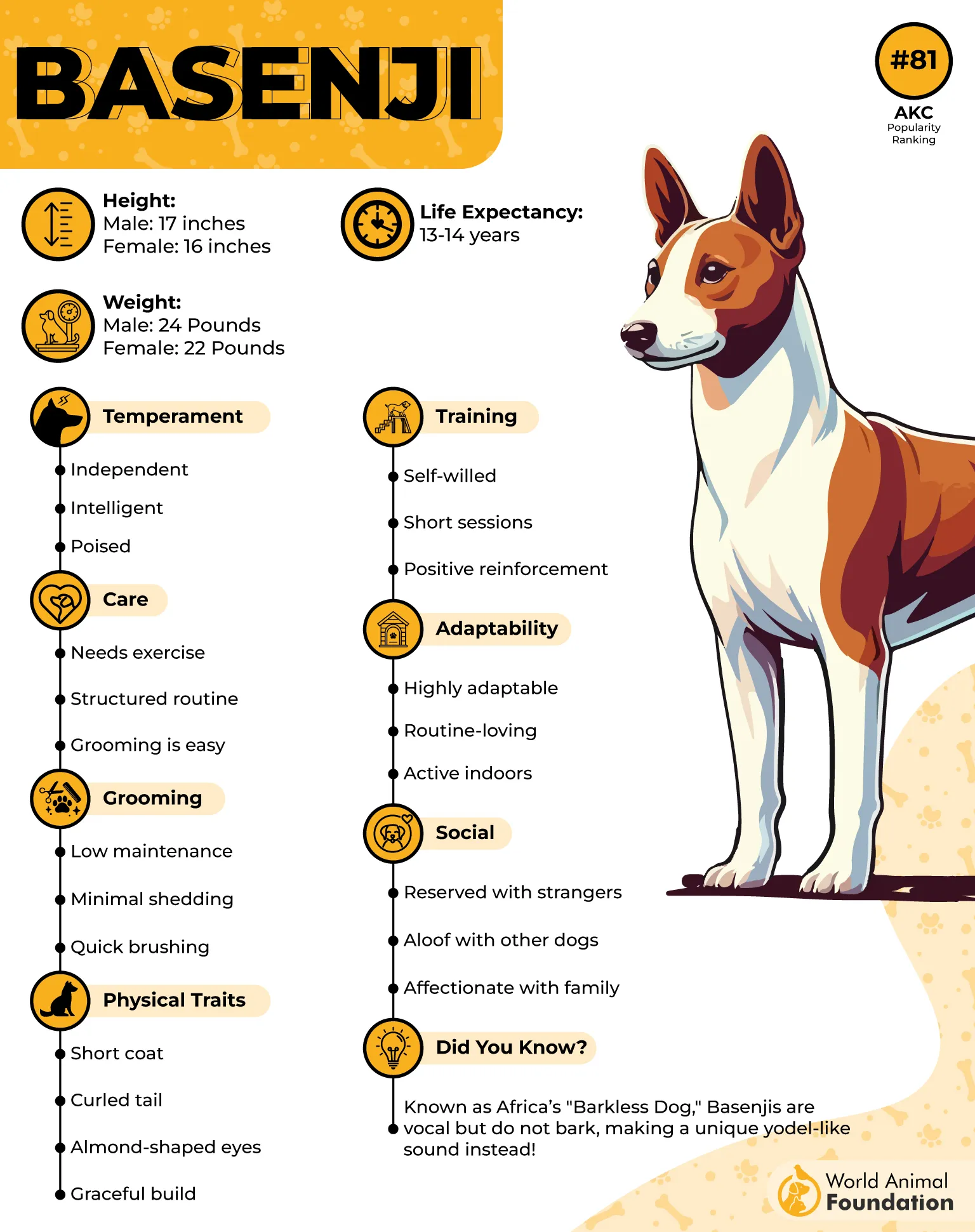
Basenji communicates in a way that feels unusual, producing a yodel-like sound instead of a typical bark. Its expressive face, marked by a wrinkled forehead and alert eyes, reflects emotion without constant noise. This combination creates a quieter presence that still feels communicative.
Clean habits shaped by instinct
They maintain a self-grooming routine similar to a cat, keeping their short coat naturally clean with minimal effort. Its neat behavior extends beyond grooming, reflecting a preference for order in its surroundings.
These habits show up in simple daily patterns:
Cleans itself without prompting
Keeps coat maintenance minimal
Avoids messy or disruptive behavior
Personality shaped by independence
They have an independent nature, often requiring patience while training. Its intelligence appears through decision-making rather than immediate obedience. This creates a companion that feels observant and selective in its responses.
7. Greyhound
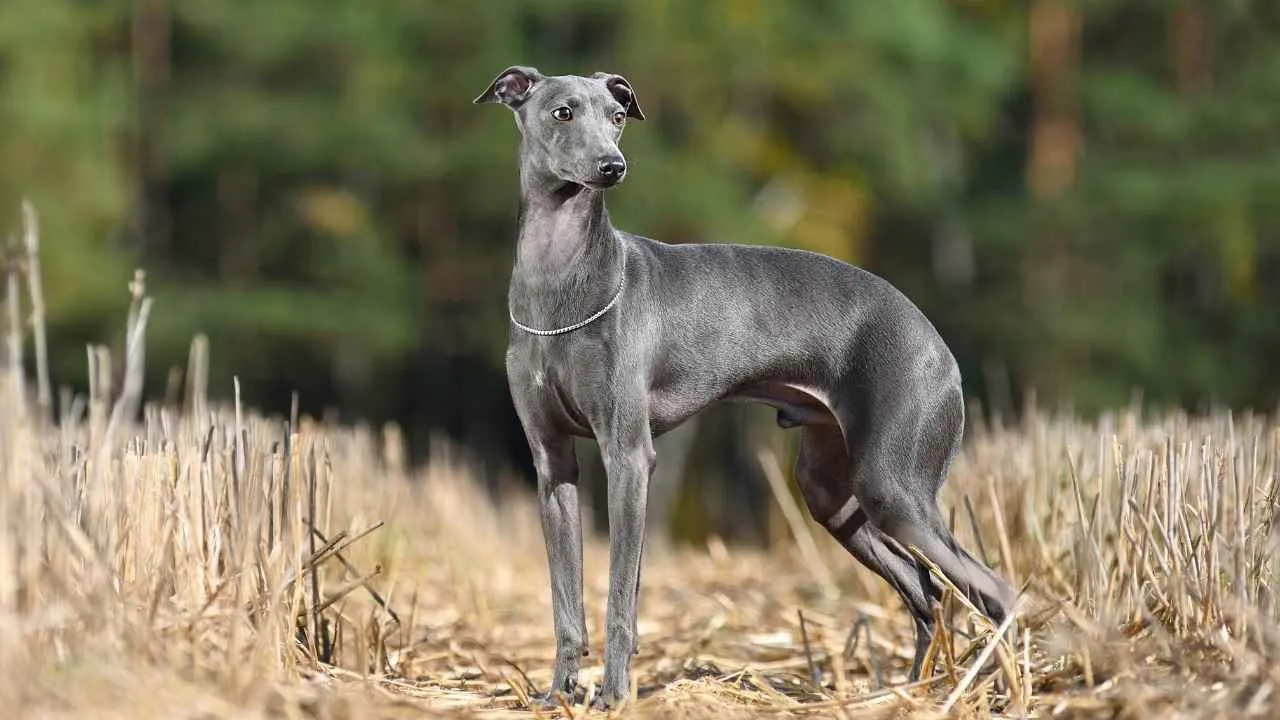
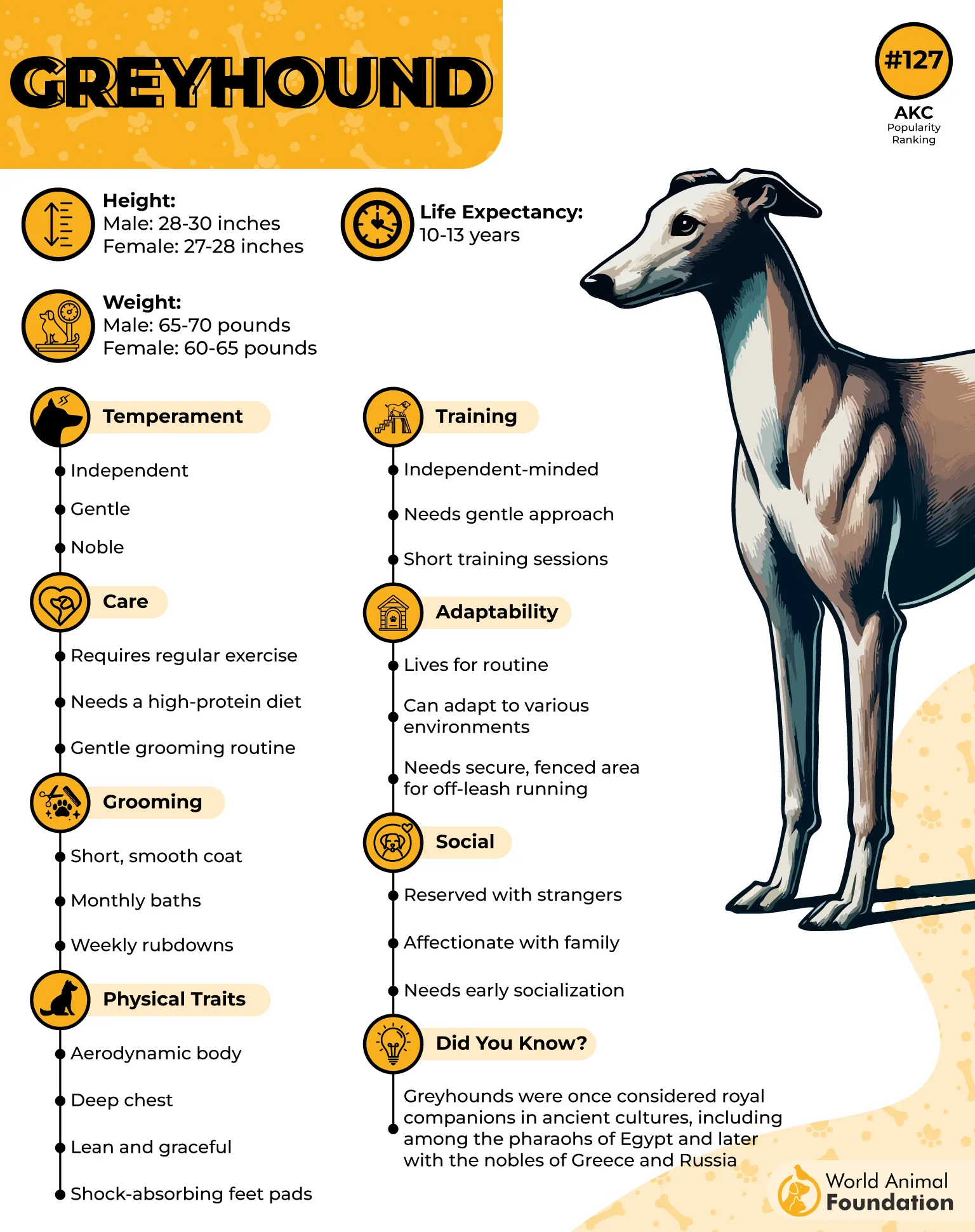
Greyhound presents a body where every line serves a purpose, from the narrow skull to the deep chest, flowing into a tucked waist. Its structure reflects a design built for pursuit, with shock-absorbing feet supporting rapid acceleration. This form has long drawn attention from artists and royalty alike.
Behavior inside the home
Greyhound surprisingly settles well into indoor life with a calm, almost reserved presence, often choosing rest over constant activity. Its calm temperament leans toward gentle and independent, creating a quiet atmosphere in shared spaces.
That nature appears in subtle daily habits:
Spends long periods resting indoors
Responds softly to human interaction
Keeps a composed presence in the home
Care shaped by simplicity
This racing dog requires minimal grooming due to their short, smooth coat, needing only occasional baths and light upkeep. Its physical design avoids heavy maintenance routines often seen in other breeds. This ease of care fits well into a steady, low-effort daily rhythm.
8. Chinese Crested

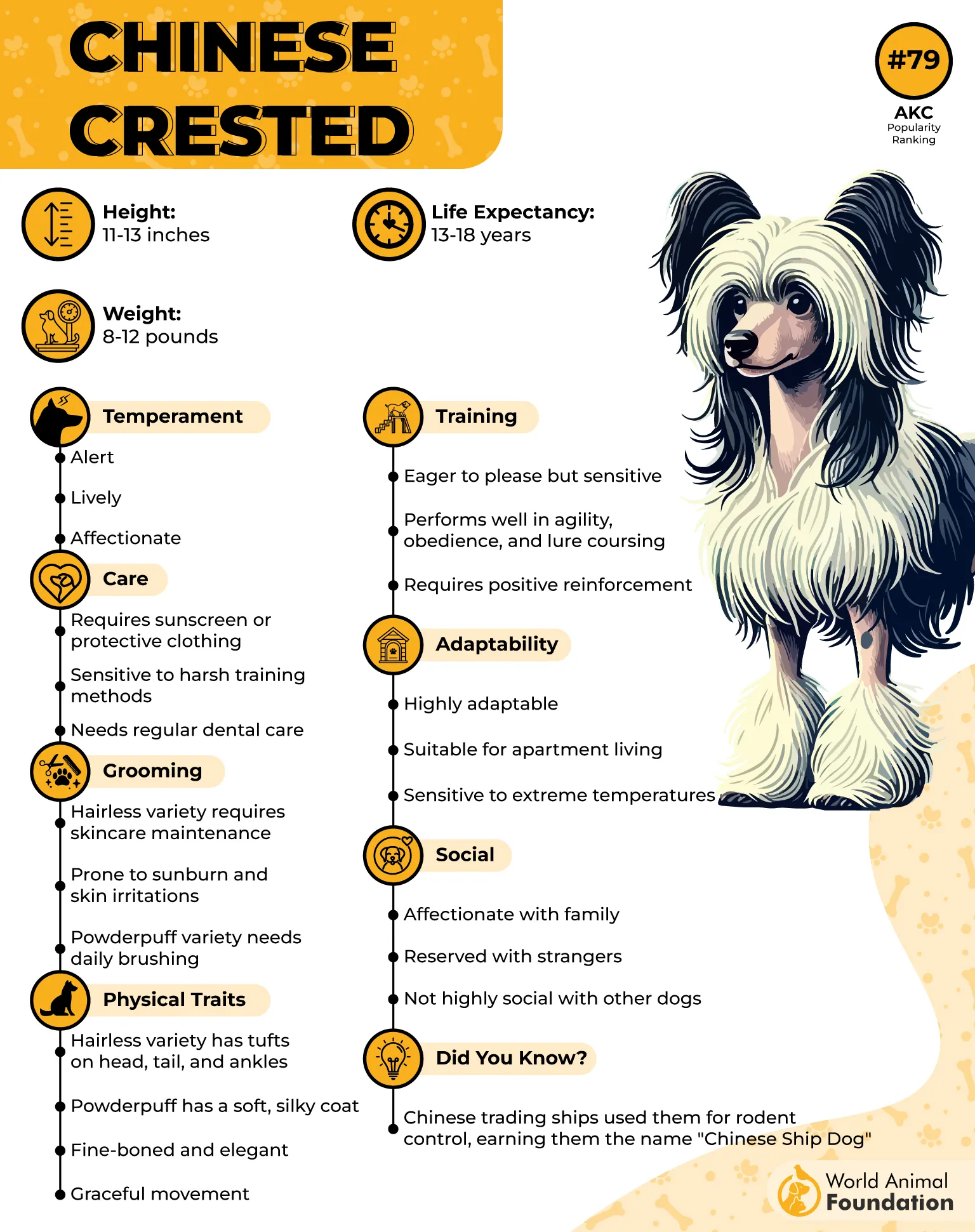
Chinese Crested draws attention through its spotted skin, crest-like hair, and feathered tail, which set a very specific visual identity. The hairless variety shows smooth skin with selective tufts, while the powderpuff is covered in a soft, silky coat. Both share a light frame and fluid, graceful movement.
Close connection with daily life
They stay highly tuned to their household, reacting quickly to presence, tone, and routine changes. Its affectionate and gentle nature appears through constant engagement rather than distance or independence.
That connection becomes easy to notice:
Responds closely to human presence
Stays attentive inside shared spaces
Engages through playful interaction
Activity that stays light and contained
This breed maintains a level of activity that fits into short walks and brief play sessions without demanding extended outings. Its movement remains lively in small spaces, often turning simple indoor time into interaction. This pattern keeps daily routines simple and predictable.
9. Cavalier King Charles Spaniel

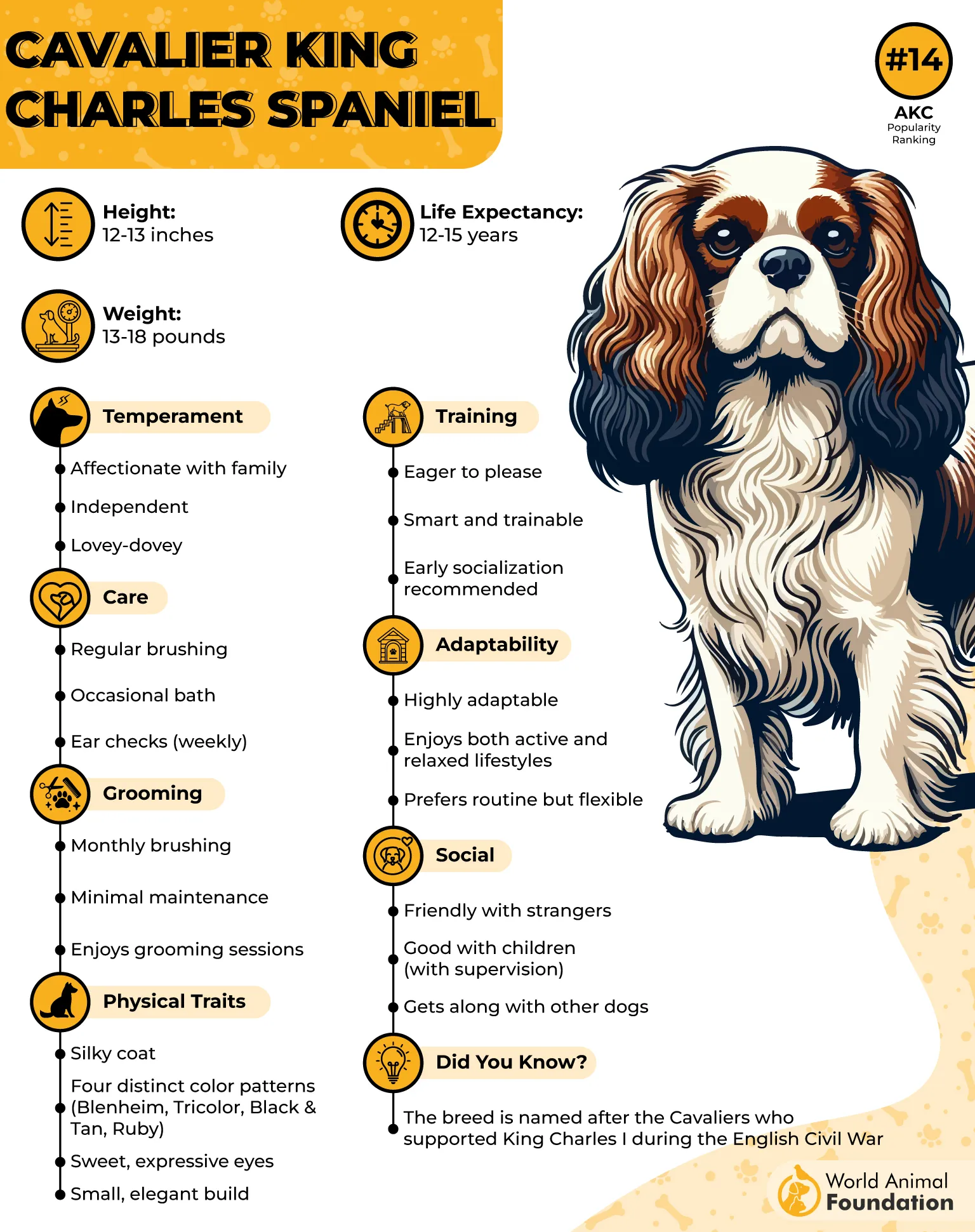
Cavalier King Charles Spaniel draws attention through its large, round eyes that reflect a soft, steady expression. This visual warmth shapes how the breed connects with people from the first interaction. Its silky coat and balanced structure add to a composed, refined appearance.
Social rhythm in daily life
This spaniel stays closely tuned to its surroundings, blending easily into both lively and quiet environments. Its behavior reflects a natural ease around children and other dogs, without tension or withdrawal.
That rhythm becomes clear in simple ways:
Settles calmly in shared spaces
Responds gently during interaction
Adjusts tone based on household activity
Adaptability across routines
This lap dog fits into varied lifestyles, shifting between outdoor play and relaxed indoor time without resistance. It may engage in light activity like walks or short bursts of play, then settle comfortably for extended rest. This flexibility keeps daily care predictable.
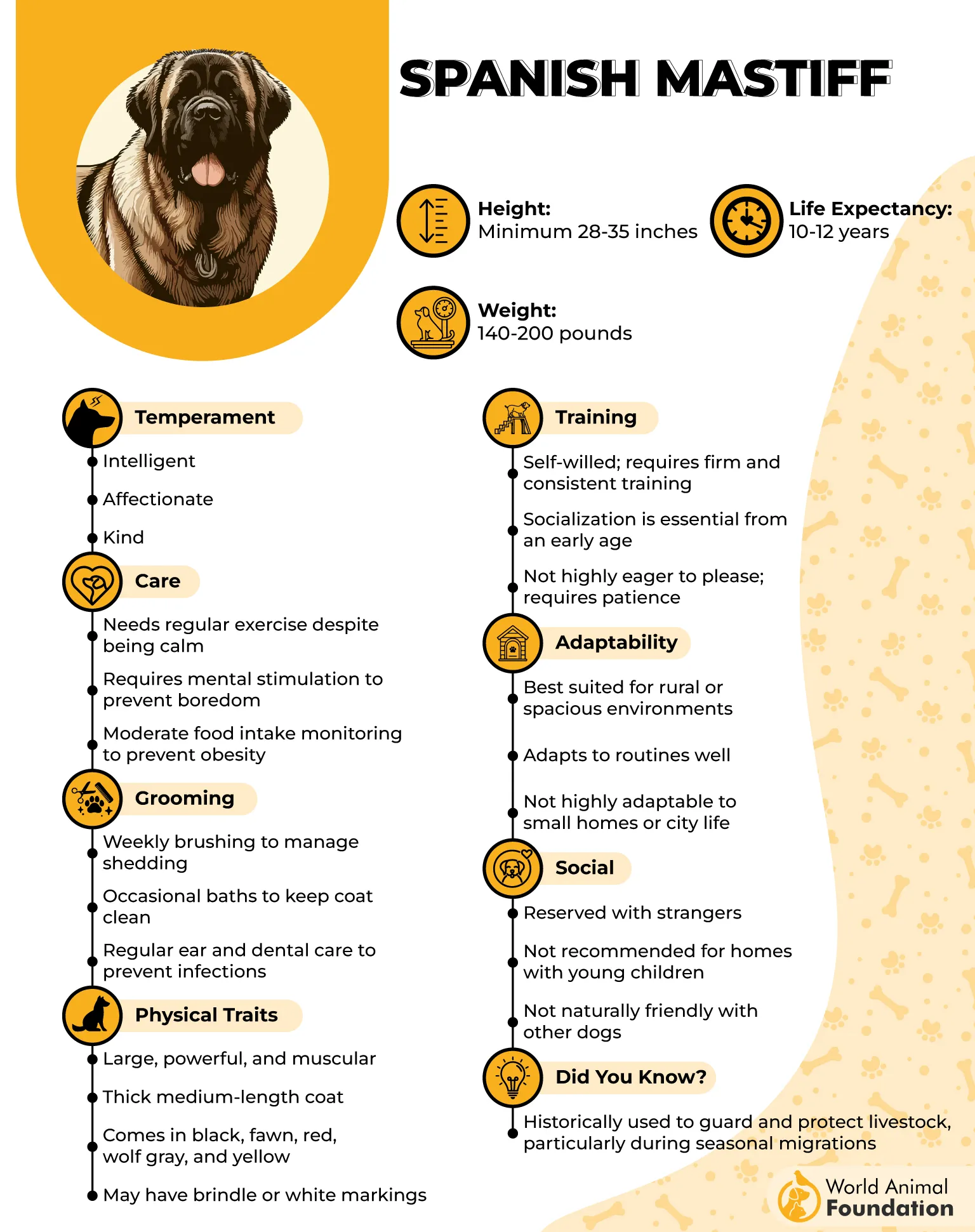
10. Spanish Mastiff
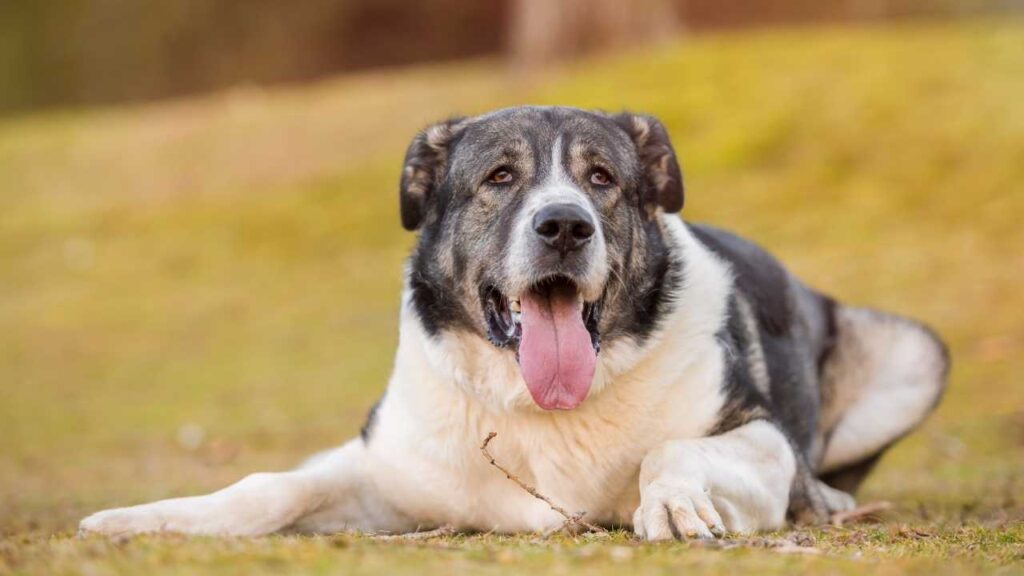
Spanish Mastiff shows intelligence through its composed expression, where calm eyes and steady posture reflect awareness without constant reaction.
Its presence feels assured, shaped by a natural understanding of its own strength. This creates a dog that remains settled until a situation truly demands attention.
Voice that replaces constant noise
They use a deep, low-pitched bark that travels over long distances, making frequent noise unnecessary. The sound itself holds weight, often enough to signal presence without repeated alerting.
That impact comes through distinct physical and sensory traits:
Massive head supporting strong vocal projection
Deep chest contributing to resonant bark
Medium-length coat suited for outdoor exposure
Behavior grounded in calm strength
This large breed generally stays relaxed in daily life, showing a gentle demeanor in familiar settings. Its protective side appears with clarity when facing strangers or potential threats. This balance between calm nature and firm response defines its everyday behavior.
Conclusion
Noise becomes noticeable only when it starts affecting daily routine. The breeds listed here reduce that issue by staying controlled in how they respond to their surroundings. They do not react to everything, and that keeps the environment more stable.
This makes a clear difference over time. Less interruption, fewer corrections, and a routine that does not need constant adjustment. The dog fits into the space without adding pressure. That balance is what makes these breeds easier to live with, especially in homes where consistency matters more than constant activity.
Quiet Dog Breeds Quiz 🐶 Can You Score 6/6 Without a Bark?
Which breed is known for its cat-like demeanor and refined indoor behavior?
Which dog breed is famous for producing a yodel-like sound instead of barking?
Which breed is recognized by its upright bat ears and low-energy indoor lifestyle?
Which breed is known for switching between high-speed bursts and long periods of calm rest?
Which breed uses a deep, low-pitched bark that reduces the need for frequent noise?
Which breed has a tuxedo-like coat and is well-suited for apartment living?
