





Not every home thrives on noise, and not every dog needs to fill the silence. In a world where barking is often seen as a defining canine trait, quiet dog breeds offer a refreshing alternative for those who value calm, peaceful living.
These graceful companions bring together beauty and serenity, with gentle temperaments, minimal vocalization, and an effortless ability to adapt to relaxed environments. Whether you’re living in a cozy apartment or simply prefer a tranquil atmosphere, choosing a quieter breed can transform your home into a haven of calm.
In this guide, we’ll explore what makes certain dogs naturally quieter and how they can blend seamlessly into your lifestyle, offering the perfect balance of affection, loyalty, and quiet companionship.
Fun Fact: The Shih Tzu, an ancient Asian breed known for its lion-like appearance, is a wonderful example of a calm companion, offering affection, adaptability, and a gentle personality without excessive noise.
Quiet Dog Breeds: A Guide to Serene Canine Companions
1. Basenji
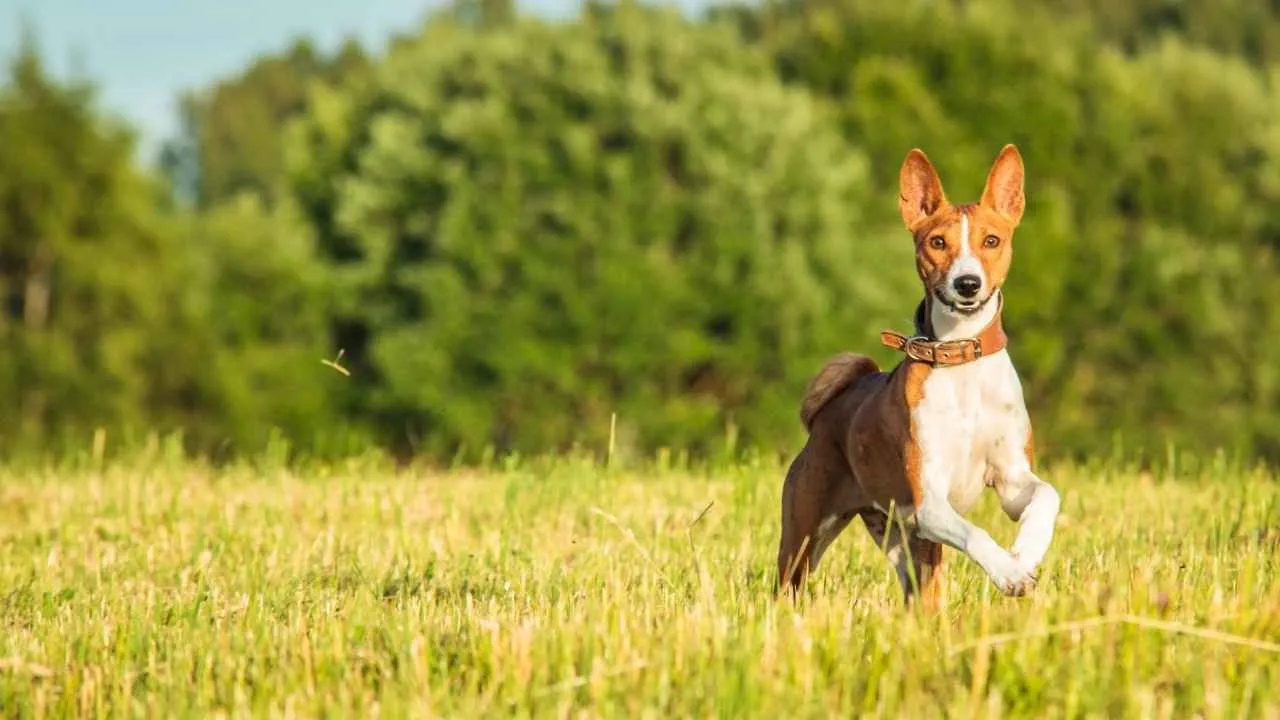
The Basenji is a naturally quiet dog breed, known for its unique vocal anatomy. Unlike most dogs, its larynx is shaped in a way that limits traditional barking, giving it a distinct, almost “barkless” reputation. Originating from Africa, this ancient breed once served as a skilled hunting companion for big game.
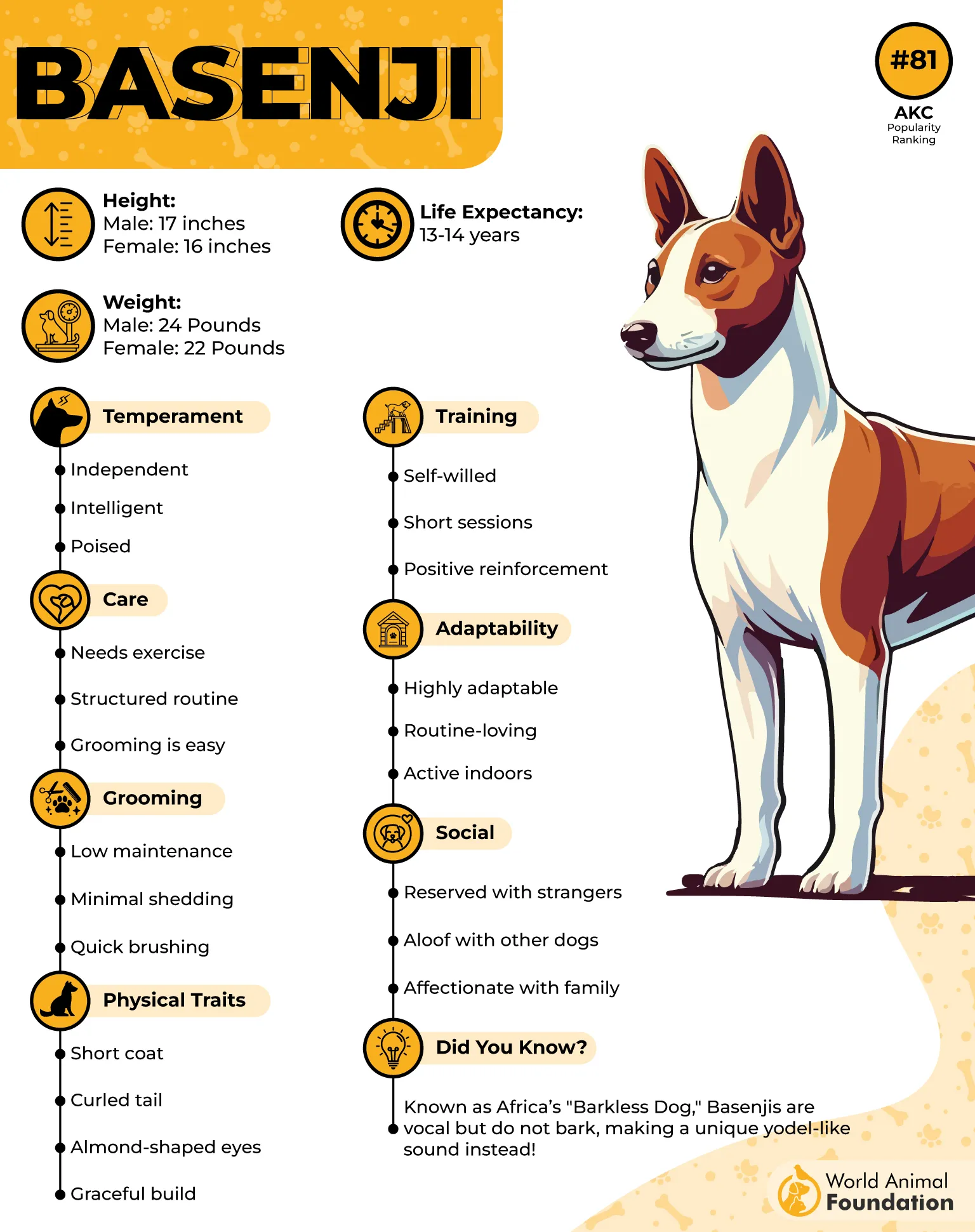
While Basenjis are famously quiet, they are far from low-energy. These dogs are active and intelligent, requiring regular exercise and mental stimulation to stay happy and well-balanced. Their history of working in packs also means they generally get along well with other dogs when properly socialized.
Instead of barking, Basenjis produce a rare and unusual sound often described as a “yodel.” Hearing it is a unique experience for any dog lover. On the practical side, their short coat requires minimal grooming, making them relatively easy to maintain, as PetMD mentions.
With early socialization, daily walks, and engaging activities, Basenjis can adapt well to apartment living while remaining lively and entertaining companions.
2. Whippet

Originating from Northern England, Whippets were selectively bred from small Greyhound-type dogs, often described as a smaller, more refined version of the Greyhound. Initially developed for hunting small game, they quickly rose in popularity across the United Kingdom by the early 2000s.
These sleek and intelligent dogs are known for their playful, sometimes goofy personalities, balanced by a naturally calm and quiet demeanor. Their short coats and moderate exercise needs make them especially appealing to apartment dwellers. Whippets form strong bonds with their owners and are generally friendly toward strangers and other animals.

While Whippets are easygoing, a lack of physical activity or mental stimulation can lead to unwanted behaviors, including excessive barking. They have a strong prey drive and love chasing fast-moving objects, a trait rooted in their hunting background. Due to their thin skin and low body fat, they are sensitive to cold and do not tolerate wet weather well.
3. Saint Bernard
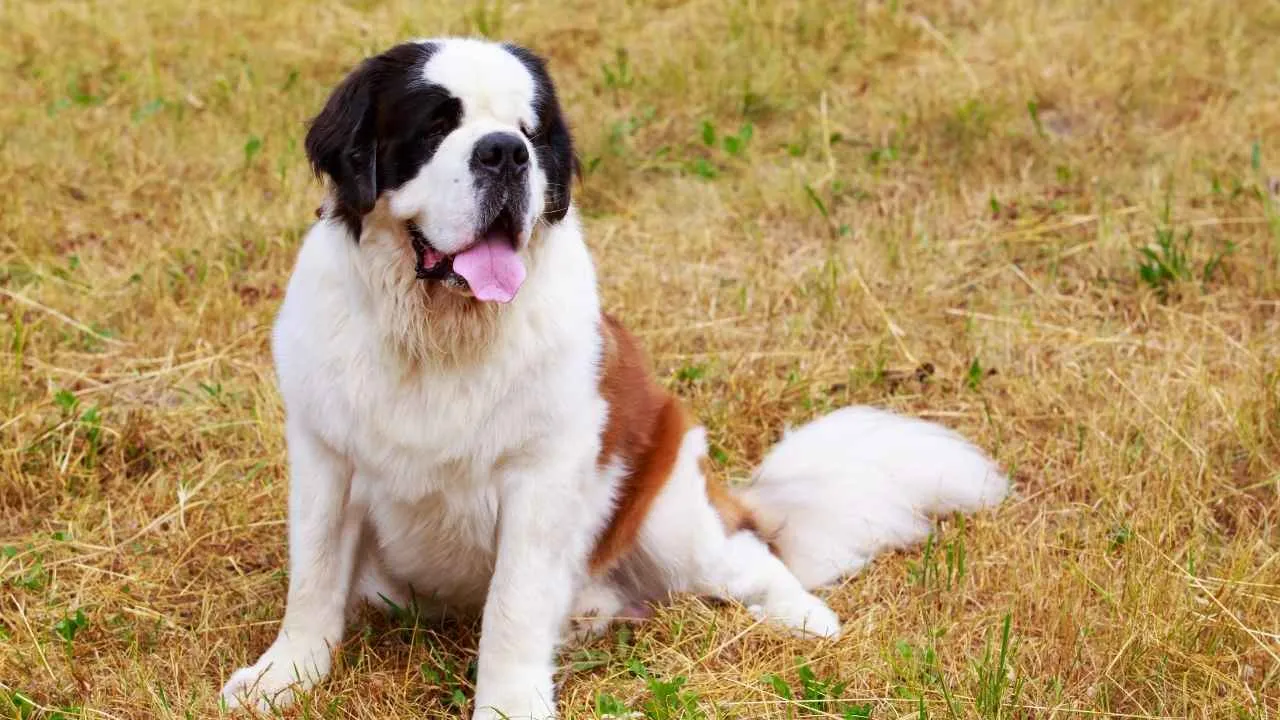
One of the most beloved working dog breeds in the world, the Saint Bernard is known for its immense strength paired with an incredibly soft and caring nature. Originally bred for rescue missions in snowy mountain regions, these dogs were skilled at locating and saving people buried under avalanches.

Saint Bernards are generally quiet and do not bark excessively, unless they encounter unfamiliar people or surroundings. Their thick coats and loose jowls mean they tend to shed and drool quite a bit, so regular grooming and care are essential.
Despite their massive size, they are calm, affectionate, and wonderful with families, especially children. They enjoy playtime but have moderate exercise needs, with daily walks of around 30 minutes usually being enough, as per Purina.
However, their strength and size make early training and proper guidance important to ensure they remain well-mannered companions.
4. Borzoi
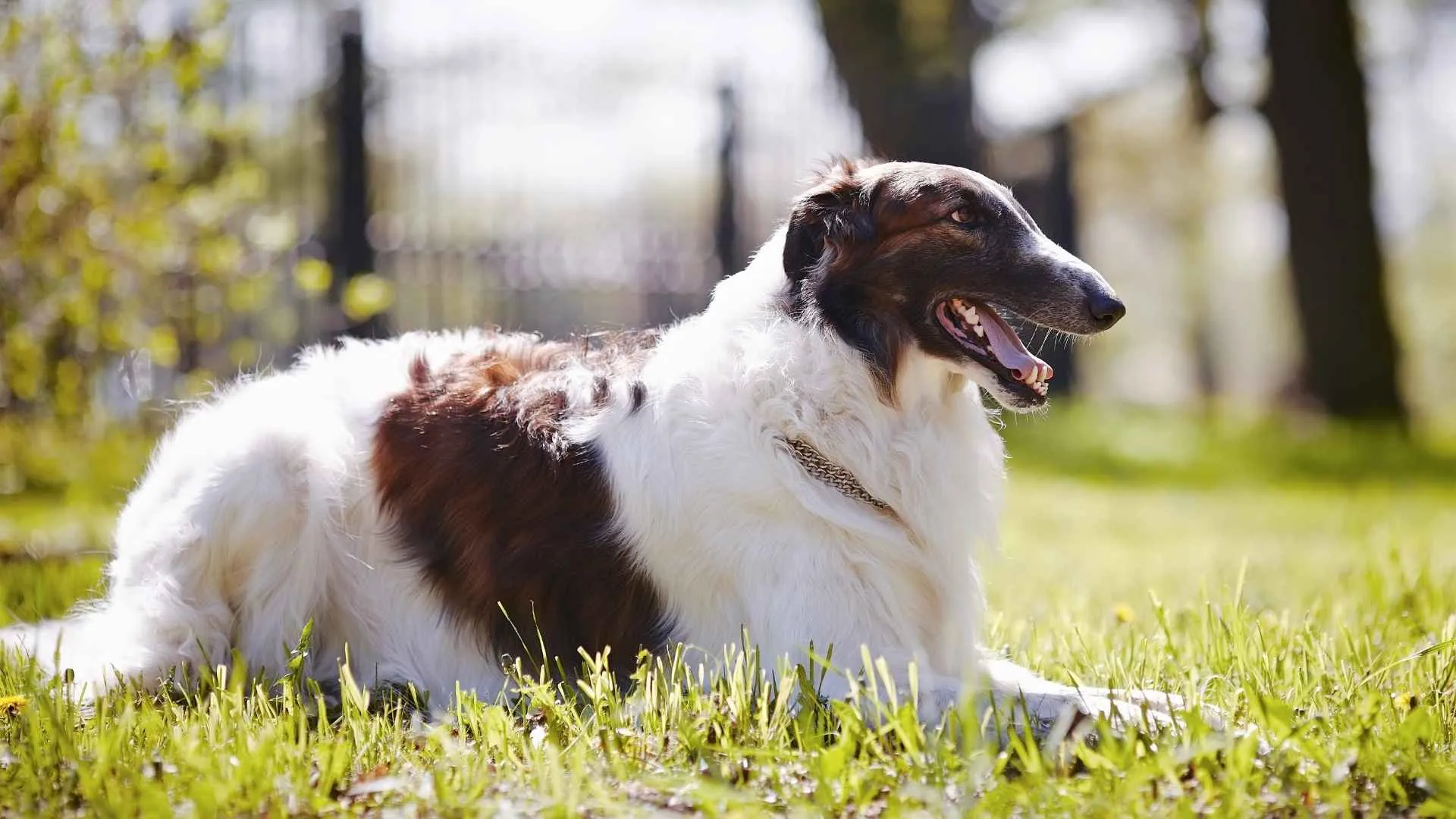
Formerly known as the Russian Wolfhound, the Borzoi was bred by the Russian aristocracy for hunting wolves. As a sighthound, this breed relies on keen vision and speed rather than scent, and is naturally quiet, rarely barking without reason.
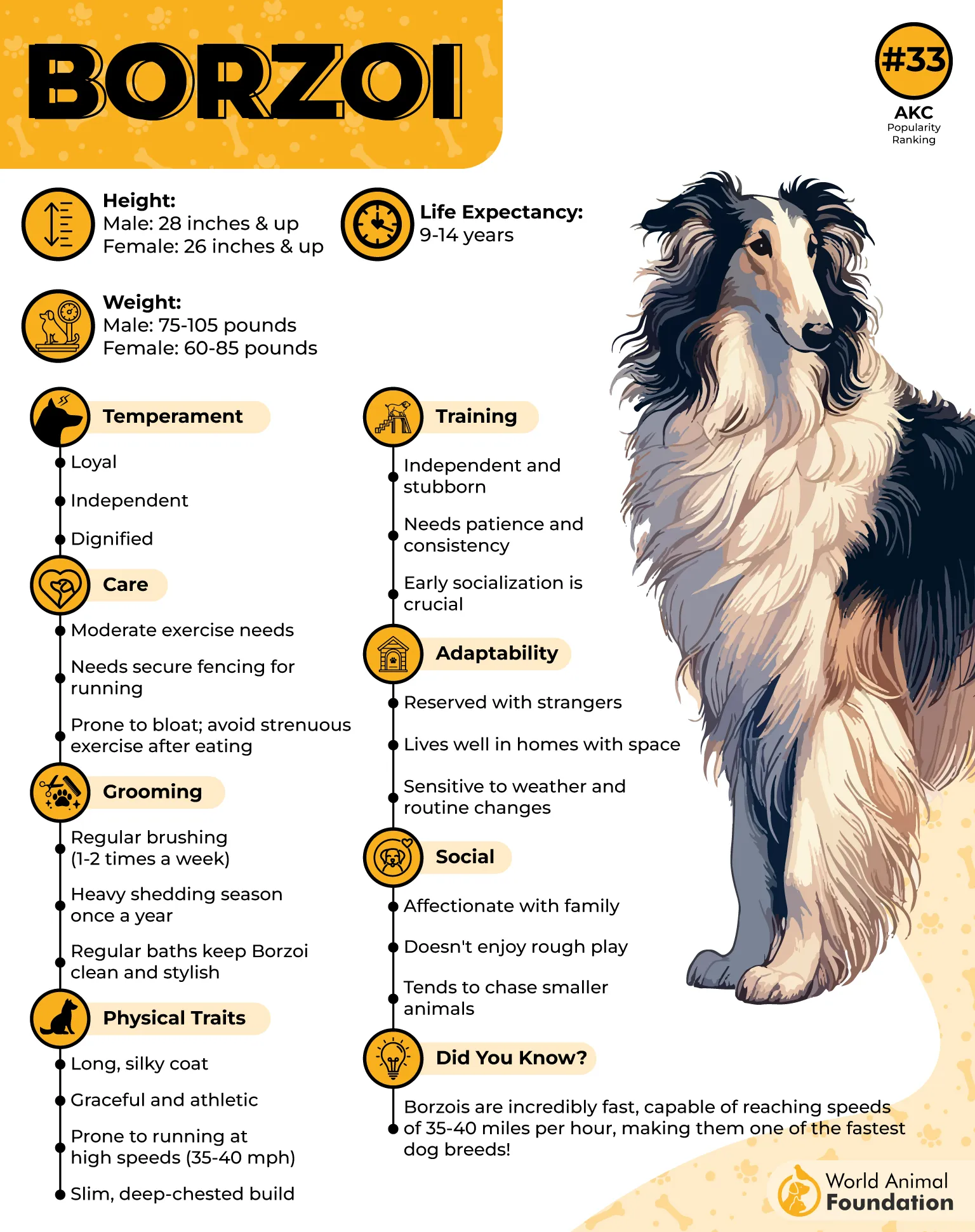
Despite their hunting background, Borzois adapt beautifully to family life. They are gentle, loyal, and affectionate, forming deep bonds with their owners. They tend to be patient with children and can even tolerate a bit of playful roughhousing. With their calm presence and subtle sense of humor, they often surprise pet parents.
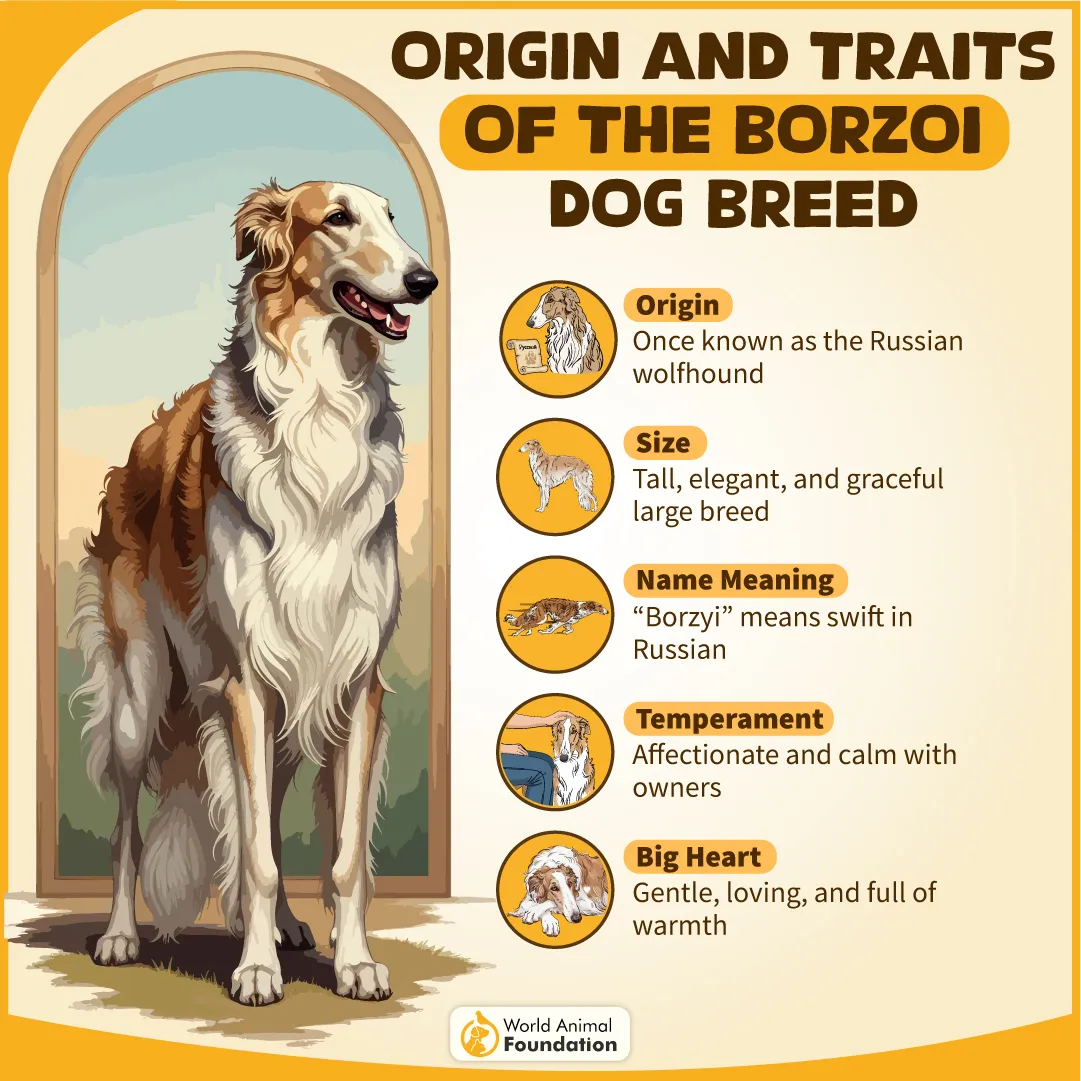
Borzois are slow to mature, both physically and mentally, which means they need extra care during their early years, especially in homes with stairs. They can also have an independent, sometimes stubborn streak, which may make training a challenge. Positive reinforcement, along with fun and consistent training sessions, works best for this sensitive breed.
5. Newfoundland
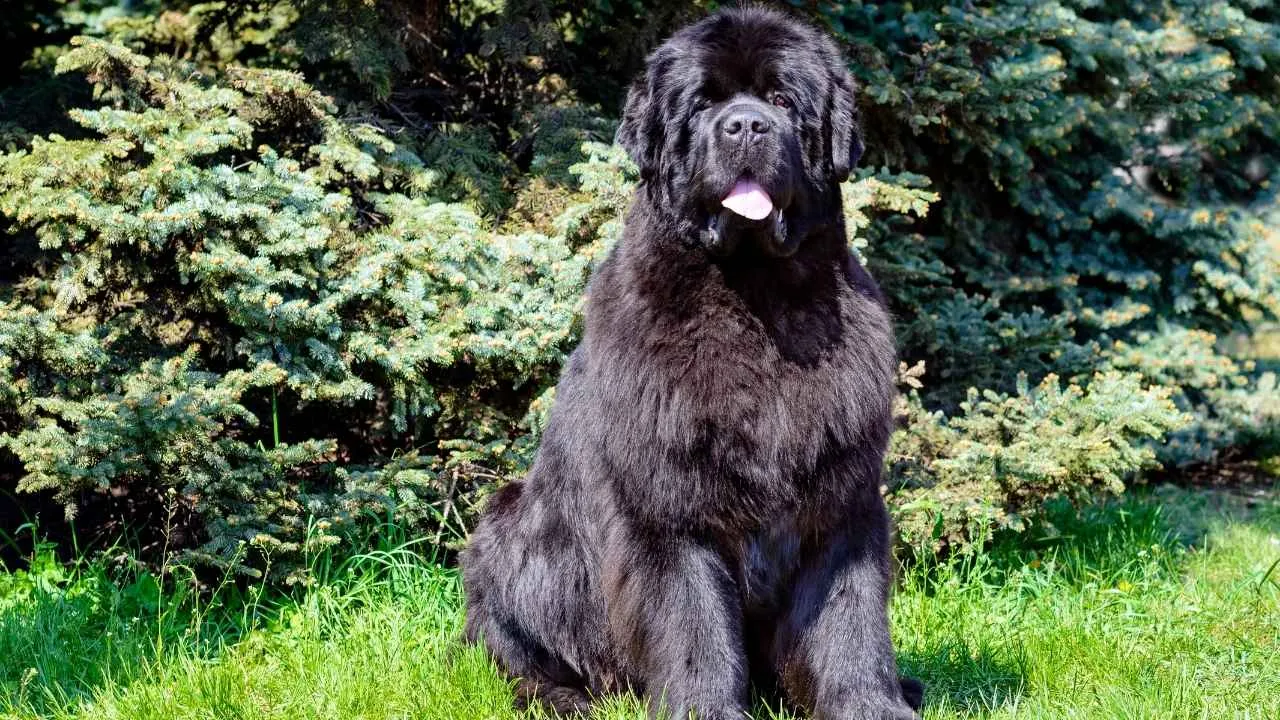
Don’t be fooled by their imposing size; Newfoundlands have a long and admirable history as water rescuers. Today, they are affectionately known as “nanny dogs” thanks to their calm, gentle, and patient nature. Equipped with webbed feet and a water-resistant coat, these powerful swimmers were once relied upon to save people from drowning.
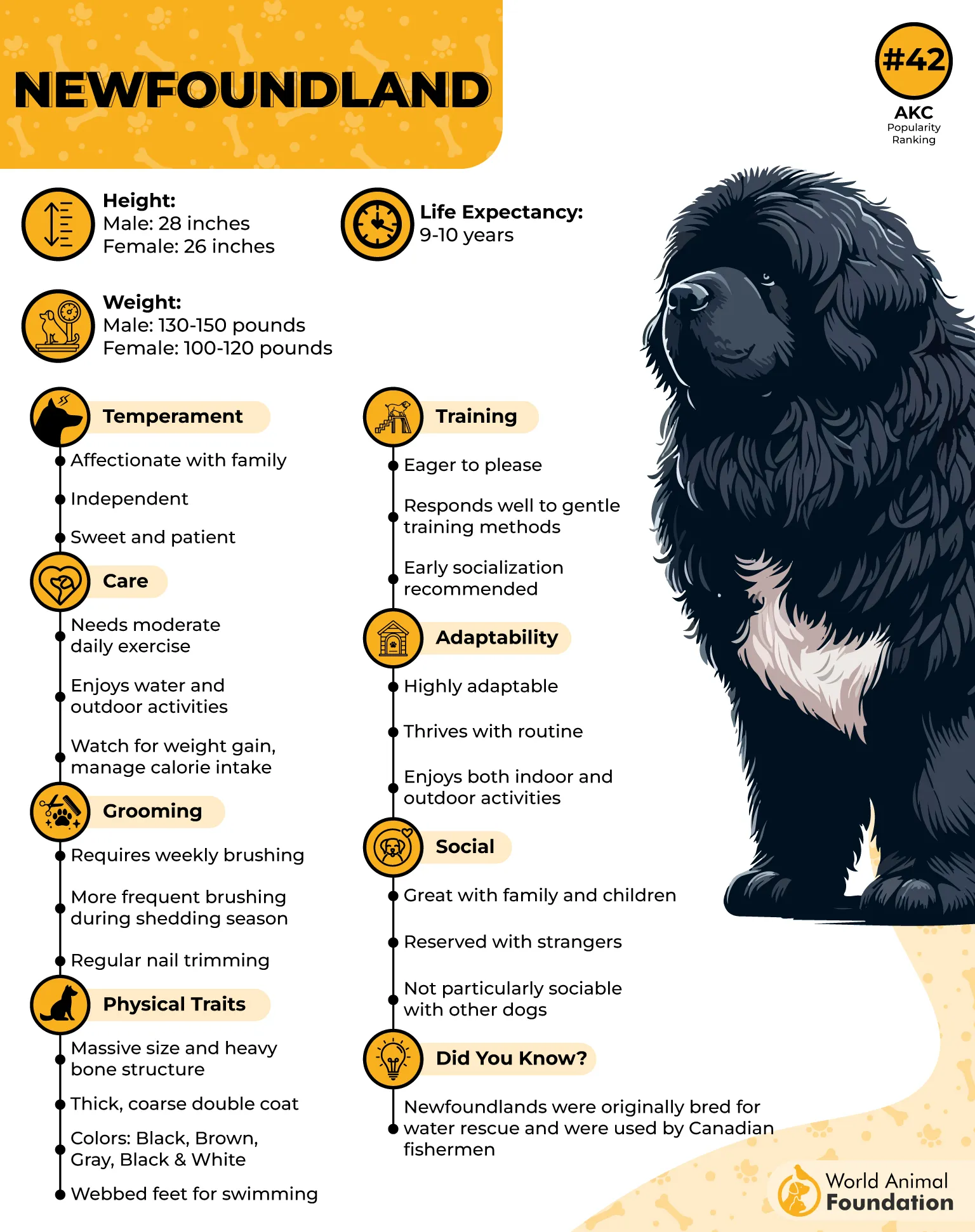
Newfoundlands are easygoing giants that thrive in spacious homes, though their daily needs are relatively simple. They are well-suited to a laid-back lifestyle and are perfectly content indoors, as long as they get regular walks and occasional outdoor activities to stay fit and healthy.
These affectionate dogs are not excessive barkers unless provoked. They form strong, protective bonds with children and are known for their watchful yet gentle presence. According to the American Kennel Club, Newfoundlands are neither aggressive nor timid, but proper obedience training is still essential to ensure they grow into well-mannered companions.
6. Pekingese

With their tiny stature, long silky coats, and naturally quiet nature, Pekingese are charming companions perfectly suited for apartment living. They form strong, close bonds with their families, though they tend to prefer calm environments and may not always enjoy the unpredictable energy of young children.
Pekingese are loyal and affectionate but remain reserved around strangers. As a brachycephalic (short-faced) breed, they are prone to heat sensitivity, so it’s important to avoid outdoor activity during hot weather. Their luxurious coat also requires regular grooming, including brushing and occasional trimming, to keep them looking their best.
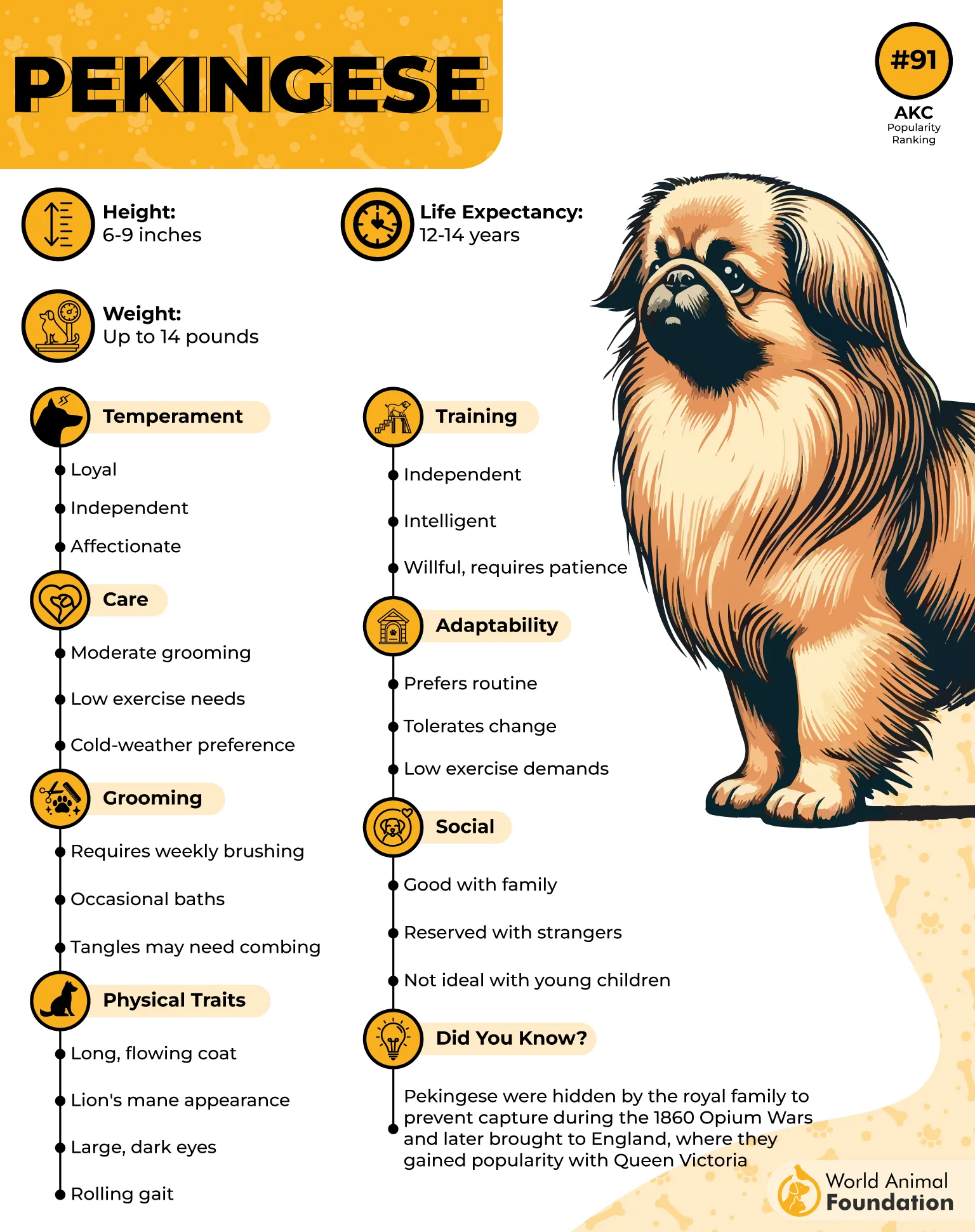
This quiet breed rarely barks unless it senses a threat, at which point its surprisingly loud voice can startle intruders. Pekingese are known for their strong-willed and independent nature, which can make training a challenge. Consistent, positive reinforcement methods work best to guide their behavior and build trust.
7. Pug

With their wrinkled faces, compact size, and unmistakable charm, Pugs are adored for their unique appearance and calm demeanor. Once favored by Chinese royalty, these little dogs have a long history of companionship, known for their loyalty and deep affection for their humans.

Pugs are generally quiet and only tend to bark excessively when they feel stressed or unsafe. As a brachycephalic (flat-faced) breed, they communicate in their own amusing ways; through snorting, snoring, and gentle grunts. However, this also means they are sensitive to heat and should be kept cool in warmer weather.
True to their reputation as lovable couch potatoes, Pugs enjoy lounging and snuggling with their favorite people. While they are low-energy, mental stimulation is still important to prevent boredom and unwanted behaviors. Incorporating simple indoor games into their routine helps keep their playful and affectionate personality thriving.
8. Rottweiler

Powerful and imposing, Rottweilers have a rich history as guard dogs for the Roman army and later as herding dogs on German farms. Despite their strong appearance, these dogs are deeply affectionate and often seek close physical connection with their owners, yes, even cuddles. They thrive in active households where they can stay engaged and involved.
Rottweilers have diverse personalities. Some form an intense bond with one person, while others are equally affectionate with the entire family. They are generally quiet and not prone to unnecessary barking, but when a Rottweiler does bark, it’s worth paying attention.

Calm and steady, Rottweilers can be great with children when properly trained and socialized. Their intelligence and eagerness to please make them highly trainable, though their independent streak means they respond best to consistent, patient training. With the right guidance, they grow into loyal, confident, and well-mannered companions.
9. Golden Retriever

Originally bred for waterfowl hunting, the Golden Retriever ranks among the friendliest dog breeds in the world. They offer a rare combination of boundless energy, a gentle temperament, and a relatively quiet nature. Their intelligence and easygoing personality make them especially favourites among first-time pet owners.

Golden Retrievers are not low-maintenance dogs; their grooming and exercise needs are non-negotiable. With proper care, they are generally healthy and enjoy a lifespan of around 10 to 12 years. They thrive on affection, love being petted, and happily make friends wherever they go.

While Goldens are not excessive barkers or diggers, their playful puppy phase can be mischievous. Young dogs may chew on socks, shoes, furniture, or even get into the trash. To prevent this, they need plenty of physical activity and mental stimulation to channel their energy in positive ways.
10. Rhodesian Ridgeback

The Rhodesian Ridgeback, a courageous dog from Africa, was originally bred to hunt lions under the harsh conditions of its native land. Despite their imposing size, these elegant dogs are calm, gentle, and relatively quiet, especially once their daily activity needs are met.
Alert and attentive, Ridgebacks naturally display protective instincts, making them reliable watchdogs. Their incredible endurance allows them to accompany humans on long hunts or adventures, even in hot climates. With proper training and socialization, they are loving companions who do well with children and other pets.
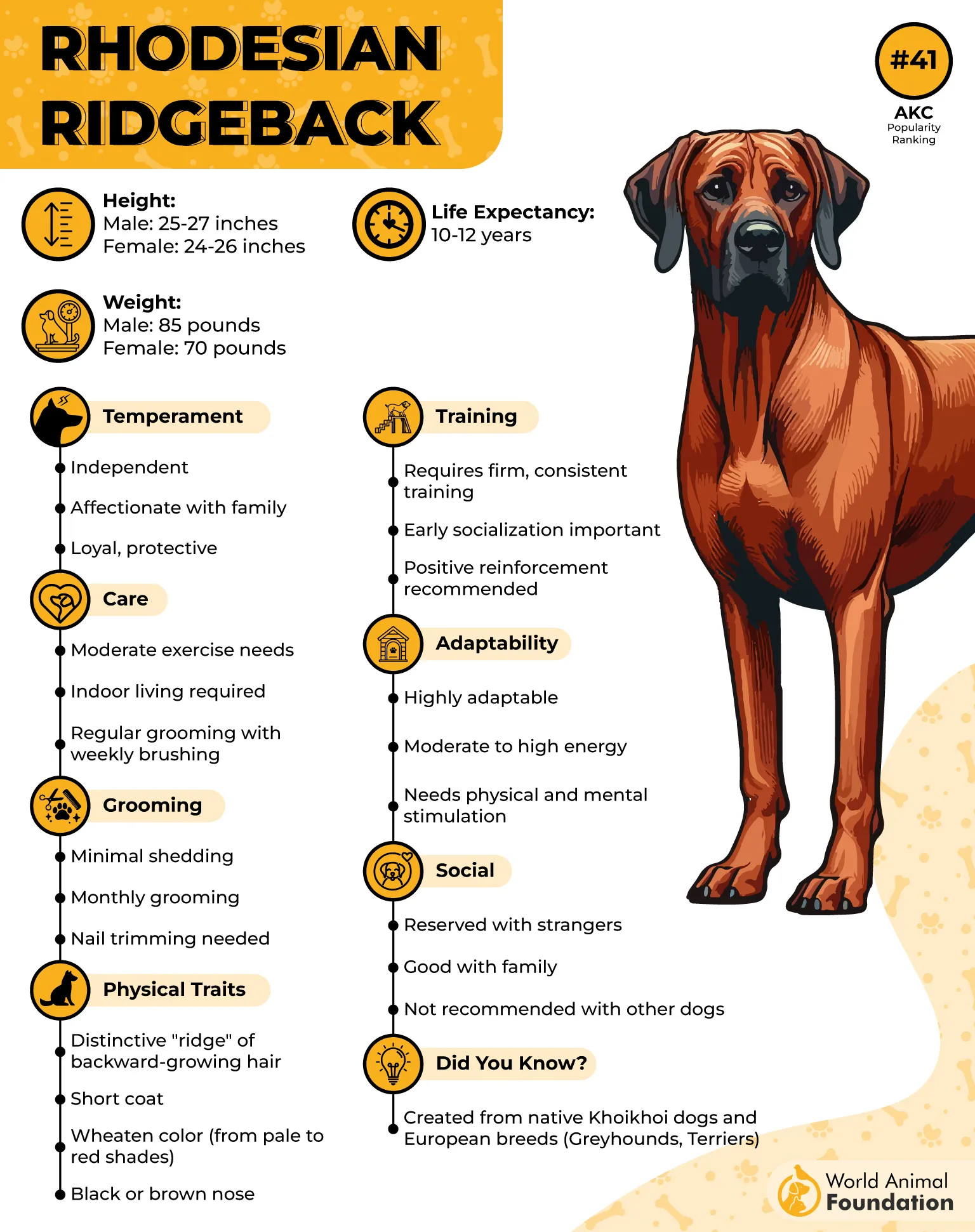
Without sufficient exercise, Rhodesian Ridgebacks can become bored or even destructive. At least one hour of physical activity each day is essential to channel their energy and prevent unwanted behaviors, including excessive barking. Their short coat is low-maintenance but does shed, particularly during the spring and fall seasons.
Conclusion
In the end, quiet dog breeds prove that companionship does not always need to be loud to be meaningful. Their calm nature, gentle presence, and low noise temperament make them ideal partners for peaceful homes.
Choosing a quiet dog is about more than silence; it’s about harmony, understanding, and a deep connection that doesn’t need constant noise to be felt. These serene companions teach us that loyalty, affection, and joy can exist in subtle gestures, soft breaths, and gentle presence, turning any home into a sanctuary of calm and companionship.
