




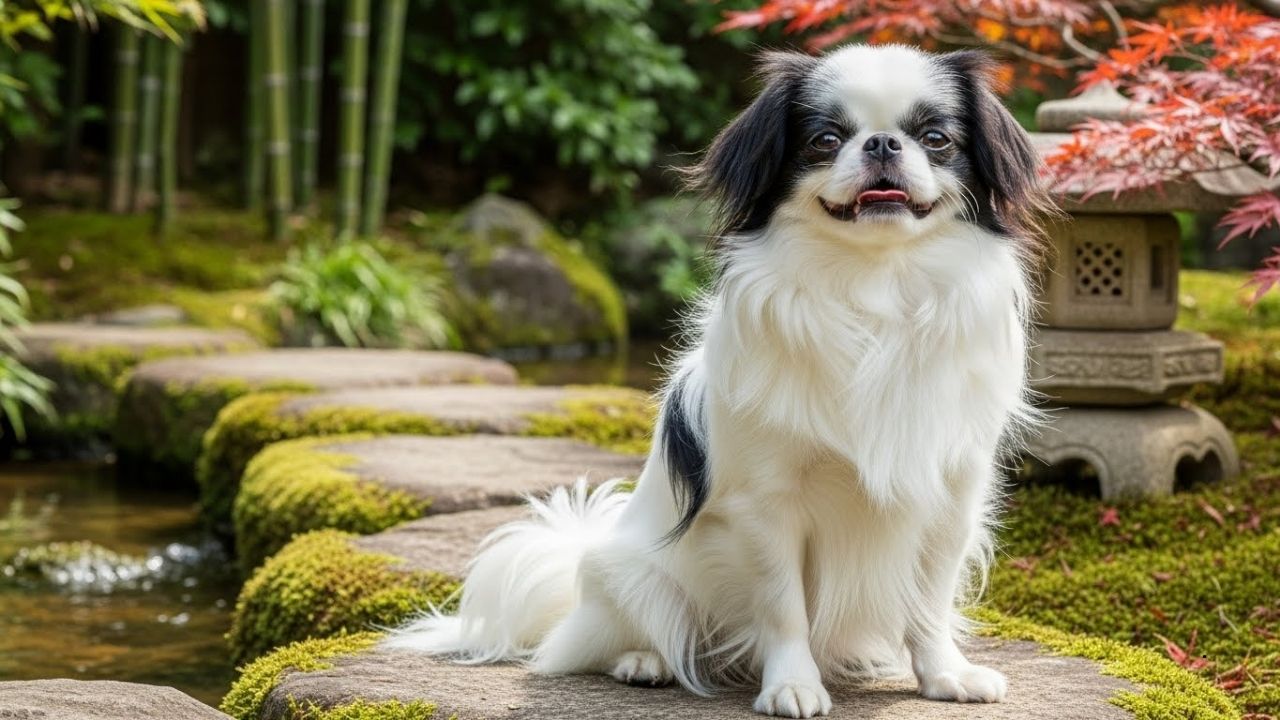
Not all households prefer noise, high energy, or constant activity. Many families like to have calm mornings, relaxed evenings, and a home that is steady and soothing. For these families, the choice of a calm dog breed that fits into a quieter lifestyle can really be a turning point.
Although no dog can be called completely silent, some dog breeds are more composed, less vocal, and more suitable for a living environment tailored to be peaceful and quiet.
These dog breeds mostly talk to the people around them through their presence rather than sound, thus providing companionship without being a burden on the household.
The right dog breed with comparatively low noise can help if you live in a flat, have little kids, or simply prefer a slower lifestyle, as it will help maintain peace in your home.
Below are nine calm dog breeds that are known for their ability to fit very well in peaceful family settings, and that offer companionship without noise being a problem, and are known for their calm and relaxed demeanor.
Quiet Dog Breeds for Families Seeking Peaceful Companions
1. Pug

Pugs possess expressive faces, but they are very rarely loud for no reason. These dogs have a very laid-back attitude towards life, and they prefer to be close to their human family members compared to barking unnecessarily while patrolling the house.
Pugs are generally calm, have a gentle nature, and only require little activity, which makes them perfect for quiet homes.
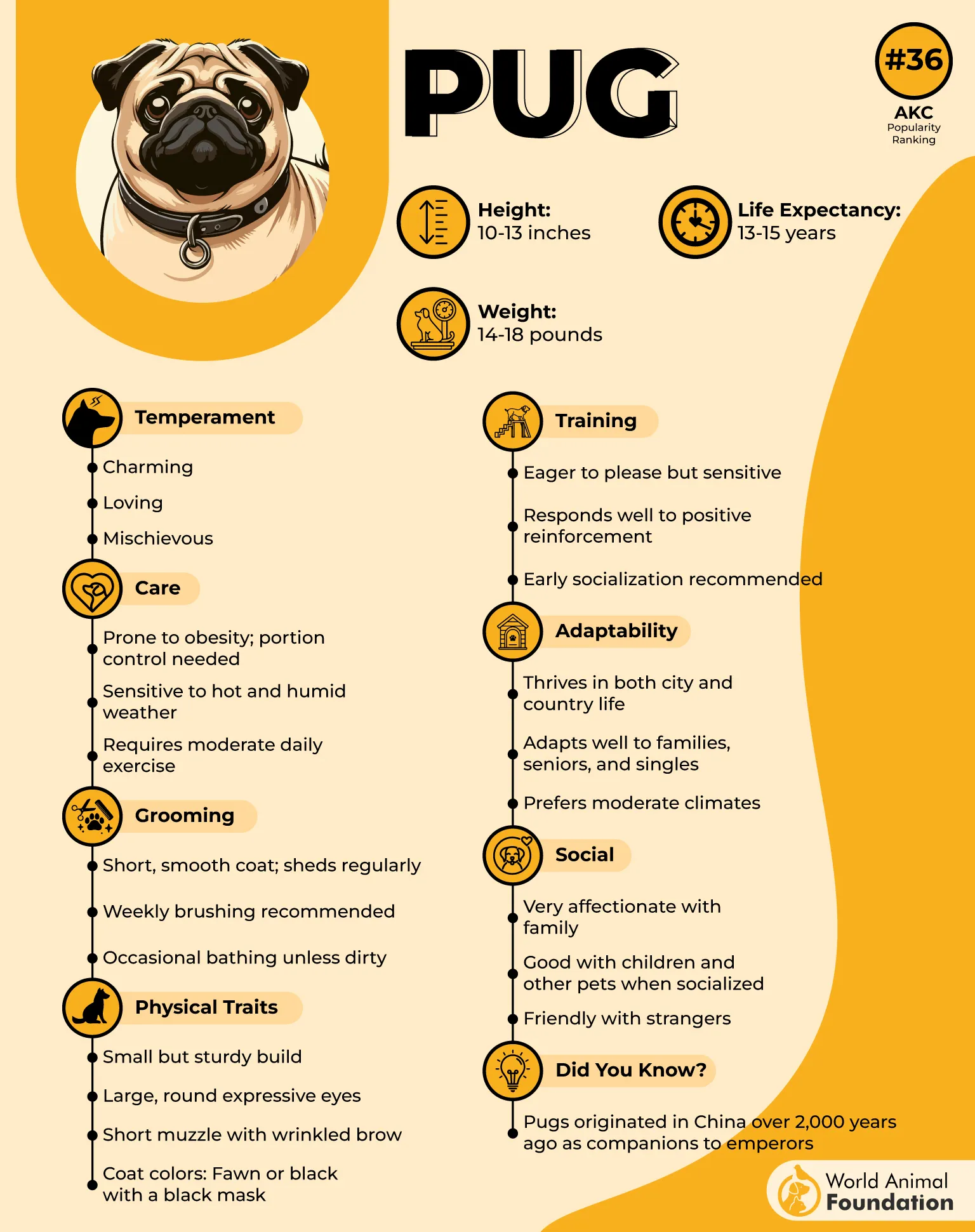
Pugs will not bark at every little noise, but they will rather sleep close by or watch the situation quietly. Their good manners and calm demeanor allow them to fit into the daily family activities, whether it involves kids, senior adults, or cohabitation.
Why Pugs are good for peaceful homes
By nature, they bark very little.
They are comfortable being indoors and having a set routine.
They love to spend time with the family in a relaxed manner.
2. Cavalier King Charles Spaniel

The Cavalier King Charles Spaniel is one dog breed that emotionally resembles humans and is, at the same time, gentle too. According to Britannica, this dog breed is ideal for peaceful households because of its gentle nature and not much barking.
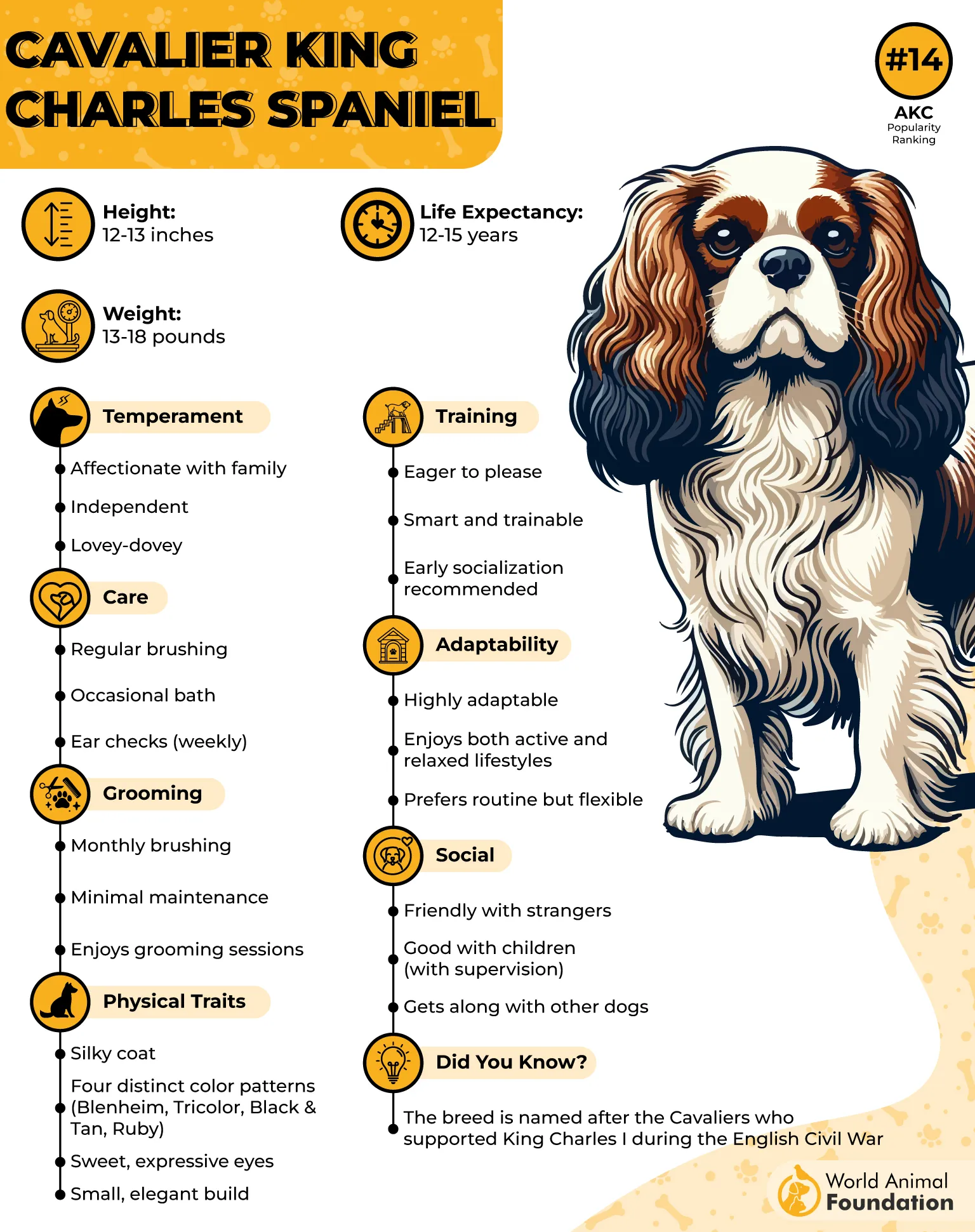
These lap dogs do not like to attract attention by making loud noises. They stay nearby and quietly react to what goes on around them. They prefer quiet places and often reflect the mood of their family, which means they are a constant part of the household rather than a source of disturbance.
What families like about Cavalier King Charles Spaniels
They have a gentle demeanor and are emotionally responsive.
Comfortable in both apartments and houses.
Naturally attuned to household rhythms.
3. Maltese
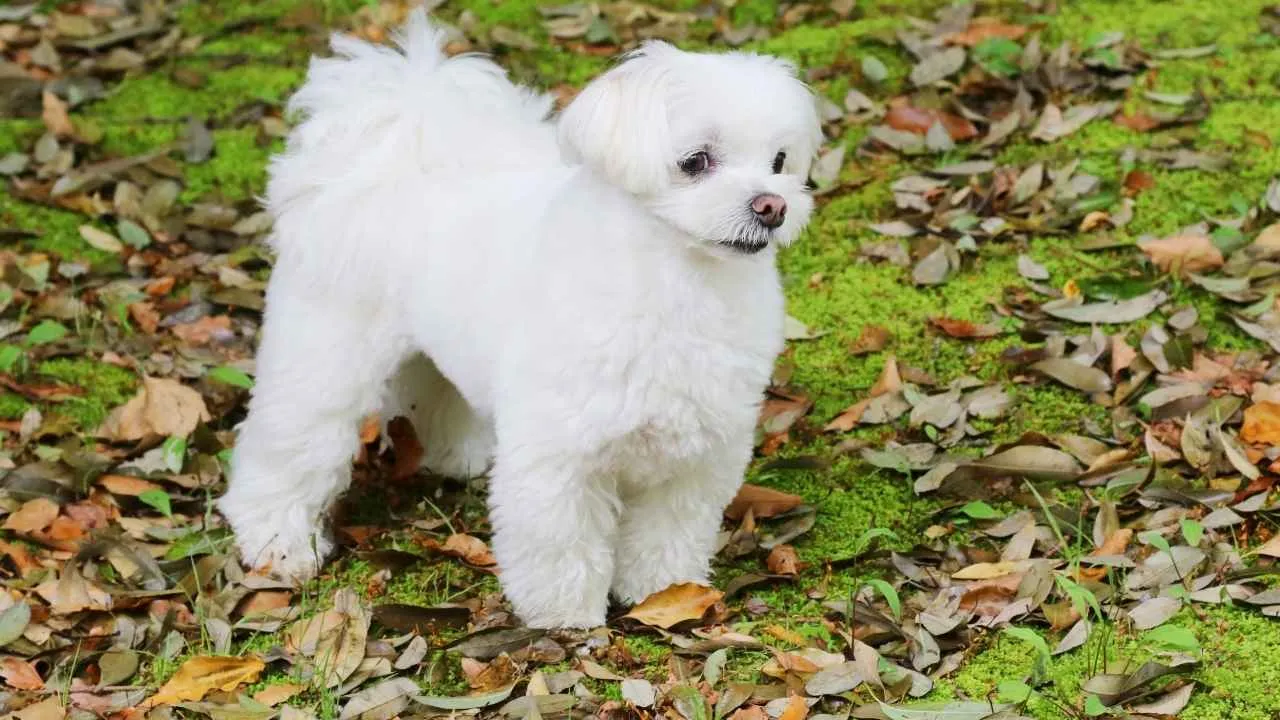
Maltese dogs are known for their luxurious coats, making them so beautiful that they can easily be mistaken for little emperors and empresses. Their training requires little to no effort. While they can bark to signal danger, they are very silent as they are used to it.
Maltese dogs are fond of quietness and like to live in a calm home environment where there is a simple routine.

Maltese dogs’ tiny stature and self-control indoors make them excellent companions for families who want a peaceful, yet alert dog, that does not bother anyone.
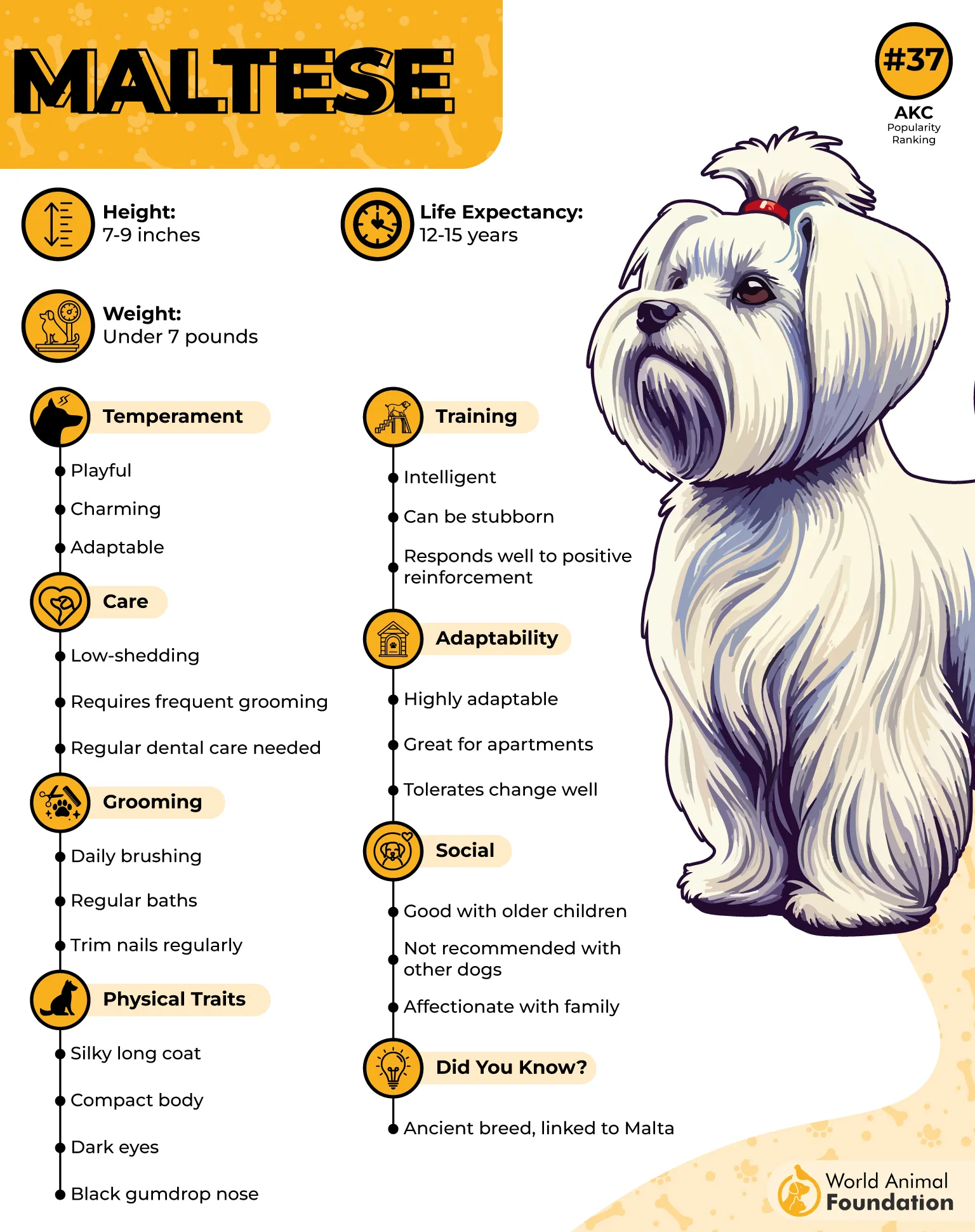
Reasons why Maltese dogs are suitable for quiet households
Moderate alertness without constant noise.
Ideal for homes with established routines.
Quick to adapt to living closely with families.
4. Japanese Chin
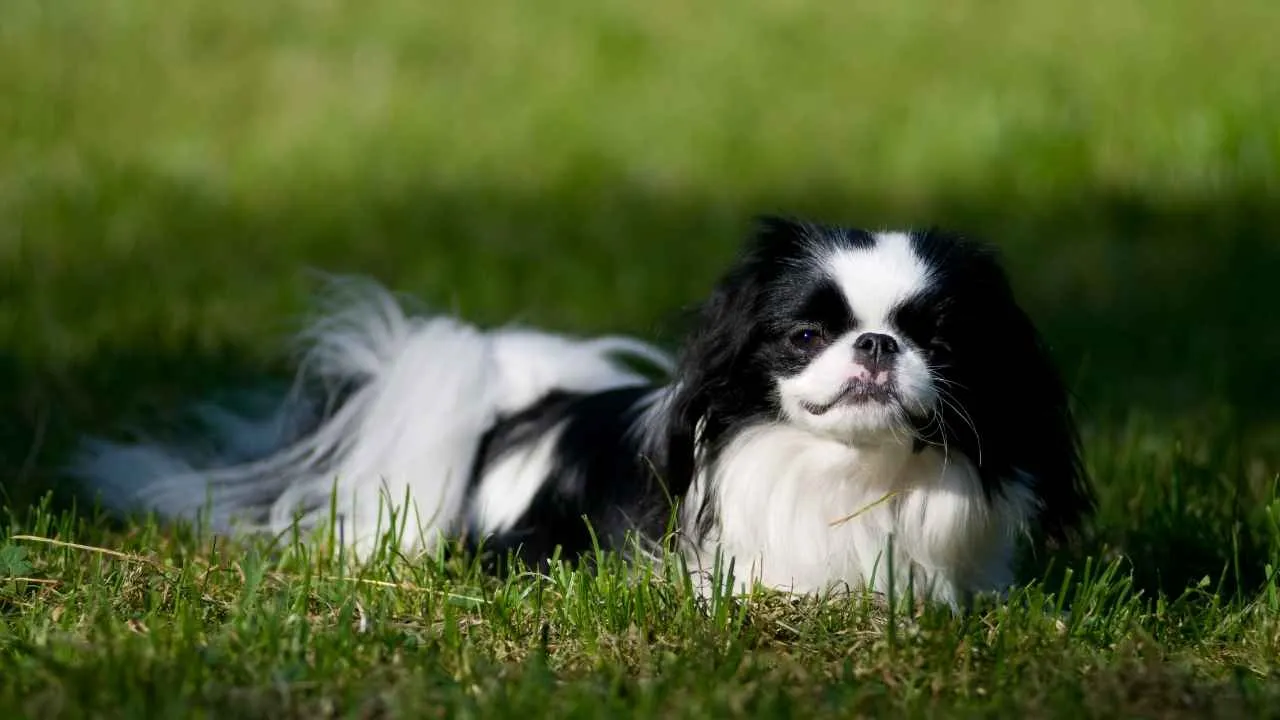
The Japanese Chin is often referred to as a large cat because of its behavior—quiet, calm, and very little interaction. In fact, Orvis says this breed is really made for quiet places as a companion that is thoroughly clean, quiet, and observant.

Unlike other pets, Japanese Chins do not usually play hard; rather, they desire the softest interaction in the calmest of places. Their way of showing and expressing feelings is through body movements and facial expressions rather than barks, which corresponds with the families that want minimal disturbance.
What makes Japanese Chins exceptional
Naturally reserved and observant.
Minimal vocal behavior.
Ideal for low-noise living spaces.
5. Italian Greyhound
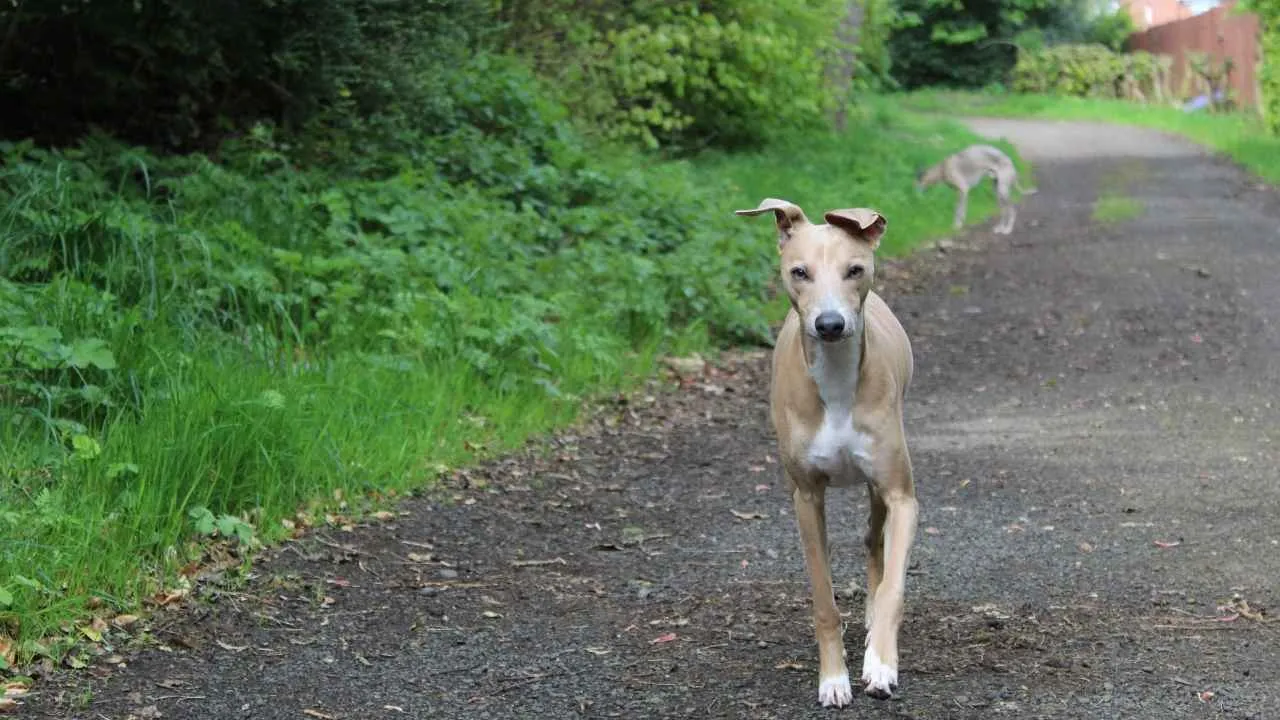
Italian Greyhounds are elegant, delicate dogs that usually stay away from making any unnecessary noise. According to Purina, these dogs are warm and silent, especially when they are in their safe zone.
This breed thrives in indoor environments and always desires to be in a quiet place compared to a noisy one.

Italian Greyhounds choose to use their physical appearance and closeness to one another to express themselves rather than barking. The gentle demeanor of these dogs, along with their love for quiet places, makes them compatible and, therefore, a perfect fit for families who favor gentle environments.
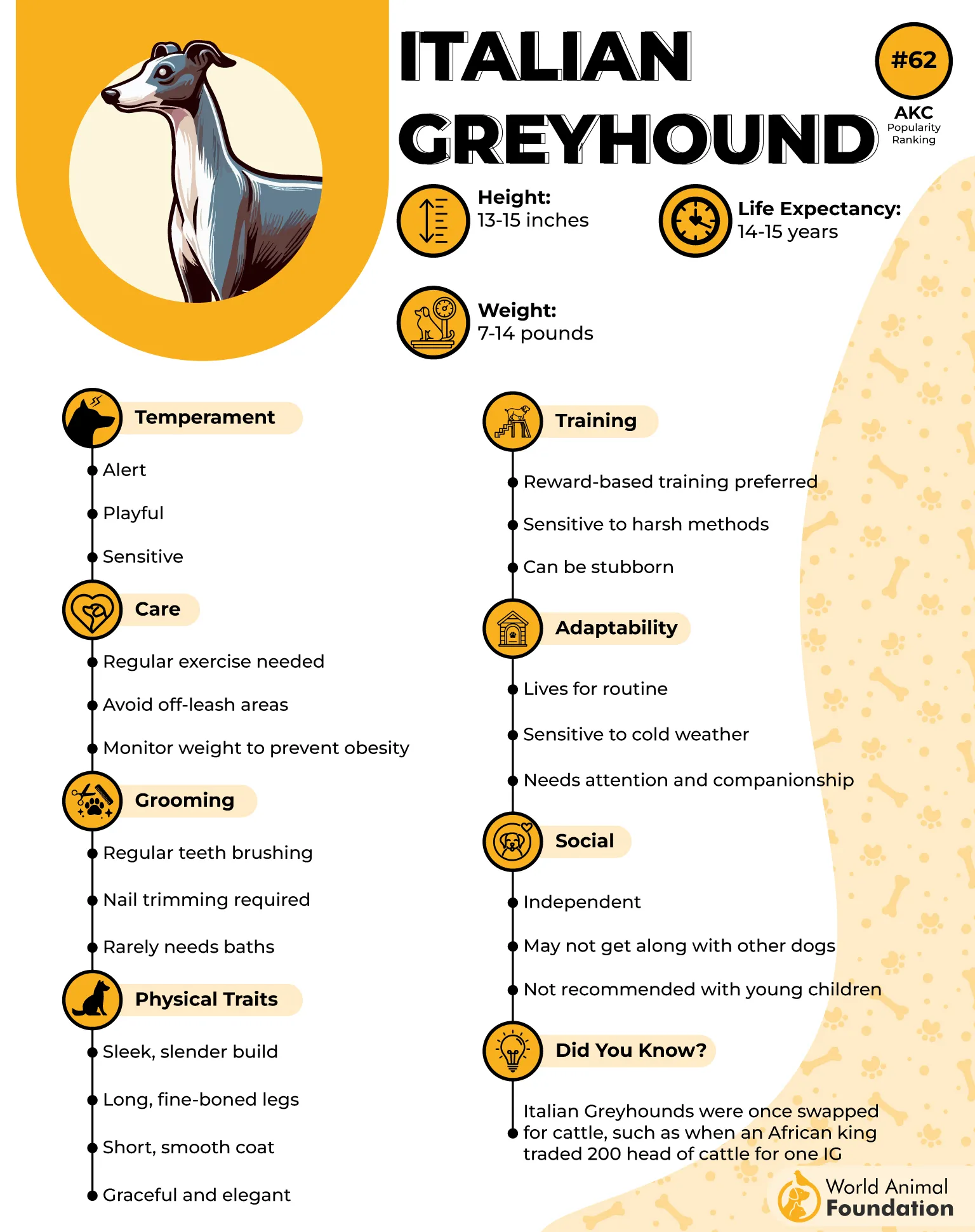
Why Italian Greyhounds suit calm owners
Vocalization is very rare and only in essential situations.
Peaceful indoor environments are their natural habitats.
Their choice is companionship rather than stimulation.
6. Bulldog

Bulldogs are identified by their tough-looking body and small-hearted characters as they are indeed the calmest dog breed. Although they are ranked among the calmest dog breeds, they are mostly at ease when lying down instead of reacting to different environmental factors and changes.
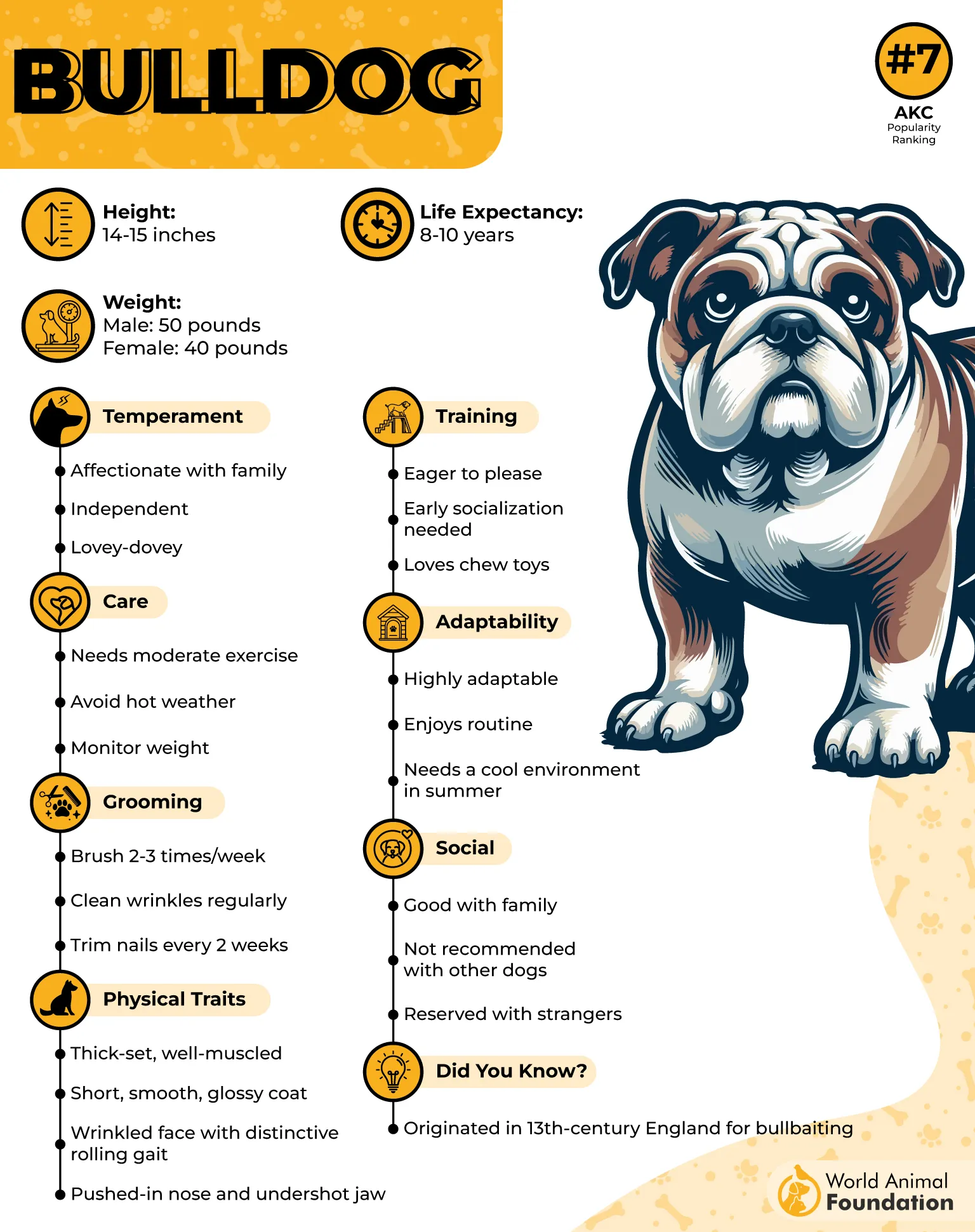
These dogs will usually bark only when it’s necessary, and they love to stay close to their humans and be at rest for a long time. It is their calm and friendly nature that makes the home atmosphere so quiet.
Why Bulldogs fit relaxed homes
Low reactivity to everyday noises.
Comfortable with slow-paced routines
Well-suited for individuals seeking low-energy breeds.
7. Whippet
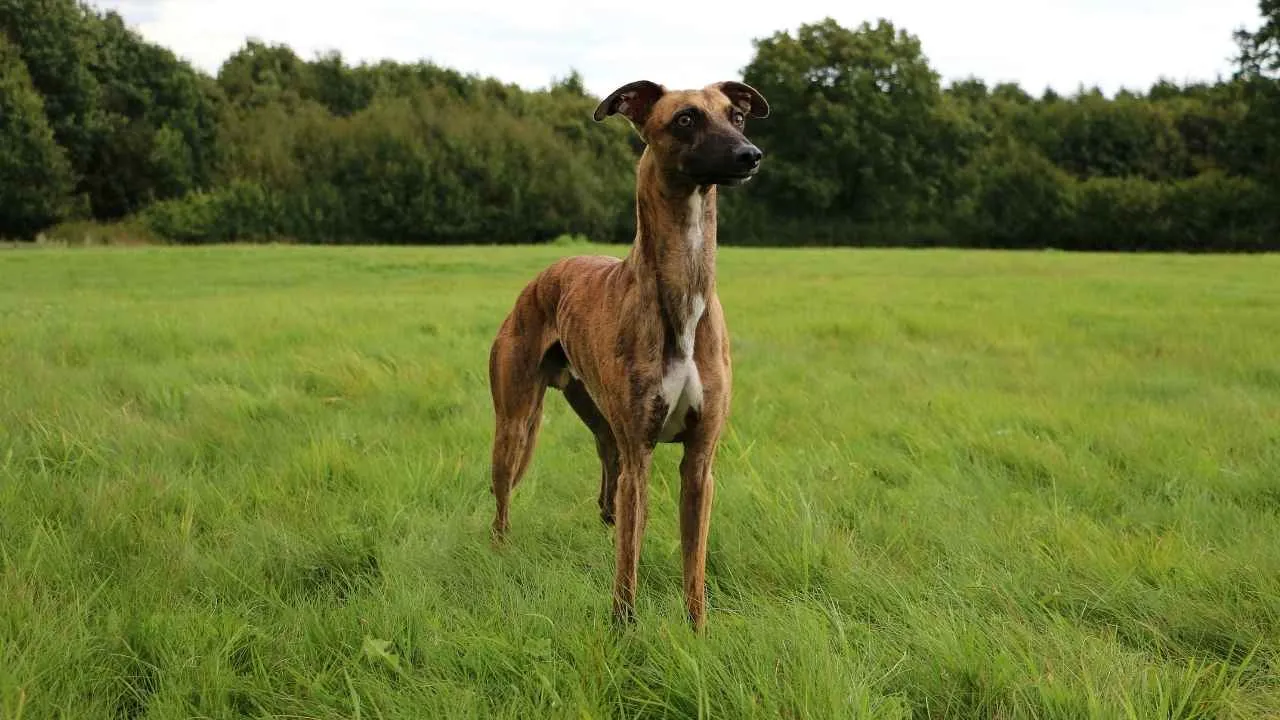
People often confuse Whippets for being a very active dog breed just because of their physical appearance. However, their energy doesn’t last long, and they like being quiet and staying in their corners indoors.
Whippets have an easygoing nature, are flexible, and are not talkative at all when it comes to living in a house with a lot of human interaction.

Whippets will take a nap in the most comfortable spot after their short bursts of activity. Thus, their quiet indoor manners make them wonderful companions for households wanting a non-sound-producing, perfect addition to their daily life.
Why Whippets Work Well
Quiet and unobtrusive indoors.
Adaptable to routines.
Low tendency toward excessive barking.
8. Greyhound
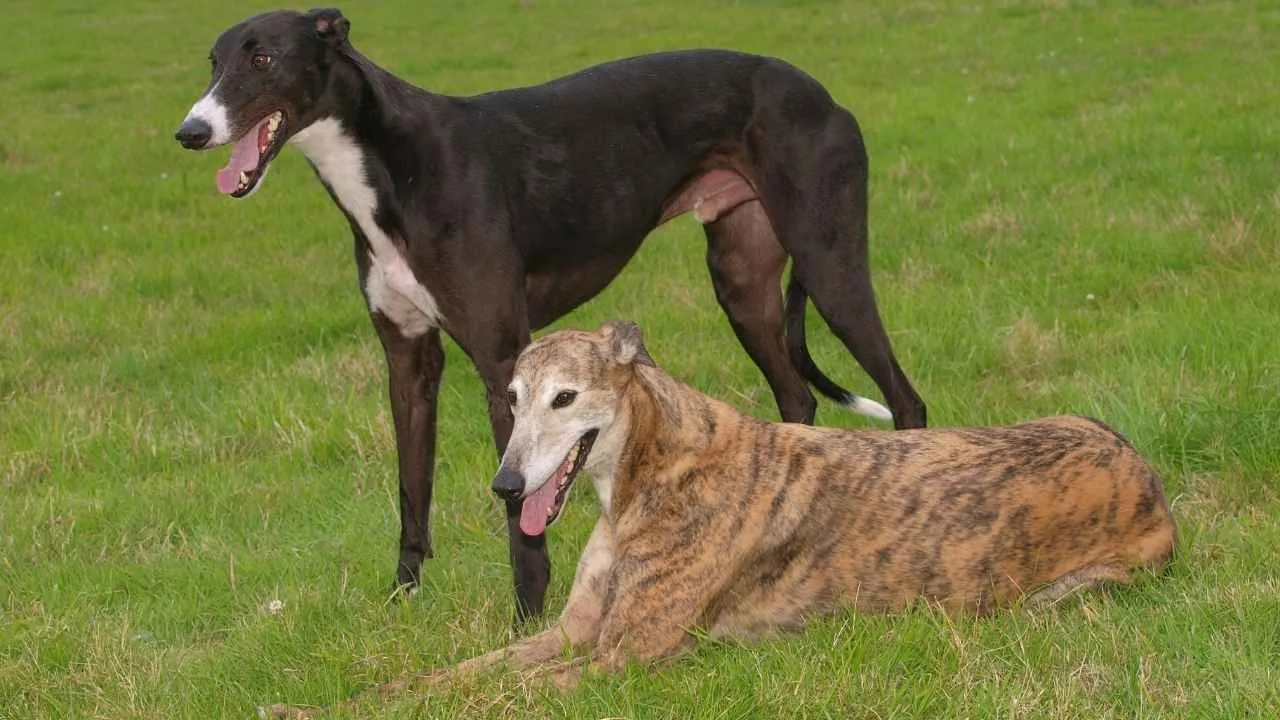
Greyhounds are commonly referred to as the “couch potatoes that can run 45 miles per hour.” According to the AKC, Greyhounds are mostly quiet and calm, composed, and relaxed indoors. As racing dogs, they are surprisingly calm and very adaptable to a household’s quiet lifestyle.
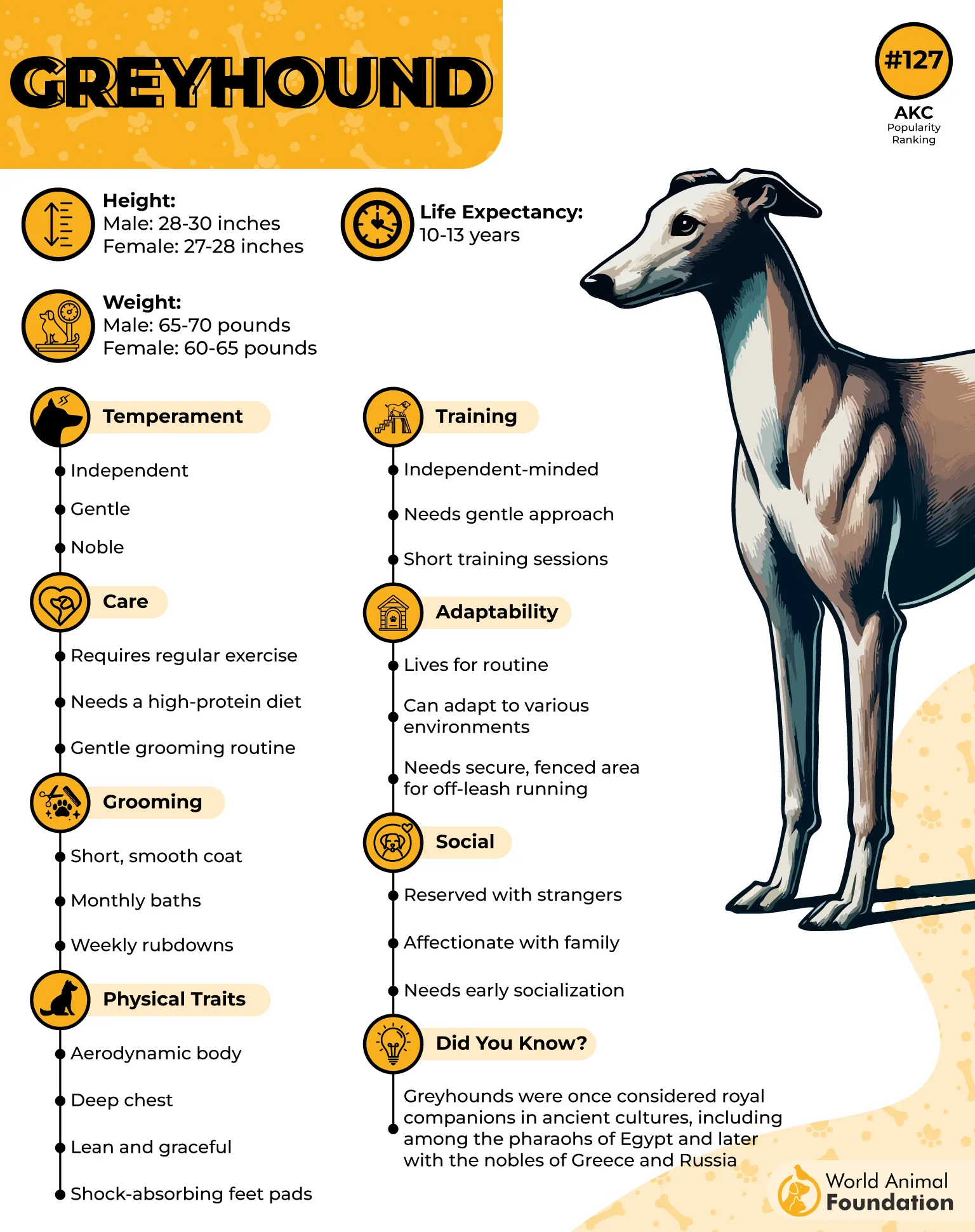
These pets are usually mild and shy, wanting calm interaction rather than noisy play. Their gentle temperament makes them perfect companions for owners who want a tranquil environment.
Reasons why Greyhounds match peaceful living
Calm nature indoors.
Hardly ever bark.
Adaptive to the daily routines.
Affectionate towards children
9. Bichon Frise
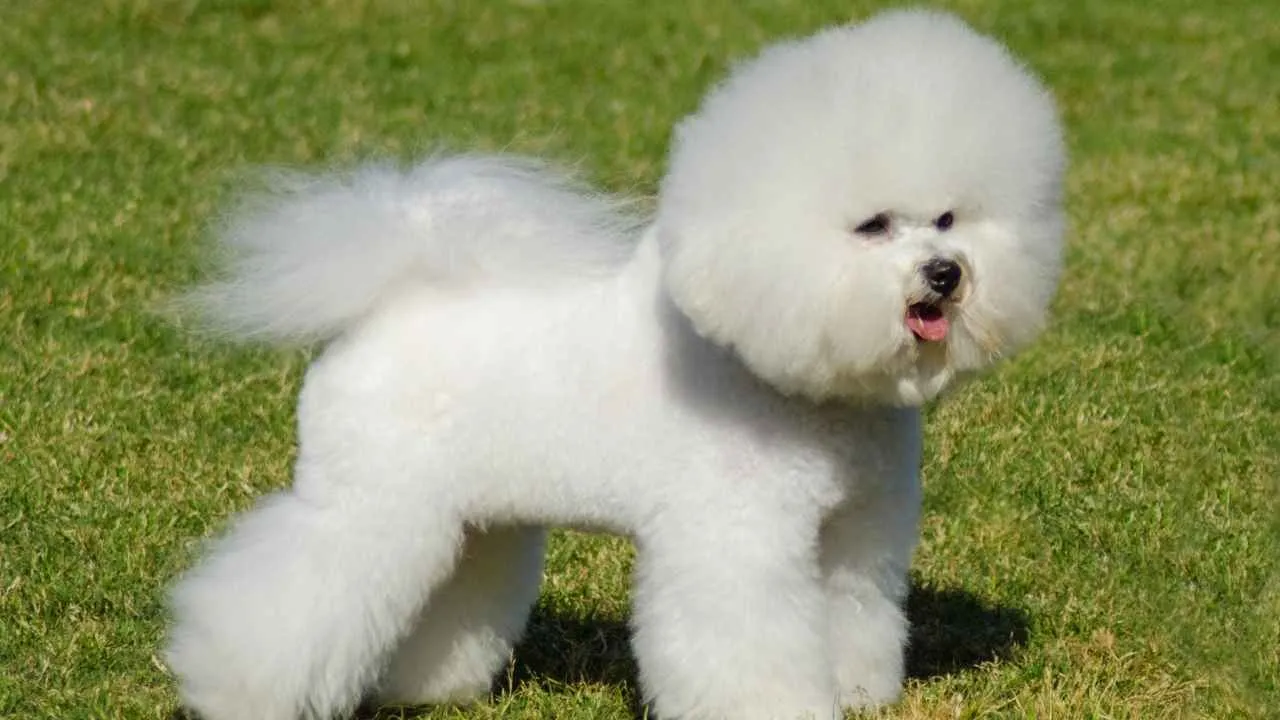
Bichon Frises have a cheerful disposition but are not particularly loud. Bichon Frise is one of the calmest breeds if the proper structure and engagement are provided.
Their small size is perfect for apartment living, and they only require moderate exercise. These furry friends do not show their excitement by barking.
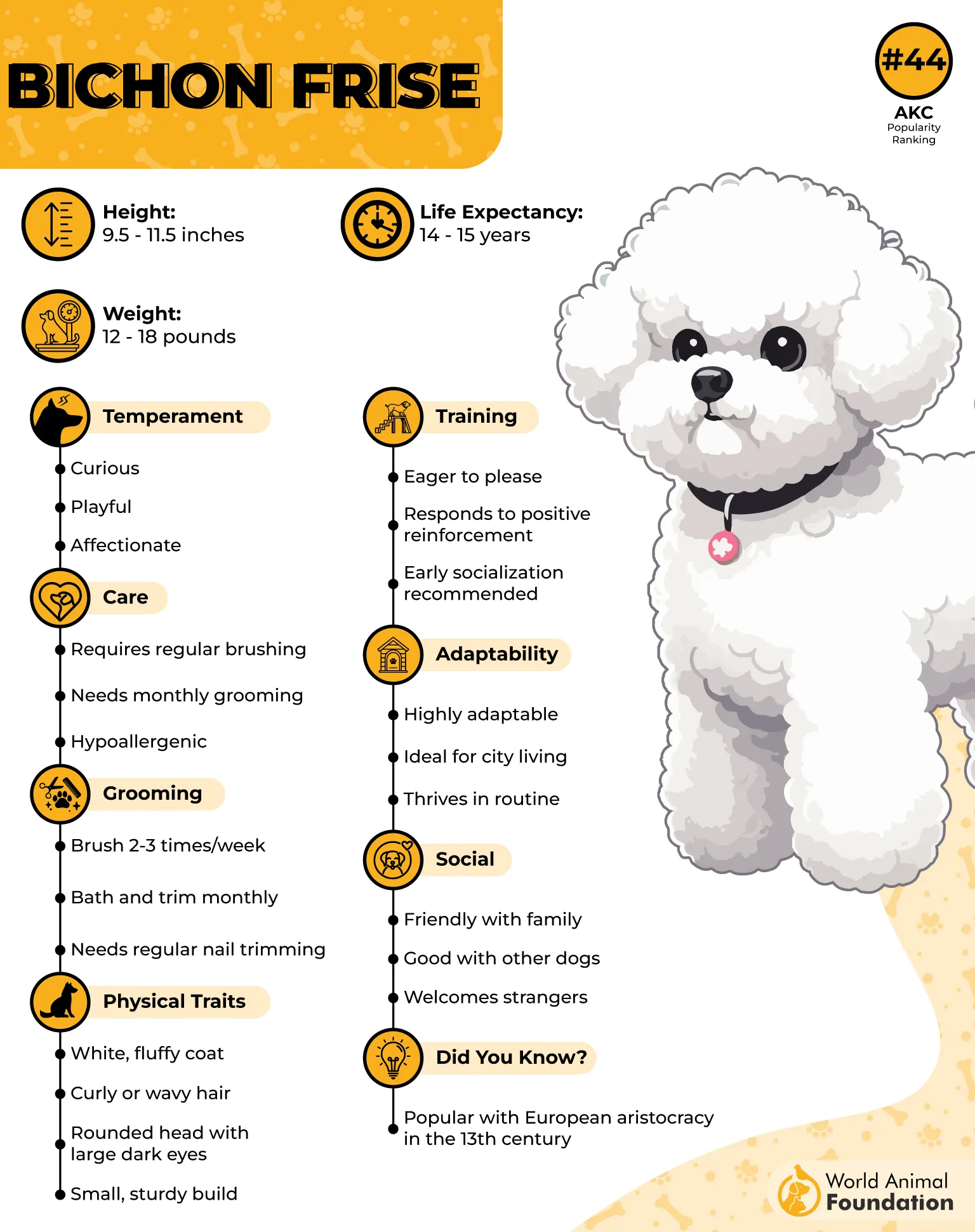
Instead, they want to be engaged with and play. Their versatility permits a smooth transition into quieter environment settings, especially for apartment dwellers.
Reasons why the Bichon Frise suits harmonious homes
Alert but quiet.
Good at adjusting to the household timetable.
Enjoy daily walks
Like to interact, but not through overstimulation.
Conclusion
A tranquil household does not imply the absence of pets. The suitable dog can elevate the assimilation of calm living through the voicing of quietness, connection, and consistency, besides no excessive noise.
Each of the mentioned breeds offers its own type of quiet companionship, making them perfect pets for owners who have a strong desire for a peaceful and relaxed lifestyle.
While selecting a breed, take into account not only the size or look but also the natural response of a breed to its environment. A nondemanding dog that only has moderate exercise needs bonds closely with a tranquil household that is based on understanding rather than volume.
With the right breed, your home can remain a place of comfort, stability, and quiet joy for every loved one, both human and canine.
