




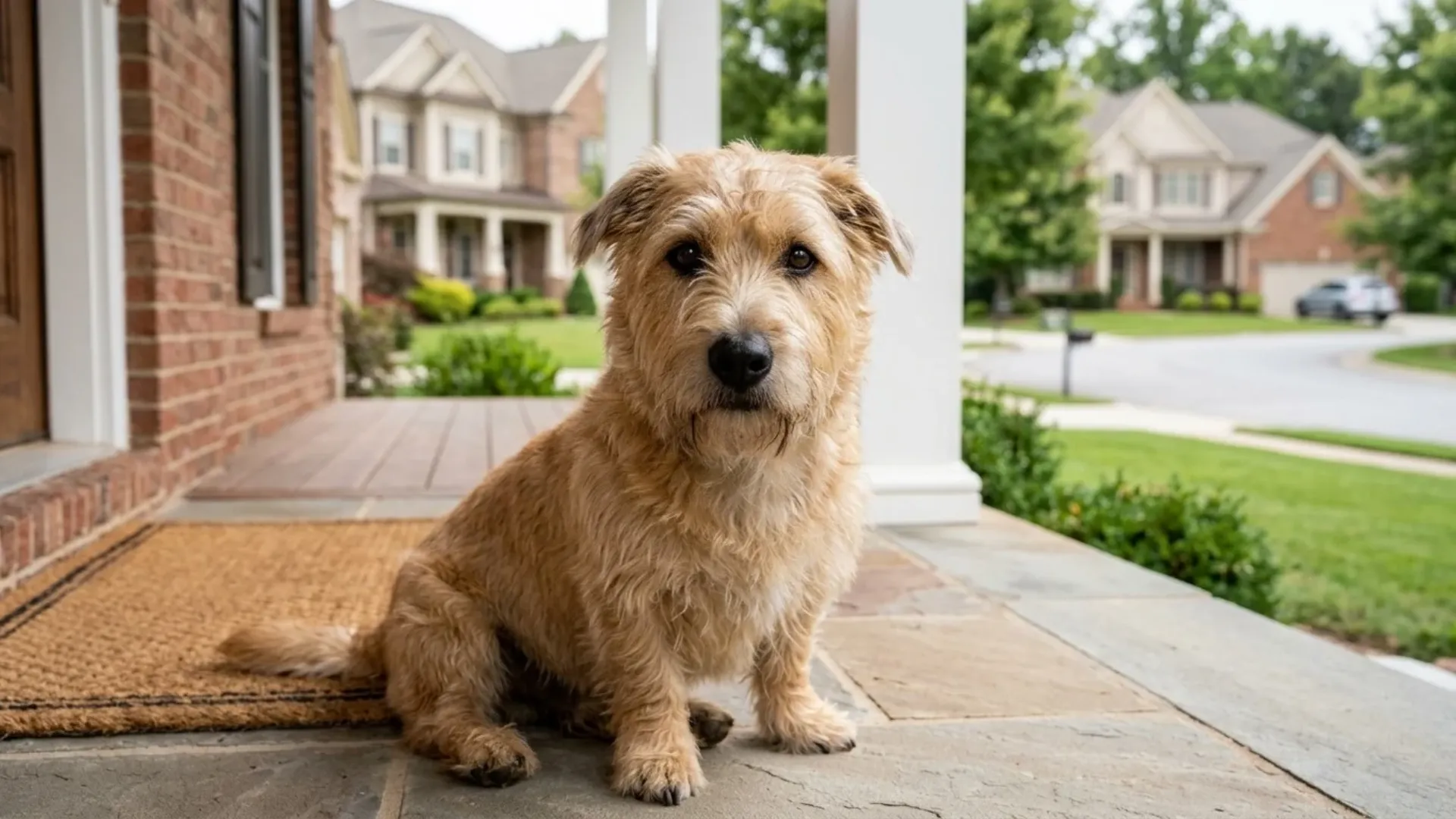
A peaceful home is hard to enjoy when your dog barks at every passing car, unfamiliar sound, or movement outside the window.
While barking is a natural part of canine communication, some breeds are naturally less vocal than others. If you love dogs but don’t want constant noise disturbing your home or neighbors, choosing a quieter companion can make all the difference.
Although no dog is completely silent, certain breeds are known for their quieter nature and can be great companions for apartment living and noise-sensitive households.
Let’s explore quiet dog breeds that bring plenty of love and companionship without constantly rattling your peaceful neighborhood!
Quiet Dog Breeds That Won’t Rattle Your Quiet Neighborhood
1. Newfoundland
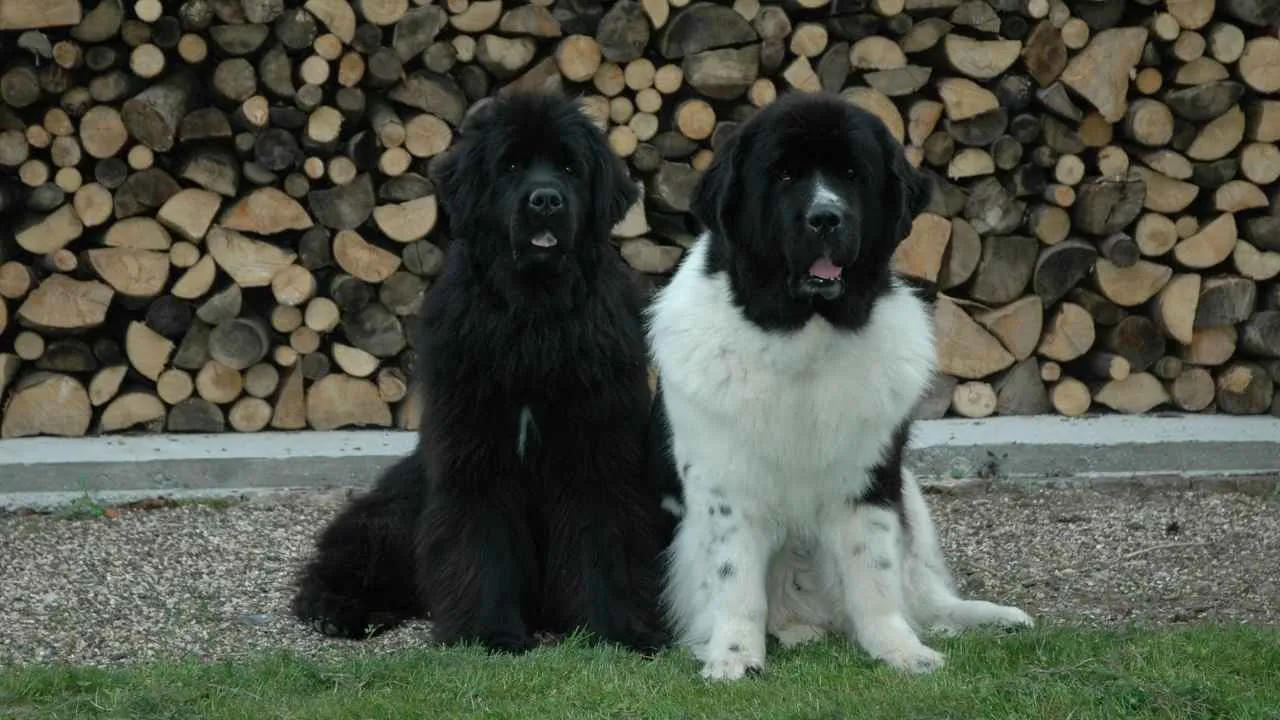
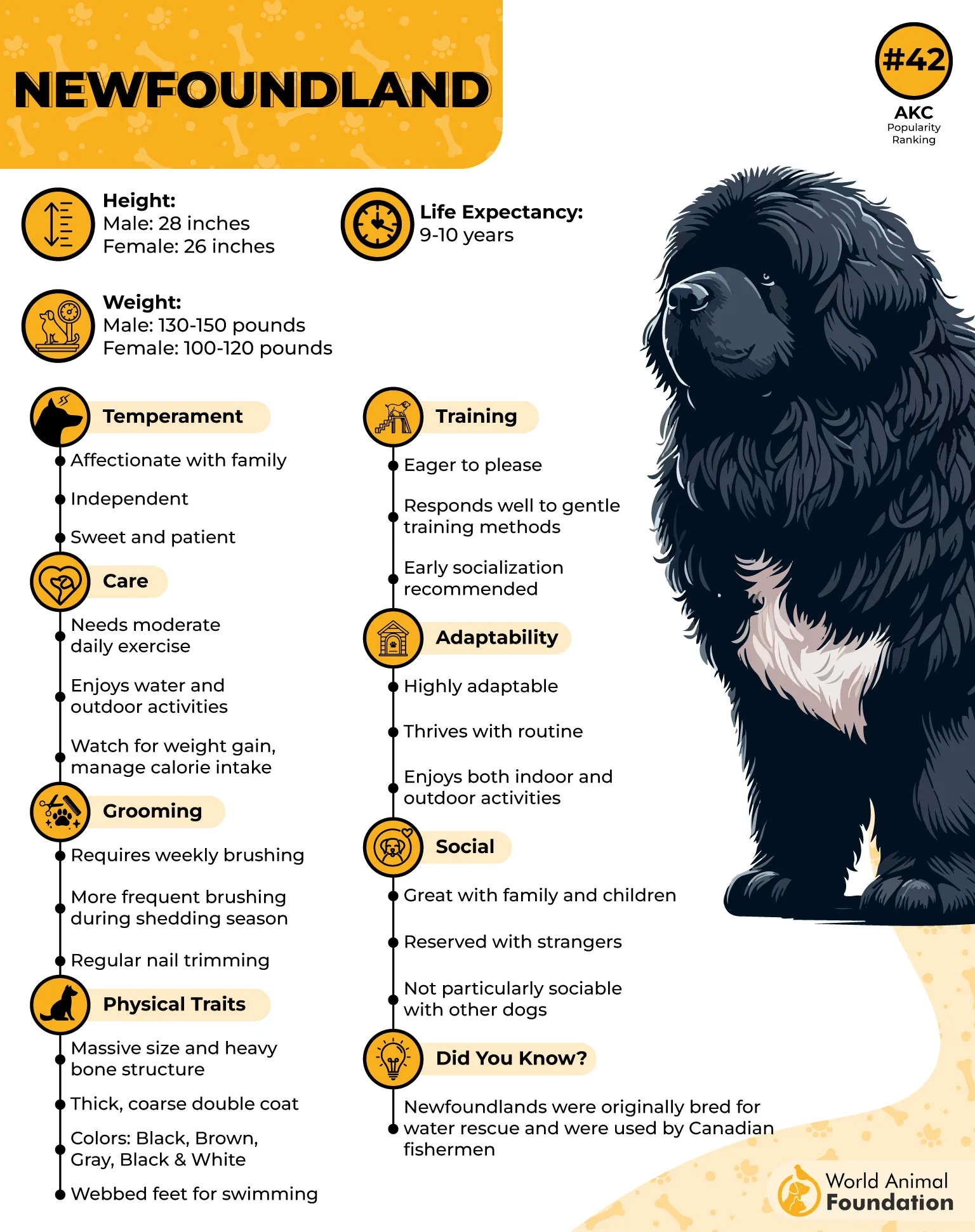
Newfoundlands are massive working dogs with a sweet temperament and a calm, gentle nature. Despite their impressive size, they are affectionate, loyal, and friendly with people, other dogs, and household pets.
According to Britannica, they are especially patient with children, earning them the nickname “nanny dogs.” Their generally easygoing personality also makes them less likely to cause a disturbance through constant barking.
Swimming and Family Life
These intelligent dogs are natural swimmers with webbed feet and thick double coats that protect them in cold water. They enjoy being around their families and respond well to gentle training.
However, early training is important because their strength can make them difficult to manage as adults. They can also be protective if they sense a threat to their families.
Exercise and Care Needs
They need moderate daily exercise, and swimming is one of their favorite activities.
Their thick coats require regular brushing.
Early leash training and obedience are important.
They drool quite a bit and may accidentally knock over small children because of their size.
2. Glen Of Imaal Terrier
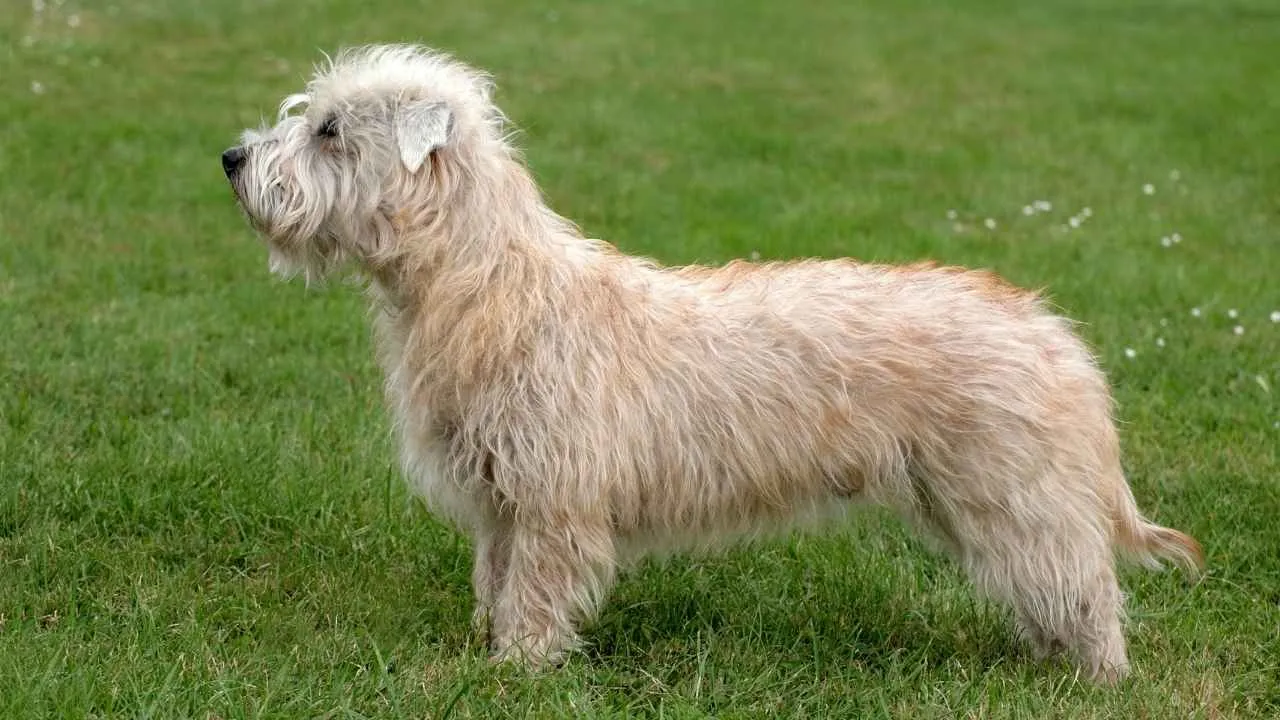
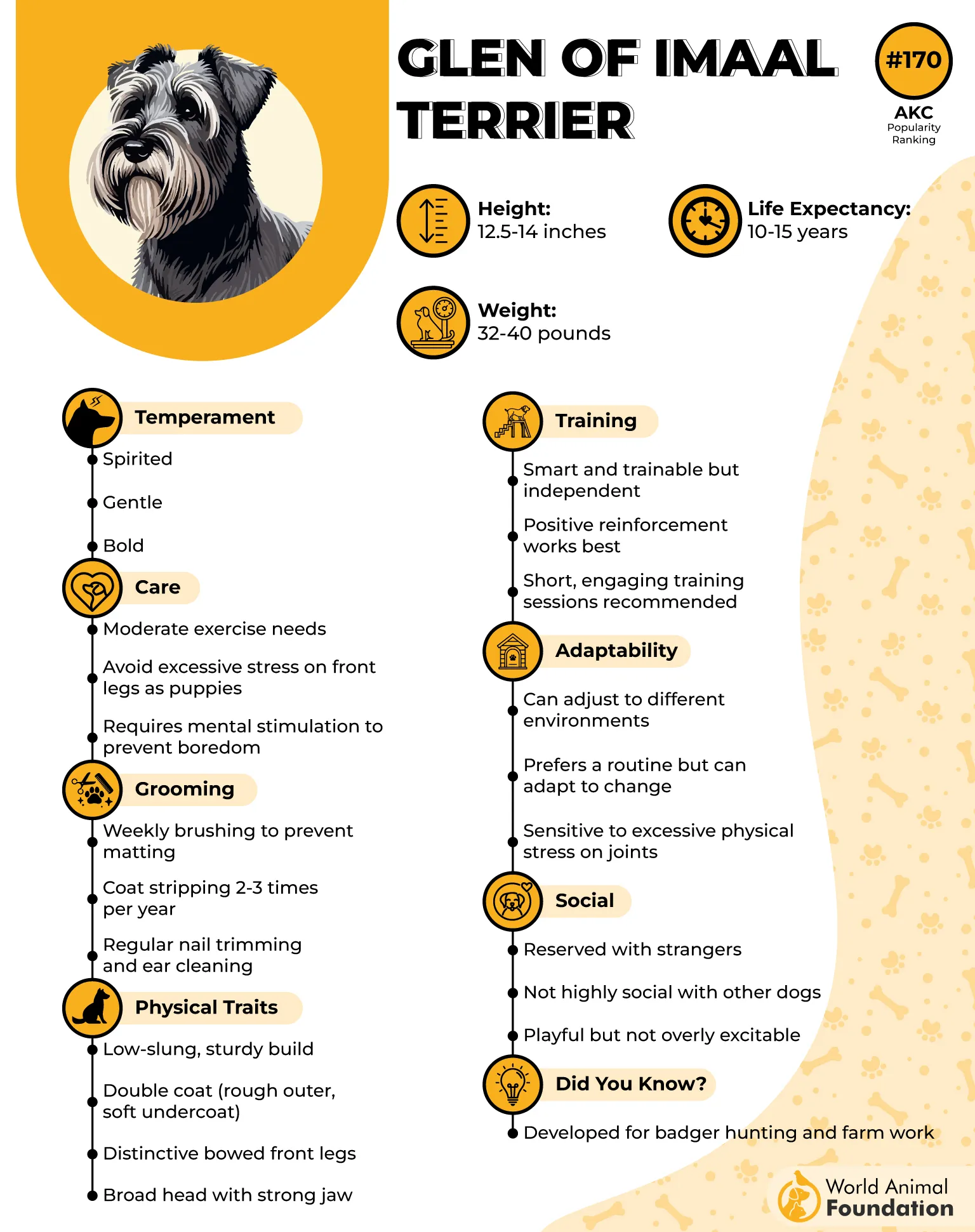
Glen of Imaal Terriers are gentle, affectionate dogs with a calmer temperament than most terrier breeds. Originally developed in Ireland as working dogs, they were used to hunt vermin and chase larger animals, including badgers and foxes.
Despite their small, sturdy build, they are brave, bold, and hardworking. They are also known for barking only when they have a reason, making them worth considering for quieter neighborhoods.
Playful Personalities and Family Life
These intelligent dogs enjoy spending time with their families and are generally sweet and patient with children. They can get along with other dogs and household pets when properly socialized from an early age.
Although energetic and playful, they also have a relaxed side and are happy to settle down for a quiet afternoon. Their independent and sometimes stubborn nature means they need patient, consistent training.
Exercise and Care Needs
They need daily activity, and long walks can help keep them happy.
Early socialization, recall training, and consistent guidance are important because of their prey drive.
Their wiry double coat needs regular attention to stay neat and weatherproof.
They love digging and may chase small animals. Providing suitable toys and activities can help manage these instincts.
3. Pekingese
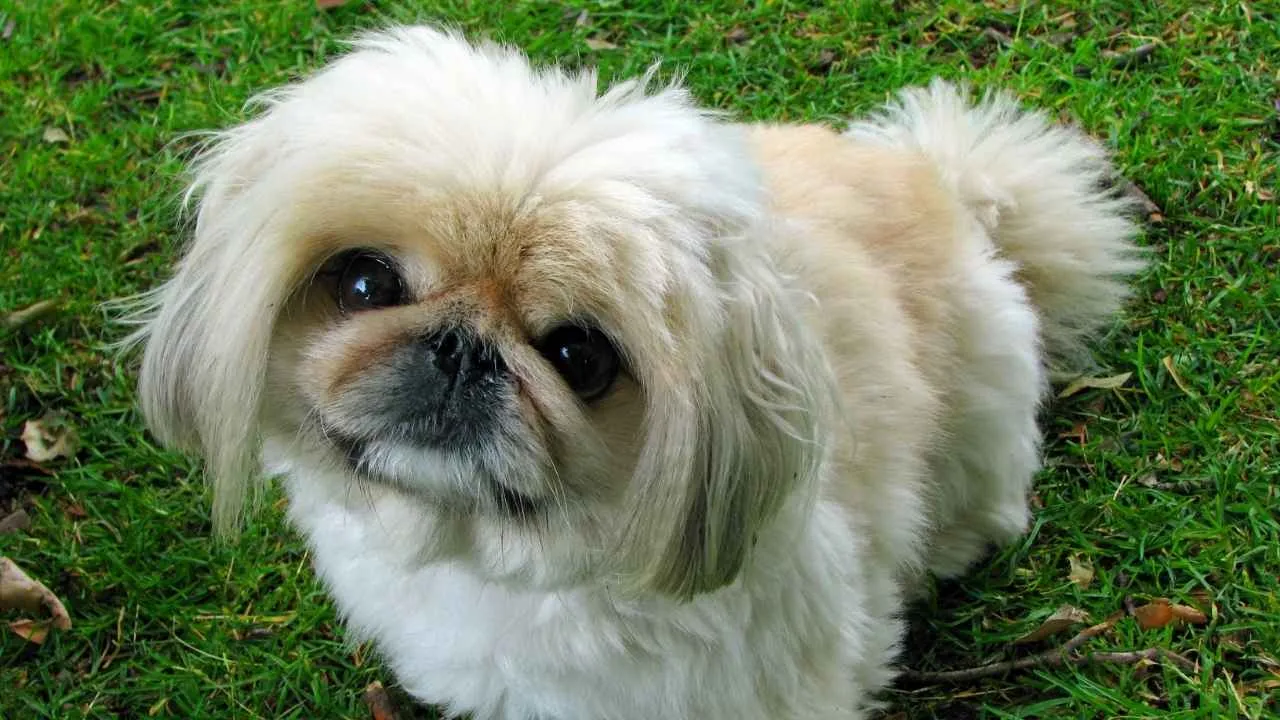
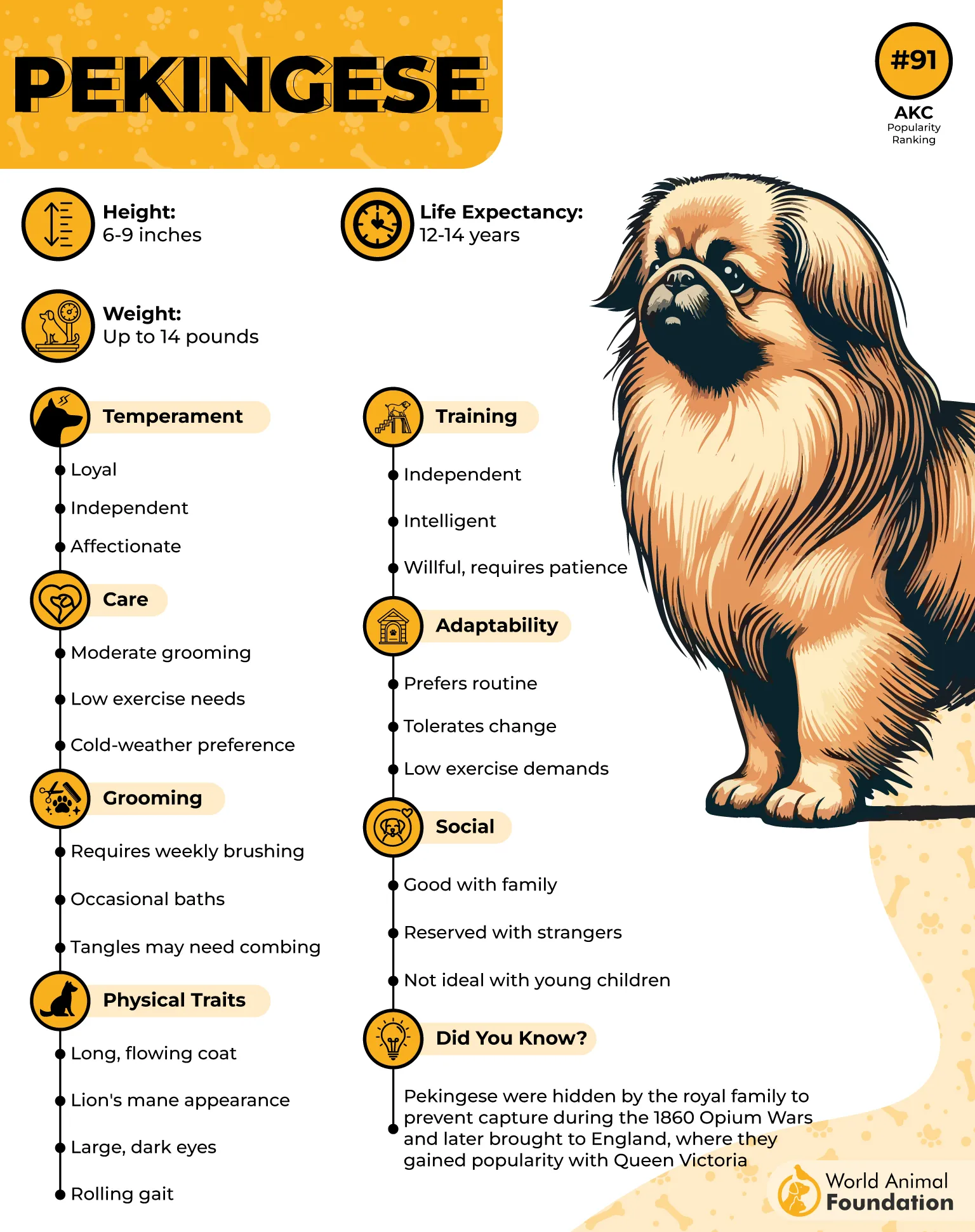
Pekingese are small, dignified dogs originally bred as companions for Chinese royalty. Known for their long coats, distinctive lion-like manes, and confident personalities, they carry themselves with a regal charm.
Although they are not completely silent, they usually bark to alert their owners when they sense something unusual rather than making noise constantly.
Loyal and Affectionate Family Companions
Despite their royal appearance, Pekingese have a playful and sometimes comical side. They enjoy spending time with their families but also appreciate their independence.
They can be reserved around strangers and protective of their loved ones. They generally do well with respectful children and other pets when introduced early.
Exercise and Care Needs
They enjoy short walks and indoor play but don’t need strenuous activity.
Early socialization helps prevent possessiveness and improves their behavior around strangers and other dogs.
Their short muzzles make them sensitive to heat, so avoid strenuous activity in hot weather.
They can also snore loudly and may bark when someone approaches the door.
4. Basset Hound
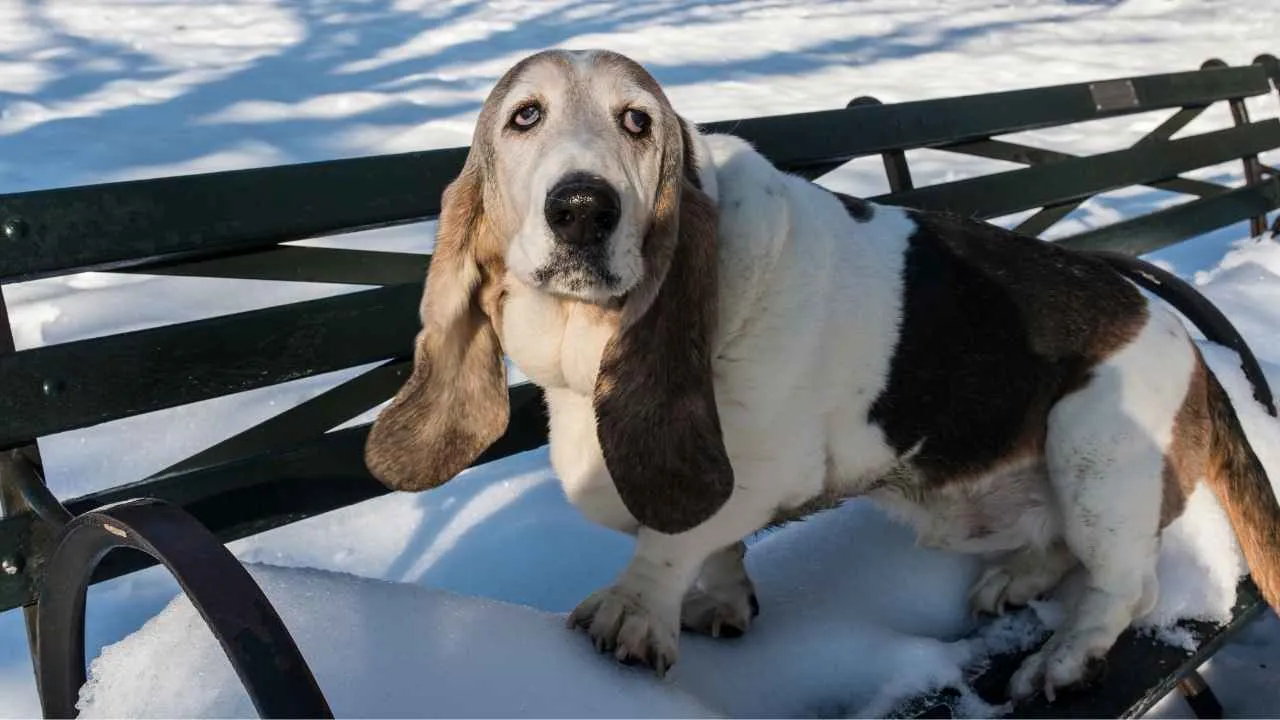
Basset Hounds are charming, good-natured dogs known for their long, floppy ears, soulful eyes, and distinctive appearance. Despite their serious-looking faces, they are sociable, calm, and quietly playful.
They enjoy spending time with their families and generally get along well with children, other dogs, and household pets.
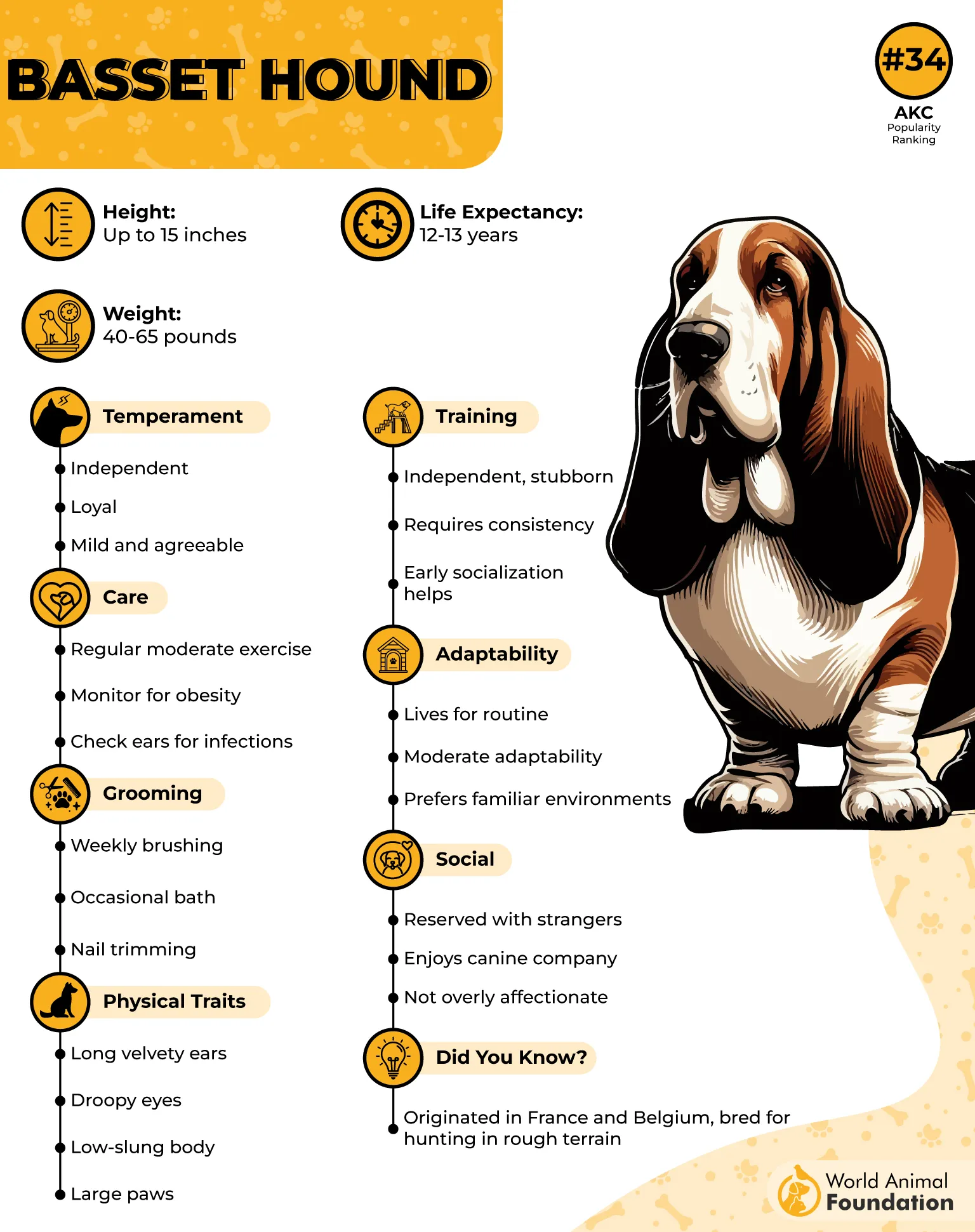
Affectionate Companions with a Strong Nose
These laid-back dogs enjoy unhurried walks, companionship, and relaxing with their families. They can be stubborn, especially when their strong scenting instincts take over.
Their noses often lead the way, making recall training challenging. They respond well to food rewards but need patience and consistent training. Purina says they also dislike being left alone for long periods and prefer having company around.
Exercise and Care Needs
Regular walks help keep them healthy and prevent weight gain.
Leash training is important because they may follow interesting scents.
Their smooth coats need minimal grooming, but their faces require regular cleaning because of drooling.
Their short legs and long backs also make them prone to back problems.
5. Saint Bernard
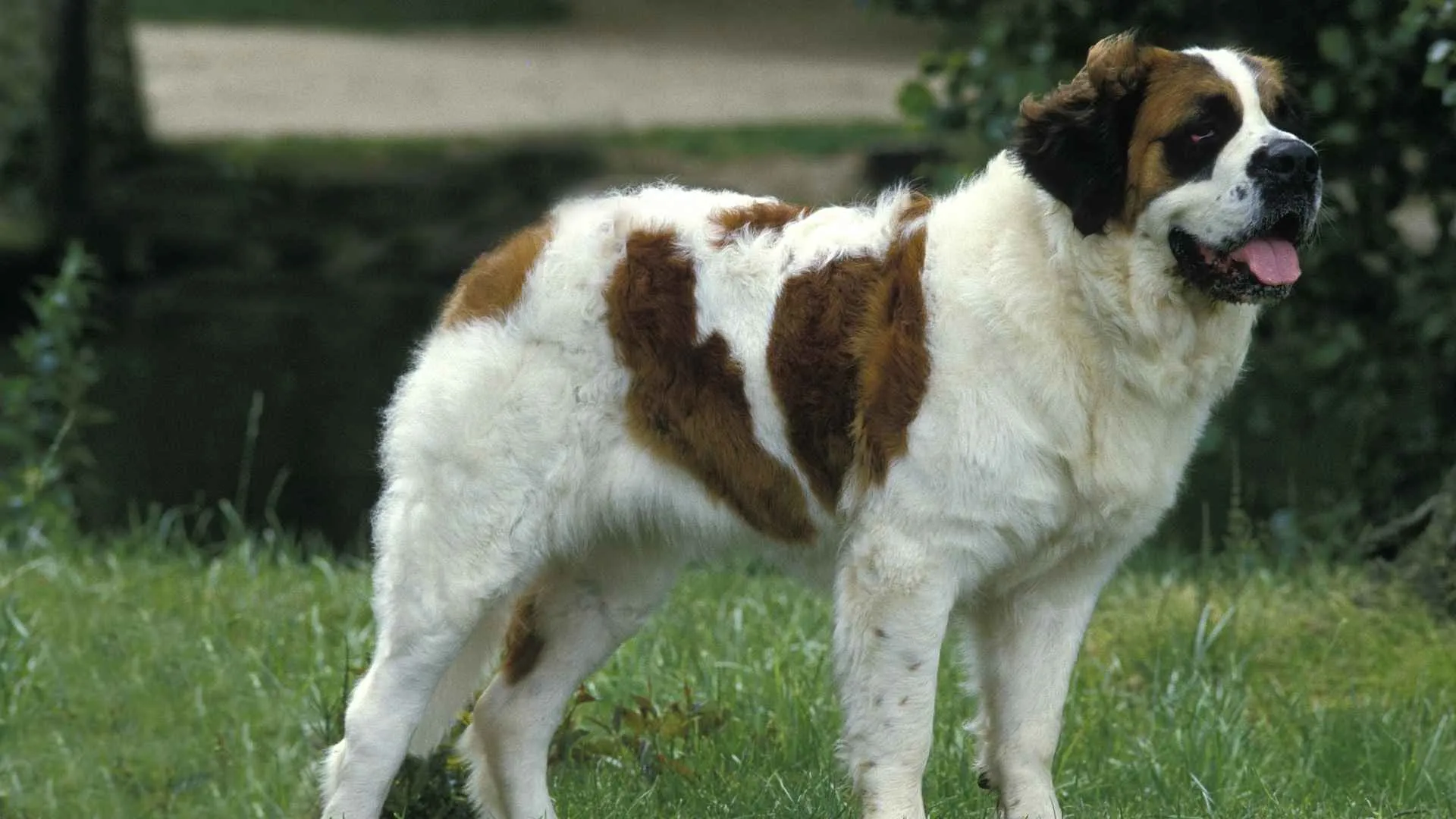
Saint Bernards are famous for their massive build, friendly expression, and gentle temperament. Originally associated with the Swiss Alps, these powerful dogs are known for their patient and watchful nature.
Despite their imposing appearance, they are affectionate, calm, and deeply devoted to their families.
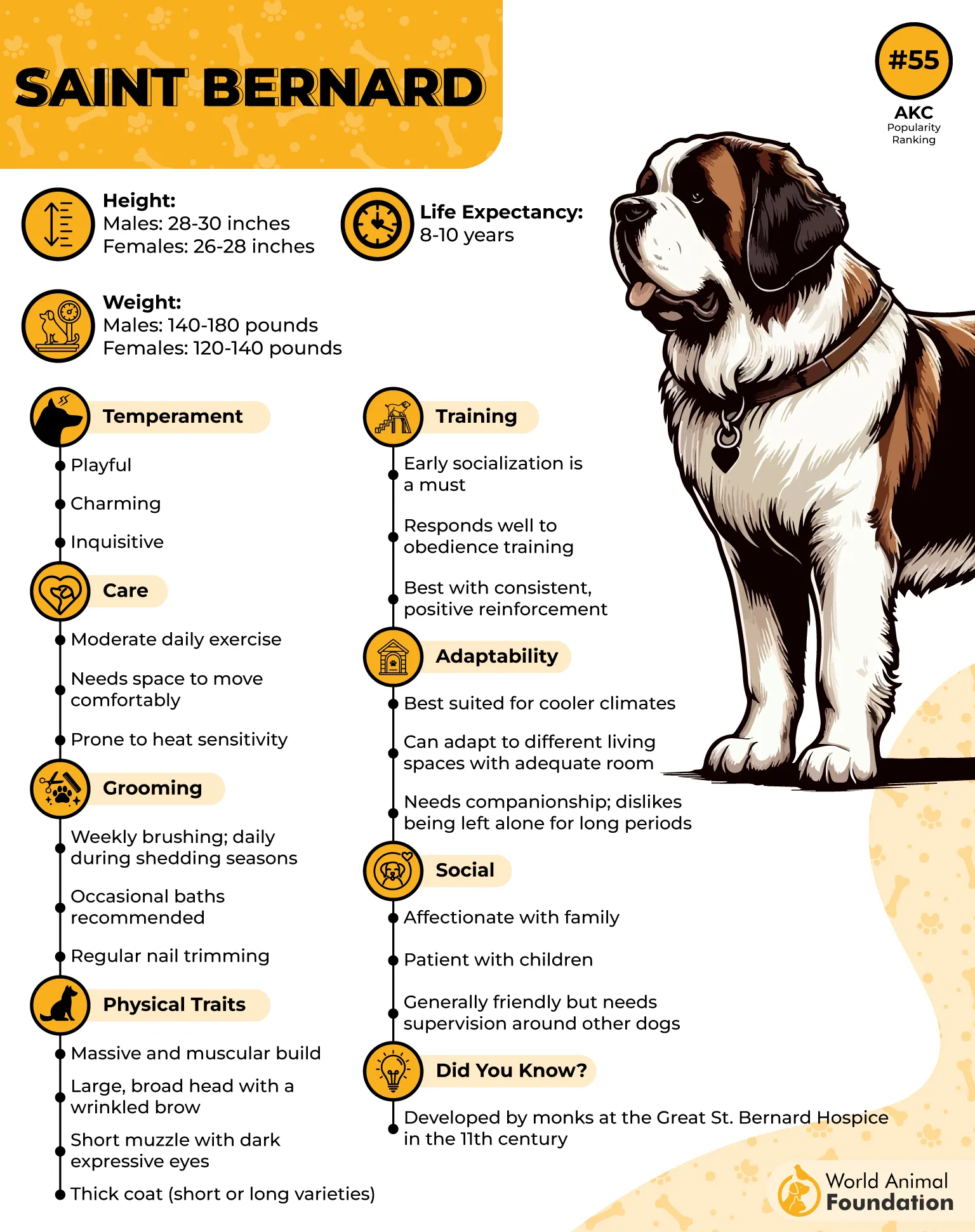
Affectionate and Family-Oriented Companions
These easygoing dogs enjoy staying close to their families and generally get along well with children and other household pets. They are friendly toward strangers and learn quickly, although they can be slow and methodical when responding to commands.
Saint Bernards have low energy levels and enjoy relaxing indoors, but their large size means they need plenty of living space. Their deep bark and imposing appearance can also discourage unwanted visitors.
Exercise and Care Needs
A daily walk is usually enough to meet their moderate activity needs.
Early obedience training is important because their size and strength can make them difficult to train.
They shed regularly, with heavier shedding twice a year. Their drooling also requires extra cleaning.
Saint Bernards have poor heat tolerance and prefer colder weather.
6. Pug

Pugs are charming little dogs with a playful personality and a long history as royal companions in China. Known for their round eyes, wrinkled faces, and curly tails, these calm dogs love being around people and enjoy plenty of affection.
Despite their expressive nature, Pugs are not known for excessive barking. They may give a short bark when visitors arrive, but they are generally quiet and easygoing house companions.
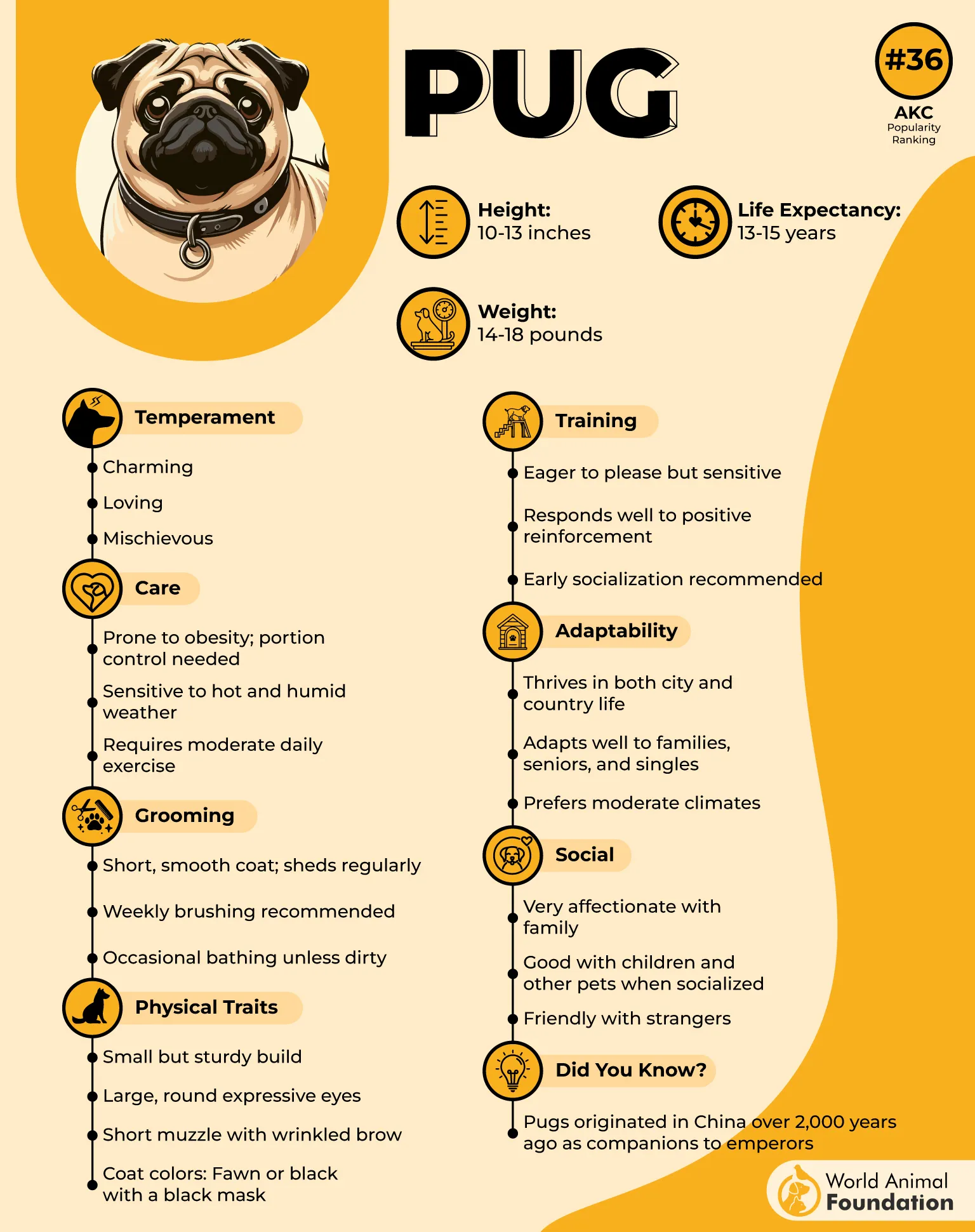
Playful and People-Oriented Personalities
These friendly dogs adapt well to different homes, whether they live with families, seniors, or single pet parents. They enjoy being included in everyday activities and are usually good with children and other pets when properly socialized.
Pugs can be playful and silly but also love relaxing beside their favorite people. They have a stubborn side, so training requires patience. They also dislike being left alone for long periods.
Exercise and Care Needs
Several short daily walks and gentle indoor play are usually enough.
Use consistent, patient training to manage their stubborn nature.
Their short coats shed moderately and need regular brushing.
Their flat faces make them prone to breathing difficulties and overheating.
7. Bulldog
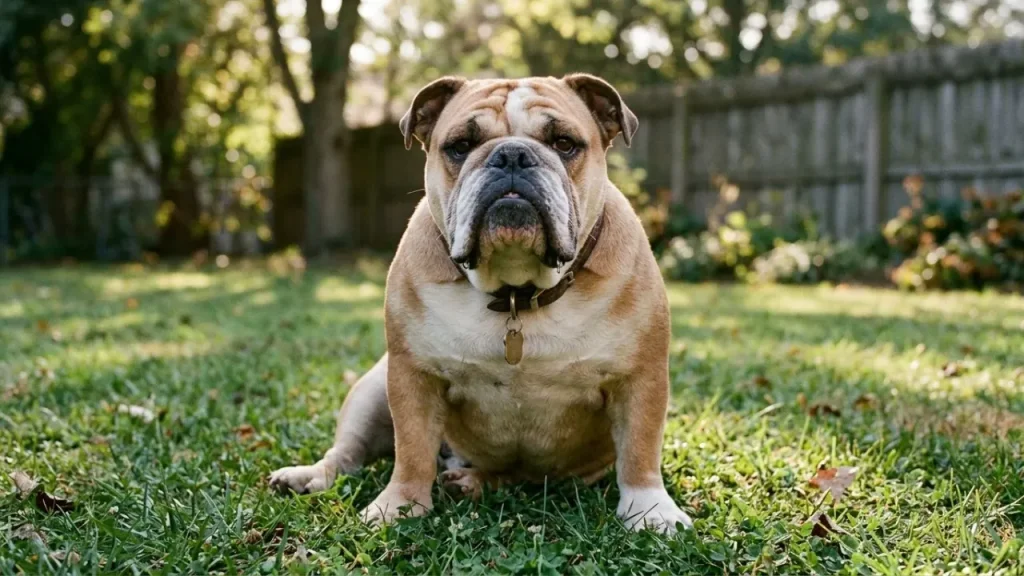
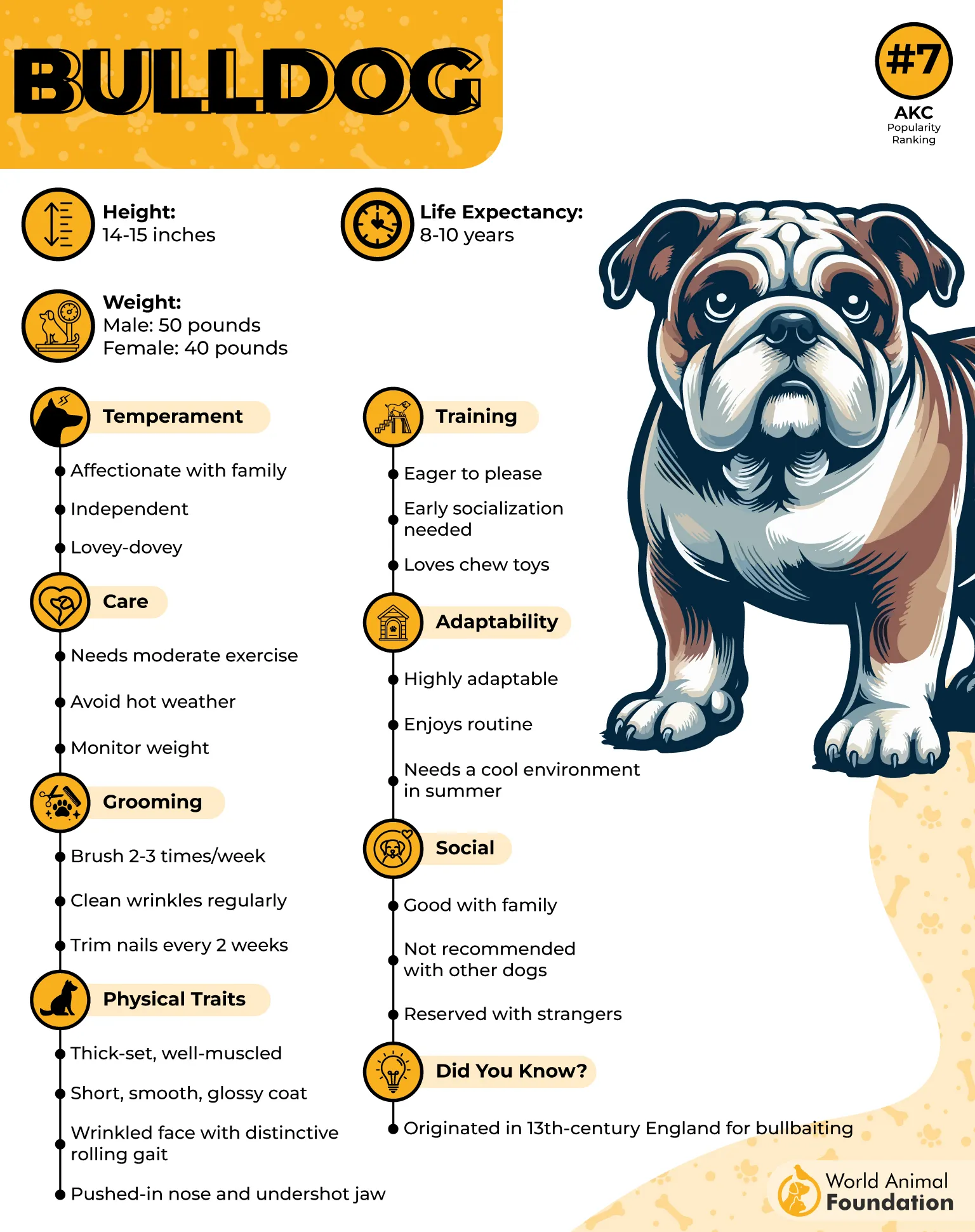
Bulldogs have a distinctive appearance, with loose facial skin, a furrowed brow, a pushed-in nose, and a short, glossy coat. Despite their tough expression and courageous history, modern Bulldogs are generally peaceful, affectionate, and easygoing.
They are not typically noisy dogs and usually enjoy a relaxed home environment, making them a good fit for quieter neighborhoods.
Friendly, Loyal, and Full of Character
Bulldogs form strong bonds with their families and enjoy staying close to their owners. They are gentle with children and can get along with other pets when introduced early.
Their playful, sometimes goofy personality gives them a fun side, while their bravery makes them protective when their loved ones are in need. They can be stubborn, so patient and consistent training works best.
Exercise and Care Needs
Short walks and light play provide moderate daily activity. Avoid overexertion, especially in hot or humid weather.
Use patient, reward-based methods and maintain a consistent routine.
Their short snouts can make breathing difficult in heat, so keep them in cool, air-conditioned spaces.
Supervise swimming and avoid strenuous activities that may affect their breathing.
8. Basenji
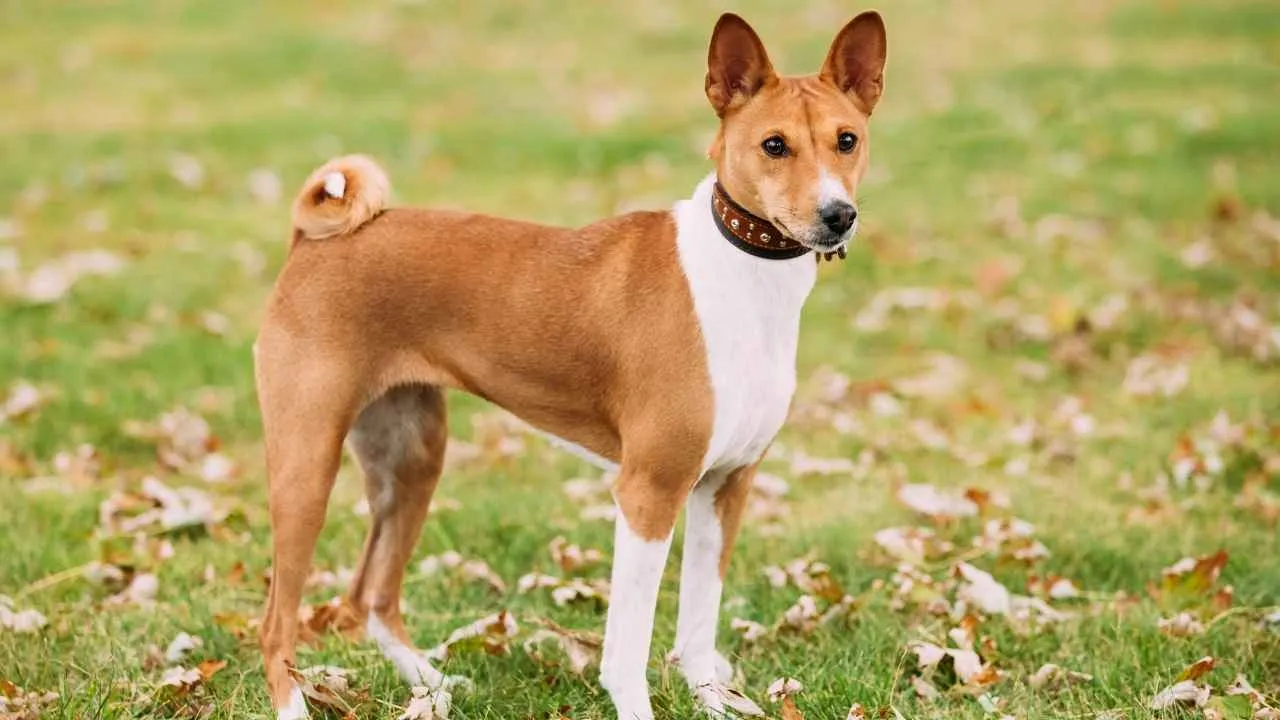
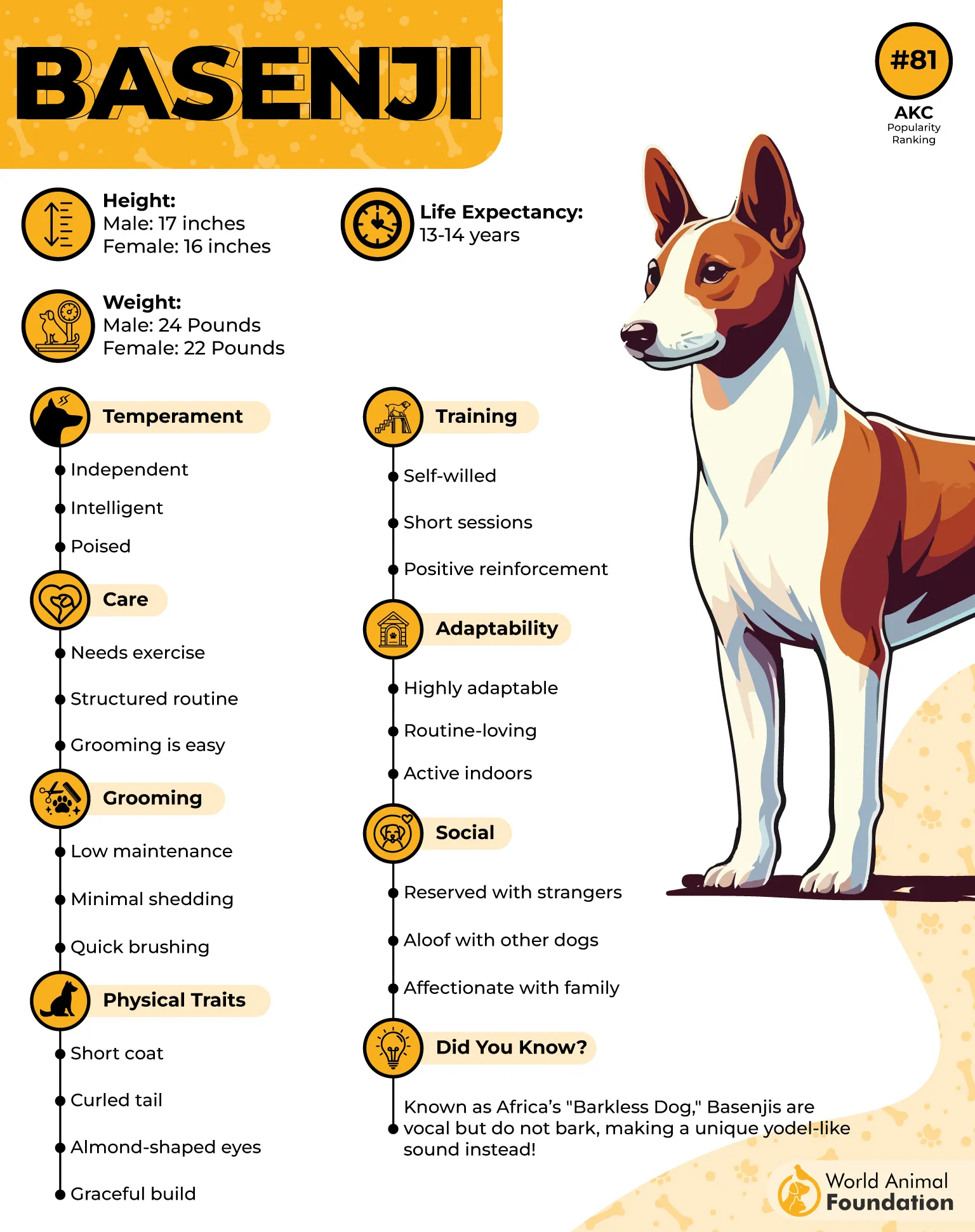
Basenjis are often called Africa’s “Barkless Dogs” because they do not bark like other breeds. Their short, glossy coats, tightly curled tails, and wrinkled foreheads give them a graceful and distinctive appearance.
Although they are generally quiet and fastidious about grooming, they communicate through unusual sounds, including a mixture of chortling and yodeling.
Independent, Intelligent, and Affectionate
Basenjis are curious, spirited dogs that form close bonds with their families but may be reserved around strangers. They can be protective of loved ones and usually get along with other dogs when socialized early, as Hill’s Pet notes.
Their independent, catlike nature can make training challenging, so they need patient handling and consistent guidance. They are intelligent dogs that respond better to fair training than forceful methods.
Exercise and Care Needs
Provide daily opportunities to run, play, and explore. Basenjis enjoy activities such as agility and lure courses.
Start socialization early and use creative, patient methods to manage their independent nature.
Their self-cleaning habits make coat care easy. A quick brush or wipe once or twice a week is usually sufficient.
Their prey drive may lead them to chase smaller animals, while boredom can result in chewing and digging.
9. Bullmastiff
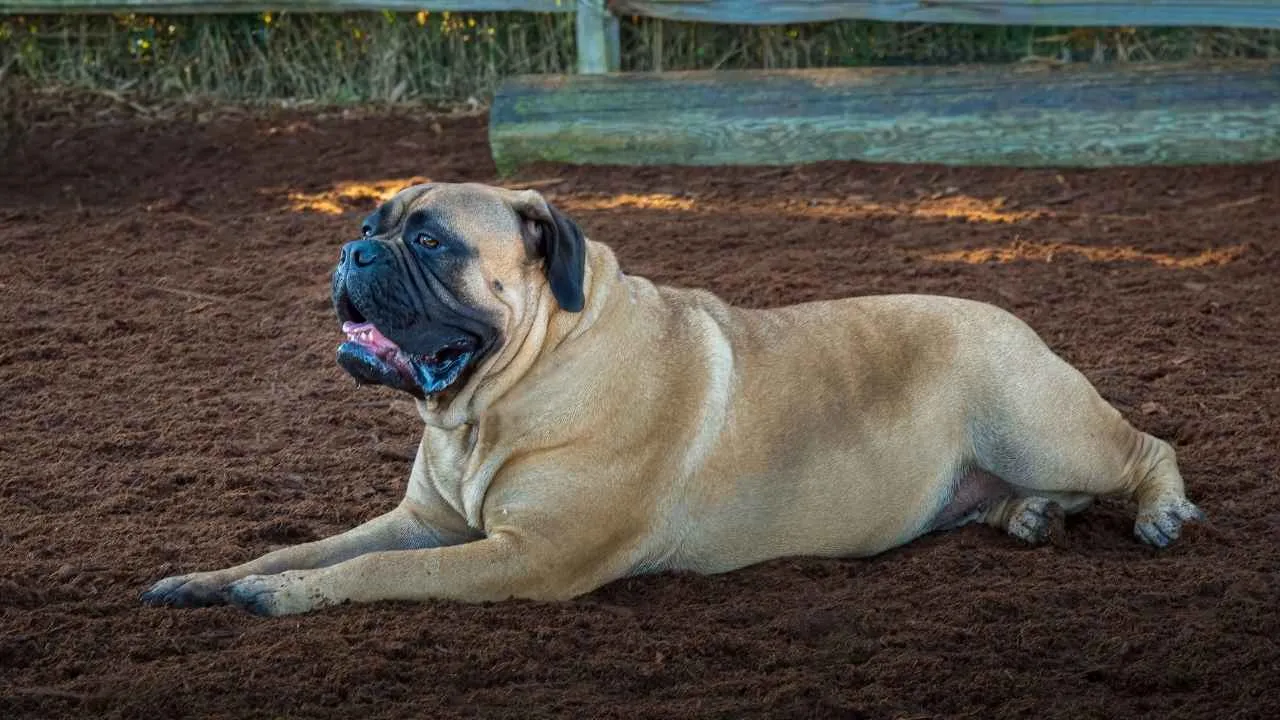
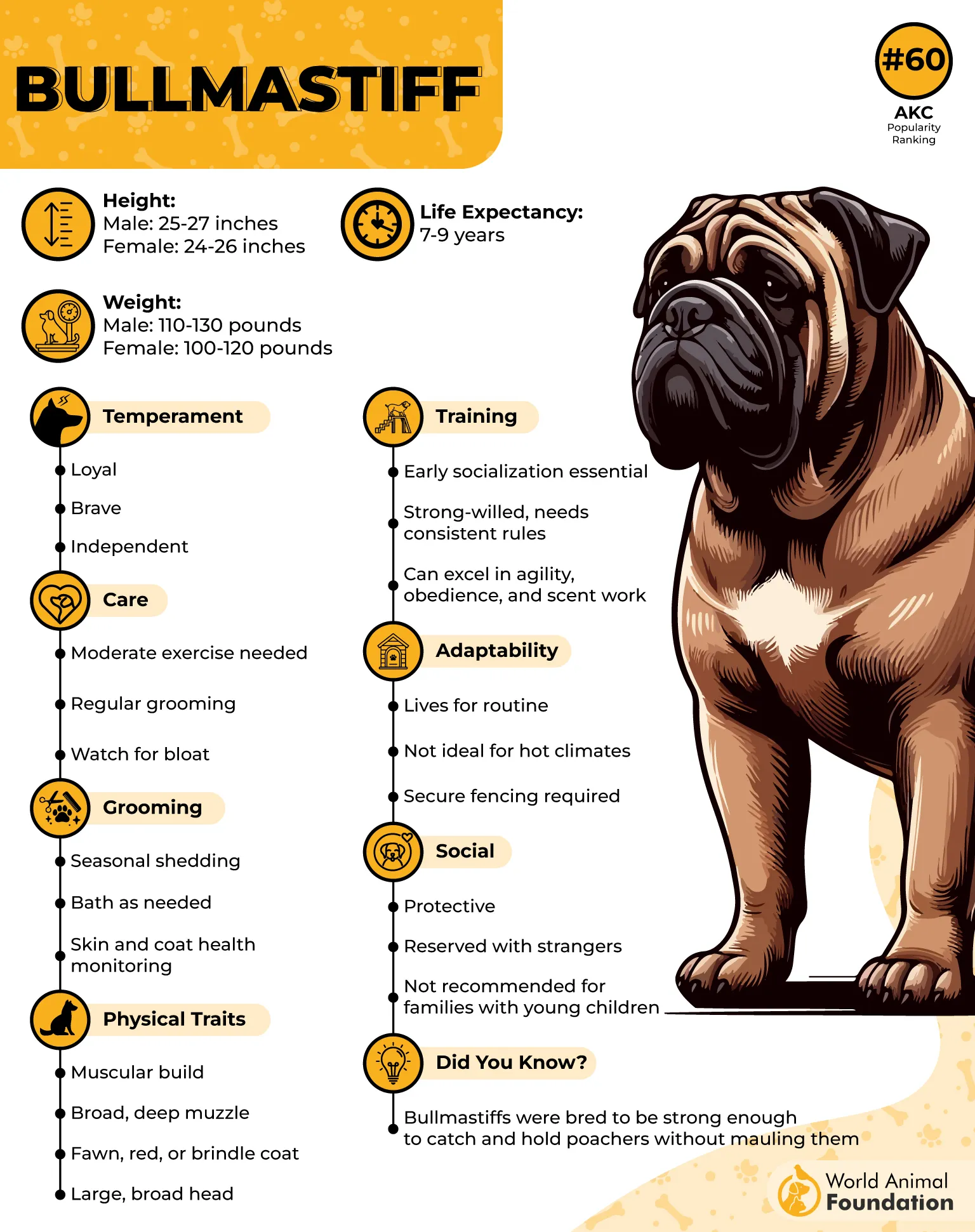
Bullmastiffs were originally bred to catch and hold poachers, earning them the name “Gamekeeper’s Night Dog.” Despite their powerful build and protective background, they are generally calm, docile, and affectionate at home.
Their quiet confidence and strong guarding instincts make them notable companions for families seeking a protective dog.
Devoted, Watchful, and Independent
Bullmastiffs form strong bonds with their families and are usually gentle with children. However, their size means interactions with young children should always be supervised. They tend to be suspicious of strangers and may only accept visitors when introduced by someone they trust.
Their independent and sometimes stubborn nature can make training challenging, so early socialization and consistent handling are essential. They may also be less tolerant of other household animals.
Exercise and Care Needs
Adult Bullmastiffs enjoy daily walks and family activities.
Avoid excessive exercise while they are still growing to protect their bones and joints.
Begin obedience training and socialization early. They need confident, consistent handling.
Their short coat requires minimal grooming, and they shed relatively little.
10. Chinese Crested

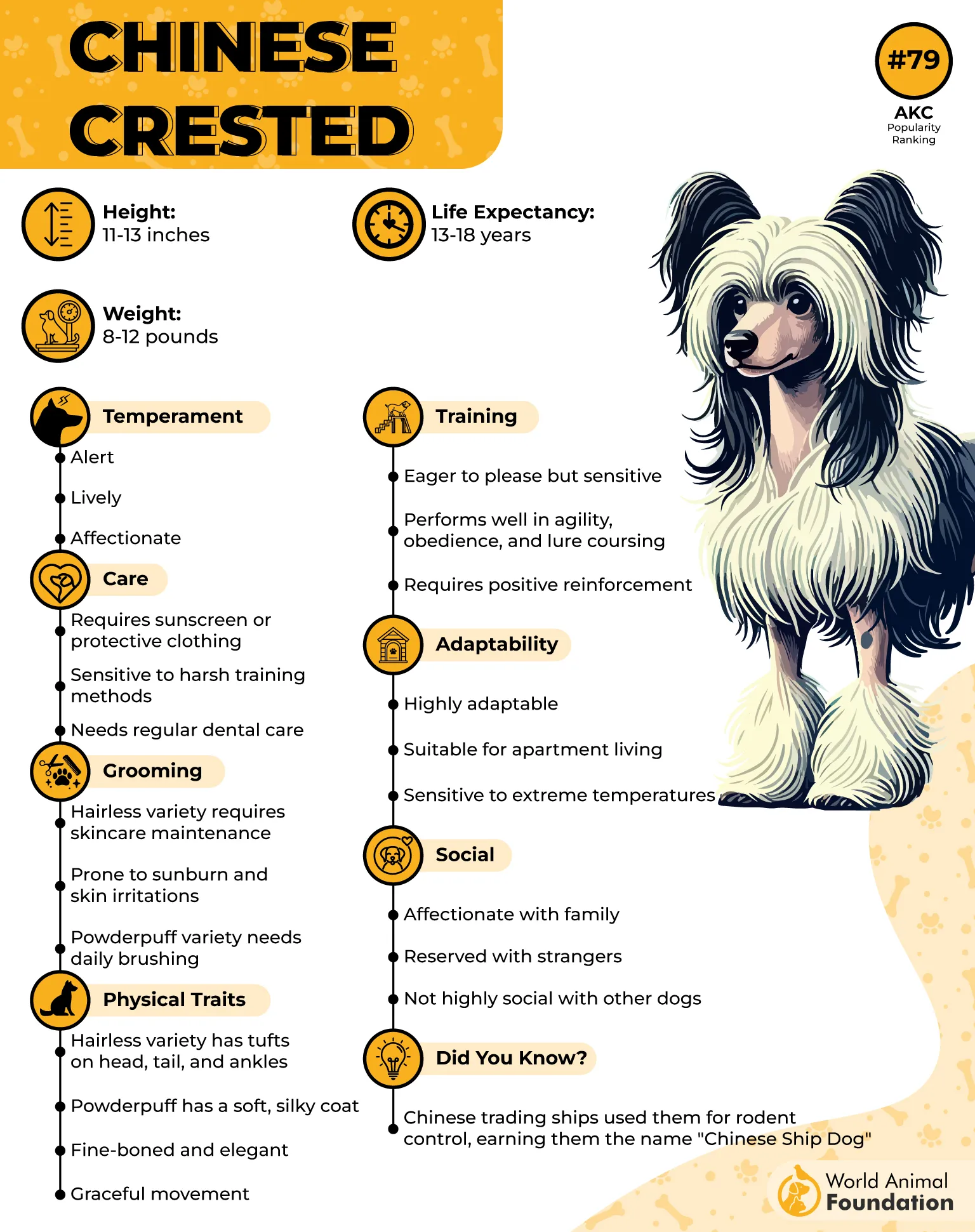
Chinese Cresteds are easy to recognize by their fine build, distinctive hairdos, and graceful appearance. They come in two varieties: hairless, with soft skin and tufts of hair on the head, tail, and feet, and the powderpuff, which has a soft, silky coat.
These affectionate dogs are alert and attentive to their families but are not known for excessive barking. Their quiet nature and watchdog instincts make them an interesting fit for a peaceful home.
Affectionate, Playful, and Devoted
Chinese Cresteds enjoy companionship and form close bonds with their owners. They are lively, playful, and love being the center of attention.
Although they are generally friendly with children and other pets, early socialization helps them become well-rounded companions. They can be somewhat reserved with strangers and strong-willed at times, but they are not typically snappy or aggressive.
Exercise and Care Needs
Provide regular activity and playtime to keep them happy and engaged.
Start socialization early and use consistent, patient handling.
Hairless Cresteds need regular bathing and skin care, while powderpuffs require frequent brushing to maintain their silky coats.
Protect hairless dogs from extreme temperatures and prolonged sun exposure.
Conclusion
Quiet dog breeds come in all shapes, sizes, and personalities. Some are gentle and relaxed, while others are alert, playful, or naturally protective.
Although these dogs may not bark often, each has its own way of communicating and expressing itself. The right choice depends on your living environment, lifestyle, and the kind of companion you want.
Before bringing a dog home, consider its exercise needs, temperament, training requirements, and grooming routine. Remember that even naturally quiet dogs need attention, socialization, and proper care.
A peaceful home is not just about choosing a dog that rarely barks; it is about finding a companion whose personality fits comfortably into your everyday life.
