




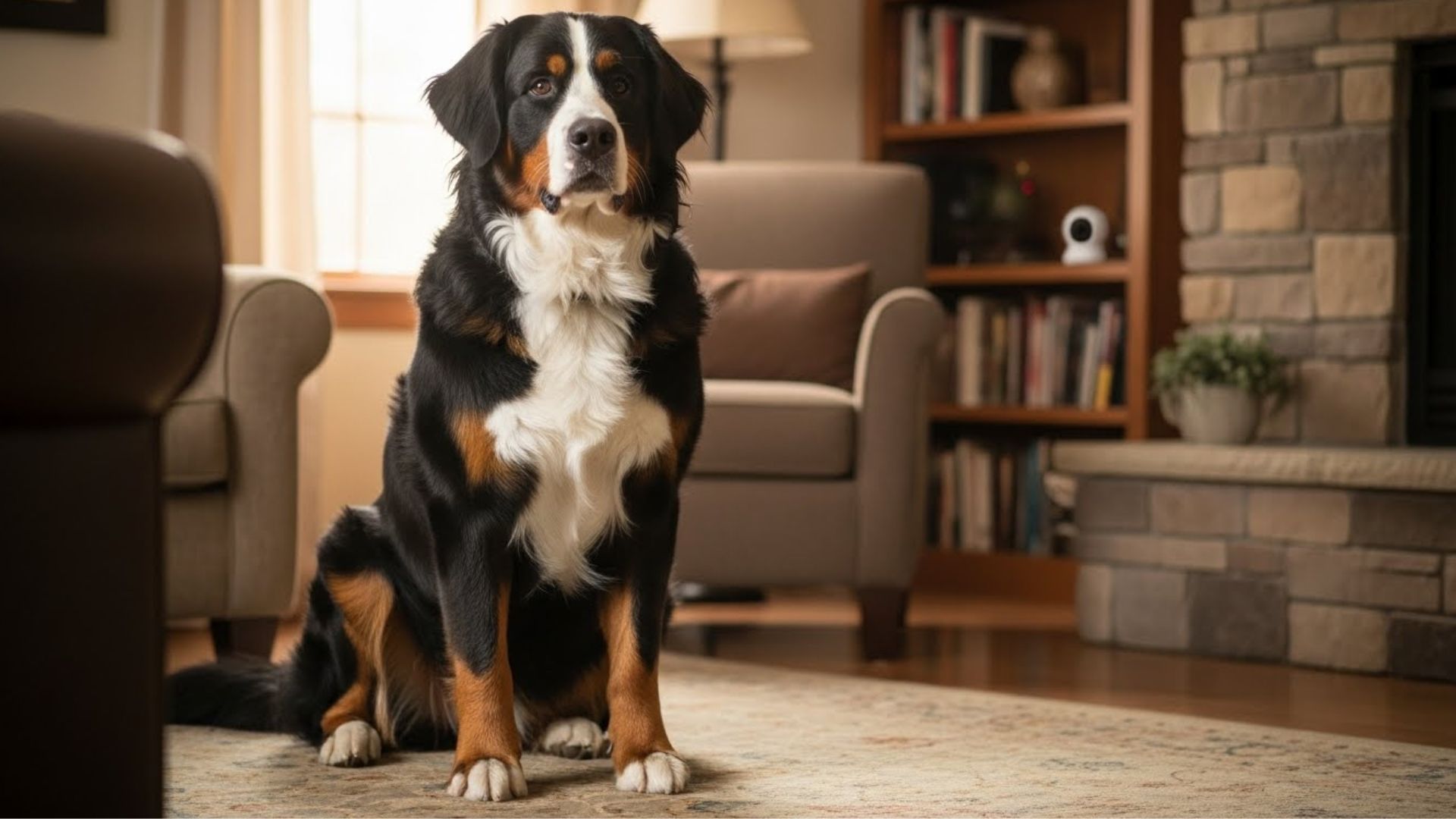
What if home security did not rely on noise at all? What if protection could exist without constant barking, tension, or disruption to daily life?
Quiet and calm dogs offer a different form of safety, one rooted in awareness rather than reaction. These dogs notice changes, track movement, and hold their ground without turning every sound into an alarm. Their presence alone communicates boundaries, providing reassurance while keeping the household atmosphere steady.
This approach suits homes where peace matters, where neighbors are close, and where emotional balance matters as much as physical safety. Calm protectors integrate into routines instead of interrupting them, offering vigilance that feels natural and controlled.
As you read on, you will discover how calm security works and why quiet guardians are becoming the preferred choice for modern households.
Key Takeaways
Security does not have to be loud to be effective, and calm dogs prove it every day.
Great Danes and Saint Bernards make their presence felt with sheer size and calm confidence, letting stillness do the work.
Bullmastiffs and Tibetan Mastiffs rely on quiet vigilance, reading the room and acting only when necessary.
Great Danes and Saint Bernards make their presence felt with sheer size and calm confidence, letting stillness do the work.
Bullmastiffs and Tibetan Mastiffs rely on quiet vigilance, reading the room and acting only when necessary.
Quiet and Calm Dog Breeds Offering Home Security
1. Great Dane

Sheer size gives the Great Dane an immediate commanding presence inside a home. Their relaxed posture and steady behavior help maintain a peaceful atmosphere rather than constant alertness. This balance suits households seeking quiet security without frequent barking.
Protective Instincts Shaped by Structure
Intelligence and loyalty guide how they respond to unfamiliar situations. Early social exposure builds confidence and prevents hesitation around people or other dogs, as per the Pawlicy Advisor. Consistent routines help them remain composed in daily settings.
That steadiness shows through small but telling details:
Alert posture during unfamiliar sounds
Measured responses to visitors
Strong attachment to their environment

Training That Reinforces Stability
Positive, reward-based training aligns well with their eager-to-please nature. Clear guidance helps manage their size while encouraging appropriate protective behavior. Confidence grows when expectations remain consistent from puppyhood.
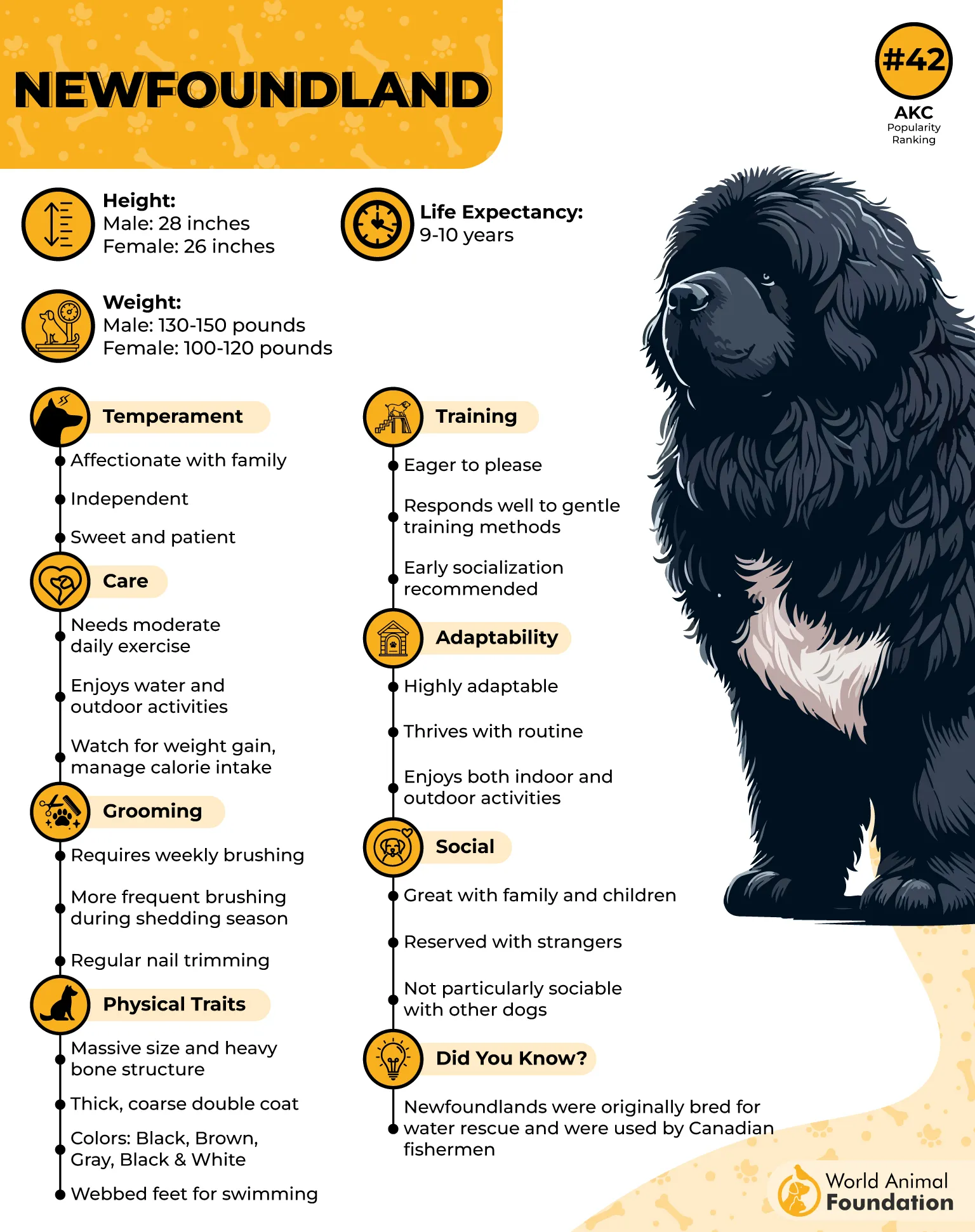
2. Newfoundland

Massive size and heavy bone give the Newfoundland a presence that naturally slows a room. Their dignified bearing and soft, thoughtful expression create a calm atmosphere rather than tension. Silence often replaces sound as their way of monitoring what happens around the home.
Temperament That Favors Watchfulness
Sweetness sits at the center of the breed standard, shaping how they respond to people and space. Trusting behavior allows them to remain steady without nervous movement. That steady nature supports a peaceful form of home awareness.
Small details reveal how this plays out:
Limited barking
Patient observation
Gentle reactions
Security Without Constant Motion
Their size alone can discourage unwanted attention, placing them among quiet guard dogs. A natural instinct to stay close and attentive allows them to notice changes without pacing or agitation. This makes daily routines feel uninterrupted for family members.
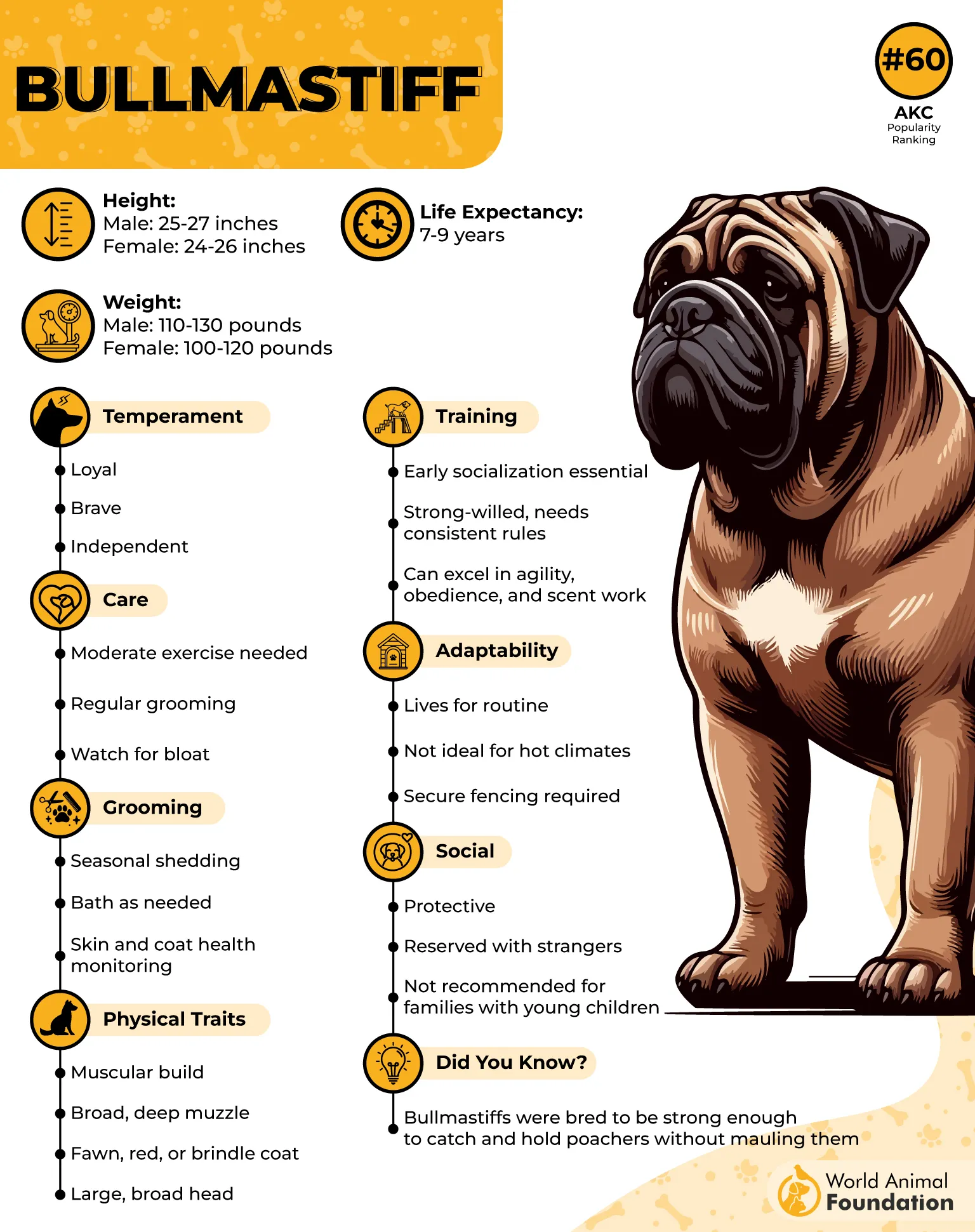
3. Bullmastiff

Silence defines how the Bullmastiff operates, relying on presence rather than noise to signal control. A broad frame and confident posture allow this dog to secure space without constant movement. This calm watchfulness fits naturally into homes seeking quiet and calm dog breeds offering home security.
Built to Intercept, Not Chase
This breed was shaped to confront intruders directly and hold ground until help arrived. Intelligence shows through steady eye contact and restrained responses to unfamiliar movement. That mindset makes a difference in close-range protection.
A closer look explains why restraint works so well here:
Minimal barking
Strong spatial awareness
Controlled physical response
A Guardian That Reads the Room
Facial structure plays a role, with dark eyes and a deep muzzle reflecting alertness rather than aggression, as WebMD mentioned. The Bullmastiff processes situations before acting, which limits unnecessary escalation. That awareness is one reason they are often listed among excellent guard dogs.
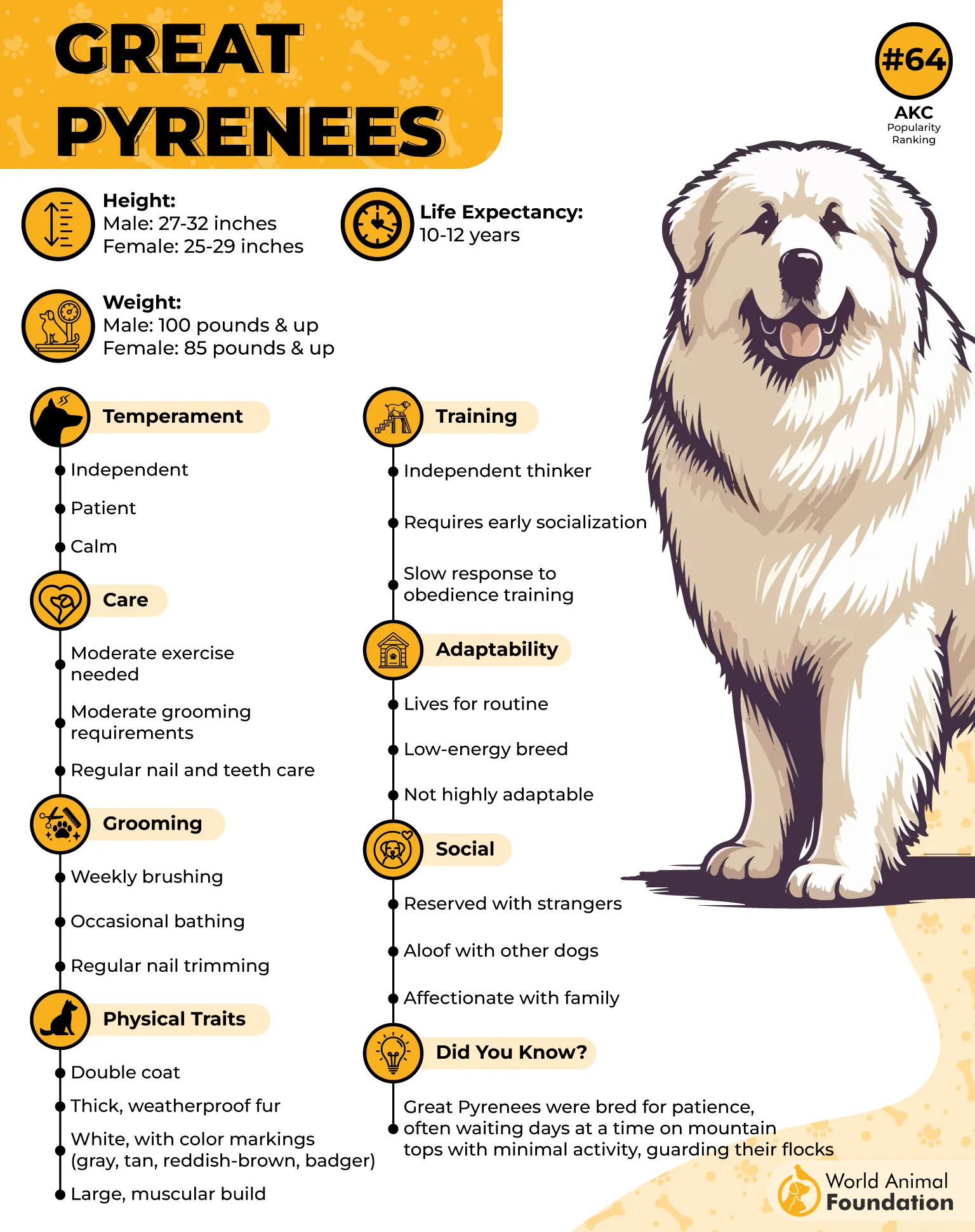
4. Great Pyrenees

An imposing presence often settles quietly near the home, watching more than reacting. Thick coats and immense strength give this breed a natural authority without constant noise. That balance fits homes seeking calm protection that blends into everyday family life.
Instincts That Stay Switched On
A steady mindset allows this dog to remain alert through long hours without agitation. Quick movement appears only when a situation truly demands it. Proper training helps channel those instincts into controlled responses.
A closer look explains their quiet reliability:
Nighttime vigilance
Independent judgment
Low-reactive posture
Watchful Without the Noise
A Zen-like calm defines how this breed monitors its surroundings, often observing silently from a distance. When action is required, speed and coordination surface with surprising ease. This approach places them among the best guard dogs for peaceful households.
5. Saint Bernard
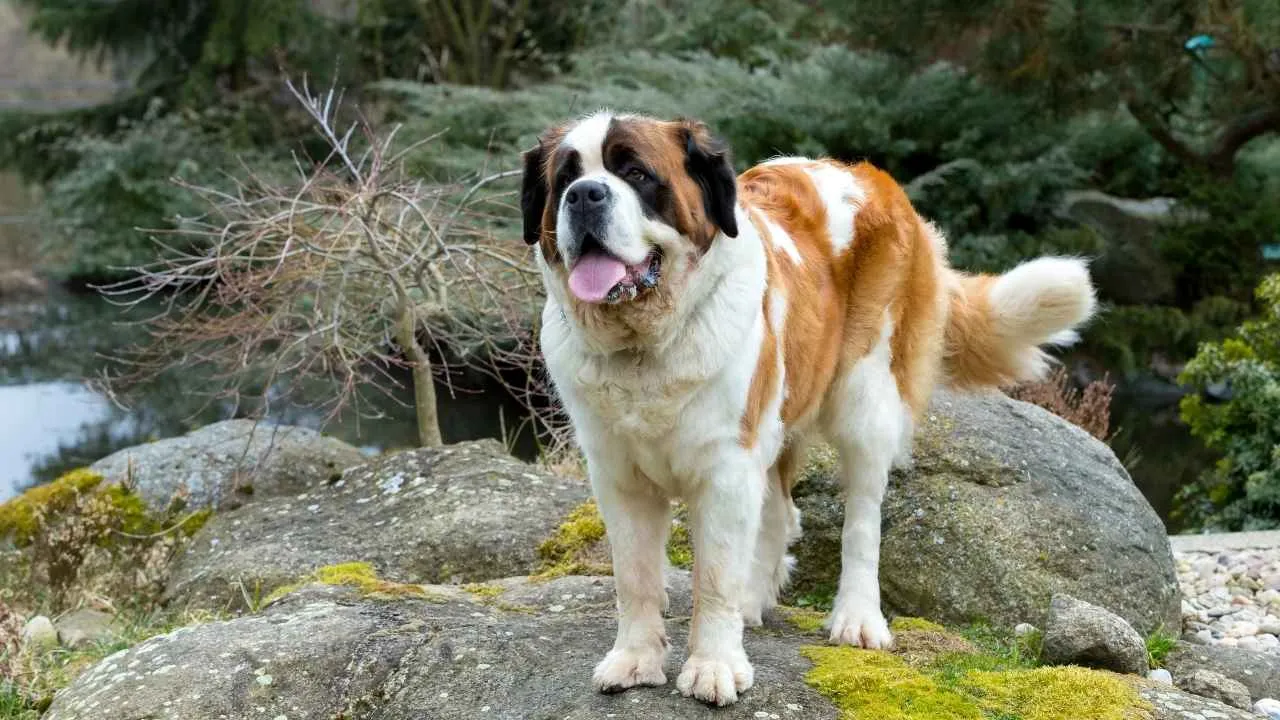
Massive presence paired with patience gives the Saint Bernard a steady role in home security. Their watchful nature allows them to monitor their surroundings without constant movement or sound. This reserved authority places them comfortably among guard dog breeds suited for quiet households.
Power Shown Through Stillness
The AKC breed standards describe a dog that is very powerful, extraordinarily muscular, and imposing in structure. A broad head with a wrinkled brow, short muzzle, and dark eyes creates an alert yet friendly expression.
When stillness does the work:
Notices unfamiliar movement
Holds position calmly
Reacts without haste

Familiarity Without Noise
Saint Bernards remain attentive without hovering, which helps maintain calm inside the home. Their patience and gentle awareness allow them to stay composed around daily activities. This balance explains why they are often described as loyal companions rather than restless sentries.
6. Tibetan Mastiff

Calm settles easily around the Tibetan Mastiff once indoors, where stillness becomes part of daily life. Its imposing outline alone changes how unfamiliar movement is perceived around the home. That silent pressure often convinces unwanted visitors to choose an easier path.
Alert Even in Silence
Watchfulness never switches off, even during long hours of rest. Aloof behavior toward strangers keeps boundaries firm without constant sound. Silence works because awareness stays sharp.
Silence does not mean absence.
Night vigilance
Territorial focus
Self-directed judgment

Security Rooted in Instinct
This breed relies on a natural instinct to protect rather than repeated alarms or pacing. Observation comes first, followed by a measured response when a threat feels real. That balance places it among the most effective guard dogs for calm households.
7. Boerboel

Power shows first in the way a Boerboel stays observant without unnecessary noise. This breed relies on sharp instincts to assess potential threats before reacting. That calm confidence is what makes them suitable for households seeking quiet and calm dog breeds offering home security.
Confidence Backed by Intelligence
Dominance blends with intelligence, giving this dog a thoughtful approach to guarding rather than impulsive reactions. Early training shapes their confidence into discipline, helping them read situations accurately. Their eagerness to learn supports a steady role around the home.
This mindset is reflected in how they operate day to day:
Alert without constant movement
Quick response to unfamiliar activity
Strong focus on assigned territory

Protection With Discernment
A Boerboel does not rush into action and instead evaluates unfamiliar people, sounds, and other animals carefully. Their imposing build supports a guardian style that relies more on presence than constant confrontation. This balance keeps the environment calm while maintaining control.
Conclusion
Quiet security changes how home protection feels. These dogs are not just guardians. They become part of daily life through calm presence and judgment. For experienced dog owners, their value lies in balance rather than intensity. They are naturally alert without constant reaction.
Many are highly trainable, which helps them adapt to active households. Deep bonds form through trust and consistency, not force. Their affectionate nature shows at home, while boundaries remain clear outside. With mental stimulation and structure, they stay focused and deeply loyal. Protection feels steady, personal, and quietly dependable.
