




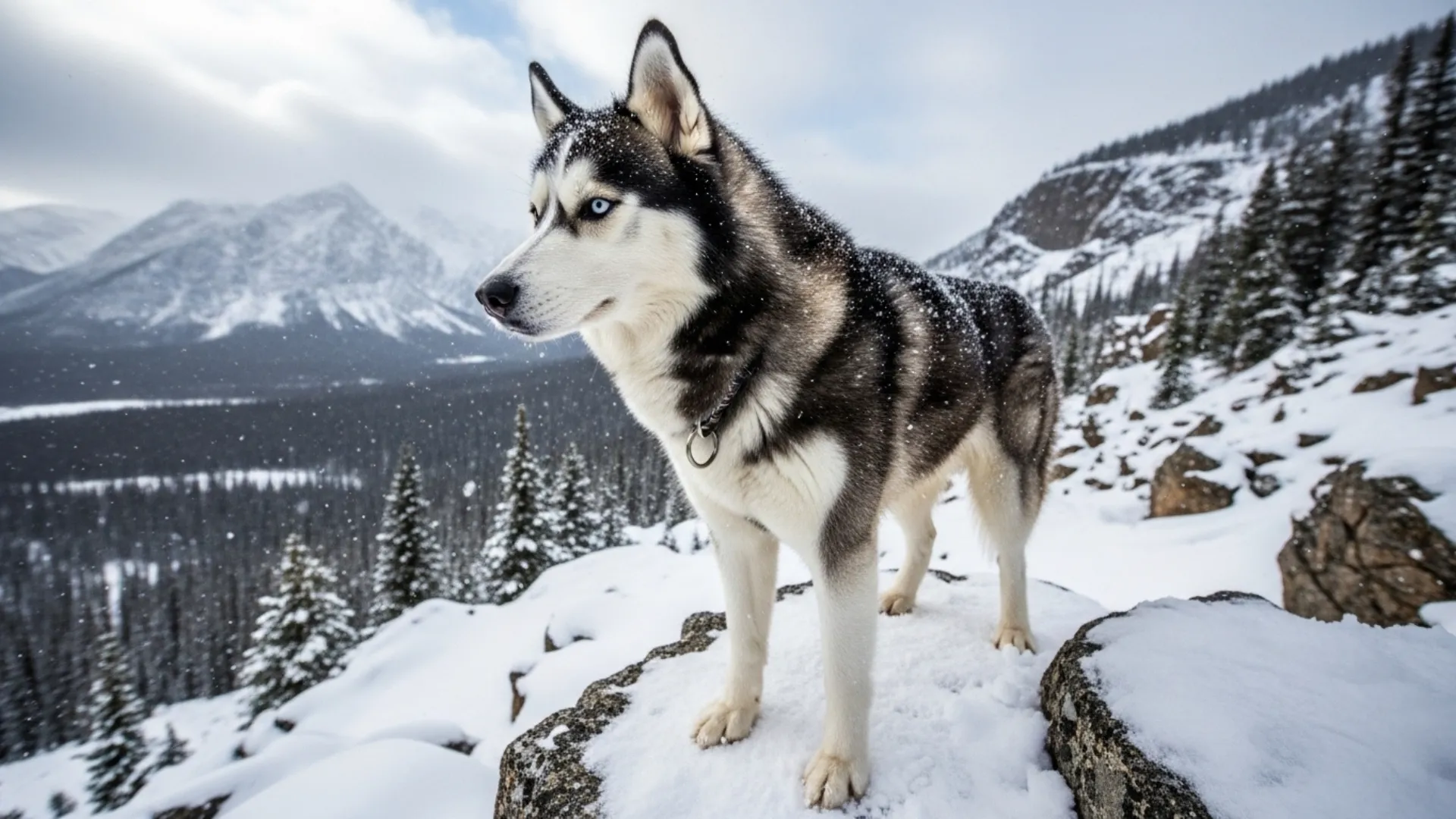
Living close to nature sounds peaceful until the environment starts testing limits you did not prepare for. Challenging terrain, shifting weather, and long distances quickly expose whether a dog can truly handle that life or not.
Many people assume any active dog will adapt, but that assumption often fails once the reality of isolation and physical demand sets in. Some dogs struggle with endurance, others with focus, and a few simply cannot cope with unpredictable surroundings.
The difference becomes clear only when conditions push beyond comfort. That is why choosing the right type of dog matters far more in rugged environments than it does in controlled settings. The right dog does not just survive these conditions but works with them naturally.
Here, you will come across dogs known for handling harsh landscapes with confidence, steady energy, and instincts that make them reliable partners where comfort is never guaranteed.
Key Takeaways
Rugged terrain demands more than strength since endurance, instinct, and awareness decide how well a dog can survive outdoors.
Siberian Husky and Alaskan Malamute stand out with endurance built for cold terrain, where movement and control decide survival.
Anatolian Shepherd and German Shepherd shift that balance into protection and precision, handling both space and responsibility with sharp awareness.
Bernese Mountain Dog and Akita bring strength with a calm temperament, showing why these seven breeds are trusted in rugged wilderness conditions.
Proven Dog Breeds That Thrive in Rugged Wilderness Environments
1. Siberian Husky
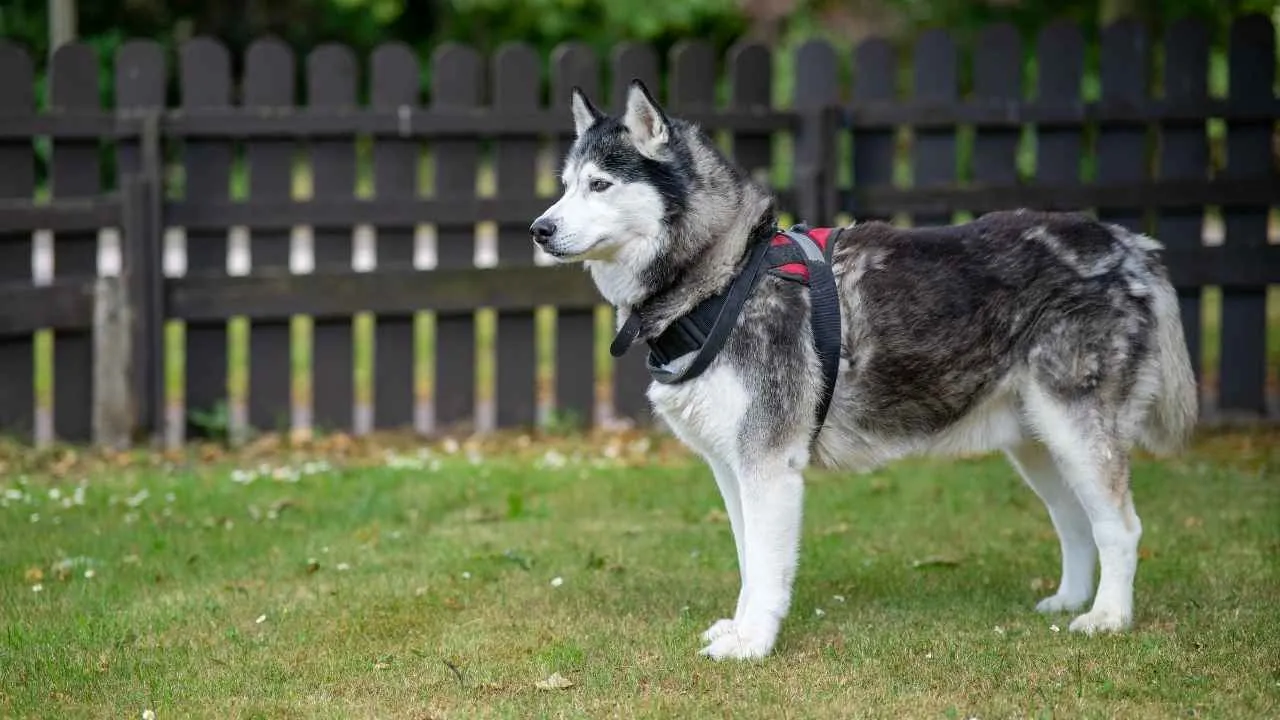
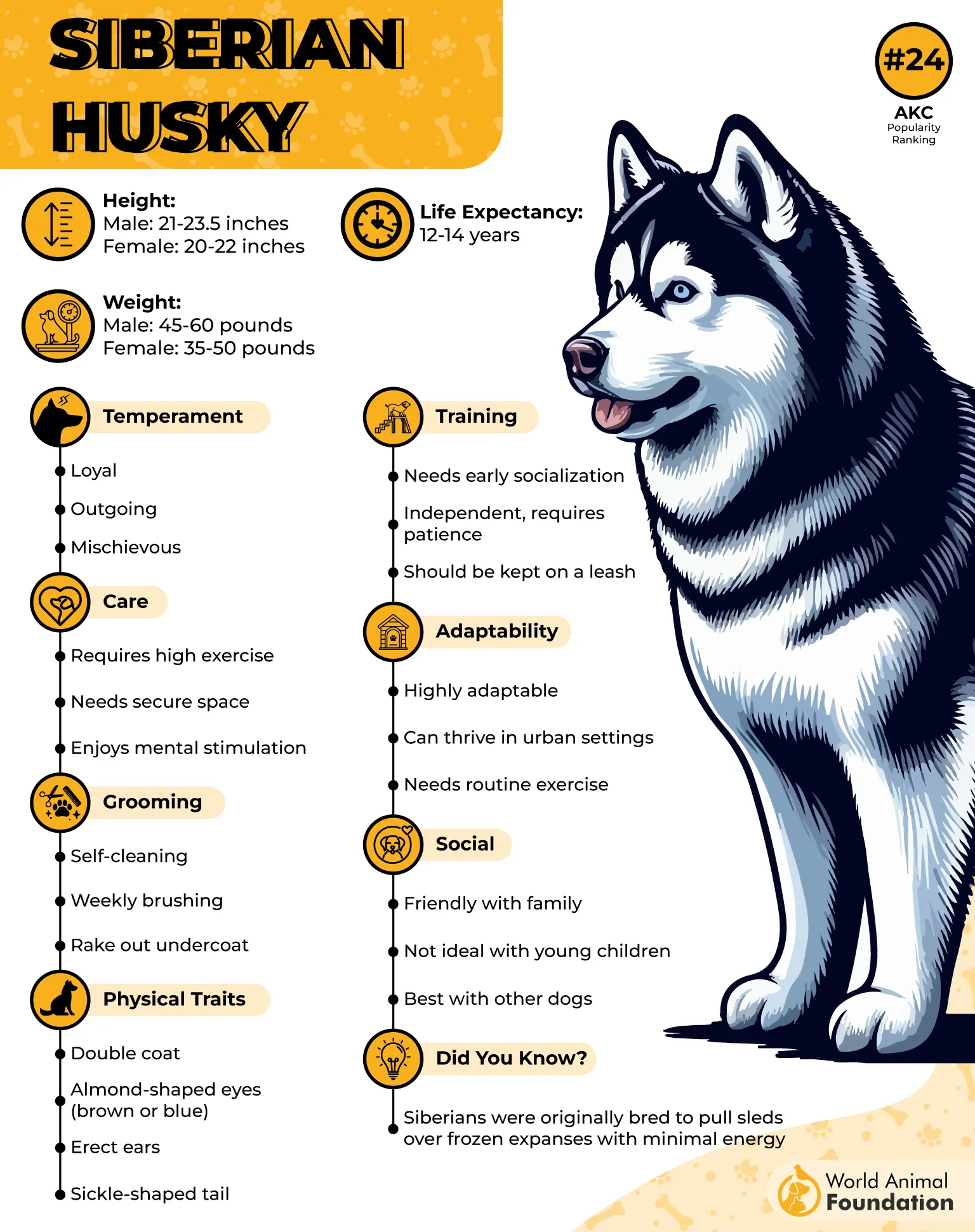
Siberian Husky is shaped as a compact sled dog, built to pull light loads across long frozen stretches with steady pacing. Its thick double coat and balanced frame support sustained work in cold conditions without excess bulk. The structure reflects endurance over power-heavy pulling.
Pack-driven working style
Huskies function within a group setting, maintaining rhythm and coordination while covering large areas. Its gait appears smooth and efficient, allowing long-distance travel without visible strain, as the AKC noted.
That working rhythm becomes clear in motion:
Maintains a steady pace across extended rough terrain
Works in sync with other dogs in a pack
Uses controlled energy during long runs
Behavior shaped by movement instinct
This energetic breed shows a strong urge to run whenever space allows, often reacting quickly to small animals or sudden motion. However, secure boundaries become necessary due to this instinct tied to constant forward drive. Its alert expression reflects awareness rather than guarding intent.
2. Alaskan Malamute
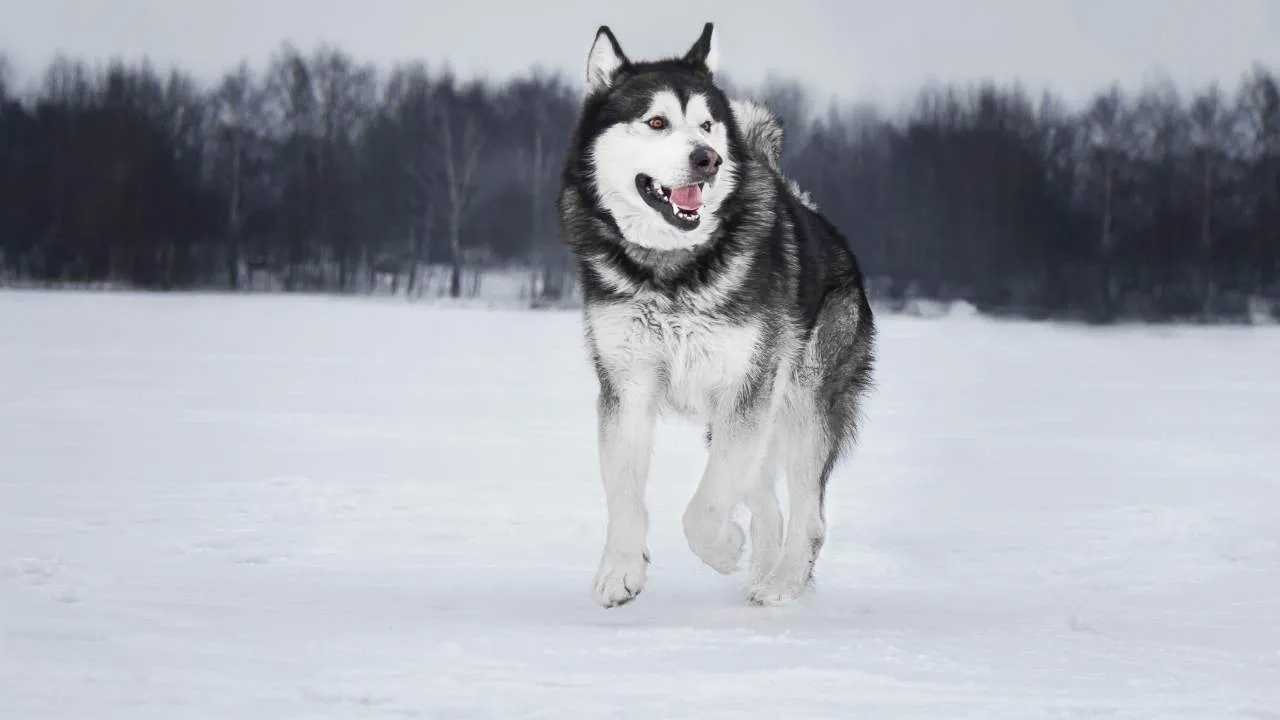
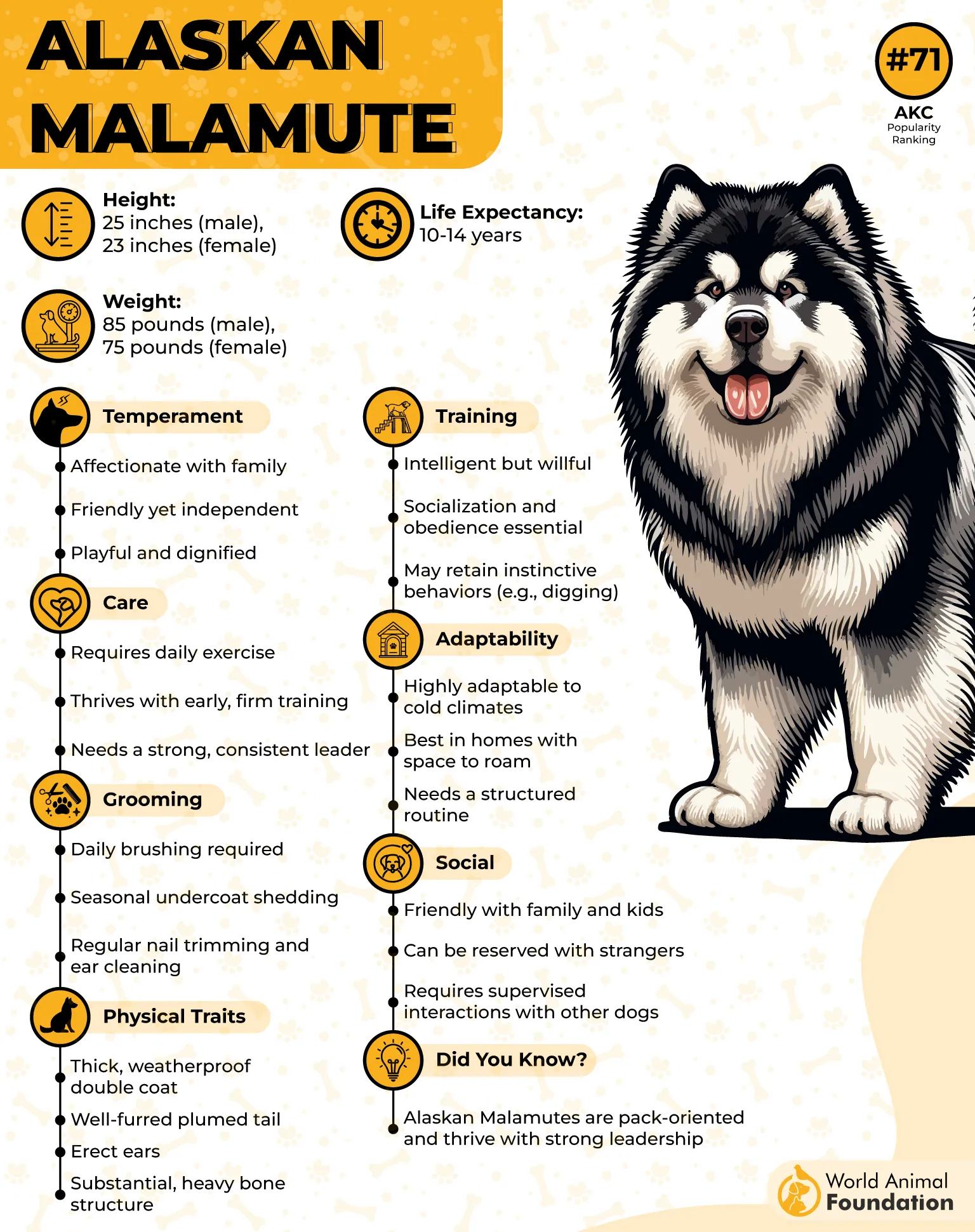
Alaskan Malamute shows its purpose through a heavy-boned frame, deep chest, and powerful shoulders designed for sustained pulling effort.
Its dense, weather-resistant coat and erect ears reflect adaptation to cold working environments. The plumed tail resting over the back completes a structure shaped for outdoor labor.
Work rhythm and physical capability
Malmutes operate as heavy-duty sled dogs, relying on strength and steady output rather than speed, as WebMD describes. Its build supports long-distance hauling, with each part of the body aligned for endurance tasks and outdoor adventures.
That working structure becomes clearer through physical traits:
The thick coat protects against harsh cold
Strong shoulders support pulling weight
Deep chest allows sustained effort
Temperament shaped by independence
As an energetic dog, they combine intelligence with a willful streak, often showing determination in their actions. Their proper training requires consistency and patience, as certain natural behaviors like digging remain persistent. Its personality blends affection, playfulness, and a steady sense of self-direction.
3. Anatolian Shepherd
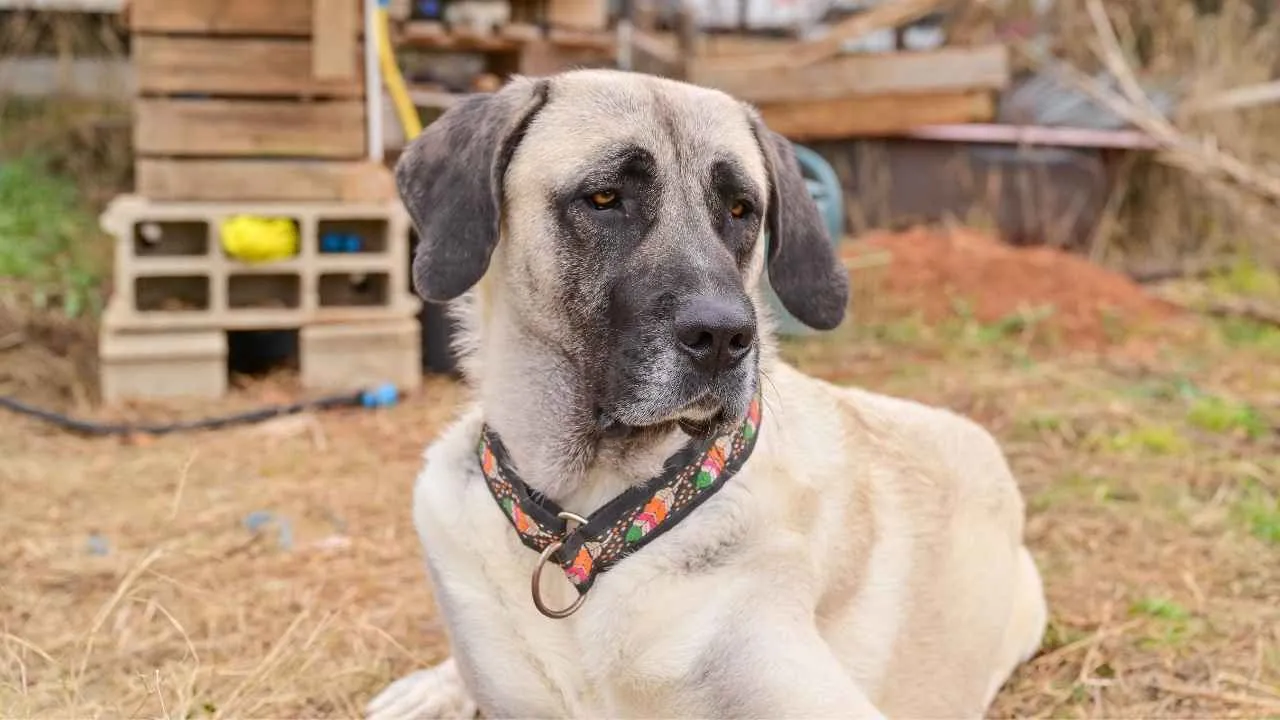
Anatolian Shepherd works across unforgiving landscapes, where strength and agility combine for long hours against predators. Its heavily muscled frame is balanced by light, efficient footwork suited for uneven ground. This physical balance reflects a dog shaped for survival rather than display.
Guarding instinct with defined boundaries
These shepherd treats its assigned group as a fixed responsibility, extending protection to livestock, family members, and smaller animals within their space. Its territorial awareness remains steady rather than reactive.
That instinct becomes clear through practical behavior:
Positions itself to cover wide areas
Responds directly to predator presence
Maintains focus on the assigned group
Control is built through leadership
This athletic dog responds best under firm, consistent handling, where structure defines acceptable behavior. Its calm and friendly nature balances its demanding presence when guided properly, as stated in Purina. Secure space and controlled access remain important due to its strong territorial sense.
4. German Shepherd
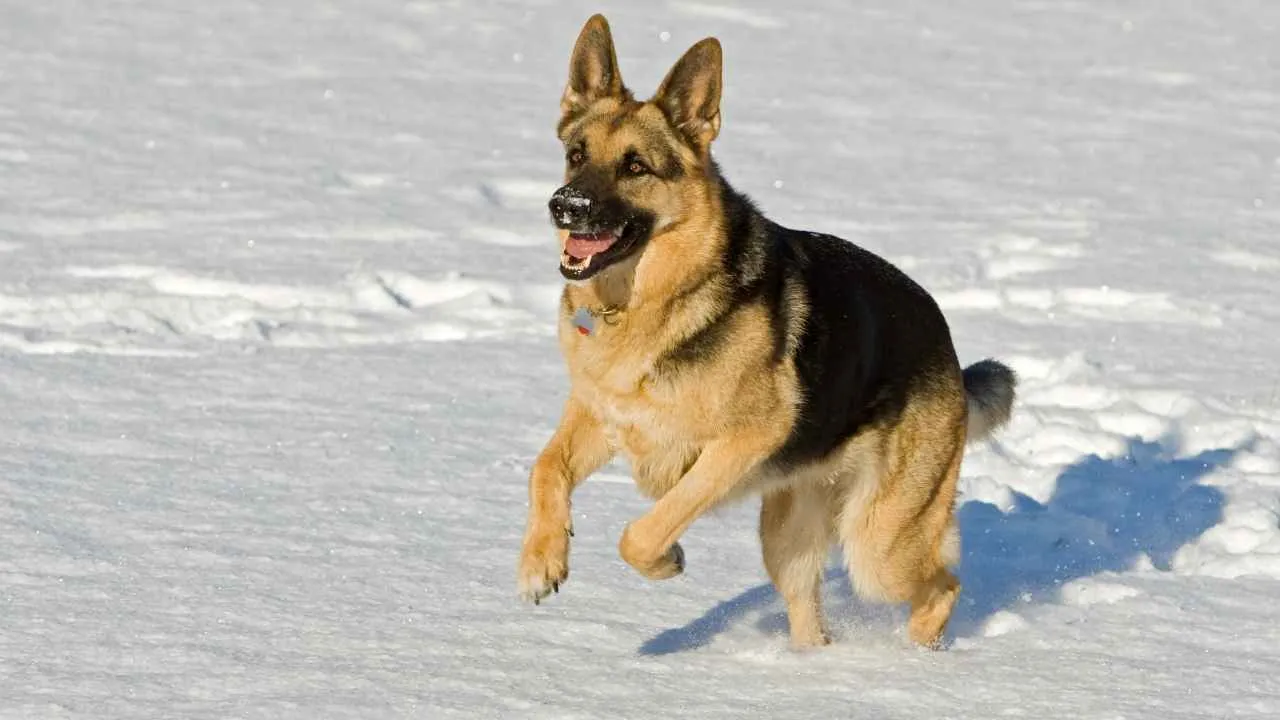
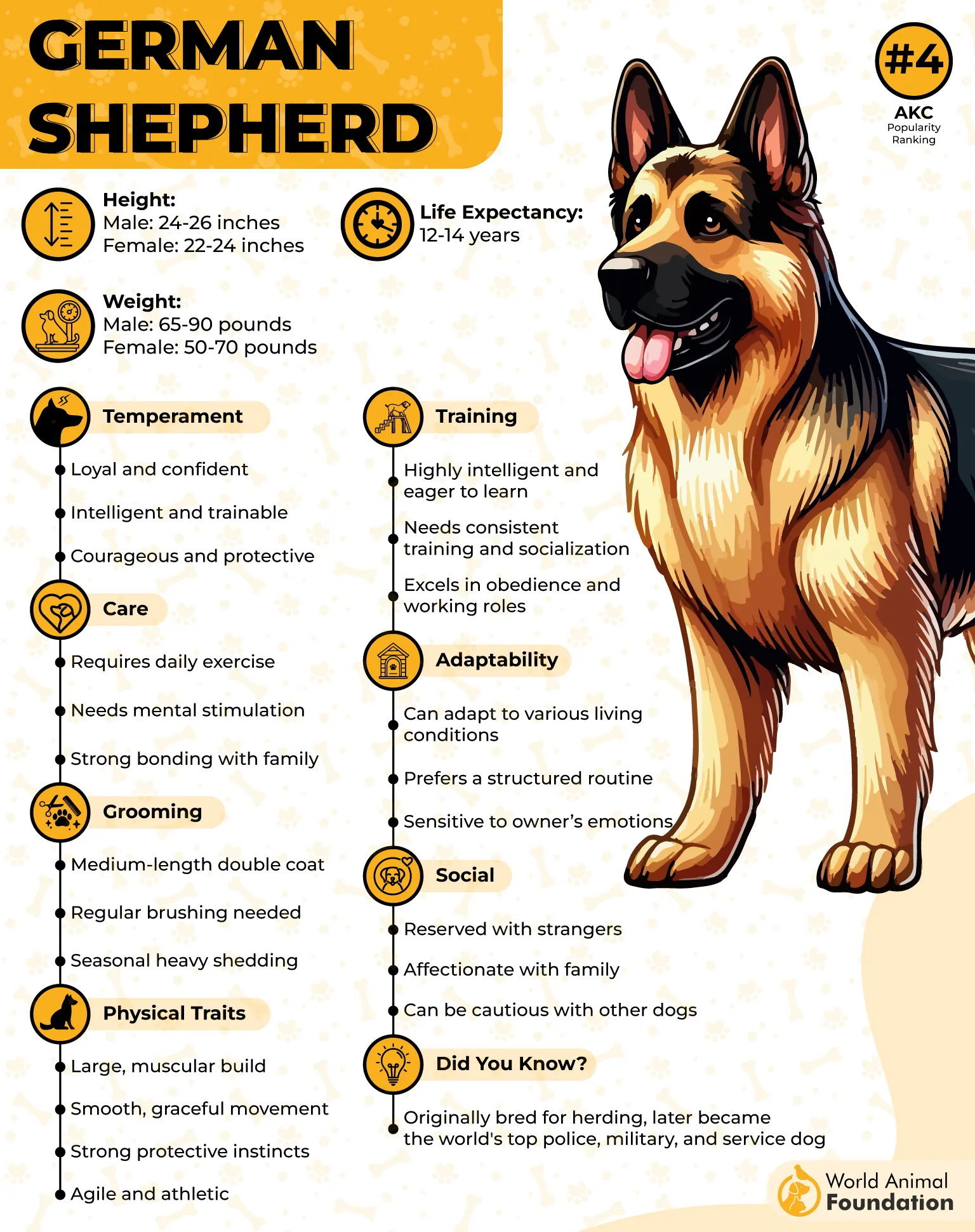
German Shepherd shows a large, muscular build paired with smooth body lines that reflect efficient movement across open ground. Its natural gait stays steady and controlled, yet it can shift into a faster pace when required. This physical structure supports long-distance covering ability in uneven terrain.
Capability shaped through task versatility
This high-energy dog responds strongly to structured work, handling multiple roles that involve coordination, detection, and physical engagement. Its intelligence allows it to adapt across different types of demanding field tasks.
This versatility appears clearly in working patterns:
Handles tracking across varied terrain types
Performs agility-based field movements
Engages in coordinated search-focused tasks
Character-driven response style
They act with a measured sense of awareness, often observing before engaging in unfamiliar surroundings. Its behavior reflects a controlled balance of confidence and caution, especially around new stimuli or shifting environments. This gives its reactions a deliberate rather than impulsive quality.
5. Great Pyrenees
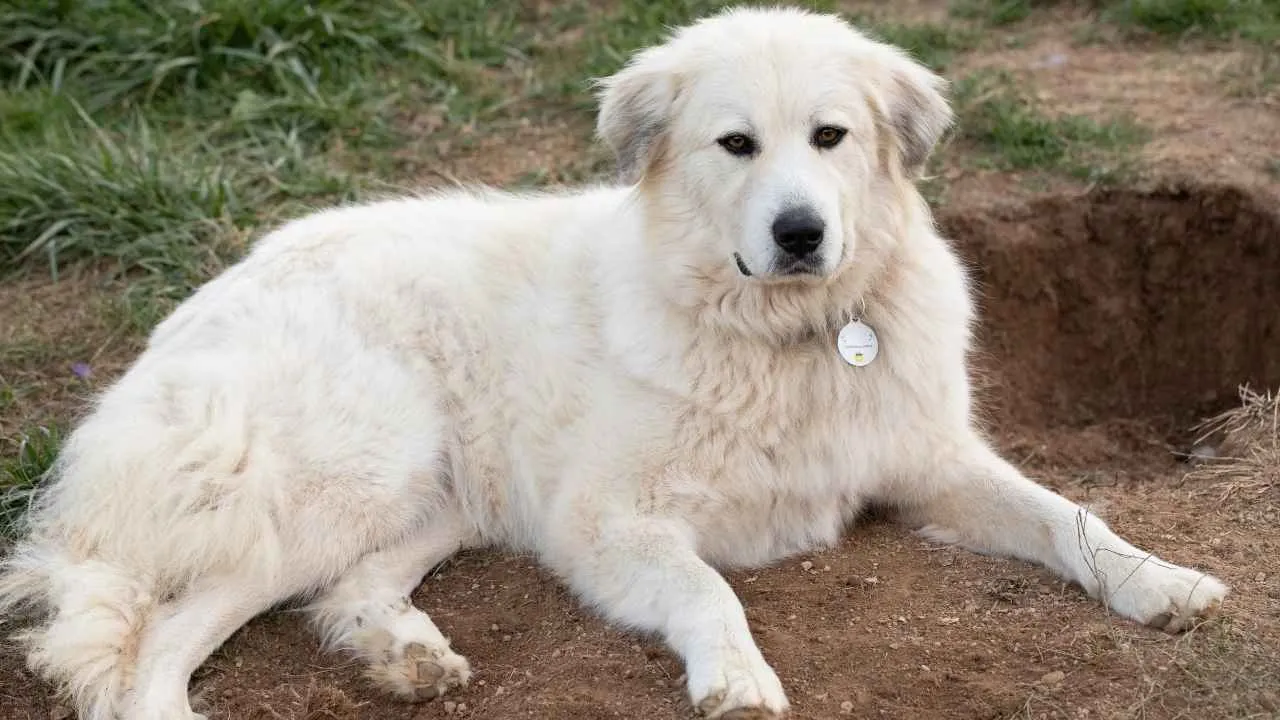
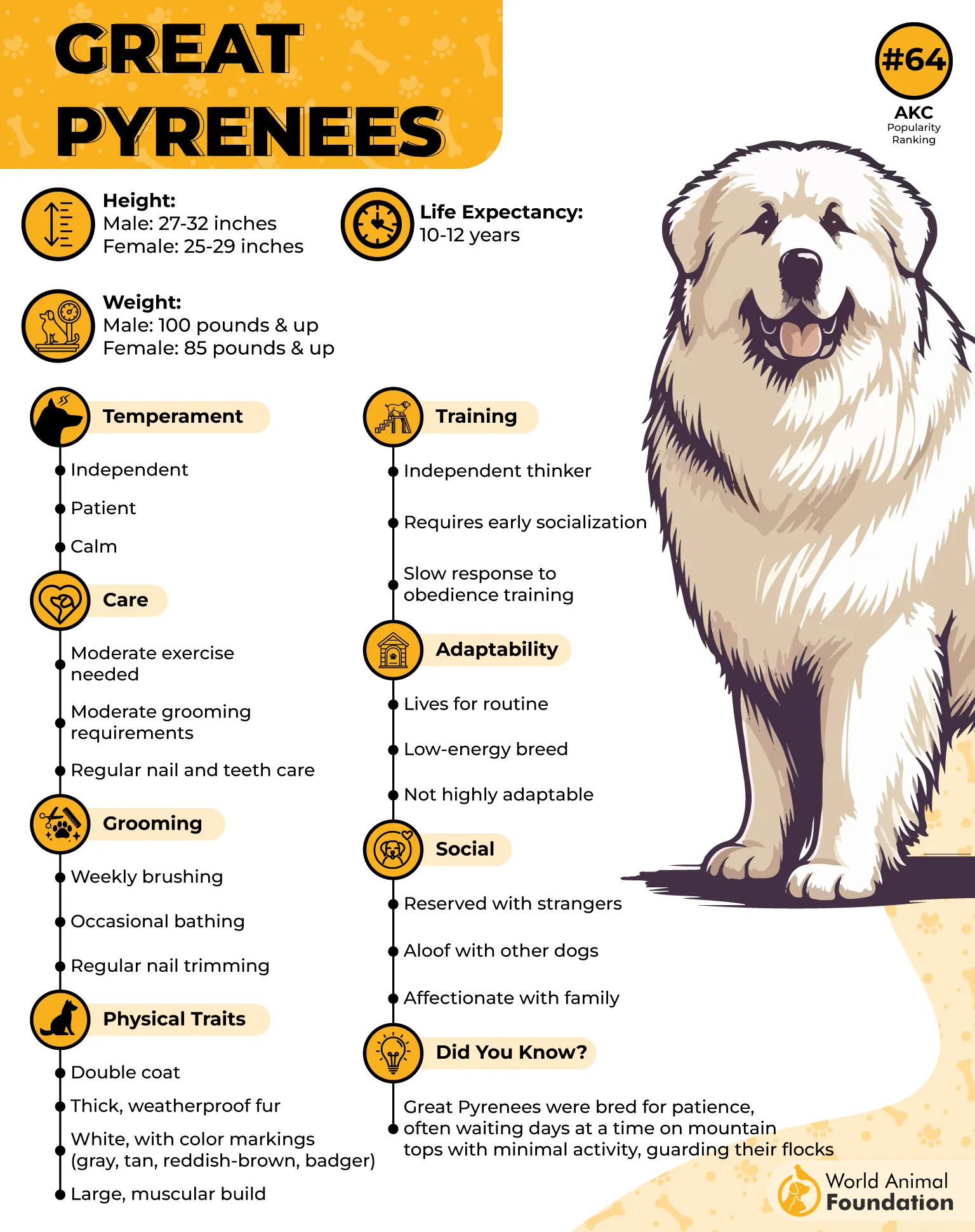
Great Pyrenees is a large mountain dog originally bred for guarding livestock across high-altitude regions between Spain and France.
Its thick white coat blends into snowy slopes, creating natural concealment while watching over herds. The scale of its body reflects long-term work against large predators in exposed landscapes.
Built for a wide protective range
They work across open ground with steady observation, holding position rather than chasing movement across terrain. Its presence alone influences how threats approach livestock areas.
That working style is reflected in clear structural traits:
A thick coat provides insulation in extreme climates
Large frame supports endurance across long patrols
White coloration blends into snowy environments
Temperament shaped by independent duty
They operate with independent judgment, making decisions in the field without constant direction. Despite its size and guarding role, it maintains a composed manner when not actively responding to threats. This balance comes from working alone in environments where constant supervision is absent.
6. Akita
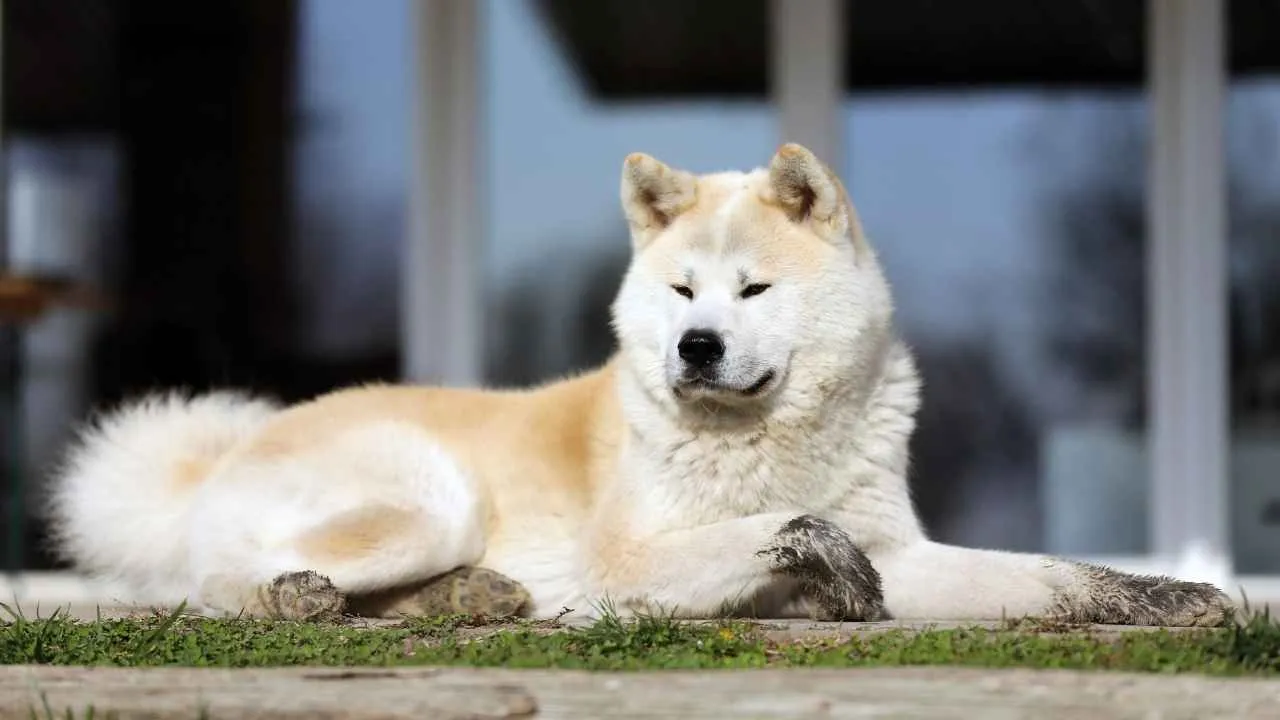
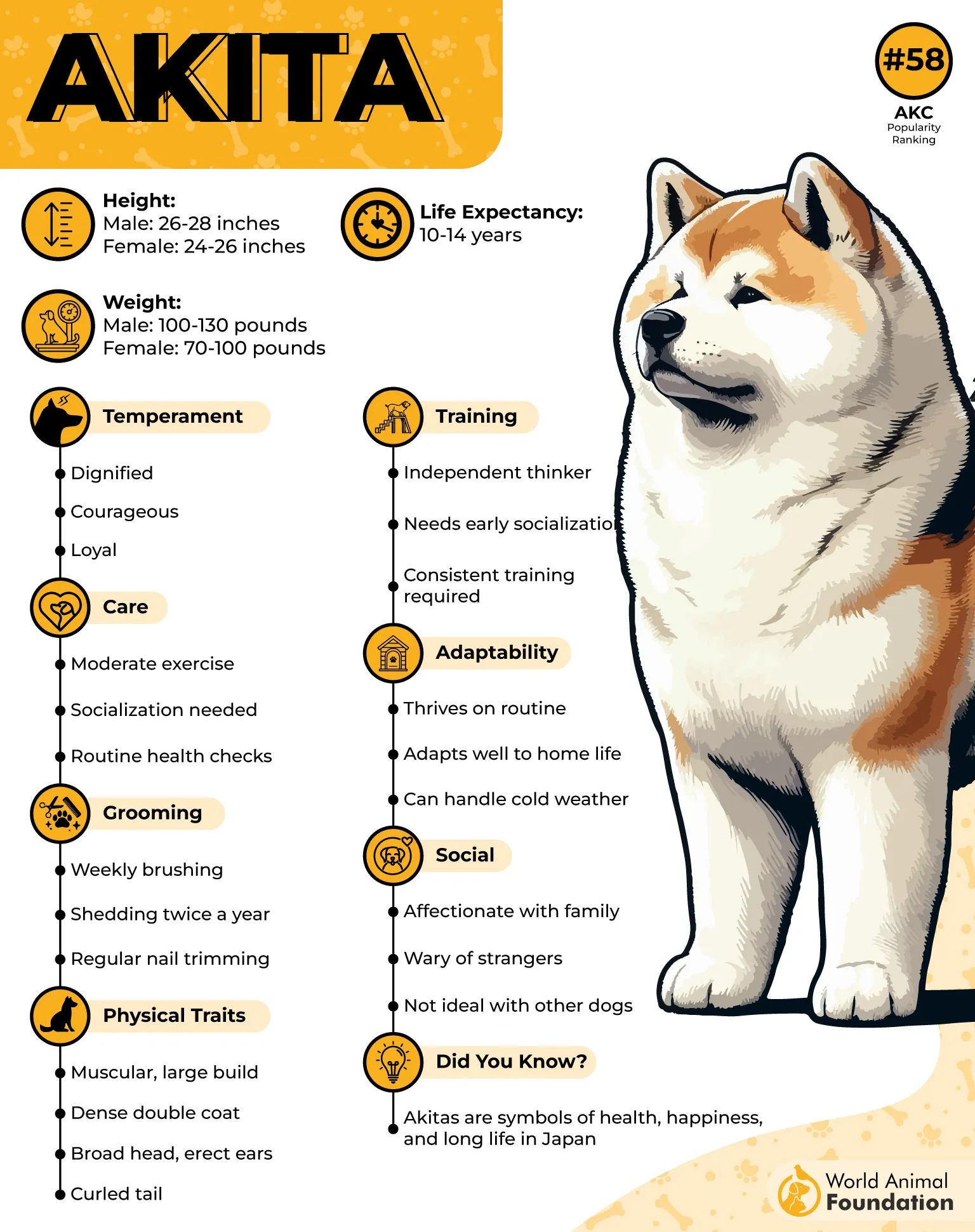
Akita presents a heavy-boned, muscular frame shaped by a dense double coat and a broad head that reflects controlled strength.
Its curled tail and upright ears frame an alert expression that rarely misses environmental shifts. This physical design signals a presence built for guarding rather than reaction alone.
Instinct shaped by selective awareness
They approach their surroundings with careful judgment, showing caution toward unfamiliar people and strong attentiveness toward what it considers its circle. Its guarding behavior is instinctive, often activating without visible agitation.
This controlled awareness is expressed through key traits:
Studies strangers before allowing closeness
Maintains protective positioning around family members
Responds to unfamiliar presence with measured restraint
Learning shaped by structure and exposure
They require early, consistent guidance paired with wide social exposure to different people and animals. Its independent nature means behavior is shaped more through structured experience than repetition alone. Strong early direction influences how its protective instincts are expressed later in life.
7. Bernese Mountain Dog
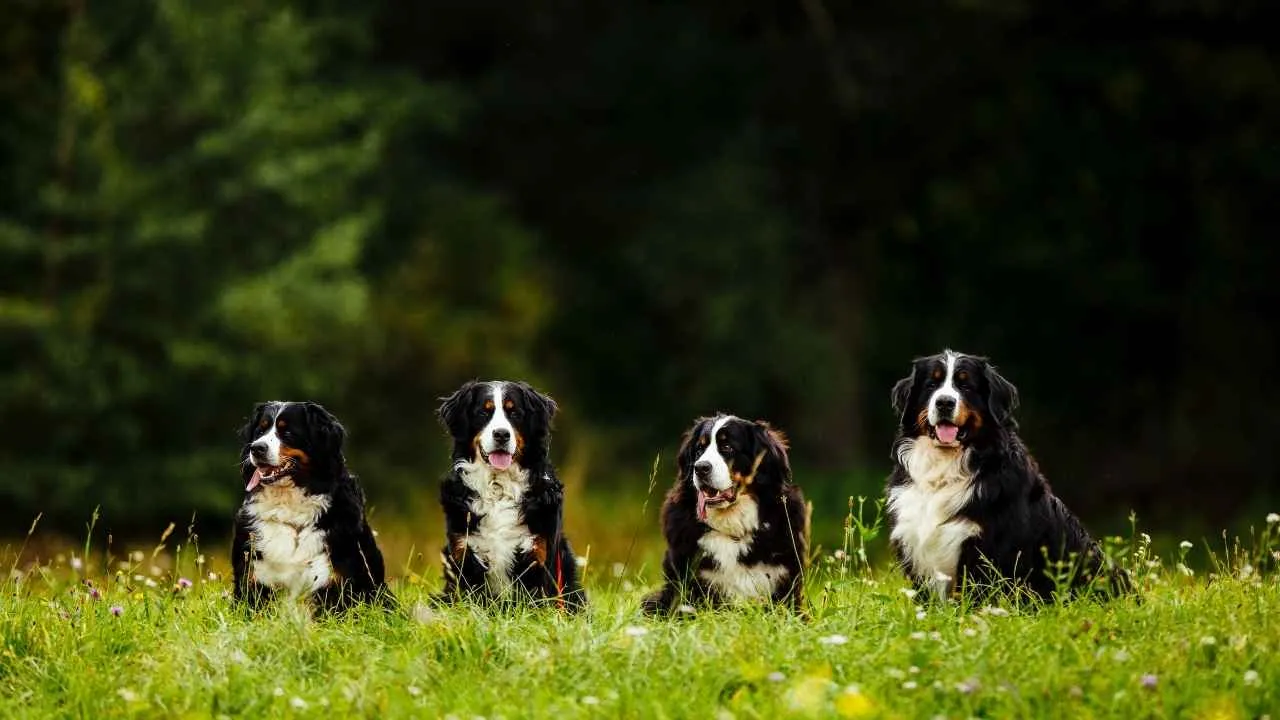
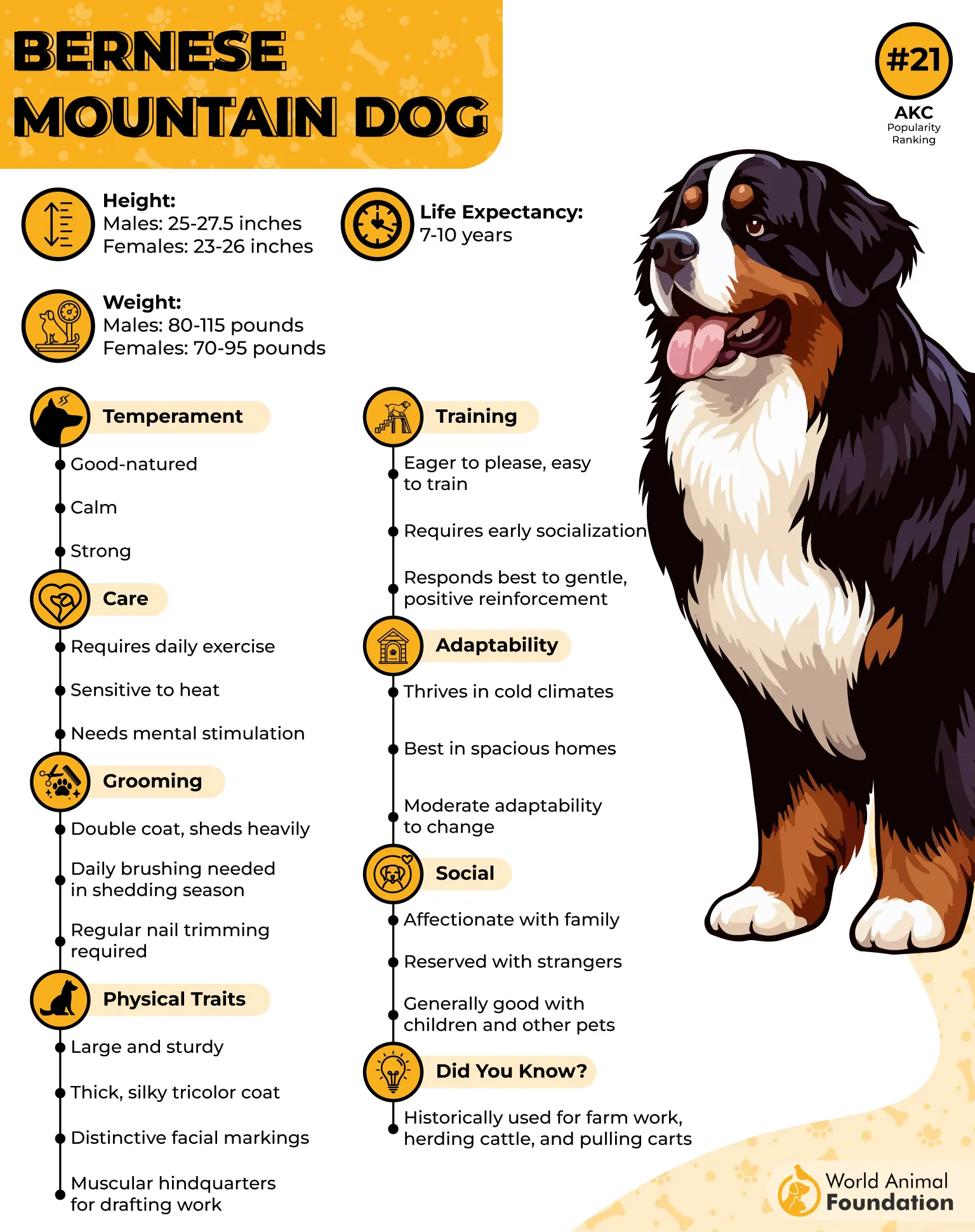
Bernese Mountain Dog shows a heavy, sturdy frame paired with a thick tricolored coat that suits cold environments. Its physical presence reflects a working dog designed for demanding outdoor conditions rather than light activity. The dark eyes and marked coat patterns add a calm but alert expression.
Active roles across farm and outdoor tasks
They handle a variety of working tasks that involve pulling, guiding, and steady physical effort across open spaces. Its structure supports controlled strength rather than speed-focused action.
This working versatility appears in practical functions:
Pulls carts and supports draft-style work
Participates in tracking and obedience activities
Engages in herding and rally-based tasks
Outdoor energy balanced with family life
This gentle giant enjoys outdoor life through walks, hiking trips, and camping activities, often staying close to its human group during these moments.
It shows willingness for movement while still maintaining a steady, grounded presence. This balance allows it to shift between work-like activity and calm indoor behavior.
Conclusion
Living in rugged environments reveals qualities in dogs that are not always visible in controlled settings. The breeds in this list show how endurance, awareness, and instinct come together under real pressure, especially for outdoor lovers who follow an active lifestyle. Their ability to move across difficult terrain, including rough trails, and respond to changing conditions is shaped by generations of purpose.
Some rely on strength, while others depend on coordination or independent judgment, supported by the right level of mental and physical stimulation. These differences become clearer over time. When matched correctly, these dogs do not struggle with the environment. Instead, they adapt to it naturally, making them reliable companions where consistency, resilience, and steady presence matter most every single day.
