




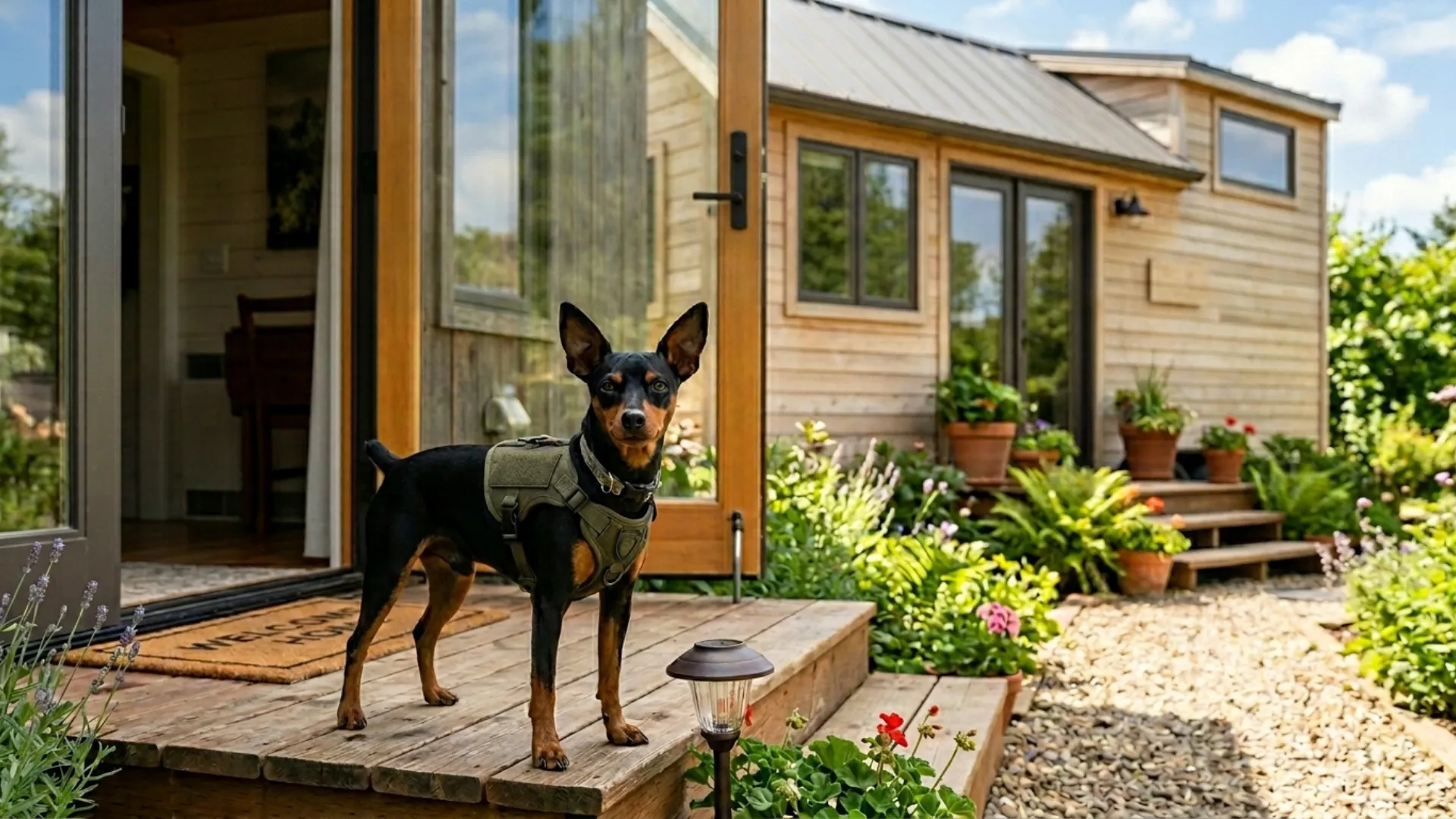
Home security experts often emphasize the importance of early detection. Identifying unusual activity quickly can make a significant difference in how effectively a household responds to potential concerns.
While technology plays a major role in modern security, dogs continue to provide something that machines cannot fully replicate. They actively observe their surroundings and react based on their protective instinct, experience, and familiarity with their environment.
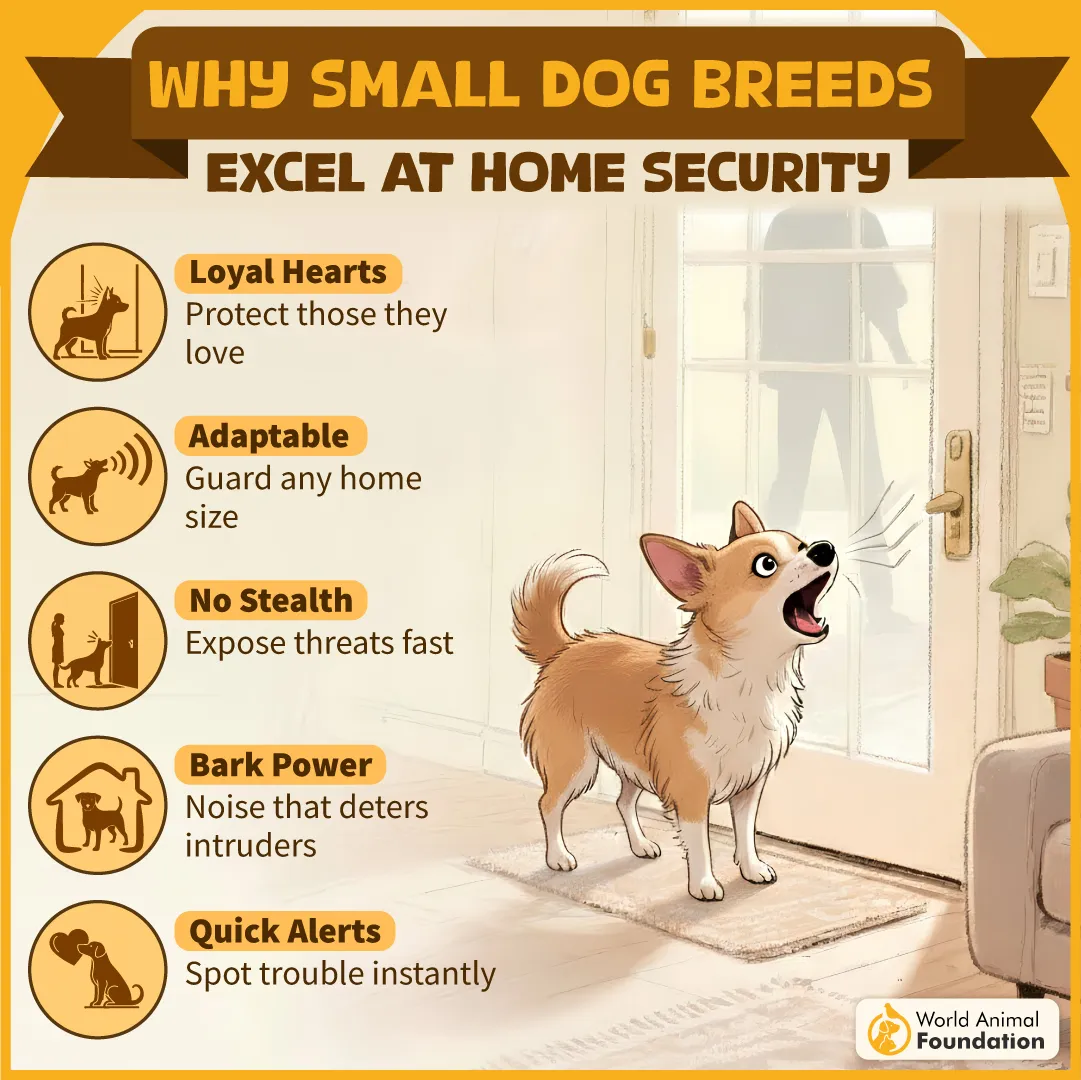
Small dog breeds are particularly interesting in this regard because many possess an exceptional awareness of daily activity around the home. They quickly recognize when something differs from the ordinary and rarely hesitate to draw attention to it.
In the sections ahead, you’ll discover the small breeds that consistently stand out for their alertness, protective instincts, and commitment to keeping a close eye on their households.
Key Takeaways
Small dogs often notice what the human eye overlooks, reacting fast enough to make them surprisingly effective at home awareness.
Chihuahua and Miniature Pinscher often react within seconds, picking up movement or sound that most would miss and turning quiet spaces into alert zones.
Yorkshire Terrier and Lhasa Apso carry that same watchful instinct, staying close to familiar people while constantly scanning their surroundings.
Keep reading to see which tiny breeds naturally step into the role of a home’s first line of defense and become one of the best guard dogs.
Protective Small Dog Breeds: Your Tiny Home Security Team
1. Chihuahua
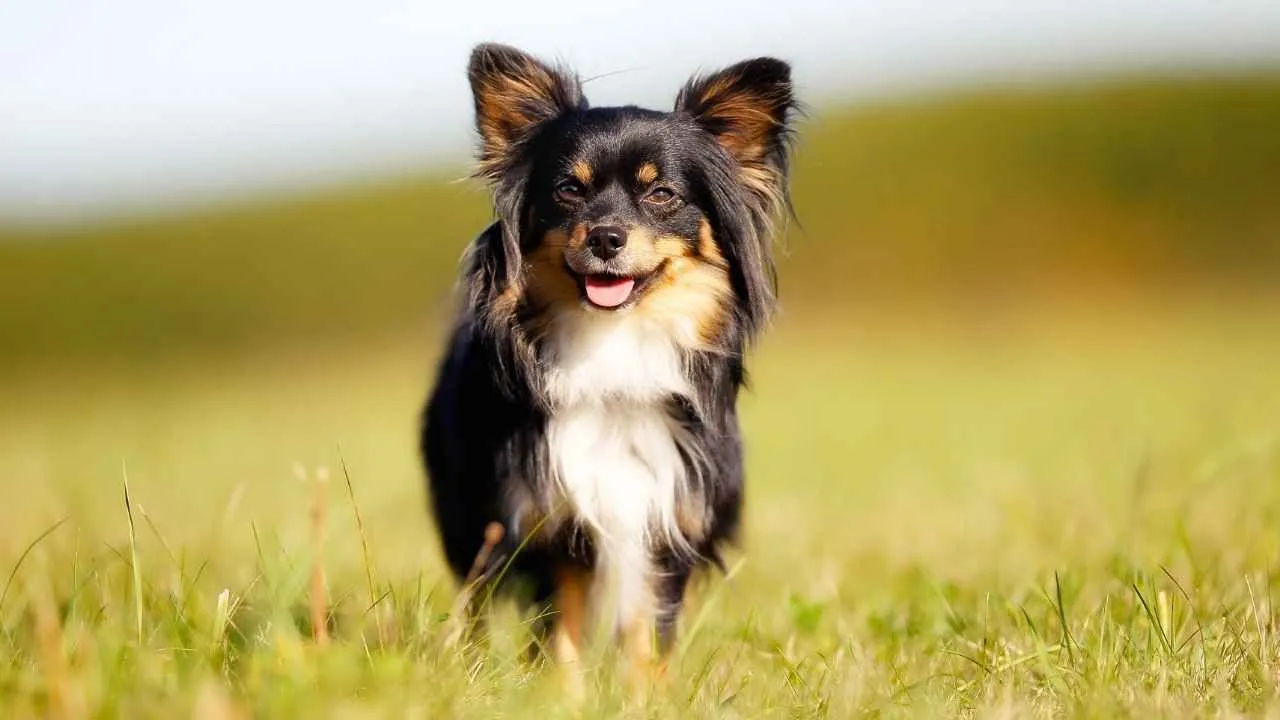
The Chihuahua reacts quickly to its surroundings, often alerting the household with sharp awareness despite its compact size. Closely bonded with trusted people, it prefers staying near familiar faces throughout the day. Its confidence often feels larger than its body suggests.
Energetic and Responsive Nature
Small size does not limit its activity level, as it stays engaged through play and short bursts of movement, as PetMD stated. Routine interaction helps balance its energy while keeping behavior steady.
These points reflect how it fits into active home settings:
Strong attachment to familiar people
Quick response to surroundings
Enjoys indoor play and short walks
Training and Daily Handling
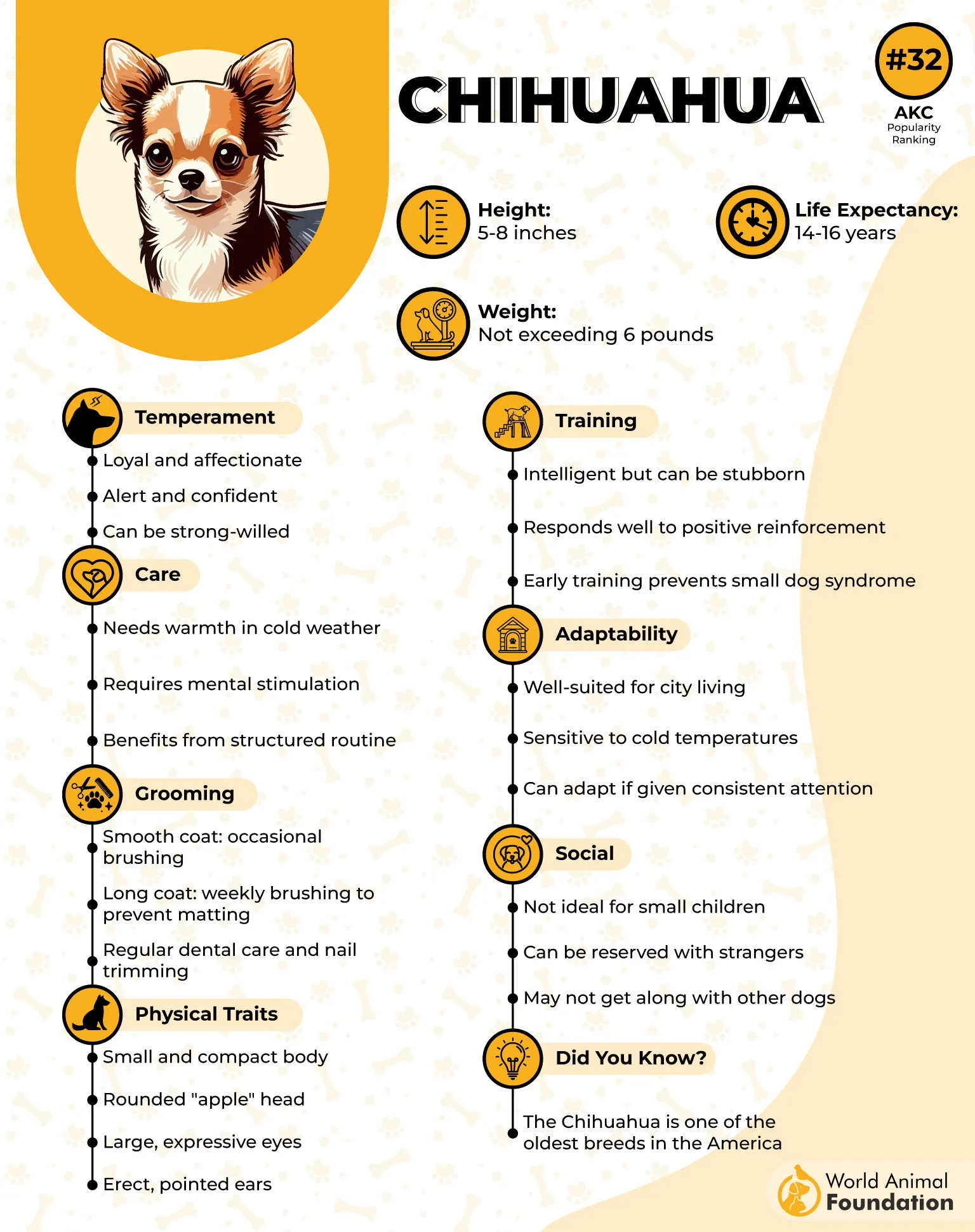
This little protective dog breed responds well to consistent, patient guidance that uses simple positive reinforcement. Intelligence and independence often appear together, shaping both learning speed and behavior patterns. Small size also calls for careful handling around children and larger pets.
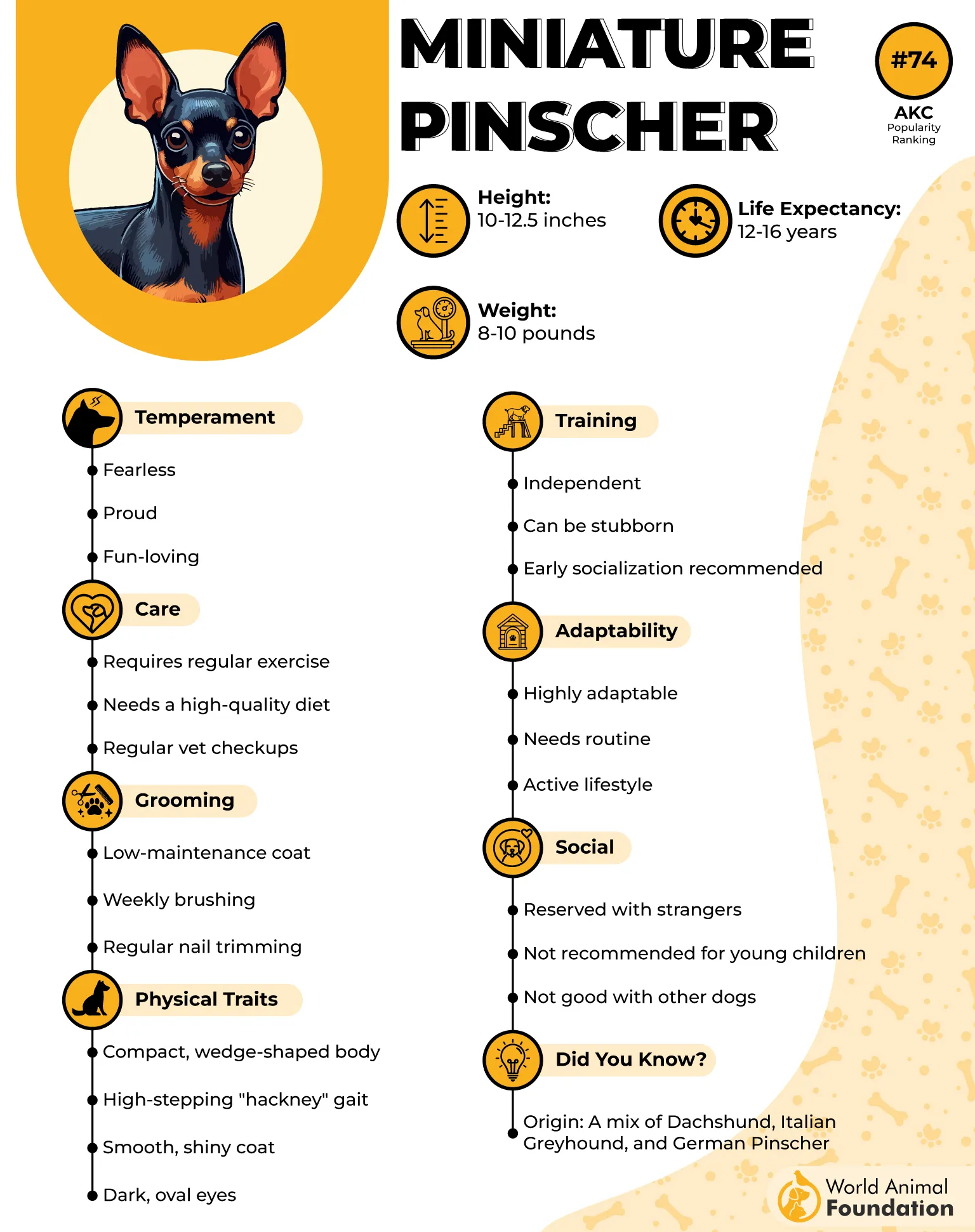
2. Miniature Pinscher
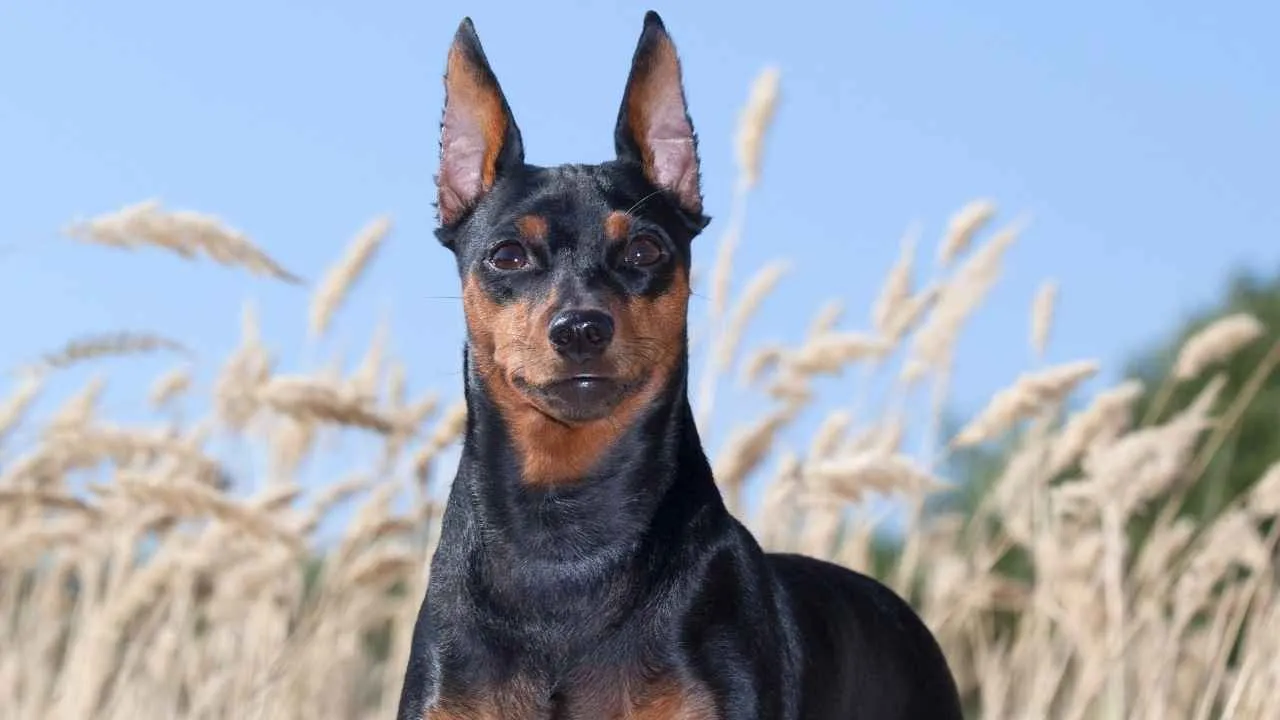
The Miniature Pinscher steps in with a bold, almost oversized attitude packed into a compact frame of about one foot in height. Its alert stance and quick reactions give it a lively presence that rarely goes unnoticed indoors or outdoors. Despite the size, confidence drives much of its daily behavior.
Energy in a Small Frame
High energy and sharp intelligence shape how this protection dog interacts with its surroundings, often turning simple moments into active engagement, as per WebMD. Its curiosity pushes it toward movement, training games, and structured challenges.
These core traits shape its everyday rhythm:
High energy bursts throughout the day
Quick response to training cues
Strong independent decision-making
Training and Control Needs
Steady guidance helps channel its intelligence into productive routines, especially during training or play sessions. Activities like fetch, agility tasks, and structured obedience work fit well with its fast-paced mindset. Consistent attention helps manage its independent streak within daily routines.
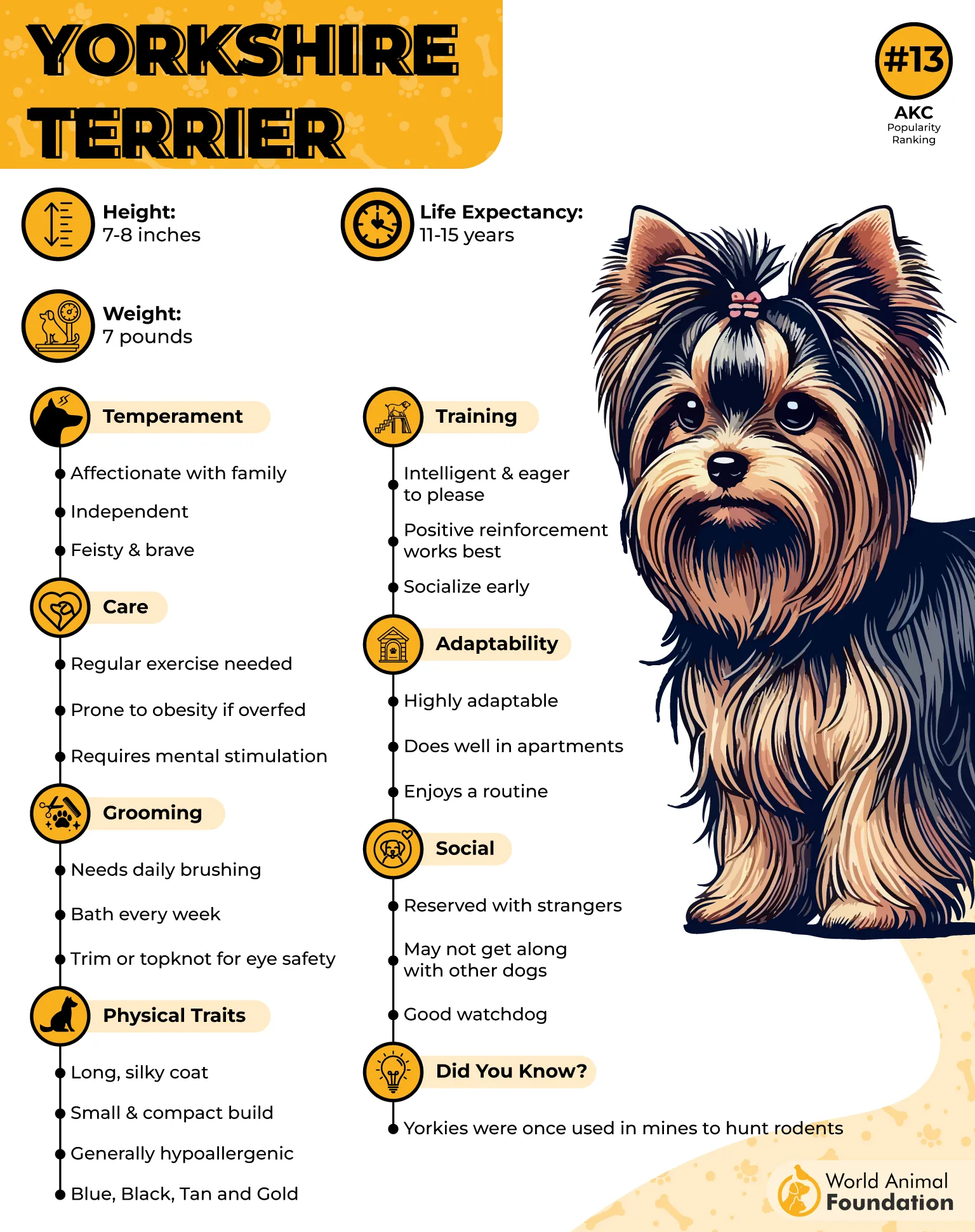
3. Yorkshire Terrier
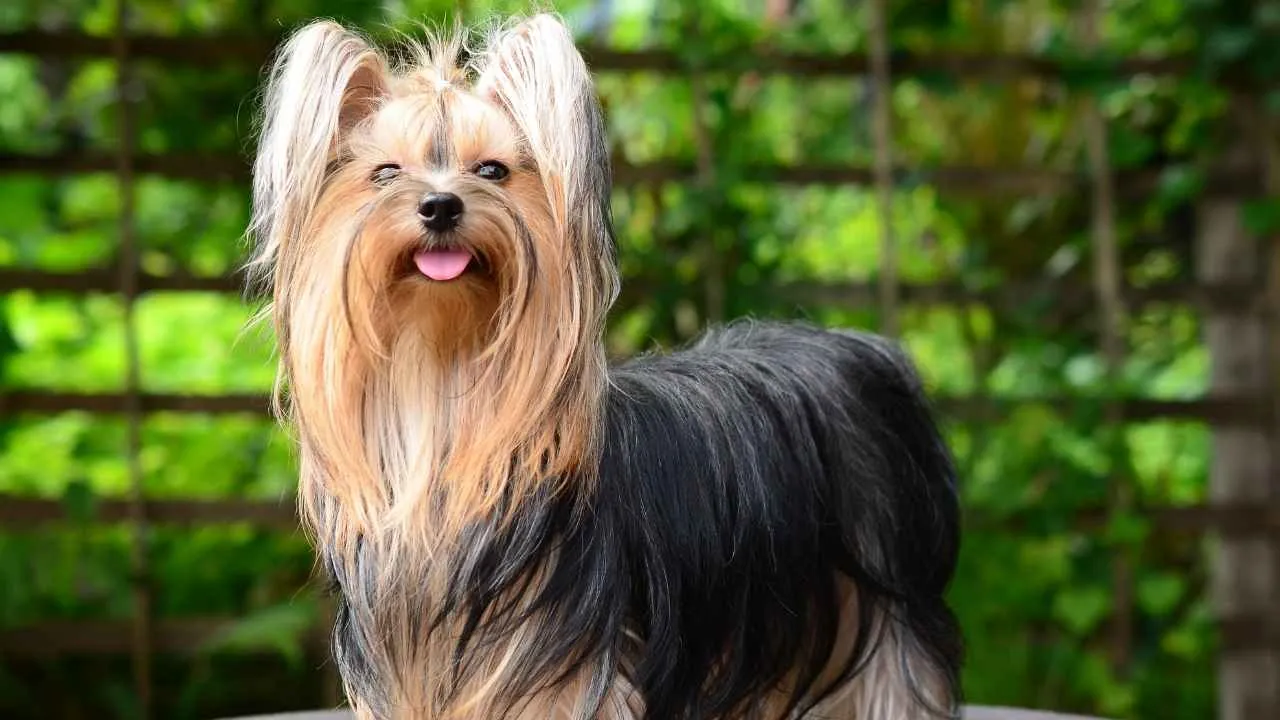
The Yorkshire Terrier attracts attention with a compact build paired with an unusually energetic and assertive personality. Once valued in textile mills for controlling rodents, its sharp instincts reflect that working past. Beneath the silky coat sits a lively mind that stays active throughout daily routines.
Energy in Small Spaces
This guard dog breed fits well into flats or larger homes, adapting easily as long as attention and activity are part of the day. Its alert behavior keeps it engaged with its surroundings, making interaction a constant part of its routine.
This is how they balanced their energy pattern:
Needs regular mental engagement
Responds well to short daily walks
Enjoys interactive indoor play
Personality in Daily Life
It often behaves with confidence that feels larger than its size, showing both affection and a touch of stubbornness. This mix can make training require patience and consistency, especially when motivation levels shift. Early socialization shapes smoother interactions with people and other dogs.
4. Lhasa Apso
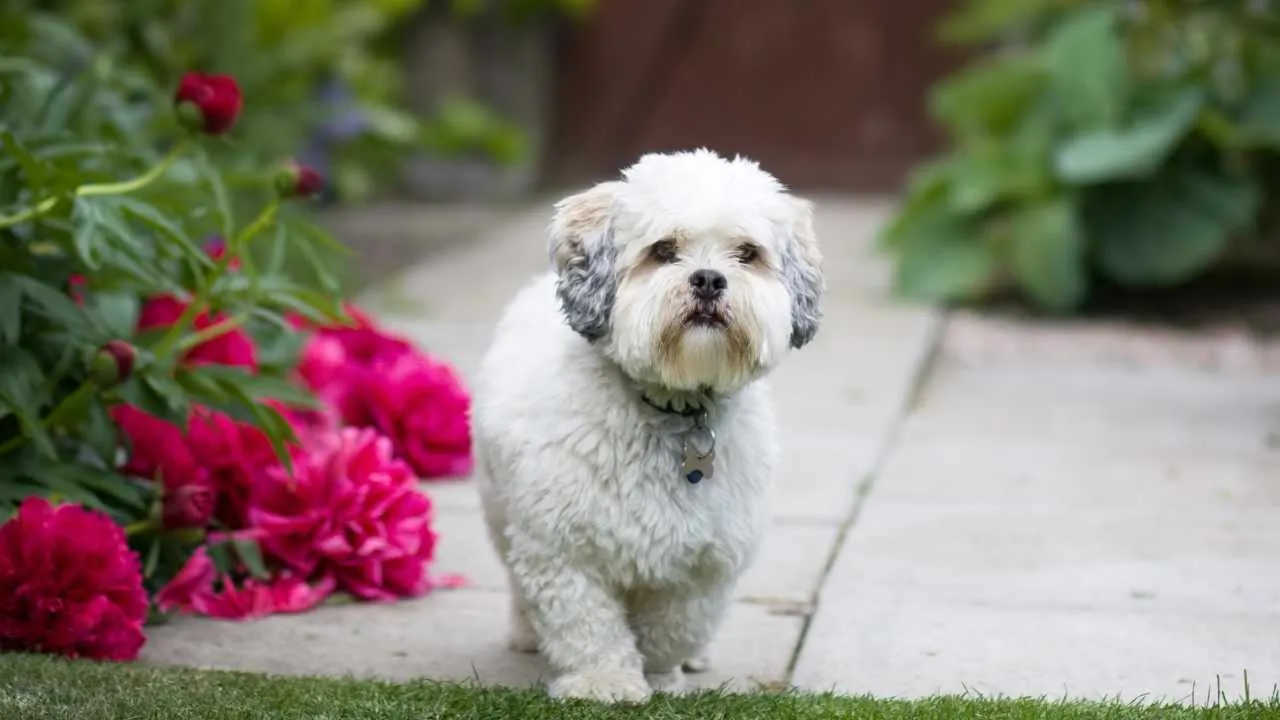
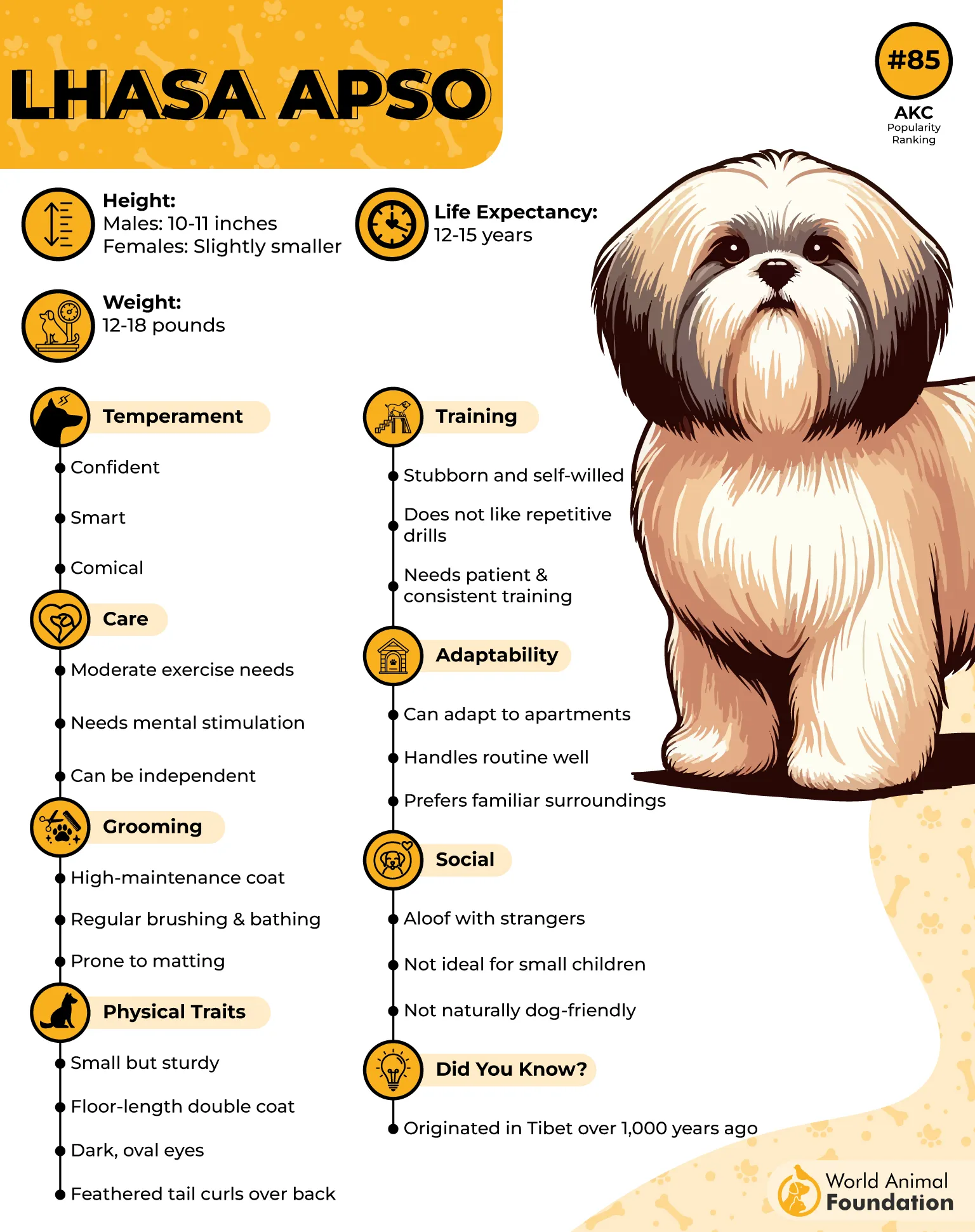
The Lhasa Apso is known for its long-standing role as a small monastery watchdog in Tibet, living at high Himalayan altitudes where its dense coat offered protection from freezing conditions. Often called “bearded lion dog,” it was valued for alertness within sacred spaces.
Alert Companion Role
According to Hills Pet, in tighter home setups, it relies on sharp awareness and fast reactions rather than physical size. Its alert and protective nature make it quick to respond to unusual sounds or movement.
These behavioral traits highlight this steady, watchful pattern:
Quick to notice unfamiliar activity
Responsive to consistent training
Enjoys interactive engagement
Mind and Behavior Flow
This guardian breed carries a playful yet intelligent mindset that benefits from regular mental engagement. Without enough stimulation, it may turn restless or overly vocal in search of activity. Simple daily interaction helps keep its energy directed in a balanced way.
5. Miniature Schnauzer
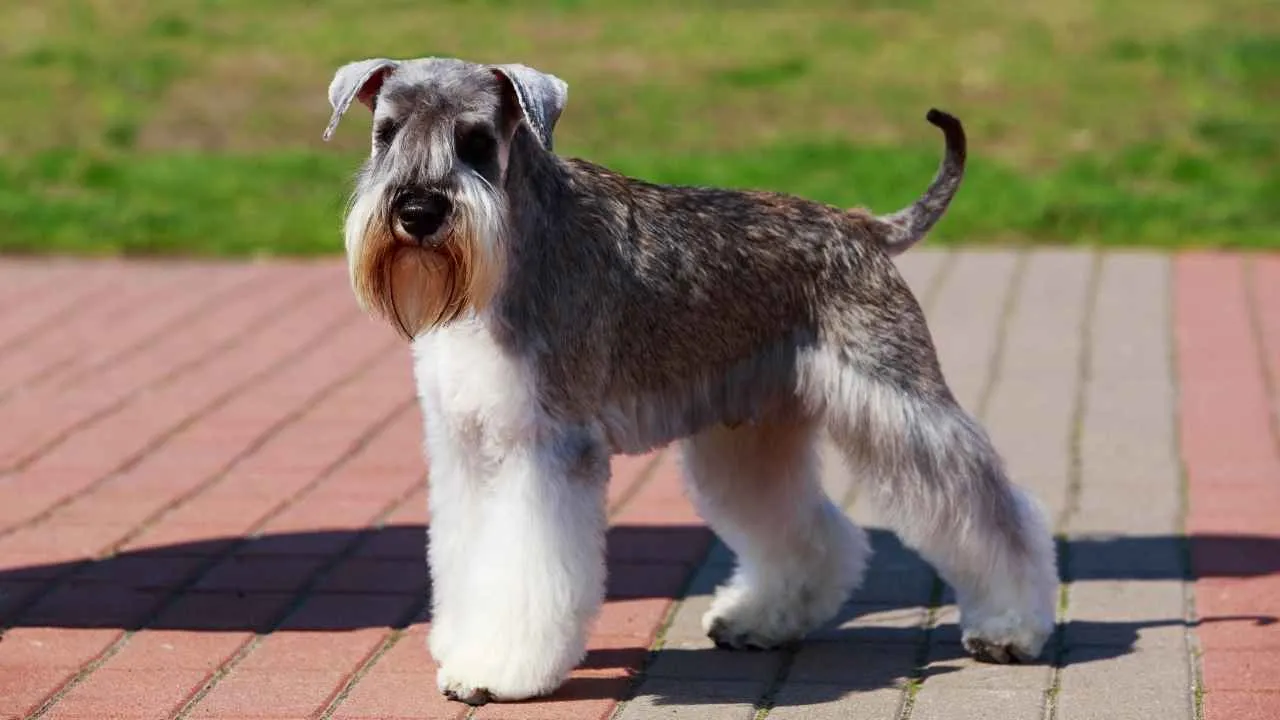
The Miniature Schnauzer reflects its roots in old German working dogs that were once relied on for cart pulling, livestock herding, and rat hunting. That strong working foundation still shapes its lively and alert personality today. A sharp expression and wiry coat add to its unmistakable look.
Active Mind and Daily Energy
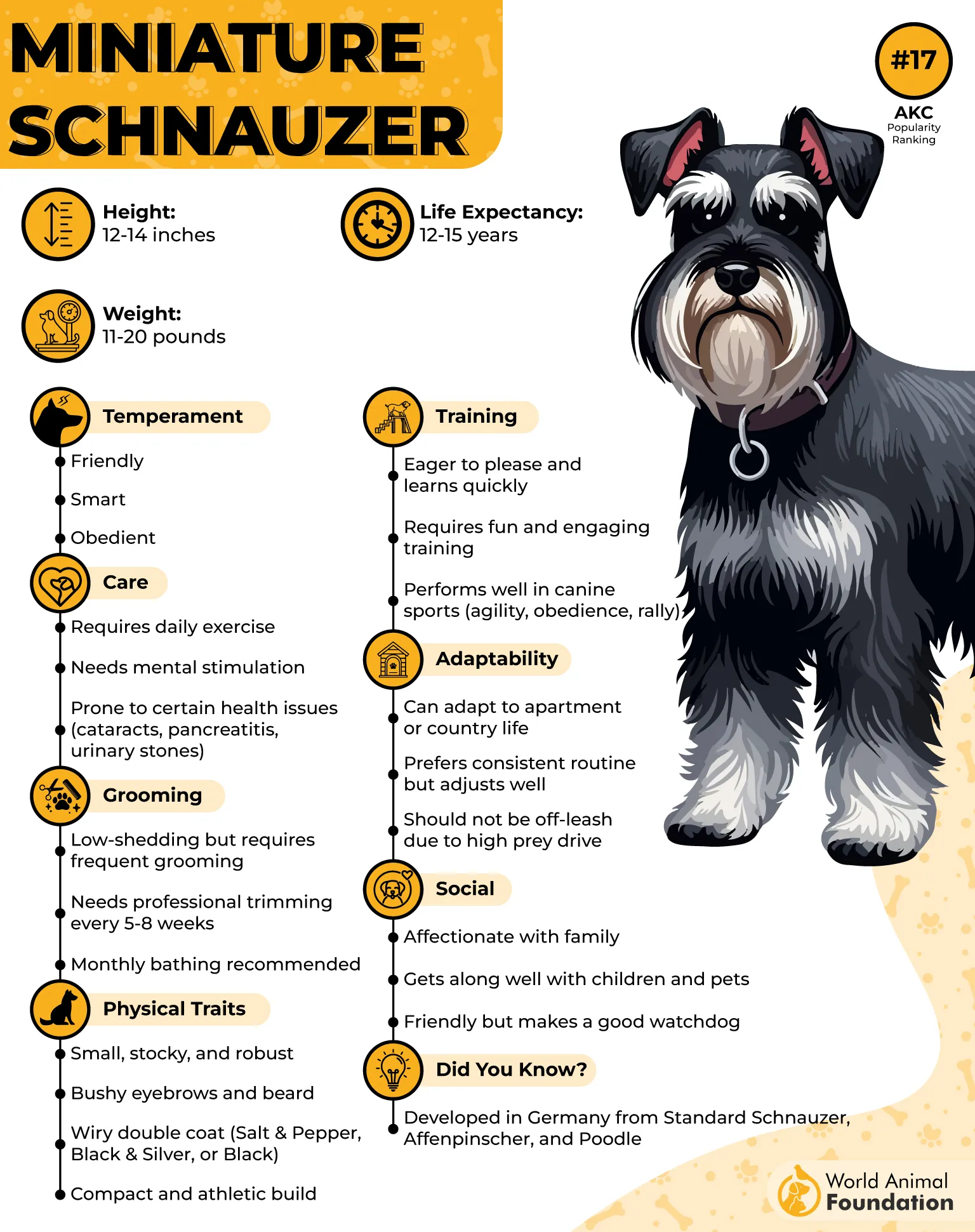
Mini Schnauzers are muscular dogs and adapt well to both smaller living spaces and open rural settings, provided their energy is properly directed. Regular activity and mental engagement help channel its sharp intelligence into positive behavior.
The breed’s daily habits look like this:
Needs consistent mental stimulation
Enjoys structured play and learning
Responds quickly to commands
Training and Social Balance
This loving companion learns new tasks with enthusiasm when guidance stays consistent and engaging. Early social exposure helps it adjust better to children and other pets in shared spaces. Activities like agility and obedience work suit its sharp focus and energetic drive.
6. Cairn Terrier
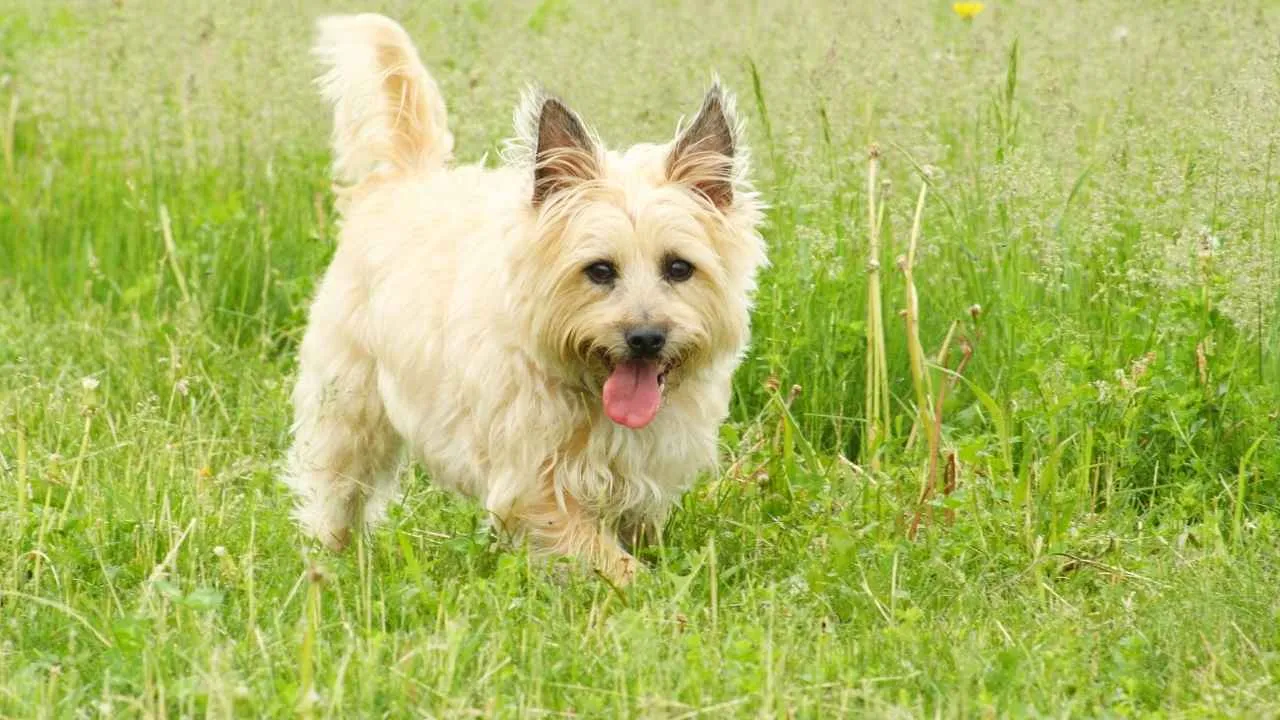
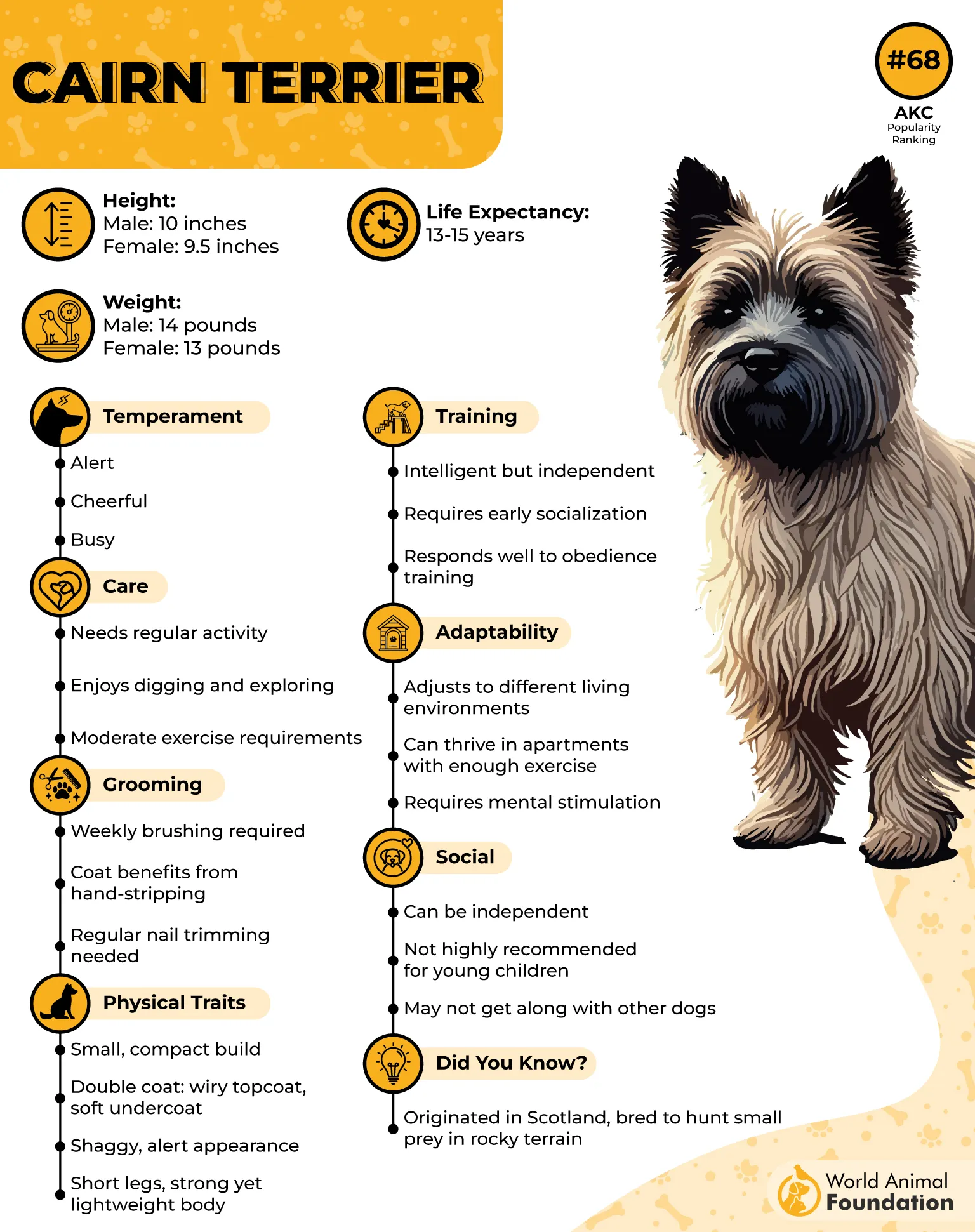
The Cairn Terrier is rooted in Scotland’s Isle of Skye, where it worked through rocky farmland chasing small quarry between cairns and stone piles. Its compact build and determined focus were shaped by tight spaces and constant ground-level pursuit.
Task-Focused Energy
The Cairn Terrier handles activity in short, sharp bursts rather than long stretches of pacing. Its attention locks quickly onto movement, which makes it effective in clearing pests from working land.
These behavior patterns explain how it stays engaged:
Reacts instantly to ground movement
Prefers short active bursts over long effort
Uses digging behavior as a problem-solving action
Independent Watch Behavior
This Terrier often keeps track of its surroundings without needing direction, especially in familiar spaces. Its barking tends to respond to triggers rather than habit, which makes it useful around farms and storage areas. This selective response creates a practical form of small-scale monitoring.
7. Scottish Terrier
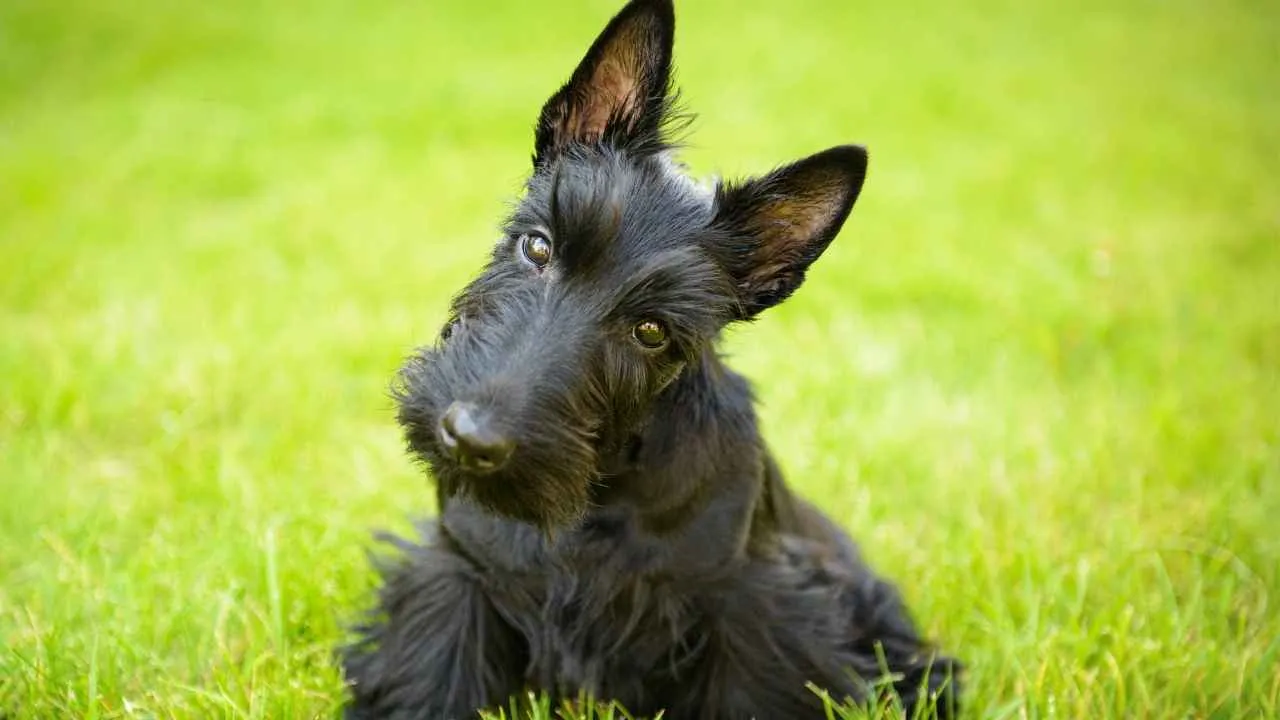
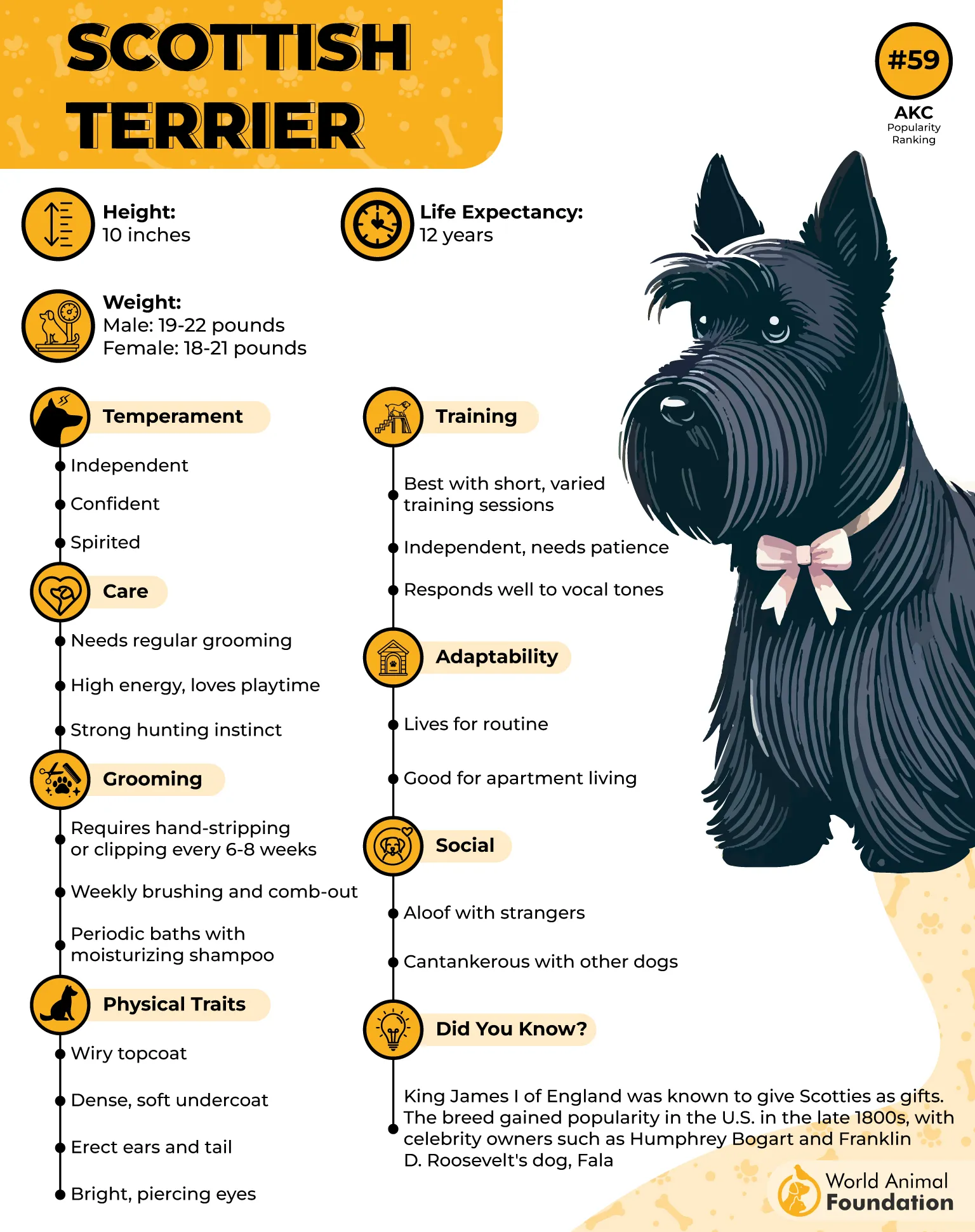
The Scottish Terrier has a solid, low-built frame that was shaped for moving through tight ground while tracking vermin across Scotland’s rural terrain.
Its confident posture reflects a working style built around focus rather than speed. Even in modern settings, that steady determination still guides its behavior.
Focused Energy Workstyle
This energetic breed manages activity in a measured way, preferring purposeful engagement over constant motion. Its attention often locks onto movement or changes in surroundings, which once supported its role in pest control work.
This is how they handle stimulation:
Responds quickly to nearby movement
Works in short, efficient activity bursts
Uses digging instinct during engagement
Reserved Home Behavior
It interacts closely with familiar people but keeps a careful distance from unfamiliar faces. Its communication style is controlled, often relying on selective reactions rather than frequent vocalization. This measured approach creates a steady household presence without unnecessary disturbance.
Conclusion
The appeal of these small companions extends well beyond their size. Each brings a unique balance of attentiveness, loyalty, and confidence that helps explain why they remain such valued household dogs. They may not occupy much space, but they often stay deeply involved with their family members and are naturally alert to everything happening around them.
Their ability to notice unfamiliar sounds, movements, or changes creates a natural sense of awareness within the home. Many are naturally protective and can become excellent guard dogs with proper training. At the same time, they remain devoted companions who enjoy sharing daily life with their families, making their blend of affection and vigilance especially appealing.
