




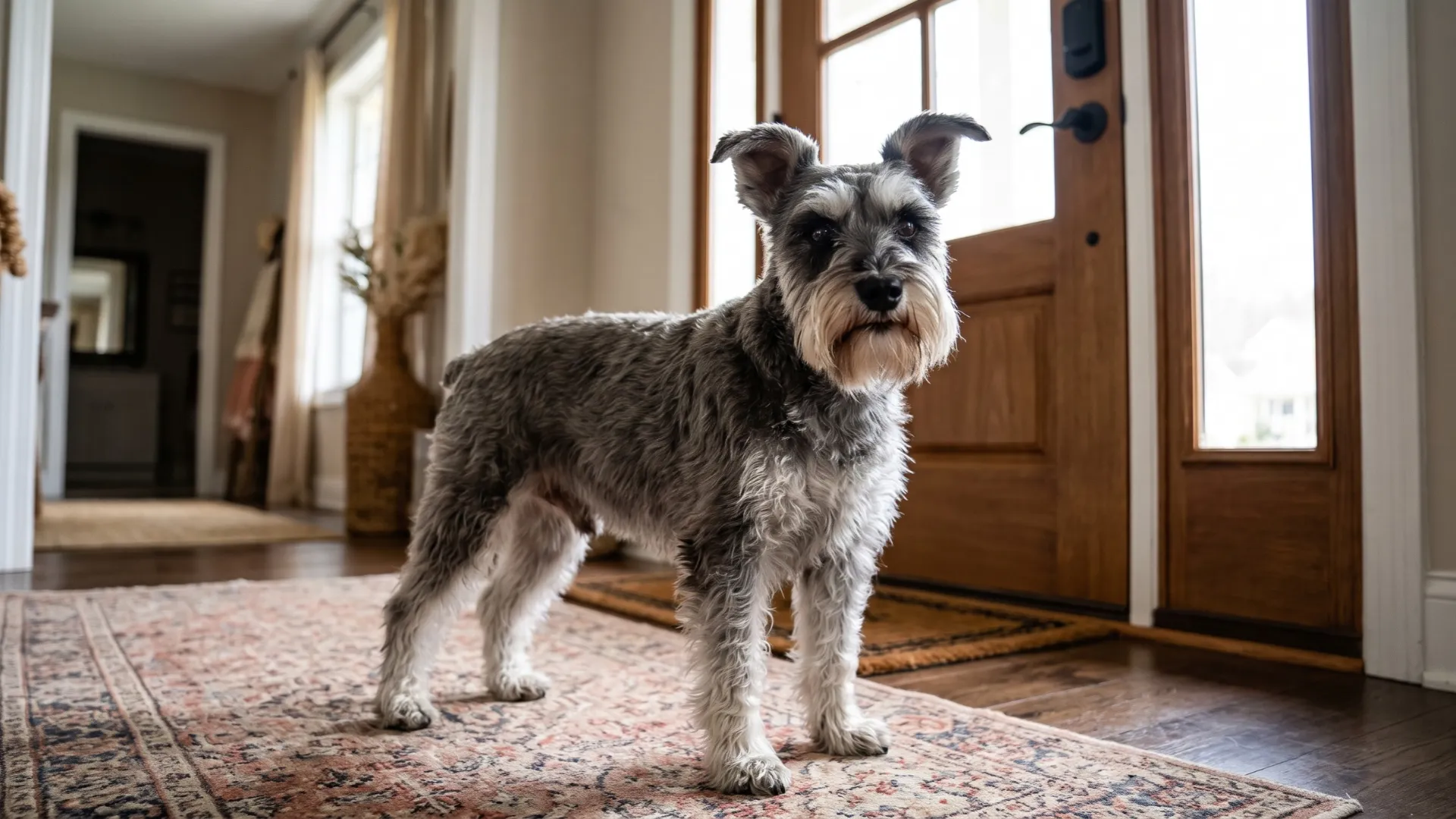
Who says a home guardian needs to weigh 100 pounds and look like they moonlight as nightclub security?
Some small dogs come equipped with surprisingly sharp hearing, suspicious little eyebrows, and fearless personalities. They may not physically stop an intruder like a traditional protection breed, but as alert watchdogs, these pint-sized sentries can be seriously impressive.
A good small watchdog notices unusual activity, alerts its people, and learns when everything is actually fine. That last part matters because without socialization and training, an “excellent alarm system” can quickly become “breaking news: a leaf moved outside.”
The seven small guard dog breeds below bring very different styles of home security, from the mustachioed Miniature Schnauzer to Tibetan breeds whose ancestors literally watched over monasteries.
Protective Small Dog Breeds: Your Tiny Home Guardians
1. Miniature Schnauzer
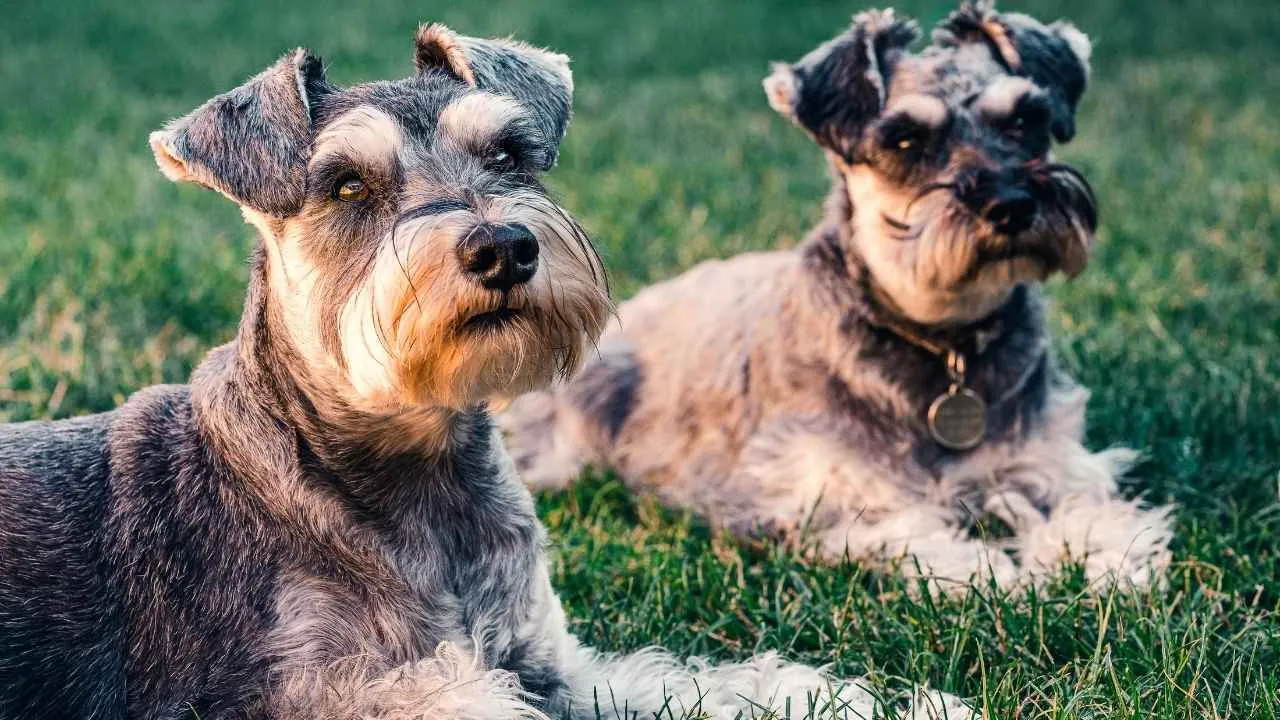
The Miniature Schnauzer looks like a tiny old gentleman that has already reviewed your credentials and remains unconvinced. This sturdy German breed was developed from larger Schnauzers for farm work and rat control.
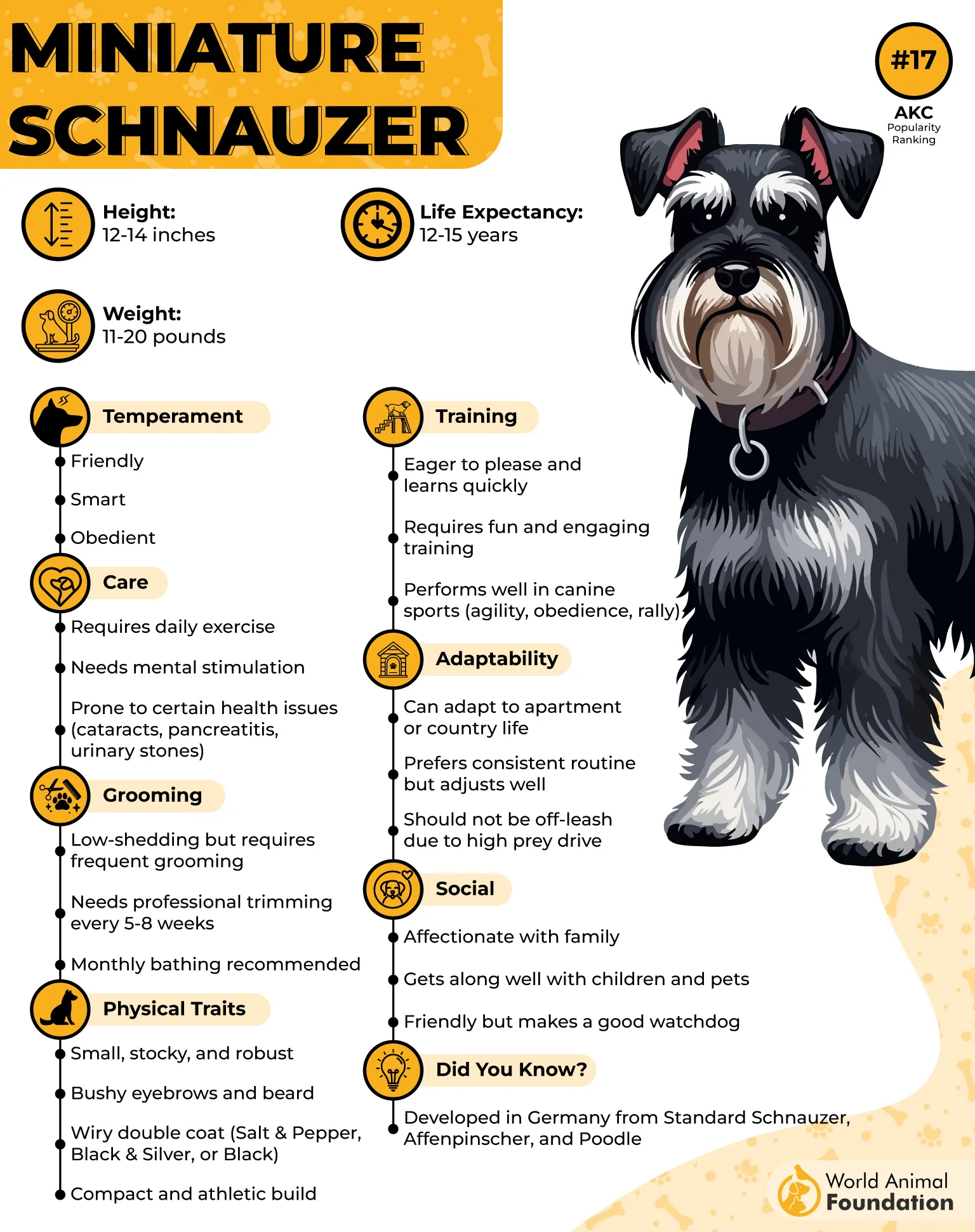
That farm-dog background helps explain why these little bearded detectives seem permanently interested in what is happening around them. A Miniature Schnauzer may notice a visitor, delivery person, unfamiliar sound, or suspicious squirrel before you have even located your slippers.
These affectionate dogs are not simply walking alarm systems, either, because Minis are bright dogs that learn household rules quickly. They respond well to short, engaging training sessions, and one cited ranking from psychologist Stanley Coren placed Miniature Schnauzers 12th among the breeds studied for working and obedience intelligence.
Exercise matters because their naturally alert little brain works better when the body has something productive to do. Daily walks, fetch, fenced-yard games, sniffing activities, and training can help channel their energy, while their strong prey drive means off-leash freedom outside secure areas is risky.
2. Miniature Pinscher
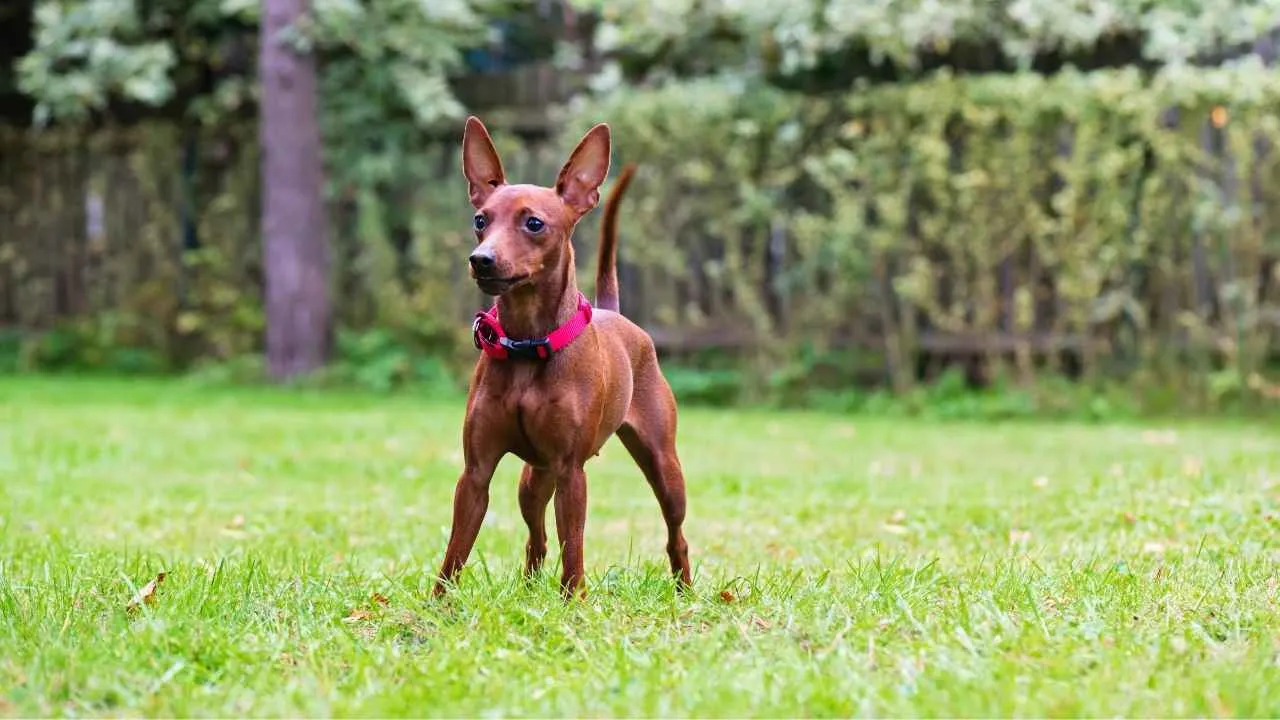
The Miniature Pinscher weighs about eight pounds and has eighty pounds of self-confidence. They have real watchdog credentials, not just dramatic doorway looks. Their intelligence and fearless nature can make them excellent watchdogs, and they commonly alert their owners to unusual activity.
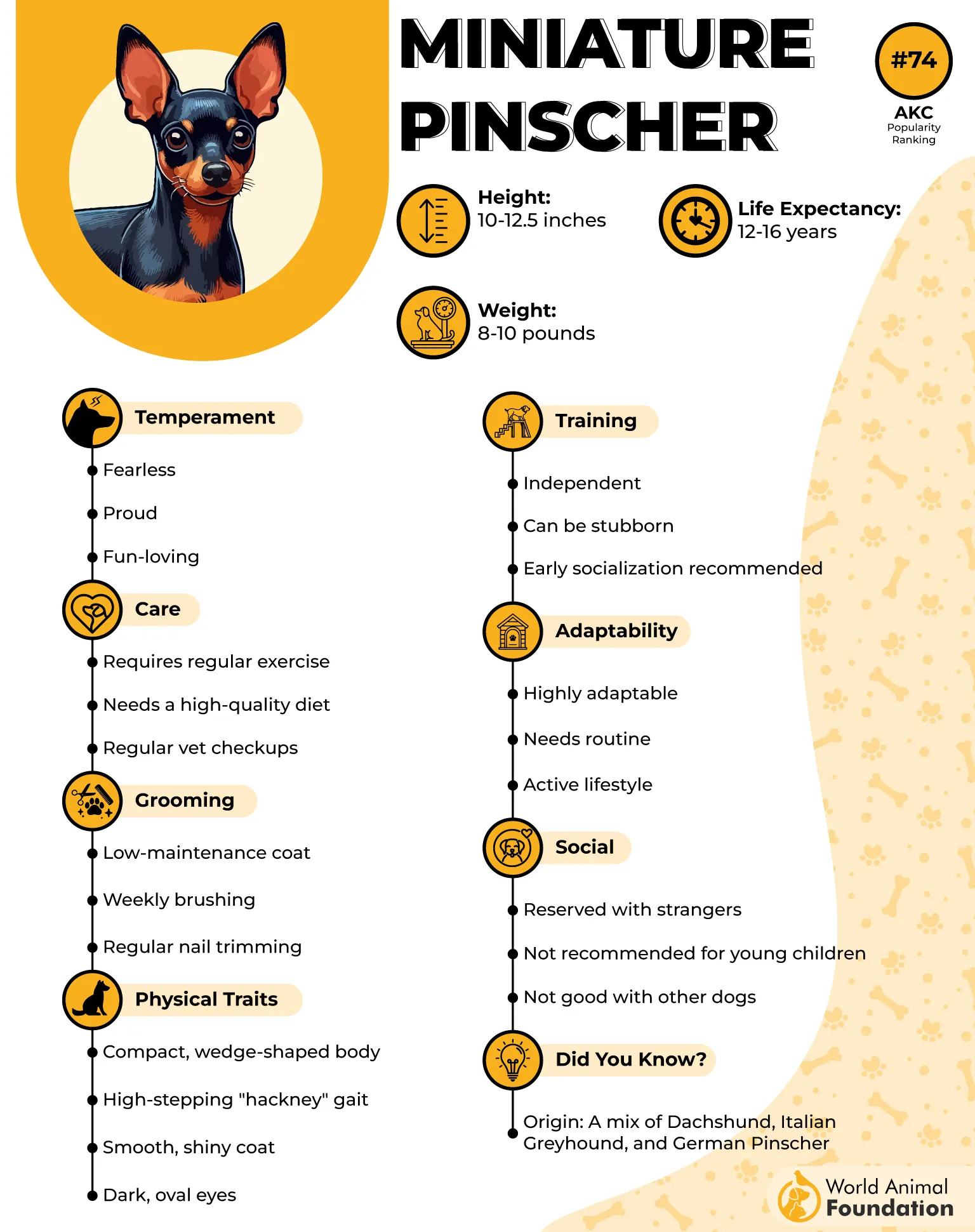
These guard dogs can also be possessive of their people, which makes appropriate socialization especially important. This helps keep their watchfulness controlled rather than turning into suspicion of everyone with a pulse.
Living with one means respecting the athletic engine underneath the tiny frame. PetMD recommends ample exercise and notes that a couple of good daily walks, along with play such as chasing balls, can help maintain physical and mental health.
Maintenance is refreshingly simple because that smooth coat needs little more than a weekly pass with a soft brush or hound glove. The bigger household project is usually management: secure doors and gates, consistent recall training, and enough enrichment to keep a dog that is always ready for action.
3. Cairn Terrier

The Cairn Terrier has the scruffy look of a tiny woodland adventurer who knows something you don’t. They are alert, cheerful, and busy, which is basically the perfect résumé for a dog determined to know what is happening around the house.
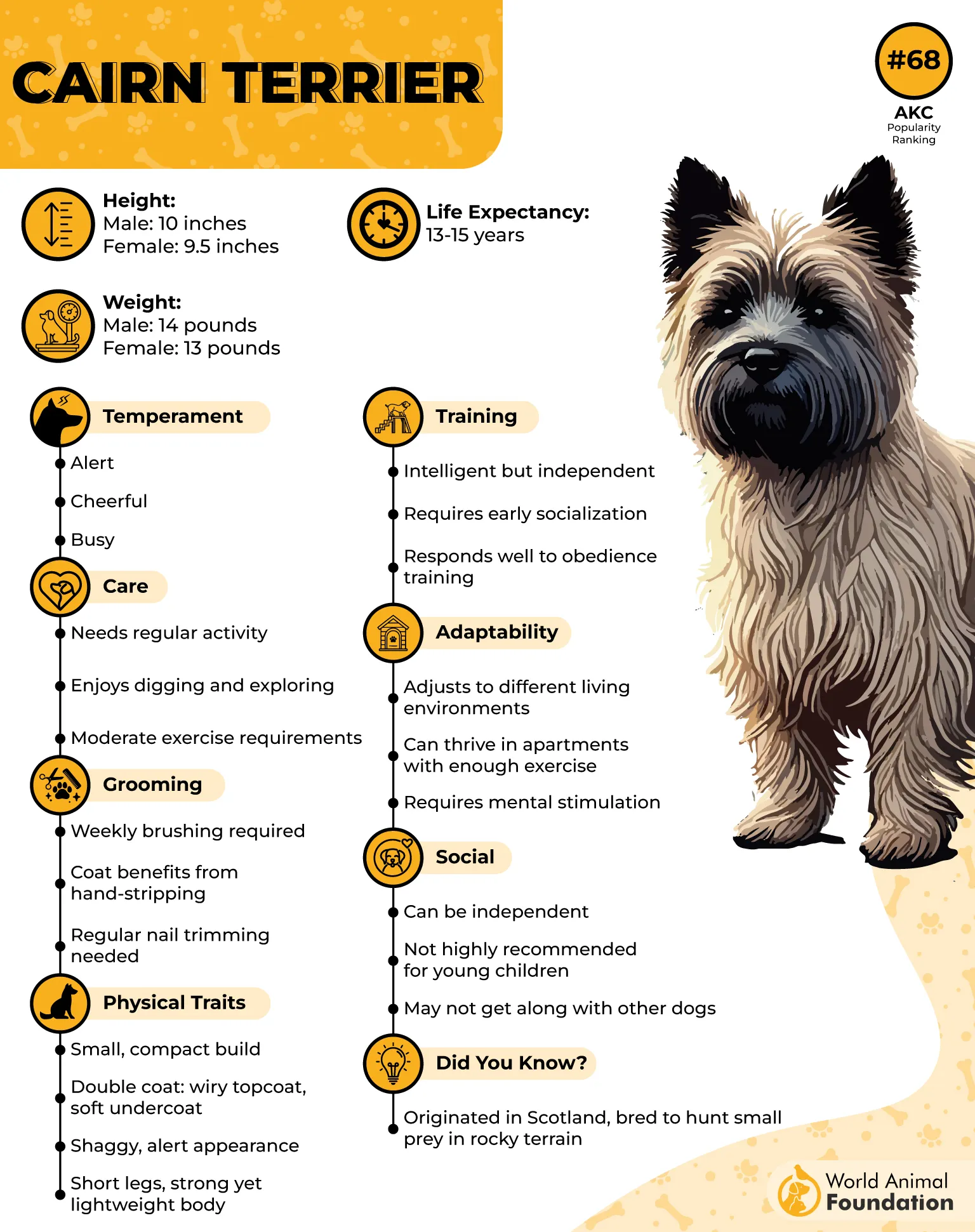
Their original work demanded courage, persistence, and independent decision-making while hunting quarry in rocky terrain and underground spaces. Modern Earthdog activities still tap into those instincts, with terriers following scent into tunnels and engaging simulated quarry in ways that reflect their historical jobs.
That alertness can translate beautifully into watchdog behavior because Cairns tend to notice changes around their territory. PDSA claims that they may announce unfamiliar people and sounds enthusiastically, but their job should be to alert, not make security decisions on their own.
Their weather-resistant coat has an intentionally tousled look, so perfection isn’t required before every neighborhood patrol. Regular brushing, appropriate coat care, nail trimming, and routine health maintenance are enough to keep the exterior respectable while exercise and enrichment take care of the much busier interior.
4. Tibetan Spaniel
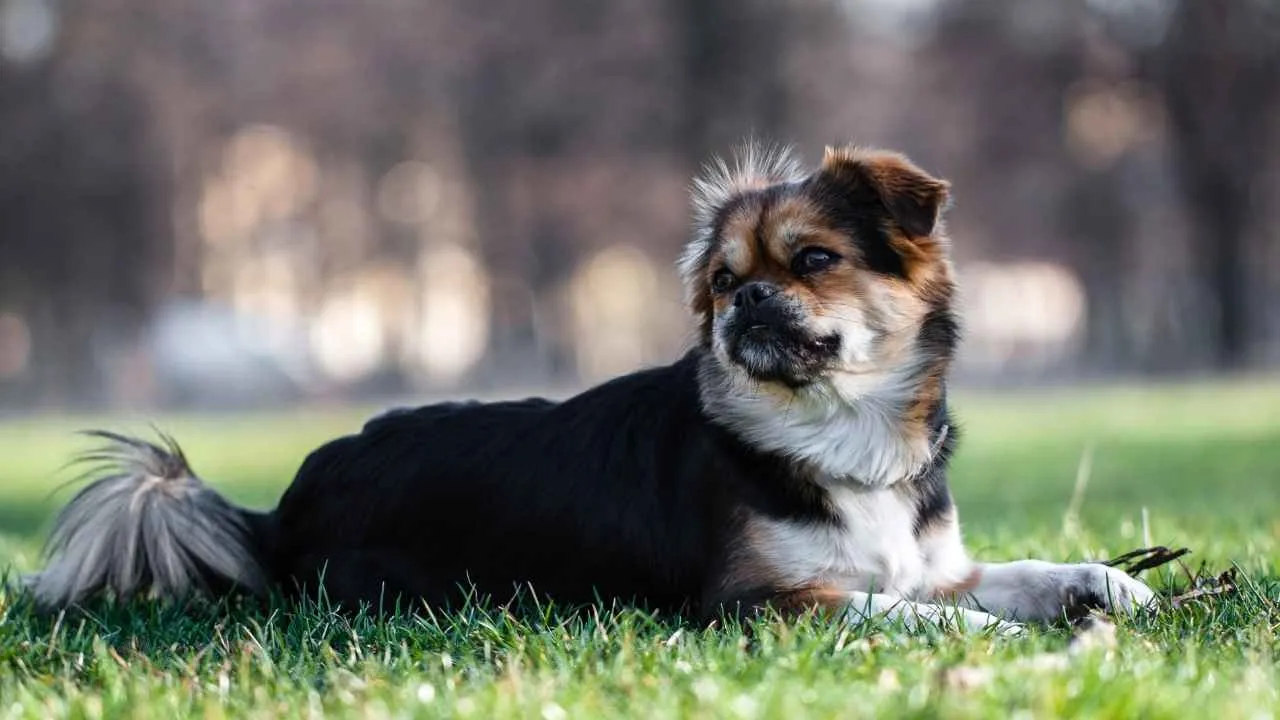
The Tibetan Spaniel comes with perhaps the coolest home-security résumé on this list: its ancestors literally watched from monastery walls. For centuries, these little dogs served as sentinels at Tibetan monasteries, using keen eyesight and hearing to spot anything unusual and sound the alarm.
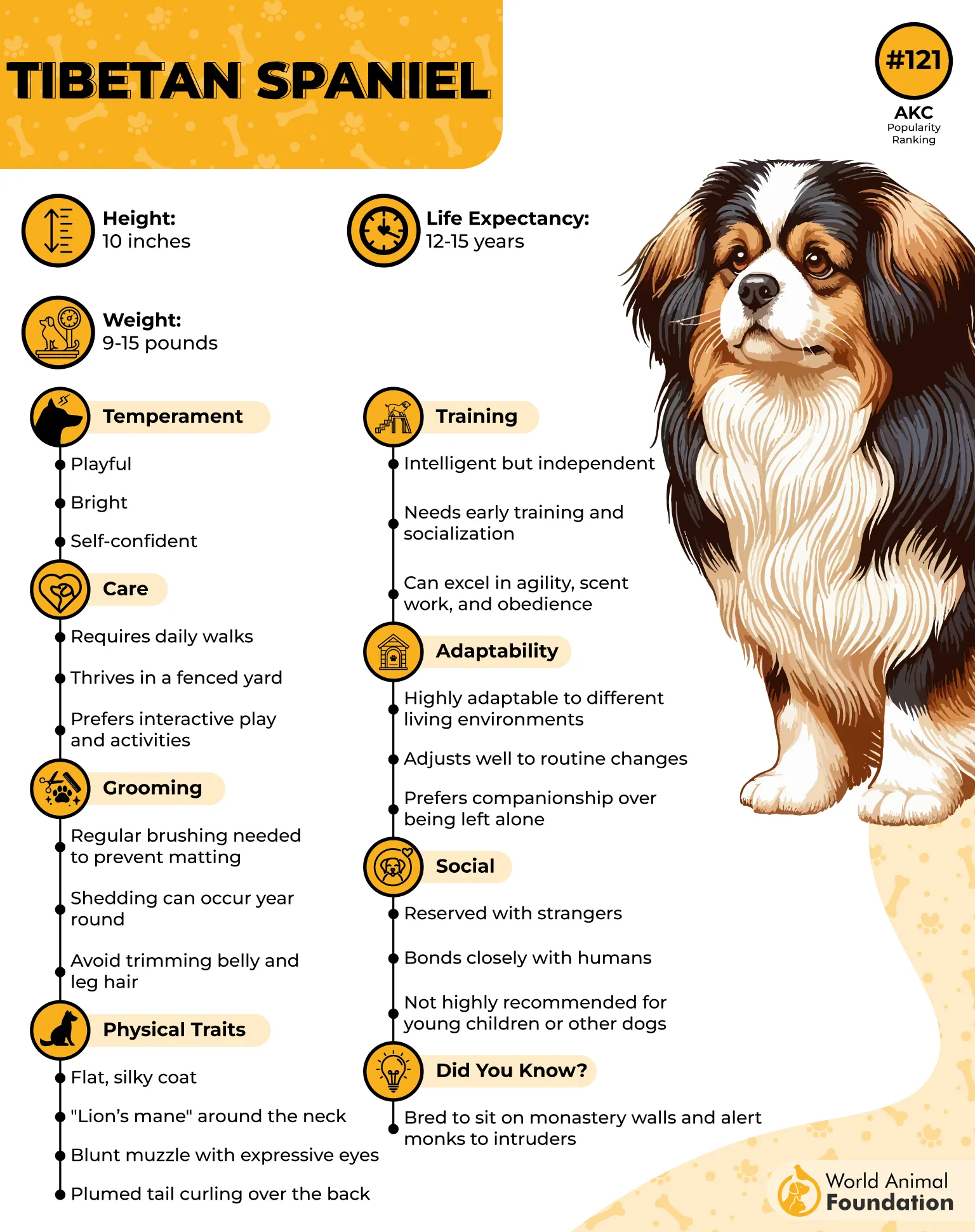
Their traditional setup was surprisingly sophisticated. They perched in elevated places and barked when someone approached, while much larger Tibetan Mastiffs handled serious guarding duties closer to the entrance. Modern ones may have swapped monastery walls for the back of your sofa or favorite windowsill, but the urge to observe the kingdom from above can feel wonderfully familiar.

At home, they are deeply devoted to their people without necessarily becoming everyone’s instant best friend. They are playful, bright, self-confident dogs that form strong bonds with their humans, while their history rewarded attentiveness rather than blind friendliness toward every newcomer.
Early exposure to guests, sounds, children, other dogs, and normal neighborhood activity helps teach them which events deserve concern and which are just Tuesday.
5. Pomeranian
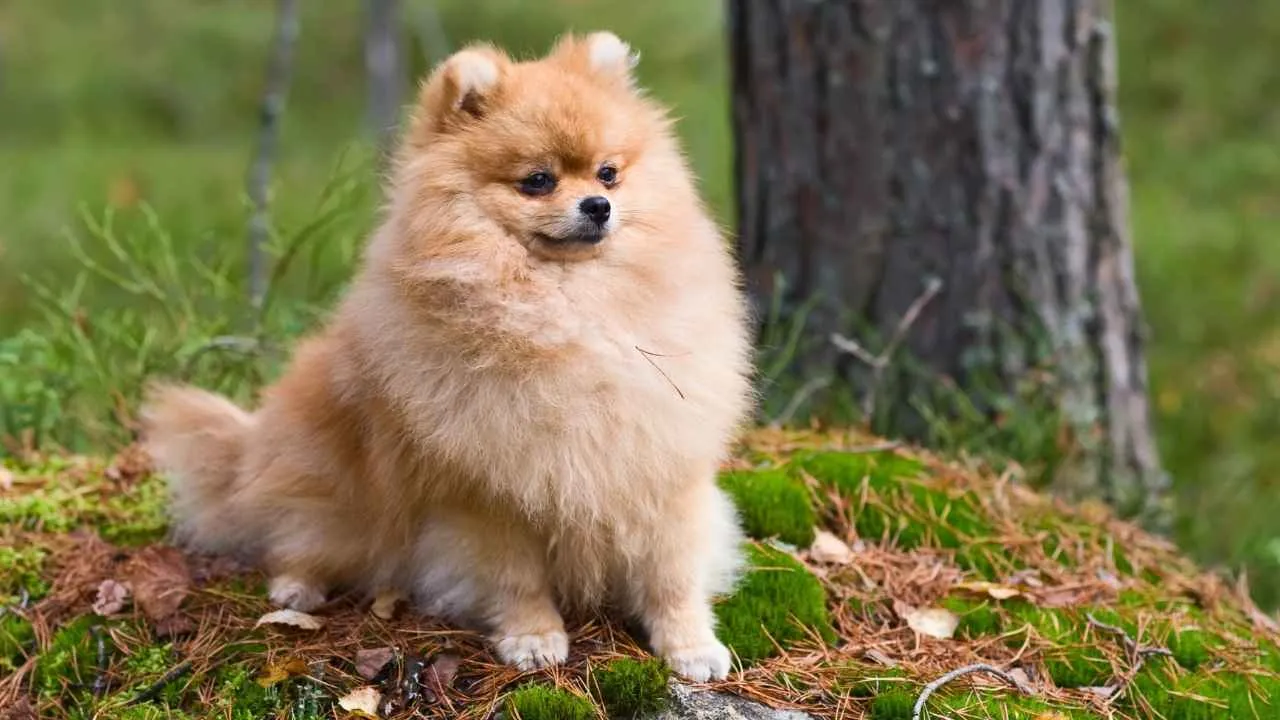
A Pomeranian may weigh no more than seven pounds, but apparently nobody informed the Pomeranian. Underneath that glorious cloud of fur lives an alert, smart little dog with a commanding big-dog demeanor. The breed is also recognized as a capable watchdog, meaning your doorbell notification may arrive wrapped in orange fluff.
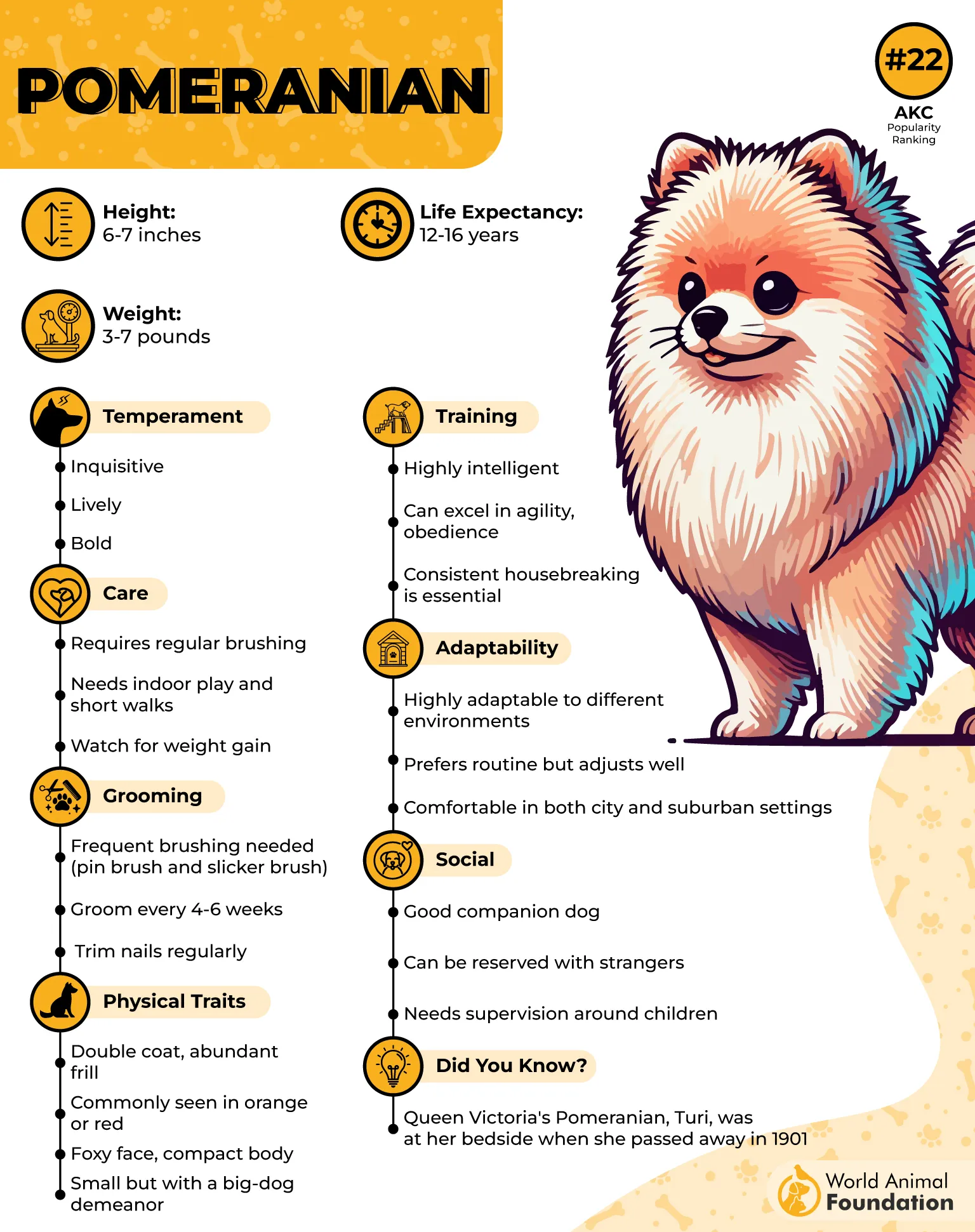
Poms are naturally observant and often quick to announce unusual activity, which makes them excellent early-warning companions in apartments and houses alike. The goal is to shape that tendency rather than simply celebrating every bark, because an alert dog that cannot disengage can become exhausting fast.
Their physical needs are surprisingly manageable. Poms enjoy short walks, runs, outdoor play, tricks, and games, and their small size means indoor activity can contribute meaningfully to their daily exercise. They can also be escape artists, so that tiny security officer should not be given unsupervised opportunities to leave the premises they were supposedly guarding.
6. Scottish Terrier
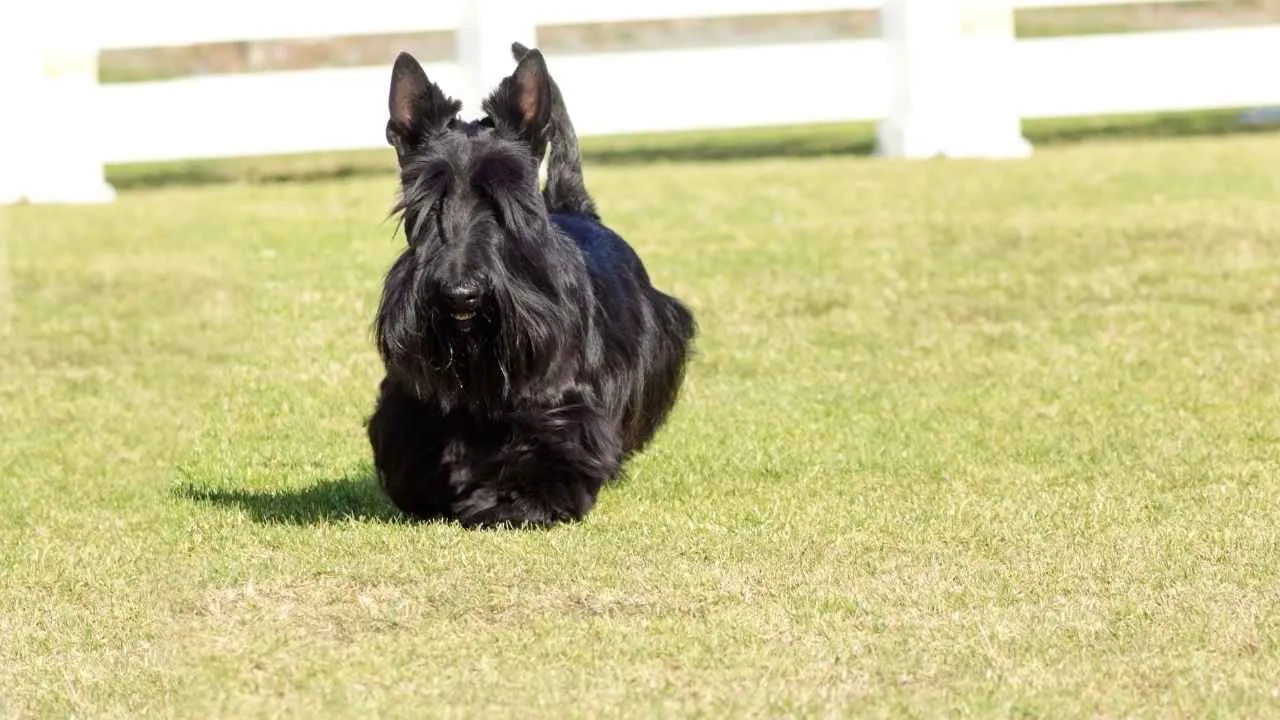
The Scottish Terrier looks like a dog who has already decided whether you are trustworthy and sees no reason to share the results. The Scottie packs a sturdy body, erect ears, serious expression, and legendary confidence into a compact silhouette.
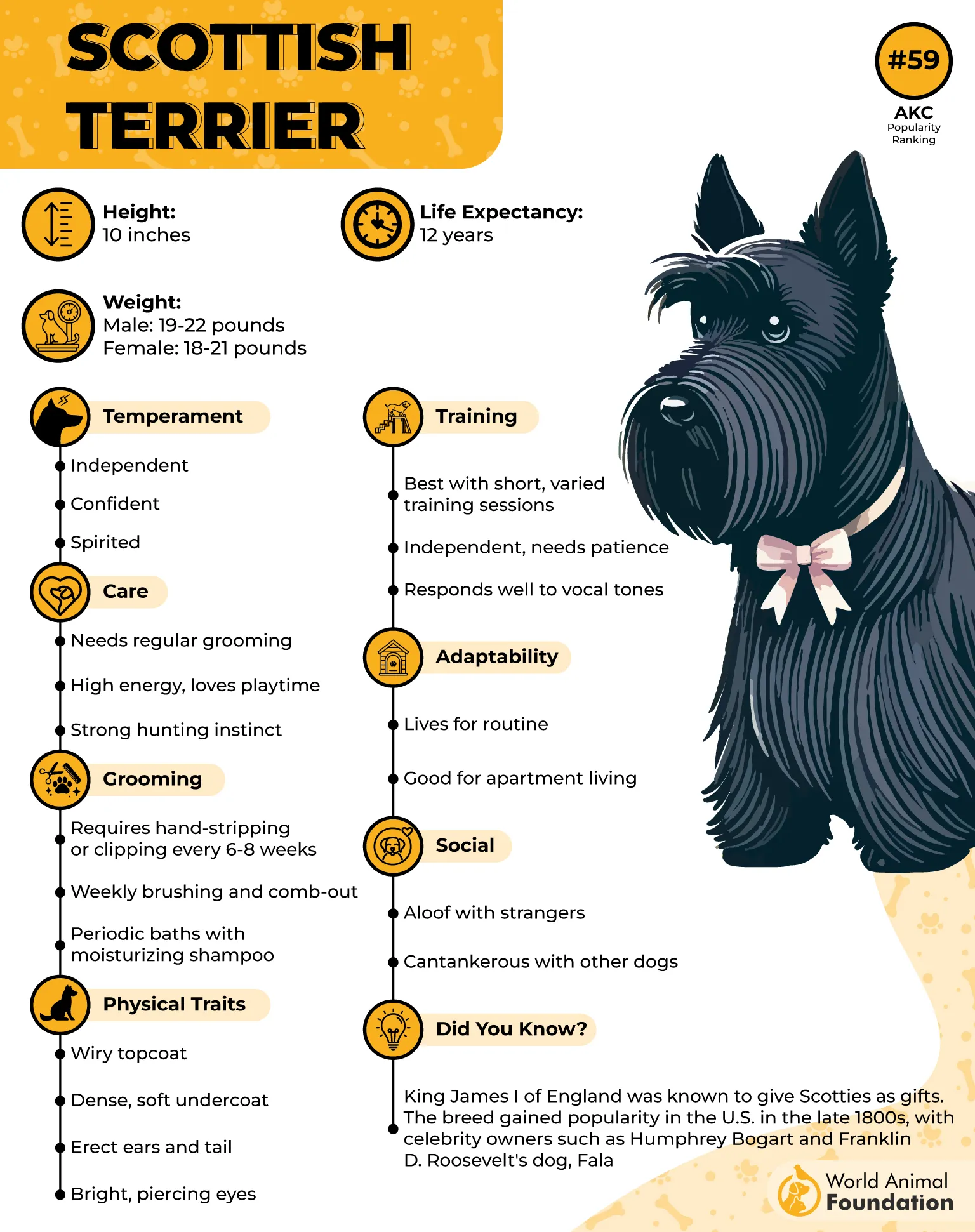
They are naturally well suited to watchdog duty because they are often reserved with strangers and highly attached to their own people. Their aloofness toward unfamiliar people can make them strong watchdog candidates. This is not a tiny social butterfly desperately hoping every person at the door becomes its new bestie.
That confidence has deep terrier roots. Scotties are courageous, intelligent, strongly willed, and equipped with a serious prey drive, traits that historically helped them pursue vermin rather than wait for human instructions every five seconds.
For modern families, early socialization is one of the smartest investments you can make. They may be territorial or standoffish and can have difficulty with other dogs if they haven’t been socialized appropriately, so controlled positive experiences matter from puppyhood onward.
7. Lhasa Apso
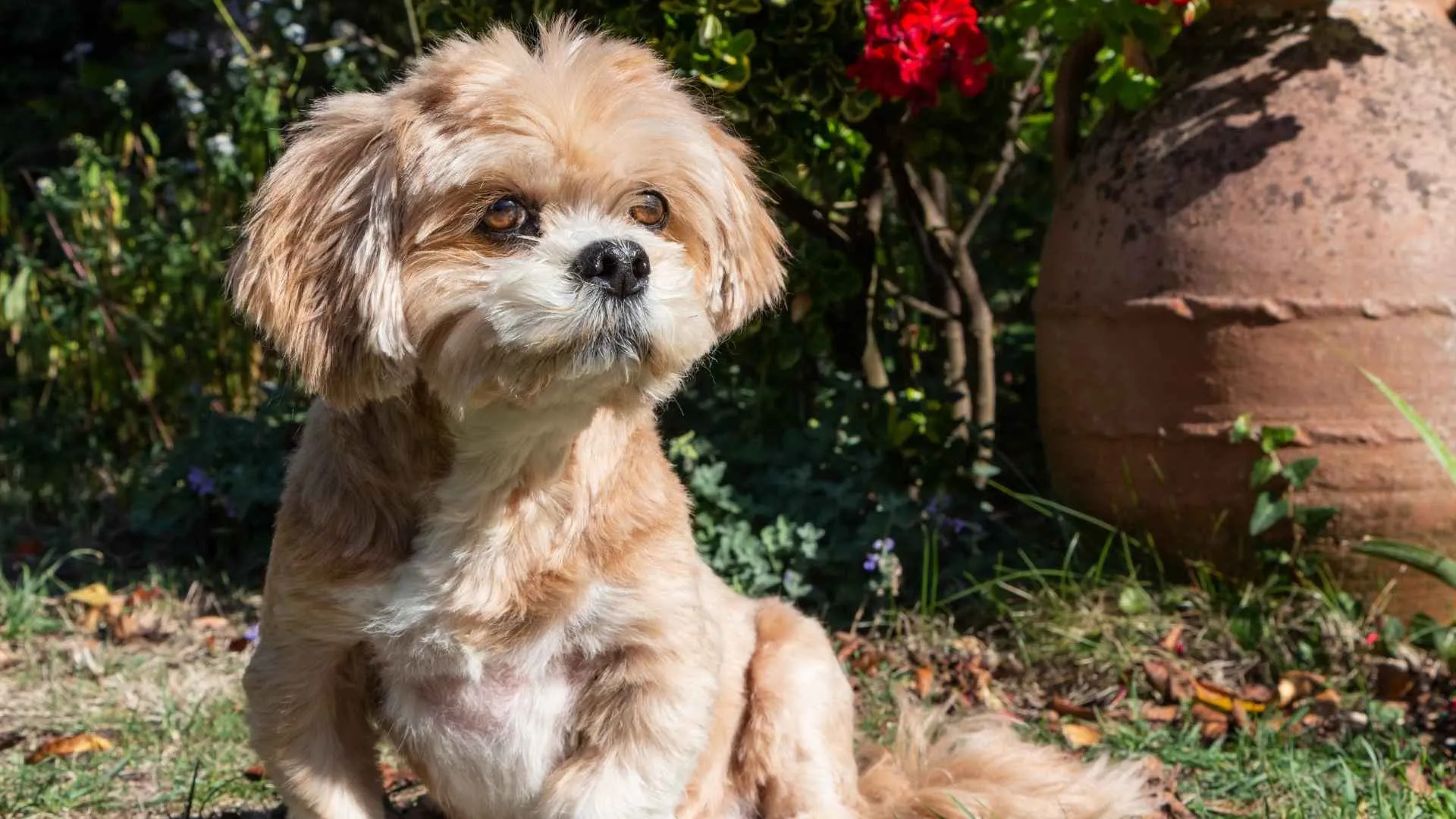
The Lhasa Apso may look like a glamorous floor-length wig with eyes, but this dog comes from a serious security heritage. For roughly a thousand years, it served as indoor sentinels in Tibetan palaces and Buddhist monasteries high in the Himalayas.
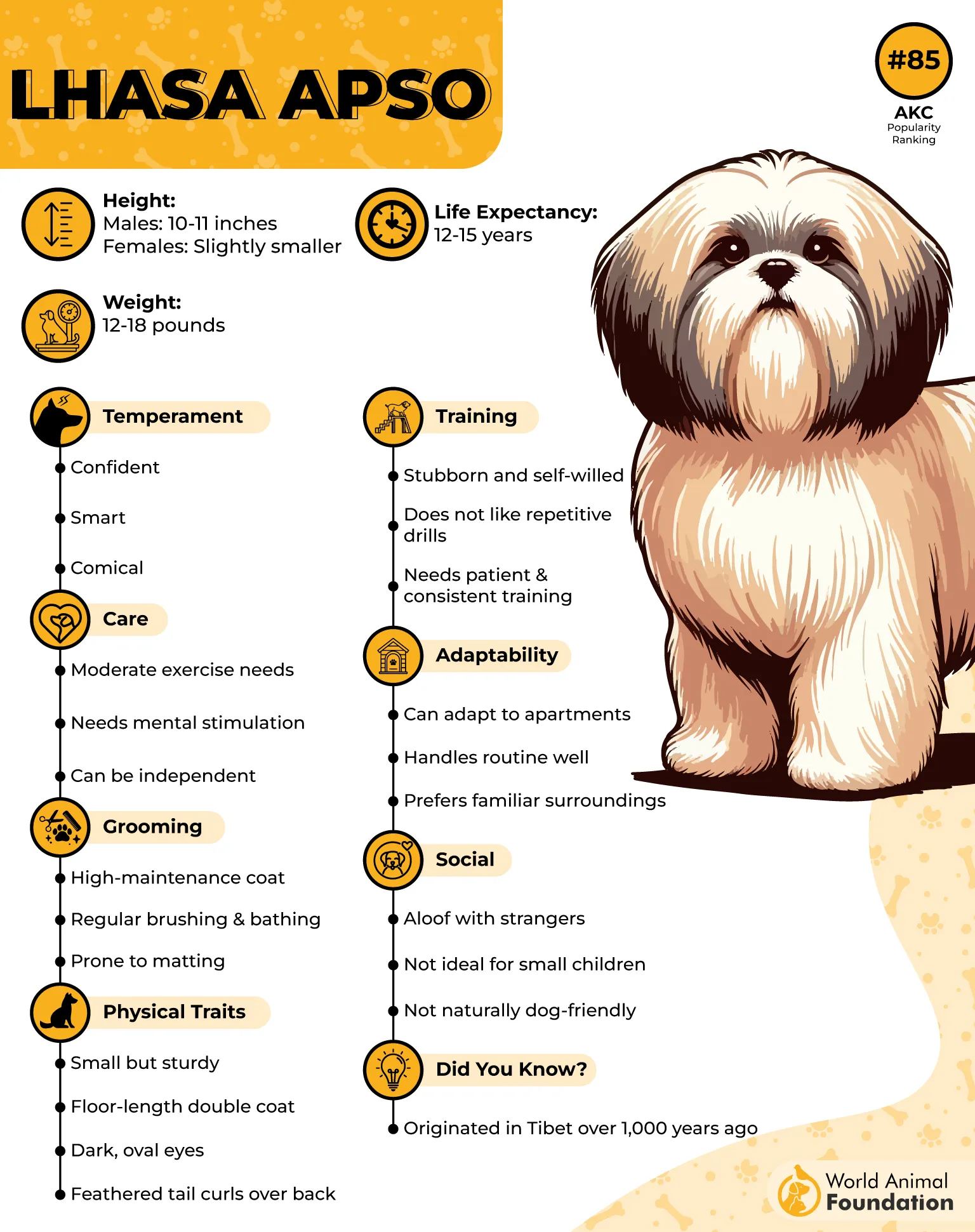
Their ancient security arrangement was brilliantly layered. Lhasa Apsos guarded indoor spaces and raised the alarm, giving the monasteries what was essentially an old-school security system
Their physical size also hides surprising toughness. These dogs developed in demanding Himalayan conditions, and the breed’s compact muscular build, protective coat, and other physical features helped it cope with rough terrain and extreme weather.
Training these small dogs can feel less like issuing commands and more like negotiating with an intelligent executive. They are independent problem-solvers and respond best to short, positive, reward-based sessions with minimal repetition, because drilling the same exercise is unlikely to impress them.
Conclusion
Small dogs may not have the physical stopping power of breeds developed for serious protection work, but that doesn’t make their watchdog talent irrelevant.
The secret is turning instinct into good household behavior through socialization, positive training, exercise, and clear boundaries. A useful small guardian should tell you something unusual is happening and then trust you to handle it—not spend the afternoon declaring war on pedestrians, doorbells, birds, and suspiciously shaped recycling bins.
