





What if your best home security companion comes in a small package? While large dogs often get all the attention, many small breeds are equally alert, courageous, and protective. Their sharp senses and quick reactions make them excellent at noticing unfamiliar people and unusual activity around the home.
Small dogs are often underestimated, but many have strong protective instincts and are fiercely loyal to their families. Although they may not have the strength to confront an intruder, their alertness and persistent barking can make them effective watchdogs.
The good news is that you don’t need a large home or backyard to enjoy a protective companion. Many small breeds adapt well to apartments and condos while keeping a watchful eye on their surroundings.
Here are seven of the best guard dog breeds that prove great security doesn’t always come in a big package!
Protective Small Dog Breeds: A Smart Security Solution
1. Affenpinscher

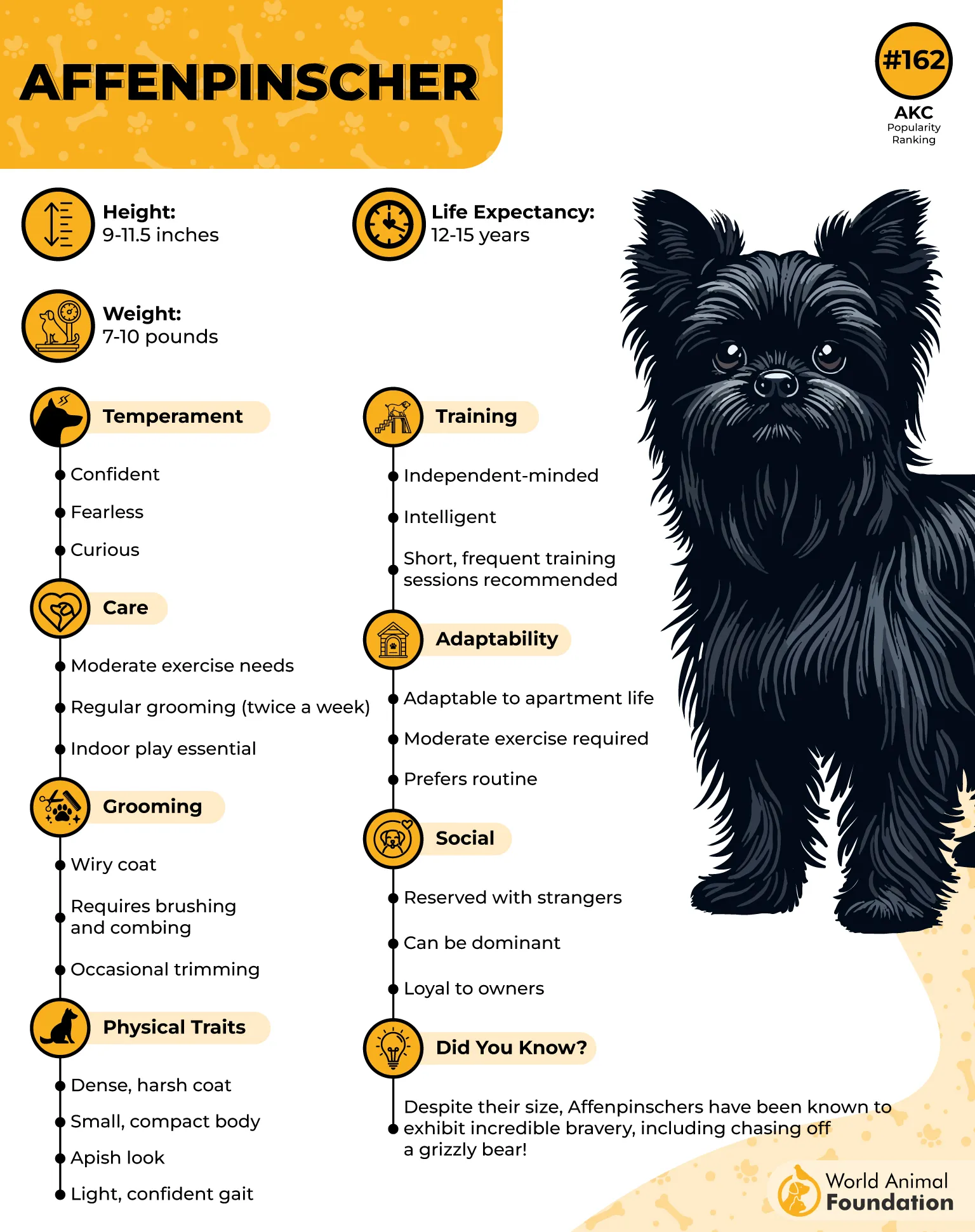
Affenpinschers may be small, but their bold personalities make them surprisingly watchful companions. Originally developed in 17th-century Germany to hunt rats in homes, stables, and shops, these dogs have a natural instinct to stay alert.
They are quick to notice anything unusual and won’t hesitate to sound the alarm, as mentioned by Orvis. Although their size limits their ability to confront intruders, their fearless attitude makes them excellent little watchdogs.
Appearance and Personality
Known as the Monkey Dog, Affenpinschers have expressive faces, bushy eyebrows, short muzzles, and distinctive beards. Their coarse, wiry coats come in black, gray, silver, and red.
They are playful, curious, and affectionate with their families. However, their territorial nature and big-dog attitude may make them less suitable for homes with young children.
Care and Training
Affenpinschers enjoy playtime and short walks but are also happy relaxing indoors. They can be independent and stubborn, so training requires patience.
Keep sessions short, fun, and engaging, using positive reinforcement to encourage learning. Their wiry coats also need regular brushing to prevent mats, along with professional grooming every few months.
2. Norwich Terrier
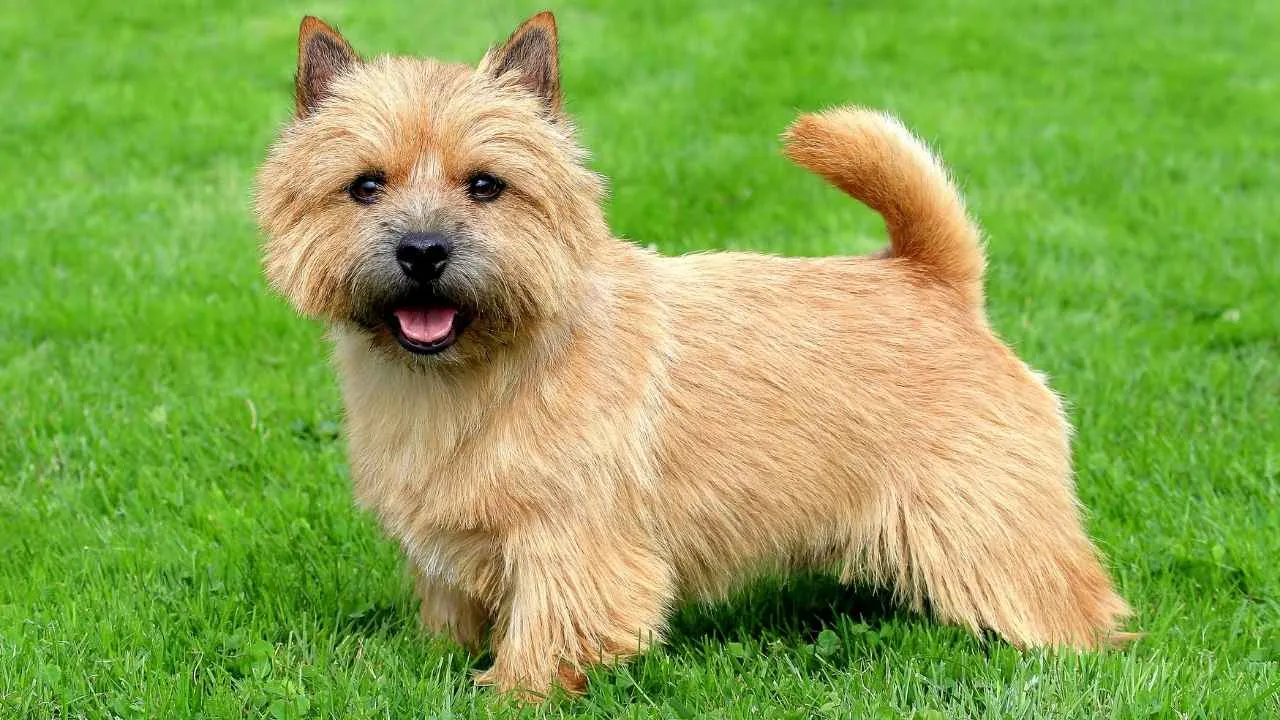
Norwich Terriers may be the smallest working terriers, but they have plenty of courage and energy. These alert little dogs are quick to notice unfamiliar activity and will bark to warn their families when someone approaches.
They can be reserved around strangers at first, but usually become friendly once they feel there is no threat. Their loyalty and watchful nature make them useful little watchdogs, even if their friendliness can win over visitors quickly.
Appearance and Personality
Known for their pointed, upright ears, Norwich Terriers are often confused with Norfolk Terriers, which have folded ears. They have cheerful, playful personalities and love human companionship.
These energetic dogs enjoy adventures, walks, car rides, and chasing moving objects. They are also affectionate, loyal, and fun-loving, making them enjoyable family companions.
Care and Training
Norwich Terriers need plenty of activity and companionship. They aren’t suited to sitting around all day and enjoy staying involved in family activities.
Training can be challenging because of their independent terrier nature, so patience is important. Their small size also makes them suitable for apartments and smaller homes.
3. Norfolk Terrier
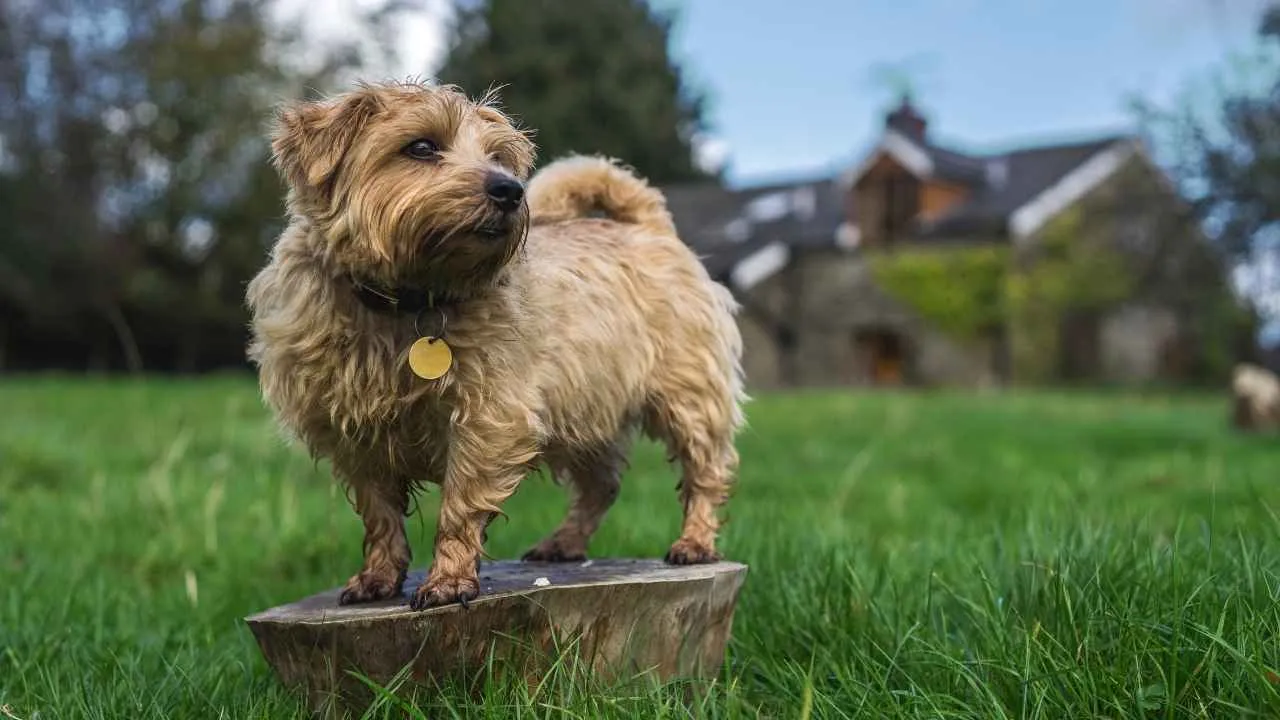
Norfolk Terriers originated in England, where they were bred to control rats and other vermin on farms and larger properties. Despite their small size, these dogs are brave, alert, and determined.
They are quick to investigate unfamiliar noises and will bark when someone approaches the home. While they make reliable watchdogs, their friendly nature means they are unlikely to deter intruders.
Appearance and Personality
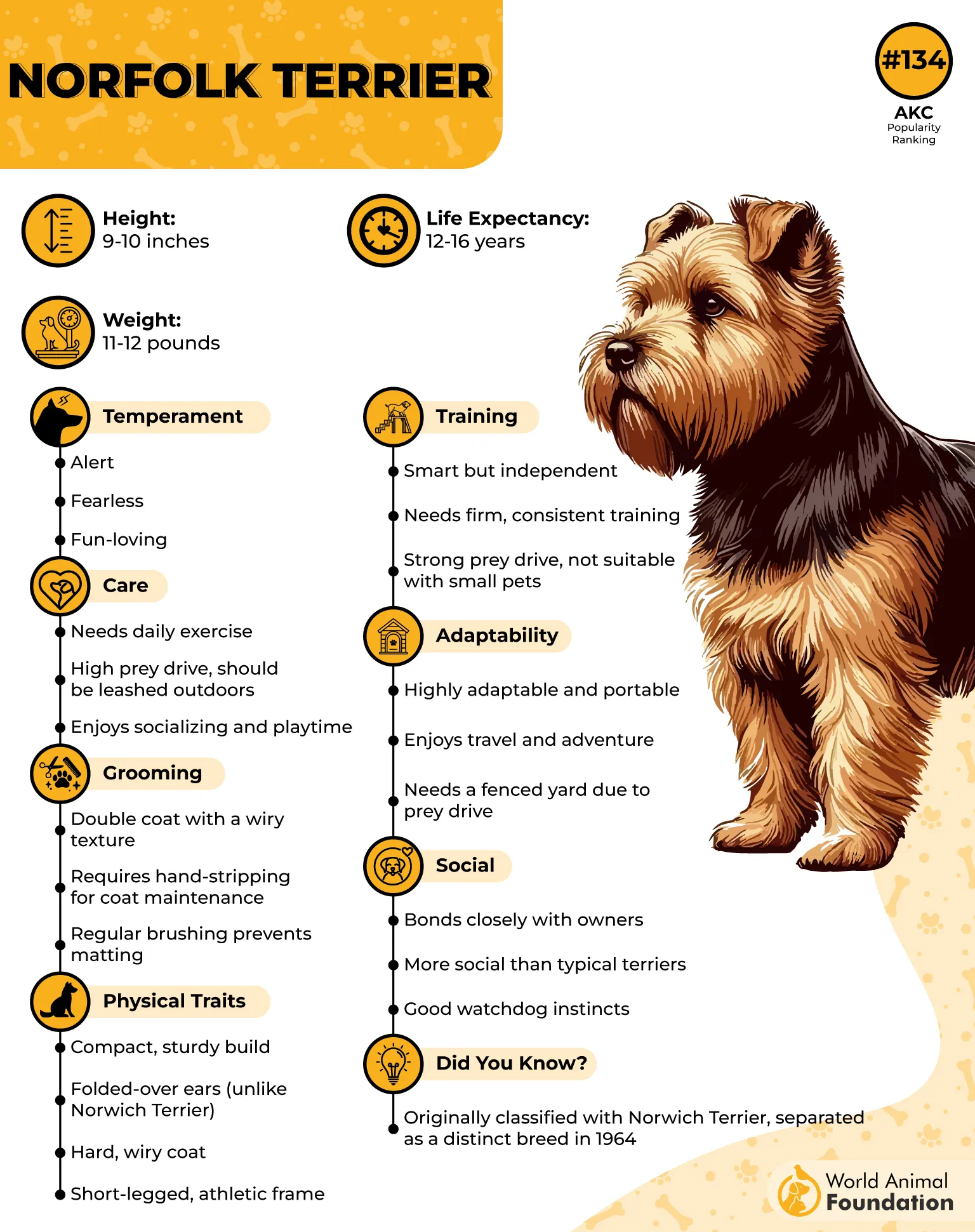
Norfolk Terriers are among the smallest working terriers. They are easily recognized by their folded ears, which distinguish them from the upright-eared Norwich Terrier. These dogs are playful, confident, and full of energy.
They love human companionship and enjoy outdoor adventures. Omlet says they generally get along well with children and strangers, often welcoming visitors once they know their families are aware of them.
Care and Training
These active dogs need regular walks, playtime, and opportunities to explore. Their strong hunting instincts mean they should be kept on a leash or in secure areas, as they may chase small animals.
Training requires patience because they can be stubborn and independent. Positive reinforcement, short sessions, and early teaching of the quiet command can help manage their barking.
4. Manchester Terrier

Originally bred in England to hunt rats, Manchester Terriers combine strong terrier instincts with an alert and protective nature. They are highly watchful of their surroundings and naturally protective of their territory.
Although they can be reserved around strangers, they are devoted to their families. Their tendency to bark at unfamiliar visitors makes them excellent watchdogs, even though they aren’t physically equipped to confront potential intruders.
Appearance and Personality
Manchester Terriers come in two varieties: Toy and Standard. Both share a sleek, athletic build and a short, close-fitting coat with rich mahogany tan and jet-black markings. Their long, wedge-shaped heads and alert expressions give them a distinctive appearance.
These dogs are intelligent, affectionate, and loyal. They enjoy staying close to their families and generally do well with children and other dogs when raised with them.
Care and Training
These energetic dogs need regular walks and plenty of activities to stay occupied. Their strong prey drive means leash walks and secure outdoor areas are recommended. Manchester Terriers learn quickly and are more responsive to commands than many other terriers, although they can be stubborn.
Positive reinforcement and fun training sessions work well. They also dislike being left alone for long periods and may bark, chew, or dig when bored.
5. Rat Terrier
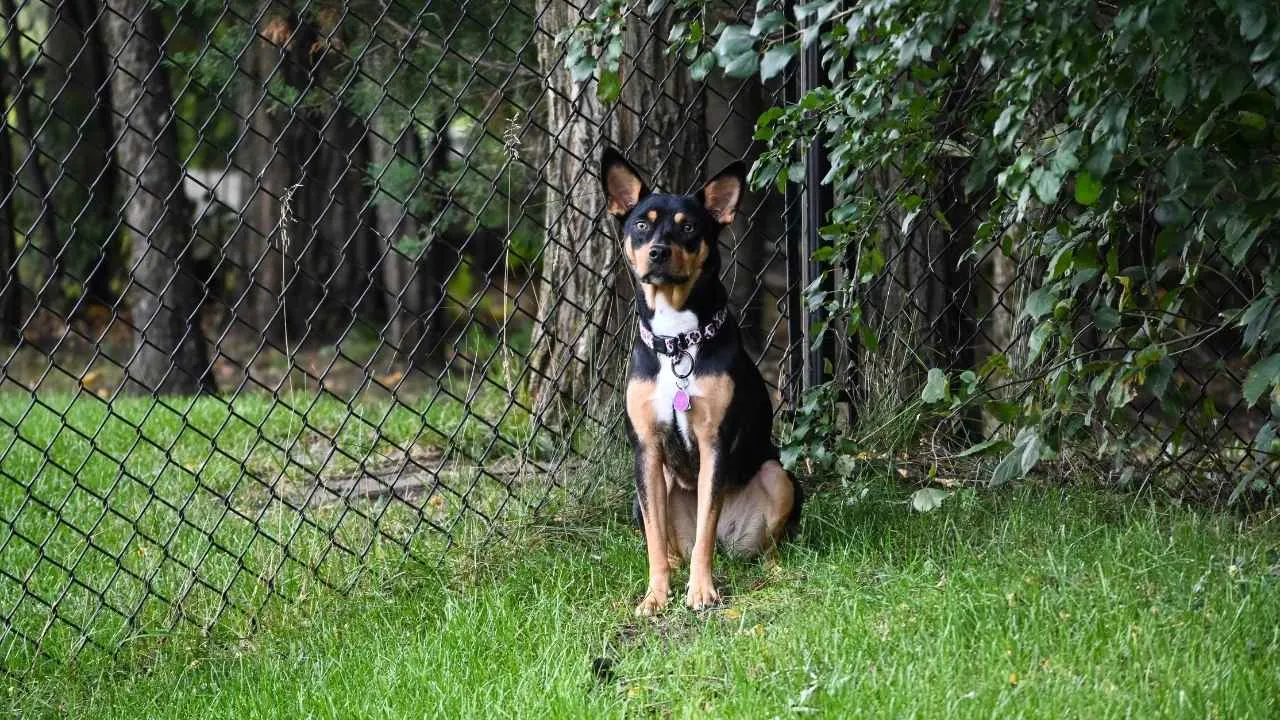
Originally bred on American farms to hunt rats and control pests, Rat Terriers are alert, intelligent, and quick on their feet. Their curious nature makes them attentive to their surroundings, while their strong loyalty keeps them close to their families.
Although they are generally friendly with visitors, their sharp instincts and active personalities make them watchful household companions.
Appearance and Personality
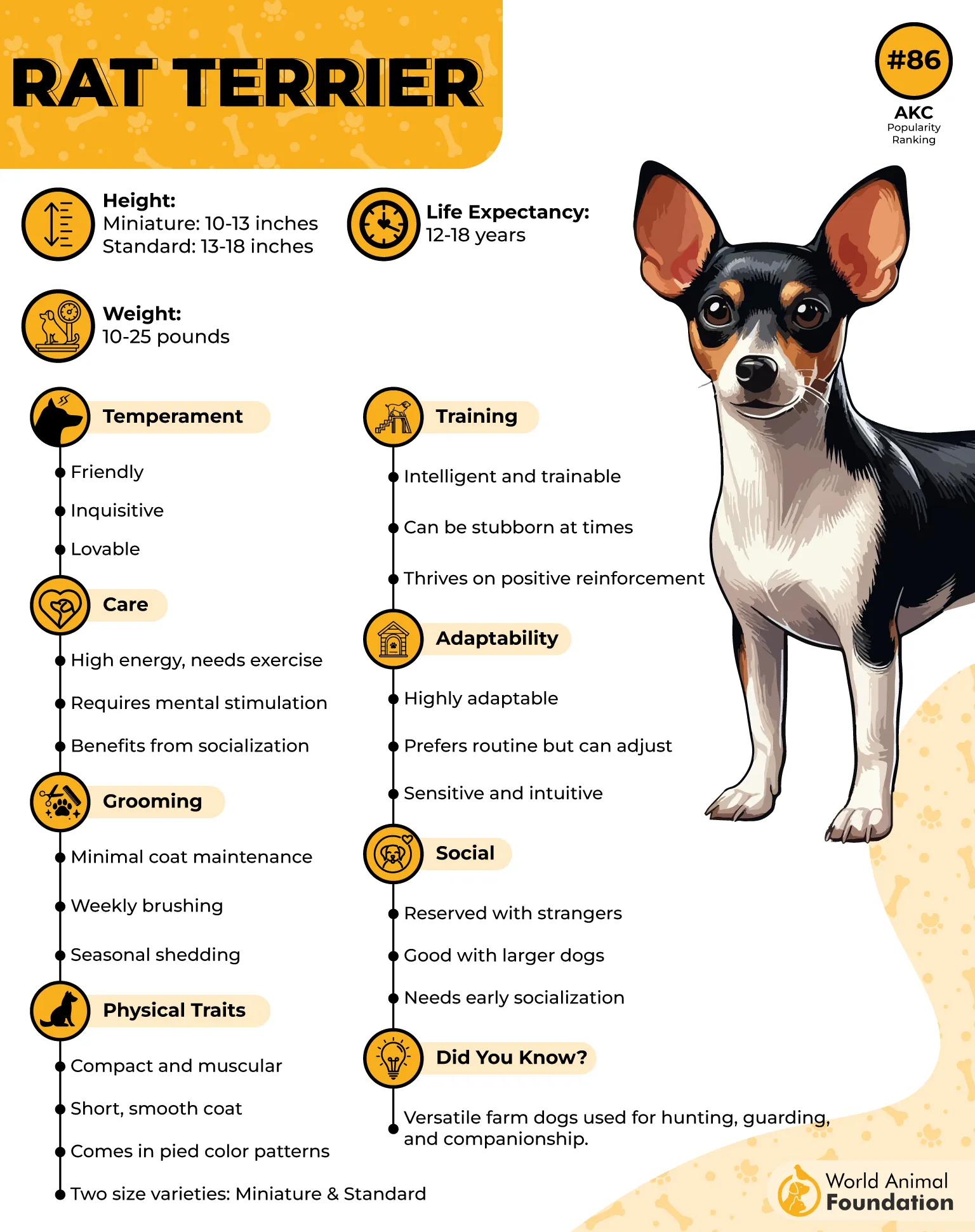
Rat Terriers have compact, muscular bodies and smooth, shiny coats with different pied patterns. They come in two varieties: Miniature and Standard. These dogs are playful, cheerful, and full of personality.
They love being involved in family activities and generally get along well with children and other pets when properly introduced. However, their hunting instincts can make them a challenge around small animals such as hamsters and mice, as Chewy notes.
Care and Training
These energetic dogs need regular exercise, games, and mental stimulation to stay happy. Puzzle toys and activities that give them a job to do can keep their clever minds occupied.
Rat Terriers are intelligent but can become mischievous when bored. They also enjoy human company and may struggle when left alone for long periods.
6. Toy Fox Terrier
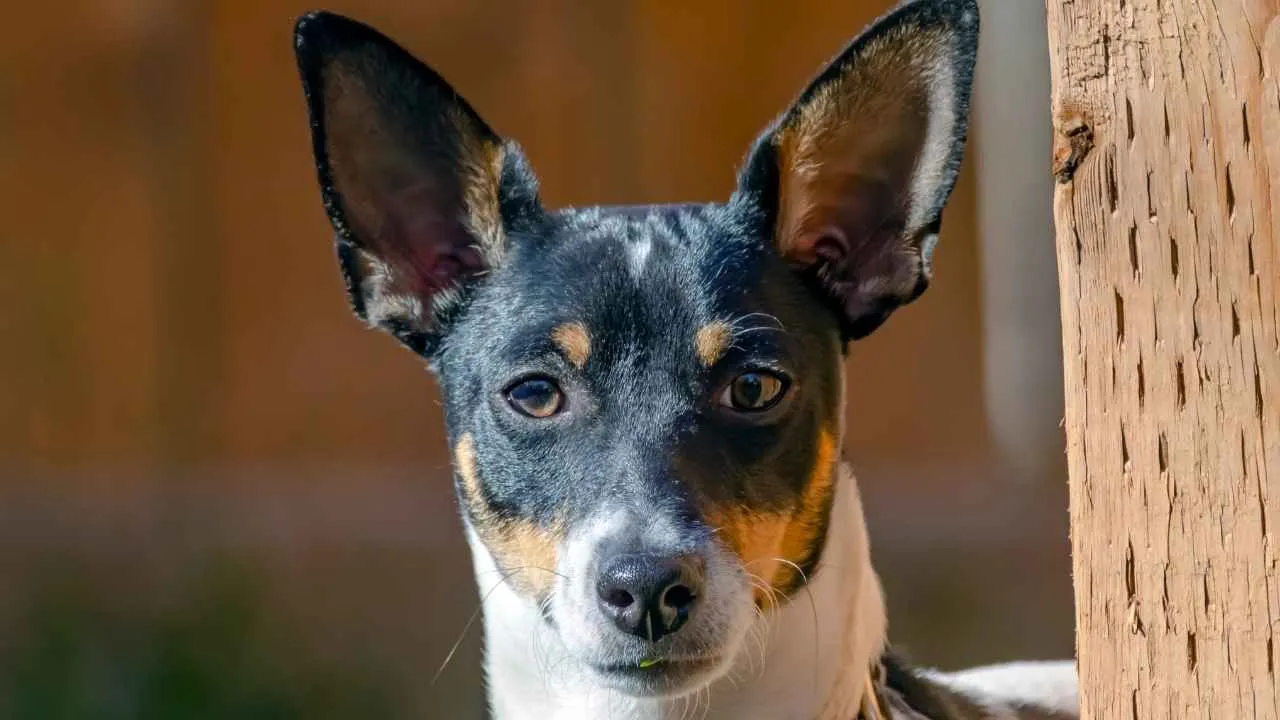
Originally bred as barnyard ratters in North America, Toy Fox Terriers combine strong terrier instincts with an affectionate companion-dog nature. Despite their small size, they are fiercely loyal and make excellent watchdogs.
Their curious personalities keep them alert to their surroundings, and they won’t hesitate to bark when something catches their attention. However, their alert barking needs to be managed to avoid disturbing neighbors.
Appearance and Personality
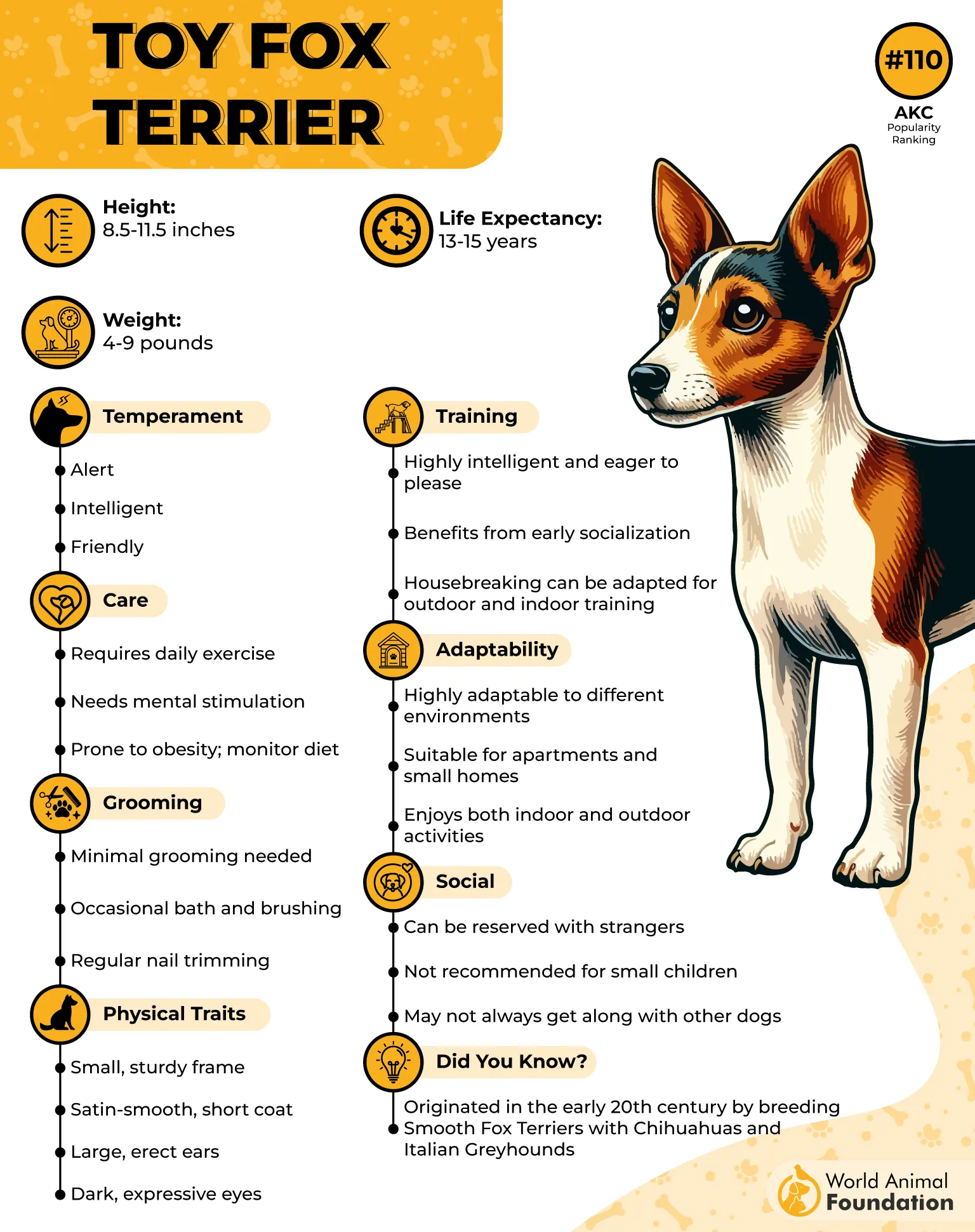
Toy Fox Terriers have athletic bodies, glossy coats, large upright ears, and dark, expressive eyes. Their coats are predominantly white. These little dogs have lively, confident personalities and form strong bonds with their families.
They are affectionate, intelligent, and playful, often switching from cuddling on the sofa to chasing a bird outside. They generally enjoy children but may not be suitable for homes with small pets because of their strong prey drive.
Care and Training
Toy Fox Terriers are energetic and enjoy activities that challenge their minds and bodies. They can excel in obedience, agility, rally, and trick training.
Early socialization helps them become comfortable around new people, animals, and environments. Their strong attachment to their families also means they prefer company over being left alone for long periods.
7. Chihuahua
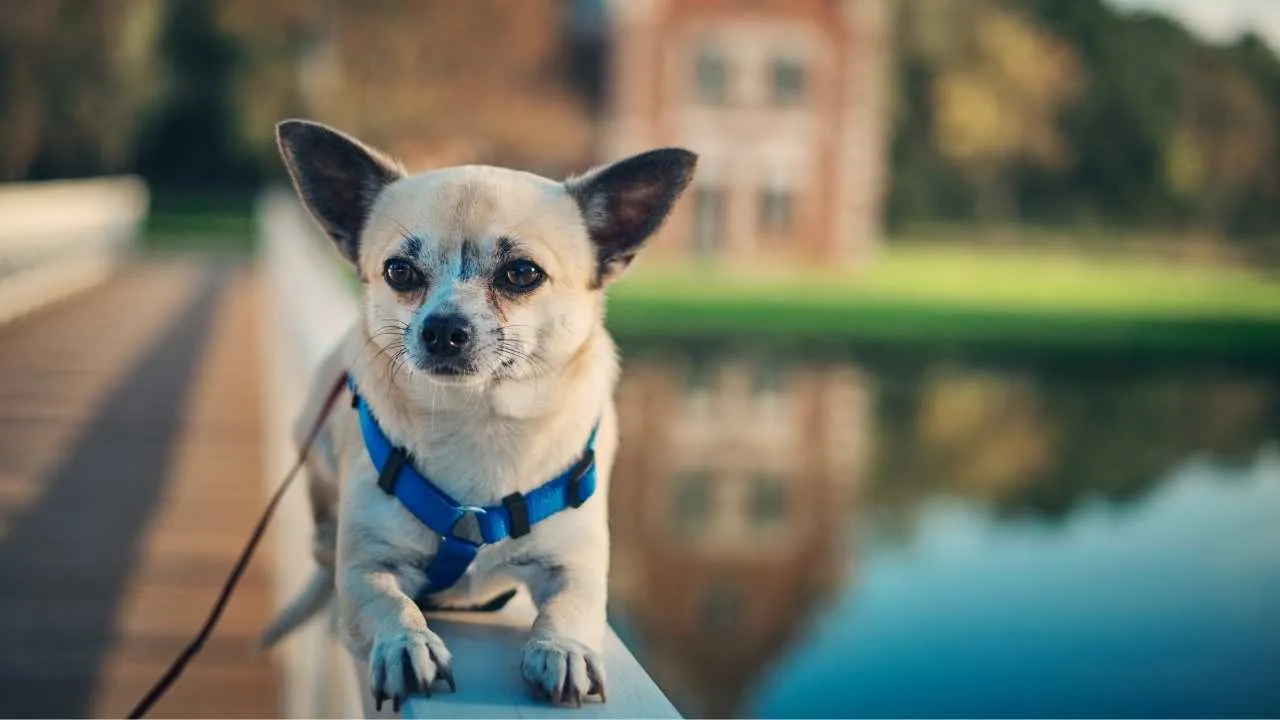
Chihuahuas may be tiny, but they have plenty of confidence and a strong protective streak. Originally from Mexico, these dogs are known for their loyalty and alert nature.
They are naturally wary of strangers and quick to bark when someone approaches their home. Their persistent barking makes them excellent guardian breeds, although their small size limits their ability to physically protect their families.

Appearance and Personality
Chihuahuas have balanced, graceful bodies, large upright ears, and expressive eyes. Their coats come in many colors and patterns and can be either long or short.
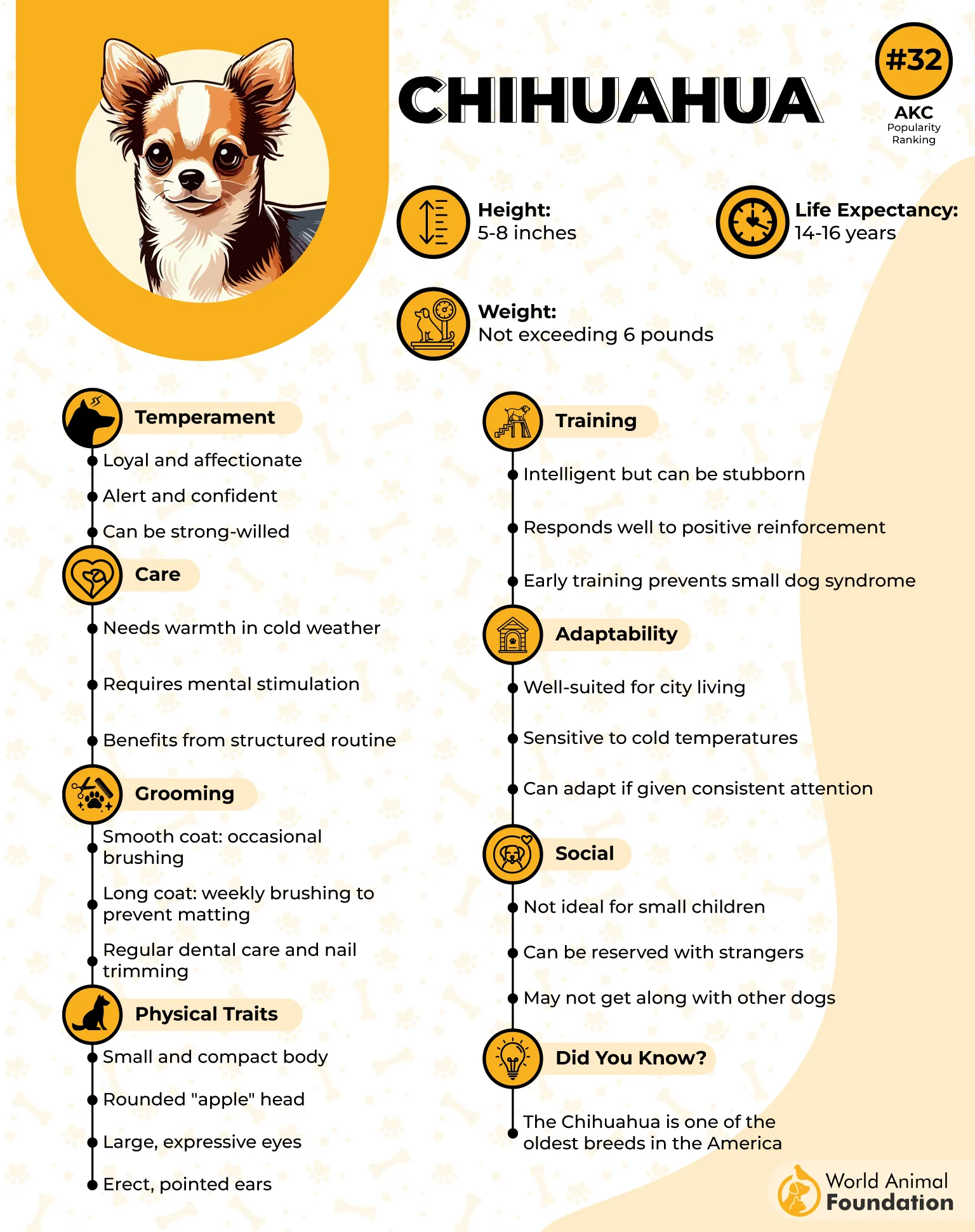
These dogs are playful, affectionate, and full of energy. Some are bold and outgoing, while others can be shy and nervous. They prefer staying close to their families and may even challenge much larger dogs.
Care and Training
Despite their small size, Chihuahuas need regular exercise, playtime, and proper training and socialization. They are intelligent and eager to please, making them capable of learning obedience and agility.
Early training helps manage excessive barking and territorial behavior. They can be too delicate for very young children and need protection from cold weather.
Conclusion
Small dogs may not have the size to physically confront intruders, but their alertness, courage, and loyalty make them excellent watchdogs.
From their sharp instincts to their persistent barking, these protective and loyal companions can add an extra layer of awareness to your home while fitting comfortably into smaller living spaces.
Before choosing a breed, consider its energy level, temperament, training needs, and compatibility with your family. Remember, a good watchdog doesn’t have to be intimidating. Sometimes, the smallest family member is the first to notice when something isn’t right!
