




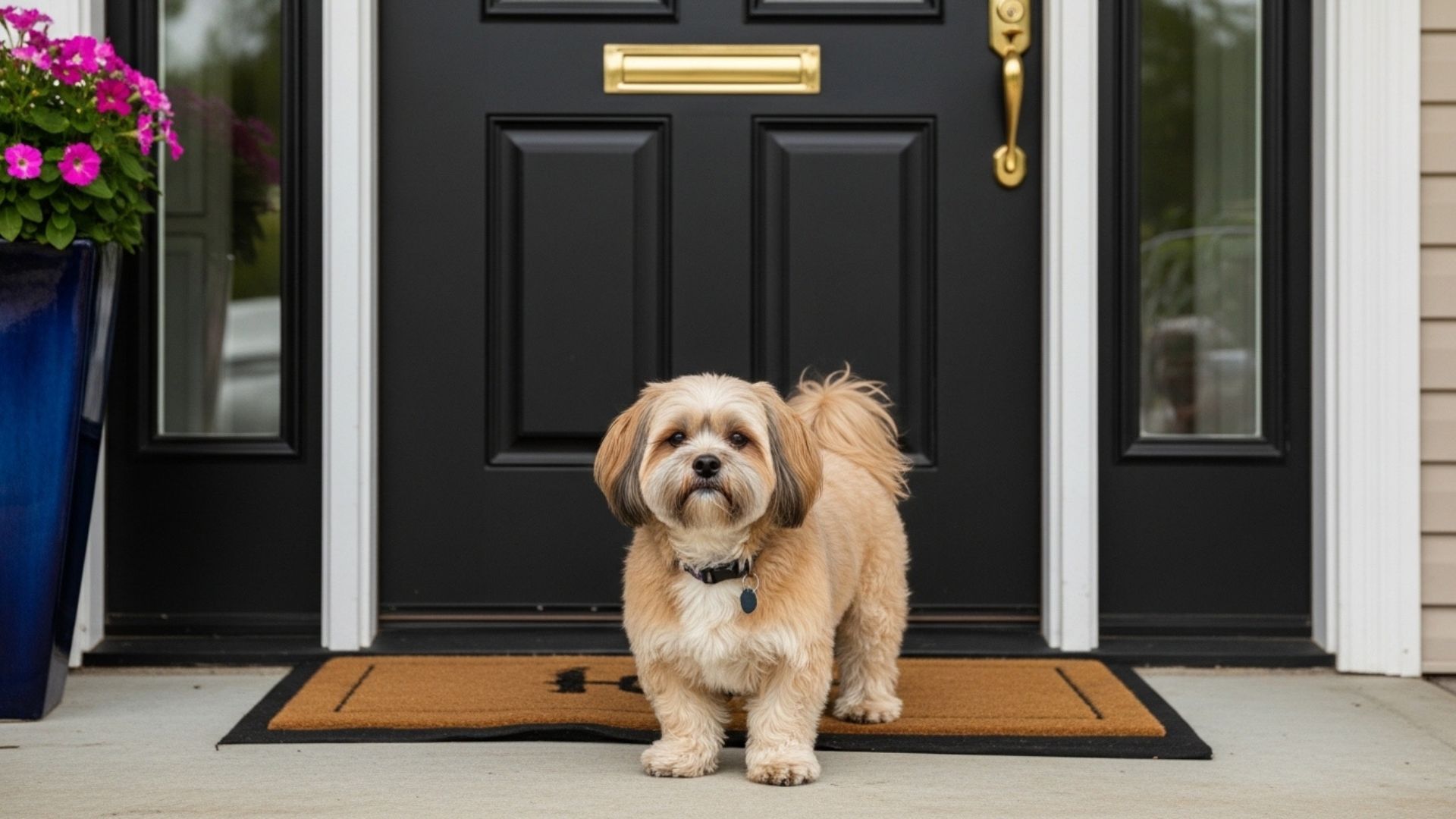
Protection does not always come in a large, imposing frame. Sometimes it stands barely a foot tall, ears lifted, eyes sharp, fully aware of every sound beyond the door.
Small dogs carry a fierce devotion that often surprises those who mistake size for strength. Their loyalty runs deep, and their instinct to guard what they love can be powerful, focused, and unwavering. They notice subtle shifts in energy, unfamiliar footsteps, and movements others ignore.
That vigilance turns them into natural sentinels within compact bodies. For many households, especially those in apartments or smaller homes, a protective small dog offers both companionship and confidence without overwhelming space.
This guide explores protective small dog breeds, their temperament, alertness, training needs, and how their bold personalities translate into real security at home.
Key Takeaways
Tiny dogs often surprise visitors with how alert and confident they can be in protecting their homes.
Scottish Terriers and Lhasa Apsos stand their ground calmly yet confidently, alerting families without unnecessary fuss
Chihuahuas and Yorkshire Terriers may weigh just a few pounds, but their bold personalities and vigilance make them surprisingly protective.
As you read on, you’ll discover which seven tiny breeds turn courage into a watchful, loyal presence at home.
Protective Small Dog Breeds: A Guard Dog Guide
1. Scottish Terrier
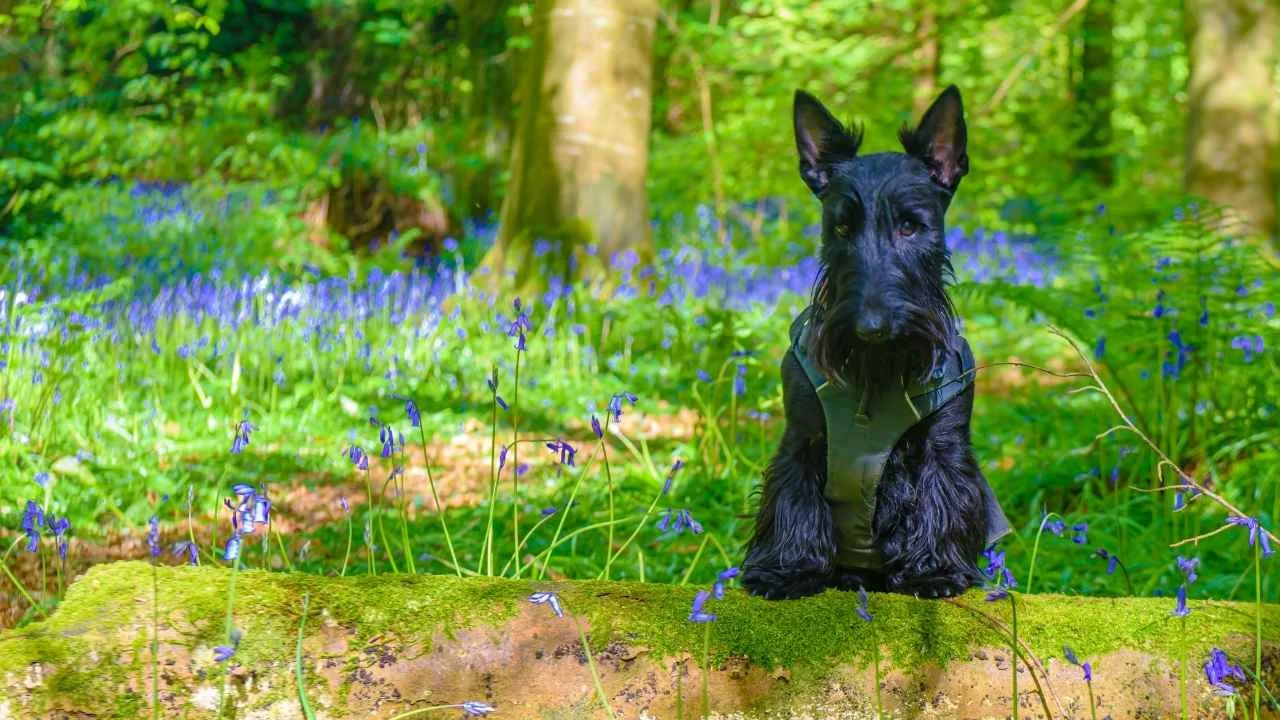
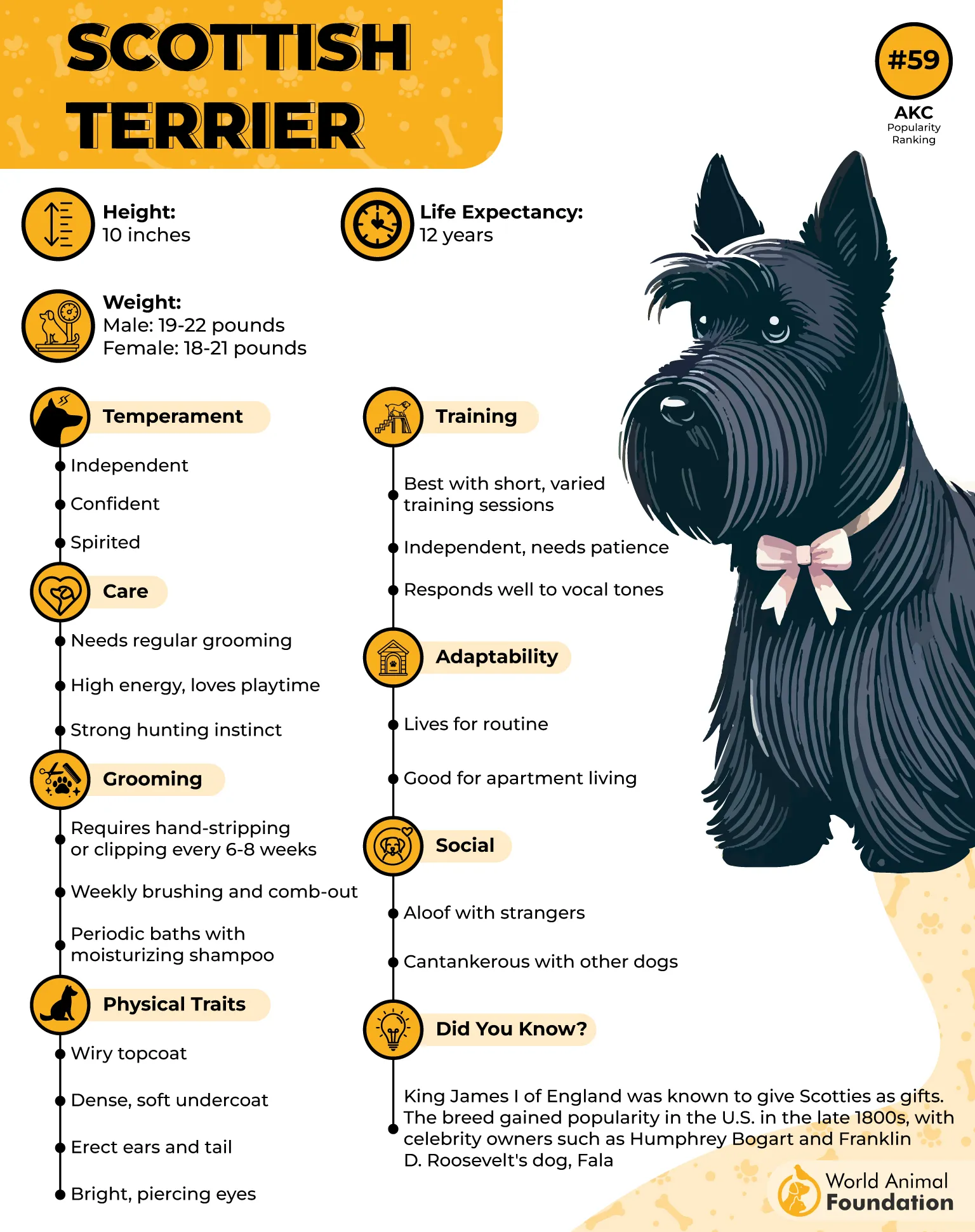
Scottish Terrier stands solid and low to the ground, projecting confidence far beyond its size. The sharp eyes, erect ears, and upright tail signal constant awareness of surroundings. That dignified, almost human expression is paired with a terrier’s determined mindset.
Watchful by Nature
This guard dog breed approaches unfamiliar situations with caution and independence. Their aloof attitude toward strangers strengthens their role as vigilant household sentinels.

That instinct shows up in clear ways:
Quick to alert to unfamiliar movement
Naturally reserved with strangers
Persistent and businesslike in response
Protective Personality
Scottish Terrier does not seek constant approval and prefers to evaluate situations independently. Their strong prey drive can create tension with other pets, reinforcing their territorial awareness, as per WebMD. Confident, bold, and observant, they maintain a steady watch over their home without hesitation.
2. Lhasa Apso
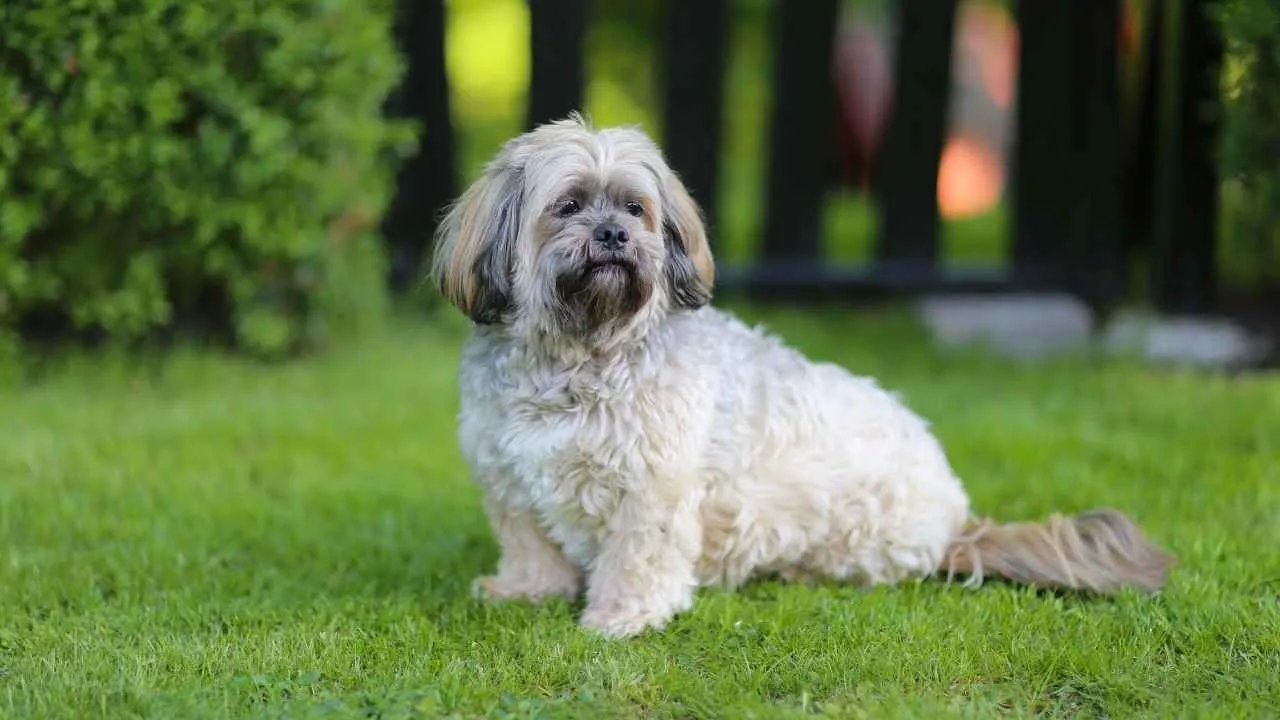
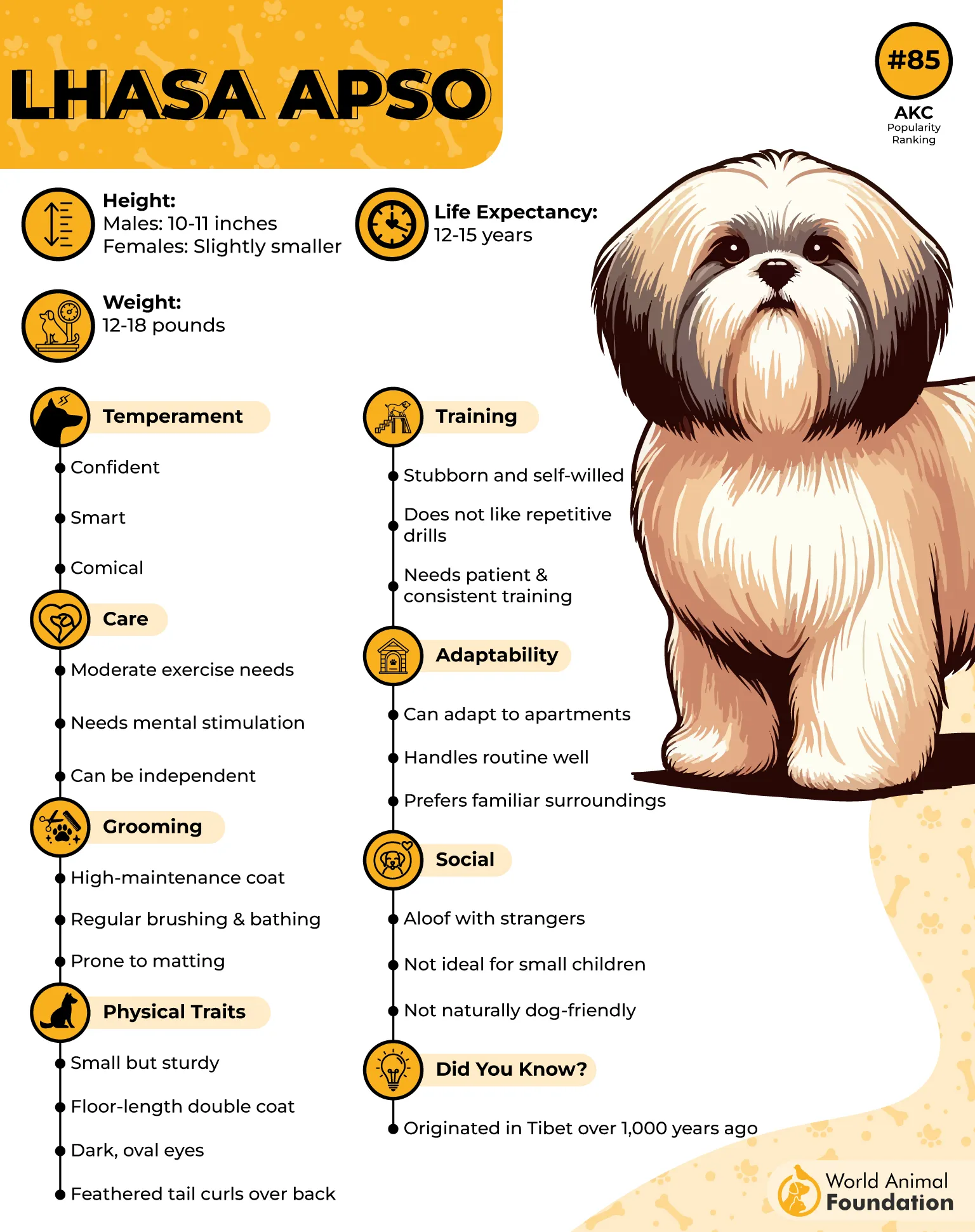
Lhasa Apso traces back to Tibetan monasteries, where this small dog served as an indoor watchdog for centuries. Highly valued and often gifted, the breed earned respect for sharp awareness rather than size. That legacy still shapes its alert personality today.
Compact but Watchful
Lhasa Apso remains attentive to every unfamiliar sound and movement inside the home. Its guarding style is vocal and observant, rooted in centuries of monastery duty, as PDSA notes.
That instinct shows up in ways such as:
Quick alarm barking at strangers
Aloof behavior with unfamiliar guests
Strong territorial awareness indoors
Distinct Coat and Demeanor
Lhasa Apso is recognized for a long, floor-length coat parted down the center, a look that requires consistent grooming. Even a shorter trim still demands routine brushing and care. Beneath that polished appearance stands a self-assured and independent small guardian.
3. Bedlington Terrier

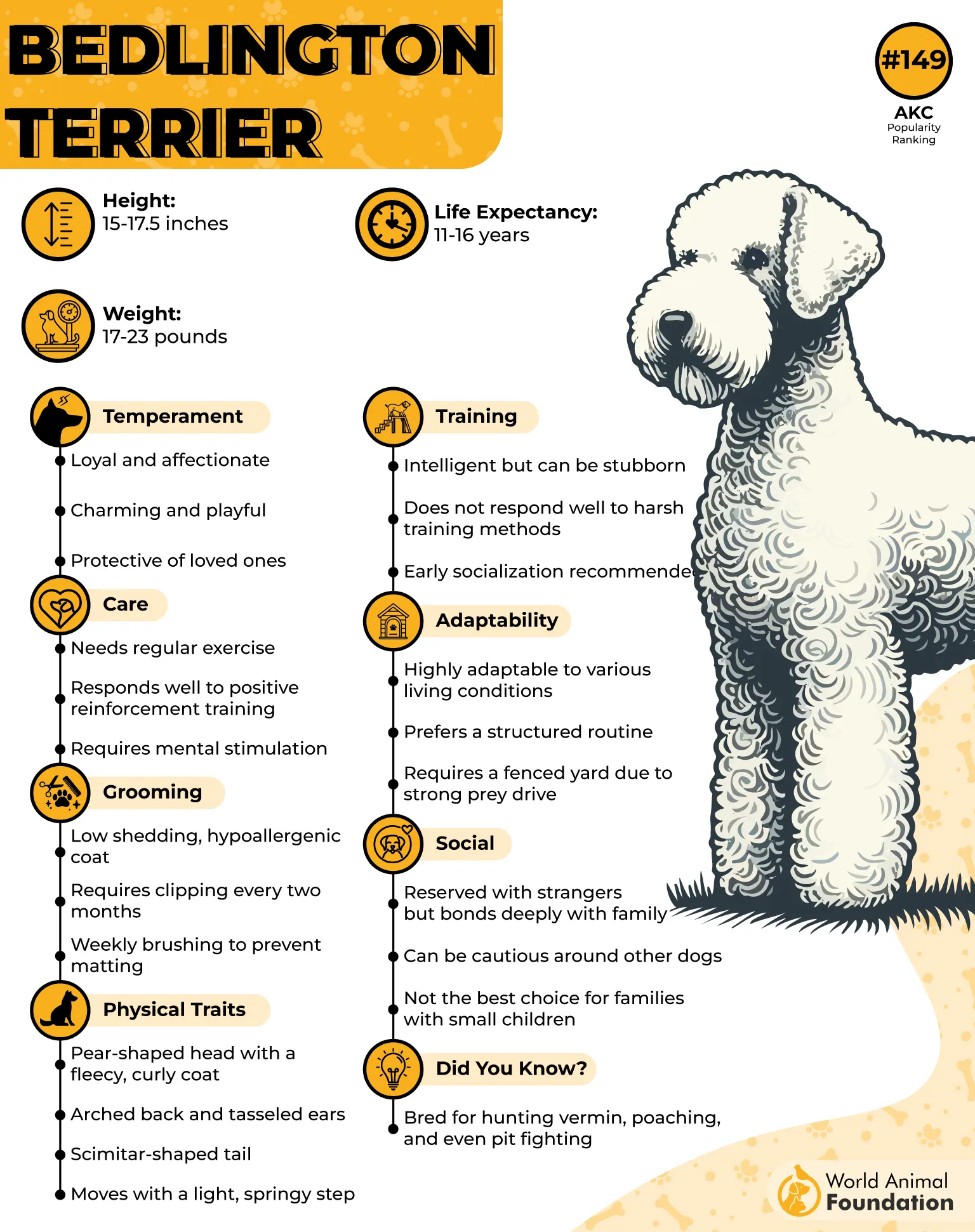
Bedlington Terrier may look soft and lamb-like, yet this English breed was shaped in a mining region where alertness mattered. Beneath the crisp, curly coat stands a lithe, energetic terrier with sharp awareness of its surroundings. That constant attentiveness makes it a surprisingly good guard dog.
Built to React
They move with a light, springy gait, and when something sparks interest, speed follows instantly, as the AKC claims. Its structure reveals both terrier grit and sighthound influence, giving it quick response and keen focus.
A few traits explain this sharp guarding instinct:
Naturally alert to changes in the environment
Fast acceleration when roused
Strong attachment to household members
Protective at Home
Bedlington Terrier enjoys being the center of family life and keeps a close eye on familiar faces. That devotion often translates into vocal alerts when strangers approach or unusual sounds break the routine. Its protective streak shows most clearly around loved ones it considers part of its inner circle.
4. Cairn Terrier
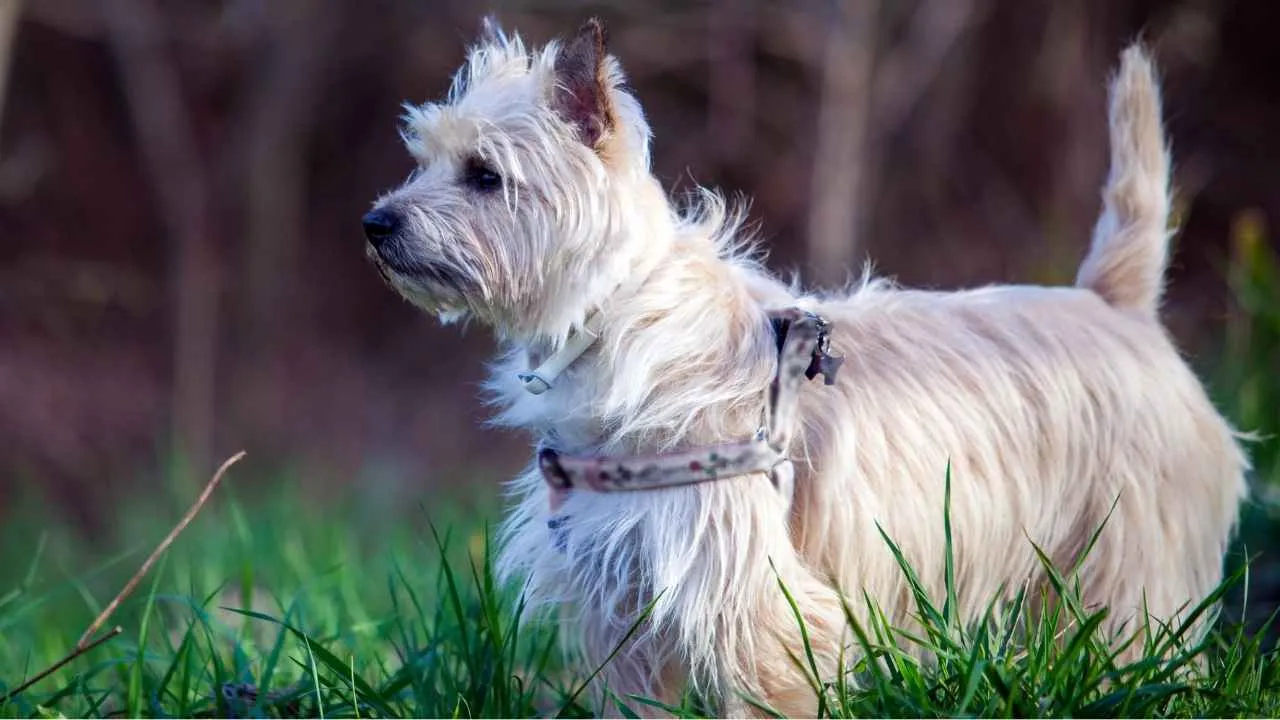
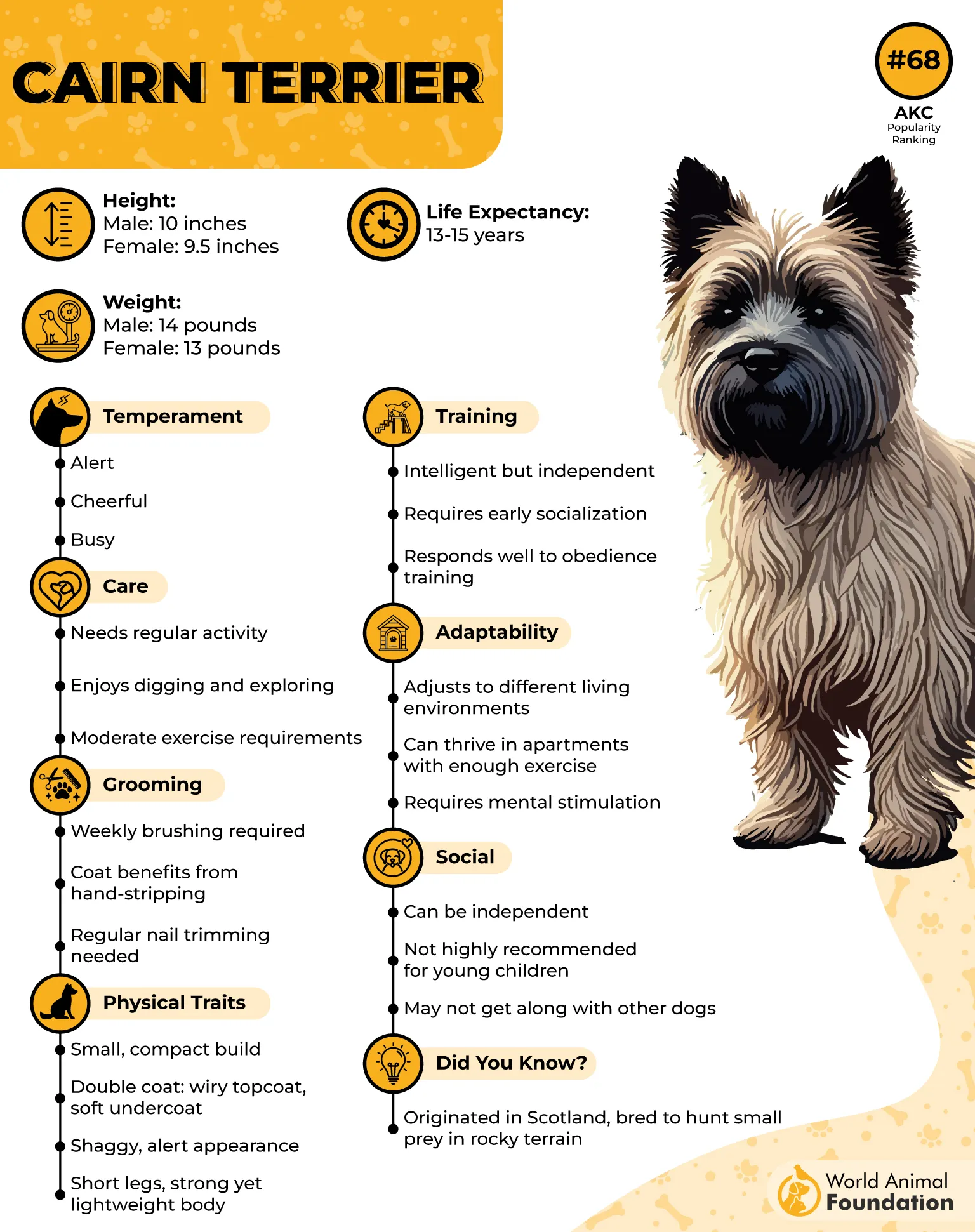
Cairn Terrier developed in the rocky Scottish countryside, where digging out foxes demanded boldness and quick reactions. That fearless earthdog background still shapes its alert and investigative nature. Even at about 10 inches tall, this breed reacts fast to movement and unfamiliar sounds.
Built for Action
Cairn Terrier’s compact frame and keen expression reveal a dog constantly assessing its surroundings. Their physical details explain why this small breed makes a sharp household alarm.
Notice how structure supports vigilance:
Short, wide head with bright, focused eyes
Upright ears and tail signaling constant awareness
Sturdy, free-moving body built for quick pursuit
Instincts That Translate to Protection
This small guard dog was bred to root out prey among stones, which required confidence and persistence. That same gameness shows up when something unusual happens near home. Curious and naturally investigative, the breed prefers knowing exactly what is happening in its territory.
5. Danish-Swedish Farmdog
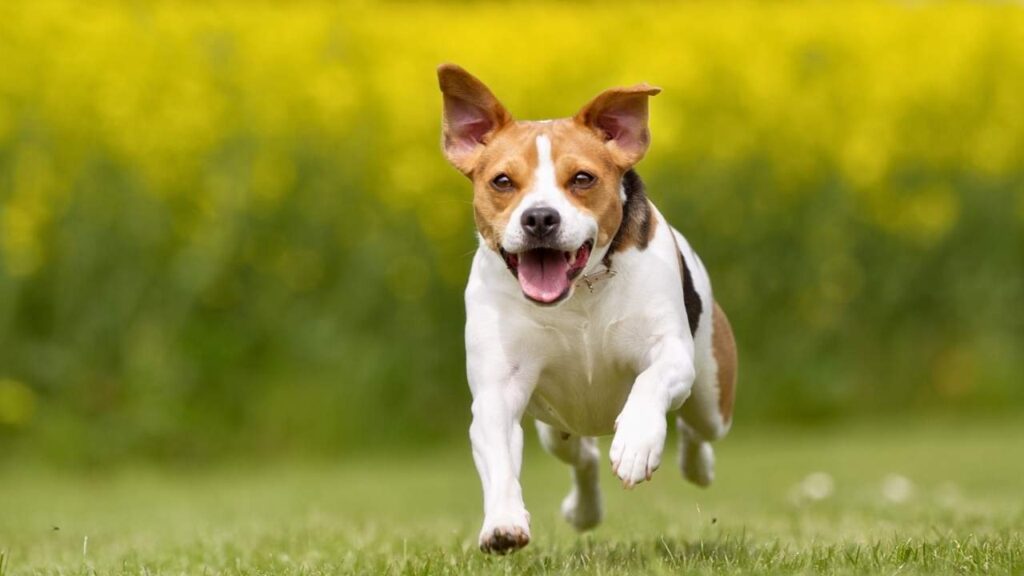
The Danish-Swedish Farmdog was developed on Scandinavian farms where versatility was essential for daily survival. Small in size yet constantly observant, this breed handled herding, vermin control, and property watch without hesitation.
Compact but Capable
Danish-Swedish Farmdog earned its reputation by handling multiple responsibilities around the homestead. Their skill set explains why they remain reliable small watchdogs today.
Look at what shaped their guarding instincts:
Skilled mouser and ratter
Assisted with livestock control
Acted as a farm guardian
Social but Watchful
Danish-Swedish Farmdog greets people warmly, yet that friendliness does not cancel its alert side. Early farm life required awareness of strangers and sudden disturbances, creating a dog that signals activity without unnecessary aggression. Proper socialization keeps their vigilance measured and purposeful.
6. Yorkshire Terrier
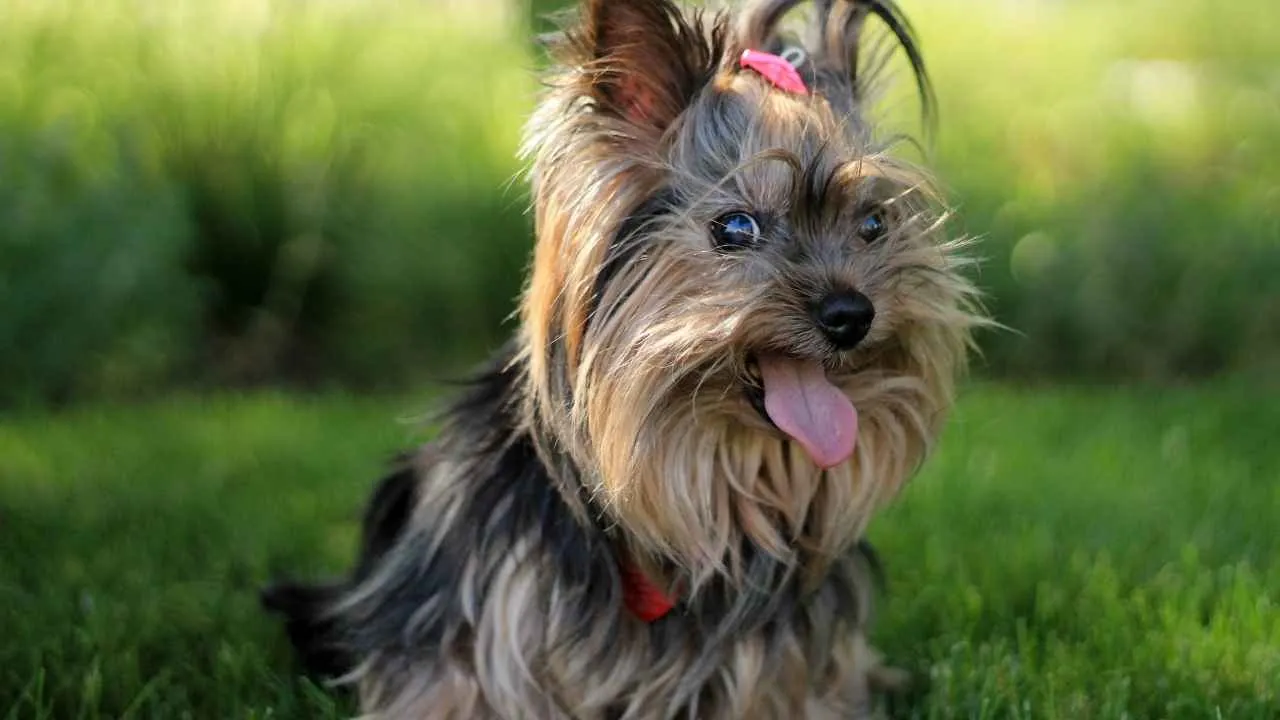
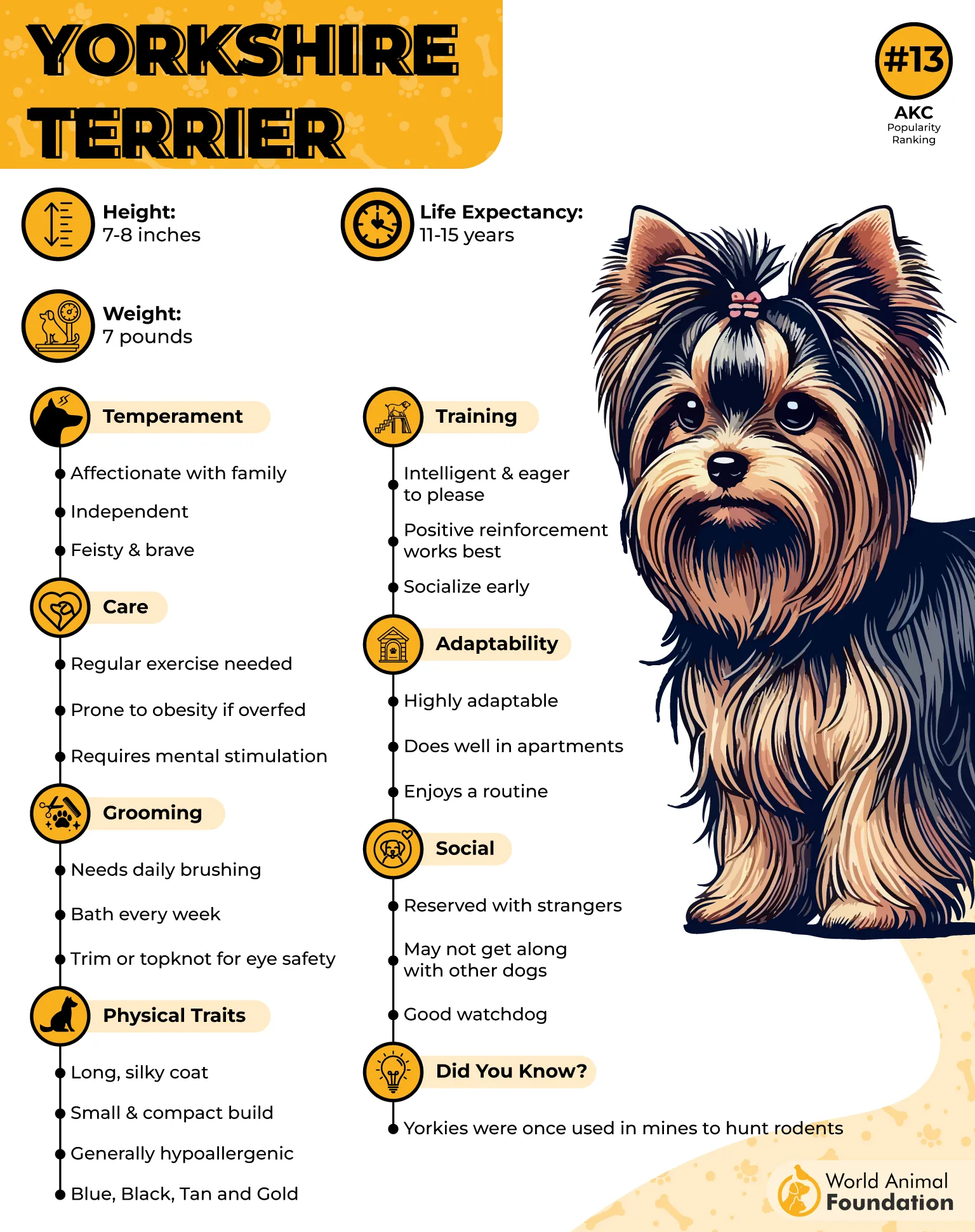
Yorkshire Terrier began as a determined ratter in English mines and mills, built to chase vermin in tight industrial spaces. That gritty background still shapes the breed’s alert responses today. Even at under seven pounds, the stance and gaze signal readiness.
Small Frame, Serious Attitude
They may look refined with their steel blue and golden tan coat, yet the temperament remains bold and decisive. That terrier edge shows up quickly in unfamiliar situations.
Watch how it expresses itself:
Quick to sound the alarm at unusual movement
Confident when confronting larger dogs
Highly aware of changes in routine
Protective Instinct in Close Quarters
Yorkies fit naturally into urban living, where attentiveness matters more than size. The protective nature surfaces through sharp barking and close attachment to its chosen person. With proper training, that vigilance becomes controlled rather than reactive.
7. Chihuahua
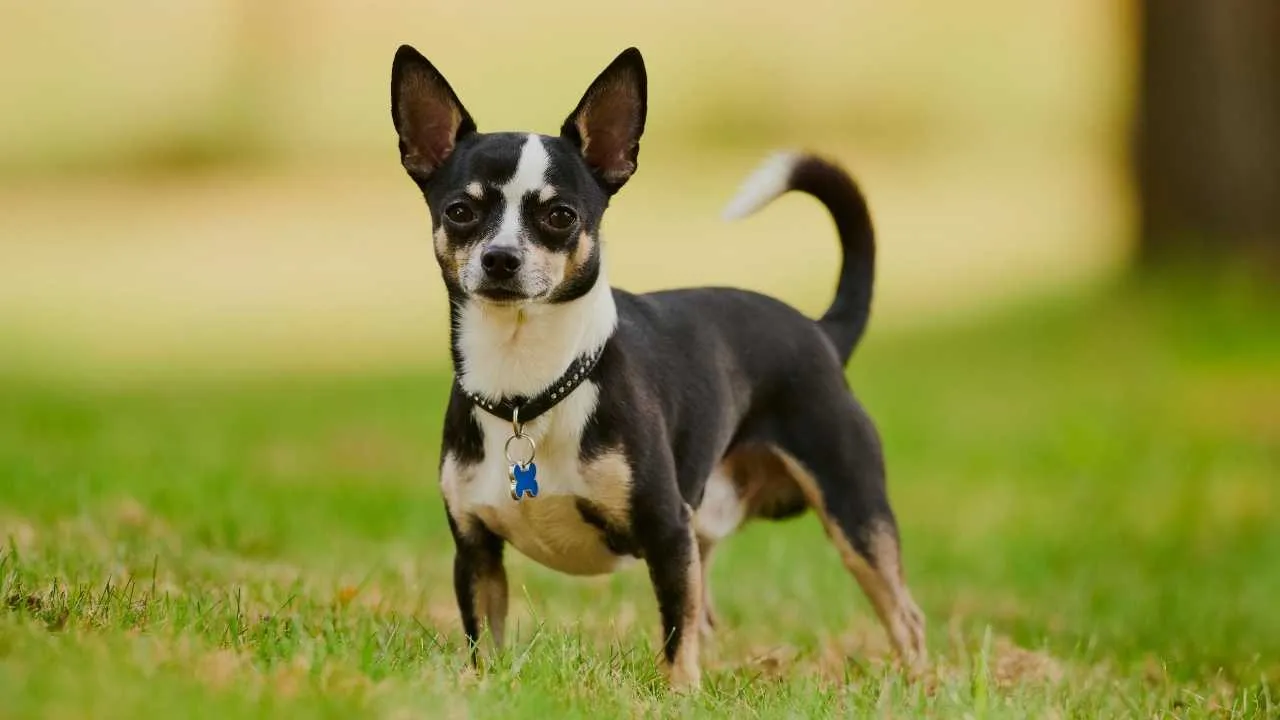
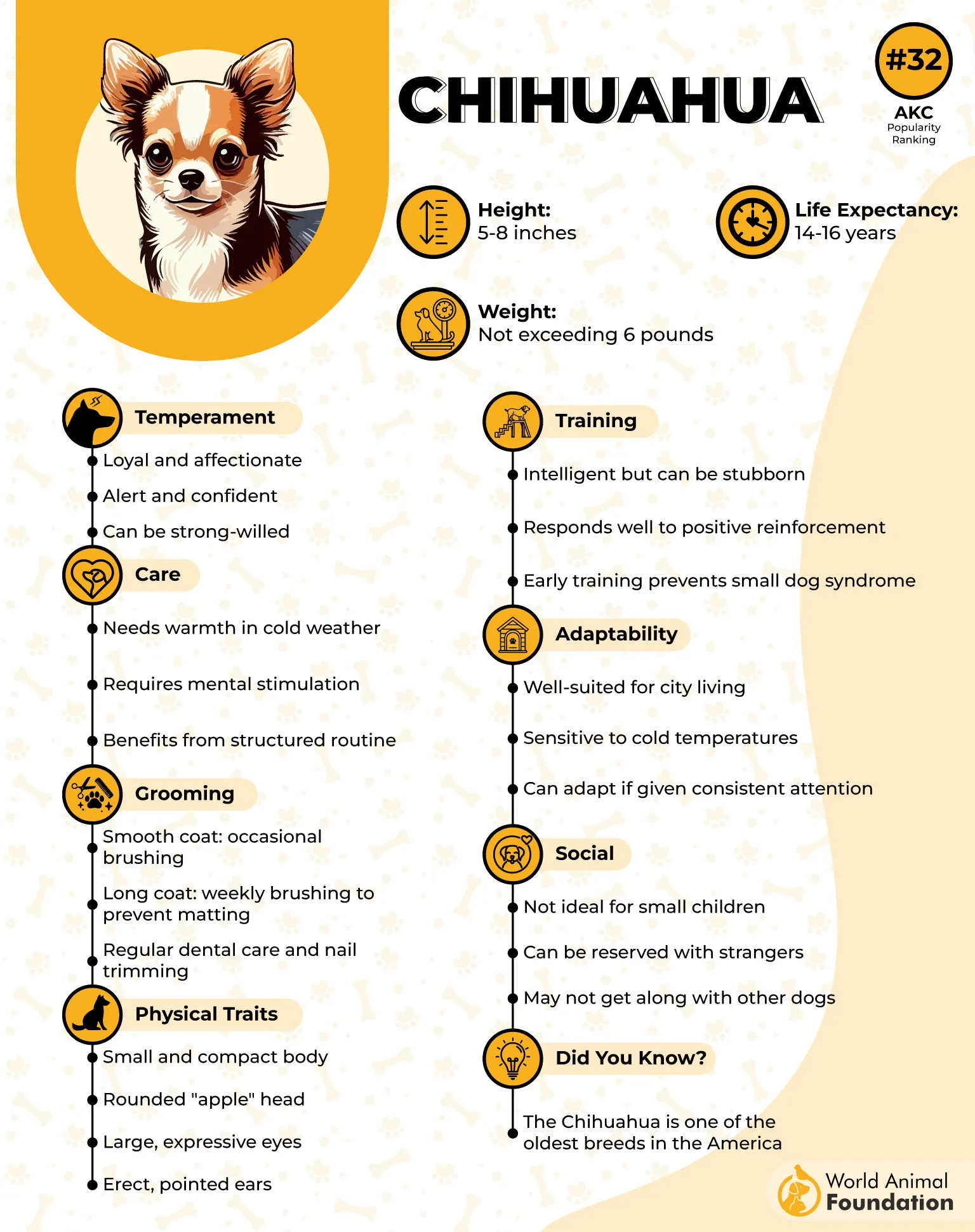
The chihuahua is a small dog with a commanding personality, standing as a national symbol of Mexico. Its rounded apple head and bright, expressive eyes give it a presence far larger than its weight. Despite its size, the breed carries a bold, alert temperament that draws attention wherever it goes.
Alert and Protective
This little dog has instincts that surprise newcomers and other dogs alike, showing vigilance and curiosity in every corner of the home. Their confident, sometimes bossy demeanor gives them a presence beyond size.
Their traits include:
Highly aware of sounds and movements around them
Quick to bark to signal potential intruders
Attentive to family members’ moods
Well-suited for Homes
Compact and extremely loyal, Chihuahuas are well-suited for city living and apartment life. They need gentle handling due to their delicate frames and respond best when given consistent attention. Their alert nature makes them surprisingly effective little guardians.
Conclusion
These breeds prove that courage is not limited by size. While they may not resemble traditional guard dogs or the gentle giants often seen among larger breeds, their vigilant nature keeps households alert. From loud barks that signal strangers to a fiercely protective stance around small children, each brings steady awareness to daily life.
Early guidance from a young age helps shape balanced responses toward other animals and guests. Though compact, they stand as excellent watchdogs who value loyalty above all. In the right home, their devotion feels personal, constant, and quietly reassuring.
