




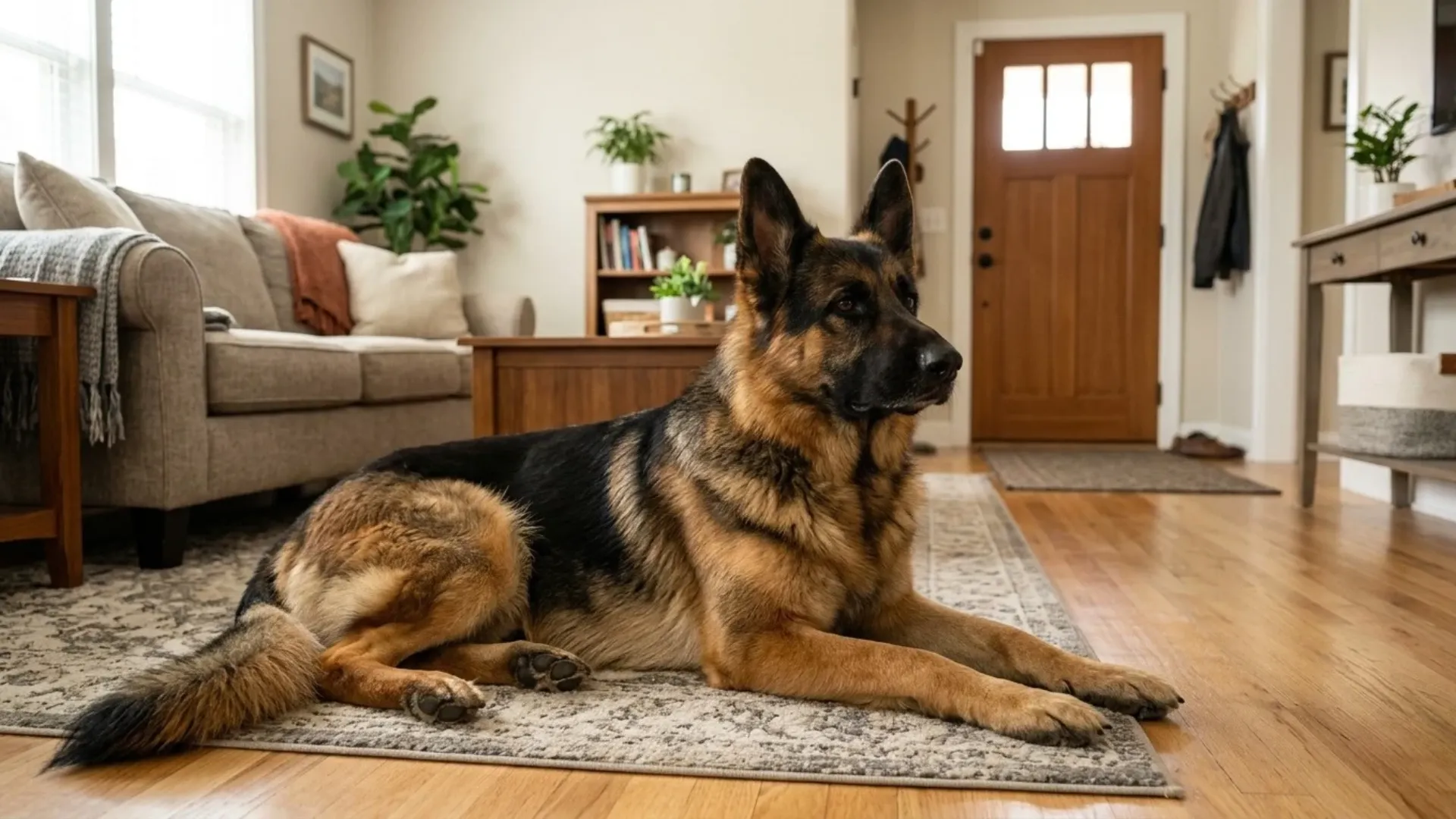
A protective dog does not have to be constantly suspicious, intimidating, or ready to bite. The Rottweiler offers a powerful example of how strong guarding instincts can exist alongside a gentle, well-socialized temperament.
Naturally capable of protecting its family when a situation truly calls for it, these protective breeds can also remain calm and friendly around people when given proper training and socialization.
A dog can recognise something unusual without treating every stranger as a threat. A well-trained Rottweiler can greet familiar people, move calmly through everyday situations, and still respond when something genuinely feels wrong.
That balance is what makes protective breeds so interesting. Their strength and instincts are valuable, but responsible ownership means teaching them when those instincts are appropriate.
With clear guidance, socialization, and control, a protective dog can be both a reassuring guardian and a loving family companion.
Key Takeaways
Protective dogs can be gentle, affectionate, and relaxed family companions.
A strong protective instinct does not always mean an aggressive or overly active temperament.
Loyalty and close family bonds are common qualities in protective companion dogs.
A calm presence can provide reassurance while still allowing a dog to remain alert.
Early socialisation helps dogs become more comfortable around unfamiliar people and animals.
Protective Dog Breeds With A Gentle, Relaxed Demeanor
1. Doberman Pinscher
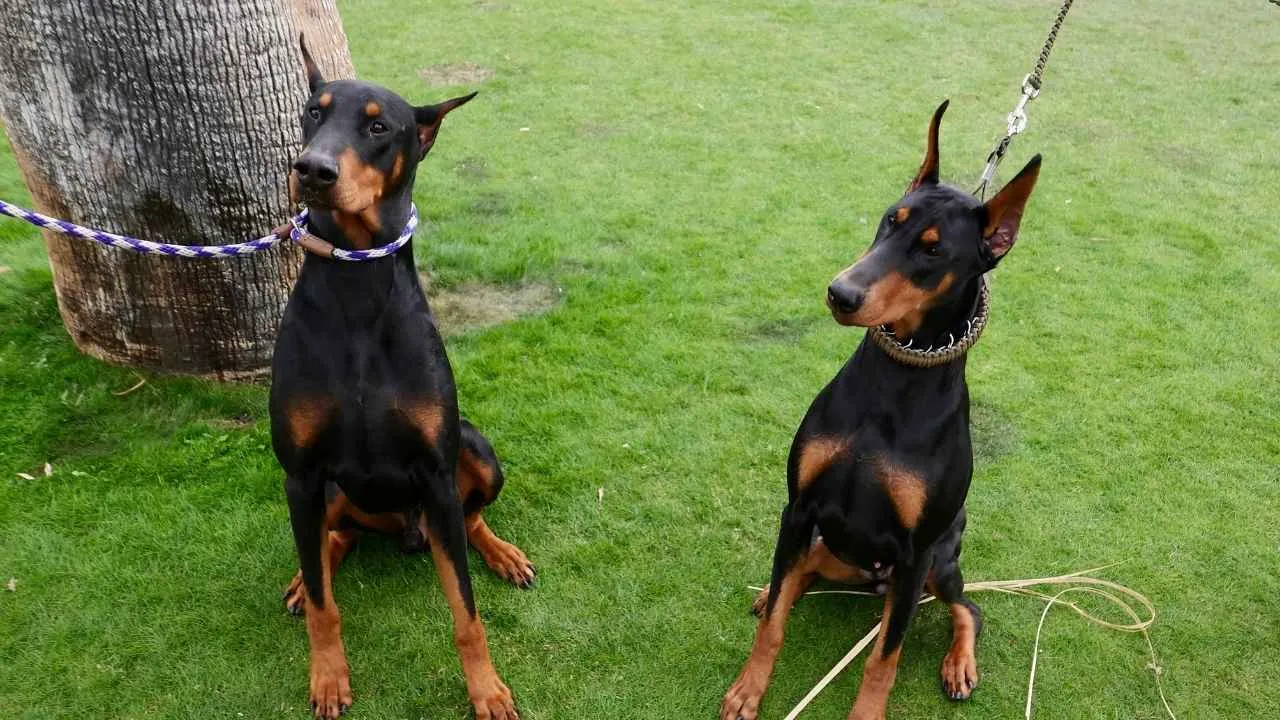
With a sleek, powerful build and an unmistakably alert presence, the Doberman Pinscher combines the qualities of a serious protection dog with those of a devoted companion.
Originally developed in Germany as both a guard dog and companion, the breed is naturally watchful, fearless, loyal, and quick to respond when it senses a threat.
Yet beneath that imposing appearance is an intelligent dog that can be loving, eager to please, and playful with its family.
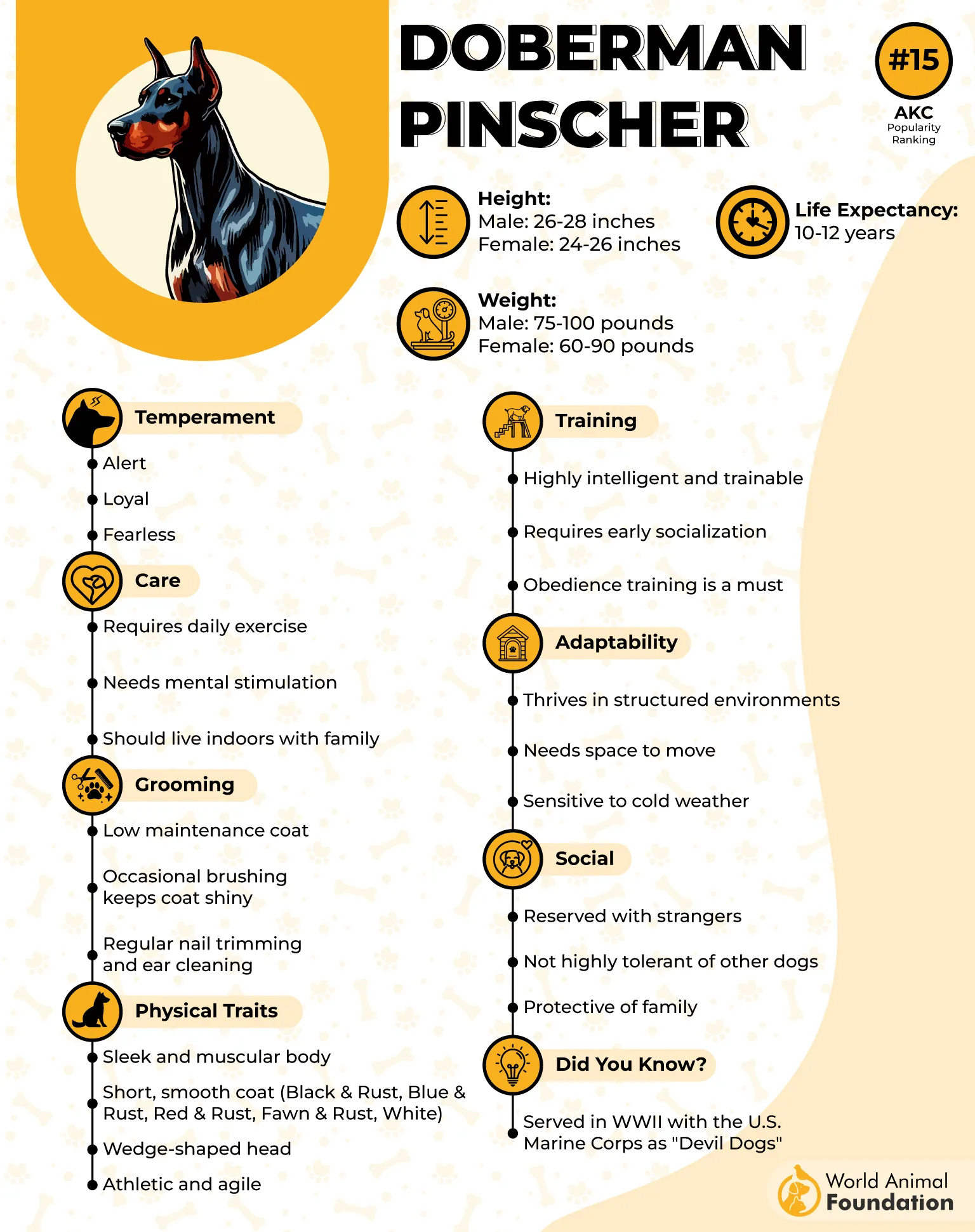
Dobermans form strong bonds with their people and can be good family dogs when properly trained and socialized from puppyhood, according to the American Kennel Club.
Their protective nature makes them attentive to their surroundings, while their intelligence allows them to learn quickly and respond well to obedience training. They are highly energetic and need regular physical activity and mental stimulation to remain well-mannered.
With appropriate training, socialization, and family interaction, a Doberman can balance its protective instincts with a devoted and affectionate temperament.
2. German Shepherd
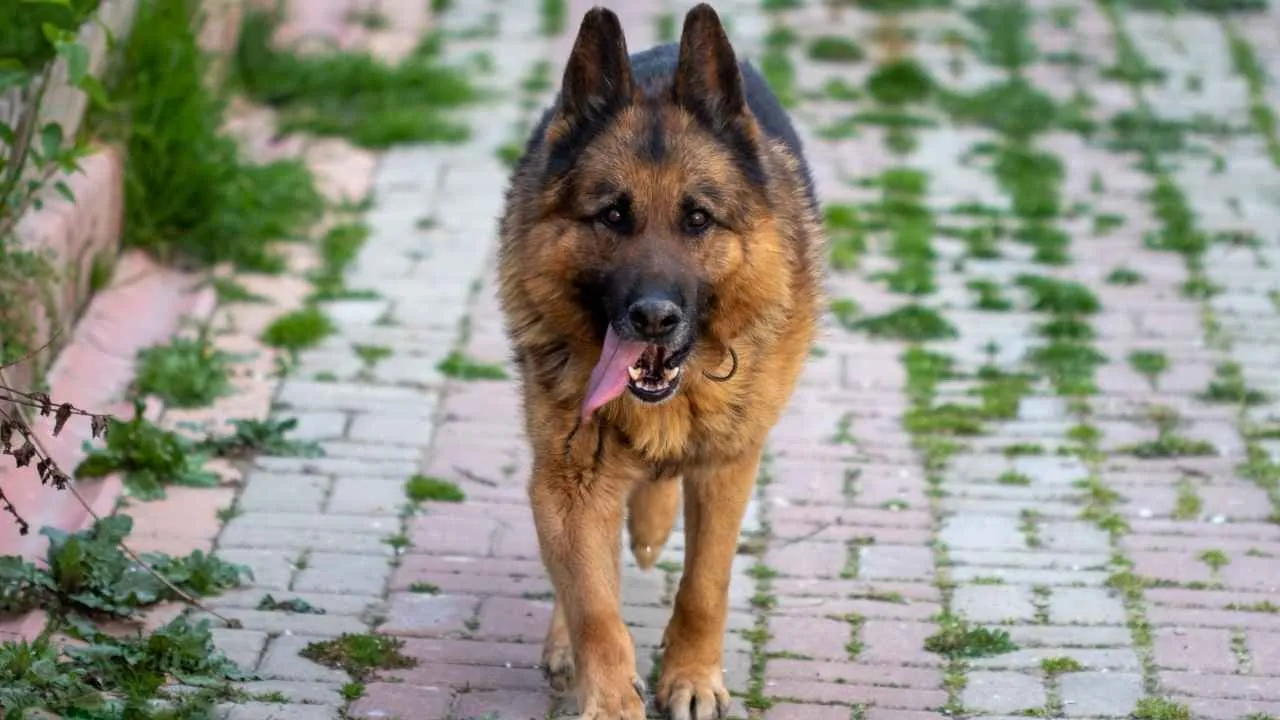
For a protective breed, the German Shepherd stands out for combining vigilance with a deeply devoted nature.
Intelligent, loyal, and naturally protective, these dogs form close bonds with their families and often remain attentive to their surroundings.
Their reserved attitude toward strangers can make them excellent watchdogs, while their affectionate side becomes clear with the people they trust.
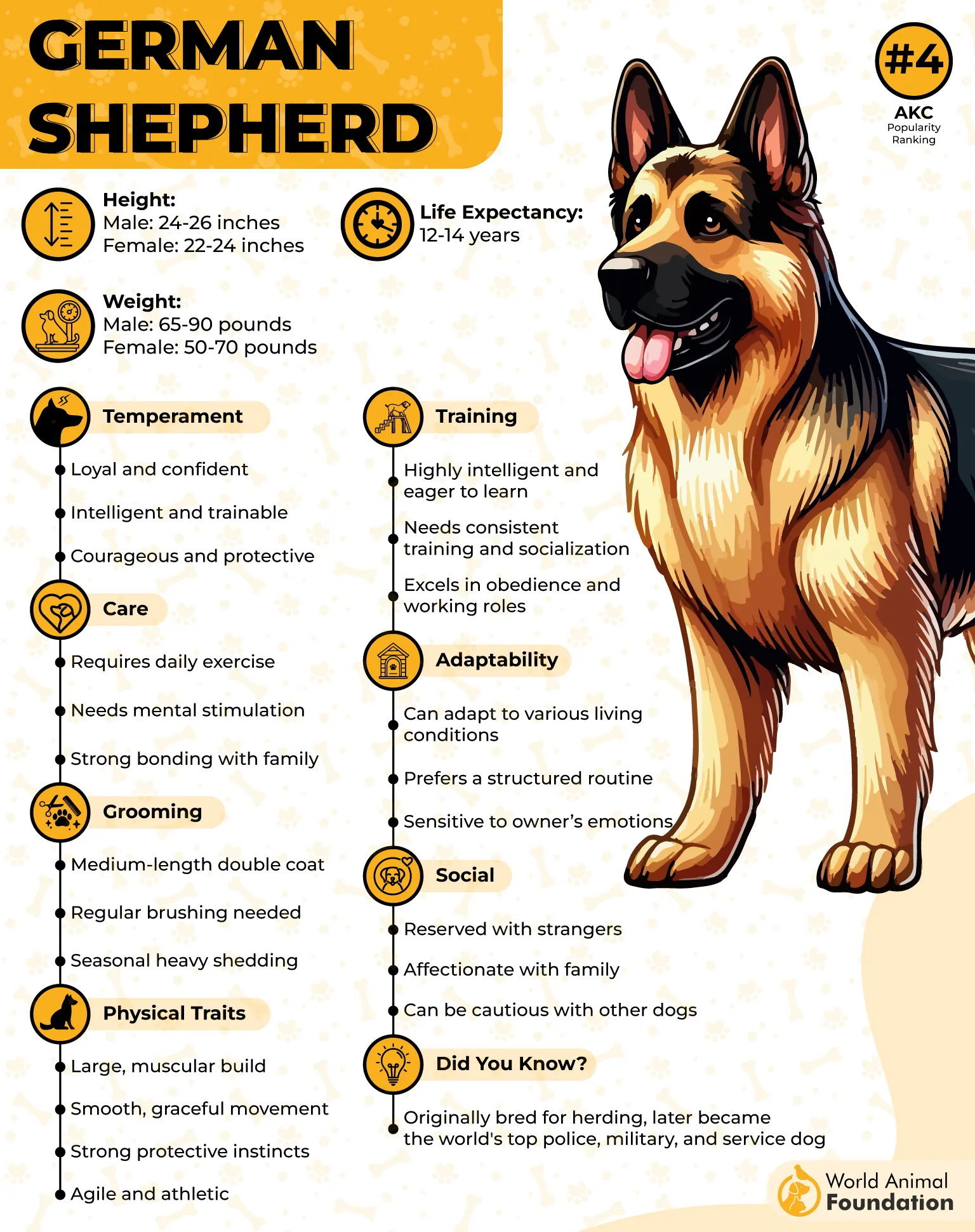
Despite their strong presence, German Shepherds can be gentle with children and other animals when properly socialised and trained. They are eager to learn and respond well to kind, reward-based training, making early guidance especially important.
Their calm, steady temperament is best supported by plenty of physical activity and mental stimulation, as boredom can lead to unwanted behaviours.
With at least two hours of daily exercise for adults, along with training and engaging games, they have plenty of opportunities to channel their energy.
For owners willing to invest time and patience, the German Shepherd can be both a reliable protector and a loving family companion.
3. Bernese Mountain Dog
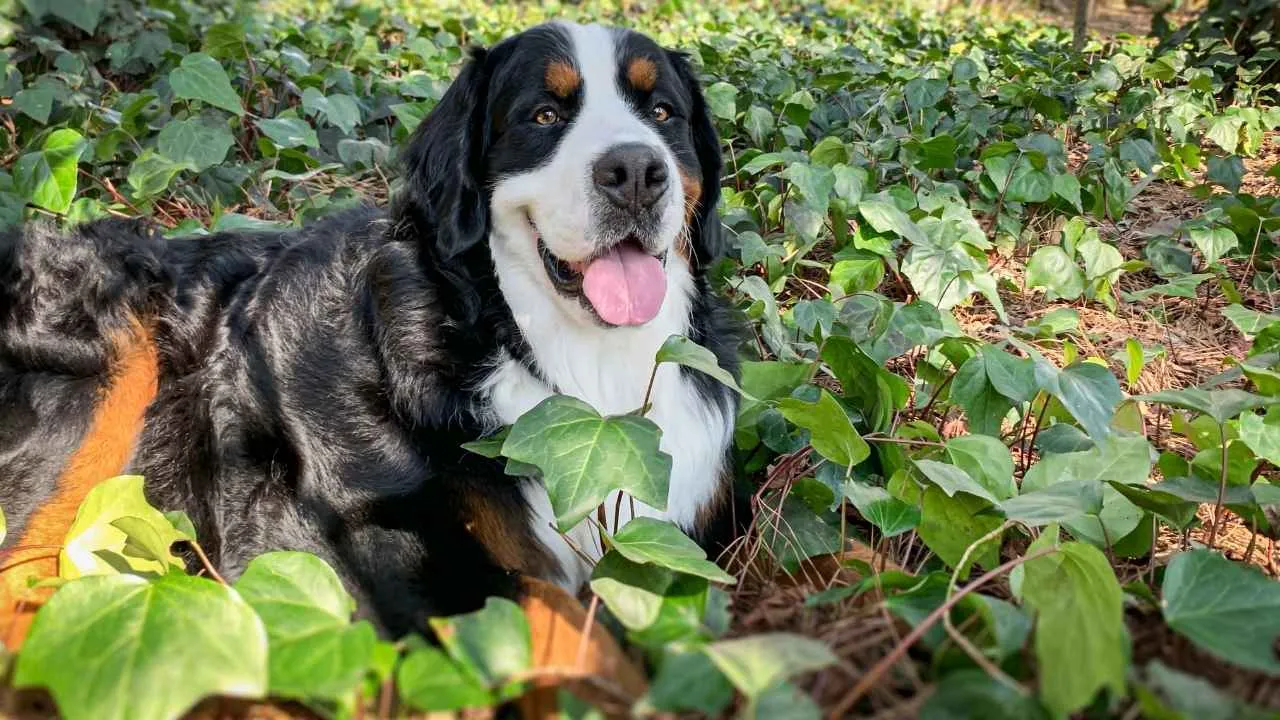
The Bernese Mountain Dog may be large enough to fill a room, but its gentle nature makes it feel more like an oversized lap dog.
Calm, patient, and deeply devoted to its family, this breed forms close bonds with its people and enjoys both quiet time at home and relaxed outdoor adventures.
Its history as a working dog also gave it a protective role, as Bernese Mountain Dogs were bred to guard property and drive cattle.
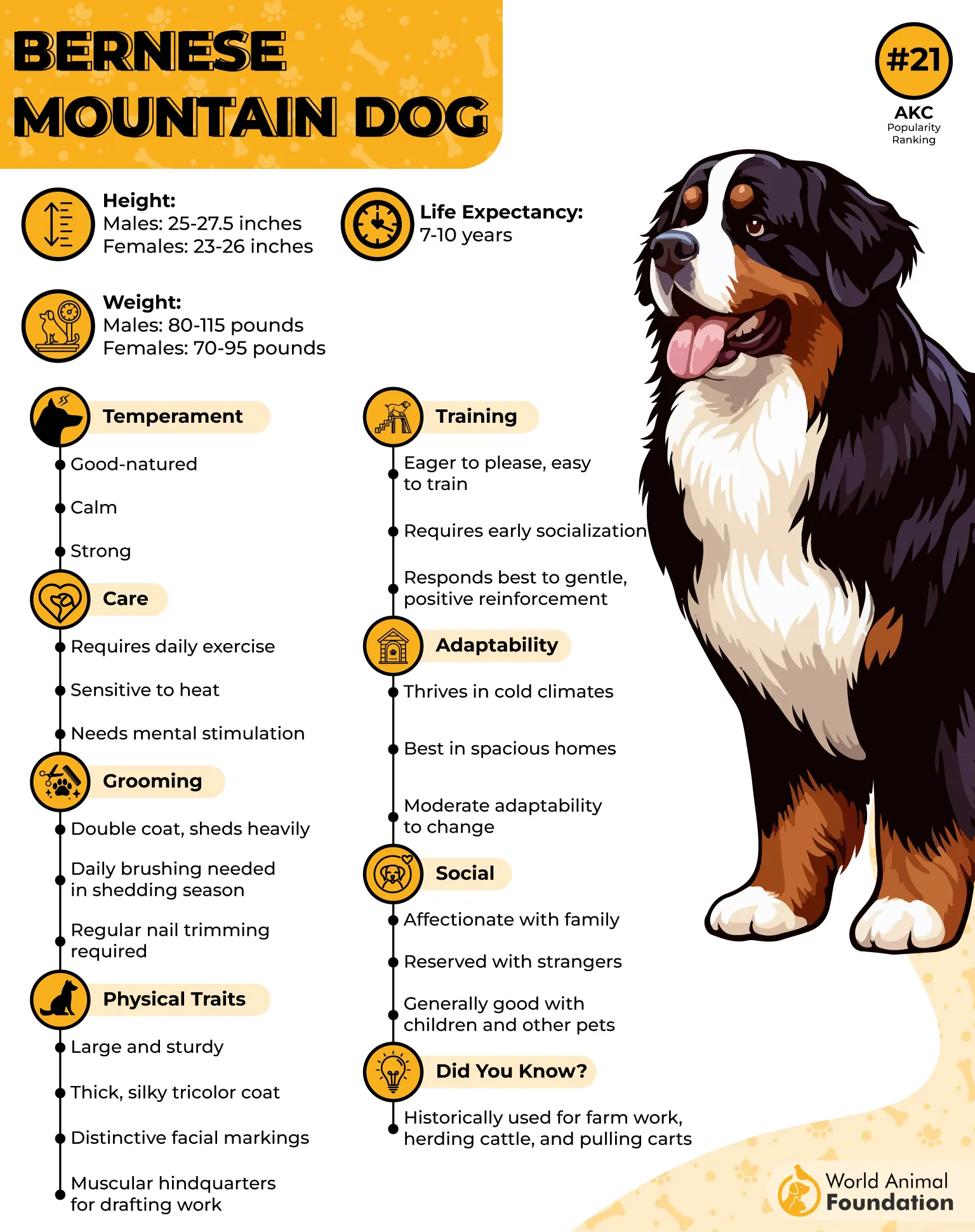
Although they are not known for excessive barking, they can alert their families when something unusual catches their attention. Their imposing size and watchful nature can add a reassuring presence without taking away from their affectionate personality.
Intelligent and responsive, they generally enjoy training, particularly when positive reinforcement is involved. Their thick double coat requires regular grooming, while their size and tendency to overheat mean exercise should remain steady rather than intense.
For families with enough space and time, the Bernese can be a calm, loving, and quietly protective companion.
4. Cane Corso
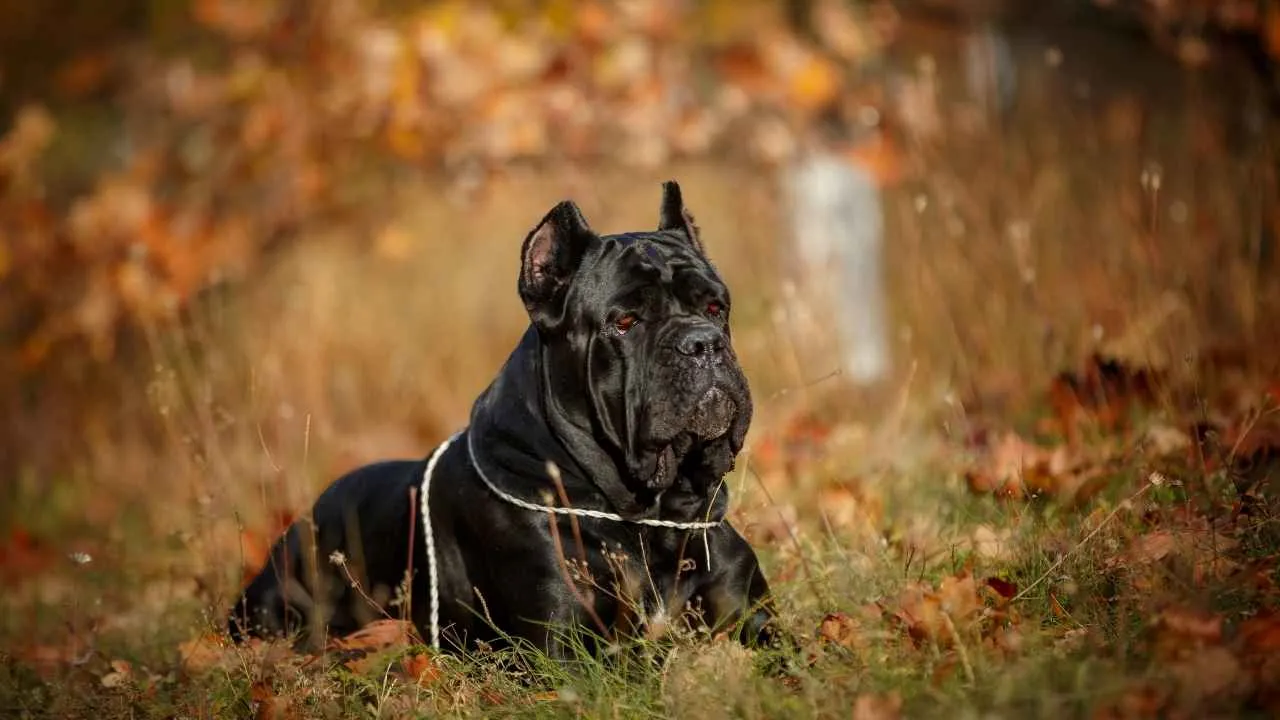
The Cane Corso combines an imposing presence with a surprisingly even-tempered nature, making it a compelling example of a protective dog with a calmer side.
Originally used as a watchdog and livestock guardian in southern Italy, this powerful breed remains naturally protective of its territory and family.
Yet beneath its serious appearance, the Cane Corso can be loyal, playful, obedient, and fond of children when properly trained.
It is generally reserved around strangers and does not tolerate unfamiliar people or animals entering its territory, but it is not described as aggressive without reason.
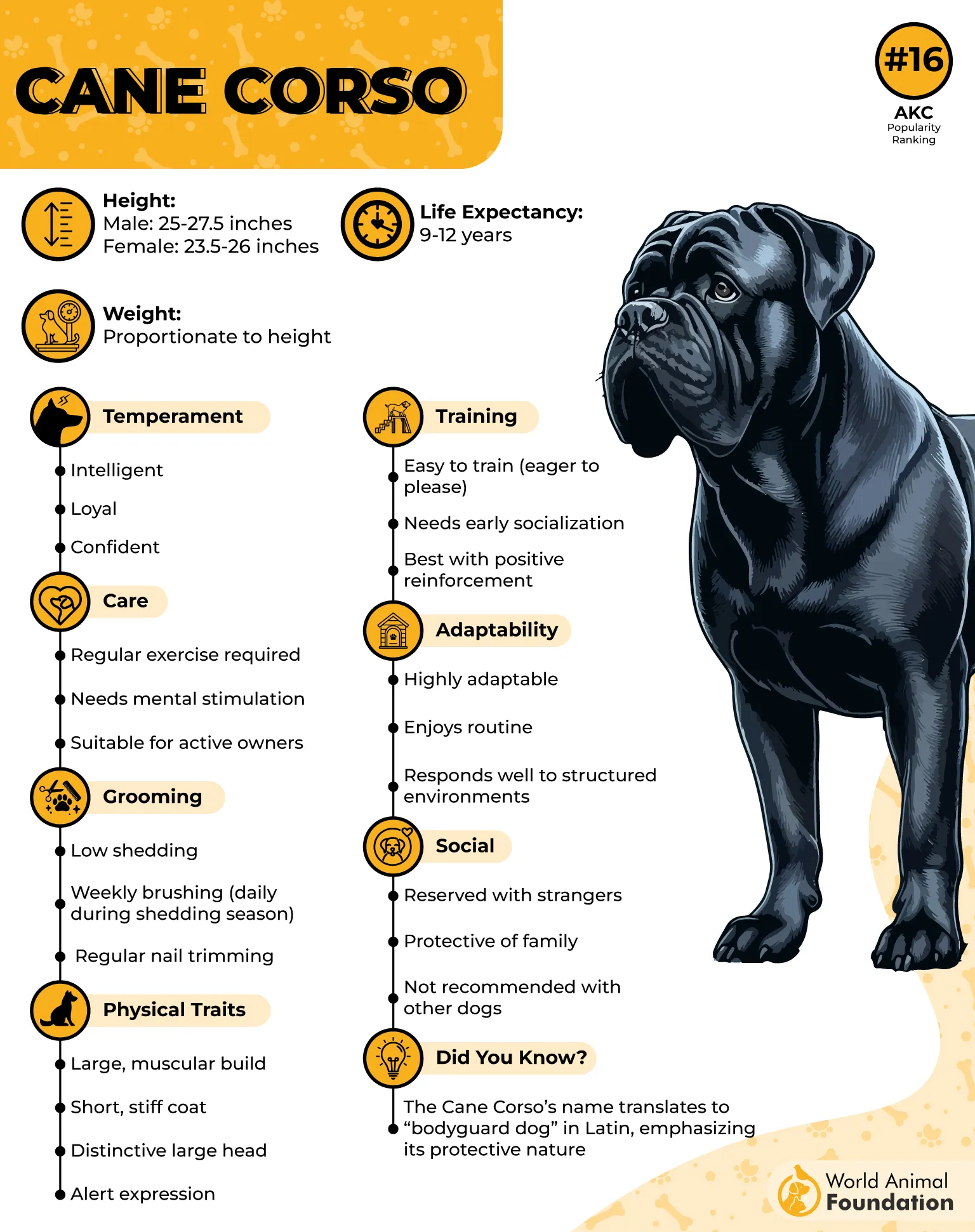
Instead, its strong protective instinct is directed toward defending the people and home it loves, as explained by Zooplus. Consistent, clear, and empathetic training, along with early socialisation, is essential for bringing out its reliable nature.
Active and happiest when given meaningful tasks, the Cane Corso needs experienced owners, plenty of space, family contact, and regular activity to remain even-tempered.
5. Bullmastiff
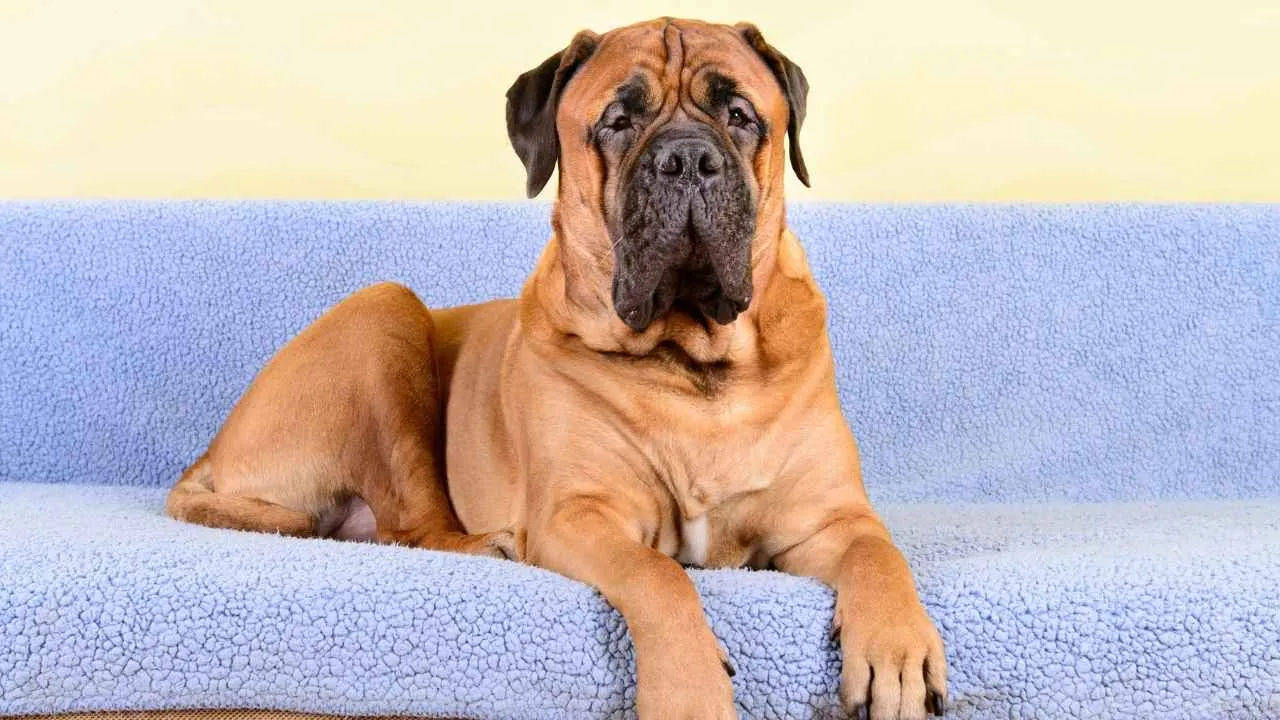
The Bullmastiff has a striking ability to be both a powerful protector and a gentle family companion.
Originally bred in England to guard estates, this muscular breed developed a strong instinct to watch over its territory and the people it considers family.
Yet its protective nature does not overshadow its affectionate side. Bullmastiffs are described as loyal, patient, and gentle with loved ones, and they thrive on human companionship.
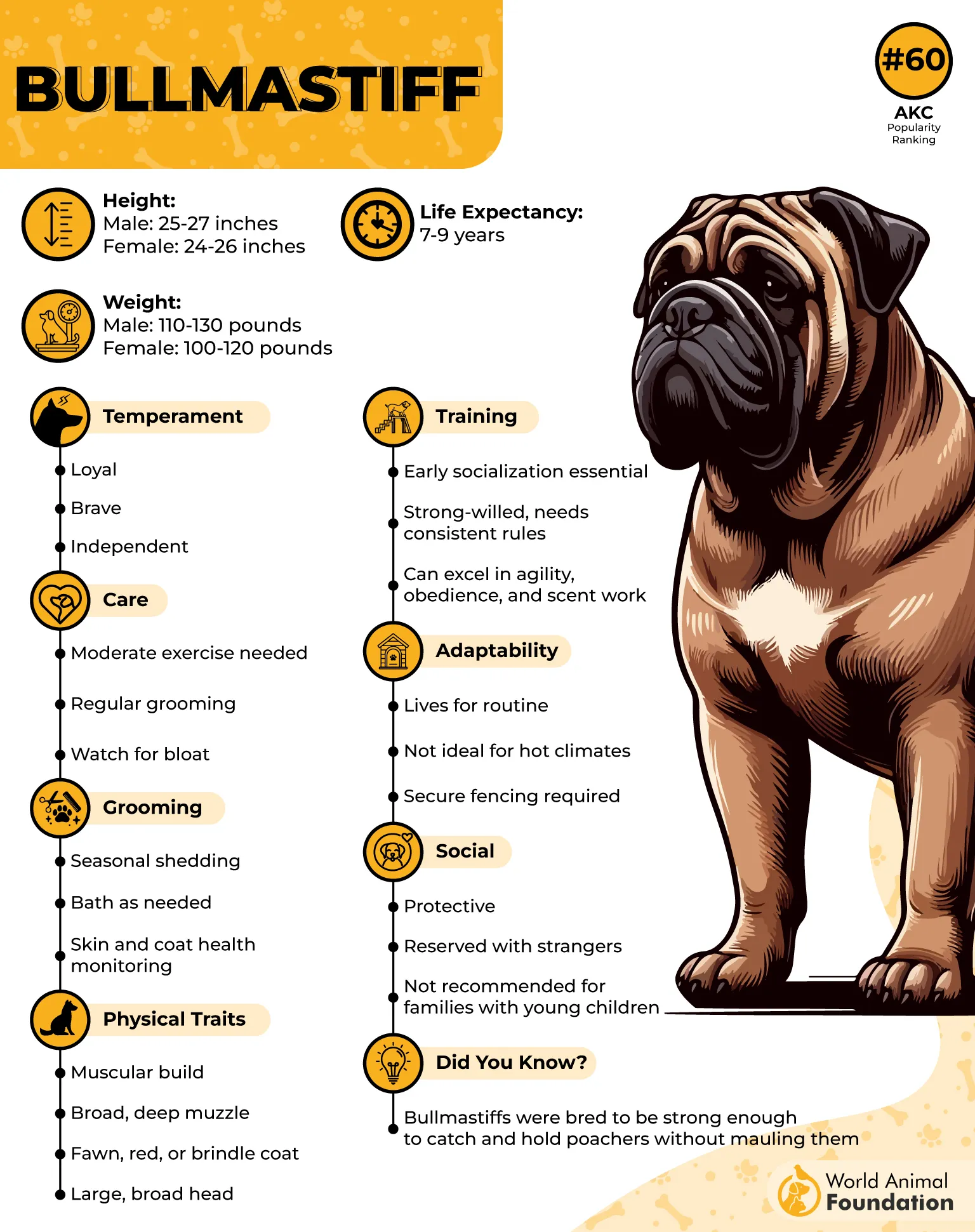
Their quiet temperament adds to their calm presence, as they generally do not bark excessively and tend to alert their owners when something seems unusual.
Naturally wary of strangers, they can distinguish between familiar people and those they perceive as a genuine threat when properly trained and socialised.
Their confident, fearless nature is balanced by a willingness to please and a dependable family temperament. With consistent training, early socialization, moderate exercise, and clear boundaries, the Bullmastiff can offer devoted companionship while remaining a steadfast guardian of home and family.
6. Great Dane
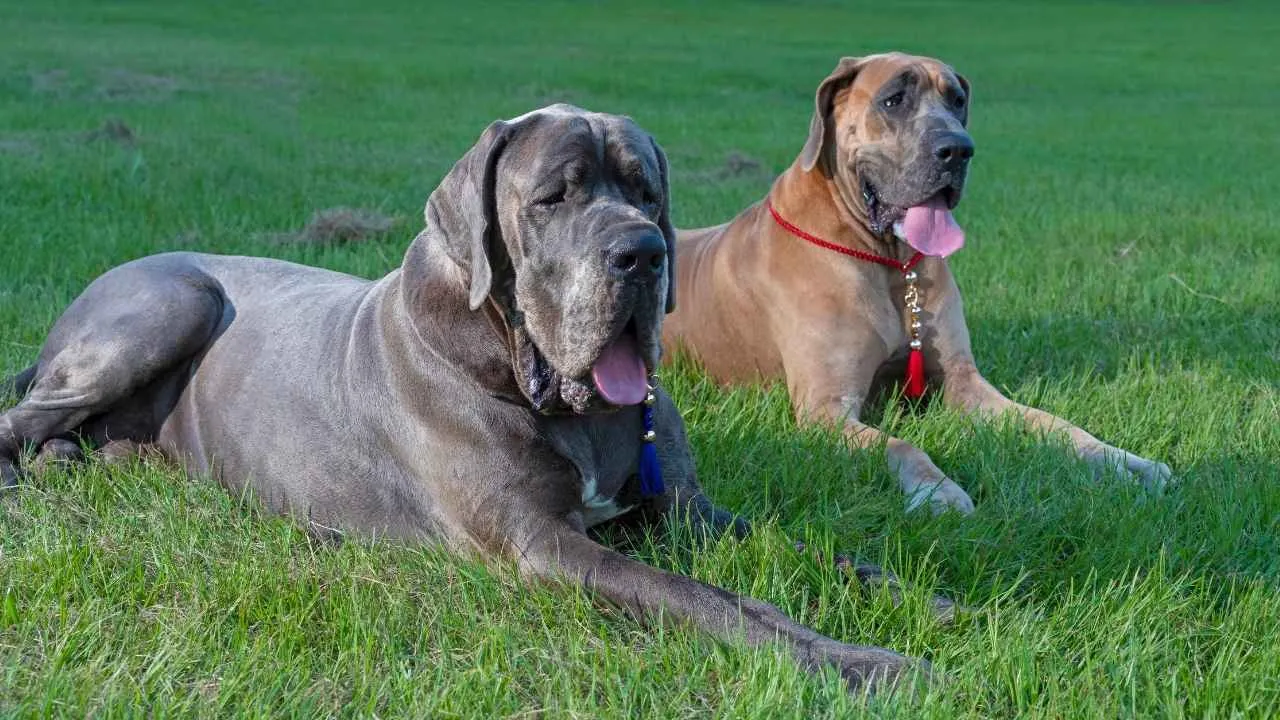
The Great Dane may tower over most dogs, but its imposing size hides a remarkably gentle and easy-going personality.
Originally bred in Germany for hunting and guarding, this giant breed still has the presence to make a strong impression without being overly aggressive.
Great Danes are known for being friendly, affectionate, patient, and loving with the people around them, earning their well-known “gentle giant” reputation.
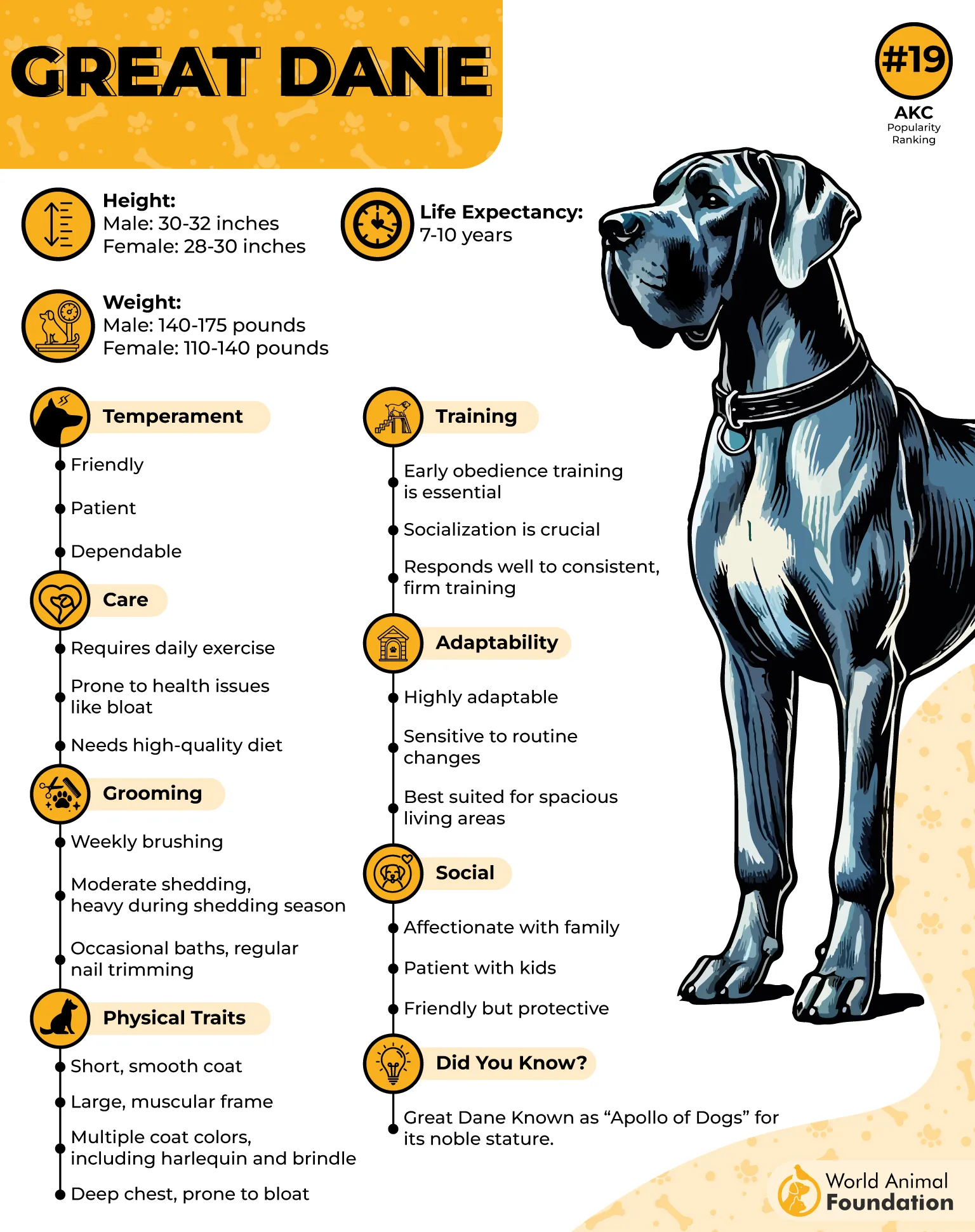
Their sheer stature can also be enough to discourage potential intruders, giving them a protective quality while their naturally calm temperament makes them devoted family companions.
They can be welcoming toward strangers, although some may remain cautious at first. Early socialisation and training help them grow into well-mannered adults, particularly given their considerable size, according to PetPost.
Moderately active rather than relentlessly energetic, Great Danes enjoy daily exercise but also appreciate relaxing with their families. For owners with enough space, they offer a distinctive blend of quiet companionship, affection, courage, and reassuring presence.
7. Boxer
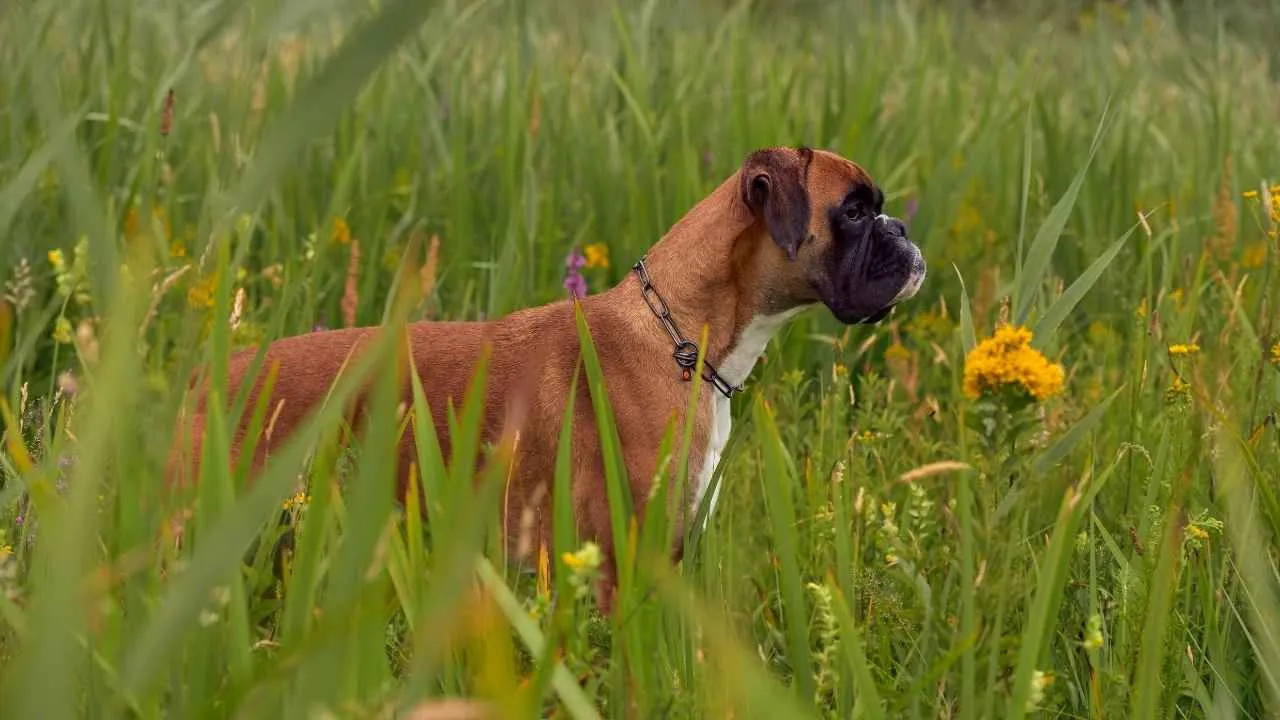
A Boxer may look like a powerful athlete, but behind that strong build is a dog with a remarkable affection for people.
Originally developed in Germany from hunting dogs, the Boxer has since become valued as a family companion, guard dog, and working dog.
Naturally alert and attentive, the breed can be an effective guardian while remaining closely connected to the people it loves.
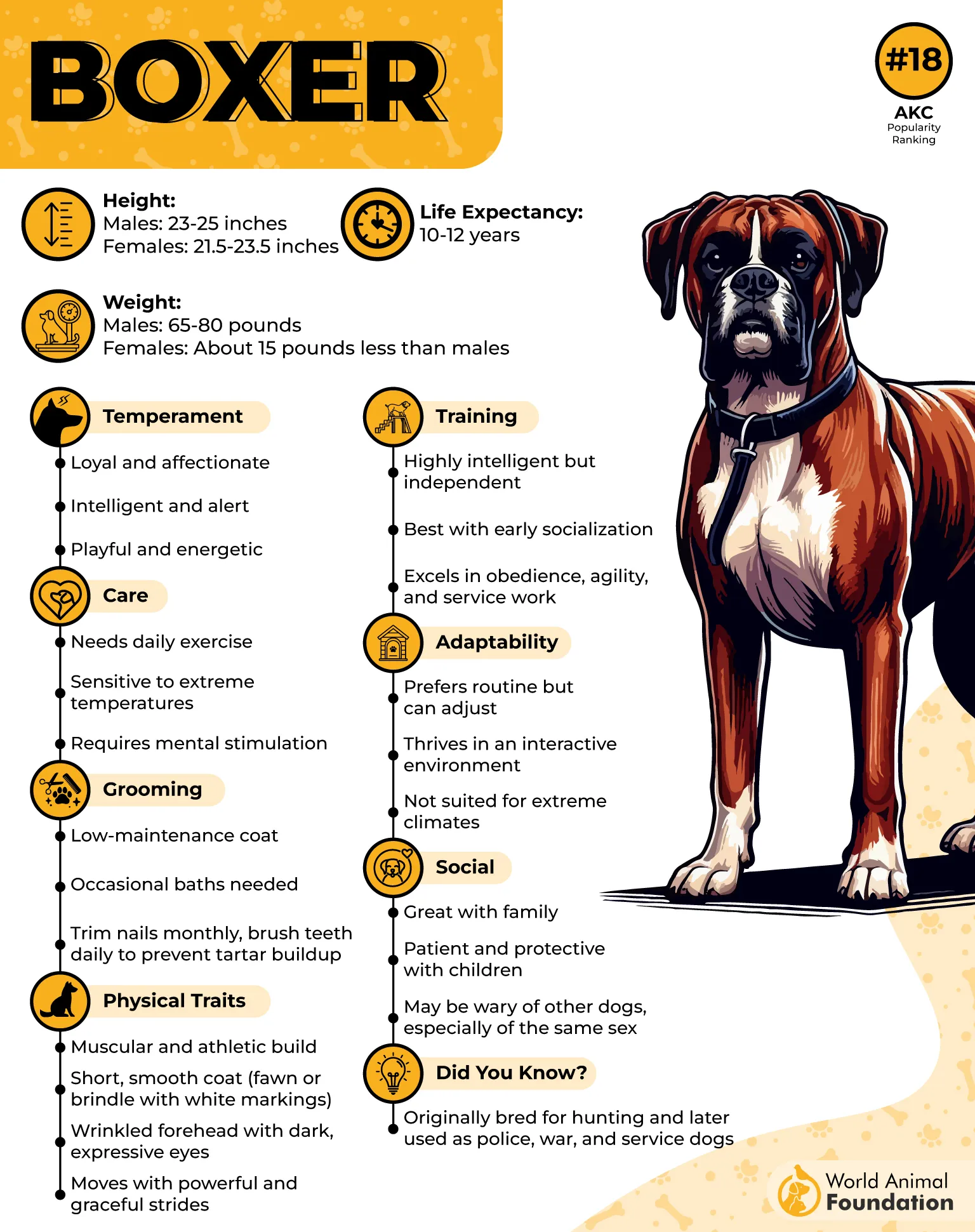
Boxers are intelligent, curious, and eager to please, making them responsive to training when given patience and consistent guidance, as stated by the American Boxer Club.
Their love of human interaction is especially noticeable around family members, including children, whom they may watch protectively. Despite their vigilant nature, they are not described as nervous and can distinguish between familiar people and potential intruders.
Their high energy means they need plenty of daily exercise, play, and mental stimulation. With training, companionship, and an active routine, the Boxer can bring together the qualities of a watchful protector and an affectionate, lively family friend.
Conclusion
Protective dogs do not always need to be intense, noisy, or constantly on alert. Some of the most reassuring companions combine an instinct to protect with a calm, affectionate personality at home.
Breeds such as the Doberman Pinscher, German Shepherd, Boxer, Bernese Mountain Dog, Cane Corso, Bullmastiff, and Great Dane show how loyalty and protection can exist alongside gentleness and a relaxed family temperament.
Their approaches may differ, but each can form strong bonds with the people they love while remaining attentive to their surroundings. Still, a peaceful temperament depends on more than breed alone. Proper training, early socialization, regular activity, and responsible ownership are important for helping these powerful dogs become well-mannered companions.
Before choosing one, consider its size, exercise needs, experience requirements, and living environment. The right match can give a family something truly special: a devoted dog that offers affection and companionship while quietly standing ready to protect the people and home it considers its own.
