




Some dogs protect the house like a loud, furry alarm system, while others protect it like a calm security manager who has seen everything and panics about nothing. That second group is what this article is all about: protective dog breeds with a calm demeanor. These are the dogs that do not need to bark at every falling leaf to prove they are watching.
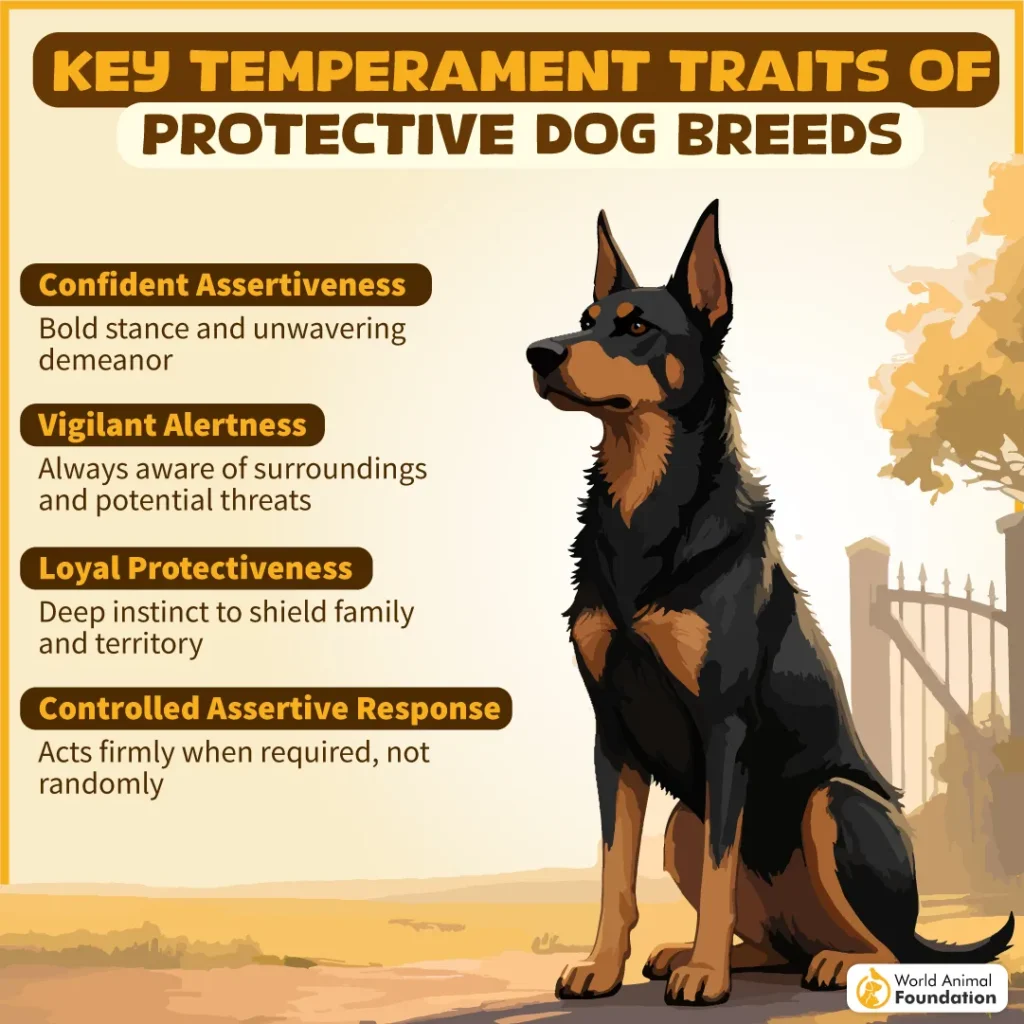
A calm, protective dog is not the same as an aggressive dog. The best guardian breeds are confident, observant, loyal, and emotionally steady when raised with training, socialization, and responsible handling.
That said, these breeds are not “plug-and-play” security systems. Large protective dogs need experienced owners, secure fencing, early socialization, clear boundaries, and positive training.
Here are the top protective dog breeds with a calm demeanor you should know about.
Top Protective Dog Breeds With a Calm Demeanor
1. Kuvasz
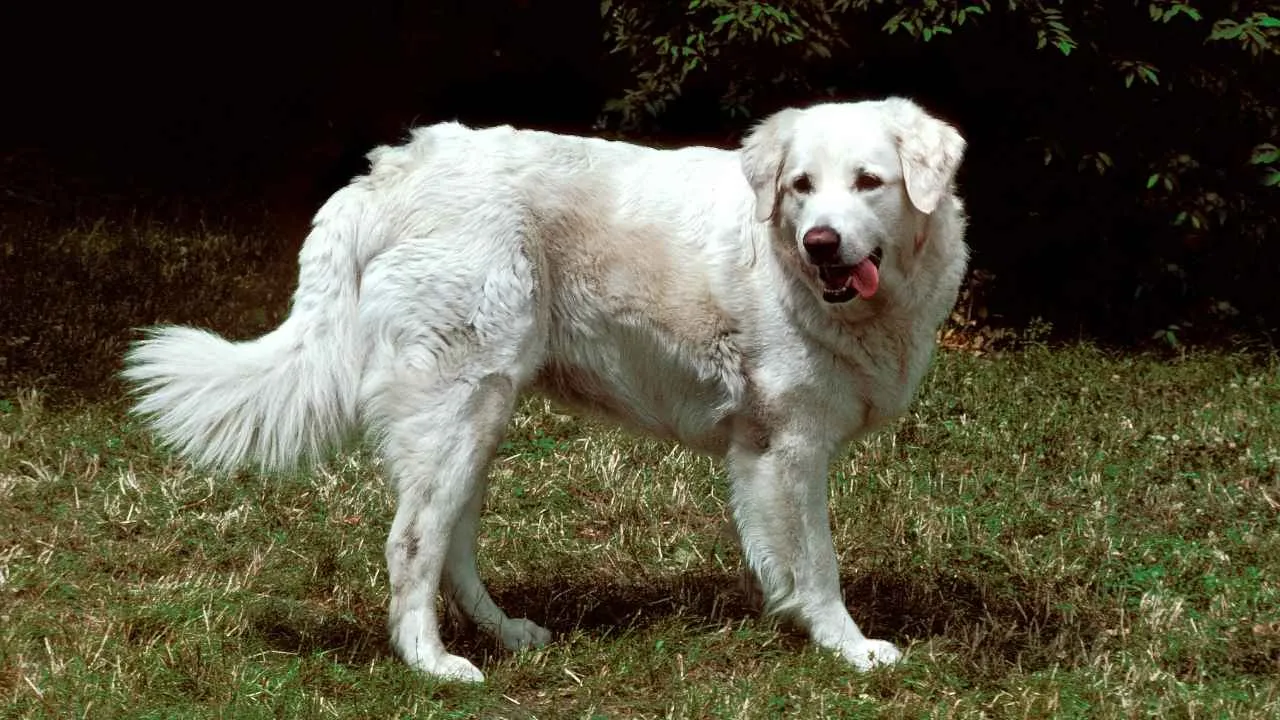
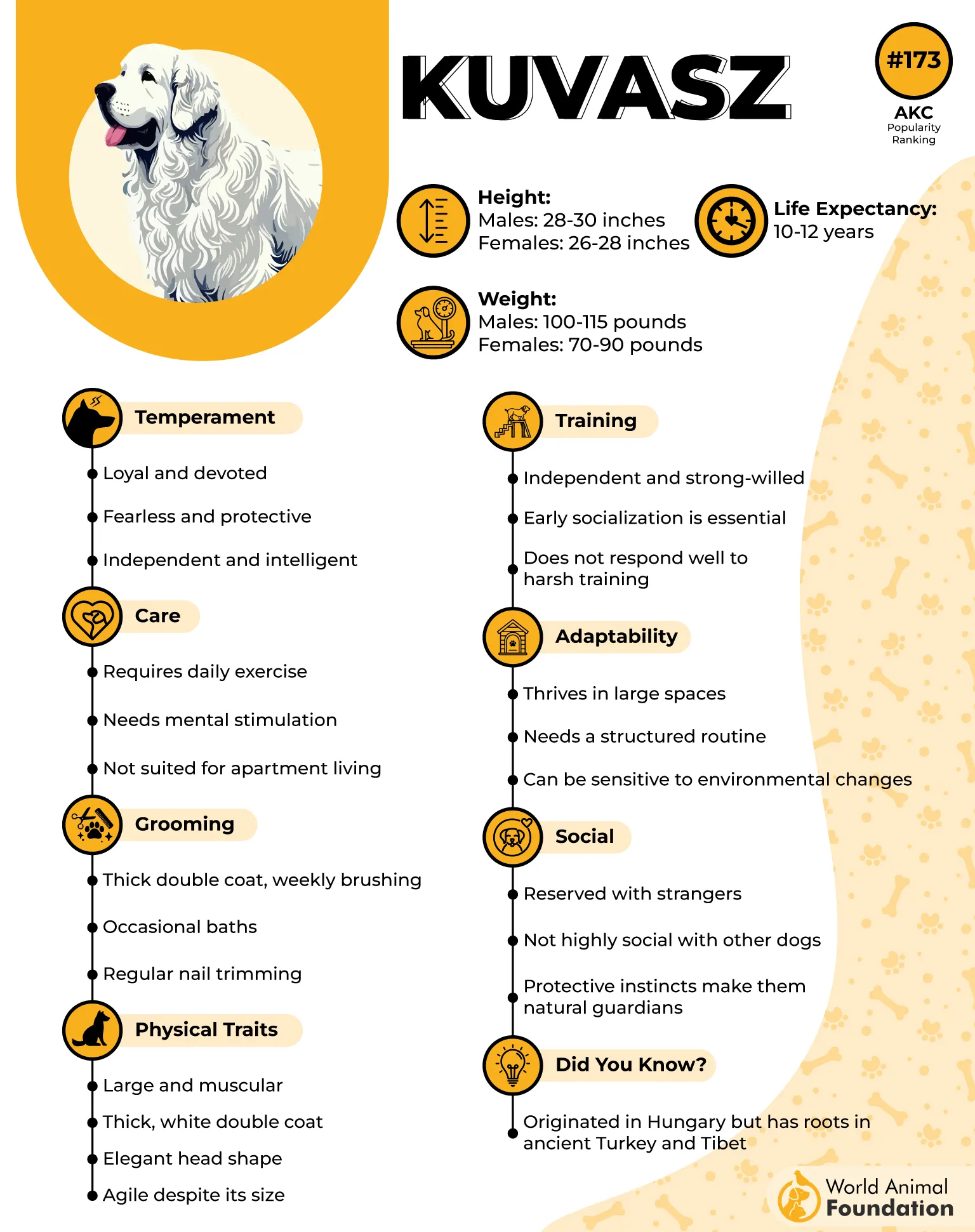
The Kuvasz is basically the calm white guardian that looks like a royal cloud, but thinks like a security chief. This Hungarian livestock guardian was historically used to protect flocks and property, and the AKC describes the breed as loyal, fearless, and sweet-natured with family. That mix of softness and courage is exactly why the Kuvasz stands out among protective dogs.
With family, a well-raised Kuvasz can be gentle, affectionate, and deeply bonded. With strangers, though, this dog usually does not hand out instant friendship like free candy at a parade. The breed tends to observe first, judge carefully, and only relax when it believes the situation is safe.
The calm demeanor of this dog comes from confidence, not laziness. This dog does not need to bark dramatically to feel powerful, because its entire presence already says, “Try something, I dare you.” That quiet confidence can be amazing in rural homes, farms, and properties with space.
Training this dog takes patience because this breed was developed to think independently. It may not obey blindly like a robot dog with Wi-Fi updates, but it can learn beautifully from a calm, consistent owner. Early socialization is not optional; it is the difference between a wise guardian and an overly suspicious giant.
The Kuvasz is not usually ideal for first-time dog parents, tiny apartments, or homes where random guests constantly walk in and out. It does best with experienced owners who respect its guardian instincts and give it structure. For the right household, though, this breed is a loyal, noble, and seriously impressive protector.
How Do They Keep The House Protected
The Kuvasz protects by calmly watching the property, reading unfamiliar movement, and reacting only when something feels genuinely wrong.
Its size, white coat, and steady stare create a strong deterrent before any barking even starts.
This breed bonds deeply with its family, so its protective style feels personal, focused, and naturally territorial.
2. Rafeiro do Alentejo
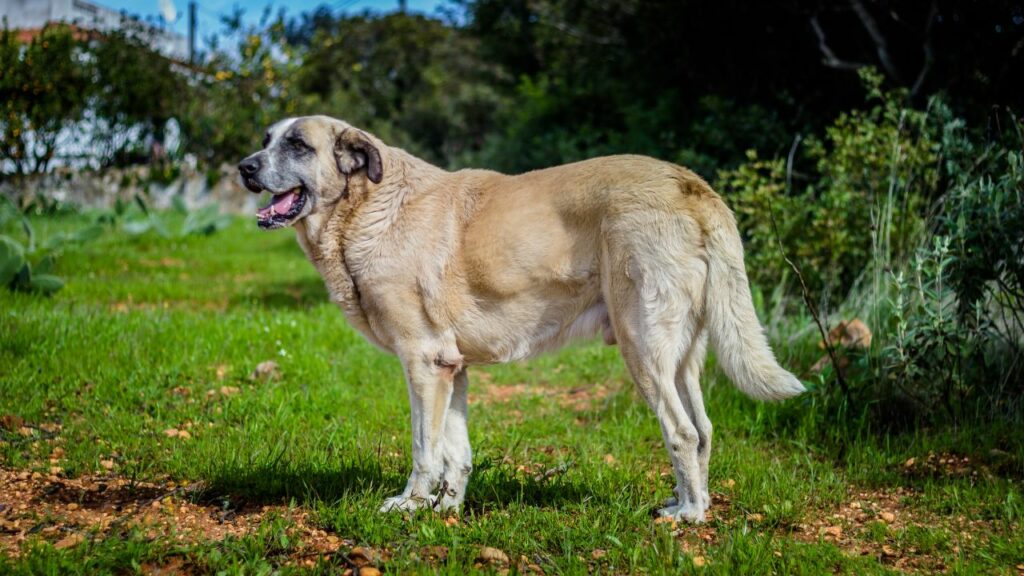
The Rafeiro do Alentejo is a Portuguese livestock guardian with big “night-shift security supervisor” energy. According to the FCI, the Rafeiro do Alentejo comes from Portugal and has long been associated with guarding and rural work. This is not a flashy dog; it is a steady, serious guardian with deep roots in protecting land and livestock.
This breed is usually calm during the day but highly alert when it matters, especially around its territory. That makes sense because livestock guardian breeds often had to make decisions without a human standing beside them. The Rafeiro is not the type to ask permission before taking its job seriously.
With family, it can be affectionate, loyal, and surprisingly mellow. With strangers, it is reserved and naturally watchful, which is exactly what many people want in a calm, protective breed. However, that reserved nature must be shaped through early exposure rather than ignored until adulthood.
This is a large, powerful dog that needs space, secure fencing, and an owner who understands independent guardian breeds. City life can feel cramped for a dog that was built to patrol open land. It may not be hyper, but it still needs movement, mental work, and a clear sense of purpose.
The Rafeiro do Alentejo is best suited for experienced owners with rural homes, farms, or large properties. It is calm but not casual; affectionate but not needy; protective but not usually dramatic.
How Do They Keep The House Protected
The Rafeiro uses territorial awareness, especially during quiet hours, to notice changes around the home.
Its calm body language can quickly shift into a serious alert when an unfamiliar person enters its space.
This breed protects best when it has a defined area, secure boundaries, and owners who respect its independent judgment.
3. Chinook
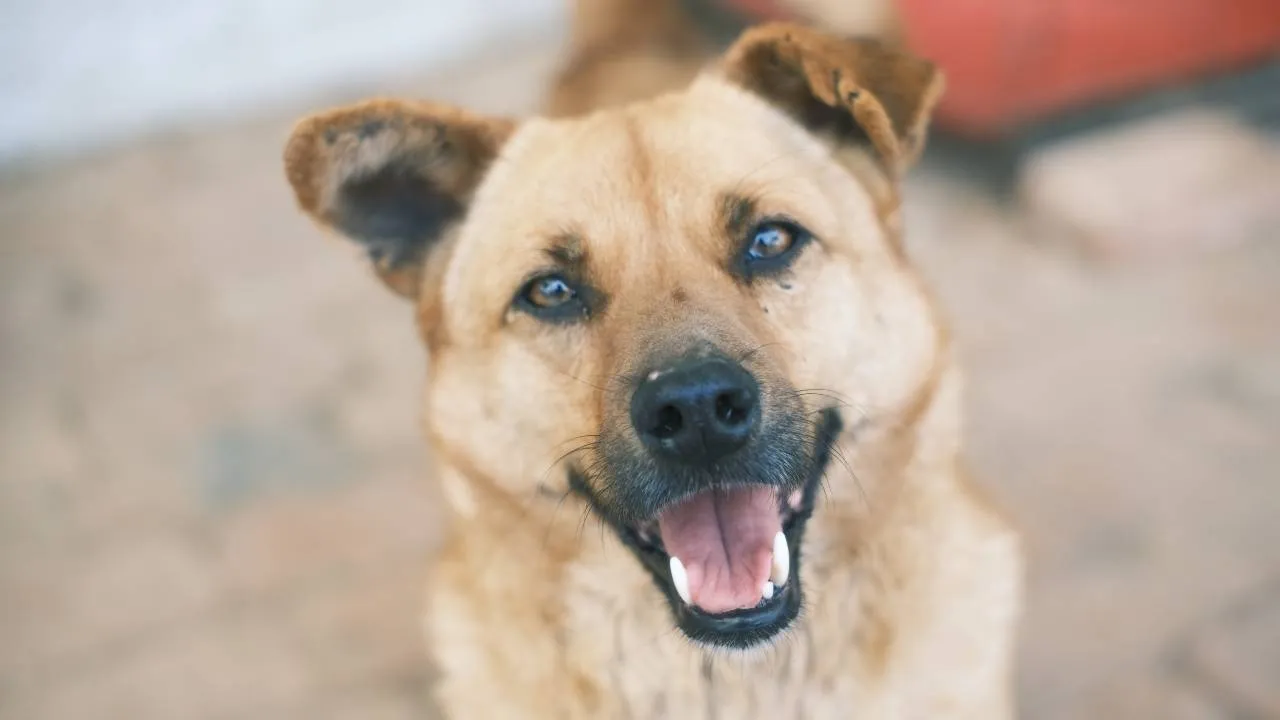
The Chinook is the unexpected name on this list because it is not a classic guard dog like a Kuvasz or Boerboel. PetMD recognizes the Chinook as a rare American working breed, originally developed as a sled dog with strength, endurance, and a friendly personality. So, its protection style is more “loyal alert companion” than “intense estate guardian.”
This breed is known for being calm, intelligent, and people-loving. Chinooks usually enjoy family life and often do well with children when properly socialized. They are not typically aggressive dogs, which makes them a better fit for homes that want awareness without scary unpredictability.
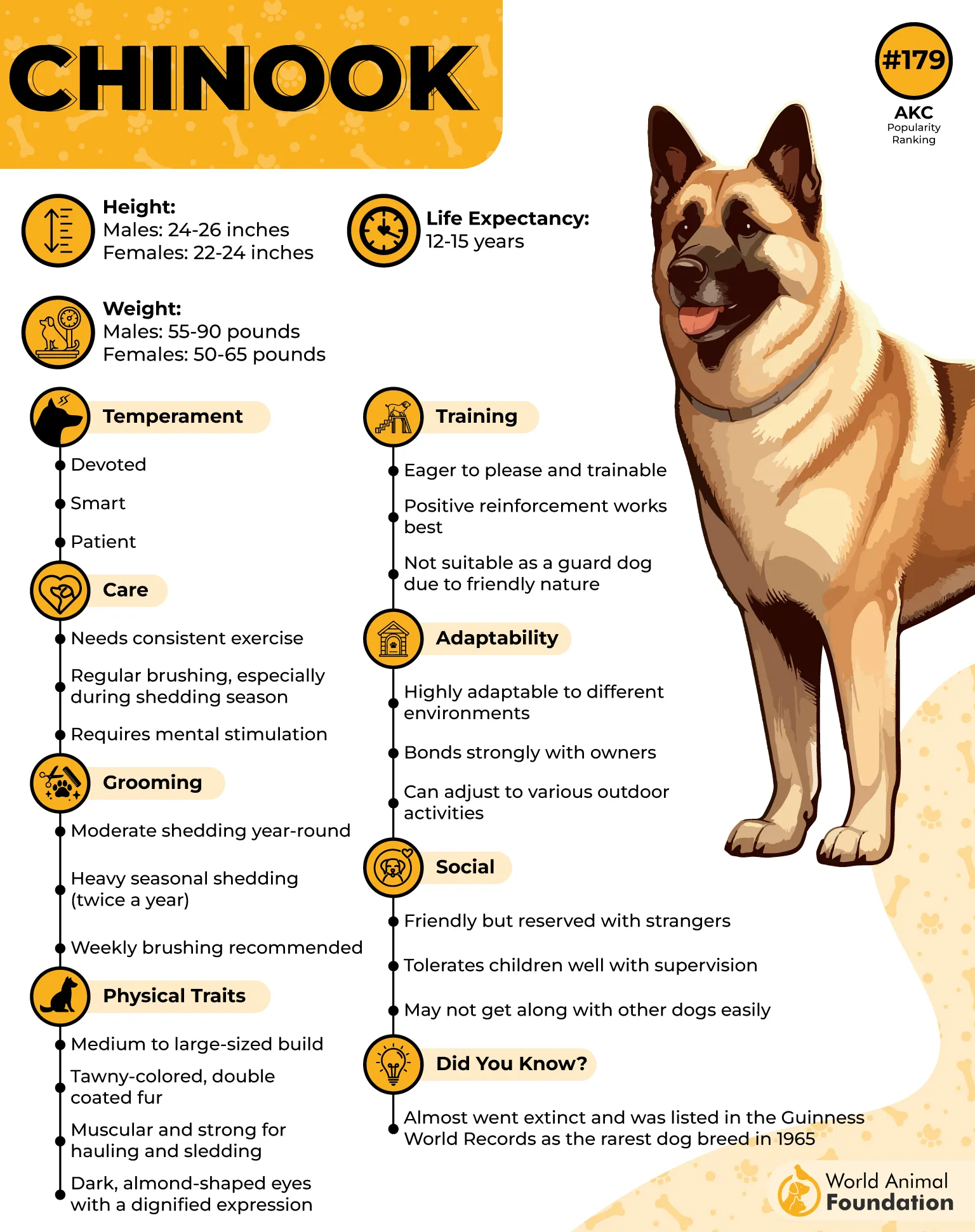
It may alert you when someone unfamiliar approaches, but it is not usually looking for conflict. Its size and athletic build can still make strangers think twice, which is useful for home protection. Sometimes the best deterrent is a big, calm dog standing near the door, as it has already read the whole situation.
Because they were bred to work with humans, they often respond well to positive training. They like having a job, whether that means hiking, pulling, obedience work, or simply being included in daily routines. Ignore their mental needs, and they may become bored rather than protective.
This great family pet is ideal for active families who want a calm, loyal, athletic dog with alert instincts but not an overly sharp guarding temperament. It is not the breed to choose if you want a serious protection dog. But if you want a friendly, steady companion that notices what is happening around the house, the Chinook brings a balanced vibe.
How Do They Keep The House Protected
The Chinook protects more through alertness, loyalty, and presence than through hard guarding behavior.
Its athletic frame and confident posture can discourage strangers without creating unnecessary tension.
This breed works best as a family-aware watchdog, not as a naturally suspicious property defender.
4. Mastiff
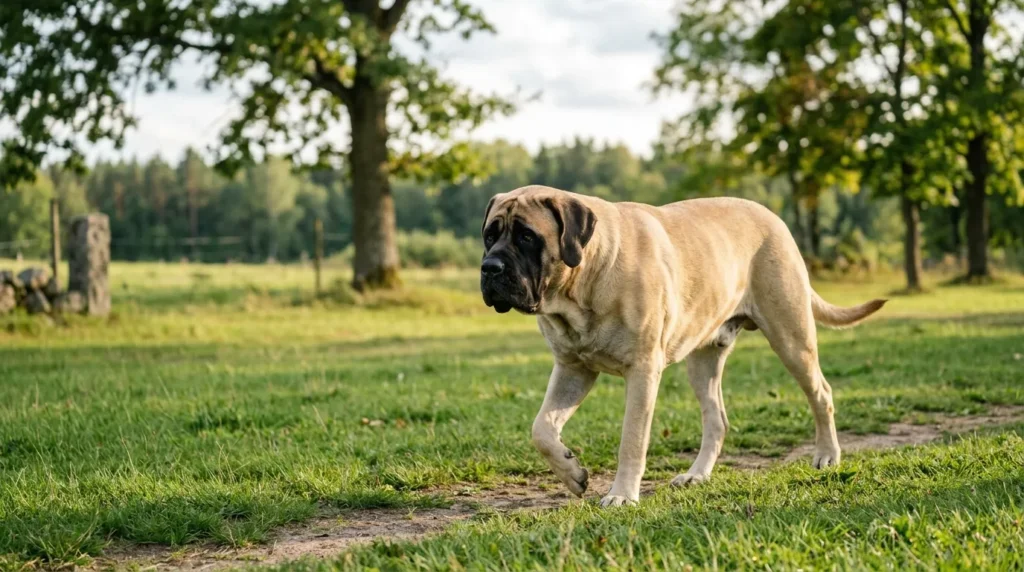
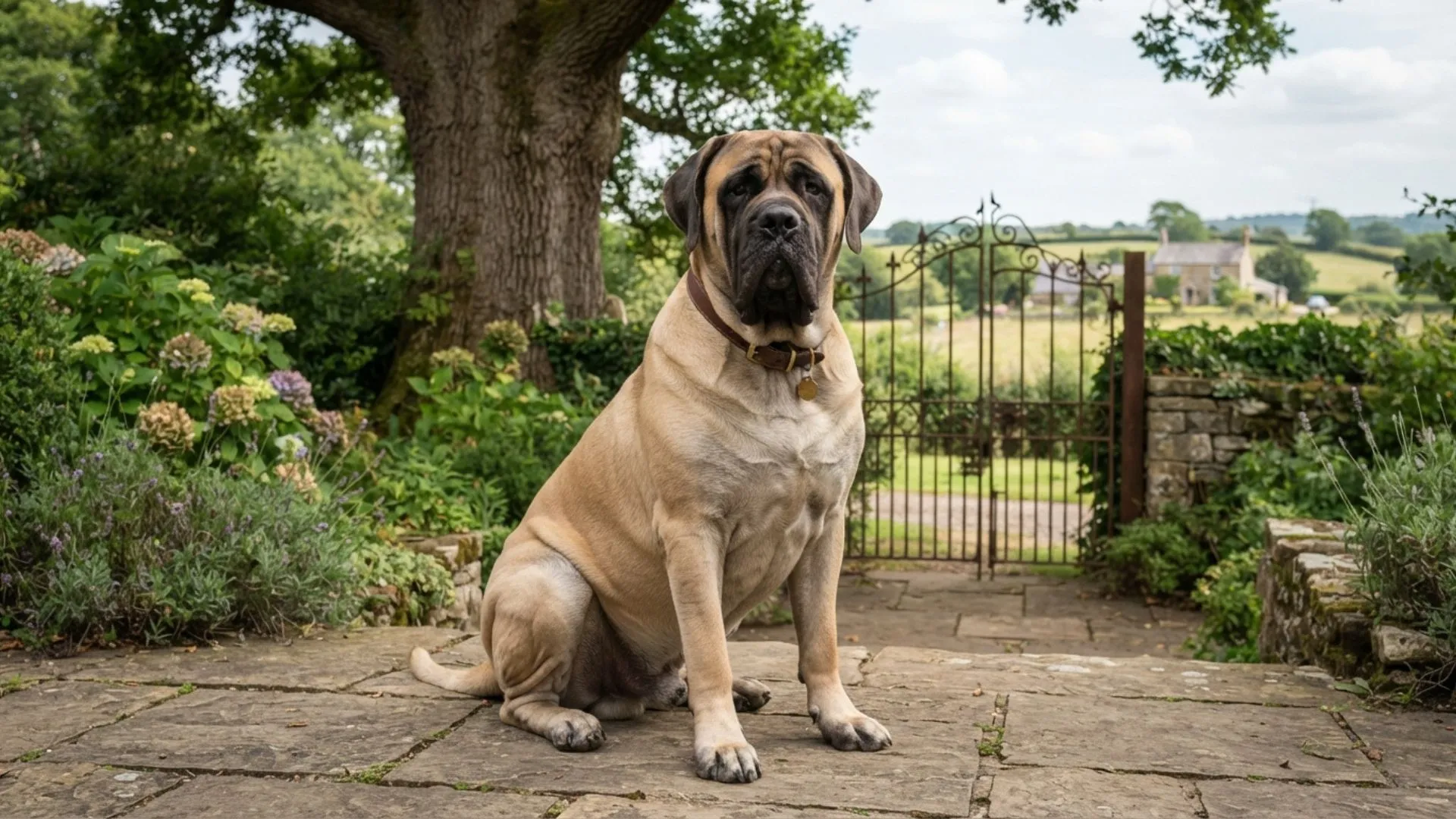
The Mastiff is the definition of “calm until necessary.” The Mastiff is massive, courageous, dignified, and good-natured, which explains why this breed has been valued as a guardian for centuries. It does not need to act dramatically, because one glance at its size already handles half the security work.
With families, many Mastiffs are gentle couch potatoes that love their family deeply. They often prefer lounging near their people rather than sprinting around as if they were training for a superhero movie, but when a stranger appears, that relaxed giant can become very aware very quickly.
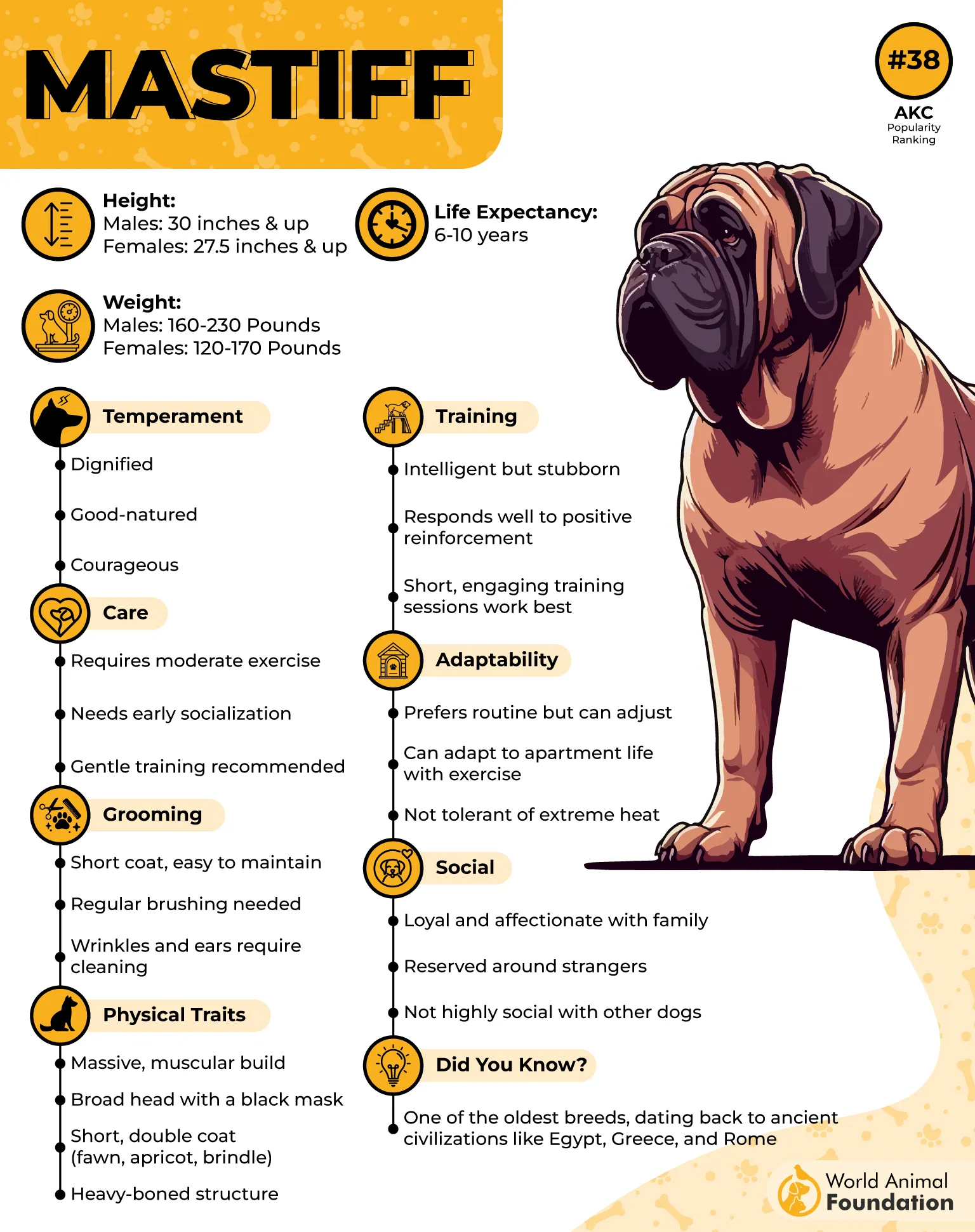
The Mastiff’s calm demeanor is one of its biggest strengths as a protector. It usually does not bark nonstop or waste energy on random chaos. Instead, it watches, evaluates, and uses its huge presence as a natural warning sign.
Because this breed is enormous, early training and socialization are a must. A poorly mannered Mastiff can accidentally cause problems just by leaning, jumping, or dragging someone on leash. Positive reinforcement, steady routines, and polite greeting practice are essential from puppyhood.
It can be wonderful for families who understand the responsibilities that come with giant breeds. It is loving, patient, and protective, but its size makes supervision around small children extremely important. For the right owner, this dog brings calm power and old-school guardian energy in one giant package.
How Do They Keep The House Protected
The Mastiff relies on massive physical presence, quiet confidence, and deep family loyalty.
It may not bark constantly, but it becomes alert when unfamiliar people approach its territory.
This breed often protects by positioning itself near family members and making its presence impossible to ignore.
5. Broholmer
The Broholmer is a rare Danish guardian breed with a calm, steady personality and serious old-estate energy. The UKC lists the Danish Broholmer in the Guardian Dog Group, reflecting its traditional role as a large protective companion. This breed has the kind of presence that makes a front porch look instantly more secure.
Despite its size, the Broholmer is usually friendly and even-tempered with its own people. It is not meant to be frantic, sharp, or constantly reactive. A good Broholmer should feel balanced, self-assured, and watchful without turning every sound into a crisis.
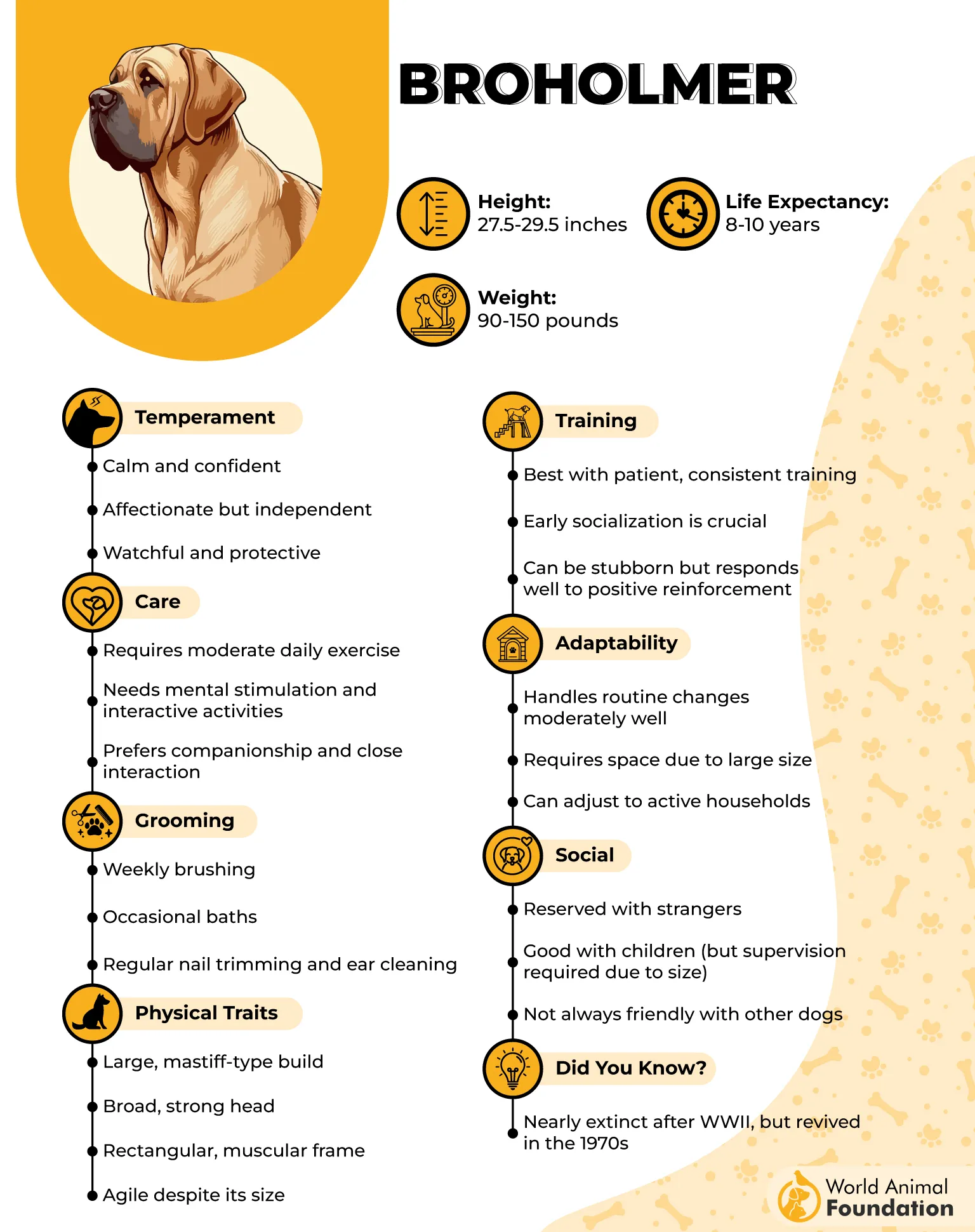
Historically, they were used around farms, estates, and large homes. That background gives them a natural sense of territory and family responsibility. They are not tiny apartment ornaments; they are big dogs with big bodies and big expectations for space.
Training should focus on manners, confidence, leash skills, and early introductions to different people and settings. Because this breed is powerful, owners cannot wait until adulthood to start teaching polite behavior. A calm giant is wonderful; an untrained giant is a furniture-moving weather event.
This guard dog breed suits families with room, structure, and an appreciation for quiet guardian breeds. It is usually more relaxed than many high-drive protection dogs, but it still notices what happens around the home. If you want a calm, rare, loyal guardian with a soft family side, the Broholmer deserves attention.
How Do They Keep The House Protected
The Broholmer protects by combining estate-dog confidence with a naturally watchful attitude.
Its deep bark, large build, and calm stance can make unwanted visitors rethink their life choices.
This breed is best at quiet deterrence, staying close to its people while monitoring the home environment.
6. Boerboel
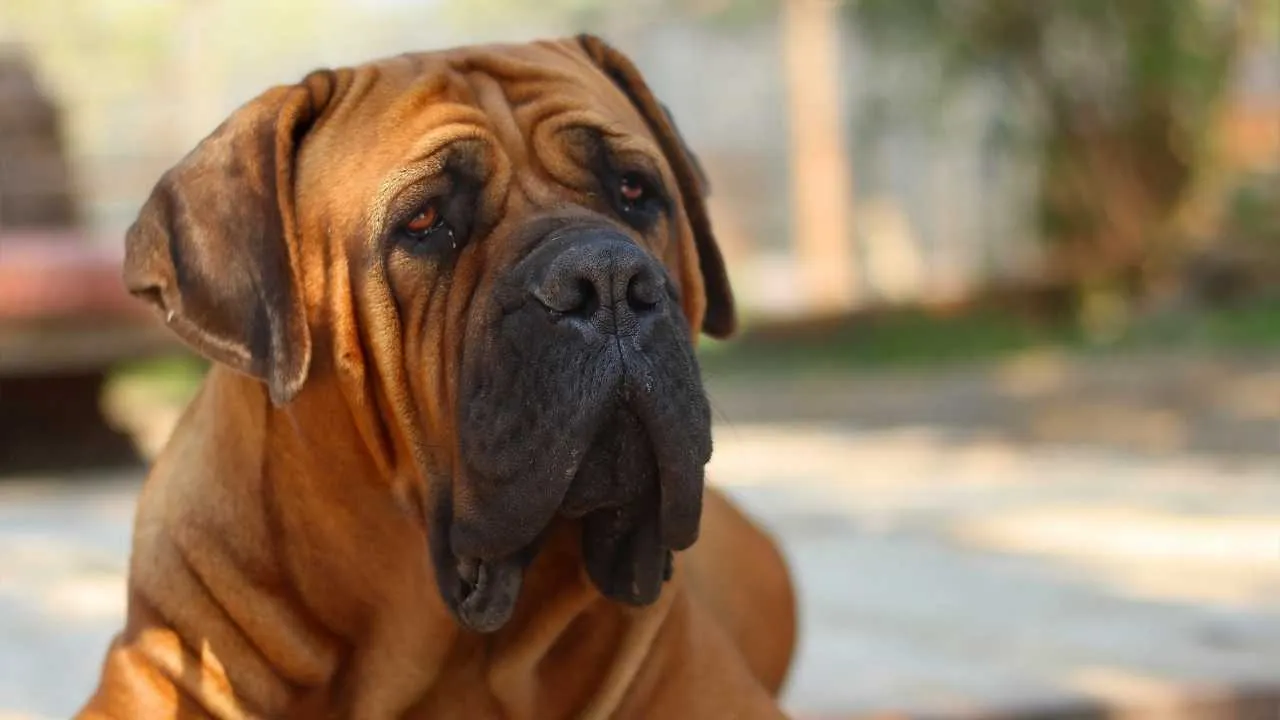
The Boerboel is a South African farm guardian with serious “do not test the gate” energy. It is an intimidating but discerning guardian that protected remote South African homesteads from predators. That history explains its powerful build, confidence, and strong instinct to defend home and family.
VCA Animal Hospitals mentions that a well-trained Boerboel is deeply connected to its people. This breed is not usually hyper for no reason, but it does need structure and purpose. Without leadership and training, that confidence can become way too much dog for an unprepared owner.
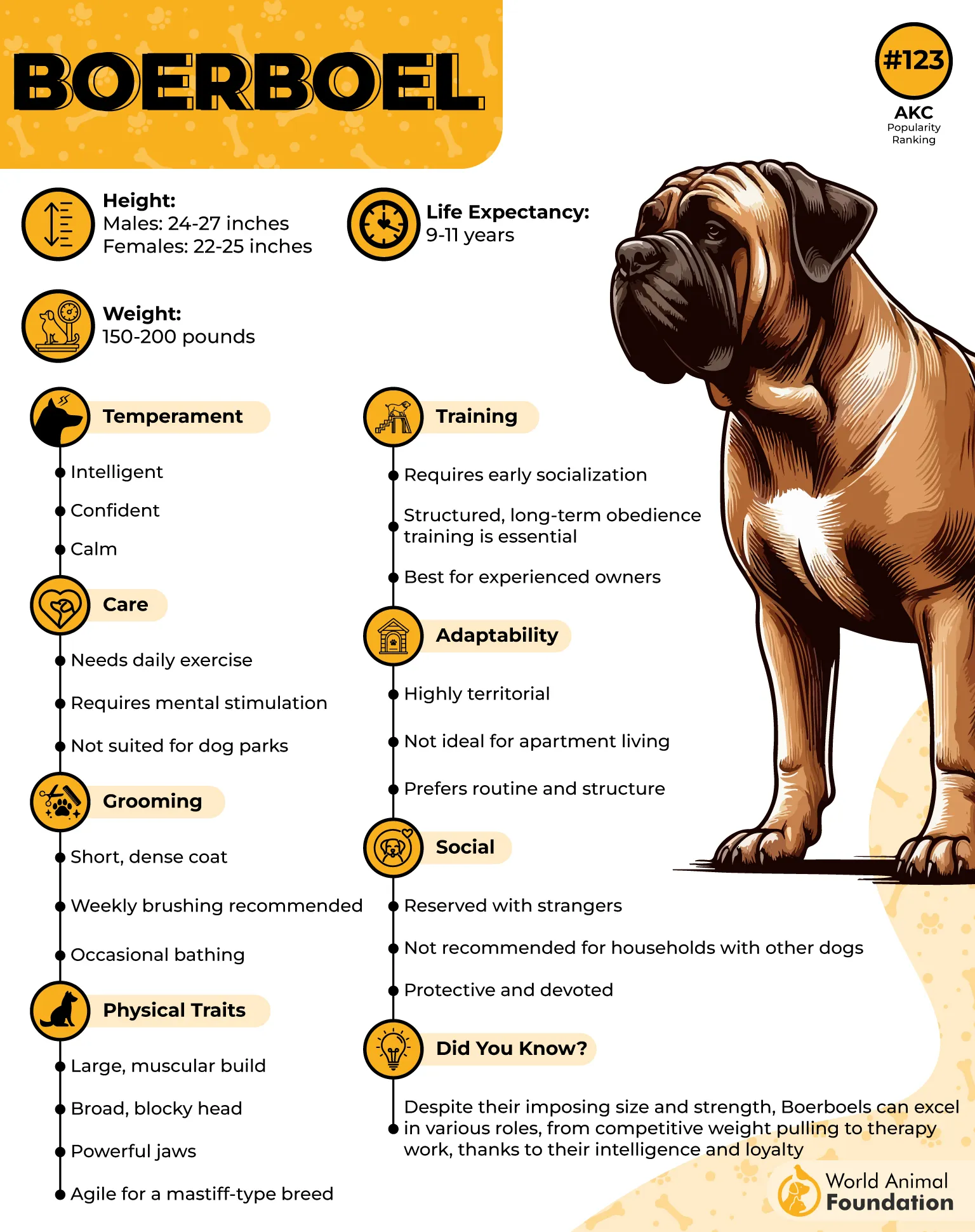
The Boerboel’s protective style is direct, grounded, and naturally territorial. It tends to notice strangers, evaluate their behavior, and stay ready if something feels wrong. This is not a breed that needs to be taught to care about the home; the instinct is already built in.
Because they are strong and dominant, they are not ideal for first-time owners. They need early socialization, positive training, secure fencing, and an owner who can set boundaries without being harsh. Respect matters with this breed, but so does consistency.
It can be a calm family guardian in the right hands, but it is not a casual pet for everyone. It needs space, training, and responsible management around guests and children. For experienced owners, it offers loyalty, confidence, and one of the most serious protective presences in the dog world.
How Do They Keep The House Protected
The Boerboel protects through territorial confidence, physical strength, and sharp awareness of unfamiliar activity.
Its farm-guardian background makes it naturally serious about boundaries, gates, and family safety.
This breed works best when trained to make calm decisions instead of reacting with uncontrolled intensity.
7. Tornjak
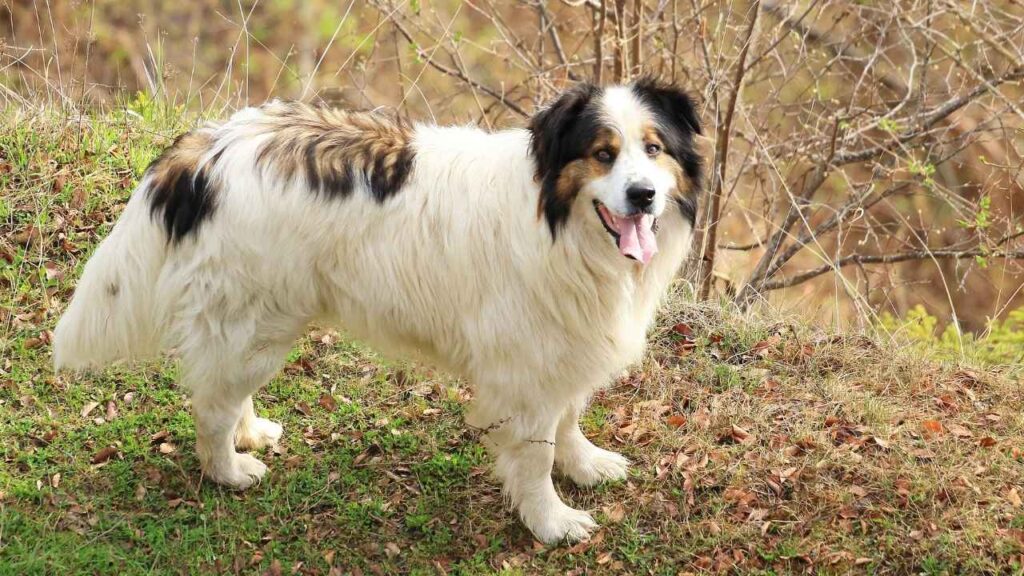
The Tornjak is a livestock guardian breed from Bosnia and Herzegovina and Croatia, known for its strength, calm demeanor, and devotion. It is a large, powerful, well-proportioned, and agile dog. This breed brings the classic mountain guardian vibe: steady, brave, and not easily impressed.
They are often calm with their families and serious about anything they consider a threat. They are not usually wild or frantic, but they can be very determined when protecting their people or property. That combination makes them impressive but also demanding.
A well-socialized Tornjak can be affectionate, loyal, and gentle at home. It may enjoy being around children it knows, but adults should always supervise because this is a large, powerful breed. Calm does not mean small, and gentle does not mean accident-proof.
Training works best when the owner respects its intelligence and independence. This dog was not created to wait for step-by-step instructions while guarding livestock in difficult terrain. It needs proper training and guidance, but it also needs an owner who understands how guardian dogs make decisions.
This excellent guard dog is a strong choice for people who want a calm, protective breed with deep loyalty and natural courage. It is usually better for experienced owners, rural settings, and homes with space. In the right environment, it is steady, watchful, and beautifully devoted.
How Do They Keep The House Protected
The Tornjak protects by staying calm, observing movement, and responding when a person or animal seems threatening.
Its history as a livestock guardian gives it territorial, family-group instincts; it groups.
This breed offers protection through patience first, then firm action if it believes danger is real.
8. Newfoundland
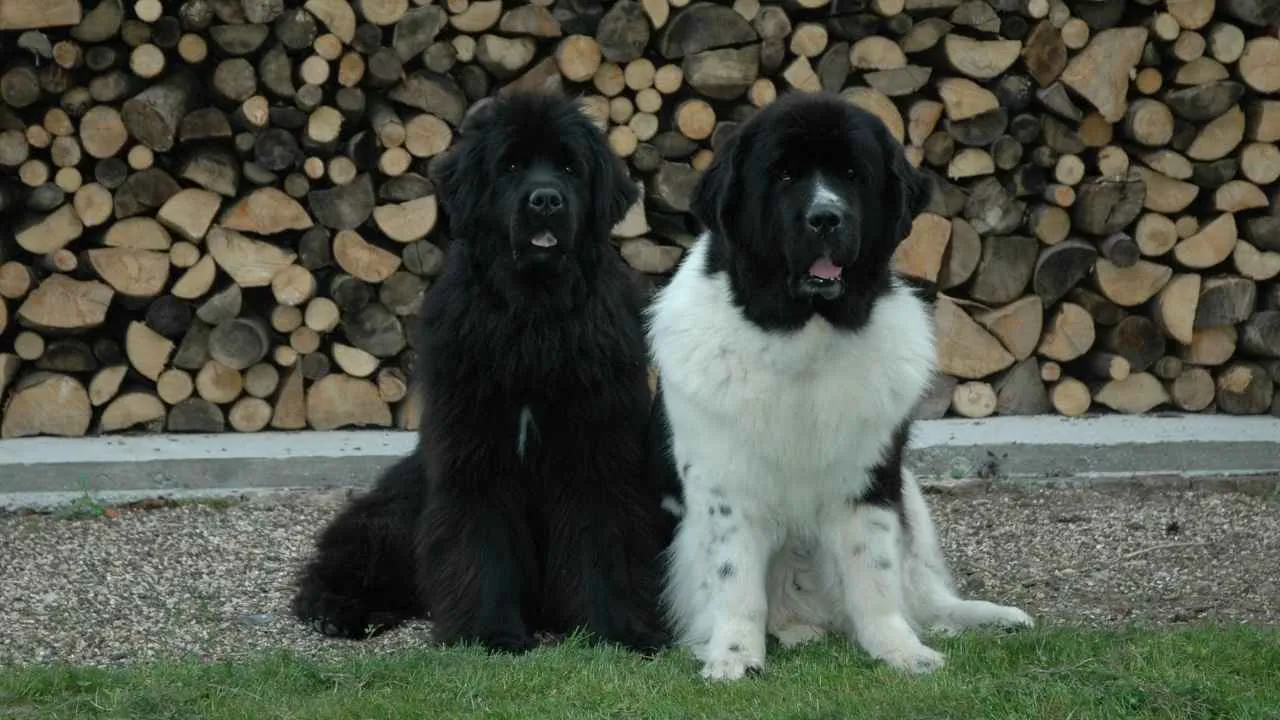
The Newfoundland is not a classic guard dog, but do not underestimate this gentle giant. The Newfoundland is a sweet-tempered working dog known for strength, size, and devotion. It is famous for its water-rescue history, but its loyalty and massive presence can still help a home feel protected.
These search-and-rescue dogs are usually calm, patient, and affectionate with family. They are often called gentle giants for a reason, because many are wonderful with children when supervised and trained. They are more likely to greet a guest kindly than act suspiciously without cause.
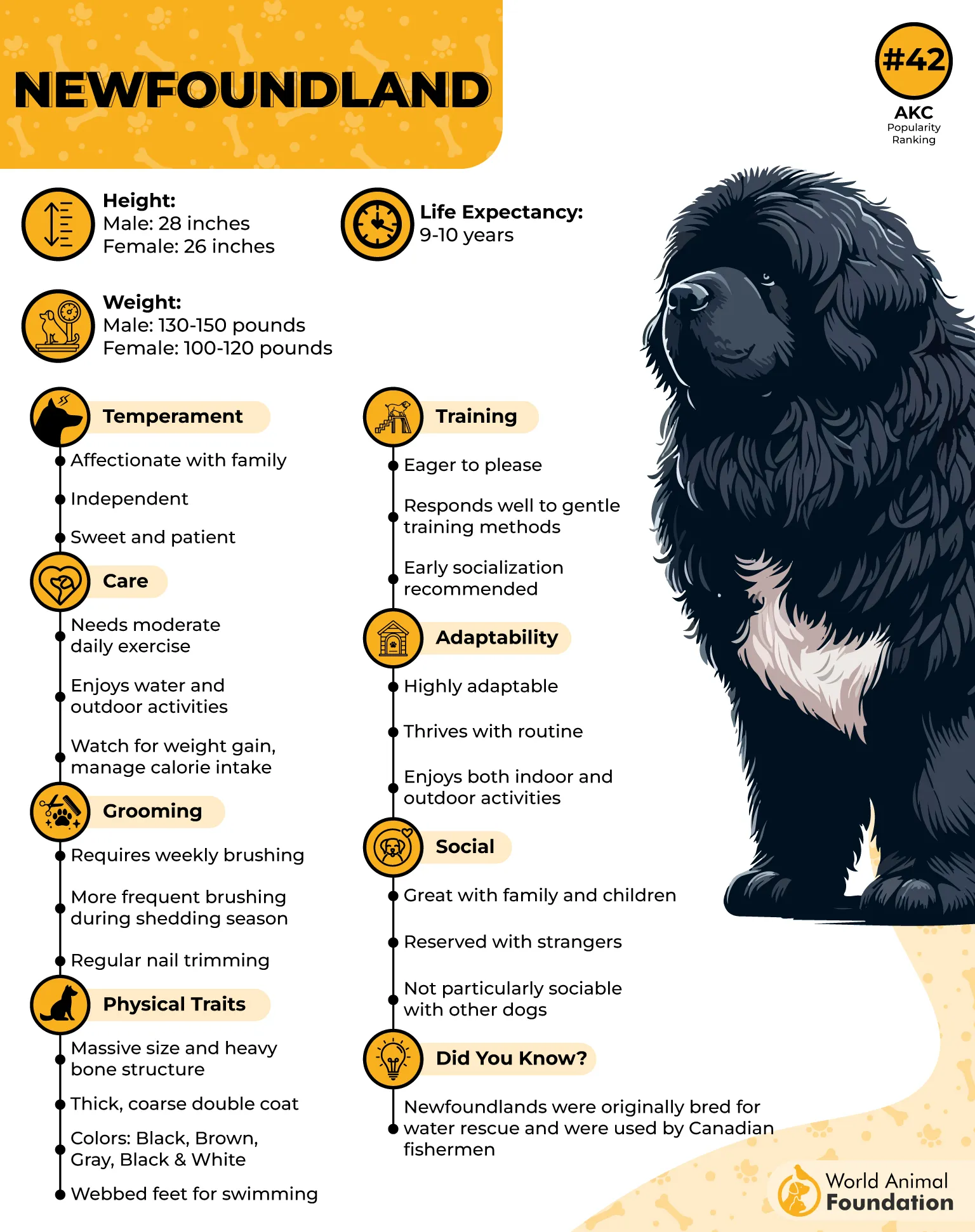
Their protective nature is softer than that of livestock guardian breeds. A Newfoundland may not patrol. But if its family is genuinely threatened, this dog’s strength, courage, and loyalty can become very real.
It needs grooming, space, and owners who can handle drool, fur, and the logistics of a giant dog. It also needs daily exercise, especially swimming or steady walks, to stay healthy. A bored or overweight Newfoundland loses the athletic strength that makes the breed so impressive.
This breed is best for families who want calm companionship with a protective heart rather than sharp guarding intensity. It brings emotional warmth, physical presence, and a famously gentle nature. If the vibe is “big teddy bear who would absolutely stand between you and trouble,” the Newfoundland fits perfectly.
How Do They Keep The House Protected
The Newfoundland protects mainly through loyalty, size, and a calm willingness to stay near its family.
Its massive body serves as a natural deterrent, even though its personality is usually sweet.
This breed is more of a protective companion than a suspicious watchdog, making it ideal for gentle homes.
9. Great Dane
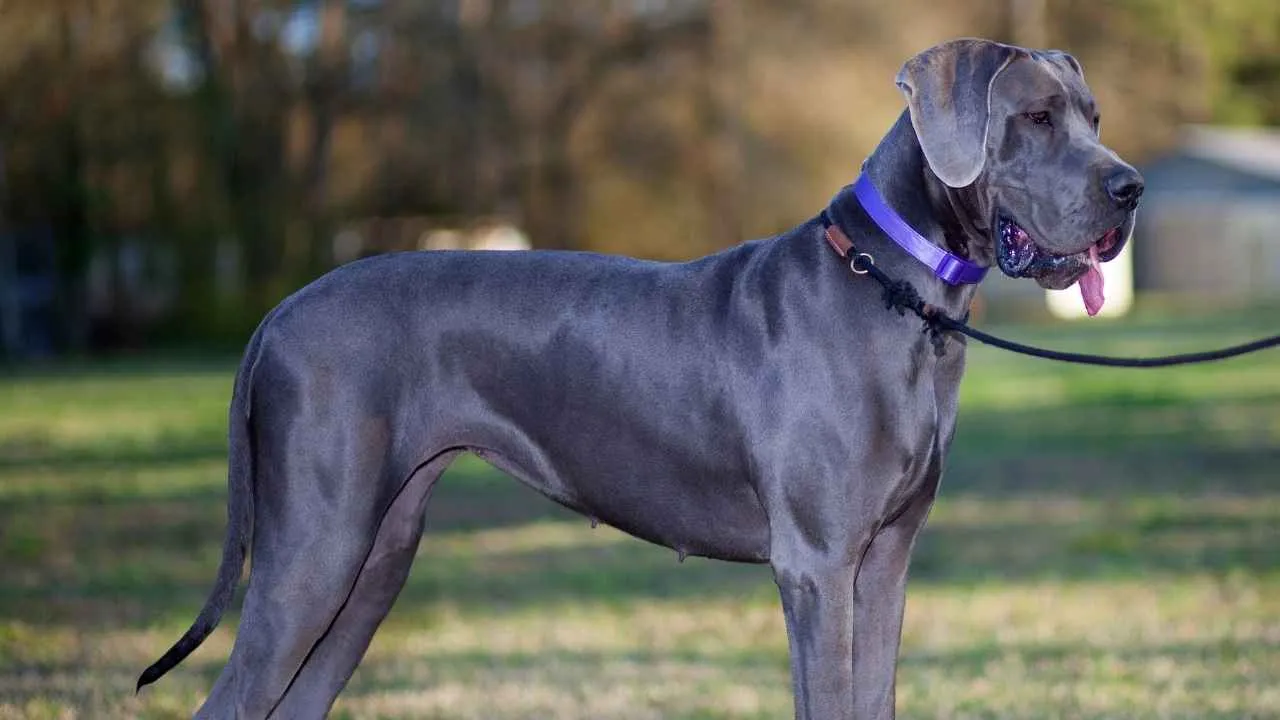
The Great Dane looks like it should guard a castle, then walks inside and tries to sit on your lap like a confused sofa cushion. Britannica notes that they were developed in Germany as boar hounds and are now known as giant, elegant companions. Their history includes hunting and estate-guardian roots, but modern Danes are usually gentle, social, and family-oriented.
A calm Great Dane can be a peaceful housemate with a huge visual impact. Most strangers do not need to know whether the dog is protective, because the size alone gives “please behave” energy. That makes the breed a powerful deterrent without requiring constant barking.
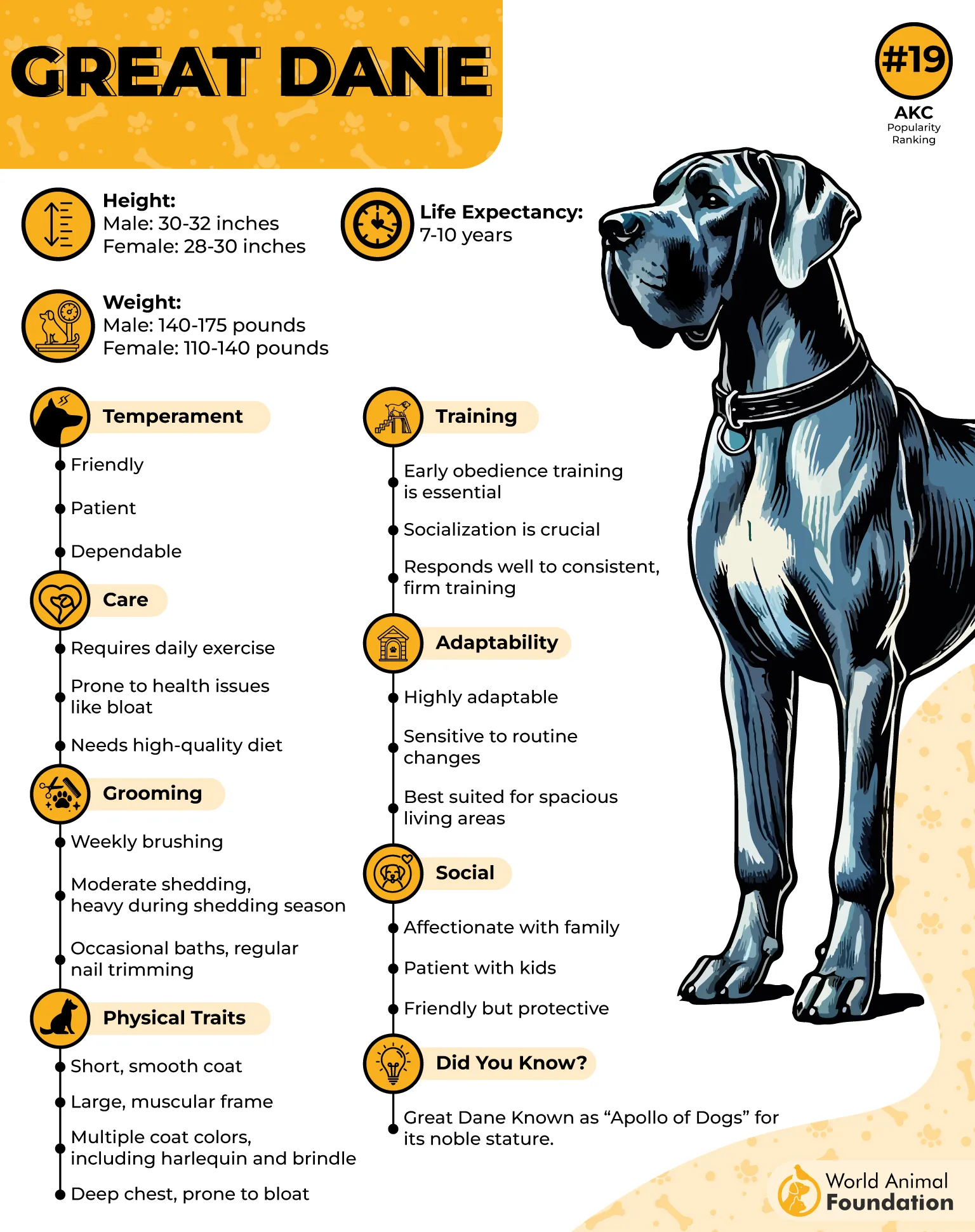
Despite being among the best guard dogs, they are often affectionate and people-focused, yet they need early socialization to become confident adults. Without exposure to new people, sounds, and environments, they can become shy or anxious. A nervous giant dog is not fun for anyone, so puppy training matters a lot.
Compared with hardcore guardian breeds, it is usually less suspicious and more socially flexible. It may alert to strangers, stand close to its family, or use its deep bark when something feels off. But it is generally not as naturally territorial as a Boerboel or Kuvasz.
It suits people who want a calm giant with a protective presence more than an intense guarding drive. It needs space, careful feeding, joint-friendly exercise, and a realistic understanding of the giant breed’s lifespan. For the right owner, this dog is majestic, goofy, loving, and quietly impressive.
How Do They Keep The House Protected
The Great Dane primarily protects through size, deep, loud warnings, and close attachment to its family.
Its towering frame can discourage strangers before it ever needs to move.
This breed offers a calm presence rather than constant suspicion, making it a softer guardian-style companion.
10. Rhodesian Ridgeback
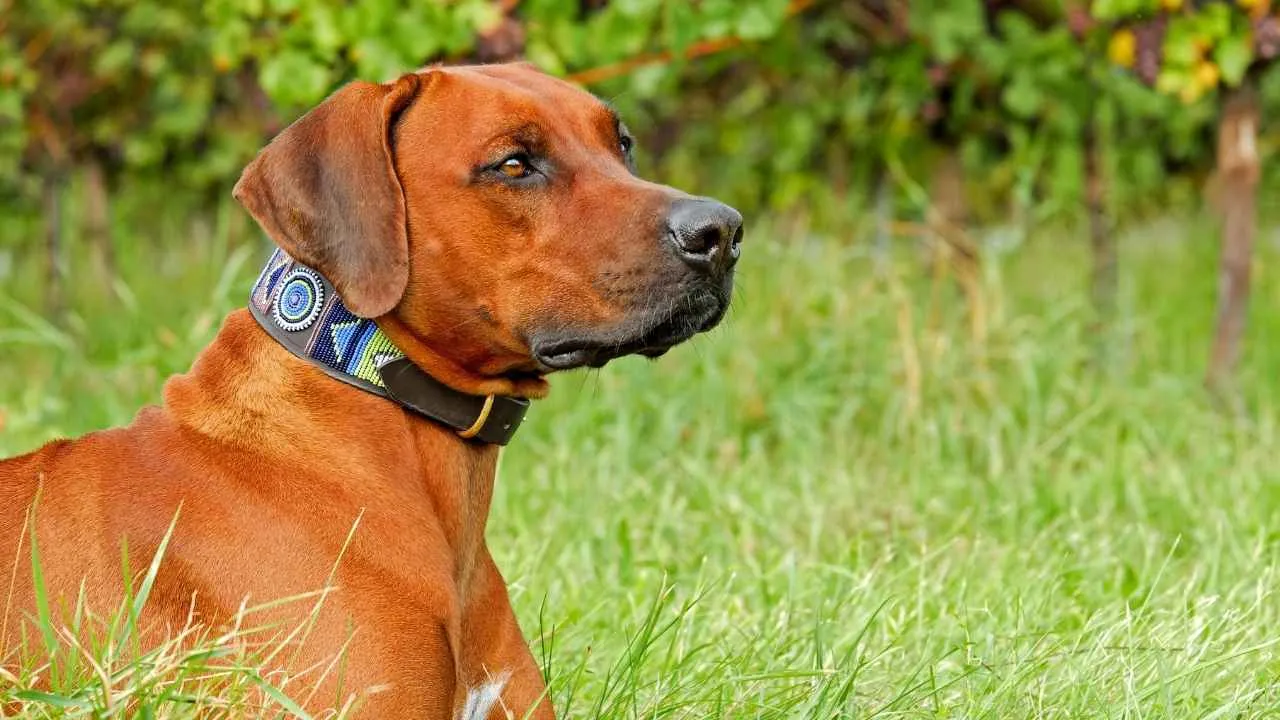
The Rhodesian Ridgeback is calm, athletic, and seriously self-possessed. It was originally developed in southern Africa, where it became known for tracking and baying lions. That does not mean your dog is a lion-fighting superhero, but it does explain the breed’s courage and confidence.
With a natural protective instinct, this dog often acts reserved with strangers and goofy with family, which is a hilarious personality split. Around its people, a Ridgeback may be silly, affectionate, and relaxed. Around unfamiliar people, it may become quiet, watchful, and hard to impress.
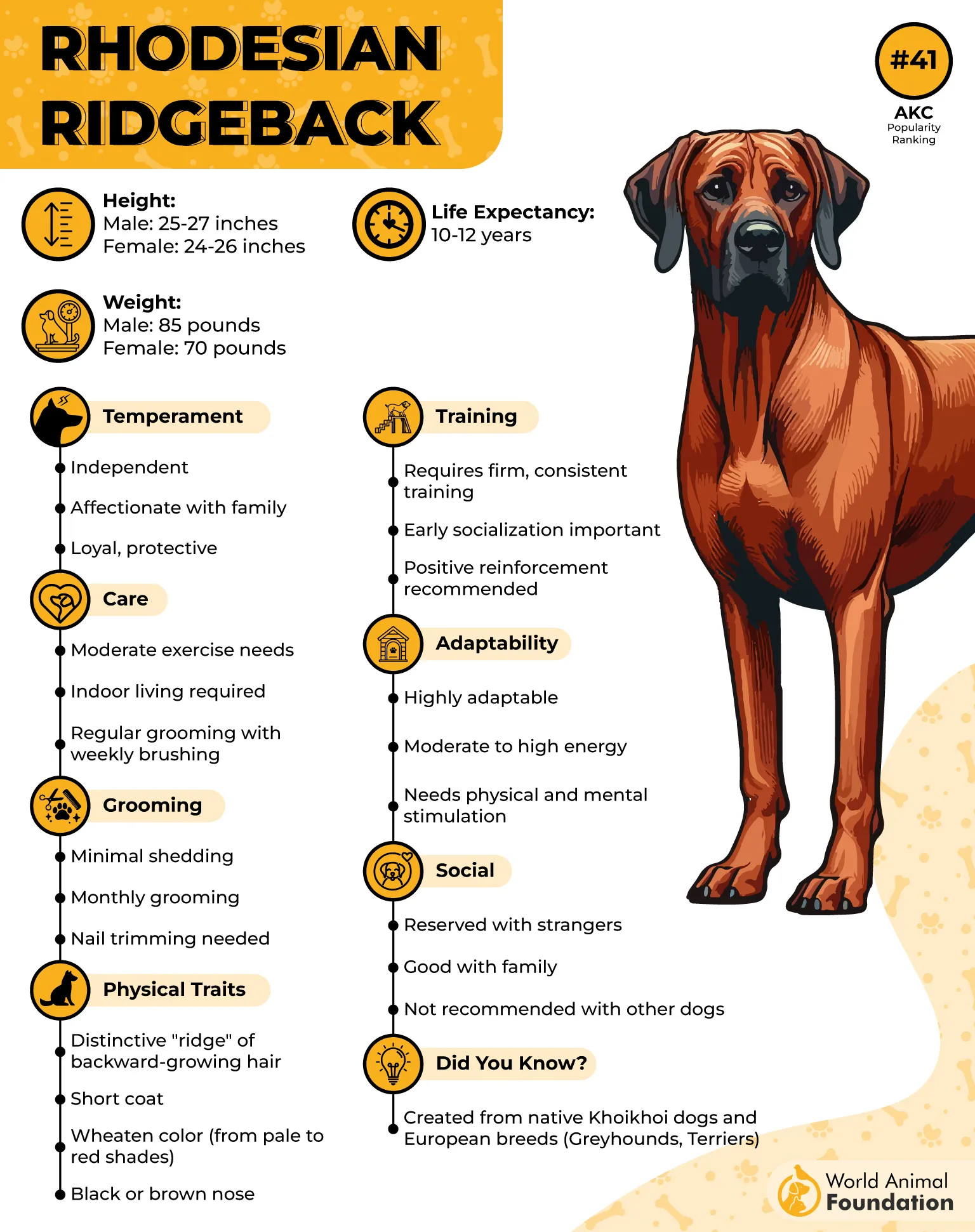
The Ridgeback’s calm demeanor is paired with serious athletic ability. It is not a lazy guardian that wants to decorate the couch all day. This breed needs exercise, training, and mental challenges to stay balanced.
Unlike some livestock guardians, dog owners say it is not usually built for constant patrols of the property. Its protection style is more about alertness, courage, and loyalty when something feels wrong. It may bark to announce visitors, but it should not be encouraged to become reactive.
It works best with experienced, active owners who understand independent hounds. This family guard dog can be loving with family and steady indoors after proper exercise. If you want a calm but athletic protector with noble energy and a little sass, the Ridgeback brings the whole package.
How Do They Keep The House Protected
The Rhodesian Ridgeback protects by staying alert, carefully reading strangers, and warning the family when needed.
Its athletic build and fearless history give it a confident presence around the home.
This breed is best as a loyal alert dog for active households, not as a low-effort yard ornament.
Conclusion
Protective dogs with calm demeanors are special because they do not need chaos to look powerful.
German Shepherd, Doberman Pinscher, Cane Corso, Belgian Malinois, Great Pyrenees, and Staffordshire Bull Terrier are great guard dogs
Still, these dogs are not for careless ownership. Many are large, powerful, independent, or naturally suspicious, which means training and socialization must start early and continue for life.
A calm protective dog becomes its best self when owners provide structure, exercise, secure space, and respectful leadership.
