




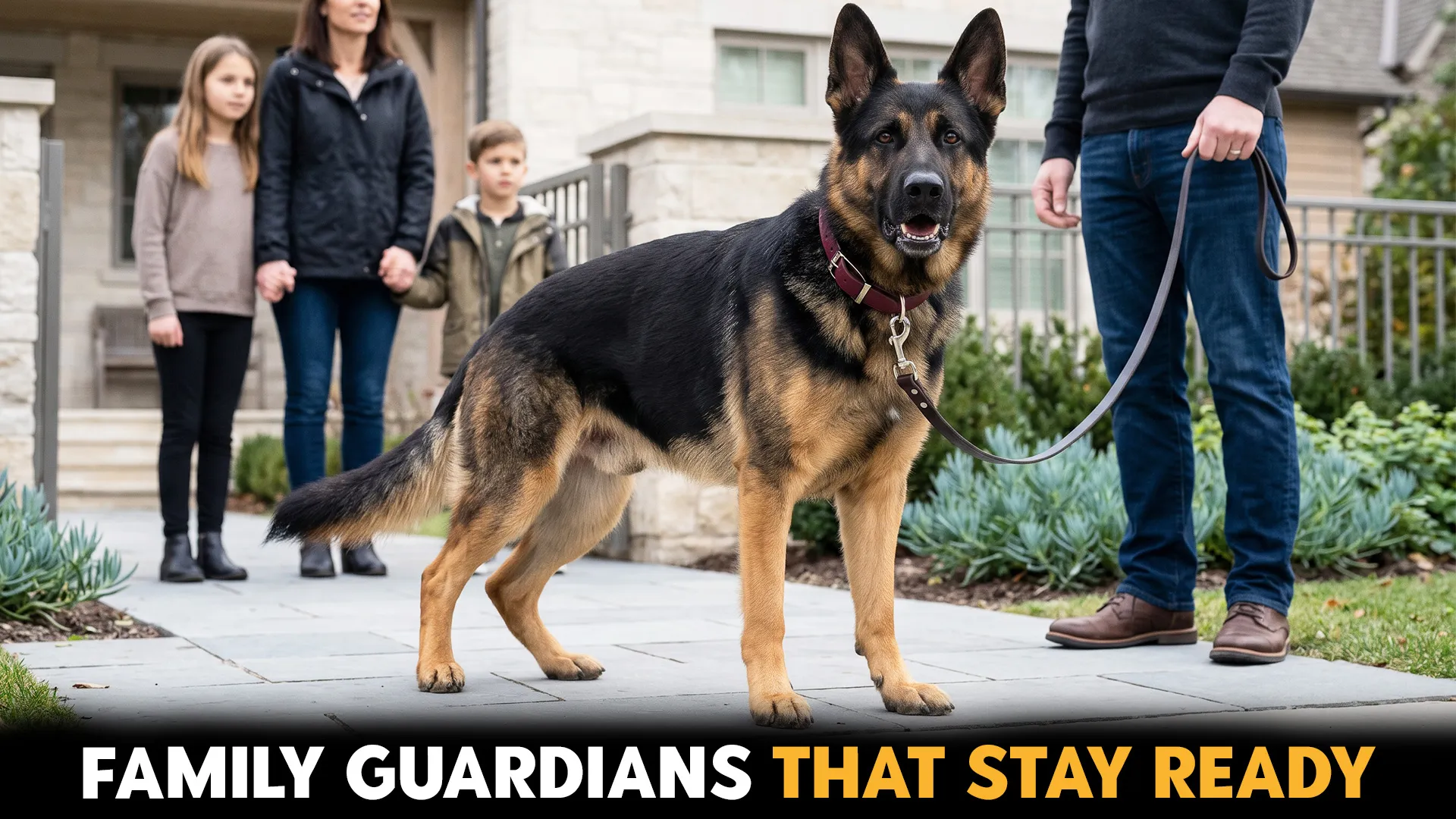
Imagine having a loyal bestie who gives unlimited cuddles, watches over your family, and keeps an eye on everything happening around your home. That’s exactly why protective dog breeds are so popular among families looking for both companionship and security.
These four-legged family pets bring a fascinating combination of courage, intelligence, loyalty, and instincts developed over generations.
But here’s the interesting part: not every protective dog guards in the same way. Some breeds patrol their surroundings like professional security officers, while others rely on their intimidating appearance, impressive bark, or natural awareness to discourage unwanted visitors.
Some gentle giants would rather spend the afternoon cuddling with their favorite humans, but they still notice when something unusual happens.
Ready to meet the top protective dog breeds that’ll guard your family?
Top Protective Dog Breeds That’ll Guard Your Family
1. Great Pyrenees
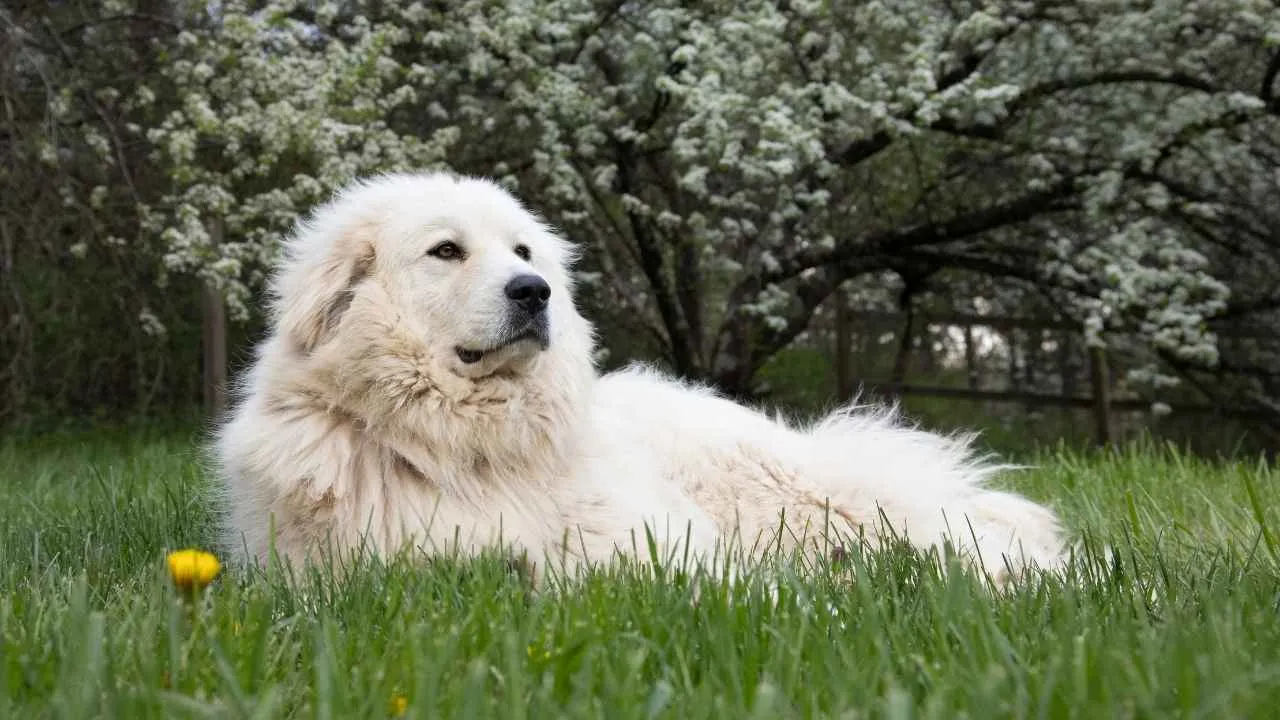
Originally developed in the Pyrenees Mountains between France and Spain, Great Pyrenees are powerful dogs that protected sheep from wolves, bears, and other predators.
Unlike highly energetic guard dogs that constantly rush around, these dogs prefer a calm, observant approach to protecting their territory. Their independent personalities developed because shepherds needed dogs that could make decisions without waiting for human instructions.
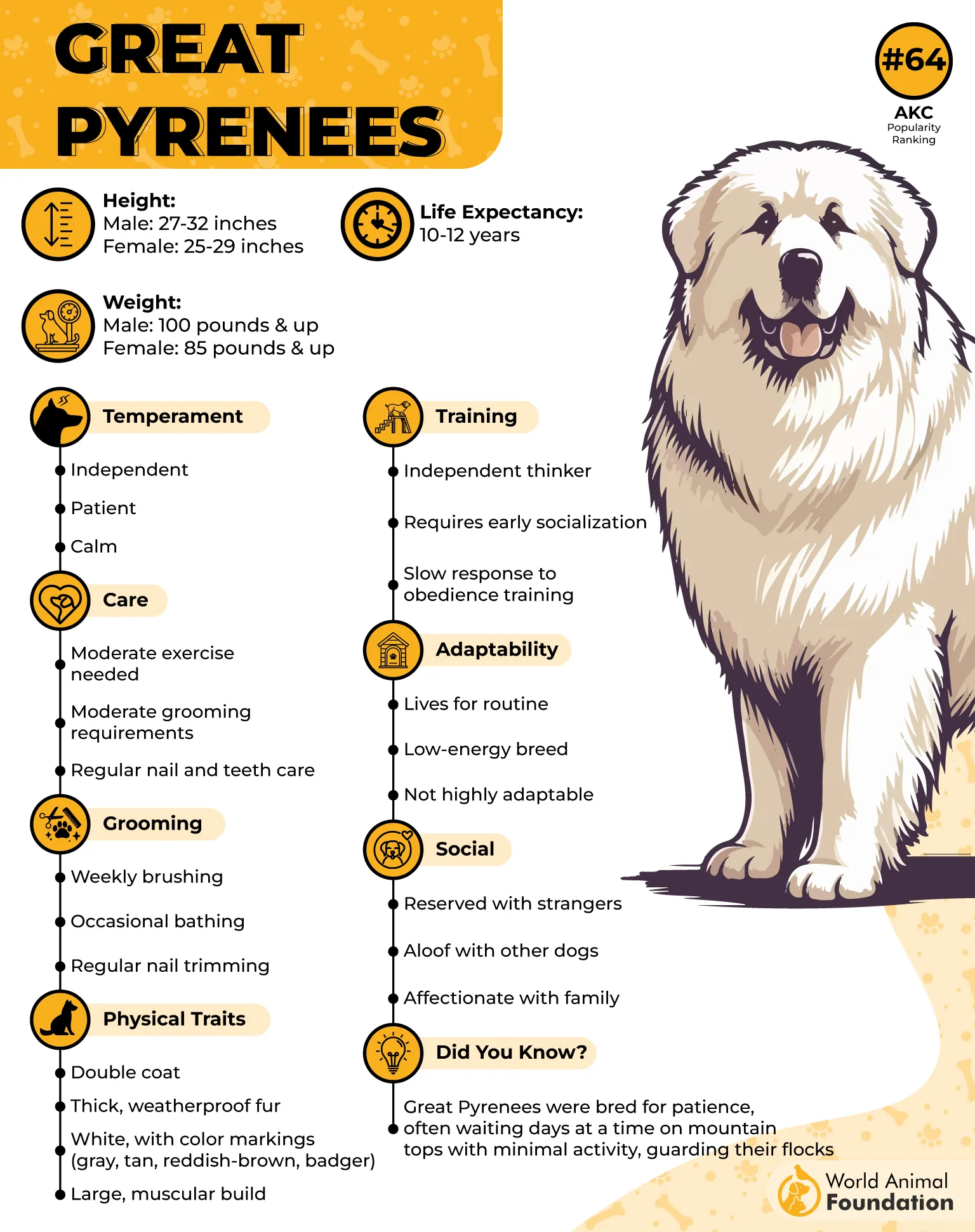
One particularly fascinating characteristic is their tendency to become more vigilant after sunset. Generations of protecting livestock from nighttime predators shaped this behavior, which is why many owners report frequent evening barking and nighttime patrols.
Around familiar family members, these excellent guard dogs often display remarkable affection, patience, and gentleness. However, their instinct to protect vulnerable people can lead them to misunderstand noisy games, roughhousing, or children pretending to fight.
Ways They Guard The Family
Their naturally heightened awareness after dark can help them notice unfamiliar activity around the property.
They may position themselves near loved ones and discourage strangers through their commanding presence and warning barks.
2. Tibetan Mastiff
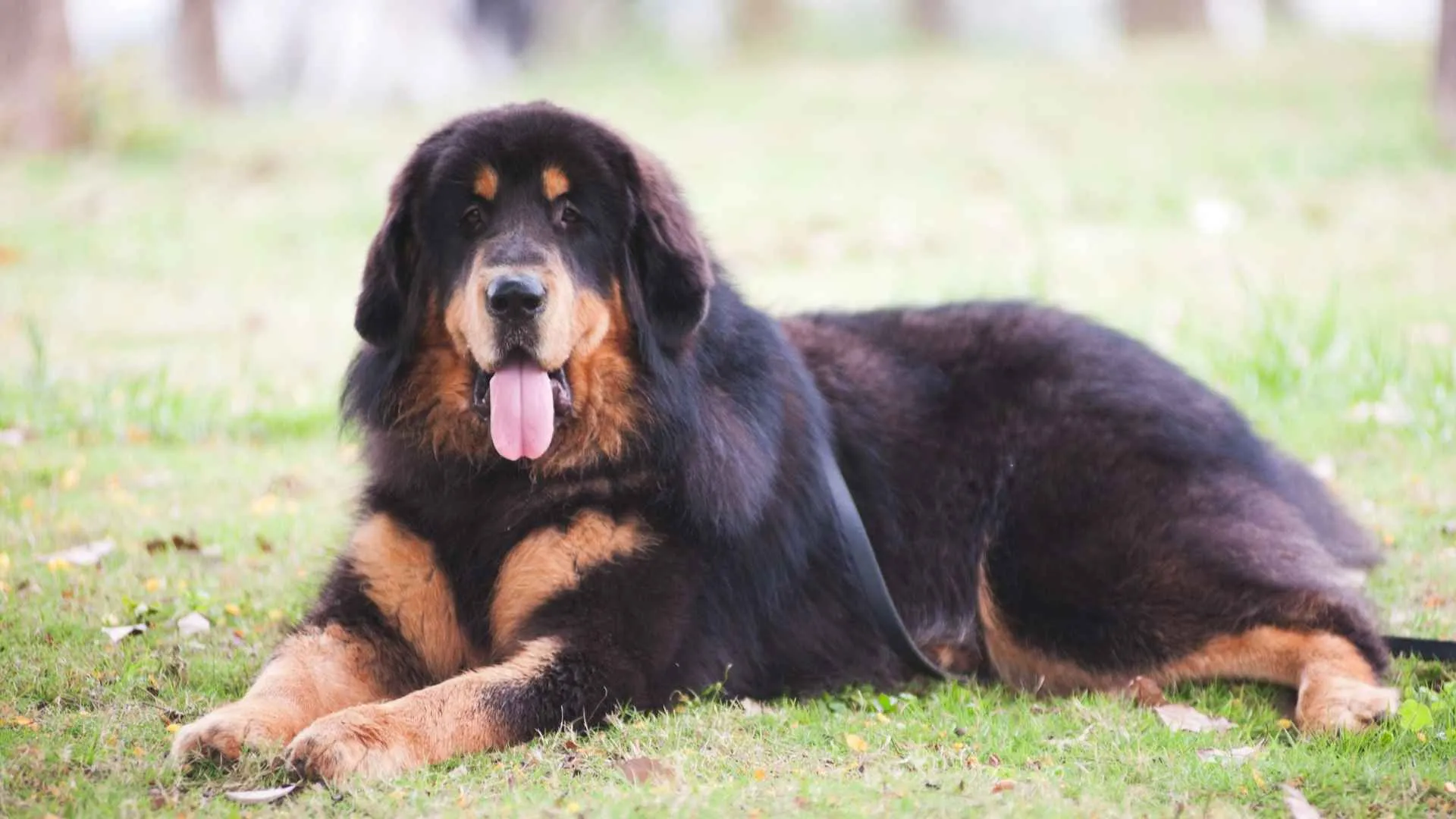
If a lion decided to become a family dog, the Tibetan Mastiff would probably be its closest competition. With a massive frame, thick mane-like coat, and confident expression, this ancient guardian is one of the
best guard dogs out there.
These Mastiff dogs are affectionate with familiar people but generally much less enthusiastic about strangers entering their personal space. Their protective behavior often involves observing unfamiliar individuals, standing their ground, and using deep vocal warnings to establish boundaries.
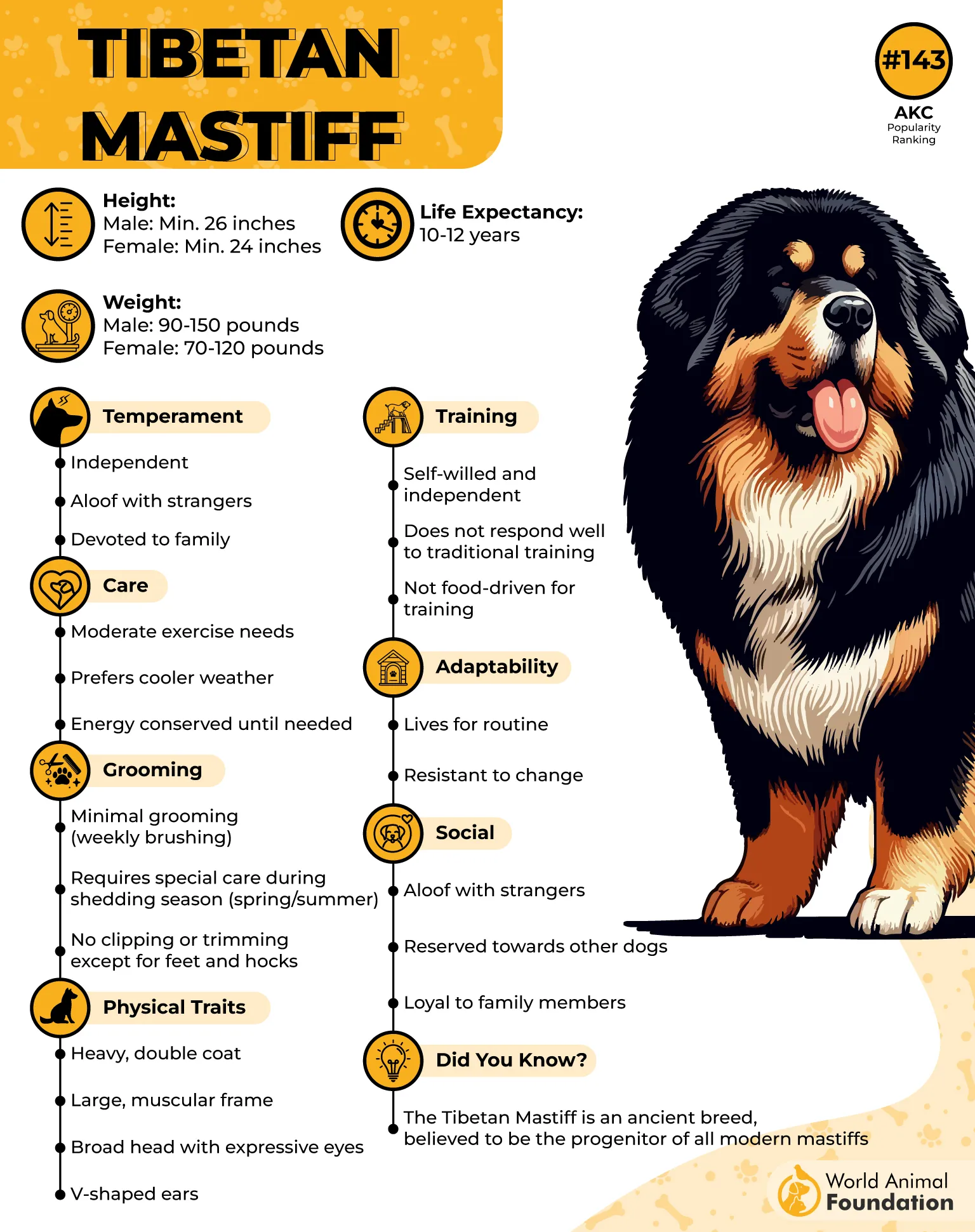
Their independence is another defining characteristic, and it can seriously challenge inexperienced dog owners. These intelligent guardians often evaluate situations for themselves, so repetitive commands and standard obedience drills may not capture their interest. Proper training works best when owners combine positive reinforcement and patient consistency.
Another notable feature is their spectacular double coat, with a dense, woolly undercoat and longer, protective outer hairs. This natural insulation helped their ancestors withstand the cold, windy conditions of high-altitude regions, although it doesn’t make modern Tibetan Mastiffs immune to overheating.
Ways They Guard The Family
Tibetan Mastiffs often recognize unfamiliar activity around their home and respond with serious attention.
Their muscular build, substantial coat, and powerful bark can make unwanted visitors reconsider approaching.
3. Great Dane
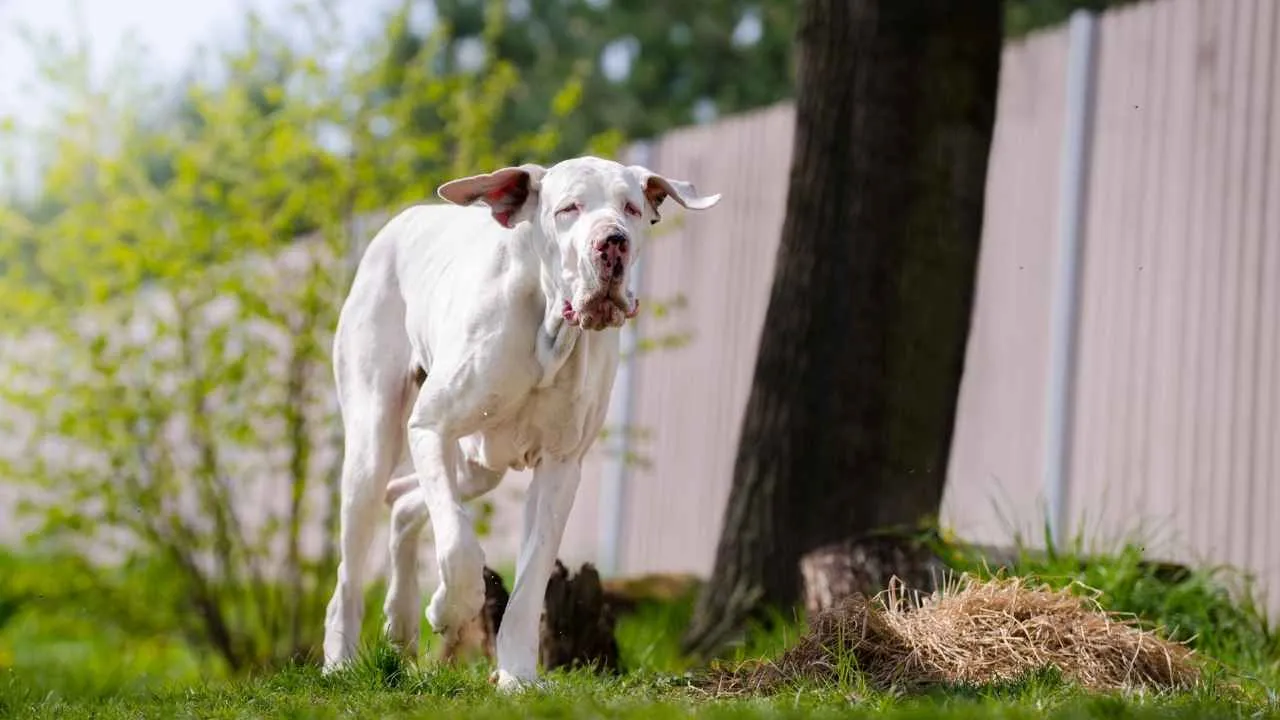
The Great Dane is an extraordinary giant whose enormous size creates an intimidating first impression despite its generally affectionate personality.
While their appearance suggests professional bodyguard energy, PetMD says that Great Danes aren’t universally reliable protection dogs. Some show considerable watchfulness and protective behavior, while others are famously friendly with almost everyone they meet.
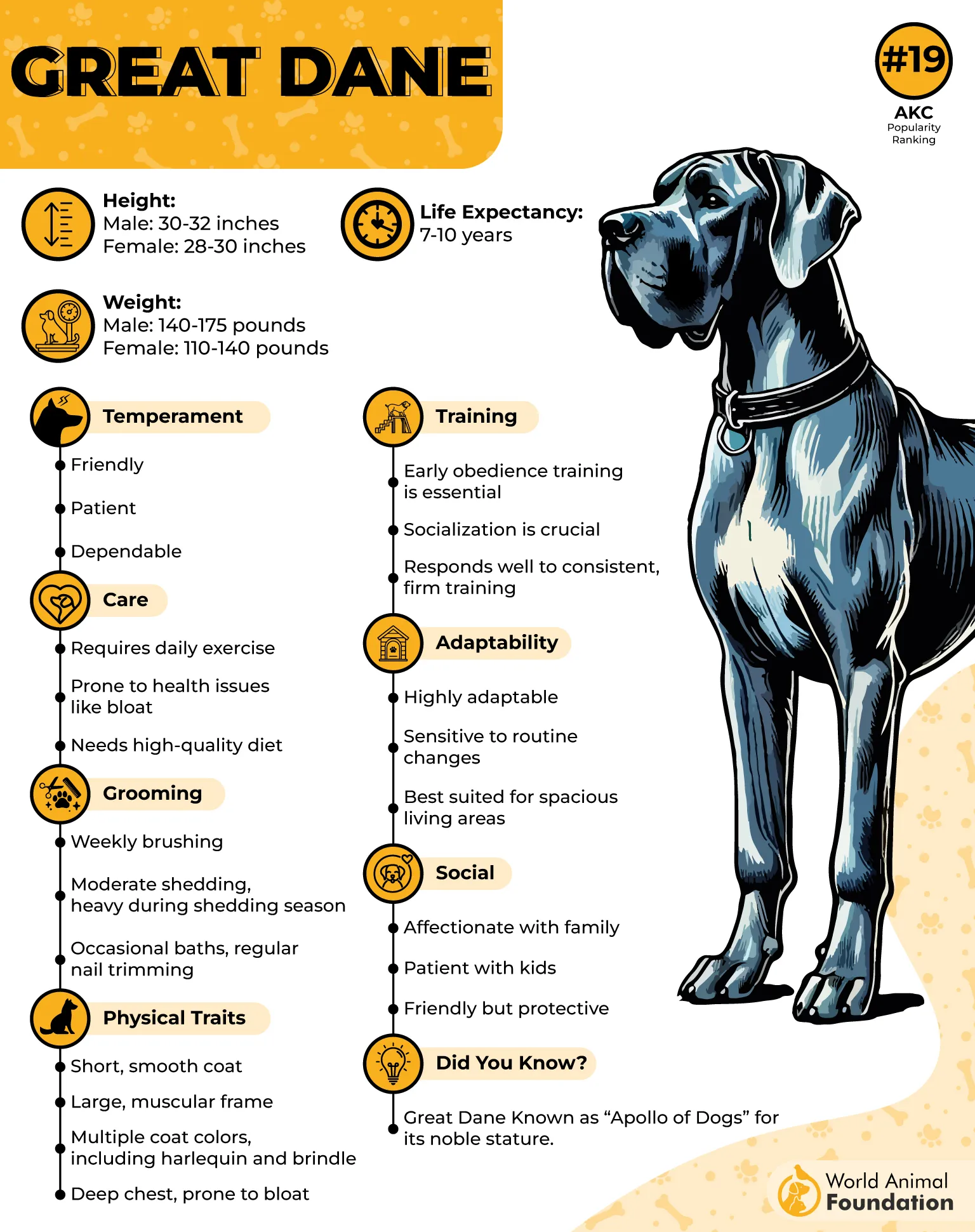
These dogs genuinely excel at forming close relationships with their favorite humans. Many enjoy following family members around the house, leaning against their owners, and attempting to become oversized lapdogs despite their ridiculous proportions. T
Early socialization matters because an enormous dog that becomes nervous or reactive can be hard to manage safely. Introducing puppies to different environments, ordinary household sounds, respectful visitors, and positive experiences helps develop confidence and appropriate responses.
Ways They Guard The Family
Their extraordinary height can make strangers hesitate before approaching a property.
Strong attachments can encourage some Great Danes to pay close attention when loved ones appear uncomfortable.
4. Newfoundland
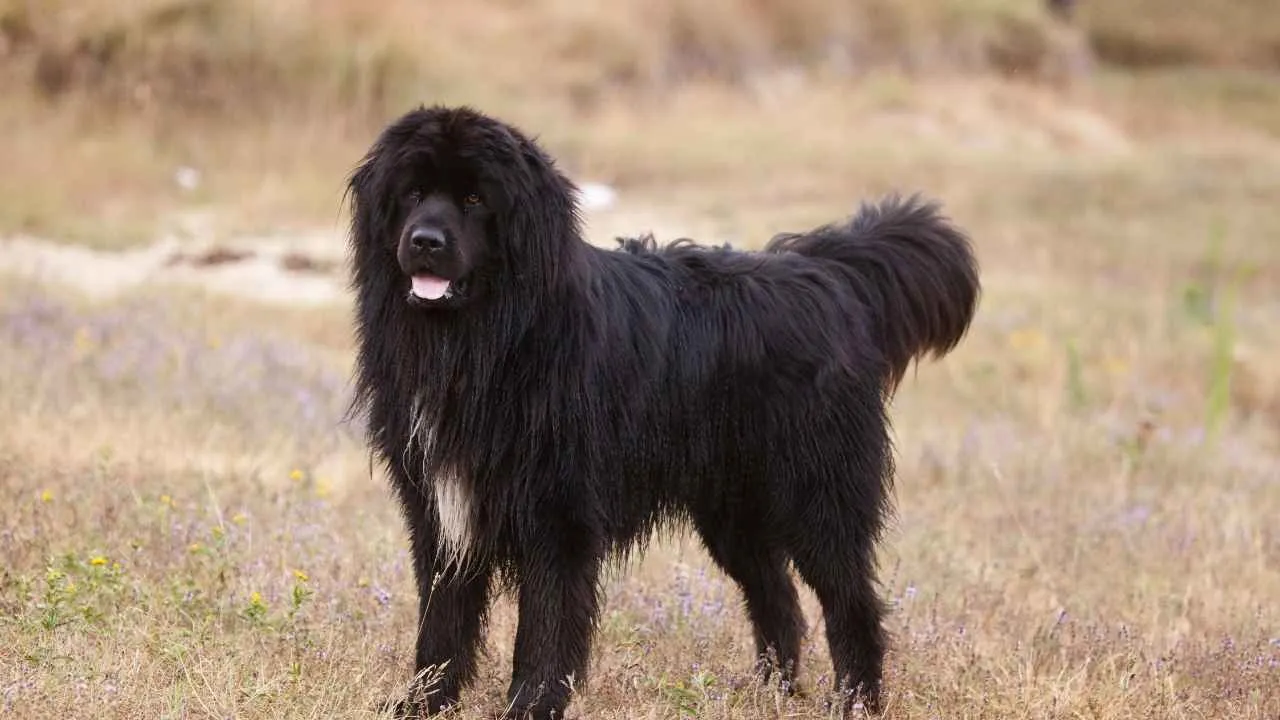
The Newfoundland proves you don’t need a tough-guy personality to make people feel safe. These enormous, fluffy sweethearts are known for their gentle temperament, impressive strength, and remarkable history working alongside fishermen.
Unlike territorial breeds that actively challenge unfamiliar visitors, they generally approach family protection with a much softer personality. Many are naturally welcoming toward people, making them less suitable for households specifically seeking a serious guard dog.
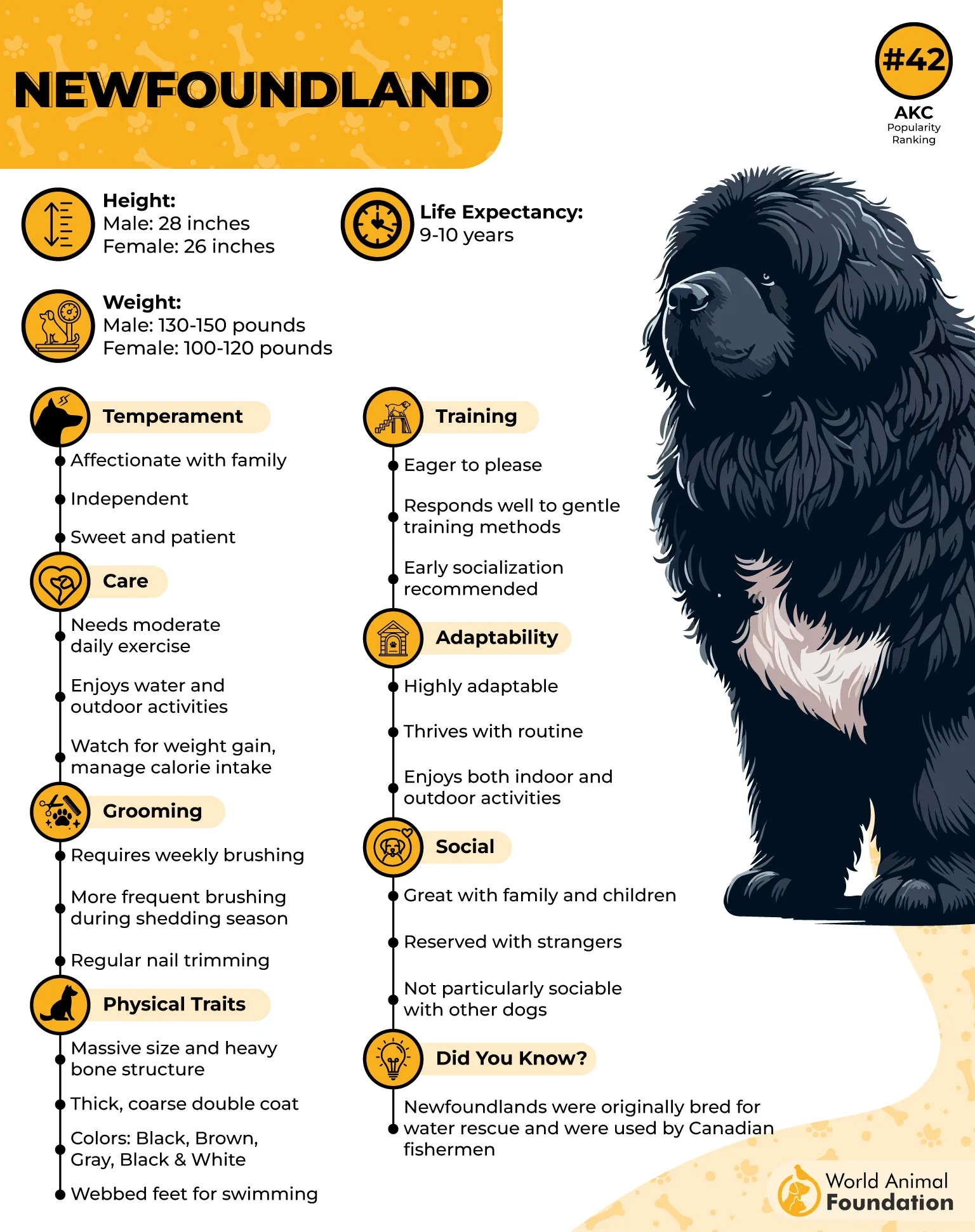
Omlet US claims their relationship with children is one of the breed’s most celebrated characteristics. Newfoundlands have earned the nickname “nanny dogs” because many display patience, affection, and a willingness to stay close to younger family members.
Their aquatic abilities are particularly impressive and set them apart from typical household guardians. A water-resistant double coat, substantial muscular strength, and swimming-friendly anatomy contribute to their reputation as capable working water dogs.
Ways They Guard The Family
A Newfoundland may notice unusual circumstances and remain close to family members without displaying unnecessary hostility.
Their massive silhouette alone can create a formidable impression at the doorway.
5. German Shepherd
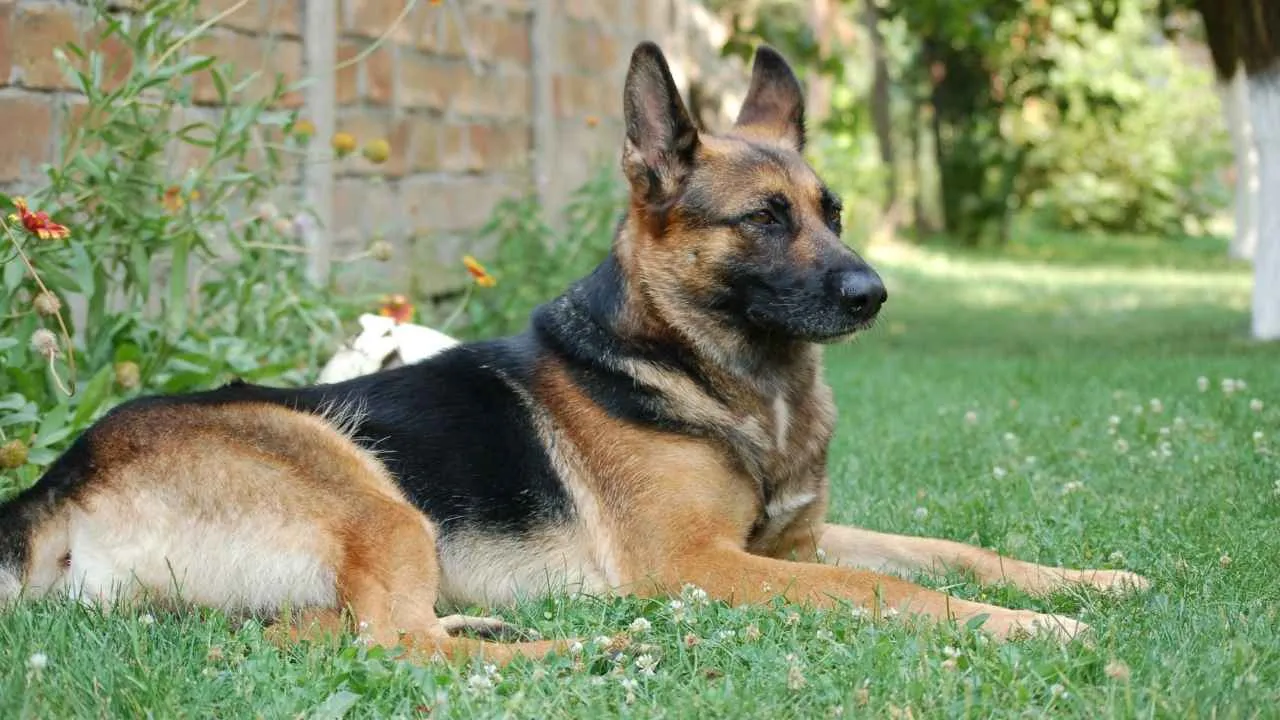
Famous for its intelligence, courage, athleticism, and strong bond with handlers, the German Shepherd is a versatile working dog that has earned its reputation in homes and professional service environments.
One of the German Shepherd’s greatest advantages is its capacity to learn and perform complex tasks. With consistent, reward-based training, these dogs can develop excellent obedience, environmental awareness, and impulse control.
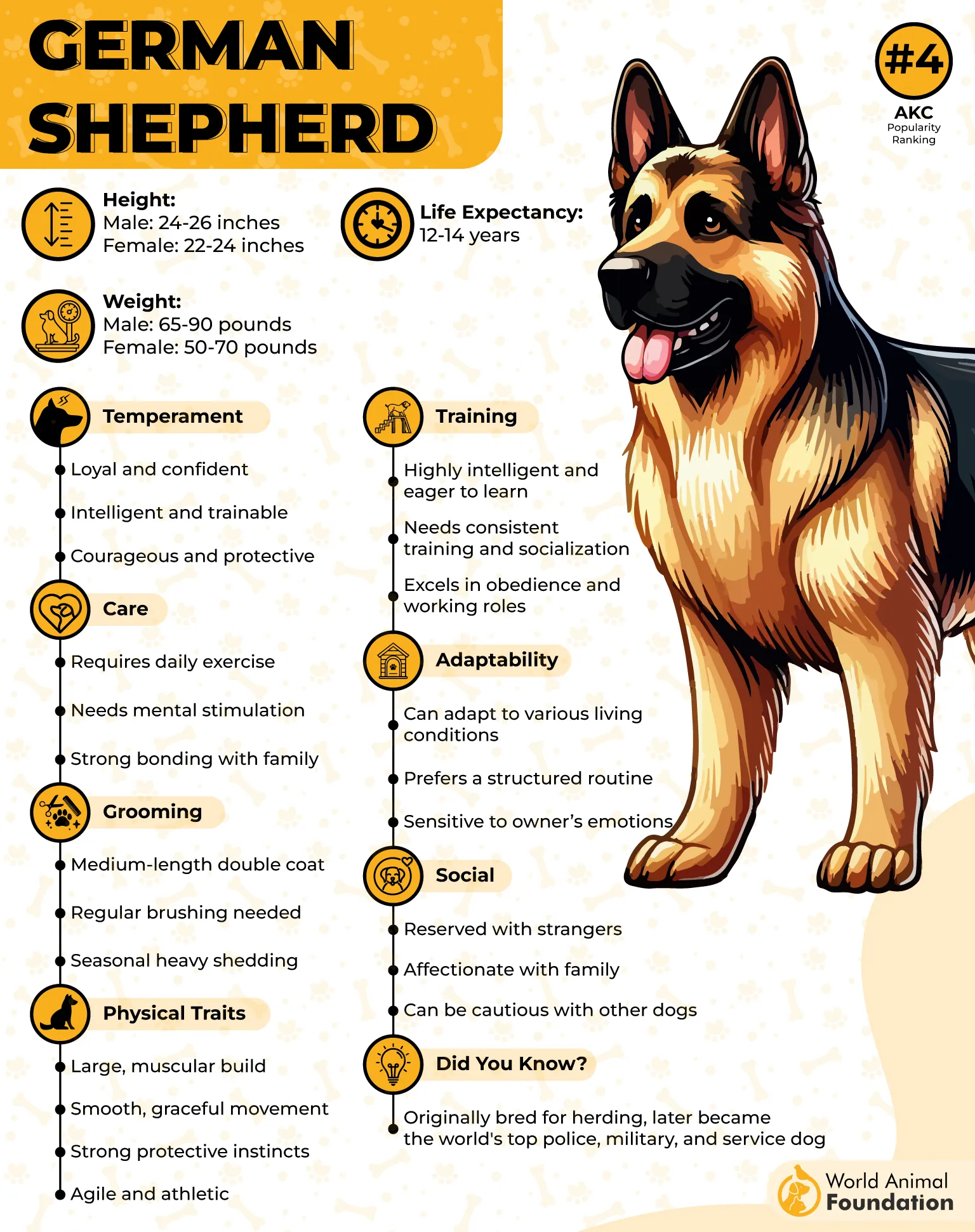
Family life can bring out their affectionate and surprisingly playful side. Many German Shepherds become deeply attached to their household, enjoying games, outdoor adventures, and activities that allow them to work alongside their humans.
Their muscular structure, agility, and endurance allow them to participate in activities such as tracking, obedience, hiking, and scent detection. However, this athletic potential requires regular exercise and mental stimulation because understimulated German Shepherds may develop excessive barking, destructiveness, or other unwanted behaviors.
Ways They Guard The Family
German Shepherds often notice unexpected movements, unfamiliar sounds, and changes in their usual environment.
Their willingness to learn allows qualified handlers to develop reliable obedience and controlled responses.
6. Doberman Pinscher
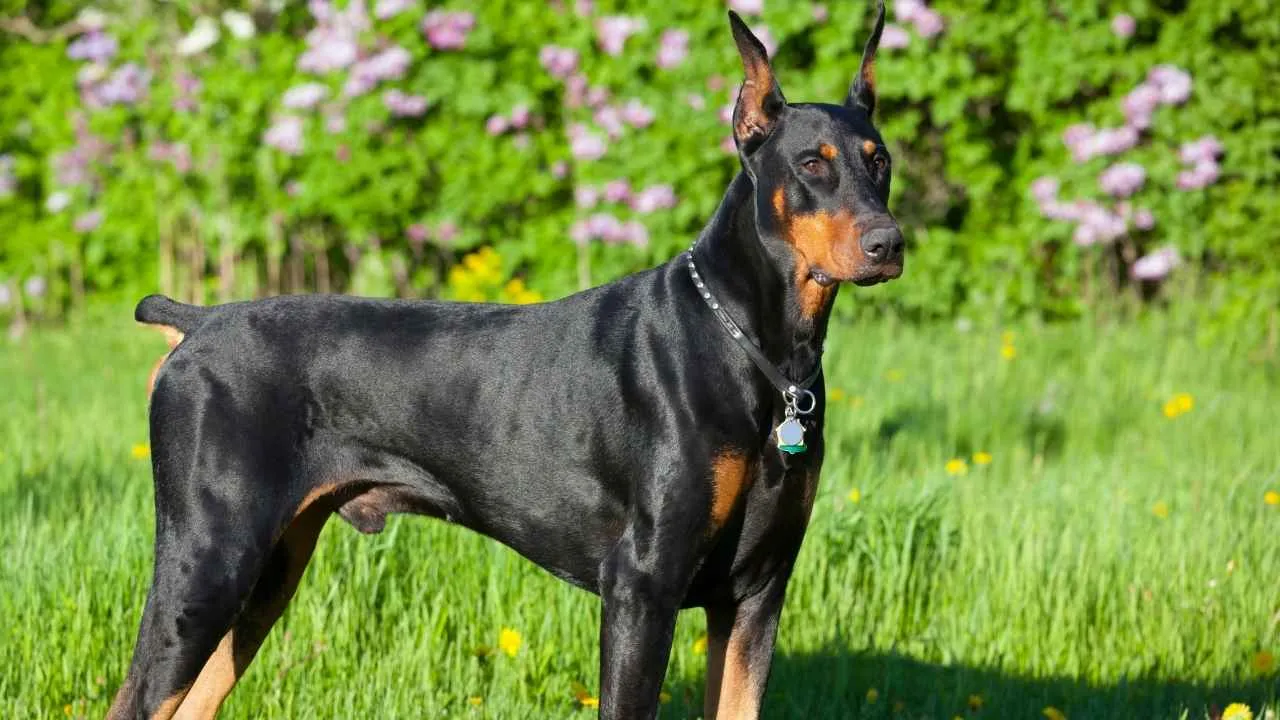
The Doberman Pinscher looks like the kind of dog that could guard a mansion and still make it home for family movie night. Sleek, muscular, fast, and exceptionally attentive, this impressive breed practically radiates professional bodyguard energy.
One of the most distinctive Doberman characteristics is its tendency to form exceptionally close attachments to its favorite people. Many owners affectionately call these dogs “Velcro dogs” because they love following their humans from room to room and staying involved in household activities.
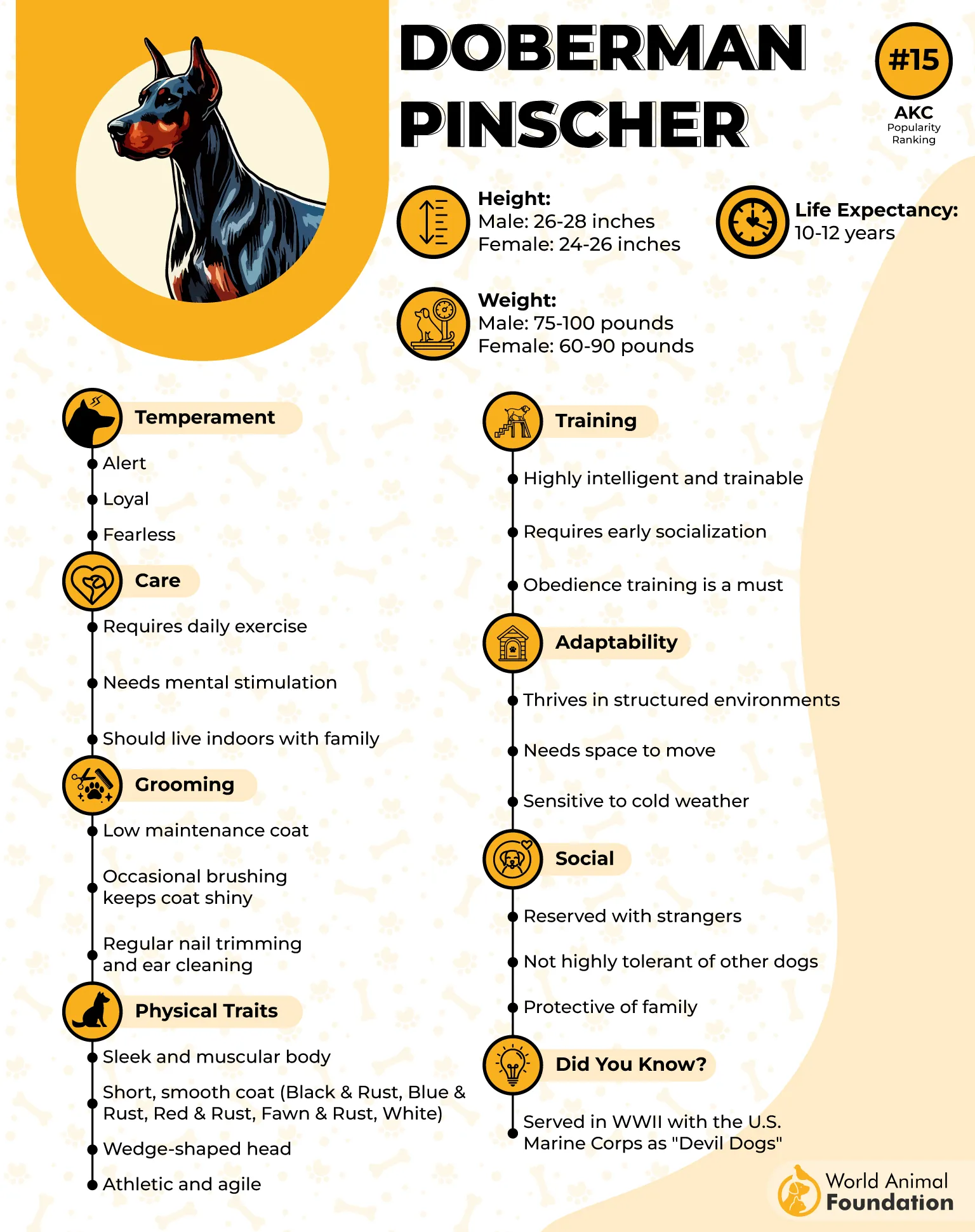
They are also remarkably athletic, combining speed, coordination, and muscular strength with an enthusiastic working attitude. Their intelligence makes them strong candidates for advanced obedience, agility, tracking, and other activities that challenge both mind and body.
Although their appearance might suggest an intimidating personality, well-bred Dobermans should be confident and manageable, not unnecessarily aggressive. Early socialization helps them develop appropriate responses to visiting friends, children, unfamiliar dogs, and normal neighborhood activity.
Ways They Guard The Family
Their tendency to remain near loved ones can make them attentive to unusual situations affecting family members.
Their natural athleticism and alertness let Dobermans notice and react quickly to unexpected activity.
7. Belgian Malinois
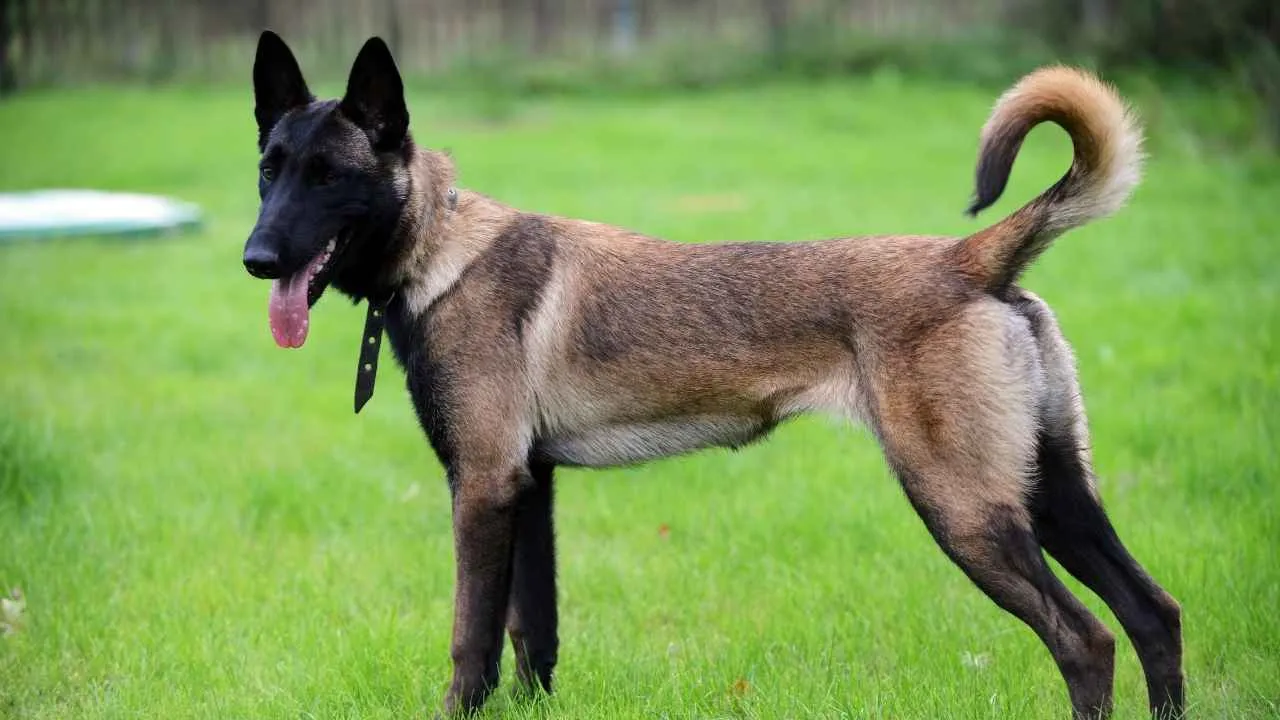
Intelligent, energetic, courageous, and remarkably athletic, this Belgian herding breed is widely recognized for demanding police, military, detection, and specialist roles.
The Malinois has an exceptional appetite for learning, and its enthusiasm for challenging tasks is one of the breed’s defining characteristics. Whether practicing scent detection, advanced obedience, agility, or structured working exercises, these dogs often approach training with intense concentration.
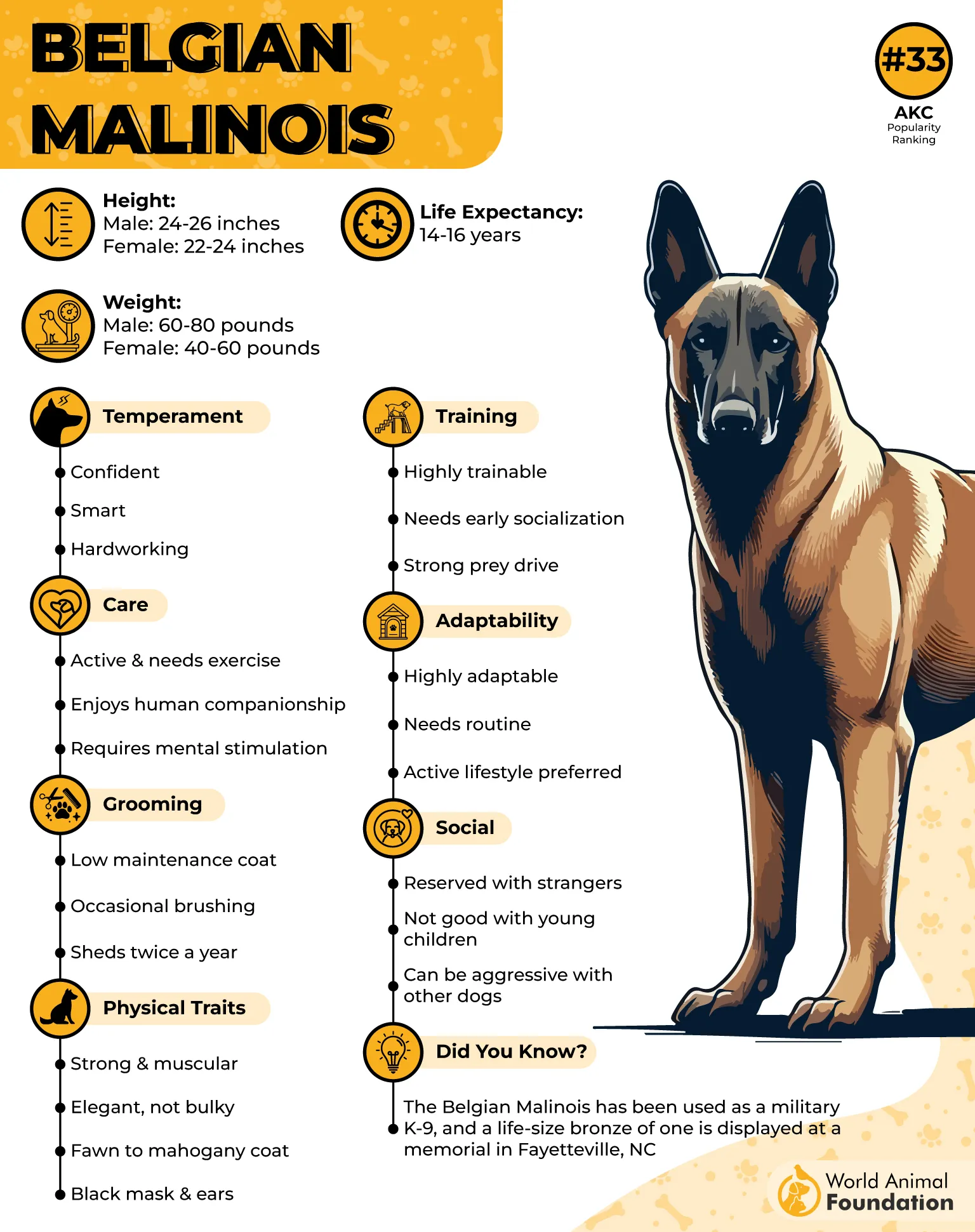
Don’t expect a typical Belgian Malinois to be satisfied with a quick neighborhood stroll and an afternoon of couch surfing. These high-drive athletes usually need substantial physical activity, mental enrichment, structured training, and opportunities to channel their energy productively.
Despite their serious working reputation, they aren’t identical in temperament or ability. Different bloodlines and individual dogs can vary widely in energy, sociability, sensitivity, and suitability for everyday family life.
Ways They Guard The Family
Their working heritage encourages close attention to environmental changes and unfamiliar movement.
Properly trained Malinois can follow precise instructions even during challenging situations.
8. Cane Corso
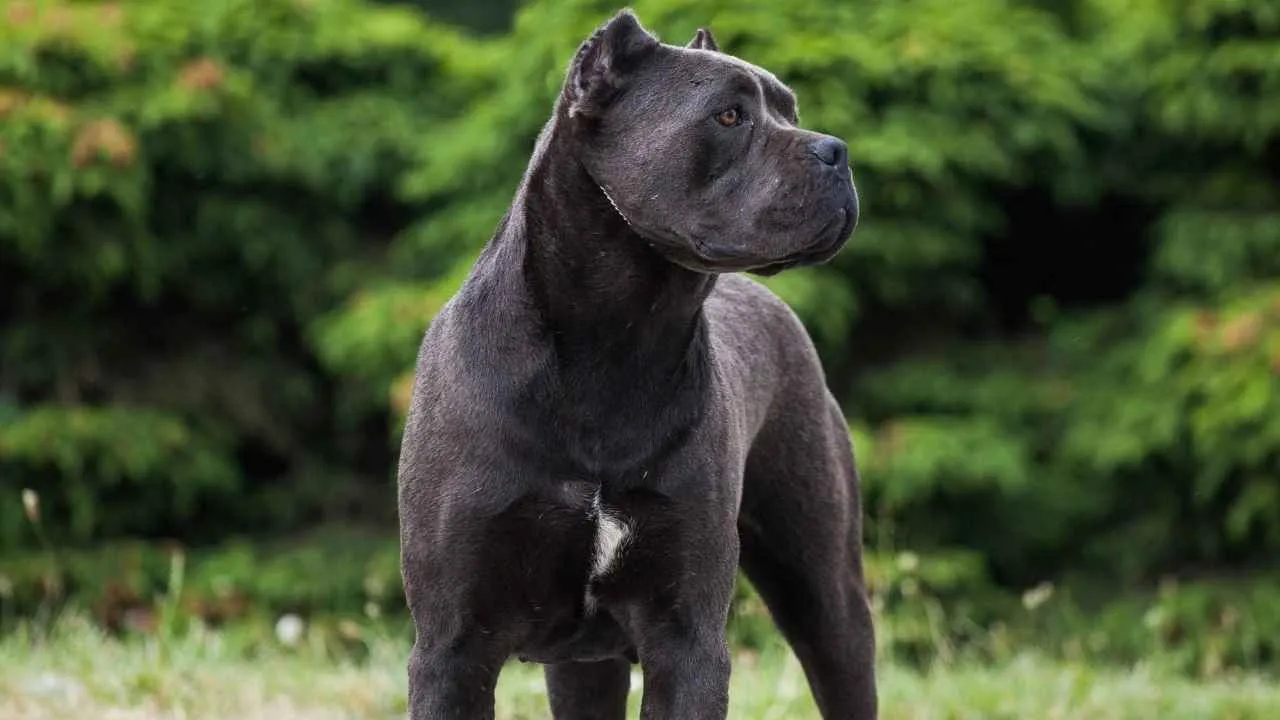
With a powerful, muscular build, broad head, and confident posture, this Italian mastiff, the Cane Corso, looks like the head of security at an extremely exclusive establishment.
These loving family pets often form strong bonds with their families while remaining naturally cautious around unfamiliar people. Traditionally, they protected property, managed livestock, and did demanding agricultural work, which helped shape the breed’s confident, attentive personality.
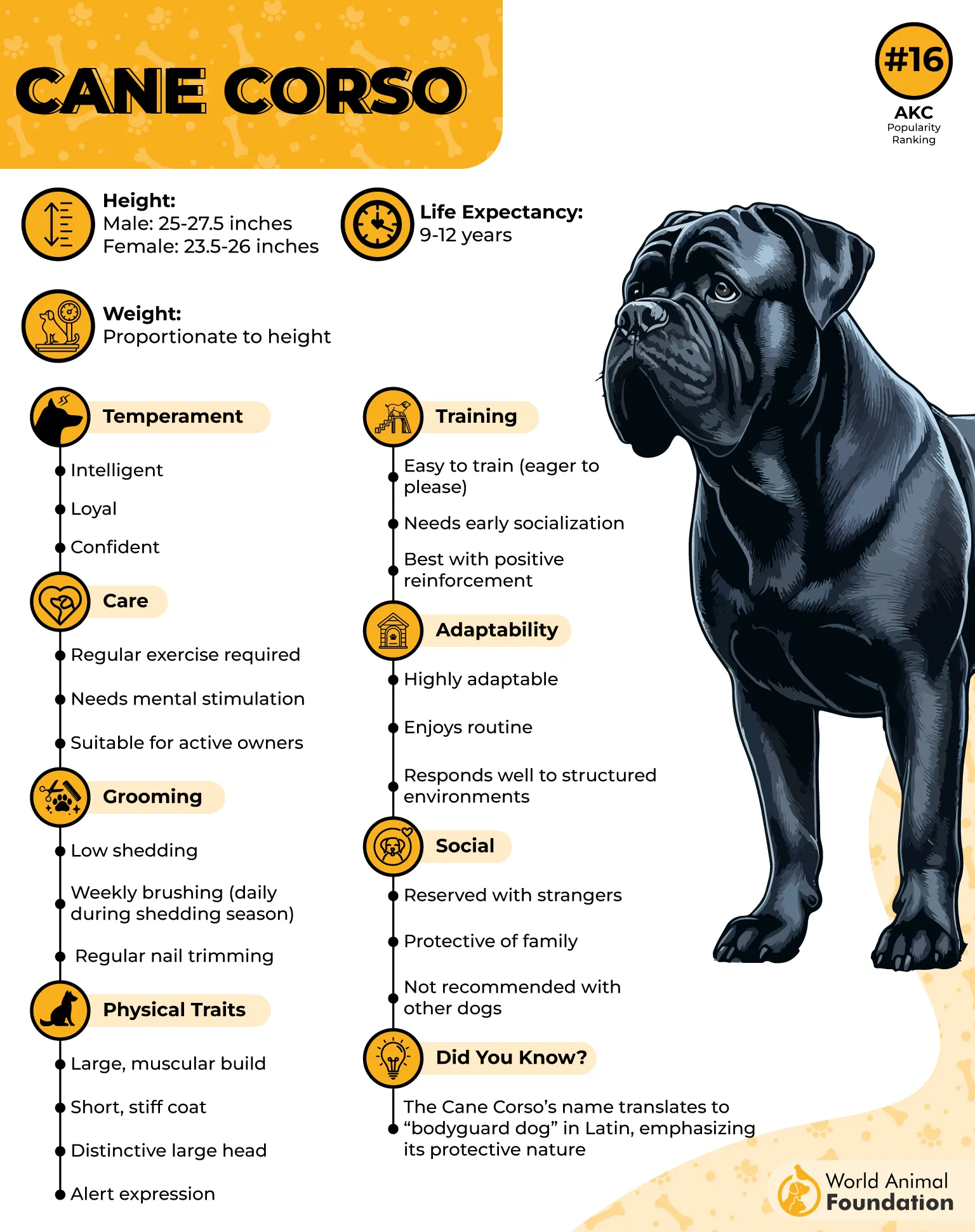
Their territorial tendencies require thoughtful handling because a powerful dog with poor social skills can become difficult to manage. Responsible owners introduce puppies to ordinary visitors, different environments, and appropriate animal interactions early on. Positive-reinforcement training sets clear expectations while encouraging calm behavior instead of fear or unnecessary confrontation.
Regular exercise, engaging training sessions, and predictable household routines can help a Cane Corso develop into a well-adjusted companion. Prospective owners should also investigate responsible breeding, orthopedic health screening, and the resources needed to care for a large, strong dog.
Ways They Guard The Family
Cane Corsos naturally pay attention to unfamiliar people or unusual activity in their home environment.
Their muscular frame and composed presence can discourage unwanted approaches.
Their traditional farm-guardian instincts may keep them observant around entrances and household boundaries.
9. Rottweiler
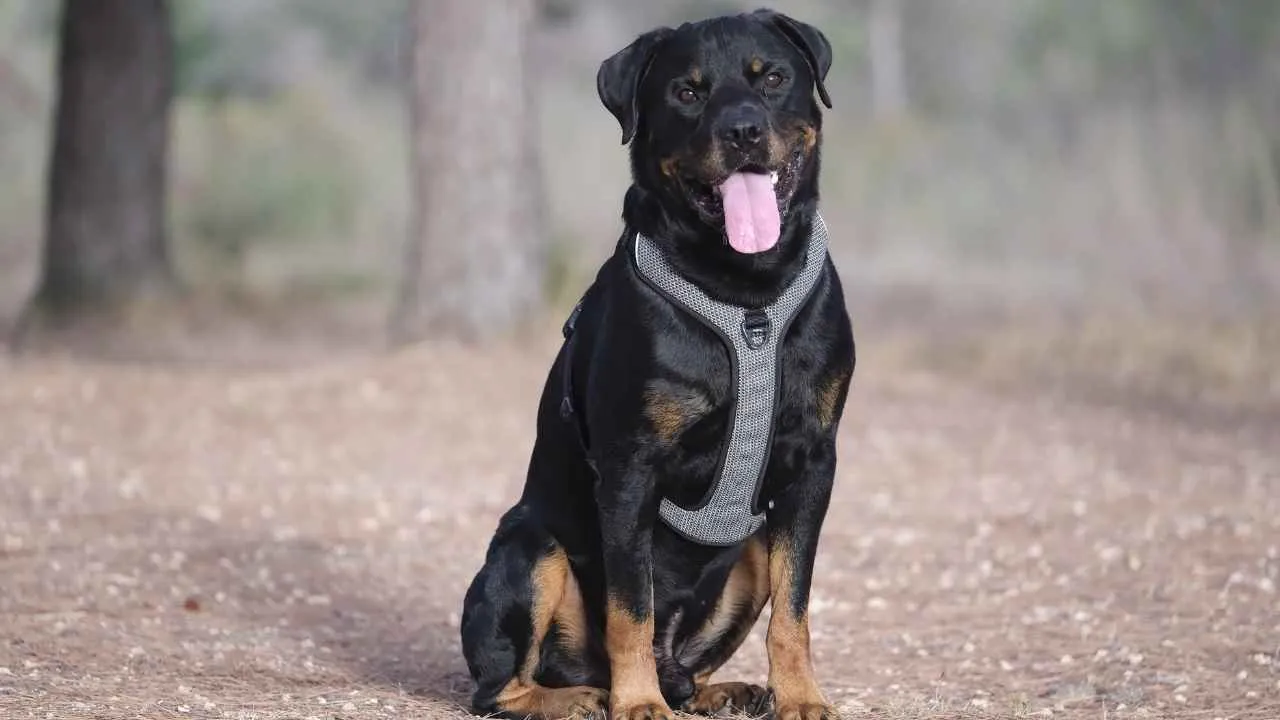
The Rottweiler may look intimidating, but anyone familiar with well-raised Rotties knows they can be affectionate, playful, and wonderfully devoted companions.
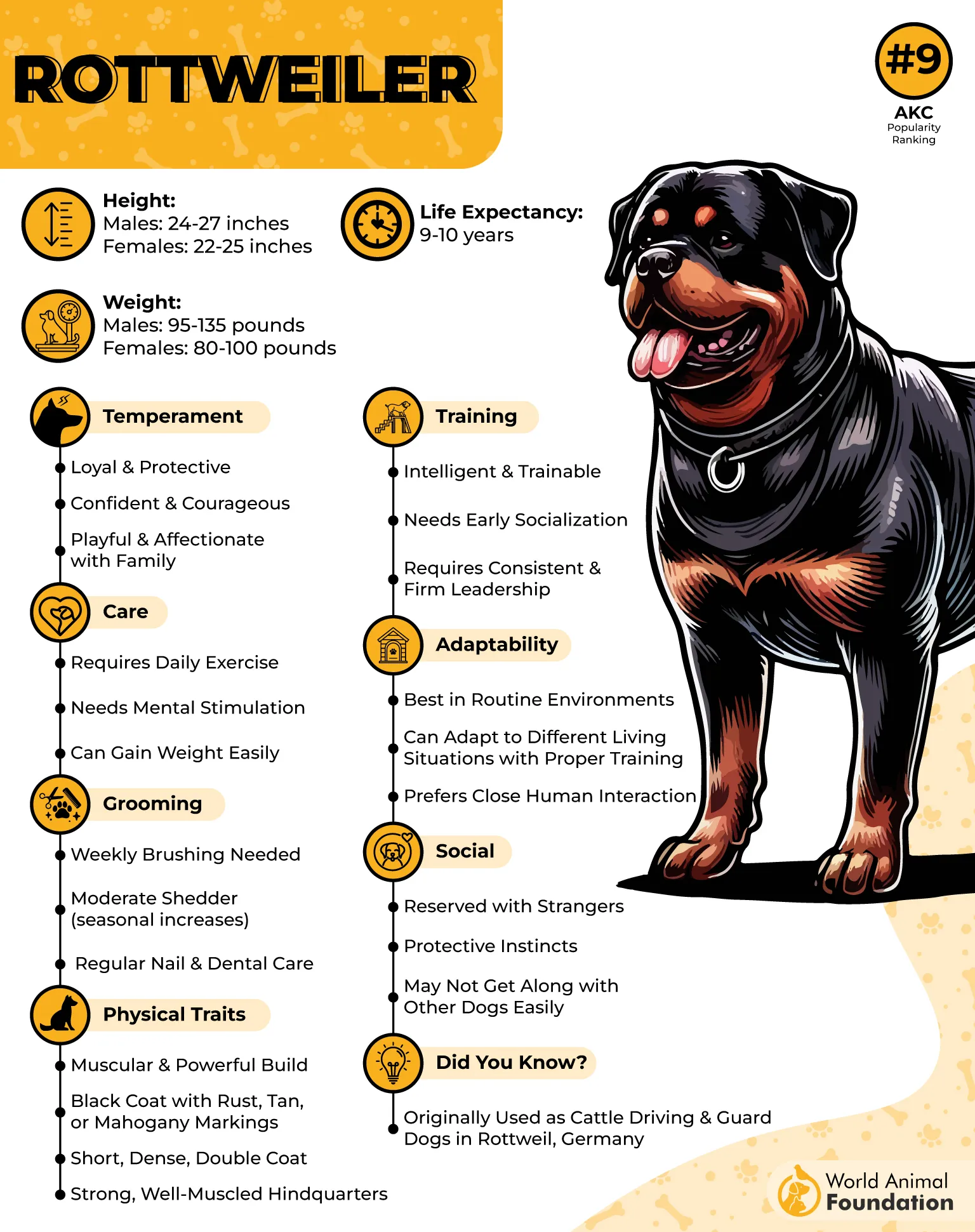
Historically, they needed enough strength and determination to control large animals while remaining responsive to human handlers. Those responsibilities encouraged physical power, confidence, endurance, and practical intelligence.
Their relationships with familiar family members can reveal a much softer side than their imposing public image suggests. Many Rottweilers enjoy affection, interactive games, and spending time close to their favorite humans, occasionally behaving like oversized puppies.
Rottweilers also need regular physical activity and meaningful engagement to support their mental and physical well-being. A balanced routine might include walking, controlled play, puzzle activities, and short training sessions that strengthen cooperation between dog and owner.
Ways They Guard The Family
Properly socialized Rottweilers often notice unfamiliar arrivals while staying composed.
Obedience training can help these intelligent dogs remain attentive to their owners’ instructions during unfamiliar situations.
10. Akita
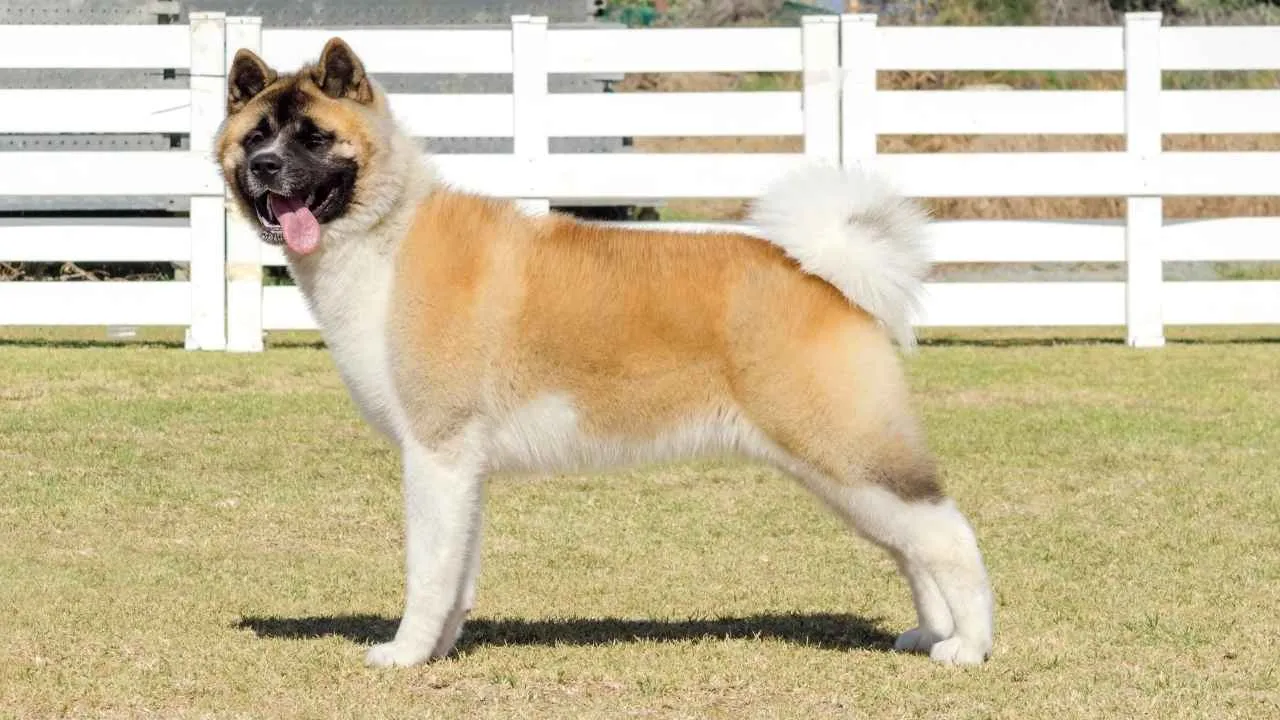
Akita’s reputation for loyalty is famously tied to Hachikō, the Akita remembered for waiting for his deceased owner at Tokyo’s Shibuya Station for years.
These dogs with an intimidating presence can be relatively quiet observers. Their natural reserve around strangers often leads them to investigate unfamiliar situations carefully rather than demand attention immediately.
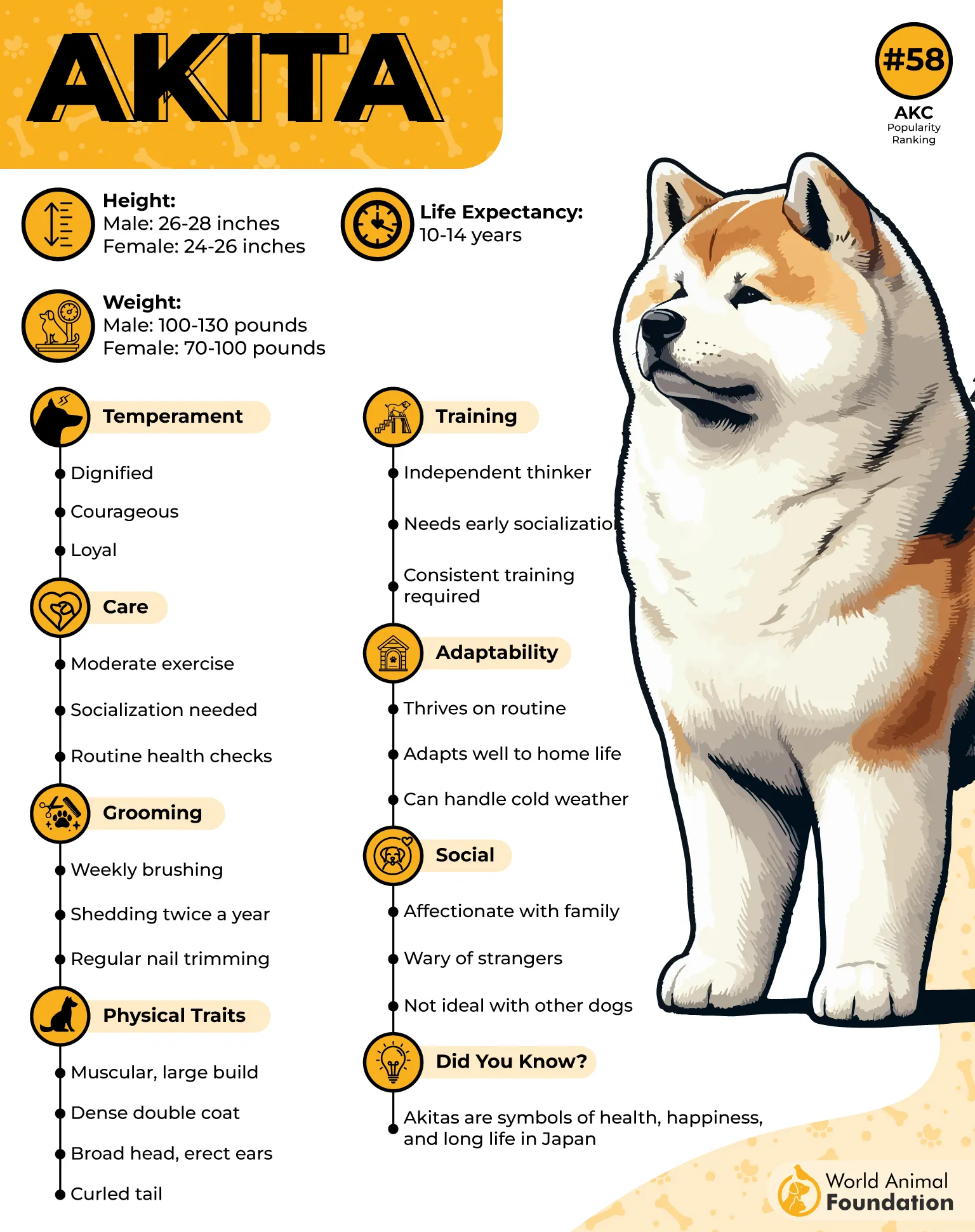
These dogs have a protective instinct and are deeply affectionate with trusted family members, though their devotion may look different from the enthusiastic friendliness of many other breeds. They often prefer familiar routines, close companionship, and respectful interactions rather than excessive handling by unfamiliar people.
One important consideration is their potential intolerance toward unfamiliar dogs, particularly individuals of the same sex. Their historical hunting background can also contribute to a substantial prey drive, creating challenges in households with smaller animals.
Ways They Guard The Family
Akitas often monitor unfamiliar activity without displaying constant excitement or excessive vocalization.
Their naturally cautious temperament can help maintain distance from unexpected visitors.
Conclusion
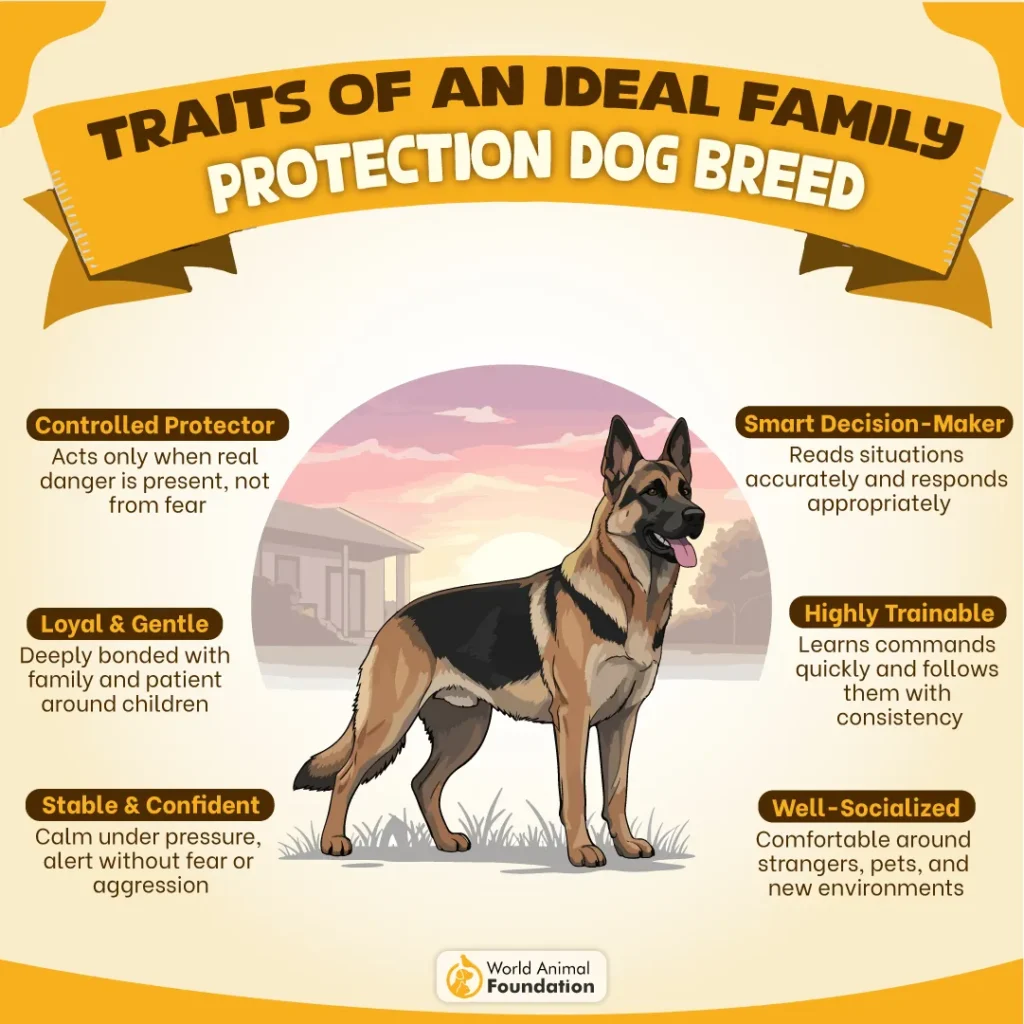
Choosing among these guard dog breeds is about much more than finding the biggest, strongest, or most intimidating canine. Each breed brings a different approach to family life, from the Great Pyrenees’ independent nighttime watchfulness and the Newfoundland’s gentle companionship to the German Shepherd’s trainability and the Akita’s quiet confidence.
However, a loving family guardian should never be encouraged to treat every unfamiliar person as a potential enemy. Proper socialization, responsible breeding, consistent obedience training, and appropriate supervision are essential to help powerful dogs stay comfortable and predictable around children, visitors, and other pets.
