




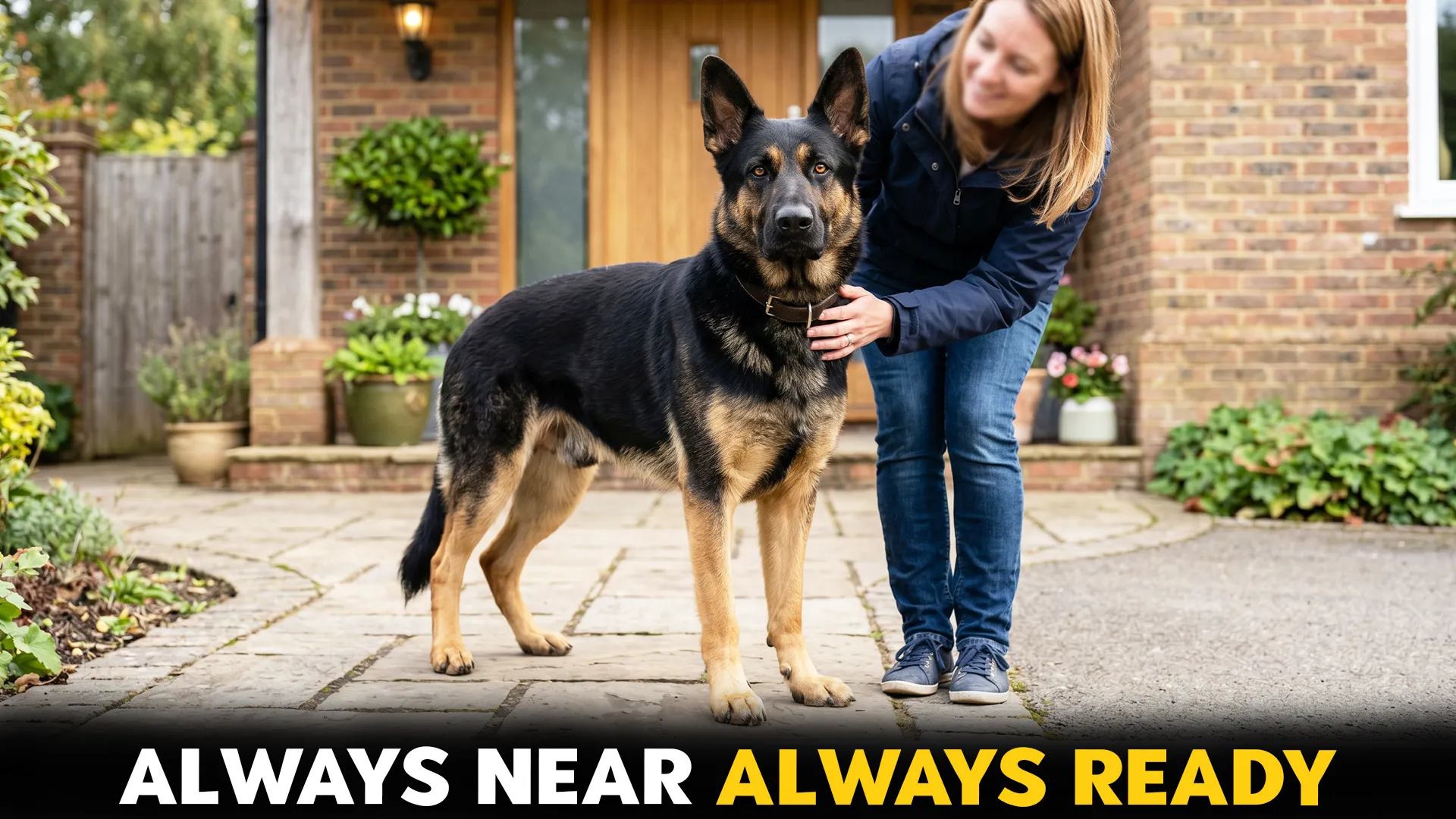
Some dogs notice things long before people do. A distant sound, an unfamiliar movement, or a subtle change in their surroundings can immediately capture their attention. What makes this particularly interesting is that not every dog reacts the same way.
While some barely acknowledge unusual activity, others seem naturally programmed to watch, assess, and remain alert without any encouragement. That difference is one of the reasons certain breeds have earned lasting reputations as dependable protectors.
Surprisingly, physical strength is only one piece of the puzzle. Many of the qualities that make a dog protective are far less obvious and often go unnoticed until a situation demands them. Loyalty, confidence, awareness, and the desire to stay close to loved ones all play an important role.
The dogs featured ahead possess a fascinating combination of these traits, revealing why they continue to be trusted companions for families seeking both security and devotion.
Key Takeaways
Some dogs seem to notice everything before anyone else does, and that awareness often becomes their strongest trait.
German Shepherd and Doberman Pinscher stand out for their sharp intelligence and instinct to stay focused on their surroundings, even in unpredictable situations
Rottweiler, Boxer, and Cane Corso bring a calm but firm sense of control that turns loyalty into quiet protection at home
Stay with this list till the end to see how each breed shapes the idea of safety in its own distinct way
Top Protective Dog Breeds That Love to Keep You Safe
1. German Shepherd
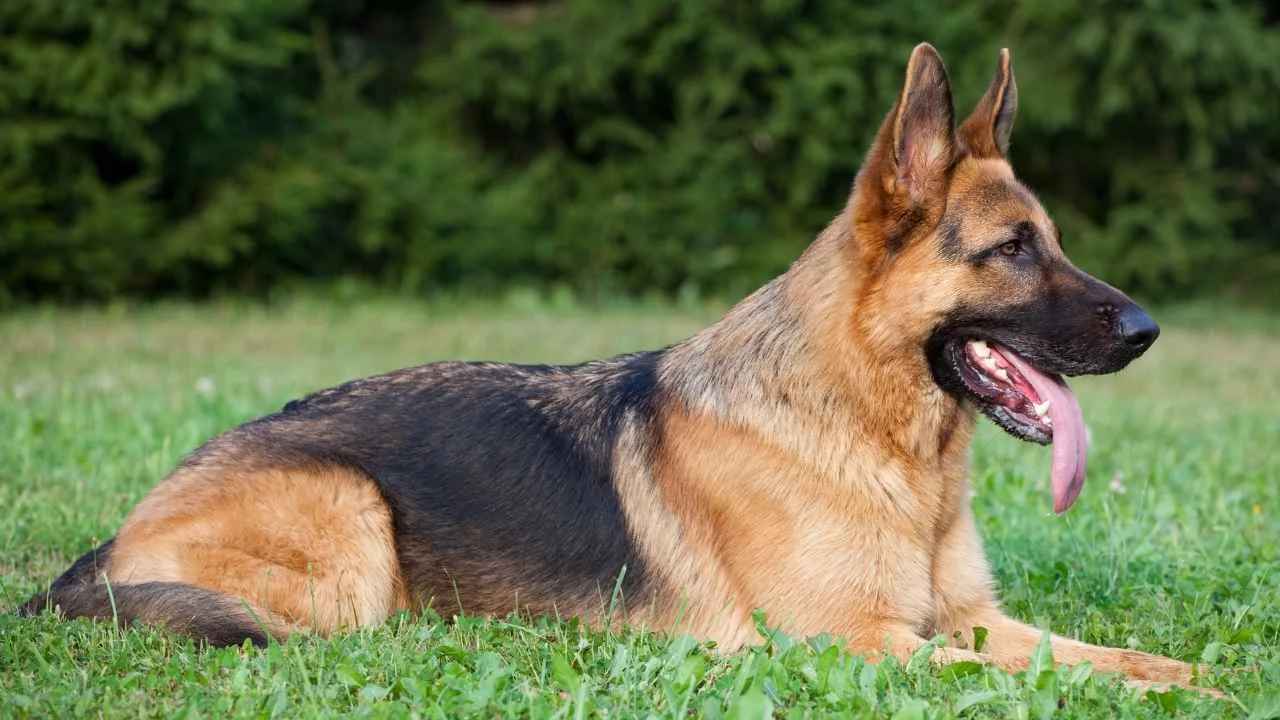
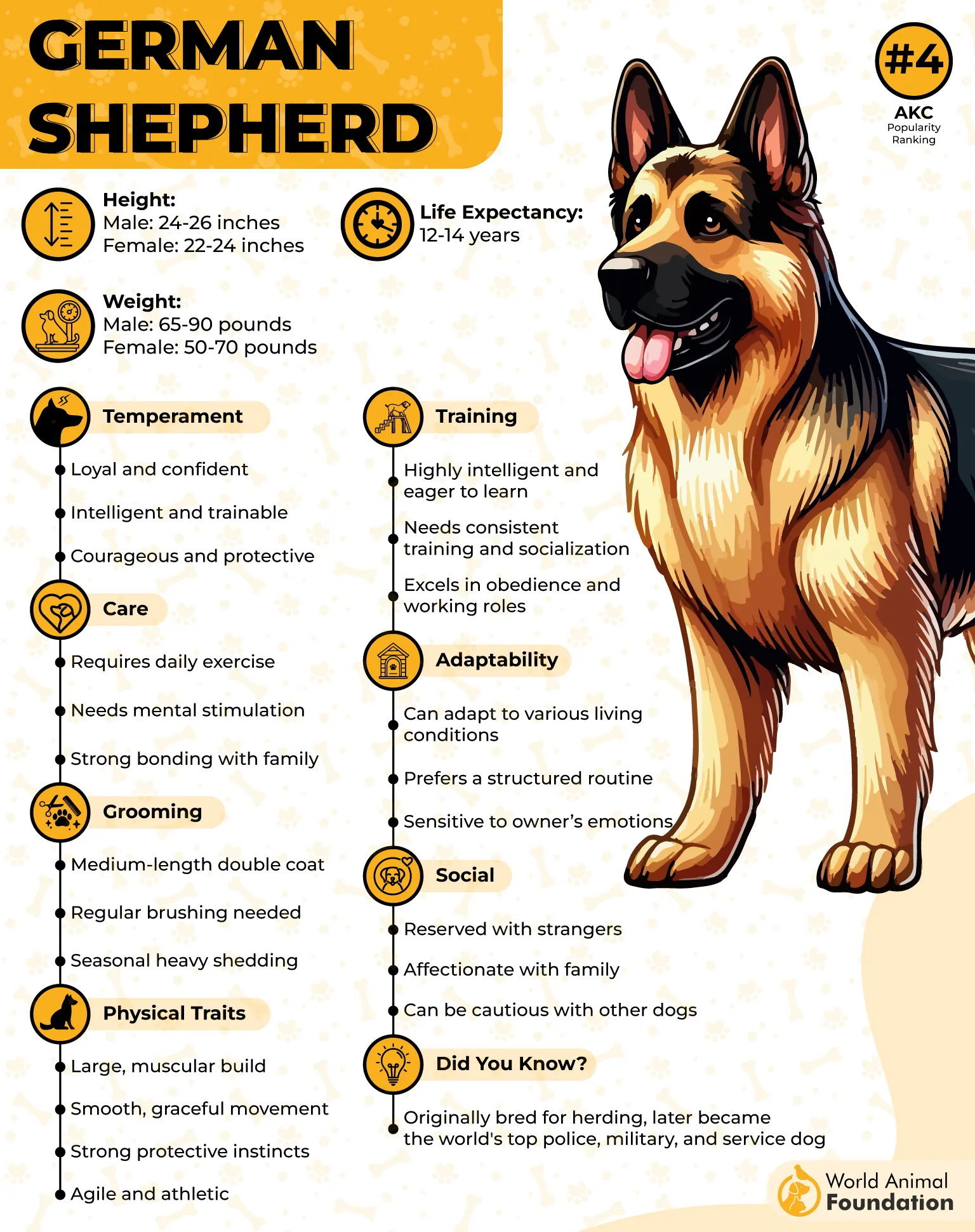
The German Shepherd approaches life with intensity and purpose, preferring tasks that challenge both mind and body. Its combination of intelligence, athleticism, and confidence explains why it is trusted for demanding responsibilities. Few breeds match its willingness to engage fully with a job.
Protective Instincts
A strong sense of responsibility makes this breed a natural choice for families seeking dependable vigilance. Confidence and trainability work together, allowing it to respond reliably in different situations.
Several qualities contribute to that dependability.
Highly intelligent thinker
Courageous under pressure
Responds well to training
Work and Focus
As an excellent guard dog breed, they are widely selected for patrol work, search and rescue, tracking, and detection tasks, as PetMD mentioned.
Their active nature benefits from structured outlets such as herding, agility, hiking, and nose work. Consistent engagement helps channel energy into productive activities.
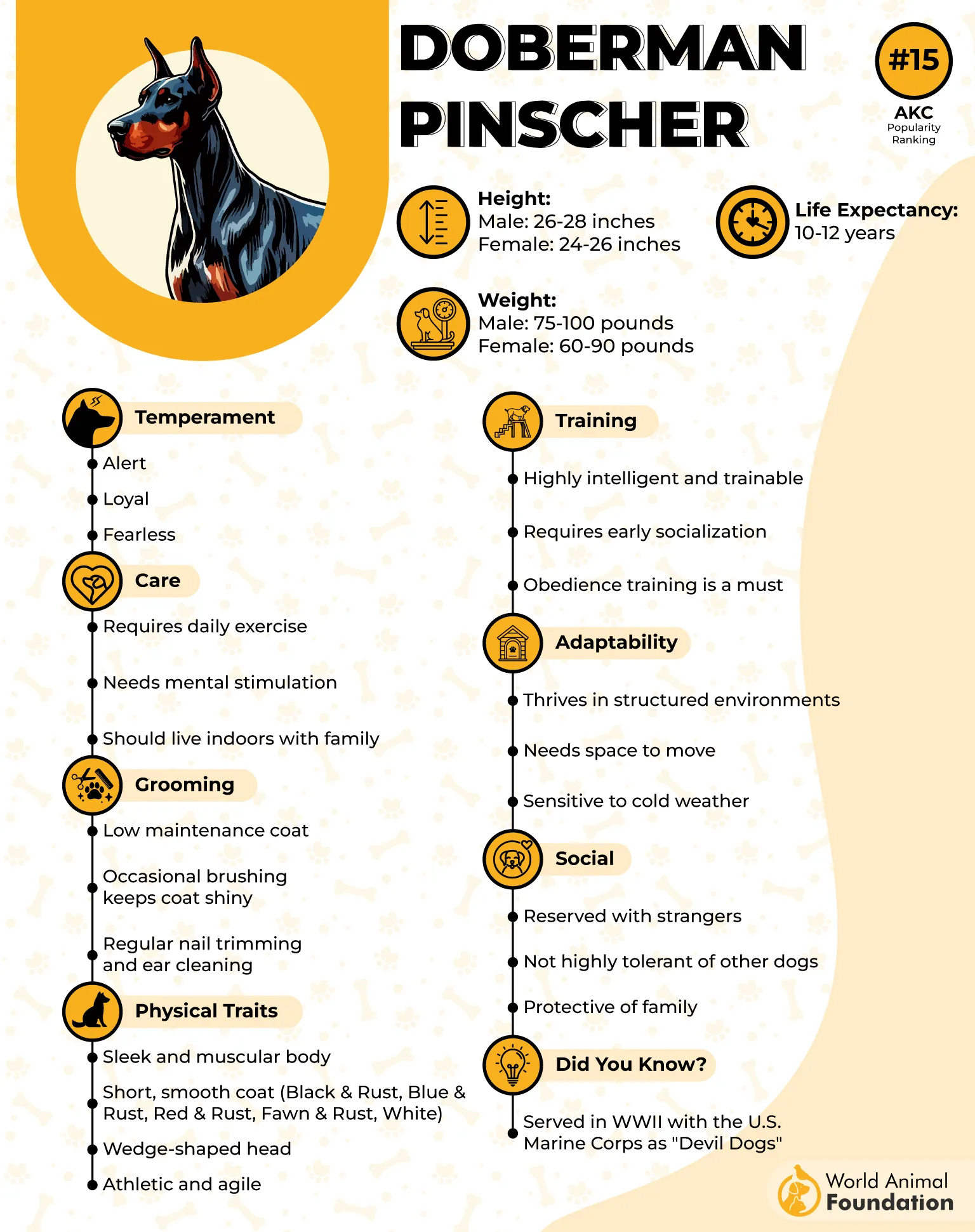
2. Doberman Pinscher
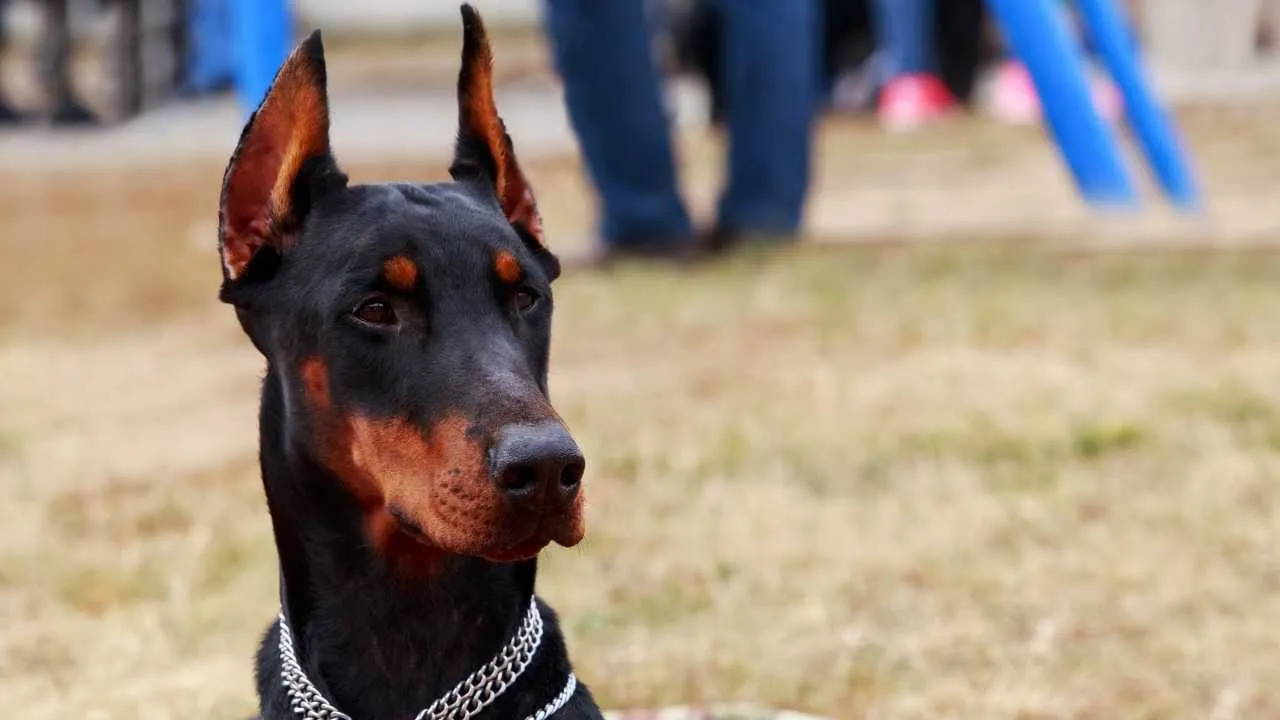
The Doberman Pinscher was originally bred in Germany through the efforts of tax collector Louis Dobermann, who sought a dependable working companion.
Intelligence, alertness, and loyalty quickly became defining qualities of the breed. Those qualities later opened doors to security work, police duties, and search-and-rescue roles, as Britannica writes.
Protective Nature
Strong family devotion often shapes how Dobermans respond to unfamiliar people, making early socialization especially important. Their watchful mindset pairs naturally with a desire to keep loved ones close.
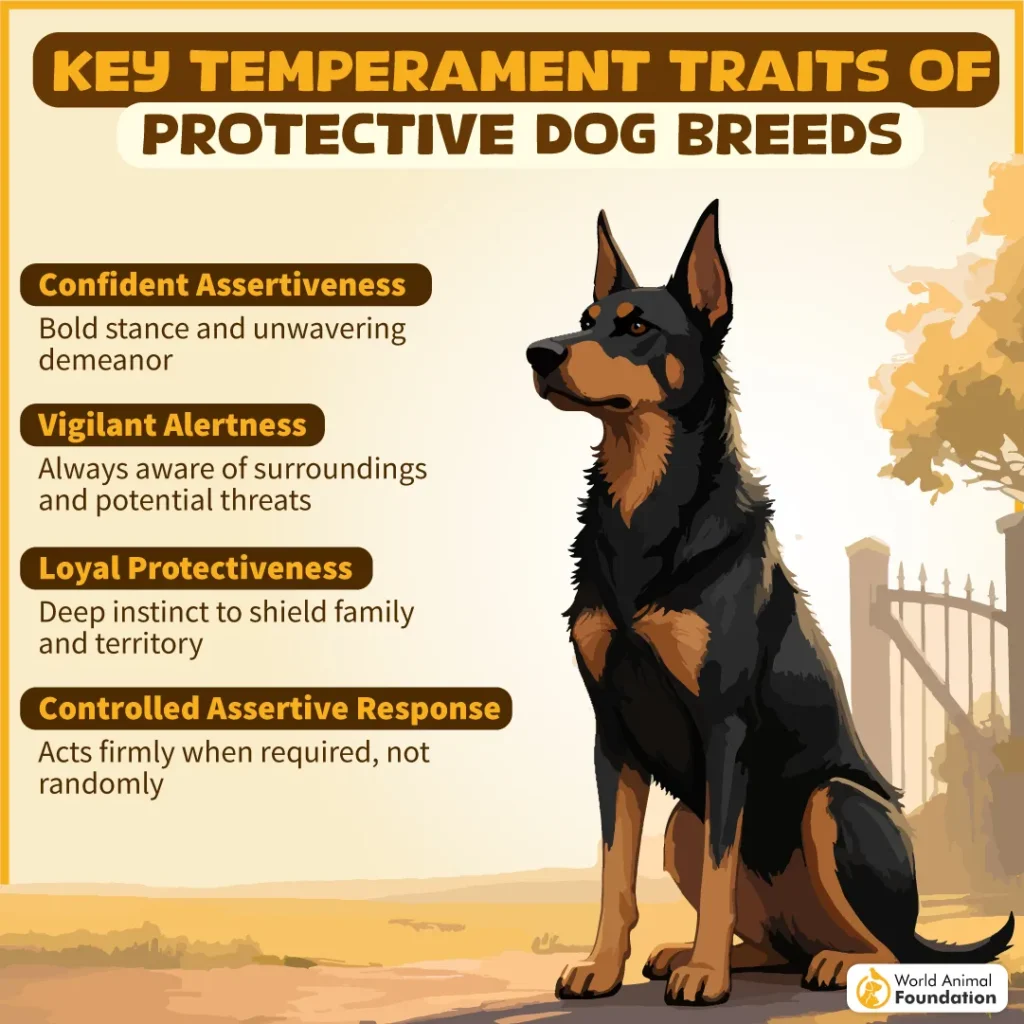
A few characteristics help explain that role.
Highly alert temperament
Deep family loyalty
Quick learning ability
Energy and Focus
This popular guard dog breed approaches daily life with curiosity and enthusiasm, requiring activities that challenge both mind and body. Without enough engagement, this intelligence can turn toward unwanted habits. Consistent structure helps channel that drive into productive behavior.
3. Rottweiler
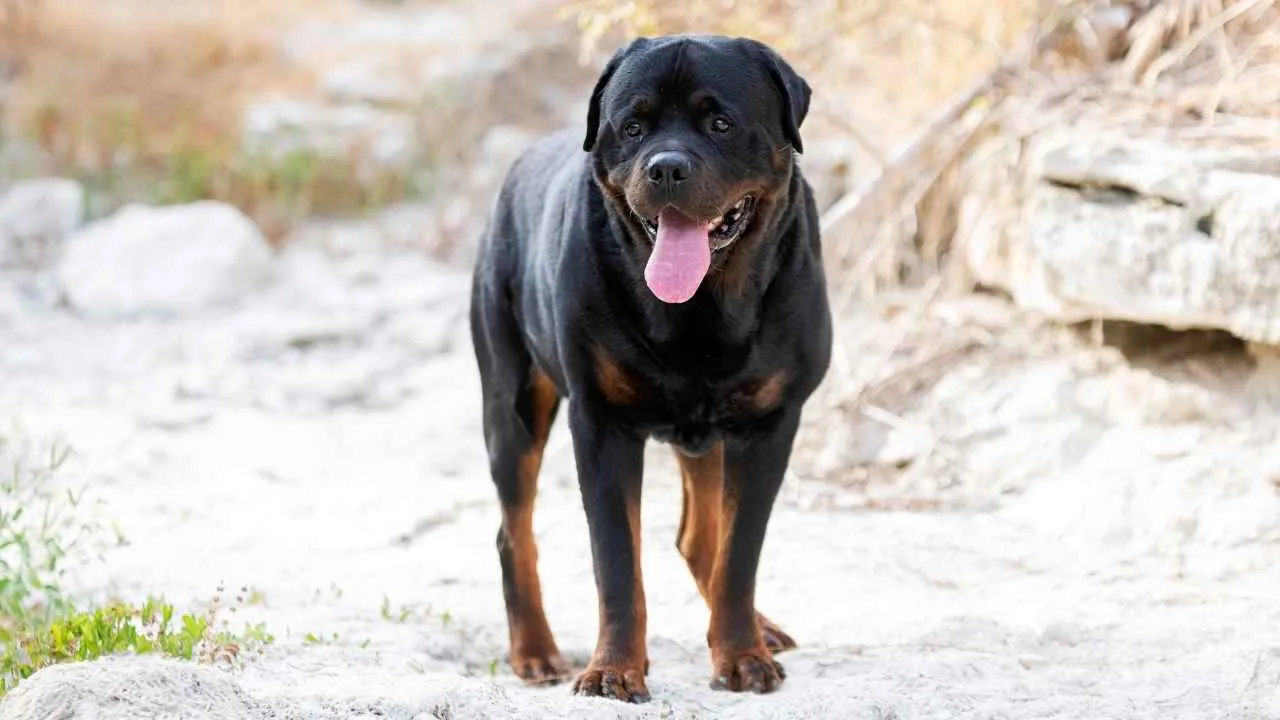
The Rottweiler combines immense strength with a composed attitude that rarely wastes energy on unnecessary reactions.
Descended from the mastiff-type dogs of Roman legions, it approaches unfamiliar situations with calm self-assurance. That steady mindset plays a major role in why the breed is trusted around the home.
Protective Nature
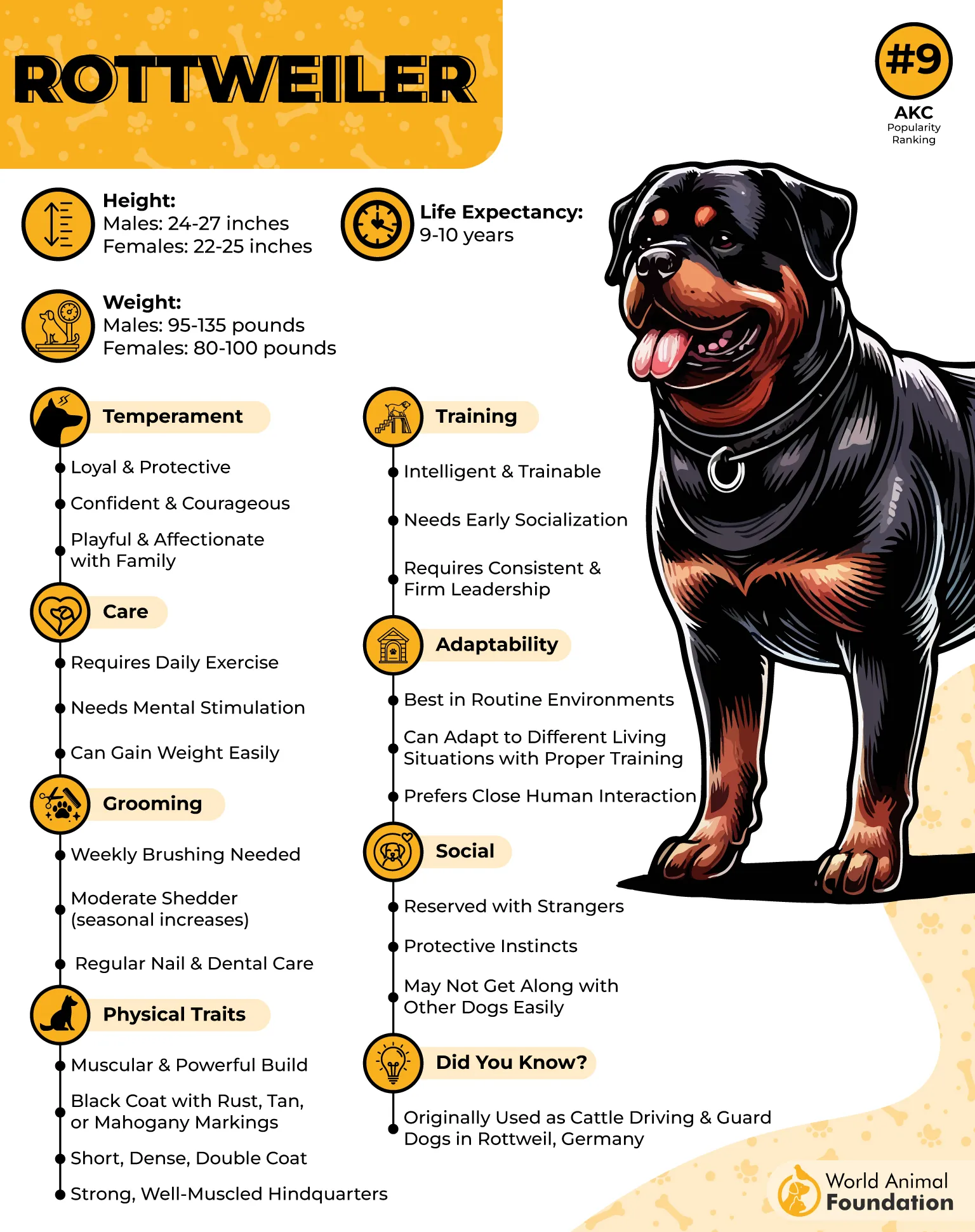
Within the family circle, this protection dog is deeply devoted and naturally attentive to the people it values most. Its watchful approach comes from confidence rather than constant suspicion.
These qualities contribute to that reliability.
Calm under pressure
Naturally territorial
Strong family attachment
Life at Home
People who know the breed well often see a playful and affectionate side hidden beneath its serious appearance, as the AKC noted. Some Rottweilers happily seek close physical contact and behave more like oversized companions than imposing working dogs. Family remains at the center of its life.
4. Bullmastiff
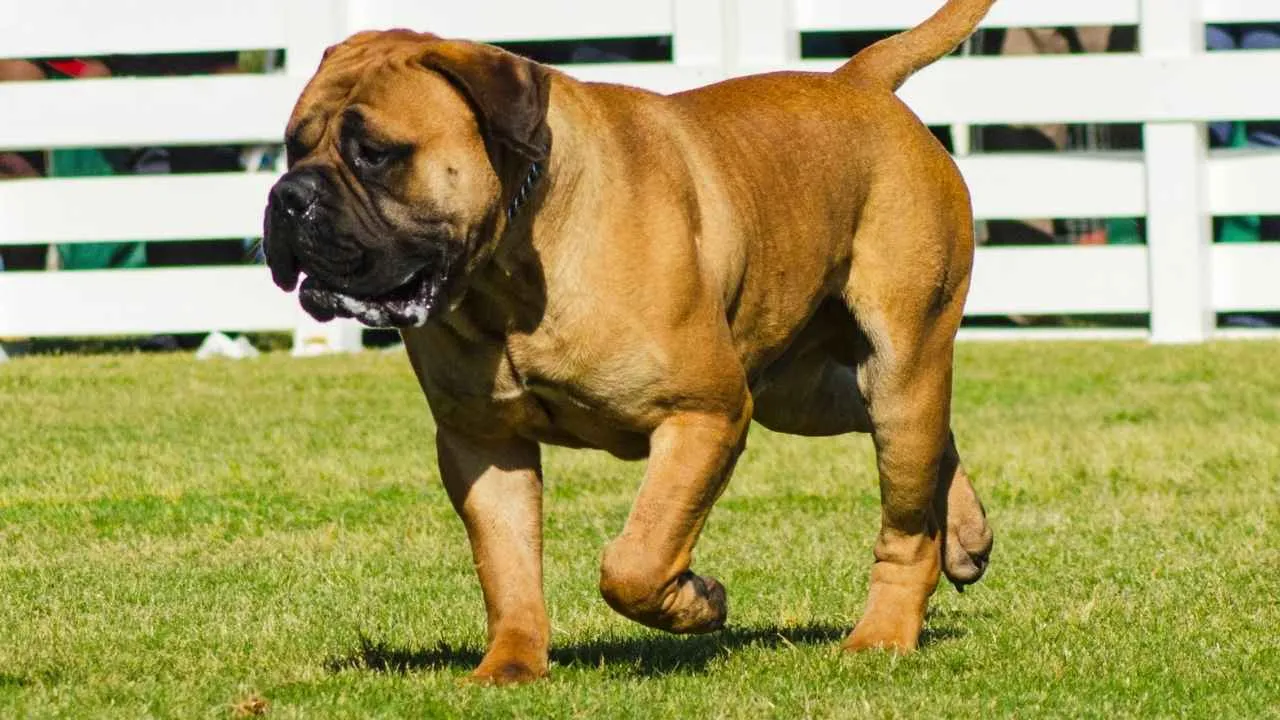
The Bullmastiff reacts with calm control rather than noise, relying on steady presence in moments that demand awareness.
Its powerful build comes from Bulldog and Mastiff lineage, shaped for handling intense encounters with confidence. Despite its size, the temperament inside the home leans toward quiet steadiness.
Controlled Power in Action
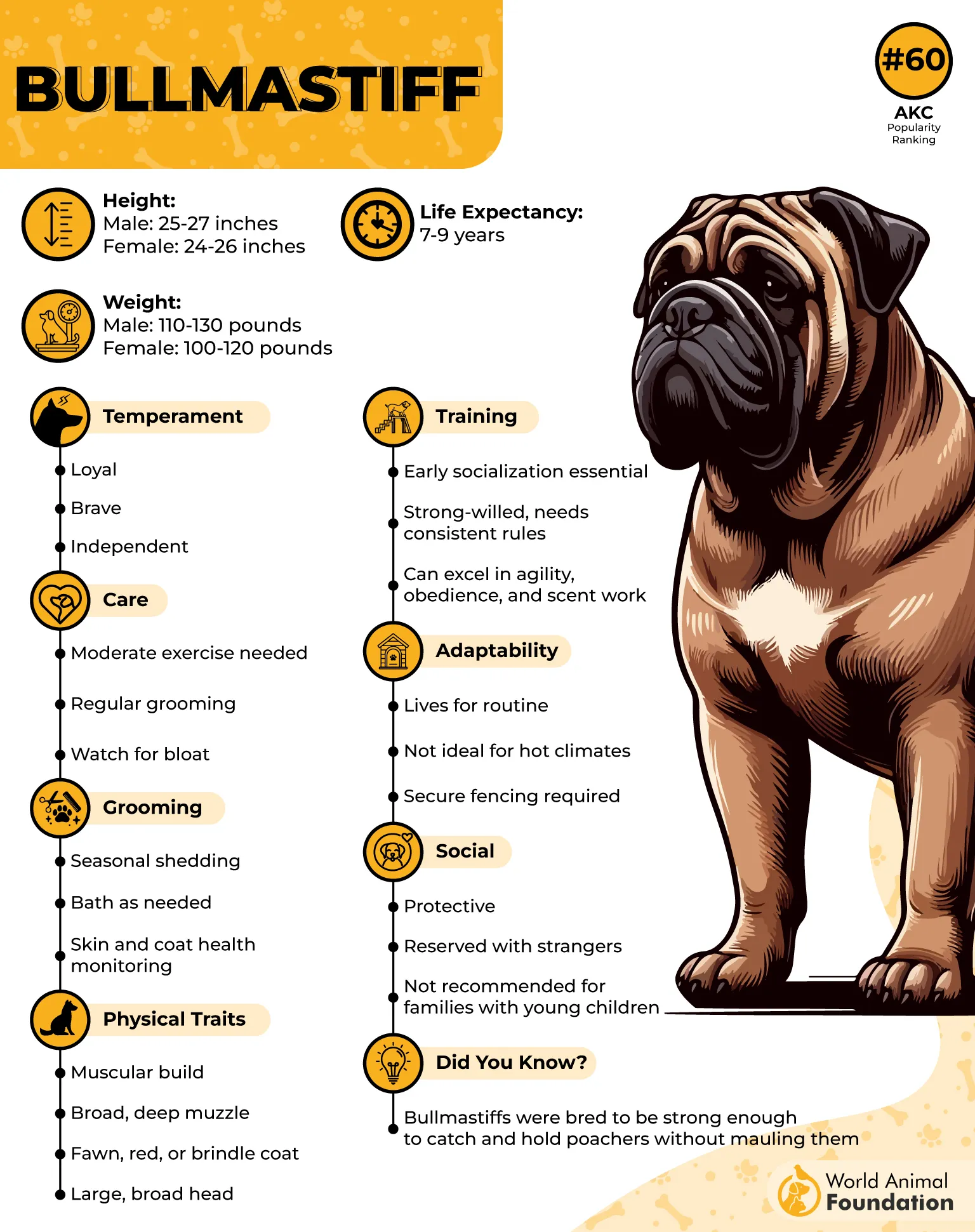
A closer look at its working nature reveals a dog designed for reliable guarding without unnecessary aggression. Training and early guidance play a major role in shaping balanced behavior as it matures.
Their working mindset is shown in these habits:
Calm response under pressure
Strong natural guarding focus
Learns best with early structure
Composed Physical Presence
The broad head, deep muzzle, and alert dark eyes give it a firm, watchful expression that signals awareness without agitation. Even with its imposing frame, it often reads situations before reacting. Familiar environments bring out a more relaxed and steady side.
5. Boxer
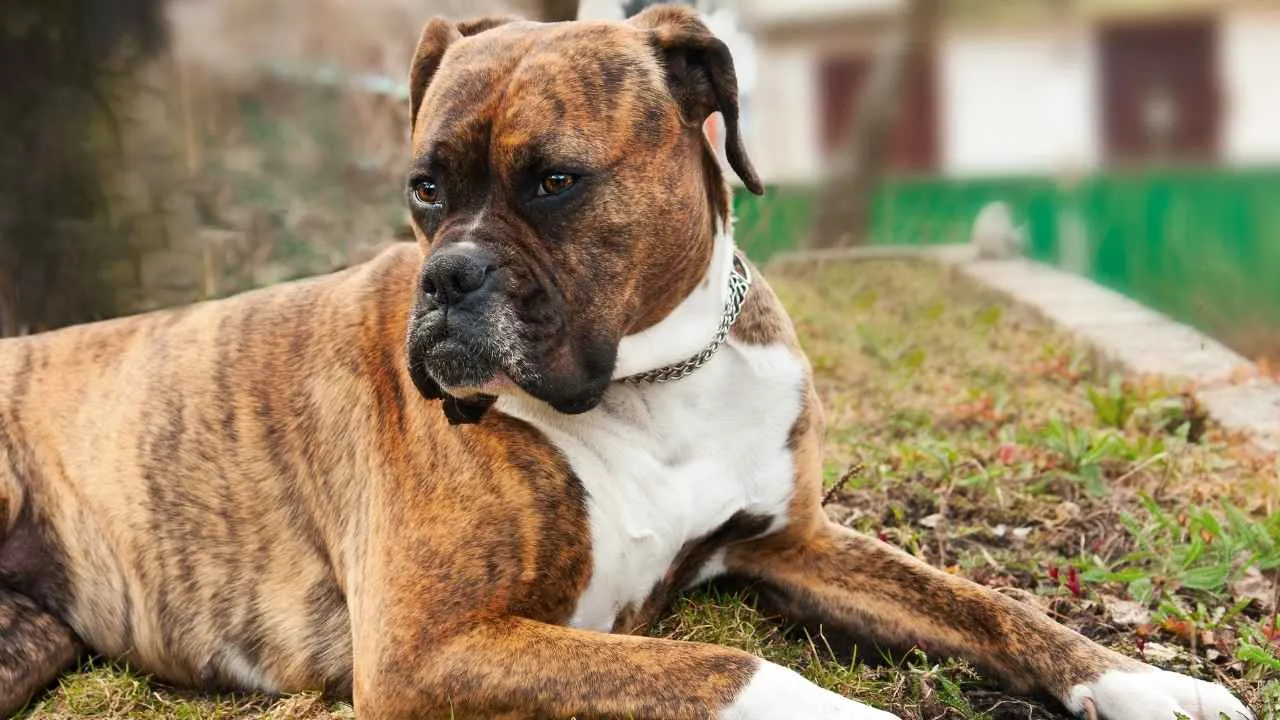
The Boxer is known for a high-energy build paired with sharp alertness that keeps it constantly engaged with its surroundings. Beneath the short coat, strong muscles support quick, smooth movement similar to an athlete in motion. Courage and loyalty shape its everyday behavior around people it trusts.
Active Protection Role
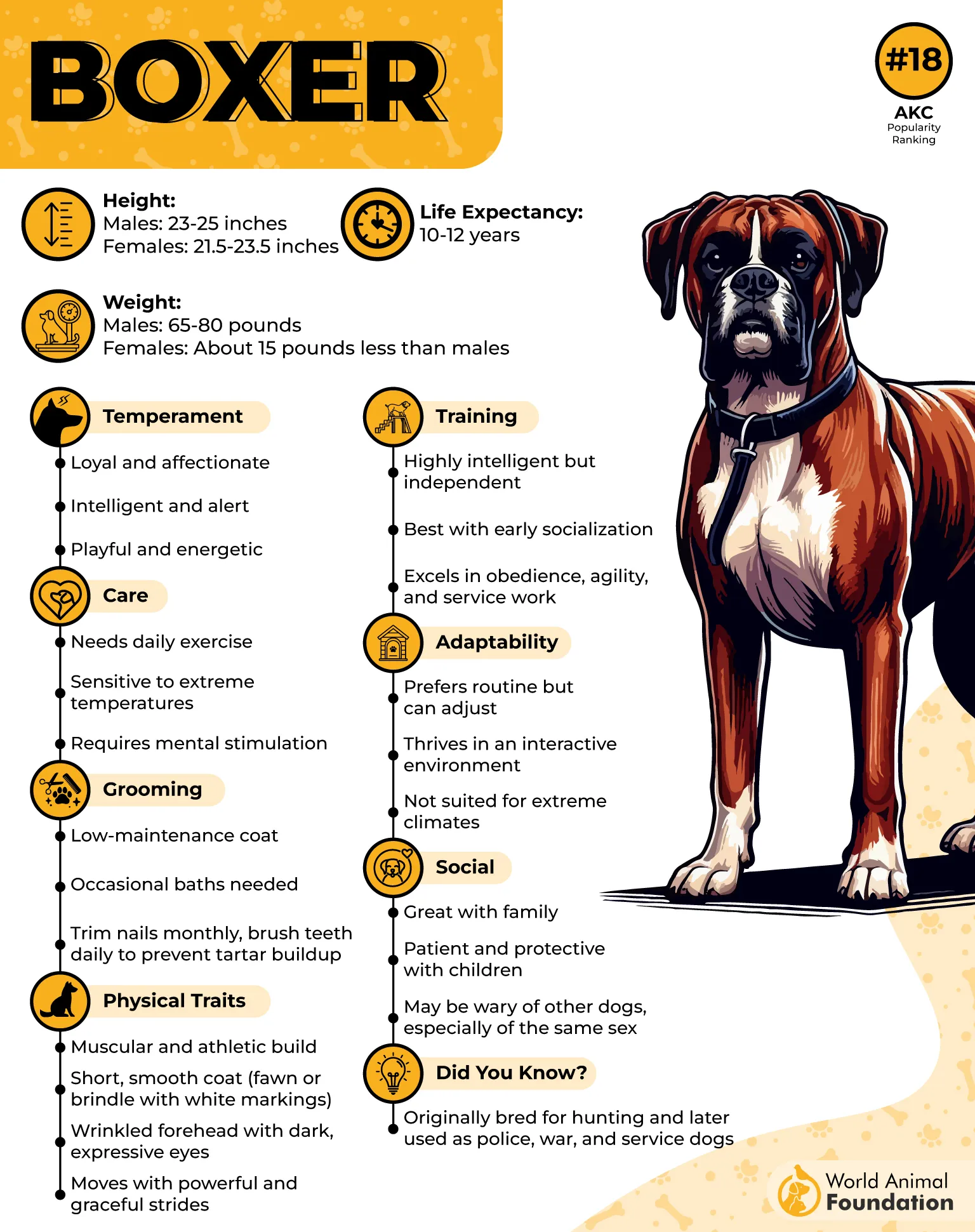
The Boxer channels its energy into protective instincts and close family involvement, often staying attentive to activity at home. Early social exposure helps refine its balanced response toward people and animals.
Their working mindset is reflected through these traits:
Strong protective awareness
High energy drive
Responsive to early training
Playful Household Presence
A lively temperament brings constant movement and interaction, especially in environments with children. The breed’s patience blends with a naturally playful approach, making daily life dynamic yet structured. Its natural guarding instinct remains active even during lighthearted moments.
6. Great Dane
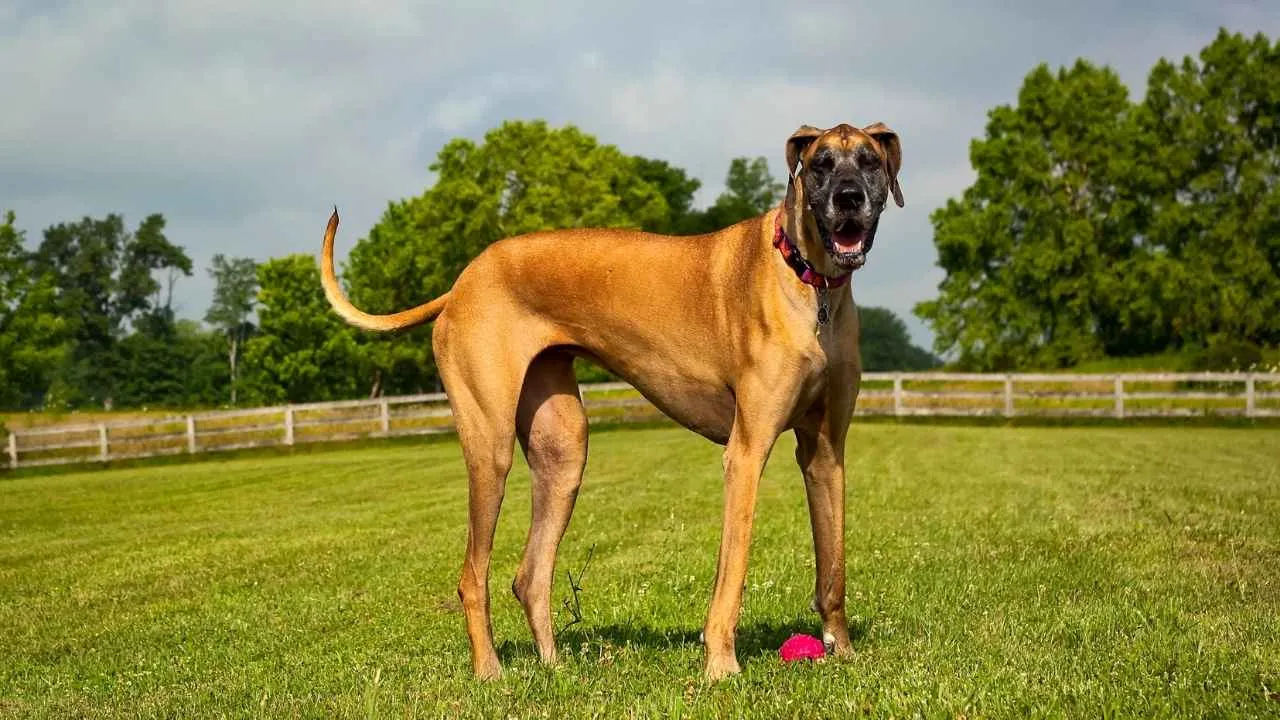
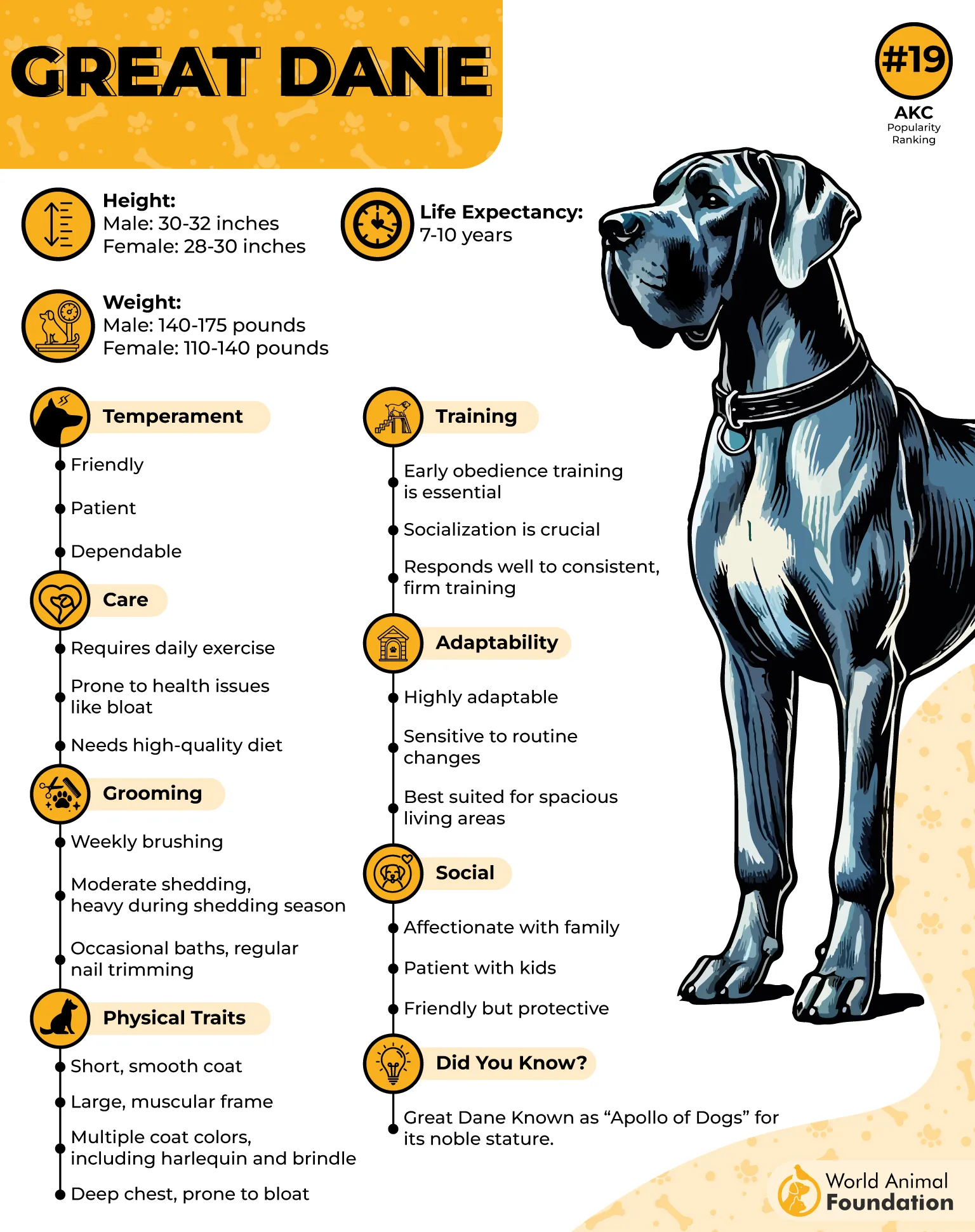
The Great Dane is known for its towering frame paired with a calm, composed nature that contrasts its sheer size. Often called the “Apollo of dogs,” it was once valued in Germany for guarding estates and hunting wild boar in the 1800s. Despite its imposing build, it leans toward quiet companionship.
Strength with Controlled Energy
This large dog combines physical power with a steady temperament that fits structured living when given enough space. Regular long walks help channel its moderate activity level into balanced behavior.
This is how they function in daily routines:
Needs consistent outdoor walks
Comfortable with moderate play
Benefits from early social exposure
Calm Household Interaction
Its naturally gentle approach makes it suitable for family environments when introduced early and guided well. Around children, it can be patient and steady, though supervision remains important due to its size. Proper training and exposure from puppy stages shape its social confidence.
7. Rhodesian Ridgeback
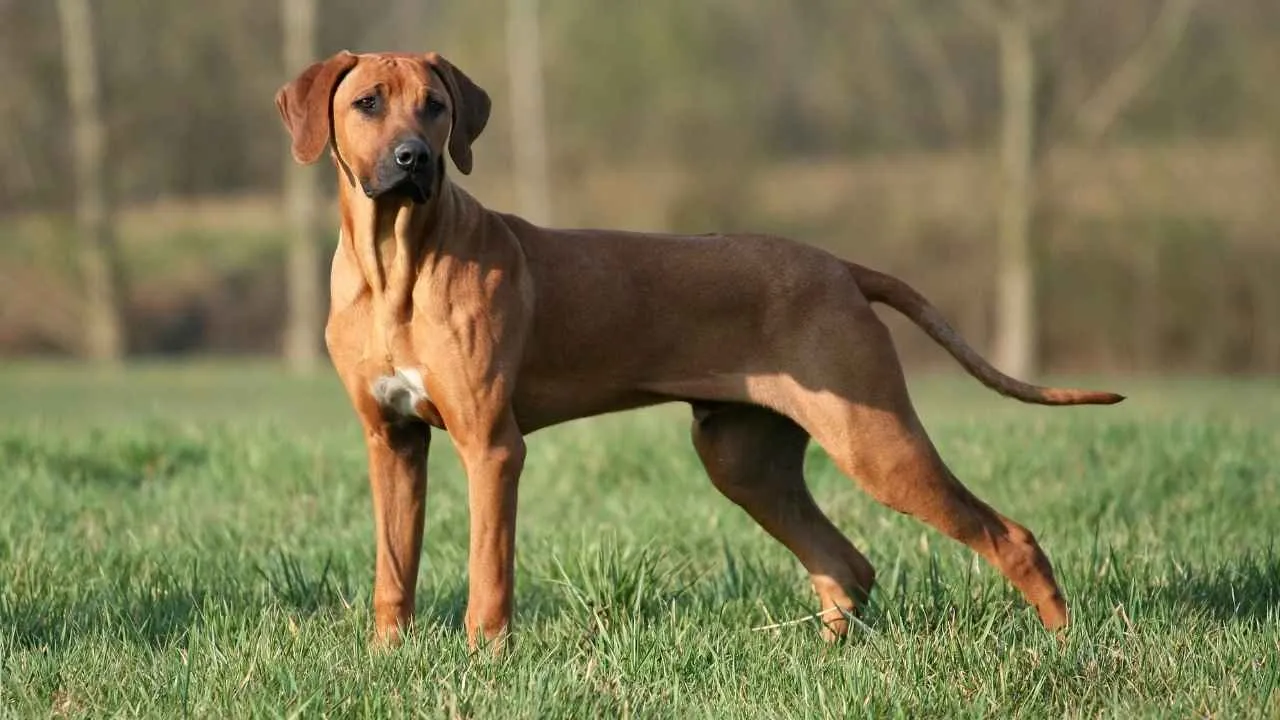
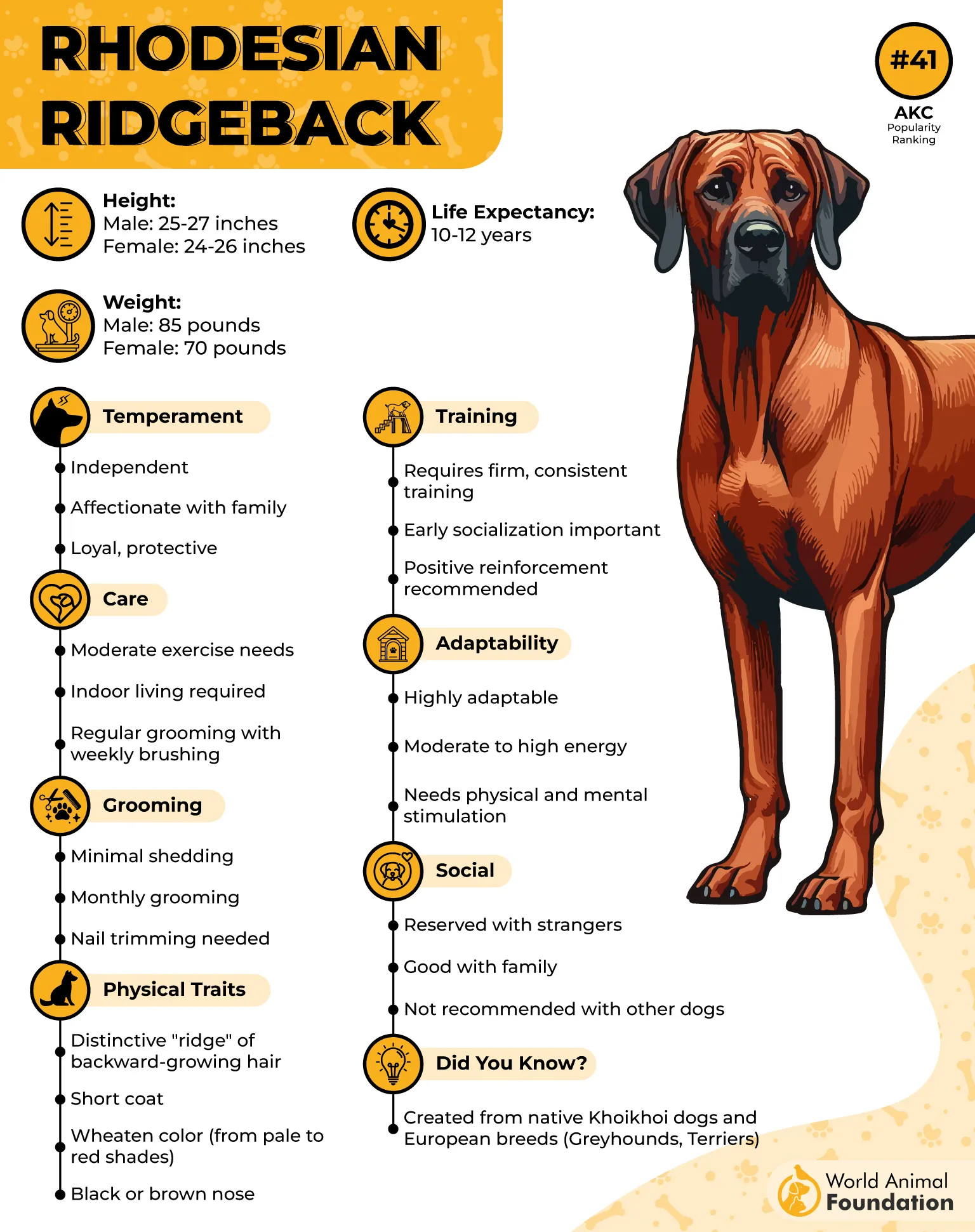
The Rhodesian Ridgeback draws immediate attention through the ridge of backward-growing hair running along its back, a defining physical feature among hounds.
Power and athletic build support the confident movement and alert expression of this effective guard dog. Strong independence shapes much of its working nature and daily behavior.
Strength with Control
The Rhodesian Ridgeback works best under clear guidance, especially due to its independent thinking and strong prey focus. Its loyalty becomes most visible when trust is built through consistent handling.
This is best seen in its instinctive responses:
Strong independent decision-making
High prey awareness
Protective toward familiar people
Balanced Working Energy
The Rhodesian Ridgeback carries a blend of endurance and restraint, making it suitable for regular outdoor activity without constant intensity.
Long walks and running sessions help channel its natural drive. Its temperament leans toward calm bonding once routines are established, and are generally not recommended for novice dog owners.
8. Anatolian Shepherd
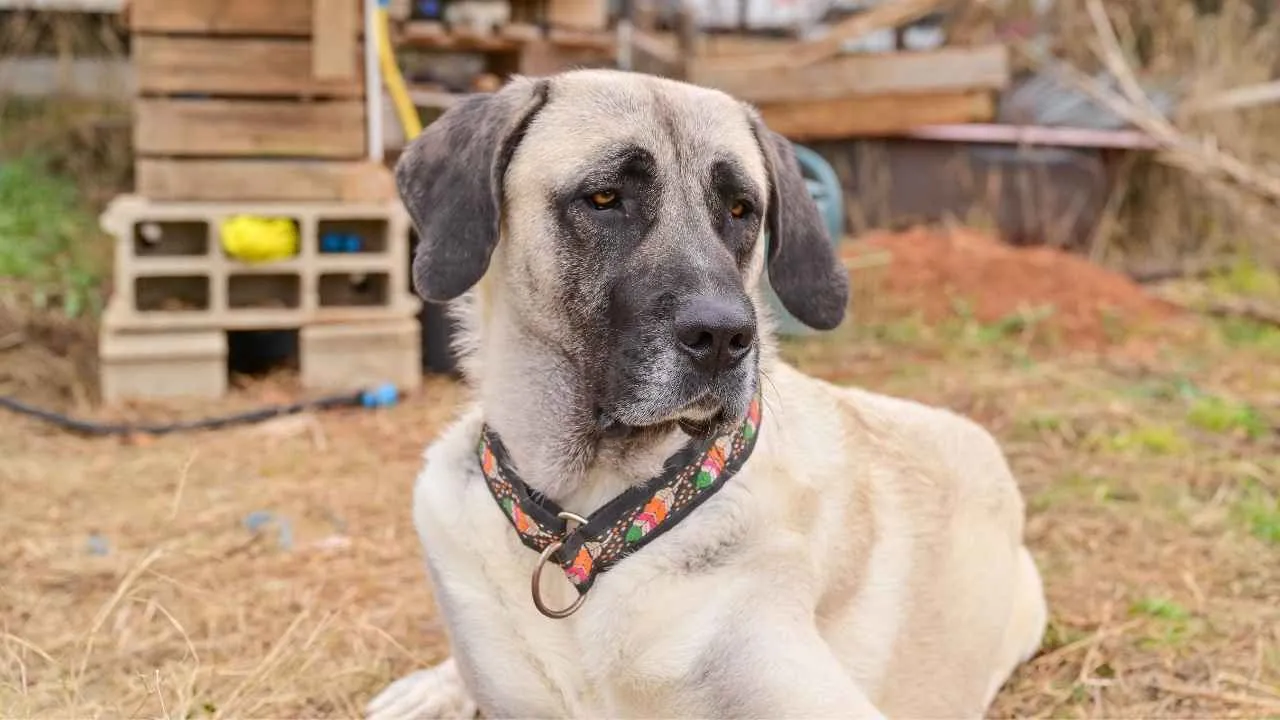
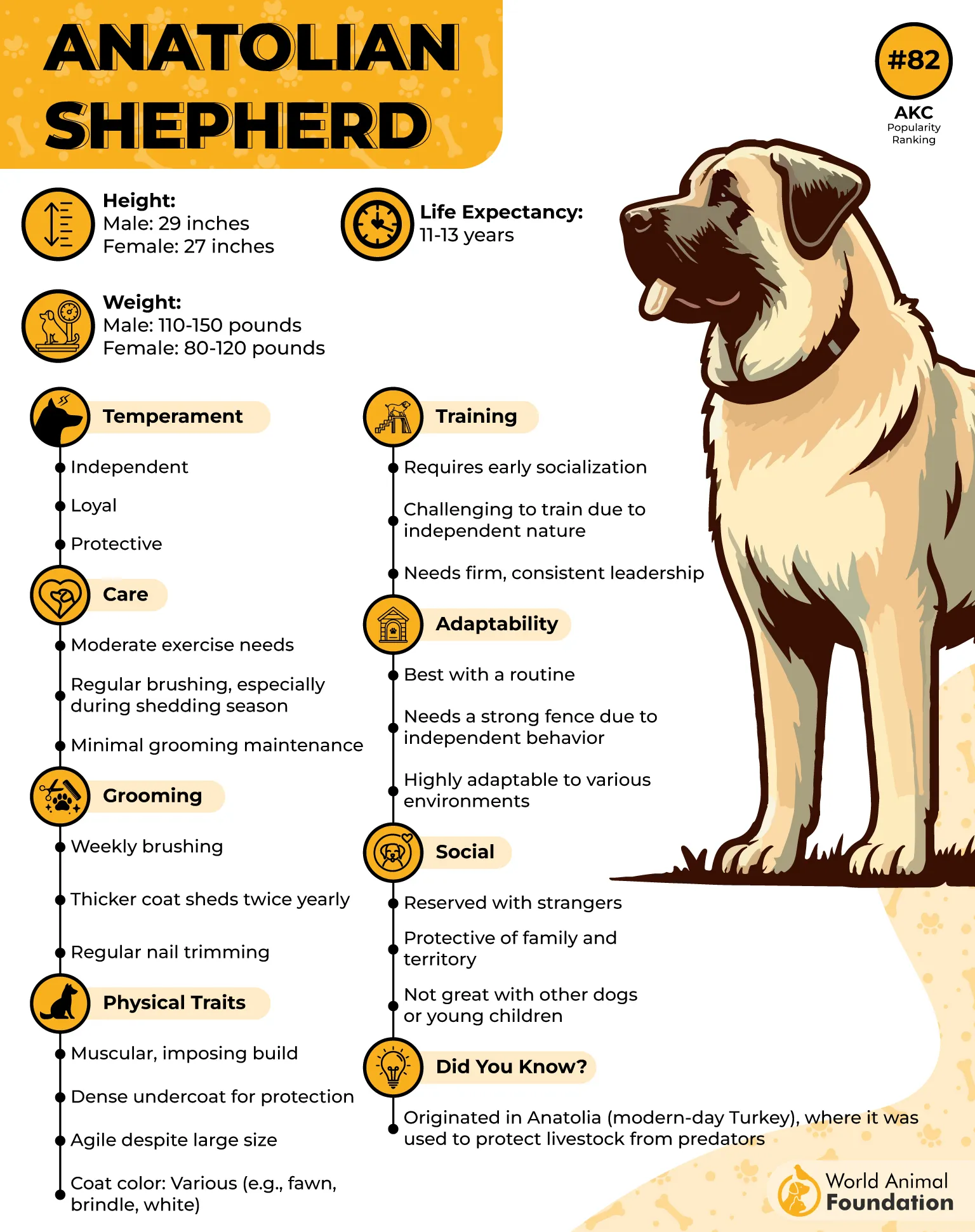
The Anatolian Shepherd carries a rugged, imposing presence shaped for guarding flocks across harsh terrain. Its muscular build pairs with calm intelligence, creating a steady working guardian. They are incredibly loyal, and their protectiveness defines their approach to anything it considers its responsibility.
Flock Protection Traits
This is one of the best guard dogs that operates with focused decision-making, often acting independently while guarding livestock, children, and other animals. Its alert nature allows it to respond quickly without unnecessary agitation.
A few core traits help explain its working style.
Strong territorial awareness
Calm, independent decision-making
Protective toward all loving family members
Steady Working Behavior
The Anatolian Shepherd tends to remain composed during long periods of watchfulness, relying more on observation than constant movement. Its patience allows it to function in environments where control and consistency matter. Familiar surroundings help reinforce its steady behavior patterns.
9. Cane Corso
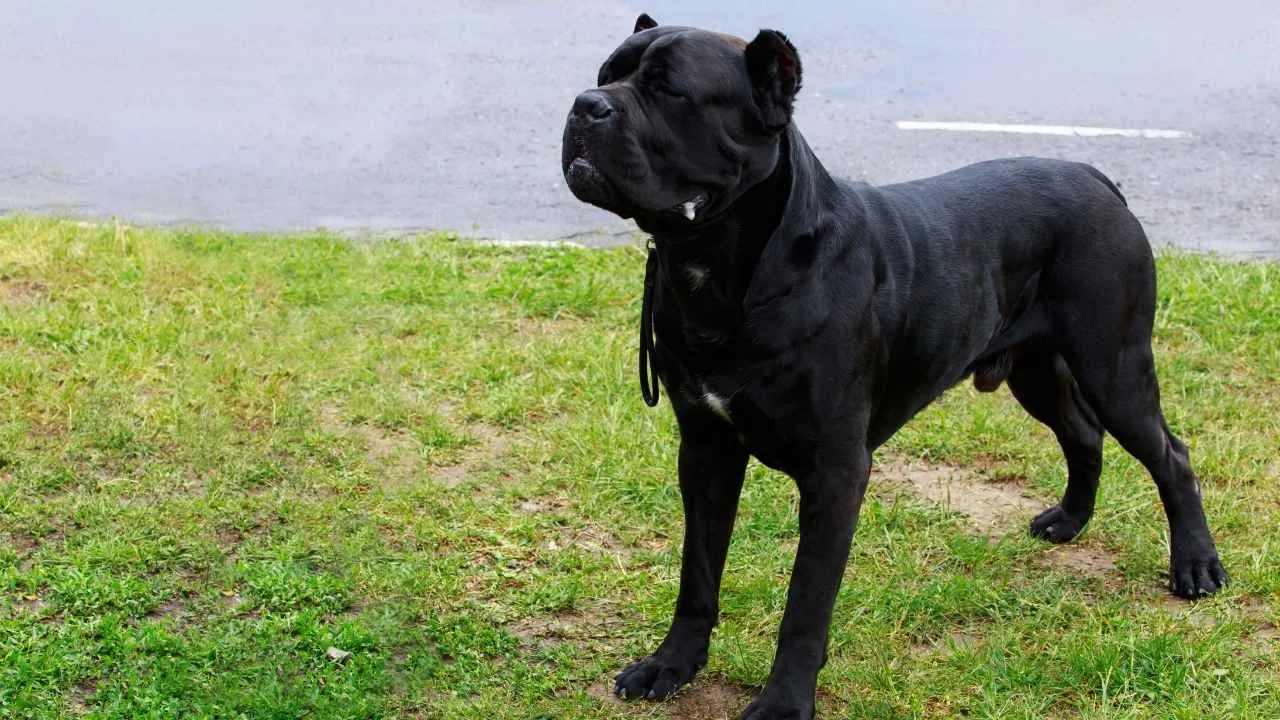
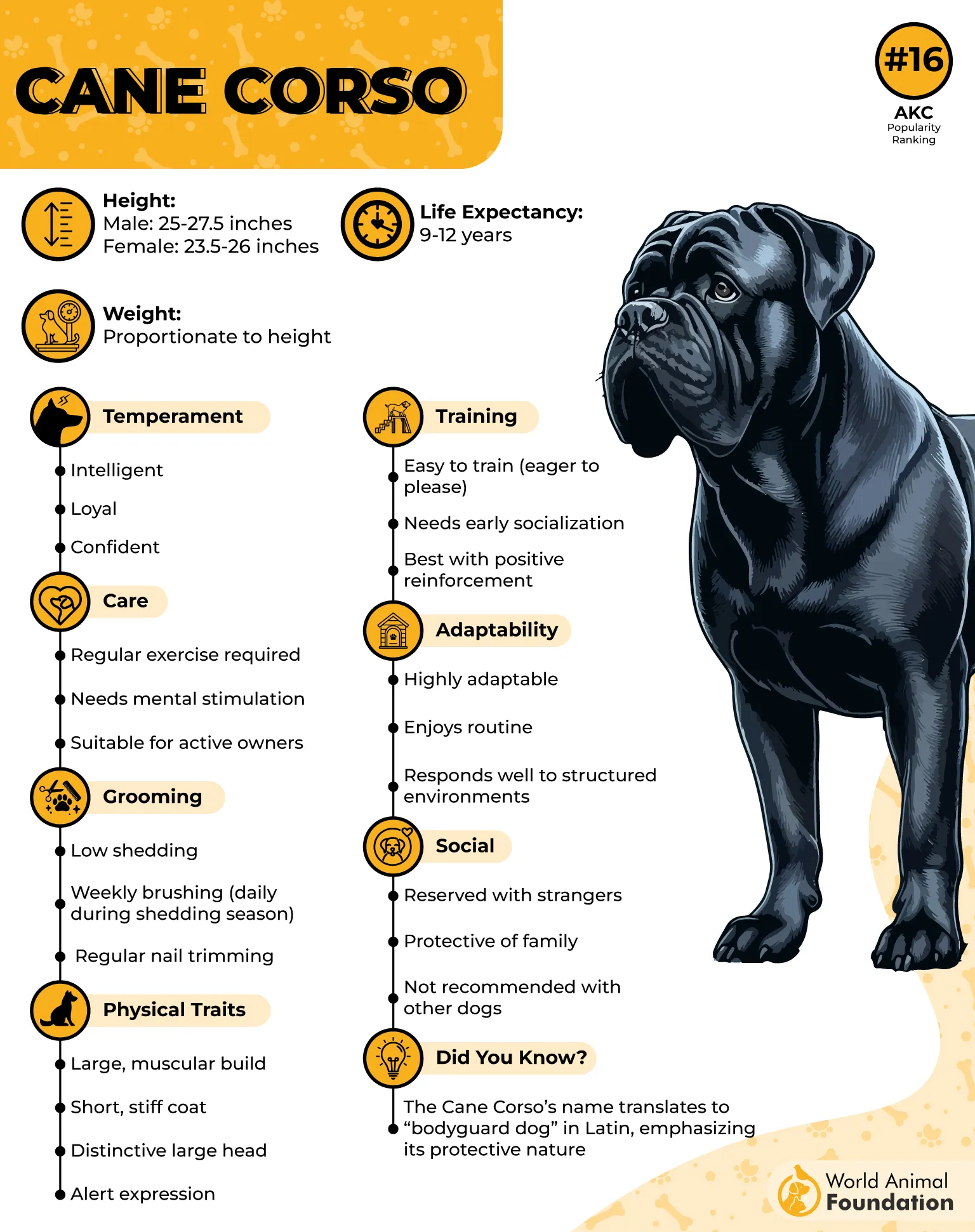
The Cane Corso draws attention through a calm, controlled presence that signals authority without effort. Its roots stretch back to ancient Roman working dogs, once valued for guarding and protection roles. The name itself reflects its long association with safeguarding duties.
Strong Control and Awareness
The Cane Corso responds well to structure and early guidance, shaping its confident and intelligent nature. Its protective mindset becomes more balanced when social exposure begins early in life.
These traits shape its temperament:
Highly observant under pressure
Strong loyalty toward the family unit
Responsive to structured training and socialization
Training and Stability Needs
The Cane Corso benefits from exercise and mental stimulation that channel its strength into structured routines and clear expectations.
Without early direction, its assertive nature can become difficult to manage in social settings. Balanced exposure supports smoother interaction with people and other pets.
10. Tibetan Mastiff
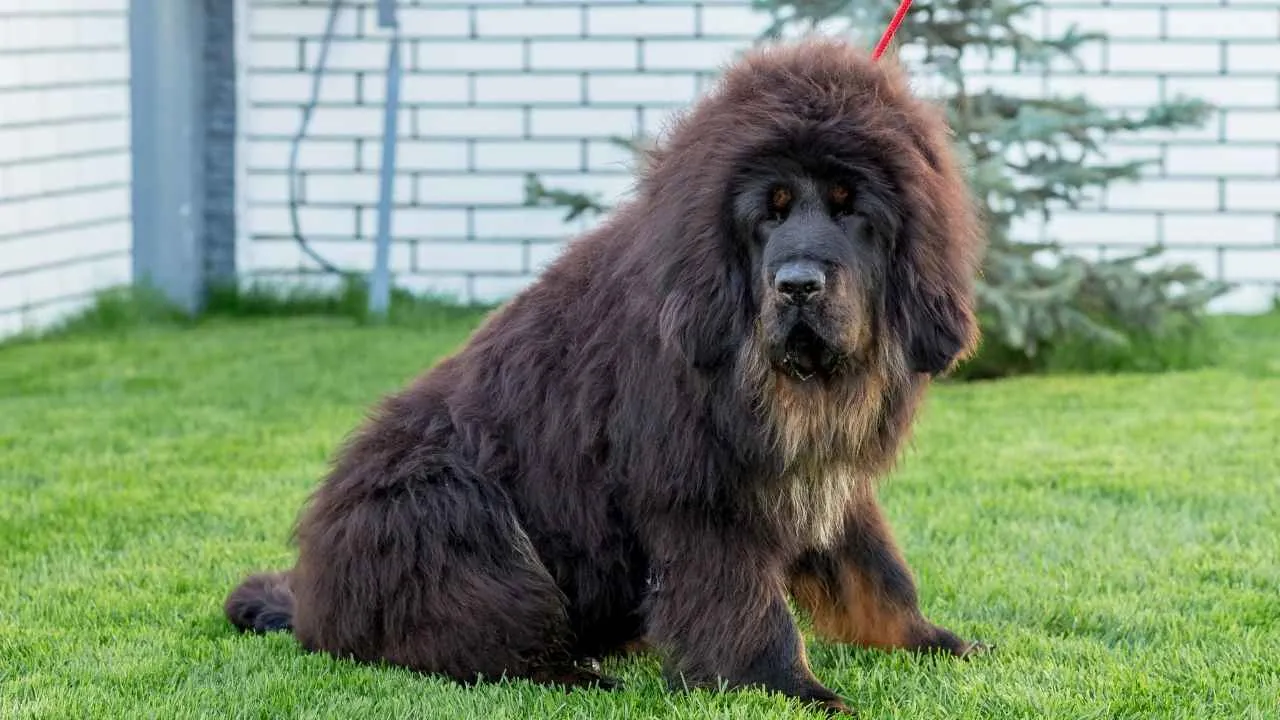
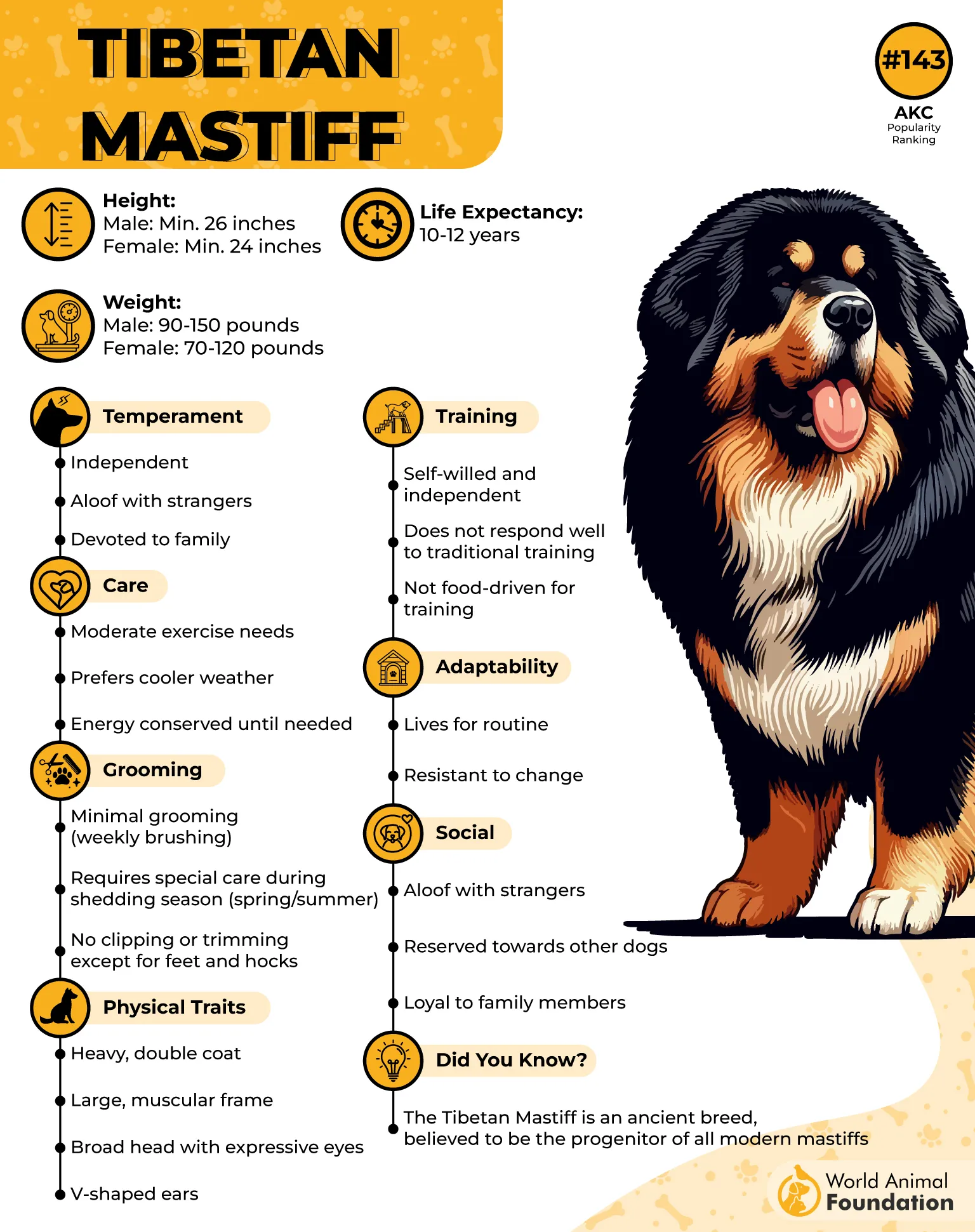
The Tibetan Mastiff carries a watchful, imposing nature shaped for guarding remote mountain regions. Thick, dense coat and massive frame create a powerful outline, yet movement remains surprisingly light when alert. Calm behavior around family contrasts sharply with its territorial stance toward unfamiliar presence.
Protective Instinct in Action
Its response to unfamiliar situations is guided more by instinct than repetition-based training, making it highly self-directed in judgment. Around trusted people, it remains steady and composed, but shifts instantly when it senses intrusion.
This balance defines how it handles protective responsibility:
Strong territorial awareness
Independent decision-making
Quick response to perceived threats
Behavior Around Home
Within familiar surroundings, the Tibetan Mastiff settles into a quiet, steady rhythm and avoids unnecessary activity. Its loyalty is focused on family members, often expressing devotion in a subtle but constant presence. Interaction with strangers is limited, shaped by natural caution.
Conclusion
What becomes clear throughout this list is that protection is about far more than size or strength. The most protective dog breeds combine awareness, confidence, loyalty, and a naturally protective desire to stay connected to the people they care about. Some rely on sharp intelligence, while others lean on calm judgment and steady observation.
What they share is an instinct to remain attentive when it matters most. That balance of devotion and vigilance explains why these dogs continue earning trust across generations. With consistent training, the right companion can become a great family guard dog that fits comfortably into family life while still providing reassurance when needed.
