




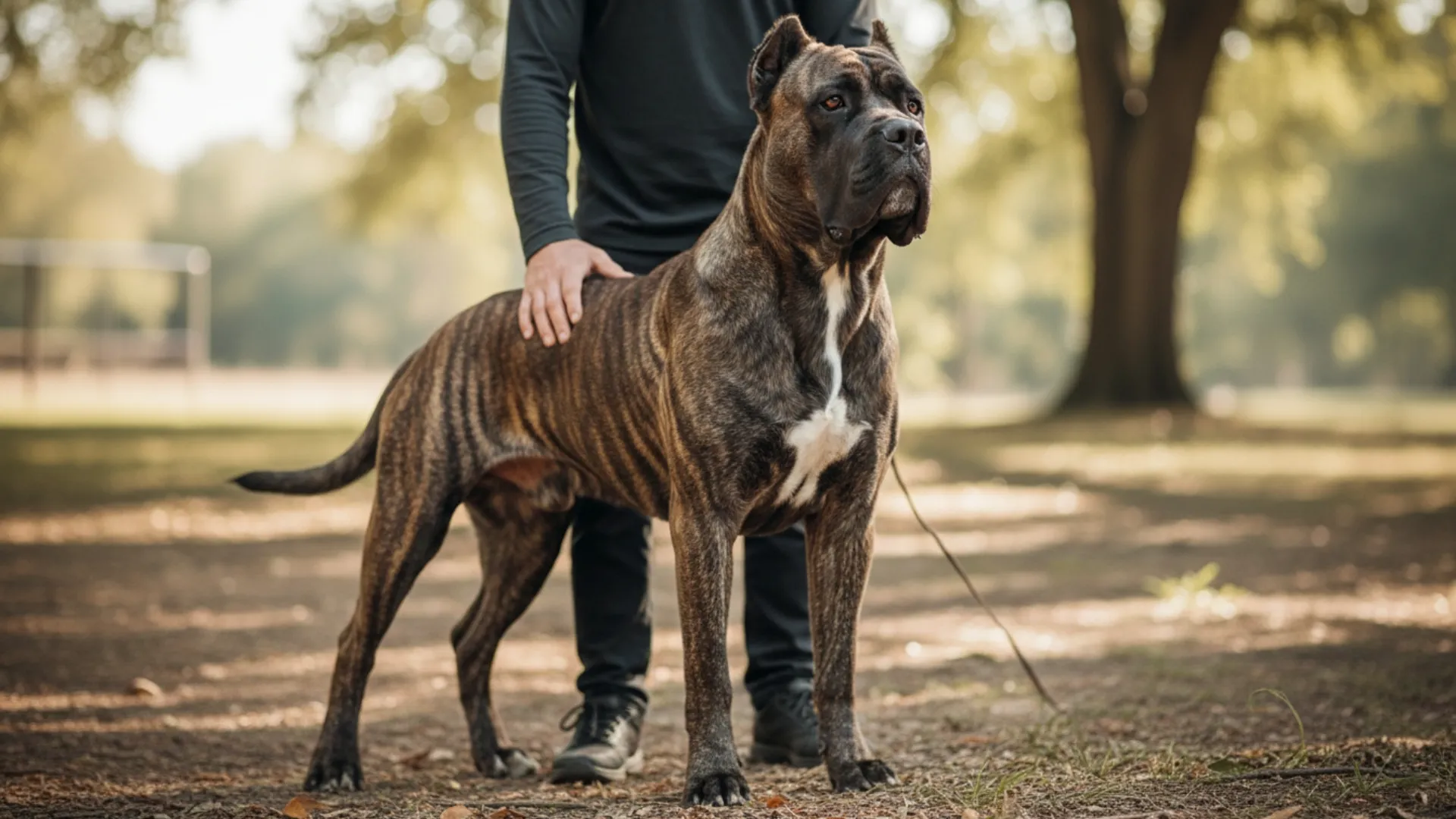
Protective dog breeds have long been valued for their loyalty, awareness, and ability to respond when it matters most. But what truly makes a dog naturally protective goes beyond size or strength—it’s a combination of instinct, intelligence, and a deep bond with their family. Breeds are often recognized for these qualities, yet their effectiveness lies in how well their natural traits are guided.
It’s important to understand the difference between guarding instincts and aggression. A reliable protection dog is not reckless or hostile but calm, observant, and capable of making measured decisions.
Key traits such as trainability, confidence, alertness, and emotional balance define dogs that can protect without becoming unpredictable or difficult to manage.
Training and socialization are what transform these instincts into dependable behavior. With consistent guidance, exposure to different environments, and basic obedience training, protective breeds become both trustworthy guardians and affectionate companions, offering security without compromising their role as loving family members.
Protective Dog Breeds: Instincts and Training Tips
1. German Shepherd
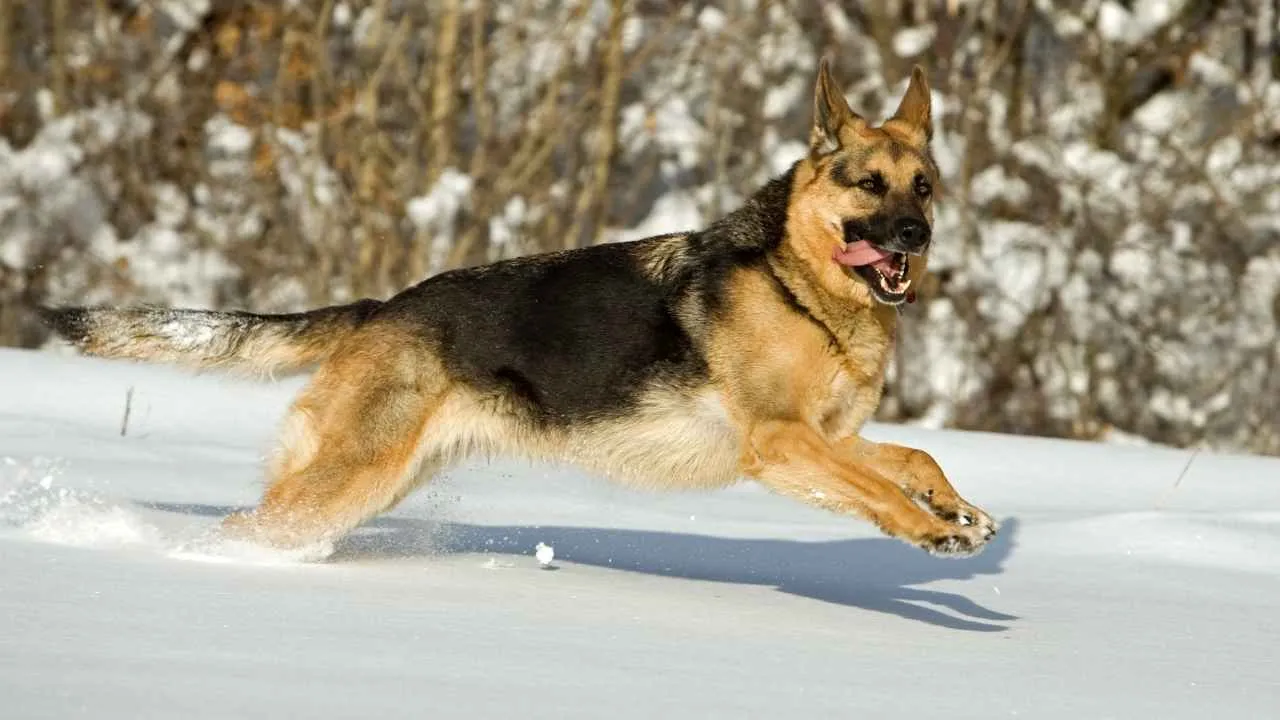
The German Shepherd, also known as the Alsatian or German Shepherd Dog, is a powerful working breed admired for its intelligence, loyalty, and versatility.
With its muscular build, alert expression, and confident demeanor, this breed has earned a reputation as one of the most dependable protection dogs worldwide. According to Hill’s Pet, the dog is well-proportioned with a broad head that tapers to a sharp muzzle, and has relatively large, upright ears.
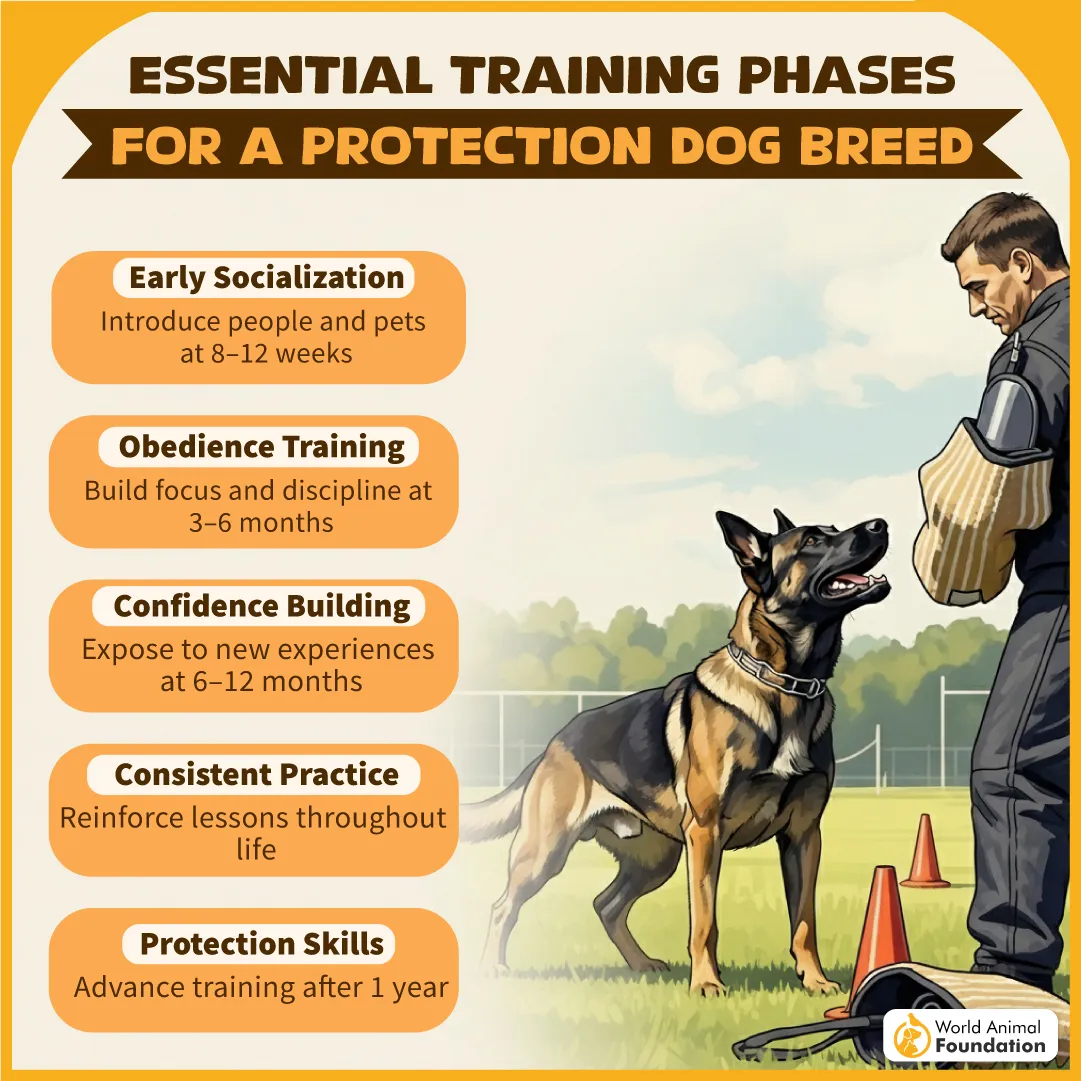
The Confident Guardian with Strong Natural Instincts
German Shepherds possess deeply rooted protective instincts, originally developed for guarding livestock. Their natural alertness and ability to assess situations make them reliable guardians who remain calm yet ready to act when necessary.
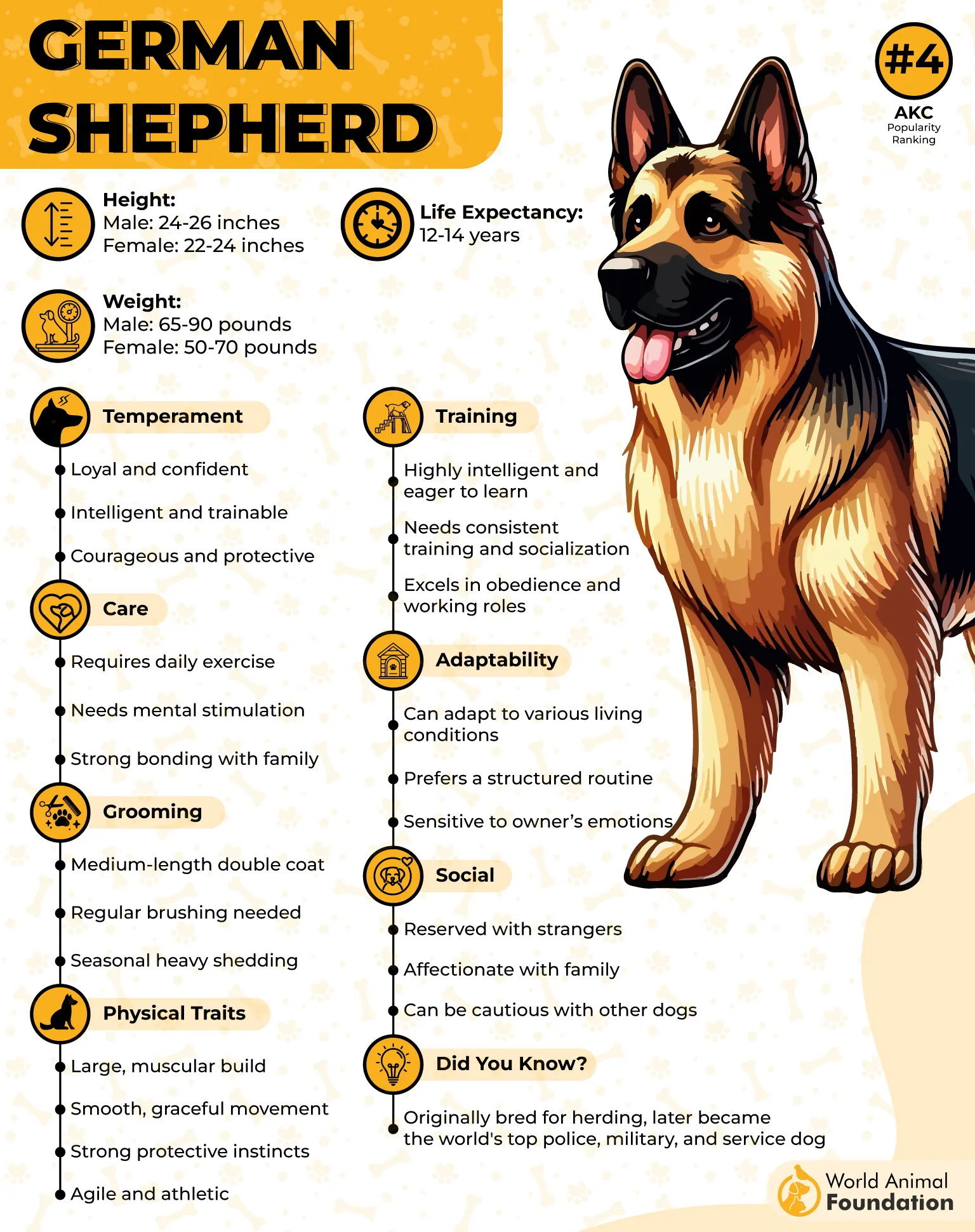
What sets this breed apart is its balance between protection and control. Rather than acting aggressively, a well-bred German Shepherd is observant and selective, showing caution with strangers while remaining devoted and gentle with its family.
Training and socialization play a crucial role in shaping their behavior. With consistent leadership, mental stimulation, and structured routines, they channel their intelligence into disciplined protection work rather than fear-based reactions.
Fact: German Shepherds are widely used in police and military roles due to their intelligence, trainability, and strong protective instincts.
2. Cane Corso
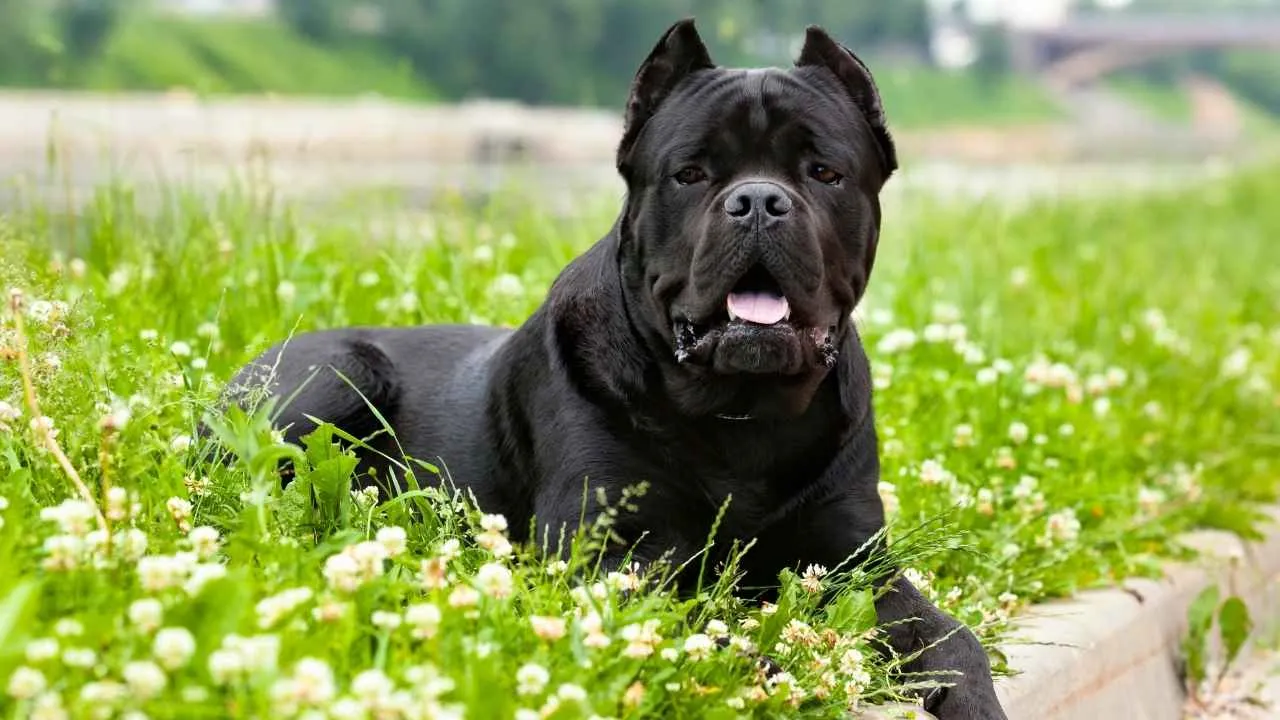
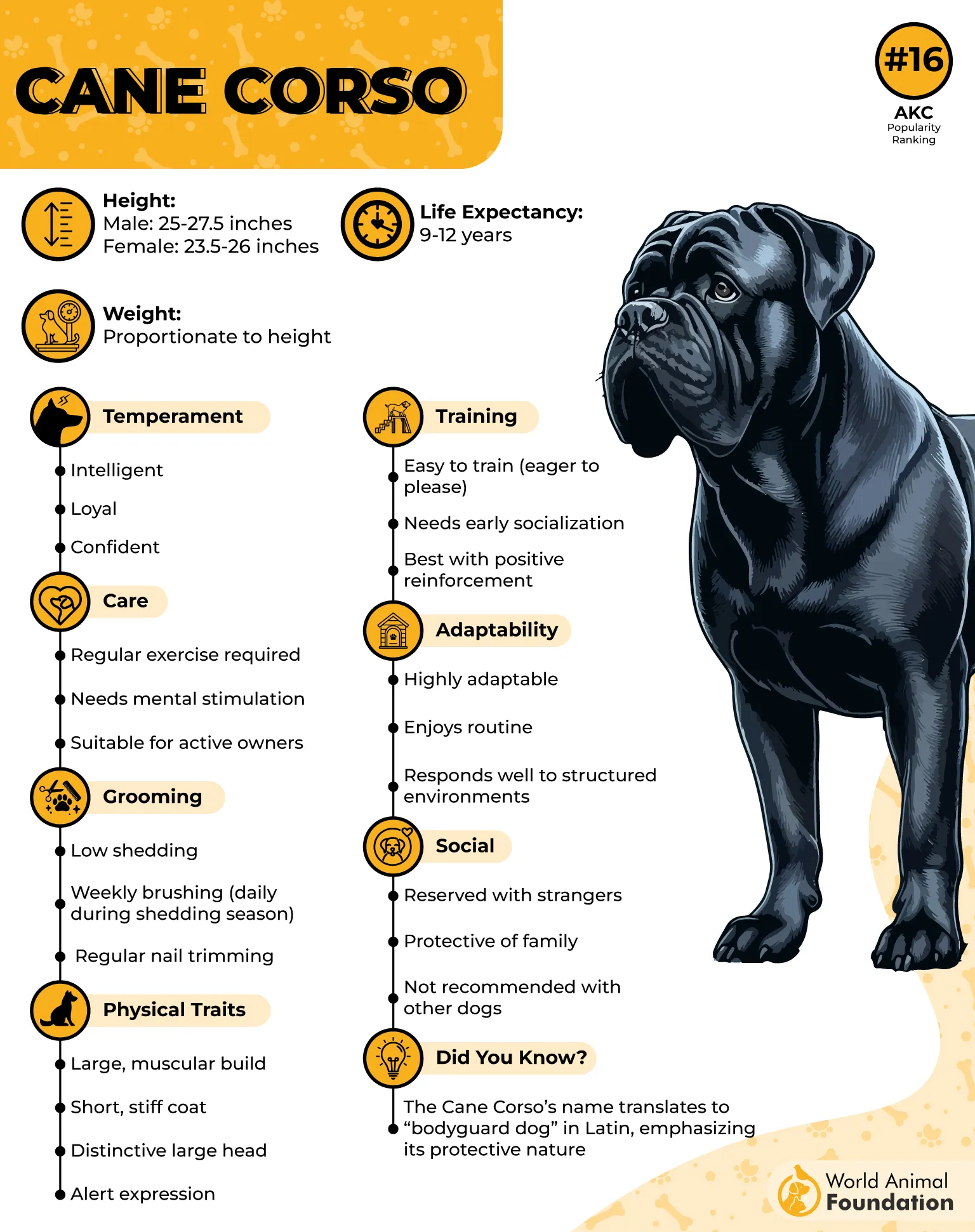
The Cane Corso, also known as the Italian Mastiff or “bodyguard dog,” is a powerful guardian breed with roots tracing back to ancient Rome. Recognized for its muscular frame, alert expression, and commanding presence, this breed combines strength with a calm, watchful demeanor.
According to Purina, the Cane Corso may look intimidating, but it is affectionate and responds best to positive reinforcement. It is intelligent, loyal, eager to please, and versatile.
A Loyal Protector Known for Alert Awareness
Cane Corsos are naturally vigilant, making them exceptional watchdogs that quickly notice changes in their environment. Their instinct to guard is balanced by a composed nature, allowing them to assess situations rather than react impulsively.
Deeply devoted to their families, they form strong bonds and display a protective yet affectionate side at home. While often reserved with strangers, they remain gentle and responsive with those they trust.
Training and early socialization are essential to refine their strong-willed personality. With consistent leadership, structured routines, and mental engagement, they develop into disciplined protectors who respond reliably to commands.
Fact: The Cane Corso’s name originates from Latin and roughly translates to “bodyguard dog,” reflecting its historical role as a protector.
3. Appenzeller Sennenhund
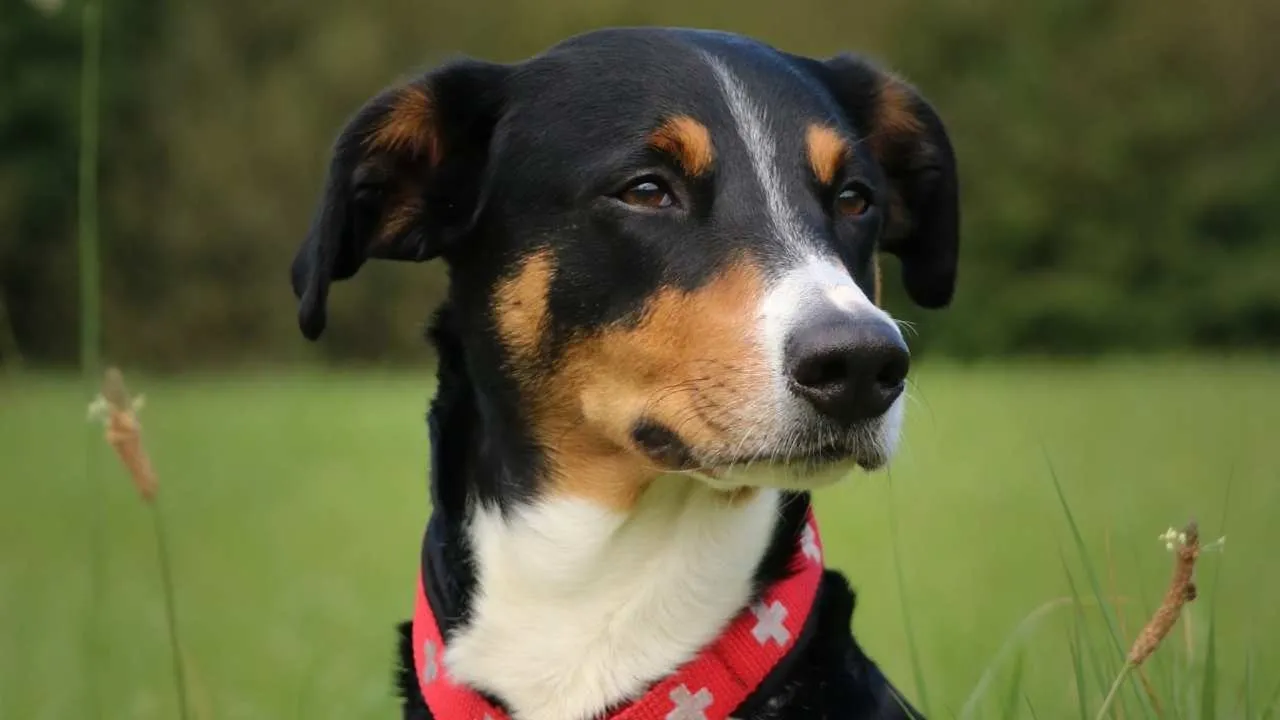
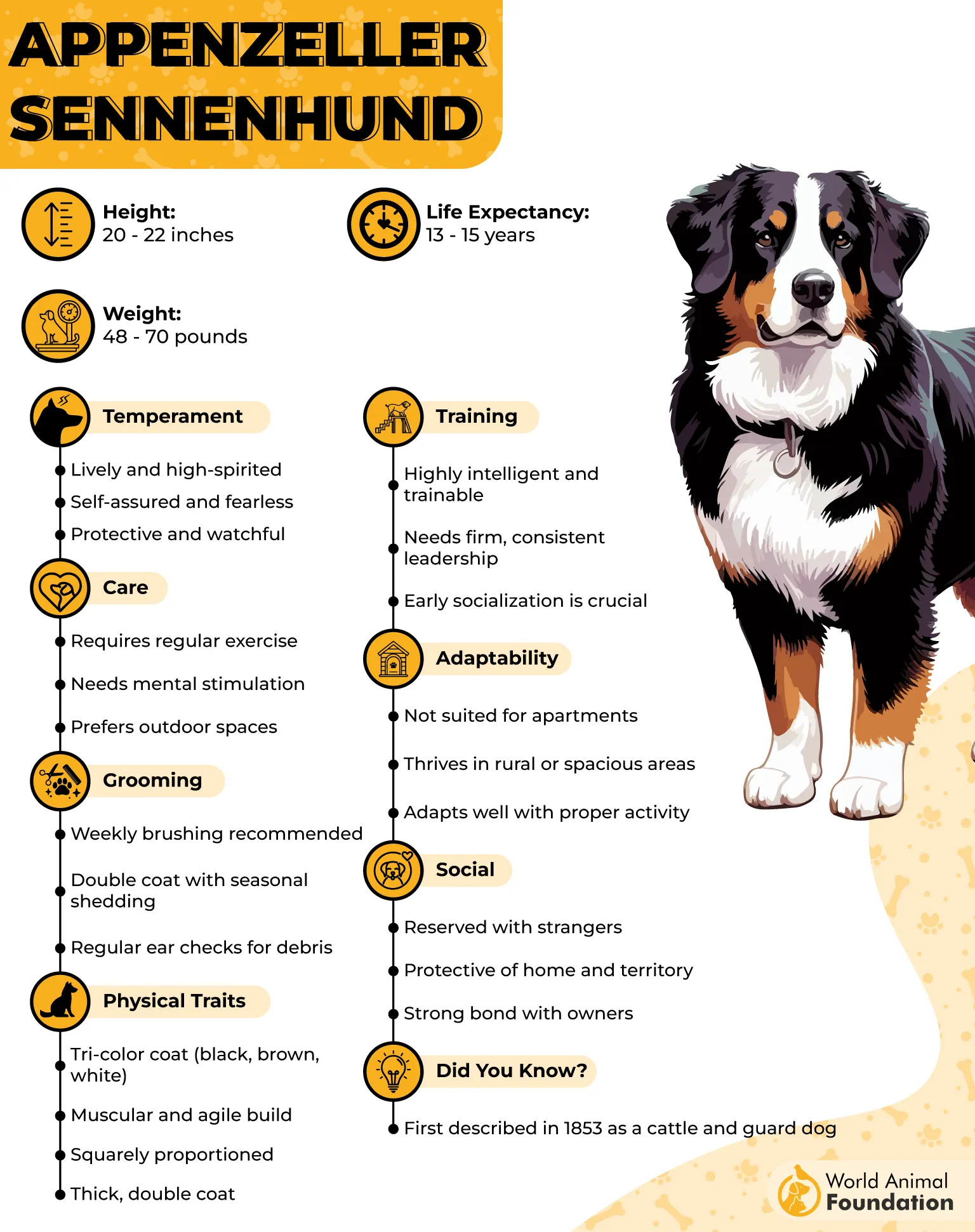
The Appenzeller Sennenhund, also known as the Appenzeller Mountain Dog, is a Swiss working breed recognized for its intelligence and striking tricolor coat. Originally bred for herding and guarding, this energetic dog combines sharp awareness with a loyal, task-driven personality.
According to the American Kennel Club, this breed is muscular and agile, making it well-suited for roles such as driving, guarding, watching, and general farm work.
The Watchful Companion That Stays Ready to Defend
Naturally alert and territorial, the Appenzeller keeps a close eye on its surroundings and responds quickly to unfamiliar activity. Its guarding instincts are strong, making it a dependable protector of both home and family.
This breed thrives when given structure and purpose, channeling its energy into productive tasks. With proper leadership, it develops into a confident companion that balances vigilance with affection toward its trusted circle.
Early socialization and consistent, positive training are essential to refine its protective nature. Exposure to new environments and people helps ensure the dog remains composed and controlled rather than overly reactive.
Fact: These guard dogs are highly intelligent and learn basic commands quickly, but require firm, consistent guidance to manage their independent streak.
4. Akita
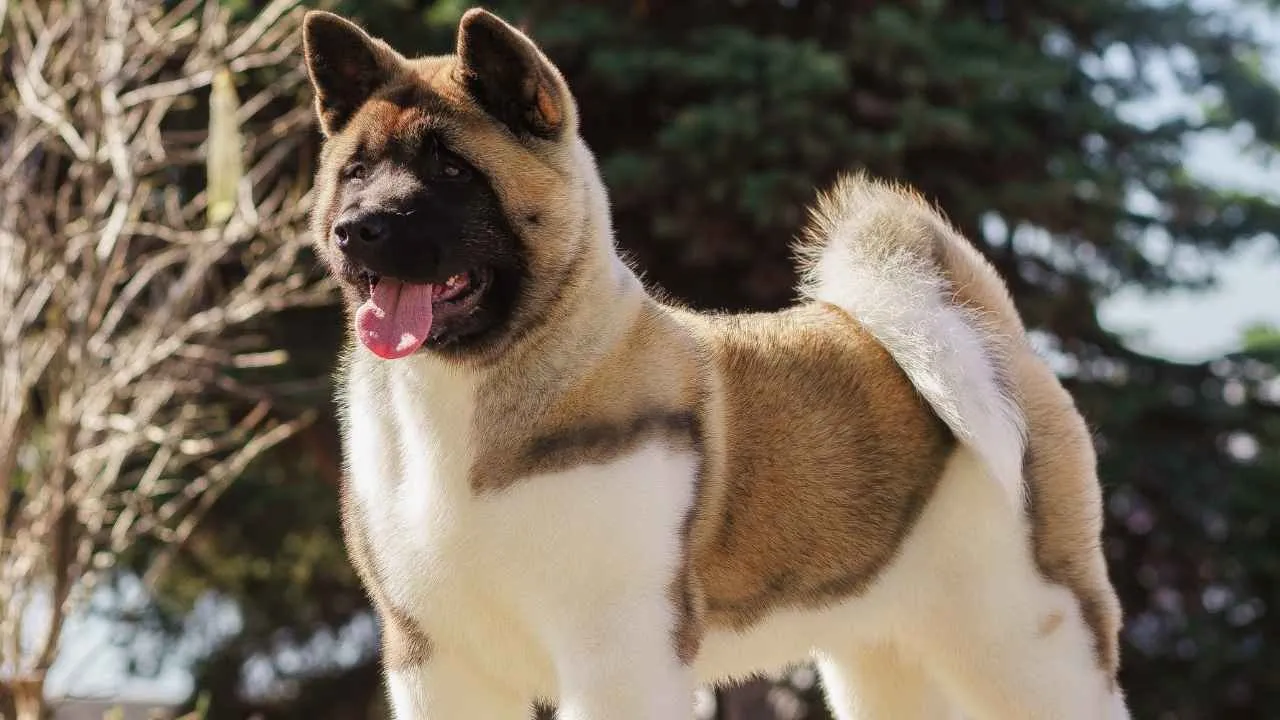
The Akita, also known as the Japanese Akita or Akita Inu, is a powerful and dignified breed with a long history of guarding royalty in Japan. Recognized for its thick double coat, curled tail, and calm yet imposing presence, this dog combines strength with quiet confidence.
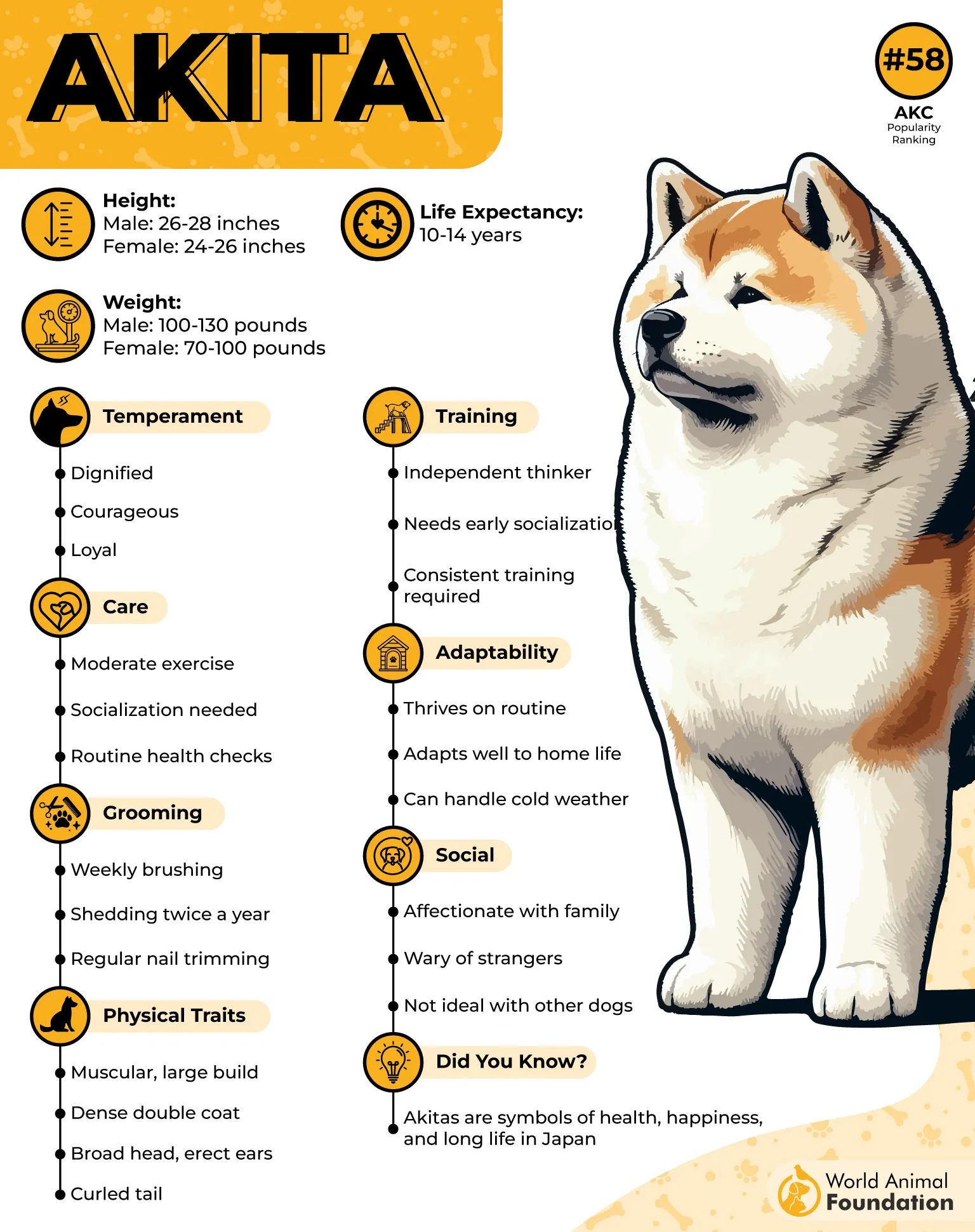
A Powerful Dog with Balanced Protective Behavior
Akitas possess strong natural guarding instincts and remain constantly aware of their surroundings. Rather than reacting impulsively, they tend to observe first, stepping in only when they sense a genuine threat.
Their loyalty runs deep, often forming an intense bond with one person or family. While affectionate at home, they are typically reserved with strangers, reflecting their instinct to protect without unnecessary aggression.
Training and early socialization are essential to shape their behavior. With consistent guidance and structured routines, their intelligence and independence can be directed into controlled, reliable protection rather than stubborn or reactive tendencies.
Fact: This aggressive dog was historically bred in Japan to guard nobility and is known for its instinct to protect with minimal training.
5. Kuvasz
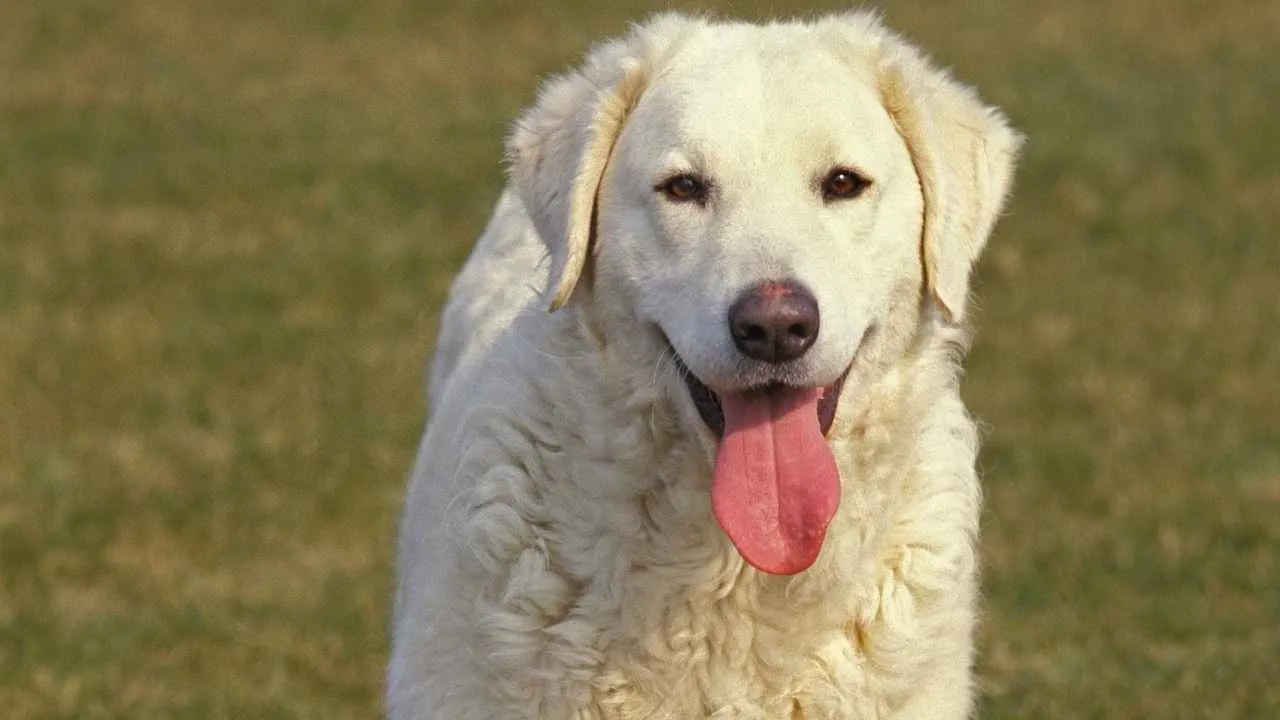
The Kuvasz, also called the Hungarian Kuvasz, is an ancient livestock guardian known for its striking white coat and noble presence. Originally favored by European royalty, this intelligent and muscular breed combines grace with a deeply rooted instinct to protect its home and family.
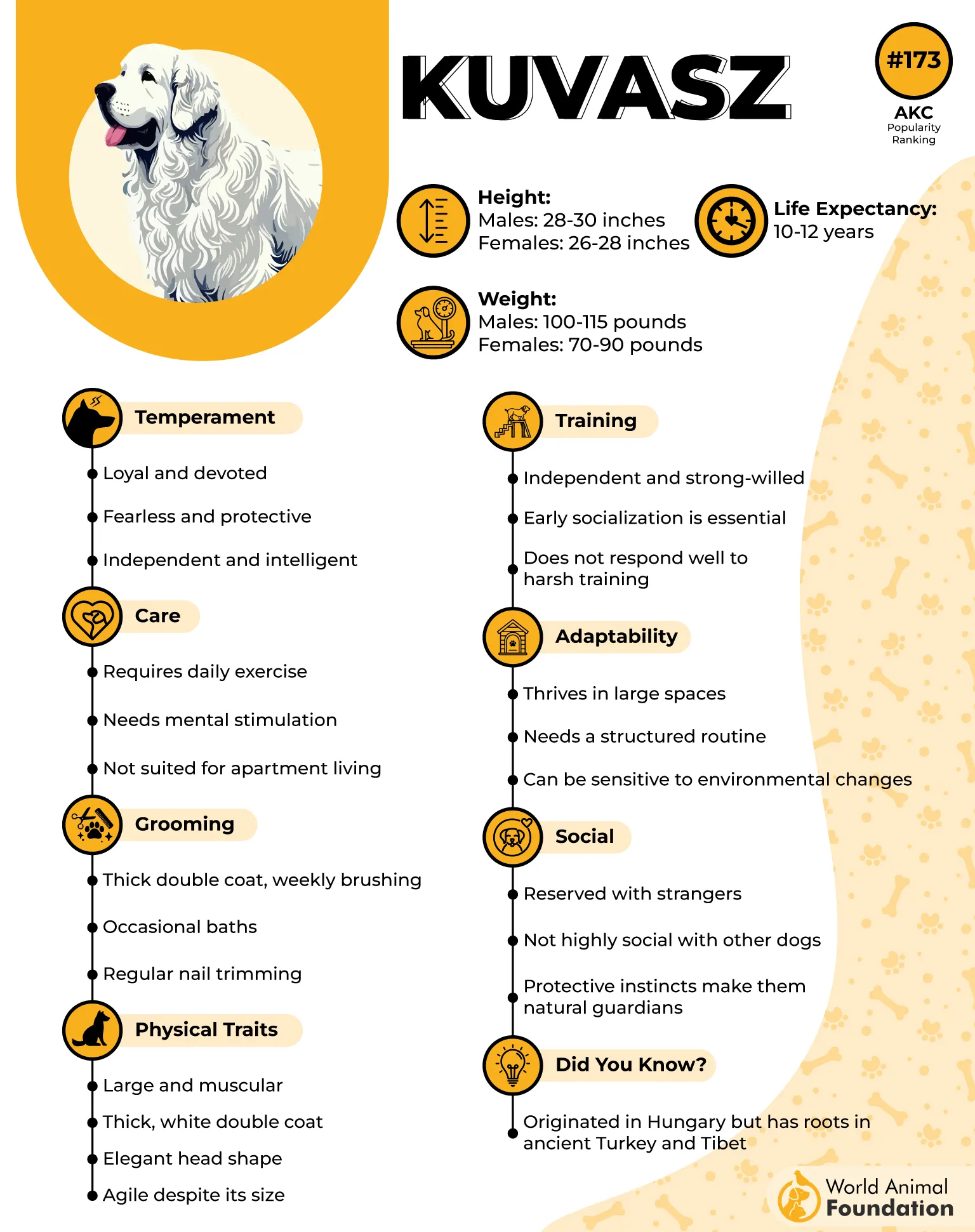
The Courageous Guardian with Quick Response Skills
The Kuvasz is naturally alert and highly independent, often assessing situations without waiting for direction. Its quick decision-making ability allows it to respond swiftly to potential threats, making it a formidable guardian in both rural and residential settings.
This breed forms strong bonds with its family and shows calm devotion indoors, yet remains cautious around unfamiliar people. Its protective nature is balanced by patience, especially when raised in a stable, well-structured environment.
Training requires consistency and creativity, as the Kuvasz is not easily motivated by routine commands. Positive reinforcement paired with engaging activities helps channel its intelligence and ensures its instincts remain controlled and purposeful.
Fact: The Kuvasz was once trusted by Hungarian King Matthias Corvinus, who relied on these dogs for protection even more than his own guards.
6. Rottweiler
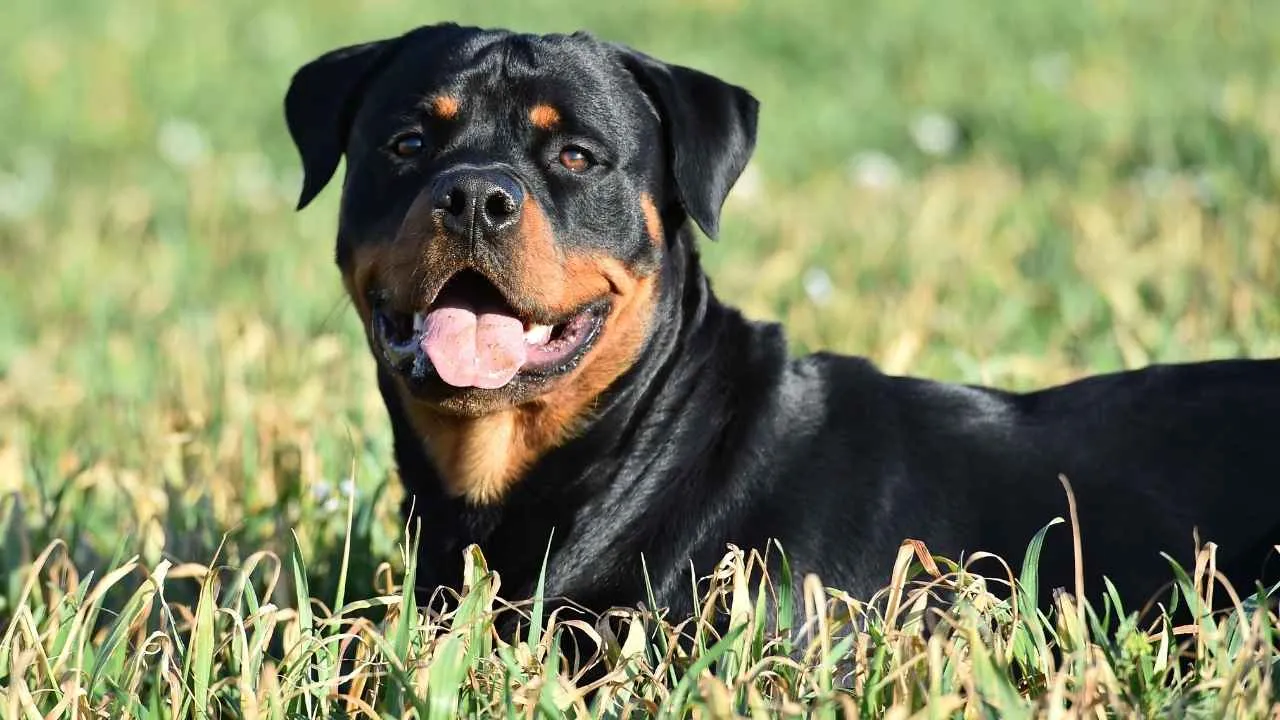
The Rottweiler, often called the Rottie, is a powerful working dog with roots in herding and cart-pulling. Recognized for its muscular build, black coat with rich tan markings, and confident stance, this breed combines strength with a calm, steady temperament and deep loyalty.
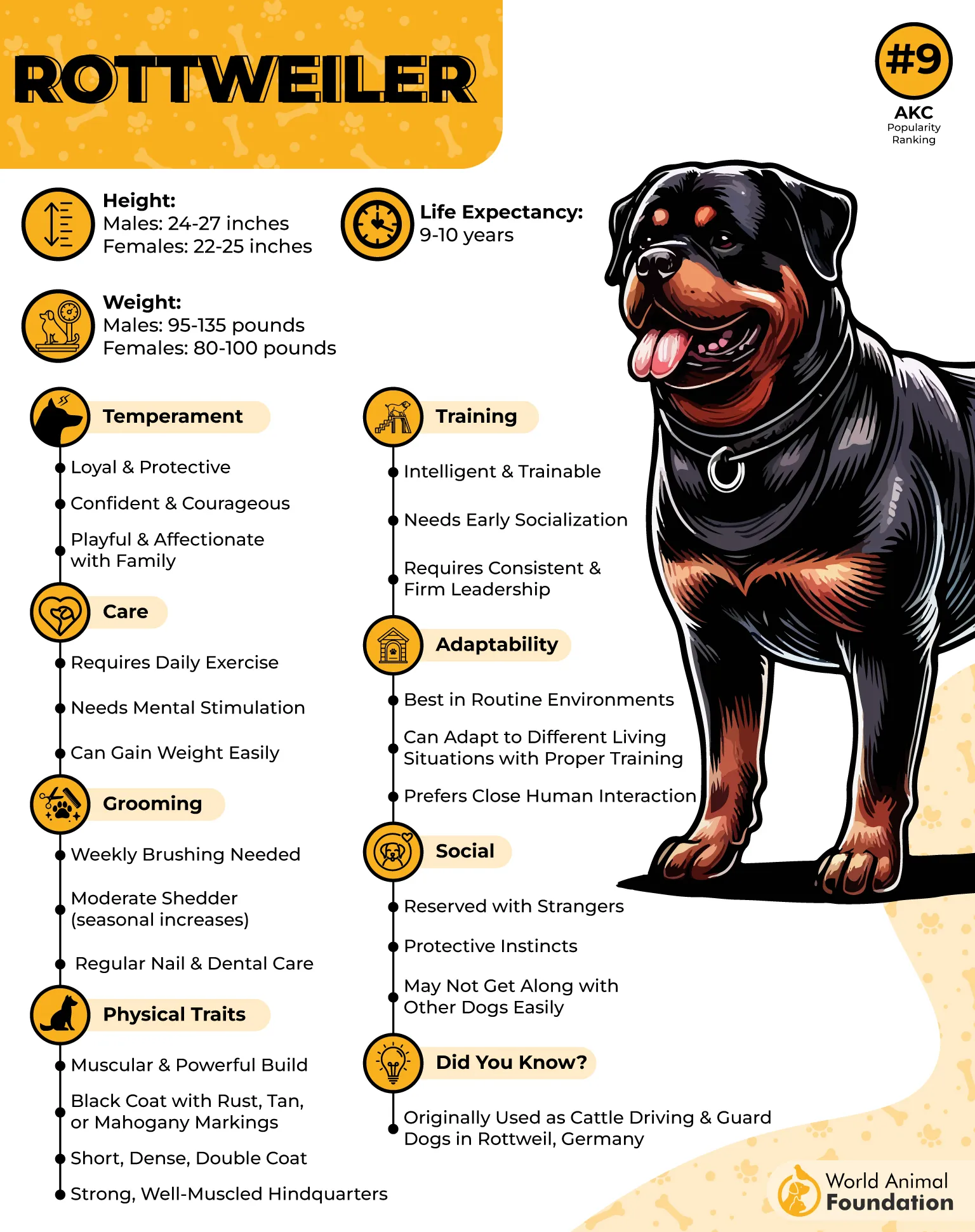
A Devoted Protector That Bonds Closely with Family
Rottweilers are known for forming intense attachments to their families, often staying close and attentive to their loved ones. Their protective instincts are driven by this bond, making them naturally watchful without being unnecessarily reactive.
Despite their imposing appearance, a well-trained Rottie is composed and thoughtful, assessing situations before acting. This balanced mindset allows them to serve as reliable guardians who step in only when truly needed.
Consistent training and early socialization are essential to shape their strong personality into controlled protection. With clear leadership and mental stimulation, they thrive as both affectionate companions and dependable protectors.
Fact: Rottweilers were originally bred to herd cattle and pull carts, which contributed to their strength, confidence, and natural guarding instincts.
7. Giant Schnauzer
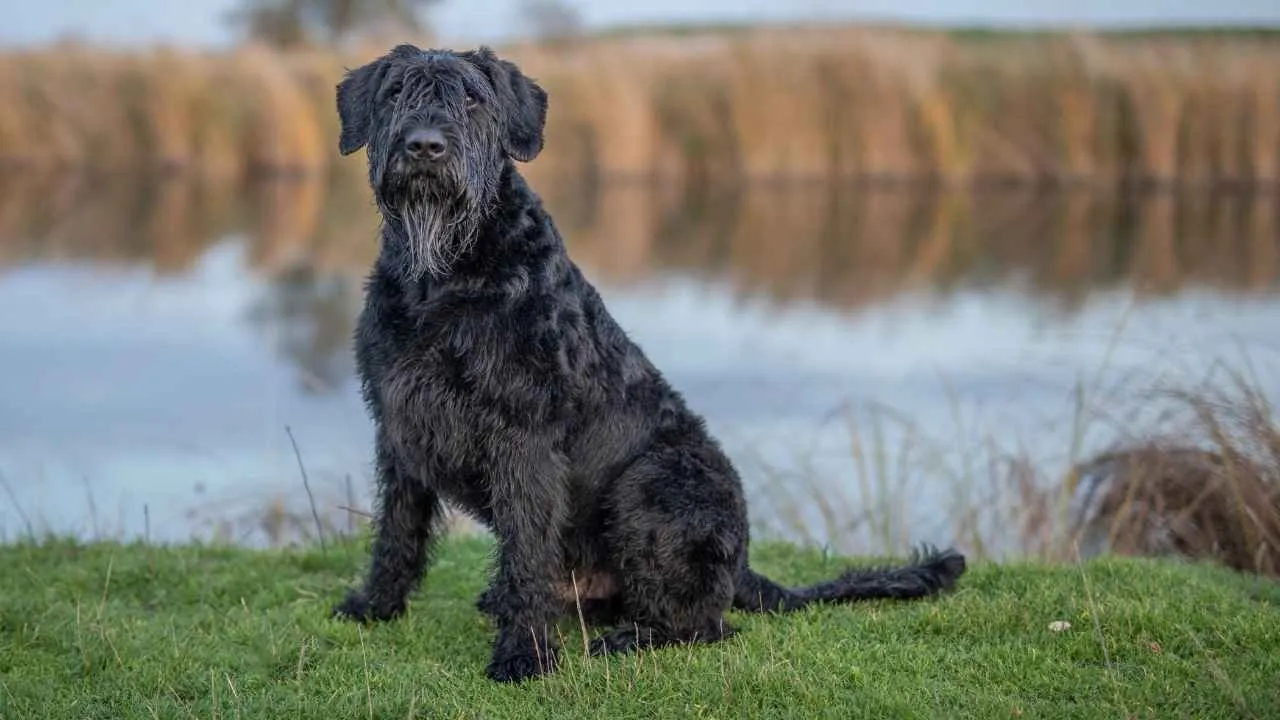
The Giant Schnauzer, sometimes simply called the Schnauzer or Riesenschnauzer, is a powerful working breed originally developed to guard farms. Recognized by its dense, wiry coat and bold expression, this intelligent dog is both commanding in presence and deeply loyal to its family.
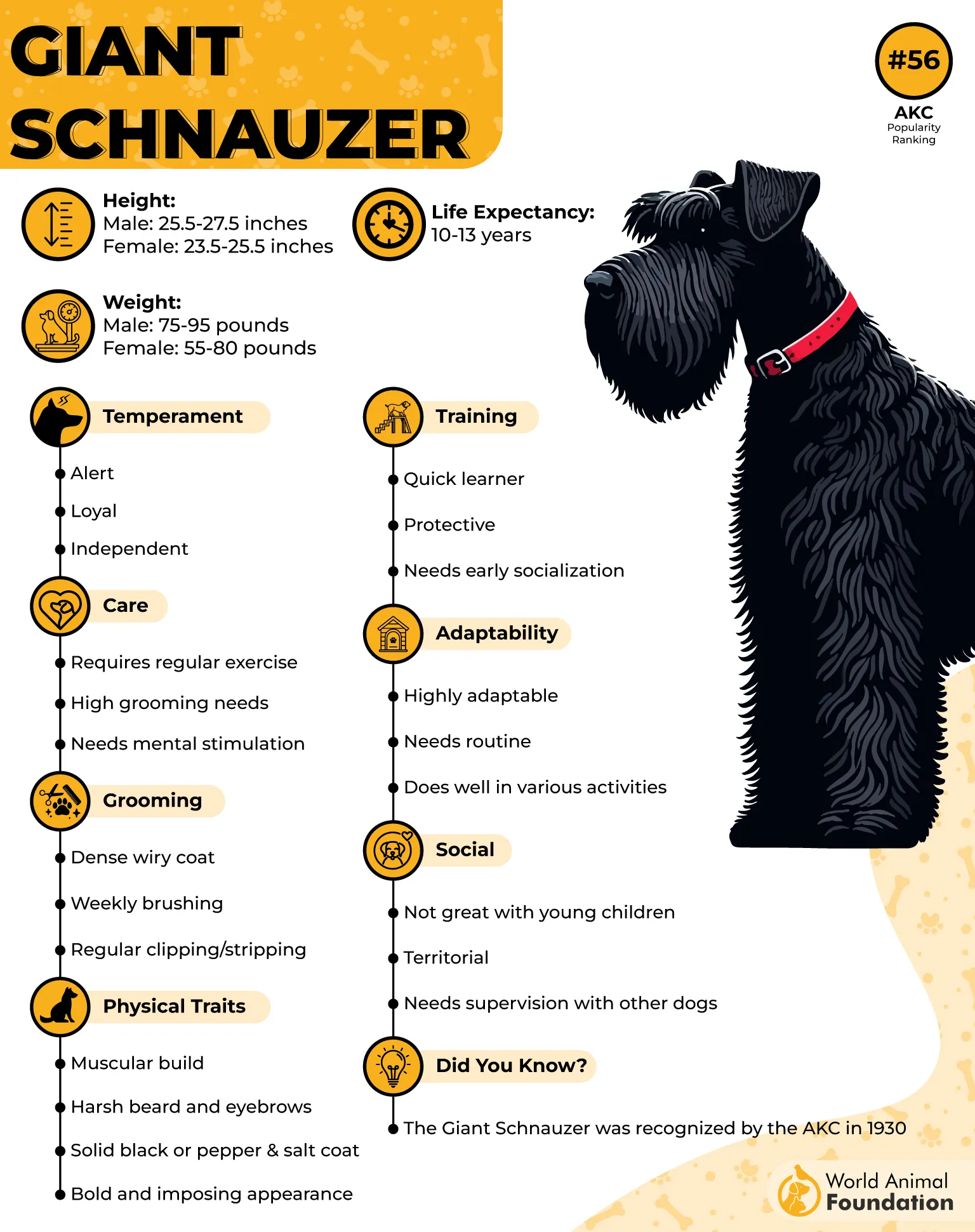
The Alert Watchdog That Monitors Every Movement
Naturally territorial and observant, the Giant Schnauzer keeps a close eye on its surroundings at all times. Its strong guarding instincts make it quick to notice unfamiliar activity, often responding with a confident bark that signals awareness rather than panic.
This breed thrives on responsibility and purpose, making it especially suited for protection roles when properly trained. Early socialization helps refine its cautious nature, ensuring it can distinguish between real threats and everyday situations.
With high energy and a sharp mind, the Giant Schnauzer requires structured training and regular activity to stay balanced. When guided with consistency and positive reinforcement, it becomes a dependable watchdog and a devoted family protector.
Fact: The Giant Schnauzer was originally bred to guard farms, a role that still shapes its strong protective instincts today.
8. Rhodesian Ridgeback
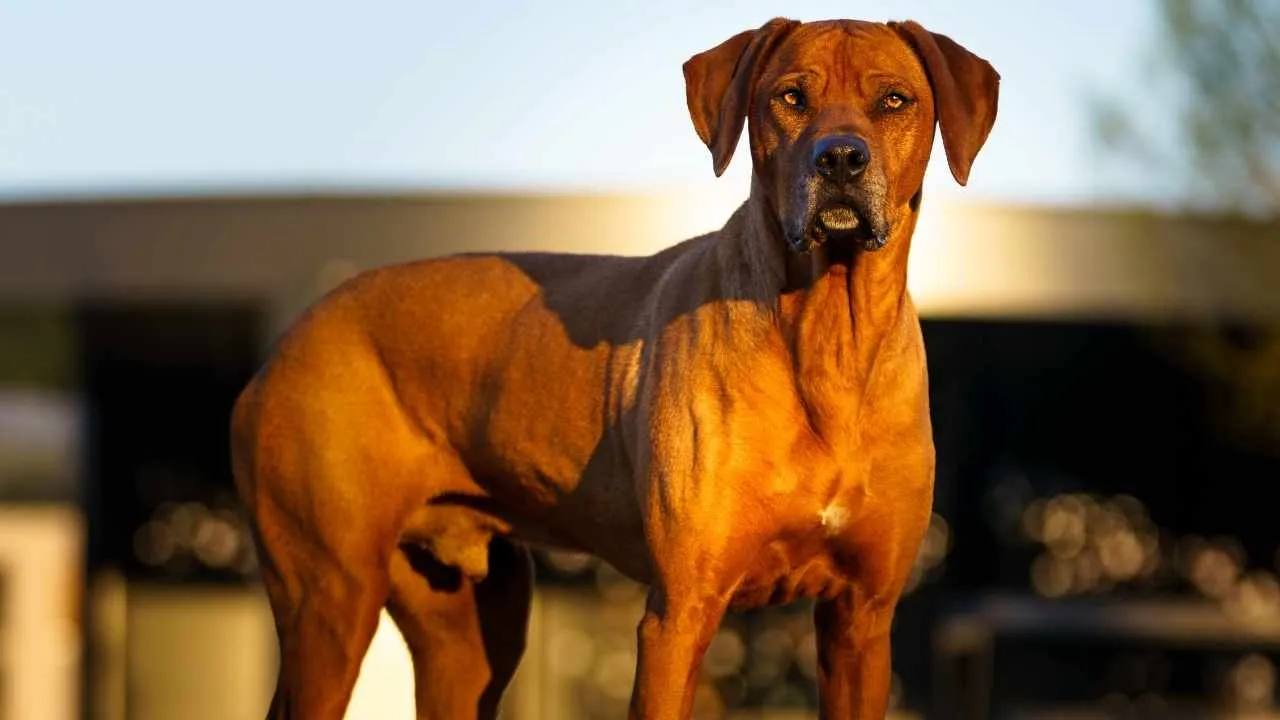
The Rhodesian Ridgeback, also known as the African Lion Hound, is a powerful and athletic breed recognized by the distinctive ridge of hair growing along its back. Originally developed in Africa for tracking large game, this dignified dog combines strength, speed, and a naturally protective nature.
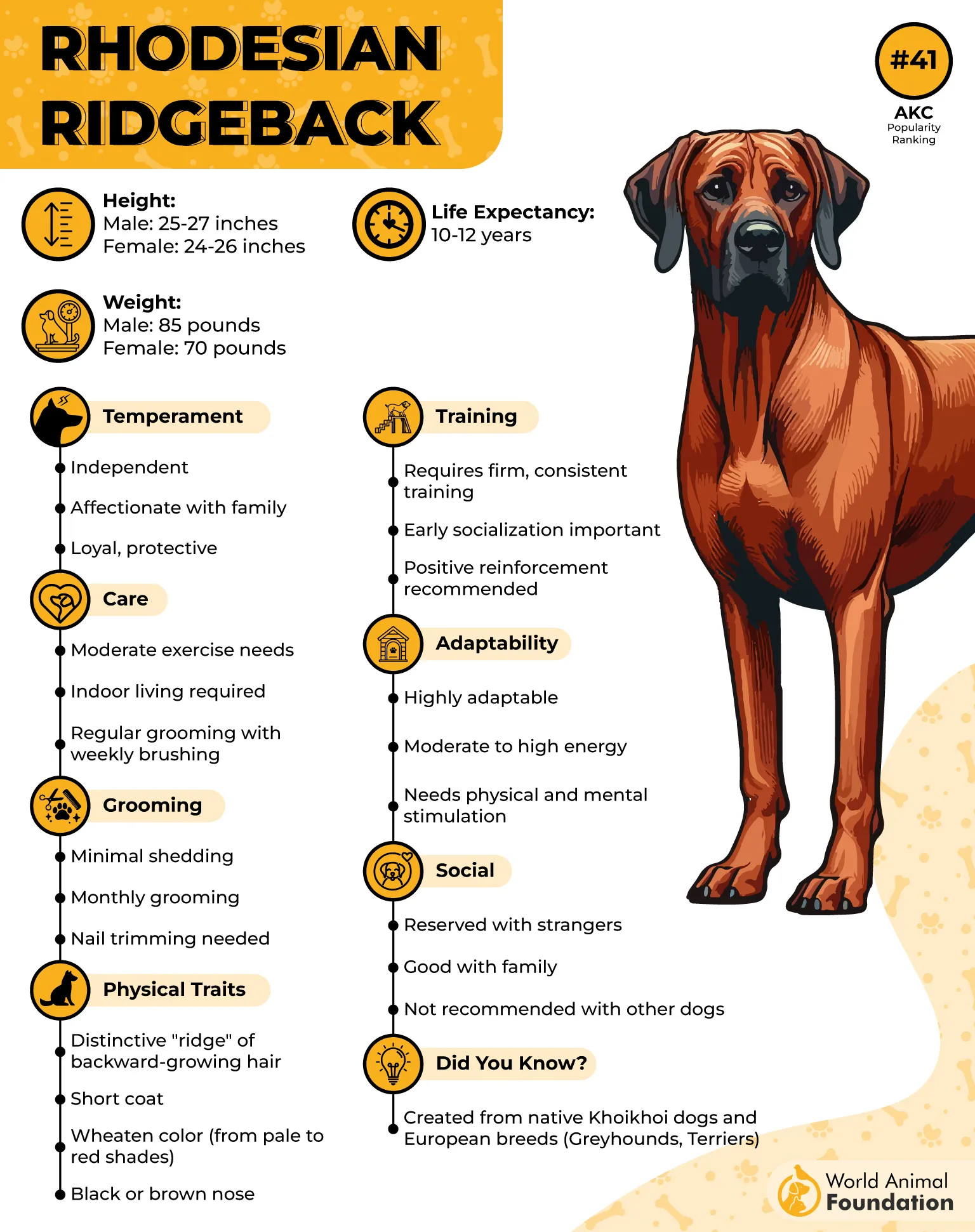
A Strong Defender with Calm Confidence
Despite its formidable history, this canine companion is typically quiet and composed, rarely barking without reason. Its calm demeanor allows it to assess situations carefully, stepping in only when it senses a genuine threat to its family.
Deeply loyal and affectionate with trusted people, this breed forms strong bonds while maintaining a reserved attitude toward strangers. Its natural guarding instinct makes it an effective protector without requiring specialized protection training.
With a strong-willed and independent personality, consistent guidance from an early age is essential. Positive reinforcement and early socialization help shape its confidence into controlled, reliable behavior suited for family life.
Fact: The Rhodesian Ridgeback was originally bred to track and corner lions without attacking them, showcasing its bravery and controlled instinct.
9. Doberman Pinscher
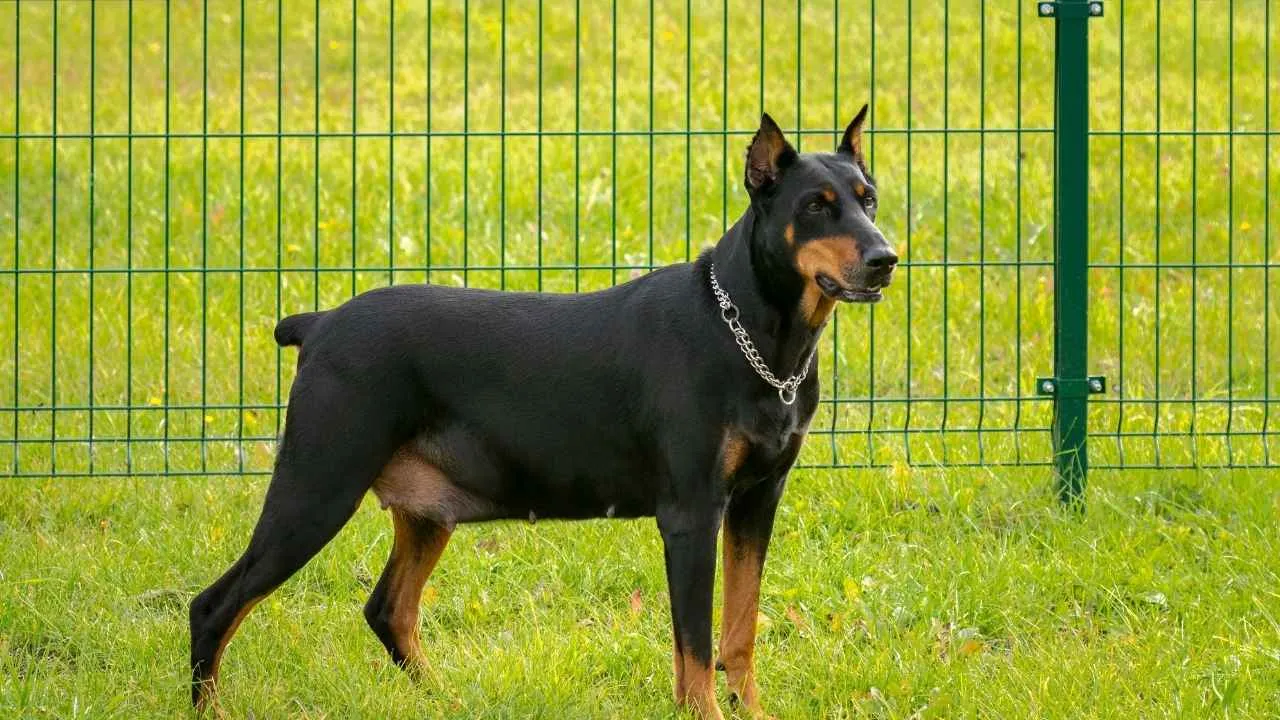
The Doberman Pinscher, often called the Dobie, is a sleek and powerful working breed originally developed in Germany as a personal protection dog. Known for its athletic build, alert expression, and unwavering loyalty, this intelligent dog blends elegance with a strong guarding instinct.
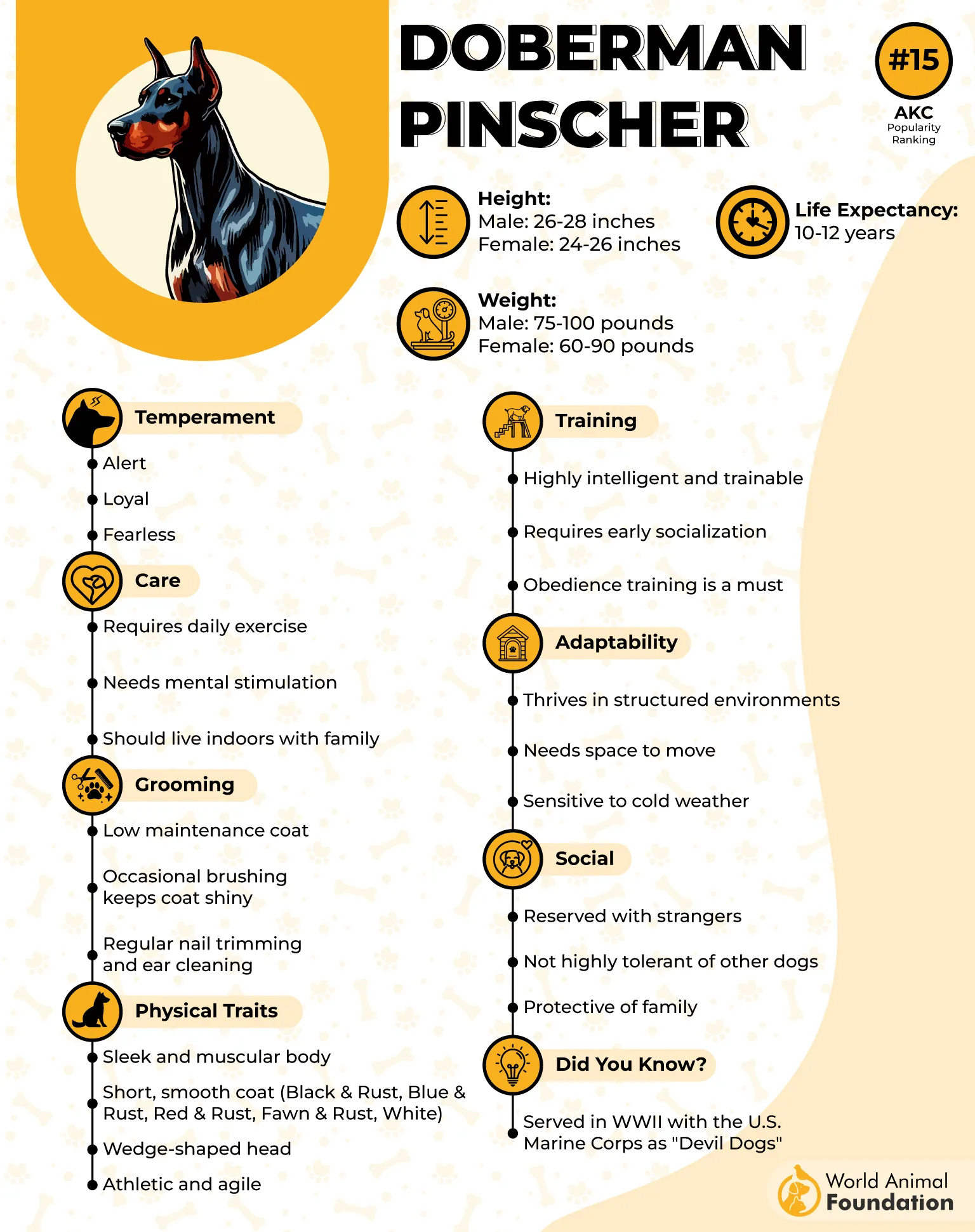
The Dependable Guard Dog That Combines Loyalty and Strength
Dobermans are naturally vigilant and quick to respond, making them highly effective protectors. Their sharp awareness and confidence allow them to assess situations rapidly, stepping in when they sense a genuine threat to their family.
This good guard dog forms deep attachments with its dog owners, often earning the nickname “Velcro dog” for its constant closeness. With proper socialization, they remain friendly and composed, balancing protective instincts with a calm, affectionate demeanor.
Training exercises play a vital role in refining their abilities, as Dobermans are highly intelligent and eager to learn. Structured routines and positive reinforcement help channel their energy into disciplined, reliable behavior suited for both family life and protection roles.
Fact: The Doberman Pinscher was originally bred by a German tax collector specifically to serve as a loyal and protective human companion.
Conclusion
Protective dog breeds offer far more than security—they bring loyalty, intelligence, and a deep sense of purpose to a home. From naturally alert guardians to calm, confident defenders, each breed demonstrates how instinct and temperament work together to create reliable protection.
Understanding the difference between true guarding behavior and uncontrolled aggression is essential when choosing the right companion. However, instinct alone is never enough.
Proper training sessions, early socialization, and consistent leadership are what shape these powerful traits into dependable behavior. With the right guidance, these dogs become not just protectors, but balanced, affectionate companions who respond thoughtfully rather than react impulsively.
