




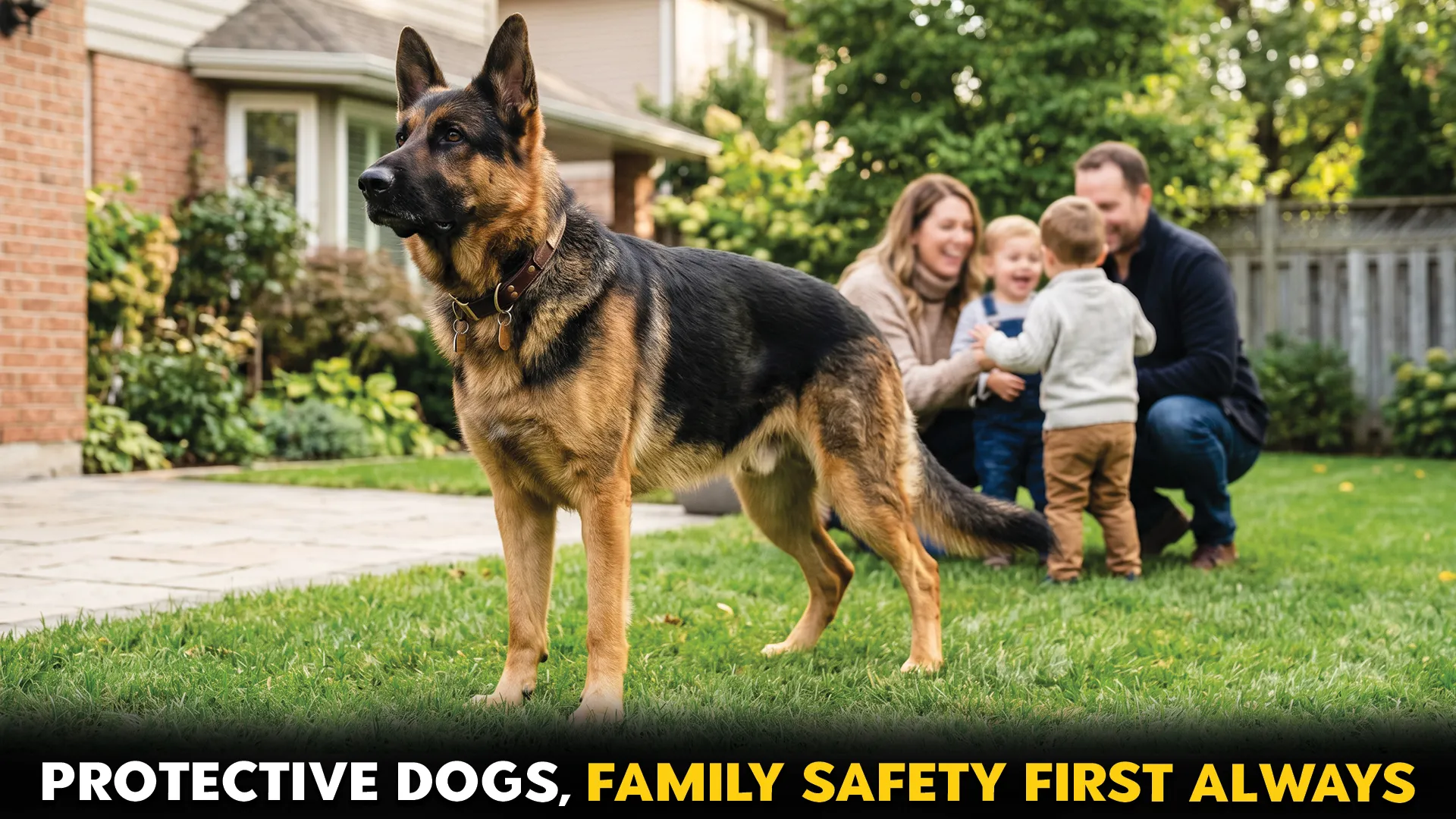
Choosing the right breed for your home isn’t just about looks—it’s about safety, loyalty, and real peace of mind.
Some dogs aren’t just pets; they act like natural protectors, always alert and ready to stand by your side. And honestly, having a furry companion that can both cuddle and keep watch feels like the perfect balance.
For families, the goal is finding a dog that offers protection without losing its gentle side. While some dogs are naturally protective, others develop these traits through proper training and guidance.
The key is balance—a dog that’s loving with family but confident enough to deter intruders when needed.
That’s why understanding temperament, trainability, and instincts truly matters. The right choice will guard your home, form strong bonds with your loved ones, and grow into a loyal companion you can rely on every single day.
Top Most Protective Dog Breeds for Families Seeking Safety
1. German Shepherd
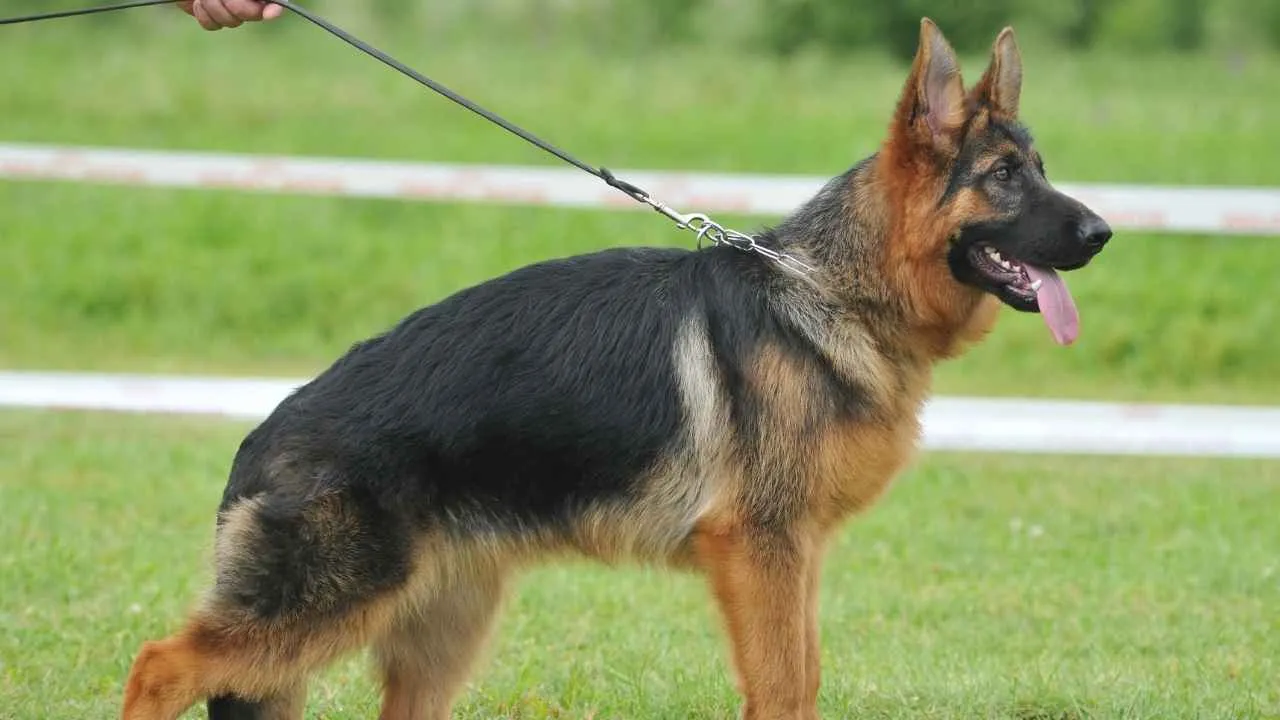
A smart breed and deeply loyal companion, this breed stands out among protection dog breeds for its intelligence and focus.
Originally developed for herding, it quickly became one of the best guard dogs due to the dog’s natural protective instincts and ability to stay alert in any situation. Its strong presence alone can often deter intruders without much effort.
In a family environment, it forms strong bonds with family members and shows a naturally protective nature without unnecessary aggression.
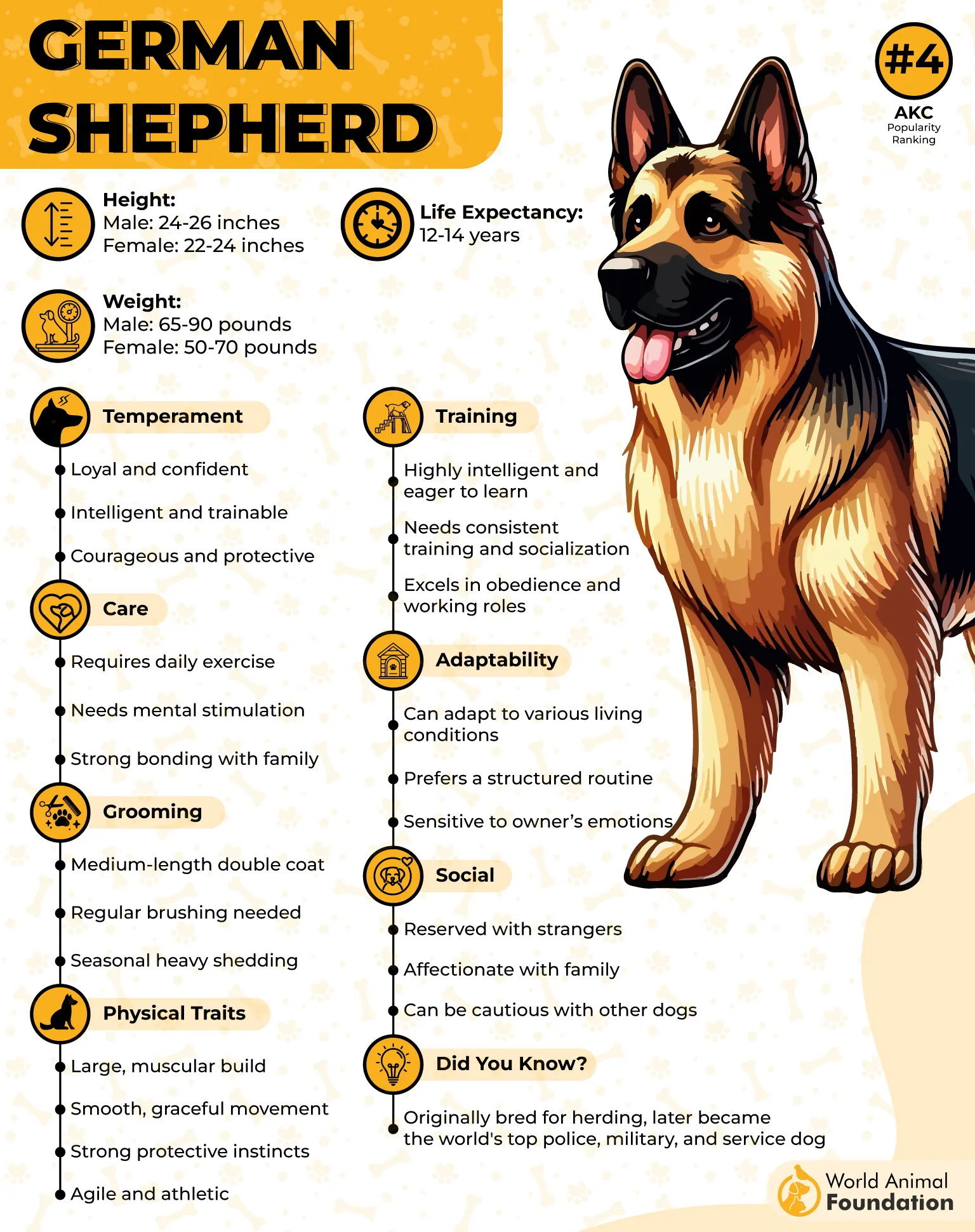
While reserved around strangers, German Shepherds remain gentle with small children and can coexist well with other pets when given proper socialization from an early age, as per PetPlan.
With consistent obedience training and enough exercise and mental stimulation, this highly trainable breed thrives. Its loud bark, courage, and confidence make it a reliable choice for family protection and even protection work.
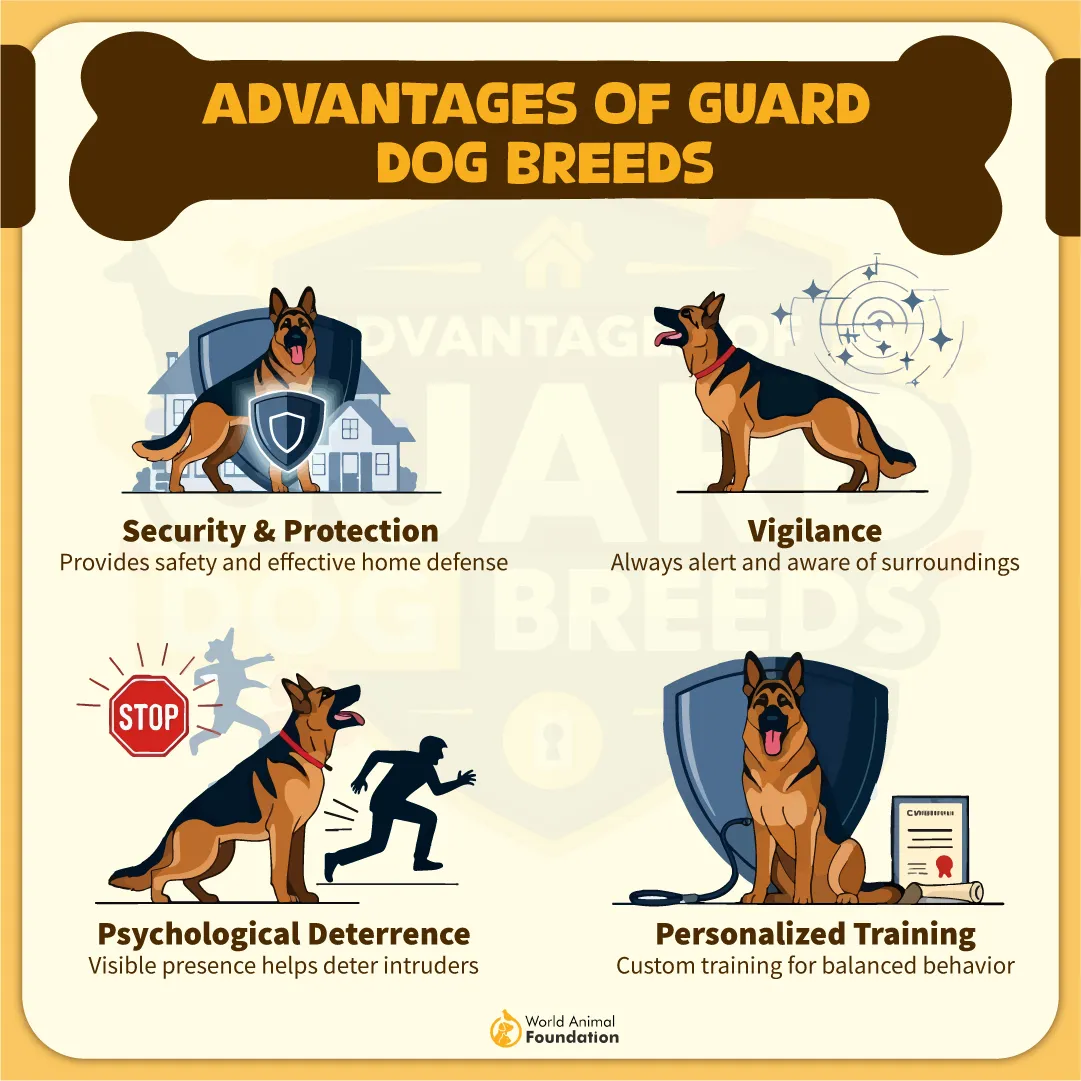
Fun fact: This breed is widely used in police and military roles around the world due to its intelligence and versatility.
2. Rhodesian Ridgeback
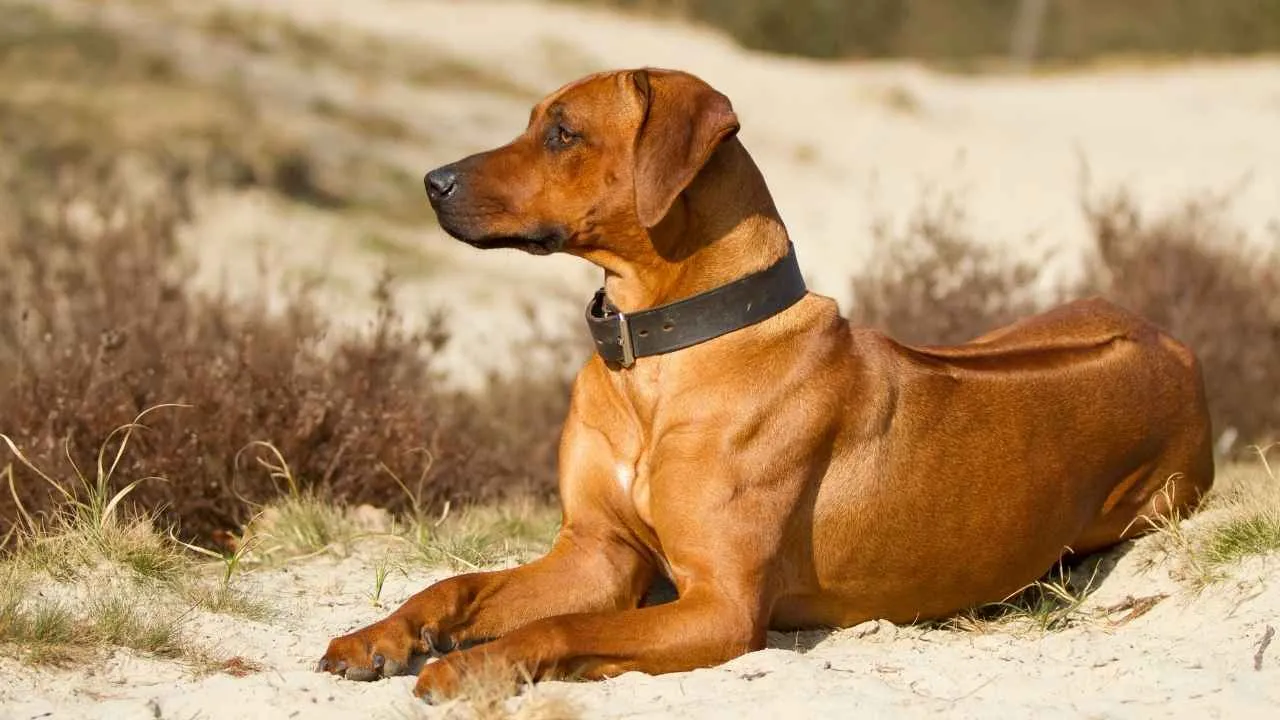
Powerful and independent, this breed carries a bold history as a hunter, which shaped its natural protective instinct and courage.
Its muscular build and alert nature give it an intimidating presence, helping deter intruders while staying calm and watchful around the home. Within a family environment, it can form strong bonds and show deep loyalty to its immediate family.
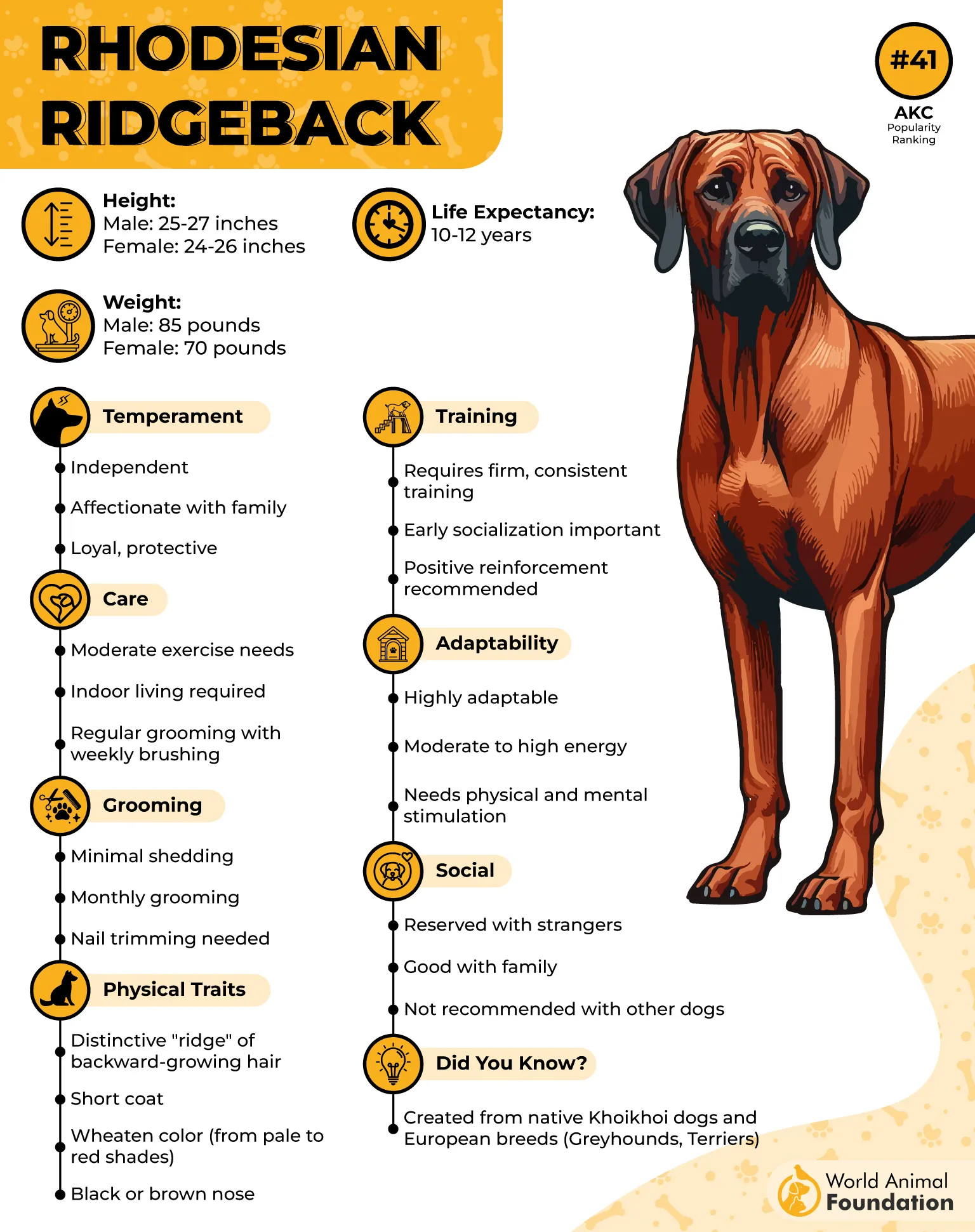
While often reserved with strangers, it remains steady and balanced, though supervision is important around small children and other animals due to its strong prey drive, as per WebMD.
With consistent early training, early socialization, and plenty of physical exercise, this breed becomes one of the best guard dog breeds. It enjoys active households where mental stimulation and movement are part of daily life.
Fun fact: This breed is famously known as the “lion dog” for its role in tracking lions in Africa.
3. Boxer
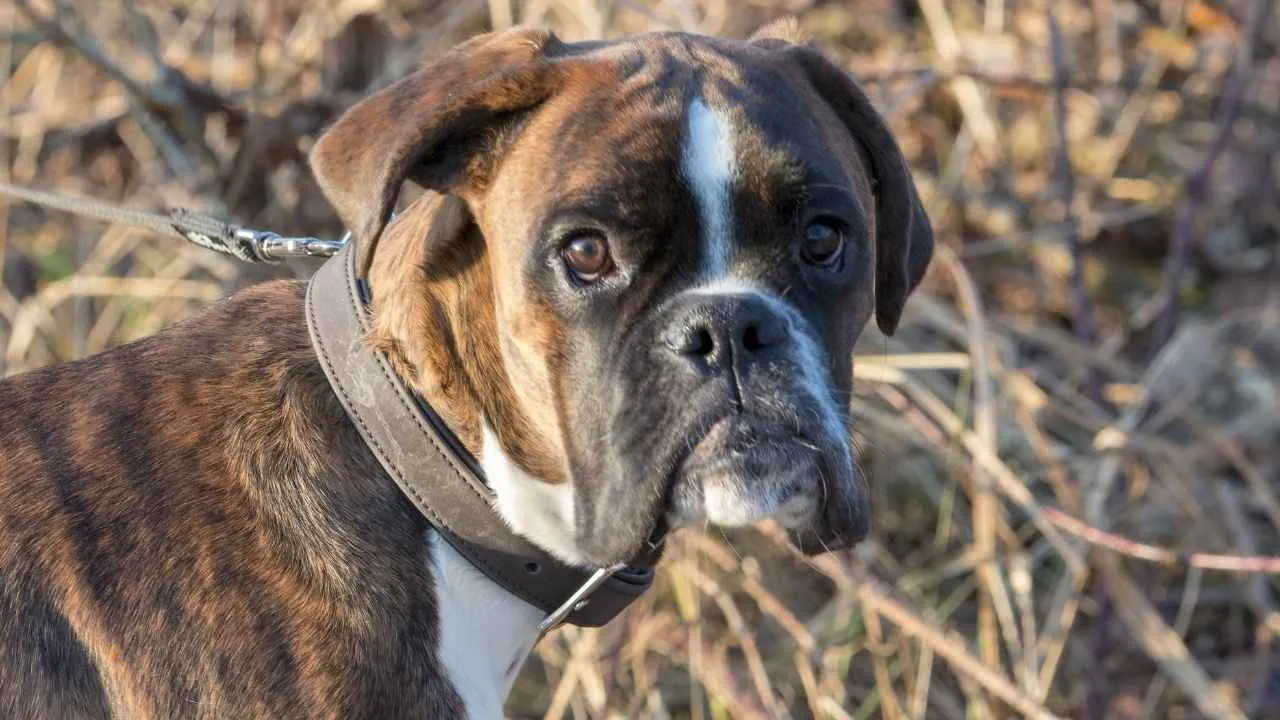
Energetic and full of personality, this breed blends playfulness with a naturally protective instinct.
Its muscular build, alert expression, and confident stance give it a noticeable presence, making it one of those dogs that can deter potential intruders while still being fun-loving in a home setting.
In a family setting, it forms strong bonds and shows loyalty through both affection and watchfulness.
Known for being patient, Boxer often interacts well with small children, though its bouncy energy means supervision is important during playtime with other pets or young kids.
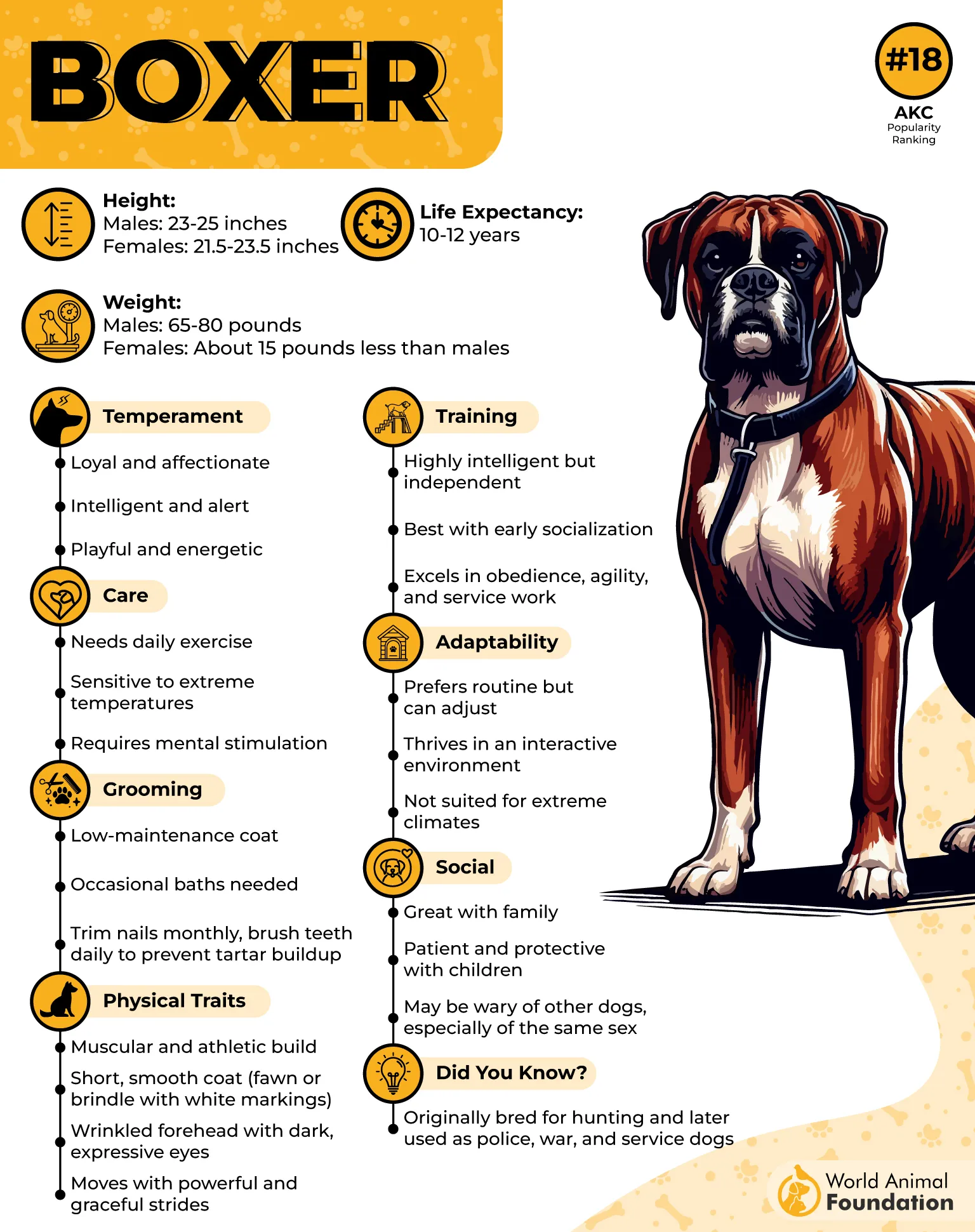
With proper training and early socialization from a young age, this highly trainable breed becomes both a gentle companion and a great guard dog breed. Regular ample exercise and mental stimulation help channel its enthusiasm in positive ways.
As per AKC, Boxers excel in a wide range of canine sports, including obedience, agility, and herding, and they perform brilliantly as service, assistance, and therapy dogs, and in roles such as drug detection and search-and-rescue.
Fun fact: This breed got its name from its playful habit of “boxing” with its front paws during play.
4. Dobermann
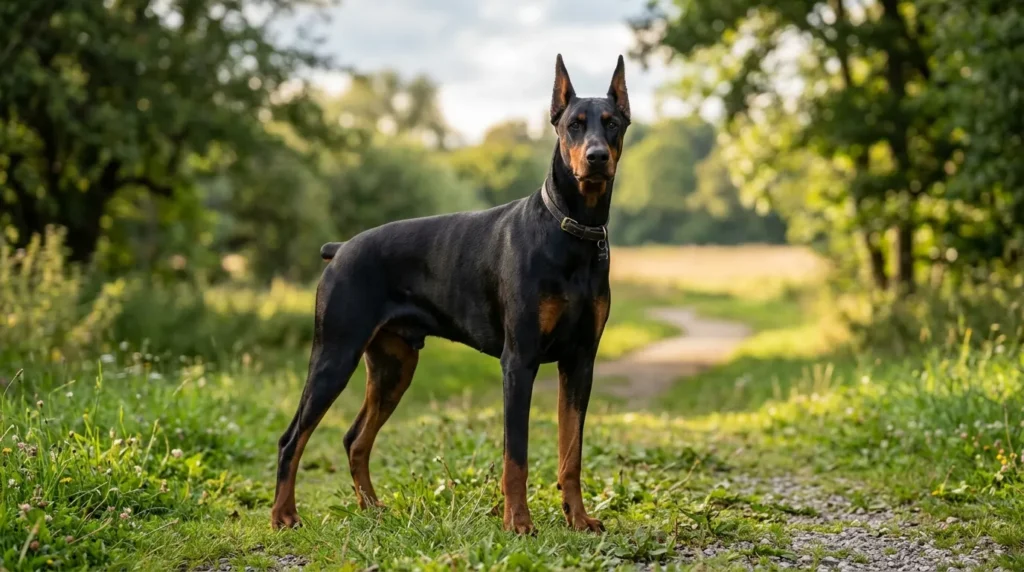
A sleek, powerful companion, this breed stands out among excellent guard dog breeds for being an extremely intelligent breed with natural guarding abilities
Its athletic build and confident posture give it a strong presence, making it a highly effective guardian in situations that require vigilance and quick thinking, as per PDSA.
In a family environment, it forms deep bonds and stays closely attached to its people, often wanting to be part of daily routines.
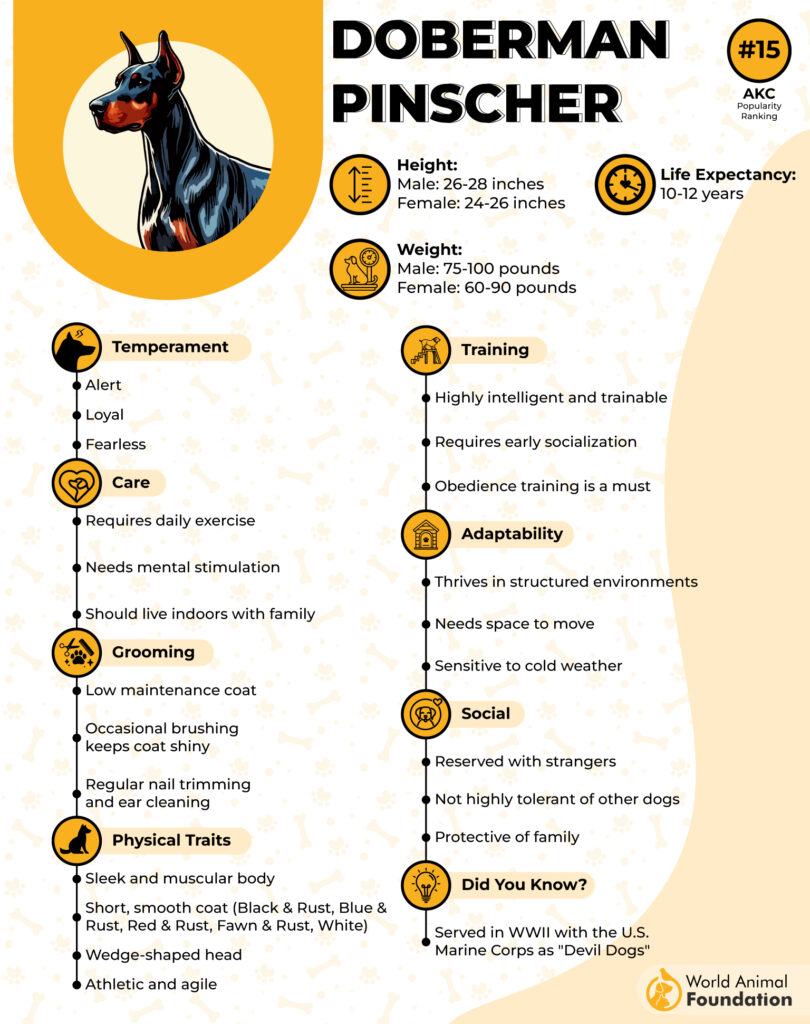
This stable temperament also means it does best with structure, guidance, and early socialization to stay comfortable around visitors and other pets.
With consistent training, clear boundaries, and regular exercise and mental stimulation, this highly trainable breed channels its energy into focused behavior. Active households suit it well, as movement and engagement help maintain balance.
Fun fact: This breed was originally developed by a tax collector who wanted a loyal protector during his rounds.
5. Bullmastiff
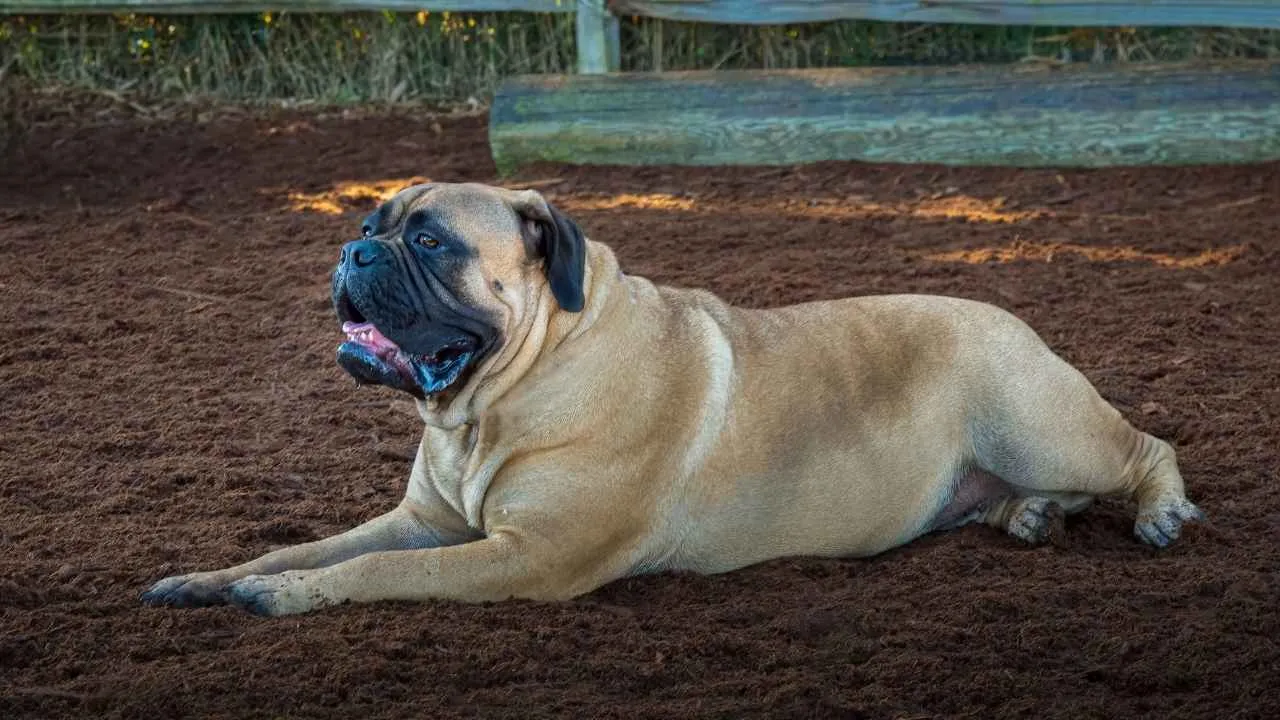
A powerful yet composed companion, this breed brings a steady presence that naturally fits into the category of family guard dogs.
Its calm demeanor and strong build make it quietly effective at discouraging unwanted attention while staying relaxed within familiar surroundings, as per Hill’s Pet.
In a home setting, it is gentle and deeply bonded with its people, often showing patience and affection toward family members.
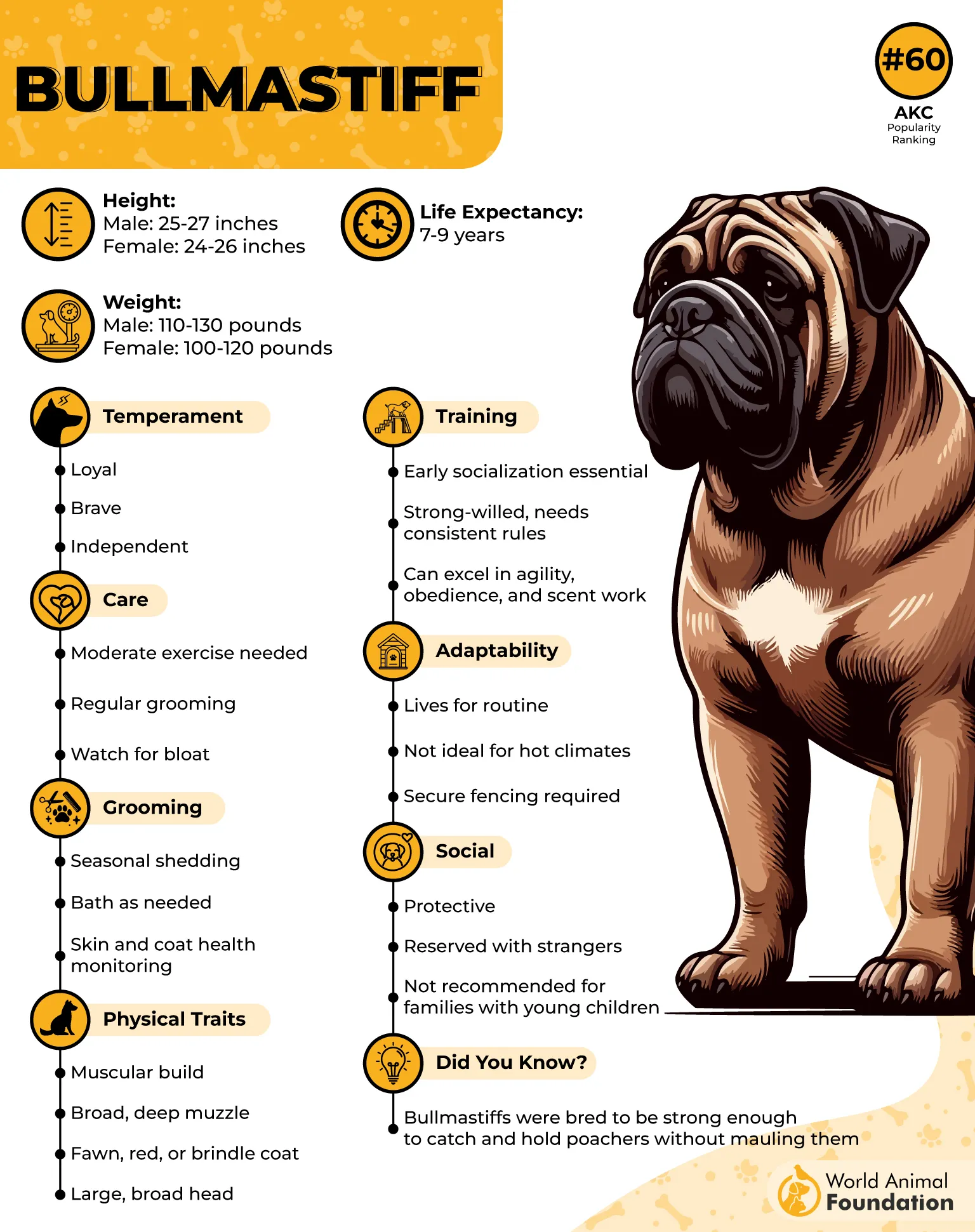
However, its response changes when unfamiliar faces appear, reflecting a watchful and cautious side that should be guided through proper socialization.
With early training, consistent structure, and careful exposure to different environments, this breed becomes more balanced in its reactions. Being a large dog, though, means awareness is important around small children and other pets to ensure a smooth family life.
Fun fact: Despite its imposing look, this breed was originally developed in Britain to quietly track and pin down poachers on estates.
6. Giant Schnauzer
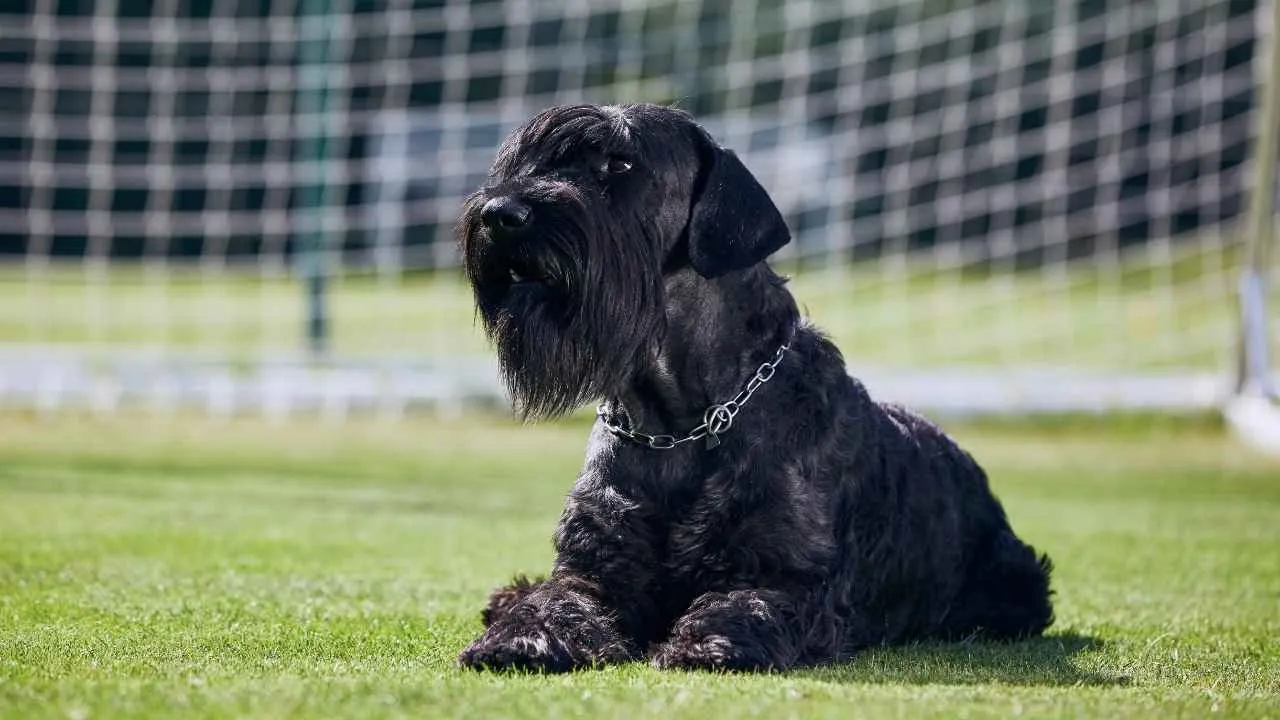
Strong, alert, and highly focused, this breed represents one of the more commanding protection dog breeds with its bold structure and sharp awareness.
Its imposing size and confident stance naturally create a sense of security, while its intelligence allows it to assess situations quickly and respond with control.
In a family environment, it builds strong bonds with its people and prefers active involvement in daily life rather than being left alone.
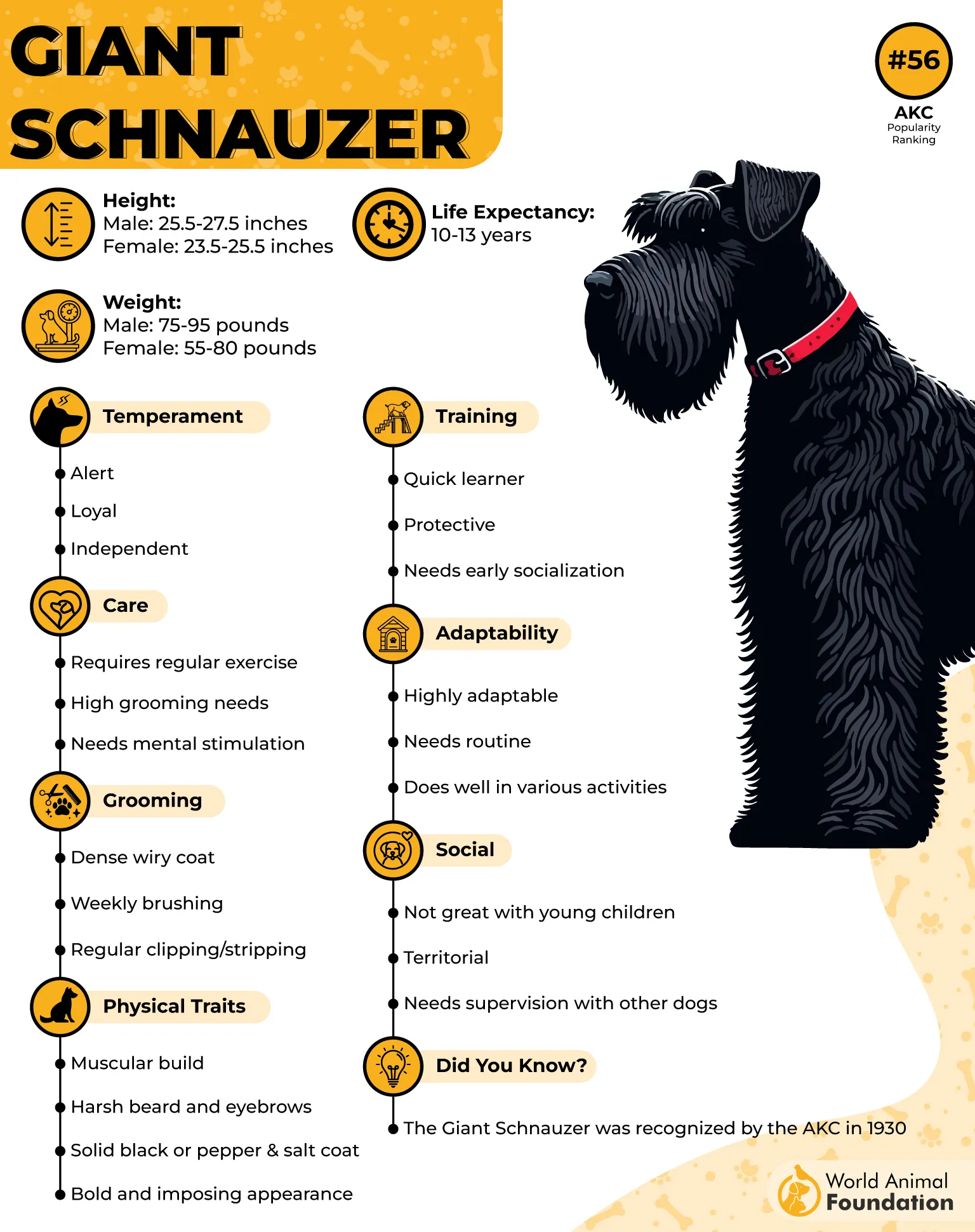
Early socialization and structured guidance help shape balanced behavior, especially around visitors and other animals. With the right training and regular exercise, this typically trained breed channels its energy into structured behavior and remains steady in active households.
It thrives when given tasks, movement, and purpose, making it both a focused worker and a reliable family guard dog.
Fun fact: Despite its serious working reputation, this breed enjoys interactive games like hide-and-seek that challenge both mind and body.
7. Great Dane
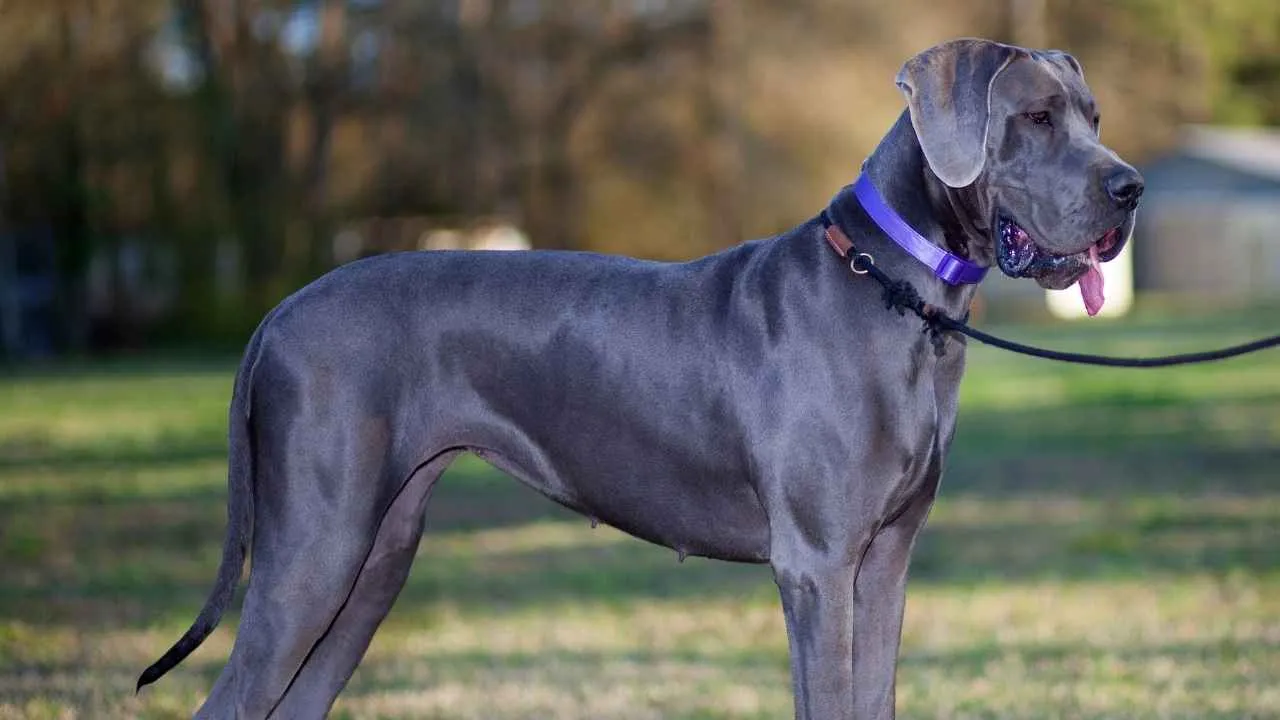
Originally bred for hunting wild boar, this towering breed combines power with a surprisingly gentle temperament, earning its reputation among excellent guard dog breeds.
Its massive frame and deep bark alone can discourage intruders, while its calm expression often surprises those who expect something more intense.
In a family environment, it shows affection and enjoys being close to its people, often following them from room to room.
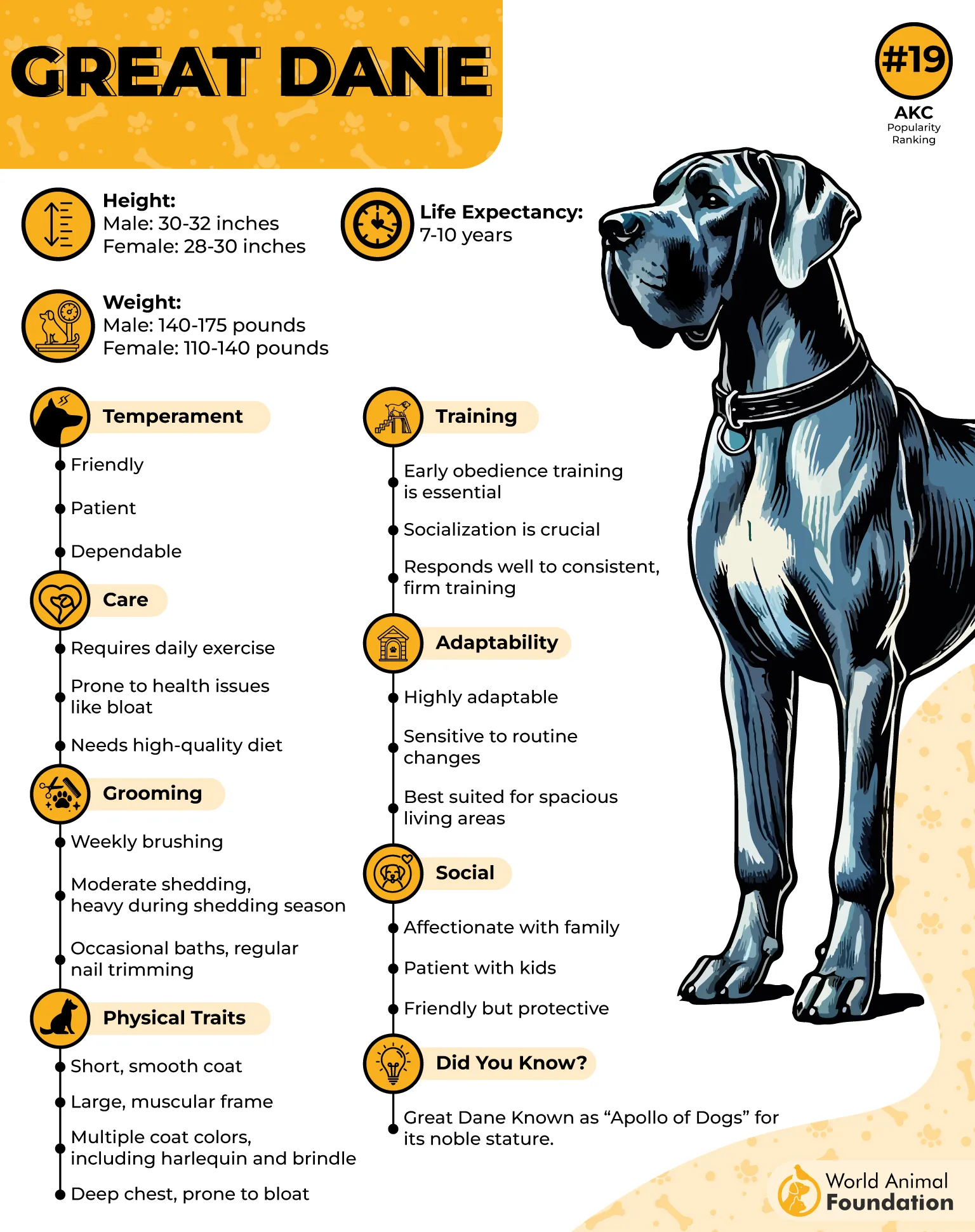
It interacts well with children and other pets, though its sheer size means accidental bumps during play should always be considered.
Great Danes require moderately long walks two to three times per day, and a play session or two in the yard or a room with plenty of space, as per Orvis.
Great Danes are intelligent and willing to please, which makes them responsive to structured training when guidance stays consistent, and rewards like praise and treats are used effectively.
Fun fact: Despite its giant size, this breed is often called the “Apollo of Dogs” for its graceful movement and noble appearance.
8. Rottweiler
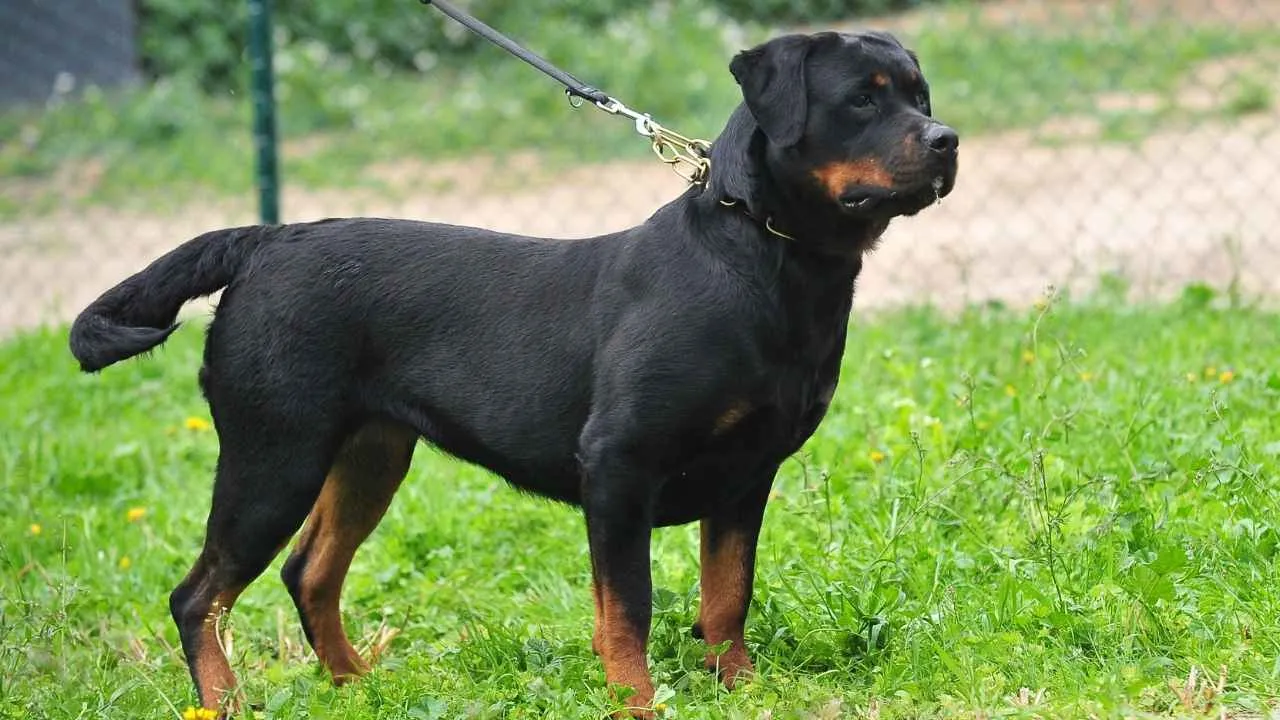
With roots tracing back to Roman cattle-driving dogs, this breed developed in Germany as a strong working companion used for herding, guarding, and protecting valuables.
Its history of responsibility and control has shaped it into one of the most recognized personal protection dog breeds today, known for its strength and steady awareness. In a family environment, it forms strong bonds and stays closely attached to its people.
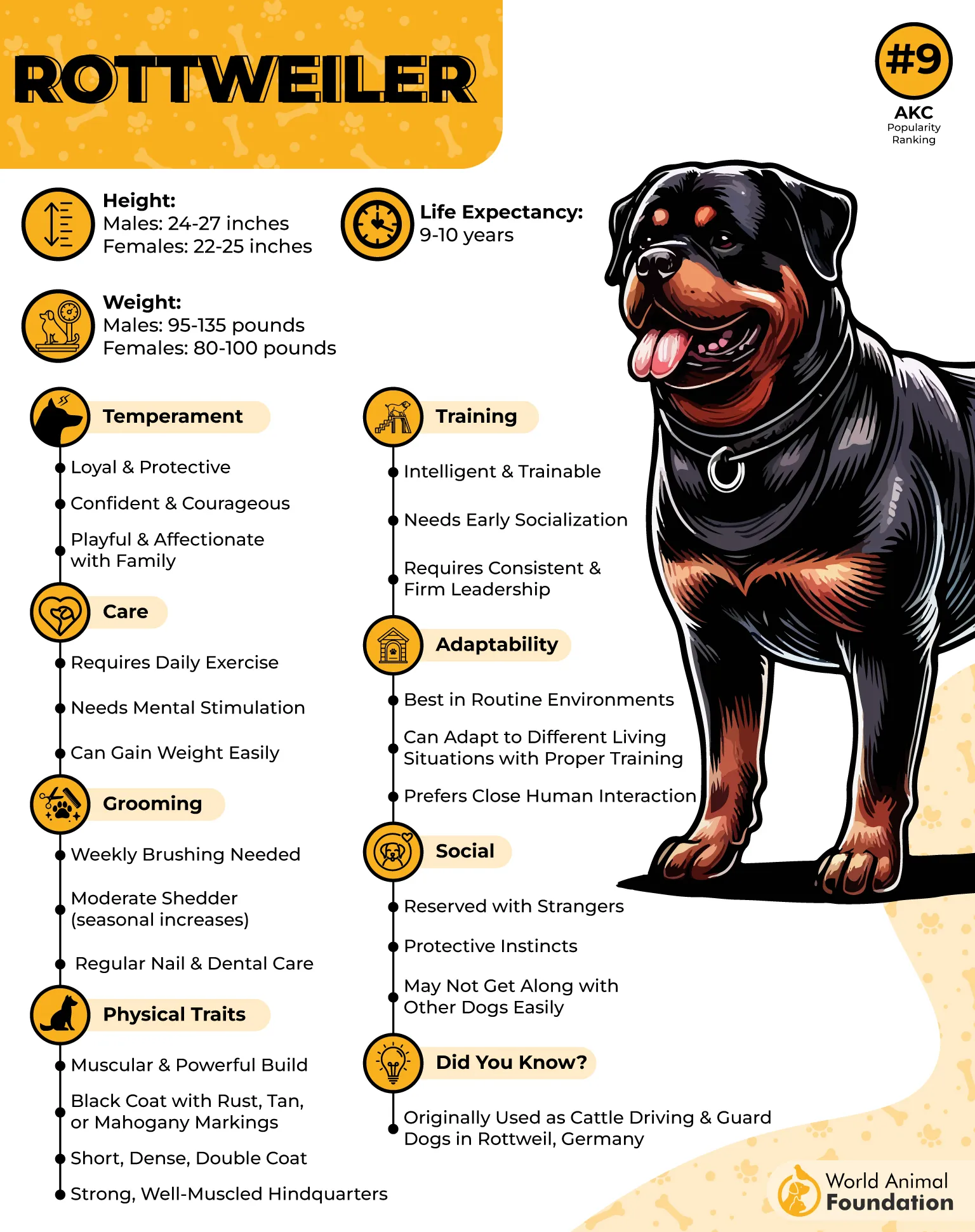
It is typically calm and watchful, but its protective instincts may become more visible when it senses tension or unfamiliar activity, making early socialization important for balanced behavior.
As per Omlet, they do well in agility, obedience, tracking, and therapy work and need mental stimulation. Pleasing you is important to them. Rotties need moderate exercise and enjoy going for walks. They tend to stay quite close to you and rarely wander off.
Fun fact: In the past, traders used this breed to carry money safely by tying it around the dog’s neck while traveling.
9. Great Pyrenees
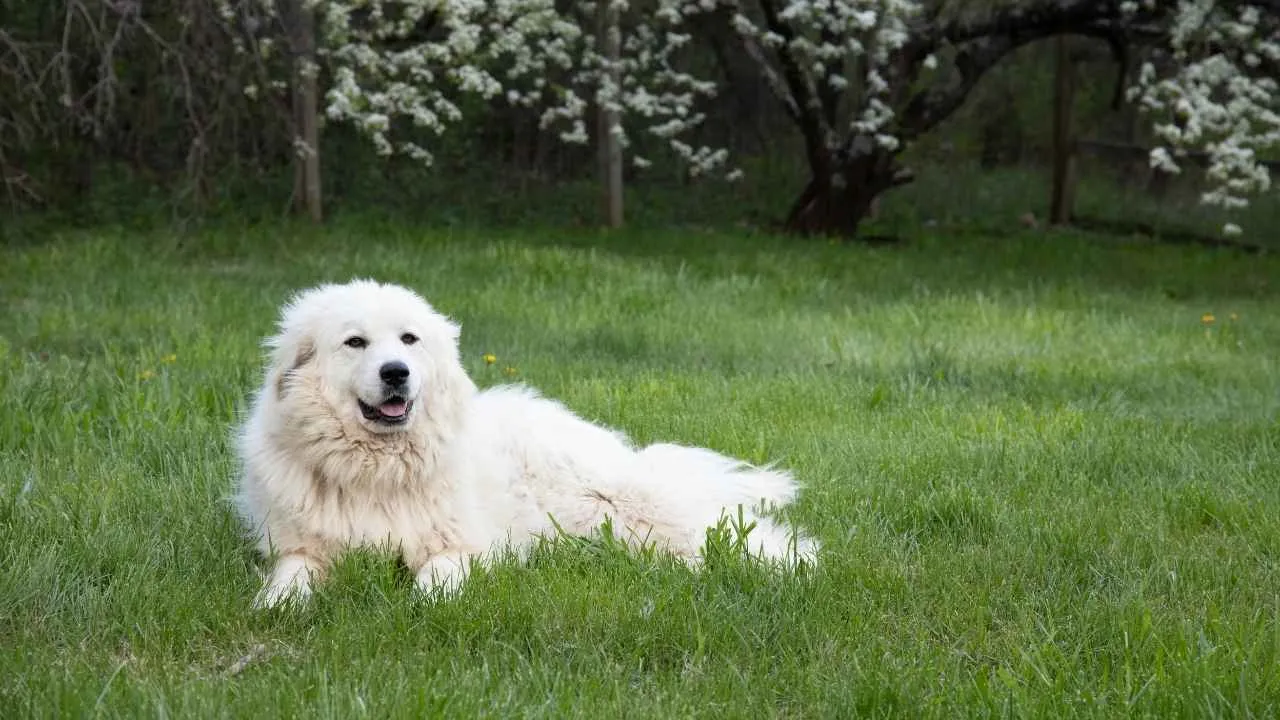
Originating from the Pyrenees Mountains between France and Spain, this giant livestock guardian was developed to watch over flocks in harsh, snowy terrain.
Its thick white coat provided natural camouflage, helping it blend into the landscape while staying alert to threats from predators, as per PetMD.
In a home environment, it is calm, gentle, and deeply bonded with its people, often showing a relaxed presence rather than constant activity.
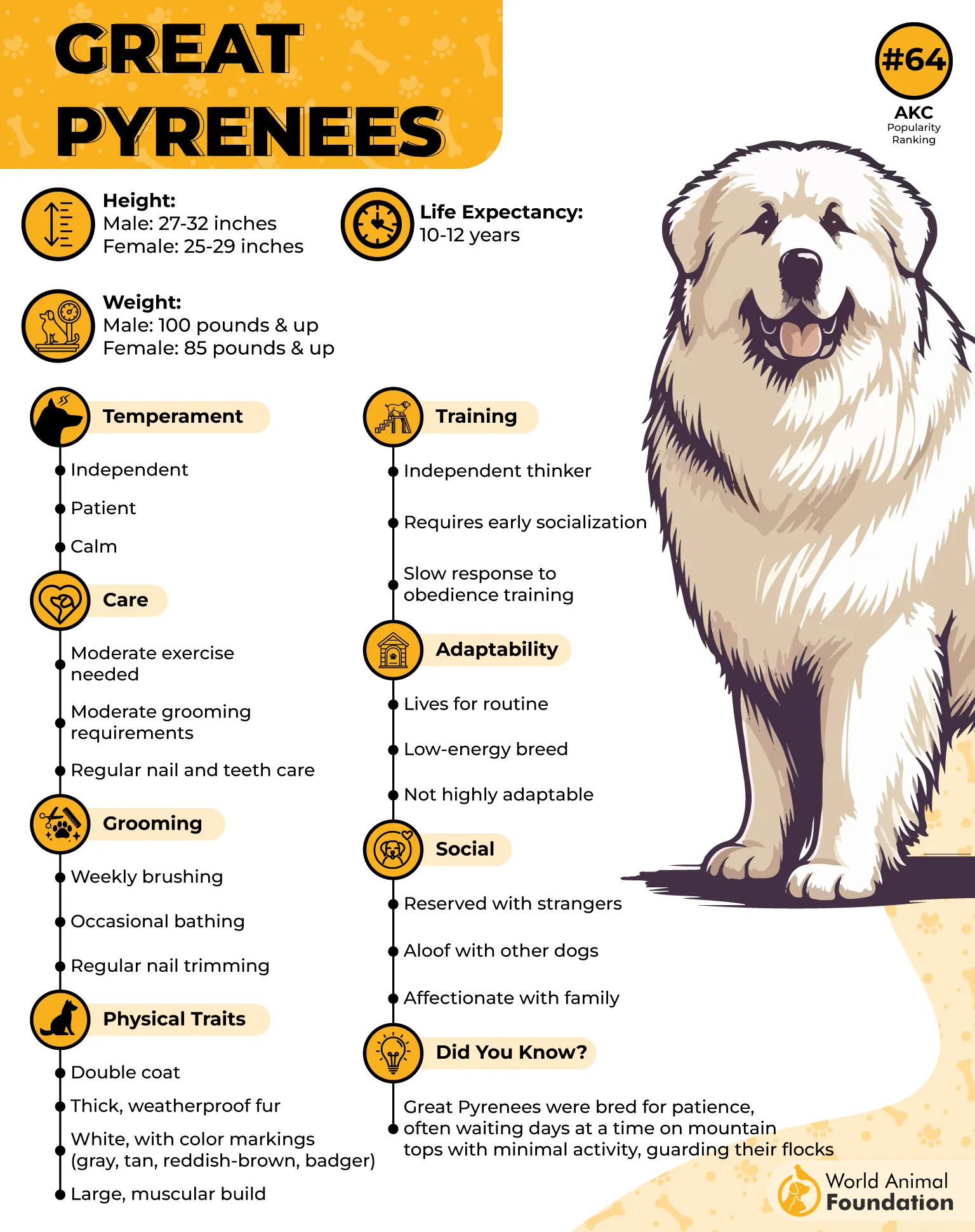
Despite its massive size, it moves with quiet confidence and tends to be patient and steady around family members.
This breed was also shaped by independence, which means it may not always seek constant direction and can display a strong-willed side during training. Consistent training and early socialization help guide its instincts while respecting its natural thinking style.
Fun fact: This breed was once left alone for long periods in mountain valleys to independently guard sheep from wolves and bears.
10. Kuvasz
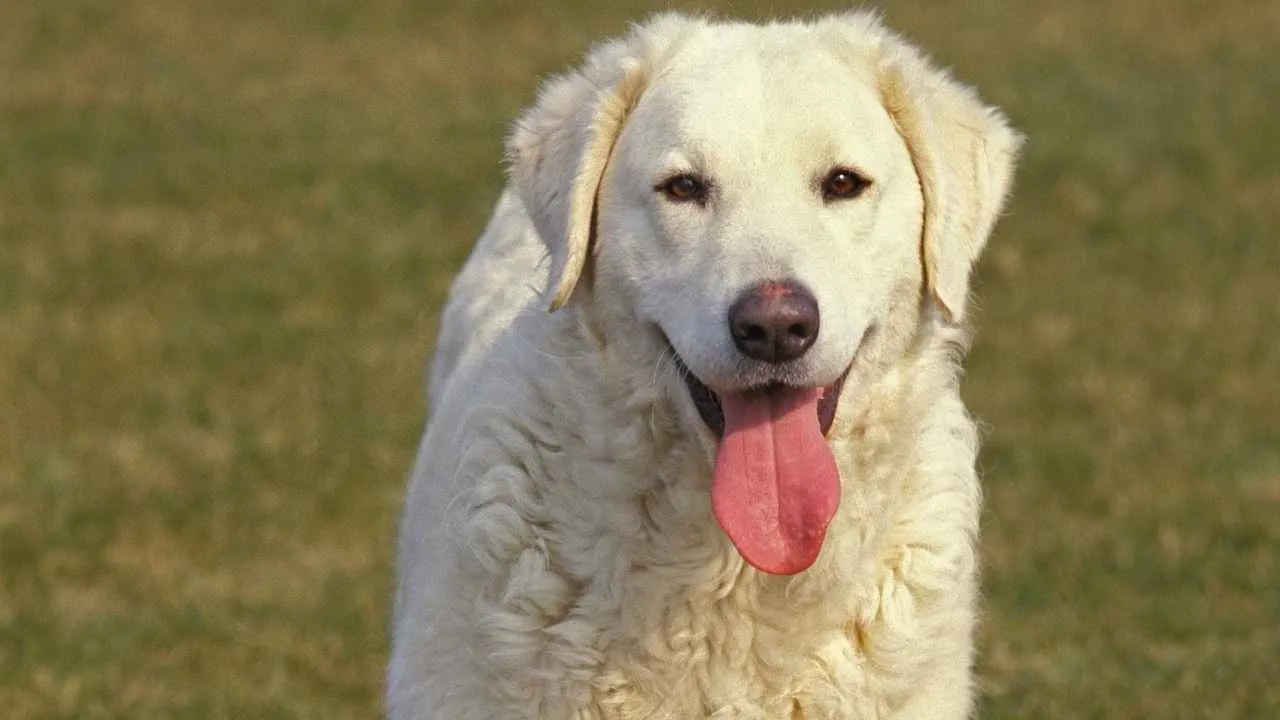
An ancient Hungarian guardian breed, this elegant giant was historically trusted to protect livestock and even royal estates.
Its strong build, calm expression, and natural awareness place it firmly among traditional protective dog breeds, where independence and vigilance were essential traits.
In a home environment, it is deeply loyal and forms strong bonds with its family, often showing a calm yet watchful presence.
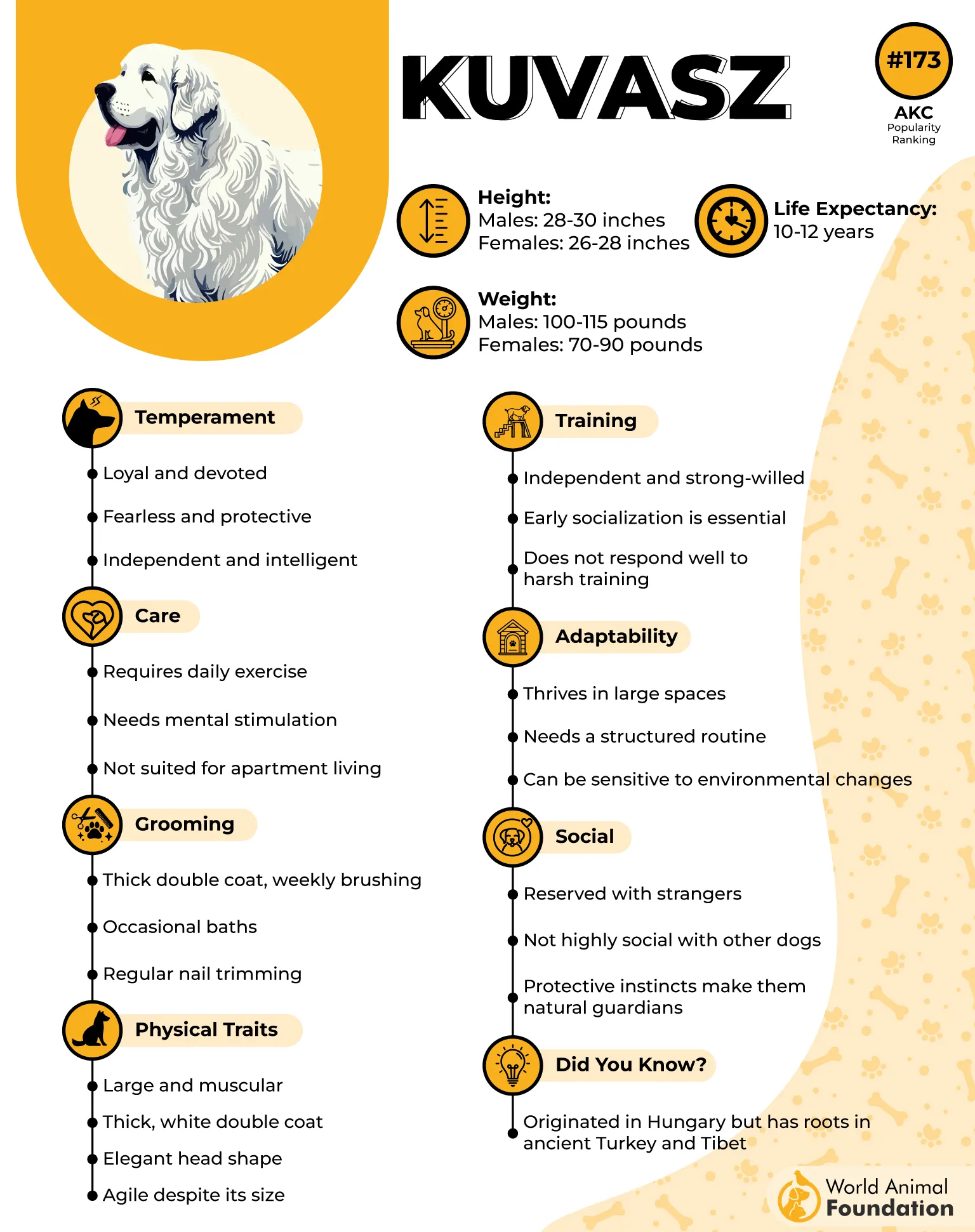
While gentle with children, its large size means interactions should always be supervised to avoid accidental knocks during play or movement.
With early socialization, patient guidance, and consistent training, this intelligent breed learns to navigate household life more smoothly. It responds best to respectful handling rather than force, and it benefits from clear structure combined with mental engagement.
Fun fact: This breed was once so trusted by Hungarian kings that it was said they relied on it more than human guards.
Conclusion
Choosing among these protective dog breeds is really about finding the right balance between instinct, temperament, and your household lifestyle. From calm giants to highly alert working dogs, each breed brings its own way of offering security, loyalty, and companionship while fitting differently into family life.
What truly matters is not just strength or size, but how well a dog is trained, socialized, and integrated into daily routines. With proper guidance, these dogs become more than guardians—they become steady, affectionate companions who grow closely connected to their people.
If you’re considering adding one to your home, take time to match the breed with your activity level, experience, and environment. The right choice won’t just protect your space—it will become part of your everyday life, quietly watching over it with devotion that feels both natural and lasting.
