




People never thought much about security until small things started adding up. A gate left slightly open, footsteps that did not match familiar patterns, and moments where the house felt less private than it should.
Nothing serious happened, but the sense of comfort was not the same. Bringing a protective dog into that space changed more than expected. It was not about aggression or constant tension. The dog simply stayed aware in a way that felt steady and controlled.
Sounds were noticed earlier, movements were tracked more carefully, and the overall atmosphere shifted without effort. It became clear that protection was not about reacting at the last moment. It was about preventing situations from escalating in the first place. That quiet presence made a difference every day.
In this article, you will come across protective dog breeds that bring that same level of awareness, control, and reliable companionship into your life.
Key Takeaways
Security rarely becomes a priority until the feeling of ease begins to slip in small, almost unnoticeable ways.
Then a German Shepherd or Rottweiler enters that environment, and the shift is immediate through awareness that feels calm yet controlled.
Breeds like the Doberman Pinscher and the Bullmastiff do not react without reason. They observe first and step in only when it truly matters.
As you move through the list, the idea of protection begins to feel less about force and more about a presence that quietly keeps everything in place.
Protective Dog Breeds Every Owner Should Consider
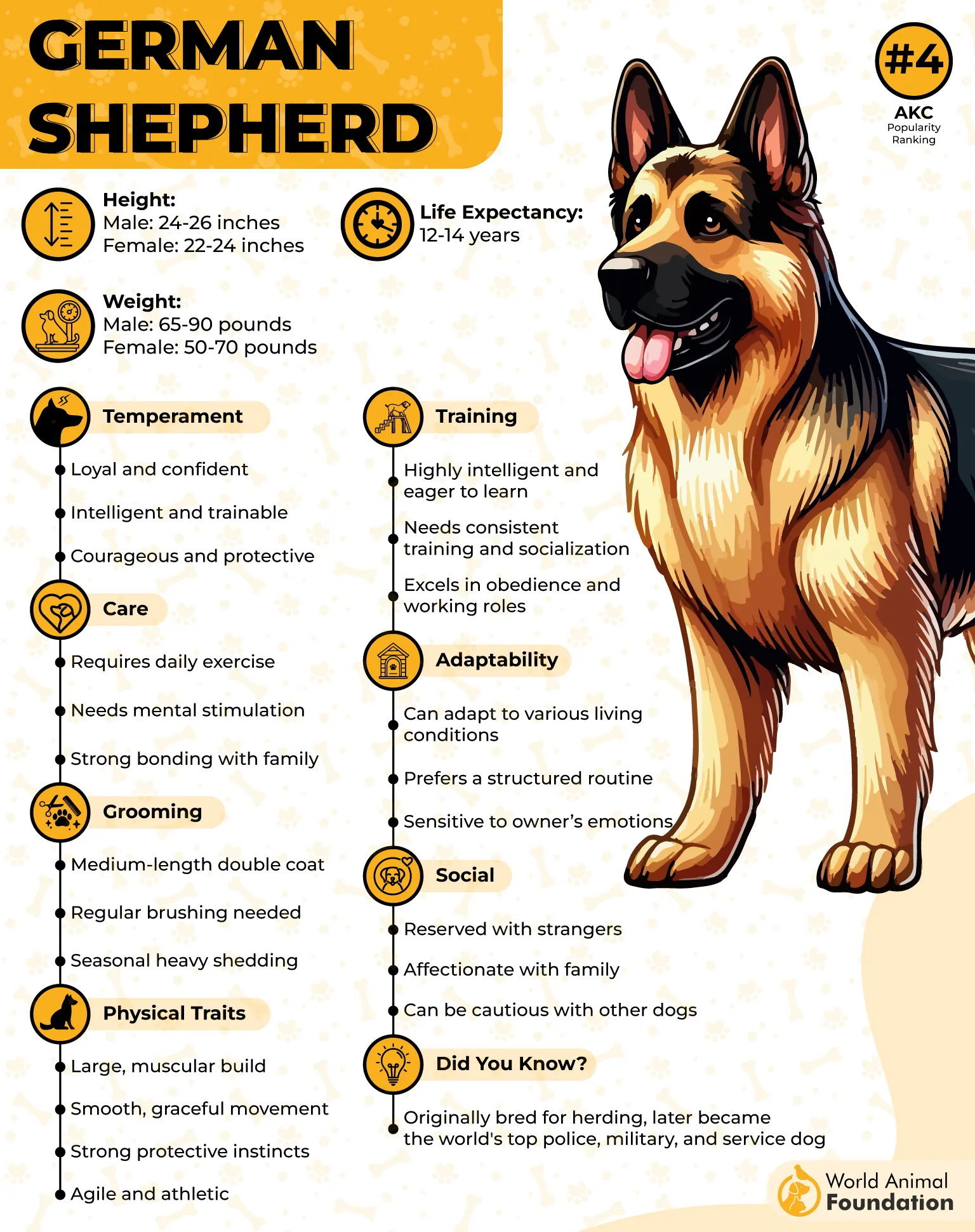
1. German Shepherd
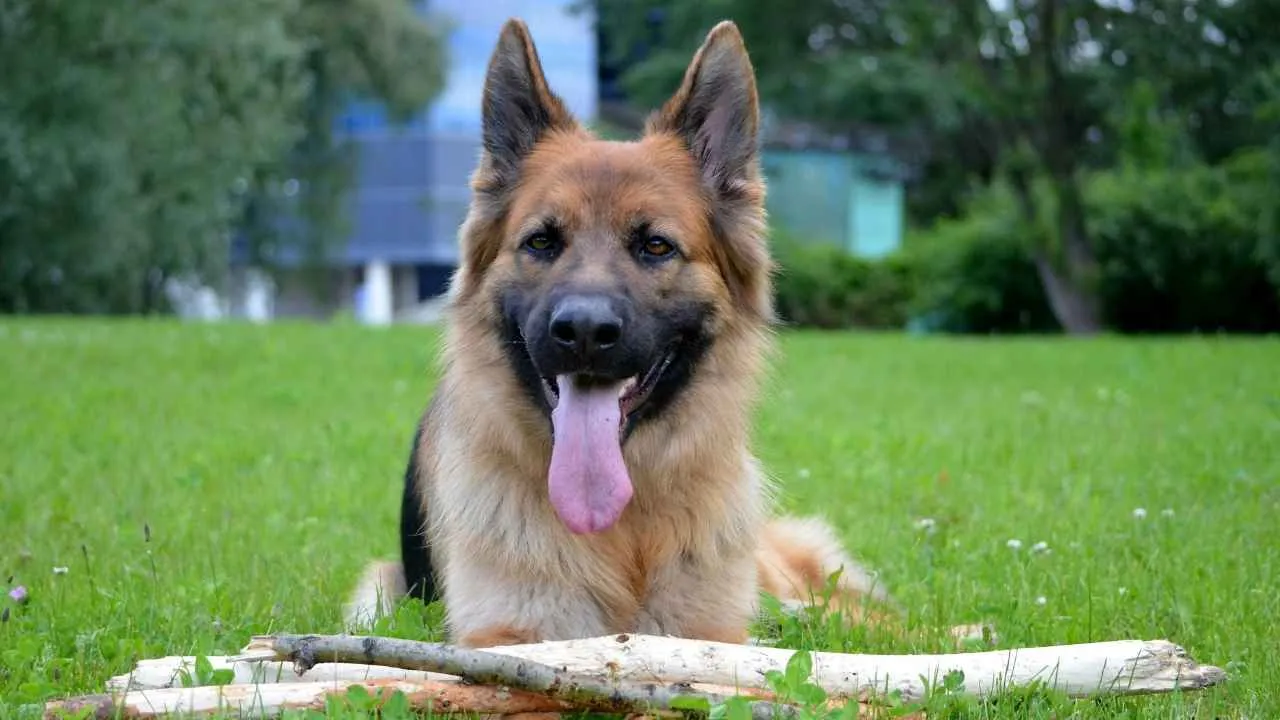
German Shepherd combines agility with a muscular frame, creating a dog that reacts quickly while staying physically controlled.
Its intelligence connects closely with how it processes its surroundings and decisions. This combination forms a presence that feels both alert and deliberate.
Task-driven behavior in action
This guard dog breed connects naturally with structured roles, often aligning its behavior with tasks that require focus and direction. Its use in patrol, detection, and rescue work reflects a strong link between instruction and execution, as written by PetMD.
This connection becomes clear in working patterns:
Engages fully in assigned roles
Responds quickly to trained commands
Maintains focus during complex tasks
Energy that demands direction
They operate with a high level of energy tied to their herding instincts, often seeking an outlet through structured activity. Without proper engagement, this drive can turn into restless or disruptive behavior. Daily routines need to channel both physical and mental effort.
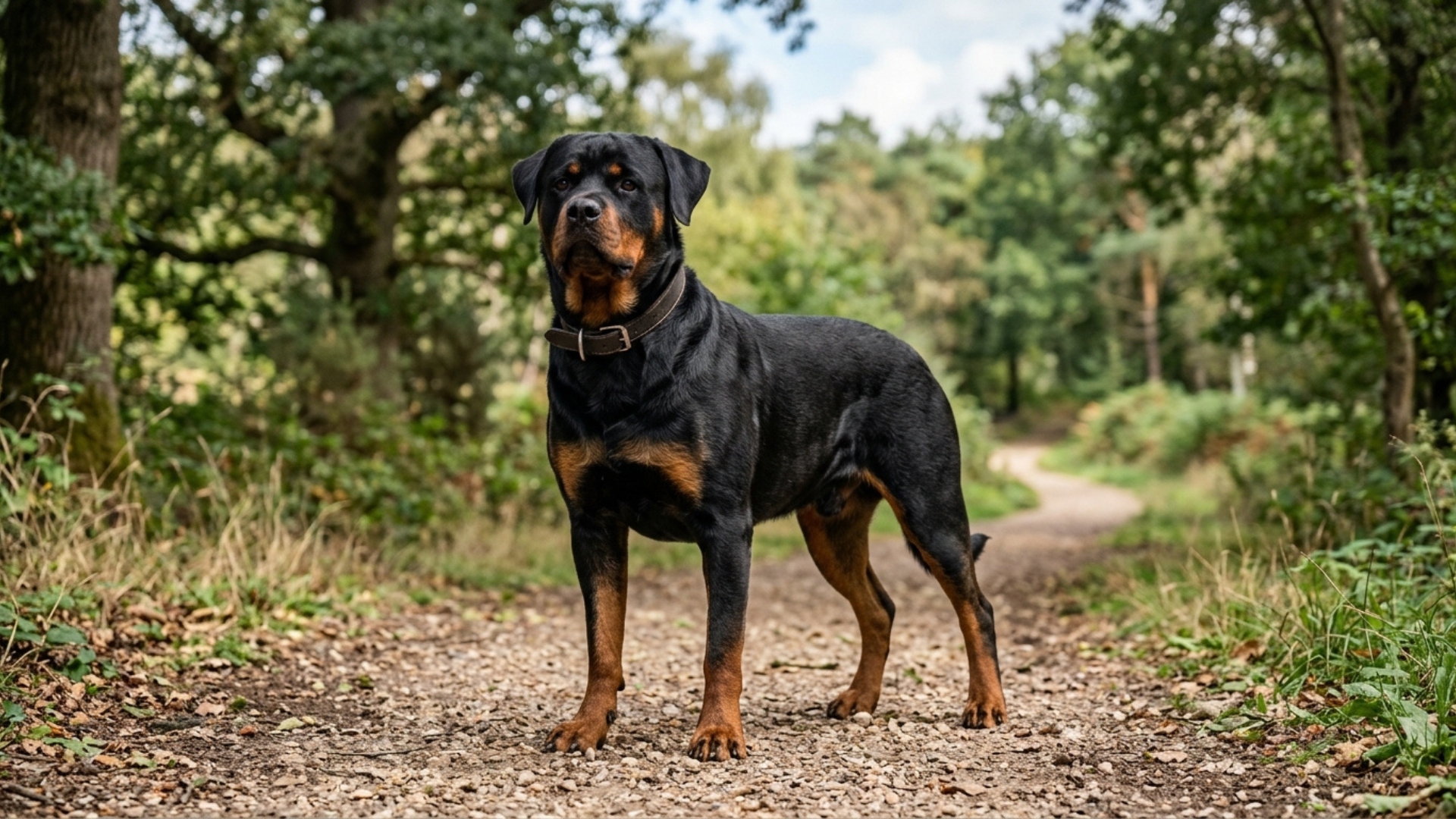
2. Rottweiler
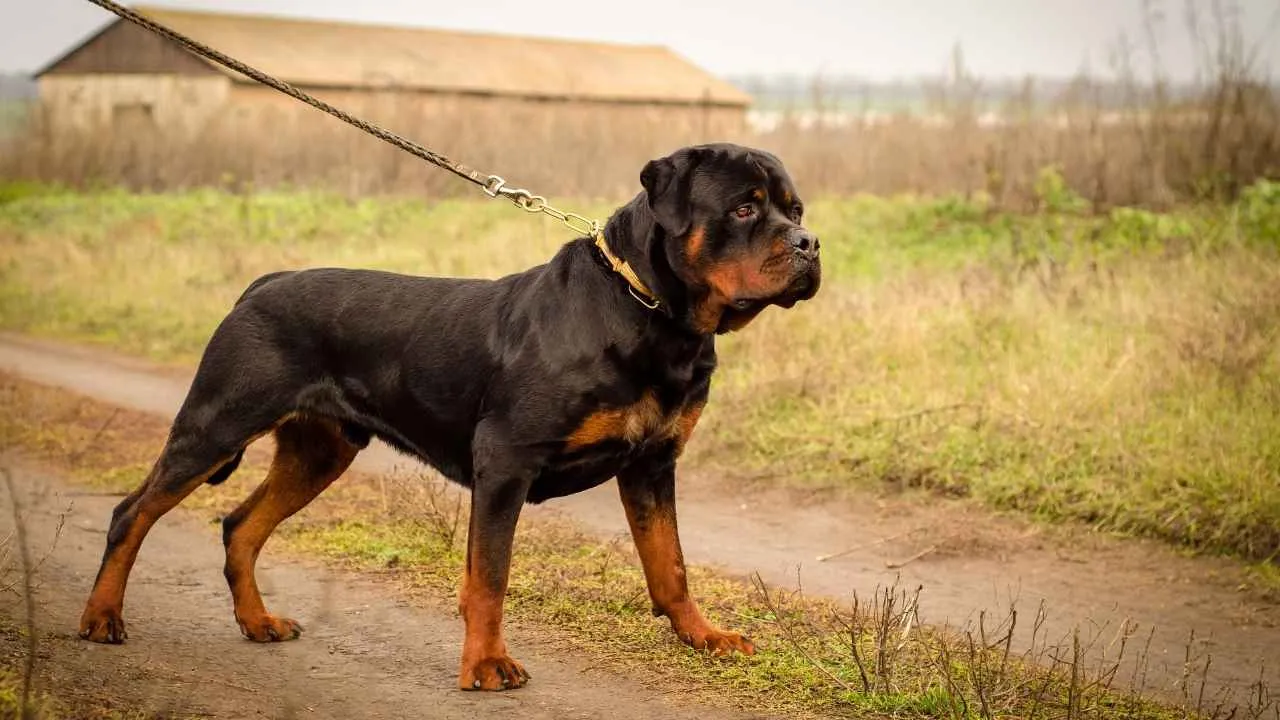
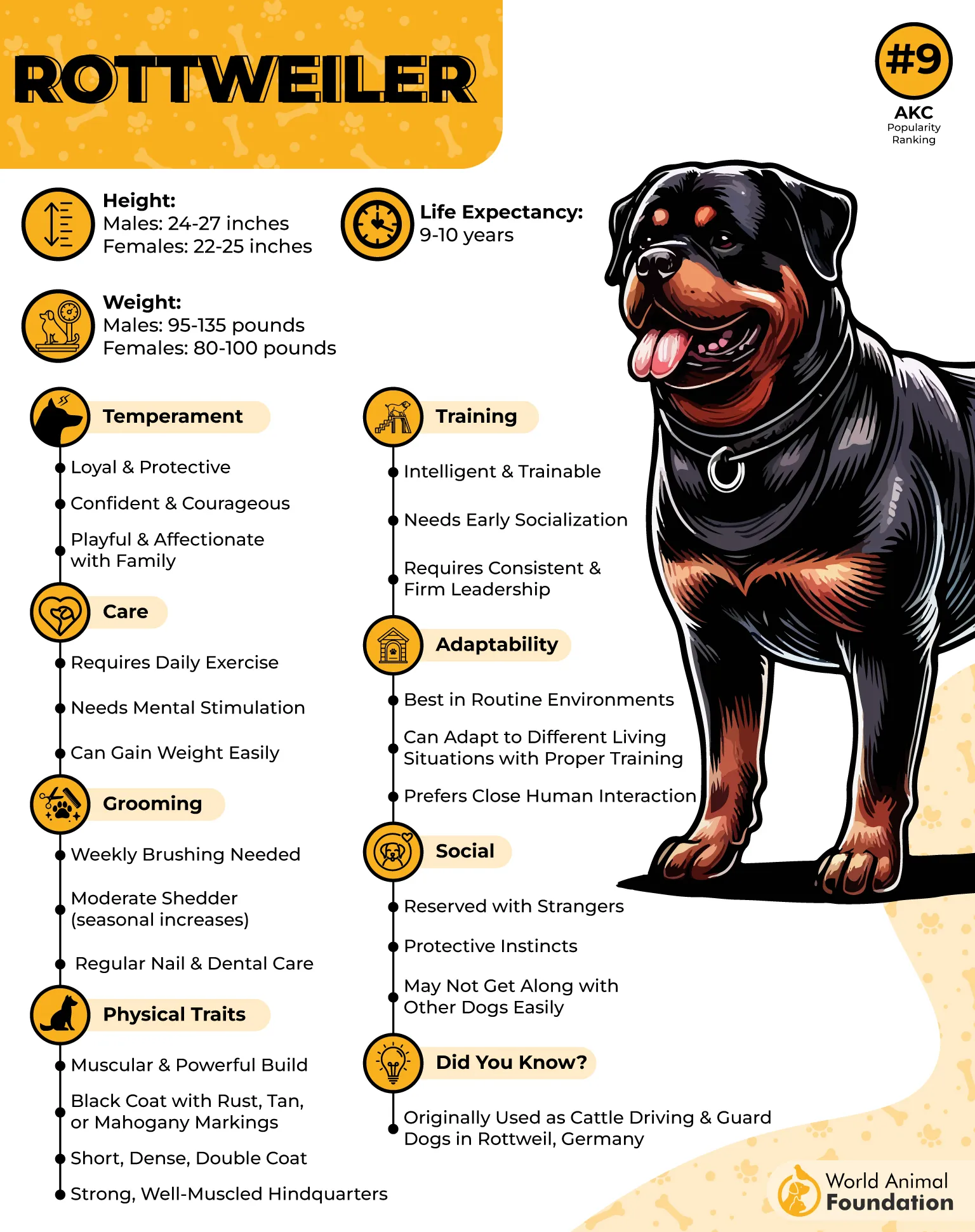
Rottweiler worked alongside butchers and cattle handlers in southern Germany, handling tasks that demanded strength and reliability, as mentioned by Omlet.
It pulled loaded carts and guarded earnings tied to its body, placing responsibility directly on the dog. This role shaped a working companion trusted with both labor and protection.
Guarding through measured distance
As a good protection dog, they approach unfamiliar people with a reserved attitude, choosing observation over immediate interaction. Its protective instinct becomes active when situations feel uncertain, especially in family settings.
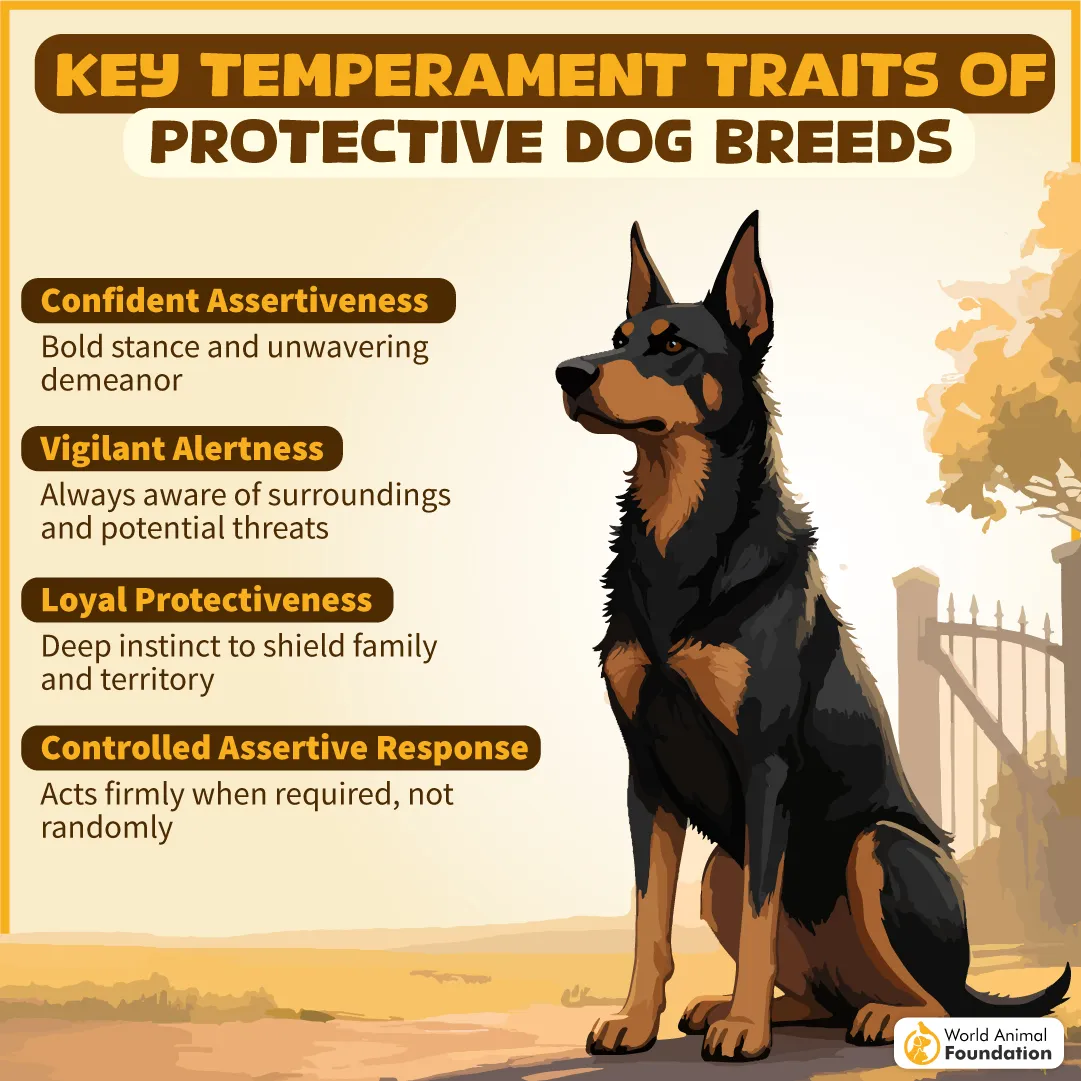
That response can be understood through clear behaviors:
Watch new people before engaging
Steps in when tension rises nearby
Keeps physical distance while assessing
Learning shaped by structure and boundaries
Rottweiler responds quickly to training when direction stays firm and consistent, picking up commands without delay. Early exposure to people and environments shapes how the guarding instinct is expressed later. Clear boundaries play a central role in guiding its decision-making.
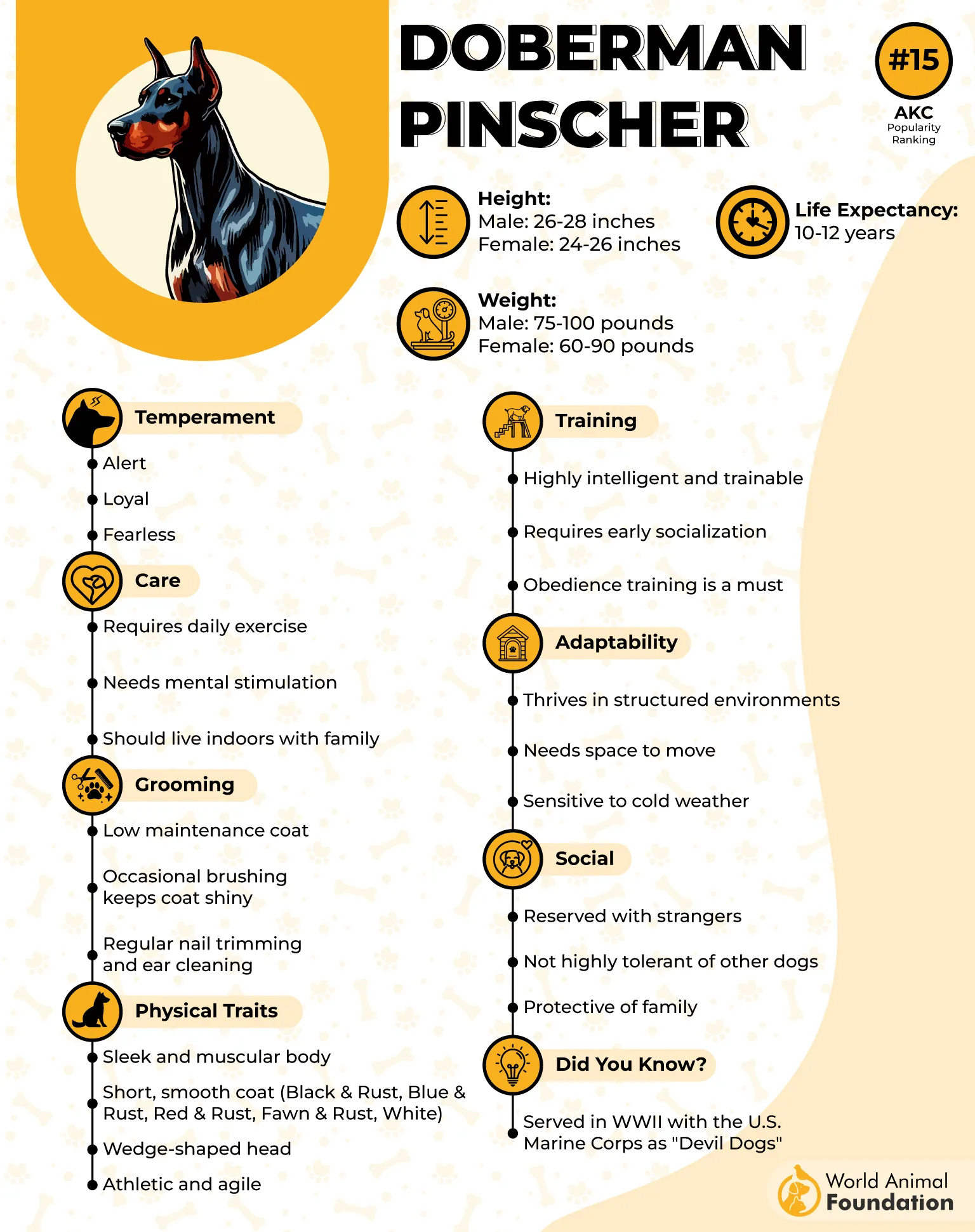
3. Doberman Pinscher
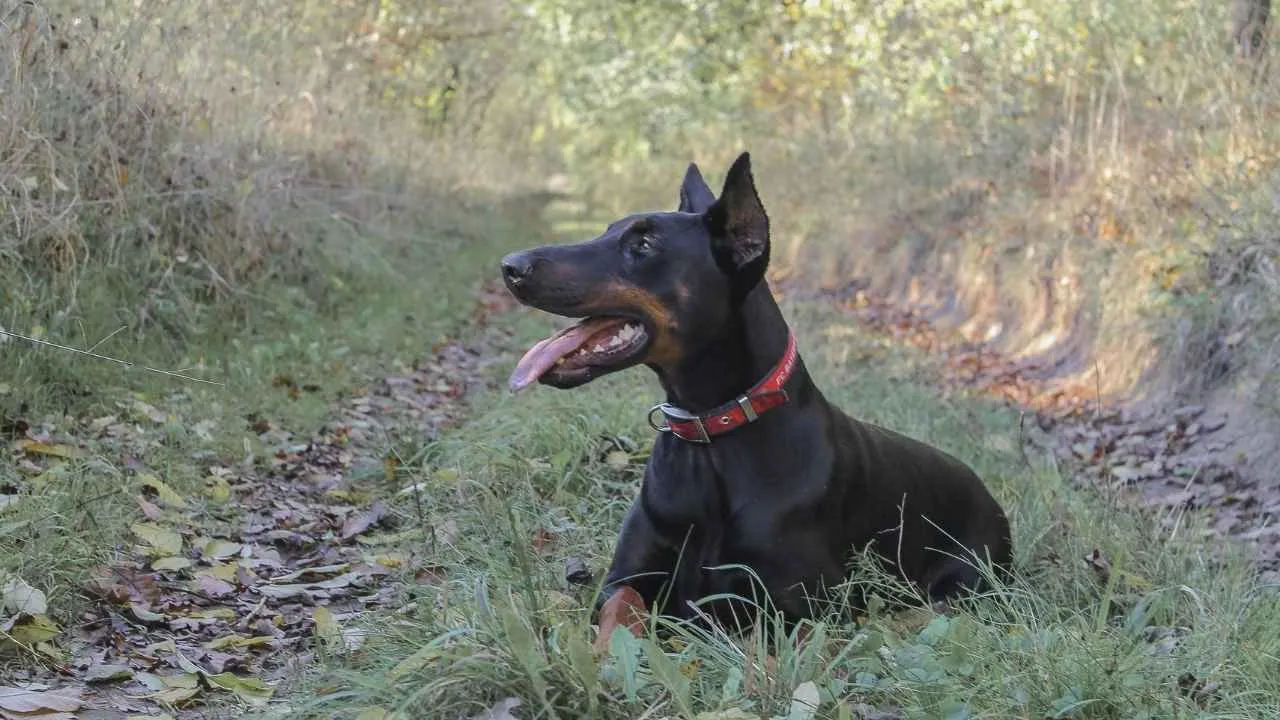
The Doberman Pinscher was shaped for a practical need, assisting a tax collector who required protection during daily routes. This origin created a dog wired for alertness and a close human connection. Its presence feels purposeful, tied directly to guarding responsibility.
Response shaped by awareness and control
Dobbie reacts quickly to unfamiliar people and dogs, guided by a protective instinct rather than random aggression. Its attention stays fixed on its surroundings, especially in new situations.
That behavior becomes clearer through these patterns:
Watches unfamiliar movement closely
Responds sharply to an unexpected approach
Keeps focus on the immediate environment
Physical ability and daily engagement
This loyal companion brings strong muscle and high activity needs into everyday life, requiring regular walks or extended runs to stay balanced. Its energy connects closely with both physical and mental tasks. Obedience work becomes a natural outlet due to its eagerness to follow direction.
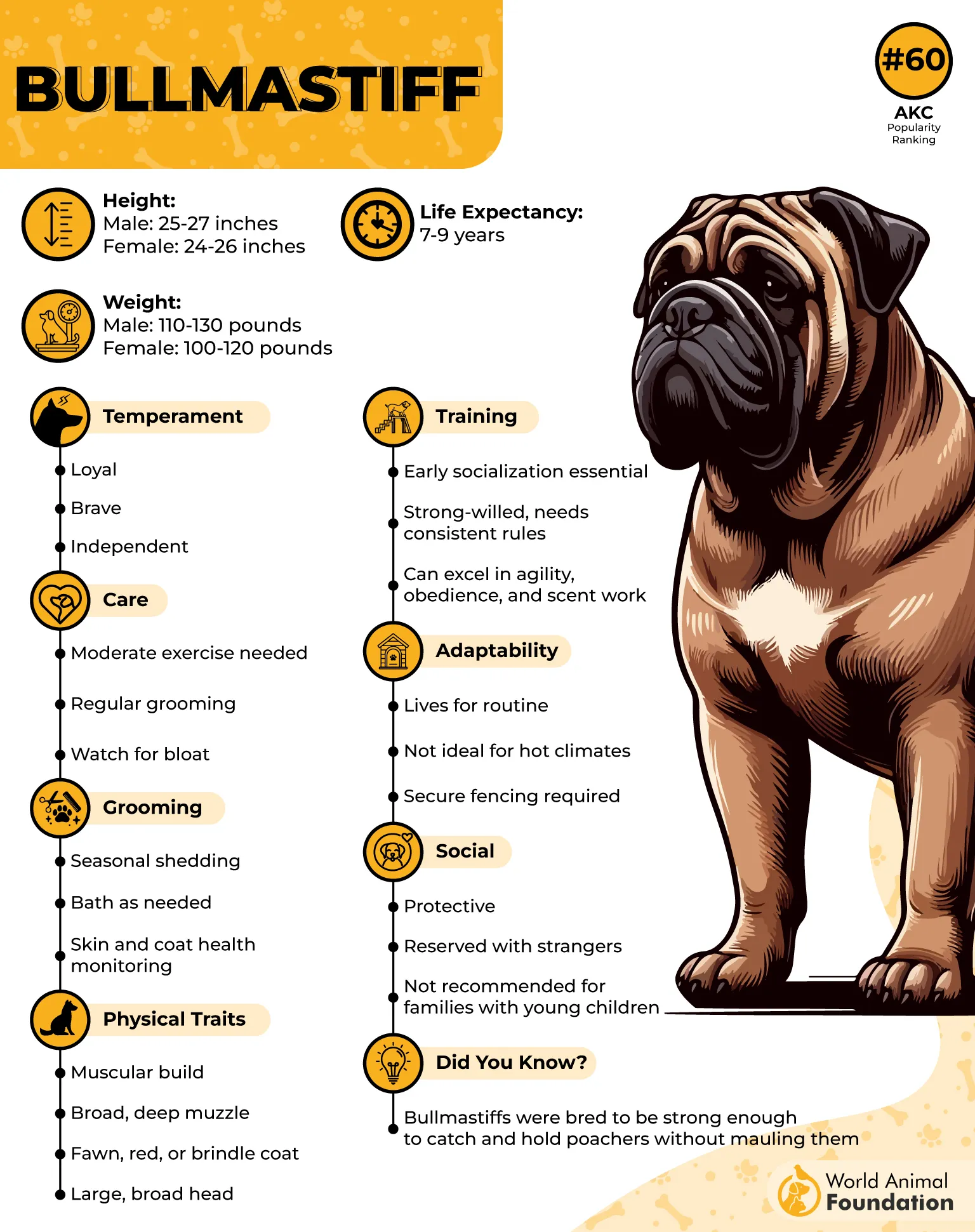
4. Bullmastiff
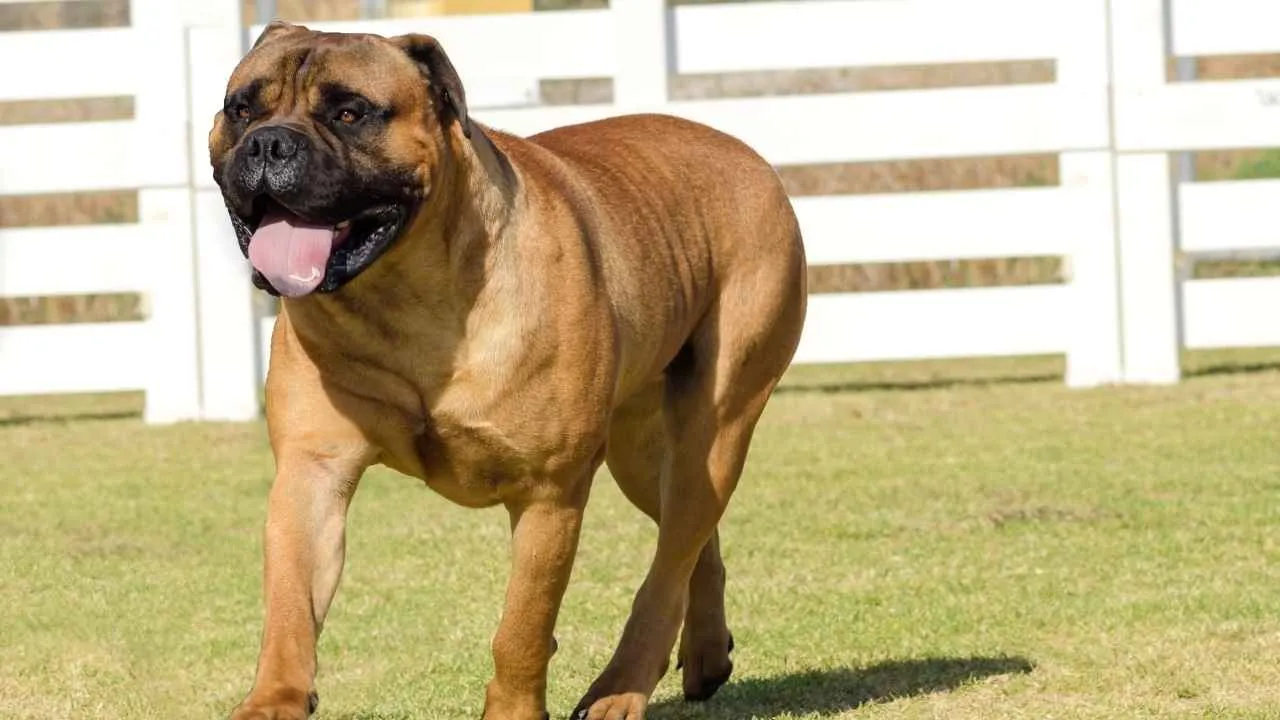
The Bullmastiff emerged from estate needs where poachers had to be stopped without chaos, combining Bulldog grip with Mastiff size. Its role was to wait, then pin intruders rather than injure them. This created a guardian that relies on physical restraint rather than on noise or chase.
Guarding response without excess noise
This loving companion reacts selectively, often remaining quiet until it senses a real disturbance within its space. Its instinct centers on holding position and controlling entry points rather than constant alerting.
That approach becomes clear in key behaviors:
Intervenes by blocking and pinning intruders
Rarely vocal unless tension rises
Focuses on control instead of pursuit
Home behavior shaped by attachment
In family life, it stays closely connected to household members, often following from room to room without hesitation. It seeks physical closeness, even attempting to rest against people despite its size. This attachment builds a constant presence within daily routines.
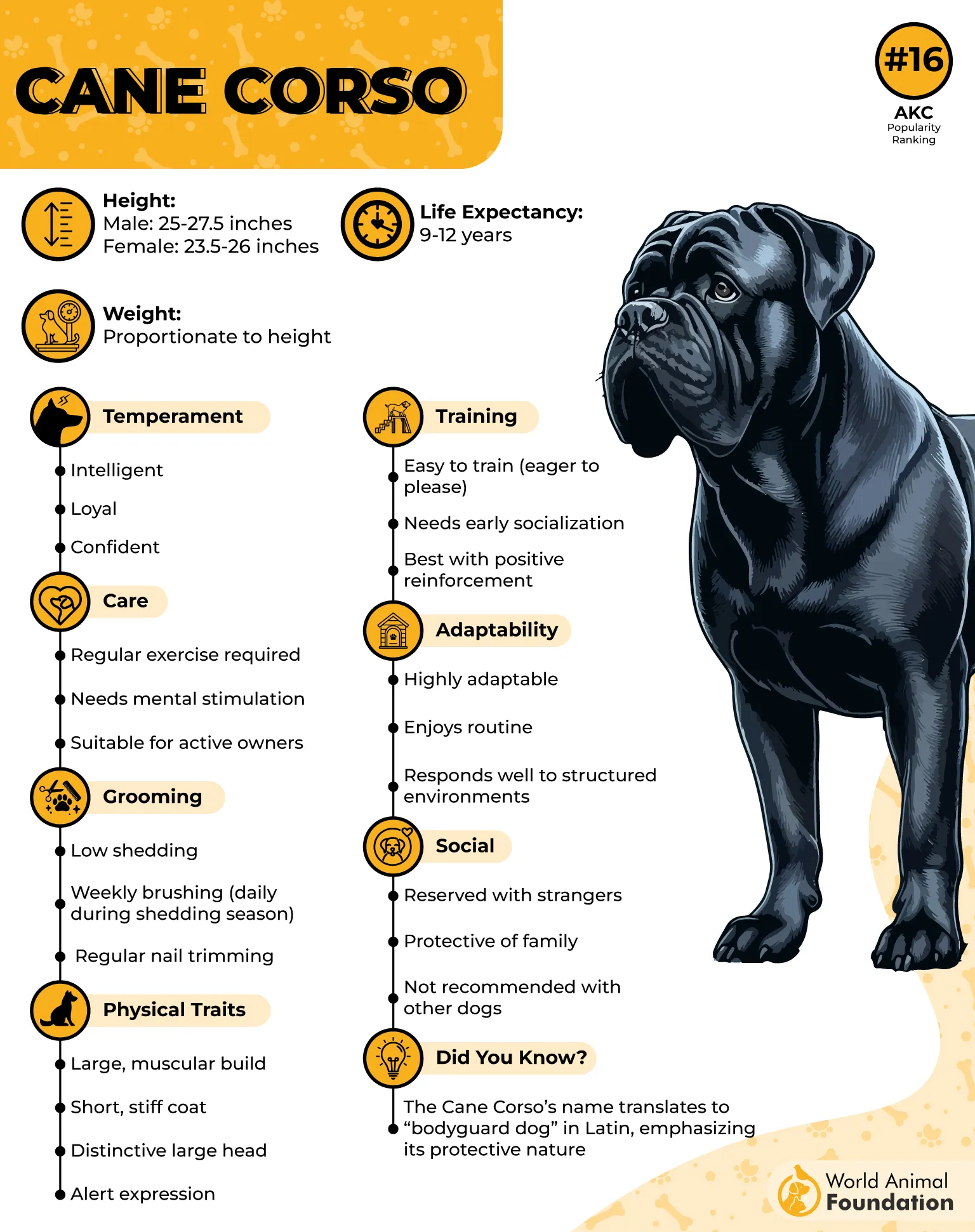
5. Cane Corso
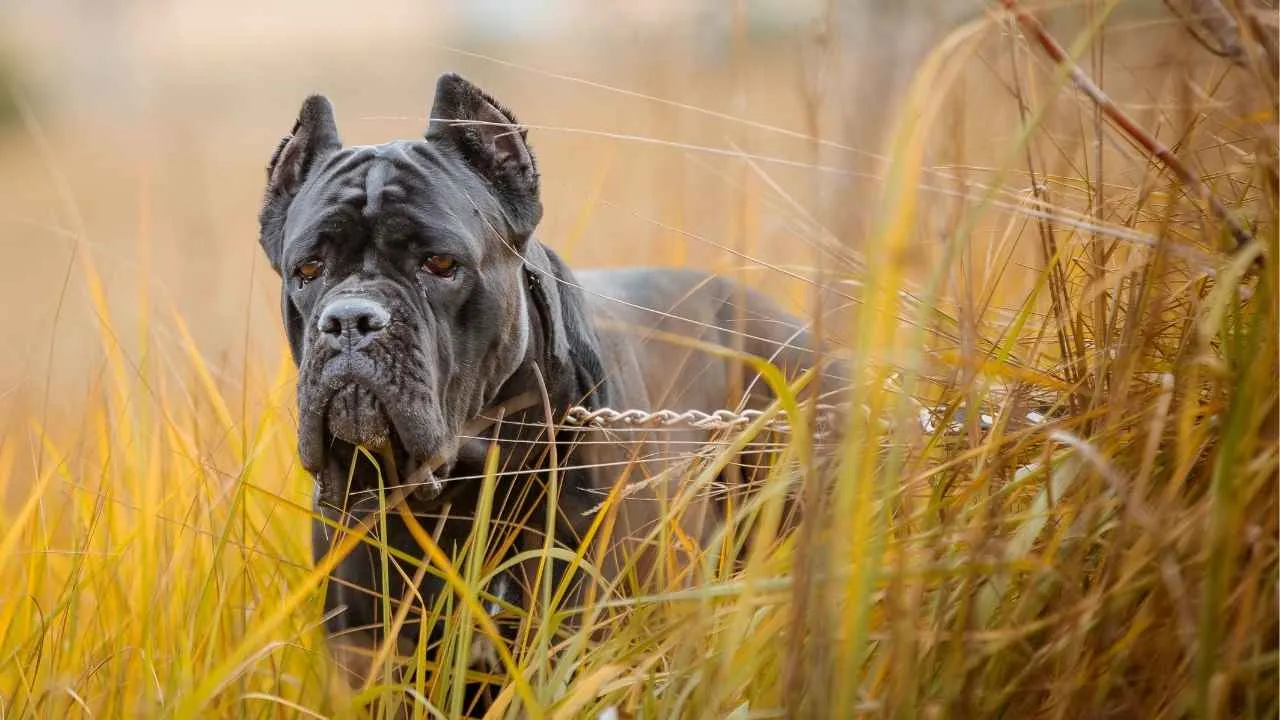
The Cane Corso takes its name from the Latin idea of a courtyard protector, reflecting a role closely tied to guarding spaces and people, as per the AKC.
Its large head, expressive face, and muscular frame create a dog built for presence and purpose. This identity connects directly to its long use in working environments.
Roles shaped through working use
This excellent guard dog has been used across multiple tasks, from guarding property to assisting in farm work and even serving alongside soldiers. Its versatility comes from a mix of intelligence and responsiveness in structured roles.
That working range is reflected through:
Guarding homes and enclosed spaces
Assisting with farm-related tasks
Serving in disciplined, task-based roles
Training and control from an early stage
It responds well to positive reinforcement when training begins early, especially during puppy stages. Its intelligence allows it to learn quickly, though consistency remains important due to its willful side. Proper socialization shapes how it handles different people, animals, and surroundings.
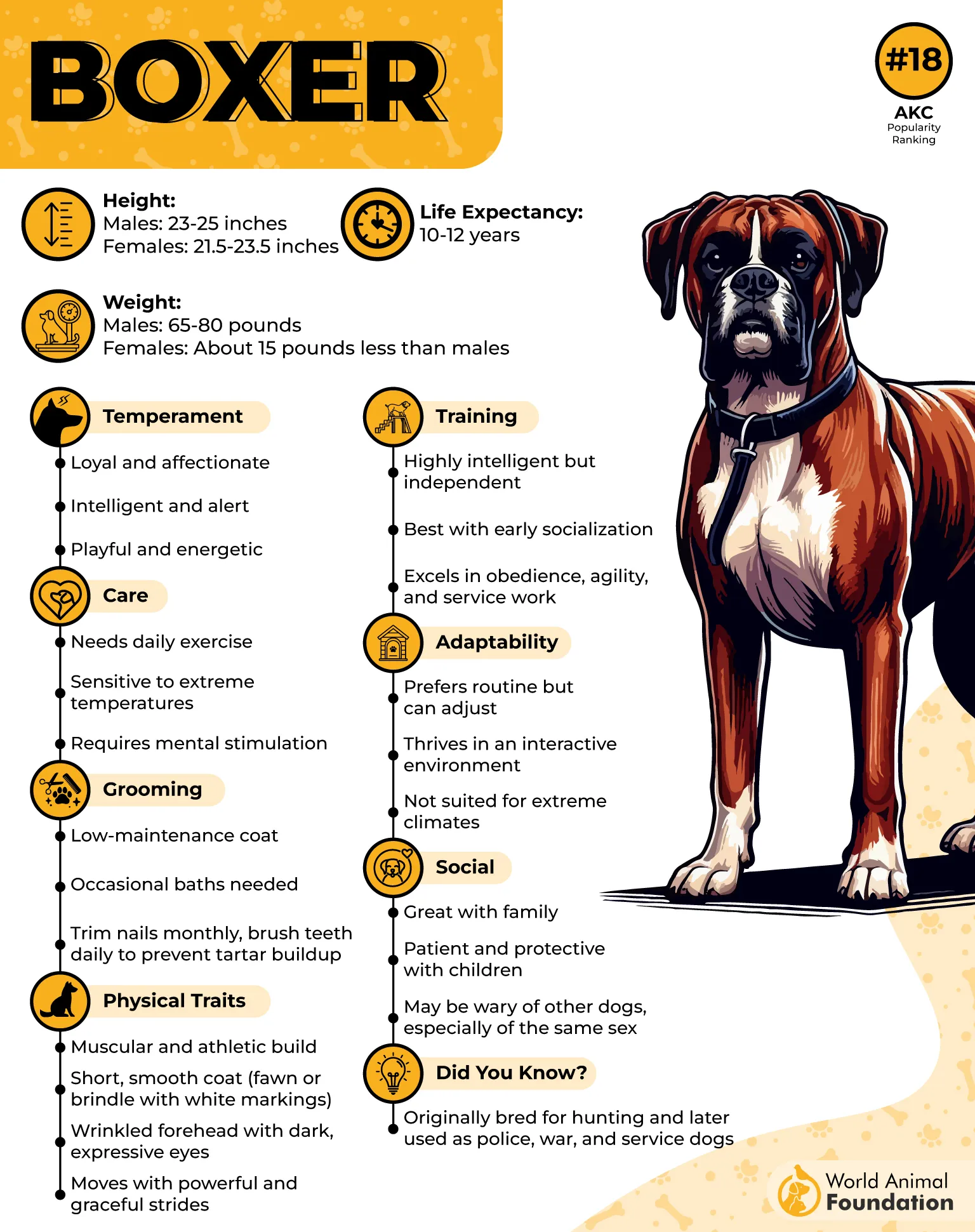
6. Boxer
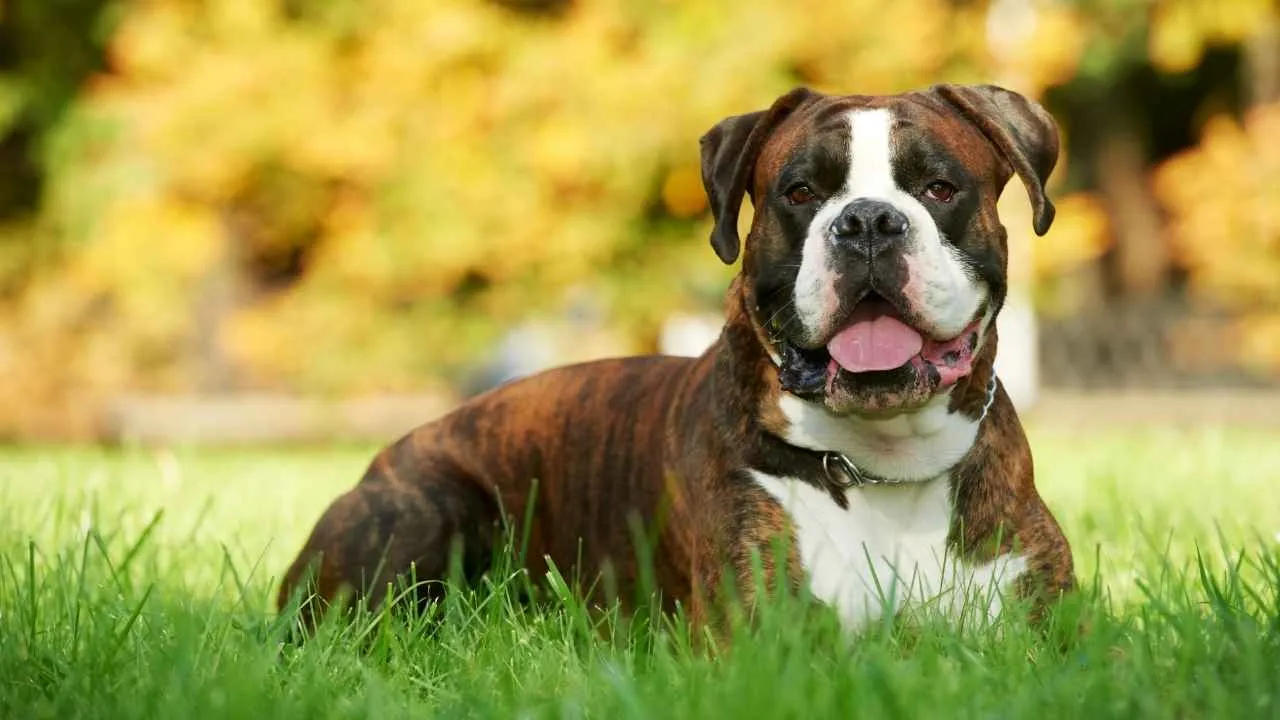
Boxers were originally bred from German working lines shaped through Bullenbeisser and Bulldog crosses, linked to roles in cattle control and later wartime duties.
Their presence feels alert and engaged, shaped by tasks that require awareness and responsiveness. This origin ties closely to their natural guarding instinct within everyday environments.
Alert response and social awareness
This big dog reacts quickly to activity around the home, often noticing arrivals and changes before others do. It keeps a balanced approach with people, showing caution at first while accepting those introduced properly.
This balance appears through consistent behavior:
Signals when someone approaches the home
Observes unfamiliar people before engaging
Accepts guests once introduced calmly
Interaction driven by curiosity
It keeps itself involved in daily life, often following movement within the home to stay connected with activity. Its curiosity extends to people and surroundings, creating a dog that prefers engagement over isolation. This behavior reflects a strong link to human interaction.
7. Giant Schnauzer
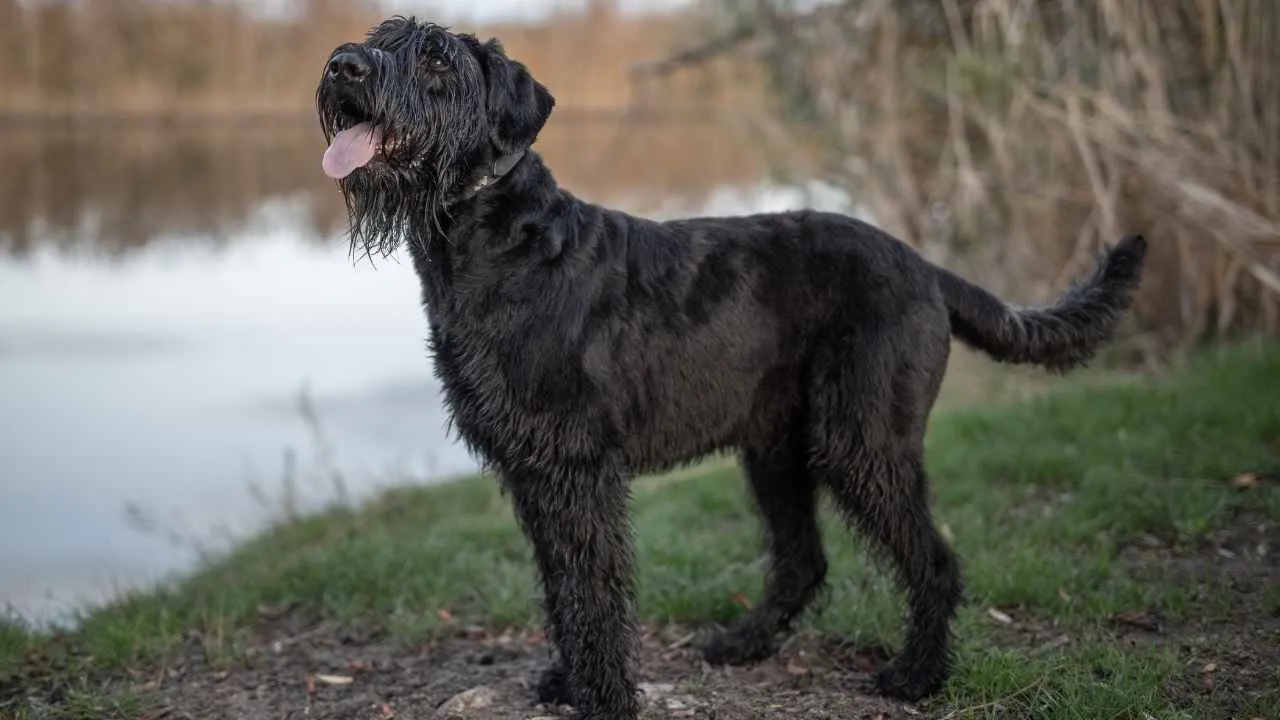
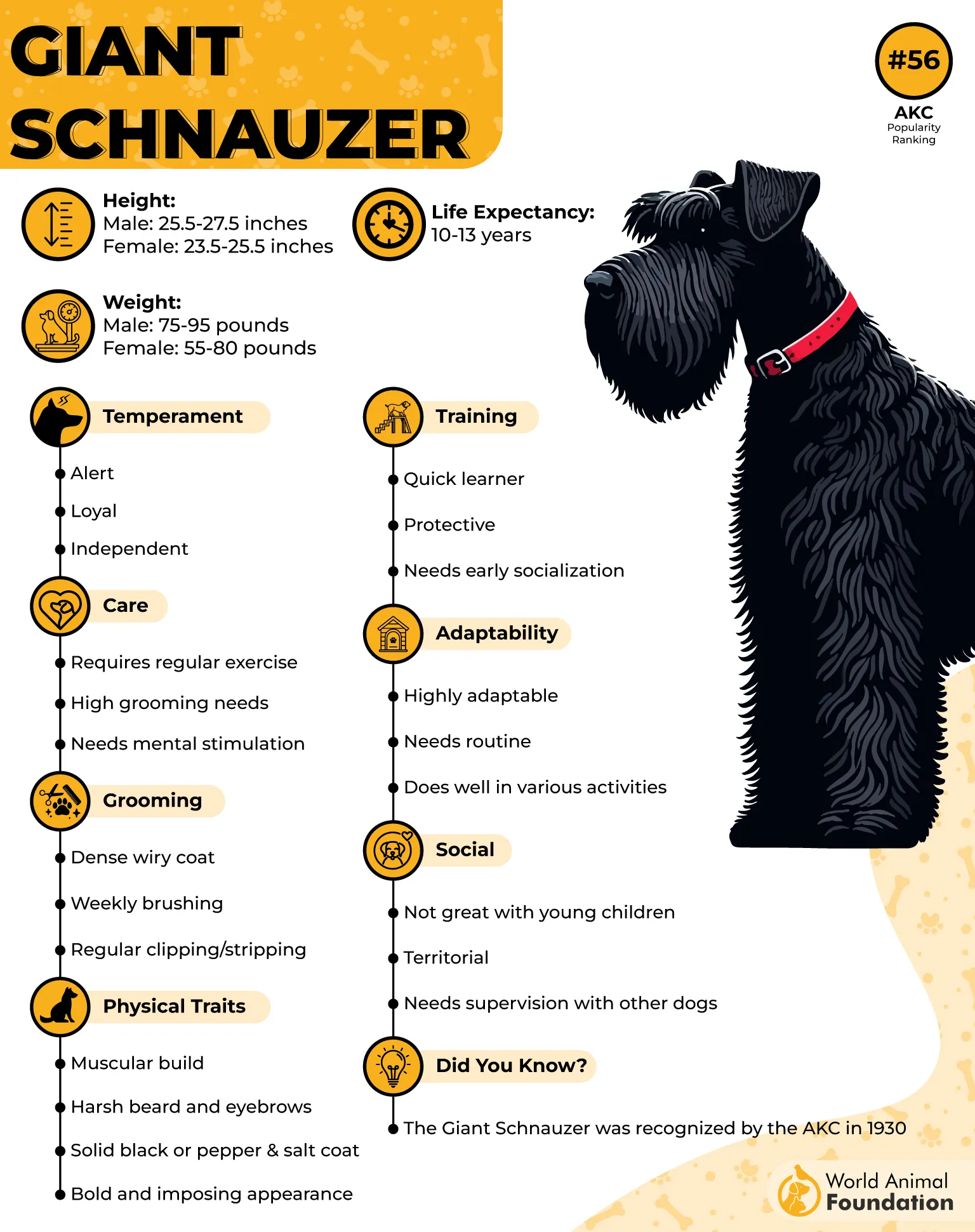
The Giant Schnauzer is the largest among the Schnauzer types, shaped through crosses with larger working breeds like the Great Dane. Its size and structure reflect a dog meant to handle demanding guarding roles across farms and homes. This physical scale pairs with a serious working presence.
Working instinct in modern roles
This large dog transitioned from farm duties into structured environments such as police and military service, where discipline and responsiveness are essential. Its intelligence connects closely with task-based learning and guided control.
This shift appears through practical abilities:
Handles structured training with focus
Adapts to controlled working environments
Responds quickly to assigned roles
Energy tied to engagement
The Giant Schnauzer operates with high energy that connects directly to activity and interaction rather than idle behavior. It requires both physical outlets and mental tasks to stay balanced within a home setting. Access to space, such as a fenced yard, supports this need.
8. Akita
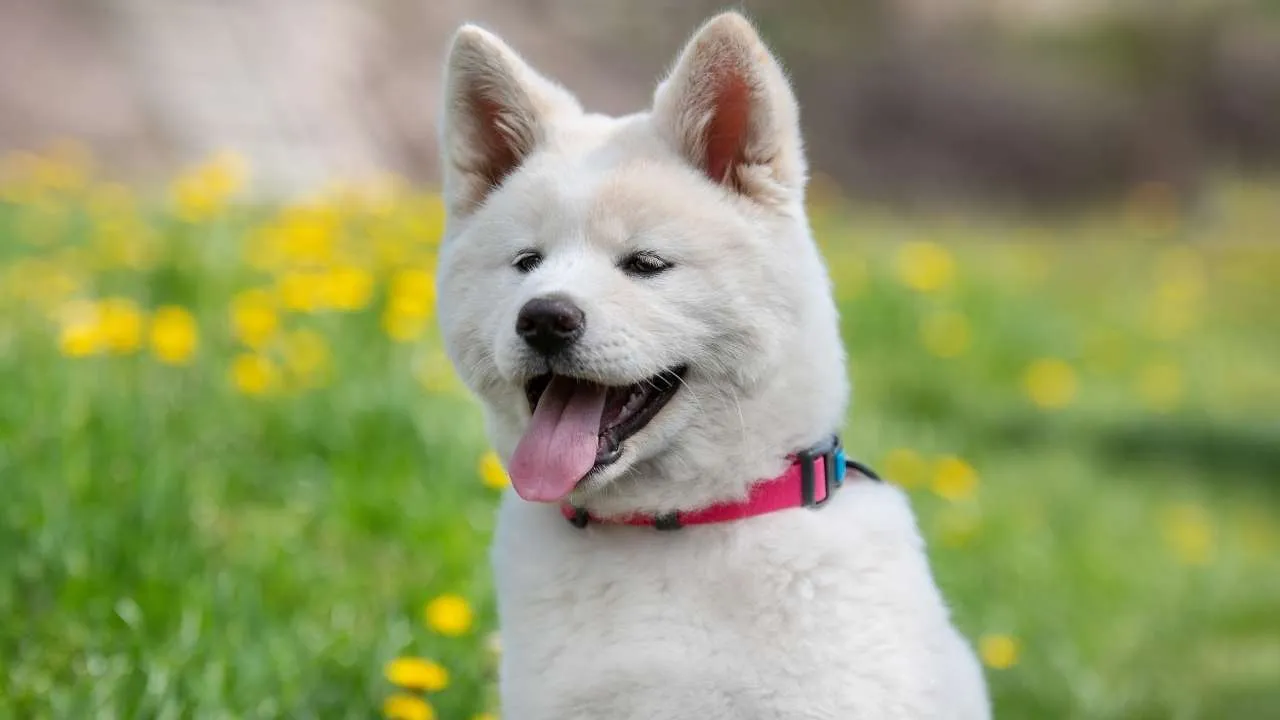
The Akita holds a revered place in Japan, often gifted as a symbol of health and well-being during life milestones. Its role extends beyond companionship into cultural significance tied to protection and loyalty. The story of Hachiko reflects a deep-rooted pattern of long-term attachment.
Physical presence and structure
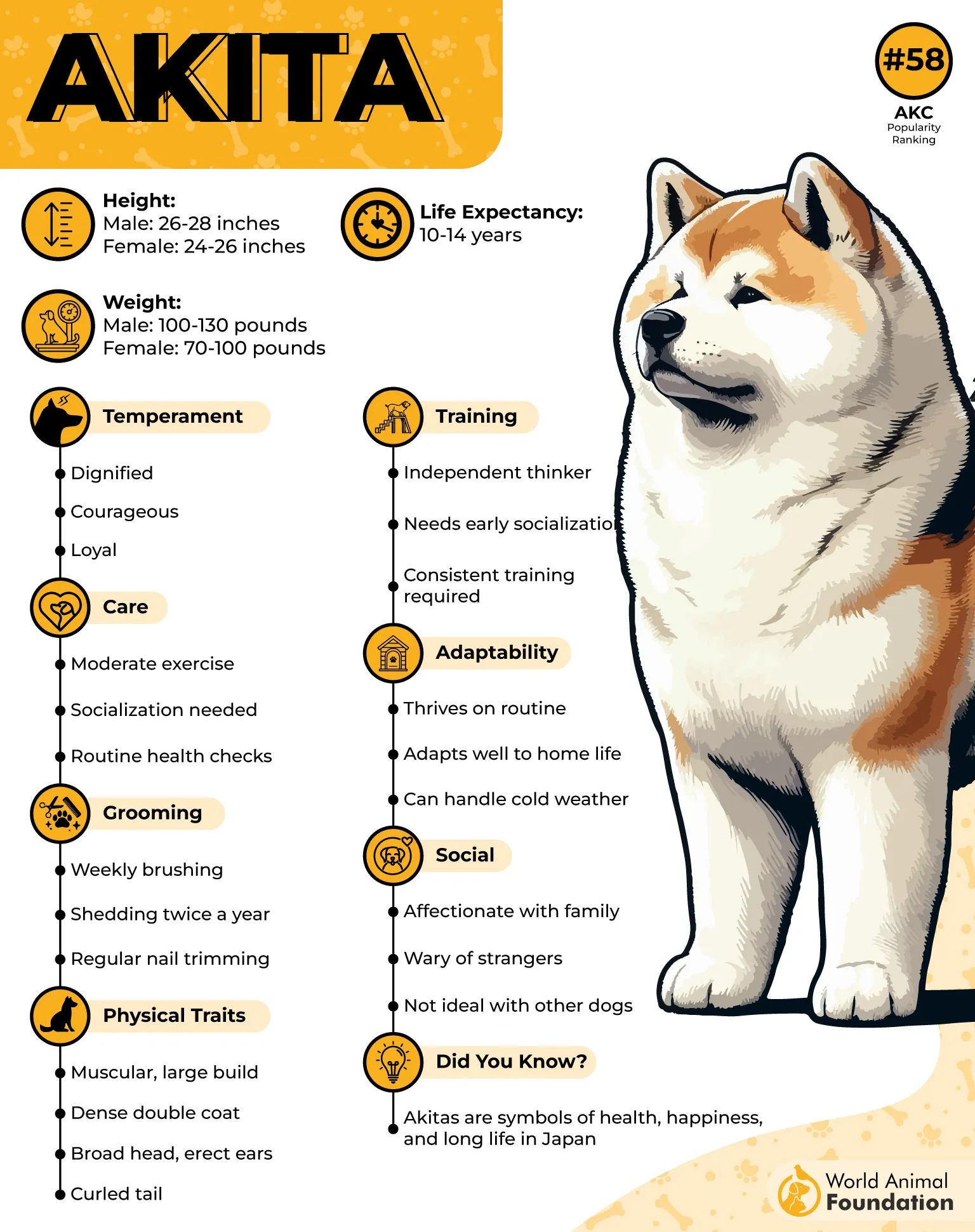
Akita’s strong build and dense coat reflect an energetic dog shaped for demanding conditions, paired with a composed and deliberate way of carrying itself. Its form aligns with endurance and control rather than constant activity.
That structure reveals itself through defining elements:
Thick coat suited for cooler climates
Solid frame built for strength and resilience
Balanced stance with measured movement
Independent response to surroundings
This protection dog has a self-directed mindset, often deciding how to respond instead of relying on constant instruction.
Its connection to family runs deep, though interactions with unfamiliar people remain reserved. This approach creates a clear boundary between the inner circle and outside presence.
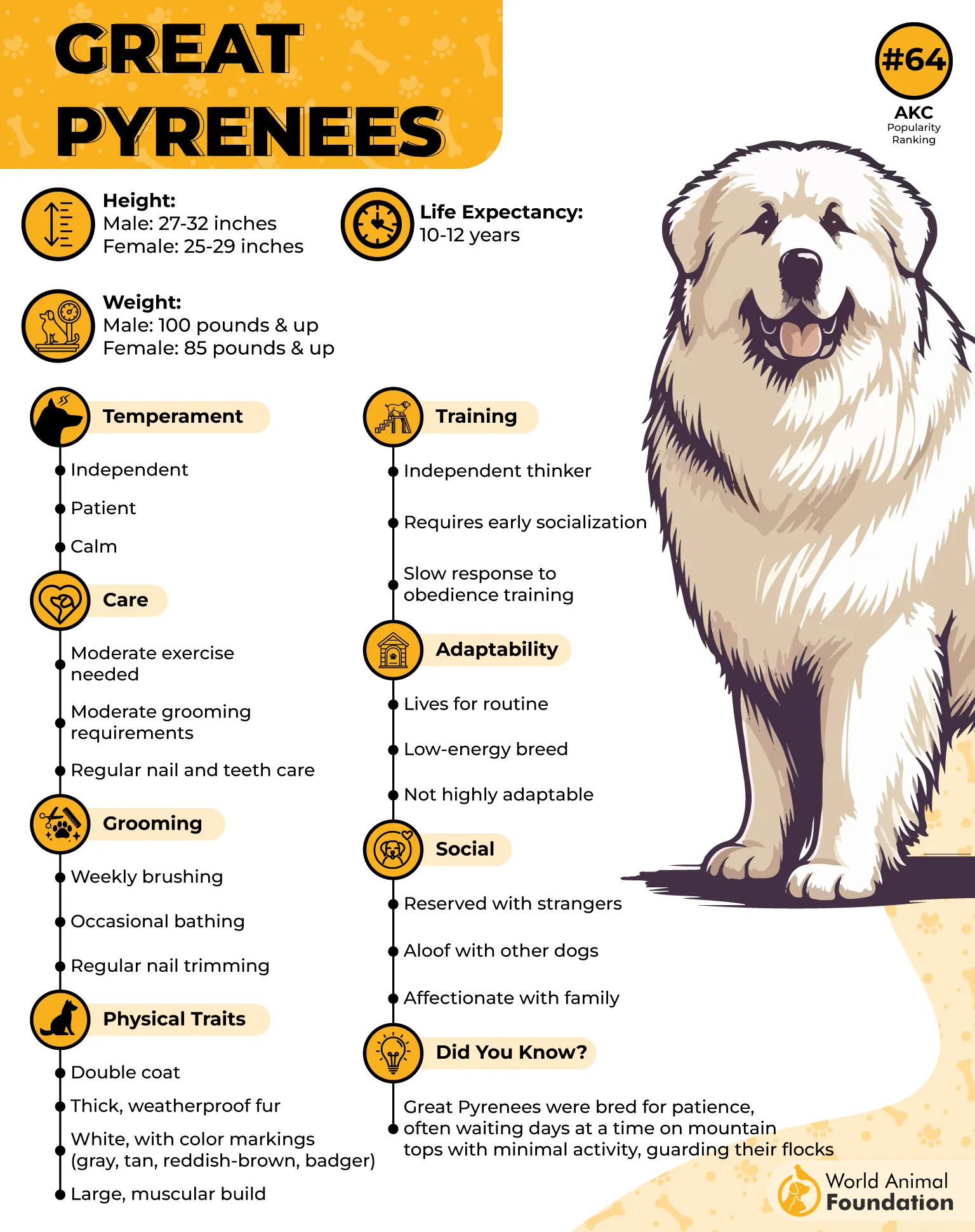
9. Great Pyrenees
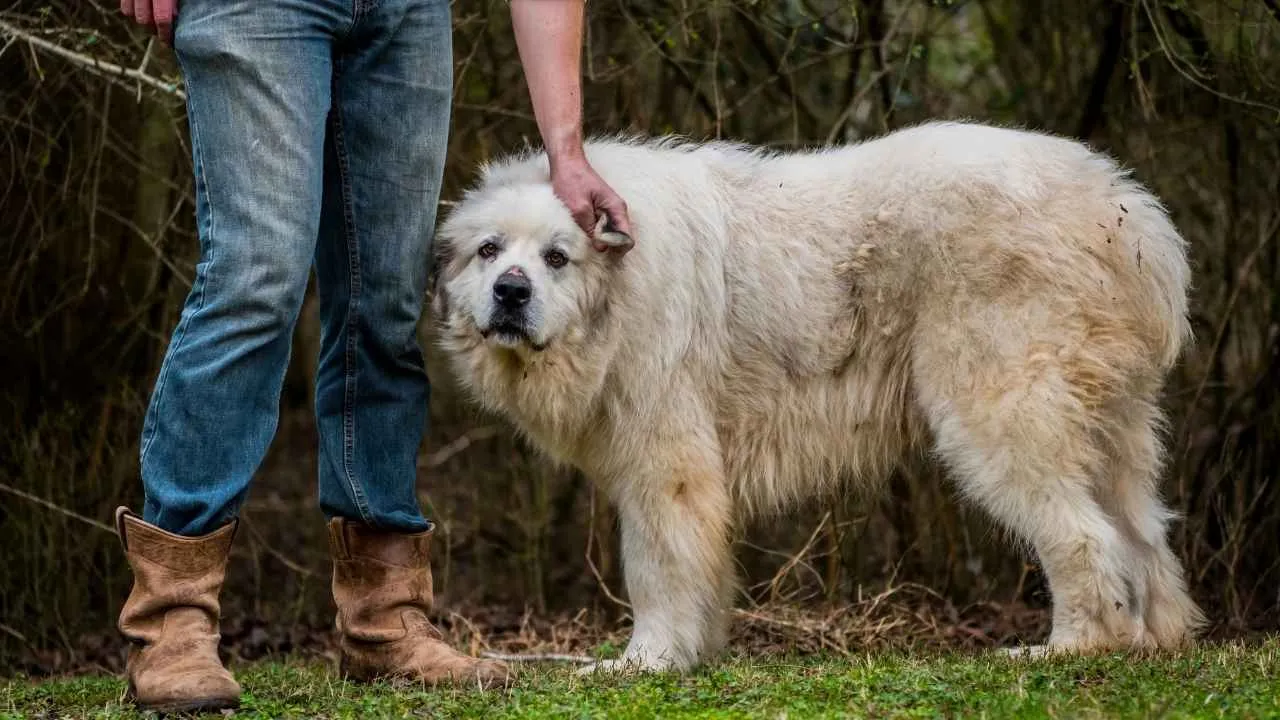
The Great Pyrenees comes from the high mountain regions between Spain and France, shaped for guarding flocks in snow-covered landscapes.
Its thick white coat blends naturally into those surroundings, allowing it to remain unnoticed while protecting sheep from wolves and bears.
Protective instinct with quiet alertness
It responds to its surroundings through observation, often reacting with a warning bark when something unfamiliar appears. Its approach relies more on presence and awareness than constant pursuit.
That behavior appears in clear patterns:
Uses barking to signal unusual activity
Monitors surroundings without chasing movement
Reacts even to small environmental changes
Social balance and independence
The Great Pyrenees interacts well with other dogs, yet values periods of separation from constant activity. It often chooses its own quiet space when needing distance from playful companions. This balance reflects a dog comfortable with both connection and independence.
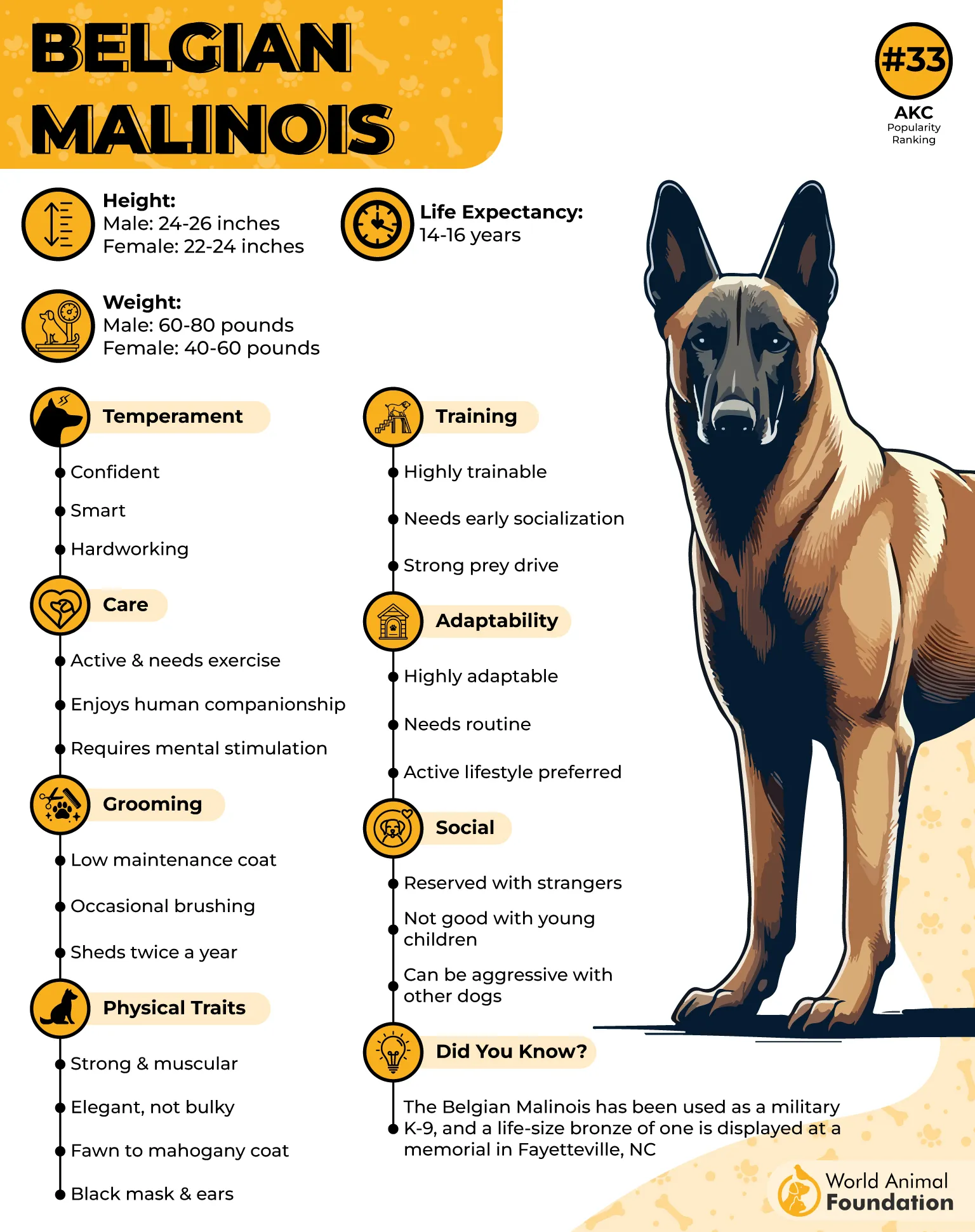
10. Belgian Malinois
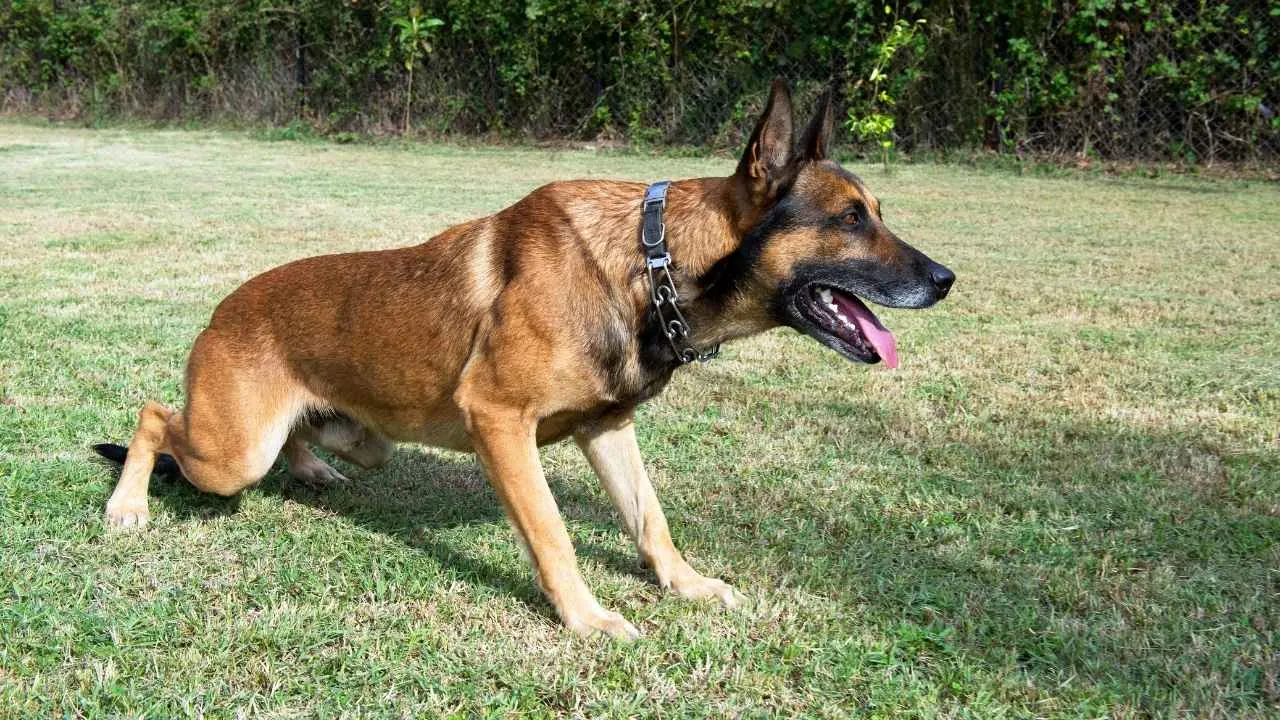
The Belgian Malinois brings a sharp, focused presence shaped around demanding working roles beyond basic herding tasks.
Its ability to shift into complex duties like detection and search work reflects a dog built for purposeful engagement. This level of function ties directly to its extremely intelligent nature.
Task-focused engagement style
It approaches activity through structured tasks rather than casual movement, often linking effort with clear outcomes. Its drive fits environments where direction and purpose stay constant throughout the day.
That working rhythm appears through:
Excels in tracking and agility-based challenges
Performs in obedience and herding tasks
Engages deeply in assigned roles
Physical demand and daily output
This is one of the best guard dog breeds that requires high-output routines that go beyond short walks, often involving extended running or intensive activity.
Its energy aligns with environments where physical effort forms part of the daily schedule. Without enough mental stimulation, behavior can shift toward self-created activity indoors.
Conclusion
At some point, the focus shifts without you noticing. It is no longer about reacting to what might happen, but about how the space feels throughout the day. A right guard dog that stays aware without constant movement quietly changes that feeling. You hear less, question less, and settle more easily into your routine.
Nothing dramatic takes place, yet the difference holds. These dogs do not try to control everything around them. They simply stay present, reading what matters and ignoring what does not. That balance is what turns protection into something that fits naturally into everyday life.
