




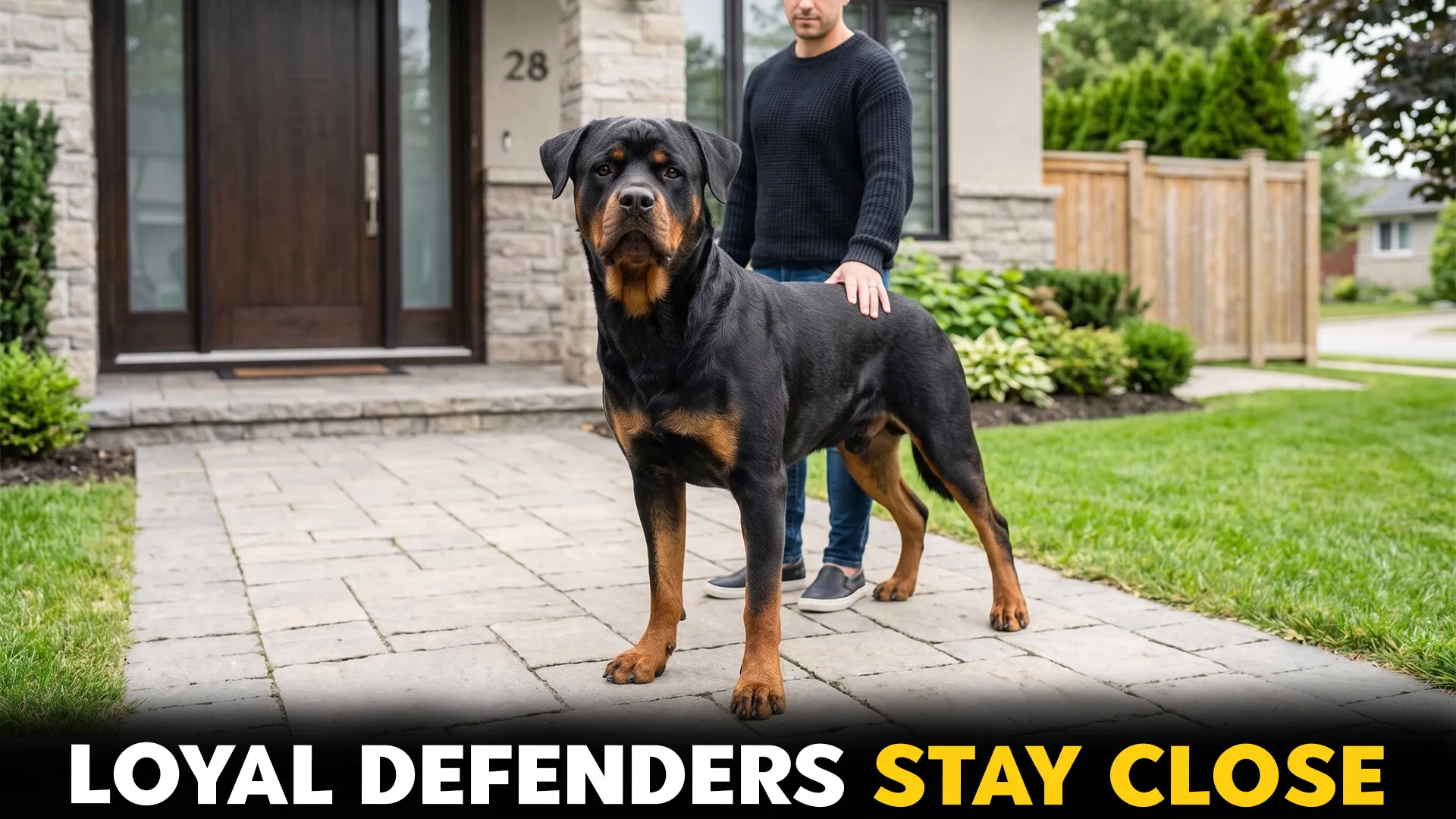
A strange noise outside in the middle of the night can change the atmosphere of an entire home. The mind immediately starts searching for answers. Is it nothing, or is it something worth paying attention to?
In moments like these, many people find comfort in having a dog that notices unusual activity long before they do. It is one of the reasons protective dog breeds continue to earn respect from families around the world. These dogs are known for their awareness, confidence, and willingness to stand between their loved ones and potential danger.
They form strong bonds with the people they trust and often remain watchful even when everything appears calm. Their presence brings a sense of reassurance that goes beyond companionship alone. Some excel because of their courage, while others rely on intelligence and instinct.
Ahead, you’ll discover the dog breeds most recognized for defending their families and the qualities that make them such dependable guardians.
Key Takeaways
A steady presence at home often begins with a dog that notices everything long before anyone else does.
German Shepherds stand out early with their intelligence and calm control, often becoming the first choice when reliability and quick learning matter most.
Rottweilers and Doberman Pinschers bring a different kind of presence, where loyalty, focus, and structured training turn them into steady protectors in both family and working roles.
Each excellent guard dog on this list carries its own version of protection, and the deeper traits behind them become clearer as you move through every name.
Protective Dog Breeds: A Guide to Safety and Loyalty
1. German Shepherd
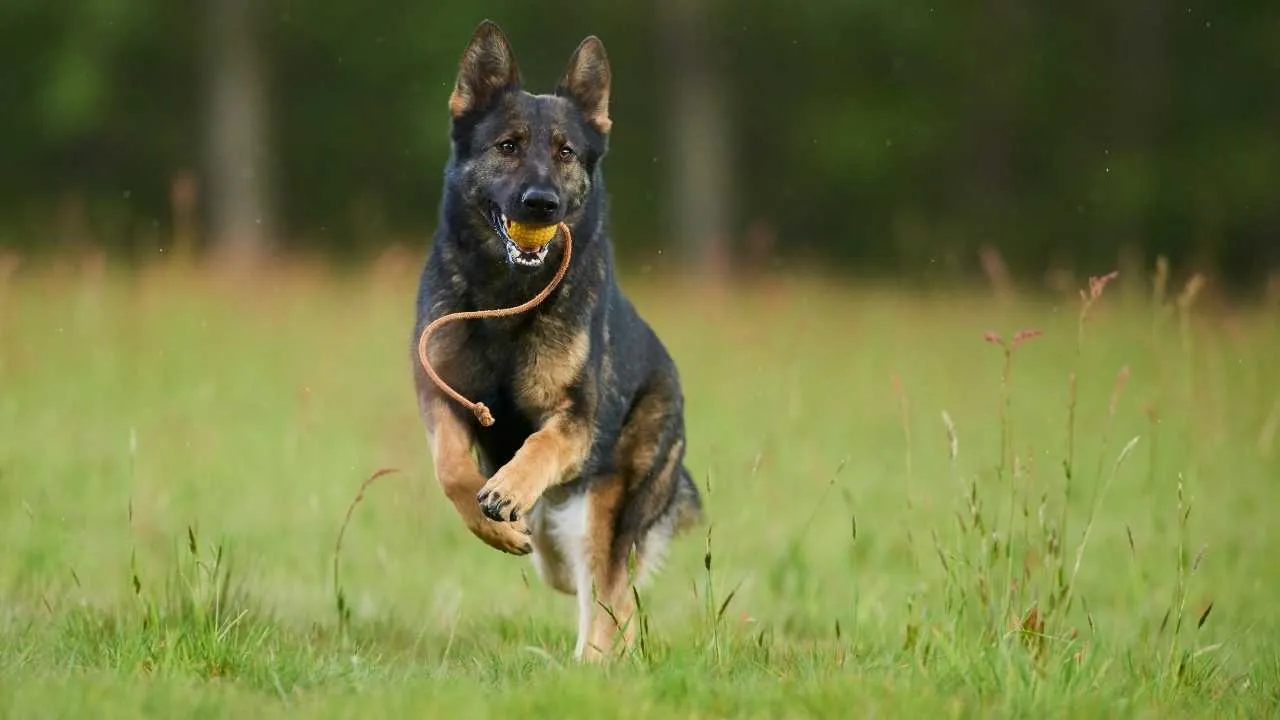
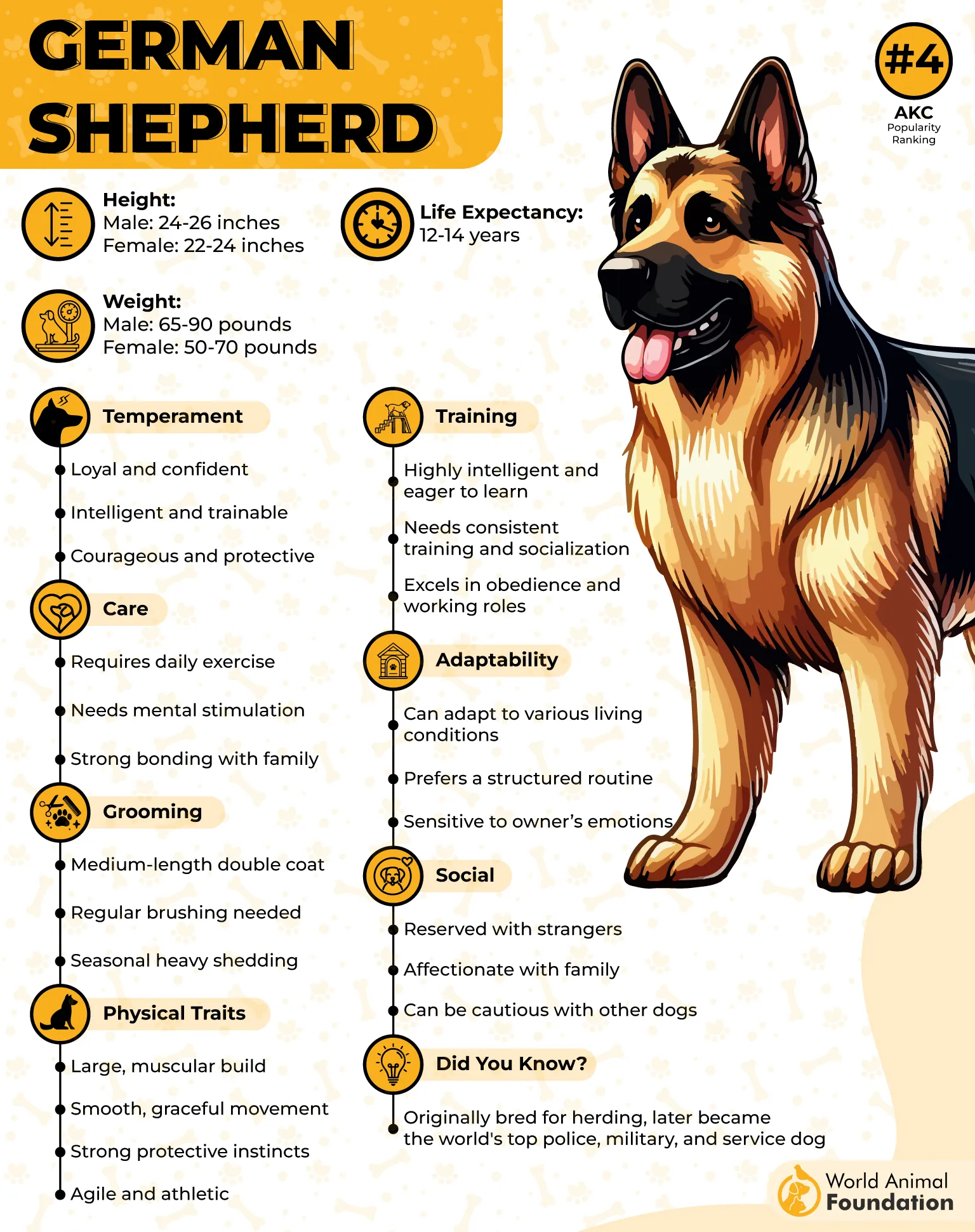
German Shepherd approaches life with remarkable intelligence and a natural desire for purposeful work. Originally bred within the herding group, the breed combines athletic ability with sharp decision-making, as per the AKC. Confidence and courage have made it a trusted partner in demanding service roles.
Protective Nature
A strong sense of responsibility is one reason this breed is often chosen for household security. Its willingness to learn and respond to direction creates a dependable working relationship.
Several qualities contribute to that reputation:
Highly trainable mindset
Courage under pressure
Strong loyalty to family
Training and Social Skills
German Shepherd puppies benefit greatly from early social experiences paired with consistent guidance. Proper exposure helps shape a confident adult capable of making sound judgments around people and situations. The same structure also supports better behavior within family settings.
2. Rottweiler
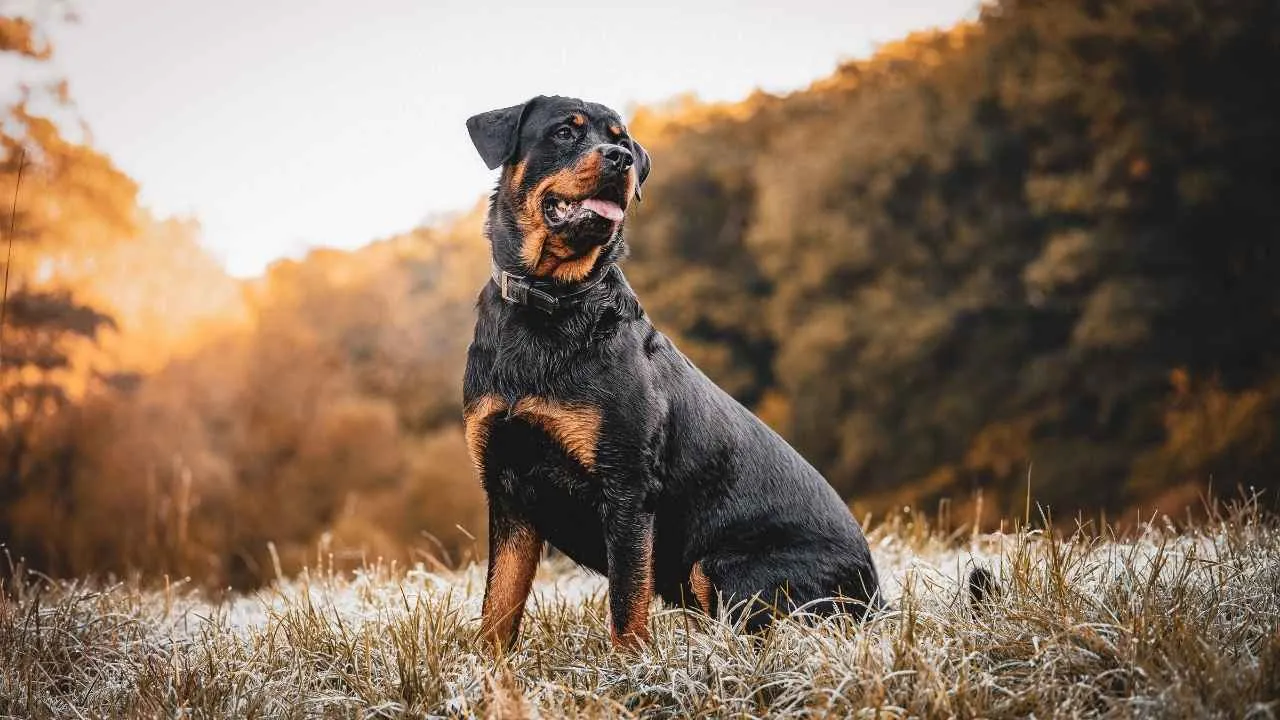
Rottweiler combines the strength of an ancient working dog with a surprisingly affectionate nature at home. Descended from the mastiff dogs that accompanied Roman legions, it built a reputation through capability rather than noise. It is defined by confidence and control, not aggression.
Trusted Guardian
Within the family, this guard dog breed balances devotion with a natural awareness of its surroundings. That steady mindset plays an important role when reliability matters most.
Several qualities contribute to that reputation:
Calm under pressure
Naturally watchful
Strong family attachment
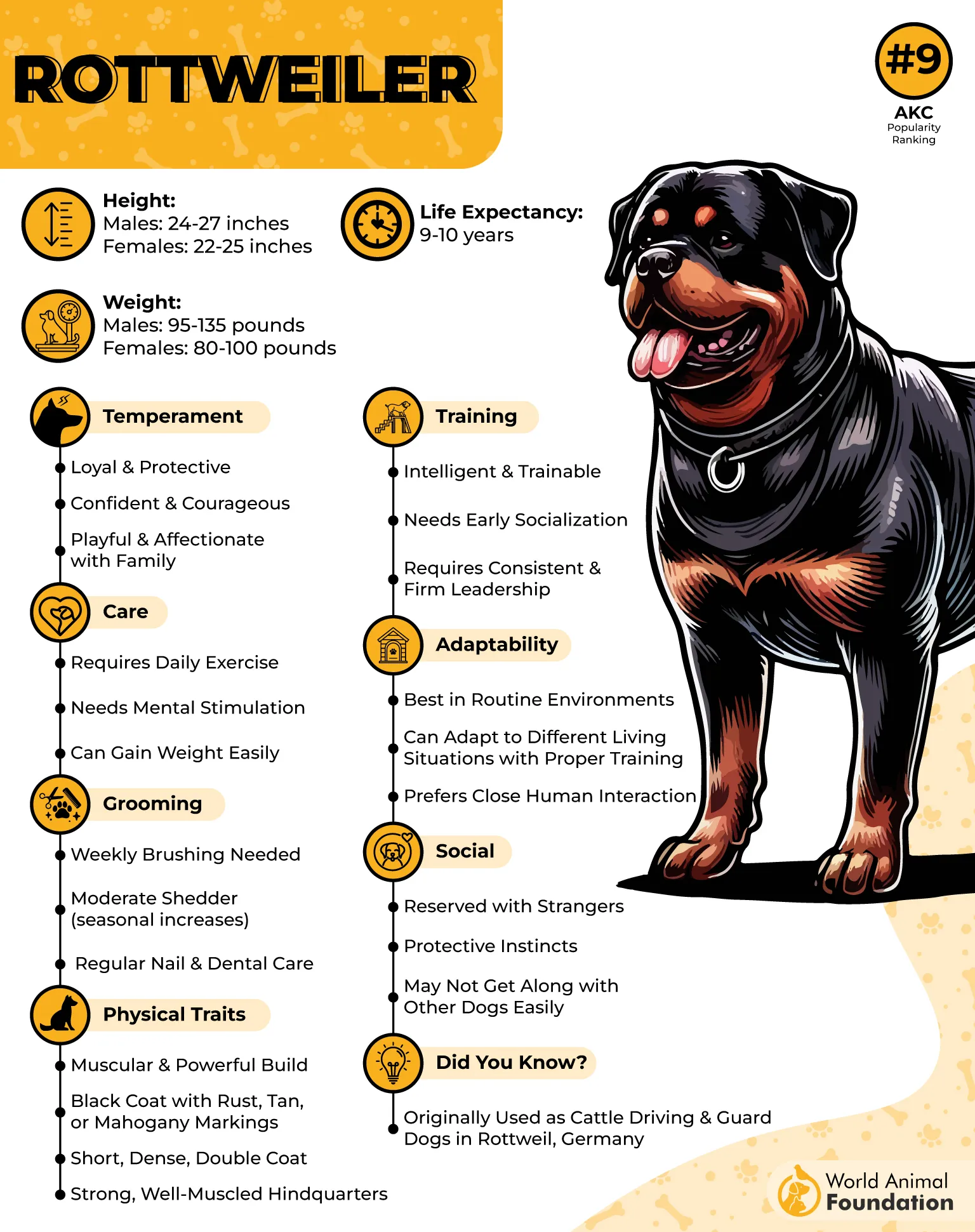
Character Beyond Appearance
People outside the household often encounter a reserved and self-assured dog, while family members see a much lighter side, as Greencross Vets mentioned.
Rottweilers are known for playful behavior and often seek close physical contact with the people they value. Early socialization helps channel their natural protective instincts constructively.
3. Doberman Pinscher
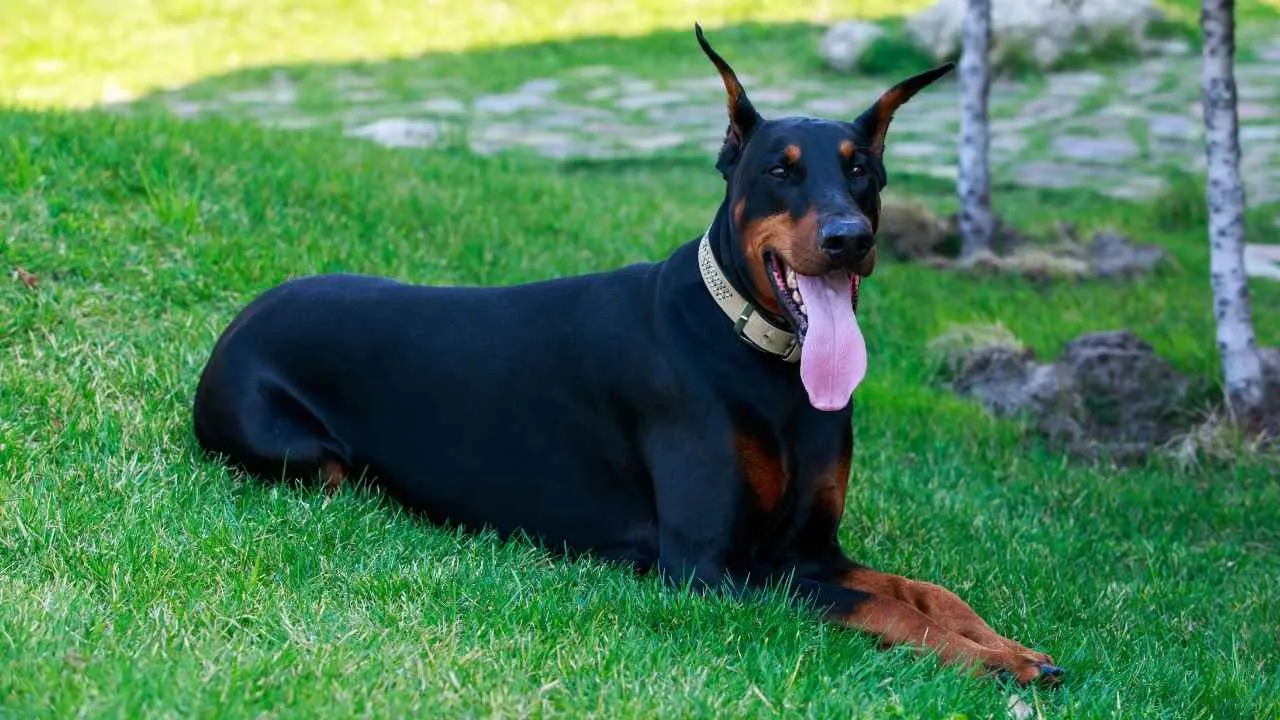
Doberman Pinscher was first developed in Germany during the late 1800s by a tax collector seeking a reliable, alert companion for protection. Its lean, athletic build matches a mindset built around awareness and quick response. Loyalty and sharp intelligence define its core identity.
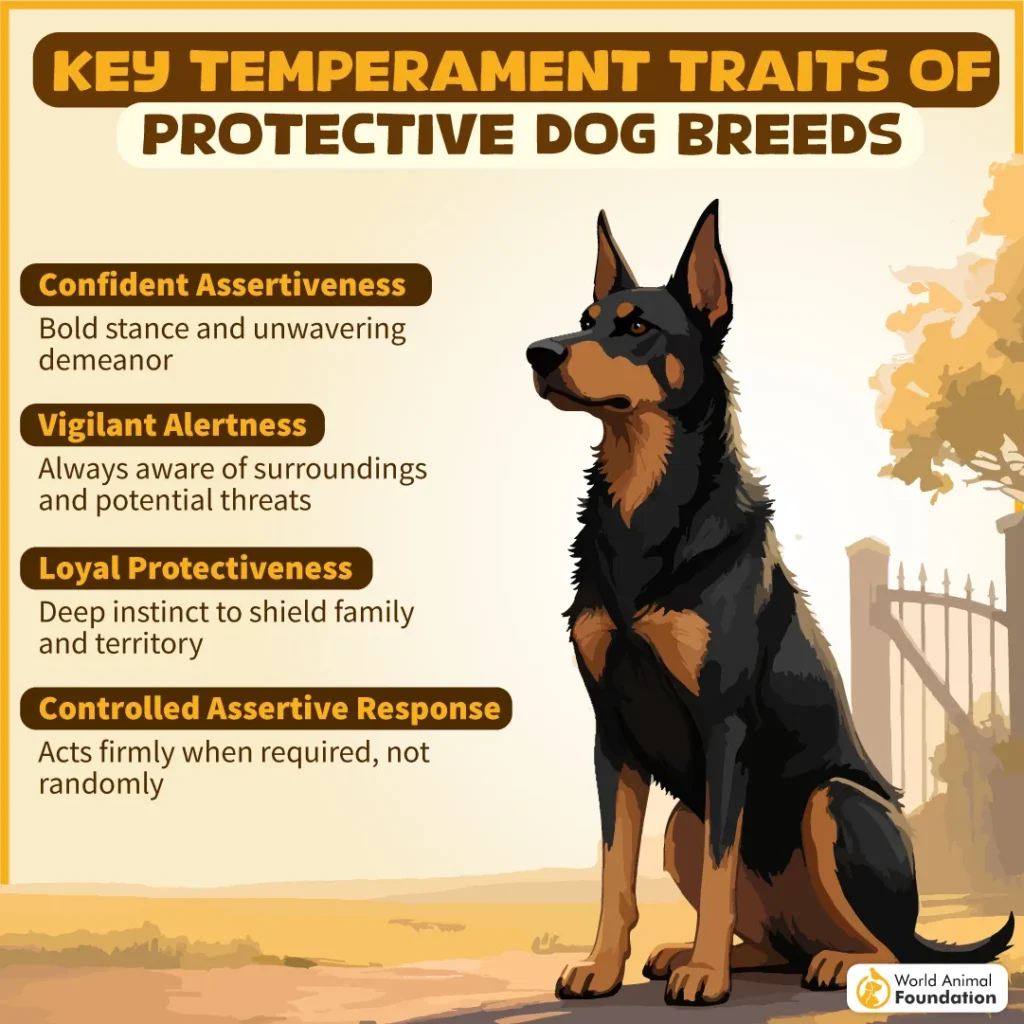
Energy That Needs Direction
Dobermans function best when both mind and body stay actively engaged throughout the day. Without steady outlets, their curiosity can turn into restless behavior at home.
This routine helps balance their intensity in practical ways:
Requires consistent physical activity
Responds strongly to mental challenges
Needs early social exposure
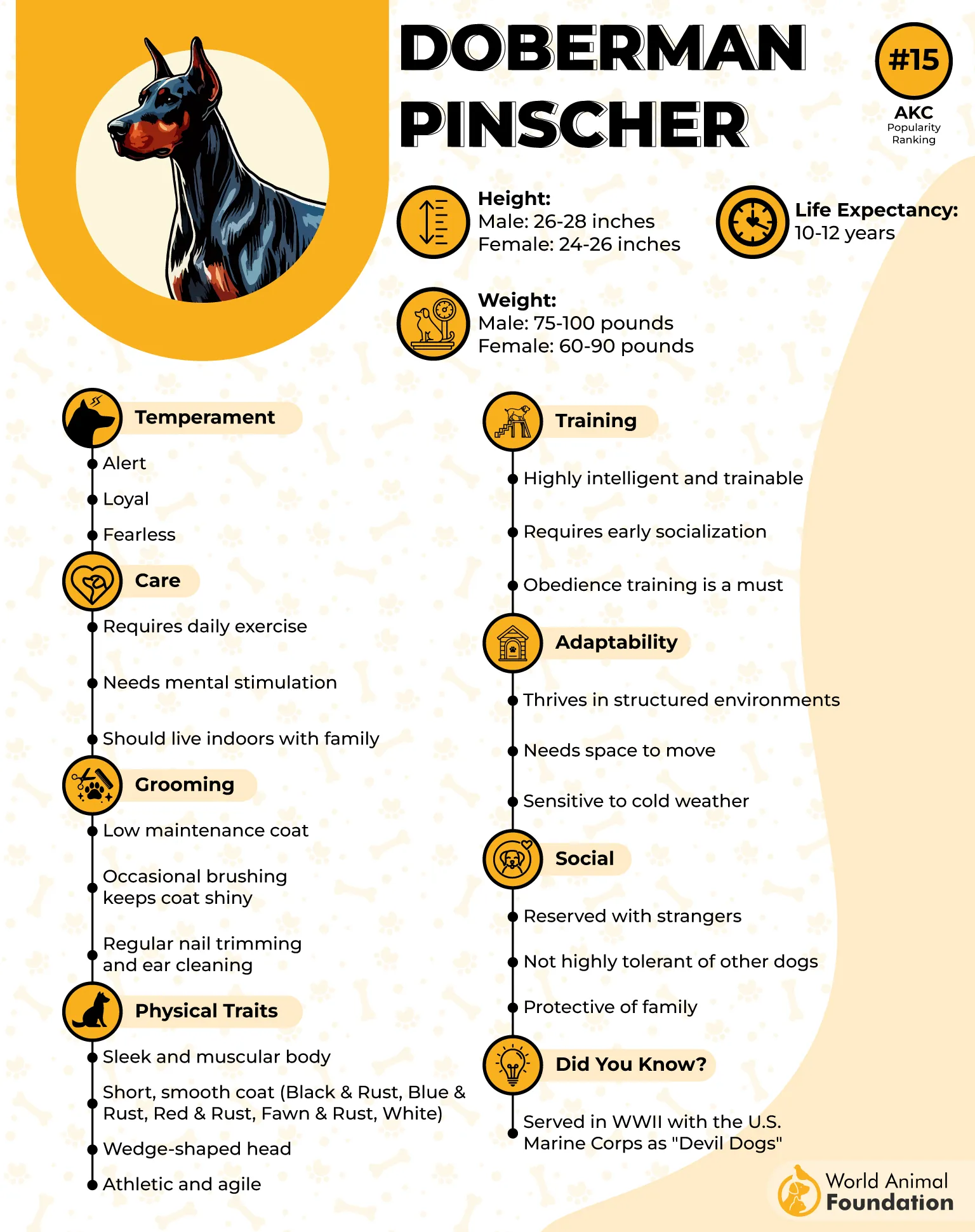
Role and Daily Management
This protection dog often works in security, police, and search roles due to its alert thinking and disciplined nature. As per PetMD, high energy levels demand structured handling, especially in homes with other pets or young children. Proper training helps maintain balanced behavior in everyday life.
4. Boxer
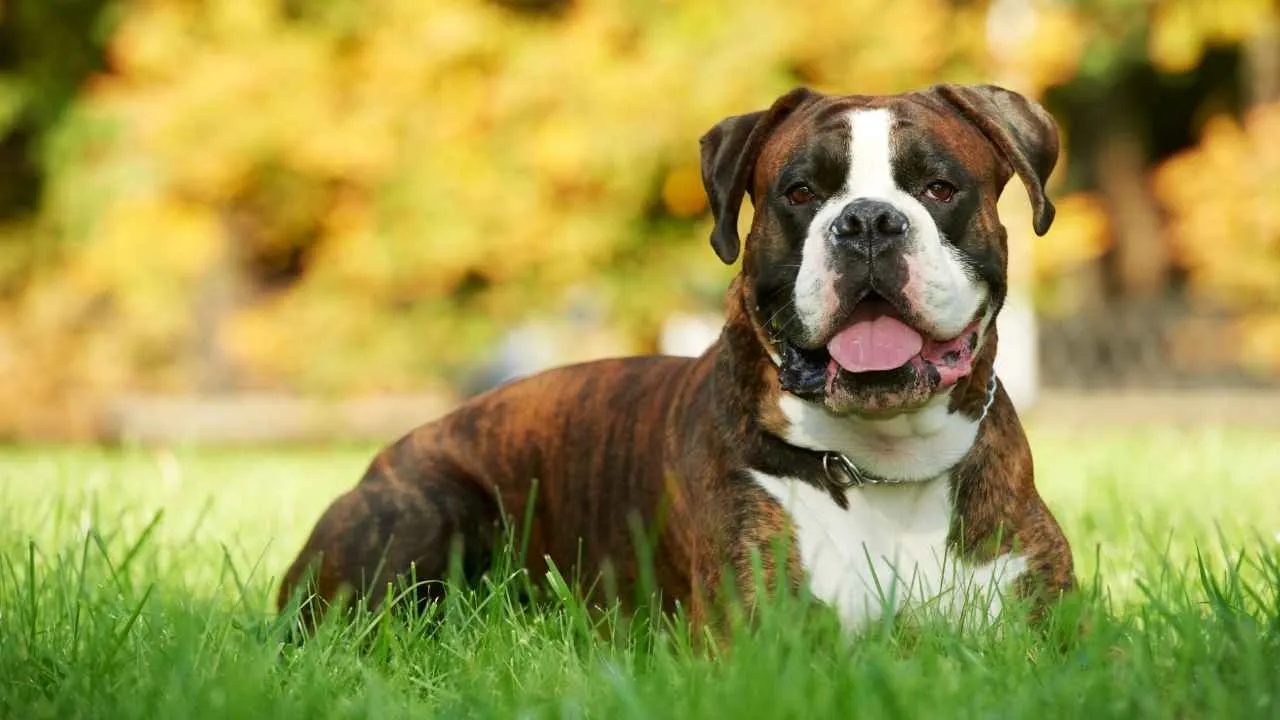
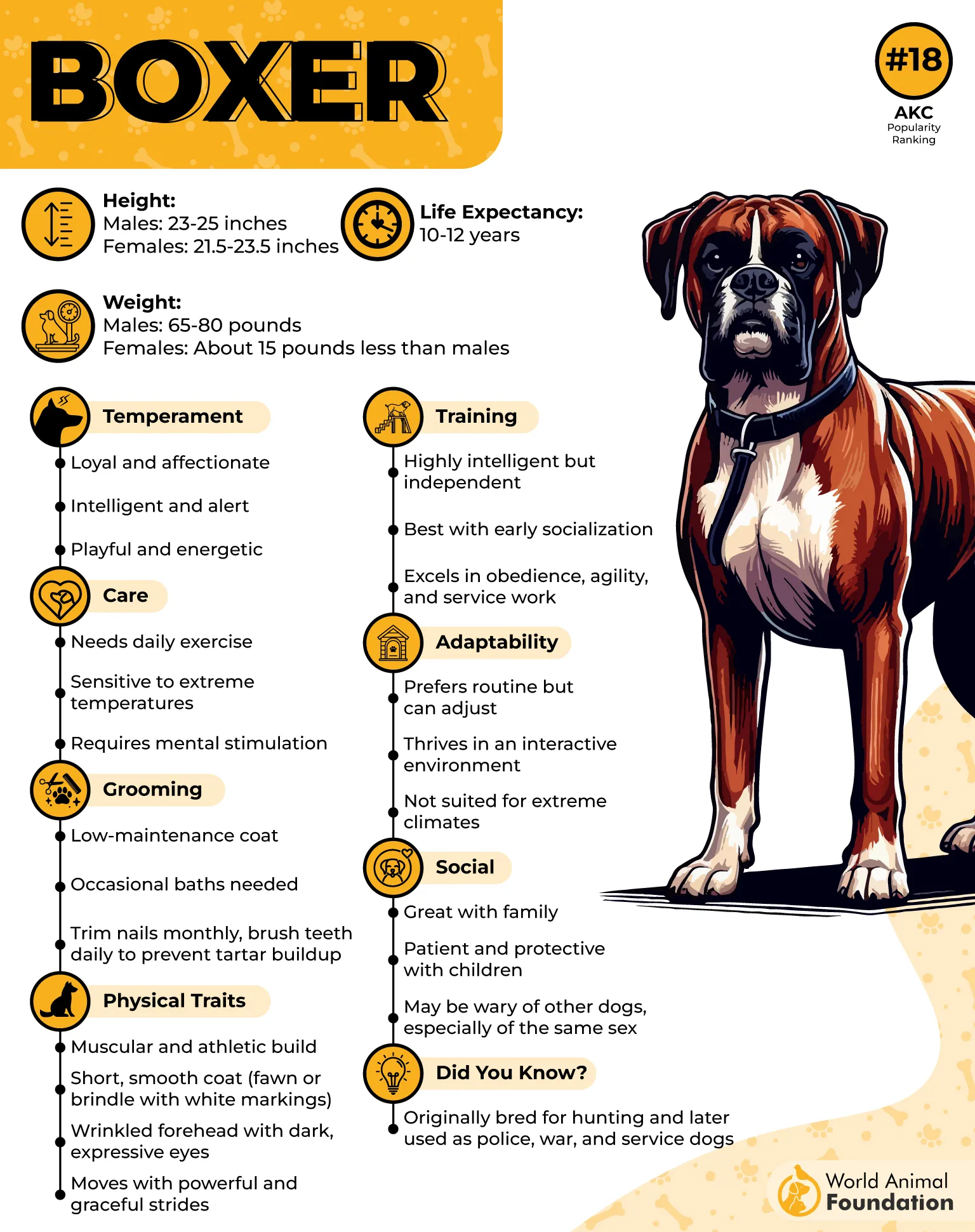
Boxer brings together sharp awareness, steady loyalty, and an energetic working drive shaped for active roles. Its lean, muscular frame supports quick movement and strong forward power. Confidence and patience blend in a way that supports both protection and companionship.
Family-Oriented Protector
As a great family pet, they fit naturally into households where interaction and structure go hand in hand, especially with early exposure to people and animals. Its protective instinct remains firm while its playful side surfaces in daily routines.
A few key traits explain its household behavior:
Strong watchdog response
High energy and play drive
Tolerant of children
Training and Living Needs
Boxers respond best to consistent guidance and structured activity, especially during early development stages. Proper mental and physical stimulation helps manage its natural urge for running and jumping. Secure environments play a key role in balancing their high activity levels.
5. Akita
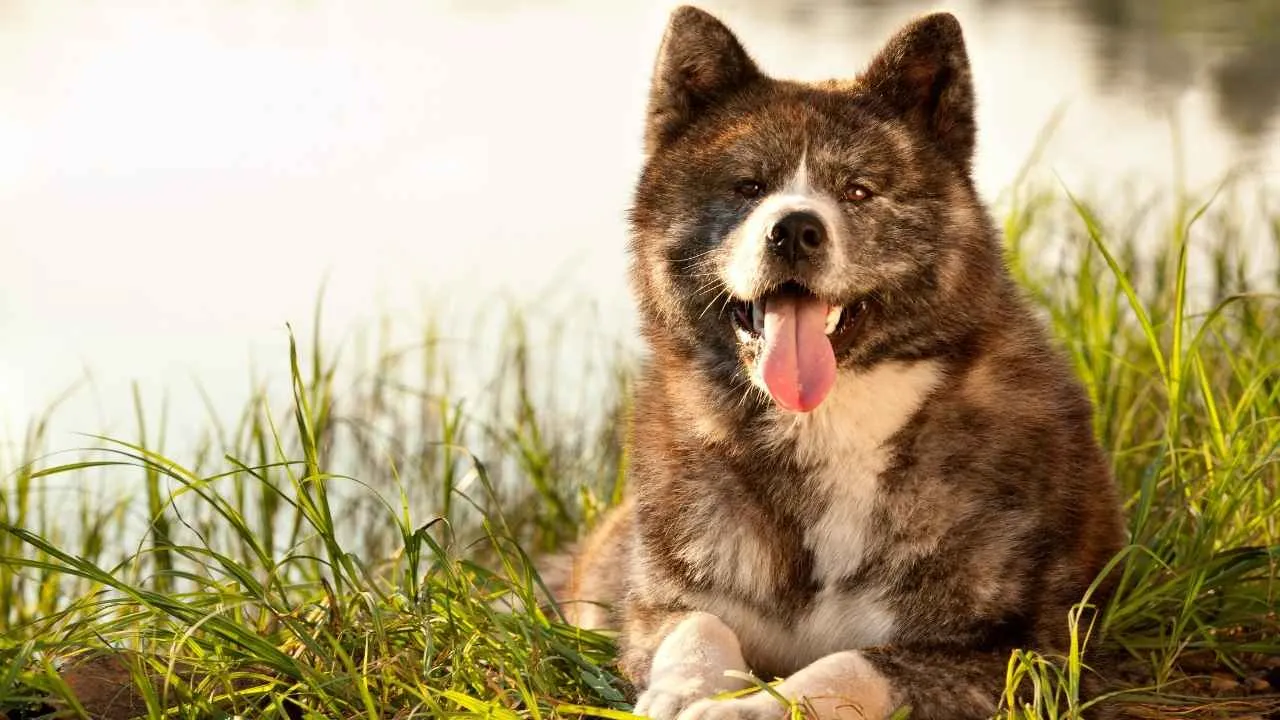
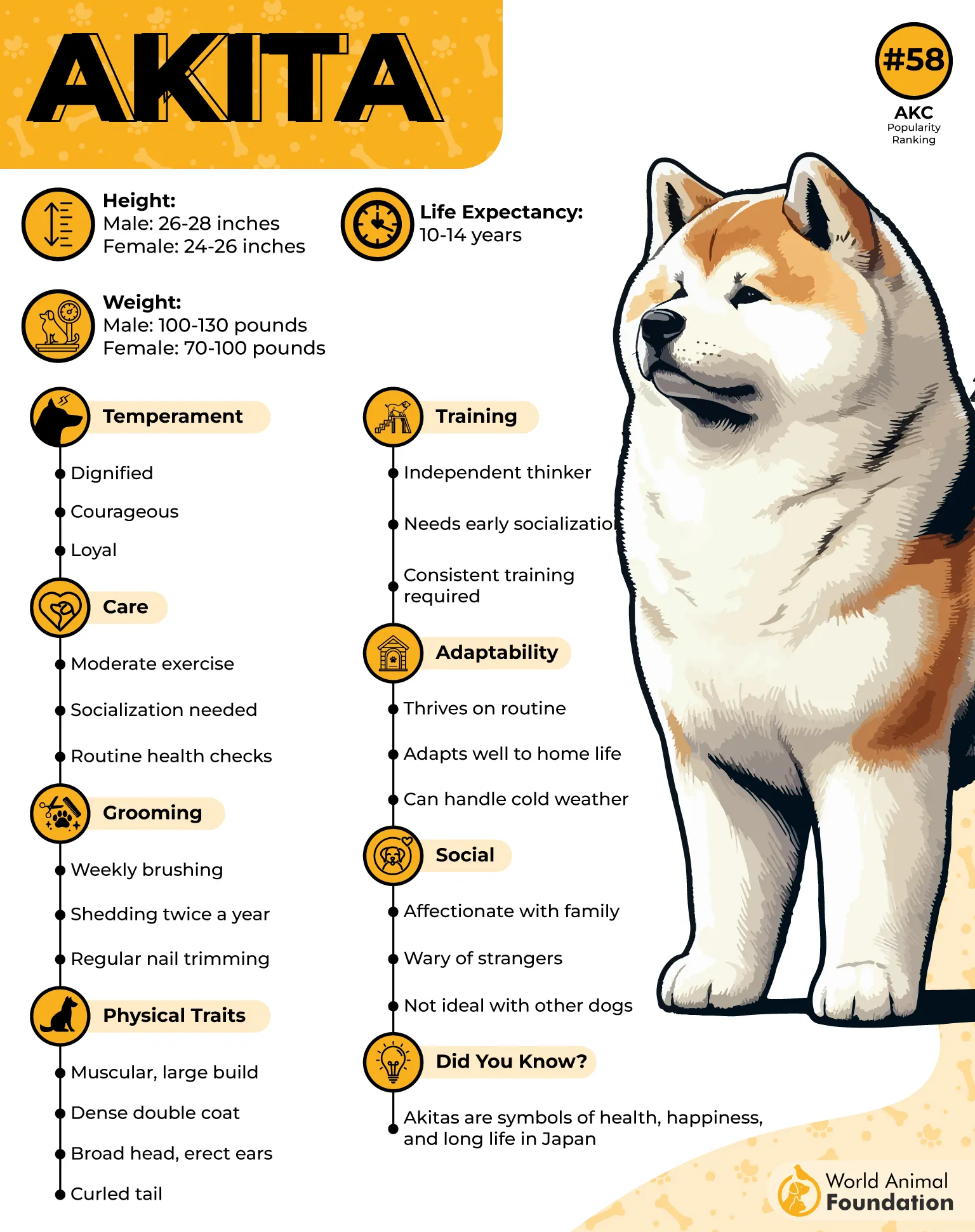
Akita carries a quiet, controlled presence shaped by strength, loyalty, and deep protective instinct toward its circle. Its muscular build and dense double coat reflect adaptation to demanding environments. Reserved behavior around outsiders contrasts with its strong attachment to familiar people.
Focused Guardian Traits
Akita responds best to a consistent structure, where its independent thinking and intelligence can be guided effectively. Early social exposure plays a key role in shaping its balanced behavior around people and animals.
A quick breakdown of its working nature:
Strong protective response toward family
Independent decision-making under pressure
Requires early and consistent guidance
Composed Demeanor
A calm, watchful expression formed by erect ears and dark eyes reflects constant awareness of surroundings. Around unfamiliar individuals, the breed often holds back, observing before reacting. Within familiar spaces, a more relaxed and expressive side becomes visible.
6. Cane Corso
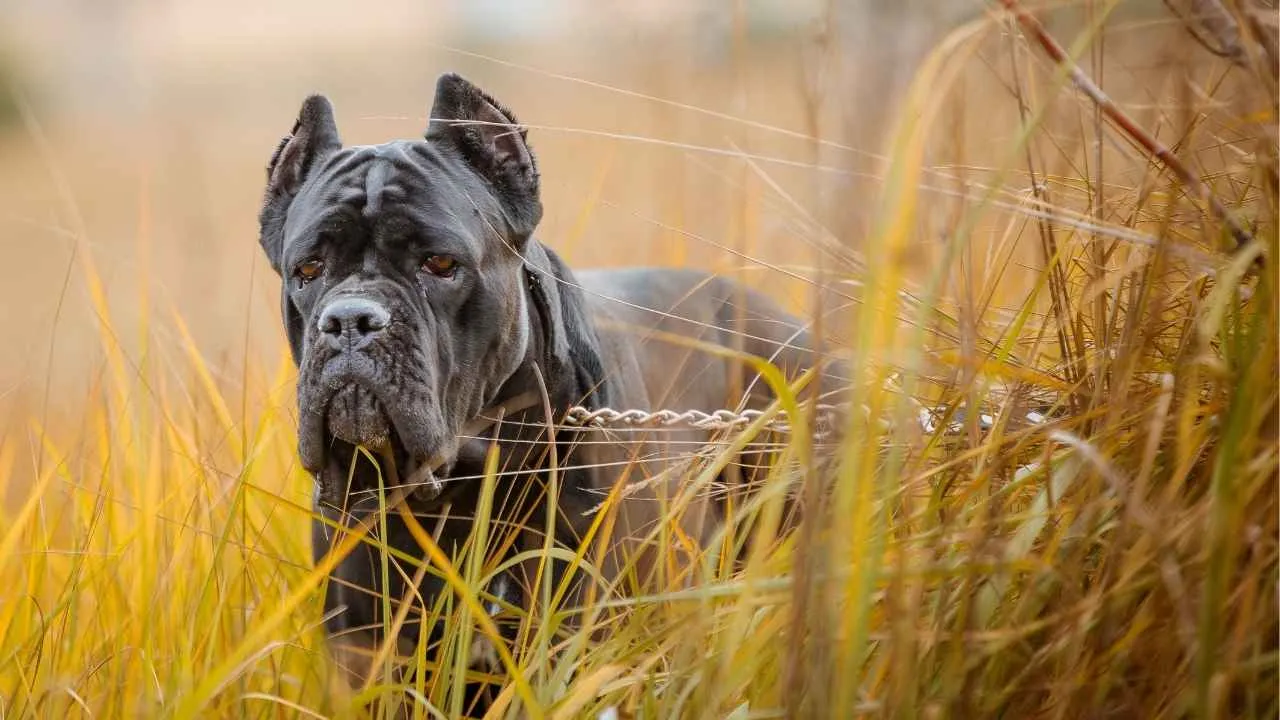
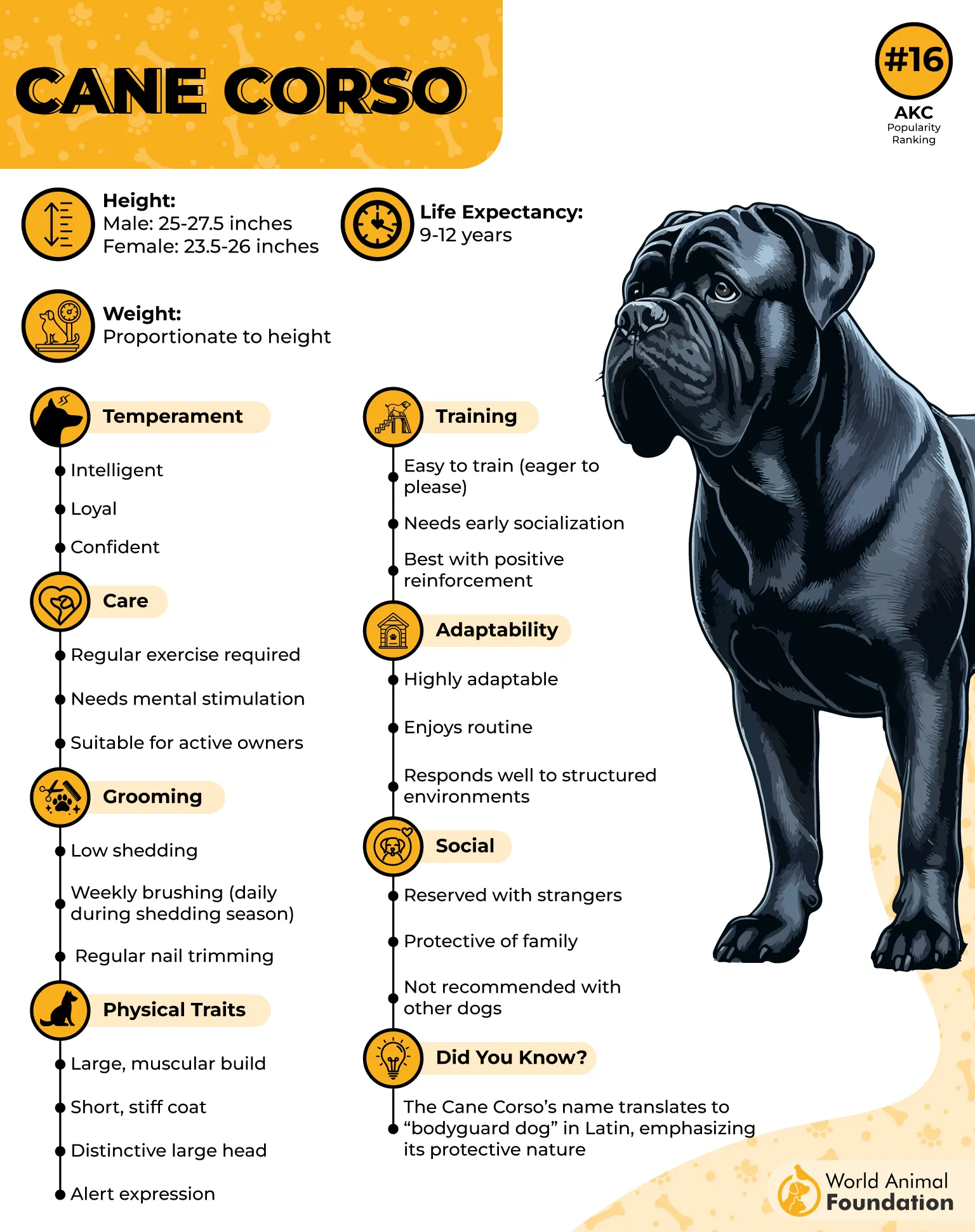
Cane Corso is known for a calm yet commanding presence, shaped by a strong, muscular frame and a broad, expressive head. Its quiet nature often hides an intense awareness of surroundings. Roots tied to ancient Greece and Rome shaped its long-standing working identity.
Working Guardian Role
This personal protection breed has long been trusted for guarding property, assisting on farms, and supporting demanding tasks that require focus and control. Its intelligence and willingness to respond to training make it adaptable in structured environments.
A closer look reveals what defines its working strength:
Highly attentive to surroundings
Responds well to structured training
Strong sense of responsibility
Behavior in Daily Life
Cane Corso interacts with its family in a steady, controlled manner, often choosing observation over unnecessary reaction. Loyalty plays a central role in how it connects with familiar people. Its quiet behavior helps maintain a stable home environment when properly guided.
7. Bullmastiff
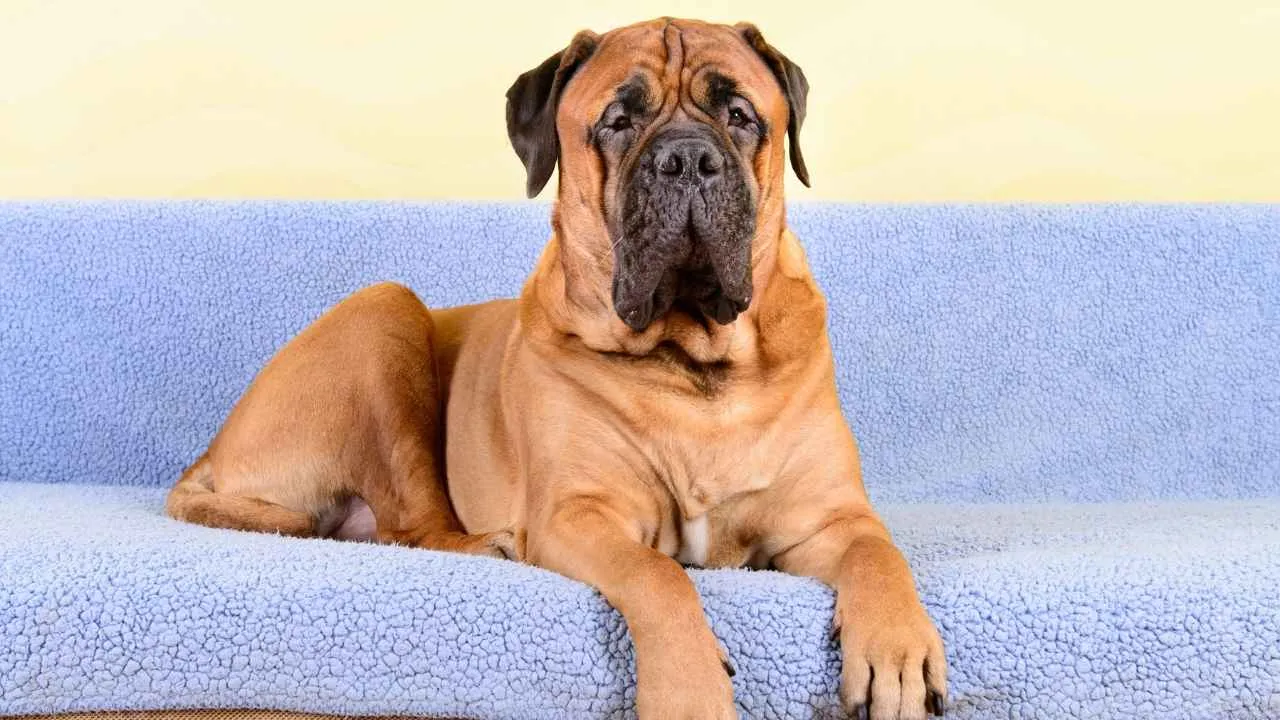
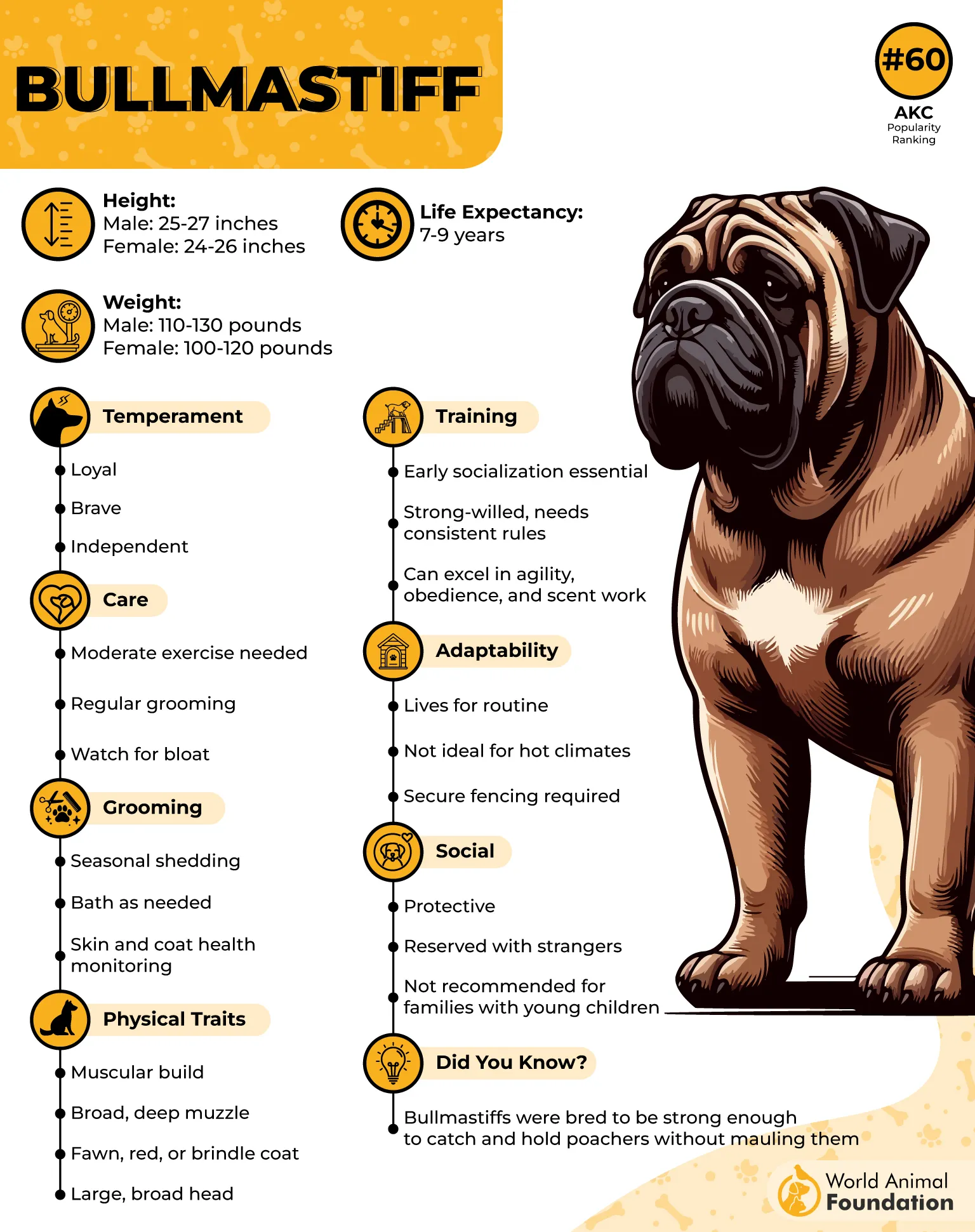
Bullmastiff carries a calm yet powerful presence shaped by its role as a steady guard in historic estates, where quiet control mattered more than noise. Its strength comes from a Bulldog-Mastiff blend that creates a solid, muscular frame built for control rather than speed.
Grounded Working Style
This reliable protector adapts to structured routines where clear guidance and early training shape their behavior from an early stage. Its steady temperament fits well with tasks that require patience and controlled strength.
This is how their balance plays out in daily handling:
Strong response to early training
Comfortable with moderate activity
Requires a secure outdoor space
Composed Guardian Nature
Bullmastiff reacts to its surroundings with alertness rather than unnecessary movement, relying on observation before action. This calm awareness helps it manage situations with restraint while staying attentive to its environment. The breed’s confidence supports steady decision-making in familiar settings.
Conclusion
Protection is not always about reacting to danger. More often, it appears through awareness, loyalty, and a steady presence that helps families feel secure every day.
The best guard dog breeds featured here demonstrate that dependable guardians come in different forms, from some of the smartest breeds to dogs with a strong instinct to protect.
Some rely on quick thinking, while others lean on calm observation and quiet strength. What unites them is a natural commitment to the people they trust. Selecting the right protector is ultimately about finding a companion whose temperament, energy, and need for mental stimulation fit comfortably within everyday family life.
