




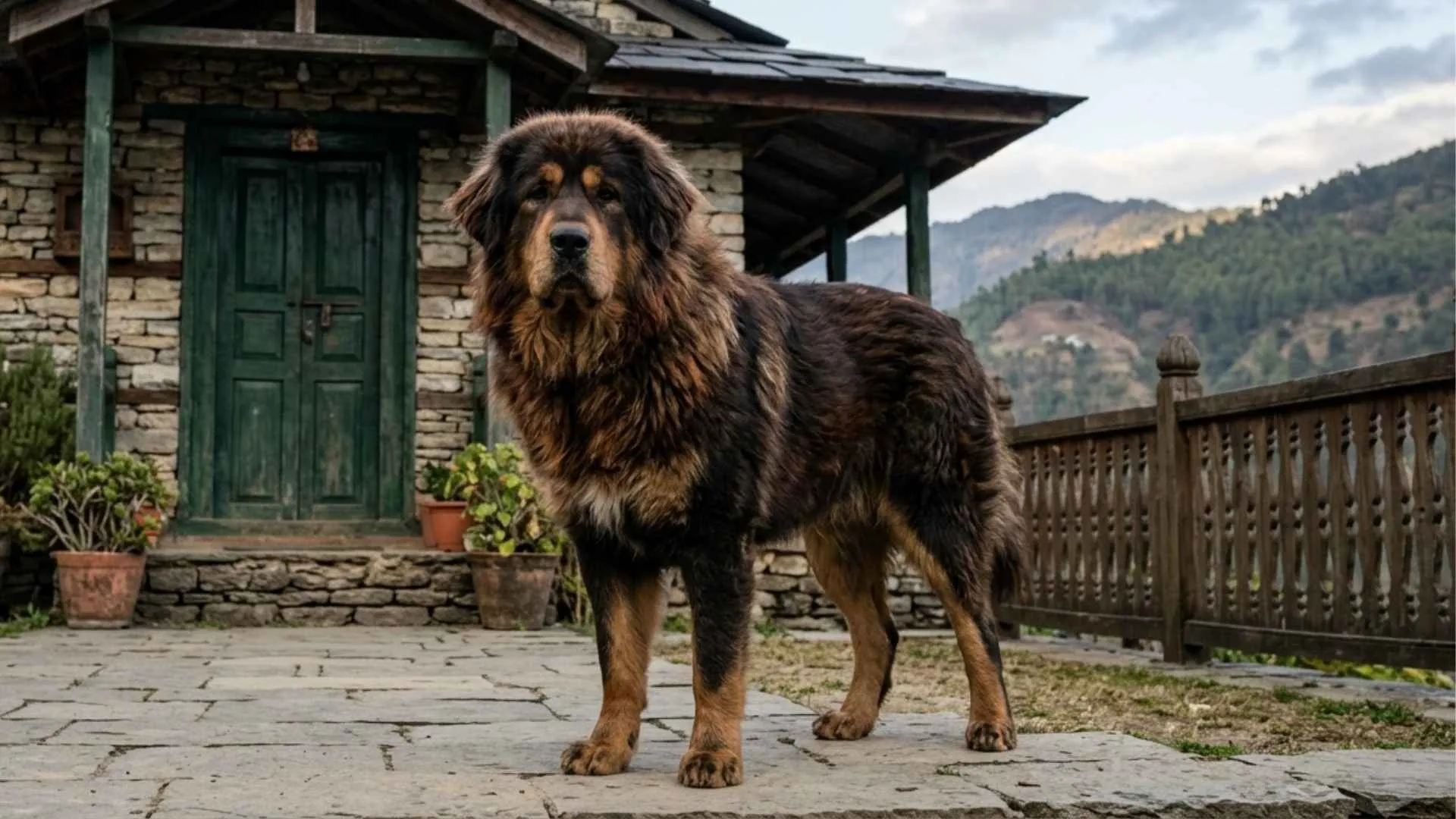
Let’s be real—home security hits different when your alarm system has teeth, loyalty, and emotional intelligence. While cameras and locks are great, nothing replaces a dog that knows you, senses danger, and is ready to step up if needed. It’s giving “soft with family, savage if necessary.”
According to studies in canine behavior and reports from organizations such as the American Kennel Club (AKC), certain breeds have been selectively bred for guarding, protection, and territorial awareness. These dogs combine intelligence, strength, and instinct to create a natural defense system. Basically, they don’t just live in your home—they protect it.
But here’s the key: a great guard dog isn’t just aggressive—it’s trained, balanced, and emotionally stable. The breeds below aren’t just protectors, they’re loyal companions who know when to chill and when to switch into security mode.
Let’s break down the elite squad.
Protective Dog Breeds: A Guide to Home Safety
1. Tibetan Mastiff
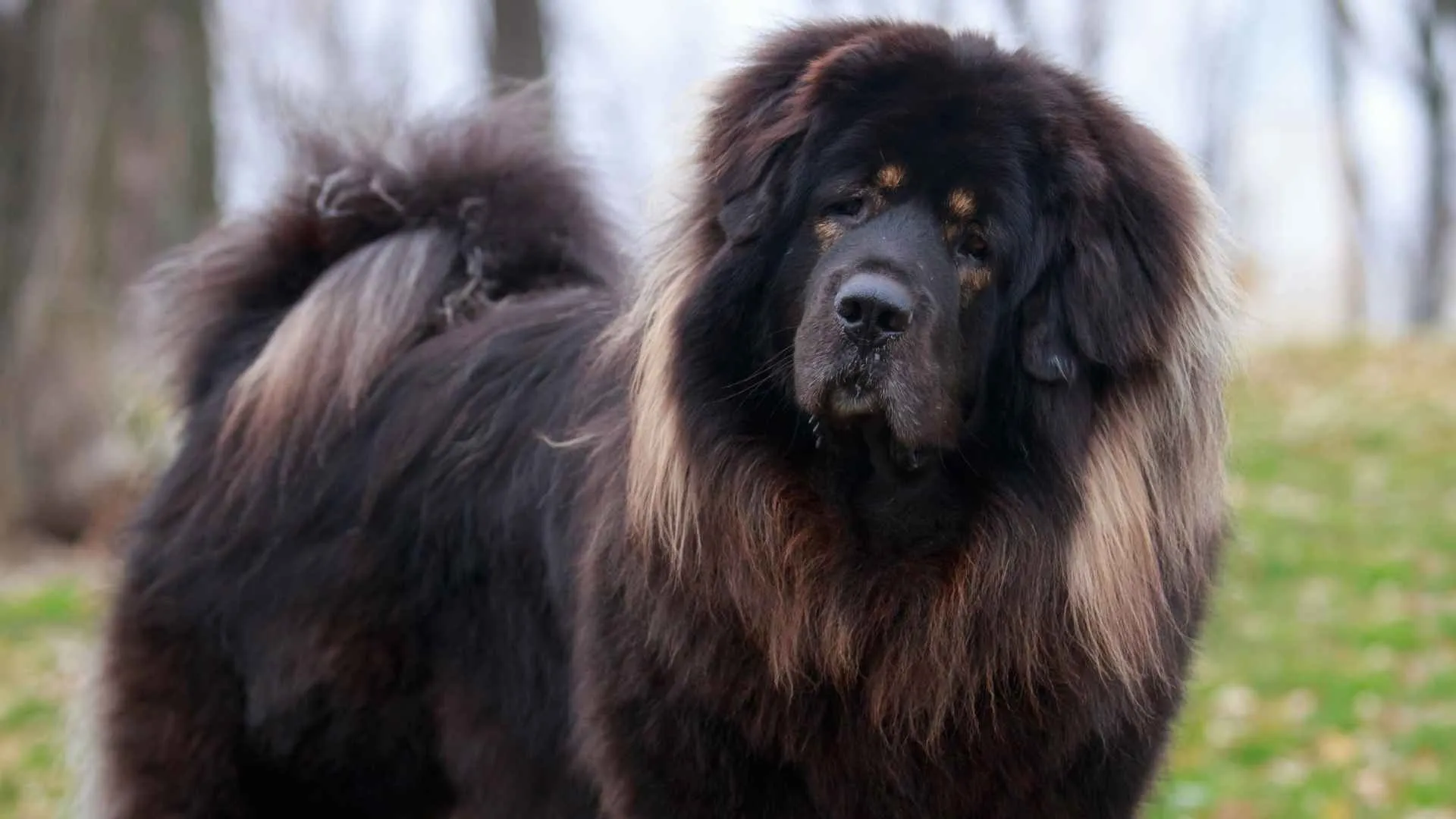
Tibetan Mastiffs are the definition of “don’t even try it.” Bred to guard livestock and property in the Himalayas, they are naturally territorial and extremely watchful. Their presence alone is enough to make most intruders rethink their life choices.
They are known for being independent thinkers, which makes them unique but also challenging to train. Unlike eager-to-please breeds, they don’t unthinkingly follow commands. You need patience, consistency, and confidence.
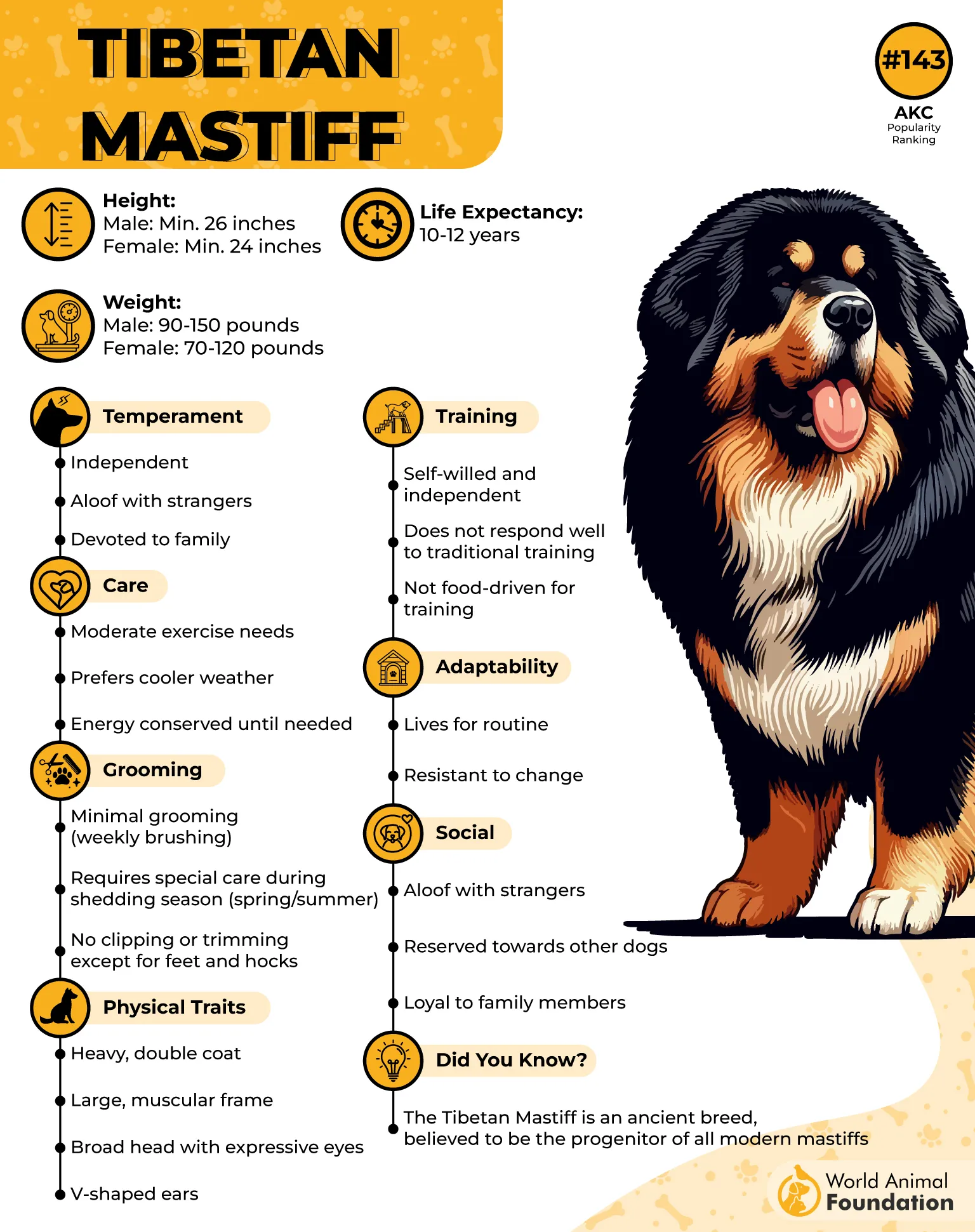
Their protective instincts are strongest at night, making them excellent nocturnal watchdogs. Many owners report increased alertness and nighttime barking. Night shift security = activated. AKC says they are deeply loyal to their family but reserved with strangers. Proper early socialization is essential to prevent over-guarding. Introductions must be handled carefully.
Fact: Historical records mention Tibetan Mastiffs guarding monasteries and even royal residences. These dogs have been elite security for centuries.
3 Ways They Protect Your Home
Their intimidating size and presence act as a powerful visual deterrent
Their territorial instincts keep them constantly aware of their surroundings
Their nighttime alertness enhances security during vulnerable hours
2. Boxer
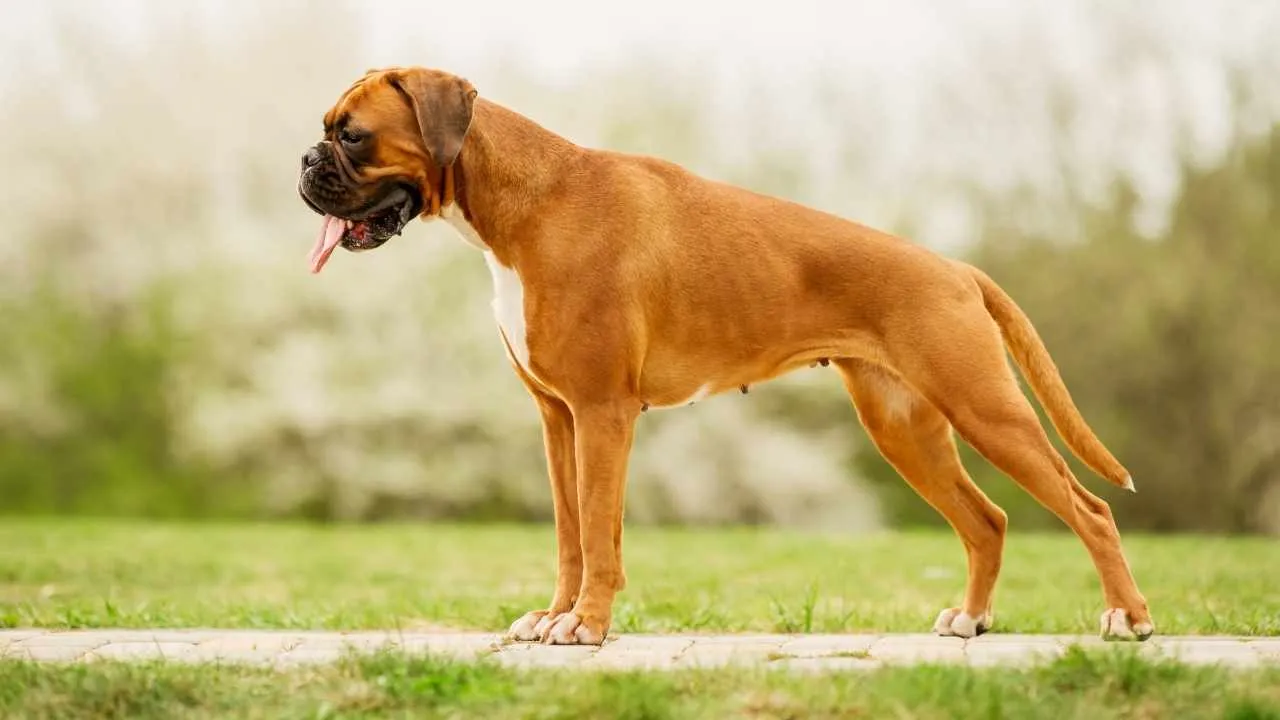
Boxers are like that friend who’s fun, goofy, but will absolutely throw hands if needed. They are naturally protective and deeply loyal to their families. Especially great if you have kids—they’re known for being gentle and playful.
They have a strong athletic build, allowing them to react quickly to threats. Speed + strength = effective protection. They’re not just barking—they can act.
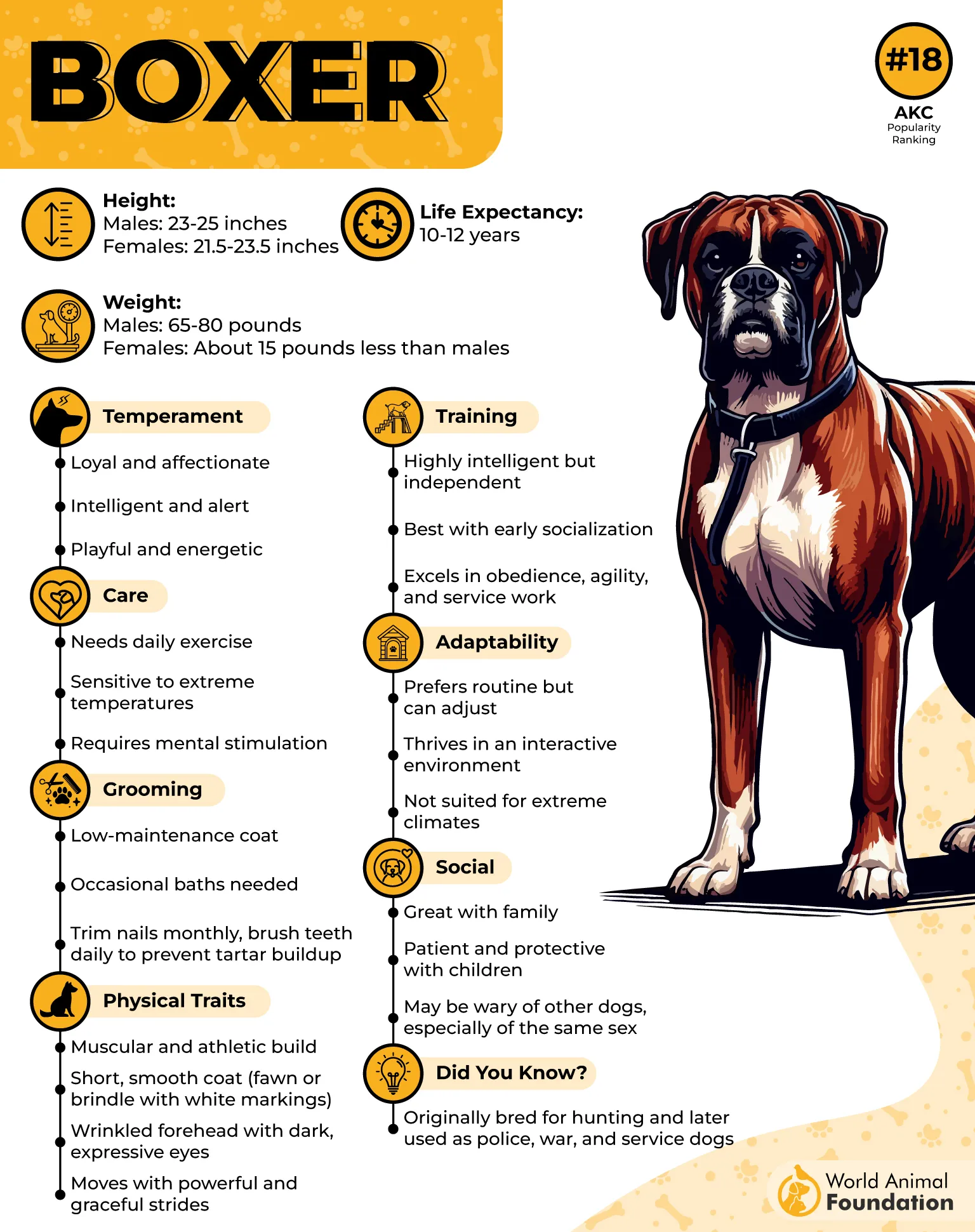
Boxers are highly alert and will notify you immediately if something feels off. Their bark alone can deter unwanted visitors. Early warning system unlocked. They thrive on companionship and don’t like being left alone for long periods. A bored Boxer can become destructive. They need attention and activity.
Real-life insight: Many families say Boxers balance protection with affection perfectly. Guardian mode outside, clown mode inside.
3 Ways They Protect Your Home
Their alert nature ensures the quick detection of unusual activity
Their physical agility allows a rapid response to potential threats
Their loyalty drives them to defend family members instinctively
3. Doberman Pinscher
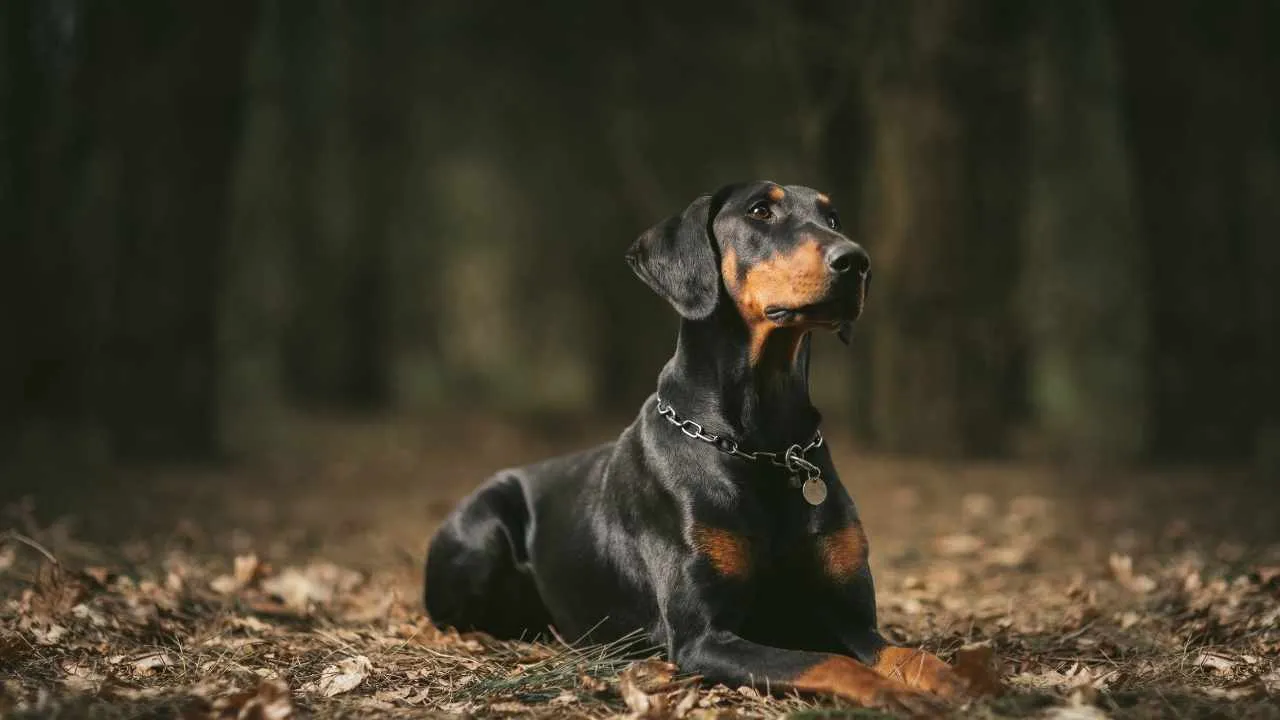
Dobermans are basically elite-level protection dogs. They are fearless, fast, and incredibly loyal to their owners. This breed takes “I’ve got your back” very seriously.
They form strong emotional bonds with their families, especially with one primary person. This makes them highly protective and responsive. Emotional connection = stronger guarding instinct.
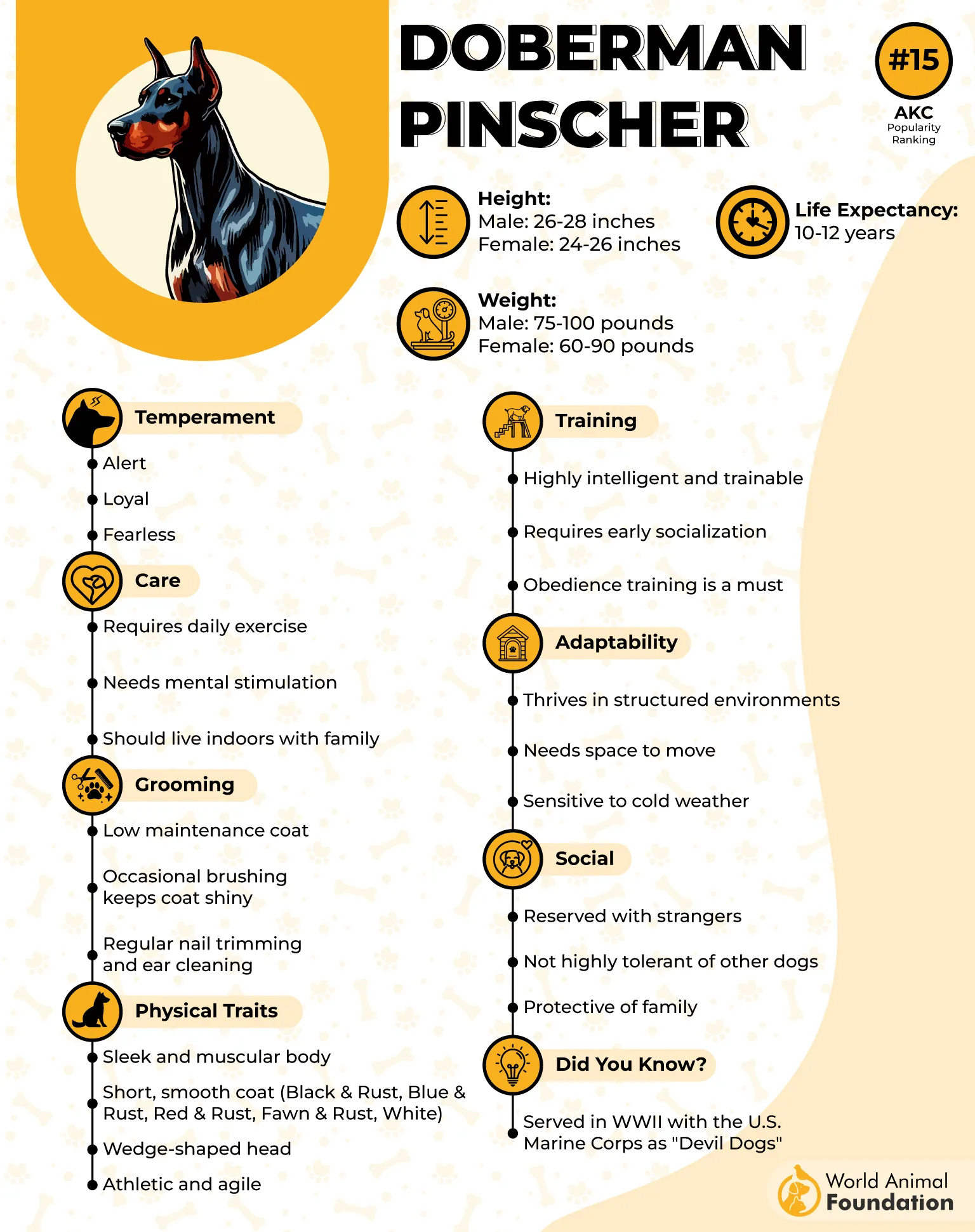
PetMD says their intelligence makes them highly trainable, especially with structured guidance. Early socialization is crucial to ensure balanced behavior. A well-trained Doberman is unmatched. They are often used in security and military roles due to their bravery and obedience. Real-world proof of their capabilities. Not just hype.
Real-life insight: Owners often describe Dobermans as “intuitive protectors” who sense danger before it’s obvious. Sixth sense vibes.
3 Ways They Protect Your Home
Their courage allows them to confront threats confidently
Their intelligence enables advanced training for protection tasks
Their loyalty ensures constant vigilance over family members
4. Akita
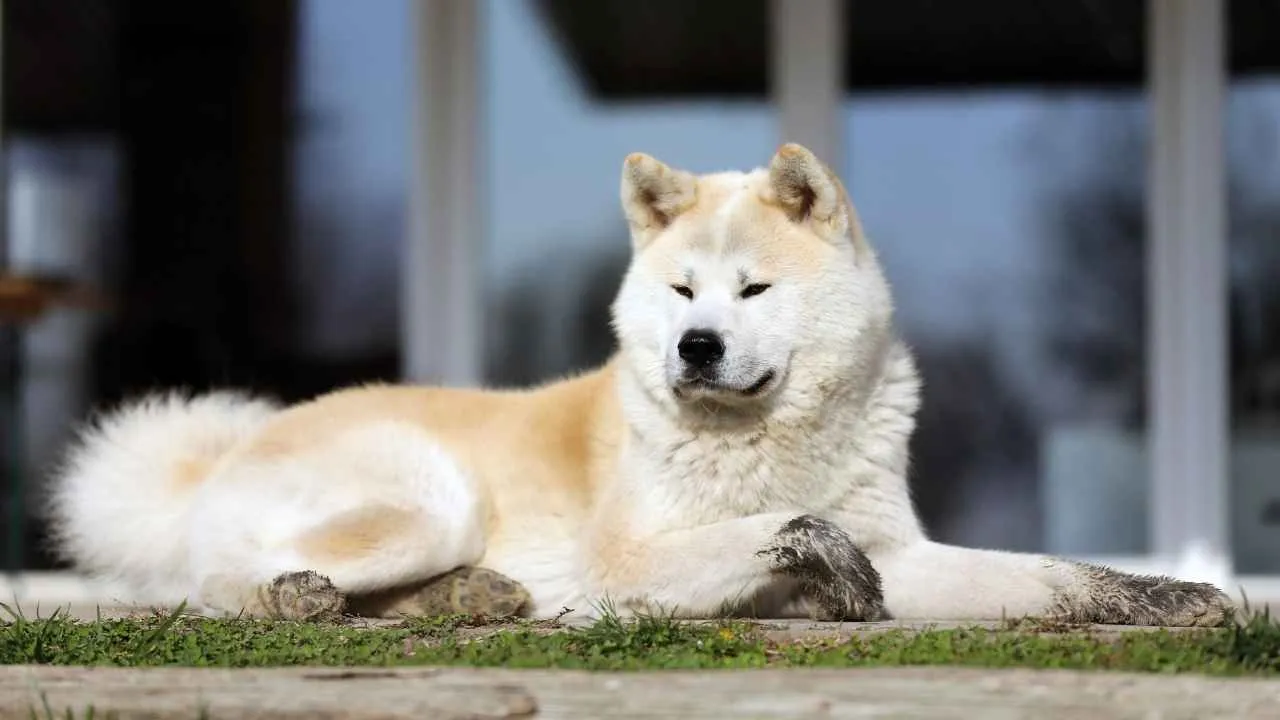
Akitas are calm, quiet, and extremely loyal—but don’t mistake that calm for weakness. They were originally bred to guard royalty in Japan, and that protective instinct is still strong today—silent guardian energy.
They are naturally suspicious of strangers but affectionate with their inner circle. This makes them excellent watchdogs without being overly aggressive. Balanced protection.
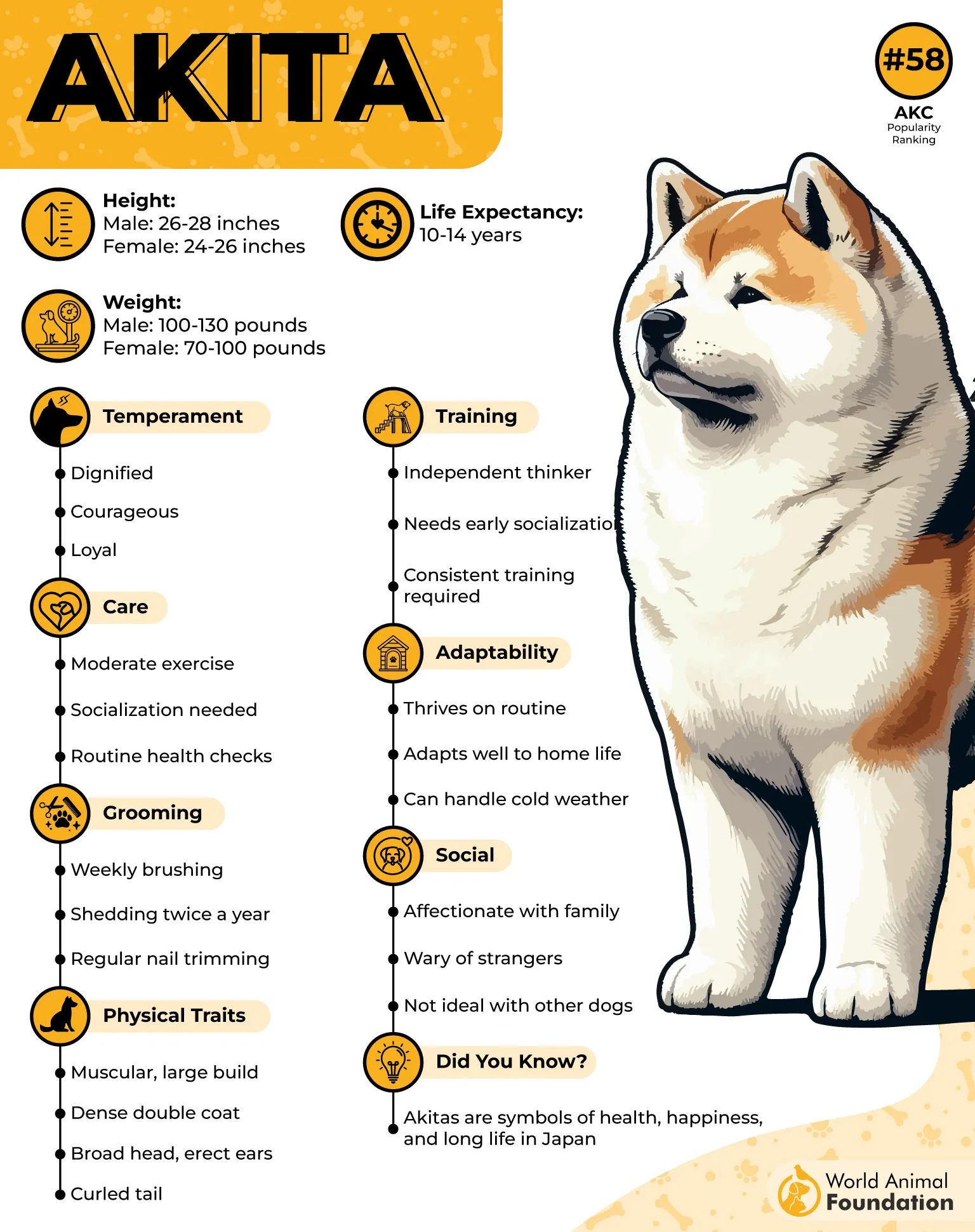
Akitas don’t bark excessively, but when they do, it matters. They alert you only when something is truly off. Quality over quantity. They require experienced handling and proper training. Without it, their protective instincts can become misdirected. Structure is essential.
Fact: The Akita is designated as a “natural monument” in Japan. Cultural icon + protector.
3 Ways They Protect Your Home
Their alert nature ensures awareness of unfamiliar presence
Their loyalty keeps them constantly watching over the family
Their controlled temperament prevents unnecessary aggression
5. Belgian Malinois
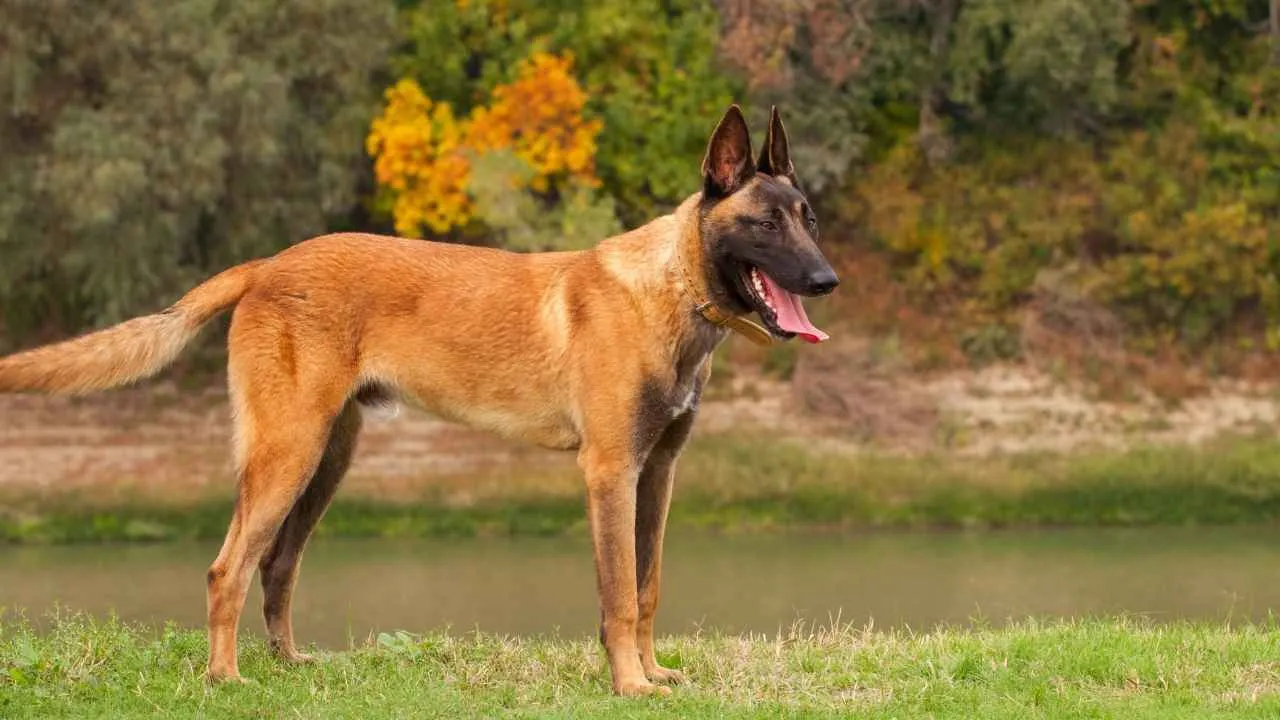
Belgian Malinois are next-level intense. These dogs are widely used in police and military operations due to their intelligence and work drive. They’re basically professionals.
They are incredibly alert and constantly monitor their environment. Nothing escapes their attention. Full surveillance mode.
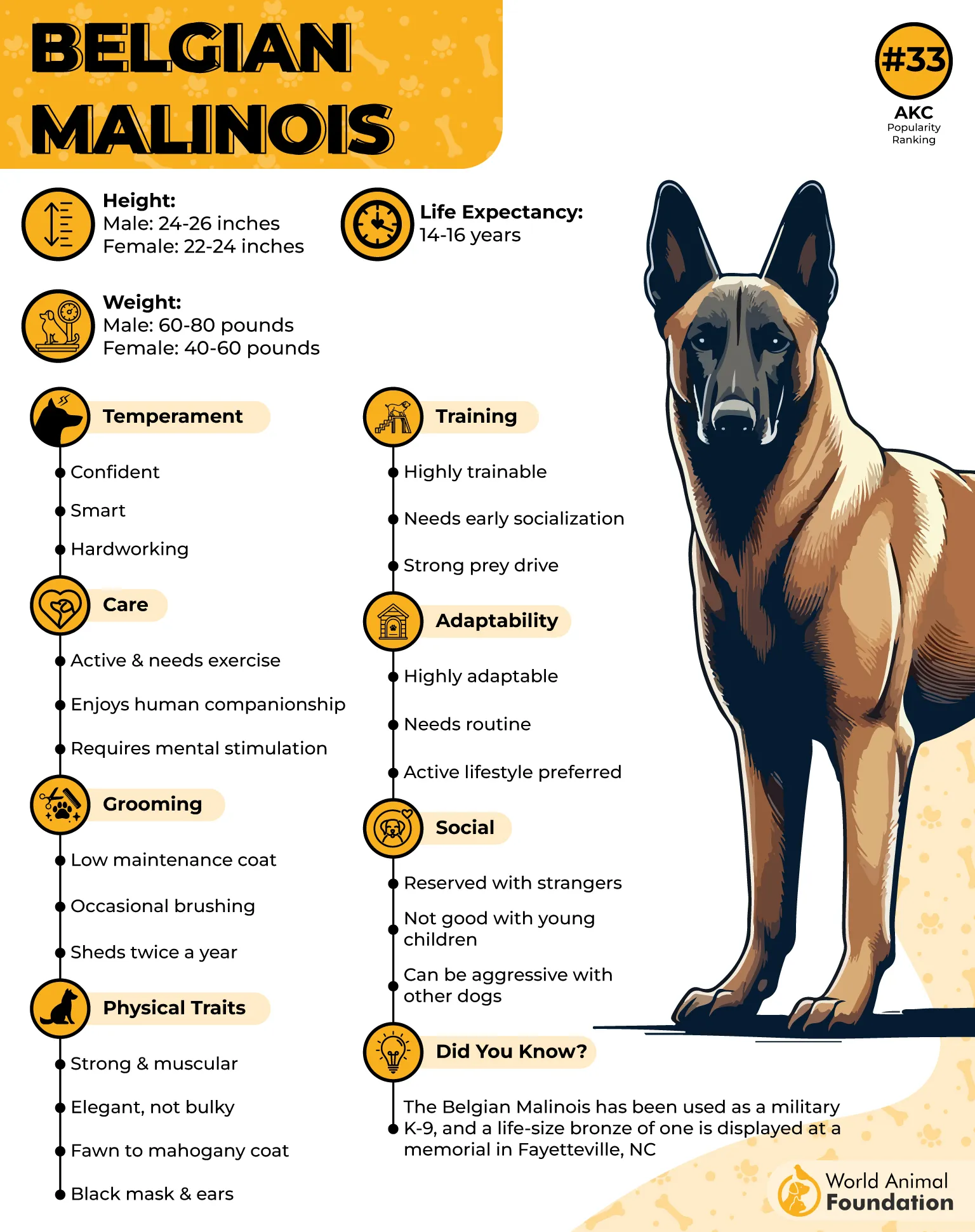
Their agility and speed make them highly effective in responding to threats. They can move quickly and precisely. Built for action. They require serious training and mental stimulation. Without it, they can become restless or destructive. Not beginner-friendly.
Real-life insight: Many handlers say Malinois are like “working partners” rather than pets. They need purpose.
3 Ways They Protect Your Home
Their vigilance ensures continuous monitoring of the surroundings
Their speed allows quick intervention when needed
Their intelligence supports advanced protective training
6. Cane Corso
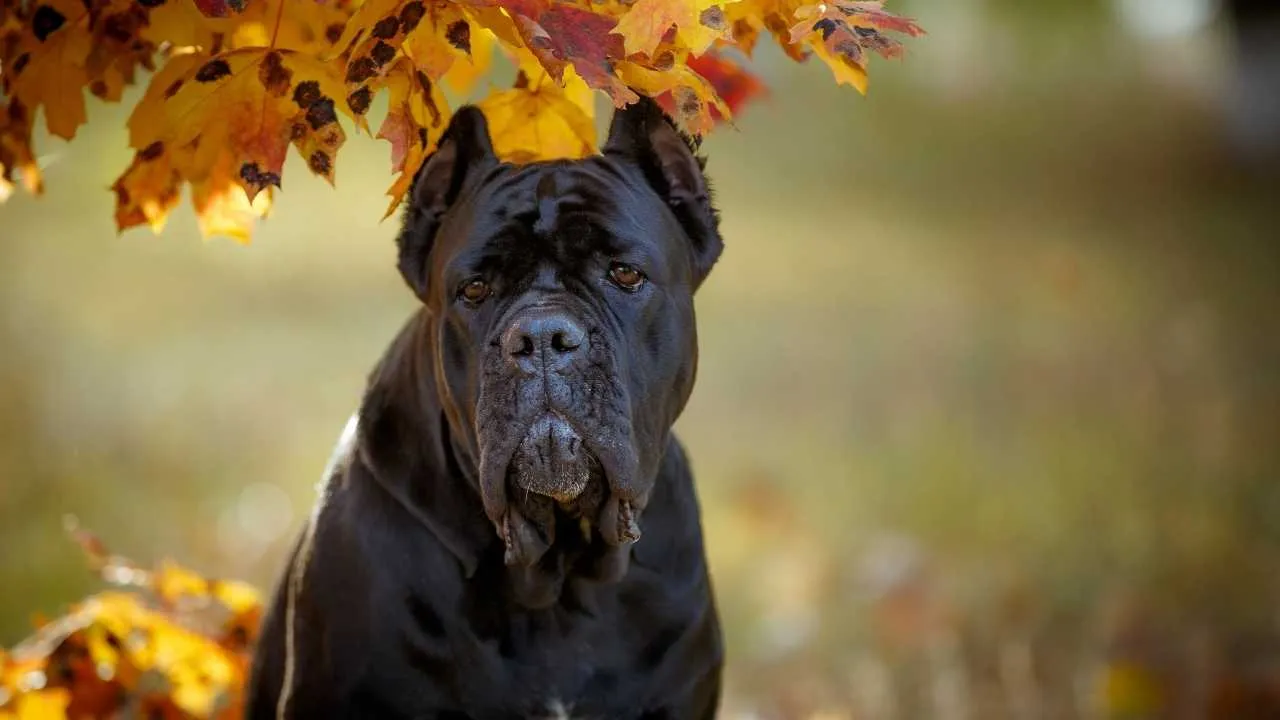
Cane Corsos are powerful, confident, and naturally protective. Originating from Roman war dogs, they have a long history of guarding and defense. Ancient power meets modern loyalty.
They are deeply bonded to their families and will defend them without hesitation. However, they are not naturally aggressive—they require proper training. Controlled strength is key.
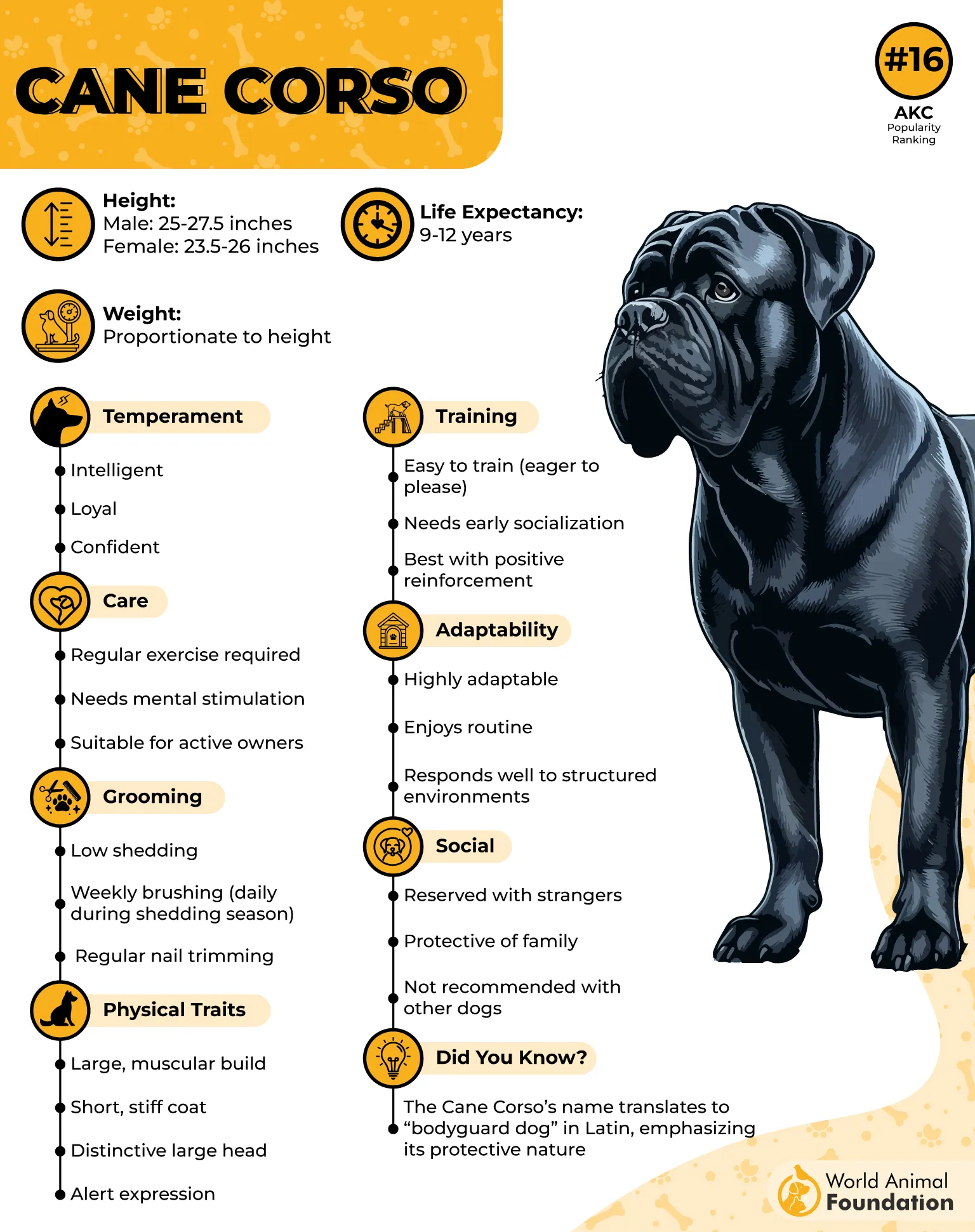
Their muscular build and imposing presence act as a strong deterrent. Most intruders won’t even try. Intimidation factor = high. They are intelligent and responsive but need firm, consistent leadership. Early training and socialization are critical. No shortcuts.
Real-life insight: Owners often say Cane Corsos are “gentle giants at home, protectors outside.” Dual personality done right.
3 Ways They Protect Your Home
Their physical presence discourages potential intruders
Their loyalty ensures unwavering protection of the family
Their intelligence allows structured guard training
7. Rottweiler
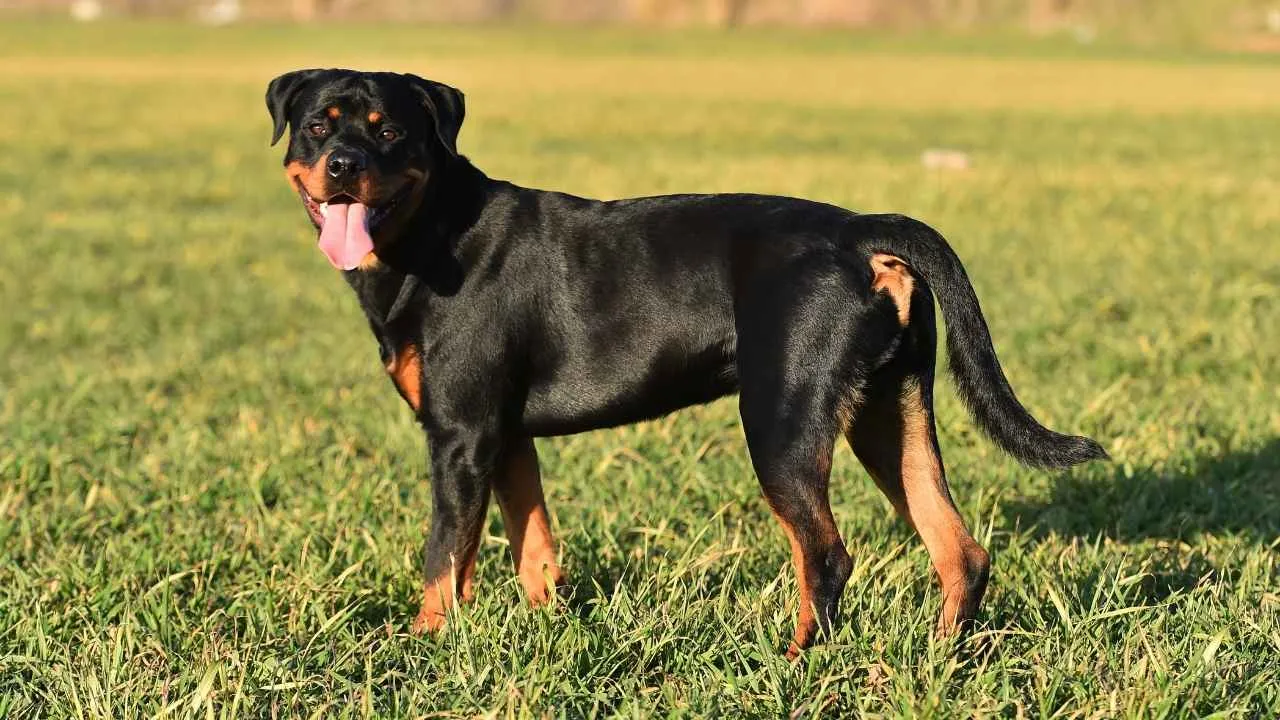
Rottweilers were originally bred as working and guard dogs, so protection is literally in their DNA. They instinctively watch over their home and family without being told. It’s not forced—it’s built-in behavior.
These excellent guard dogs are extremely observant and notice even small changes in their environment, per PetPlan. Whether it’s a stranger near your gate or an unusual noise at night, they pick up on it fast. Early detection = better security.
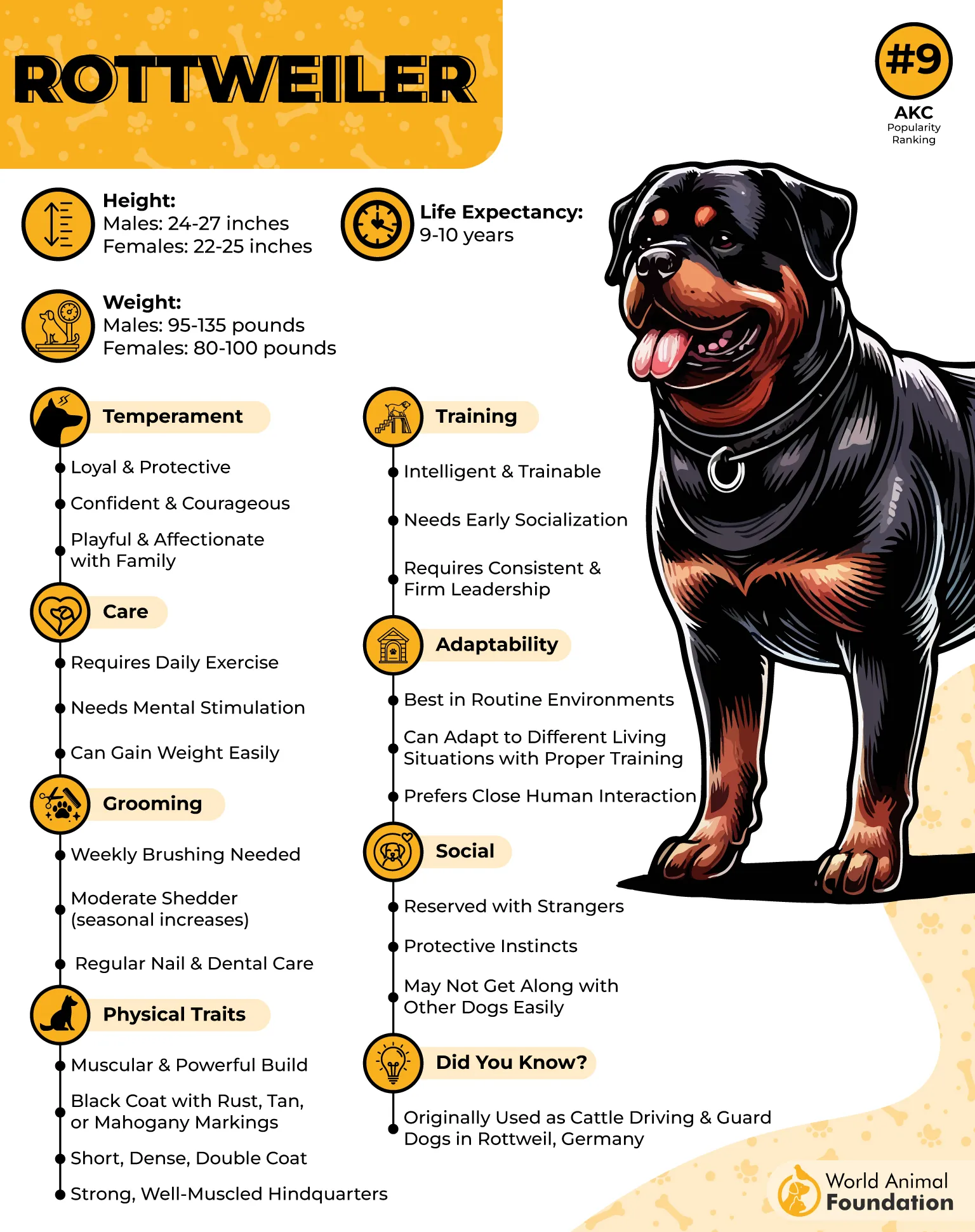
Let’s be honest—their size and muscular build alone can scare off intruders. Most people won’t even attempt anything once they see a Rottweiler guarding a property. Deterrence without action is already a win.
This guard dog breed is smart and responds well to structured training. You can teach them when to be calm and when to switch into protection mode. A trained Rottweiler is controlled, not chaotic.
3 Ways They Protect Your Home
Their loyalty means they will step in without hesitation if they sense danger.
Protection becomes personal for them.
They are powerful dogs, so proper training and socialization are non-negotiable.
Conclusion
Protective dog breeds bring more than just security—they bring loyalty, companionship, and peace of mind. These dogs are not just guardians of your home, but also deeply connected members of your family.
Research consistently shows that trained guard dogs can act as strong deterrents against crime while also improving emotional well-being. But the key is responsible ownership—training, socialization, and understanding the breed’s needs.
German Shepherd, Bernese Mountain Dog, Giant Schnauzer, Rhodesian Ridgeback, Saint Bernard, and Great Pyrenees are also considered among the best guard dogs for homes.
At the end of the day, the best protection dog isn’t just strong—it’s balanced, trained, and loved because the strongest security system is one that protects with both instinct and heart.
