




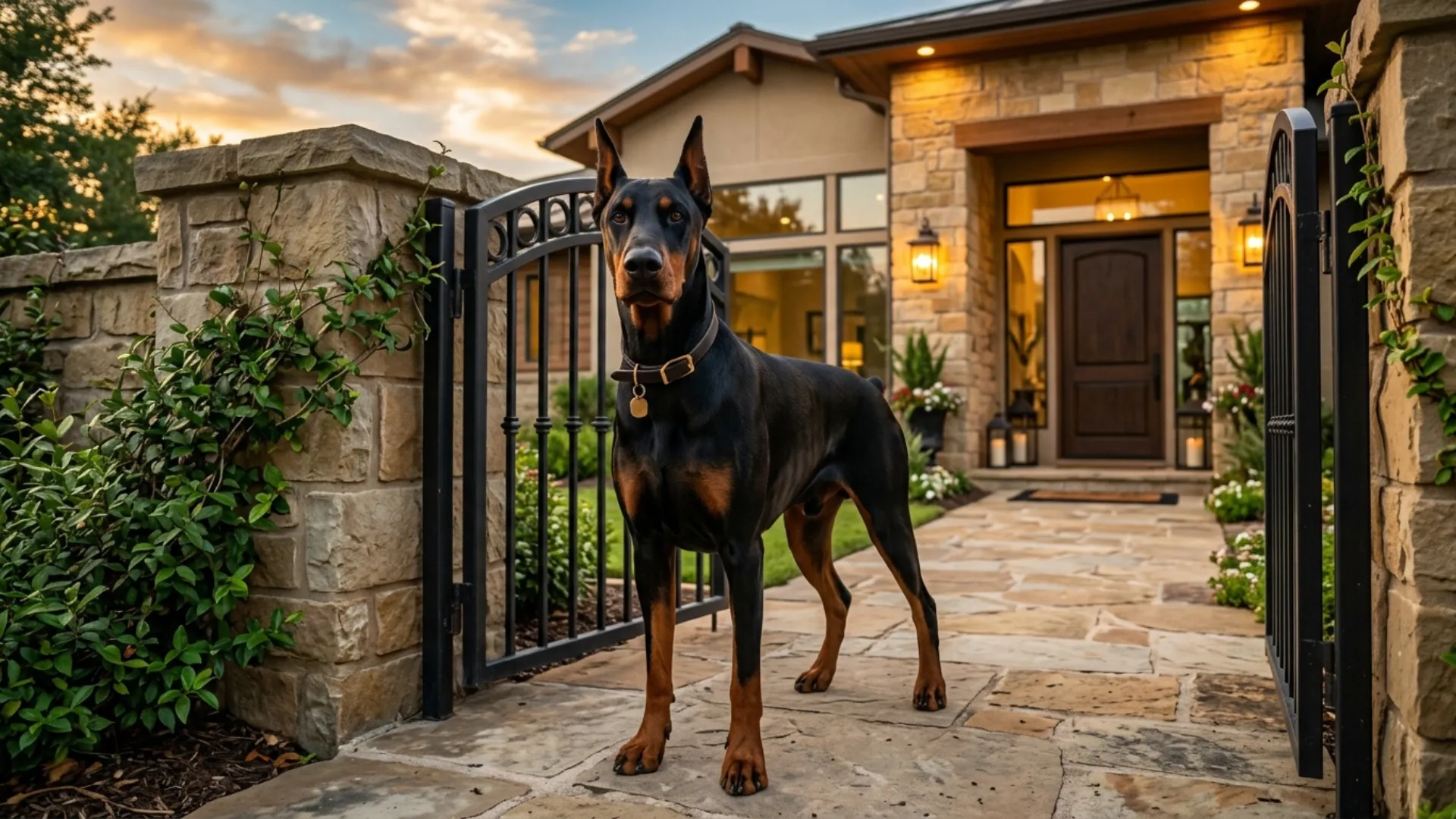
A safe home is not protected by locks and cameras alone; it also relies on awareness, loyalty, and a strong sense of protection. That is where guard dog breeds stand out. These dogs are more than security animals; they are devoted companions that form deep bonds with the families they protect.
Not all protection dogs are the same, however. Some rely on strong territorial instincts, while others use intelligence, obedience, and specialized training. Many combine physical strength with sharp awareness, making them dependable guardians in a variety of situations.
The best guard dog is not simply the most intimidating breed. A truly reliable protector is one that remains balanced, trainable, and trustworthy while also being a loving family companion.
This guide explores seven of the best guard dog breeds for home protection, highlighting their natural instincts, temperament, trainability, health considerations, and what it is really like to live with these powerful yet loyal dogs as part of the family.
Protective Dog Breeds: A Guide to Home Defense
1. German Shepherd
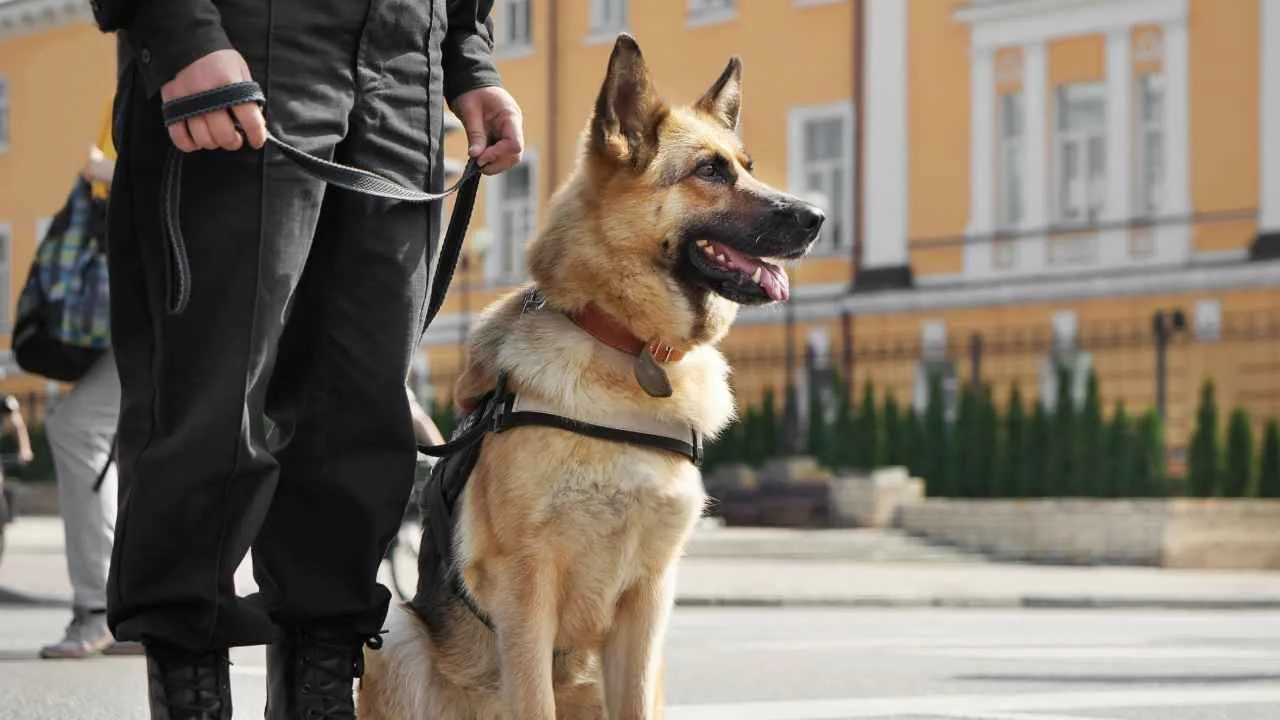
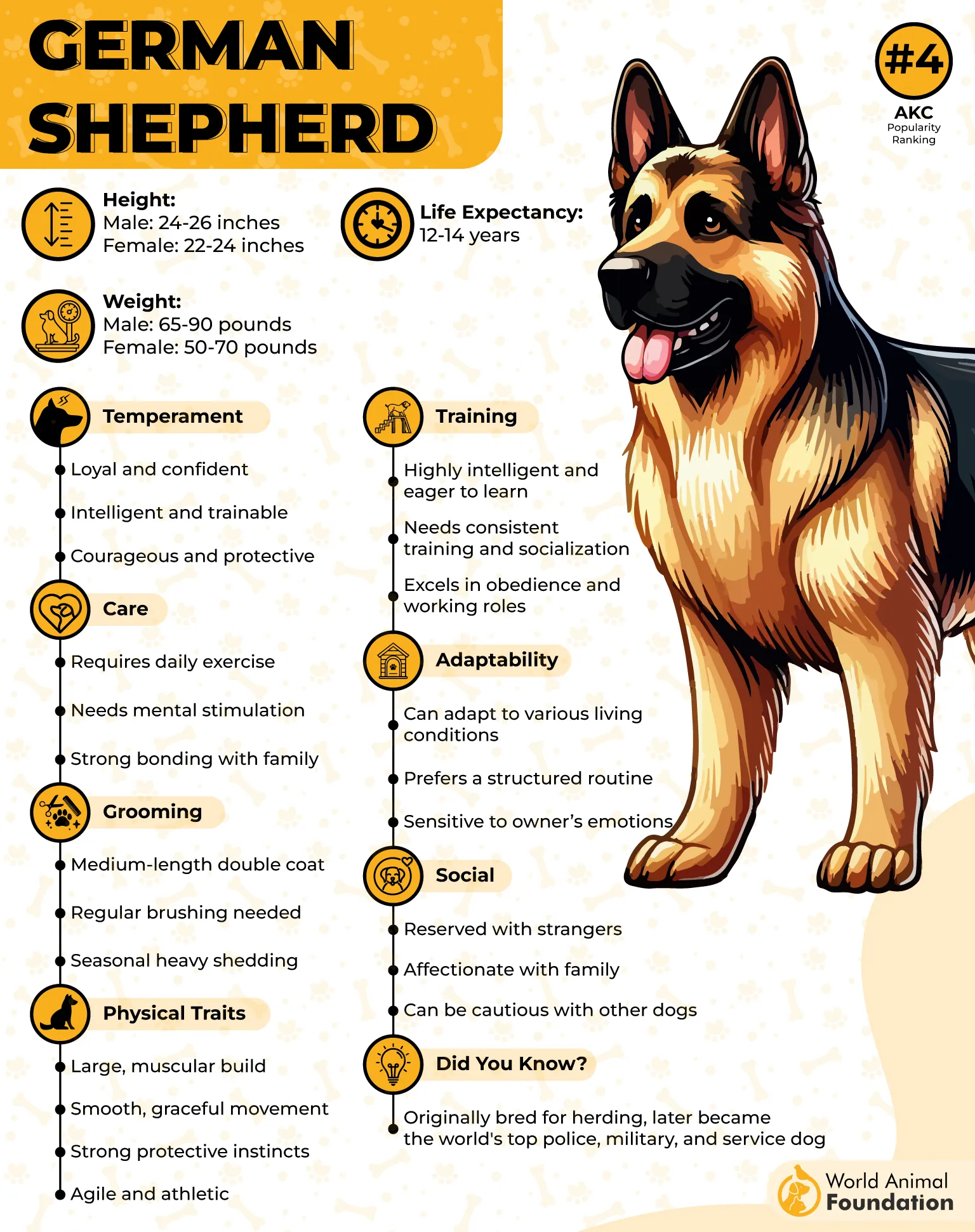
The German Shepherd is widely regarded as one of the best guard dog breeds in the world and is often considered the gold standard for protection work. Known for its intelligence, loyalty, and versatility, this breed has earned a strong reputation in police, military, and security roles across the globe.
What Makes Them Excellent Guard Dogs?
Highly intelligent and easy to train
Naturally skilled at evaluating threats and situations
Strong protective instincts toward family and property
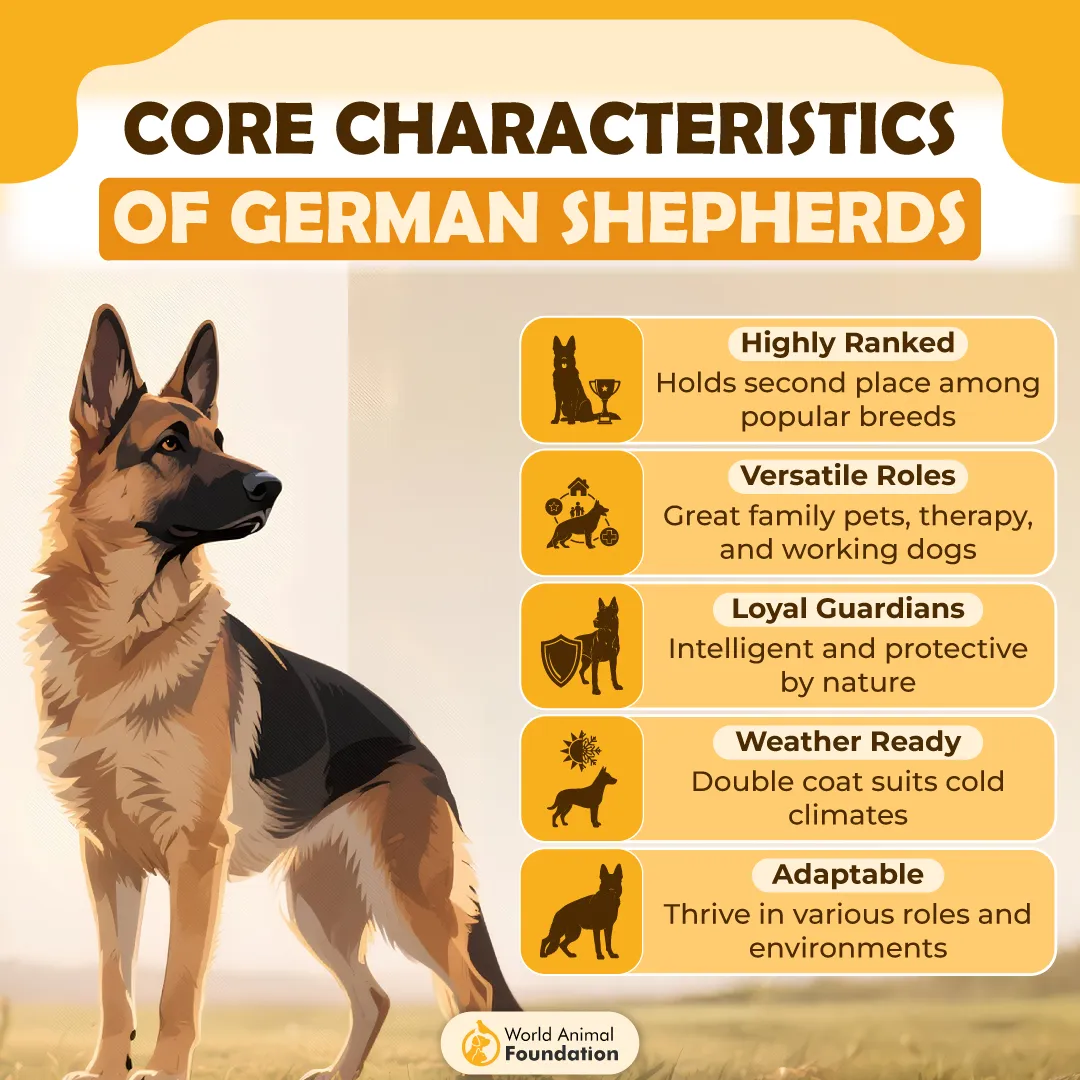
The American Kennel Club describes the German Shepherd as one of the finest all-purpose working dogs. Their widespread use in law enforcement and military operations reflects their reliability, discipline, and ability to remain focused under pressure.
Health & Care Considerations
Prone to hip and elbow dysplasia
Risk of degenerative myelopathy in old age
Requires daily physical activity and mental stimulation
Nutrition Tips
High-protein diets help maintain muscle strength and energy
Joint-support supplements such as glucosamine and chondroitin may be beneficial
Controlled feeding during growth stages helps reduce joint-related issues
To properly develop their natural guarding instincts, German Shepherds require early socialization, structured training, and consistent leadership from a young age. With the right guidance, they become dependable protectors and loyal family companions.
2. Rottweiler
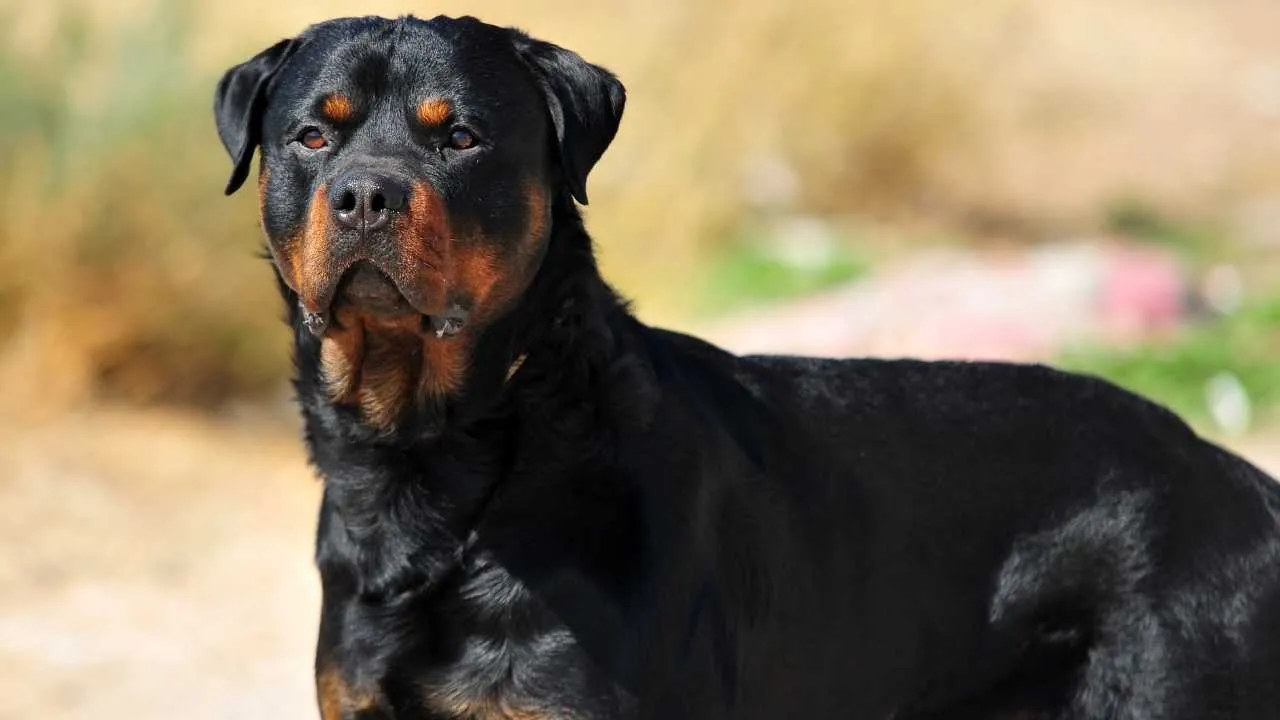
The Rottweiler is a powerful, large dog breed known for its strength, confidence, and calm protective nature. Beneath its muscular build is a composed and highly dependable guard dog that is naturally loyal to its family.
What Makes Them Excellent Guard Dogs?
Naturally protective and territorial
Forms strong bonds with owners and family members
Calm, steady, and controlled under pressure
Rottweilers are not overly reactive dogs. Instead of responding impulsively, they tend to observe situations carefully and act only when necessary. Their confidence, loyalty, and protective instincts make them highly effective at deterring strangers and potential intruders.
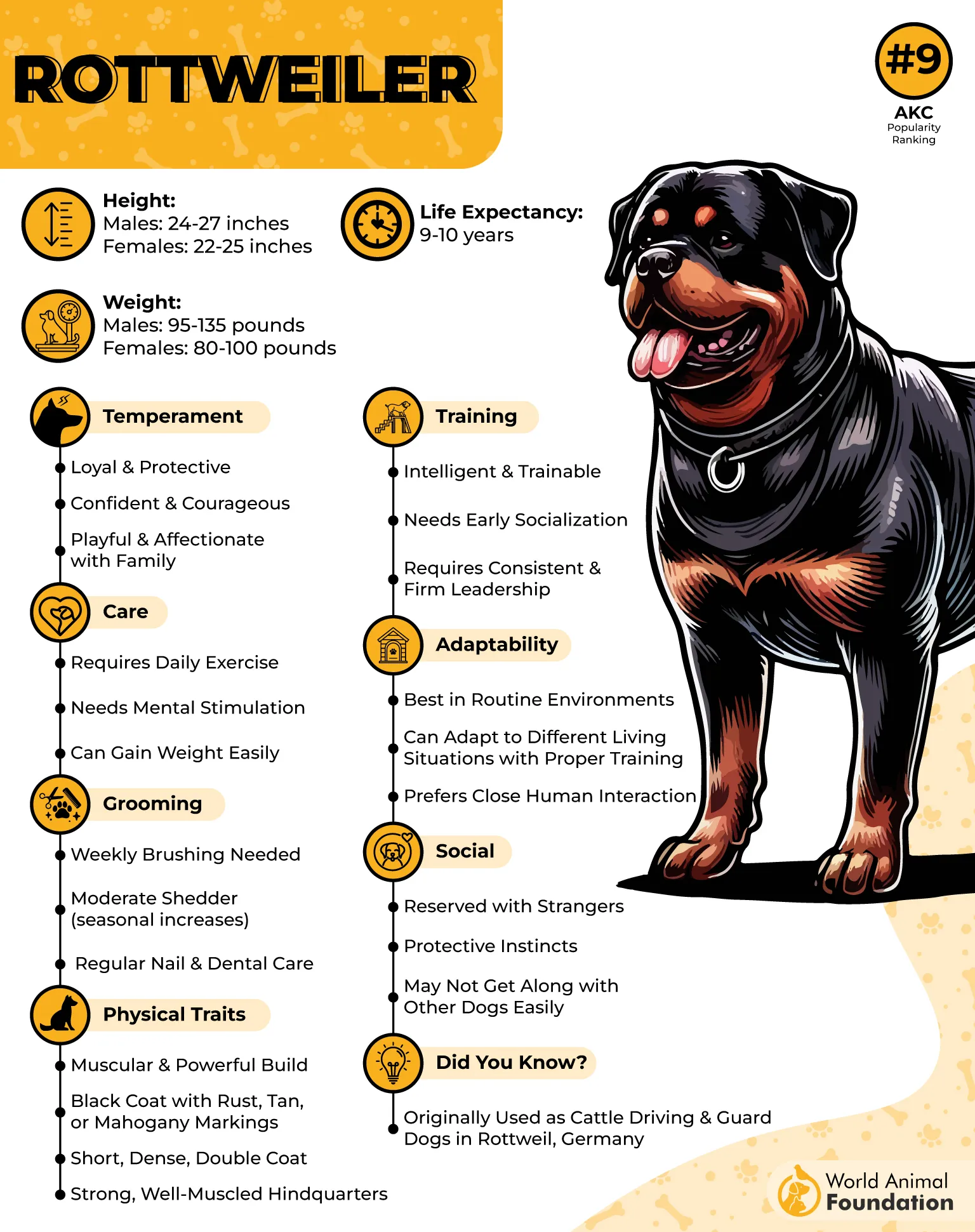
Health & Care Considerations
Prone to hip dysplasia
Risk of heart conditions such as aortic stenosis
Can become overweight without a proper diet and exercise
Nutrition Tips
Lean, high-protein diets help maintain muscle without excessive weight gain
Omega-3 fatty acids may support heart health
Portion-controlled meals help reduce stress on joints and improve mobility
According to PetMD, maintaining a healthy weight plays a major role in improving both the lifespan and mobility of large breeds like the Rottweiler. Early training, socialization, and consistent leadership are also essential to help them develop into balanced and trustworthy family guardians.
3. Doberman Pinscher
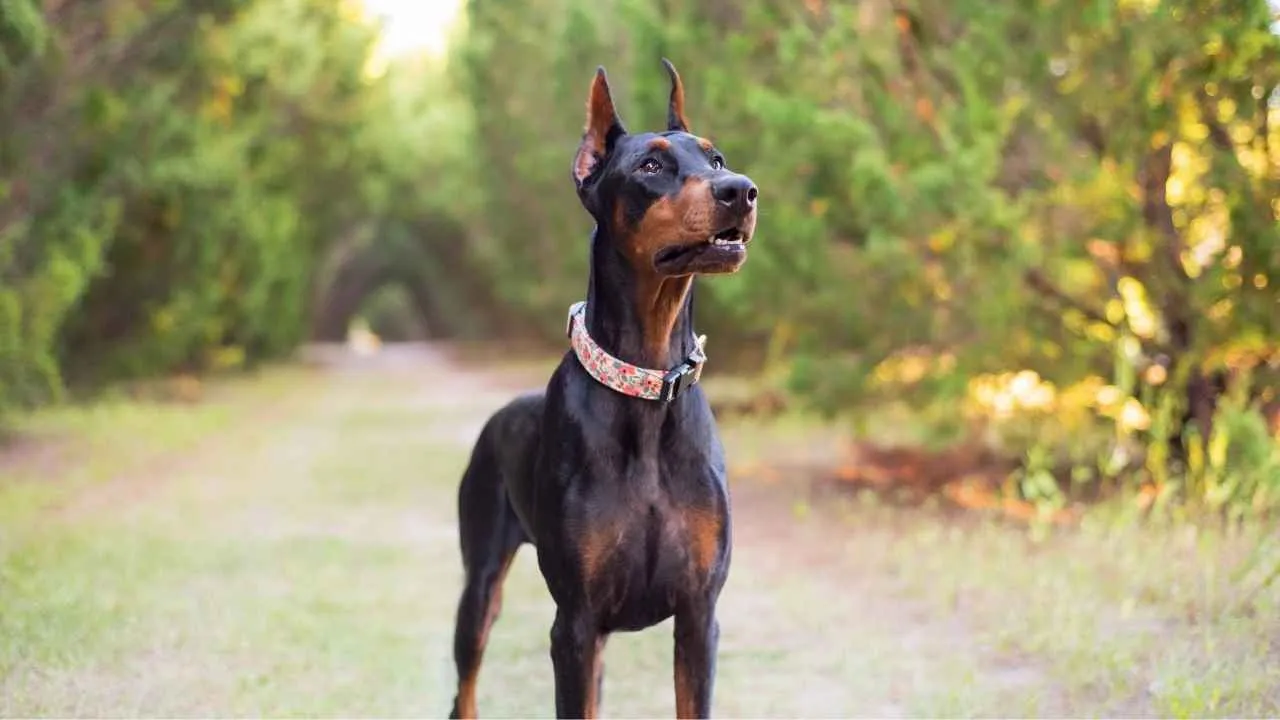
The Doberman Pinscher is a sleek, powerful, and highly alert protection breed known for its speed, loyalty, and intelligence. With its athletic build and sharp instincts, it is widely regarded as one of the best guard dogs for home and family protection.
What Makes Them Excellent Guard Dogs?
Exceptional speed and agility
Highly intelligent and responsive to obedience training
Strong loyalty and protective instincts
Forms deep bonds with family members, including children
Doberman Pinschers are often called “velcro dogs” because they prefer staying close to their owners and remain constantly aware of their surroundings. Their natural attentiveness and quick response to threats make them highly dependable protection companions.
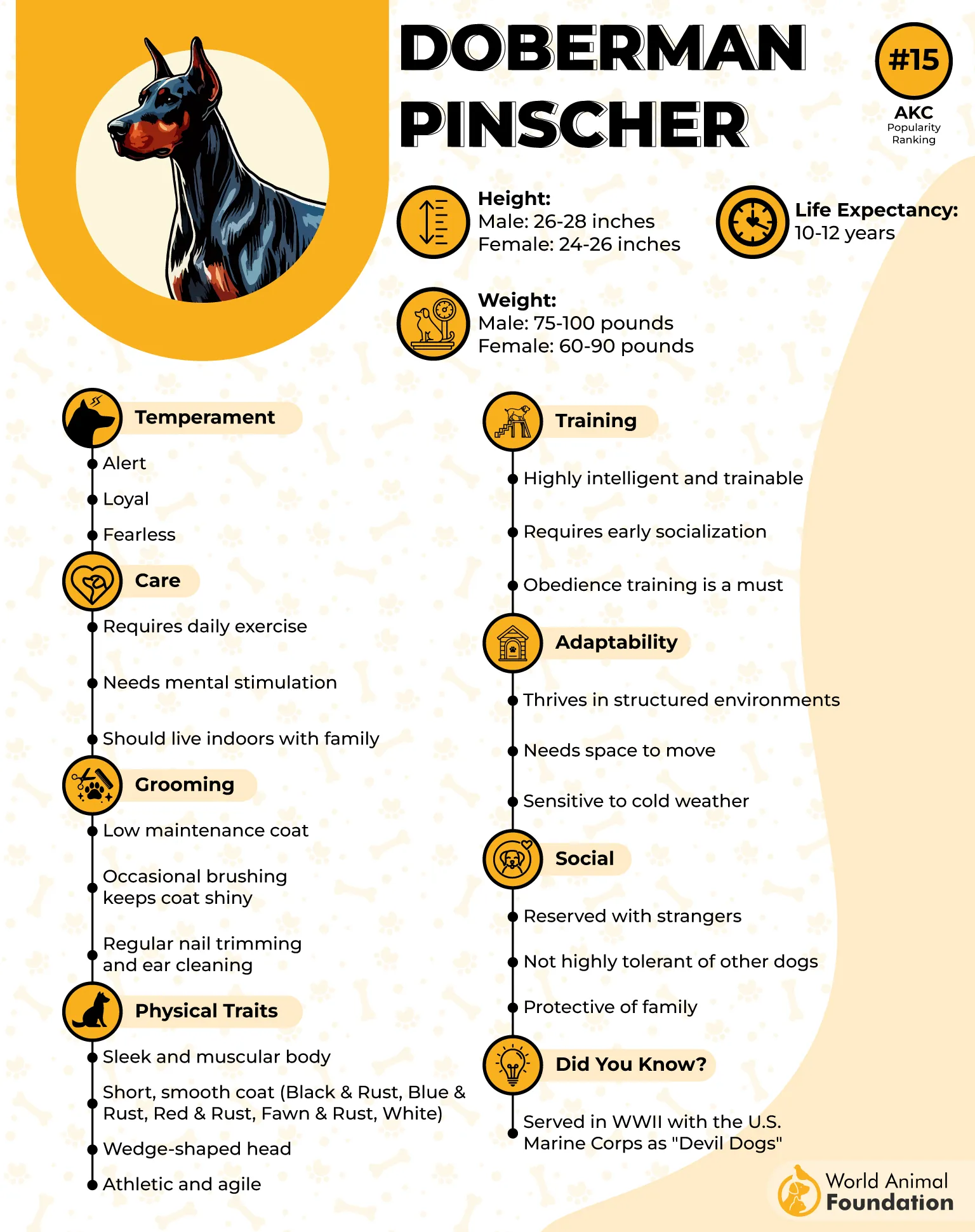
Health & Care Considerations
Prone to dilated cardiomyopathy (heart disease)
Risk of Wobbler syndrome, which affects the spine and movement
Sensitive to cold weather due to their short coat
Nutrition Tips
Heart-supporting nutrients such as taurine and L-carnitine may be beneficial
High-quality protein helps maintain muscle and energy levels
Consistent feeding schedules and regular exercise support overall health
Because the breed has a history of heart-related conditions, heart-friendly nutrition and regular veterinary care are especially important. Early training, socialization, and structured leadership also help Dobermans grow into balanced, confident, and reliable family protectors.
4. Cane Corso
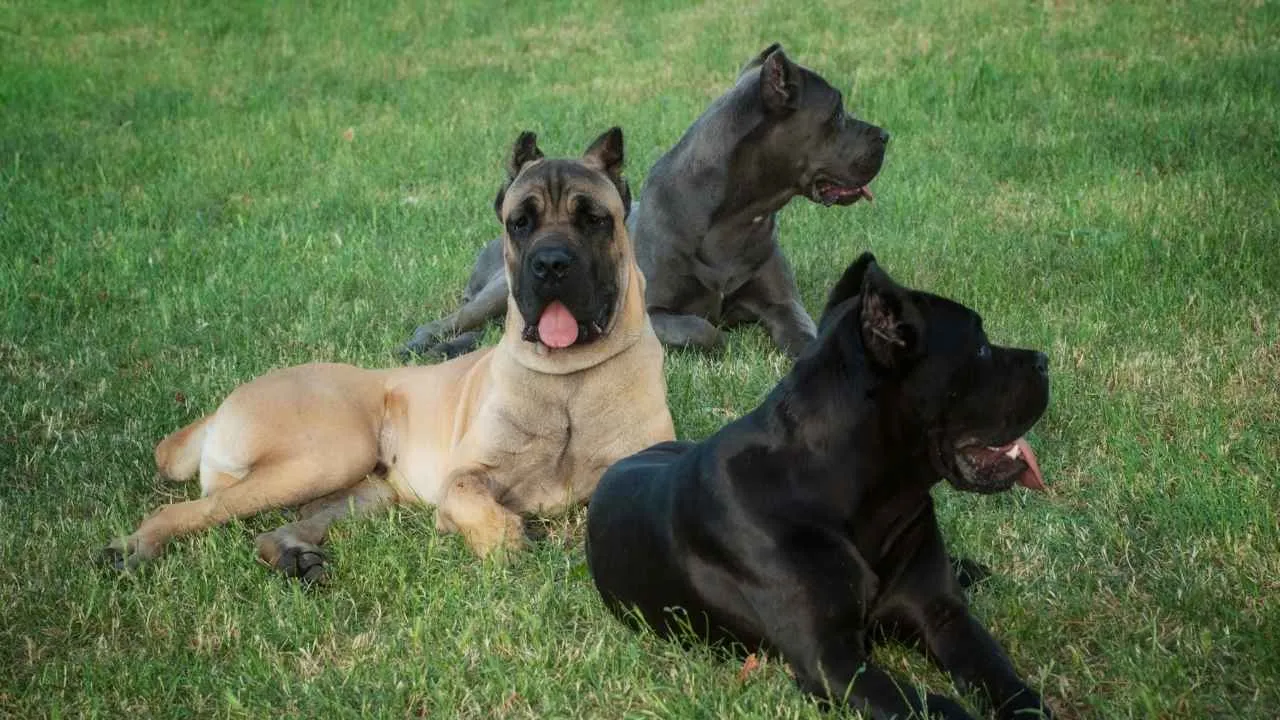
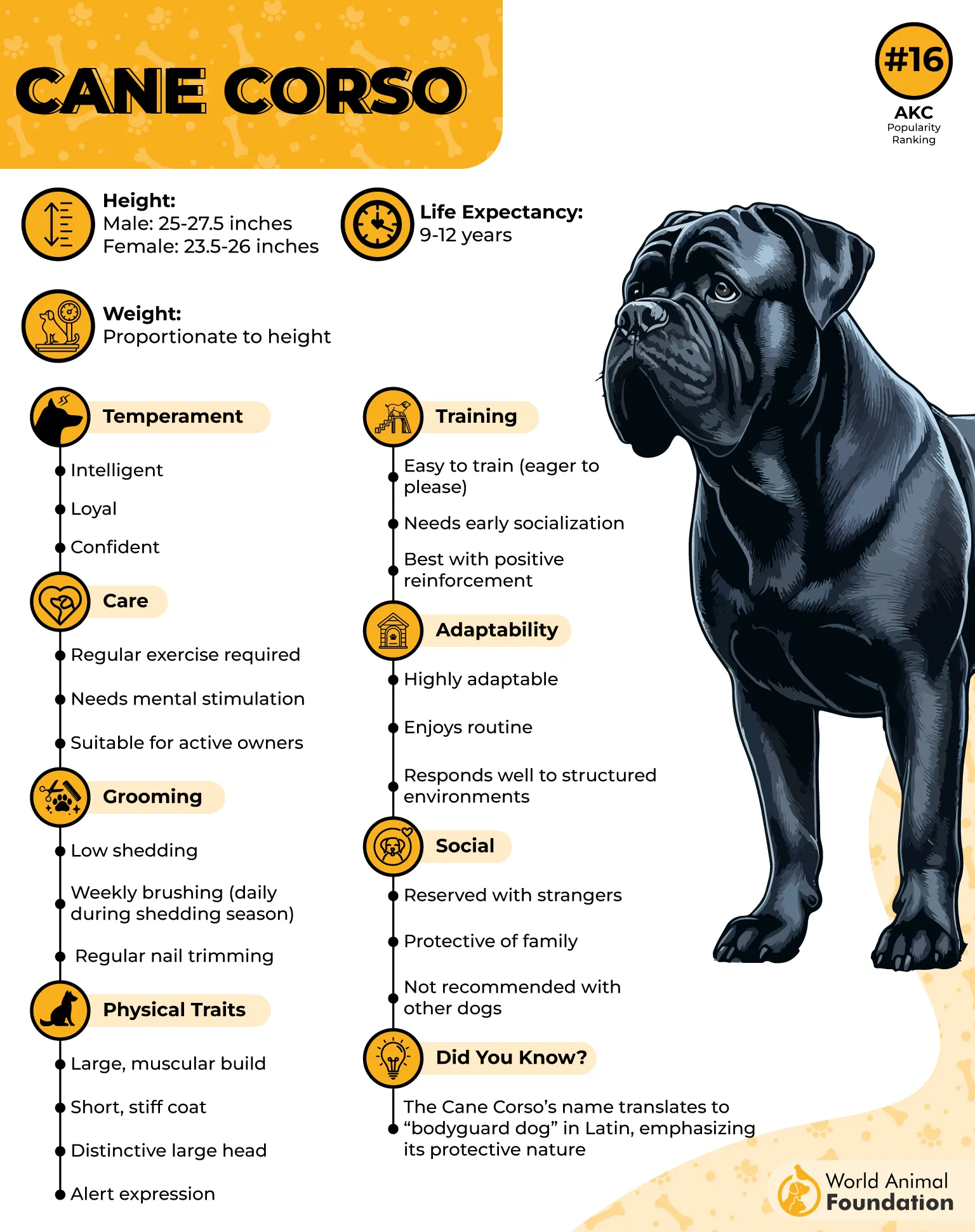
The Cane Corso is a powerful and highly focused guardian breed known for its loyalty, confidence, and natural protective instincts. With its muscular build and alert personality, it is considered one of the most capable protection dogs for experienced owners.
What Makes Them Excellent Guard Dogs?
Strong territorial instincts
Naturally intimidating without excessive barking
Highly trainable with firm and confident leadership
Cane Corsos are serious working dogs and are generally not recommended for first-time dog owners. This breed needs a confident handler who can establish clear boundaries, provide consistent obedience training, and properly manage its strong guarding instincts.
Health & Care Considerations
Prone to hip dysplasia
Risk of bloat (gastric torsion)
Can develop certain eye conditions
Nutrition Tips
High-protein, nutrient-rich diets help maintain muscle and energy
Joint-support supplements may benefit mobility and long-term health
Controlled feeding schedules are important, especially for deep-chested breeds prone to bloat
According to VCA Animal Hospitals, large deep-chested breeds like the Cane Corso benefit from structured feeding routines to help reduce the risk of gastric torsion. With proper training, socialization, and responsible ownership, the Cane Corso becomes a calm, dependable, and highly loyal family protector.
5. Akita
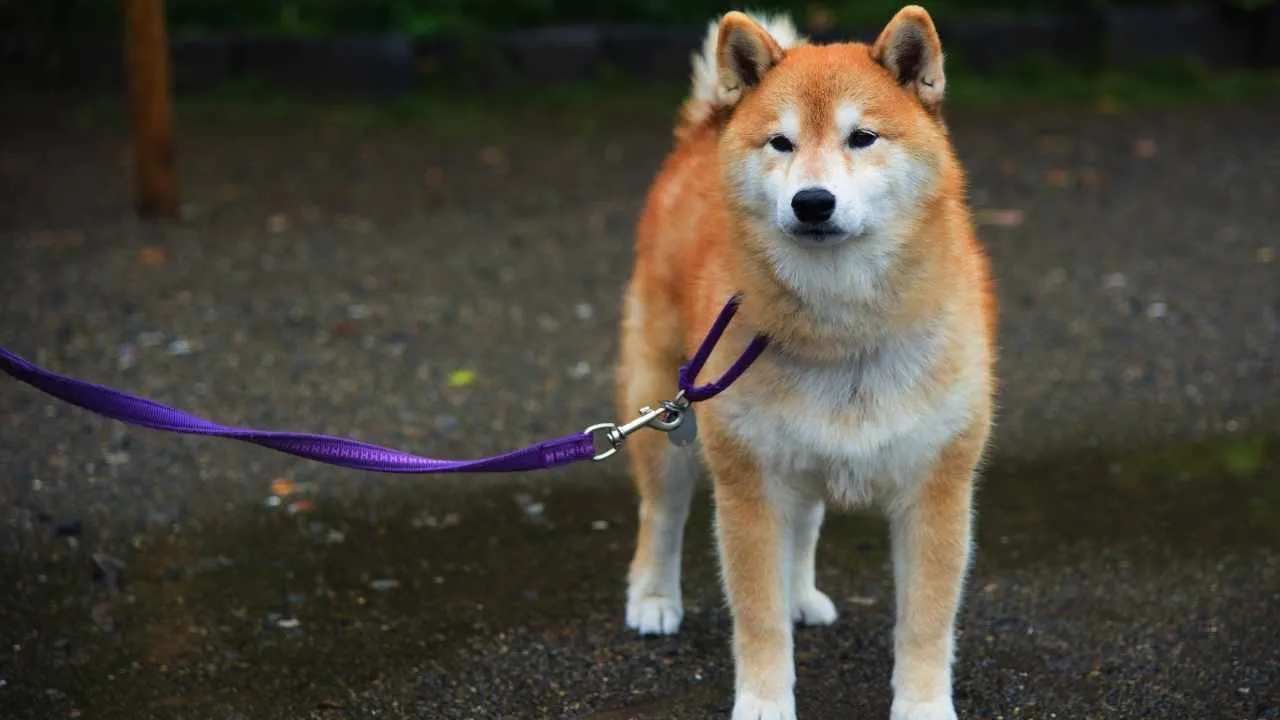
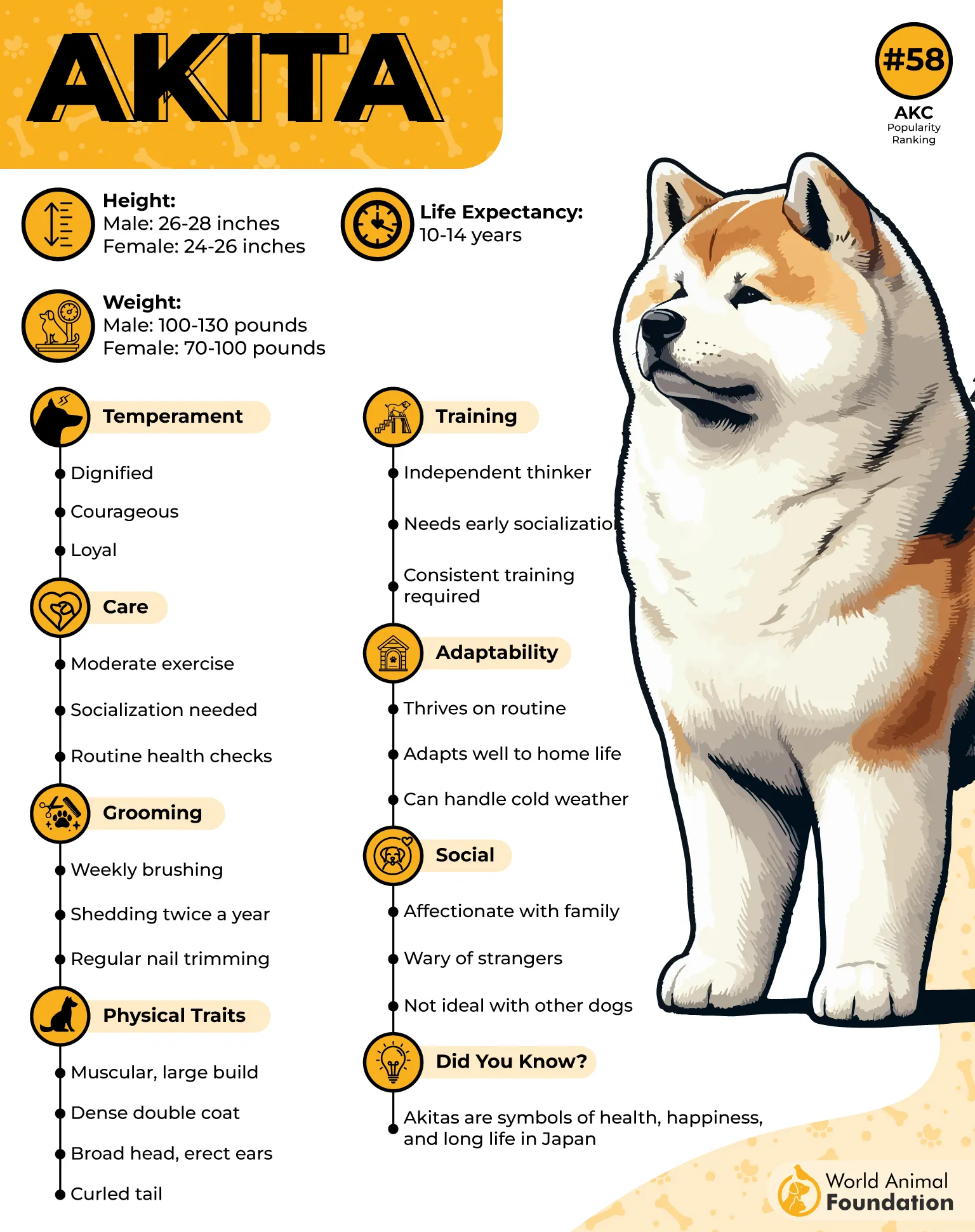
The Akita is a silent, powerful, and deeply loyal guard dog known for its strong protective instincts and calm but confident presence. In many cases, Akitas form especially close bonds with a single person, showing intense devotion and loyalty compared to many other breeds.
What Makes Them Excellent Guard Dogs?
Naturally suspicious of strangers
Quiet guardians that alert only when necessary
Strong territorial awareness and protective instincts
Akitas have a natural guarding ability that does not require heavy encouragement, as it is deeply rooted in their temperament. However, they are known for being independent thinkers, which can make training more challenging and requires patience and consistency.
Health & Care Considerations
Prone to autoimmune disorders
Risk of hip dysplasia
Thyroid-related health issues
Nutrition Tips
High-quality protein supports strength and overall health
Omega fatty acids help maintain skin and coat condition
A consistent feeding routine supports stable metabolism
Historically used as guard dogs in Japan, Akitas have developed a strong natural sense of protection. With proper training, early socialization, and experienced handling, they become calm, watchful, and highly loyal family guardians.
6. Giant Schnauzers
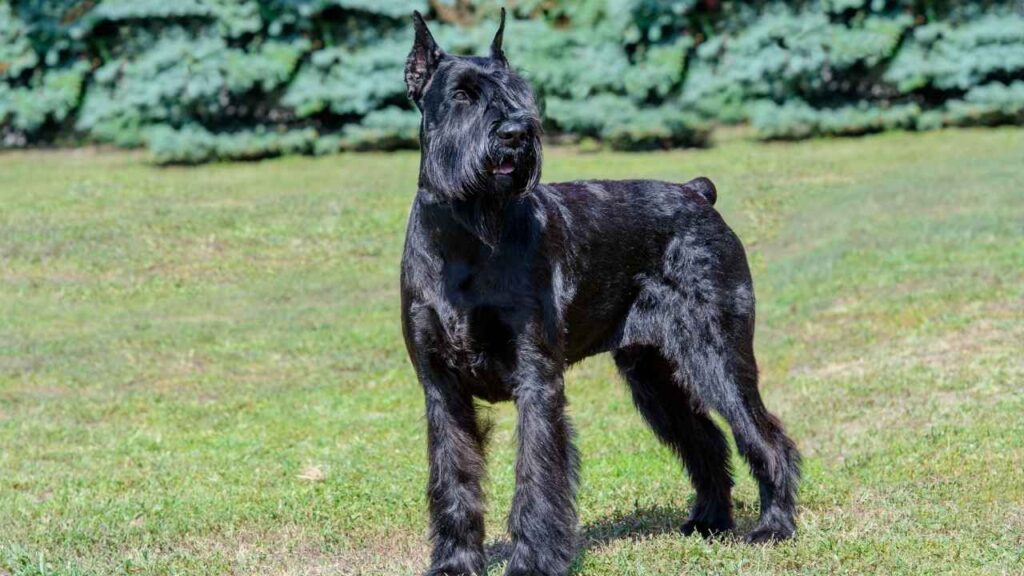
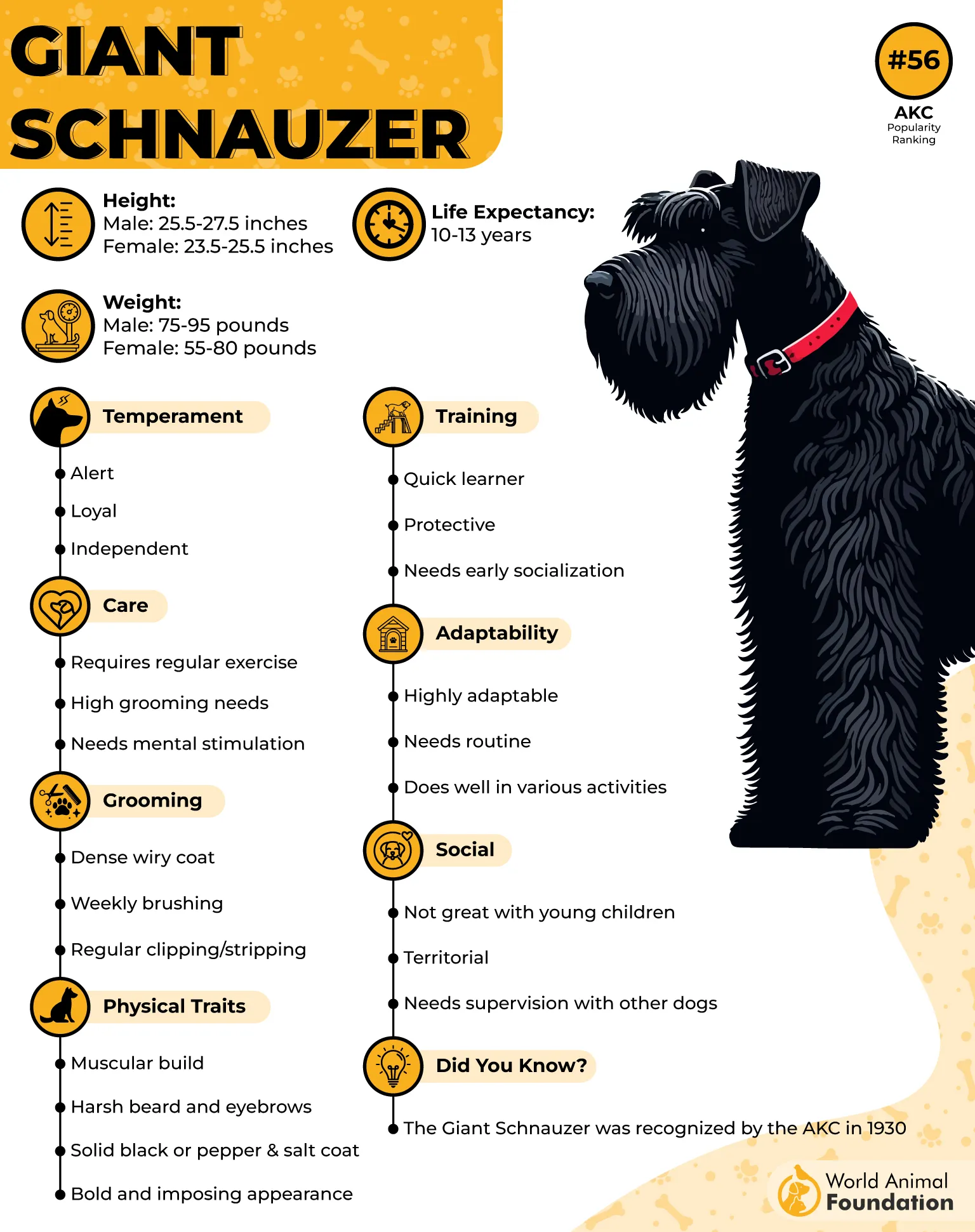
The Giant Schnauzer is a powerful and intelligent working breed known for its strong protective instincts, sharp awareness, and high trainability. Built for demanding tasks, it is often used in protection work due to its confidence, alert nature, and ability to stay focused under pressure.
What Makes Them Excellent Guard Dogs?
Naturally alert and highly protective
Extremely intelligent and responsive to training
Strong work ethic and drive for structured tasks
Giant Schnauzers require experienced owners who can provide clear structure, consistent training, and a strong sense of purpose. Without proper guidance, their energy and intelligence can become difficult to manage.
Health & Care Considerations
Prone to hip dysplasia
Risk of eye disorders
Can develop skin-related conditions
Nutrition Tips
High-energy, active lifestyle diet to match their workload
Balanced intake of proteins and fats for muscle maintenance
Regular grooming and bathing to help manage skin health
This breed performs best when both physically and mentally engaged. With the right balance of exercise, training, and stimulation, the Giant Schnauzer becomes a focused, disciplined, and highly reliable working companion.
7. Boxer
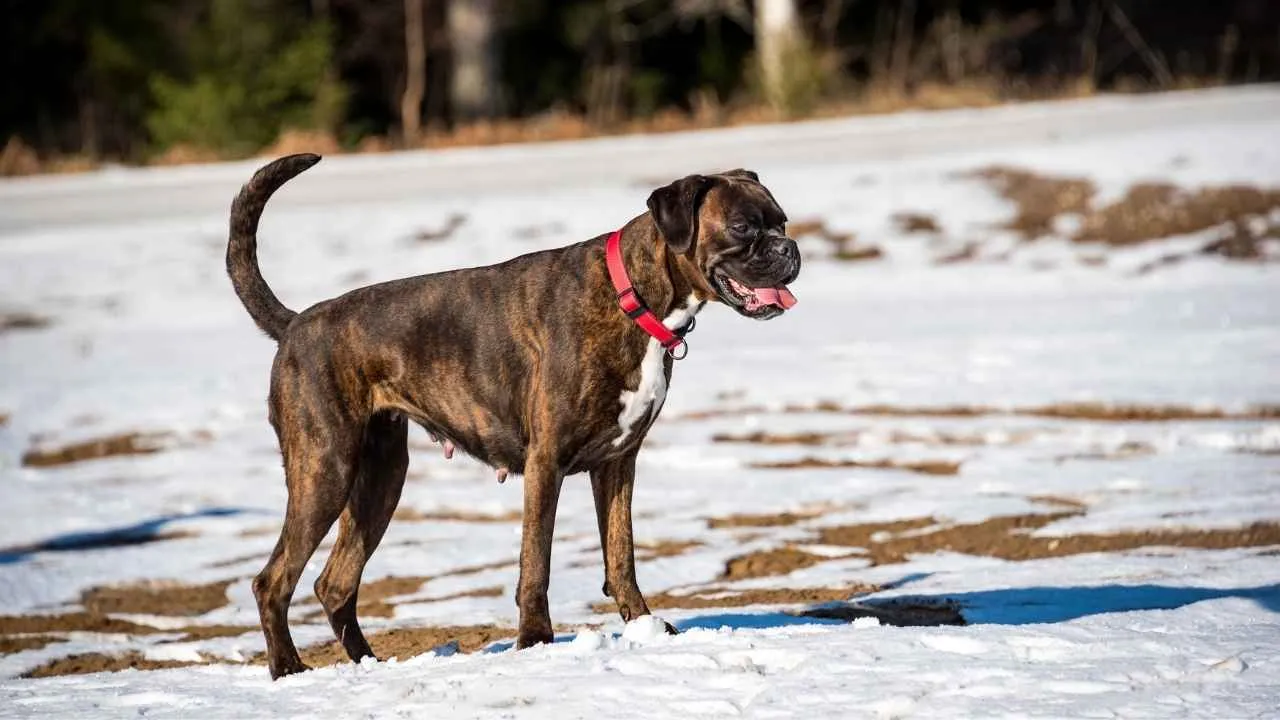
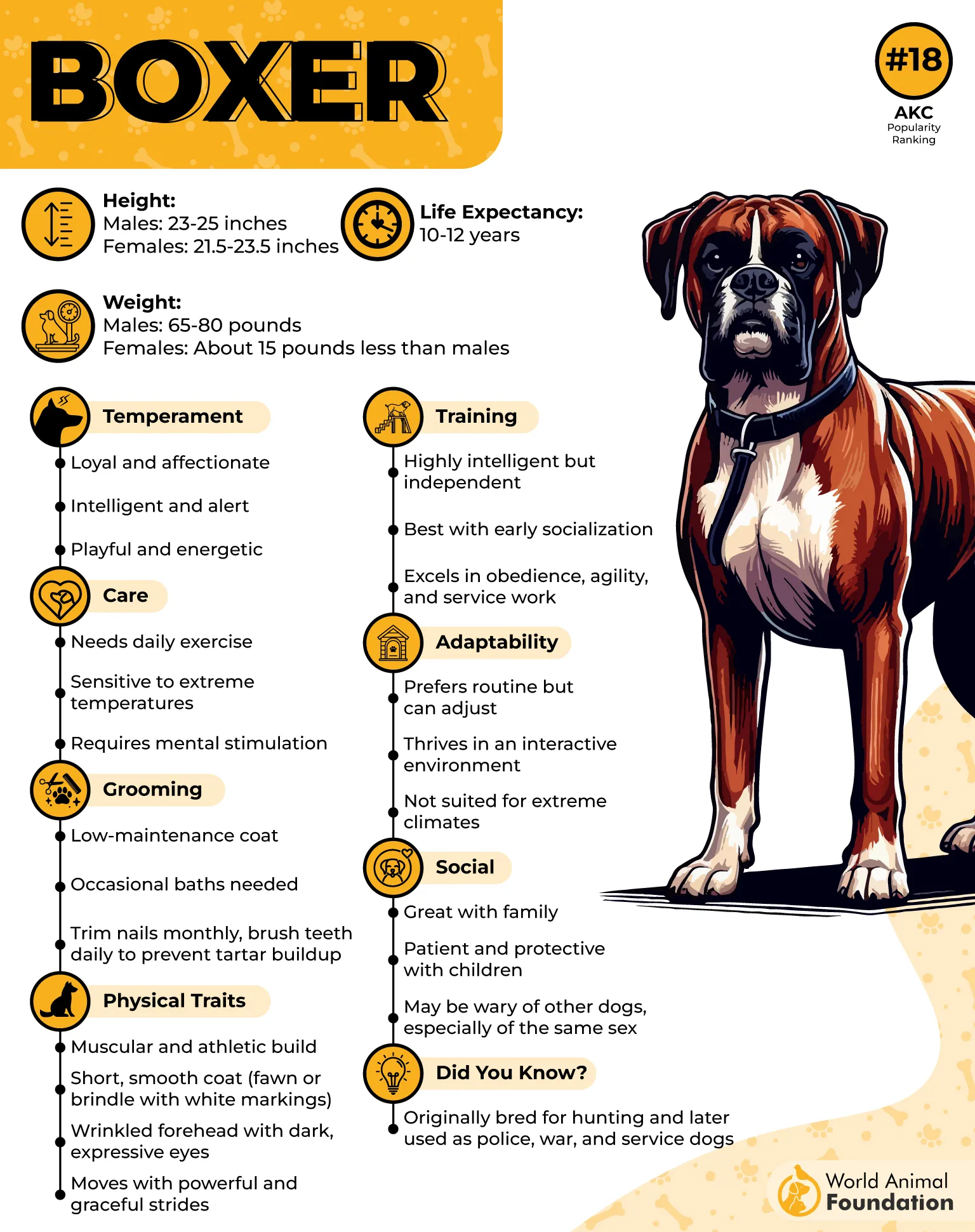
The Boxer is a naturally alert, energetic, and powerful breed that combines playfulness with strong protective instincts. Known for its lively personality and loyalty, the Boxer is often described as both a fun companion and a dependable family guardian.
What Makes Them Excellent Guard Dogs?
Naturally protective of family members
Energetic, alert, and highly loyal
Forms strong emotional bonds with owners and children
Boxers are especially valued as family protection dogs because they are attentive without being overly aggressive. They are confident guardians who can be playful and gentle at home, making them well-suited for households with children.
Health & Care Considerations
Higher risk of certain cancers
Susceptible to heart conditions
Can experience breathing-related issues
Nutrition Tips
Antioxidant-rich diets may support long-term health
Heart-supporting nutrients are beneficial
Exercise should be regular but carefully managed to avoid overheating
Because of their health risks, routine veterinary screening is important for early detection and care. With proper management, Boxers remain loving, energetic, and reliable family protectors.
Conclusion
Protective dog breeds offer more than just security—they also bring loyalty, intelligence, and companionship into the home.
However, choosing a protection dog is a responsibility, not just a way to enhance security. Even the most capable guard breeds can become difficult to manage without proper training, early socialization, and consistent care.
When considering a protective dog, it is important to focus on several key areas: early training and socialization, strong and consistent leadership with clear boundaries, proper nutrition and regular health monitoring, as well as daily physical and mental stimulation.
With the right upbringing, these dogs do more than guard a home—they become trusted family members, offering both safety and lifelong loyalty.
