




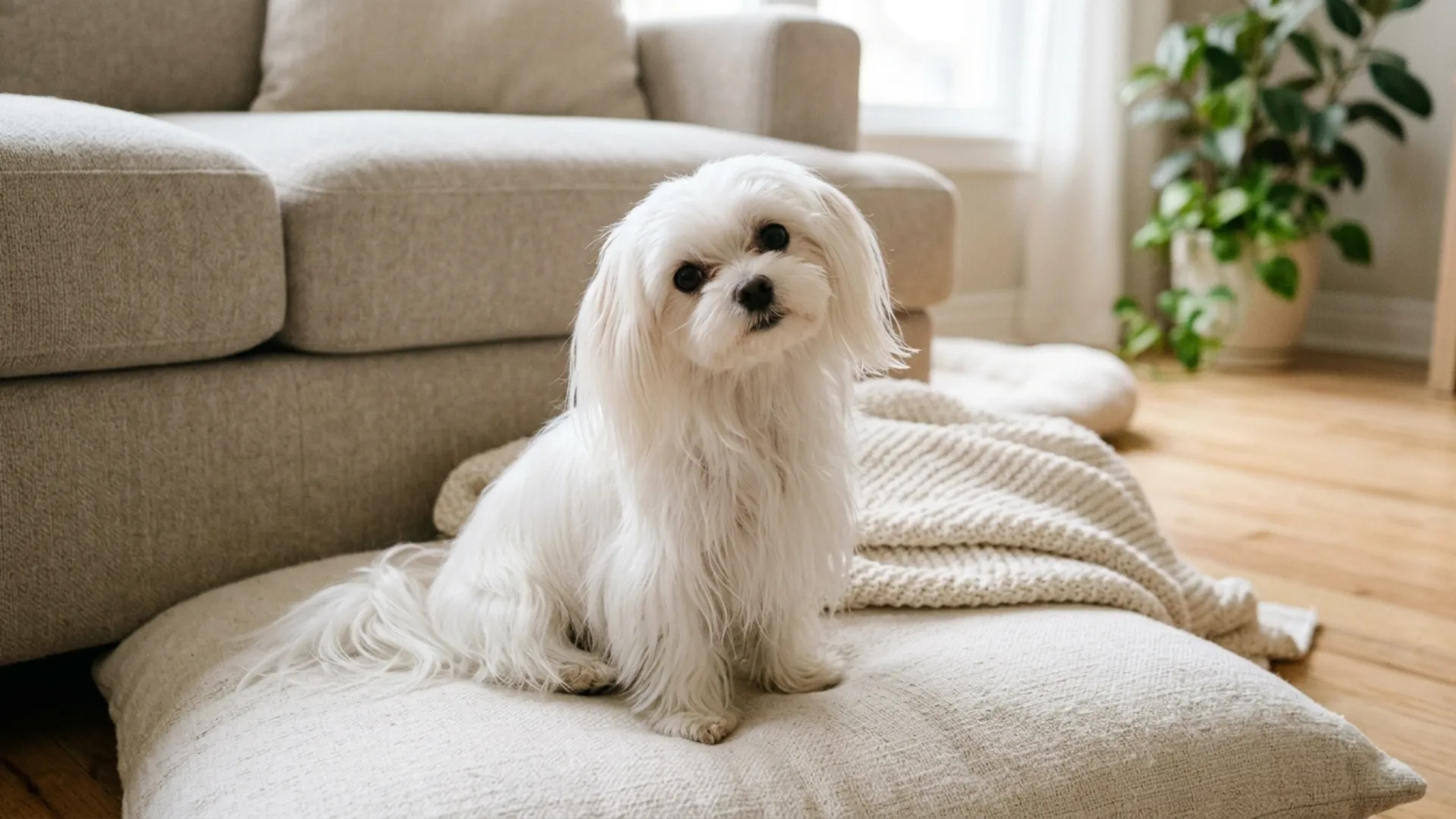
A tiny dog can change the feel of a home almost instantly. Toy breeds bring compact bodies, expressive faces, and personalities that can fill a room without needing much physical space.
Many mature at only a few pounds, so picking them up, taking them along on trips, and making room for them in a smaller home can be fairly easy. Their tiny bodies do need more careful handling, though, since a fall from furniture, rough play, or an accidental bump can cause a serious injury.
Grooming needs vary widely too, from coats that need regular brushing to short coats that require far less upkeep. Then there is the personality factor. These little dogs can be affectionate, lively, watchful, stubborn, playful, or surprisingly bold. That combination is what makes them so hard to resist.
If you have a soft spot for tiny companions, the breeds ahead offer plenty of charm, character, and those unforgettable little quirks that can quickly steal your heart. They leave impressions.
Key Takeaways
A little dog can become the most noticeable personality in the house, especially when it comes with centuries of history and plenty of attitude.
The Toy Poodle has worked, performed, and learned its way into people’s hearts, while the Pomeranian’s journey from a larger working dog to a tiny companion is quite a story.
The Maltese adds ancient charm and a fearless streak, followed by the Papillon with its butterfly ears and talent for more than simply looking cute.
From the relaxed Shih Tzu to the spirited Yorkshire Terrier and the Havanese still to come, there are plenty of tiny personalities left to uncover.
Precious Toy Dog Breeds to Steal Your Heart
1. Toy Poodle

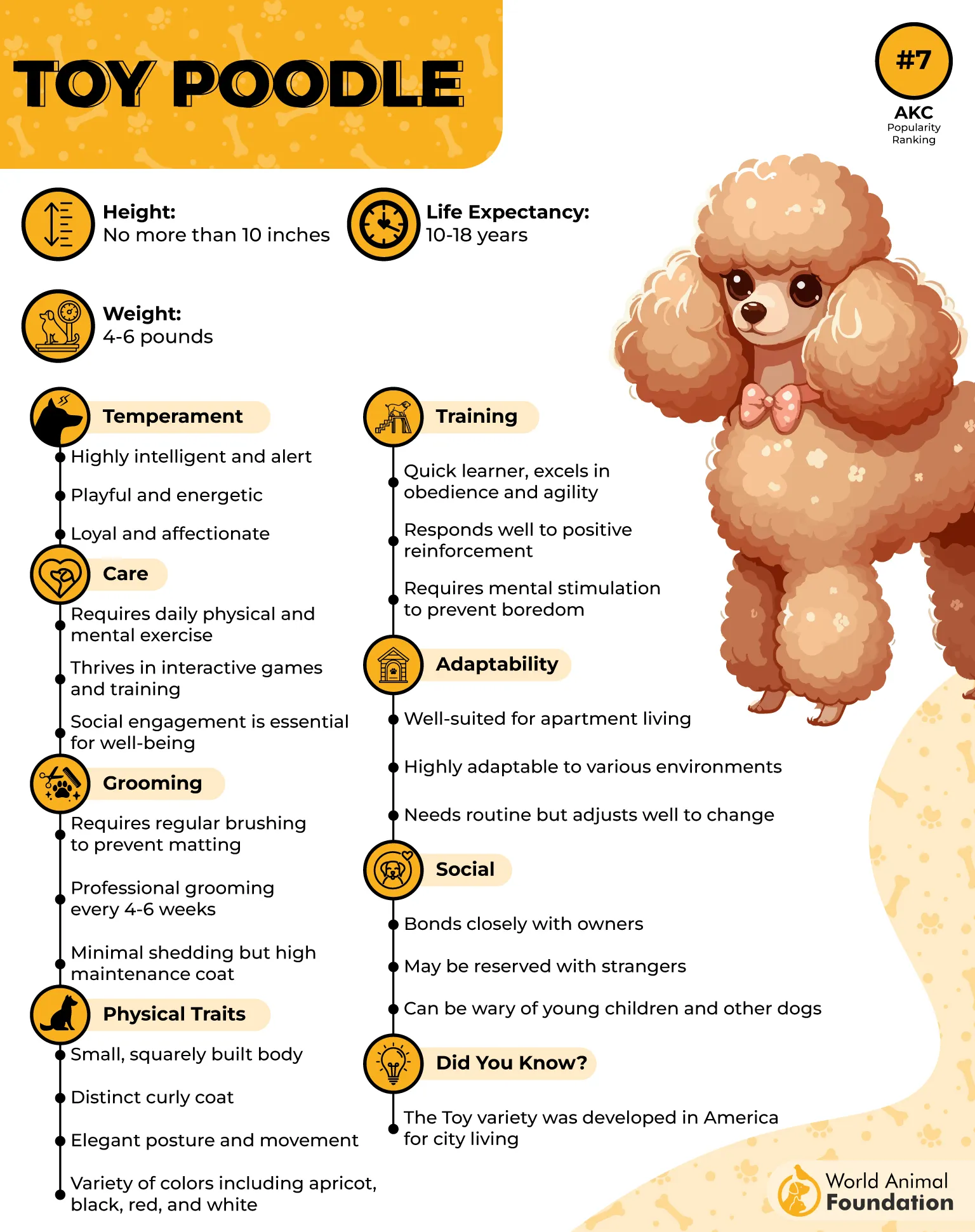
Toy Poodle has roots reaching into Europe, with the breed’s curly-coated ancestors believed to have arrived from Asia alongside herders before the modern type took shape in Germany. Its water-resistant curls suited duck hunting, while later roles included military work, guiding, and circus performances.
Small, Busy, Bright
Toy Poodle packs plenty of energy into a body measuring less than 10 inches, making indoor games and short walks practical ways to meet its daily activity needs. Fetch in the living room, trick training, and puzzle toys can keep this quick learner occupied without requiring a large property.
These specifics make its small frame worth considering:
Usually weighs around 4 to 6 pounds
Low-shedding coat suits apartments and condos
Agility can channel its athletic side
A Natural Performer
This most popular dog breed has a bright, cheerful personality and learns new cues, routines, and tricks with impressive speed, as explained by Omlet. That sharp mind helped the breed become a circus performer in the 18th century, where entertaining audiences became part of its repertoire.
2. Pomeranian
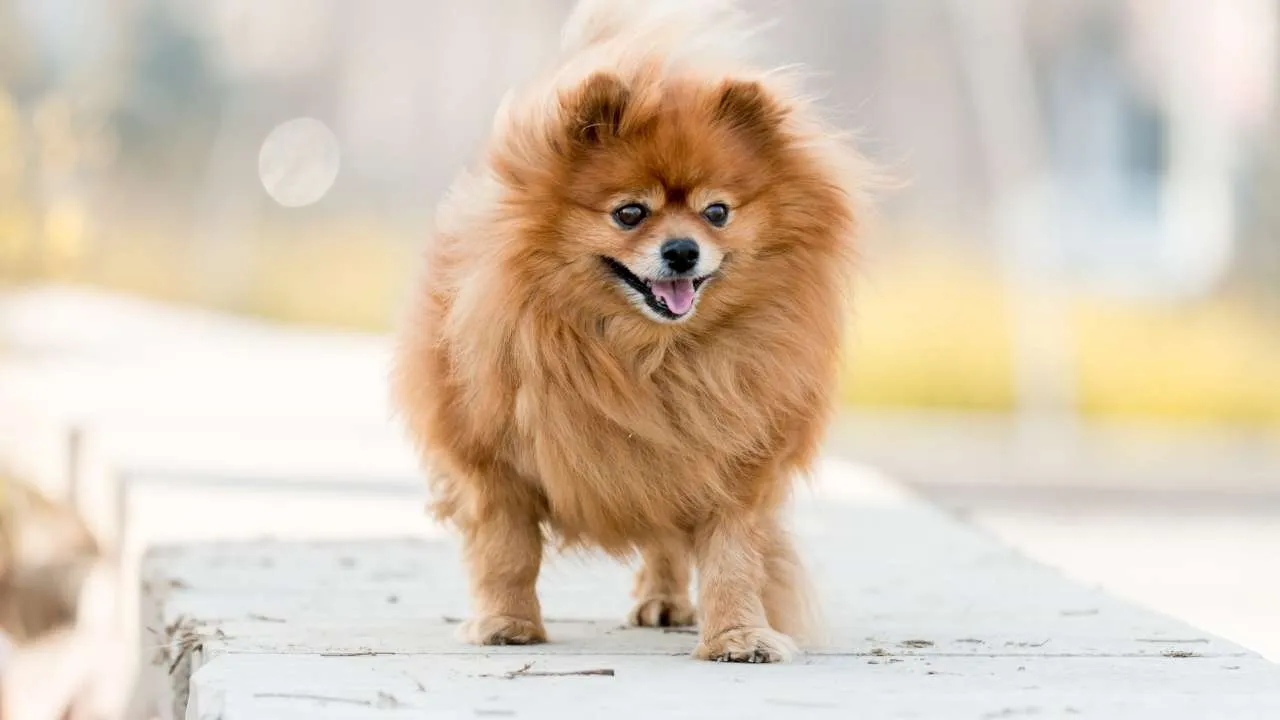
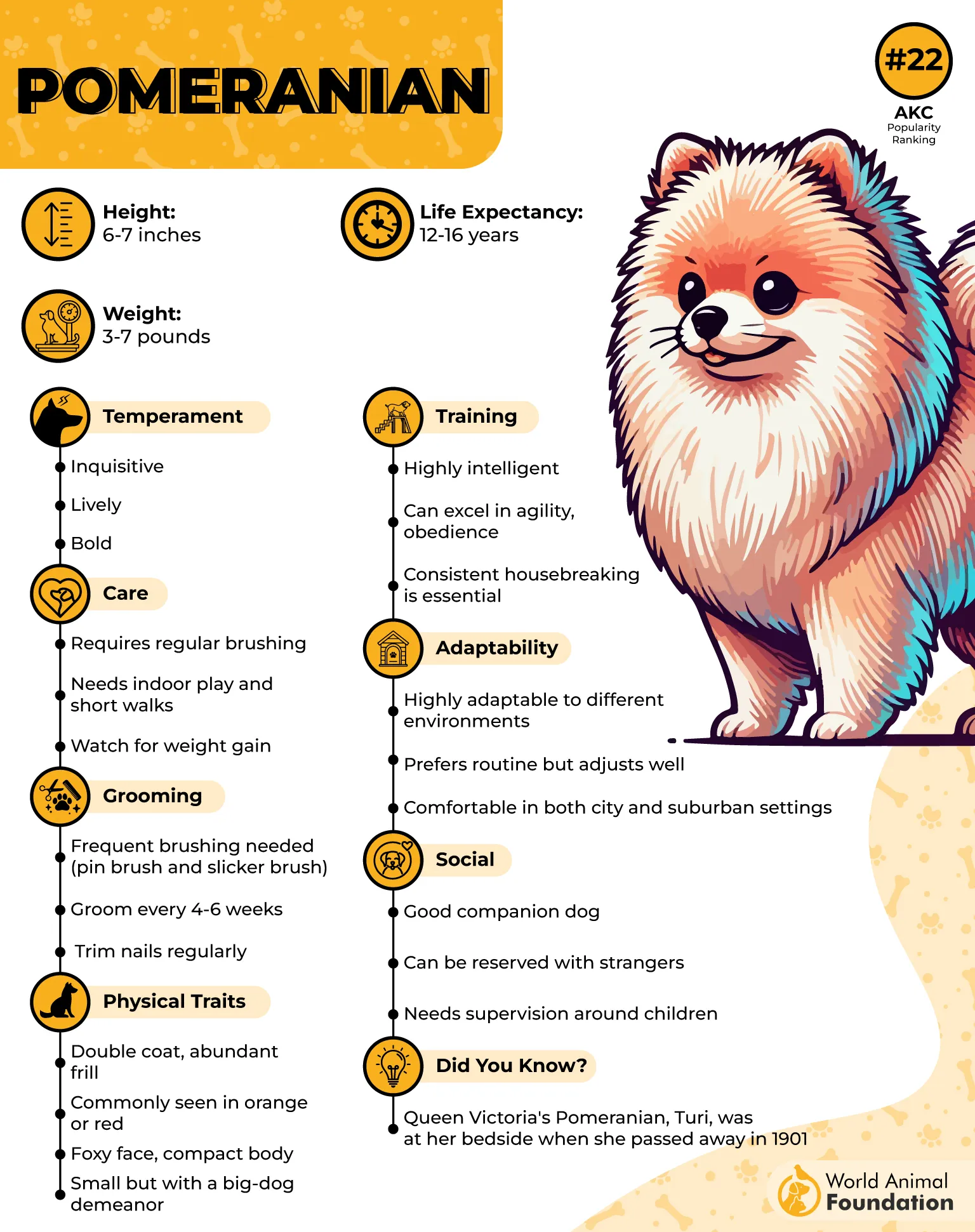
Pomeranian was once far removed from the little companion dog familiar today. Its earlier ancestors were Arctic working dogs used around homes and livestock, with some also helping pull sledges. The name points to Pomerania, a Baltic Sea region, while later breeding in Britain greatly reduced the breed’s size.
A Tiny Watchdog
The compact frame of this little guy can hide a surprisingly assertive attitude around larger dogs, especially without careful training and socialization.
Their intelligence also makes obedience work a good outlet, although an independent streak can occasionally test their handler.
These traits make this little dog especially recognizable:
Fox-like head with high-set ears
Dark, almond-shaped eyes
Feathery tail curved over the back
Royal Size Change
Queen Victoria helped popularize a much smaller Pomeranian after choosing a particularly tiny dog for breeding, with the breed’s size reduced by about half during her reign.
According to Greencross Vets, Pomeranians also became popular among nobles, and one was among the three dogs known to survive the RMS Titanic.
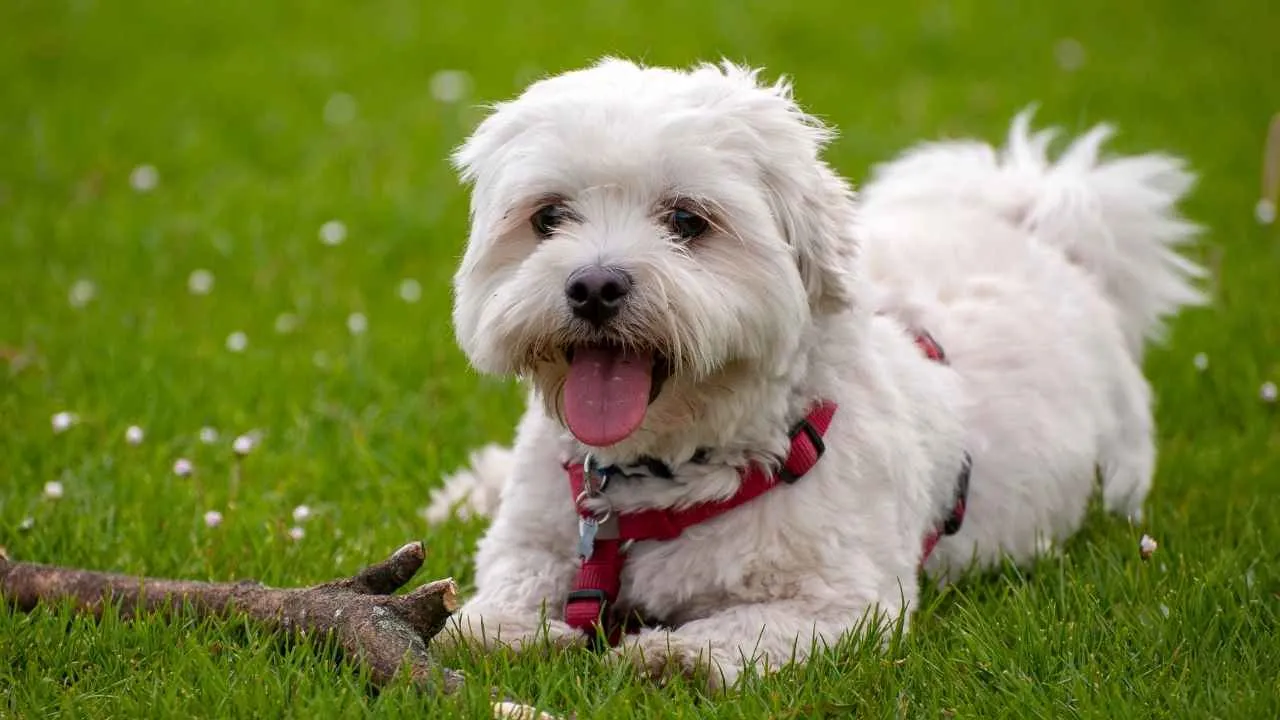
3. Maltese
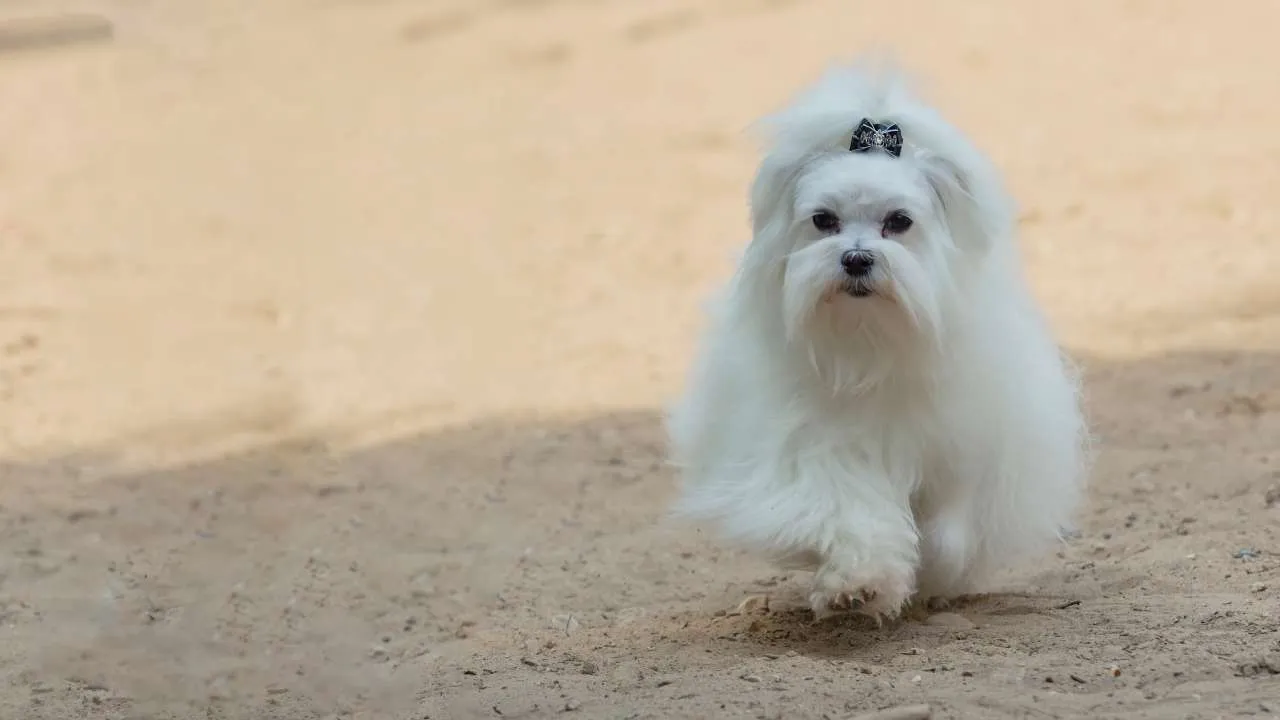
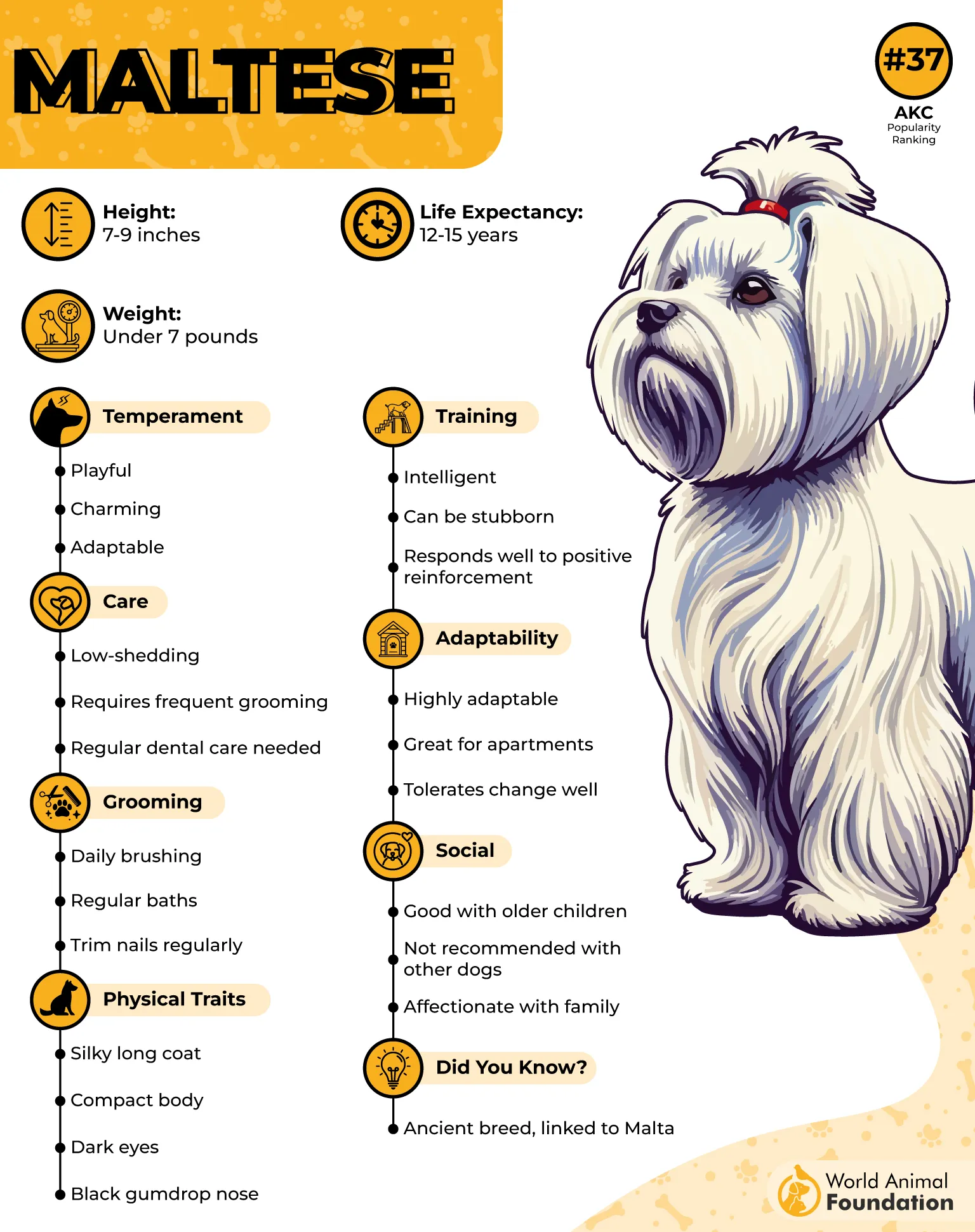
Maltese has been associated with refined companionship for more than 28 centuries, with its origins linked to Malta, the small Mediterranean island south of Sicily. Ancient Greek art depicted these tiny dogs, while Egyptian archaeological evidence also points to their presence in the ancient world.
Tiny Frame, Big Nerve
Those familiar with Maltese will notice its tidy proportions, including sloping shoulder blades, a level back, well-sprung ribs, and a head held with natural elegance.
Its small stature certainly does not stop it from being brave, and a strange noise can quickly turn into a reason for a few sharp barks.
That graceful look is only part of its charm:
Pure-white, silky coat can reach the floor
Head hair can be styled in a topknot
Lively and playful despite its elegant look
A Natural Lap Companion
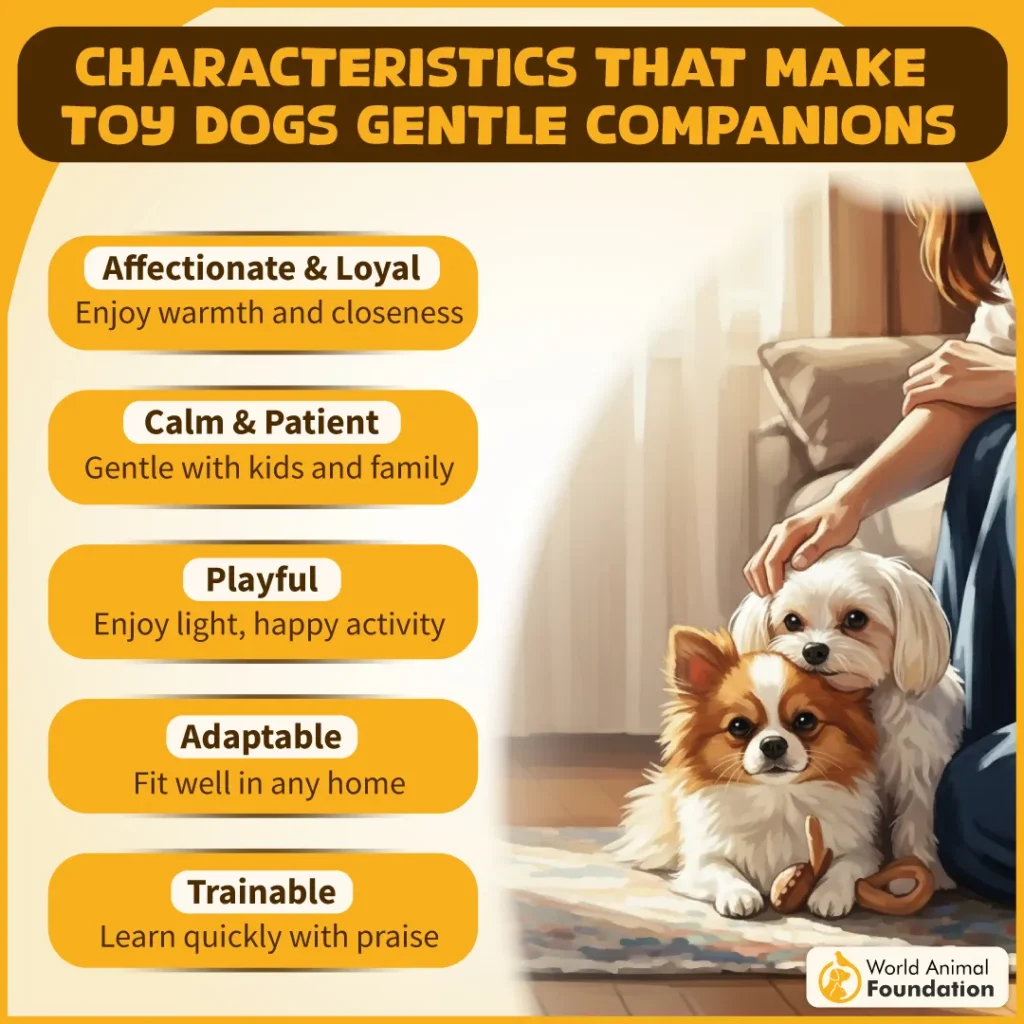
This playful family pet enjoys close contact with people and often prefers a lap or a spot beside its favorite person. Its friendly nature can extend to other pets and children after proper socialization, while its small, delicate frame calls for supervision around larger dogs and very young children.
4. Papillon
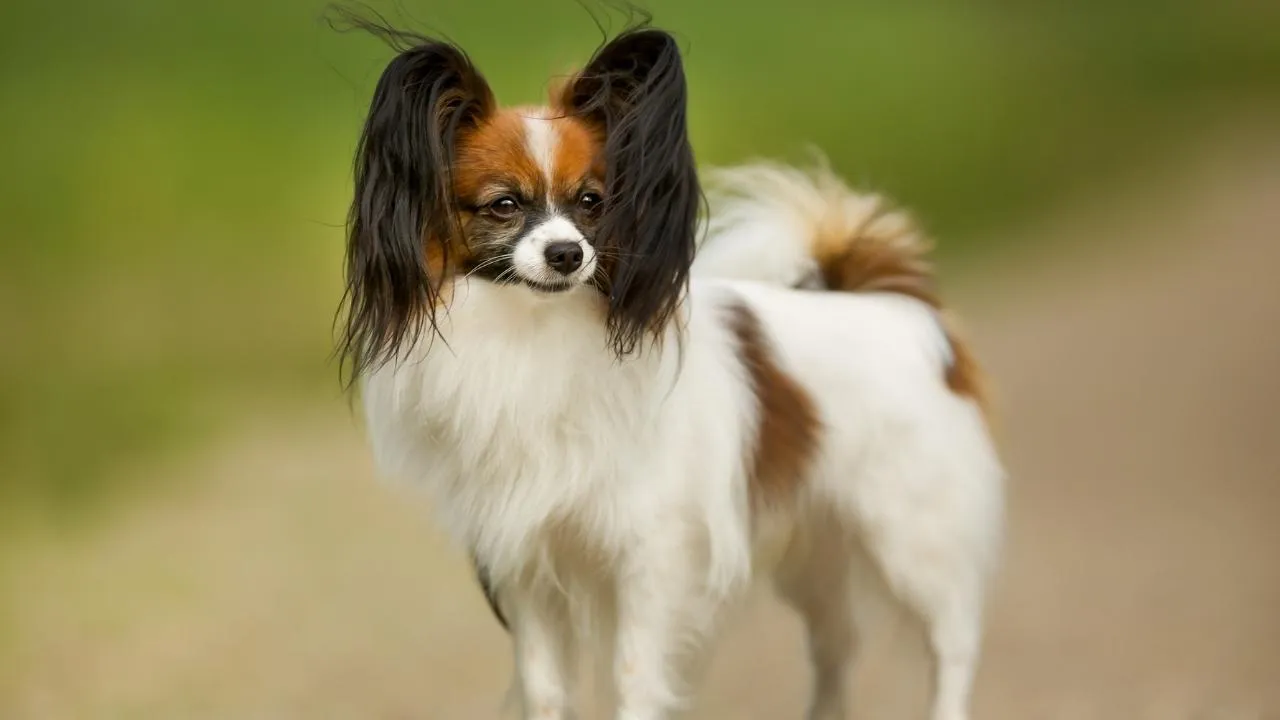
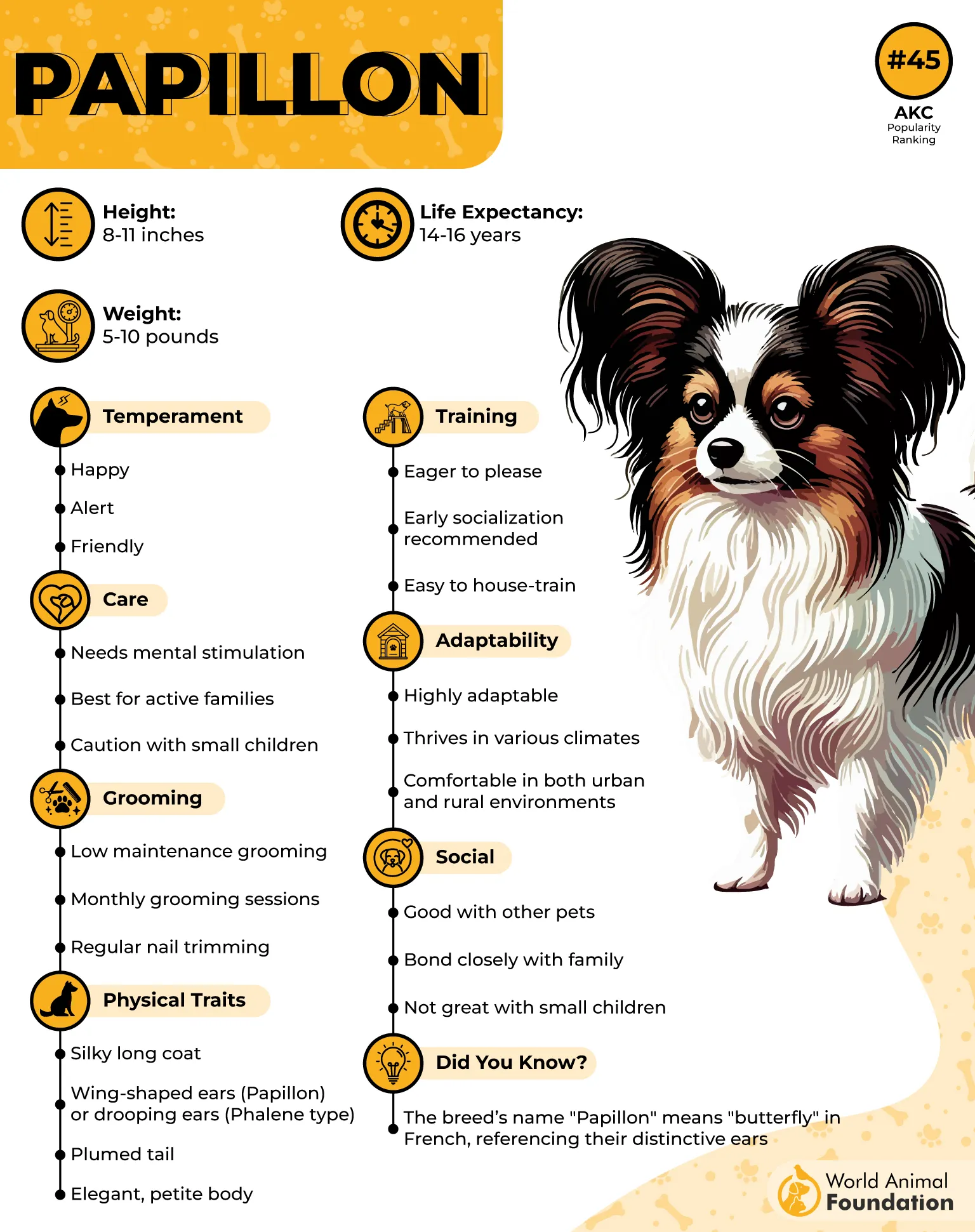
Papillon descends from European Toy Spaniels that appeared in royal court paintings as early as the 16th century, including works by Titian around 1500. For centuries, these tiny companions were associated with European royalty before their butterfly-like ears became fashionable in the late 1800s.
Butterfly Ears
Papillon’s large, silky ears resemble butterfly wings, which inspired its French name, while its mostly white coat grows longer across the back, chest, and upper legs. That fine coat pairs with a plume-like tail that follows its lively little trot.
This is what makes this small breed especially interesting:
Little doggy odor
Small food requirements
Crate can fit beneath airplane seats
Clever and Social
Papillon’s alertness, intelligence, and eagerness to please have made it successful in obedience, agility, tracking, and therapy work, as Hill’s Pet claims. Socialization helps puppies become comfortable beyond their favorite people, while supervision matters around large dogs and energetic children.
5. Shih Tzu
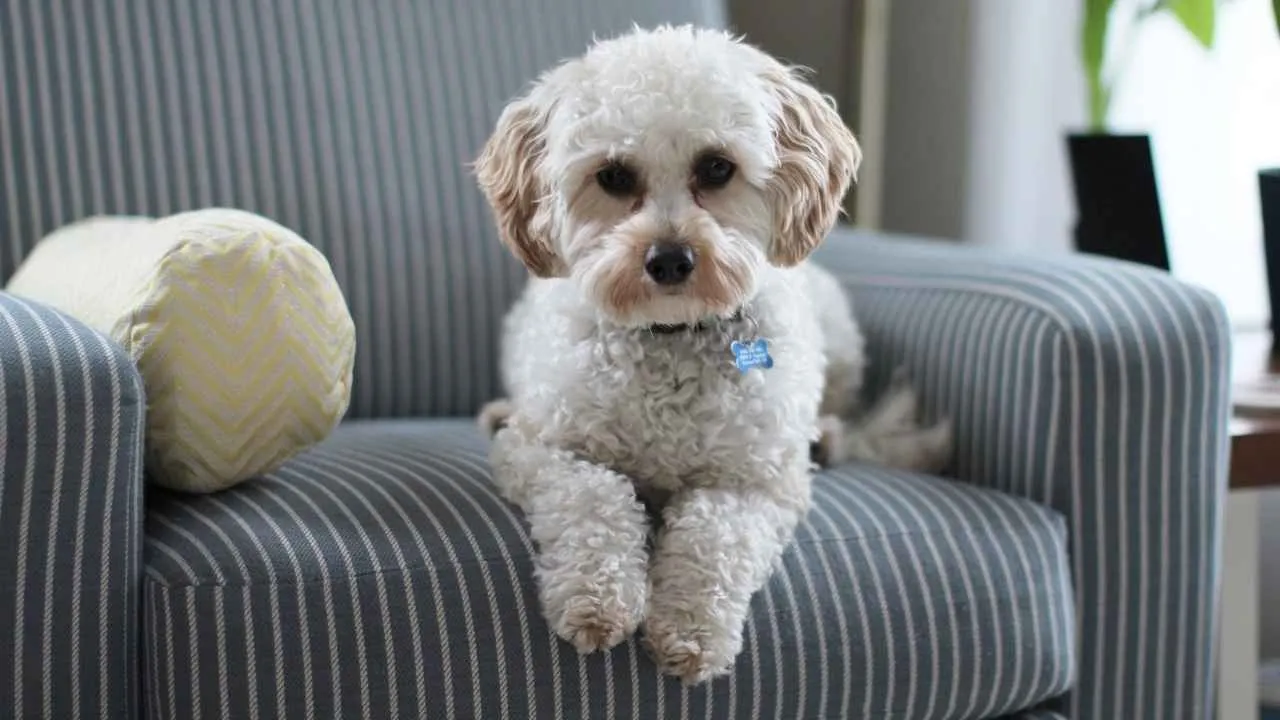
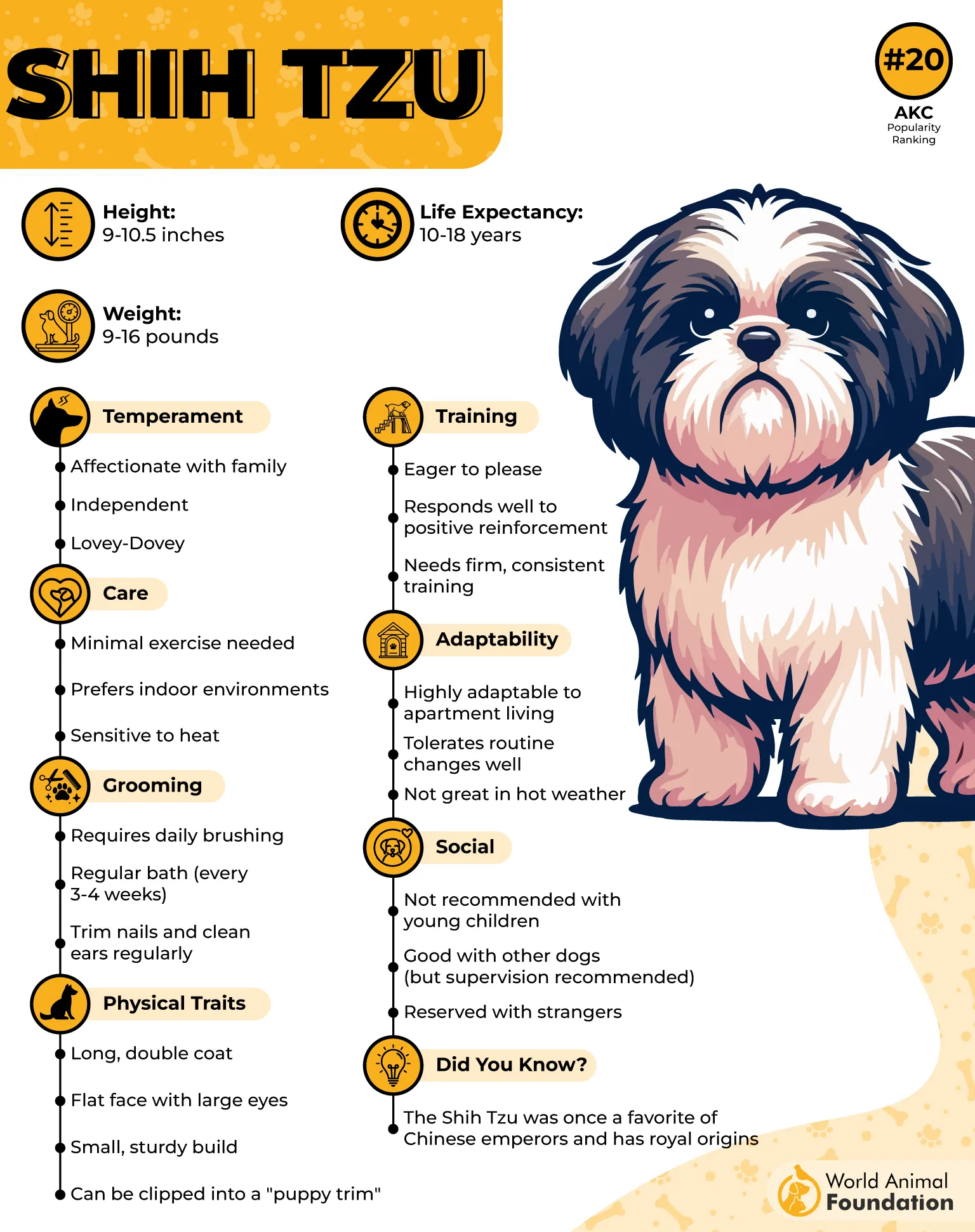
Shih Tzu traces its early roots to Tibet, where it may have emerged around the 7th century among the smaller Lhasa-type dogs. Gifts to Chinese emperors later brought the breed into royal circles, with Pekingese crosses often suggested as part of its refinement.
Easygoing Exercise
There is no need to plan lengthy daily hikes for this small dog, as moderate walks can provide enough activity to keep it moving and fit. Adding some obedience or agility work gives it new things to learn, while keeping the overall routine far from overly demanding.
Its delicate appearance comes with a surprisingly lively side:
Surprisingly down to earth
Adorable appearance and lively temperament
Easily socialized with other dogs
People Matter
Shih Tzu seeks frequent human attention and can become spoiled when given constant indulgence, yet it also enjoys learning tricks and taking part in family activities.
Young children need guidance during play because this tiny breed can be injured accidentally, while rough handling may prompt a mouthy response.
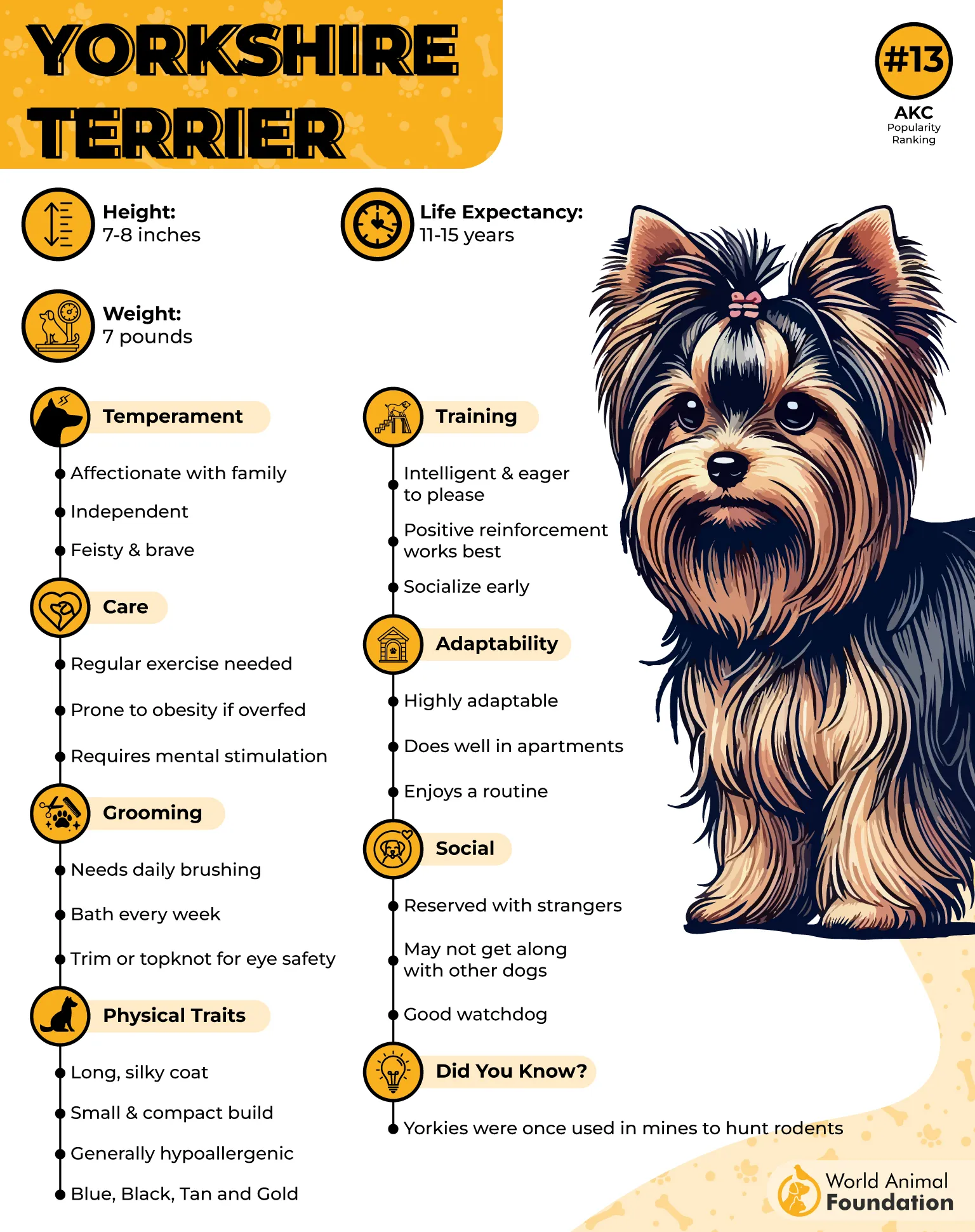
6. Yorkshire Terrier
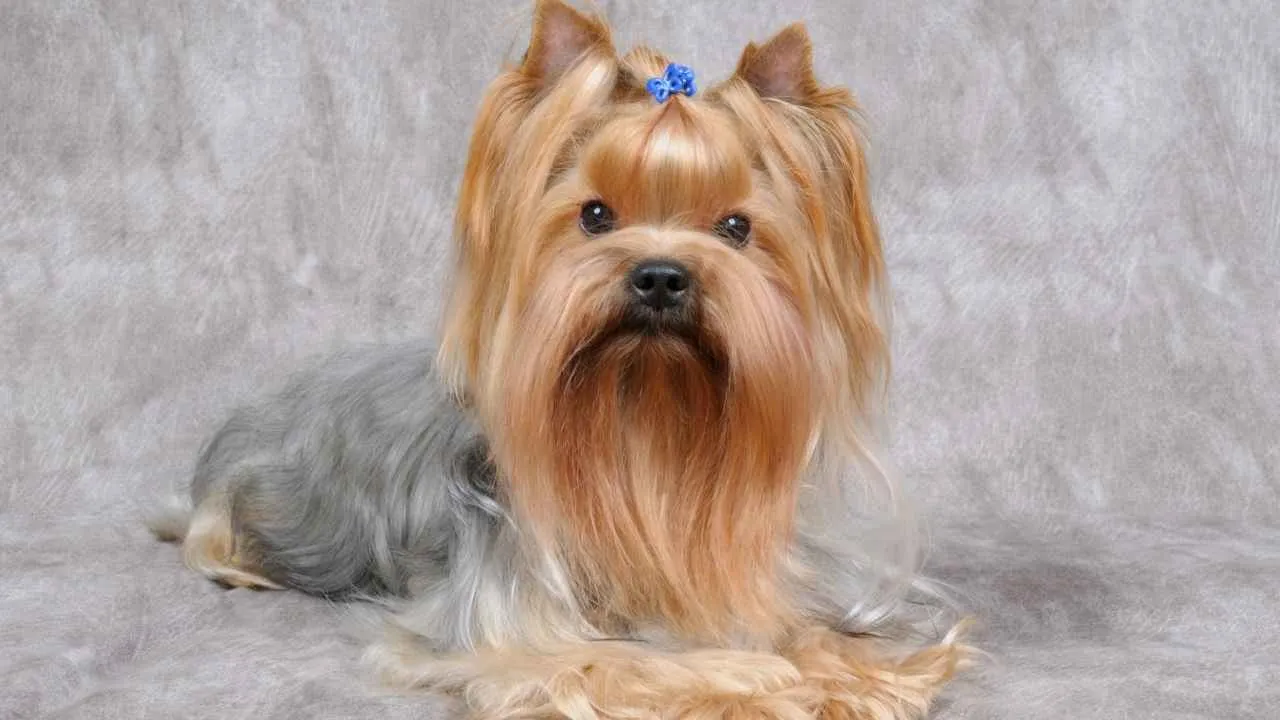
Yorkshire Terrier emerged in Yorkshire, England, during the Victorian era, with Maltese, Black and Tan Manchester, and Dandie Dinmont Terriers among the breeds linked to its lineage. Some accounts also connect it with now-extinct terriers such as the Clydesdale Terrier.
Tiny Home, Big Routine
These affectionate personalities need little space for exercise and can even learn to use paper indoors, making daily routines easier in smaller homes. Outdoor walks still give this energetic little dog a chance to explore beyond its usual surroundings.
To make their apartment life easier, consider these:
Weekly brushing if clipped short
Longer coats require considerably more grooming
Professional trimming may be needed with long coats
Far More Than Hair
Yorkshire Terrier has an energetic, feisty personality packed into a very small frame, with plenty of affection and a strong appetite for attention. Its bright mind also enjoys puzzle activities and quick trips around the room to investigate what everyone else is doing.
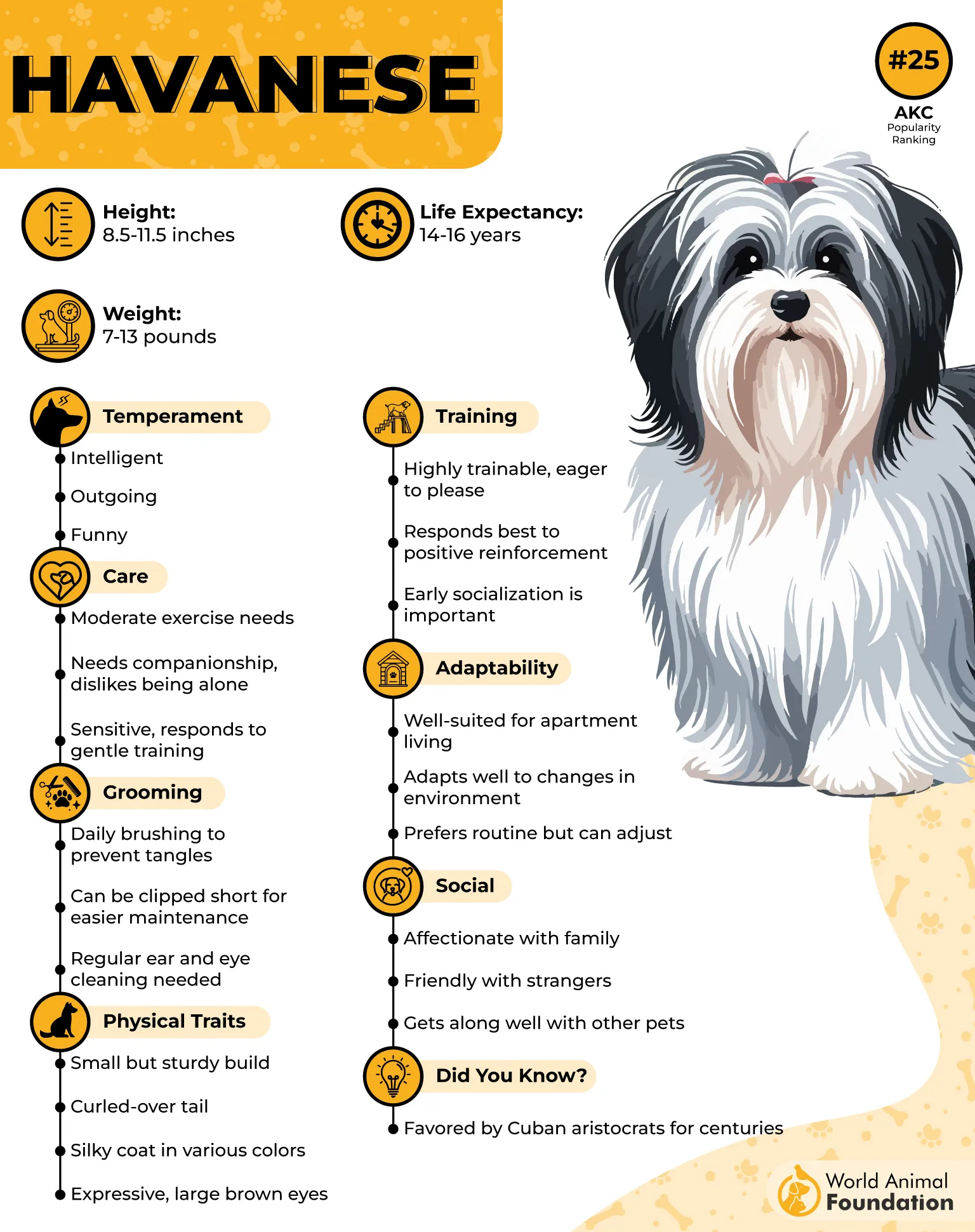
7. Havanese
Havanese belongs to the old Bichon family, with its early ancestors arriving in Cuba alongside Spanish farmers and noblemen during the early 1500s. In Havana, these little dogs became household companions before attracting the attention of visiting Spanish, French, and British nobility.
Small Home, Big Personality
Havanese can make good use of the space available to them, whether that means playing indoors or heading outside for a walk. Around 30 minutes of daily exercise, along with games such as fetch, can give this energetic little dog enough movement without relying on a large yard.
Beyond exercise, its social needs deserve attention too:
May struggle with long periods alone
Use positive reinforcement to teach them best behavior
Early socialization supports friendly interactions
Always Looking Around
This excellent companion has a curious streak that turns ordinary outings into opportunities to investigate people, surroundings, and whatever its favorite person happens to be doing. Its sturdy build also gives it enough energy for a couple of neighborhood sprints during the day.
Conclusion
A tiny companion can quickly become one of the biggest personalities in the household. Small bodies make it easier to carry them, include them in trips, and create space for them indoors, but careful handling remains important. Some need regular grooming, while others have simpler coats and routines, making them an easy furry friend.
Their exercise needs may also differ, with indoor games providing playful energy and mental stimulation alongside short walks. Owners should think about training, socialization, children, larger pets, and time alone before choosing.
When those needs fit naturally into daily life, a little dog can bring plenty of affection, curiosity, and a loving personality without needing much room compared with larger breeds.
