




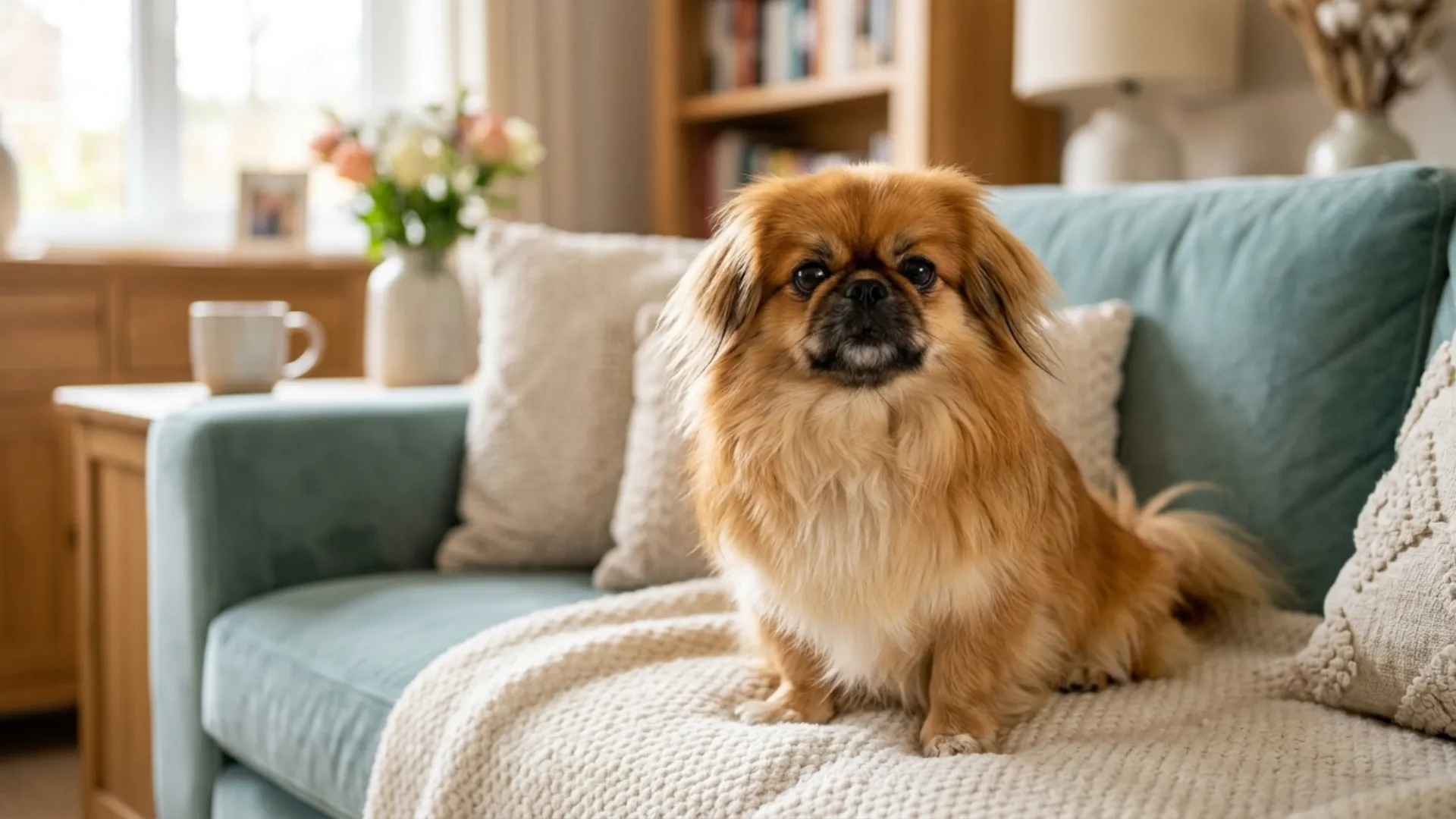
Toy dogs may be tiny enough to fit on half a cushion, but absolutely nobody informed them that their personalities were supposed to be miniature, too. These little companions can be funny, affectionate, clever, dramatic, stubborn, athletic, cuddly, or several of those things before breakfast.
Their portable size can make toy breeds attractive to apartment residents, older adults, travelers, and families who prefer a smaller canine roommate. Small dimensions do not mean these dogs should spend their lives being carried everywhere, because they still benefit from walking, training, exploration, play, and opportunities to behave like actual dogs.
Here are seven precious small dog breeds that make excellent companion dogs for pet parents.
Precious Toy Dog Breeds to Adore
1. Poodle
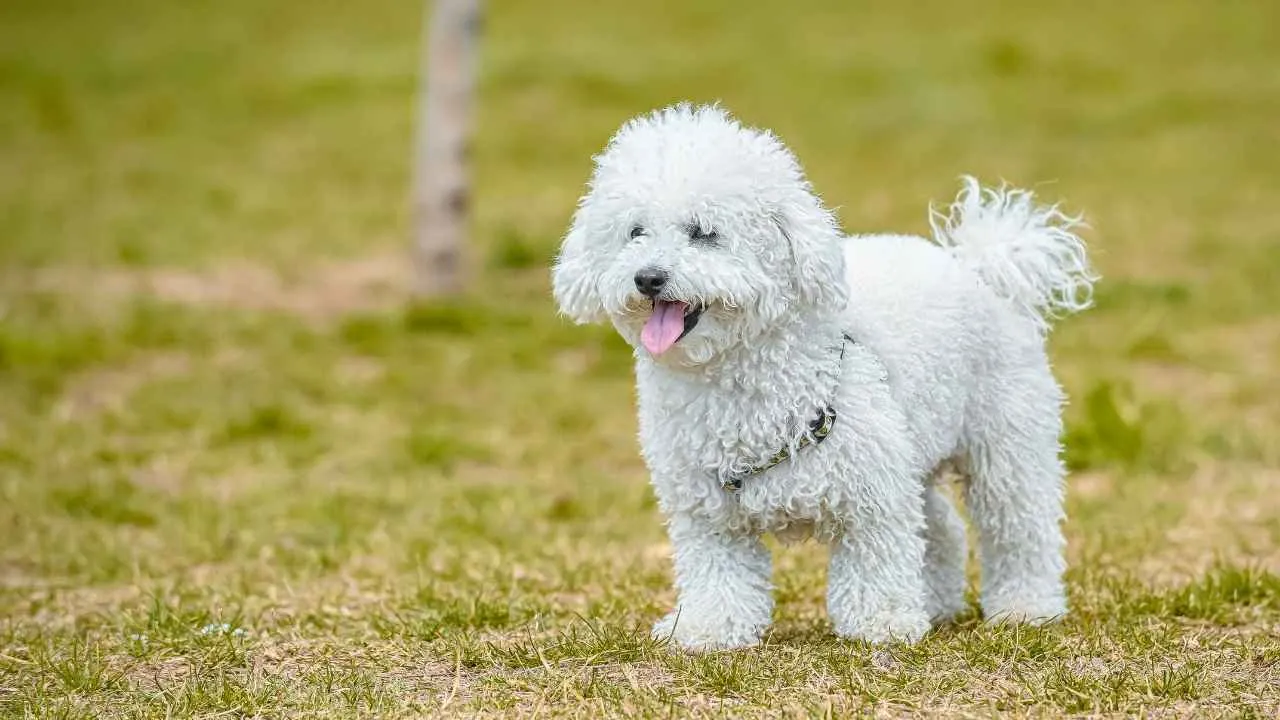
When discussing toy companions, the Toy Poodle deserves way more credit than simply being the dog with the fancy haircut. They are tiny pups but showcase phenomenal athleticism and intelligence.
These small pups are playful, responsive, affectionate, lively, and highly companionable dogs that enjoy being included in family life. They usually bond closely with their people, can be good with children when interactions are appropriate, and often become comfortable with other animals following proper socialization.
Then there is the intelligence, and yes, the reputation is deserved.
Poodles learn quickly, enjoy problem-solving, and can participate in obedience, agility, retrieving, and numerous other dog sports; historically, the breed developed from water-retrieving dogs rather than decorative salon companions.
Puzzle feeders, scent games, trick training, fetch, short walks, and learning new behaviors can keep that overachieving little brain occupied.
2. Pekingese
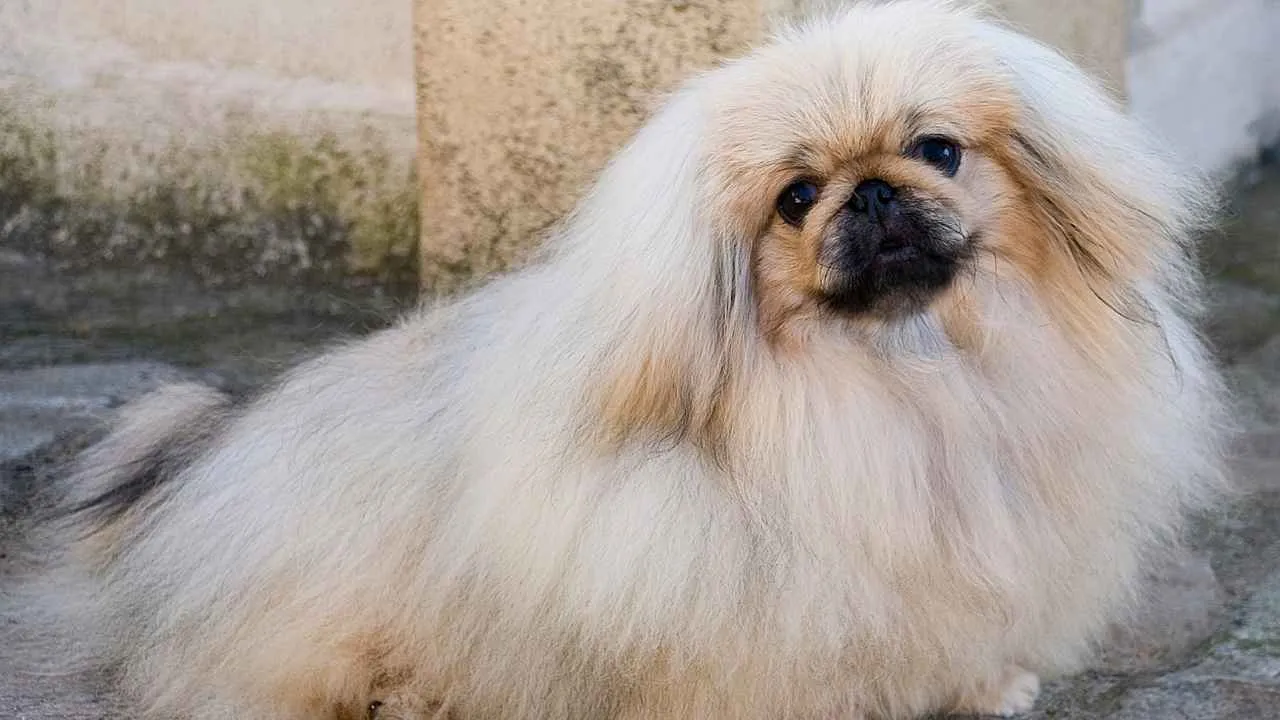
Created for the ruling classes of ancient China, Pekingese developed an unmistakably dignified personality alongside its famous lion-like mane. The AKC describes them as confident companions.
These dogs frequently form an intense connection with one person or a small trusted group and can appear aloof until unfamiliar humans have been thoroughly evaluated.
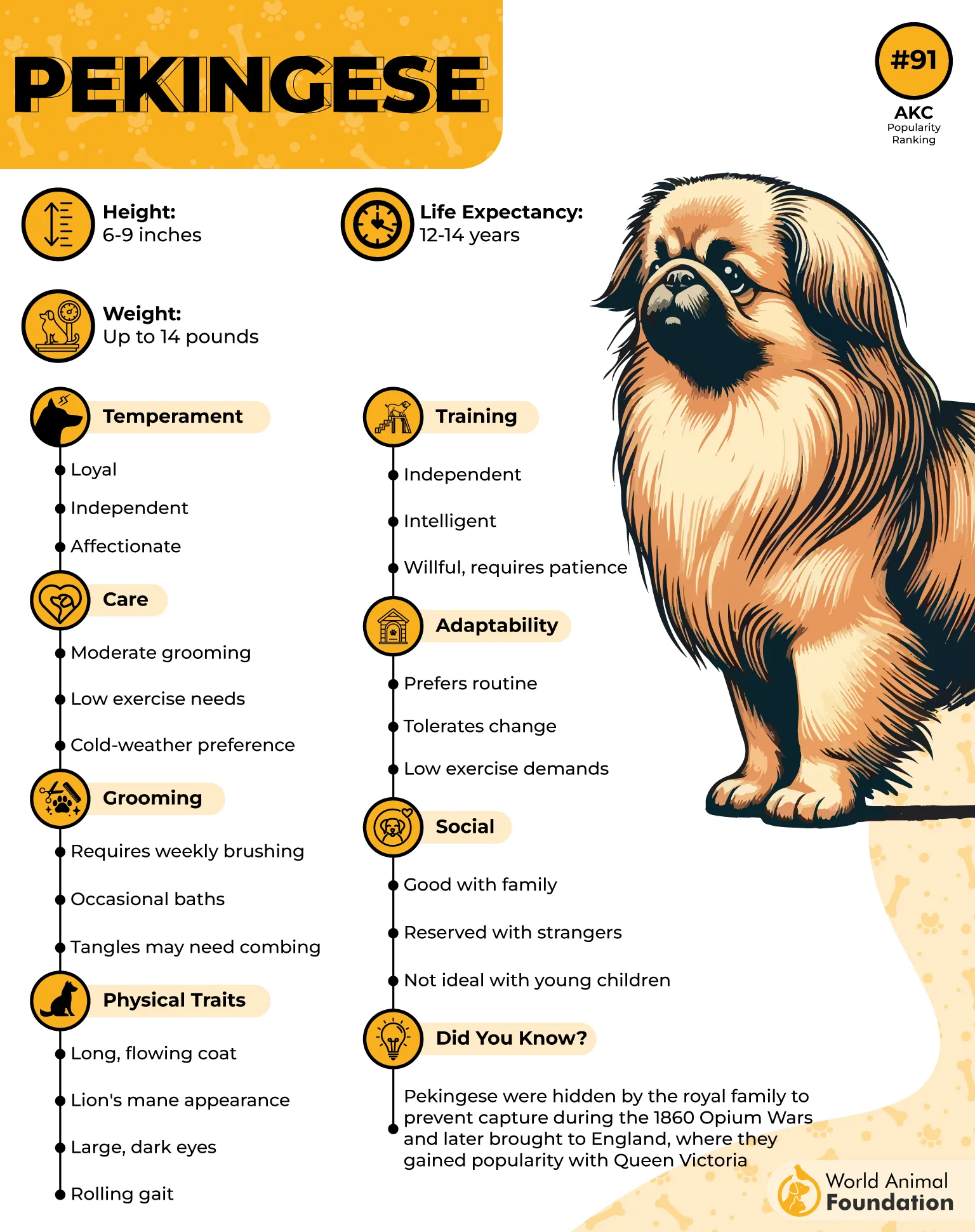
Exercise is refreshingly moderate because the Pekingese was developed as a companion rather than an endurance athlete. Short walks and gentle indoor play generally suit the breed better than intense running, especially because the flat facial structure can make overheating and strenuous exercise dangerous.
Training can become a diplomatic negotiation because intelligence and independence arrive in the same fluffy package. Experienced owners recommend patience, repetition, early training, and socialization rather than expecting automatic people-pleasing obedience.
Shouting at a Pekingese is unlikely to create enthusiasm; it may simply generate a look suggesting that your performance review has been disappointing. Families also need to respect the Peke’s physical and emotional boundaries, particularly around young children who might grab hair or attempt rough play.
3. Brussels Griffon
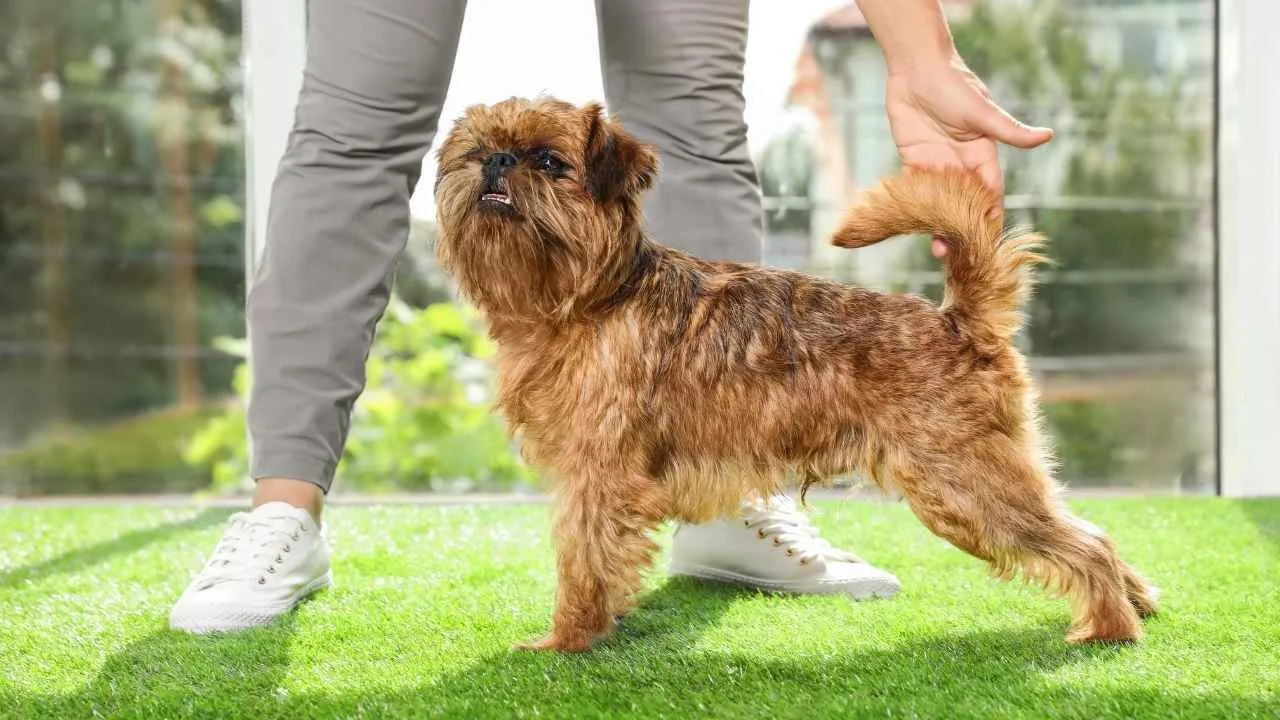
These expressive Belgian toy dogs are super small, yet their emotional presence can make them feel approximately nine times larger. PetMD even describes the breed as extraordinarily personality-packed, intelligent, sensitive, devoted, and amusingly self-important.
They are velcro dogs. They form strong attachments to their humans, prefer to be involved in everyday life, and often dislike being left alone for long stretches.
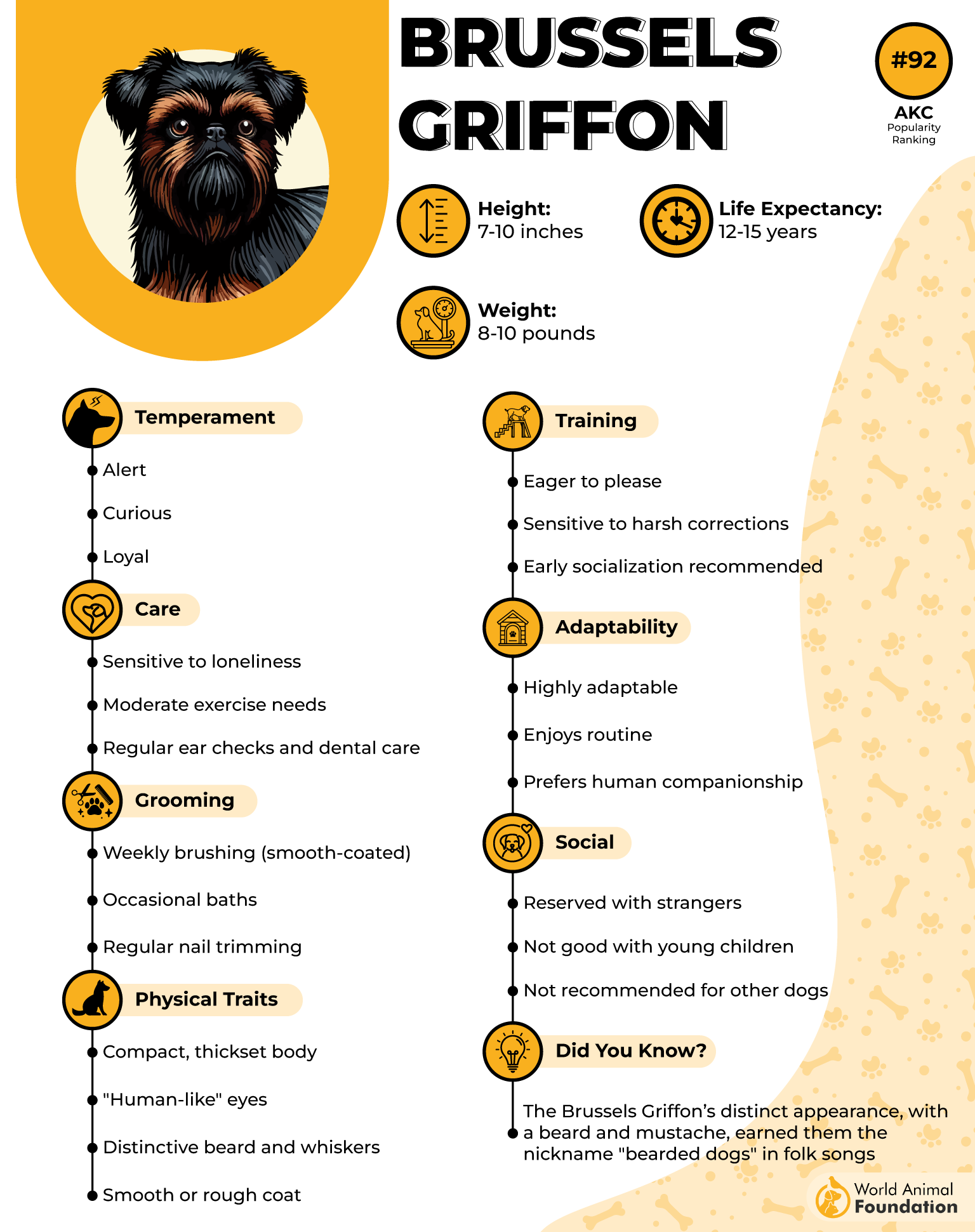
Energy levels sit in a manageable middle zone, with roughly 30 minutes of moderate daily activity, such as neighborhood walking, for many adults. This lap dog can happily play, explore, and investigate the world before transitioning into premium lounging mode as long as the favorite human remains nearby.
Sensitivity is one of the breed’s defining qualities, so training should feel encouraging rather than confrontational. These fluffy dogs can become nervous with strangers or unfamiliar situations, and patient early socialization helps them develop confidence without overwhelming them.
Positive reinforcement, tiny treats, short lessons, and calm exposure generally make far more sense than harsh corrections for a dog whose facial expression already suggests it has been thinking deeply about everything you said.
4. Shih Tzu
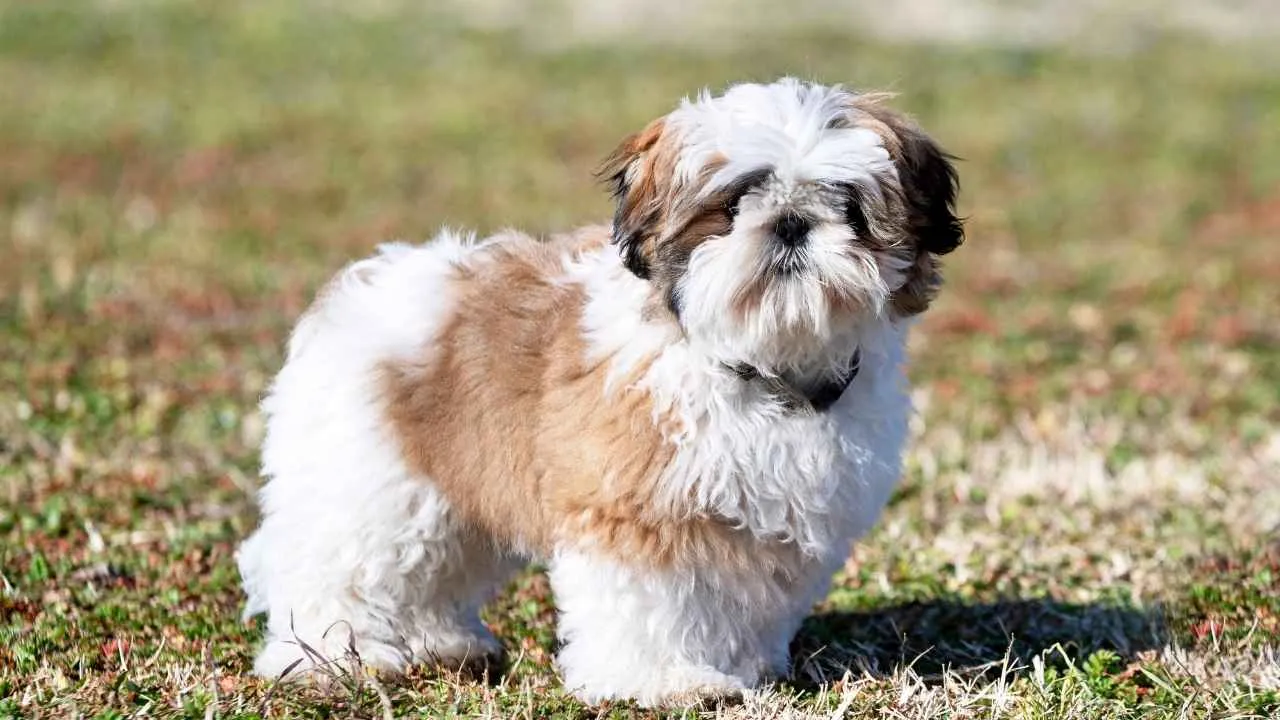
The Shih Tzu has spent centuries perfecting one specific profession: being ridiculously lovable around humans. The breed’s name is commonly translated as “lion dog,” and historical evidence links it with Chinese imperial life.
Personality is where these dogs understand the assignment. They are affectionate, sociable, playful, confident, smart, and interested in being near their people. Give a Shih Tzu a comfortable lap and somebody willing to provide attention, and the little lion may decide that all major life goals have officially been achieved.
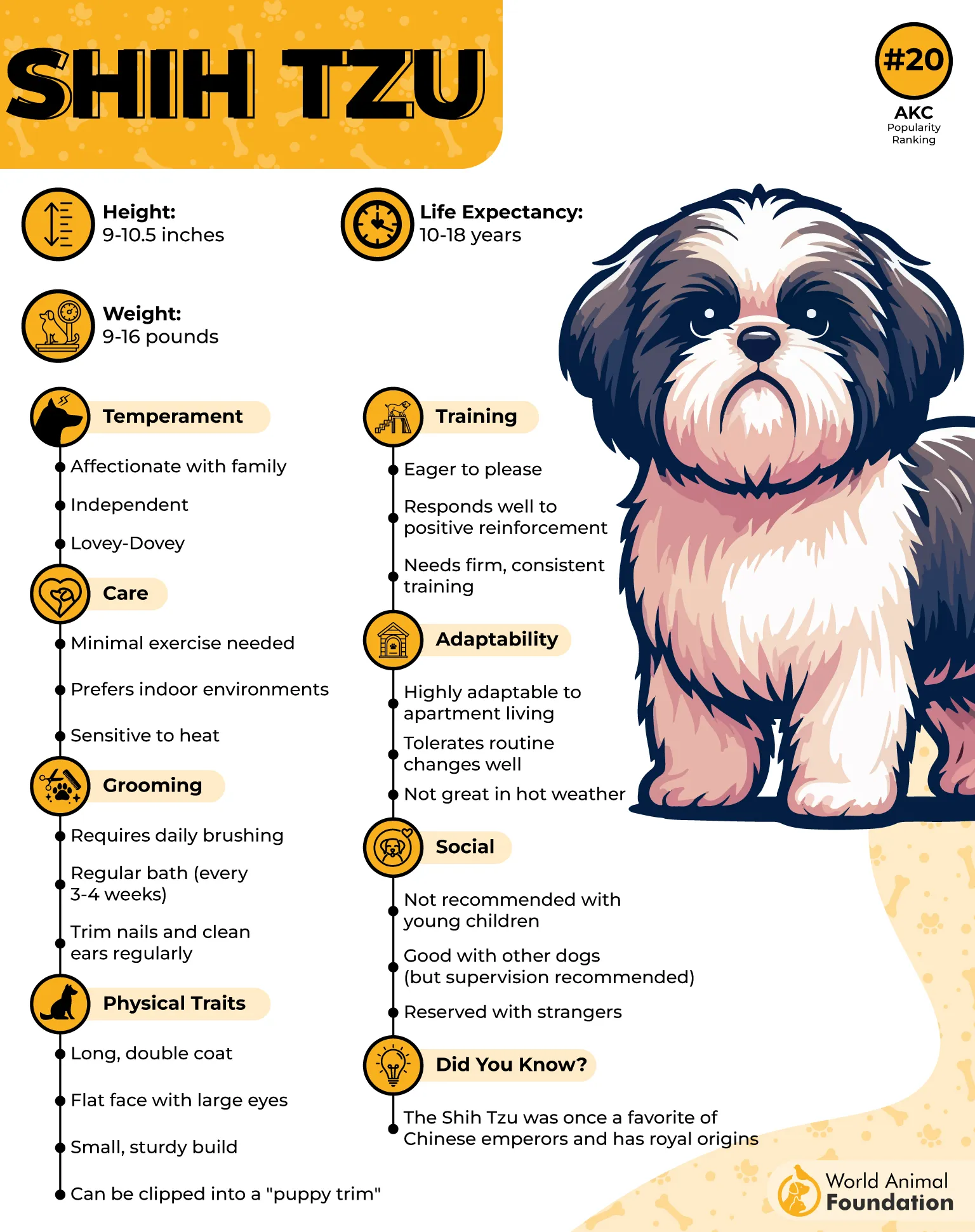
Their friendly disposition can work beautifully in family homes when children understand gentle handling. The dog’s small stature means accidental injury is possible during rough play, so adult supervision remains essential no matter how patient an individual Shih Tzu appears.
Being incredibly loyal, these small dogs generally need companionship more than intense athletic exercise, making them particularly adaptable to smaller homes and urban lifestyles. Their short faces and heavy coats also reduce heat tolerance, so cool conditions, reasonable activity, and sensible summer routines matter.
5. Yorkshire Terrier
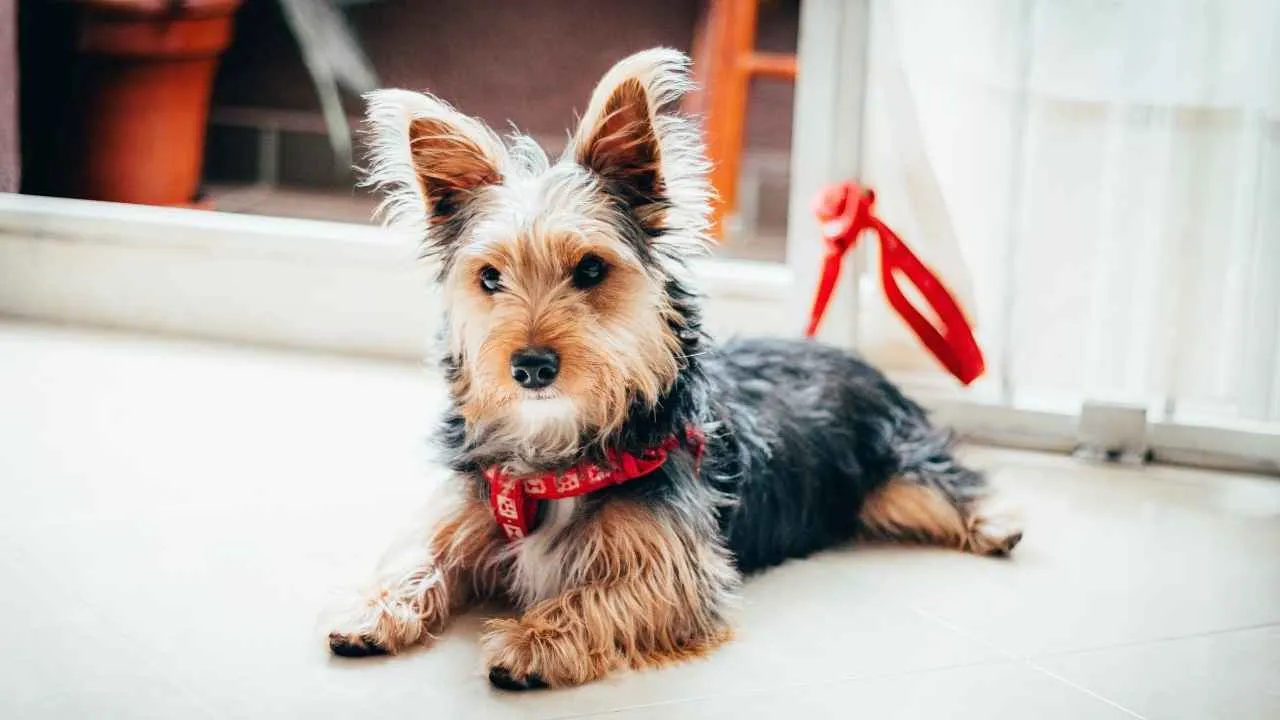
Yorkshire Terriers are playful, assertive, feisty, affectionate, and eager to be involved with the household. Many develop strong attachments to their owners and enjoy following people around, cuddling, playing, and generally ensuring that no family event occurs without official terrier representation.
Regular exercise and mental stimulation are essential because a bored Yorkie can redirect its impressive determination toward barking, investigating forbidden spaces, or developing creative home-improvement concepts.
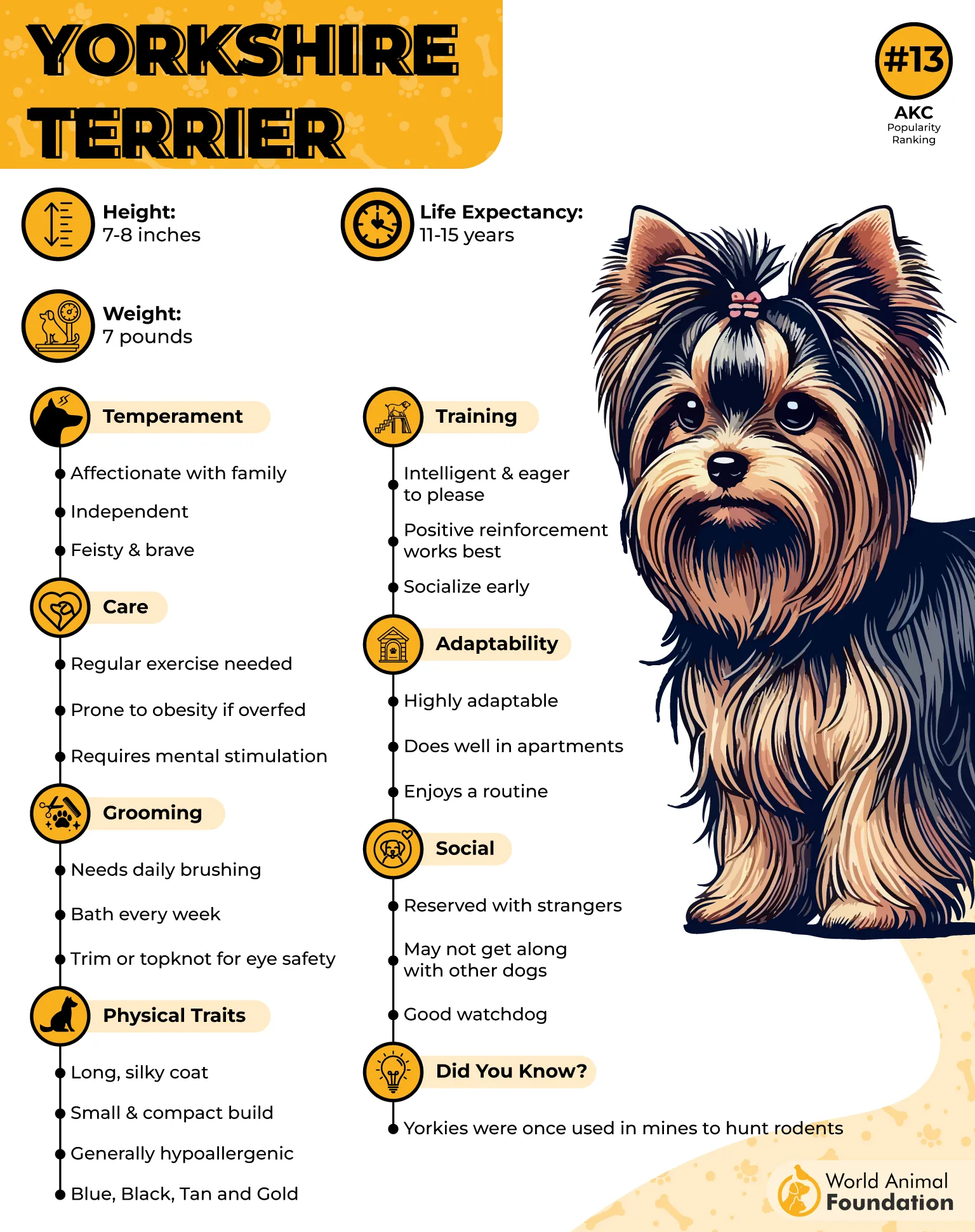
Socially, Purina says that many Yorkies are affectionate with family members and can coexist well with other dogs or cats after proper introductions. Small animals deserve more caution because the instinct to chase has not disappeared simply because modern Yorkies occasionally wear rhinestone accessories.
Walks, toy chasing, sniffing games, trick training, and carefully managed terrier-style activities provide productive outlets for energy.
Then there is that spectacular coat, which grows more like long human hair than the fur of many other breeds. A full-length Yorkie requires consistent brushing, trimming, ear care, nail maintenance, and often professional grooming, while a shorter pet clip is dramatically easier to live with.
6. Pomeranian
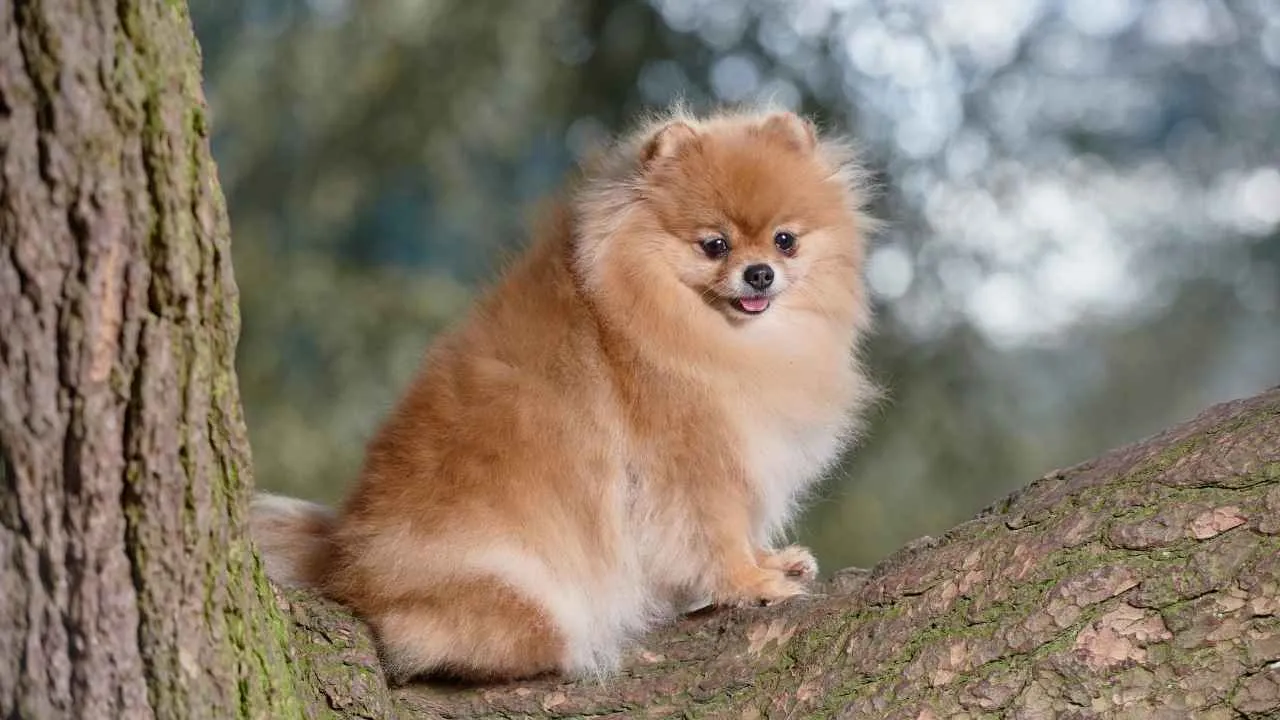
Though grown-up Pomeranians generally stand only a few inches tall, they routinely behave as “medium-sized guardians of everything visible.” Their fox-like faces, enormous double coats, bright expressions, and bold attitudes have helped make the breed one of the Toy Group’s instantly recognizable members.
They can form particularly strong bonds with one person while remaining affectionate members of the wider household, and their emotional sensitivity means harsh interactions may affect them strongly.
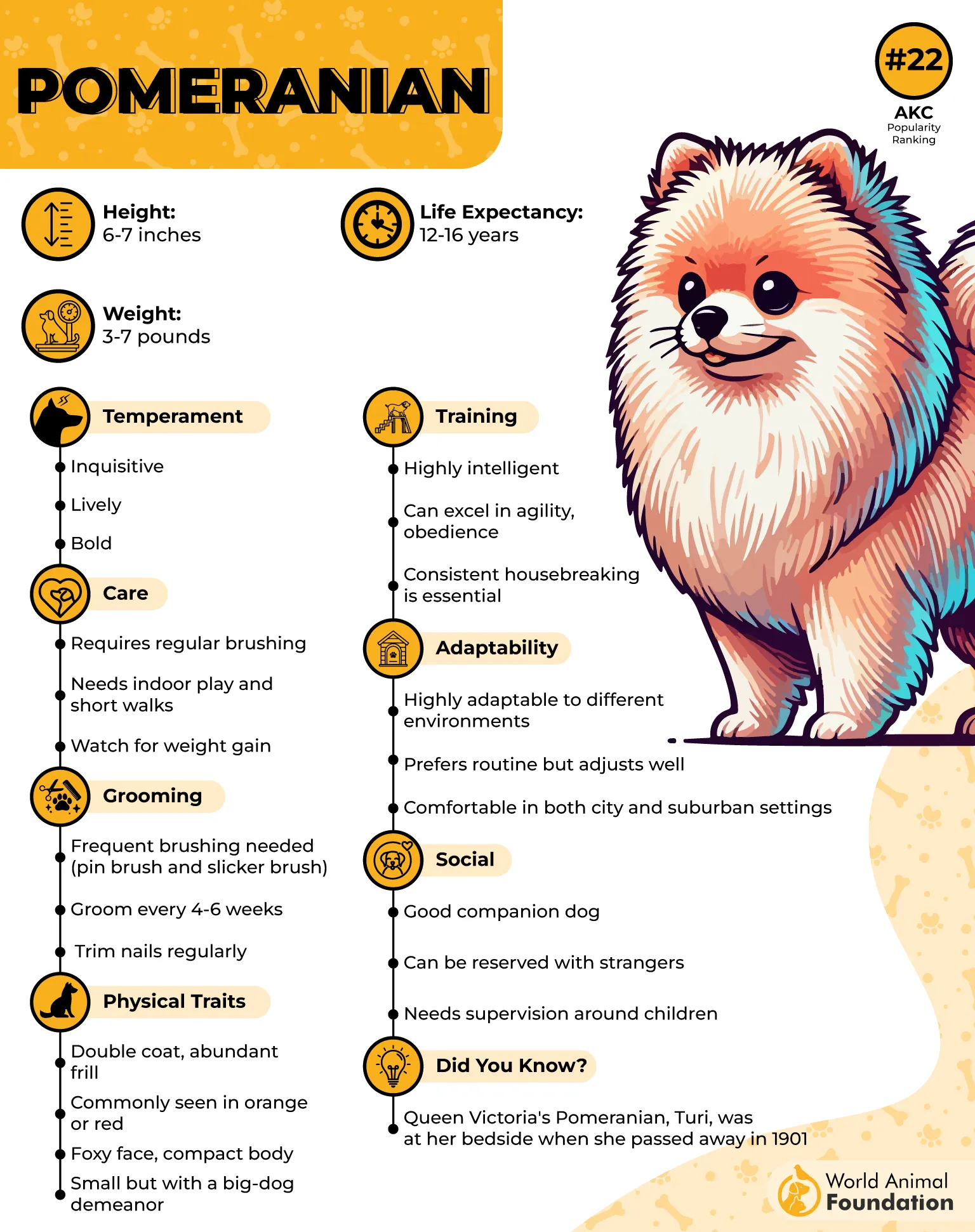
Training needs to begin early because smartness plus confidence and vocal enthusiasm can become a chaotic little trilogy without boundaries. House training may require patience, while early recall and leash lessons matter because this fearless fluffball may not fully appreciate how much larger the rest of the world is.
Barking deserves its own conversation because many Poms take neighborhood surveillance extremely seriously. They may alert to unusual events—or basically anything at all—while insufficient socialization can contribute to excessive barking and reactive behavior.
Poms enjoy short walks, play, training, and plenty of human company, but their small bodies require careful handling around young children and bigger dogs.
7. Havanese
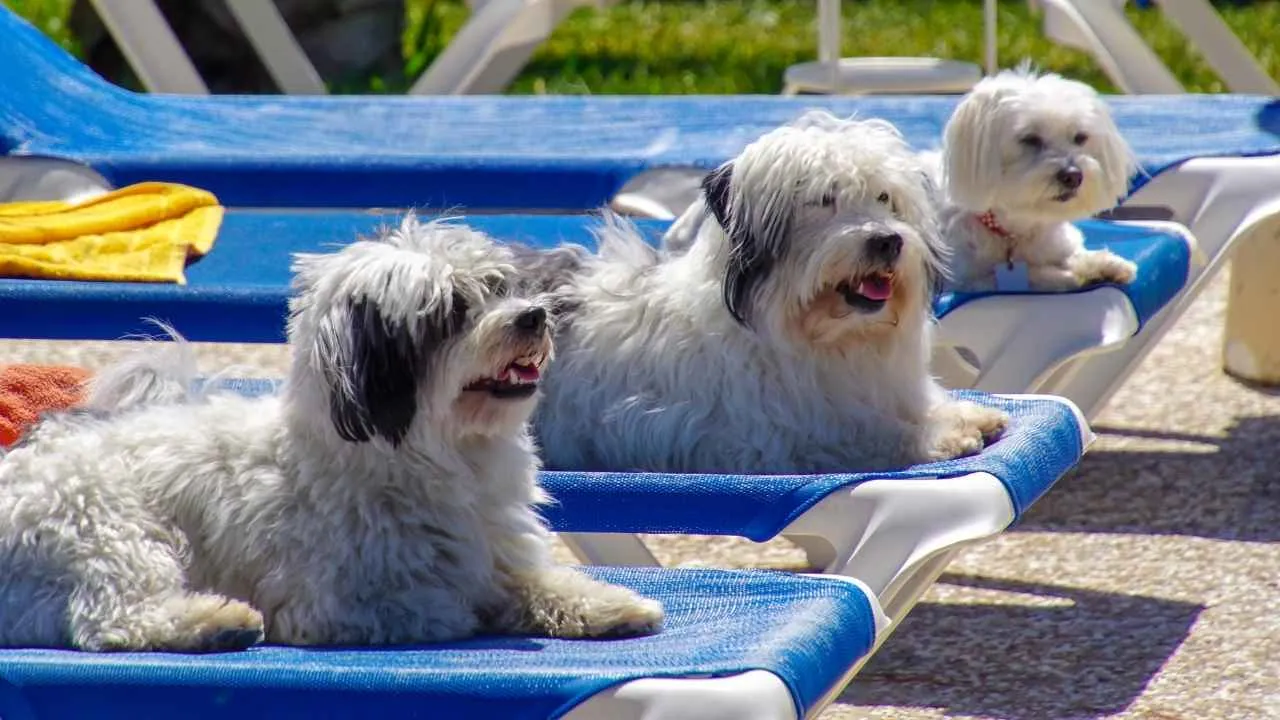
The Havanese is essentially that friend who can read the room, make everybody laugh, and somehow end up invited to every gathering. The compact body may be small, but the personality is famously bright, social, adaptable, and delightfully funny.
They are intensely people-focused dogs that notice human moods and can switch between playful entertainment and quiet companionship. Omlet describes them as natural comedians that invent games, clown around, and find surprisingly creative ways to keep everyone involved.
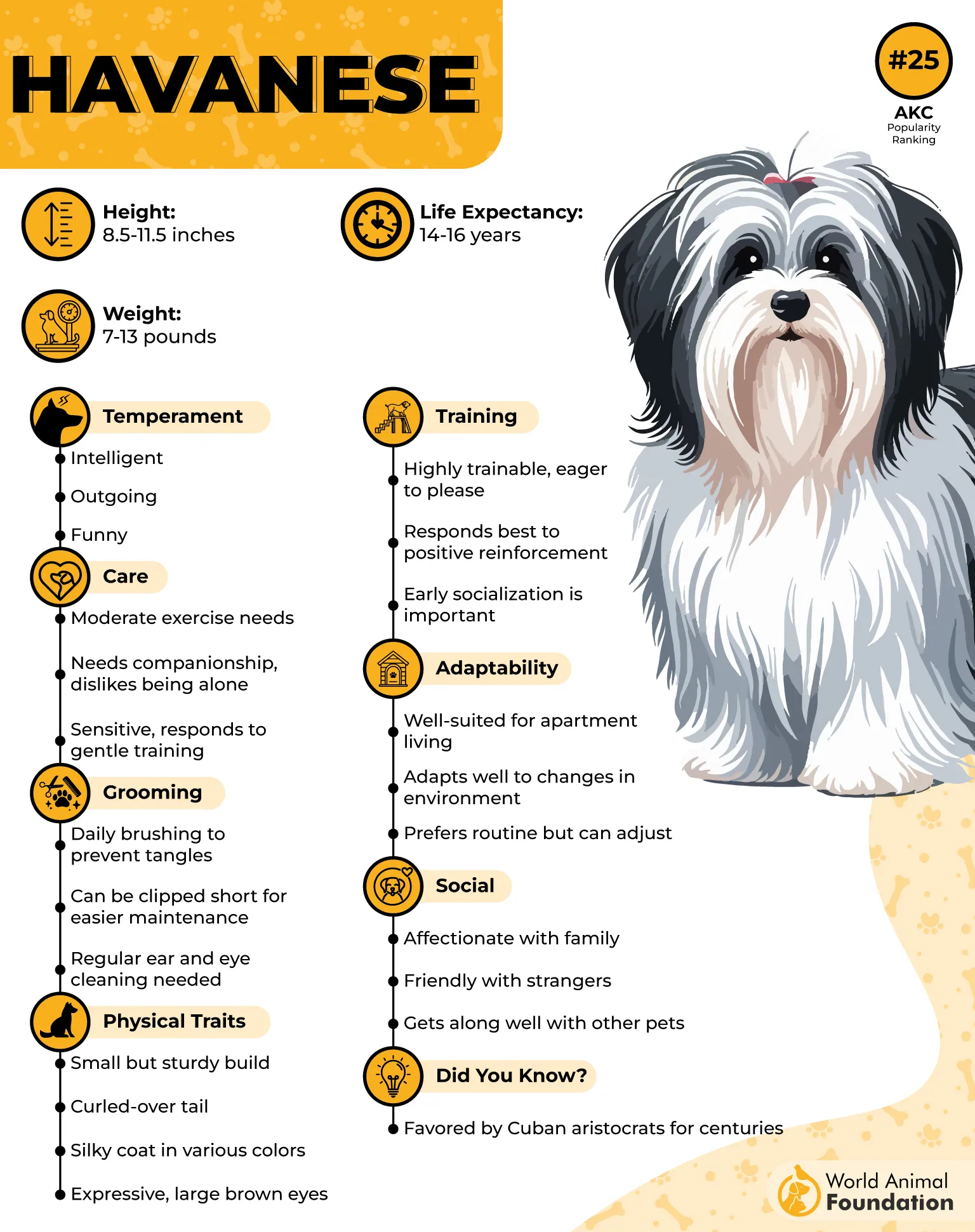
Adaptability is one of their strongest companion qualities. They can live successfully in apartments or larger homes, and moderate exercise such as brisk walks and interactive play is often sufficient when paired with mental stimulation.
Their sturdy little bodies can be surprisingly athletic, so a Havanese may happily play hard before switching straight into cuddle mode as if someone pressed a button. Training often goes smoothly because these dogs are intelligent and eager to cooperate, but sensitivity means rough corrections can damage confidence.
Conclusion
Toy dogs prove beyond reasonable doubt that personality has absolutely nothing to do with physical dimensions.
The most successful match comes from choosing the temperament and care requirements you genuinely enjoy rather than selecting a breed solely for appearance. Boston Terrier, Cavalier King Charles Spaniel, Miniature Schnauzer, Standard Poodle, Miniature Dachshund, French Bulldog, and Italian Greyhound are also some small dogs with unique personalities.
These tiny companions provide years of affection, ridiculous comedy, comforting routines, and the uniquely wholesome experience of being stared at intensely every time you open the refrigerator.
