




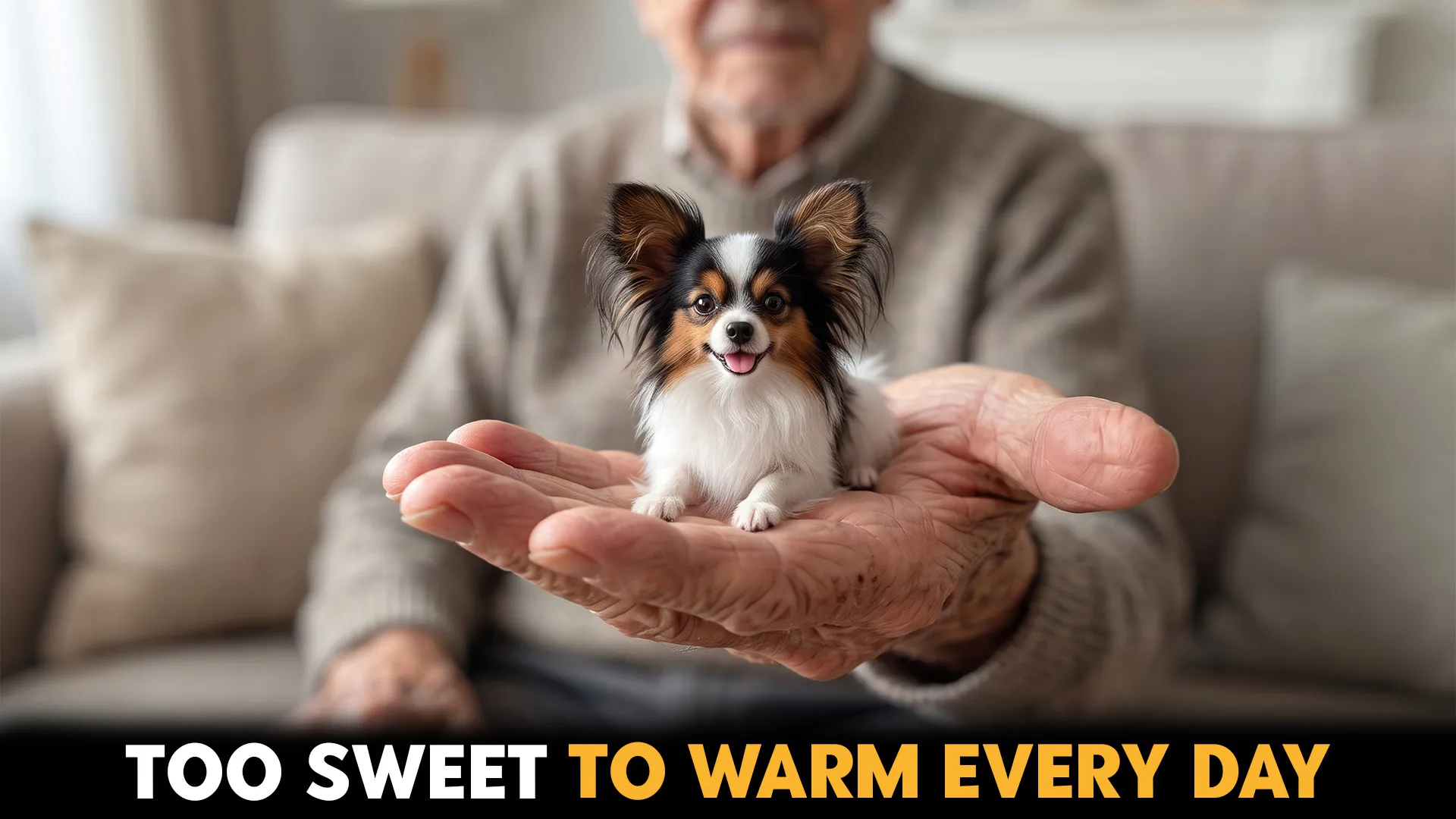
A major heart health study found that owning a dog can lower your risk of dying from any cause by 24%, with the biggest gains showing up in people who live alone.
The American Heart Association covered the findings in detail, and they flip a common assumption that a precious dog must be fragile or demanding to care for.
Most older adults want steady and calm companionship, not a dog whose energy or upkeep outpaces their own stamina. Golden years deserve a gentle match, not a guessing game.
That is where this comprehensive guide for senior lifestyles comes in, weighing real companionship against practical tips for genuine pet care excellence.
Curious which gentle, low-maintenance companion could be your perfect match for the retirement years ahead? Keep reading to meet these dogs built for easier, healthier golden years.
Key takeaways
Coat type decides grooming load: Silky coats need near-daily brushing, while curly coats trade that for a trim every 4 to 6 weeks.
Lifespan is a decade-plus commitment: Most of these breeds live 12 to 16 years, so plan well beyond the puppy stage before adopting one.
Exercise needs stay modest: 2 short walks a day meet most of these breeds’ activity needs, which suits a slower daily pace well.
A bark can double as security: Alert, vocal breeds signal visitors at the door, giving you a built-in warning system at no extra cost.
Watch for dental and joint issues: Dental disease and loose kneecaps recur across several breeds, so routine vet checkups matter more than high one-time costs.
Precious Toy Dog Breeds for Senior Citizens
1. Maltese
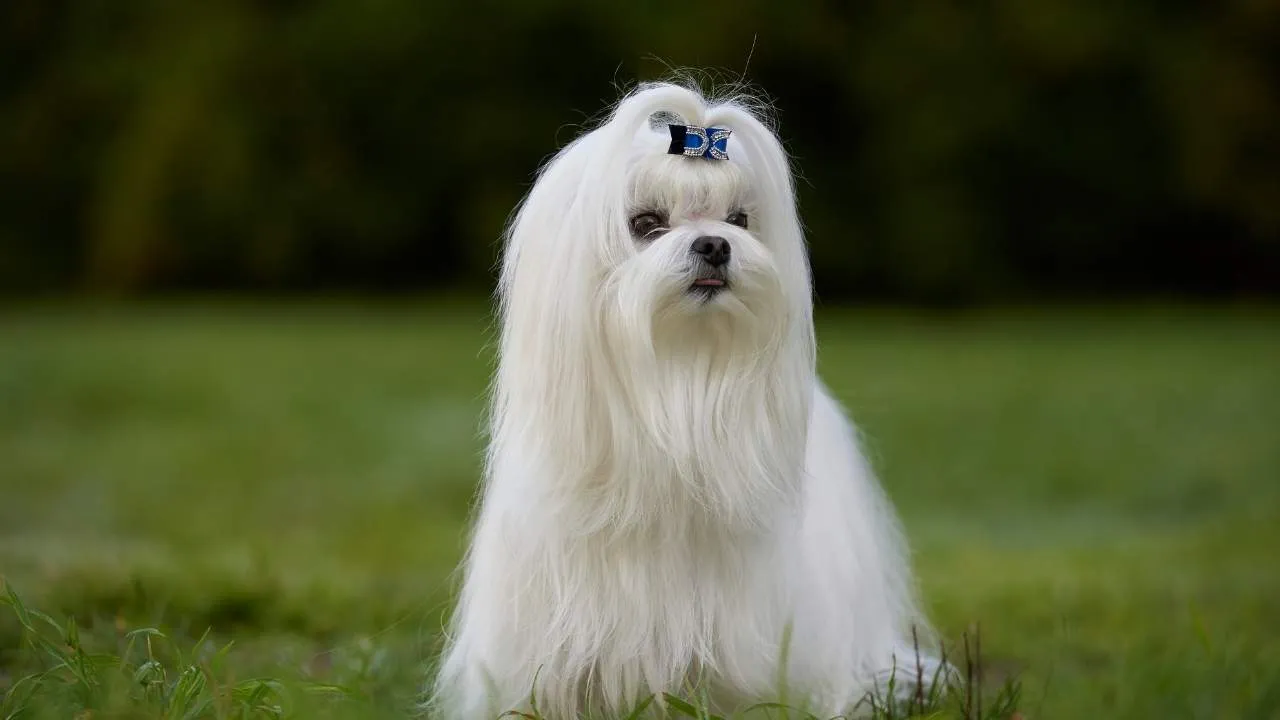
The Maltese settles into quiet rooms like it was built for them. It curls up close during long, slow afternoons and rarely demands more than a lap and some attention. For seniors who value calm company over constant activity, this breed reads the room well.
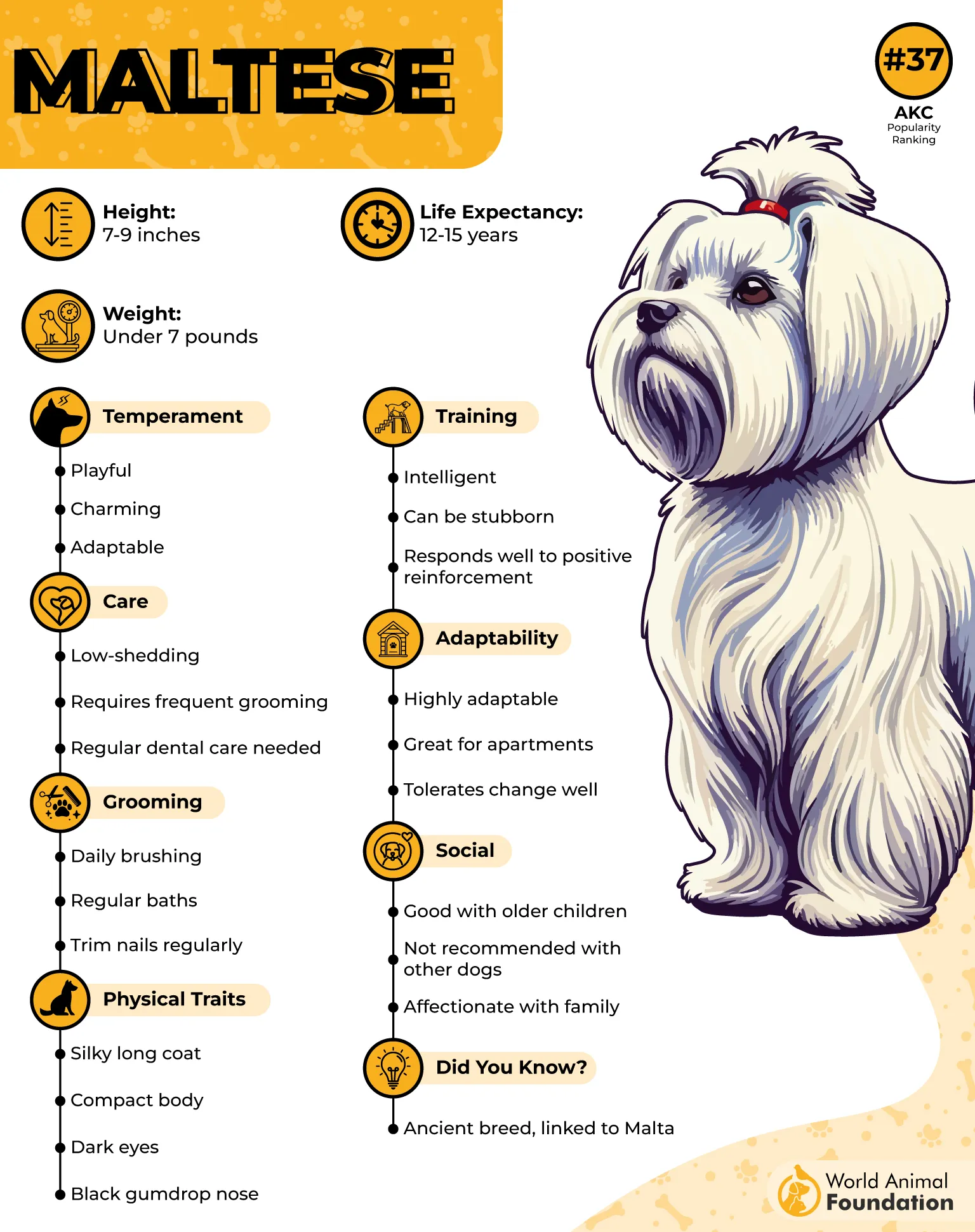
Most Maltese live a solid stretch for a toy breed. Dental disease and patellar luxation (loose kneecaps) show up often enough to flag early with a vet. Regular checkups keep both issues manageable long before they become serious.

Exercise needs: 2 short, gentle walks a day cover it; no running required.
Grooming effort: Daily brushing keeps that silky white coat from matting.
Put the calm temperament, manageable lifespan, and modest grooming routine together, and the Maltese becomes a precious match for older adults who want steady companionship without heavy upkeep. It is a gentle choice for retirees easing into pet ownership. According to the AKC, the breed’s affectionate nature has made it a longtime favorite among families and older adults alike.
2. Toy Poodle
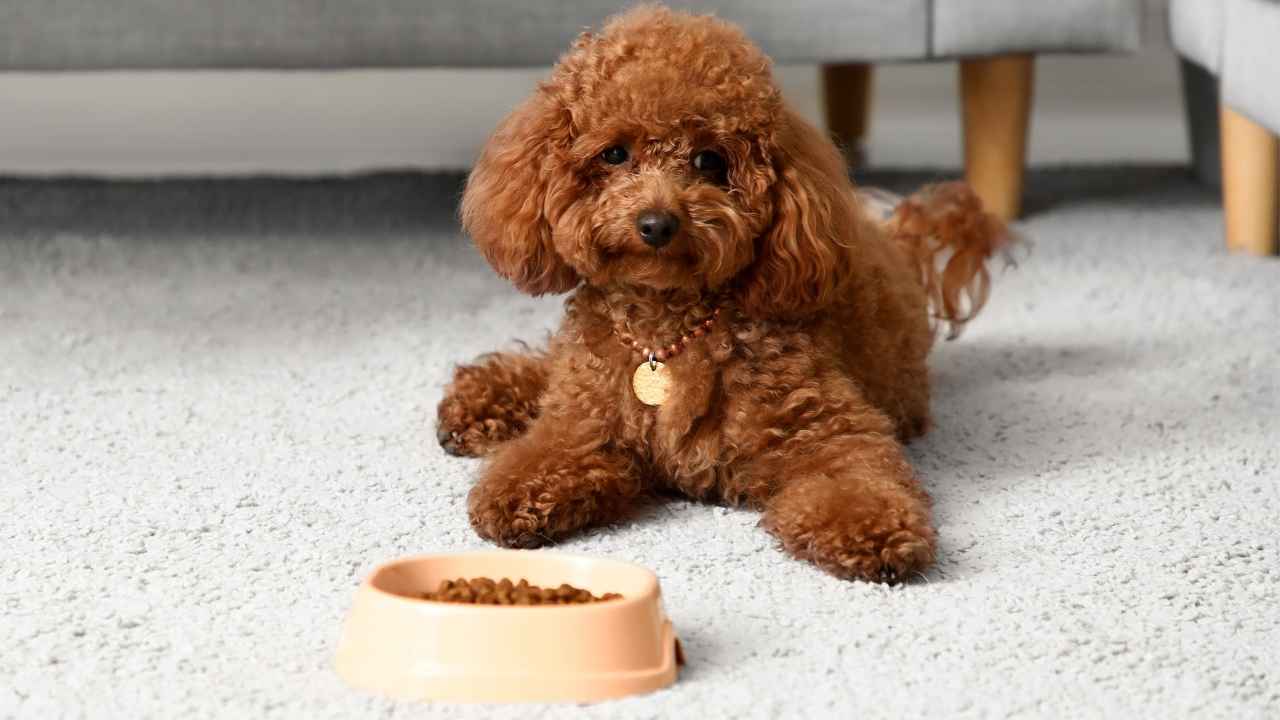
The Toy Poodle thrives in quiet households and bonds tightly with its favorite person. It is attentive without being clingy, happy to nap nearby while you read or watch television. This makes it an easy companion for a slower daily pace.
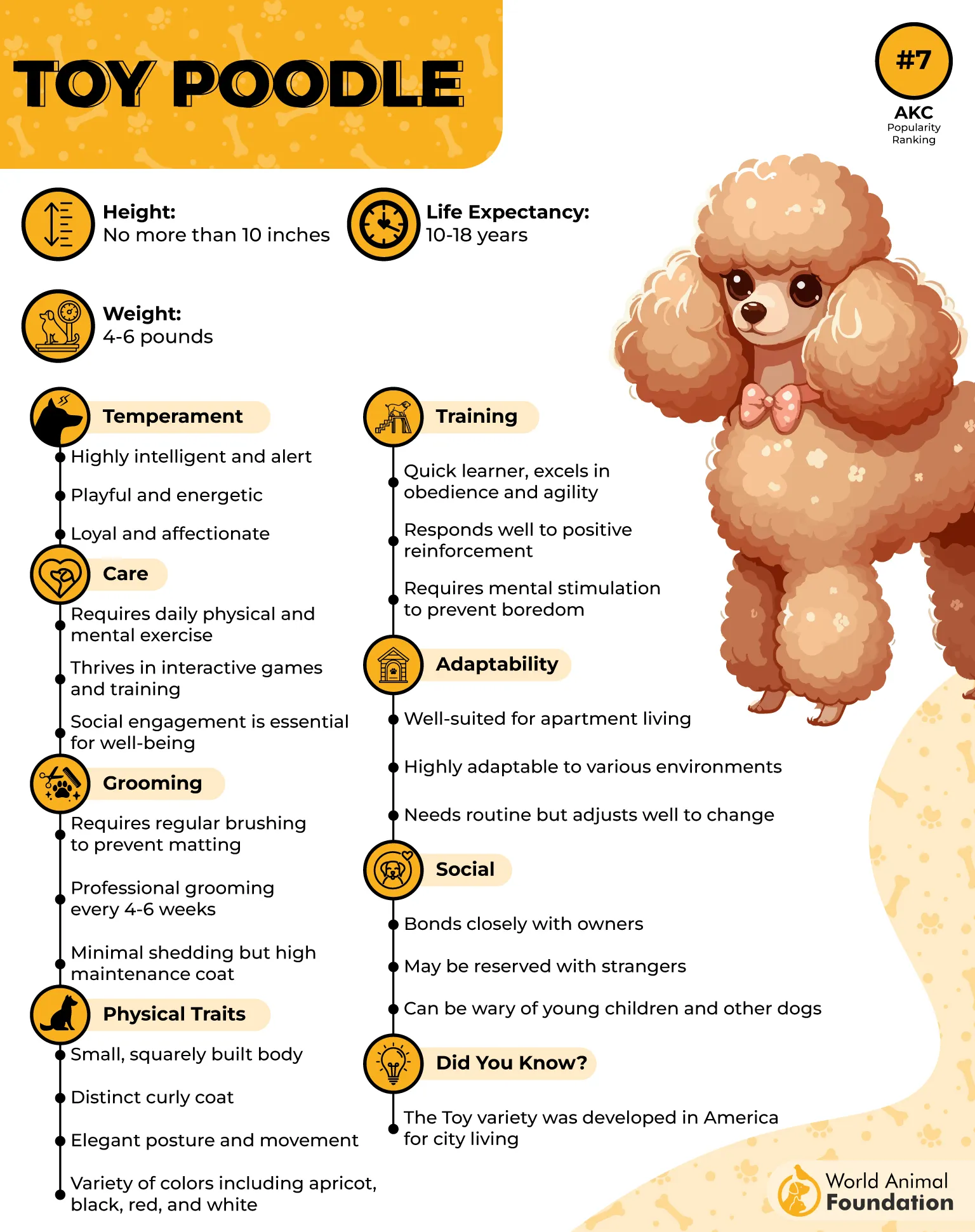
A healthy Toy Poodle often reaches among the longer lifespans in the toy group. Progressive retinal atrophy and luxating patellas are common watch-outs as it ages. Routine eye and joint checks catch problems early.
Exercise needs: 2 short walks plus a little playtime keep it content.
Grooming effort: Professional trims every 4 to 6 weeks keep the curly coat manageable.
Smart, affectionate, and built for a long run, the Toy Poodle suits older adults who want an engaged companion without a demanding exercise plan. For readers choosing between expert-recommended breeds, PDSA notes the Poodle’s trainability makes it a popular pick across many household types.
3. Papillon
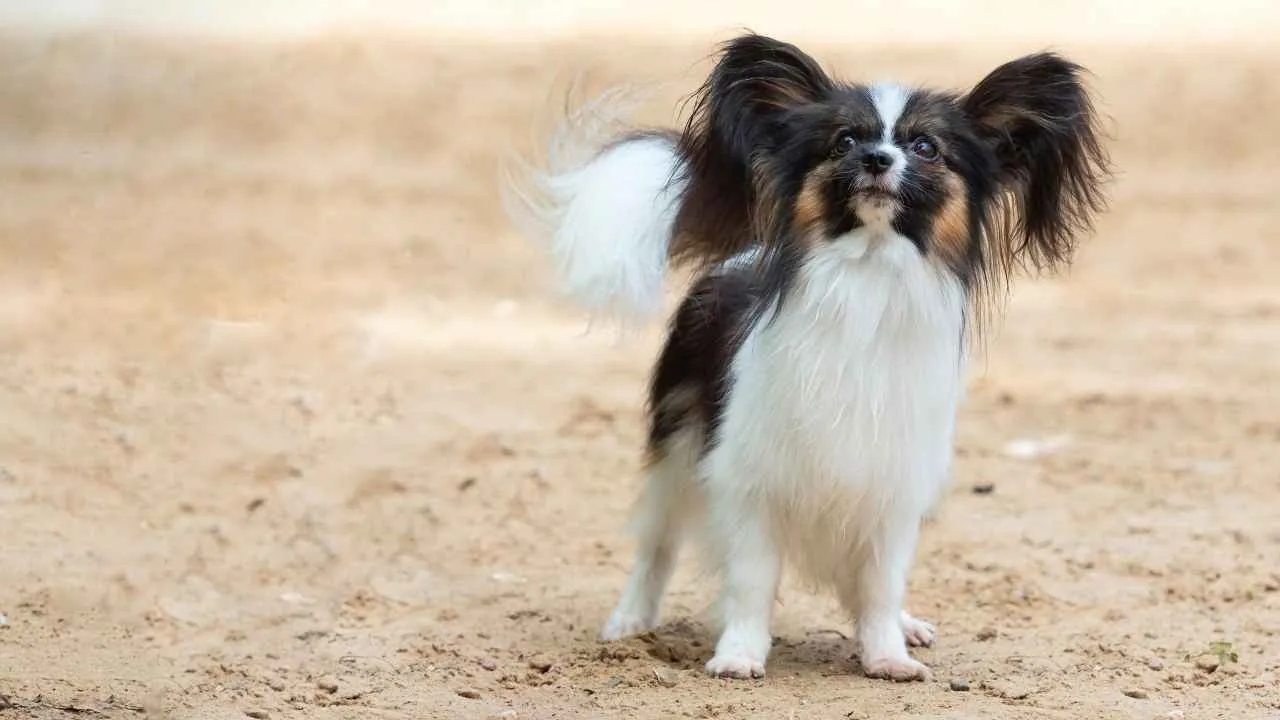
The Papillon stays alert in a quiet room without turning that alertness into chaos. It enjoys sitting near its person, watching the world through a window rather than chasing after it. That mix of curiosity and calm suits a slower household well.
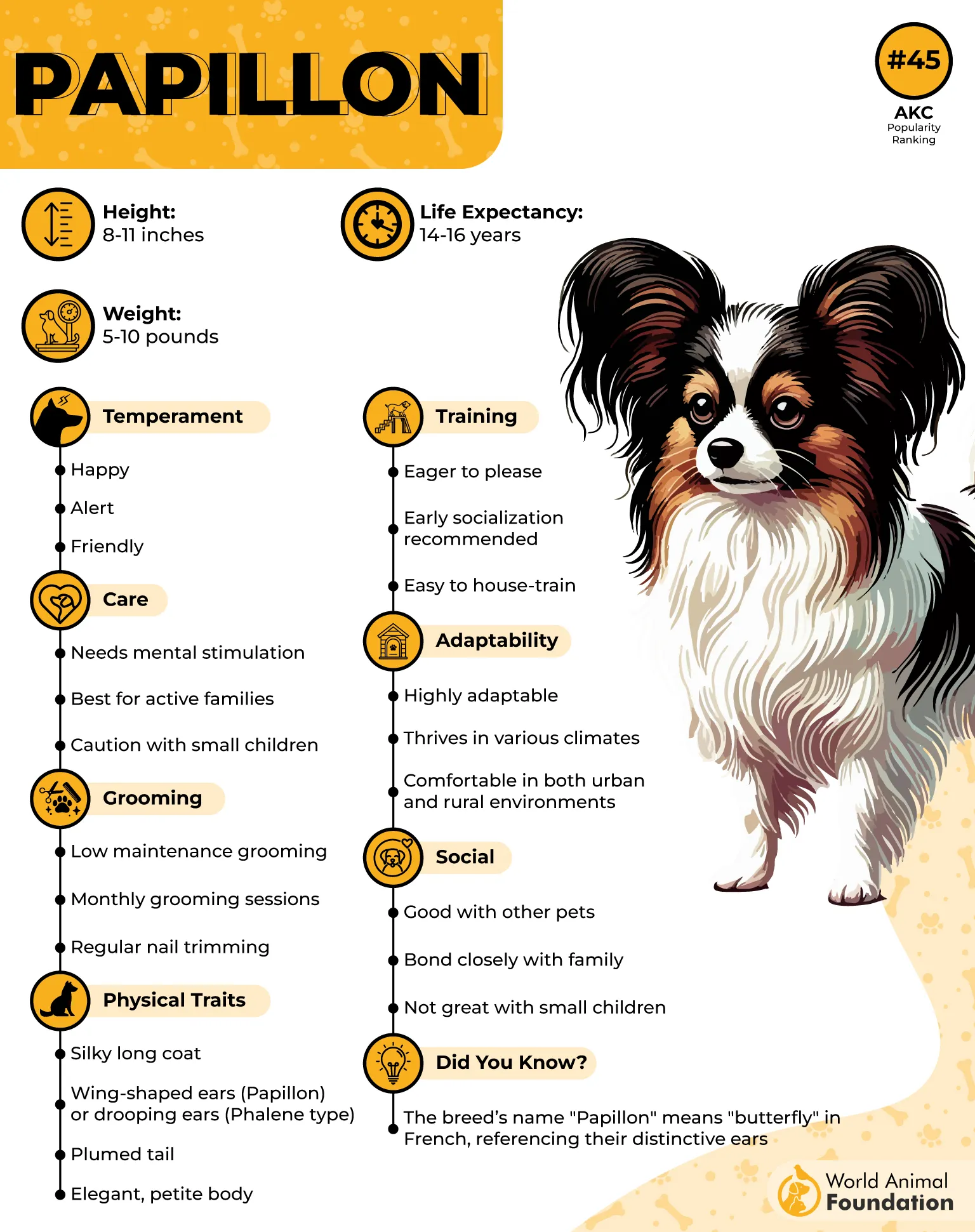
Papillons commonly live the best odds in the toy group. Dental crowding and luxating patellas are the main watch-outs as the breed ages. Both are manageable with routine vet visits rather than major interventions.
Exercise needs: 1 to 2 short play sessions a day cover its activity level.
Grooming effort: A weekly brush through its silky coat is usually enough.
Between its long lifespan, light grooming needs, and watchful but easygoing nature, the Papillon makes a practical, perfect match for older adults who still want a touch of liveliness at home. It is better suited to seniors who enjoy a little personality in their companionship.
4. Pomeranian
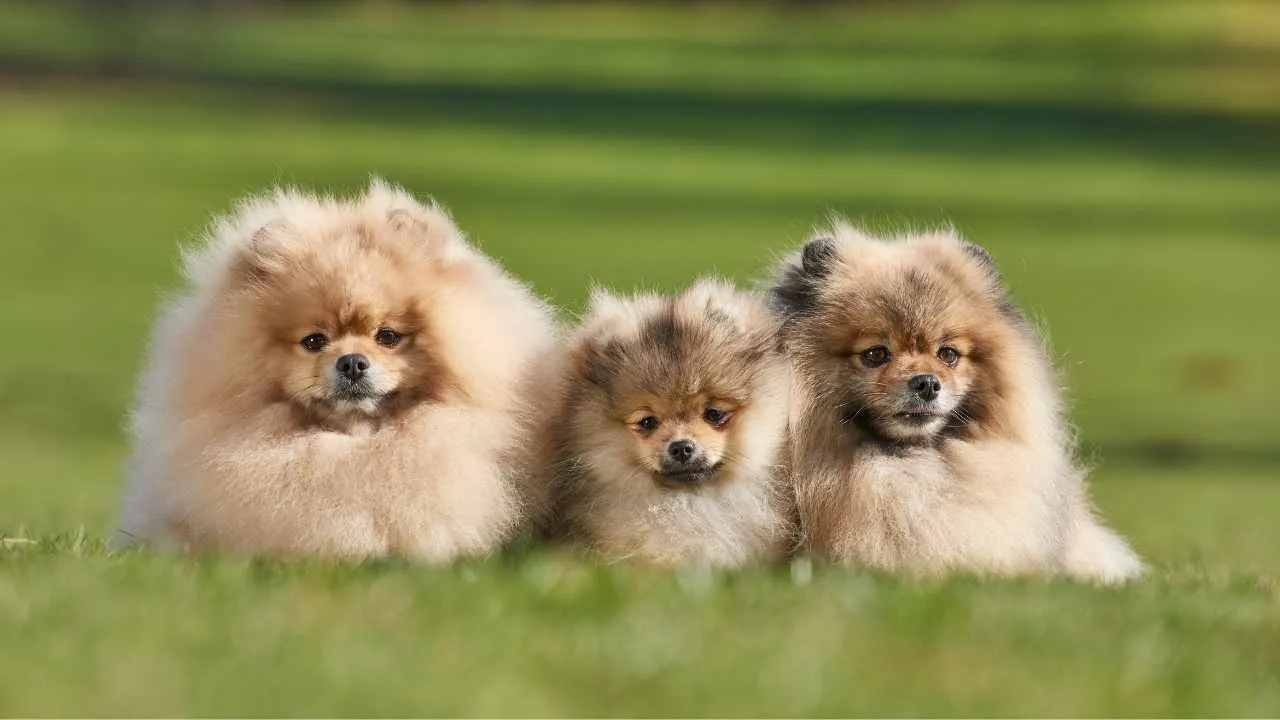
The Pomeranian likes being near its person more than being the center of attention every minute. It settles into quiet corners happily, though it will bark now and then to announce visitors. For seniors who appreciate a built-in doorbell, that is a feature, not a flaw.
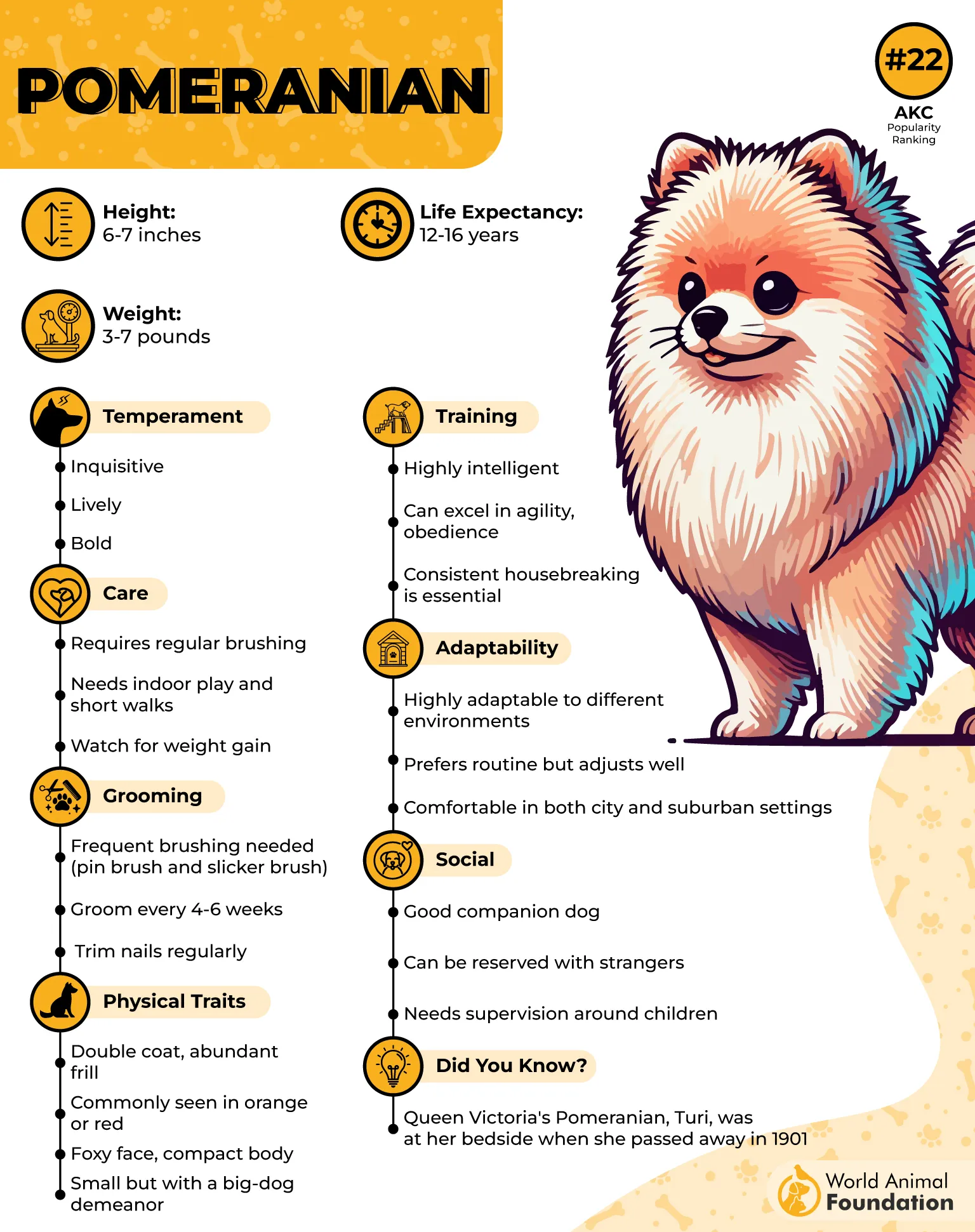
Pomeranians typically live a comfortably long run for such a small dog. Tracheal collapse and dental disease are the two issues worth watching as they get older. Catching either early usually keeps daily life unaffected.
Exercise needs: 2 short walks plus some indoor play keep it fit.
Grooming effort: Brushing 3 to 4 times a week keeps the double coat tangle-free.
Alert, loyal, and long-lived, the Pomeranian is best for older adults who want a small watchdog personality in a lap-sized package. Just plan for its grooming needs upfront, since the coat is the real time investment. According to PetMD, the breed’s confident personality often surprises people who expect a purely decorative lap dog.
5. Yorkshire Terrier

The Yorkshire Terrier is happiest tucked beside its person, content with quiet afternoons more than wild play. It can be a little vocal when something catches its attention, but it settles back down quickly. That balance works well in a calm household.
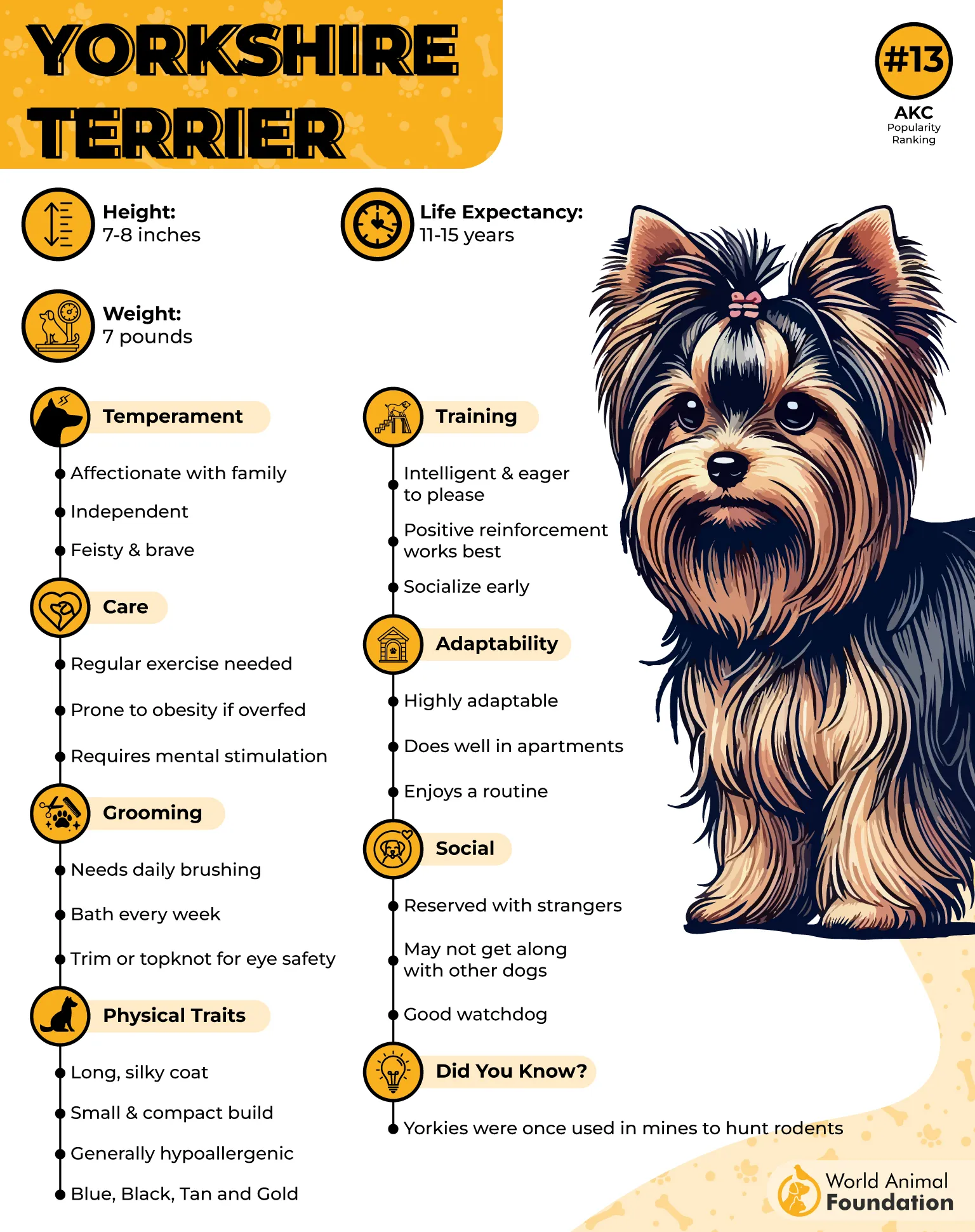
Yorkies usually live long, with many healthy dogs reaching the higher end when well cared for. Dental disease and a tendency toward collapsing trachea are the two age-related issues to monitor. Neither is usually serious if caught through regular vet visits.
Exercise needs: 2 brief walks and a short indoor game cover its needs easily.
Grooming effort: Daily brushing prevents the long, fine coat from tangling.
Small, loyal, and reasonably long-lived, the Yorkshire Terrier fits older adults who want steady companionship and do not mind a daily brushing routine. VCA describes the breed’s devotion to its family as one of its defining traits.
6. Shih Tzu
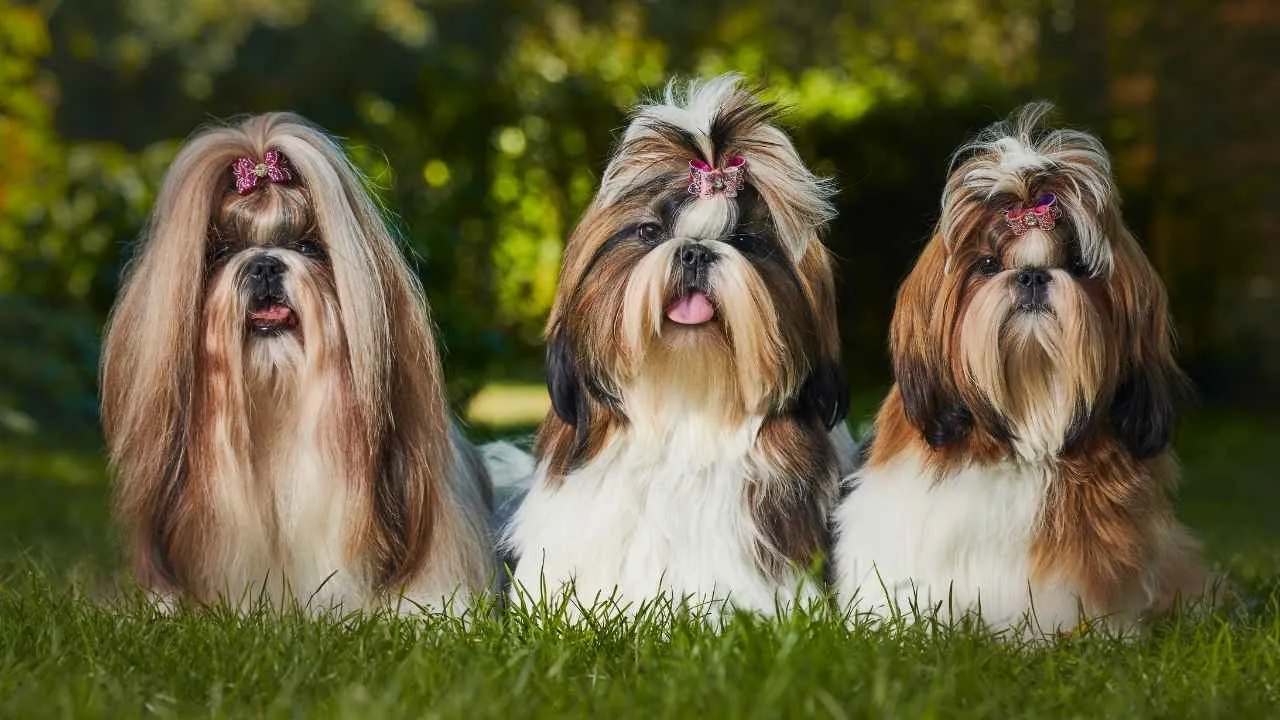
The Shih Tzu was bred for companionship, and it shows in how content it is just sitting nearby. It rarely seeks out excitement on its own, preferring the quiet rhythm of whoever it is with. That makes it an easy fit for slower days at home.
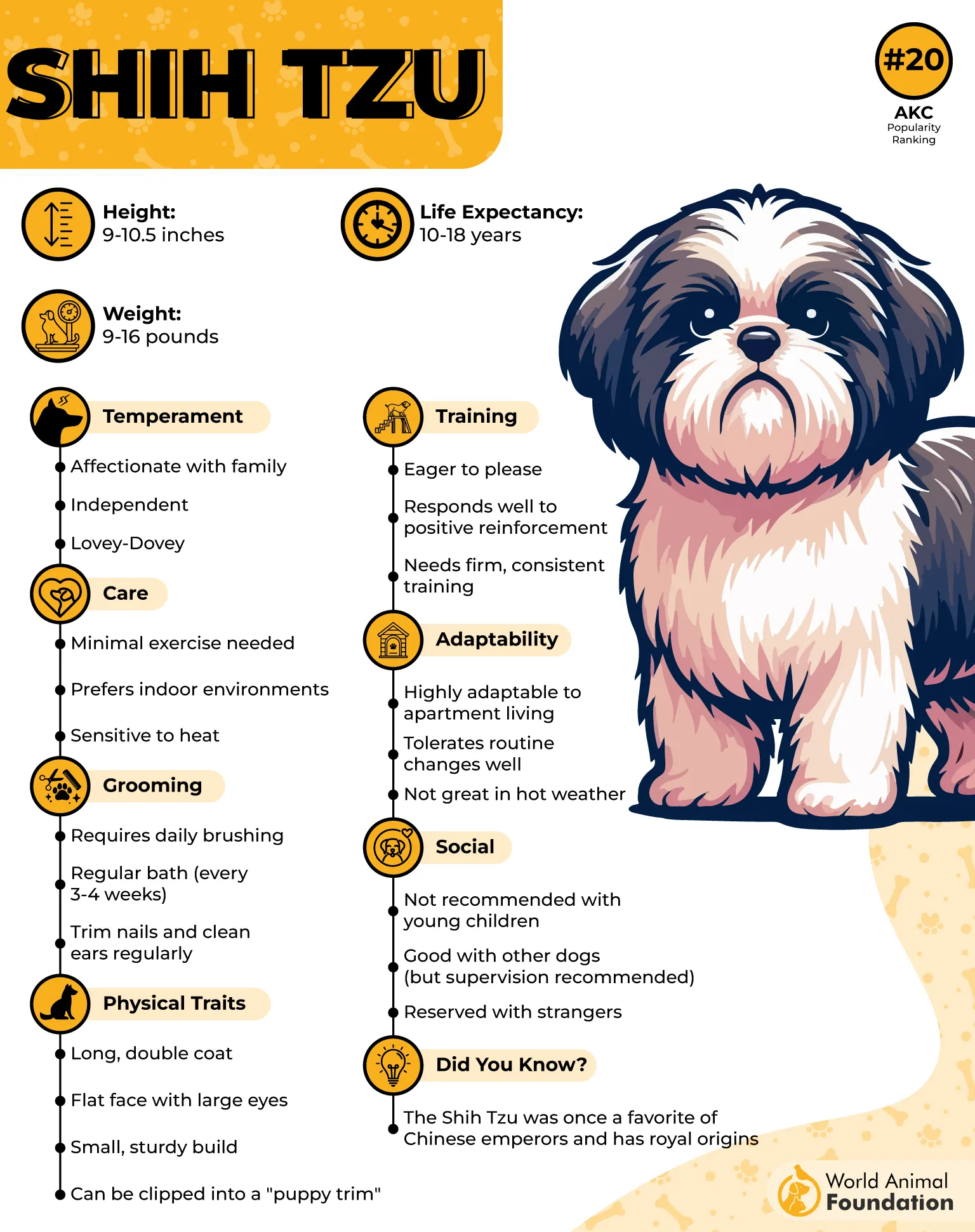
Shih Tzus often live 10 to 16 years, a wide but generally favorable range for the breed. Their flat faces can cause breathing difficulty in heat, and eye injuries are common given their prominent eyes. Both are worth discussing early with a vet.
Exercise needs: 2 short walks in cool weather are all it really needs.
Grooming effort: Daily brushing or a regular short trim keeps the coat manageable.
Calm, devoted, and built for close company, the Shih Tzu suits senior needs that favor steady presence over constant activity. Mind the heat and the grooming schedule, and it settles in as a comfortable retirement-years companion.
7. Havanese
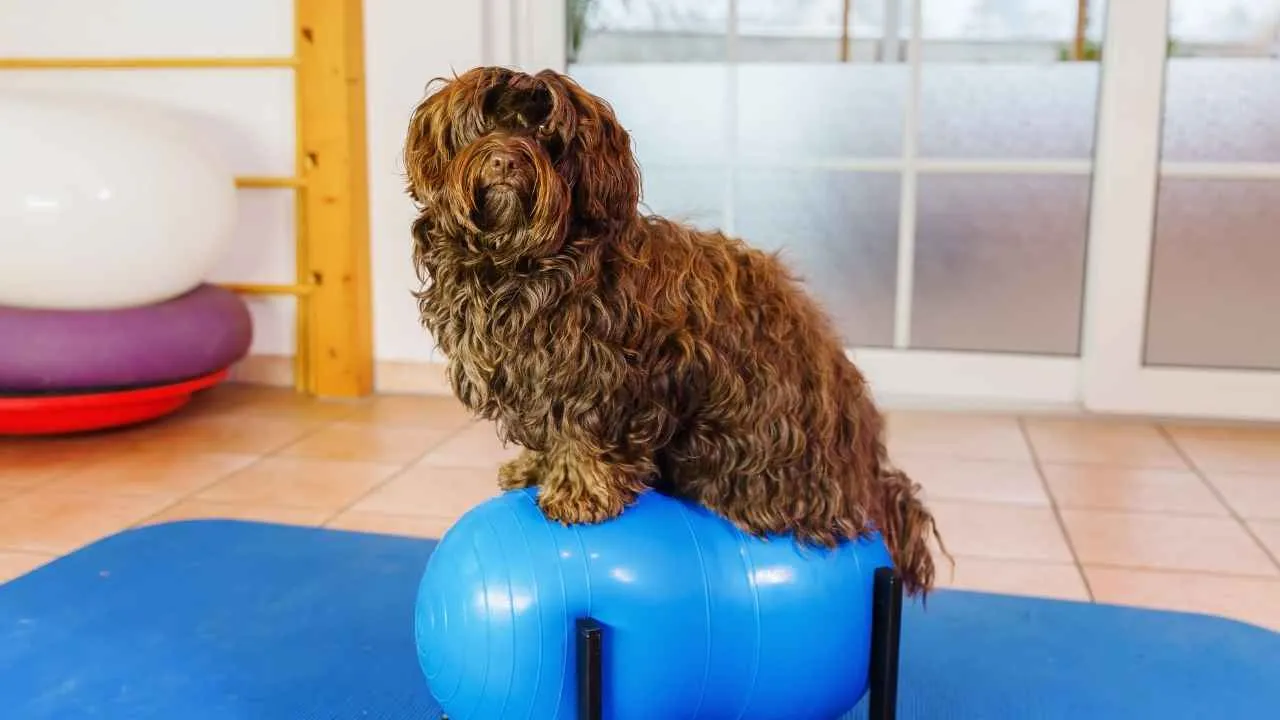
The Havanese treats quiet time with its person as the whole point of the day, especially during the golden years. It is social without being hyper, happy to follow you from room to room rather than demand constant engagement. This makes it a naturally companionable fit within many senior lifestyles.
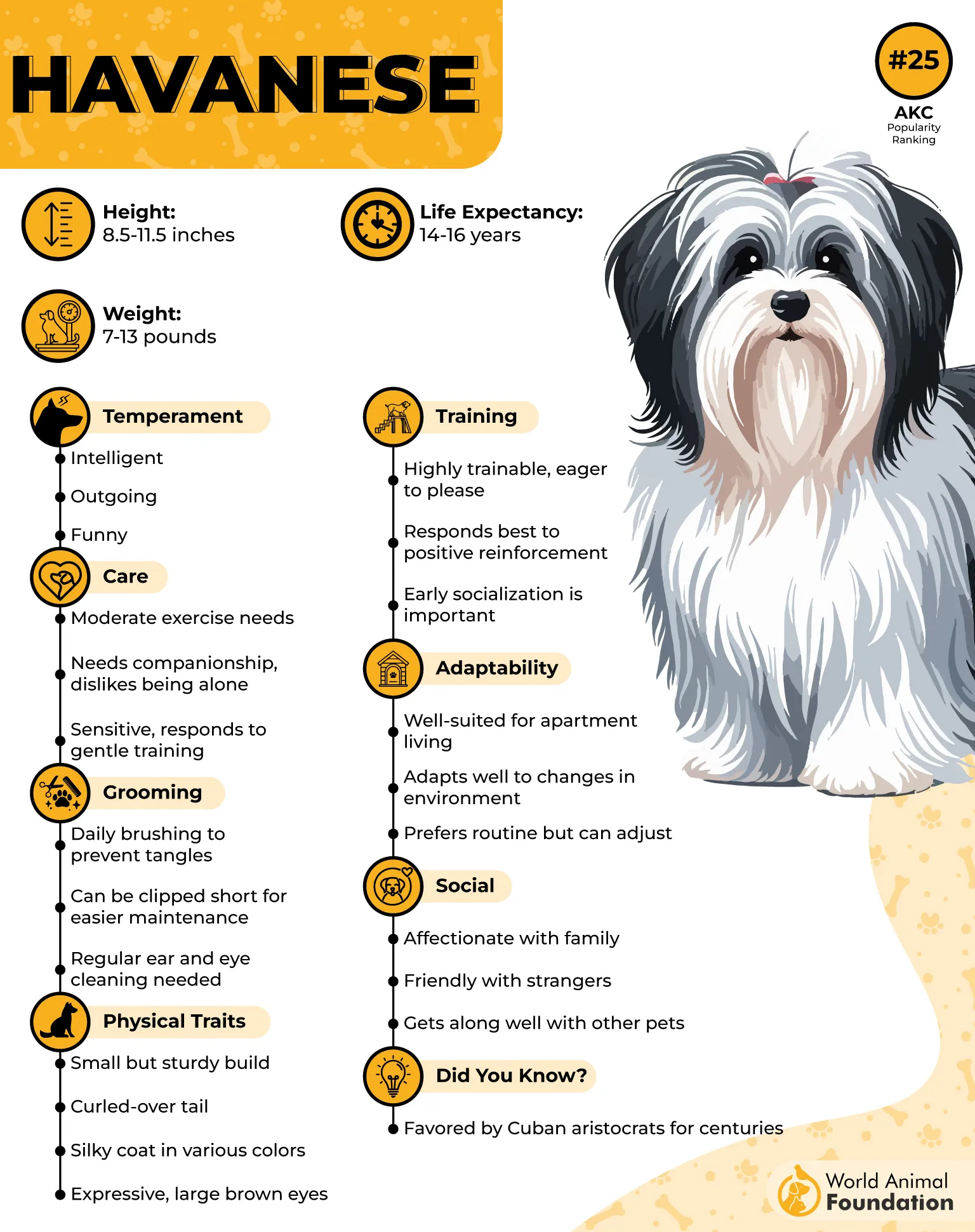
A healthy Havanese can live longer than most small dogs. Hip dysplasia and certain eye conditions are the main things to track as it ages. Routine screening keeps both well managed.
Exercise needs: 2 short walks plus some indoor play are plenty.
Grooming effort: Brushing 3 to 4 times a week, or a shorter trim, keeps it neat.
With a long lifespan, a gentle temperament, and modest exercise needs, the Havanese earns its spot among the most precious toy dog breeds for senior citizens, perfect for an older adult adopting a calm, devoted lifelong friend. Purina notes the breed’s adaptability to different home sizes and lifestyles.
Conclusion
Precious was never about delicate or demanding here. It is about a dog that gives steady companionship and asks for very little in return, which matters more as we age and our days settle into a slower, gentler rhythm.
Match your pick to your actual daily routine, not just the cutest face in the lineup, whether you are a longtime dog lover or a new owner just starting. Scroll back through the list, weigh what fits your golden years best, and go bring home the one that feels right for you.
